Which dessert can take shape as a chip in your favorite cookie or as a bar, and can be enjoyed in both a liquid and solid form? That’s right- it’s chocolate! Most of the time that you take a bite of chocolate, however, you probably don’t think about how a peanut-sized cocoa bean was crafted into the smooth, shiny, and sweet dessert of your dreams.
The complex transformation process includes a variety of chemical reactions among the approximately 380 chemicals that comprise it (Kuwana, 2010). In this article, you are going to learn about one such process that highlights chocolate’s unique chemical properties and how you can replicate this fundamental technique on your own.
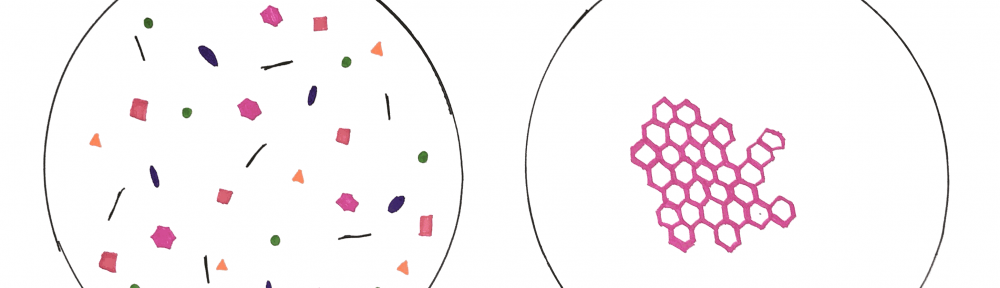
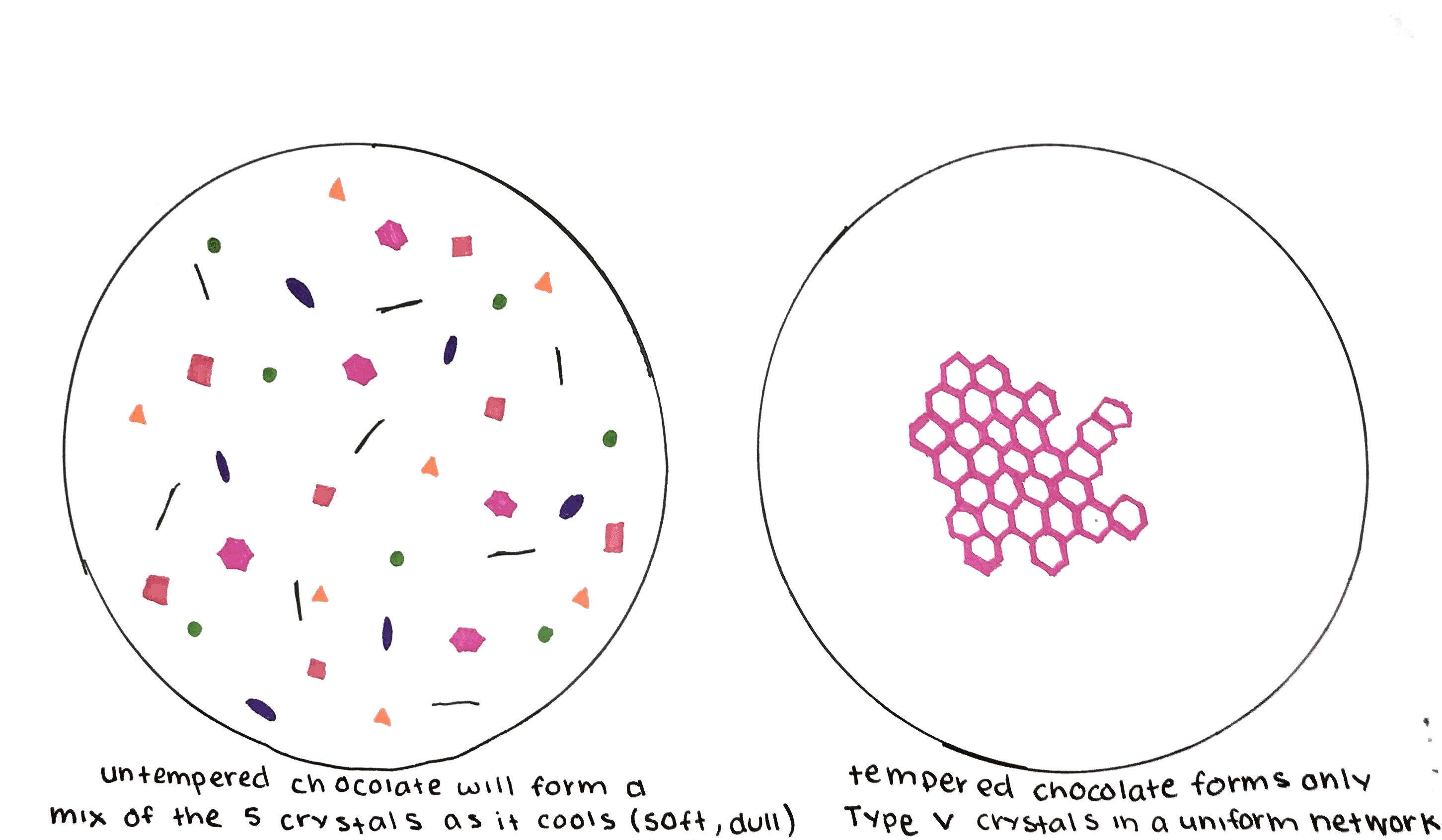
The word temper meaning to heat to make hard applies to chocolate by making it solid at room temperature and perfectly melted you begin to chew it. As a chocolate lover, you should be very appreciative of tempering because the cocoa butter can solidify into 6 different kinds of fat crystals, however only two of these structures produce a stable/hard chocolate that is palatable (McGee, 2004). To ensure that the ideal texture is achieved, tempering is needed.
Tempering generally follows a three-step process of heating the chocolate to dissolve the fat crystals, lowering the temperature slightly to form a new crystal structure, and reheating to dissolve all unstable crystals. This way you are left with only the desirable and stable crystals, which can then control the development of the crystal network upon the solidification of the chocolate (McGee, 2004). The stable cocoa butter crystals have a higher melting point meaning they form at a higher temperature than that of unstable ones. This follows the same principles of the method of slow-cooling crystallization where a rapid drop in temperature doesn’t provide the stable crystals with enough time to assemble before the unstable ones are already forming. Basically, the key to tempering is keeping the chocolate temperature below the melting point of stable cocoa butter crystals, but above that of unstable ones (this varies depending on the type of chocolate and the ratio of cocoa and milk fats).
Try it Yourself:
What you need:
candy thermometer
saucepan and glass bowl (or a double boiler)
milk chocolate
The Recipe (extracted from On Food and Cooking):
To temper the chocolate from scratch, heat it to 40-45°C to melt all crystals, and cool it down to around 27-28°C. Then either stir the chocolate as it cools further, until it thickens noticeably (an indication of crystal formation), or pour a portion onto a cool surface and scrape and mix it until it thickens, and return it to the bowl. Then carefully raise the temperature of the chocolate to the tempering range, 30-31°C, and stir to melt any unstable crystals that might have formed during the stirring or scraping.
References:
Kuwana, Ellen. “Discovering the Sweet Mysteries of Chocolate.” Neuroscience For Kids, Eric Chudler, 01 October 2010, faculty.washington.edu/chudler/choco.html.
McGee, Harold. On Food and Cooking: the Science and Lore of the Kitchen. Scribner, 2004.
Tomazincic, Sara. “Dessert Hungry.” Dessert Hungry, 06 October 2014, desserthungry.blogspot.com/2014/10/tempering-chocolate-caramel-and-almond.html.
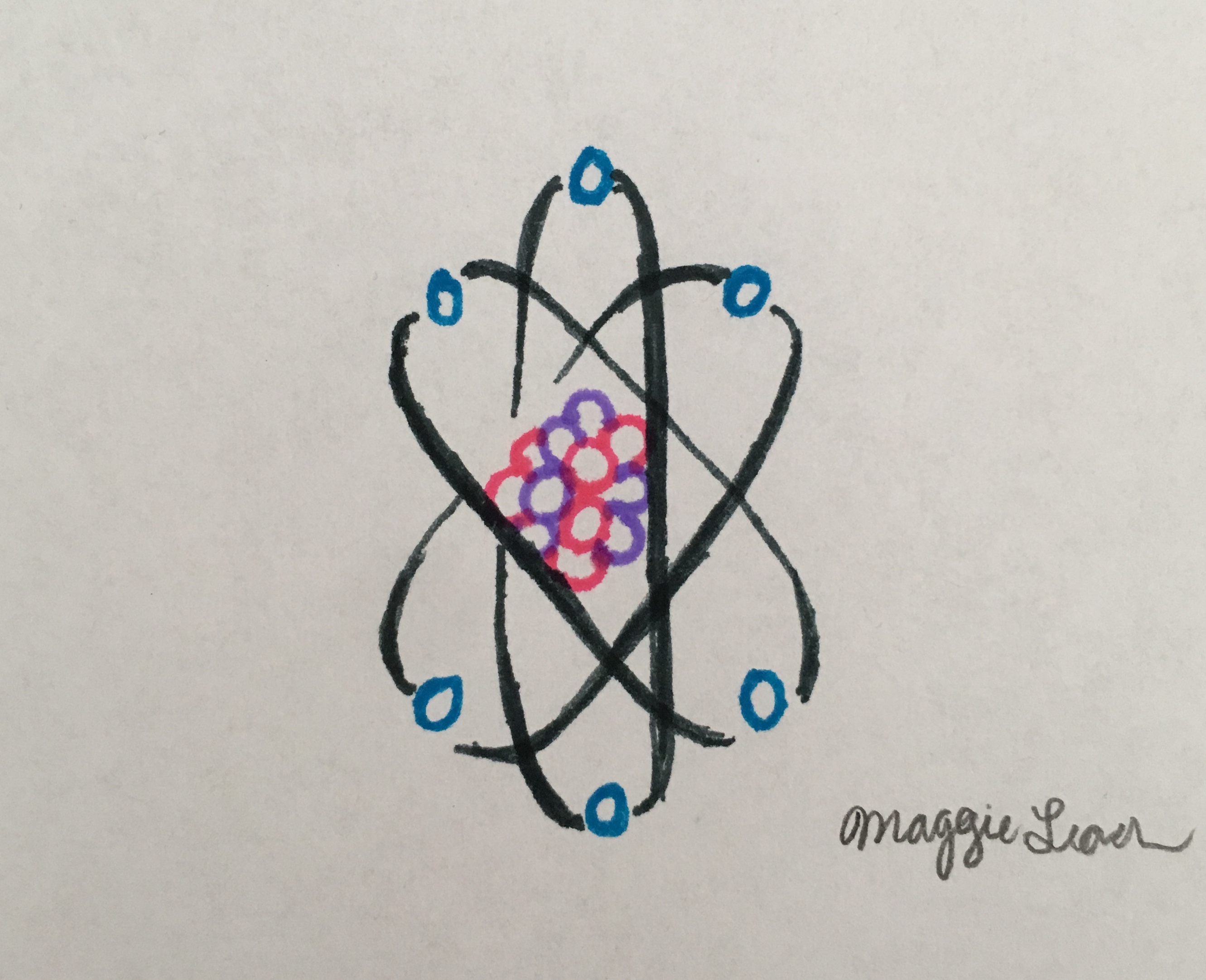
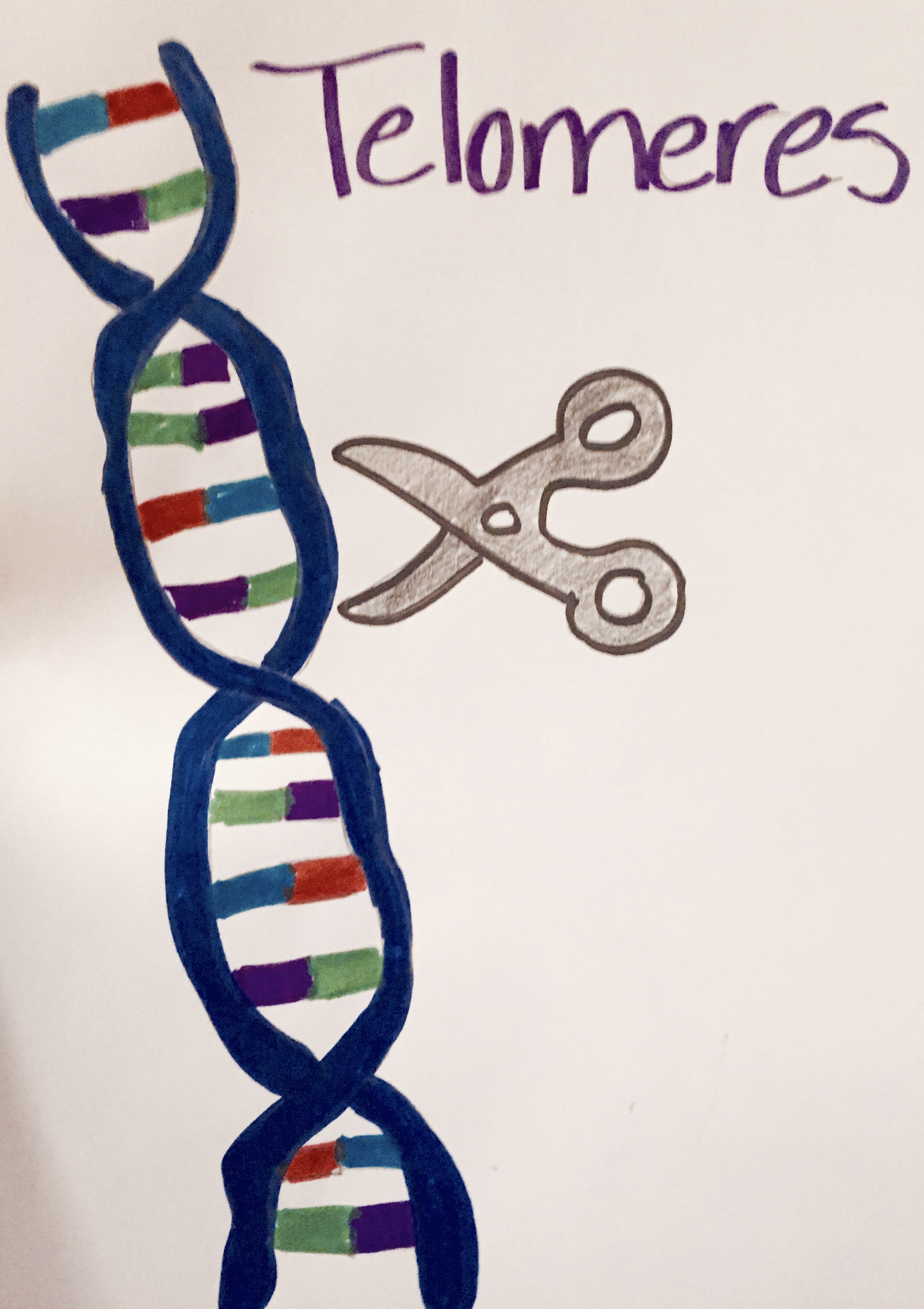
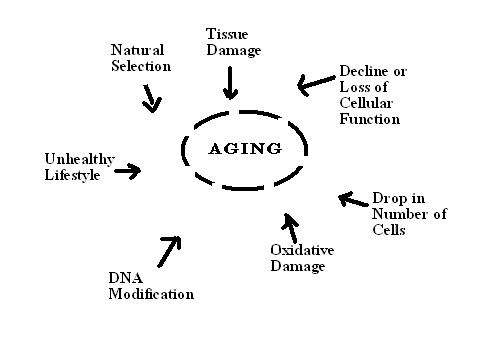
Many people are shocked when they find out that the concept of aging can be explained by genetics through telomeres. Telomeres are 8000-10000 nucleotide protective caps on the ends of strands of DNA. They protect the genome from degradation, repair and unnecessary recombination. In normal cellular processes, telomeres shorten with each cell division, but when the length reaches a critical limit, the cell stops dividing and most likely dies. Therefore, many scientists think that telomere length acts as an “internal clock” to determine the lifespan of a cell and organism.
Does this mean that if you prevent shortening of telomeres, cells won’t die?
In fact, research shows that this is what allows cancer cells to continuously divide and survive. Cancer cells contain human telomerase genes that code for an enzyme called telomerase. Telomerase regulates telomere length. This is a function that normal, non-cancerous cells lack.
Telomere research has been increasing in the past few years, along with research about cancer and aging. People are finding that the life span of cells can be increased experimentally by increasing telomere lengths, but are also connecting lifestyle choices with telomere lengths.
Scientists at the Stanford University School of Medicine have found a way to lengthen telomeres by as much as 1,000 nucleotides by using modified messenger RNA, that contains a coding sequence for the active component of telomerase. The scientists found that cells with lengthened telomeres were able to divide up to 40 times more than untreated cells. A professor of microbiology and immunology even said that this is a way to “[turn] back the internal clock in these cells by the equivalent of many years of human life.”
Outside of these methods to increase telomere length, research has also been done in how lifestyles with obesity, smoking, and stress affect telomere shortening. A researcher, Masood, has shown that obesity is associated with oxidative stress, due to the deregulated production of products by adipose tissue, that can further induce DNA damage and expedite telomere shortening. Another study in the medical journal Preventive Medicine, finds that people who have high levels of physical activity have significantly longer telomeres than those with sedentary lifestyles. Although the exact mechanism of this is unknown, it is predicted to also be tied with inflammation and oxidative stress over time.
Research in this area is ongoing, and it is believed that telomeres will provide significant breakthroughs in the areas of cancer treatments but also preventing aging.
References:
Shammas, Masood A. “Telomeres, Lifestyle, Cancer, and Aging.” Current Opinion in Clinical Nutrition and Metabolic Care 14.1 (2011): 28–34. PMC. Web. 26 Sept. 2017.
Jafri, Mohammad A. et al. “Roles of Telomeres and Telomerase in Cancer, and Advances in Telomerase-Targeted Therapies.” Genome Medicine 8 (2016): 69. PMC. Web. 26 Sept. 2017.
Brigham Young University. “High levels of exercise linked to nine years of less aging at the cellular level: New research shows a major advantage for those who are highly active.” ScienceDaily. ScienceDaily, 10 May 2017. <www.sciencedaily.com/releases/2017/05/170510115211.htm>.
Studies at the forefront of treating an array of neurological disorders are beginning to utilize an interesting choice of drugs as treatments: psychedelics. Researchers use a technique called microdosing with hallucinogenic drugs such as psilocybin, mescaline, and LSD to achieve desired responses for a variety of different disorders.
In people with depression, anxiety, or a combination of the two, experimental studies have been performed by administering psilocybin in a controlled setting, in effort to help the patient feel more connected to themselves and the world around them. Given that recreational users of psilocybin report having spiritual experiences and feeling connected to a higher power, it would stand to reason that, if the trip was a positive experience for medical users, there would be a greater level of connection to external stimuli and a decreased level of depression and anxiety– which was exactly what happened in a significant number of the trials.
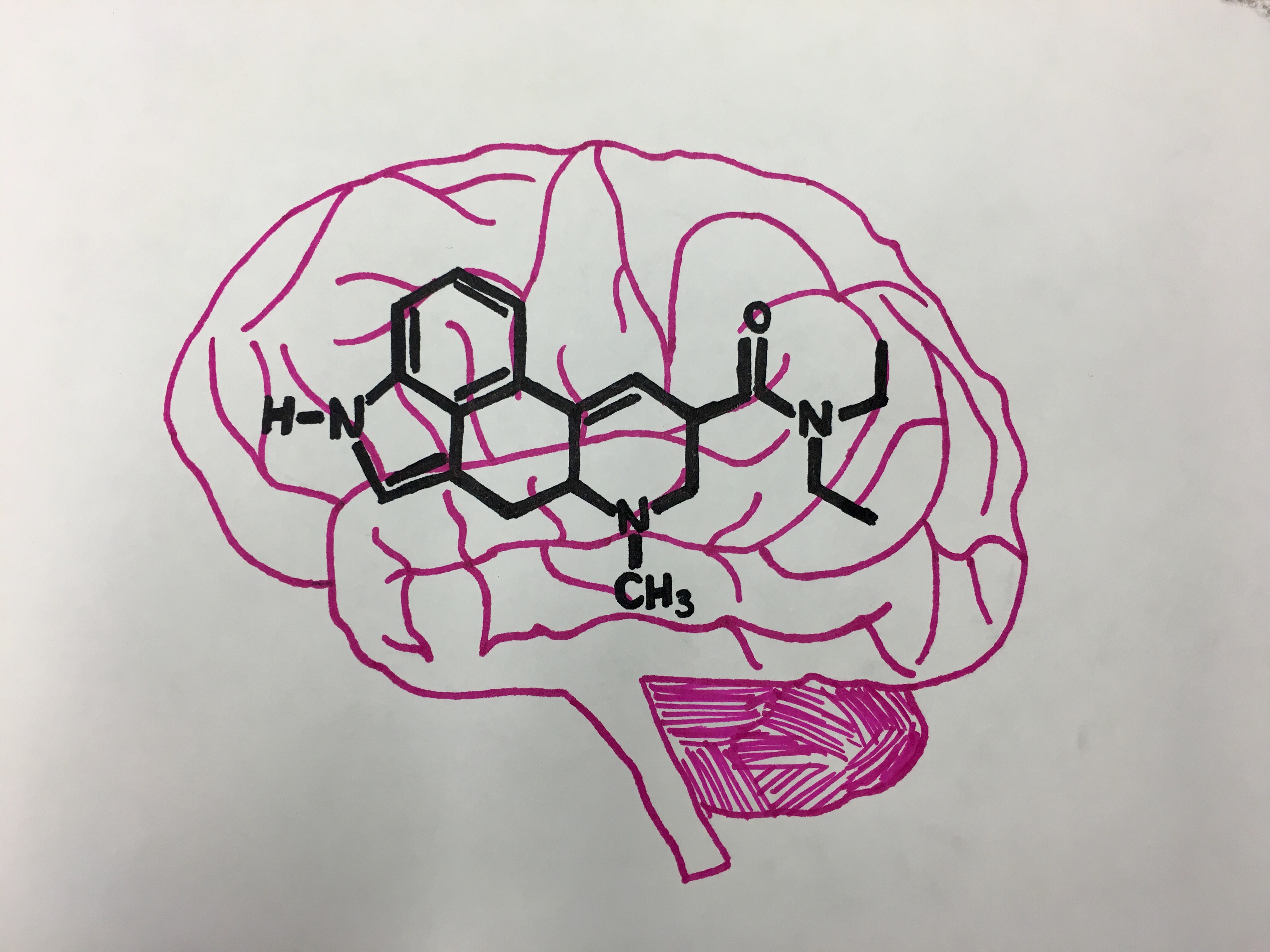
“Your Brain on LSD.” (get it? it’s a pun)
In a different realm, LSD has been used as controversial “treatment” for people with schizophrenia who experience visual or auditory hallucinations. Almost counterintuitive, right? Think of it in comparison to how Adderall or Ritalin works to help people with ADHD. When a person experiences a lack of focus due to intermittent hyperactivity, they are prescribed a stimulant– yes, a stimulant– that raises the dopamine levels in the brain to a consistent level, thereby omitting the ups and downs that cause attention problems. This is similar to the effects of microdosing LSD to a person with schizophrenia: by elevating their dopamine levels to a consistent level so the brain doesn’t “panic” in a sense, and spontaneously leap into hallucinations when it receives a massive influx of dopamine in its synapses. While the credibility of the experiment is limited, it is believed that the leveling of neurotransmitter can help to silence the excess noise in the brain caused by hallucinations.
Perhaps the most controversial trials for using hallucinogenics is in people with autism. Behavioral psychologists have previously taken to viewing autism as a disorder of self: people on the autism spectrum have some degree of difficulty connecting emotions to personal or interpersonal relationships, thus making it harder to comprehend others’ experiences. Because of the properties of psilocybin, LSD and mescaline that allow a person to make connections they traditionally do not make. The drugs simulate the neurological condition called synesthesia (where the brain has “crossed wires,” causing people to, for example, see colored shapes with certain noises, or taste colors associated with different foods) and thus introduces the ability of the brain to make connections that it previously may not have been able to comprehend. Between the development of neural connections and the feeling of oneness with the world, researchers hope to pioneer trials using these hallucinogenics as part of therapy treatments for people with autism.
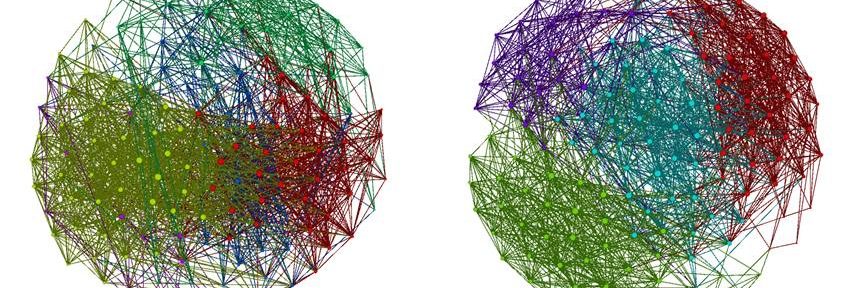
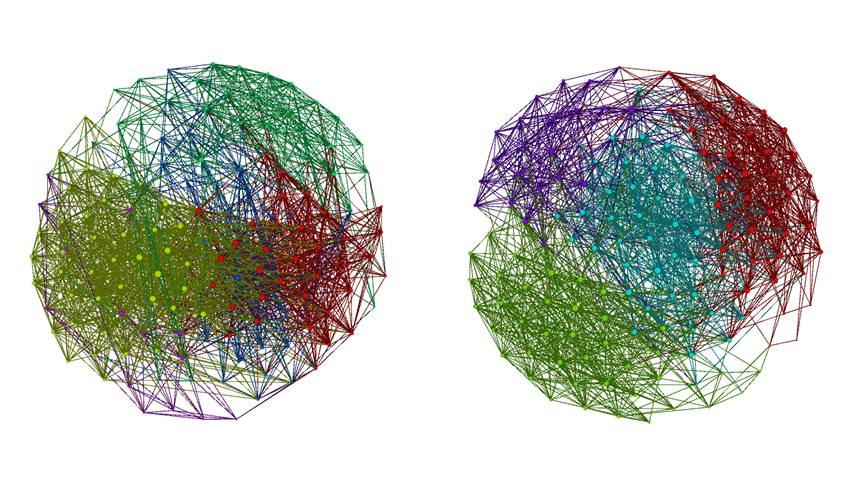
Brain network. Researchers use maps like these to illustrate connections within a healthy and “normal” human brain.
Obviously all the trials that have been done thus far have been limited in participants and resources, given that psychedelics and hallucinogenics are illegal in the United States and therefore very difficult to obtain clearance to run trials. However, the limited results seem promising. Several studies have had success in patients with depression, opiate addiction, alcoholism, and schizophrenia. Assuming that further testing can be performed in the foreseeable future, it is possible that we will have a new drug therapy option for some of the most challenging and prevalent neurological disorders.
References:
Ananthaswamy, Anil. The Man Who Wasn’t There. Penguin Random House, 2015.
Andrew, Danielle. “Psychedelics Could Be The Cutting-Edge Treatment We’ve Been Ignoring For Half A Century.” IFLScience, IFLScience, 13 Sept. 2017, www.iflscience.com/health-and-medicine/psychedelics-could-be-the-cuttingedge-treatment-weve-been-ignoring-for-half-a-century/.
Costandi, Moheb. “Psychedelic Drugs Return as Potential Treatments for Mental Illness | Moheb Costandi.” The Guardian, Guardian News and Media, 1 Sept. 2010, www.theguardian.com/science/blog/2010/sep/01/psychedelic-drugs-mental-illness.
Fisher, Gary. “Successful Outcome of a Single LSD Treatment in a Chronically Dysfunctional Man.” Successful Outcome of a Single LSD Treatment in a Chronically Dysfunctional Man, Bulletin of the Multidisciplinary Association for Psychedelic Studies, www.maps.org/news-letters/v09n2/09211fis.html.
Nye, Catrin. “Microdosing: The People Taking LSD with Their Breakfast.” BBC News, BBC, 10 Apr. 2017, www.bbc.com/news/health-39516345.
“Rapid and Sustained Symptom Reduction Following Psilocybin Treatment for Anxiety and Depression in Patients with Life-Threatening Cancer: a Randomized Controlled Trial.” Journal of Psychopharmacology, journals.sagepub.com/doi/full/10.1177/0269881116675512.
One month ago, my boyfriend and I went to Savannah for a visit. I’ve always heard there are a lot of nice little stores down pedestrian streets there. As a girl who has no resistance to delicate handicrafts, I couldn’t miss this great opportunity to buy something. Just when I was totally lost in those beautiful pictures and objects, my boyfriend dragged me to the corner of the shop with a mysterious smile. “Look!” He said while pointing to a sculpture. When I glanced at that direction, I couldn’t help exclaiming under my breath. It was a small sculpture of a child’s head. But “he” was so vivid that I almost believed that the two glass beads that made blue eyes on his face were real! Even my boyfriend refused to touch the sculpture because he was so terrified by its similarity to real person.
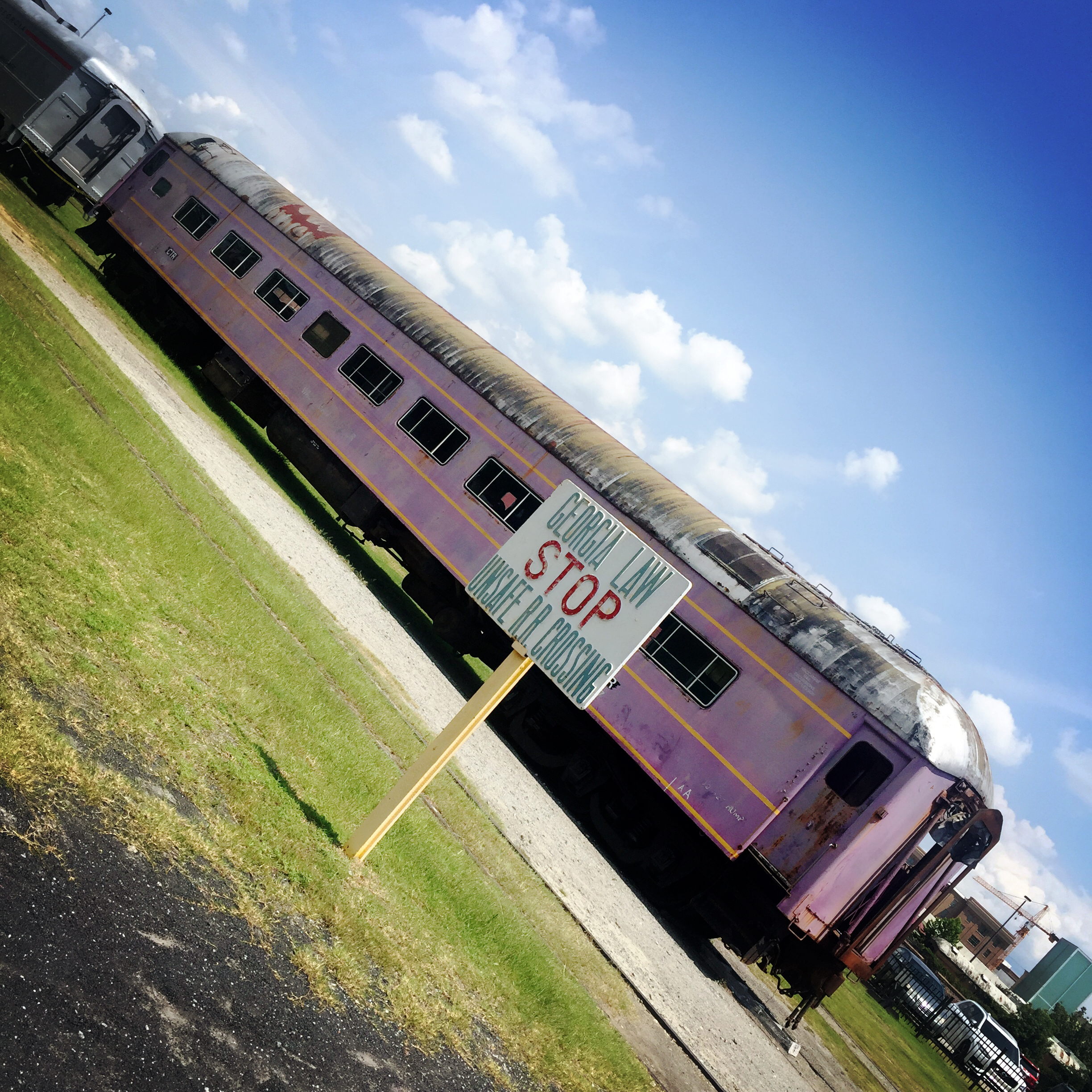
Savannah Railroad Museum
After learning about this hypothesis, I finally understand my fear of those creepy dolls, which are one of the most popular characters in scary movies. Also, this is why I don’t like mannequins and there are a lot of ghost stories about them, too. As a result,A lot of shops use mannequins that only have body or an abstract oval “head” without face features to make sure that customers will feel comfortable. It may explain why a lot of people have fear for clowns and why toy factories seldom design dolls that are totally the same as real people.
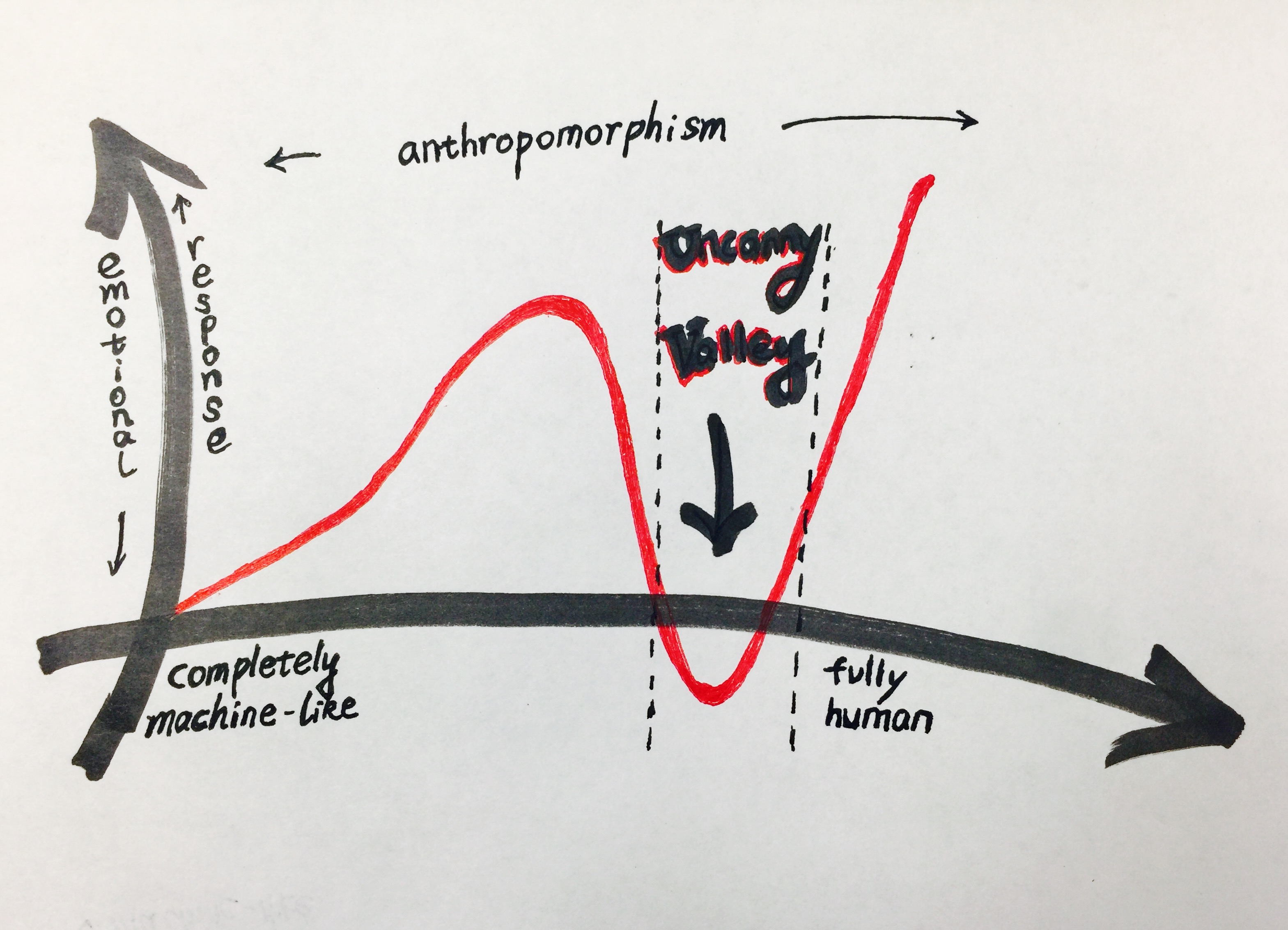
One classic example of avoiding uncanny valley is Disney cartoon movies. Disney has created many lovable cartoon characters like Pinocchio, Cinderella, and Snow White. Looking at these cartoon characters, we donot feel any revulsion, we actually have affinity for them. What’s more, most audiences were crazy about robot characters like Baymax, WALL-E and EVE. Their huge success also proves the importance of applying uncanny valley hypothesis. Because when the appearance of a robot is made more human, obervers’ emotional responses to the robot become increasingly positive and empathetic, until it reaches a point beyond which the response quickly becomes strong revulsion.
However, some people may still have questions. Why do we love those humanlike robots in TV series West World then? This is because the hypothesis also says as the robot’s appearance continues to become less distinguishable from a human being, the emotional response becomes positive once again and approaches human-to-human empathy levels. So the uncanny valley is actually a range between a “barely human” and “fully human” entity.
And according to research, reducing consistency in human realism increases the uncanny valley effect. What’s more, this effect was stronger when realism in the eyes, eyelashes, and mouth was low, just like the example in this picture.[2] people in second column have extreme big eyes, which elicit the strongest eerie and revulsion (or uncanniness) feelings in viewers among three columns.
There are a lot of hypotheses to explain the existence of uncanny valley. Some people believe that uncanny valley is the outcome of long-term evolution and is a typical emotional response of stranger avoidance theory. Avoiding unusual individuals is a way to protect ourselves. Humans sense and avoid those who look not normal because they seem unhealthy or might have a hereditary disease. As a result, when an object makes us feel it is neither human nor a typical robots we instinctively have feelings of aversion and fear.
Park in Savannah
But based on the evidence of other researchers, it seems that realism inconsistency theory is the best way to explain uncanny valley. Because this theory explains cold, eerie feelings elicited by transitions between instances of two different, mutually exclusive categories, given that at least one category is anthropomorphic: Cold, eerie feelings are caused by prediction error from perceiving some features as features of the first category and other features as features of the second category. What’s more, in principle, it can explain not only negative evaluations of transitions between real and computer modeled humans but also between different vertebrate species.[3]
Savannah Local Food
No matter which theory is right, we now understand that our uncomfortable feelings for nonliving things that seem human are a result of the uncanny valley. So if you are frightened by scary creepy doll movies or clown masks in the future, just tell yourself, it is all because of uncanny valley, totally science, no big deal and you will be fine.
Savannah trip
Work Cited
Ho, Chin-Chang, and Karl F. MacDorman. “Measuring the Uncanny Valley Effect.” International Journal of Social Robotics 9.1 (2017): 129-139.
MacDorman, Karl F., and Debaleena Chattopadhyay. “Reducing consistency in human realism increases the uncanny valley effect; increasing category uncertainty does not.” Cognition 146 (2016): 190-205.
MacDorman, Karl F., and Debaleena Chattopadhyay. “Categorization-based stranger avoidance does not explain the uncanny valley effect.” Cognition 161 (2017): 132-135.
Apollo 13 is perhaps one of the most well known of the Apollo missions, though it did not start out that way. Initially there was so little public interest in the mission that there were no live television interviews with the astronauts[1]. However, by the end of the mission, the entire world was paying attention. In fact, television coverage of the Apollo 13 splashdown surpasses any televised event in history up to that point including the first lunar walk of Apollo 11[1]. Despite the many complications and difficulties the mission faced, along with the fact that the astronauts never reached the moon, Apollo 13 was in many ways one of NASA’s greatest successes.
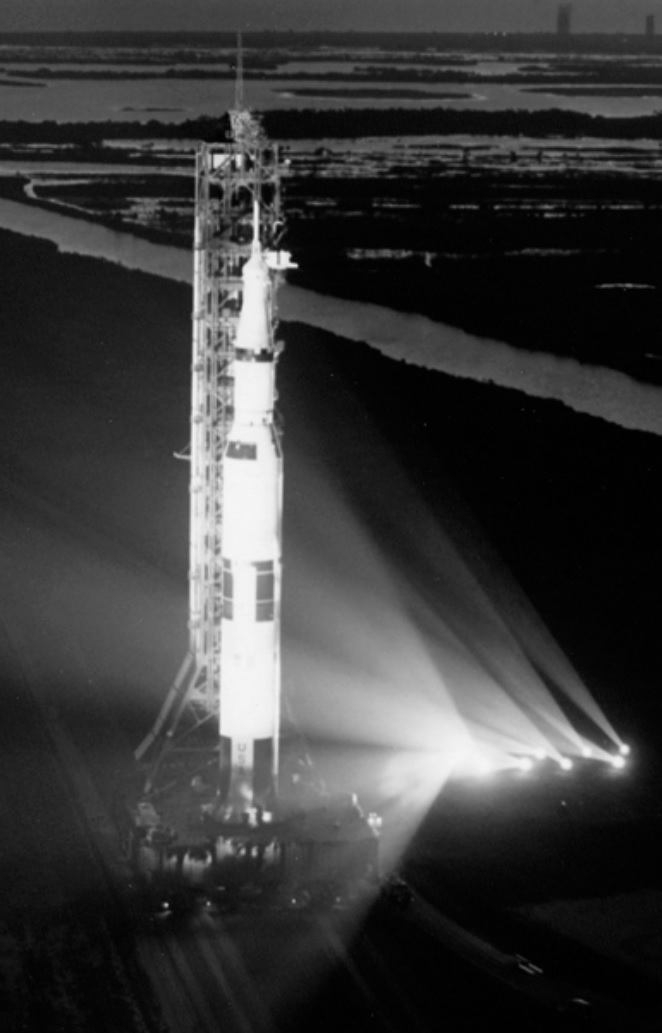
Apollo 13 launched from Kennedy Space Center on April 11, 1970 at 19:13:00 GMT (Greenwich Mean Time)[2]. The launch proceeded without any serious complications. After launch there were few noteworthy events until the accident that would effectively end the mission. At 55 hours 53 minutes ground elapsed time (GET), mission control temporarily lost all telemetry data for 1.8 seconds[2]. It was at this time that the warning system sounded and the crew heard a loud bang. Shortly after this, the crew reported that one of the cryogenic oxygen tanks was reading a pressure level of zero[6]. The oxygen tanks fed fuel cells which provided electrical power, generated oxygen for breathing, and produced water for the crew[6]. It soon became apparent that one of the oxygen tanks and three fuel cells, which powered the life support and other systems, had been lost[4]. The loss of this system was so severe that it quickly became evident that the new goal of the mission would no longer be to reach the moon, but instead simply to return the crew to earth alive[6].
After the accident the command module quickly began losing life support capabilities. In order the survive the rest of the mission, it was necessary for the crew to use the lunar module as a life boat of sorts[2]. The command module, which had been designed to be the major source of life support for the entire trip, only had 15 minutes of power left in its batteries while the crew was still three days from home. Without the fuel cells, the command module had no means of recharging its batteries, and the only source of power available were the batteries on the lunar module[3, 7]. At 58:40 GET the crew had powered up the lunar module, transferred the guidance system to the lunar module, and powered down the command module[2].
Having solved the first problem of providing immediate life support for the crew, the next issue that needed to be addressed was the crew’s trajectory. Earlier in the mission, the crew had performed a maneuver to lower the spacecraft’s approach to the moon[2]. Before this maneuver, the crew had been on a direct return to earth, but now the crew would miss earth entirely if they did not fire the retrorockets on the service module and jettison the lunar module[4]. Firing the retrorocket would be extremely dangerous without knowing the full extent of the damage, and releasing the lunar module was not an option as it was their only source of life support at the time. Another problem that the crew faced was that they were unable to determine their alignment due to the fact that the the lunar module was not meant to be used for calculating alignment and because debris still floating around the ship made it difficult to determine which stars were debri and which were real[6]. Without being able to determine their alignment, NASA could not determine the exact direction and burn time necessary to return them to a safe trajectory. The decision that was ultimately reached was to use the lunar module’s descent engine to put the crew back on a free return trajectory which would land them in the Indian ocean without any further corrections[4]. Another correction was planned for two hours after passing the moon. This second maneuver would get them back to earth faster and adjust their trajectory to land in the Pacific were the main recovery forces were stationed[2]. In order to solve the problem with alignment NASA figured out a way to determine alignment using the earth, moon, and sun through a telescope on the lunar module[6]. A procedure which had never been done or tested before. Both of the corrections were completed without incident and the crew only needed to make two small midcourse corrections to stay on the intended trajectory[4].
Having solved the crew’s immediate problems NASA now had to figure out how to stretch the crew’s resources to last the length of the mission. The most important consumables were water to cool the lunar and command module systems, drinking water, breathing oxygen, lithium hydroxide cartridges which were used to remove carbon dioxide from the air, and power stored in the lunar and service module batteries[2]. While it appeared all of these supplies were critically low immediately following the accident, the engineers at NASA managed to stretch them enough that by the time the crew landed there were several hours of each consumable left[2]. Oxygen for breathing and water for drinking were simply taken from the stores on the command module. Most of the rest of the consumables were saved by not using power in the lunar and command modules when not performing a maneuver, except those that were necessary; life support, communications, and telemetry[6]. This extended the crew’s recourses past what they needed including providing enough energy to recharge the command module’s batteries which were required for re-entry[6]. While the power down conserved necessary resources it came at a price. The temperature in the cabin was only 38oF and having no hot water to rehydrate the crew’s meals meant that all their food was also cold[6].
Having ensured that the rest of the consumables would last at least the length of the mission, the next step was to find a solution for the lithium hydroxide cartridges. These cartridges filtered carbon dioxide through them to remove it from the atmosphere and prevent the crew from suffocating. There were not enough cartridges in the lunar module to last the length of the mission and the modules from the command module did not fit the filter in the lunar module[6]. NASA eventually figured out a way to build an adapter for the cartridges using nothing but materials the crew had at hand. Mission control read the instructions up to the crew and the crew assembled the adapter out of cue cards, plastic bags, and tape[6].
The crew turned the systems in the lunar module on three hours ahead of schedule, in order to warm up before the arduous task of preparing for reentry[6]. Before the crew had to detach the lunar module. The crew climbed out of the lunar module and into the now fully powered command module. Since the command module had no thrusters to control push or pull, the crew simply fired pyrotechnics to detach the lunar module and let escaping pressure propel it away from the command module[6]. The crew watched as the lunar module, the lifeboat that had saved their lives, drifted off. Not designed for reentry, the module burned up in the atmosphere as it fell to earth, though some of the pieces survived and landed in open sea near Samoa and New Zealand[2].
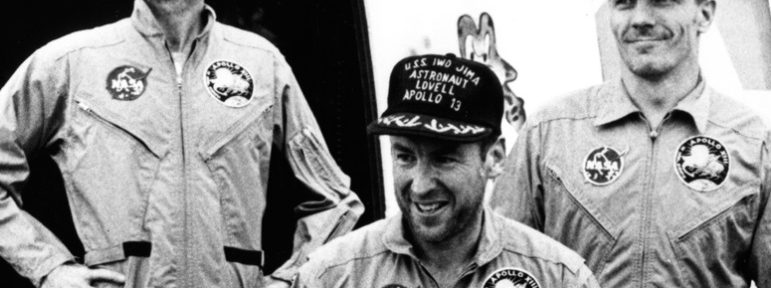
The command module entered earth’s atmosphere 142 hours and 40 minutes into the mission with a velocity of 36,210.6 ft/s[2]. Mission control lost communication with the crew for roughly three minutes due to the incredible friction generated from re-entry, which interfered with their signal[6]. The command module had three large parachutes which slowed the crew down so they splashed down at safe speeds[6]. This system worked without any problem and on April 17 at 6:07:41 GMT the crew splashed down only about 3.5 nautical miles from the recovery ship, the USS Iwo Jima[2]. The crew was in good condition on board the USS Iwo Jima within 45 minutes of splashdown[4].
References
[1] J. Kauffman, “A successful failure: NASA’s crisis communications regarding Apollo 13,” Public Relat. Rev., vol. 27, no. 4, pp. 437–448, 2001.
[2] R. Orloff and D. Harland, “Apollo 13: The seventh manned mission: in-flight abort 11–17 April 1970,” in Apollo, Springer New York, 2006, pp. 361–392.
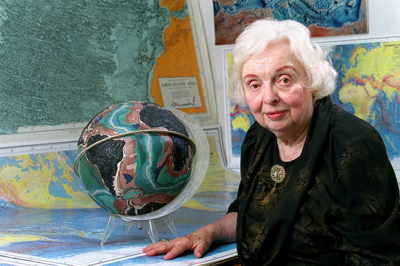
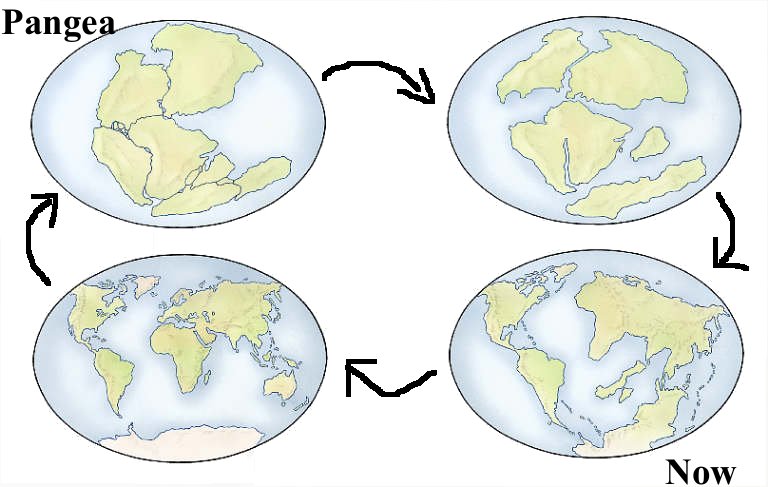
You’ve all heard about the theory of continental drift, right? You’ve heard of Pangaea and how the tectonic plates move around? This is something I remember learning about in elementary school and have always thought of as a theory that has been accepted universally for hundreds of years or so. When we look at world maps, it’s so obvious that the continents would fit together like a puzzle. I recently learned on a visit to Columbia University about the work of Marie Tharp, a woman who worked at the university and made breakthrough ocean floor mapping discoveries that started this theory.
A simple model of the supercontinent Pangaea turning into the 7 continents we have today via continental drift
Marie’s map wasn’t published until 1959. This was one year after my father was born. He was born into a world that didn’t know about tectonic plate movement or that the seven continents used to be one big continent. To me that’s like being born into a world where most people still think the Earth is flat. In addition to Marie’s work dramatically improving human knowledge of the Earth, her work was impressive because she did it during a time that belittled any ground breaking work done by a female. Whether people realize it or not, she drastically changed the way we understand the Earth and the way people look at the work of females.
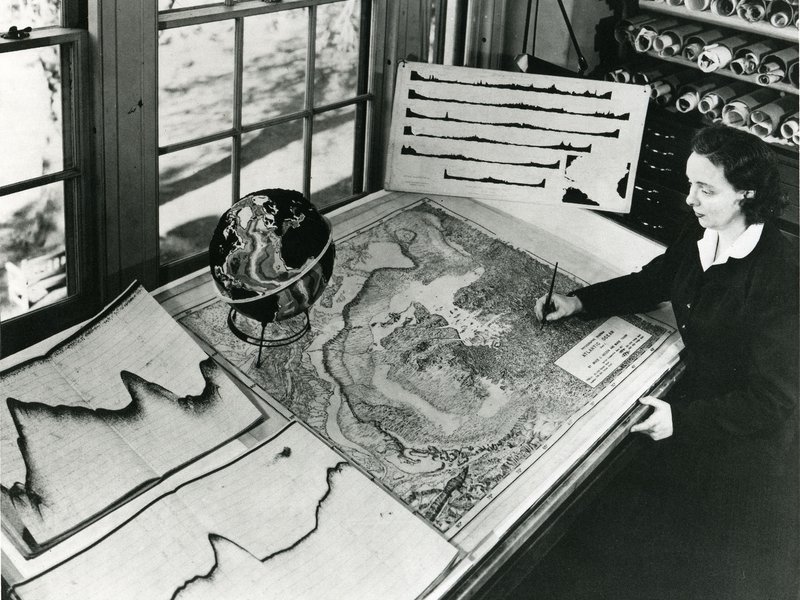
As a female researcher who wants to get my PhD and spend the rest of my life studying the Earth, I find it hard at times just to motivate myself to keep going down this path of endless studying, reading, and working. I realize my struggles are trivial compared to Marie’s. She conducted great science all while battling sexism. Before 1970, women made up less than 4% of all doctorate earth scientists, as they were discouraged from studying geoscience. Despite society telling her to pursue other work, Marie did what she could to contribute to geoscience. She worked as a drafter at Columbia University. Because she was not allowed on the ships that were gathering data in the field, she stayed in New York where the men would send the data they were collecting from the ship. The men on the ship, which set sail in 1953, were collecting sonar data to determine how deep the ocean floor was and to understand ocean floor topography. At the time, they assumed the ocean floor was flat because they had no data to believe otherwise.
Marie hard at work turning sonar data into a map of the ocean floor
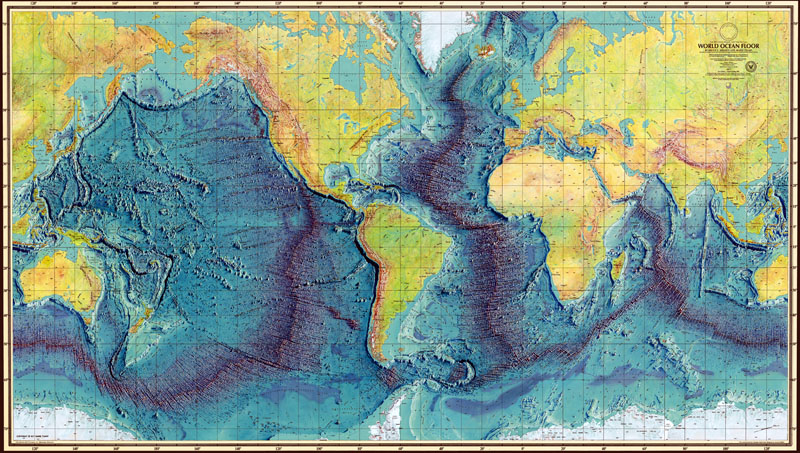
The ship spent years sailing around the world and sending data to Columbia. Marie spent just as much time back in New York crunching the numbers and turning the data into a map of the ocean floor. Because this was a time before computers, Marie mapped out each point by hand. Her first major discovery was the giant rift valley down the bottom of the Atlantic Ocean–what is now called the mid-Atlantic ridge. This had never been previously discovered but is now known as the fault line where the Eurasian and North American tectonic plates are pulling apart. As she continued to draw out the data, she saw more of these large topographic features on the ocean floor. When Marie completed the map, she showed it to the men that were on the ship and they dismissed the theory of continental drift as “girl talk” and refused to believe that she analyzed the data correctly. A few decades earlier, Alfred Wegener proposed the idea of continental drift but it was largely rejected due to lack of sufficient data. Even now, with a map of ocean topography showing robust evidence for continental drift, the theory was still rejected because the evidence was proposed by a woman.
Marie was forced to check and recheck her work for months due to their pessimism of the quality of her work. It was not until over a year later that people started to accept her map and her theory, when seismic data was collected at the bottom of the Atlantic Ocean supporting her map of the mid-Atlantic ridge. By 1959, the map was widely accepted and published. However even when her map was accepted, she was largely cheated out of credit for her work. The collectors of the sonar data were the primary owners of the map, with Marie receiving partial credit for her years and years of analysis and mapping. Not only did she solely calculate and draft the topographic data, but she was responsible for igniting the acceptance of the theory of continental drift. She revolutionized the way we see the Earth today, yet received minimal credit, pay, and status in the scientific community.
Only within the last few decades has Tharp been credited for her significant contributions to geological sciences. Her name is now the primary author on most ocean bathymetry maps, as it should be. These maps are seen all over the world and are used to understand tectonic plate dynamics, predict earthquakes, and so much more, to better understand both the past and future of our beloved planet Earth.
The final published version of a Marie Tharp ocean bathymetry map