Category: Articles

  • Sleeping Position Matters

    Sleeping Position Matters

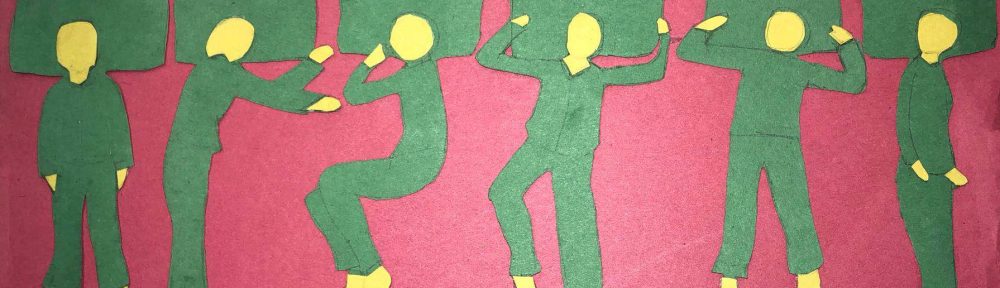
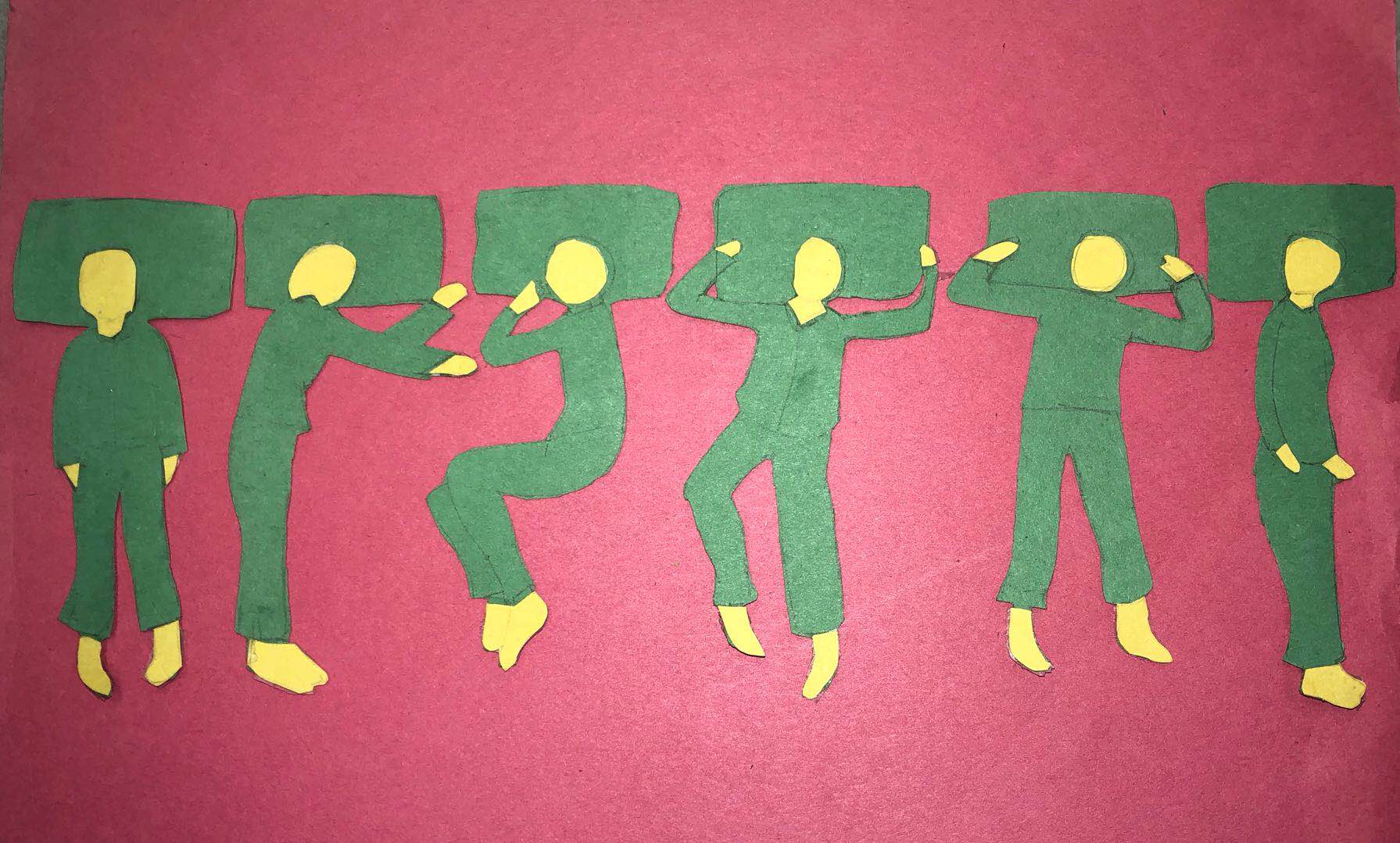
    When I woke up today, I found that my neck and shoulder were extremely sore. I was totally fine last night before bed and I didn’t have any strenuous exercise yesterday.  I started to think that maybe sleeping position matters. Everyone has a favorite sleeping position, but what are the pros and cons of your favorite ones?

    WechatIMG159

    Face down is my favorite sleeping position, but it is actually this position that caused my neck and shoulder soreness. The prone position prevents the relaxing of the spine and also adds extra forces to muscles and joints. These extra forces make us feel very sore, numb or even tingly at some parts of body. The  prone position is especially dangerous for babies  According to a research study from Tasmania, Australia, the major contributing factor to the recent SIDS rate decline in Tasmania has been the reduction in the proportion of infants usually sleeping prone. [1] What’s more, a study about occurrence and mechanisms of sudden oxygen desaturation in infants who sleep face down had a conclusion that rebreathing in prone sleeping infants is associated with an increased frequency of episodic desaturations. Desaturation may result from respiratory pattern changes such as brief apneas often associated with evidence of behavioral arousal or failure to increase ventilation in the face of rising inspired carbon dioxide, also associated with behavioral arousal. [2]

    WechatIMG157

    The lateral position is also a common sleeping position of mine. In contrast to prone, lateral position is good for our spine since it ensures the extension of spine. What’s more, lateral position is also good for people who are struggling with sleep apnea. A experiment about effect of sleep position and sleep stage on the collapsibility of the upper airways in patients with sleep apnea showed that The results indicate that collapsibility of the upper airways is not mediated by sleep stages but is strongly influenced by body position. As a consequence lower nCPAP pressure is needed during lateral positions compared to supine positions. [3]

    WechatIMG158

    Supine position is the easiest but the most uncommon position for me. So I was surprised to find that supine position actually has advantages for preterm infants. A experiment about the effect of prone and supine position on sleep,apneas and arousal in preterm infants concludes that it is important to recommend supine sleeping after neonatal unit discharge for prematurely born infants because very prematurely born infants studied before neonatal unit discharge sleep more efficiently with fewer arousals and more central apneas in the prone position. [4]

    WechatIMG156

    Citation

    [1]Dwyer, T., Ponsonby, A. L., Blizzard, L., Newman, N. M., & Cochrane, J. A. (1995). The contribution of changes in the prevalence of prone sleeping position to the decline in sudden infant death syndrome in Tasmania. Jama, 273(10), 783-789.

    [2]Patel, Aloka L., et al. “Occurrence and mechanisms of sudden oxygen desaturation in infants who sleep face down.” Pediatrics 111.4 (2003): e328-e332.

    [3]Penzel, Thomas, et al. “Effect of sleep position and sleep stage on the collapsibility of the upper airways in patients with sleep apnea.” Sleep 24.1 (2001): 90-95.

    [4]Bhat, Ravindra Y., et al. “Effect of prone and supine position on sleep, apneas, and arousal in preterm infants.” Pediatrics 118.1 (2006): 101-107.

  • Rethink Your Workout

    Rethink Your Workout

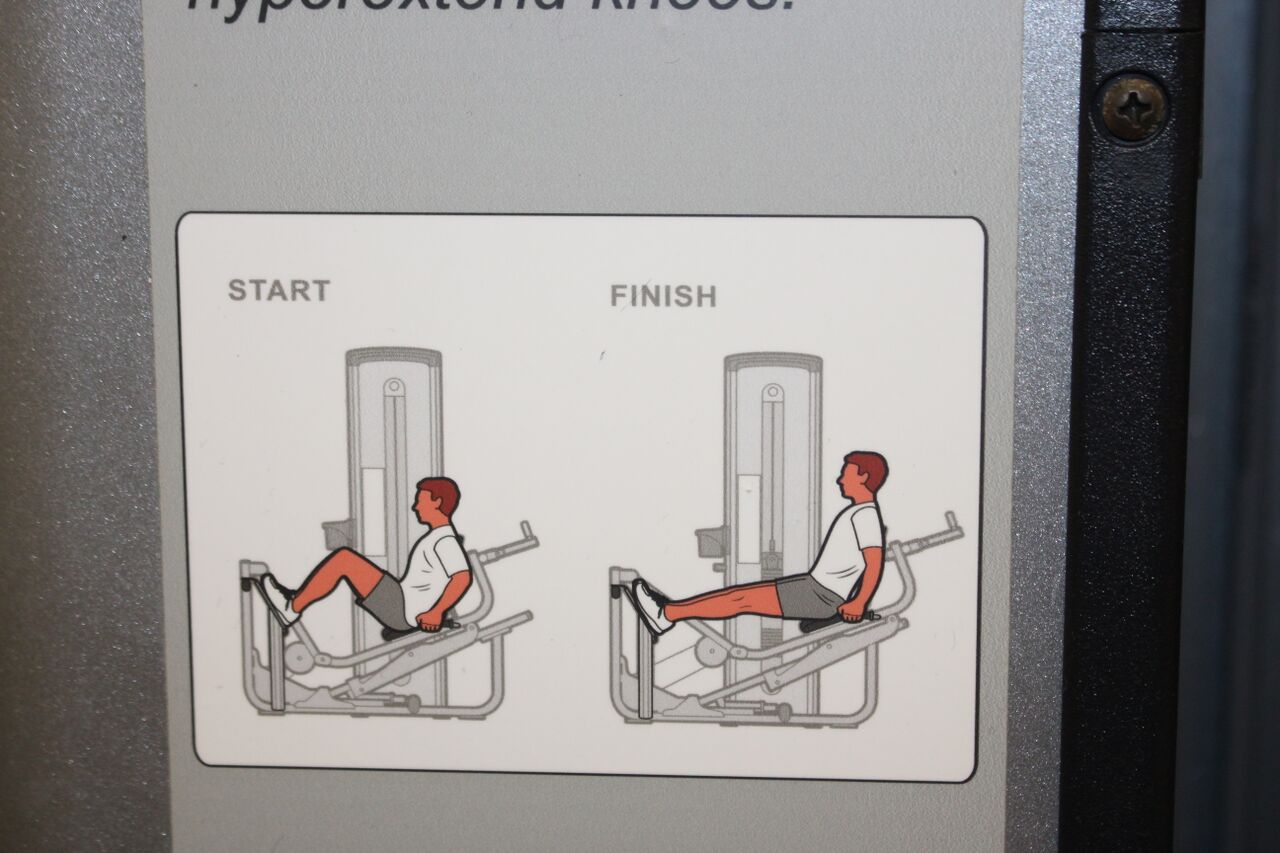
    Would you believe me if I told you that you didn’t have to spend countless hours in the gym daily to see results? Well, it true. Statistics show that more 80% of people do not get enough physical exercise to meet health guidelines. Why? Time and Inconsistency. However, introducing slow-motion strength training to your lifestyle once or twice or week for  at least 20 minutes has been proven to help improve fat loss and improve cardiovascular health.

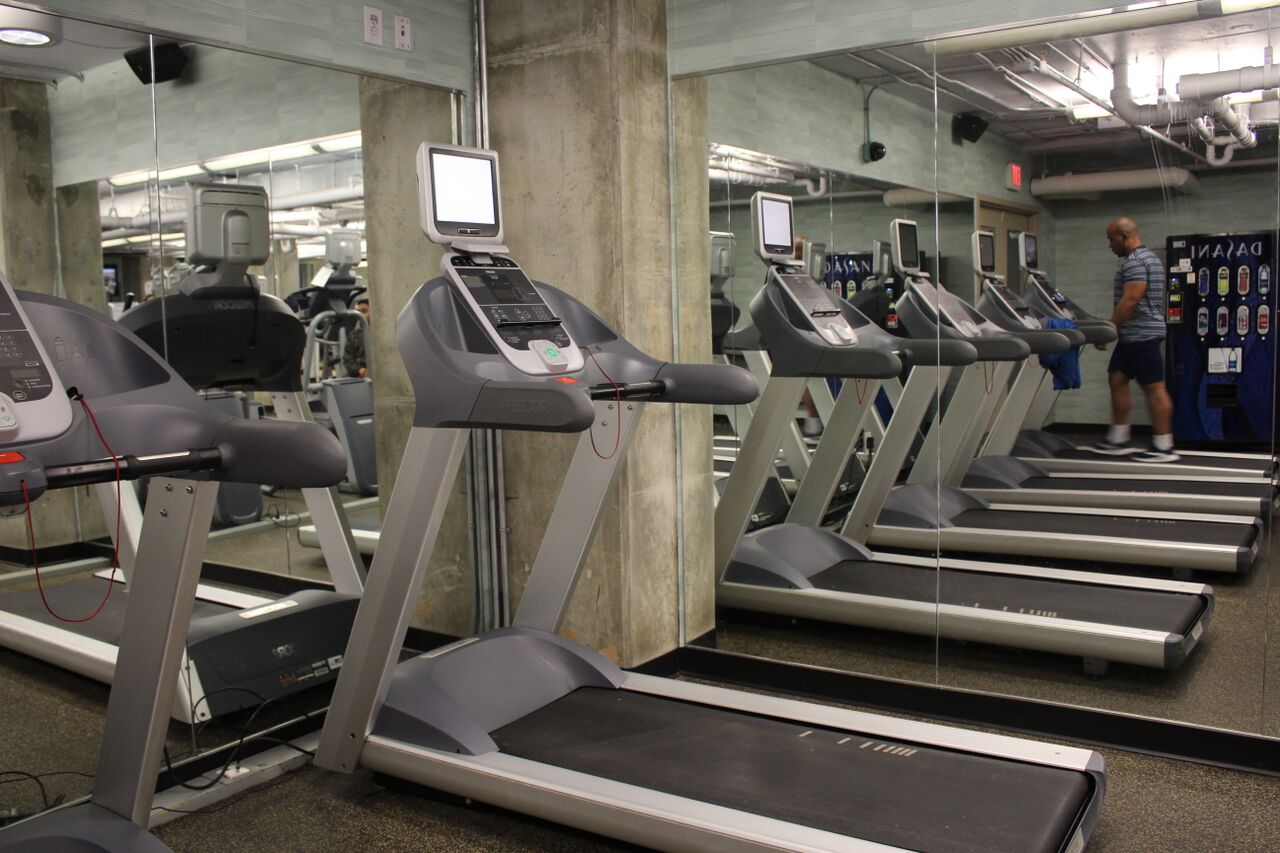
    I’m sure you’re wondering why slow-motion strength training and not aerobics. Slow motion strength training focuses on intense muscle training for a brief period of time to stimulate the best resulttreadmills from the muscles. Essentially, slow motion strength training focuses on putting as much stress on the muscles as possible following days of rest. The human body needs enough time to recover and grow stronger between weight training, which is why many people fail to see results due to over working their muscles. Sometimes more is not better.

    Researchers conducted an experiment with untrained men and women who trained two to three times per week for eight to 10 weeks on a 13 exercise Nautilus circuit performing one set of each exercise. Participants exclusively trainIMG_2901_previewed using regular speed repetitions for 8 to 12 repetitions per set at 7 sec each (2 sec lifting, 1 sec pause, 4 sec lowering) or a Super Slow training protocol where they completed 4 to 6 repetitions per set at 14 sec each (10 sec lifting, 4 sec lowering). All of the participants were tested for either the 10 repetition-maximum (RM) weightload (regular-speed) or the 5-RM weightload (slow-speed group).

    The results indicated that slow-motion strength training caused about 50% greater increase in strength for both men and women than regular speed training. Hence, if you do slow motion strength training, maintain and healthy diet, and drink a substantial amount of water, research shows you will see results.


    Westcott, W. L., Winett, R. A., Anderson, E. S., & Wojcik, J. R. (2001). Effects of regular and slow speed resistance training on muscle strength. Journal of sports medicine and physical fitness, 41(2), 154.

  • What’s behind your screen?

    What’s behind your screen?

    chargedarticleartwork

    One of the most popular displays today is an LCD display. They come in televisions, computer monitors, phones, and more, but do you know that chemistry and physics are the fundamental to create these screens?

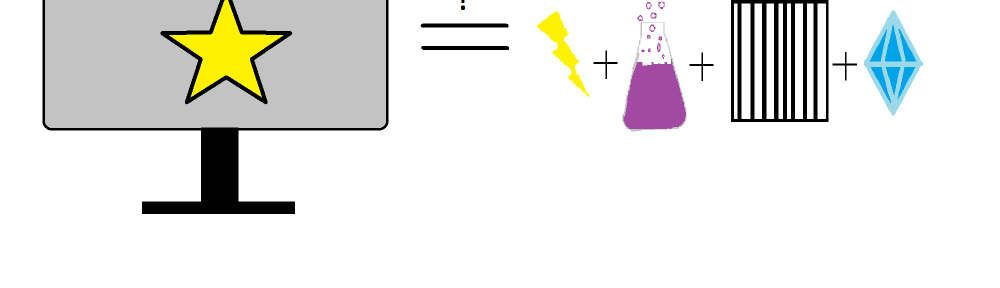
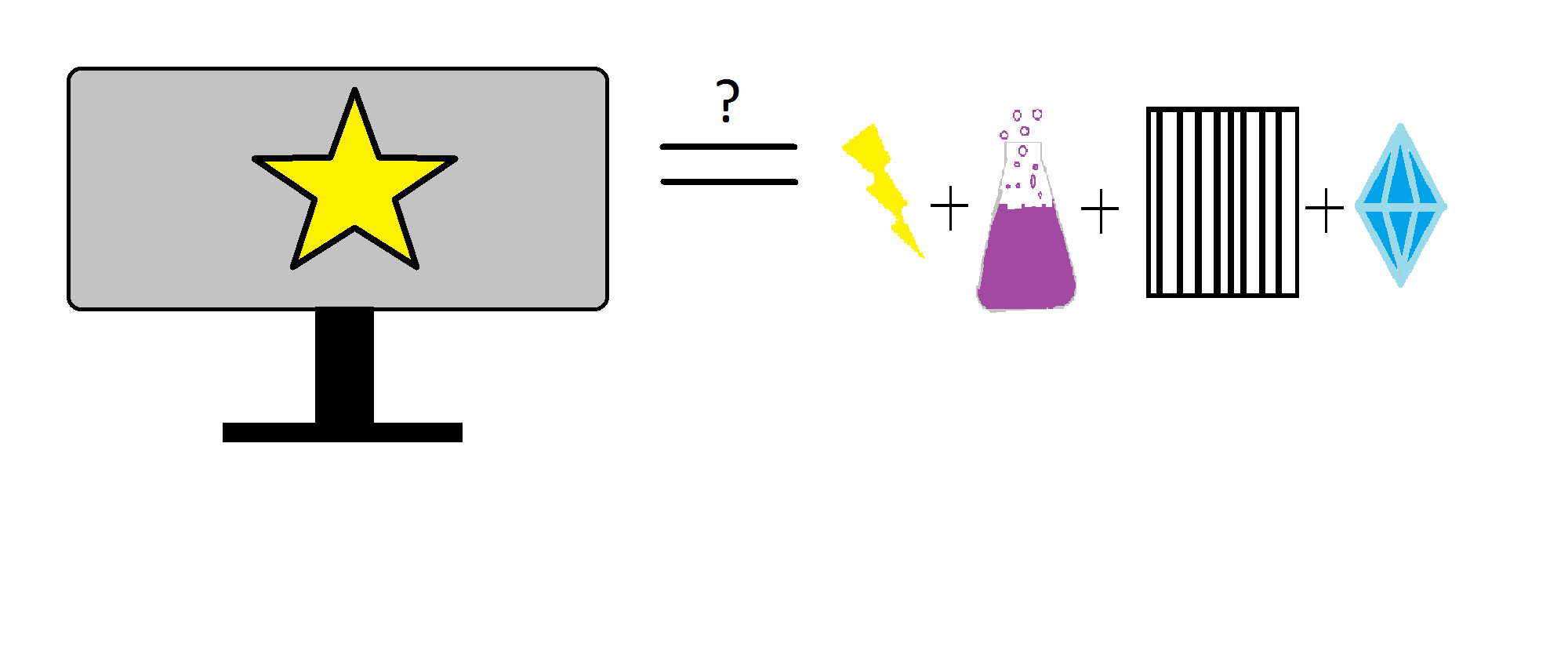
    LCD stands for Liquid Crystal display and were used to replace Cathode Ray Tube displays because the CRTs were too bulky making televisions and computer monitors huge. Inside of an  LCD display there are multiple layers: a thin filmed transistor, an electrode pattern, a liquid crystal and some level of polarization.

    The thin filmed transistor is a very specific form of glass known as Borosilicate glass, made up of around 13% boron trioxide and around 80% silicon dioxide. Its physical properties due to its compound make up allows the glass to be more shock resistant and heat resistant than your average piece of glass. The electrode pattern uses metals like copper and titanium to transfer electrons. The polarizer mainly works with filtering light. Previously, light was just projected onto the television. Now a polarizer filters light waves by direction reducing the amount of power required to use a lit up display. It also allows for smooth picture transition. Finally the liquid crystal is used to produce the crisp look of an LCD screen. This crystal starts out as a liquid and when it comes into contact with the average atmospherics on the surface of the earth, this liquid crystallizes, like a spiders silk. It has the unique ability based on its shape and structure to show or not show various light rays. The polarizer prepares the light for this liquid crystal making its job possible.

    So there you have it, now you know whats behind that magic box in your living room!

  • Get Ready for Earth Day!

    Get Ready for Earth Day!

    vip cover 2

    The Earth’s core is red

    The oceans are blue

    We’d like to keep it that way

    And you can help too!

    In preparation for Earth Day here are 5 ways you can help the cause and save the planet.

    1. Educate yourself on the threat plastics pose to the environment and animals that live there.
    2. Find your local recycling center and check out all the things that CAN be recycled you may not have known about.
    3. Organize a stream clean-up.
    4. Donate to organizations that contribute to environmental efforts.
    5. Support legislation that benefits the environment.

    Plastics:

    http://science.sciencemag.org/content/304/5672/838

    http://derraik.org/resources/Publications/003.Derraik_2002-Mar_Poll_Bull.pdf

    Recycling:

    http://www.iwanttoberecycled.org/search

    http://www.wm.com/thinkgreen/what-can-i-recycle.jsp

    Clean up events:

    http://createthegood.org/toolkit/clean-river

    Organizations to donate to:

    https://www.theoceancleanup.com/

    http://www.surfrider.org/programs/rise-above-plastics

    Stay up to date with legislation involving environmental issues:

    https://www.epa.gov/laws-regulations

    Make a difference in environmental legislation in your area:

    https://publicaccess.zendesk.com/hc/en-us/articles/212071687-Does-EPA-handle-all-environmental-concerns-

  • Scientific Glassblowing

    Scientific Glassblowing

    Ever walk by an organic chemistry teaching lab and wonder why people were standing behind blowtorches looking frustrated?

    First week of my senior year, I actually walked into that classroom.

    In this class we learned a lot about organic and inorganic synthesis, lab techniques, and how to really think like chemists. It was much less structured than previous classes so a lot of times things wouldn’t go as expected and we had to troubleshoot the problems. These are all skills I expected to learn sometime in my Georgia Tech chemistry education, but there was one skill I never anticipated needing to master before graduation: glassblowing.

    I don’t know why it never occurred to me that scientific glassblowing was a profession or even a position that universities frequently kept on staff but it didn’t. And that first day of class they announced a semester-long project where we would have to create 3 glass pieces for a grade.

    At first we all shrugged, watched the demonstration, decided it didn’t look too difficult and gave it our first try. I’ve always considered myself a fairly artistic person so I figured it would be an easy grade buffer for what was shaping up to be a very difficult class. Boy was I wrong. The glass melted and curled in ways we didn’t expect, getting the right gas/oxygen ratio to have the right flame shape and heat was impossible, people burned themselves left and right and nothing we made came out to look anything like the simple demonstration she gave us. Frustrated and burned, the 10 of us muddled through the 4 hour demonstration and practice session with the professional glassblower and when she finally left we looked at our TAs in horror and asked, “will we need to be able to do this well if we ever want to be chemists?”.

    tjoint1

    (10th attempt at a T-joint)

    Their response? Laughter. What did we expect. They probably go through this every year with the new crop of students.

    They told us that we wouldn’t need to be able to do this perfectly or really make custom glassware on a regular basis in order to be chemists. However, custom glassware was occasionally needed for experiments and one big point of the assignment was that we would then have an appreciation for what is and is not possible in glassblowing and just how difficult whatever we design would be to make. They also told us that even though as chemists we probably would never have to blow something as complicated as a Shlenck line ourselves, there is a very good chance we may need to have two pieces of glassware fused or a crack repaired and being able to quickly repair it yourself instead of waiting for a glassblower to get to your piece in a long line of work can be important to the success of a project up against a deadline.

    So we worked on creating our three pieces: an ampule, a T-joint, and a straight seal. They didn’t have to be pretty but the ampule needed to be air-tight and all of the pieces had to be worked out to the point where you couldn’t tell they were once separate pieces of glass.

    At the end of the semester, they loaded our ampules with [Co(NH3)5(ONO)]Cl2, a compound that changes color with prolonged air exposure, and had us seal them. Then we turned in our straight seals and T-joints.

    Long story short? Glassblowing is much harder than I ever thought it would be. I will probably never have to do it on a regular basis, but this was an incredibly fun, if somewhat stressful, skill to have the opportunity to develop. And if I ever need to seal something airtight I’ll know how!

  • Coffee and Caffeine

    Coffee and Caffeine


    IMG_2285

    Arguably the most important beverage in a student’s life, coffee offers a boost of caffeine and focus when the productivity comes to a halt. This article is going to give you a taste of what’s inside that addictive cup of jo[y].

    Where does it come from?

    The coffee bean dates back to the 14th century when it was reportedly first roasted, ground, and infused in East Africa (the native area of the coffee tree). Despite the coffee tree’s successful migration to other countries with subtropical climates, African countries remain responsible for approximately a fifth of the world’s coffee production.

    FullSizeRender-1

    It contains the most widely consumed behavior-modifying chemical.

    That extra stimulation you receive after drinking a cup of coffee comes from the, on average, 95 mg of caffeine that quickens reactions and relieves fatigue. Caffeine is apart of the organic nitrogen-containing alkaloid class accompanied by other well-known molecules like morphine and nicotine. These chemicals interfere with cell signal transduction, affecting muscular and central nervous system activity through agonistic receptor activation at neuroreceptors. Caffeine levels in the blood spike within 15 minutes to 2 hours of consumption and are reduced by half within 3 to 7 hours.

    IMG_1672_Lively

    The Ideal Brewing Conditions

    You might want to think twice before filling up your keurig with tap water. Brewed coffee is comprised of approximately 95% water, so the quality of water can actually play a significant role in the flavor of coffee created. Most of the disinfectant chlorine flavor in tap water is removed through boiling, however water with high calcium magnesium carbonate content (hard water) can slow the brew’s flavor extraction and dissolve espresso foam. Soft water therefore over-exaggerates the flavor of the coffee and can exhibit a salty taste in the brew. Distilled water could also lead you astray as its purity produces a flat, dimensionless flavor. To yield a slightly acidic flavor in the final brew, the water should contain a neutral pH and a moderate balance of minerals.

    Sources:

    “Caffeine Content for Coffee, Tea, Soda and More.” Mayo Clinic, Mayo Foundation for Medical Education and Research, 14 Apr. 2017.

    McGee, Harold. On Food and Cooking: the Science and Lore of the Kitchen. Scribner, 2004.

    Rahman, Atta-ur-. “Interference of Alkaloids with Neuroreceptors and Ion Channels.” Studies in Natural Products Chemistry: Volume 21 Bioactive Natural Products (Part B), vol. 21, Elsevier, 2000.


  • Artificial Intelligence

    Artificial Intelligence


    According to ‘Wikipedia’, Artificial Intelligence (AI) is defined as the study of ‘intelligent agents’. AI can replace the human identification, recognition, analysis, decision-making and other functions. When you say a word, the machine can recognize the words, and understand the meaning of your words. AI has a history of 61 years first starting from the Dartmouth meeting (the longest continuous bilateral dialogue between American and Soviet representatives) in 1956. During the historical development of AI, there are obvious ups and downs. At least, we have been through two ‘winters’ of AI. Allen Newell and his students win the game checkers, solving word problems in algebra and prove logical theorems. However, later they found that they fail to recognize the difficulty of some remaining tasks. Luckily, according to researchers, we have reached the ‘gold age of Artificial Intelligence nowadays.

    FullSizeRender 3


    Artificial Intelligence has broken the records in multiple fields. In 2016, the latest version of voice-identifier developed by Microsoft lab has reached an error rate of 5.9%. This is the first time when artificial intelligence has the same voice identifying error rate as that of a human being. In the image identifier competition-ImageNet, which uses computers to identify the 1000 kinds of images, ResNet from Microsoft won the championship with an error rate of 3.5% (compare to 5.1% – the error rate of image identifier of a human being).( https://en.wikipedia.org/wiki/Artificial_intelligence#History)

    屏幕快照 2017-11-17 下午1.04.12

    Besides voice and image, artificial intelligence has a huge improvement in natural language. The new function of Microsoft translator published in December 2016 supports over 50 languages and can achieve simultaneously translates multiple languages spoken or written by different people. In the future, people may encounter others from different countries, but as soon as we use this app, we could hear our mother language.

    FullSizeRender 4


    Voice, image, and language applications are practical. Recently, artificial intelligence has some huge breakthroughs in fields that are complex. We can even use artificial intelligence to play video games. Artificial intelligence has found the quickest ways to get scores in 120 minutes. If we keep training this robot, it will reach the master level of the game in 240 minutes and successfully finds the tricks we cannot find ourselves while playing the game.

    (https://www.theverge.com/2015/2/25/8108399/google-ai-deepmind-video-games)

    AlphaGo uses a huge amount of data to the self-play process. After a long time of training, it beats the world champion in chess Shishi Li with a score of 4:1. Since it uses self-play process, as long as given enough time and examples, it never stops training itself.( https://qz.com/502325/an-ai-computer-learned-how-to-beat-almost-anyone-at-chess-in-72-hours/) That is why it won masters in chess 60 rounds continuously.

    All those new developments in artificial intelligence field make it popular among people from all over the world. However, if we abandon the superficial thoughts we have for artificial intelligence and think deeply of its structure, it is not hard to find the basic problems that are unsolved hidden in artificial intelligence field. This requires all of us who are deeply interested in artificial intelligence to be calm and think about the future development of artificial intelligence.

    Nowadays, artificial intelligence can roughly be separated into two parts: deep learning and reinforcement learning. Deep learning uses a very complicated model to imitate the imports and outputs. Reinforcement learning is deciding the best solution through the interaction between learning machine and environment. The reason behind the huge success of deep learning as well as reinforcement learning is that all the models are trained by large databases. However, what if the areas do not have a lot of databases for AI machines to test themselves?

    The fact that artificial intelligence needs a lot of databases to train an effective model instead of learning from scratch is a hidden danger in artificial intelligence. Now we are living in the big data world. For images, we can train the models by thousands of images. For voices, there is a huge number of voice data that we can use for training AI. For translators, we can use language samples to train the models. These databases make deep learning possible. However, this is certainly not the perfect solution for all fields. In many areas, it is hard or even impossible to get a similar database. For instance, some rare diseases in the medical field have only a few examples throughout the world. Only if we find the way to overcome the need for big data, can we enable the breakthrough in artificial intelligence technology and broaden the area of it.

    The second challenge is about the size of the model and the difficulty of training the models. The internet used for training artificial intelligence always has a large coefficient as of billions.

    Facing such a network, there are at least two difficulties: one is that we often refer to the gradient abatement and gradient explosion problems.

    This phenomenon described in above steps is what we know as “vanishing gradient problem”.Trying the same approach as mentioned above, but when the observations are totally opposite, it tends to be “exploding gradient problem”.( https://medium.com/@sayondutta/intelligent-signals-unstable-deep-learning-why-and-how-to-solve-them-295dc12a7fb0)

    When the deep network has many levels, the output layer and the label between the calculated residual or Loss function are difficult to effectively pass to the bottom. So, in the use of this reverse communication training, the underlying network parameters are usually not very easy to be defined as effective training. They usually have poor performances.

    The high coefficient means the storage of the model is so large that it exceeds the storage of a GPU card. Therefore, separate computing and parallel models are required. However, it is time-consuming to get the models.


    As artificial intelligence is getting increasingly successful in many fields, some people may be concerned that in the future AI may take over the jobs of human beings. However, in my consideration, AI and the work of human being are complementary to each other. Agents are fast, rigorous, precise, explicit and objective. However, they lack common sense and the ability to deal with novel situations. On the other hand, common sense is just the strength of us human beings. Therefore, I believe with the help of AI, more challenges with the rapid development of technology could be solved toward the knowledge economies.


    Reference:

    (1)Tecuci, G Artificial Intelligence March 2012, Vol.4(2), pp.168-180

    (2)Tecuci, Gheorghe.Building Intelligent Agents: an apprenticeship multistrategy learning theory, methodology, tool and case studies. Academic Press , 1998