Category: Articles

  • 3-D printing

    3-D printing

    In my childhood, I always imagined the picture of me talking to myself. As I grow up, I first saw the introduction of 3-D printing on TV. 3-D printing makes me believe the possibility of creating another me.

    3-D printing also called Additive Manufacturing(AM) refers to any process of printing 3-dimensional objects. Under the control of a computer, the raw material is piled on top of another.

    To better understand the principle of 3-D printing, let’s first focus on the traditional way of printing—2-D printing. Traditional printing works on the pictures on a plane. Digital pictures consist of pixel plots with pure colors. It can be seen as every coordinate plot stores one color. Transmission is completed by synchronous orbits.
    777

    Instead of paper and paintings, the raw material for 3-D printing is normally thermal plastic which turns soft when heated. Nowadays the most common material for 3-D printing is ABS. PLA is also called Polylactic Acid. It has a very low melting point of below 185 Celsius. Therefore, it is used broadly in 3-D printing. It appears as wire rod just like wool, so it is not easy to stuck the painter.

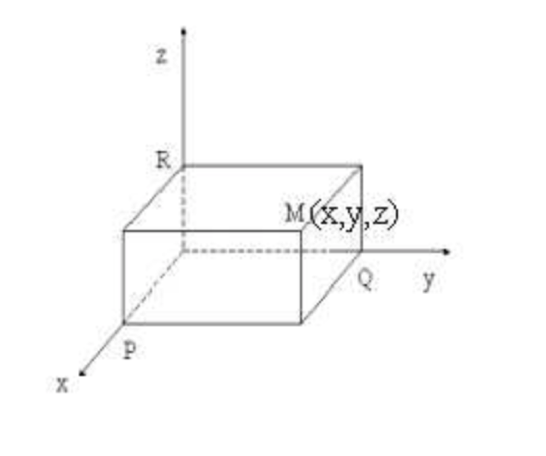
    Now that we know the material of 3-D printing, let’s see how the printer works. For x-axis and y-axis, we use a small steel plate on synchronous orbits. For z-axis, we use a thick rod appearing like a screw. And that is the basic construction of a 3-D printer. It is not as complicated as I originally thought. Basically, we just need to make a sprinkler head that can move in a three axis. Then, use silk thread to create planes and pile up the planes into a three-dimensional object.

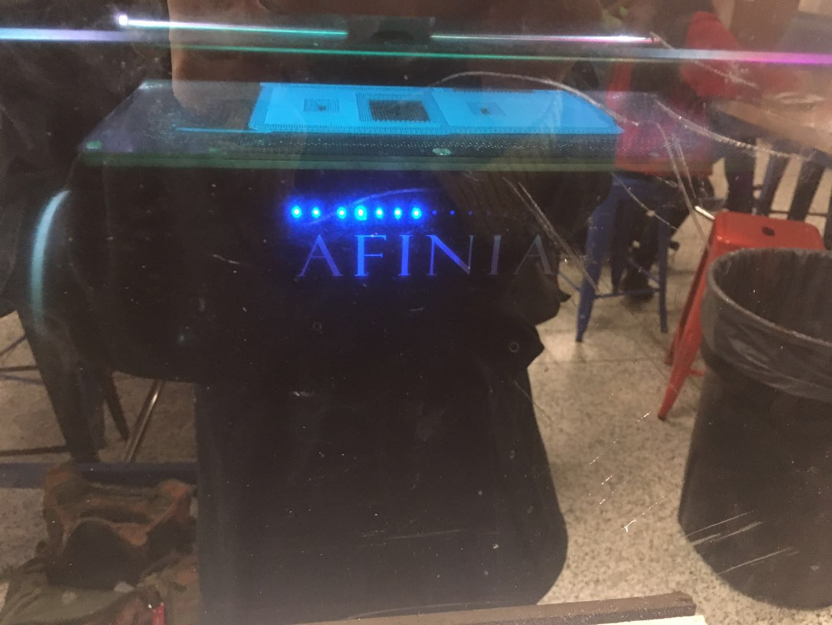
    We only need a JPG formed picture to print a picture. However, what kind of form do we need to complete a 3-D printing? In industrial design and architecture, rhino and solid work are really popular software. Almost all software in the world have the same basic function—squeeze. The form of a model for 3-D printing is STL..

    图片 1

    555

    Now let’s discover the technology of 3-D printers.

    1. FDM(Fused Decomposition Modeling)

    The key to FDM is to keep the temperature 1 Celsius above the melting point of the raw material. The sprinkler head is controlled by CAD tier data to make the raw material squeezed out and solidify as thin layers. The layers pile up to form a model.

    name FDM
    material ABS,PC,PLA
    precision 0.025-0.762mm

    The principle of construction of the system and operation are very easy. Maintenance cost is low. System operates safely. It can be used in lost wax casting and forming parts of any complexity. It does not need chemical cleaning.

    444

    1. SLA(Stereo Lithography Apparatus)

    SLA uses photosensitive resin as raw material and scans UV laser controlled by a computer so that the scanned area of the resin layser has photopolymerization reaction and form a layer of the component. Through continuously bonding the previous layer, the whole object is created.

    name SLA
    material Photosensitive resin
    precision 0.1-0.2mm

    This method has a high degree of molding process, a high precision of sizes and great quality. It uses CAD data model to lower the cost of repairing. It can work on objects with complicated structures.

    333

    1. SLS(Selected Laser Sintering)

    It uses CO2 laser as energy source and powder material as raw materials. First, put a thin layer of powder on the working table; Then, the laser beam is selectively sintered under the control of the computer according to the layered outline of the part. After the layer is completed, the next layer is sintered. Next, remove all excess powder after sintering, grind and dry the other treatments. Nowadays, wax, plastic powder and metal powder are broadly used.

    name SLS
    material Nylon, ABS

    It can be used to make metal products with easy procedures. It does not need supporting structure. The utilization of material is high.

    222

    1. Ployjet

    Sliding back and forth along the x-axis, an ultrathin photosensitive resin is spread over the molding chamber. After each paving, the UV light bulb on the edge of the sprinkler head and immediately emits UV light to rapidly cure each layer of light-sensitive resin. After each print, the molded chassis inside the machine sinks, while the sprinkler head continues to work layer by layer until the prototype is completed.

    name Ployjet
    material Photosensitive resin polymeric material
    precision 0.1mm

    It can print 3-D model with high quality, great details and shorten the designing period. The range of choosing material is broad.

    (https://www.zhihu.com/question/20382142)

    Nowadays, 3-D printing has got some breakthroughs in many areas. Cornell creating machine lab states that Hydrocolloid Printing’s 3-D printing can custom food production. It is possible to print candy, chocolate and pasta now. Industrial 3D printers have existed since the early 1980s and have widely used for research purposes. Fashion designers also use the 3D printed bikini swimmer, shoed and dresses for generating ideas. Nike took advantage of 3-D printing technology in the modeling and production of Vapor Laser designed for American Players in 2012. 3-D printing has also been used in production of transplant organs, equipment and other medical fields. There are currently successful cases of a titanium pelvis transplanted by a British patient and a titanium mandibular transplanted by a Belgian patient.

    ( https://zh.wikipedia.org/wiki.E5.B7.A5.E4.B8.9A.E7.94.A8.E9.80.94)


    Resources:

    3D Printing.J.Maslin-Research Assoc.Dec-1976

    3D Printing: the Ultimate guide to understanding and mastering 3d printing for life.Greg Norton-Createspace Independent-2015
  • The Science Jokester Quiz

    The Science Jokester Quiz

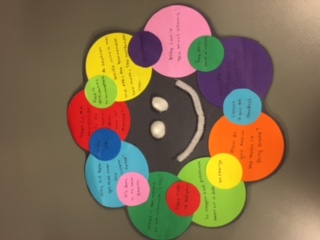
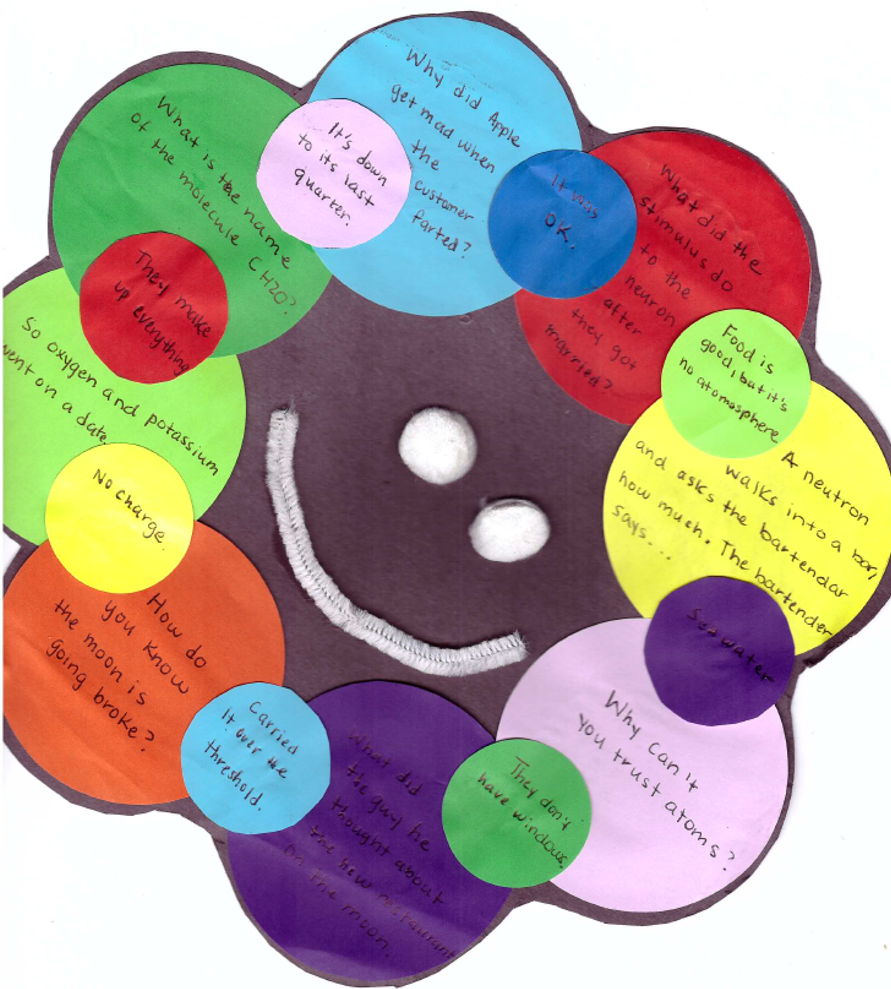
    Directions: Match the correct answer to each science joke.

    Picture1
    a. It’s down to its last quarter      b. It was OK      c. Food is good, but it’s no atmosphere d.Seawater        e. They don’t have windows        f. Carried it over the threshold                   g. No charge       h. They make everything up

    1. Why did Apple get mad when the customer farted?
    2. What did the stimulus do to the neuron after they got married?
    3. A neuron walks into a bar, and asks the bartender how much. The bartender replied….
    4. Why can’t you trust atoms?
    5. What did the guy say he thought about the new restaurant on the moon?
    6. How do you know the moon is going broke?
    7. So oxygen and potassium went on a date…..
    8. What is the name of the molecule CH20?
  • TOP 7 STRUGGLES OF LABS AT GT

    TOP 7 STRUGGLES OF LABS AT GT

    53266017590__CCDF5F11-256B-4839-8117-79BABFE28F60

    1. Continuous fear of breaking something in labIMG_1120
    2. Never knowing which waste container to useIMG_1122
    3. Not getting product your first week in a three-week lab synthesis…IMG_1124
    4. Friends want to make lunch plans but you have lab 10am-4pmIMG_1123
    5. Goggle marks!!!                                                             goggles
    6. The temptation to tweak data to make your results morals
    7. Always peeking at other students’ labs to make sure your mixture is the same color                                            IMG_1121
  • Organizations Helping Women in Tech

    Organizations Helping Women in Tech

    Let’s break the glass ceiling in tech and encourage more women and girls to break into the industry. Here are a list of sites mentioned in the chart:

    1. www.ncwit.org 
    2. www.mywit.org
    3. http://www.blackgirlscode.com
    4. www.lesbianswhotech.org
    5. www.girlswhocode.com
    Women in Tech
    Designed by Brooke Bosley
  • Are skin care products really useful?

    Are skin care products really useful?

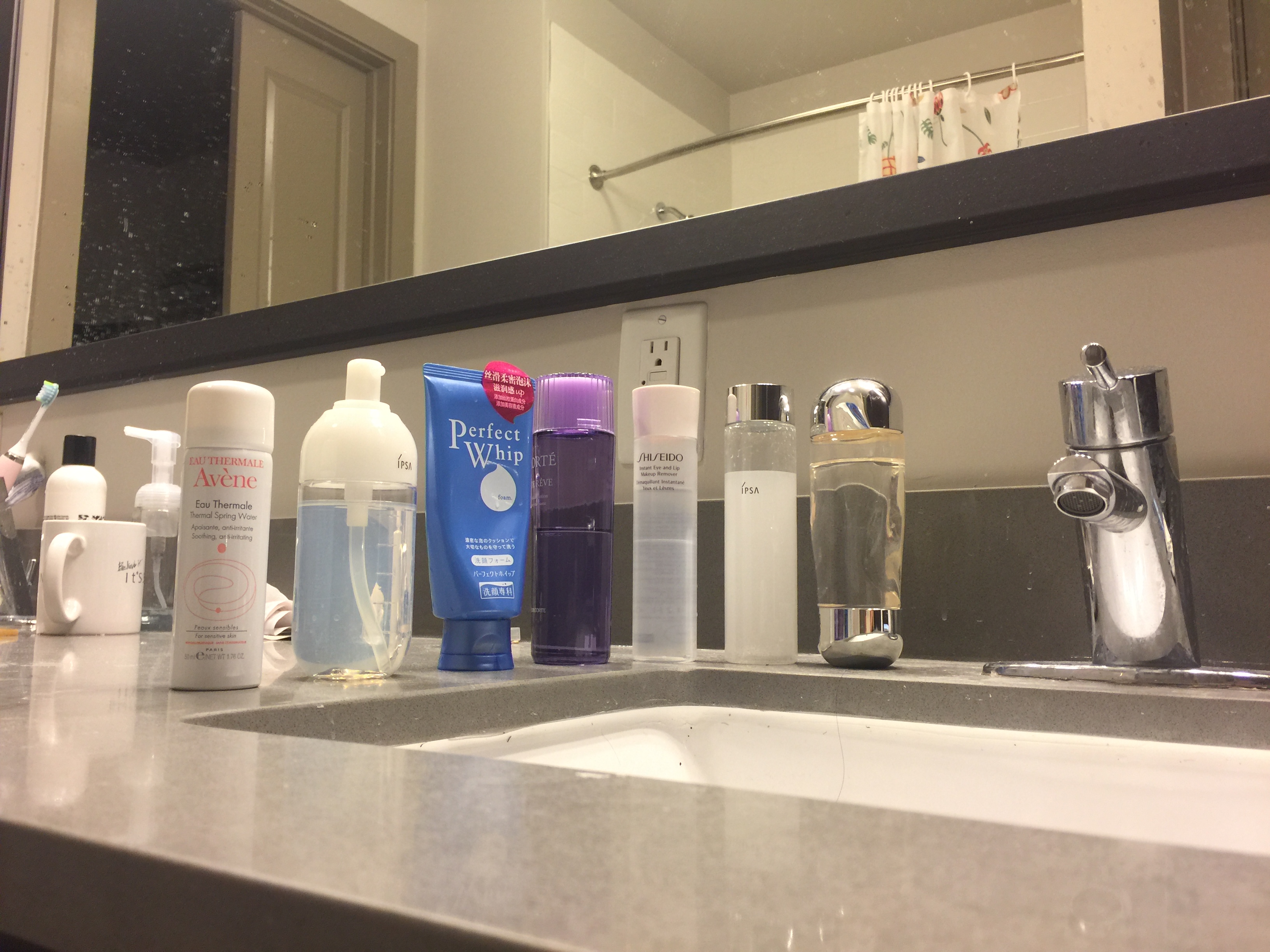
    WechatIMG101There is a saying that everyone can be a beauty and it seems true more than ever in today’s world. Nowadays, both boys and girls are taking skin care more seriously to make their skin smooth and to look young and pretty. A recent study showed that skin texture plays a significant role in the judgment of female facial beauty. [1] Thus, it is not surprising that a girl can accumulate tons of bottles of skin-care products on her dressing table. Even boys at least have one facial cleanser. In my own experience, I use a various of skin-care products because my face gets oily and grow pimples and acne easily. I need to be extra careful since my skin is so sensitive that if I don’t choose the right products, it turns red and itchy. I do worry about if there are some side-effects and whether these countless skin-care products that come from different regions all over the planet are useful or not.

    Let’s look at our skin structure first. There are three layers called the epidermis, the dermis and hypodermics in our skin. The layer skin-care products contact most is the epidermis, which it the outermost layer of skin, providing a waterproof barrier and creating our skin tone. What’s more, there are two layers of epidermis, the living basal layer, which is next to the external stratum corneum, or horny layer, which is composed of dead, keratin-filled cells that have migrated outward from the basal layer. Most of the exfoliators and cleanse products are dealing with the stratum corneum layer.

    Thus what skin care products actually can do is basic moisturizing, which is a totally physical function rather than chemical. Looking at the ingredients of moisturizing products, it is not hard to find  mineral oils, synthetic oils, plant oils in order to soften and moisten skin. Glycerine and propylene glycol are used for moisture absorption. These ingredients help skin to stay smooth by preventing the loss of water and oxidization.

    Another important skin product is sunscreen and cream for isolating the UV and atmosphere pollution or dust. Krysta Biniek, a researcher in Stanford University wrote that “Although the ubiquitous presence of solar UV radiation in human life is essential for vitamin D production, it leads to skin photoaging, damage, and malignancies solar UV radiation poses a double threat to skin by both increasing the biomechanical driving force for damage while simultaneously decreasing the skin’s natural ability to resist, compromising the critical barrier function of the skin”[2] .

    Products like skin whiteners have some serious side-effects. There is one study that showed that skin-lightening creams contained higher concentration of the studied metals than the moisturizing creams. Also, people who use skin-lightening creams are potentially exposed to higher concentration of metals. Last but not least, chromium was found at concentrations that can induce allergenic contact dermatitis in pre-sensitized individuals.[3]  Based on this finding, the ingredient of skin whitening products become extremely crucial. So next time when you go shopping, remember to take a look at ingredient list. Natural sources are  much better than chemicals. There is also a scientific analysis that discusses advantages of natural sources. It says that  “Although a number of hypopigmenting products have been developed, those from natural sources are preferred and will predominate in the cosmetics market. More active compounds such as phenols, flavonoids, coumarins and other derivatives have been identified from natural sources. This article summarized natural skin whitening products involving tyrosinase blockers like phenols and polyphenols, and non-tyrosinase blockers like α-MSH, melanosome transferase and cytokine inhibitors.”[4] All in all,don’t forget to take a look at ingredients of skin whitening products when you are shopping. 

    Generally if you want to have a glowing skin, the easiest way is try to get a nice DNA at the very beginning of your life. Just kidding! Don’t be fooled by flowery words in advertisements and stay away from those products which have impossible crazy functions. You can surely earn a great skin by choosing suitable skin product and clean, moist and put sun cream everyday. So I guess the magic to have a nice skin is your perseverance.

    [1]Fink, Bernhard, Karl Grammer, and Randy Thornhill. “Human (Homo sapiens) facial attractiveness in relation to skin texture and color.” Journal of Comparative Psychology 115.1 (2001): 92.

    http://dx.doi.org/10.1037/0735-7036.115.1.92

    [2]Biniek, Krysta, Kemal Levi, and Reinhold H. Dauskardt. “Solar UV radiation reduces the barrier function of human skin.” Proceedings of the National Academy of Sciences 109.42 (2012): 17111-17116.

    http://www.pnas.org/content/109/42/17111.short

    [3]Iwegbue, Chukwujindu MA, et al. “Safety evaluation of metal exposure from commonly used moisturizing and skin-lightening creams in Nigeria.” Regulatory Toxicology and Pharmacology 71.3 (2015): 484-490.

    http://www.sciencedirect.com/science/article/pii/S0273230015000173

    [4]Lin, Jen-Wen, et al. “Natural products with skin-whitening effects.” Journal of food and drug analysis 16.2 (2008).

    https://search.proquest.com/docview/1282142799?pq-origsite=gscholar

  • Learning Quantum Mechanics

    Learning Quantum Mechanics

    Mastering science concepts for many students can be difficult. Great instructors, learning resources, and even video games can all be ways to help students comprehend difficult information. For college students and some high schoolers, quantum mechanics is a topic that many have a hard time understanding. Researchers Johnston, Crawford and Fletcher at the University of Sydney focus on better approaches to teaching quantum mechanics concepts. Their research is driven by answering two questions: 1) How do we define the most important concepts to learn quantum mechanics and 2) How do students conceptualize the ideas of quantum mechanics (pg 428). Researchers and students at Georgia Institute of Technology have developed a quantum mechanics game for students. I recently had a chance to interview one of the students working on the project, Aditya Anupam a 2nd year PhD student in Digital Media.

    aditya2
    Aditya Anupam working on project

    How long have you been working on the project? Why did you join?

    I started working on the project in 2016. I have a master’s degree in electrical engineering and was frustrated with how science was being taught.

    Why teach quantum mechanics through video games? Its immersive and easily accessible to students and teachers in and outside the classroom.  

    What is the quantum mechanics game about?

    The core concept for the game(which is named: Particle in a Box) was to help undergraduate students challenge their preconceptions about quantum mechanics (which are often rooted in classical mechanics). Quantum mechanics is hard because people don’t get the opportunity to engage actively with the quantum phenomena or experiment with quantum systems.  The game provides a scientifically accurate, yet fun, environment to do this.

    logo2-2

    Why is science important?

    There are four reasons why I think science is important:  

    Jobs: most jobs require at least a basic understanding of science.  

    Personal use:  for example, choosing the right food, fixing things in your house

    Public discourse: It helps us become more informed so that we can support the right policy that will impact science.

    It’s beautiful: It helps us understand the world and our place in it

    Is Particle in a Box being used in the classroom? And where can we play it?

    We tested the game on undergraduate electrical engineering students at Georgia Institute of Technology and received generally favourable results. Who is the audience for the game? The game is primarily for undergraduate students enrolled in courses involving introductory quantum mechanics, but it may also be of interested to high schoolers. Where can we play game?  You can visit: learnqm.gatech.edu and please feel free to share feedback if you have suggestions on how we can improve the game.

    What’s the next project you’ll be working on?

    I plan to continue working on the field of digital media and science education. We are currently in the process of redesigning the game based on our research results. We are interested in making a multiplayer version of the game to encourage a more collaborative learning atmosphere in the classroom. Other than the game, I am also interested in the public understanding of science and how depictions of science in the media affect that understanding.

    If you get a chance, please play the quantum physics game at learnqm.gatech.edu. And let’s work on making sure more students are given the resources to succeed in the field of science!

    Notes: What is Particle in a Box?

    So you maybe wondering, how does the game work?  The game design is very similar to Donkey Kong and Mario in the appearance and layout. Once you begin the game, there is a small textbox on the left bottom corner. The textbox has information on how to play the game and explains principles of quantum mechanics.  The user plays a small blue character that has to pick up certain materials when prompted. 

    Resources:

    Crawford K., I.D. Johnston and P.R. Fletcher. “Student difficulties in Learning Quantum Mechanics.” International Journal of Science Education, vol.20, no. 4, 1998, http://citeseerx.ist.psu.edu/viewdoc/download doi=10.1.1.1009.2311&rep=rep1&type=pdf. Accessed 22 September 2017.

    Special thanks to Aditya Anupam for the interview!!!

  • The Black Dot vs The Highlighter

    The Black Dot vs The Highlighter

    As college student, we have all had that one class that is required for graduation that we aren’t the most interested in. Most of us have a hard time retaining information for that particular subject. So, what would you consider the most effective way to retain the information you need to be successful throughout the course? There have been many research studies conducted on study habits and IMG_9773.JPG the effects a study habit has on the student’s ability to retain the information. Perhaps, the worst study habit a student can partake in is highlighting, and the best would be studying information in intervals along with adequate rest. But are these practices beneficial for a Georgia Tech Yellow Jacket? I decided to find out.

    Many students at GT are seen in class highlighting or using a bullet point method when taking notes, but which is the most beneficial and how do they affect the student’s ability to retain information if they are not interested in the subject matter? I’m sure any student at GT would agree that lectures are 50 to 75 minutes of information overload that result in sleepless nights to complete homework assignments. What if the reason we can’t retain the information is because of the way we organize the important aspects of the information given?

    IMG_9781.JPG I gave two GT students the same packet of information to learn over the course of two days. One student was instructed to highlight all the important information within the packet, and the other student was instructed to use the bullet point method. Exactly one week later, the two students were given an additional packet with new information to learn using their same methods of organizing the important information. At the end of week 2, the students were asked to provide as many facts as they could from packet one. Both students could recall a great sum of information, but the student who used a highlighter could only summarize. The student who used the bullet point method could recall more detailed information. When asked why he thought this may be the case, he said it was more repetition. He claimed that using the bullet point method allowed him to read, recite, determine what was important to remember, and write the information, and that made the information stick with him. Clearly, my two person study needs to be replicated, but in the meantime my advice to kick the highlighter to the curb and use the bullet point method.

    Dunlosky, J., Rawson, K. A., Marsh, E. J., Nathan, M. J., & Willingham, D. T. (2013). Improving students’ learning with effective learning techniques: Promising directions from cognitive and educational psychology. Psychological Science in the Public Interest, 14(1), 4-58.

    Photos by Rakiya Winton