Category: Articles

  • Does a Full Moon effect our Sleep?

    Does a Full Moon effect our Sleep?

    There are many myths surrounding the effects of a full moon on humans from higher rates of insanity to our sleep cycles. But you’re wondering if any of these are actually true. A full moon occurs when the Earth is between the sun and the moon, and usually occurs about once per month. During a full moon, the moon is at its brightest because the side of the moon that faces the Earth is being fully illuminated by the sun. This causes some concerns over whether the luminosity of the moon may cause our sleep cycles to be disturbed or affected. Some believe it to be true while some aren’t so sure, so let’s take a closer look.

    A study was conducted to examine the sleep activity of children during 3 moon phases, including a full moon, half moon, and new moon after the nearest full moon. They measured the nocturnal sleep time among 9 to 11 year olds from 12 different international countries using an elasticized belt. The children had to wear these belts for 24 hr per day, and the experiment went on for 7 days. The results of sleep duration between the different moon phases were significant (Chaput et al., 2016). Sleep duration was 4.9 minutes per night shorter at full moon compared with new moon (Chaput et al., 2016). This shows that a full moon does have some impact on the sleep behaviors of children; that the nocturnal sleep duration is about 5 minutes shorter around a full moon compared to the new moon or half moon phase (Chaput et al., 2016). 

    Although this study didn’t specifically target adults, some effects on adults were also discussed in this study. From previous studies conducted by other researchers, namely Cajochen et al. and Smith et al. They both discussed sleep duration in adults during a full moon. Cajochen et al. reported that sleep duration was reduced by 20 minutes, resulting in a decrease in sleep quality in 33 adults (Chaput et al., 2016). Smith et al. supported those findings after reporting a reduction of 25 minutes per night in 47 healthy adults tested in the laboratory (Chaput et al., 2016). There were also some other studies in other adults that didn’t have those findings; however, the 2021 studies have found that people fell asleep later and slept less overall on the nights before the full moon, so it is not entirely impossible.

    Citations

    Chaput, J., Weippert, M., LeBlanc, A., Hjorth, M., Michaelsen, K., Katzmarzyk, P., Tremblay, M., Barreira, V., Broyles, S., Fogelholm, M., Hu, G., Kuriyan, R., Kurpad, A., Lambert, E., Maher, C., Maia, J., Matsudo, V., Olds, T., Onywera, V., Sarmiento, O., Standage, M., Tudor-Locke, C., Zhao, P., Sjödin, A. (2016) “Are children like werewolves? full Moon and its association with sleep and activity behaviors in an international sample of children.” Frontiers in Pediatrics, vol. 4, https://doi.org/10.3389/fped.2016.00024. 

  • My Experiences Being a TA for a STEM Class in My Major (Intro to Biomedical Engineering Design)

    My Experiences Being a TA for a STEM Class in My Major (Intro to Biomedical Engineering Design)


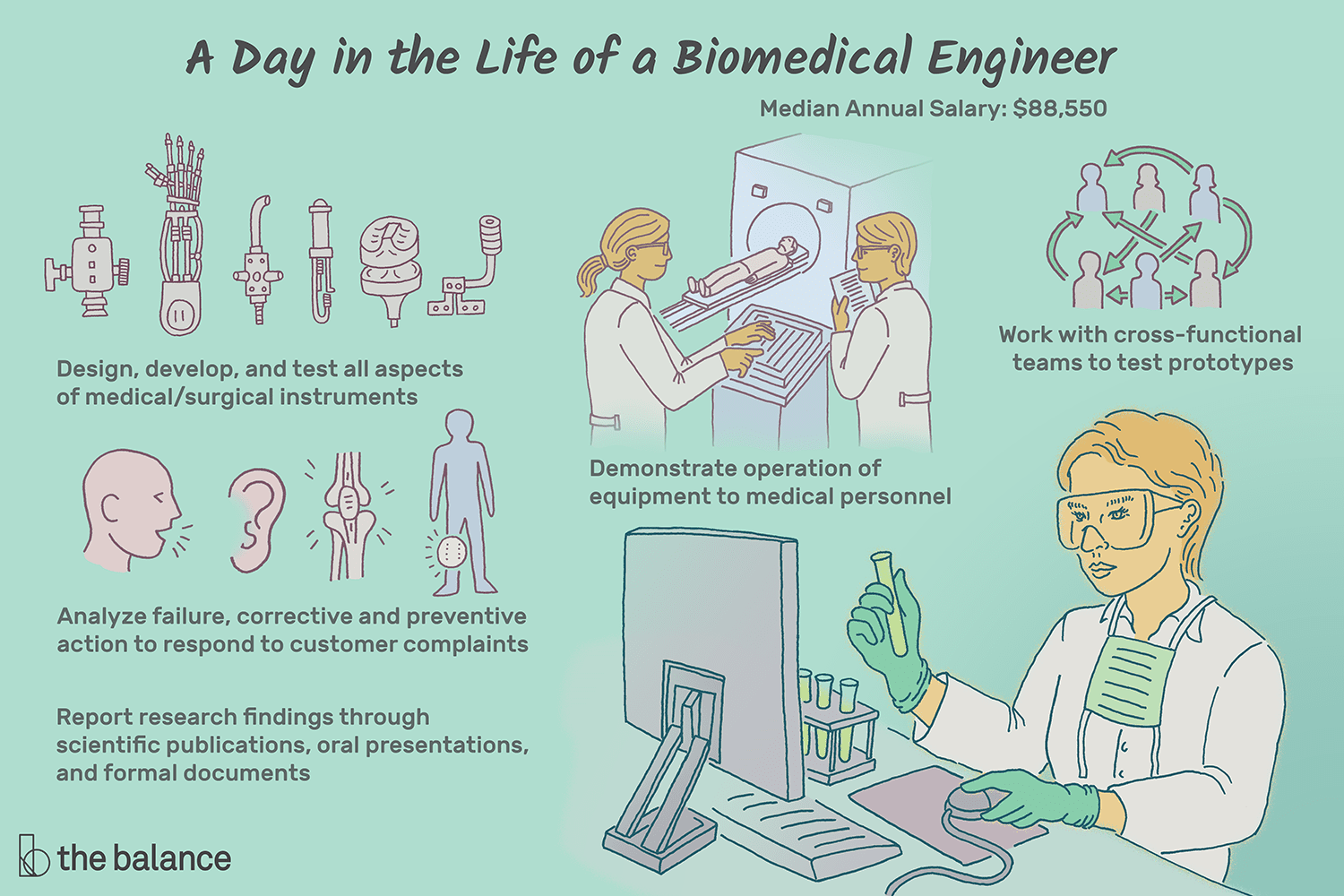
    During your time at Georgia Tech, as a STEM major, one of the things that you might choose to do is to TA a class. TAing a class can be extremely rewarding, despite being a lot of work and it can teach you a lot of concepts that you may not have understood when you took a class. It can also teach you how to communicate your understanding, and the insights that you have taken away/obtained from going through a specific class can also enable you to adapt to new and innovative ways of thinking about and solving a problem, based on the input that you obtain from other individuals. You may or may not TA during your time at Georgia Tech. However, just in case you do, I would like to provide my insight TAing for a core STEM class in my BME curriculum to provide insight into how I felt, what I learned about TA/teacher – student interaction, and how to make the most out of the experience. I am hoping that this inspires more people to become TAs for STEM classes, or just to understand how being a STEM TA is from a former STEM TA’s perspective.

    Last year, specifically, I was a TA for an Introduction to Biomedical Engineering Design class. A lot of people have asked me what that experience was like, and what I learned and what kind of growth I experienced as a result, both personally and professionally. Thus, I would like to share some key takeaways and insights that I have gained and how I felt doing this TA job, as someone who had never previously done it before.

    I was excited and nervous, as I surveyed the room around me. It was my first day as a BMED 2310 TA in Spring 2023 and a TA, in general, and I had no idea what to expect. I walked into a class full of unknown people, and it only became more daunting as it went from there. It was the first day of class, and everyone was staring at their phones, almost in boredom and a complete lack of interest in being there. We were beginning to do ice-breakers, and everyone was asked to name a fun fact about themselves, and the origins of their name. I was never a person who liked icebreakers. For a long time, I found them pointless, and talking comfortably in front of strangers was not my jam. However, I was here in this situation. I could not just not participate in an icebreaker. So, I told the students my name, and the origin of it, and tried to crack a joke and tell something funny about myself. However, I was just faced with blank stares. I did not know if I was just awkward, or if the students were not interested in what I had to say. Regardless, it was daunting, but I tried not to get discouraged. After all, it was just my first day. Leaving class, I tried to have more hope for the next day, but I was not sure that anything was going to improve.

    Walking into class the next day, I tried to be more optimistic. Maybe the kids were just tired. Maybe they did not like the class, or maybe they did not like other classes they were taking this semester. Maybe it had nothing to do with me. So, I went ahead and started explaining the lesson plan for the second day. I explained to them how their lab notebooks should look, and what type of information was expected to be seen in that notebook. I also introduced them to their Fusion Assignment and explained what they should look into, and how they should seek help if they needed it. However, students still looked uninterested and were extremely quiet. Later on in the class, as students were working on their Fusion Assignments, one of them asked me a Fusion-related question. They were having trouble with a certain step involved in the conversion between the 2D schematic and the 3D creation of the structure, and they wanted my advice as to how I could help them. I told them that I unfortunately did not know the answer, as my Fusion skills were rusty, and I needed a refresher on it. I asked the other TA’s if they could help more effectively. The students looked at me in an annoyed manner, and I just felt more out of place. Why had I chosen to TA this class? Why did students think that I was such an ineffective TA if they did? How could I become a better TA? It was then that I thought of trying something else.

    I decided that during the next class, I was not going to try to act like a professor or a person of higher authority. Rather, I was going to act more as a friend of the students. I was going to be more open, and try to be more relatable. From then on, during every class, I would ask the students how they were doing, how their semester was going and how their classes that semester were going, and what I could do to help them. From then on, I found that they slowly became more open and began to come out of their shells more. Suddenly, they were much more engaged in class and much more engaged in what I was saying, and I was still not necessarily able to explain everything nor did I know everything. However, things were generally off on a better track.

    So, what were my key takeaways from this experience you ask? One of the largest takeaways was that one of the most rewarding parts of being a BME TA is the potential that you get to see, as to what students can innovate and create, and how the ideas that students have shape up into larger prototypes and physical and computational models. Another key takeaway was that BME design classes help prepare students for greater and larger challenges, ahead in industry and in the workplace, and being a TA is important as you can guide students through these experiences and help push them to take on new challenges, and push the envelope on the tasks that they pursue. TAing this class also deepened my understanding of the interdisciplinary nature of concepts, and how they all tie together to ultimately solve problems/issues. For example, when I talked to a group that was doing a Laparscopic surgery project, they told me how the physics of the Laparascopic stapler and the material properties behind the Laparoscopic staples tied into their decisions about how they designed the stapler and what parts they ultimately chose to utilize and what method they used to create it. This was really a eureka moment for me because I had done a project on improving Laprascopic surgery, but I had only looked at it from the vantage point of Biology and Biomedical Engineering. I had not done deep introspection into how multiple concepts could tie into the success of this Laparoscopic stapler. This was widely insightful for me, and it really got me to consider how multiple areas of science could converge and intersect to ultimately solve poorly-defined, and complicated problems.

  • Treating U87 EGFP Glibolastoma Cells with Nickel Sulfate!

    Treating U87 EGFP Glibolastoma Cells with Nickel Sulfate!

    Part of the reward of being a Biomedical Engineer is the opportunity to explore fascinating and cutting-edge work that teaches me new skills and exposes me to unique challenges every semester. Throughout my journey, I’ve learned coding, worked with circuits, conducted detailed statistical analyses, and performed rigorous statistical tests. However, this semester, I had the chance to do something I had never experienced before. I worked with cancer cells. Yes, you read that right! I worked with cancer cells in a wet lab environment!

    What is a wet lab, you ask? It’s a controlled environment where you work with potentially hazardous cell cultures and substances while following strict safety protocols, such as wearing gloves, goggles, lab coats, and disinfecting surfaces with ethanol to avoid contamination. Mistakes can introduce bacteria or other pathogens that could destroy your cultures, making careful adherence to procedure critical. Despite the challenges, working in a wet lab is an incredibly rewarding experience that not everyone gets to have. To share this unique experience, I want to provide some insight into what a typical experiment looks like in a wet lab, so those who haven’t had the opportunity can get a feel for it. Trust me, you’ll find it fascinating!

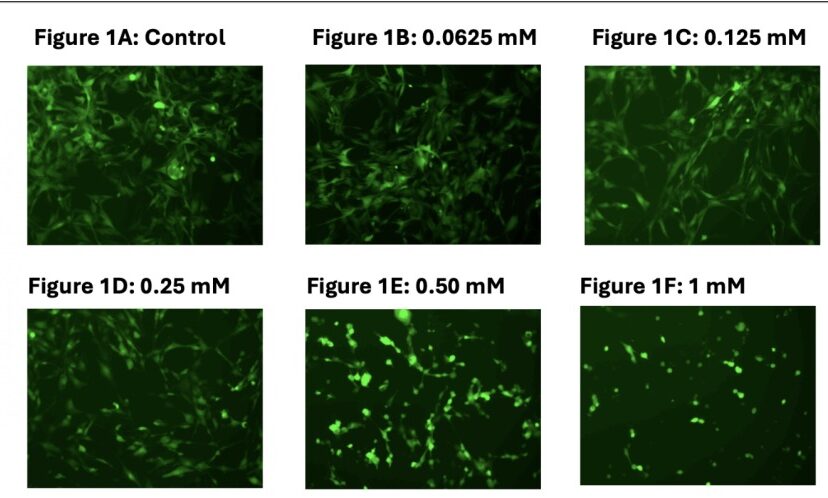
    One of the experiments I conducted this semester involved treating Glioblastoma (U87-EGFP) cells with varying concentrations of Nickel Sulfate (NiSO₄) to assess its effects on cell viability. Intuitively, I hypothesized that increasing concentrations of Nickel Sulfate would be progressively toxic to these cells. Sure enough, that’s exactly what happened. The coolest part? I didn’t even need to run complex calculations to see the effects! By observing the cells under a microscope, I could identify the toxicity based on changes in cell morphology and network structure. Let me explain how this works.

    When cancer cells are healthy, they exhibit a spherical shape and form densely interconnected networks, similar to what we see in normal, healthy cells. However, as cells are damaged, these networks weaken, and their shapes become less defined and less spherical. These morphological changes occur because interactions between the cells’ mitochondria and cytoskeleton are disrupted. Observing these changes during the experiment allowed me to visually interpret the effects of Nickel Sulfate on the cells. Below, I’ve described and analyzed the experiment’s results to demonstrate how the process unfolded in real time.
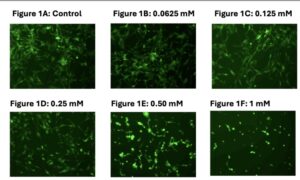
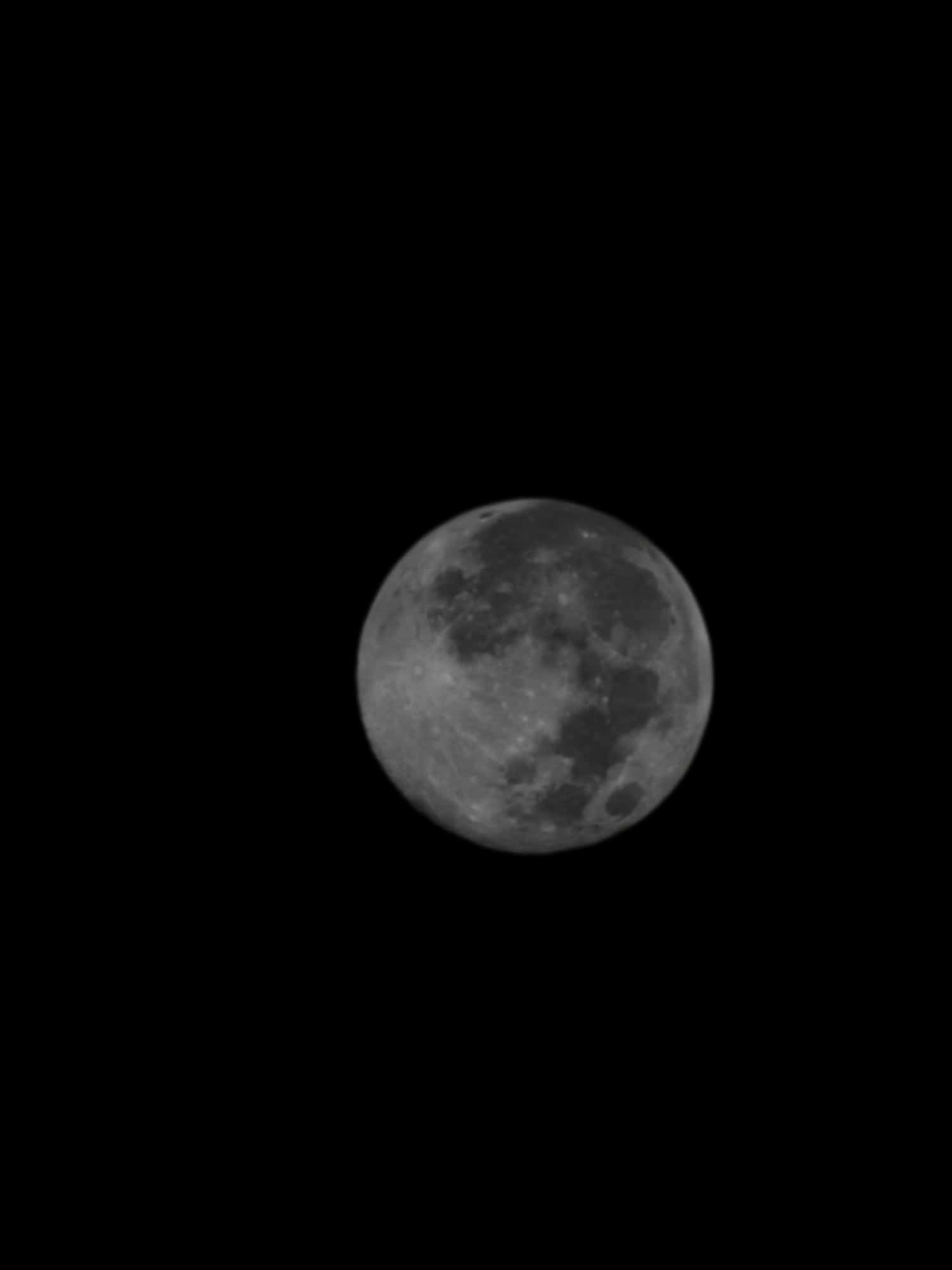
    Figure 1A. Appearance of U87 – EGFP cells, after addition of 0 mM of NiSO4. Cells appear to be healthy, as they are exhibiting a bright color, are elongated in shape, and are forming an interconnected network like structure.

    Figure 1B. Appearance of U87 – EGFP cells, after addition of 0.0625 mM of NiSO4. Cells still appear to behealthy, but they are slightly less elongated, and are slightly less bright in color, as compared to when 0 mM ofNiSO4 was added. The cells do still appear to be interconnected, though.

    Figure 1C. Appearance of U87 – EGFP cells, after addition of 0.125 mM of NiSO4. Cells appear to be less healthy, and are significantly less elongated and bright, compared to when 0 or 0.0625 mM of NiSO4 wasadded. Cells also appear to be significantly less interconnected, as the network structure is weakening. The addition of NiSO4 at this concentration seems to be having a significant impact on the structure of NiSO4, indicating that the IC50 concentration is being approached.

    Figure 1D. Appearance of U87 – EGFP cells, after addition of 0.25 mM of NiSO4. Cells appear to be significantly less healthy, and there is hardly any presence of elongation, compared to when 0, 0.0625, or even0.125 mM of NiSO4 was added. There also appears to be hardly any network structure left between the cells, as all interconnections are not visible. The cells are also significantly less bright, and are extremely dim. The significant structural changes that arise from the addition of this concentration of NiSO4 indicate that the IC50 concentration has been passed.

    Figure 1E. Appearance of U87 – EGFP cells, after addition of 0.50 mM of NiSO4. Cells appear to be significantly less healthy, and do not have any visible interconnected network structure. Any slight presence of anetwork structure seen when 0.25 mM of NiSO4 was added also appears to be gone. Now, there appears to be no network structure.

    Figure 1F. Appearance of U87 – EGFP cells, after addition of 1 mM of NiSO4. Cells appear to be significantly less healthy, as there is no elongation present. There is also no network structure left between the cells. No interconnections appear to be visible. The cells are in a completely opposite state to how they were, from a color perspective, when they were treated with no NiSO4. Given the permanent changes in structure and morphology of the cells, it is likely that the addition of 1 mM NiSO4 has the maximum possible impact on the cells. In other words, it is likely adding any more NiSO4 will have a marginal impact, if any.

    Overall, observing these morphological changes was an eye-opening experience for me as it taught me to analyze cellular changes, in a relatively simple way, without relying on quantiative measurements or complicated formulas, something that I never knew that you could do as an Engineer! It also taught me that cancer is not as invincible as it is made out to be and it can indeed be quashed. This is something that I never knew until I did this experiment, and it gave me a lot of hope for the future of cancer treatment!

    Reading this post, I hope you got inspiration to work in a Wet lab too one day as you see all the cool stuff that you can do/accomplish. Sometimes, you do not have to be a fancy scientist at the NIH or the CDC to make a difference. Occasionally, just the Georgia Tech student can accomplish some pretty cool stuff!
     

  • The Amazing Race: Citrus Circuit GoSTEM Reflection

    The Amazing Race: Citrus Circuit GoSTEM Reflection

    This semester, STEMComm was invited to participate in the Latino College & STEM Fair, hosted for k-middle grade schoolers to engage and learn about the variety of science topics exhibited in colleges. It was an exciting opportunity to share and demonstrate what we were passionate about at GT. 

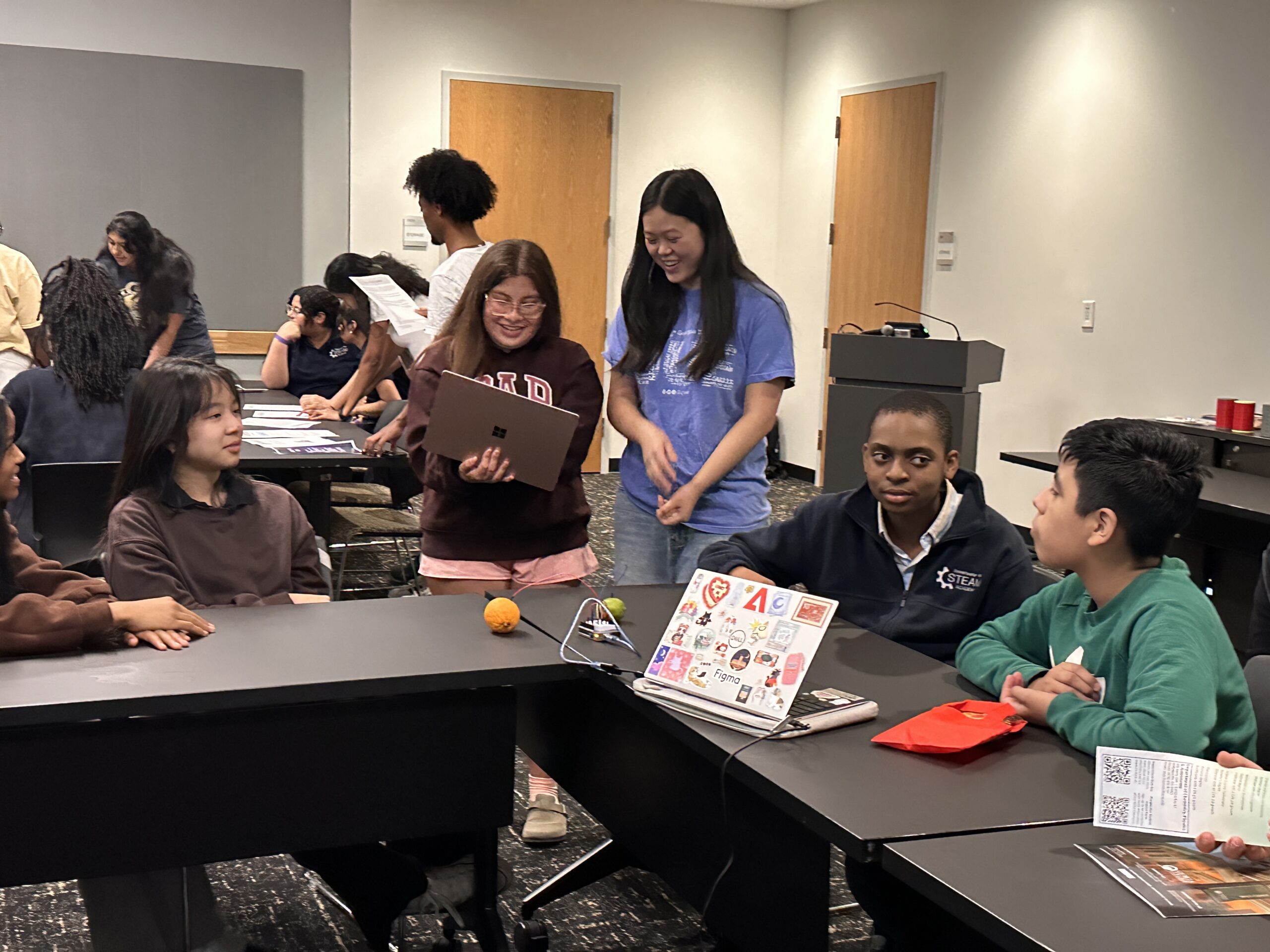
    Our event for the Latino College & STEM fair was the Amazing Race, for the various activities hosted by members of STEMComm. Each activity involved some action ranging from testing cognitive ability, response time, to memorization. My group, the Citrus Circuit, was the computational media group, and we set up a trivial game and a potato circuit using a simple arduino program to act as the buzzer. We connected the potato to a circuit board, so that when you make contact with the potato, it’ll light up and create a buzzing sound generated on the circuit board. The kids had to use the potato to buzz in to answer the trivial questions.

    The simple potato board circuit is much like a potato battery, with the potato acting as a power bank. The potato in that sense becomes an electrochemical battery, or cell. Since it contains certain metals, it will experience a chemical reaction with the acids inside of the potato that then creates the electrical energy that can power a LED light or a clock, and in our case, a LED light. One difference is that our contact with the potato creates that chemical reaction due to the fact that our bodies also conduct electricity, prompting the potato to start the process of turning the LED light on the circuit board. To make a better response, we recommend limes or any kind of citrus because of the amount of water and acidity in them.

    The event was overall super successful and went smoothly. The kids had fun and were able to learn something more interesting about science, and even apply what they had learned at school at our Citrus Circuit activity.

    Read more about potato circuits:

    https://stemgeneration.org/potato-power/#:~:text=The%20potato%20battery%20is%20a,an%20LED%20light%20or%20clock.

    https://www.vedantu.com/physics/potato-battery-experiment

  • All About Water Puppies

    All About Water Puppies

    Hippopotamuses(not, hippomotami) are the third largest land mammal, following elephants and white rhinos. They are semi aquatic animals, so they enjoy the best of both worlds. If you’ve ever been to the zoo, you’ve probably seen them peeking out of the water with their little floppy ears. It’s quite cute, take a visit if you haven’t. Despite them being known as “water puppies”, hippos are actually pretty dangerous. Not only can they weigh up to 5 tons, but their mouths can open up to a whopping 150 degrees(obtuse angle for you math nerds). You definitely don’t wanna be caught in their mouths.

    There are actually two types of hippos: regular hippos and pygmy hippos. Pygmy hippos are much much smaller, weighing up to only about 600 lbs(African Wildlife Foundation). They’re not nearly as tall either, only getting up to about 5 ft in length. They’re like mini hippos. They’re also quite adorable, some may argue even more so than their larger counterparts. Now they do have different scientific names, which I find extremely interesting. According to the San Diego Wildlife Alliance, the common hippos scientific name is Hippopotamus amphibius while pygmies are called Choeropsis liberiensis. They’re cousins, not siblings. Both water puppies are herbivores and are unfortunately prey to other animals like lions and crocodiles. I imagine pygmies are much easier targets, which is so sad because they are SO cute. They’re also targeted by humans, for their meat and ivory tusks(African Wildlife Foundation). Really people? Elephants, rhinos, and now hippos? We really need to stop hunting animals, especially the big and cute(but deadly) ones. I actually saw a TikTok a couple days ago about a 50 year old White African Elephant that is now being guarded by soldiers 24/7 to prevent poaching attempts. This is the energy we need to give to all endangered animals. And stop killing them for money! Capitalism. The only creatures I’d happily allowed to be “poached” are wasps. They are the most annoying and quite frankly rude little pests to ever buzz around this earth. Yes, I do go to a school whose mascot is the Yellow Jacket. Buzz would never hurt me though.

    Anyways, back to hippos. The reason I’m writing this article is to hopefully give you a 3-5 minute distraction from whatever tasks you may be doing(grading papers, doing homework, sending riveting emails, realizing that climate change is rapidly sucking the life out of our dear planet, etc). I’m talking about hippos because of this new sensation that has been born at a Thailand Zoo.

    Meet Moo Deng, a baby pygmy hippo who has taken over the internet. Moo Deng, or translated “Bouncy Pork” is famous because of her lovable personality(Jaijongkit, 2024).

    All she does is run around her enclosure and wreak havoc. She doesn’t like baths, she refuses to eat unless it’s on her own terms, and she is constantly bothering her mom. She’s made the zoo a hit and people have traveled thousands of miles just to see her. Would I ever travel across the world for a hippo? Maybe. After reading this article, let me know if you go see her, or her siblings(yes, there’s more of them!)

    Baby hippos can’t swim, here’s a pic of a baby hippo getting bounced around the floor by his mommy. 2020. Reddit, https://www.reddit.com/r/aww/comments/nkpdsl/baby_hippos_cant_swim_heres_a_pic_of_a_baby_hippo/. Accessed 2024.

    Big Craig Of The Amboseli: A 50 Year Old Male African Elephant Whose Tusks Weigh 100 Lbs Each & Is Guarded From Poachers By Maasai Warriors 24/7. 2023. Reddit, https://www.reddit.com/r/AbsoluteUnits/comments/14s9kbm/big_craig_of_the_amboseli_a_50_year_old_male/. Accessed 2024.

    Jaijongkit, Por. “Explaining the Food Names of Moo Deng and Company.” Medium, Medium, 28 Sept. 2024, medium.com/@pjaijongkit/explaining-the-food-names-of-moo-deng-and-company-916eff75e107.

    Lover, Hippo. Cute Hippo. 2024. Instagram, https://www.reddit.com/r/aww/comments/nkpdsl/baby_hippos_cant_swim_heres_a_pic_of_a_baby_hippo/. Accessed 2024.

    “Hippopotamus.” African Wildlife Foundation, African Wildlife Foundation, www.awf.org/wildlife-conservation/hippopotamus. Accessed 15 Nov. 2024.

    “Pygmy Hippopotamus.” San Diego Zoo Wildlife Alliance Animals and Plants, San Diego Zoo Wildlife Alliance Animals and Plants, animals.sandiegozoo.org/animals/pygmy-hippopotamus. Accessed 15 Nov. 2024.

  • Is Immortality Possible?

    Is Immortality Possible?

    We’ve only ever seen immortality on TV, but what if I told you, we seem to be closer to it than we think. In 1952, a cervical cancer patient, Henrietta Lacks, was admitted to the John Hopkins hospital where a sample of her cells were collected without her consent (Hongbao, 2017). The doctor who had treated her took a sample of the tumor onto a dish, and sent it down the hall to George Gey, the head of tissue culture research at John Hopkins. At that time, George Gey was researching how to grow cells outside of the human body for decades until Henrietta Lacks.

    A later discovery revealed that her cells were durable and could be kept alive, multiplying on their own when a single cell was separated. For unknown reasons, Henrietta’s cells could just double their cell numbers every 24 hours. They became known as HeLa Cells, the first “immortal human cell line,” being able to grow and divide forever. These HeLa Cells became the first human cells grown in a lab that were naturally immortal, surviving even after a set number of cell divisions (Hongbao, 2017).

    After the discovery of HeLa cells, the news spread fairly quickly, with many researchers requesting for HeLa cells, which George Gey gave to anyone who wanted them. They quickly became one of the most important things that happened to medicine. One researcher, Jonas Stalk, was able to successfully grow polio virus and quickly develop a vaccine for it. Due to its highly proliferative nature and its innate ability to be easily infected by the poliovirus, HeLa cells were made as the ideal source for testing vaccines. This cell line went on to be the first human cells to be successfully cloned as the results from vaccine testing could be easily obtained, but still remained the same tumor cells that were removed from Lacks (Hongbao, 2017). They helped develop all kinds of vaccines that we use today, and most can be traced back to Henrietta’s cells. HeLa cells have been used for research into cancer, AIDS, the effects of radiation and toxic substances, gene mapping, and countless other scientific pursuits (Hongbao, 2017). Additionally, they even went up into the first space missions to see what would happen to human cells in zero gravity. Evidently, not a single person hasn’t benefited from Henrietta’s cells.

    Citations

    Hongbao, M. (2017). Hela cells and immortality. Cancer Biology, 3(7), 71-78.

    BBC. (2022, Feb 23). How one woman’s “immortal” cells changed the world. BBC News. https://www.bbc.com/reel/video/p08wr9gf/how-one-woman-s-immortal-cells-changed-the-world

  • Late night studying: effects of warm and cool LED lamps

    Late night studying: effects of warm and cool LED lamps

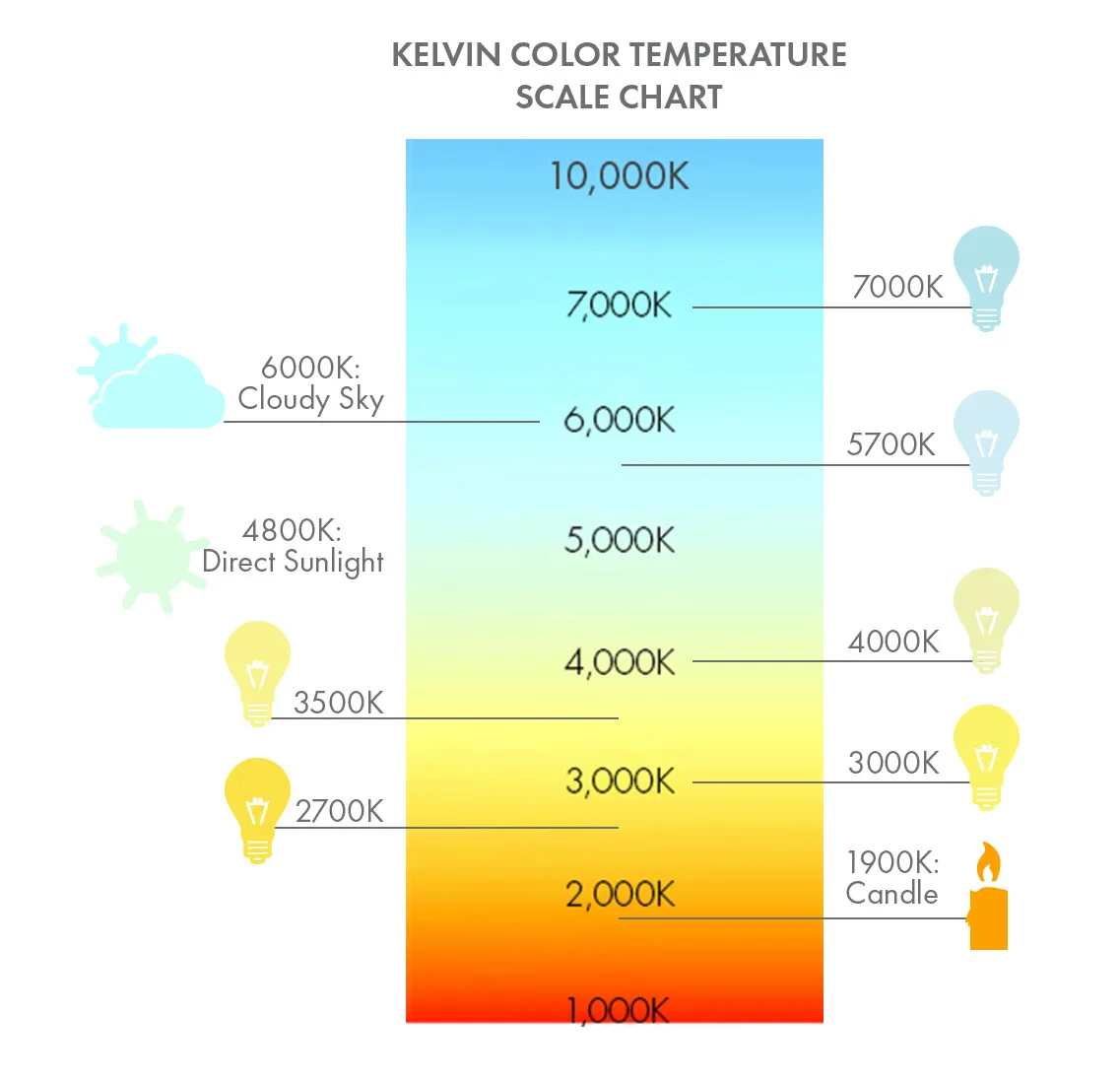
    Are you trying to pick out the right kind of fluorescent LED light for your room? One search for light bulbs on amazon shows results that range within 3000K or 6500K LED light. They look either warm or cool, so which one should you be purchasing? Sure, the decision can come down to personal preference, but you know you want to buy the right kind.

    Here’s a scenario to consider: you’re a newly admitted college student and you’ve moved into your new space with default warm light bulbs installed already. And after a few late night study sessions in your room, you’ve noticed that you’ve been getting drowsy super fast. So, when it comes down to what might truly benefit you, we can take a closer look at what each kind of light temperature offers.

    A study conducted to examine the effects of warm/cool white LED lamps and warm/cool color environments on mood and performance showed that perhaps inhabiting a study environment with a cooler light and a cool color environment help with study productivity (Shahidi et al., 2021). Additionally, another suggestion was to have a combination of the white color and warm light or the blue color with cool light can have a more favorable effect on visual comfort and mood (Shahidi et al., 2021). Some further discussion also revealed that cool lighting in white and blue colors stimulated less fatigue than warm light, and that warm light significantly reduced the amount of vigor than cool light. However, it is advised that increased exposure to cool fluorescent lighting can lead to increased rates of anger and depression (Shahidi et al., 2021). This is pretty typical with college students and late studying, since it can lead to eye strain and tiredness. Getting the right studying environment, like what fluorescent LED lamp you should place in your room, is the first step, but other factors like your attention and mental energy can also contribute to a successful late night study session.

    So, should you be installing warm or cool light LEDS in your room? Hopefully, this provides a better insight into what type of environment is ideal, but that would also depend on if you’re trying to be more or less productive.

    Citations

    Shahidi, R., Golmohammadi, R., Babamiri, M., Faradmal, J., & Aliabadi, M. (2021). Effect of warm/cool white lights on visual perception and mood in warm/cool color environments. EXCLI journal, 20, 1379–1393. https://doi.org/10.17179/excli2021-3974