Category: Articles

  • The Effects of Various Amino Acid Side Chains on B – Lactam Antibiotic Resistance

    The Effects of Various Amino Acid Side Chains on B – Lactam Antibiotic Resistance

    Antibiotic resistance has increased global deaths by 8% between 1990 and 2021 and is expected to be a leading cause of death by 2050 [1]. Based on projections, 11.1 million deaths due to Antimicrobial Resistance could be prevented if a treatment is devised to effectively inhibit Gram-negative B – Lactam bacteria that have undergone these mutations [1]. However, the lack of an effective antibiotic treatment is causing β– Lactam antibiotic resistance to be an unnecessary top cause of disease burden/death. This is why it is imperative to get down to the molecular mechanisms behind antibiotic resistance, so something can be done about this catastrophe. Now, I know I am just a Georgia Tech student. However, I hope to shed some light on this issue today, so I can communicate to the general public and to the non-scientists out there that this really is a solvable problem. It really is not as dire as it seems. So, sit back and relax, as I take you through a journey, looking into the history of β-Lactam Antibiotics, β-Lactam Antibiotic resistance, and mutations that have occurred that have allowed Gram-negative bacteria to become so powerful and what we as people can do about this!

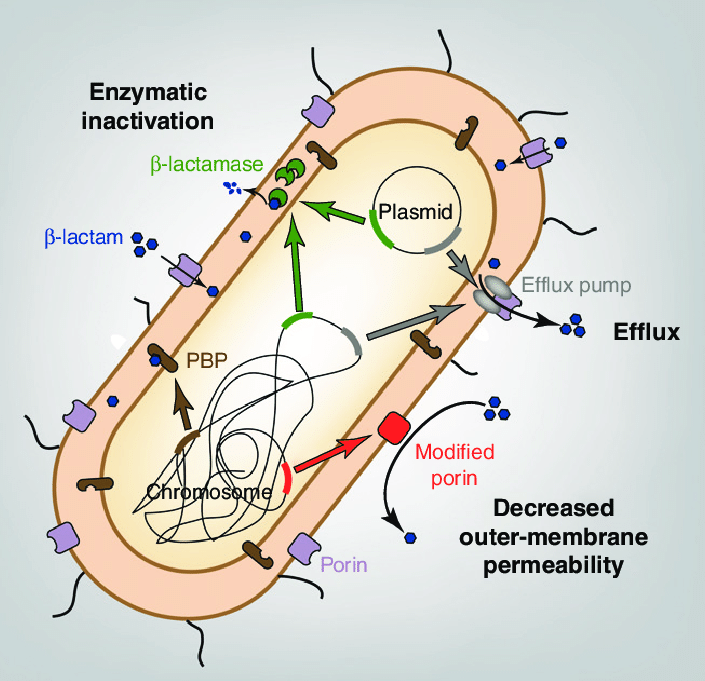
    β-Lactam Antibiotics, such as penicillin, have been used to treat a wide variety of bacterial infections due to the diversity of mechanisms with which they can work, such as their ability to promote the breakdown of the peptidoglycan layer of the cell wall via the targeting of binding proteins, transport proteins that transport peptidoglycan precursors across the cell wall, phospholipids that normally decrease permeability, etc [2]. Recently, however, the overreliance on β-Lactam Antibiotics has led to the development of resistance mechanisms in β-Lactam bacteria to counteract the effects of these antibiotics, the main one being the evolution of β-Lactamase enzymes [4]. This is due to evolutionary and selective pressure, which cause Gram-negative bacteria to develop resistance mechanisms to evade the effects of antibiotic treatment, especially though the development of mutations in their lactamase enzymes [4,5]. Resistance mechanisms in β-Lactam bacteria take the form of Standard beta-lactamase (SBL) and extended spectrum beta-lactamase (ESBL) mutations.

    The two mutations differ primarily in their substrate specificity and the complexity of their mutations. SBL mutations enable SBLs to hydrolyze first-generation β-Lactam Antibiotics, whereas they fail to effectively enable hydrolysis of second or third-generation beta-lactamases [6, 7]. On the other hand, β-Lactam bacteria, with more complex mutations that help to increase the number of substrate– binding sites and the size of the active site, allow for the hydrolysis of a broader and more diverse range of antibiotics, increasing catalytic efficiency and conformational flexibility [7]. The result is more formidable antibiotic resistance, which poses a significantly greater threat compared to standard mutations [8]. Examples of β-Lactamase enzymes with these ESBL mutations are the TEM, KPC, and CTX-M enzymes. The danger with these mutations is that they spread easily through plasmids, which replicate independently of an organism’s chromosomal DNA and can transfer genes to other bacterial cells via horizontal gene transfer [9]. This means that mutations conferring resistance can quickly spread to multiple bacterial cells making it very difficult for antibiotic treatment to be successful [9,10]. Based on projections, 11.1 million deaths due to Antimicrobial Resistance could be prevented if a treatment is devised to effectively inhibit Gram-negative B – Lactam bacteria that have undergone these mutations [1]. This makes it imperative to better understand the molecular mechanisms behind what makes these Amino Acid mutations so advantageous in the TEM, KPC, and CTX-M enzymes so that more effective treatments to tackle antibiotic resistance can be devised. This paper focuses on the molecular mechanisms behind such mutations that enable Gram-negative bacteria to better bind to the side chains of extended-spectrum β-Lactam Antibiotics to help achieve that goal.

    As alluded to earlier, mutations in Gram-negative bacterial proteins leading to resistance began with standard spectrum β-lactamase (SBL) mutations (S70 → S70G, E166 → E166N, K73 → K73H). The S70G mutation enabled β-lactamase enzymes to conduct a nucleophilic attack on the β-lactam ring, while the E166N and K73H mutations helped stabilize the transition state of this reaction with the side chains of β-lactam antibiotics, such as penicillin [11]. However, at this point, the worst-case scenario had not yet materialized because the active site of the β-lactamase enzymes could not accommodate extended-spectrum β-lactam antibiotics with bulky oxyimino side chains at the C7 position. These side chains were too large, and the active sites lacked the conformational flexibility to accommodate them [11]. The binding affinity (Km) was too high, and catalytic efficiency was too low for hydrolysis to occur. Extended-spectrum β-lactamase (ESBL) mutations, however, overcame this limitation by enhancing the ability of the bacteria to bind extended-spectrum β-lactam side chains. ESBL mutations, such as G238S, R164S, and E104K, expanded the active site through structural changes in the omega loop, allowing for new interactions between the enzyme and side chains, such as electrostatic interactions and hydrogen bonding [11, 12]. This significantly increased catalytic efficiency and decreased Km. Various gain-of-function mutations enabled β-lactamases to degrade β-lactam side chains more effectively, increasing the likelihood of significant antibiotic resistance [12].

    For example, the G238S and R164S mutations in TEM enhance degradation by significantly increasing the conformational flexibility of the β-lactamase active site, by promoting the formation of Hydrogen bonding networks, allowing for the effective accommodation of the bulky R1 and R2 side chains of second-generation βlactam antibiotics, such as cefotaxime and ceftazidime [12]. This increased flexibility improves the binding affinity between the active site and the side chains, thereby increasing the acylation rate of cefotaxime and ceftazidime [12, 13]. As a result, catalytic efficiency and turnover rate also increase. Other mutations, such as E104K and E240K, further increase catalytic efficiency by enhancing electrostatic interactions between the β-lactamase active site and the β-lactam side chains, thus reducing aggregation and promoting proper folding [13, 14]. This phenomenon of enhanced hydrolysis due to increased flexibility is also seen in KPC β-lactamase, where the V240G and H274Y mutations improve the accommodation of the ceftazidime side chain by increasing the conformational flexibility of the β3 strand and introducing a tyrosine residue that participates in pi-stacking interactions with positively charged residues on the β-lactam side chain, further increasing catalytic turnover and facilitating hydrolysis [15].

    Some mutations enhance the hydrolysis of β-lactam side chains by stabilizing the β-lactamase enzyme, enabling it to withstand other mutations that could otherwise destabilize it. For example, the M182T mutation introduces a polar side chain with a hydroxyl group, which can participate in hydrogen bond network formation [16]. This helps compensate for destabilizing effects caused by mutations such as G238S and E104K, by promoting correct protein folding and reducing the likelihood of significant aggregation [16]. Similarly, the A237T mutation introduces a polar side chain that facilitates hydrogen bonding and dipole–dipole interactions [16, 17]. In metalloβ-lactamases, such as New Delhi Metallo-β-Lactamase (NDM-1) and Verona-integron encoded metallo-βlactamase 2 (VIM-2), mutations like D124N, H189Y, H120R, and H263Y can enhance metal ion coordination within the active site, such as zinc binding, thus increasing overall enzyme stability and activity. These stabilizing mutations can offset the negative effects of destabilizing mutations, such as R244S, which weakens enzyme stability by disrupting ionic and hydrogen bond networks with the introduction of smaller polar side chains, and S130G in TEM-1 β-lactamase, which disrupts protein folding by affecting hydrophobic interactions in the core, breaking hydrogen bonding networks, and impairing the stabilization of enzyme loop regions due to the loss of a polar group after mutation [18, 19].

    Finally, other mutations enhance the hydrolysis and degradation process by promoting the formation of new bonds, bond networks, and intermolecular forces between residues in the β-lactamase enzyme active site and the β-lactam side chains. Initially, wild-type CTX-M β-lactamase enzymes were ineffective at hydrolyzing the βlactam side chains of certain β-lactam antibiotics, such as ceftazidime, because the predominant mutations only allowed for the accommodation of smaller β-lactam side chains, such as those found on cefotaxime [11]. However, mutations that wild-type CTX-M β-lactamase enzymes later underwent, such as D240G and P167S, enhanced the fit of the aminothiazole ring of ceftazidime into the β-lactamase active site and altered the steric conformation of proline from cis to trans, respectively, allowing for the formation of electrostatic interactions and new hydrogen bonds with the β-lactam side chains [11, 20]. This occurs because Proline has an extremely rigid cyclic structure, so by mutating to Serine, its flexibility increases, enabling it to form more bonds. This ultimately increases catalytic efficiency and enhances hydrolysis [21].

    Overall, these results suggest that key mutations, such as R164S & G238S in TEM, P167S & D240G in CTX-M, etc. work to induce resistance to β-lactam antibiotics, by promoting increased conformational flexibility, increasing the stabilization of the β-lactamase enzyme, and enabling the formation of new bonds between the active site residues on the enzyme, and the side chains of the antibiotics. The questions that remain are how these mutations can ultimately induce multi-drug resistance, either to different classes of antibiotics or different types of β-lactam bacteria, and what methods can be harnessed to specifically target β – Lactamase enzymes and slow down the rate at which they undergo mutations.

    References

    1.Naghavi M, Vollset SE, Ikuta KS, Swetschinski LR, Gray AP, Wool EE, et al. Global burden of bacterial antimicrobial resistance 1990–2021: a systematic analysis with forecasts to 2050. Lancet. 2024; 1-28.

    2. Mora-Ochomogo M, Lohans CT. β-Lactam antibiotic targets and resistance mechanisms: from covalent inhibitors to substrates. RSC Med Chem. 2021; 12(10): 1623–1639.

    3. Papp-Wallace KM, Mack AR, Taracila MA, Bonomo RA. Resistance to novel β-lactam-β-lactamase inhibitor combinations: the “price of progress.” Infect Dis Clin North Am. 2020; 34(4): 773–819.

    4. Antimicrobial Resistance Collaborators. Global burden of bacterial antimicrobial resistance in 2019: a systematic analysis. Lancet. 2022; 399(10325): 629–655.

    5. Oz T, Guvenek A, Yildiz S, Karaboga E, Tamer YT, Mumcuyan N, Ozan VB, Senturk GH, Cokol M, Yeh P, Toprak E. Strength of selection pressure is an important parameter contributing to the complexity of antibiotic resistance evolution. Mol Biol Evol. 2014; 31(9): 2387–2401.

    6. Shitta G, Makanjuola O, Adefioye O, Olowe OA. Extended spectrum beta-lactamase (ESBL), blaTEM, blaSHV, and blaCTX-M resistance genes in community- and healthcare-associated Gram-negative bacteria from Osun State, Nigeria. Infect Disord Drug Targets. 2021; 21(4): 595–602.

    7. Russ D, Glaser F, Shaer Tamar E, Yelin I, Baym M, Kelsic ED, Zampaloni C, Haldimann A, Kishony R. Escape mutations circumvent a tradeoff between resistance to a β-lactam and resistance to a β-lactamase inhibitor. Nat Commun. 2020; 11(1): 2029: 1–9.

    8. Shaikh S, Fatima J, Shakil S, Rizvi SM, Kamal MA. Antibiotic resistance and extended spectrum betalactamases: types, epidemiology, and treatment. Saudi J Biol Sci. 2015; 22(1): 90–101.

    9. Tao S, Chen H, Li N, Wang T, Liang W. The spread of antibiotic resistance genes in vivo model. Can J Infect Dis Med Microbiol. 2022; 2022: 3348695.

    10. Pfeifer E, Bonnin RA, Rocha EPC. Phage-plasmids spread antibiotic resistance genes through infection and lysogenic conversion. mBio. 2022; 13(5): e0185122.

    11. Hussain HI, Aqib AI, Seleem MN, Shabbir MA, Hao H, Iqbal Z, Kulyar MF, Zaheer T, Li K. Genetic basis of molecular mechanisms in β-lactam resistant gram-negative bacteria. Microb Pathog. 2021; 158: 105040.

    12. Palzkill T. Structural and mechanistic basis for extended-spectrum drug-resistance mutations in altering the specificity of TEM, CTX-M, and KPC β-lactamases. Front Mol Biosci. 2018; 5: 1–19.

    13. Soeung V, Lu S, Hu L, Judge A, Sankaran B, Venkataram Prasad BV, Palzkill T. A drug-resistant βlactamase variant changes the conformation of its active-site proton shuttle to alter substrate specificity and inhibitor potency. J Biol Chem. 2020; 295(52): 18239–18255.

    14. Zhou HX, Pang X. Electrostatic interactions in protein structure, folding, binding, and condensation. Chem Rev. 2018; 118(4): 1691–1741.

    15. Avci FG, Altinisik FE, Vardar Ulu D, Ozkirimli Olmez E, Sariyar Akbulut B. An evolutionarily conserved allosteric site modulates beta-lactamase activity. J Enzyme Inhib Med Chem. 2016; 31(sup3): 33–40.

    16. Grigorenko VG, Krivitskaya AV, Khrenova MG, Rubtsova MY, Presnova GV, Andreeva IP, Serova OV, Egorov AM. Saturation mutagenesis and molecular modeling: the impact of methionine 182 substitutions on the stability of β-lactamase TEM-1. Int J Mol Sci. 2024; 25(14): 76-91.

    17. Blázquez J, Negri MC, Morosini MI, Gómez-Gómez JM, Baquero F. A237T as a modulating mutation in naturally occurring extended-spectrum TEM-type beta-lactamases. Antimicrob Agents Chemother. 1998; 42(5): 1042–1044.

    18. Palica K, Deufel F, Skagseth S, Di Santo Metzler GP, Thoma J, Rasmussen AA, Valkonen A, Sunnerhagen P, Leiros HKS, Andersson H, Erdelyi M. α-Aminophosphonate inhibitors of metallo-β-lactamases NDM-1 and VIM-2. RSC Med Chem. 2023; 14: 2277–2300.

    19. Schroeder WA, Locke TR, Jensen SE. Resistance to beta-lactamase inhibitor protein does not parallel resistance to clavulanic acid in TEM beta-lactamase mutants. Antimicrob Agents Chemother. 2002; 46(11): 3568–3573.

    20. Turner J, Muraoka A, Bedenbaugh M, Childress B, Pernot L, Wiencek M, Peterson YK. The chemical relationship among beta-lactam antibiotics and potential impacts on reactivity and decomposition. Front Microbiol. 2022; 13: 807955.

    21. Kim D, Kim S, Kwon Y, Kim Y, Park H, Kwak K, Lee H, Lee JH, Jang KM, Kim D, Lee SH, Kang LW. Structural insights for β-lactam antibiotics. Biomol Ther. 2023; 31(2): 141–147.
  • The Science Behind Pickled Vegetables and Their Longevity

    The Science Behind Pickled Vegetables and Their Longevity

    Pickled vegetables have a long shelf life, which is achieved through a combination of preservation techniques and science. Acidity, salinity, and microbial activity in the pickling process enable longevity in the product. Depending on the time, temperature, and quality of the pickling process, these can significantly affect the flavor, texture, and color of the final product. For instance, higher temperatures tend to fasten the process which may not allow much complex flavor development, unlike lower temperatures. 

    How Pickling Works

    Pickling typically involves submerging vegetables in a solution of vinegar (acetic acid) or saltwater brine. Sometimes salt can be used as a pretreatment in order to create safe lactic acid fermentation (Sawada 2021). A key factor in the pickling process is fermentation, particularly lactic acid fermentation which results in the tangy flavor of the product. Fermentation is a metabolic process where microorganisms, such as bacteria or yeast, convert sugars into acids, gases, or alcohol (Sato 2023). 

    The acid or high-salt environment prevents the growth of spoilage-causing bacteria while encouraging the activity of beneficial microbes, particularly lactic acid bacteria. The vegetable is also placed into an airtight container because the presence of oxygen can encourage the growth of beneficial bacteria and promote undesirable microorganisms. The airtight container enables lactic acid bacteria to thrive due to lack of oxygen, thus allowing fermentation to occur. These microbes convert natural sugars into lactic acid, further lowering the pH and creating a hostile environment for pathogens. The result is a flavorful product that remains safe for consumption over extended periods.

    Key Factors Contributing to Longevity

    The low pH achieved during pickling is important for preservation. The optimal pH range is typically between 3.4 and 4.6 for pickling (Sato 2023). Fermentation-based pickling allows lactic acid bacteria to produce lactic acid over time. This method ensures the environment is inhospitable to harmful microorganisms. In fermentation-based pickling, salt concentrations between 2-5% are optimal for promoting the growth of lactic acid bacteria (Sawada 2021). This balance ensures both preservation and the development of the tangy flavors. Lastly, sealing the pickling container reduces oxygen levels, which is important for anaerobic microbes like lactic acid bacteria to grow. This prevents the growth of aerobic spoilage organisms and helps the fermentation process.

    Example of Pickled Vegetable

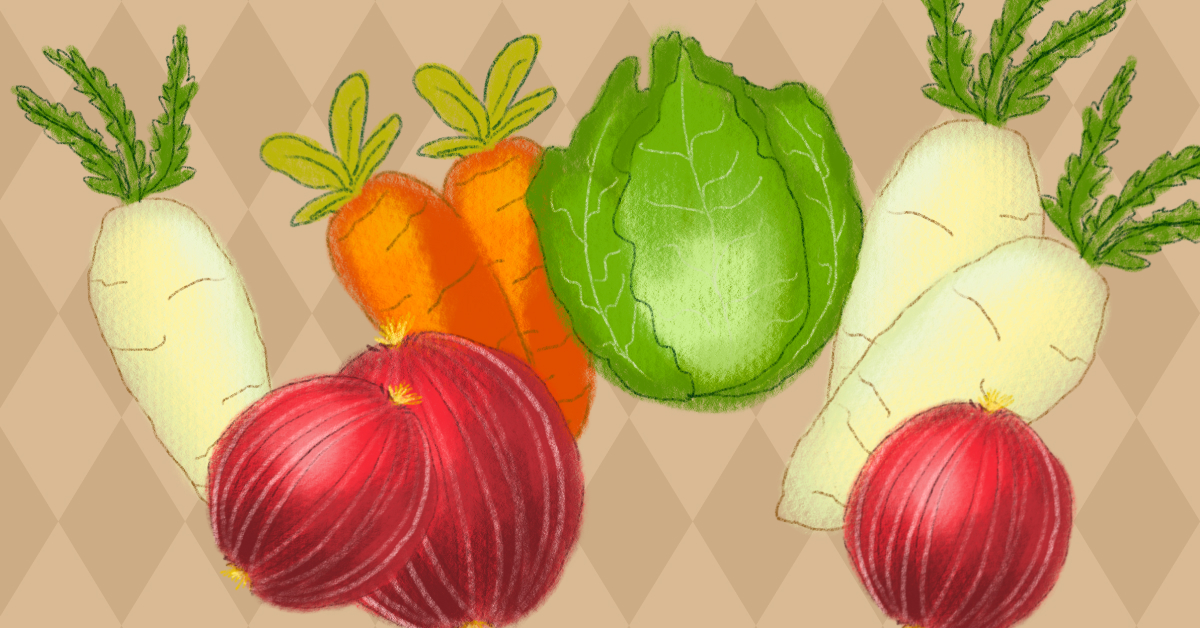
    When asked about what pickled foods there are, one might think cucumbers. However, there are many foods other than cucumbers that are pickled. A common example of pickled vegetables seen in Korean cuisine is kimchi. Some raw vegetables used for kimchi are cabbage, parsley, perilla leaf, green pepper leaf, garlic, and red pepper. This has many complex flavors and a crispy texture due to the numerous biochemical changes during kimchi fermentation. Kimchi not only tastes good but also brings nutritional value such as dietary fiber and vitamins from the B group, β-carotene, and ascorbic acid (Montaño 2016).

    Why Pickled Foods Last

    The longevity of pickled vegetables arises from a combination of microbial inhibition, acidification, and proper storage. When stored in cool, dark places, pickled foods can last for months or even years. This makes pickling a great technique for food preservation. Next time you visit the grocery store, take a moment to explore the variety of pickled products and you might just discover a new favorite!


    Sources Cited

    Encyclopedia of food and health. (n.d.). ScienceDirect. Retrieved November 25, 2024, from http://www.sciencedirect.com:5070/referencework/9780123849533/encyclopedia-of-food-and-health

    Pickling—An overview | sciencedirect topics. (n.d.). ScienceDirect; Encyclopedia of Food and Health. Retrieved November 24, 2024, from https://www.sciencedirect.com/topics/food-science/pickling

    Sato, T. (2023). The science behind food pickling: Understanding the fermentation process. 7(4), 190. https://www.alliedacademies.org/articles/the-science-behind-food-pickling-understanding-the-fermentation-process.pdf

    Sawada, K., Koyano, H., Yamamoto, N., & Yamada, T. (2021). The effects of vegetable pickling conditions on the dynamics of microbiota and metabolites. PeerJ, 9, e11123. https://doi.org/10.7717/peerj.11123

  • The Science of Baking: Know Your Dough

    The Science of Baking: Know Your Dough

    One of my absolute favorite hobbies is baking, so I wanted to not only share my experience with baking but also discuss the science behind common baking ingredients. We’re going to be exploring five different ingredients: yeast, cream of tartar, butter, baking powder, and baking soda. Let’s get started!


    Yeast

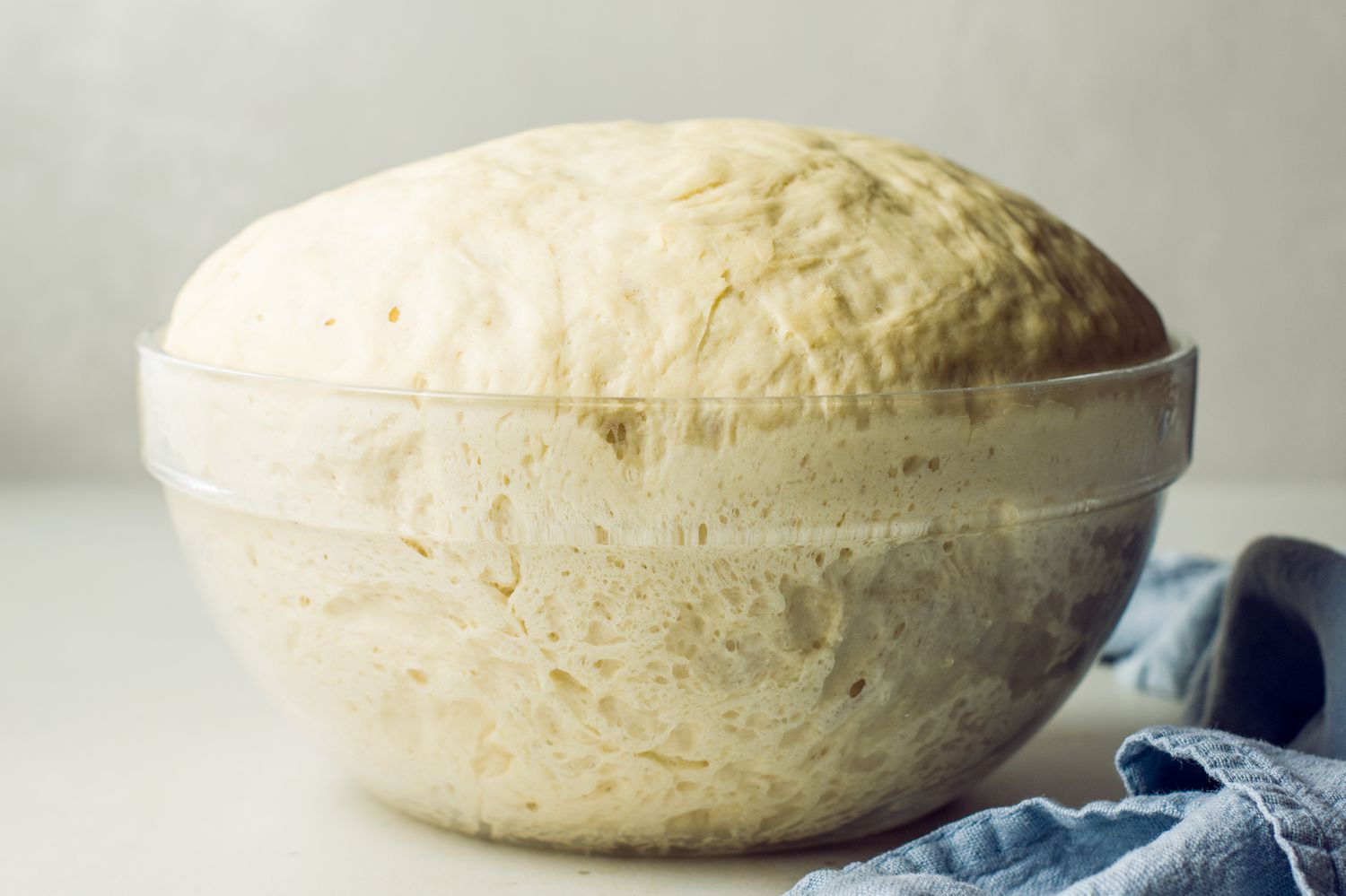
    Yeast is vital when it comes to creating a hearty loaf of bread, but yeast is incredibly temperamental. When growing yeast for bread, you have to put the yeast in lukewarm water (between 105℉ and 110℉). If the water is too hot, the yeast will die, and if the water is too cold, nothing will happen. Having a good base of yeast is the first step to creating bread, so if you mess up this first step, you might as well start over (Exploratorium, n.d.). Luckily, it usually only takes a few minutes to get the yeast to rise after feeding it some sugar, so you won’t be reset too far.

    A bowl of yeast
    Figure 1. The Spruce Eats / Diana Chistruga. This shows a bowl of yeast and flour after proofing.


    Cream of Tartar

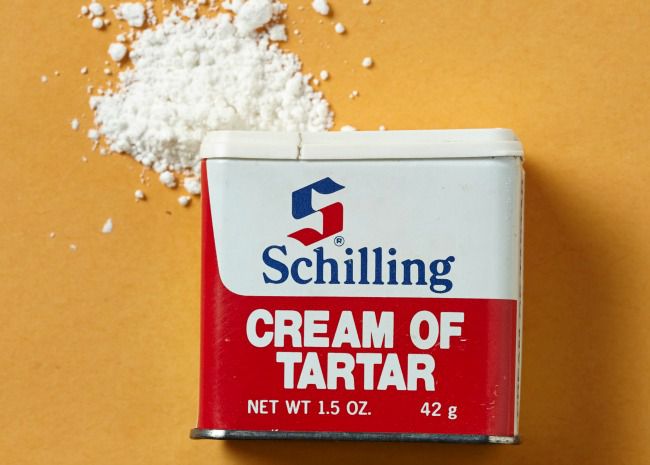
    There’s a fair chance that you might not be familiar with this ingredient, so I’ll gladly explain. According to the McGill Office of Science and Society (2023), cream of tartar is a partially neutralized tartaric acid that is a byproduct of winemaking. Cream of tartar can be used for a number of purposes, but its most important use-case for baking is maintaining structure. My main experience with cream of tartar is when making macarons. You have to create a meringue during the process, and this is where cream of tartar is absolutely necessary. Cream of tartar is what allows egg whites to whip into a firm meringue and not lose its form. Using expired cream of tartar or even none at all will affect how your macarons rise, making them collapse in on themselves. For this reason, cream of tartar is crucial in delicate baking.

    A container of cream of tartar.
    Figure 2. All Recipes / Vanessa Greaves. Shows a container of cream of tartar.

    Butter

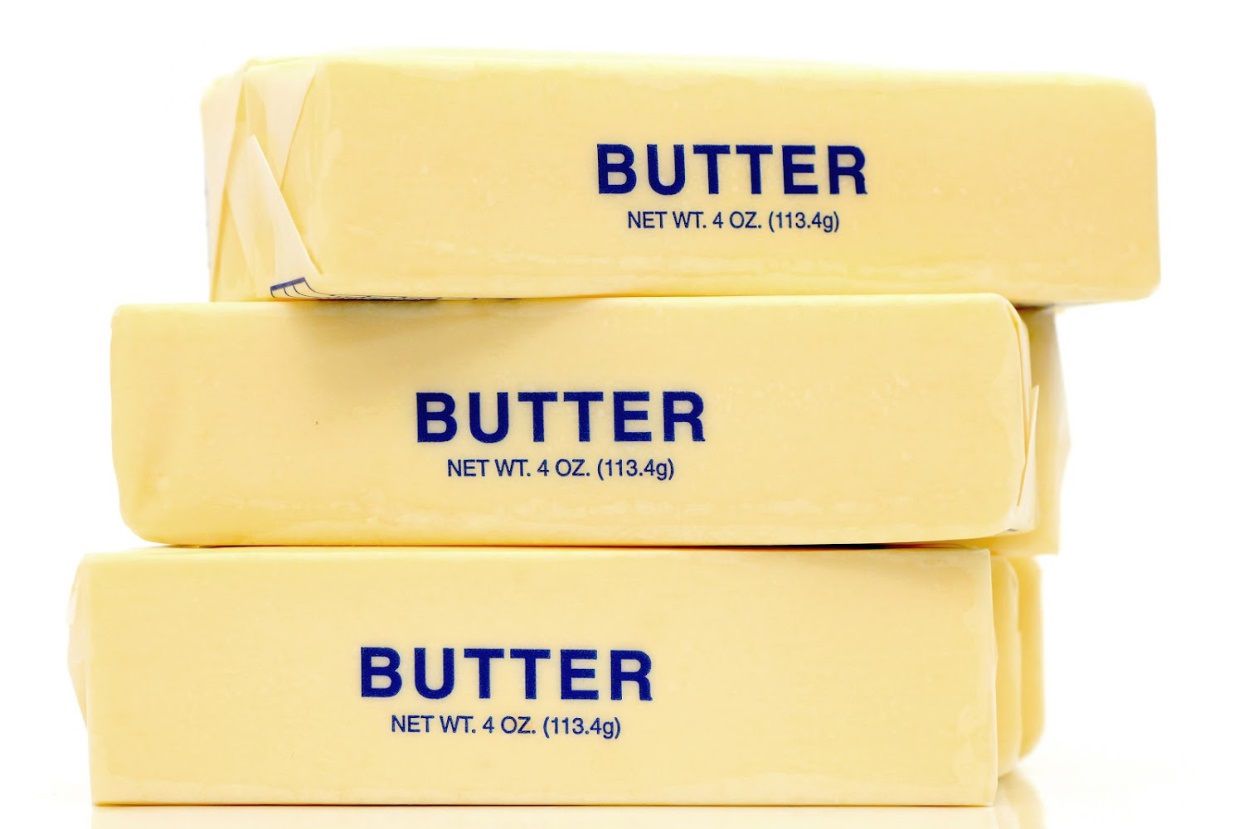
    Butter is a prominent ingredient in most baked goods, but something most people don’t realize when they’re using butter is how important the temperature is. You’ve probably read a recipe before where it says something like room temperature or melted or frozen; well, this clarification is very important. The temperature of butter when it’s being combined with other ingredients defines its role as a binding agent at different parts of the process. For example, if butter is melted, it will most likely be a part of the liquids section of a recipe, and if it is room temperature, it will most likely be with the solids. From my experience, frozen butter is usually used to prevent butter from melting too quickly and burning in an oven. All of these temperatures have specific and special roles (McCoy, 2015).

    3 sticks of butter.
    Figure 3. All Recipes / Kelsey Ogletree. Shows three sticks of butter.

    Baking powder

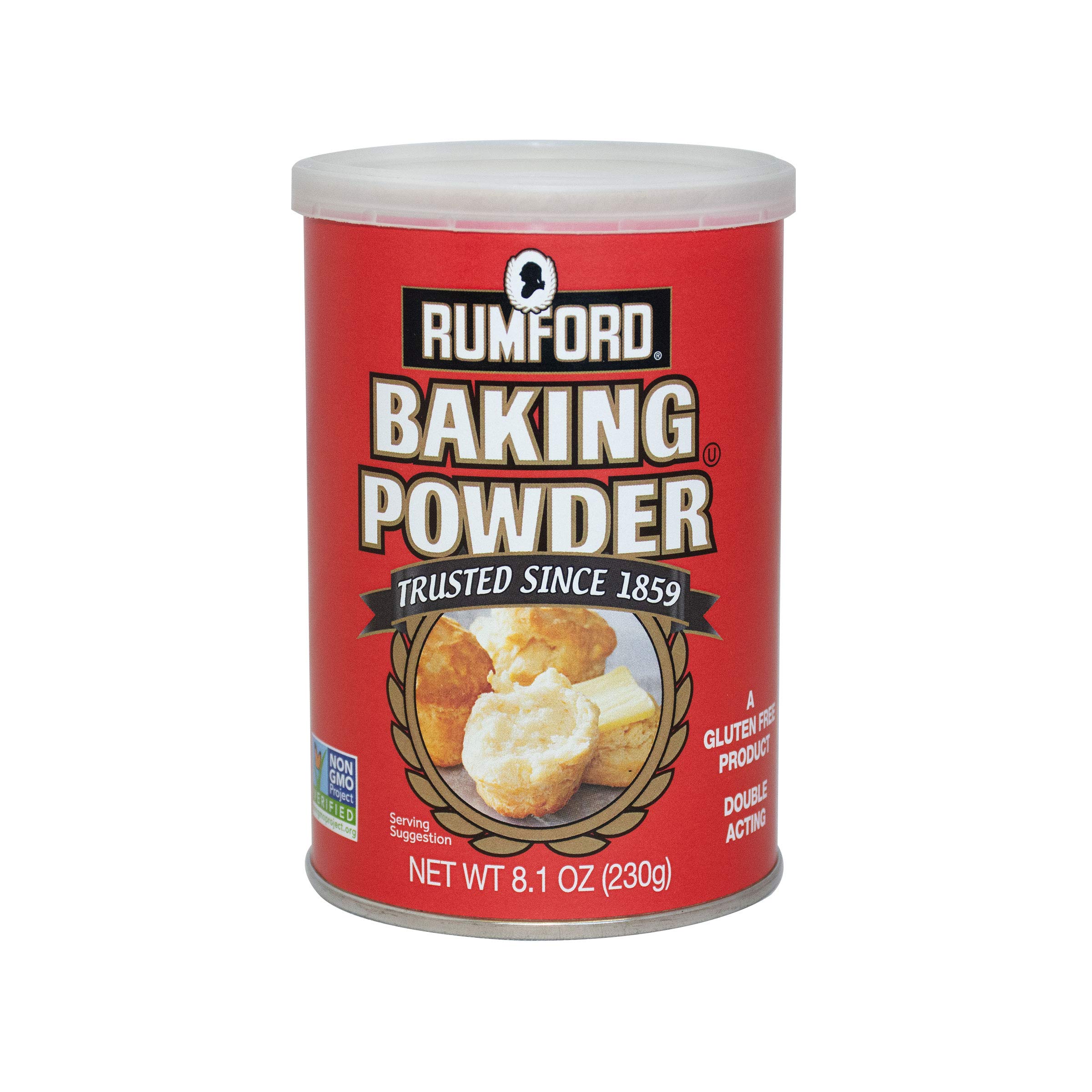
    You’ve most likely heard of baking powder or its counterpart, baking soda (which we’ll be talking about next), but you may not know the science behind it. According to Sorangel Rodriguez-Velazquez at American University (n.d.), baking powder is classified as a high quality chemical leavener. Baking powder is activated through moisture and heat and releases gas that moves throughout the baked good, allowing it to expand and grow in the oven. It’s very important to not use too much baking powder because it could cause your baked goods to collapse (Rodriguez-Velazquez, n.d.). Baking powder is pretty crucial to making baked goods like cakes and preventing them from becoming too dense. 

    Container of baking powder.
    Figure 4. Rumford Baking Powder. Shows a container of baking powder.

    Baking Soda 

    Now I know what you’re thinking, what is the difference between baking soda and baking powder? Well for starters, baking soda has only one ingredient, sodium bicarbonate, while baking powder contains that and two acids. The real difference when baking though is that baking soda reacts immediately while baking powder works at different stages, depending on if it’s single or double acting. Both act as leavening agents; however, since baking soda does not have acids built into it, it is only really used when there is some sort of acidic ingredient in it such as cream of tartar or buttermilk (Shipman, 2024). That’s why it’s usually baking soda in recipes involving those ingredients. 

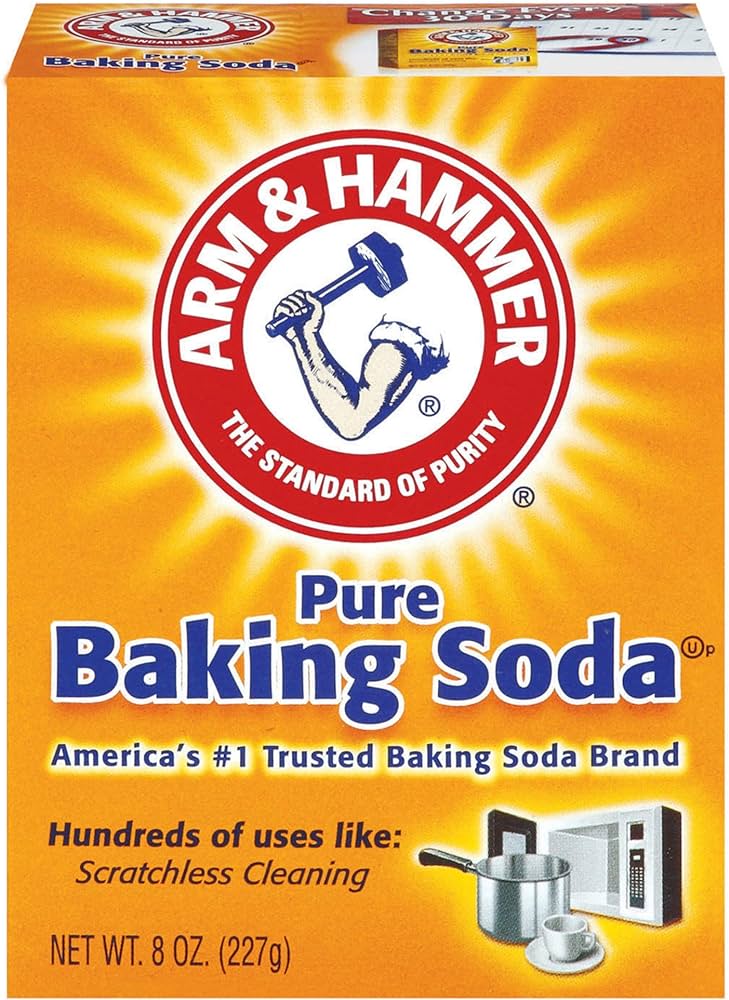
    Box of baking soda.
    Figure 5. Arm & Hammer Pure Baking Soda. Shows a container of baking soda.


    Baking is such a fun and fascinating scientific process. I hope next time you find yourself baking, you understand the ingredients you are working with better and appreciate the science that goes into every little moment.


    References

    Exploratorium. (n.d.). Bread Science 101. Exploratorium. https://www.exploratorium.edu/explore/cooking/bread-science

    Pellegrinelli, C. (2024). What is Yeast?. The Spruce Eats. https://www.thespruceeats.com/basic-yeast-information-304312

    Schwarcz, J. (2017). Cream of Tartar. McGill Office for Science and Society. https://www.mcgill.ca/oss/article/general-science-history/cream-tartar

    Greaves, V. (2023). Cream of Tartar: What It Is and How to Use It [Photograph]. All Recipes. https://www.allrecipes.com/article/cream-of-tartar/

    McCoy, J. (2015). Beyond Flavor: The Science of Butter. Institute of Culinary Education. https://www.ice.edu/blog/beyond-flavor-science-butter

    TWOELLIS. (n.d.). [Photograph of three sticks of butter]. Getty Images. https://www.allrecipes.com/article/salted-vs-unsalted-butter-what-s-the-difference/

    Rodriguez-Velazquez, S. (n.d.). 5.5: Baking Powder. American University. https://chem.libretexts.org/Bookshelves/Biological_Chemistry/Chemistry_of_Cooking_(Rodriguez-Velazquez)/05%3A_Leavening_Agents/5.05%3A_Baking_Powder

    Shipman, M. (2014). The difference between baking soda and baking powder. North Carolina State University. https://phys.org/news/2014-05-difference-soda-powder.html

    Berkheiser, K. & Richter, A. (2023). What’s the Difference Between Baking Soda and Baking Powder?. Healthline. https://www.healthline.com/nutrition/baking-soda-vs-baking-powder#:~:text=When%20to%20use%20which%20one,needed%20to%20produce%20carbon%20dioxide.

    Light, J. (2024). Science of Baking Cover Art. STEMComm.

  • The Psychology of Fear and Why We Seek it Out

    If you’re a fan of Halloween, there’s a good chance you partook in one of America’s favorite passtimes this spooky season: watching a great horror movie. Something about getting cozy on the couch and watching a bloody zombie attack, or a thrilling ghost possession, and feeling all the fear and emotions that come with it can quite the thrill. If any of this resonates with you, I ask you to consider the question, “Why do you watch horror movies out?” In every other aspect of our lives, horror is an emotion we find undesirable and seek to avoid. So why do we, in special circumstances, purposely seek out these feelings of fear? If you love horror movies but have never deeply explored what draws you to them, I encourage you to keep reading. If you are one of those people that hates horror and can never understand how so many people get enjoyment out of watching scary movies, stick around and you might get a better understanding of why.


    There are many different reasons that someone could enjoy horror movies, and the appeal can vary based on the individual. One common thread between horror-enjoyers, however, is the thrill that horror provides. Thrill is a difficult emotion to describe, as it can describe emotions associated with extremely positive or negative experiences. A thrill is often defined as a “pierce of emotion” and is often present in high-adrenaline activities, such as skydiving or riding rollercoasters. People who really enjoy this feeling, also known as thrill-seekers, are likely to be especially prone to enjoying horror movies. This relates to the similar concept of sensation-seeking, which is the phenomenon where people desire intense sensations and experiences. Sensation-seeking is a strong indicator of one’s enjoyment of horror films for both genders, but it is notably a stronger indicator for men’s enjoyment of horror films.


    Men and women enjoy horror for different reasons. For men, thrill and adventure-seeking personalities are strong indicators for horror enjoyment, whereas for women, disinhibition is a stronger sensation-seeking indicator. Disinhibition refers to a lack of restraint, or a willingness to engage in risky or socially unacceptable behaviors. Women who have high levels of disinhibition are likely to find enjoyment in horror media.


    On the topic of gender differences, there is strong evidence that men generally enjoy consuming horror more than women. Proposed reasonings for this are that women tend to be more prone to feelings of disgust and anxiety than men, and this can cause them to be turned off from horror. Additionally, studies have shown that women have higher levels of empathy than men, and will be less likely to find enjoyment in the suffering that typically occurs in horror films.


    There are many reasons why people may be drawn to horror, but one of the most widely accepted theories is Dr. Dolf Zillmann’s excitation transfer theory, which poses that we are drawn to horror because of the feelings we get from witnessing high suspense and resolution. According to this theory, as we watch a negative, suspenseful buildup, we experience high emotions that are later converted into euphoria as the suspense ends and a resolution occurs.


    Now, you may be thinking to yourself, “What about horror movies that feature suspense without a resolution? How could we find enjoyment in those?” This is an extremely relevant question, as many horror films do not have happy endings, and fill us with a sense of dread by their lack of a resolution, rather than the comfort that a happy ending would bring. I would argue that horror films without a true resolution still allow us to feel the same euphoria by providing a pseudo-resolution that lies within the realization that we are consuming media. Even if a horror movie has a horrible ending, with no hope for the characters or world, we are able to experience the joy of existing in the safety and comfort of our own world and realizing that the fear and discomfort we are feeling is not real. I would argue that this is a resolution in itself, from the perspective of the viewer.


    This takes me to my final point about horror enjoyment, which I feel that many people can probably relate to. While we do not usually enjoy experiencing fear in most facets of our everyday lives, film and media give us a chance to experience these strong emotions which we typically avoid, in a safe and controlled environment. The contrast between the visceral fear our bodies are experiencing, and the mental certainty that we are not actually in danger allows us to enjoy an emotion that we usually hate. This embodies the same concept of how we feel riding roller coasters. Our bodies sense danger, but our minds know we are safe.


    So, next time you sit down to watch a horror movie, think about what’s really pulling you in. Is it the thrill, the suspense, or the satisfaction of facing fear on your own terms? Whatever it is, remember: fear isn’t always something to avoid—it’s sometimes something to embrace.


    Works Cited


    Martin, G. N. (2019). (why) do you like scary movies? A review of the empirical research on psychological responses to Horror films. Frontiers in Psychology, 10. https://doi.org/10.3389/fpsyg.2019.02298


    Neurominded. (2023, October 31). The Spooky Science of Horror Movies: Why Do We Enjoy Being Scared?. Inspire The Mind. https://www.inspirethemind.org/post/the-spooky-science-of-horror-movies-why-do-we-enjoy-being-scared


    Zuckerman, E. (2017, February 24). Get Out is one of the most terrifying movies in years — because it’s so smart. Vox. https://www.vox.com/culture/2017/2/24/14698632/get-out-review-jordan-peele


  • Navigating Transition in Higher Education – An Analysis of Transfer Students at Tech

    Navigating Transition in Higher Education – An Analysis of Transfer Students at Tech

    While often an overlooked and unrepresented population consisting of 1,252,418 students, or roughly 15% of the undergraduate student population at public 4-year institutions, transfer students now more than ever are now making up a larger percentage of student bodies across the country’s 4-year colleges and universities. Created to better help education leaders address policy centered around the enrollment impacts that transfer students can have on an educational institution, research published by the National Student Clearinghouse addresses enrollment demographic characteristics and transfer behaviors of over 11 million undergraduate transfer students from fall 2023 over a fixed panel of institutions that have committed to providing data integral to understanding the transfer rates. On top of that, the report published in February of 2024 also provides insight into why students choose to transfer.

    Up about 3% from years prior, overall undergraduate enrollment of transfer students saw a 5.4% increase, roughly a jump of 65,000 students, in 2023, with around 70% of these students transferring through Transfer Pathway Programs. Transfer Pathway Programs, such as the Georgia Tech Fine Arts & Sciences Transfer Pathway Program, are great ways for students who were not offered admittance to a college or university to still have a chance to later attend.

    Georgia Tech specifically admitted 1,440 transfer students out of the 6,052 total transfer applicants for the 2024 academic year. This transfer class profile pulled from a diverse background of students from 240 total colleges across 43 different states; with around 1125 of these students transferring into Georgia Tech through a transfer pathway program. The Institute in total enrolls over 20,000 undergraduate students in total, however, the school transfer admittance rate is still competitive to that of its standard admittance rate, of which 33% of in-state applicants are admitted and 10% of the institute’s out-of-state applicants are admitted in 2024. Therefore, an admittance of 33% for in-state transfer students and admitting 20% of its out-of-state transfer applicants in 2024 roughly mirrors first-year admittance for the school in general, and even slightly favors out-of-state students.

    Transferring in general also provides many benefits past having an educational background that is diverse from your peers. Using even more stats from Georgia Tech’s 2024 transfer class, the average transfer student transferred with over 40 credit hours of coursework already completed, which is roughly equal to 3 semester’s worth of course-work. Not only does this put transfer students significantly ahead of the curve regarding the overall completion of their degree, but it also possibly saves students thousands of dollars in tuition if the student transferred from a school that costs less, and with more than 40% of students in pursuit of a bachelor’s degree beginning their undergraduate education at a 2-year school or community college, the likely-hood of this being the case is very high (Zuckerman & Lo,  2021). A 2024 report from the Education Data Initiative indicates that the average cost of tuition is up 4.11% year-over-year; with the average tuition of an in-state student at a public 4-year institution being roughly $10,000, the average tuition of an out-of-state student at a public 4-year institution being more than $25,000, and the average cost of tuition for a student at a 2-year institution being less than $5,000 a semester. Therefore, an undergraduate student at a 2-year institution pays roughly 50-80% less than their counterpart at a public 4-year institution. All of this is to say that there is a high likelihood that those 3 semester’s worth of credit hours for an in-state student potentially costs $15,000 less for an in-state transfer student, and $60,000 for an out-of-state transfer student, both of which are no small sum.

    So with roughly 15% of the undergraduate student population at public 4-year institutions such as Georgia Tech now consisting of transfer students, now more than ever transfer students, an overlooked and unrepresented population of students, are on the rise. 


    References

    Georgia Institute of Technology . (n.d.). 2024 transfer class profile – undergraduate admission. 2024 TRANSFER CLASS PROFILE. https://admission.gatech.edu/images/pdf/2024TransferProfile.pdf

    Georgia Institute of Technology. (n.d.). Student demographics. Student Demographics |Institutional Research & Planning. https://irp.gatech.edu/disclosures/student-demographics

    Hanson, M., & Checked, F. (2024, May 28). Average cost of college [2024]: Yearly tuition + expenses. Average Cost of College & Tuition. https://educationdata.org/average-cost-of-college

    National Student Clearinghouse. (n.d.). Transfer and progress. National Student Clearinghouse Research Center. https://nscresearchcenter.org/transfer-and-progress/

    Zuckerman, A. L., & Lo, S. M. (2021, August 23). Transfer student experiences and identity navigation in STEM: Overlapping figured worlds of success. Transfer Student Experiences and Identity Navigation in STEM: Overlapping Figured Worlds of Success. https://www.lifescied.org/doi/10.1187/cbe.20-06-0121 

  • Now You See It! – The Science of Misdirection in Magic

    Now You See It! – The Science of Misdirection in Magic

    Magicians have been performing seemingly impossible feats to awe-struck audiences for millennia. With a simple flick of a hand or snap of a finger, magicians can make objects appear and disappear in the blink of an eye, make someone levitate off the ground, or even saw people in half! To perform these feats, magicians often use their knowledge of how attention works and a bit of misdirection to focus their audience’s attention where they want them to focus (Alexander et al., 2022). How does attention work, and how do magicians use misdirection to pull off these incredible feats?

    What is Attention and How Does it Work?

    Attention is selectively choosing to focus on specific aspects of our environment, while ignoring other stimuli (Kuhn et al., 2022). Attention is like a spotlight – we can only focus on one aspect of our environment at a time, and everything else outside of that spotlight goes unnoticed. There are two main types of attention: goal-directed attention and stimulus-driven attention. Goal-directed attention is when we choose to focus on something to accomplish some motivated goal, while stimulus-driven attention is when a stimulus in our surroundings grabs our attention (Yantis, 2002). Imagine this scenario: we’re watching a show on the TV, when we suddenly hear a loud thump from the other room. Our attention was initially focused on the TV show but instinctively shifts as we focus on the source of the loud thump. The loud thump automatically draws our attention as it may be something we need to protect ourselves from. After determining that the sound was from a family member accidentally dropping a box on the floor, we can return our attention to watching the TV show once more. We are using goal-directed attention when we are focused on watching the TV show. When we hear the unexpected loud thump, we switch to stimulus-driven attention as we try to determine the source of that sound. Magicians often use stimulus-driven attention to direct their audience’s attention to what the magician wants them to see.

    How Do Magicians Use Misdirection?

    Misdirection in magic is when a magician guides our attention towards the magical effects and away from what is really happening. Magicians often use their gaze, multiple hand movements, and other cues to carefully control the audience’s attention to where the magicians want them to focus (Alexander et al., 2022; Icard et al., 2024). For example, a magician could do elaborate movements with their right hand, drawing the audience’s attention to their right hand, while their left hand subtlety goes into their pocket. Multiple, quick hand movements within a short period of time can overwhelm our attentional spotlight, allowing magicians to make coins magically appear and disappear within the blink of an eye without seeming to touch the coins (Icard et al., 2024). Misdirection is a skill that must be practiced well to perform in front of an audience. Famous magicians such as Apollo Robins or Penn and Teller have mastered the technique of misdirection, allowing them to perform complex tricks such as changing tin foil balls into baseballs or taking a watch right off someone’s wrist without them noticing.

    Attention is a powerful tool that can shape our perceptions of the world, so be sure to pay attention!


    Citations:

    Alexander, R. G., Macknik, S. L., & Martinez-Conde, S. (2022). What the Neuroscience and Psychology of Magic Reveal about Misinformation. Publications, 10(4), 33. https://doi.org/10.3390/publications10040033

    Icard, B., & Fervari, R. (2024). Beyond the Spell: A Dynamic Logic Analysis of Misdirection. ArXiv.org. https://arxiv.org/abs/2401.14516

    Kuhn, G., Kingori, P., & Peeters Grietens, K. (2022). Misdirection – Magic, Psychology and its Application. Science & Technology Studies, 35(2), 13–29. https://doi.org/10.23987/sts.112182

    Yantis, S. (2002). Stimulus-Driven and Goal-Directed Attentional Control. In: Cantoni, V., Marinaro, M., Petrosino, A. (eds) Visual Attention Mechanisms. Springer, Boston, MA. https://doi.org/10.1007/978-1-4615-0111-4_12