Category: Articles

  • Escape the Elements: How to Create a Science-Themed Escape Room

    Escape the Elements: How to Create a Science-Themed Escape Room

    Escape rooms are a fun way to bond with others and put your critical thinking skills to the test! An escape room is a game where people are ‘locked in’ a room and must find a way out by finding clues and solving puzzles (Cambridge Dictionary, 2025). Escape rooms are popular because they are wonderful social bonding experiences where teams of people must work together to get out of the room.

    In the past few years, several schools and universities started using educational escape rooms as an alternative method to teach students different subjects, ranging from math, history, science, and other subjects! One study had 62 students in Spain learn mathematical topics through an escape room model and found that it reduced learning anxiety while increasing motivation and learning achievement (Fuentes-Cabrera et al., 2020). Another study had 528 elementary school students go through either a virtual escape room or other digital game-based learning activities and found that the students preferred the digital escape room because it lead to higher collaboration and stronger motivation to learn among the students (Vidergor, 2021).

    During my time at Georgia Tech, I’ve created two separate science-themed escape rooms from scratch with my friends and ran them both four times collectively. We had a lot of fun, and I learned so much about escape rooms – both making and playing them – in the process. I think escape rooms are a wonderful way for people to learn and apply their knowledge while being in a fun environment and bonding with people around them who share the same interests. There are many escape room templates online that you can use, but I want to make this guide if you want to make your own customizable escape room that tailors to your audience. In this guide, I’ll share some tips about making an escape room from scratch as well as some of my own experiences.


    Step 1: Choose a Theme and a Storyline

    Choose a theme based upon your intended audience. For example, my intended audience was college students who were in different science majors, so I incorporated elements (pun intended) from as many science fields as I could. If you are making an escape room for your biology class, make the room biology themed.

    Once you have a theme, create a storyline about why they are in the room. Maybe an evil scientist is creating a formula to destroy the world, and they must figure out the formula to stop them! Maybe the room is part of a colony on Mars that lost power and communication with Earth and the crew (participants) need to work together to restore the colony’s original functions so they can get back, but they must do it quickly because oxygen levels are depleting fast! The more interesting the storyline, the more interested your players will be. The sky’s the limit with your storyline but ensure that it matches with the theme of the room and add in a specific reason for the time limit (e.g. oxygen levels depleting within the hour on the Mars colony). Both escape rooms I held involved an evil magician who performed strange alchemy experiments, and the participants were playing as detectives who got trapped inside the evil magician’s hideout. Be as creative as you want with your storyline!


    Step 2: Determine a Game Flow Plan

    Choose how you want your puzzles to be organized. Do you want your puzzles to be connected to each other linearly or do you want multiple puzzles that can be solved separately from each other?

    I organized my puzzles into 5 puzzle sets with a final number at the end of each set. Each set had 3 to 4 puzzles that had to be solved in order but sets themselves could be solved independently of each other. For example, puzzle A1 had to be solved to unlock puzzle A2, but puzzle B1 could be solved without needing to solve A1. For the participants to escape, there was a final door code (found by writing all the numbers at the end of each set in a specified order on a whiteboard).

    It’s up to you on how you want your puzzles to be organized, but it’s beneficial to have each puzzle lead to something else (unless it’s a red herring puzzle in which it will lead nowhere).


    Step 3: Design Puzzles

    Once you have your puzzle outline down, it’s time to make the puzzles! There are a variety of puzzle types you can choose from. This list below is not extensive, but these are some of the puzzle types I used:

    • Hiding secret messages in documents (letters, posters, newspaper clippings, etc.) by using CAPTIALS, bolding, italicizing, and underlining specific letters or words
      • If you want to make it more complex, you can use bolding and italicizing to create two different messages – one is a real message that leads to the next puzzle while the other message is a funny red herring but doesn’t lead to anything.
    • Locking items in boxes, cabinets, etc.
      • You can buy lock boxes from a store or you can punch holes into cardboard boxes and attach combination locks to them.
      • There are a variety of locks you can use: number locks, letter locks, among others.
    • Ciphers
      • Caesar cipher (each letter is shifted by a fixed amount)
      • Morse code (using dots and dashes for letters and numbers) – requires a key
      • Atbash cipher (alphabet is reversed; A becomes Z, B becomes Y, etc.)
      • Braille (using raised dots or gem stickers to form numbers or words) – requires a key
      • Pig Pen cipher (alphabet letters are replaced with parts of a grid or by a set of symbols) – requires a key
    • Putting a sequence of events in order which reveals a code
    • Counting the number of colored objects drawn on a board to reveal a code

    There are many other puzzle methods you can use, but keep your intended audience in mind as you determine which puzzles to use. Try to avoid making your puzzles too complex or else your audience may not understand how to solve them which can lead to immense frustration.


    Step 4: Determine How to Integrate Puzzles into Room

    Once you make the puzzles, determine where you want to hide them! They can be hidden in locked places (boxes, cabinets, etc.) or they can be hidden in plain sight (e.g. a letter with a hidden message sitting on a table in the open). I recommend writing down the locations of each puzzle in your answer key, so setting up the room will be much easier (and you can find puzzles that you’ve hidden away in case you forget).

    If your puzzles are interconnected with one another, determine how you’ll ensure they must solve the previous puzzle before continuing to the next one. I usually locked up the next puzzle in the sequence and participants would have to solve the previous puzzle to get the code for the lock.

    Additionally, use props to bring the room to life! Use props related to the theme and storyline you’re doing for your escape room, and they don’t have to be expensive props. You can either use things you already have, make props, or buy props to bring the escape room to life. The more props you use, the more immersive the experience will be!


    Step 5: Test and Adjust Puzzles (If Possible)

    It is beneficial to test your puzzles and/or your entire room with people who are not doing the escape room (if you can) prior to your official date. A puzzle that is easy for you to understand may be difficult for someone else to understand, so testing out your puzzles ensures that the puzzles are not too complicated for your intended audience.


    Step 6: Run the Escape Room!

    You’ve done all the hard work in making the escape room, so now it’s time for the big day!

    Some tips from my experience:

    • Make sure to either have an answer key or have the answers memorized in case the participants need help
    • Start setting up early! Make sure to have at least an hour or two hours for set up based upon how complex the room will be (more puzzles and decorations/props = more set up time)
      • Remove as many items as you can that are not related to the escape room to avoid confusion
    • Make sure to state the rules prior to participants starting the escape room (These are the ones I used but you can add more)
      • There is only key or code per lock
      • Don’t break the ceiling, walls, or any delicate furniture/technology
      • Don’t stand on the furniture
      • Don’t need to dig through the trash cans
      • You write using paper/pencils or whiteboards
      • They have X amount of time to escape (usually 45-60 minutes but ours lasted 2 hours because we had a complex set up)


    Making an escape room can be daunting, but it’s an amazing adventure at the end of the day! It’s a rewarding experience for players and can be a fun educational experience where participants can learn while bonding with their peers.

    Thanks for reading!


    Bibliography

    Cambridge Dictionary. (2025, January 29). escape room. @CambridgeWords. https://dictionary.cambridge.org/us/dictionary/english/escape-room

    Fuentes-Cabrera, A., Parra-González, M. E., López-Belmonte, J., & Segura-Robles, A. (2020). Learning Mathematics with Emerging Methodologies—The Escape Room as a Case Study. Mathematics, 8(9), 1586. https://doi.org/10.3390/math8091586

    How to Make an Escape Room at Home: DIY Guide. (2024). Escapely. https://escapely.com/how-to-make-an-escape-room/

    Vidergor, H. E. (2021). Effects of digital escape room on gameful experience, collaboration, and motivation of elementary school students. Computers & Education, 104156. https://doi.org/10.1016/j.compedu.2021.104156

  • The Ethics of AI in Medicine: Can Algorithms Replace Doctors?

    The Ethics of AI in Medicine: Can Algorithms Replace Doctors?

    Artificial intelligence (AI) is no longer a futuristic concept confined to research labs—it is embedded in the present and is reshaping the medical world in profound ways. From interpreting X-rays and CT scans with pinpoint precision to forecasting disease risk and suggesting treatment options, AI has quickly established itself as a powerful force in modern healthcare. Its speed and accuracy often surpass those of human doctors, offering clear benefits in diagnostics, efficiency, and cost. However, these advancements come with ethical dilemmas that demand close examination. As machines begin to assume roles once reserved for trained physicians, we must ask: Can—and should—algorithms replace doctors? And if we let them, how do we ensure fairness, accountability, and humanity in the delivery of care?

    The appeal of medical AI is undeniable. In 2019, a deep learning model developed by Google Health demonstrated an ability to detect lung cancer in CT scans more accurately than six board-certified radiologists. The AI achieved this by analyzing hundreds of thousands of imaging data points, learning to recognize subtle patterns that human eyes might miss (Ardila et al., 2019). Tools like this are being introduced in hospitals around the world, where they assist in tasks ranging from reading mammograms to diagnosing diabetic retinopathy. According to a report by McKinsey & Company, AI could generate up to $100 billion annually in savings across the U.S. healthcare system by streamlining administrative work, accelerating clinical decision-making, and improving patient outcomes (McKinsey, 2020). Given rising healthcare costs and physician burnout, these gains are attractive to both hospitals and policymakers.

    But despite the promising performance of AI in medicine, significant ethical challenges remain. The first, and arguably most urgent, is bias. AI systems are only as good as the data they are trained on, and that data often reflects the deep inequities already present in healthcare systems. A 2019 study published in Science revealed that an algorithm used by millions of patients across the United States underestimated the health needs of Black patients by nearly half. This was because the algorithm used past healthcare spending as a proxy for illness severity, a flawed metric that ignored the systemic barriers many patients of color face when accessing care (Obermeyer et al., 2019). As a result, Black patients received less care—not because they were healthier, but because the system failed to see them clearly. This case is not isolated; other studies have found similar patterns of underdiagnosis and undertreatment when AI models are trained on non-representative datasets.

    Another pressing ethical concern is accountability. In traditional clinical settings, doctors are held responsible for their decisions. They must explain their rationale, justify treatment plans, and, when necessary, answer to patients, institutions, and courts. But with AI, the decision-making process becomes opaque. Most advanced machine learning systems—particularly deep neural networks—operate as ‘black boxes,’ making predictions without offering clear explanations. When these systems err, it’s unclear who should be held accountable: the developer who built the model, the healthcare institution that implemented it, or the physician who relied on its recommendations. According to a 2021 report by the U.S. Food and Drug Administration (FDA), regulatory frameworks are still in development, particularly for AI systems that continuously learn and update after deployment (FDA, 2021). Without clear legal standards, patients who are harmed by AI-driven errors may find it difficult to seek justice or even understand what went wrong.

    The lack of transparency in AI decision-making also raises concerns about informed consent. Informed consent is a cornerstone of ethical medical practice—it ensures that patients understand and agree to their care plans. But when decisions are made by algorithms that neither patients nor clinicians fully understand, how can consent be truly informed? A study published in The Lancet Digital Health argues that as AI systems become more involved in care, healthcare providers must develop new protocols to explain not just medical options, but the role and limitations of AI in the process (Morley et al., 2020). If patients are unaware that an AI is influencing their diagnosis or treatment—or if they do not understand the implications—they may be making decisions without full understanding, violating their autonomy.

    Beyond bias and accountability, there is a deeper concern: the potential loss of human connection in healthcare. Medicine is not just about science; it is also about relationships, empathy, and trust. A 2022 survey by the AMA found that over 80% of patients believe that a strong relationship with their doctor is critical to their health outcomes (AMA, 2022). Doctors not only interpret data—they read body language, offer emotional support, and provide continuity of care. These are aspects of medicine that AI, no matter how sophisticated, cannot replicate. An algorithm can analyze a heart rate trend, but it cannot notice the anxiety in a patient’s voice or offer comfort during a terminal diagnosis. If AI becomes the default decision-maker, we risk reducing patients to data points and care to computation.

    However, the goal of integrating AI into medicine is not necessarily to replace doctors—but to augment them. When thoughtfully designed and ethically implemented, AI can be an invaluable assistant. It can take on time-consuming tasks like sorting lab results, triaging patient records, or flagging high-risk cases, allowing clinicians to spend more time with their patients. A study published in Nature Medicine supports this collaborative model, showing that physicians using AI-assisted tools made more accurate diagnostic decisions than either AI or humans alone (Topol, 2019). This suggests that the future of medicine doesn’t belong to AI or doctors—it belongs to both. The question is how to ensure that this collaboration works in a way that protects ethical standards and centers the patient’s well-being.

    To achieve this balance, several changes are needed. First, developers must ensure that AI is trained on diverse, representative data. This includes not only demographic diversity but also data reflecting various healthcare systems, cultural backgrounds, and comorbid conditions. Second, transparency and explainability must be built into AI design. Algorithms used in healthcare should be able to provide understandable reasoning behind their recommendations so that doctors and patients can question and interpret their output. Third, regulatory bodies must develop robust legal frameworks for AI in medicine, including rules for post-deployment monitoring, auditability, and liability assignment. Finally, medical education must evolve. Doctors need to be trained not only to use AI tools, but to critically evaluate them—understanding when to trust the machine and when to override it.

    In conclusion, the integration of AI into medicine offers enormous potential. It promises faster diagnoses, reduced errors, and broader access to high-quality care. But it also introduces serious ethical challenges that cannot be ignored. Bias, accountability, transparency, and the erosion of human connection are not side issues—they are central to the future of ethical, patient-centered care. As we design and deploy these systems, we must ensure that they serve all patients equitably, support rather than supplant clinicians, and maintain the humanity at the heart of medicine. AI can be a transformative force—but only if we are equally committed to the ethics that guide its use. The future of healthcare is not about choosing between man or machine—it’s about finding the right way for both to work together.


    References

    American Medical Association. (2022). Patient Trust and the Doctor-Patient Relationship in the Digital Age. https://www.ama-assn.org

    Ardila, D., Kiraly, A. P., Bharadwaj, S., et al. (2019). End-to-end lung cancer screening with three-dimensional deep learning on low-dose chest computed tomography. Nature Medicine, 25(6), 954–961. https://doi.org/10.1038/s41591-019-0447-x

    McKinsey & Company. (2020). How artificial intelligence will impact healthcare. https://www.mckinsey.com

    Morley, J., Machado, C. C. V., Burr, C., Cowls, J., Joshi, I., Taddeo, M., & Floridi, L. (2020). The ethics of AI in health care: A mapping review. Social science & medicine (1982), 260, 113172. https://doi.org/10.1016/j.socscimed.2020.113172

    Obermeyer, Z., Powers, B., Vogeli, C., & Mullainathan, S. (2019). Dissecting racial bias in an algorithm used to manage the health of populations. Science, 366(6464), 447–453. https://doi.org/10.1126/science.aax2342

    Topol, E. J. (2019). High-performance medicine: the convergence of human and artificial intelligence. Nature Medicine, 25(1), 44–56. https://doi.org/10.1038/s41591-018-0300-7

    U.S. Food and Drug Administration. (2021). Artificial Intelligence/Machine Learning (AI/ML)-Based Software as a Medical Device (SaMD) Action Plan. https://www.fda.gov/media/145022/download


  • Atlanta Science Festival – The Amazing Race

    Atlanta Science Festival – The Amazing Race

    It’s interesting that my journey with STEMComm began with a reflection on the Atlanta Science Festival, and now, as I wrap up my final semester, I find myself doing the same. This time, I’m writing from the perspective of a two-time coordinator of this event. It’s been a full-circle moment: challenging, rewarding, and meaningful.

    This semester, our VIP team decided to theme the event around The Amazing Race, a reality show where teams compete in various challenges across the globe. We adapted the concept to create a science-themed race, where participants completed interactive challenges that taught them about various scientific topics such as light, conductors, and encryption. The idea was to make learning fun through friendly competition.

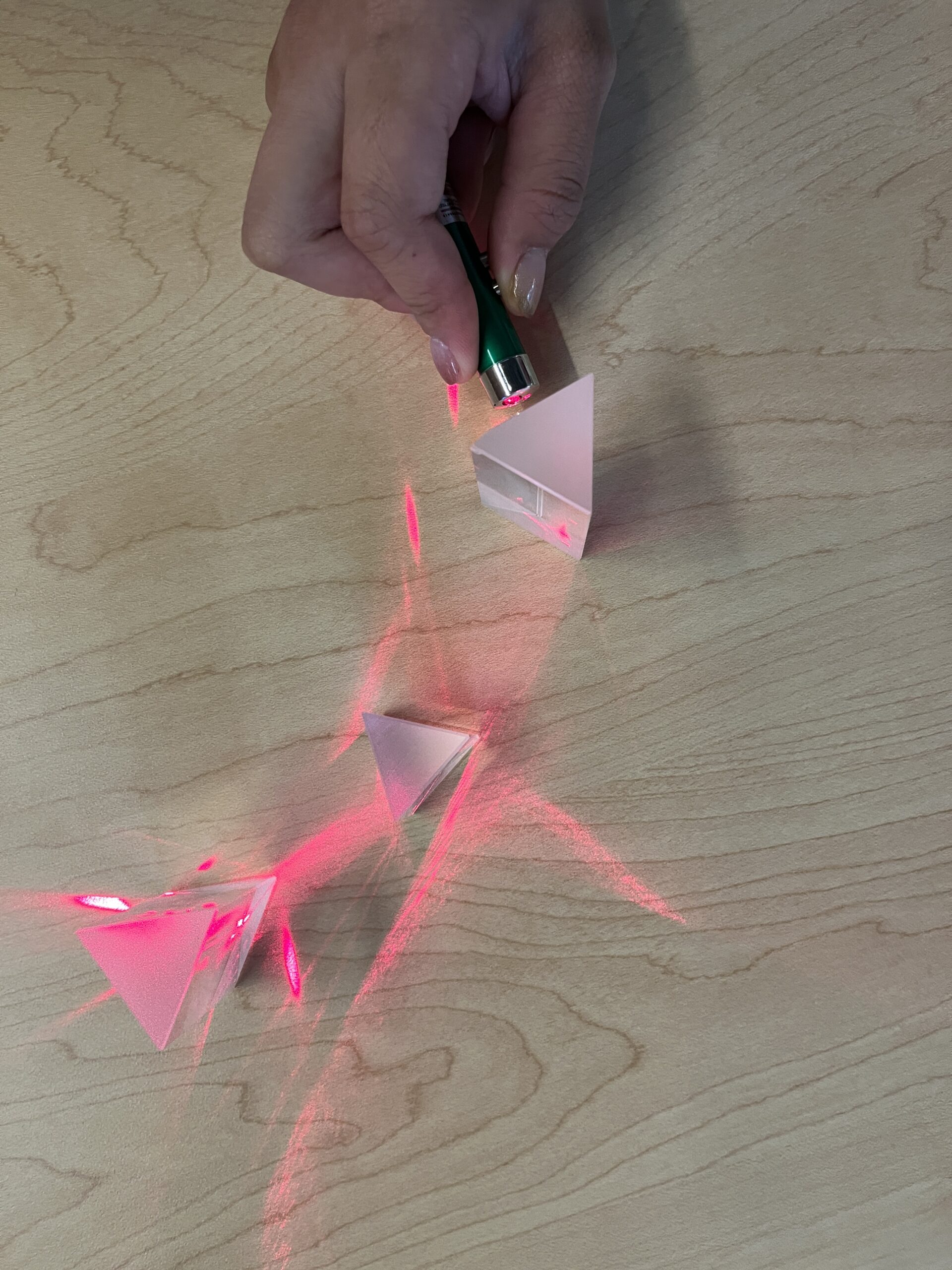
    I worked with Christie and Qiaoni on our subteam, Speed of Light, to design a physical and mental activity based on light and color. Our physical challenge, Prism Effect, introduced participants to concepts in optics, specifically refraction and dispersion. Refraction is the bending of light as it moves from one medium to another and dispersion is where different wavelengths bend differently (Biggs, 2024). Using laser pointers and glass prisms, participants had to manipulate the light to create a path hitting a certain number of prisms. Along the way, they learned how white light splits into a spectrum of colors as it bends through different media, and how laser beams, being monochromatic, behave differently.

    Our mental challenge focused on the Stroop Effect, a psychological phenomenon that reveals how our brains process conflicting information, referring to a delay in reaction times between congruent and incongruent stimuli (MacLeod, 1991). Participants had to name the color of a word, not the word itself, which became surprisingly difficult when the two didn’t match. For instance, the word “purple” written in green ink, showing an example of incongruent stimuli. On the other hand, congruent stimuli is when the two aspects align, like seeing the word “blue” written in blue ink (Ruhl, 2023). This task demonstrated how cognitive interference affects reaction time, and it opened up conversations about how the brain, like the anterior cingulate cortex, manages conflict.

    Example of congruent stimuli
    Example of incongruent stimuli

    Like any large event, it came with challenges such as managing multiple teams, and directing participant flow. However, our team adapted quickly and it was cool to see how enthusiastic participants were, especially with the hands-on activity involving prisms. I also learned how to tailor communication styles when interacting with younger children, making the experience both educational and fun for a wide range of ages. Through this event I felt fulfilled watching people engage with our activities. Seeing kids light up as they bent laser beams or raced against the Stroop challenge timer reminded me why we coordinate events. It’s about sparking curiosity, making science engaging, and creating meaningful experiences.


    Sources Cited

    Davidson, Douglas J., et al. “Stroop Interference, Practice, and Aging.” Neuropsychology, Development, and Cognition. Section B, Aging, Neuropsychology and Cognition, vol. 10, no. 2, June 2003, pp. 85–98. PubMed Central, https://doi.org/10.1076/anec.10.2.85.14463.

    Biggs, Kelvin. “Understanding Optical Prism Types, Functions & Uses – UQG.” UQG Optics, 11 Nov. 2024, https://www.uqgoptics.com/understanding-optical-prism-types-functions-and-uses/.

    MacLeod, Colin M., and Penny A. MacDonald. “Interdimensional Interference in the Stroop Effect: Uncovering the Cognitive and Neural Anatomy of Attention.” Trends in Cognitive Sciences, vol. 4, no. 10, Oct. 2000, pp. 383–91. ScienceDirect, https://doi.org/10.1016/S1364-6613(00)01530-8.

    Okayasu, Moe, et al. “The Stroop Effect Involves an Excitatory–Inhibitory Fronto-Cerebellar Loop.” Nature Communications, vol. 14, no. 1, Jan. 2023, p. 27. www.nature.com, https://doi.org/10.1038/s41467-022-35397-w.

    Prism | Definition, Refraction, Types, & Facts | Britannica. 6 Feb. 2025, https://www.britannica.com/technology/prism-optics.

    Stroop Effect Experiment in Psychology. 2 Oct. 2023, https://www.simplypsychology.org/stroop-effect.html.

  • Oscillatory Syntax – The  Cognitive Optimizations of Creative  Flow in Music

    Oscillatory Syntax – The Cognitive Optimizations of Creative Flow in Music

    While many would not often not regard music similarly to language, as a communicative form of expression, studying music in a similar fashion to language has ultimately provided some very interesting as well as unique insights into many different psycholingistic, the study of the psychology of language, and cognitive properties that can be associated with the art form. On a more technical and psycholinguistic level, music, as compared to language, can also be broken into multiple distinct syntaxes, or genres in the case of music, each of which carries its own respective sociolinguistic connotations. An example of this is genres such as rap and hip-hop that are generally associated with social commentary. In addition to this, genres also often carry unique and specific syntactical applications with them as well, with genres such as jazz being a great example of this as jazz places a heavier emphasis on the musician’s personal biases through improvisation. With these different and sometimes highly technical psychological applications often unthought of as situated within music,  a large intersection between neurophysiology and music is revealed—and this is an area that is often left largely unexplored by science.

    Through understanding how music functions linguistically, we can begin to explore the cognitive states that are triggered by music. Even as an art form, music is a remarkable field for studying human cognition; by applying neurophysiological perspectives to music, such as the intricate coordination of motor skills, cognitive processing, and emotional regulation with the more mathematical structures, such as rhythm, harmony, and melody that ultimately elicit emotional triggers neuroscientists can link the fine arts with with sciences. Through computational modeling, we can begin to uncover how music fosters unique cognitive optimizations found particularly during the creative flow state. A powerful tool for optimizing cognitive function, flow is “a state in which people are so involved in an activity that nothing else seems to matter (Rosen et al., 2024).” Originally identified by psychologist Mihaly Csikszentmihalyi (Dolan, 2024), cognitive flow is a state of highly optimized task-specific processing that is often linked to constant domain-general associative ideation, better known as creativity. Generally, through practice, dedication, and a little bit of passion, musicians of all levels can both demonstrate and experience this state of consciousness to the extent of the linguistic proficiency to which we generally speak. This ability to “let go” and “to operate with minimal conscious oversight” is what makes the flow state an exciting topic for neuroscientists, as this state ultimately functions through the recruitment of highly specialized brain networks that, when modeled computationally, provide valuable insight into high-level cognitive functioning through neurocomputational modeling.

    This flow state, when explored through neurocomputational modeling, can provide deeper insight into the brain’s processing of musical structure and creativity. Oftentimes, a major factor of emphasis regarding creative tasks performed in flow states is feedback on one’s novel ideas and creative processes that are often generated through a general understanding and conformation to a rigid set of rules associated with the artform, similar to how speech is dictated by grammar rules. Especially in music, “structure and experience are tightly linked. Therefore, music theory lies at a philosophically and methodologically challenging intersection between psychology and formal modeling because it links human musical experience with the formal/mathematical characterization of the structures underlying it. Hence, music theory lies at the heart of the research program of the Cognative Sciences” (Rohrmeier, 2020). This idea that music is shaped by a “formal grammar” is ultimately what leads to the gerneative approach used throughout modern neurocomputational modeling. 

    As neurocomputational models continue to evolve, the potential for deeper insights into how music affects cognition and creativity grows exponentially, opening up new avenues for both science and art; and through exploring unique cognitive states such as flow states, neuroscientific, mathematical, and physical representaions of the brain can be created through more artistic applications to ultimately push and explore the boundaries of neurocomputational models.


    References

    Dolan, E. W. (2024, March 6). Scientists team up with jazz musicians to reveal the neuroscience of creative flow. https://www.psypost.org/scientists-team-up-with-jazz-musicians-to-reveal-the-neuroscience-of-creative-flow/ 

    Rohrmeier, M. (2020, April 1). The syntax of jazz harmony: Diatonic tonality, phrase structure, and form. The Syntax of Jazz Harmony: Diatonic Tonality, Phrase Structure, and Form. https://www.ingentaconnect.com/content/leuven/mta/2020/00000007/00000001/art00001;jsessionid=1h40lgnaq0nqe.x-ic-live-03# 

    Rosen, D., Oh, Y., Chesebrough, C., Zhang, F. Z., & Kounios, J. (2024). Creative flow as optimized processing: Evidence from brain oscillations during jazz improvisations by expert and non-expert musicians. Neuropsychologia, 196, 108824.

  • Electrophysiological  …  Age? – The Implications of an Observed Age-Induced Decline of Electrophysiological Readability

    Electrophysiological … Age? – The Implications of an Observed Age-Induced Decline of Electrophysiological Readability


    Every year, Georgia Tech’s STEMcomm Vertically Integrated Project (VIP), a project group centered around enhancing public understanding and enthusiasm for science through writing, exhibits, and events, partners with organizations like Science ATL and hosts an event at the Atlanta Science Festival, with the 2025 event being the Amazing Race; STEM Edition. With different legs of the race centered around 4 main focus areas in STEM, involving Physics in the Speed of Light, Chemistry in Shocking Conductors, Computer Science in the Cyber Quest, and Neuroscience in the Reflex Relay, groups of participants raced through Georgia Tech’s campus to complete interactive hands-on STEM-related tasks and objectives as quickly as possible.

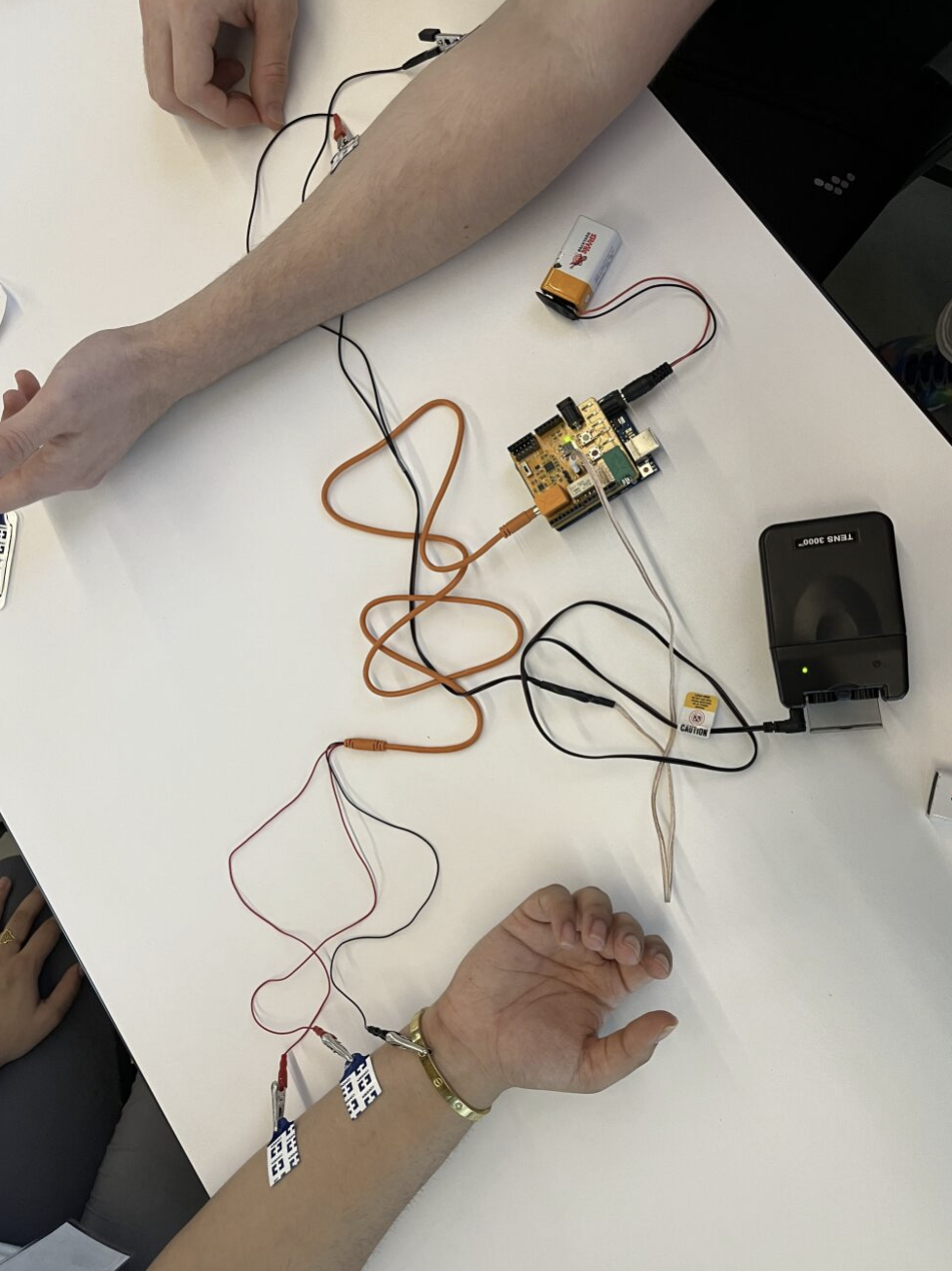
    Focusing in on the Reflex Relay, which involved 2 stations where participants had to successfully perform a ruler drop experiment centered around reaction time and then move into an experiment centered around the electrophysiological activity associated with motor command. At this 2nd station, participants took turns exploring the electrophysiology of the nervous system through the usage of a Backyard Brains Human-Human Interface to “control” each other’s arms. A common neuroscience experiment performed in many intro neuroscience courses and labs, as described by Greg Gage’s Ted Talk, How to Control Someone Else’s Arm with Your Brain, the human-human interface arm control experiment is a fun and interactive way for people to explore neuroscience in a more hands-on fashion through directly participating in the transmittance of information from one person’s arm into another person’s arm using the Human-Human Interface to do so (Backyard Brains, n.d.).

    Throughout the race, however, to everyone’s surprise, a major issue arose regarding the Human-Human Interface’s ability to read certain older individuals. This observed age-related decline in electrophysiological readability was especially shocking for many of the neuroscience group members as well as VIP team leads because much of the group in general had prior experience with the kits as well as a neuroscience background and had never experienced or even heard of this issue before. However, this unexpected linkage between electrophysiological readability and age can be described as electrophysical age and is ultimately something that, while not typically even thought of in neuroscience, is a studied topic of interest and is an interesting byproduct of neuronal noise.

    Aging in general is typically associated with some form of mental decline and/or detriment on a more cognitive level, and this generally understood age-related decline in cognitive functioning isn’t typically observed until far later in life. However, some niche research related to changes in electrophysiological noise, specifically what is considered 1/f noise, has proven that, similar to many of the neurobiological precursors linked to typical cognitive decline, there are similar electrophysiological precursors associated with age-related cognitive decline. Electrophysiology is the study of electrical properties associated with biological systems, and since the nervous system is bioelectric, electrophysiology is often very heavily intertwined with the discipline. Through data collected by using intracranial electroencephalography (EEG), a technique neuroscientists use to read the electrophysiological activity in the brain, Voytek et al.’s study titled Age-Related Changes in 1/f Neural Electrophysiological Noise done in 2015 ultimately defines characteristics of 1/f neural noise. Neural noise is interesting in that it is a byproduct of the brain’s constant processing of stimuli; however, in being a ‘noisy’ system, the nervous system can sometimes be challenging to record through devices such as EEG. In defining that the frequency of 1/f neural noise can fall rapidly to what can be considered “white noise” due to the reciprocal nature of the function (f), Voytek et al.’s study is really interesting in that it connects and applies mathematical concepts to neurobiological principles. It was also found that even at rest, the 1/f noise mediated many aspects of cortical functioning like memory, which is especially interesting considering that it directly supports the electrophysiologically based neural noise hypothesisc of aging “that the signal-to-noise ratio of the central nervous system degrades during aging, leading to deficits in processing speed”  first proposed by Robert Kail in 1997 (McCormick et al., 2023). Furthermore, neuroelectrophysiological studies have shown that electrophysiological changes that occur due to age happen as a result of decreases in cellular excitability or the rate in wich neurons can communicate with eachother, which in turn constraints intraneuronal communication by limiting the rate at which neurons can commintate with eachother through the alteration of parameters that are integral to neural functioning (Cepeda et al., 1992). Ultimately, these observed electrophysiological changes can contribute to many of the cognitive and behavioral effects that are commonly associated with aging.

    Overall, understanding the key neurobiological functions that degrade over time and lead to cognitive decline is a topic that has been continually researched over the past decade, and more often than not, due to complexity, the electrophysiological components associated with these processes are not thoroughly explored within neuroscience. Even though many computational neuroscientists can contextualize these long-standing problems through different models, such as computational models, much of neuroscience in general looks at noise as troublesome, especially regarding the long-standing issues in computational cognitive modeling where noise is typically thought to indicate a deficit within intraneural communication and is therefore filtered out extensively. Ultimately, however, this phenomenon, known as stochastic resonance, may not always be a bad thing as it is a signaling process that naturally occurs with age in non-linear systems (McDonnell & Abbott, 2009). In a dynamic system, such as the nervous system, extra noise can end up playing a somewhat counterintuitive role as systematically, the noise generated can cause deterministic and predictable changes that end up leading to an overall improved quality of neuronal signaling on a microscopic level while making the signals themselves harder to read on a macroscopic level.

    Overall, what the Reflex Relay group found, while unexpected, is a great example of the many neural processes that go unrecognized due to the overall complexity of a continuing, evolving, and relatively newer field. Ultimately, this unexpected realization linking age to a decline of electrophysiological readability is just another example of where we may initially perceive something as abnormal or inefficient, but it may, in turn, actually be an unknowing observation of an eloquently nuanced solution not typically considered.


    References

    Backyard Brains. (n.d.). Human-human interface. Human-Human Interface. https://backyardbrains.com/products/human-human-interface?srsltid=AfmBOopmTALs9blNPlYVv8nNty1nJUDUmp5rtV5m2wH9T8Tc8lcWJJhC

    Cepeda, C., Lee, N., Buchwald, N. A., Radisavljevic, Z., & Levine, M. S. (1992). Age-induced changes in electrophysiological responses of neostriatal neurons recorded in vitro. Neuroscience, 51(2), 411–423. https://doi.org/10.1016/0306-4522(92)90325-v

    McCormick, E. M., Cambridge Centre for Ageing and Neuroscience, & Kievit, R. A. (2023). Poorer White Matter Microstructure Predicts Slower and More Variable Reaction Time Performance: Evidence for a Neural Noise Hypothesis in a Large Lifespan Cohort. The Journal of neuroscience: the official journal of the Society for Neuroscience, 43(19), 3557–3566. https://doi.org/10.1523/JNEUROSCI.1042-22.2023

    McDonnell, M. D., & Abbott, D. (2009). What is stochastic resonance? Definitions, misconceptions, debates, and its relevance to biology. PLoS computational biology, 5(5), e1000348. https://doi.org/10.1371/journal.pcbi.1000348

    TED. (2015, April 28). How to control someone else’s arm with your brain | Greg Gage. YouTube. https://www.youtube.com/watch?v=rSQNi5sAwuc

    Voytek, B., Kramer, M. A., Case, J., Lepage, K. Q., Tempesta, Z. R., Knight, R. T., & Gazzaley, A. (2015). Age-Related Changes in 1/f Neural Electrophysiological Noise. The Journal of neuroscience: the official journal of the Society for Neuroscience, 35(38), 13257–13265. https://doi.org/10.1523/JNEUROSCI.2332-14.2015

  • Hidden in Plain Sight: How Metamaterials Are Making Invisibility a Reality

    Hidden in Plain Sight: How Metamaterials Are Making Invisibility a Reality

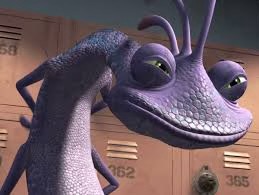
    The power of invisibility is one that I have always found to be fascinating, there are many things you could do if you were invisible. The idea of being able to bring this power to life is mind-boggling. The second post of this series will cover invisibility and how scientists are taking us one step closer to being unseen. Superheroes and popular characters like Violet Parr, Harry Potter, and Randall Boggs were capable of invisibility through their unique methods. Things like natural-born powers, invisibility capes, and monster abilities, are methods that are not capable of being replicated by science… at least not yet. The method we will cover here boils down to the basics of how we see things, the way our eyes perceive light. Scientists are playing around with light bending and optics to make objects “disappear”.

    How Do We See?

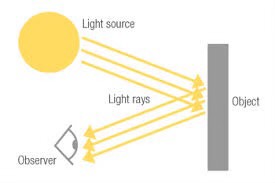
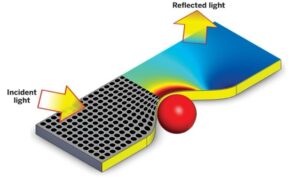
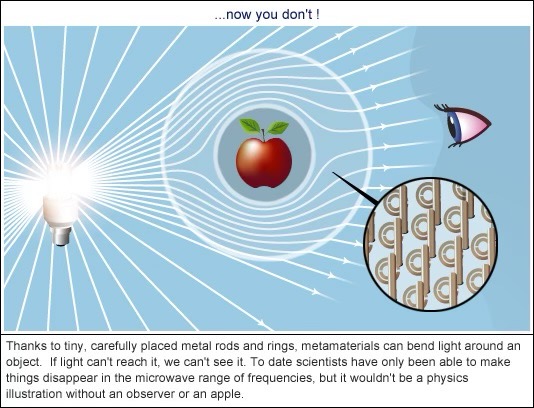
    To understand invisibility, we must first understand what it means for us to see an object. The process of seeing begins with light. When you see an object, what you are seeing is the light reflecting off that object and entering into your eyes. To make an object invisible, this fundamental interaction with light must be altered. More specifically, the light rays would need to be bent or diverted around/away from the object, preventing them from reaching the eyes and therefore making it unperceivable to the eyes (Lo, 2018).

    Metamaterials

    Scientists are creating metamaterials, which are “artificial materials with the ability to control physical phenomena” (Lo, 2018). With these materials, scientists can control and manipulate light rays, helping create invisibility. This process, known as light bending, is a key component in invisibility cloaks. This is further explained by scientists who state, “Metamaterials are composites designed to have a negative index of refraction, which imparts the extraordinary capability to bend light away from or around an object made from or coated with the material” (“Metamaterials Bend Light to New Levels,” 2023b).  Despite the challenges in scaling these technologies, the progress in metamaterial research could revolutionize how we interact with the physical world and lead to advancements in various scientific fields.

    Challenges

    There are two main challenges when trying to reach full invisibility, size and range. Unfortunately, the invisibility effect isn’t as broad as one might hope. Researchers have only managed to develop metamaterials that function with a single wavelength of light, corresponding to just one color. This means the material can create invisibility in controlled settings with a single light color, but not in natural environments where multiple colors of light are present. While these invisibility cloaks are a remarkable breakthrough, they aren’t perfected for the stealth needed in real-world conditions, limiting them to certain factors. Another challenge is the size of objects. Bigger items are more difficult to manage, and current metamaterials aren’t capable of hiding something as large as the human body. While scientists are optimistic that new ideas and designs will help tackle this problem, it will likely be some time before we can reach the point of making humans fully “disappear” (Lo, 2018).

    Real-World Applications

    Although there are many challenges in the journey to invisibility, there are highly beneficial theoretical uses for this ability that make it all the more exciting to achieve. According to researchers, “the Rochester Cloak, for instance, could one day allow surgeons to see through their hands, preventing their hands from blocking their view of what they’re operating on” (Lo, 2018). This use could change science and the way we view healthcare completely. There are many motivations for perfecting the invisibility cloak as it could help so many in the long run.

    Conclusion

    Though complete invisibility remains a dream and goal for most of us, it is hard to ignore the remarkable progress scientists have made in controlling light to achieve partial invisibility. The innovation of metamaterials and spectral cloaking is bringing us closer to a future where invisibility will leave the realm of fiction and enter into reality. Although the methods are limited, they are the first steps to becoming like the superheroes we see on our screens. If this is what scientists have created so far, I cannot wait to find out what else the future holds for us.


    References

    Lo, A. (2018). Hidden From Plain Sight: Can Science Create Real-Life Invisibility? – Science Communication Club. Utoronto.ca. https://scc.sa.utoronto.ca/content/hidden-from-plain-sight-invisibility/

    Metamaterials Bend Light To New Levels. (2023). Chemical & Engineering News, 86(33). https://doi.org/10.1038/nature07247)

  • Super Strength Unlocked: The Rise of Exoskeleton Technology

    Super Strength Unlocked: The Rise of Exoskeleton Technology

    Superheroes have become such an essential part of pop culture, captivating us with powers far beyond what we know as humanly possible. You likely have watched a superhero movie, read a comic book, or even seen superheroes in your front yard when handing candy out for Halloween. As a kid, I marveled at the idea of having my own powers. As a teenager, I watched Marvel movies all the time because it was so interesting to see made-up powers and the creativity behind them. Now, as a STEM college student, I am learning more about the amazing creations science and technology can bring to life. Now, I wonder: could these powers exist one day, and if so, how close are we to giving humans these abilities? This series will explore how close we are to achieving “superpowers” through advancements in STEM—from super strength to telekinesis and even invisibility. Each post will dive into science and technology bringing us closer to making these powers a reality.

    Super Strength

    Heroes like the Hulk, Superman, Wonder Woman, and many others have been portrayed as having super strength. One that I find particularly interesting is Iron Man— a regular human who, through science and technology, built a suit that granted him super strength and other powers. The idea of using science to create such technology is no longer just fiction; in fact, it’s becoming a real possibility to give humans abilities beyond natural limits. This is happening today through the development of exoskeletons.

    Exoskeleton

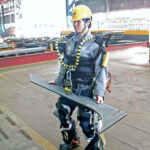
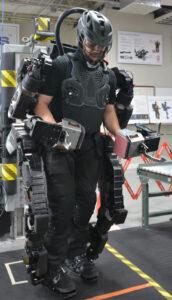
    Engineers have been working hard to create exoskeletons that give their wearers an enhanced level of strength. It is stated that “Combining the principles of hydraulic pressure and computer simulation, these suits allow the wearer to complete feats of strength previously confined to comic books and the silver screen” (Osborne & Osborne, 2017). Exoskeletons do not have a mind of their own and are not controlled remotely, they are a tool to aid in human tasks. The exoskeleton responds to its “human operator” and their movements. One such exoskeleton, the HAL-5, assists users by reducing fatigue, supporting static weight, and reinforcing the human frame (Osborne & Osborne, 2017). Meanwhile, Sarcos Robotics has developed the Sarcos Guardian XO, a full-body robotic exoskeleton that enables users to lift up to 200 pounds with ease (Ackerman, 2022).

    Real-World Applications

    Around the world, there are a vast number of exoskeletons being developed, all for different purposes and demographics. Some exoskeletons are built to help elderly individuals with tasks that require strength, while others assist soldiers in the field with activities like crawling, running, and carrying heavy objects. This technology not only boosts productivity but also enhances worker safety when performing labor-intensive tasks. Sarcos Robotics claims that a single worker with the Guardian XO can handle the workload of 4-10 people. According to OSHA regulations, the recommended one-person load is 51 pounds, and that number is reduced if the object must be lifted repeatedly, held for extended periods, or moved over a distance. However, with the Guardian XO, a worker can lift four times that weight, continuously, at speeds of up to 3 mph (Ackerman, 2022).

    Challenges

    One of the biggest obstacles to advancing and commercializing exoskeletons is the high power demand. Operating these suits requires a significant amount of energy due to the high-pressure requirements. The HAL-5, for example, is battery-powered but only lasts around 2.5 hours on a full charge (Osborne & Osborne, 2017). Finding a more efficient or portable power source could make exoskeleton technology more practical and widely accessible.

    Conclusion

    It is fascinating to see how much science has advanced the ability to have “superpowers”. Thinking about where science and technology could go from here is even more interesting. There is still a long way to go in the quest to give humans super strength, but it can no longer be said that it is impossible to do so.


    References

    Ackerman, E. (2022, August 18). Sarcos demonstrates powered exosuit that gives workers super strength. IEEE Spectrum. https://spectrum.ieee.org/sarcos-guardian-xo-powered-exoskeleton

    Osborne, M., & Osborne, M. (2017, November 13). Engineering Super Strength: Combining man and Machine – USC Viterbi School of Engineering. USC Viterbi School of Engineering – USC Viterbi School of Engineering. https://illumin.usc.edu/engineering-super-strength-combining-man-and-machine/