Category: Story Time

  • What’s It Like Working in a Mouse Lab?

    What’s It Like Working in a Mouse Lab?

    This semester, I started doing animal work in a research lab that uses mice as model organisms. Every time I’ve explained my training to other people, I usually get a shocked response. And I know this isn’t a common thing people do, so I wanted to give y’all a look into what it’s like working in an animal lab.

    The lab I work in does research using a technique called optogenetics. Opto- means light, and genetics refers to the DNA that is changed. This might sound straight out of a sci-fi novel, but by infecting a certain brain area of healthy mice with a special virus (this doesn’t make the mice sick, by the way), the virus can insert a list of instructions written in DNA into the mouse’s own DNA. These instructions tell the cells to start producing light-sensitive proteins in their membranes.

    Now, this has a very important application in neuroscience. Neurons, the unit cell of the brain, fire tiny electrical signals called action potentials. If a neuron has light sensitive proteins that respond to blue light (channelrhodopsin), it fires more often. If it has light sensitive proteins that respond to yellow light (halorhodopsin), it fires less often. Using optogenetics, you can directly measure how activation of a brain area leads to behavior in real time.

    So how does that factor into what I do? So far, I’ve worked on an often-overlooked but important step: collecting samples. After you inject the virus into the brain, there’s no way to check in the live animal that you did it right. You might have put the virus in the wrong place, or the virus never got its instructions to the cells, or the equipment might be broken. The only way to know for sure that your procedure worked is to take samples of the brain, and look at them under the microscope.

    To do that, we first need to collect the brains. Through a process called perfusion, the brain gets fixed in paraformaldehyde (PFA), a safer version of the formaldehyde you might remember from dissections in biology class. During drop fixing, where the brain is severed from the spinal cord and removed from the head, we store it in a test tube with more PFA.
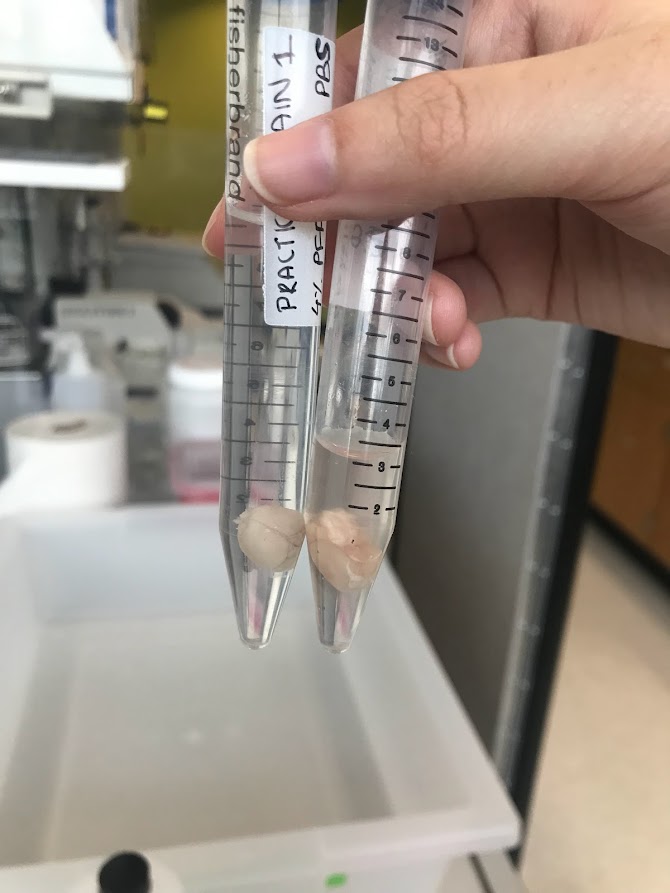
    Two mouse brains in a solution of PFA, each in its own test tube.

    After 48 hours, the brain is ready to be sliced. There’s a lot of ways to take brain slices, but we use a vibratome. First, we locate the area of the brain that we’re trying to reach. This is where a mouse atlas comes in handy. Using a small, vibrating blade, we make slices of 50 microns–or around the width of a human hair! These slices are then stained with dyes like DAPI (which makes neurons look blue)  and placed on microscope slides.

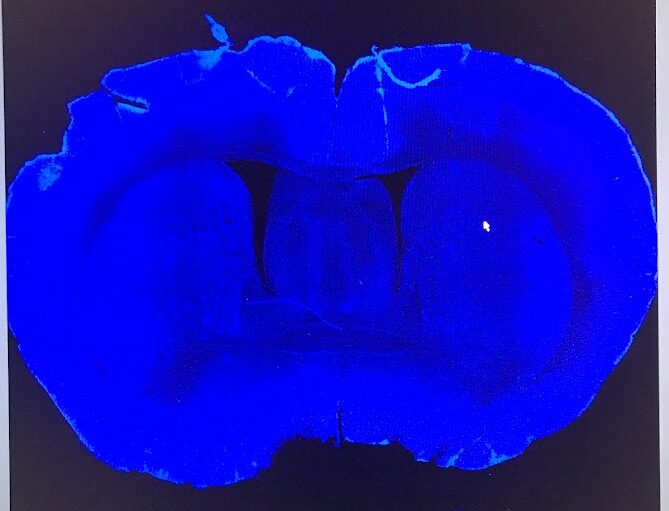
    Finally, after all this work, we can see the fruits of our labor. In our lab, we use a confocal microscope because this type of microscope can show us thin layers of cells within thick layers of tissue. Using different colors of light, we can also check how well the light sensitive proteins were able to grow in the area of the brain we’re interested in. In the picture below, you can see the first picture that I took myself from a brain I perfused and sliced. There’s no injection in this brain, so it’s as close to a “natural” brain slice that you can get. The blue color is from the DAPI dye, which indicates the location of DNA in a nucleus. So, each tiny blue dot is a neuron.
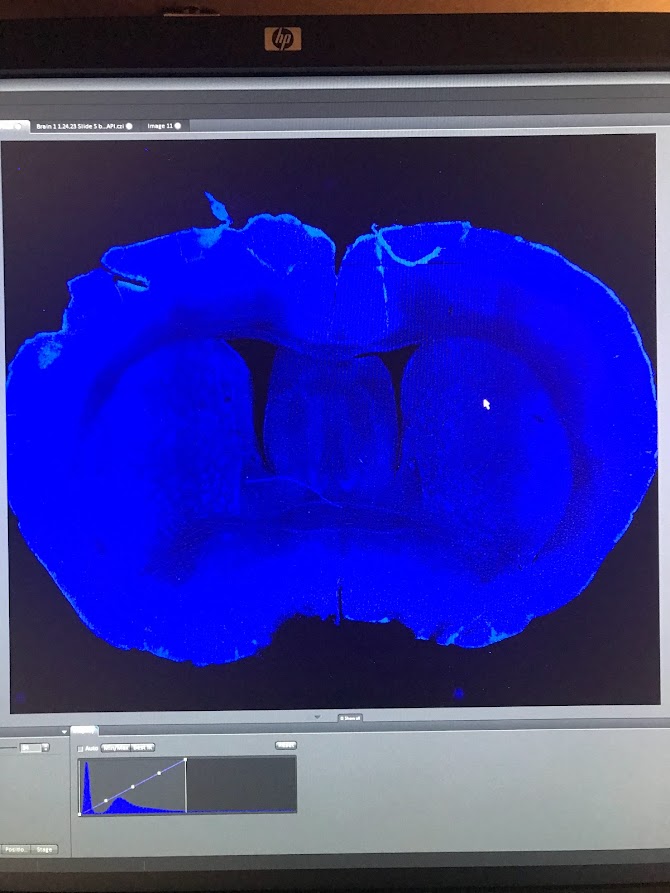
    A microscope image of the coronal slice of a mouse brain, with thousands of tiny blue dots representing individual neurons.

    It was hard to describe the first time I saw this image. Yeah, there were some nicks and tears in the tissue (my hands were shaky during the perfusion), but this was something that I had wholly produced myself. And now, in front of me, was a snapshot of all that this mouse was. 

    See that little butterfly shaped area in the middle of the brain, right above the hole in the middle? That’s the hippocampus, where every memory is scrawled in your brain through a network of neurons. What mousy memories were kept in there? Looking at this picture, I can almost imagine what it would have been like in there when the mouse was alive. The holes in between and to the side of the “wings” are ventricles, gaps in the tissue where cerebrospinal fluid carrying nutrients and hormones was kept. I can almost imagine waves of it washing over the hippocampus, keeping this great curled machine firing, shooting sparks of electricity in patterns that say I am alive. I have lived. Here is what I have seen, heard, smelled, touched, tasted, hated, loved. 

    To be honest, this work can be kind of sad. After all, all life is precious. Sometimes, it can feel almost gruesome. To perfuse a mouse, you stick a needle of fixative into its beating heart, so it evenly diffuses and preserves the entire body. The night after I read this protocol, which had a video of this process in high definition, I felt almost too nervous to sleep. When I closed my eyes, I just saw that mouse heart beating out of its chest, beating, beating, beating…

    The next morning, I admitted to my principal investigator that I wasn’t sure about trying out the perfusion that day. “Everything else, I’m okay with, but the way you can see the heart pumping freaks me out. I still want to try it, but…”

    He nodded. “You never really feel comfortable with this part of the work.”

    After a moment, he added, more seriously, “and that’s a good thing.”

    Testing on animals is a controversial subject, and I can’t claim to have the definitive opinion. But, I think my experiences give me a special point of view. In the animal labs at this institute, the animals are well cared for. Until the last day they’re with us, we treat them with respect, care, and even love (what else do you call grown adults cooing at a 2 inch long mouse washing its tiny little face with its tiny little paws?). There’s laws, regulations, committees to ensure that animals are treated ethically. They’re given pain medications after surgeries, and during procedures (surgery and perfusions) they’re put under anesthesia. Once, our lab manager stayed in the surgery room with the mouse she was operating on until night fell to make sure she was there to care for him when he woke up. 

    And yet, we have to sacrifice these animals in the end, and we have complicated feelings about it. I think that’s good and necessary. If we feel sad at the animal’s death, we treat it well when it’s alive. If we feel a bit of horror at watching its life painlessly bleed away in the dissection pan, it means we placed a high value on that life in the first place. We try to perfect our surgical skills, write better protocols, and design better experiments to minimize mistakes and the number of mice who have to undergo this process. I would much prefer that than to become cold and callous. 

    Because the truth is, we don’t have a better process to study the brain in vivo. Treatments for neurodegenerative disorders, like Parkinson’s and Huntington’s (two diseases targeting the brain area our lab studies), mental illnesses, and mental disorders lag far behind those for many other parts of the body. And the simple reason is that we often can’t get into the nervous system to study it without causing permanent damage. Until better options arise, this is the best way to perform this life-saving research.

    Whew. Things got really serious there. But working with something as big as life and death all the time makes you think about big questions. For me, ultimately this type of research is justifiable: this is the only way to validate that the research being conducted is working properly. It’s the only way to make sure that all the weird situations we put mice in weren’t done in vain. And getting to do every step of this process, going from a live mouse to a bright image on a screen–that’s something really special. Through that intricate picture, you can almost see something persisting, living on…helping us unlock the secrets of the brain. There is something to be said, here, about loving something by studying it: giving it all your attention while taking notes, appreciating the simple symmetry of the brain slice, using the gentlest touch to mount delicate tissue onto slides, admiring the natural structural variations that nature gifts every body and every brain.

    Finally, I want you to think about your daily life, and the laboratory animals that made it possible. How many medications did you take today? What about cosmetics? Vaccines? Animal testing was where many of them began. One funny thing I’ve noticed recently is that researchers who work with “animals” tend to be the most adamant about using the term “humans and non-human animals”. Other species of animals are intertwined with us in inextricable ways. And there’s really no way to really convey my gratitude to a species that can not understand it. 

    I guess this article is my attempt to try.
    A crochet mouse sits on the marker holder of a white board. On the white board, a text bubble reads, "Hi, I'm Gene!"

  • A SAM-e Self-Experiment

    A SAM-e Self-Experiment

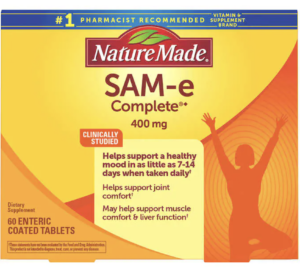
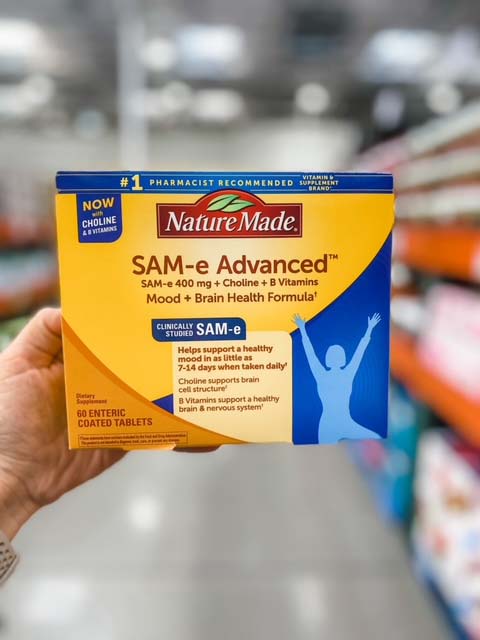
    The SAM-e Supplement: say goodbye to depression? TBD.

    One year ago, as I was browsing the supplement aisle of Costco, a woman approached beside me. She started to fill her cart with boxes of SAM-e Complete. I was clearly contemplating whether or not to purchase some myself because she turned to me and told me that her daughter’s mood and mental health improved drastically after taking it. She couldn’t recommend it enough. Being easily swayed by others’ suggestions, I threw a couple in my cart. I took 400mg of SAM-e for 120 days — every morning before breakfast. It was with me through some of the darkest times of the semester, but looking back, I wouldn’t say it made much of difference (other than to my wallet). It might not have worked for me, but there’s a chance it could work for you.

    Understanding Depression

    Affecting more than 300 million people worldwide, depression is a common mood disorder that can strike at any age. Its symptoms can range from a lost of interest in activities and sleep problems to feelings of worthlessness and suicidal ideation (“Depression: Types of Depressive Disorders and Their Causes,” 2021). Depression impacts many aspects of an individual’s life and may require medication to treat. However, even with antidepressants, people continue to experience minimal responses to them. Or, they might suffer from one of its many side effects, driving them away from sticking to their medication. Situations like these have sparked the interest in natural remedies for treating depression. Research is still limited, but the over-the-counter supplement S-adenosyl-l-methionine (SAM-e) shows promise and an encouraging future.

    A Little History

    In Italy, Spain, and Germany, SAM-e has been available by prescription for decades. Only recently has the US started to sell it on its shelves. Still, only a handful of psychiatrists and clinicians have recommended it due to the uncertainty of its safety and effectiveness. Hopefully we’ll see more evidence come to light since many patients might be interested in an OTC option (D’Epiro, 2000).

    How It Works

    SAM-e is a methyl-donor molecule involved in metabolic pathways. It is found naturally in the body as a common amino acid in the blood. Amino acids are molecules that combine to make proteins, which are essential in supporting the growth and repair of tissue (Farnsworth, 2022). Unfortunately, the form of SAM-e found in food isn’t stable and our bodies can only generate a small amount.

    SAM-e helps to produce and regulate hormones as well as maintain cell membranes (“SAMe,” 2020). Since it plays such an important in regulating key functions in the the body’s cells, abnormal levels can lead to depression and liver disease (“S-adenosyl-L-methionine (same): In depth,” 2017).

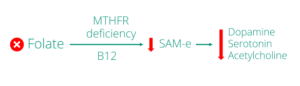
    SAM-e levels in the body are dependent on Folate and B12. Depression is linked to deficiencies of these vitamins, which suggests that they could be linked to reduced SAM-e. 

    Simply put, a deficiency in folate → not able to metabolize folate properly → lower levels of SAM-e → less synthesis of neurotransmitters such as dopamine, serotonin, and norepinephrine. 

    With the help of SAM-e, depression symptoms can be reduced by stimulating the synthesis of these key neurotransmitters (Mischoulon, 2018).

    The Evidence

    SAM-e trials to test efficacy have ranged from 2 to 12 weeks and doses of 200mg to 3200mg. In a number of controlled experiments, SAM-e has been found to be more effective than placebo and just about equal to antidepressants when administered into veins or muscles. (Less evidence is available to support the use of oral SAM-e.) Data also suggests that SAM-e can be useful when taken in addition to antidepressants (Papakostas, 2009).

    Current findings highlight the need for larger and longer studies to truly understand the value of SAM-e.

    Why Could SAM-e Be Better For Me?

    SSRIs, a widely used antidepressant, blocks the reabsorption of serotonin, leaving more available for the neurons to use for signaling. SAM-e aids with the actual synthesis of serotonin (Majeed, 2022).

    One of the major benefits of SAM-e is its minimal list of side effects. These include digestive problems, mild insomnia, irritability, and anxiety, which tend to resolve after a couple of weeks. Typical antidepressants can cause weight gain, sexual dysfunction, sedation, or cognitive interference (“SAM-e”, n.d.).

    Antidepressants typically take 6 to 8 weeks before they begin working, while SAM-e seems to begin in as little as 2 weeks time (“S-adenosylmethionine,” n.d.). Tablets can also be combined safely with other drugs since it doesn’t have many interactions.

    How Is SAM-e Not More Popular?

    SAM-e has been shown to have a positive effect on depression treatment, but many of those studies were poorly designed or had a small sample size. Data on long-term safety has been limited as well. The perfect dose hasn’t been established either. 

    Should You Take SAM-e?

    Patients who would benefit most from SAM-e are those with mild to moderate depression who would prefer not to see a doctor, are taking a treatment that isn’t working, or wish to avoid the adverse side effects of common antidepressants. The cost, unfortunately, may turn some away from trying out the supplement — one 400mg pill can cost between $.75 and $1.25. Although SAM-e is available as a safe and effective supplement, it is not recommended to treat major depression without advice from a doctor and it should not be considered a replacement for prescribed medication (D’Epiro, 2000).

    Even though SAM-e supplements didn’t have a noticeable effect on me, it changed the daughter of the woman at the grocery store’s life. If you are considering an OTC supplement to relieve mild depression symptoms, it could be worth a try!


    Resources

  • Diary of a Mad Grad Student #1

    Diary of a Mad Grad Student #1

    In my stress over grad school and figuring out what my life will look like, I’ve been asking myself questions about my goals and my thoughts about existing as an underrepresented minority in academia. Hopefully, putting my thoughts out there will help other students in a similar place feel less alone and reflect on their role as a scientist. You could call this the first public entry of my diary or a grad student’s soliloquy (without the dramatics of a theater show).

    What made me think about writing this in the first place was realizing that I’ve been losing a lot of motivation to finish this first semester of grad school. Even though I put in a ton of work to get to this point and still have big career goals to fill, I keep being reminded of the people who told me that I would fail. The professors that told me, “I’d get kicked out in the first semester,” or “I’m not adequate enough to be a graduate student,” are still stuck in my brain every day that I go to lab and class, and I can’t seem to shake those doubts away in my highs and lows of the semester.

    To get that motivation back, I started to think about how I’ve been doing everything I can to survive and push to the next day, but I haven’t been doing the work to make myself thrive. It brought me back to the question of why I love science. What pushes me not just to do what I need to finish my Master’s but to enjoy every day of it? Looking back to how others in positions of power treated me during my undergrad journey, throughout the grad school application process, and even now, I mainly had been forcing myself to finish everything I could out of spite to prove the doubters wrong. I would not only show them that I did it and finished it even when I thought I couldn’t but also tell the little voice in my head that I didn’t have to worry about anything. I am intelligent, capable, and a real scientist, even when they made me feel like I wasn’t. But now that I’ve become a grad student and I don’t have to see these people anytime soon (hopefully, it’s a small campus, after all), I’ve started making solid strides toward prioritizing my mental health and fighting the imposter syndrome and negative thoughts that come in my head. 

    My most significant step was to begin counseling, which felt like I was going into an unknown world. It was something I wanted to start during my undergrad, but I didn’t have the time or resources for it, so now, as a grad student with a consistent income, I decided it was time to take that leap! With my counselor, I’ve had more profound reflections and conversations about some of the roots of my imposter syndrome. Not only have I gained a better perspective on how I view the world around me, but I’ve also been able to treat myself better than I have in the last few years. 

    There are so many things that my counselor and I have talked about that I could use to show the depth of what I learned, but I think these questions I was asked can give a glimpse of how I’ve been able to grow and move forward. If you’re reading this and have been trying to push yourself to complete your thesis, degree or even get up in the morning, I urge you to reflect on some of these questions. If you have the resources, I would suggest expanding on these questions and ones you’ve been asking yourself in some mental health counseling.

    • How can I better support myself as I finish my M.S. and begin to hit roadblocks in my research? 
    • What is the bigger picture of my work? Does it excite me to go to the lab and work towards completing my thesis?
    • How can I take ownership of my thesis and create a story that will bring new knowledge and understanding to the communities my work will reach? Another question I ended up asking myself while reflecting on this is how can I take myself out of my comfort zone in my project, and have I ever taken myself out of this comfort zone? 

    These questions and my responses to them will likely change throughout my program (as my career goals and my thesis grows). Still, they have reminded me why I became a grad student in the first place and what drives me to become a better researcher and science communicator. I’ve been able to recenter myself, and I’m proud to say that I’m proud of the work I’ve put in so far, and I’m excited for what the next year will hold for me.


    Sincerely,

    A Mad (but Motivated) Grad Student

  • The Science Behind Dyeing My Hair (with cool pics!)

    The Science Behind Dyeing My Hair (with cool pics!)

    Ten years ago, if you told me that I was going to dye my hair red when I was 21 years old, I would have told you that you were absolutely lying! I would never (according to 11-year-old me). But according to 22 year old me, yes — I absolutely did dye my hair red, and it’s here to stay for the next few years because I absolutely love it!

    The first time I dyed my hair, it was in the Fall of 2022. I wanted a big change (for personal reasons I will not delve into), but I wanted to do something I never did before. Something that will make me feel new. It did not come for cheap, however. It was worth it nonetheless. This lovely thing I’m talking about is hair dyeing!!

    So, what exactly goes behind hair dyeing? It all boils down to chemistry! The process is different depending on the type of hair dye you get: temporary/semi-permanent, demi-permanent, and permanent. Since I decided to get permanent red hair dye, I will discuss about the permanent hair dye process. Permanent color is what is needed for a more significant hair color change (i.e. from black to red or blond).

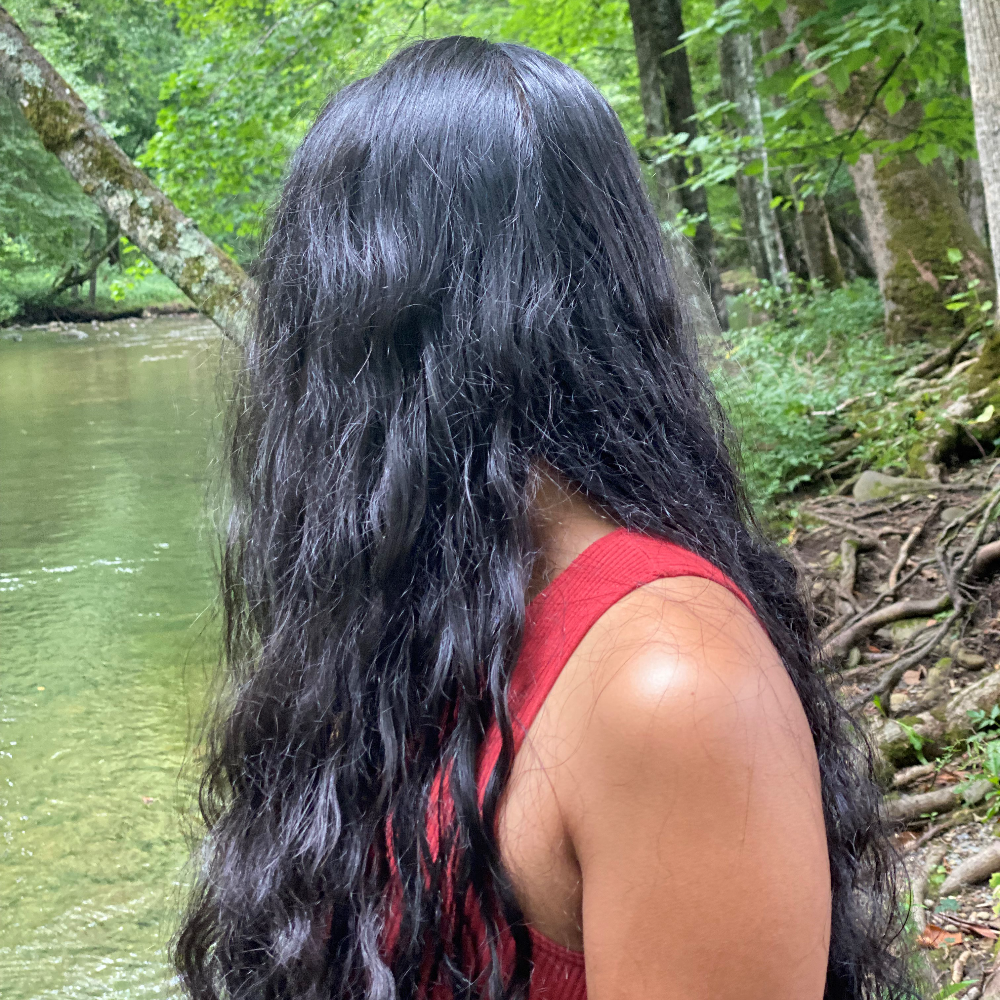
    Your natural hair color depends on the quantities and ratios of 2 main proteins: phaeomelanin and eumelanin. Eumelanin causes hair to be brown or black while phaeomelanin causes hair to be blond and red shades. My hair is jet black, so that means my hair is mostly composed of eumelanin.

    My natural hair color –> jet black.

    Both ammonia and hydrogen peroxide are used. Ammonia and peroxide act to lighten the hair’s natural color to form a new base color that will allow the permanent hair dye to stay.

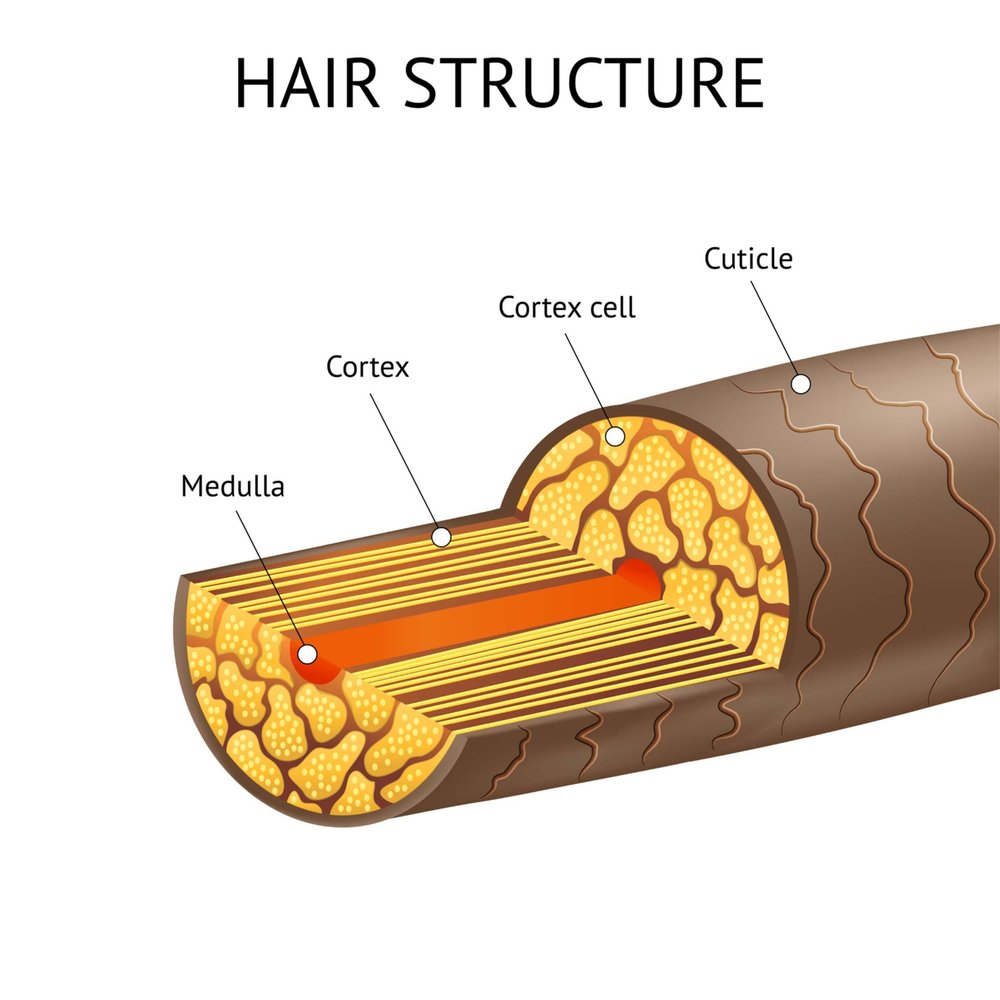
    The cuticle, or outer layer, or the hair strand must be opened before permanent hair color can be applied into the hair. Once the cuticle is open, the dye reacts with the cortex of the hair to deposit or remove color. The cortex is the part of the hair that is the middle layer of the hair shaft which provides the strength, color and texture of a hair strand. There is usually a two-step process for permanent hair coloring: first to remove the original color of the hair, and then the second to apply a new color. 

    The anatomy of a hair strand.

    The alkaline chemical of ammonia is used to open the cuticle to allow the hair color to enter the cortex of the hair. Additionally, it is a catalyst when the permanent hair color combines with the peroxide. Hydrogen peroxide is used as an oxidizing agent, or a developer to remove pre-existing color (it removes the melanin in the hair). Peroxide breaks chemical bonds in the hair, which releases sulfur. This is why there is such a strong odor when dying hair. As the melanin is removed from the hair, the new permanent color is bonded to the cortex of the hair. 

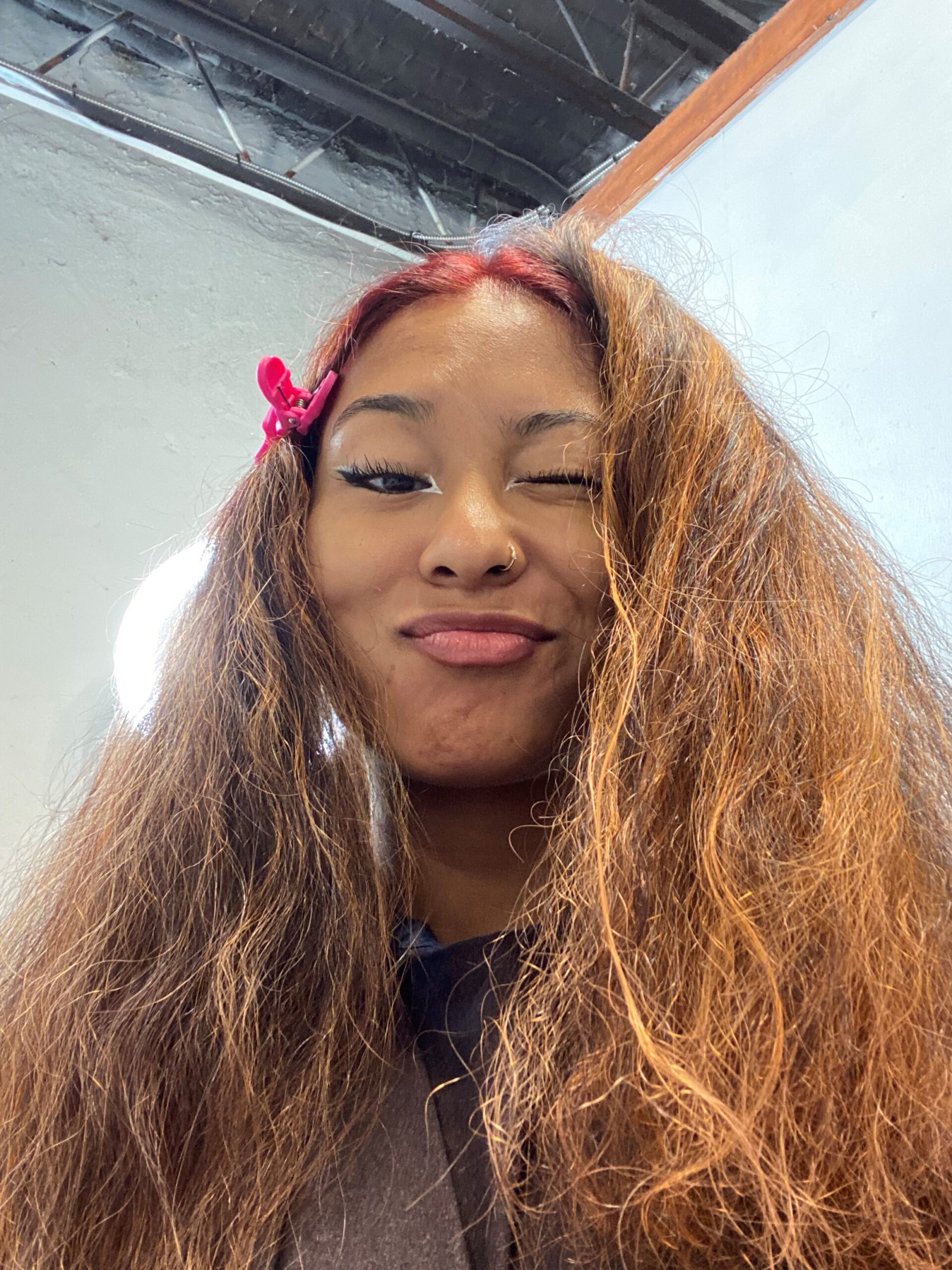
    The result of hydrogen peroxide on my hair (to lighten it)!

    And voila! The hair dresser then washes your hair and styles it. I opted for a haircut and a blowout hairstyle. Shoutout to my talented hairdresser Christi at Cherry Blossom Salon! 

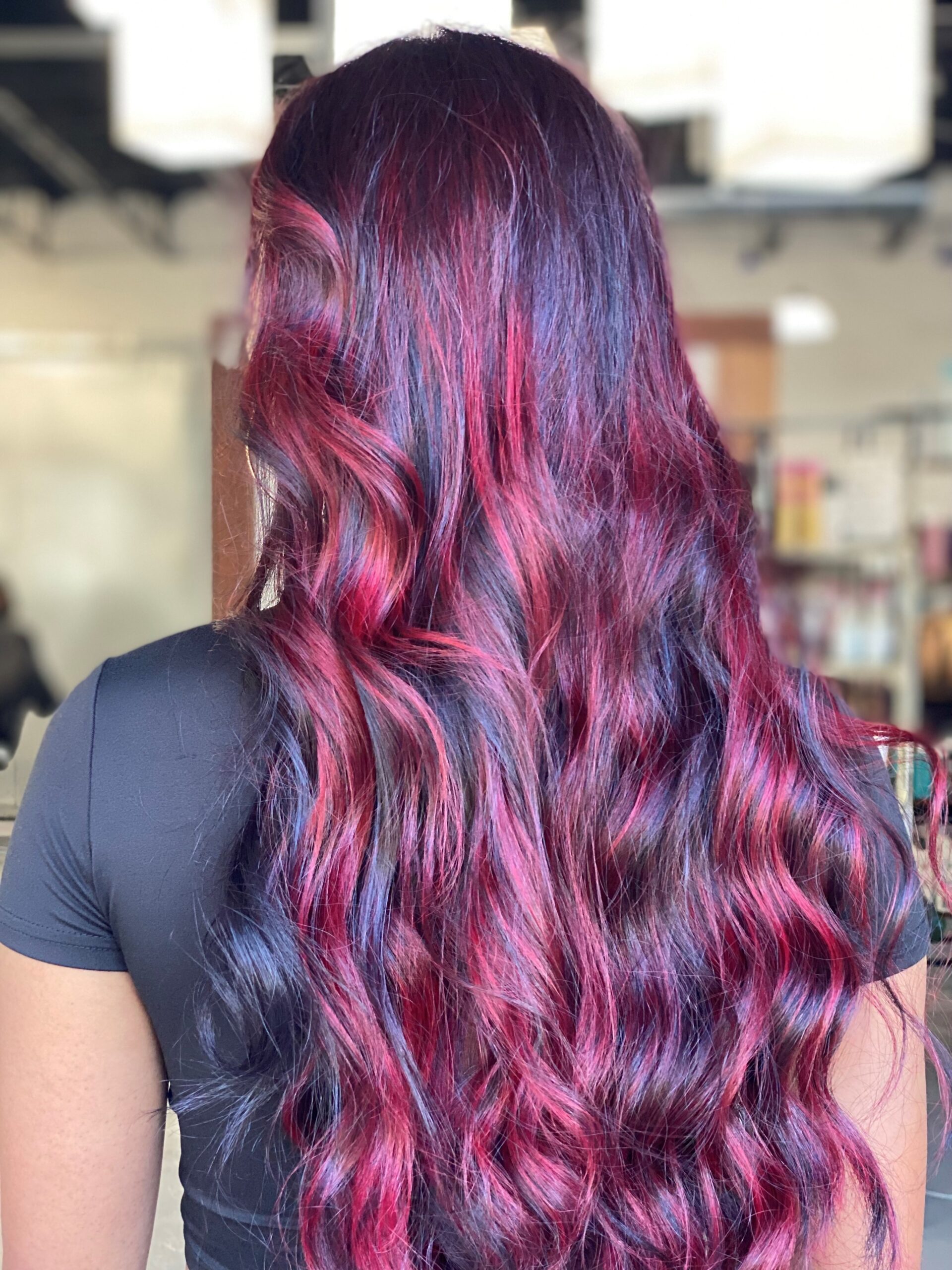
    Finished product!! I’m still so in love

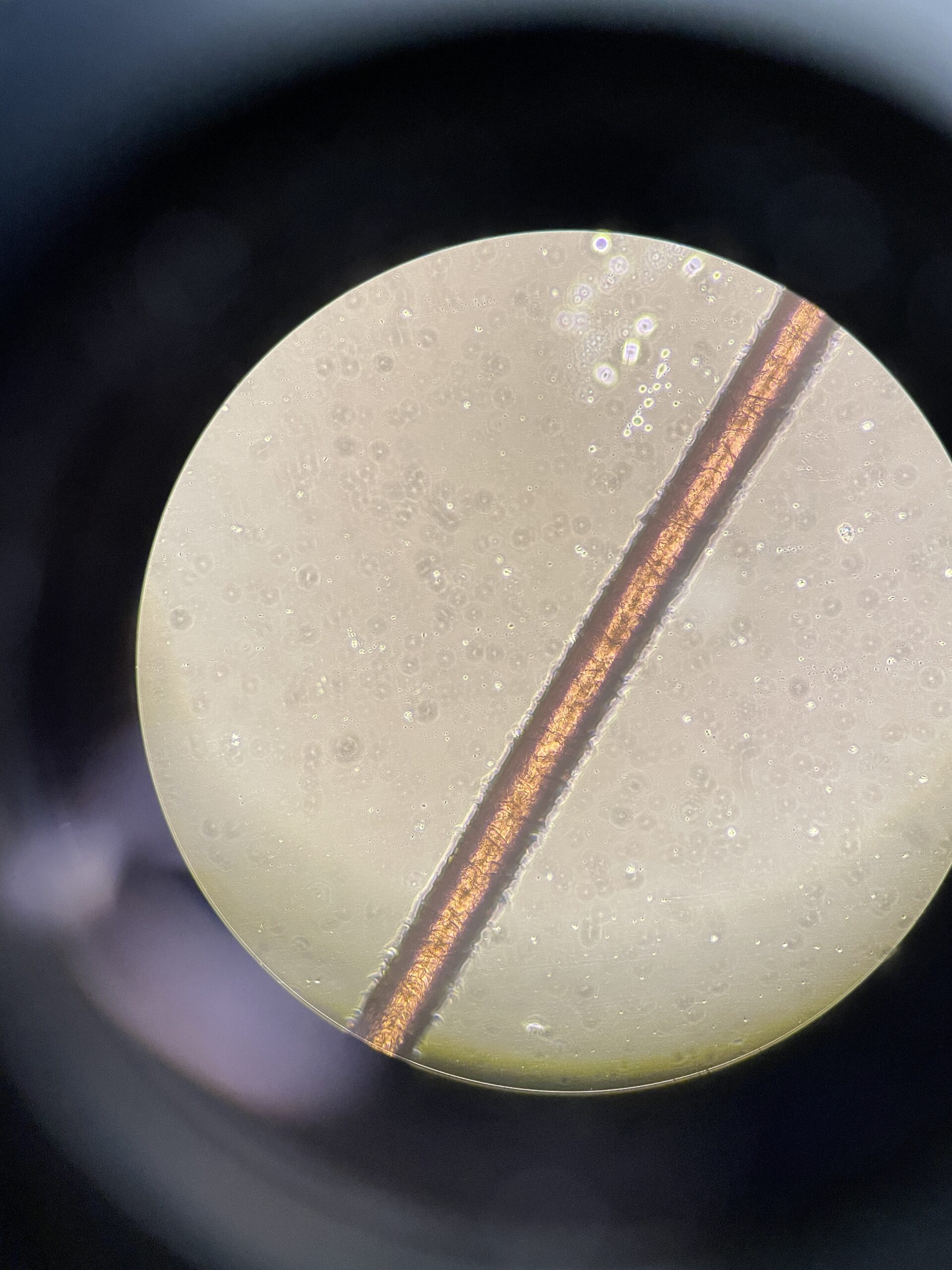
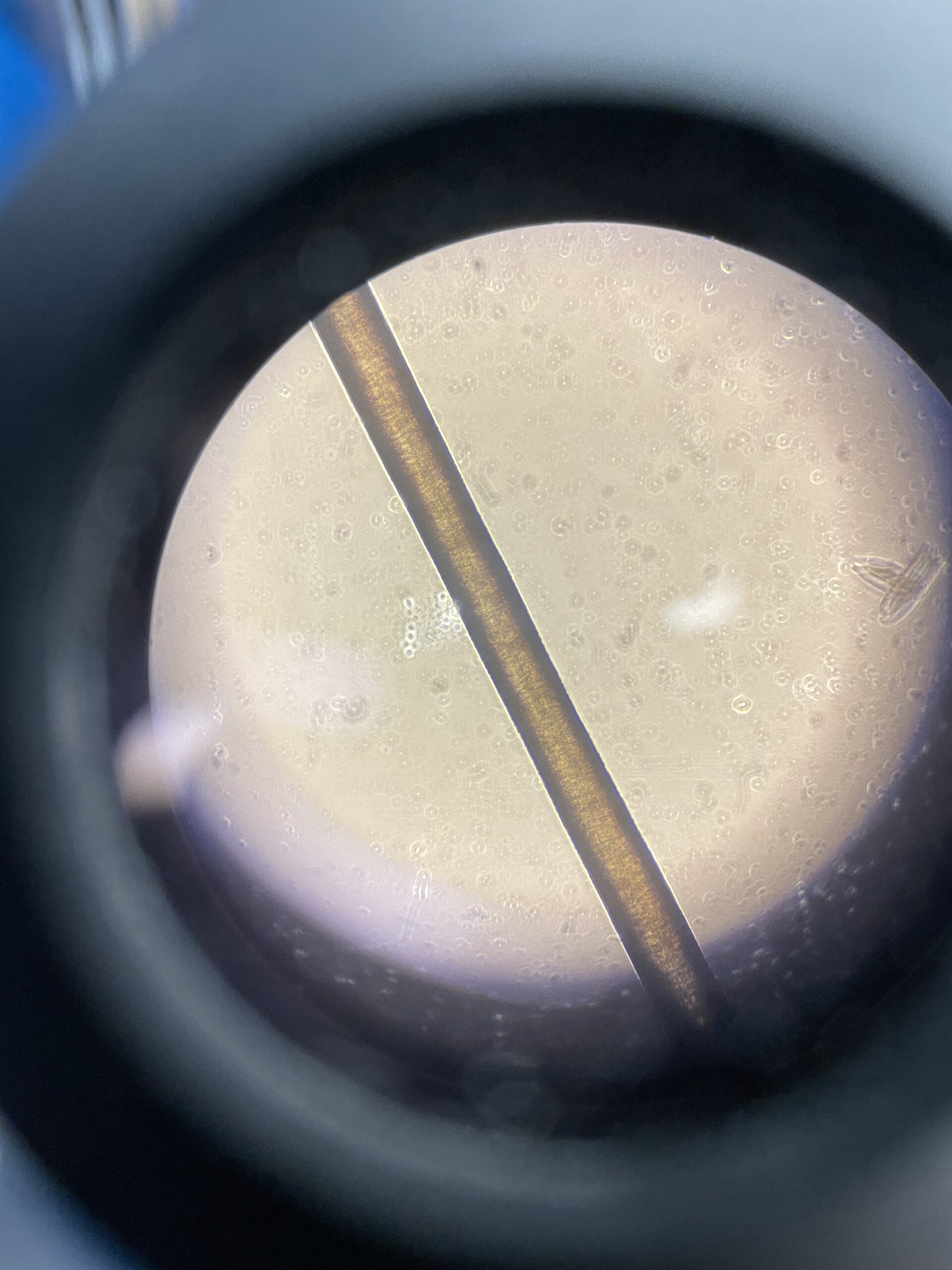
    Have you ever wondered what dyed hair vs non-dyed hair looks like under a microscope?

    Well look no further! With the help of Dr. Leavey, a classmate and I were able to look under the microscope of the molecules of our hair. The picture on the left is mine (red dyed hair) and the one on the right is my peer Claire’s hair (undyed black hair). As you can see, my hair cuticle and cortex are much more jagged and rough, compared to Claire’s smooth strand. This is a result of the chemical reactions that occurred to my hair – the ammonia and peroxide chemically and physically damaged my hair to allow the red color to deposit into my strands.

    My red dyed hair.
    Claire’s undyed black hair.


    What is wild is that my dyed hair is essentially permanently damaged. I will have to grow out my original black hair if I want to revert back to my undamaged hair. For now, I think I will stick with damaged dyed hair! 🙂


    Sources:

    Anne Marie Helmenstine, P. D. (2019, July 14). The science behind how hair coloring works. ThoughtCo. Retrieved April 26, 2023, from https://www.thoughtco.com/salon-hair-color-chemistry-602183

    Brain, M. (2023, March 8). How hair coloring works. HowStuffWorks Science. Retrieved April 26, 2023, from https://science.howstuffworks.com/innovation/everyday-innovations/hair-coloring3.htm

  • The Devil Wears Science: My Experience!

    The Devil Wears Science: My Experience!

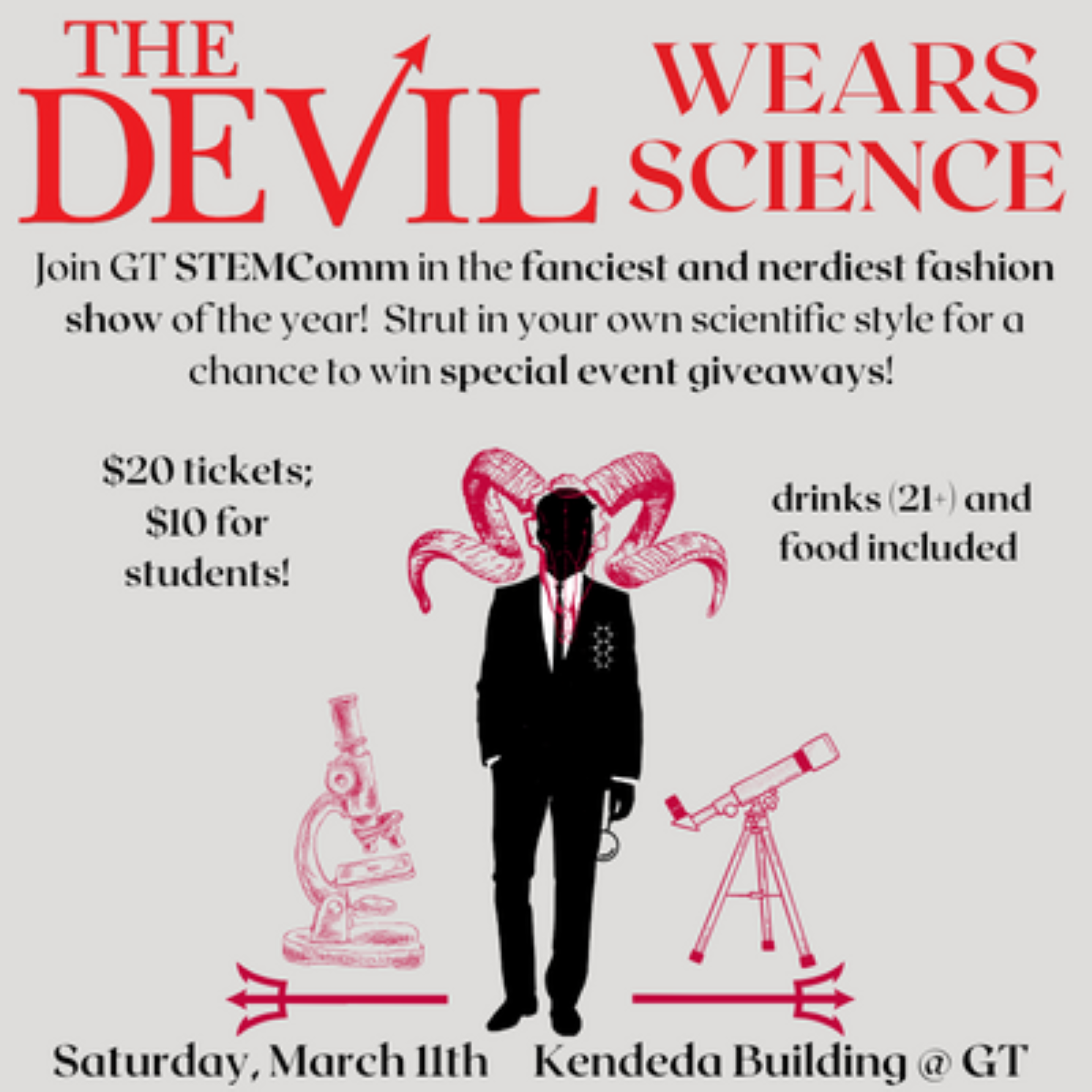
    Since it was my first semester in the StemCOMM VIP, I was a little nervous to be taking part in organizing a Fashion Show for the 2023 Science Festival. Luckily, I met some great people who were helpful and encouraging the whole process through.

    In the beginning, I was on the team that would cover the Additive Armor section of the show, but I started to become more involved with the Sustainable Team. We worked with the Kendeda Sustainability Fellows to compile research regarding textiles, fast fashion, and the clothing life cycle. Below is some of the information we found through research!

    Fast fashion is the quick production of low-cost clothing, that is often trendy and not built to last. We wanted to talk about how the production, sale and eventual disposal of fast fashion items has a significant impact on our environment, and our communities. Many of the materials used to make our clothes have a heavy impact on the environment. For instance, it takes 2,700 liters of water to produce a single cotton t-shirt. Every year, the dyeing of fabrics consumes about 5 trillion liters of water. These chemicals used to clean and dye the clothes are often washed out into natural sources of water, causing harm to local ecosystems. It takes a lot of resources to get a piece of clothing to a consumer. But what happens when the trend is over and fast fashion is no longer fashionable? The average American throws away 81 pounds of clothing each year. The EPA estimates that only 15% of unwanted clothing is recycled. What can we do? The most sustainable thing we can do is use what we already have. We can do this by reusing and upcycling unwanted clothes. By breathing life into garments that have already been made, we can reduce the demand for new clothing production and break the cycle of wasteful fashion practices. 

    We met multiple times before the show to flesh out who was speaking, who would model, etc. We also visited the Kendeda Revolving Closet, where anyone can drop off clothes and shoes for donation! The closet is an initiative located in the basement for community members to donate their unwanted clothes for other to community members to use again. People are also welcome to take from the closet at no cost! When I visited the Closet, I was surprised by some of the clothes there. We were able to find some outfits for the fashion show. With three sustainable outfits planned out, we also needed 3 models. The models ended up being VIP members, and a Kendeda Fellow was our speaker/presenter. We ended up merging this section with the Additive Armor section, so we included a fourth model to wear the dress.

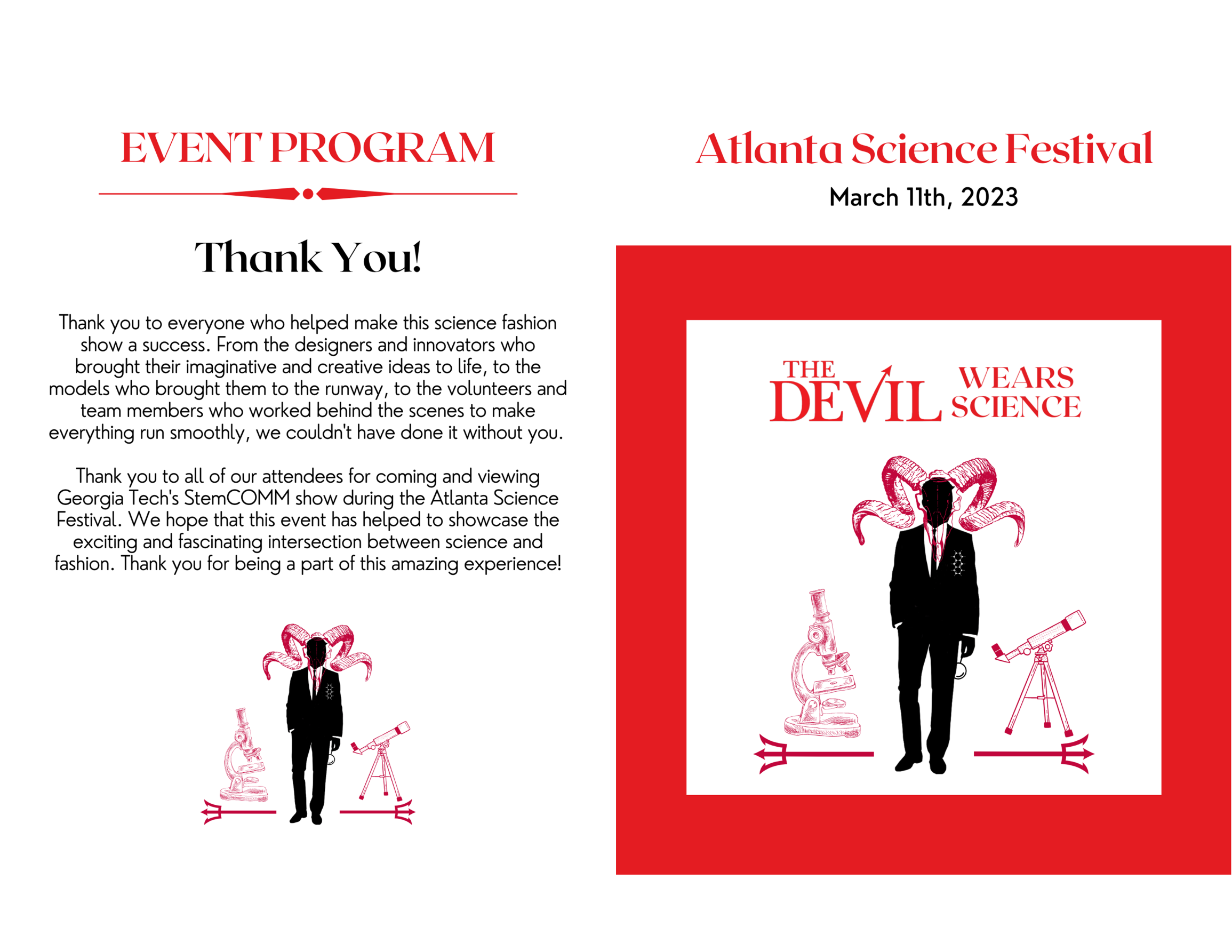
    I also worked on creating a pamphlet/event program for guests to look through and learn more about each exhibit.

    Devil Wears Science Program

    On the day of the event, things were starting to come together and time was moving fast. Steven and I went to print out QR codes that would link to the event program, as well as print out physical copies to staple together. Before the show started, all of us changed into our model outfits and got ready to strut the runway.

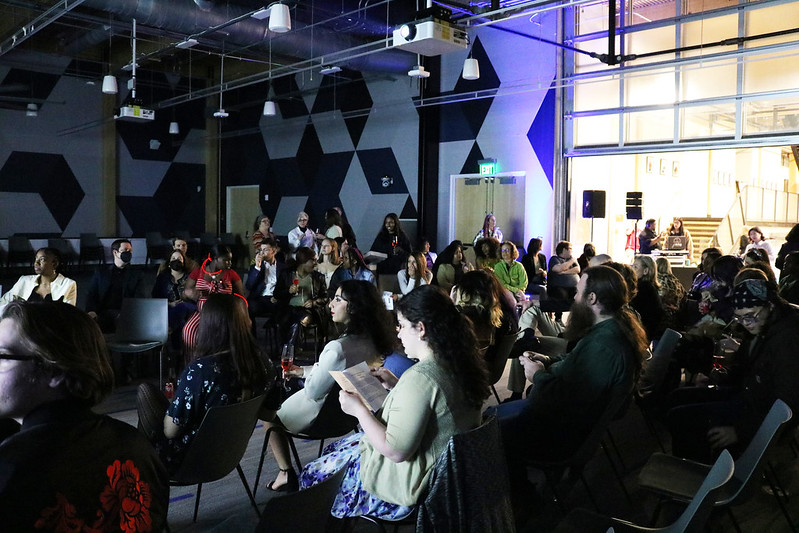
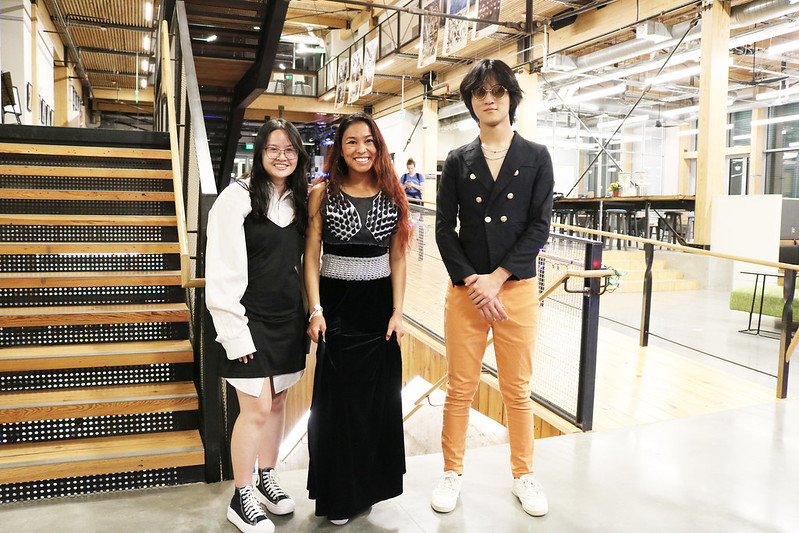
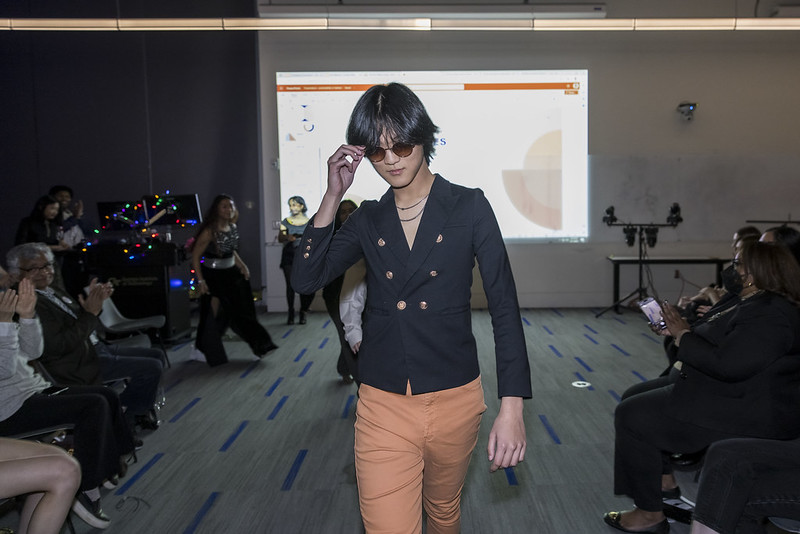
    The show was a success! Here are some photos from the event:

    Sustainability Models
    Steven Yang Model
  • My Experience at ASF!

    My Experience at ASF!

    STEMComm takes Atlanta Science Festival…

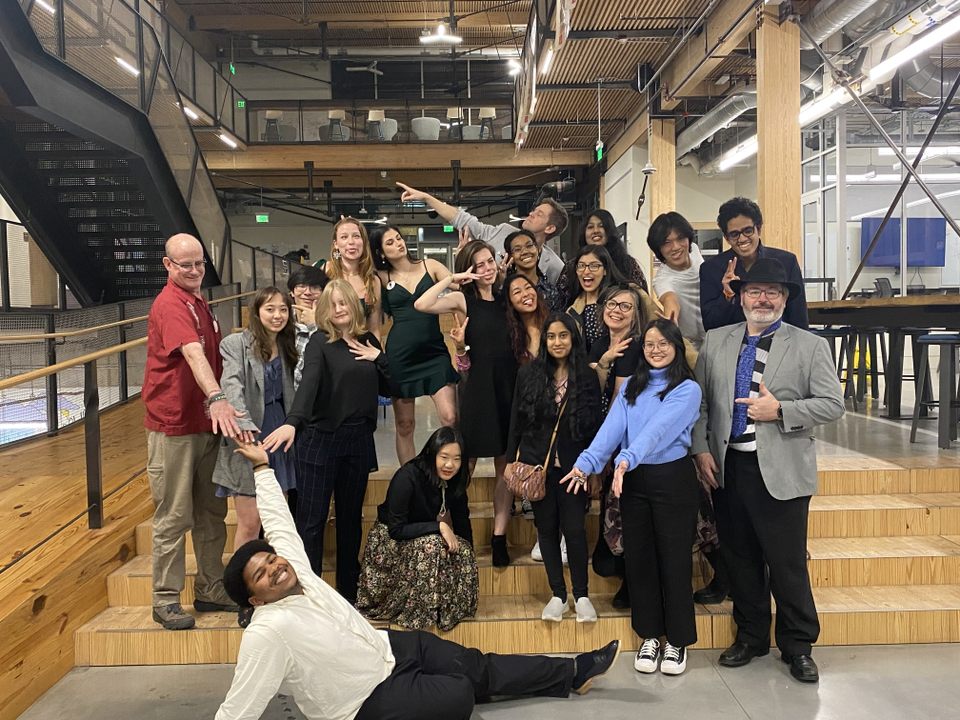
    The entire VIP team!

    A couple of weeks ago, I had the privilege of being a part of a very special presentation: The Devil Wears Science! (I am still obsessed with the name) This was my first time being a part of STEMComm during the Spring semester, which meant that I could finally attend the much-anticipated Atlanta Science Festival that our VIP participates in every year! I was ecstatic to finally see the show with my own eyes and even be an important part of it. I couldn’t be more thankful for the group of people that made this possible, it was truly incredible to watch it unfold. I am also super proud of the models that Dr. Mendelson found in his Ecuadorian friend and her daughters, they truly truly stole the entire show!! They displayed traditional Ecuadorian clothes while also showing off their very-own tagua nut jewelry. Everyone at the show loved their performance from start to end!

    My Team!

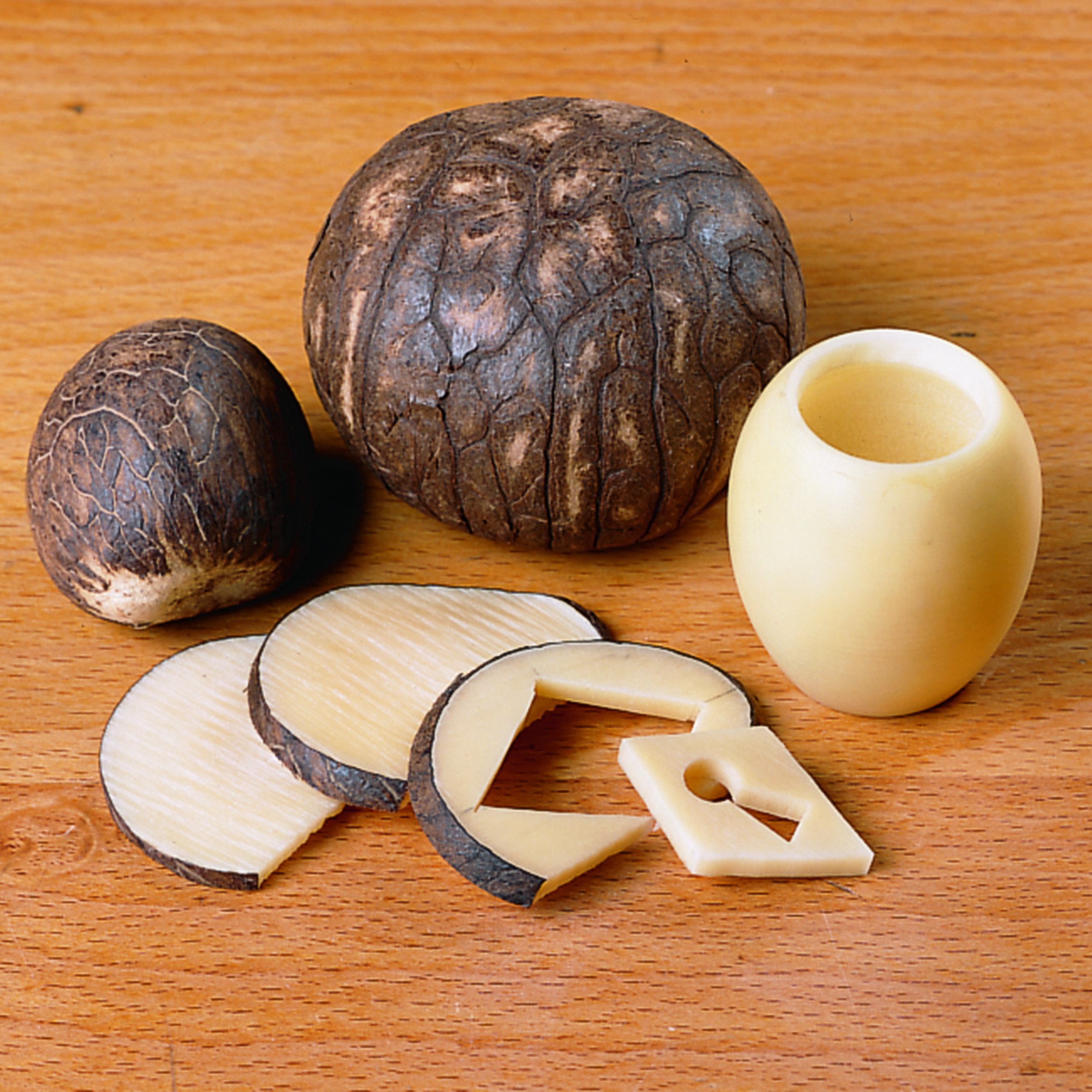
    I had the honor of being a part of the Nutty for Tagua team made up of myself, Julia Raver, and Dr. Joe Mendelson. With the whole theme of our science show being centered around sustainable fashion, Dr. Mendelson conjured up the idea of focusing on what is being coined “vegan ivory”. The presentation was on tagua nuts, a fascinating type of nut indigenous to South America that has the ability to mimic elephant ivory. We brought this idea to life by creating a presentation about the tagua nut’s background history, its sacred meaning and physical makeup, and its uses.

    The tagua nut itself is grown in places like Colombia, Ecuador, Panama, and Peru and has been a significant part of the culture and economy of South America. The nut represents sacred, feminine energy and harmony among the indigenous people in these areas and has different uses depending on the nut’s maturity. At the very beginning of the nut’s life, it falls from the trees onto the floor and is collected to be carved, polished, and dyed. Right after sprouting, the nuts are soft enough to eat, with a sweet and pulpy taste. After hardening though, the texture turns so hard that it requires a saw to cut through! What makes the nut so special is that they closely resemble the ivory that elephants have in their tusks. They have a similar chemical makeup as wood as they are made up of dead-walled cells. The nuts can be turned into beautiful jewelry like necklaces, earrings, bracelets, and more. Not only used for adornment but they can also be fashioned into things like buttons and guitar picks. In fact, tagua nuts were utilized during the Civil War for the buttons of US soldiers’ uniforms since the material was cheaper than metal and ceramic.

    Elephant Ivory Dupe?

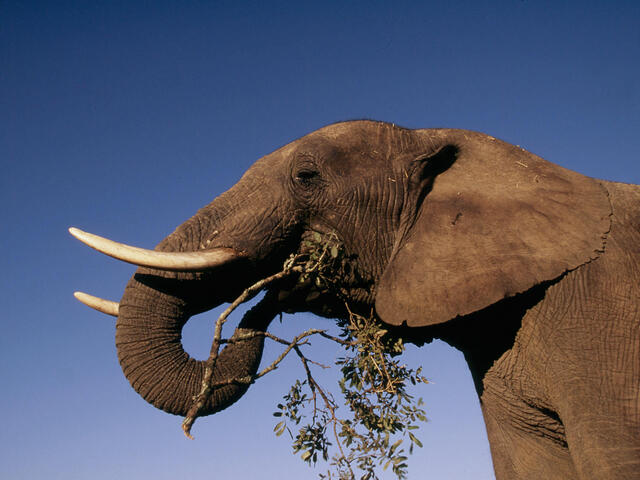
    With the poaching of elephant tusks and the illegal trade that has been going on since the 1980s, it has become more important now than ever that an alternative is presented. Although there are bans on poaching, they are not stopping the slaughter of the world’s biggest land mammal, the African elephant. Tagua nuts have created a glimmer of hope for the elephants’ survival since there would be no reason to continue killing the animals with a viable ivory option available. The tagua nut has been called a friend of elephants, and it truly has been serving as a helping hand to the species. The nuts can be shipped anywhere on Earth to act as a substitute for ivory, thus humans must stop looking to elephants for ivory, and welcome into the mix tagua nuts!

    Loxodonta africana

    My Overall Contributions

    The Nutty for Tagua team chose me to be the speaker during the actual fashion show, and I knew I had to take the opportunity to shine as a senior STEMComm student. It would be my last time being a part of the VIP team before graduating, so it was extremely special to me to be able to speak. I was definitely nervous about presenting to a crowd since I am not huge on public speaking but knew that I had to stand strong for the rest of the team and represent us well. As a matter of fact, I am especially proud to be a member of STEMComm, so I had to show that in my presentation! After working with Julia on the script and editing it, I got started practicing the five minute speaking bit. I stumbled at first, but finally got comfortable projecting the information confidently. I was ready to present! When the day finally came, Julia got recruited as a last minute model for the beekeeping suit, which meant I was controlling the slideshow and presenting live- it’s harder than it looks! It surely wasn’t perfect, but I am happy with what our team gave to the show, and I could tell the audience enjoyed it too. I had so much fun participating in this event and I can’t wait to come back to attend STEMComm’s future ASF productions. From the backstage production to the music set-up, it was super cool to be a part of.

  • ADHD Comics: Reflection on Adaptation Project

    ADHD Comics: Reflection on Adaptation Project

    Wait, I have ADHD?

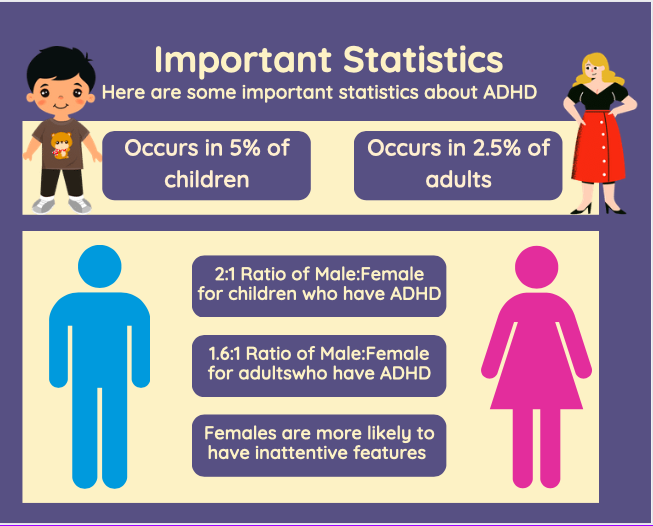
    Recently, I found out that I have ADHD, and it seemingly came at a time when many other women in the world were realizing the same thing. But why was I only getting diagnosed now, at 22? It’s a fact that ADHD is under-diagnosed in girls due to a multitude of reasons. The biggest being that plainly, ADHD looks different in girls and women than it does in boys and men. Little boys are usually the ones causing a raucous in school, where the girls try harder to please the teachers and impress their peers with scores. I know that as a little girl, I tried extremely hard in school always and was a bit of the teacher’s pet, which included following the rules super closely and avoiding trouble. It wasn’t until I was an adult that I began seeing posts on social media describing the under diagnosis of ADHD in women and the signs and symptoms that usually appear. This propelled me to reach out to a professional who tested me and confirmed that I had ADHD the whole time.

    How the diagnosis affected me

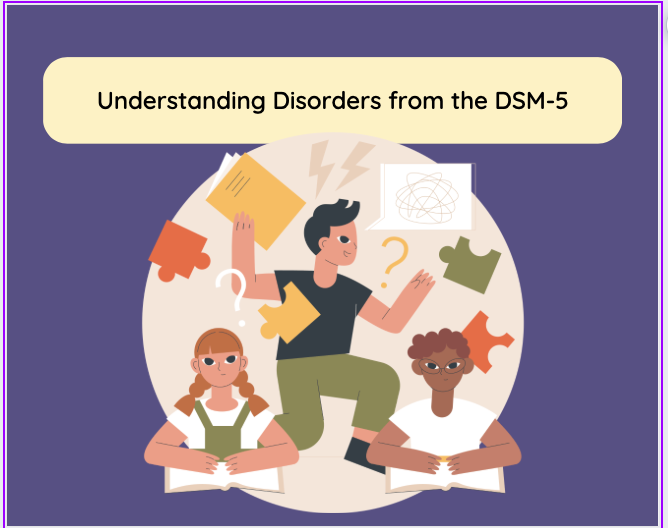
    Hearing the diagnosis was shocking, but also, made everything a little clearer at the same time. I could finally figure out why I behaved in certain ways where my friends behaved differently. I felt seen for who I truly was, and knew I could use this diagnosis to help myself adapt better. So when I found myself in my LMC class this semester, hearing a presentation on the DSM-5 from a classmate, my ears perked up when he began discussing ADHD. The assignment had been to create a plan to adapt a boring piece of technical writing into a more engaging piece of technical writing, and my classmate had chosen to adapt the DSM-5, focusing on the ADHD portion. He went on with his presentation to explain why he had chosen to adapt this, and his reasons really resonated with me. He spoke on how the DSM-5 is making it harder for professionals to diagnose to the fullest degree with the long, drawn-out look of the document and its hard to parse language. This immediately reminded me of the ADHD under diagnosis I had thought so much about.

    The Adaptation Project

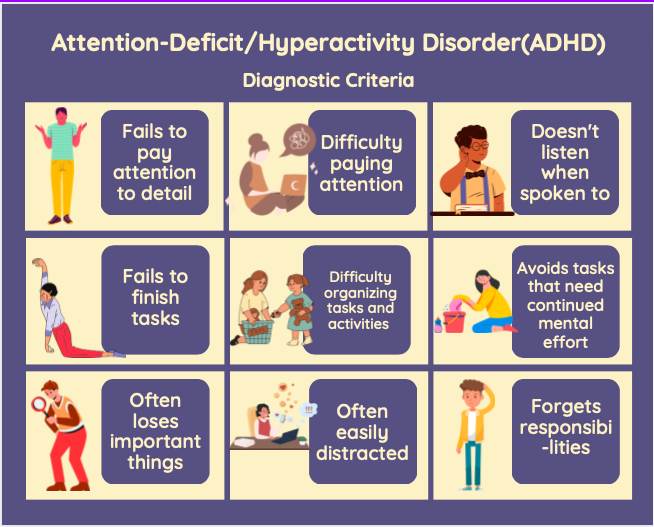
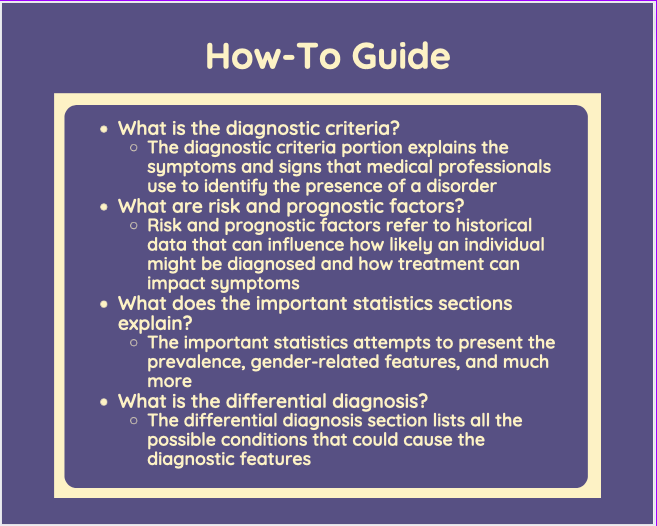
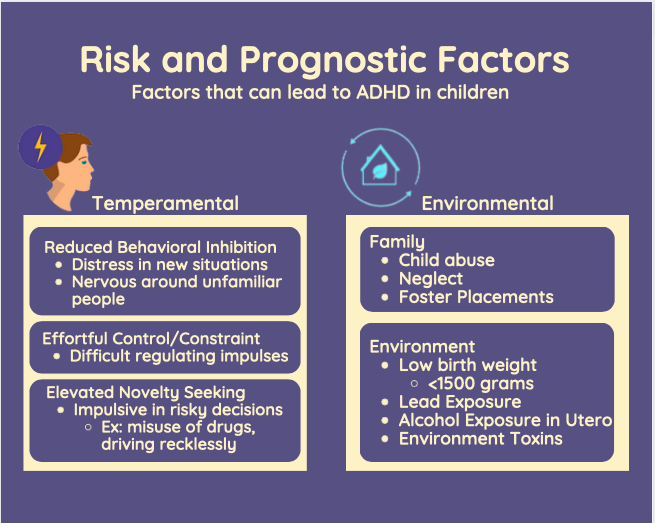
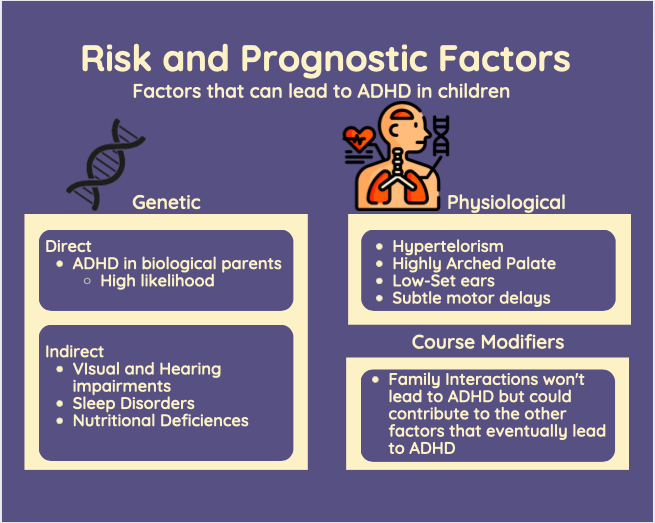
    Our class was to watch all of the presentations, and vote for the person who had the best proposal and pitch for adapting their technical document. My first place choice was the student who did the DSM-5 since he had clearly captured my attention and convinced me of his pitch. The next part of the project involved the winners of the voting to be team captains, and head their teams on actually creating the adaptation. Thankfully, I was placed in the DSM-5 group and super excited to get started. We went on to create many comics elaborating on ADHD as a whole- the signs, the symptoms, and the statistics. Take a look below!

    Conclusion

    Learning that I had ADHD was relieving, illuminating, and insightful for me. It affected me in more ways than I knew because I found myself bringing it into my schoolwork in LMC 3403. As I spoke about in a previous article, I loved being in LMC 3403 because it allowed me to practice group-work, learn a lot about myself, and improve my technical writing. This adaptation assignment was my favorite and I love the comics we created in the end. I hope that in my lifetime we can shed more light on ADHD in young girls and try to correct the gap in diagnoses.