Category: Articles

  • Artificial Intelligence Space Travel

    Artificial Intelligence Space Travel

    Artificial Intelligence Space Travel
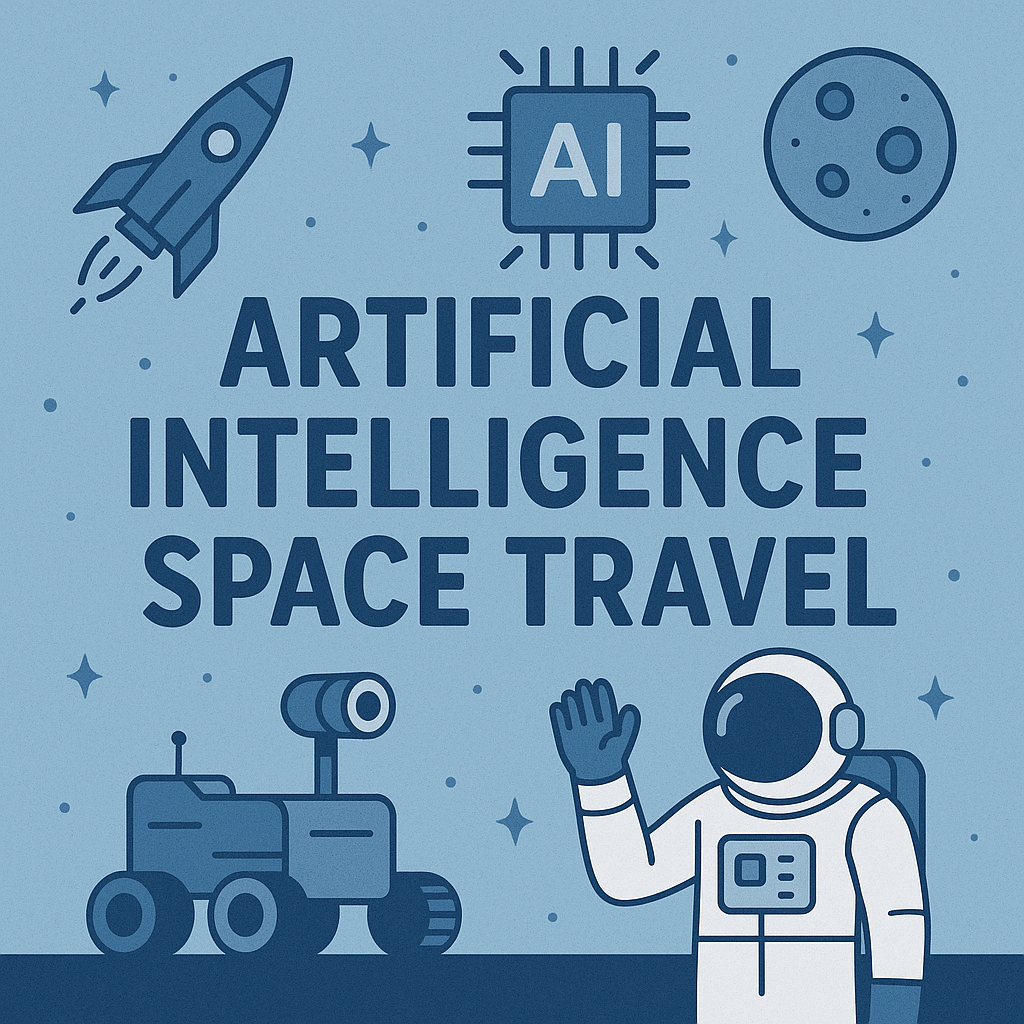
    In the ever-growing universe, artificial intelligence (AI) is becoming a pivotal tool for space exploration. While on Earth, the role of AI in science—most significantly through large language models (LLMs)—is transforming the pace of research and discovery, off Earth, its role is equally significant. AI is now at the cutting edge of how we explore the solar system and beyond, pushing boundaries once deemed impossible due to time, geography, and technology limitations.

    Space travel has uniquely complex issues: enormous communication delays, dangerous environments, unmapped terrain, and thin real-time monitoring. In flights spanning millions of miles, the time a signal takes to reach Earth, and back is too long to employ human micromanaging. To offset this, scientists and engineers have turned to AI as a helper, vital decision-maker, and data processor in real time.

    The Martian Testbed: Autonomy and Perseverance in Action
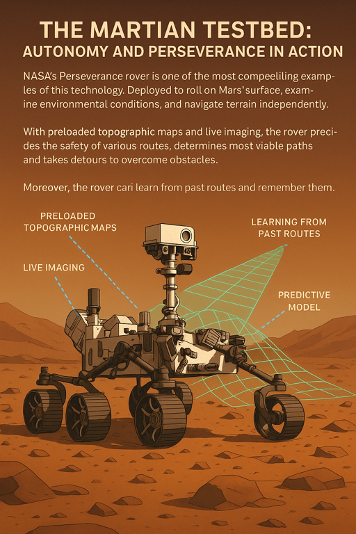
    NASA’s Perseverance rover is one of the most compelling examples of this technology. Deployed to roll on Mars’ surface, Perseverance isn’t just driving around according to commands from Earth. Its sophisticated AI system allows it to read sensor data, examine environmental conditions, and navigate terrain independently.

    With preloaded topographic maps and live imaging, the rover predicts the safety of various routes, determines the most viable paths, and takes detours to overcome obstacles. The predictive model enables the rover to optimize its mission objectives—cover more distance, sample more, and minimize risk. Perseverance can think and learn while it moves.

    Moreover, the rover can learn from its past routes and remember them. Navigation through learning like this, which conceptually is close to how LLMs train their answers to be better after repeated cycles, makes Perseverance an increasingly efficient vehicle the longer it runs.
    The Edge of Intelligence: From Mars to the Outer Moons
    Mars is just the beginning. AI is designed to play an even more significant part in the next wave of missions—to Jupiter’s frozen moon Europa, Saturn’s ethane-rich Titan, and farther out. These destinations provide more hostile and alien conditions than Mars, with more risks and fewer opportunities for in-time human interference.

    On these missions, spacecraft must do everything from data analysis and route planning to system checks and equipment deployment. AI models must determine what data to return to Earth, what anomalies are worth investigating, and even potentially re-routing missions in flight if new challenges arise.

    AI is also transforming orbital science. Space telescopes now generate more data than any human community hopes to review. AI programs trained on this information can spot patterns, remove distracting noise, and highlight phenomena, like exoplanets or black hole candidates, worthy of further investigation. As we build more capable observatories, AI’s function as a research assistant in the sky will continue to grow.

    Intelligent Exploration: The Next Generation of Intelligence Beyond the Cosmos
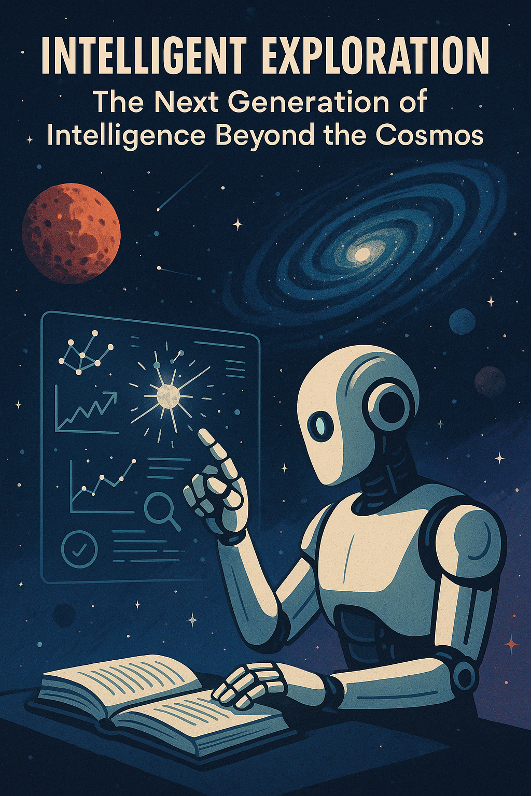
    The actual breakthrough of AI in space isn’t one of technology but philosophy. They are no longer passive tools but are becoming active agents in the pursuit of discovery. They sometimes read, predict, and act before human researchers know of a new finding.

    This is a shift in how we think about exploration. Instead of human beings at the center of every moment, we now share that place with intelligent systems that reach further than we can, respond faster than we can, and carry our curiosity into places we can’t yet go to ourselves.

    For scientists and engineers, this alliance with AI is more than a convenience—it’s a necessity. The more hazardous our destinations become, the greater our dependence on machine intelligence to light the way.
    The Future: AI as Our Celestial Colleague
    As space travel heightens and the industry of AI becomes more revolutionized, more things are to be learned when it comes to AI. Where every decision counts in extreme environments, AI systems may monitor life support, recommend maintenance, or enable communication among multicultural crews.

    Here on Earth, the same AI platform can simulate missions, train astronauts, and analyze mission outcomes at a speed and scale never imagined.

    No less than the LLMs are rewriting the way we do research in every field, from literature to biology, and autonomous AI is rewriting the rulebook for space science.

    References

    ESA. (2023, September). Artificial intelligence in space. ESA. https://www.esa.int/Enabling_Support/Preparing_for_the_Future/Discovery_and_Preparation/Artificial_intelligence_in_space

    Gómez-Pérez, J. M. (2022, October 7). Artificial Intelligence and Natural Language Processing and Understanding in Space: A Methodological Framework and Four ESA Case Studies. arXiv. https://arxiv.org/abs/2210.03640?utm_source=chatgpt.com

    Mars 2020: Perseverance Rover. (2021, February 18). NASA Science. https://mars.nasa.gov/mars2020/

    Oche, P. A. (2021, December). Applications and Challenges of Artificial Intelligence in Space Missions. ResearchGate. https://www.researchgate.net/publication/356771832_Applications_and_Challenges_of_Artificial_Intelligence_in_Space_Missions



  • Multicellular Archaea?

    Multicellular Archaea?

    All life is classified into three overarching domains: archaea, bacteria, and eukarya. We are all familiar with eukarya, seeing that humans fall under this domain, and bacteria, but archaea are often forgotten. They are defined as single-celled prokaryotes, meaning they exist as a cell without a defined nucleus. Archaea inhabit extreme environments, such as hydrothermal vents or salt lakes, and highly acidic or alkaline conditions. This is the main reason there is not as much information on archaea as there is on bacteria and eukarya. It is difficult to isolate these species from such environments and recreate the conditions in a lab setting.

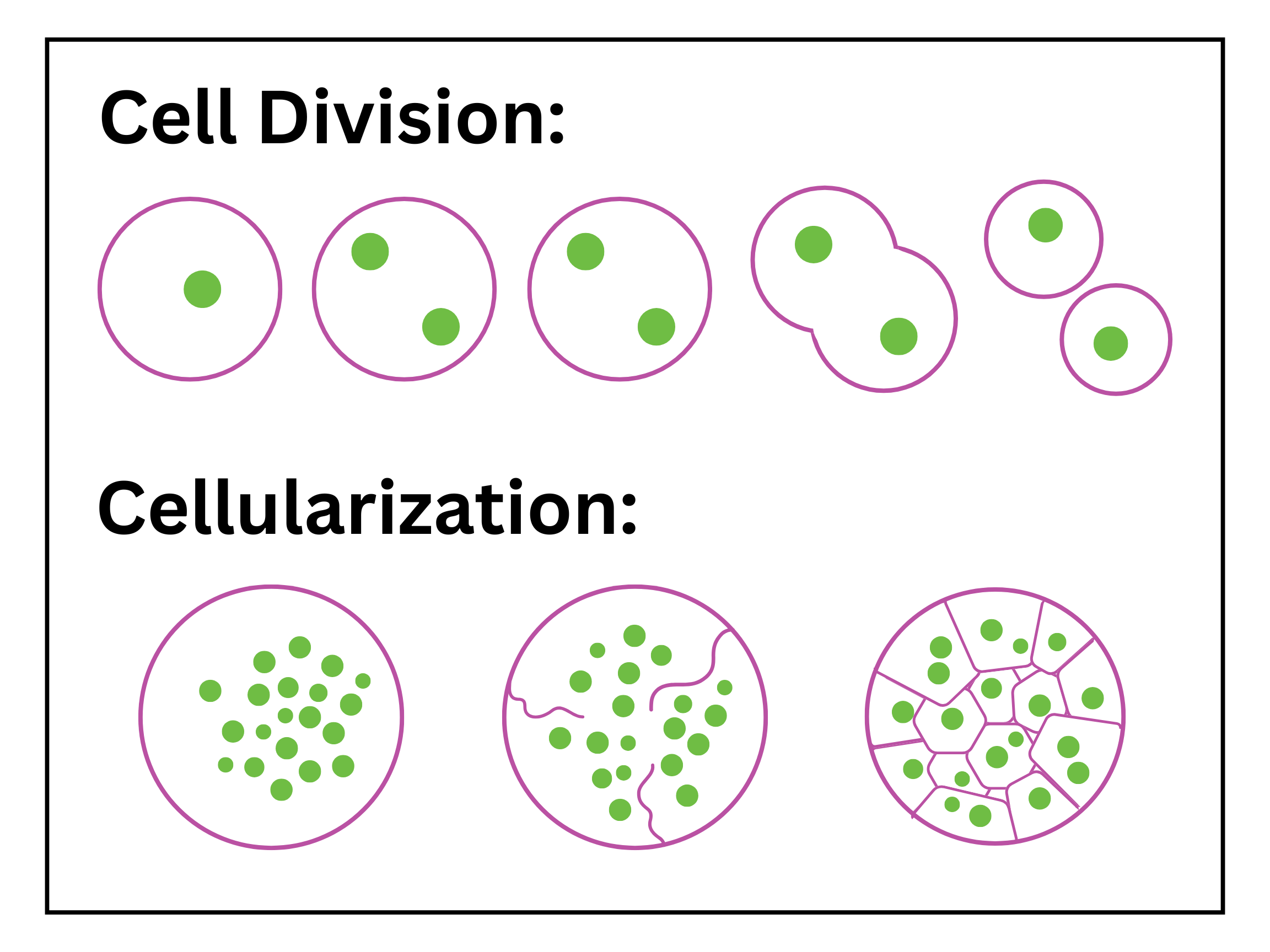
    But new findings in cell biology have put the single-cellularity of archaea into question. Normally, when under excessive pressure, cells will halt all cell division as a protective mechanism to ensure all cells have adequate volume and are without genetic defects. Recently, a species of archaea found in hypersaline environments, H. volcanni, was found to undergo a process closely resembling cellularization instead of regular cell division when under pressure. Cell division is the more common and orderly process, usually mitosis and cytokinesis, where a single cell replicates its DNA once and increases in size until it splits into two daughter cells. Cellularization, on the other hand, is when a single cell replicates its DNA until it has multiple nuclei, then splits into many smaller cells. Archaea do not have nuclei, but the process they underwent in the experiment strongly resembled that of eukaryotic cellularization.

    In animals, cellularization is rare, primarily found in the early development of fruit fly embryos. In this case, the process forms tissues, which are the basis of multicellular organisms, defined as a group of cells that work together for a common function. The multicellular archaea can’t quite be defined as tissue, since they don’t have the connection and interaction that tissue does, but it is definitely an interesting new find. This also serves as evidence for the theory that multicellularity evolved before the teamwork seen in multicellular organisms.

    H. volcanii also has certain traits that make this process favorable. They naturally contain multiple copies of their DNA spread throughout the cell, and their cell division is influenced by the pressure of their surroundings, which they recognize through their membrane tension. The cellularization also produces two types of cells, peripheral and central scutoid cells, each with distinct structural protein patterns. Further implications of this are unknown, but it will be exciting to watch this newfound trait of archaea unfold.

    Pillai, E., & Brunet, T. (2025). Archaea go multicellular under pressure. Science, 388(6742), 28-29. https://www.science.org/doi/10.1126/science.adw6689?utm_source=sfmc&utm_medium=email&utm_campaign=ScienceAdviser&utm_content=distillation&et_rid=1095835014&et_cid=5579756
    Niederberger, T., & et al. (1998). Archaea. Encyclopedia Britannica, https://www.britannica.com/science/archaea
    Rados, T., Leland, O., Escudero, P., Mallon, J., Andre, K., et al. (2025). Tissue-like multicellular development triggered by mechanical compression in archaea. Science, 388(6742), 109-115. https://www.science.org/doi/10.1126/science.adu0047#:~:text=The%20advent%20of%20clonal%20multicellularity,at%20a%20critical%20cell%20size
    Liu, C. (2017). Archaea. Innovative Genomics Institute (IGI). https://innovativegenomics.org/glossary/archaea/

  • Nature’s Puppeteers: When Fungi Take Control

    Nature’s Puppeteers: When Fungi Take Control

    The Last of Us video game and its live-action adaptation follow a fictional post-apocalyptic story about surviving in a world where a mutated Cordyceps fungus evolves to survive in human bodies, turning people into violent zombies. According to the chief of the Mycotic Diseases Branch at the Centers for Disease Control and Prevention, Tom Chiller, this idea that a fungi species can mutate to survive the high temperatures of a warm-blooded body is “far-fetched” (Parshall, 2023). We are inhaling fungal spores all the time, but because of our immune system and high body temperatures create inhospitable conditions for fungal species to live (Beckham, 2023). 

    Ellie (Bella Ramsey) and Tess (Anna Torv)
    Photograph by Liane Hentscher/HBO: https://press.wbd.com/us/image/bella-ramsey-anna-torv

    Photograph by Liane Hentcher/HBO: https://press.wbd.com/us/image/bella-ramsey-anna-torv

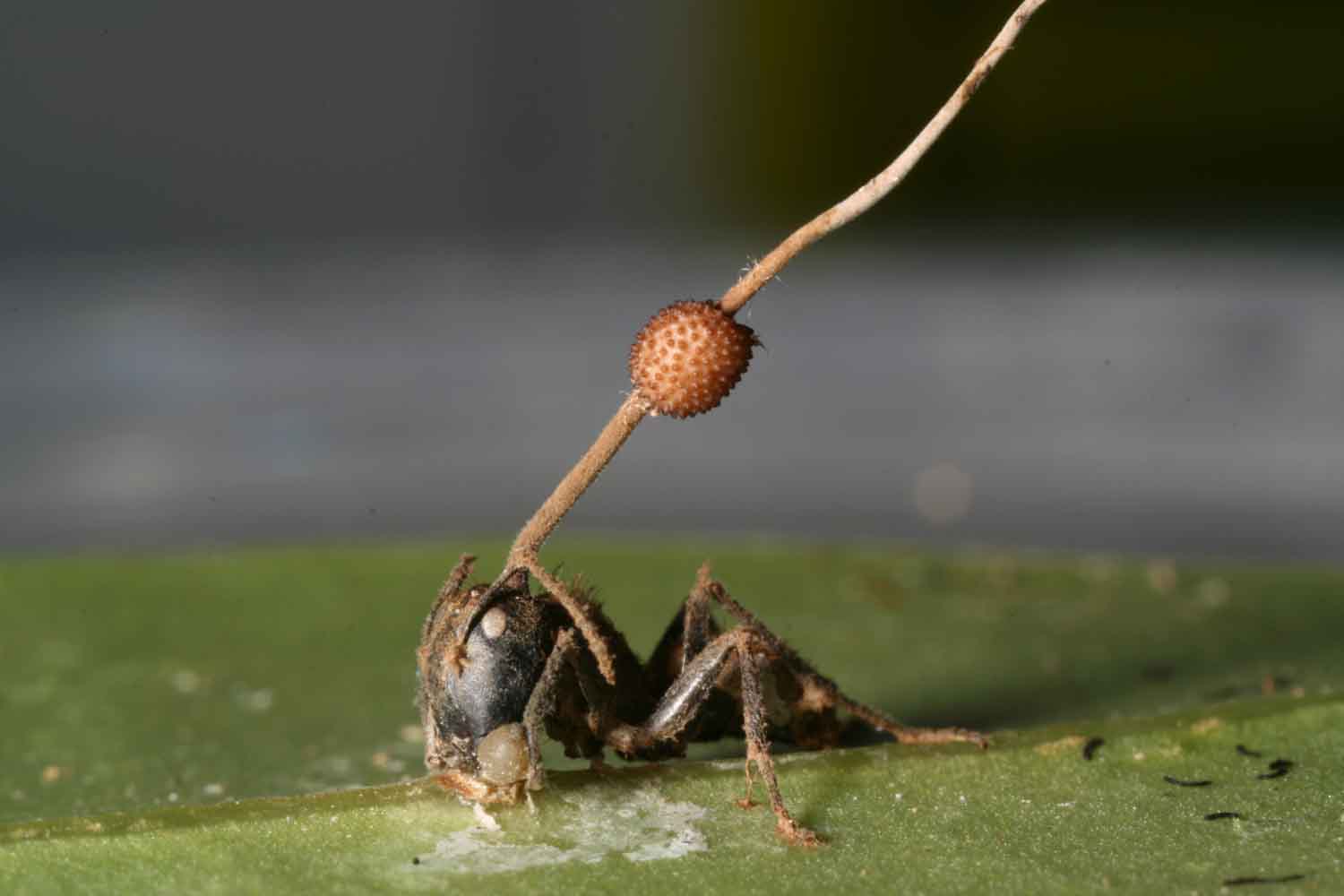
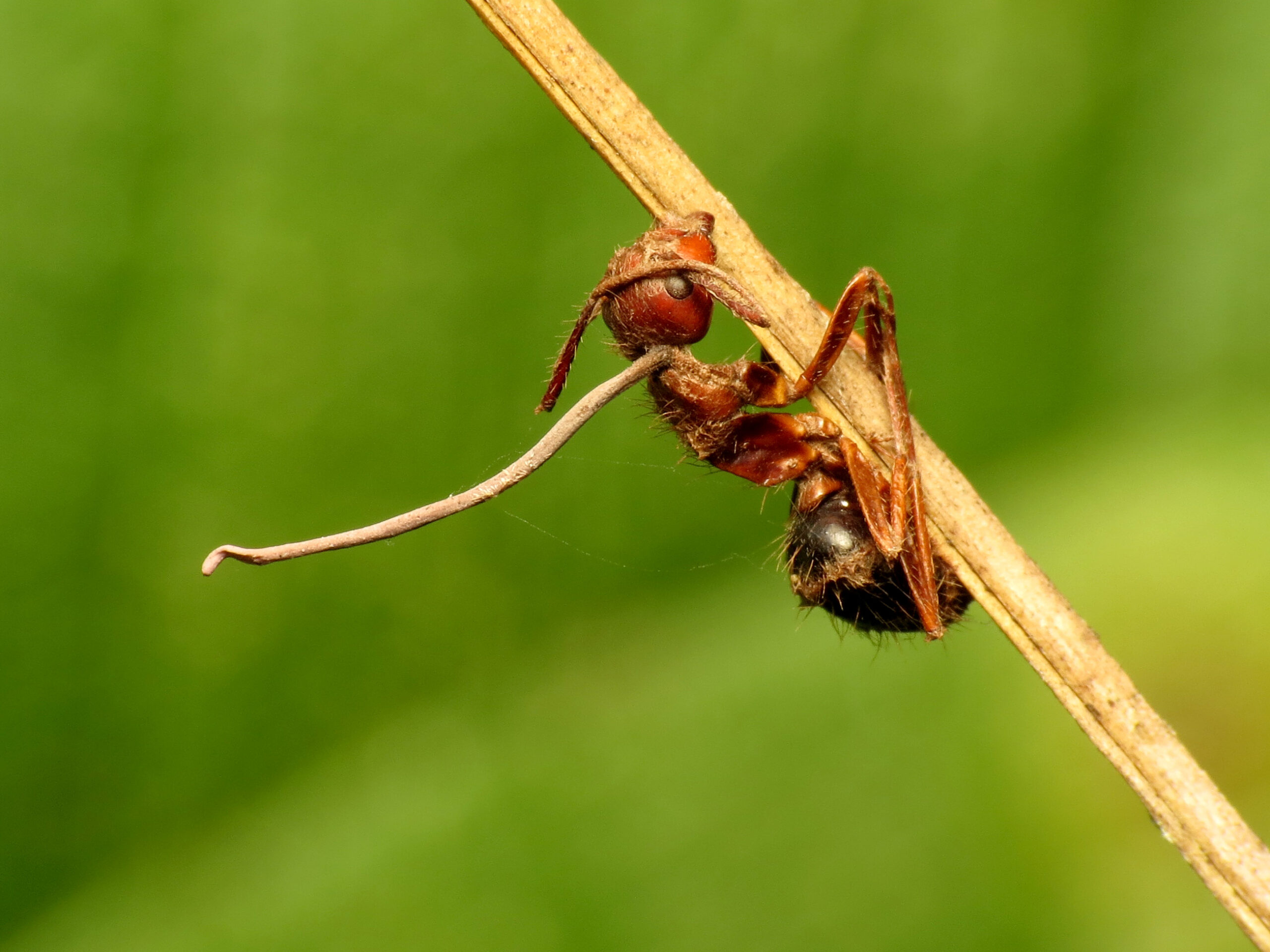
    Luckily for us, Cordyceps (Ophiocordyceps unilateralis) does not affect humans, but insects—Cordyceps are a parasitic fungus that takes control of the brains of insects such as ants and spiders.

    The spores of Cordyceps—zombie-ant fungus—take control of the mind and motor functions of their host, paralyze them, grow in them, and reproduce (Stone, 2023). The fungus will exhaust the host of all nutrients, spreading spores in the host’s body. It then makes the insect go to a higher location, where the direct sunlight makes optimal conditions for the spores to continue spreading. The Cordyceps infection to other insects is airborne, whereas in The Last of Us, the infection is transferred through bites.

    Ant killed by Ophiocordyceps fungus
    “Ant killed by Ophiocordyceps fungus”
    Taken By: Katja Schulz
    https://www.flickr.com/photos/treegrow/29867355174/in/photolist-swe1Eu-hnxMQY-dsinf4-mCtuwz-MvgZQu-Mvh1kh-Mvh18y

    Image taken by: https://www.flickr.com/photos/treegrow/29867355174/in/photolist-swe1Eu-hnxMQY-dsinf4-mCtuwz-MvgZQu-Mvh1kh-Mvh18y

    Fungi can spread in two ways: “vertical transmission from mothers to their offspring and horizontal transmission through spores in the environment” (Stone, 2023). This means that spores can be inhaled or land on surfaces of the body and infect that area of the body. 

    Are there Fungi that can affect humans?

    According to Perlin, about one billion people suffer from hair, skin, or nail infections, e.g. ringworm or Athlete’s foot. While treatable, fungal infections carry major health risks. He adds that over 1.5 million people globally die from fungal infections. Discovered in 2009, a multidrug-resistant fungus, Candida auris, and has been placed on the World Health Organization’s list of ‘priority pathogens’. This is the first fungus to be able to spread from person to person and survive in higher temperatures (Beckham & Roberts, 2023). Candida auris and Aspergillus fumigatus are now global threats, according to the CDC.

    Besides that, environmental fungi, e.g., mold, spread by emitting spores in the air, while others spread in the water and food supply (Perlin, 2023).

    Rest assured, we know that fungal infections originate from the environment through inhaling spores or an exposed wound, and unlike viral infections that can easily be spread person-to-person, the risk of spreading a fungal infection is extremely low (Beckham).

    Scott Roberts, MD warns that while a fungal apocalypse like The Last of Us is unlikely, there has been an increase in the risk of fungal disease because of the increased dependency on antibiotics. He explains that antibiotics kill all the good bacteria, which makes it easier for fungi to spread.

    It’s challenging to make antifungal medication that doesn’t harm humans because fungi are more closely related to humans than viruses and bacteria (Beckham, 2023).

    While it’s unlikely that a fungus-driven pandemic could occur in humans, we must take measures to respond to rising fungal infections or dangers.

    The Last of Us brought awareness to the lack of antifungal vaccines or research on fungal infections. These fungal infections are difficult to treat due to fungi’s nature to mutate and evolve—many of the current drugs used to treat fungal infections are ineffective towards certain strains (Pires, 2024).


    Sources Cited:

    Backman, I. (2023, February 5). “The Last of Us” apocalypse is not realistic, but rising threat of fungal pathogens is. Yale School of Medicine. https://medicine.yale.edu/news-article/the-last-of-us-apocalypse-is-not-realistic-but-rising-threat-of-fungal-pathogens-is/

    Parshall, A. (2024, February 20). Could the zombie fungus in TV’s the last of US really infect people? Scientific American. https://www.scientificamerican.com/article/could-the-zombie-fungus-in-tvs-the-last-of-us-really-infect-people/

    Perlin, D. (2023, Feb 16). Zombie fungus from “The Last of Us”: Is it real? New Jersey’s Top-Ranked Hospital Network. (2023, February 16). https://www.hackensackmeridianhealth.org/en/healthu/2023/02/16/zombie-fungus-from-the-last-of-us-is-it-real

    Pires, T. C. S., & Pires, Y. M. S. (2024). From Candida Auris to The Last of Us Cordyceps: Addressing Fungal Infections before it’s too late. Int J Allergy & Imm, 2(1), 1-2.

    Stone, L. (2025, April 6). Distinguishing between fungal fact and fiction in “The last of us” . NETEC. https://netec.org/2023/05/02/distinguishing-between-fungal-fact-and-fiction-in-the-last-of-us/


  • How to become an expert at 2048!

    How to become an expert at 2048!

    Have you ever heard of 2048? If you memorize the powers of 2, then you would know this is simply 2 to the power of 11. However, that’s not how most people react. My first impression was “What’s with this random number? A satisfying number with even digits?” Soon, I learned it’s a game. Not long later, I got addicted to beating it.

    About 2048

    2048 was released back in 2014. It is a single-player sliding tile puzzle video game written by Italian web developer Gabriele Cirulli over the weekends (Wikipedia). 2048 has an easy concept with great animation and a goal where players can beat, and even surpass. It soon became a global hit! The first time I heard about the game was a decade ago when I was in Vietnam. I fell in love with it. Thanks to that, I actually memorized the powers of 2 before I actually learned about the concept of exponents in school! 2048 is a great educational game by all means.

    In an interview with Hey.gg, 19-year old Gabriele revealed that 2048 was influenced by Saming’s 1024. The gameplay is similar except that 2048 has initial tiles of 2 and 4, while 1024 only has 2s. If we dig in further, the 1024 game was influenced by Threes, a game with the goal of sums or multiples of 3, starting with 1 and 2 tiles. Threes was also influenced by Drop7, which in turn was influenced by… (Wikipedia) Let’s stop here since it could go forever. It’s amazing how game development can be about creativity and improving your childhood games.

    2048 Gameplay

    The game has a simple and clean design with 4 x 4 tile board. Initially, the player is given two randomly placed tiles. There is a 90% chance of a  2 and a 10% of a 4. In total there are 3 combinations; (2, 2), (2, 4), or (4, 4). Players can use the four arrow keys to slide the tiles in the corresponding direction. When a tile collides with an identical tile, they merge and become a new tile with a higher power of 2. One single move can merge many tiles, but tiles can only merge once in a move. This can be confusing, so let’s look at an example. 

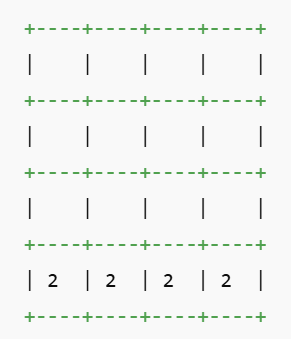
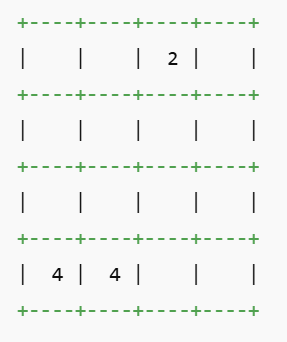
    If there are 4 tiles of number 2 at the bottom, and the player presses <-, then there are 2 tiles of 4 on the bottom rows to the left, and an additional new tile can be anywhere. In order to get a new tile of 8, another move needs to be made. The goal is to reach 2048, but players can continue if they want to beat the game. The maximal tile is 2^17 = 131072 if the last new tile is 4 (Goel, 2017). I actually had the honor to see someone achieve this a decade ago! Now it’s time for the math behind the game!

    Mathematical Induction

    Mathematical induction is a method to prove a statement or formula is true for all natural numbers or integers. It first proves this is true for the lower bound, i.e the base case number. Then it proves that if it is true for arbitrary numbers k where k >= base case, then it also is true for any k + 1. The latter is called an inductive step. According to Hoang Le, a Vietnamese Mathematics enthusiast, we can use mathematical induction to prove why 2048 always and only has tiles of power of 2.

    Problem: In 2048, the new tiles are either 2 or 4, and two identical tiles can sum and merge into one new tile. Using mathematical induction, prove that 2048 can only have tiles of power of 2.

    Tiles are either randomly generated or merged. The randomly generated tiles are the base cases.

    Base case 1: the new tile 2 = 2^1.
    Base case 2: the new tile 4 = 2^2.
    The base cases hold true.

    Induction: Assume that at any moment there are tiles in the form of 2^k, where integer k >= 1 (because smallest tile is 2), then after the next move the new tiles are still power of 2.

    There are 2 cases.
    1. There is no merge, then the board still has the existing tiles with power k and the new tile 2 = 2^1 or 4 = 2^1. The new board state still only has power of 2 tiles.
    2. There are merges, then for each tile 2^k that could merge, 
    2^k + 2^k = 2 * (2^k) = 2^(k+1). 
    Some of the existing tiles merge into a new tile with a higher power of 2, and the newly generated tiles of 2 or 4 are also powers of 2.

    By mathematical induction, when 2048’s randomly generated tiles are 2 and/or 4, and tiles can only merge if they are identical as a sum, then the board can only contain tiles that are powers of 2.

    Markov Chain and Markov Decision Processes

    Overleaf is a London-based startup that builds collaborative authoring tools for scientists, including support for the LaTeX language that allow users to present mathematical symbols. Today we are not talking about Overlead, but rather John Lees-Miller, a Cofounder and CTO at Overleaf. John studied 2048 and published an article series about how Markov Chain and Markov Decision Processes can be used to understand the game. 

    Based on the concepts of Markov Chain, through complex mathematical samplings and calculation, John concludes that the average number of moves to win the game is 939. This aligns with Bhargavi Goel’s, a student from Delhi Public School Vasant Kunj, India, conclusion about the move range to win the game [519, 1032]. The bounds are for extreme lucky cases with all tiles of 4 or extreme unlucky with just tiles of 2 (Goel, 2017). However, since the game also involves human’s decisions when facing the probabilities and random location of the tiles, Markov Chain is a better approximation. In addition, John works with Markov Decision Processes to find the optimal way to play 2048.

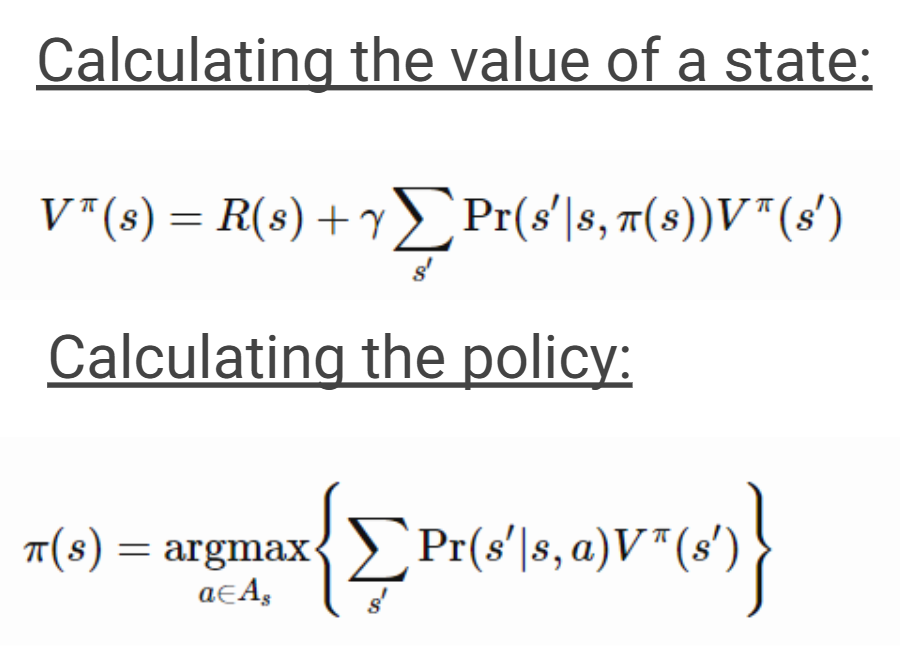
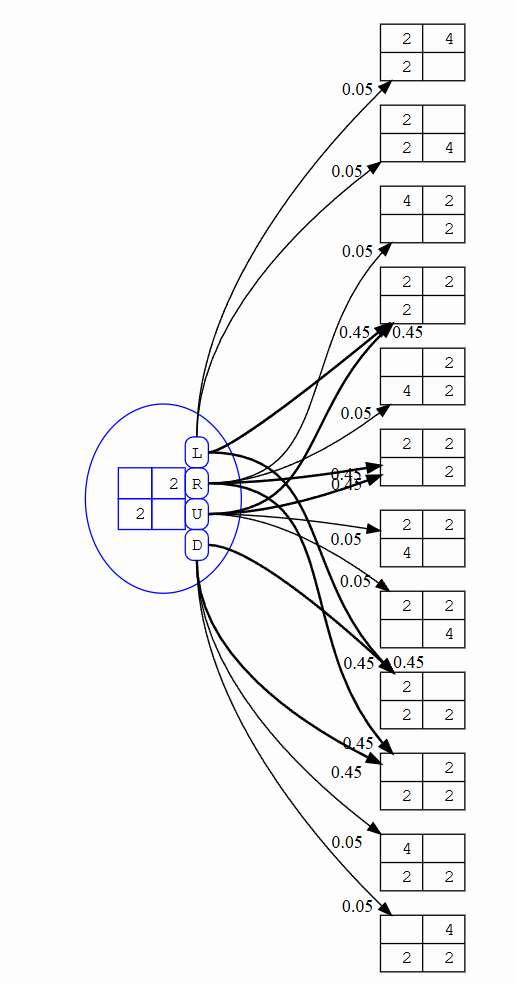
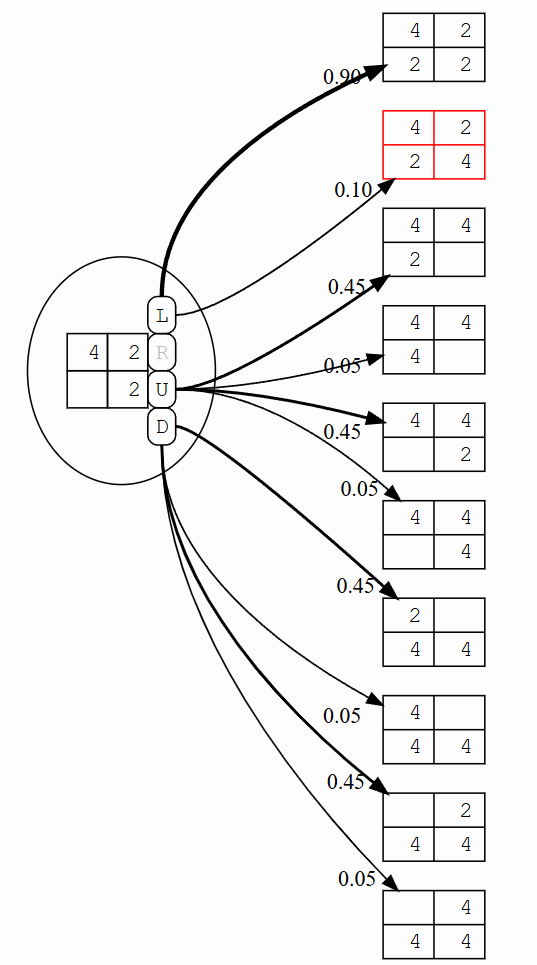
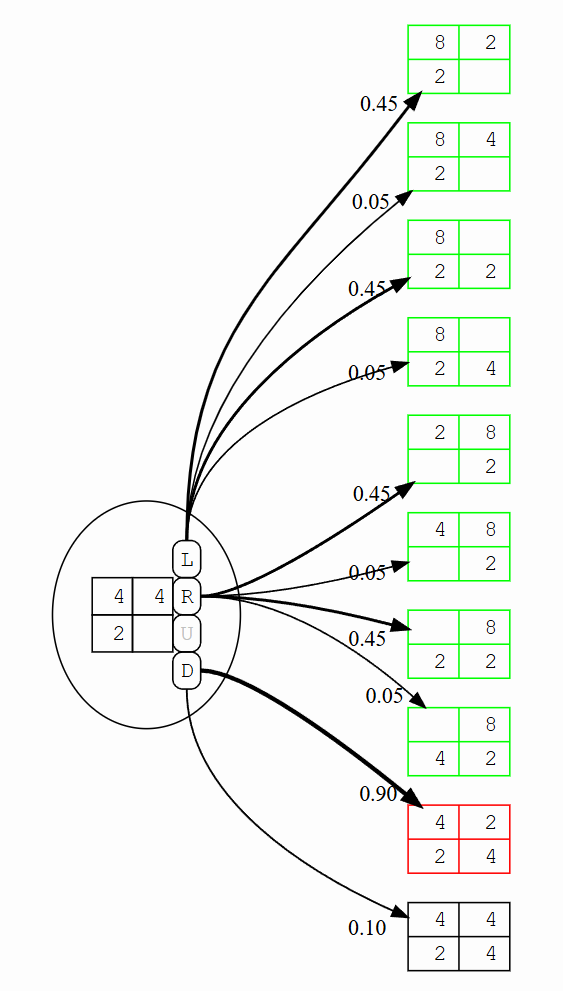
    He divided the game into three dynamic concepts: states, actions, and transition probabilities (Lees-Miller, 2018). States refer to the current tiles and their positions. Actions are named after the 4 choices of directions. There are different probabilities of getting 2 or 4 at different positions, hence transition probabilities.

    Another three concepts are rewards, values, and policies which are used to understand a player’s goal and how to achieve that goal (Lees-Miller, 2018). Rewards refer to the goal of achieving the state that has a 2048 tile. At each state, there is a value assigned to represent how close the current tile board is to reaching 2048. In addition, to win the game, the player needs to play optimally, in which John called the set of optimal states the optimal policy.

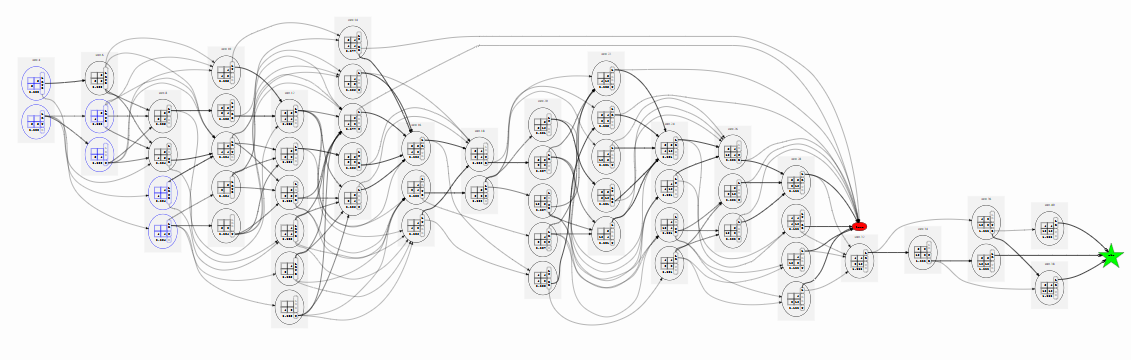
    Below is the image of John’s formula and the states the computer generated to get to the losing or winning state.

    Please refer to John’s article series for more details if you are interested about what these symbols stand for and how to use them.

    After various chains of states with 2×2 and 3×3 boards, John figures that in order to arrive at the winning state, the optimal way is to minimize the direction choices to 3, so that the tiles are ordered and do not go all over the place. This will end up looking like a snake filling the tile board.

    Topology for optimal strategy

    Not only John, other 2048 enthusiasts also agree to some degree. In order to merge tiles as soon as they are identical, the tiles need to be adjacent before the merge move. If there is a sequence of merging continuously, like 64, 32, 16, 4, 2, followed by a new tile of 2, the biggest tiles after merging (multiple turns) would be 128. In order to minimize the moves, they need to be adjacent in order from largest to smallest. Hoang says that there are alternative paths where the head can be anywhere as long as the tiles are ordered (Le, 2014). Bhargavi concludes the optimal path is a snake line through the tiles with the largest tile at the corner and the next largest adjacent to it, continuing to all tiles (Goel, 2017). Hence, the optimal strategy is to have the largest at the corner and order from largest to smallest tiles in the snake-like line. This can only be done by playing with three directional moves (unless you are very unlucky). This is actually the only way to achieve 131072! 

    https://www.youtube.com/watch?v=MDkZkweB5lM&list=LL&index=1

    AI attempts at 2048

    In 2019, Stanford University’s students Yun Nie, Wenqi Hou, and Yicheng An attempted Machine Learning with 2048. They program an AI to play 2048 using different advanced approaches, and record the scores of 100 trials for each approach. The difference between average and highest scores was significiant. They conclude at the end that the randomness of 2 and 4 make it hard for AI to beat the game.

    Afterword

    At first 2048 looks like a simple game, but once you get to know it from an academic perspective, it’s pretty complicated. Do not feel bad if you find the game hard to win. You see, even AI could not beat the game easily. If you’ve never played the game — give it a try — I promise you will like it (and become addicted to it). What are the chances that you come across this article? Here is your chance to apply what you learned and show off to your friends how to reach 131072!

    https://play2048.co/

    References

  • Large Language Models: Transforming the Field of Scientific Discovery

    Large Language Models: Transforming the Field of Scientific Discovery

    Large Language Models: Transforming the Field of Scientific Discovery

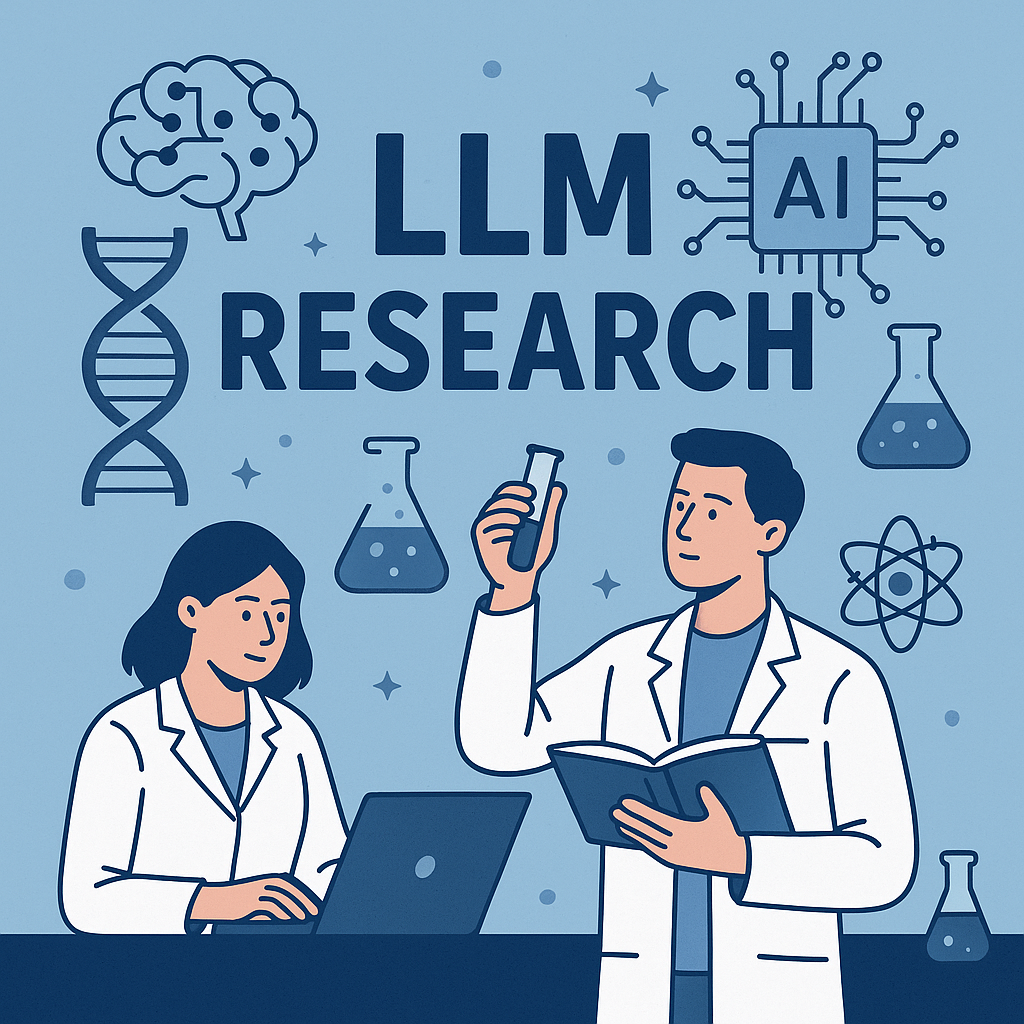
    The recent Scope Large Language Models (LLMs) have been used as powerful tools for changing the way scientific research is conducted. These models have massive amounts of data trained within them, causing human-like responses and creating queries that respond to human nature. As LLM models mature even more, they become more of a thinking space for scientists implementing literature to experiment with planning-based projects. As these models evolve, a drastic amount of scientific discovery creates more access to better research and more knowledge.

    Foundations of LLMS

    LLM models are artificial intelligence systems trained on massive datasets. Their idea is to help create and automate easy activities. ChatGPT, in which various people use this LLM model for emails and essays, has been successful in the LLM atmosphere. As the linguistics have changed, the LLM’s dataset has been applied to it.

    Scope of Scientific Discovery

    As LLMs evolve, the scientific community has been growing, helping the chemistry, physics, and biology industries. For example, Gemini and Grok AI, incubated by Google and Twitter, understand various concepts of physics, which makes them a very reputable source of information. With fantastic datasets, various scientists are beginning to use them for research and other expertise.

    Google has begun to incubate research for medicinal research. In a sense, many chemical compounds have been simulated through AI, making medicinal research easier. Various compounds are being created and put into medicine to treat patients. Many automated factories produce millions of combinations daily, allowing them to make more medicine for patients.

    Contributions to Biology

    In the scope of biology, LLMs are redefining research methodologies by assisting in fields ranging from genomics to ecology, transforming the way scientists look at research concepts within those fields. The ability of LLM models to analyze patterns and genetic sequences and summarize complex findings makes them a necessary tool for research.

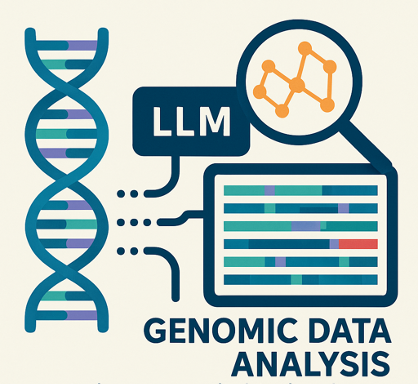
    • Genomic Data Analysis: LLMs can decode massive genomic datasets, helping researchers identify rare patterns linked to traits or diseases.
    • Ecosystem and Evolution Modeling: LLMS processes environmental patterns and data to understand the impacts of climate change and how species affect environments.
    • Protein Folding: Due to the increasing sum of information passed through LLMs, various models can create vast predictions with remarkable accuracy, which creates more medicines and disease detection.

    Contributions to Physics

    LLMs make a vast contribution to physics. Various Machine Learning algorithms are used in the creation of these LLM models, which makes mathematical concepts such as linear algebra second nature to them. In Physics, various mathematical concepts and abstract reasoning methods are used by researchers, which takes a large sum of time; hence, the LLM model comes and helps mediate that issue.

    • Equation Solving and Abstract Reasoning: LLMs are trained to understand and manipulate theoretical physics models, which help with concepts such as quantum mechanics.
    • Automated Simulation: After computational simulations, physicists use LLMs to generate different simulating methods by giving different computations and suggestions.
    • Data Analysis: LLMs use different libraries of code for data analysis that are crunched into massive Excel documents or CSV files that physics can use to make equations.

    Contributions to Chemistry

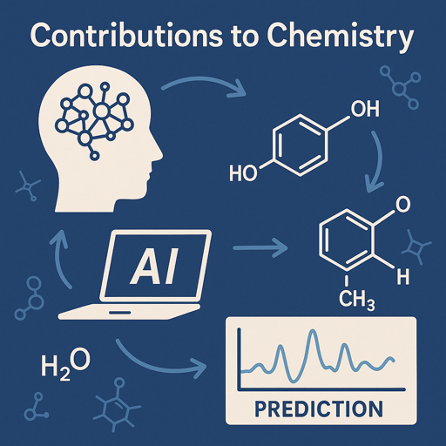
    Of all the vast fields of science, chemistry stands out as the field that actively uses LLMs to its advantage. AI is currently shaping the future of molecular science, drug discovery, and design. LLMs augment the workflow of chemistry, transforming the methods of experimentation, documentation, and simulation.

    • Medicine Discovery: LLMs assist in finding potential medications by predicting molecular interactions. This can generate thousands of outcomes, which can be used to discover more medicines to cure more diseases.
    • Chemical Reaction Prediction: LLMs predict the outcomes of chemical reactions, which helps chemists find optimal conditions and other information when experimenting.
    • Polymer Design: Currently contributing to the design of polymers, nanomaterials, and semiconductors, which can increase the chances of durability and flexibility based on the use cases of the experimenter.

    Future of LLMs’ Contribution to Science

    As more information and LLMs progress, their science scope can be expanded. Since these models have massive datasets, they can be used to give predictions and simulations rather than simple assistance and computational processing. Based on LLM’s ability to perform natural language processing, it can broadly test categories of science that cost vast amounts of money and time.

    There are still some challenges, as there are many debates about the ethics and transparency of these models, which can hinder research. However, as these models advance, they have more time to mature, which leads to vast amounts of innovation. More mature models can produce better solutions due to their vast dataset and reputability.

    Large Language Models are not only a technical term but also a shift in how research and knowledge are produced.

    References

    Alley, E. C. (2019, October 21). Unified rational protein engineering with sequence-based deep representation learning. nature methods. https://www.nature.com/articles/s41592-019-0598-1

    Gómez-Bombarelli, R. (2018, January 12). Automatic Chemical Design Using a Data-Driven Continuous Representation of Molecules. ACS. https://pubs.acs.org/doi/10.1021/acscentsci.7b00572

    Schwaller, P. (2019, August 30). Molecular Transformer: A Model for Uncertainty-Calibrated Chemical Reaction PredictionArticle link copied! ACS Publications. https://pubs.acs.org/doi/10.1021/acscentsci.9b00576

    Vaswani, A. (2017, June 12). Attention Is All You Need. arXiv. https://arxiv.org/abs/1706.03762


  • What a cat-astrophia! Diving into the GT Cat Community – Pro or Against Cats?

    What a cat-astrophia! Diving into the GT Cat Community – Pro or Against Cats?

    This article was made in collaboration with Rachel Weng.

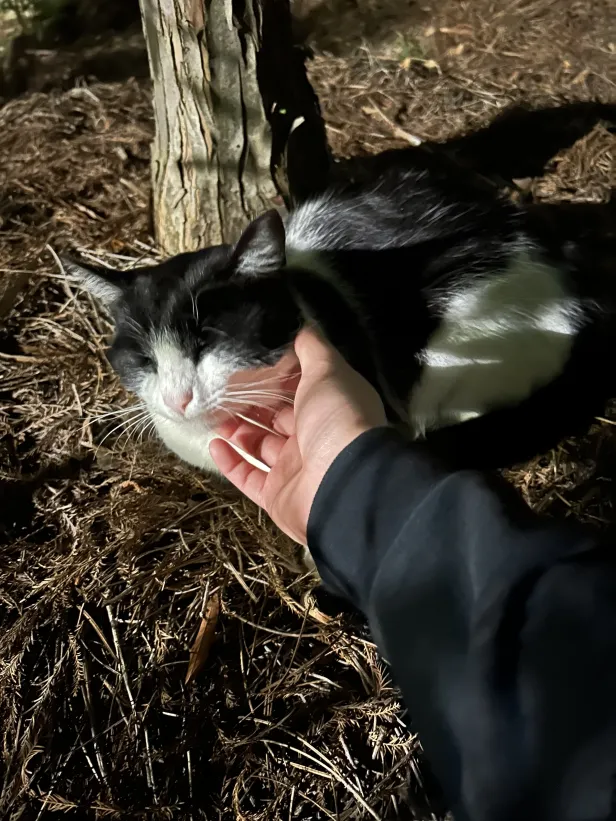
    Tucked among the brick pathways, buzzing scooters, and campus fields of Georgia Tech is a quieter, fuzzier community. These consist of those with soft paws and watchful eyes. The Georgia Tech Campus Cats have become quite a beloved icon of the Institute in addition to Buzz and the Ramblin’ Wreck. They have quickly gained popularity among the students and many have started to care for them. While these cats may charm students and campus pedestrians, they also affect the urban ecology and species management.

    The Georgia Tech Campus Cats Program started in 2001 with a mission to humanely manage the feral cat population on campus. They do so through a method called a trap, neuter, and release (TNR) program (Budd, 2024). Volunteers trap the cats, get them spayed or neutered, and then return them to their original location. This method helps control the population while allowing the cats to live out their lives in familiar territory. Over the years, the program has grown into a tight-knit community of students, staff, and alumni committed to the well-being of these feline residents (Budd, 2024).

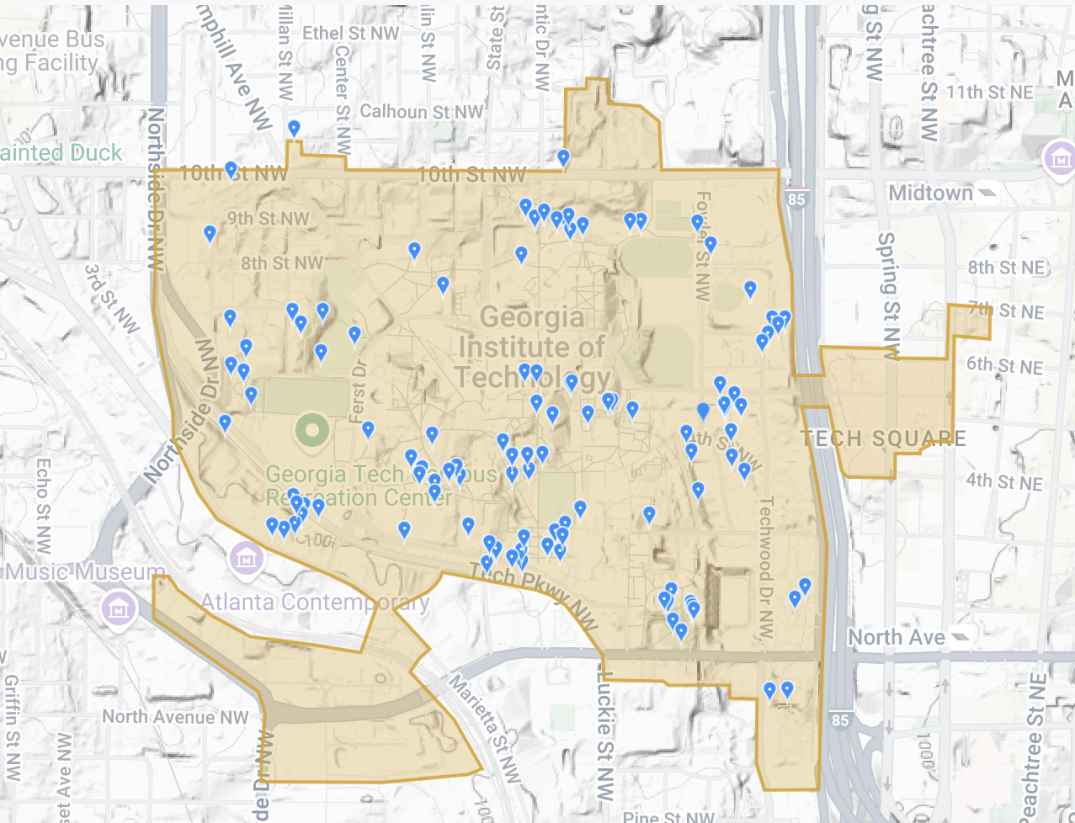
    Since Fall 2023, Campus Cats have become more active and involved in supplying food and water. According to data gathered through iNaturalist, the most common cat sightings have been East campus with 14 sightings, Tech tower with 11 sightings, Central campus with 8 sightings, and Tech Parkway with 8 sightings. These are followed by West campus and the retention pond with 6 sightings. And lastly, the recycling area with 4 sightings, and the student center with 2 sightings.

    map of cat sightings on gt campus
    An overview map of cat sightings around GT

    Feeding stations are often placed around areas the cats are sighted in and monitored to ensure they stay healthy without becoming overly dependent on humans. Volunteers are encouraged to post on the iNaturalist community page and follow ethical practices to minimize environmental impact. And come springtime, aka “kitten season,” the population can temporarily increase as new litters appear, aligning with the national trend of increased feline births due to longer daylight hours and hormonal cycles (Mulkey, 2024). 

    Unfortunately, as lovable as they are, free-roaming cats are considered invasive species, and known as non-native animals that can disrupt ecosystems. Studies show that domestic and feral cats kill billions of birds, mammals, and reptiles each year in the United States alone (Arnold, 2023). Even well-fed cats may instinctively hunt, which threatens local wildlife, especially in urban greenspaces like Georgia Tech’s EcoCommons and Retention Pond areas.

    This creates a paradox: the cats are part of the Georgia Tech experience, yet they challenge the ecological balance. The TNR strategy used by the Campus Cats Program helps address this issue. Research into TNR programs shows promising results. For example, two Australian TNR studies showed that there was a 30% reduction in cat numbers over 2 years, and a 50% reduction over 5 years (Spehar & Wolf, 2019). This highlights TNR’s potential effectiveness when consistently implemented. However, the success of TNR often depends on the percentage of cats sterilized and the community cooperation to be effective. This makes Georgia Tech’s ongoing effort important to long-term population control.

    If you spot a cat on campus, you should try saying hello from a distance, especially if you are allergic, but don’t try to pet or feed them unless you’re a trained volunteer. You could also volunteer with the Campus Cats Program to help with feeding, data tracking, or TNR operations by joining their GroupMe – GT Cat Pics. Or if you feel particularly attached to a campus cat or multiple, consider adopting! Some of the cats are friendly or young enough to be rehomed. Listings can be found on the GT Campus Cats website at https://www.gtcampuscats.org/. Lastly, know that you can spread awareness simply by educating others about responsible cat ownership to help prevent more stray animals.

    Georgia Tech’s cats remind us that even in a high-tech environment, nature finds a way to sneak in. It lives in how we understand and coexist with all living things, even those with whiskers and tails.

    Sources Cited

    American Bird Conservancy. (n.d.). Cats | Invasives. American Bird Conservancy; American Bird Conservancy. Retrieved April 7, 2025, from https://abcbirds.org/threat/cats-and-other-invasives/

    Arnold, C. (2023, June 6). Cat-astrophe. NOEMA; Berggruen Institute. https://www.noemamag.com/cat-astrophe

    Budd, A. (2024, June 3). Cat-alysts of community: Georgia tech campus cats | news center. Georgia Tech News Center . https://news.gatech.edu/features/2024/05/cat-alysts-community-georgia-tech-campus-cats

    Campus cats list. (n.d.). Georgia Tech Campus Cats. Retrieved April 7, 2025, from https://www.gtcampuscats.org/campus-cats-list

    Georgia tech cat sightings. (n.d.). iNaturalist. Retrieved April 7, 2025, from https://www.inaturalist.org/projects/georgia-tech-cat-sightings

    Mulkey, S. K. (2024, March 18). Kitten season is out of control. Are warmer winters to blame? Grist. https://grist.org/science/kitten-season-animal-shelter-cat-wildlife/

    Wolf, P. J., Rand, J., Swarbrick, H., Spehar, D. D., & Norris, J. (2019). Reply to crawford et al.: Why trap-neuter-return(Tnr)  is an ethical solution for stray cat management. Animals : An Open Access Journal from MDPI, 9(9), 689. https://doi.org/10.3390/ani9090689

  • A Tiny Frog with a Mighty Voice – The Puerto Rican Coqui

    A Tiny Frog with a Mighty Voice – The Puerto Rican Coqui

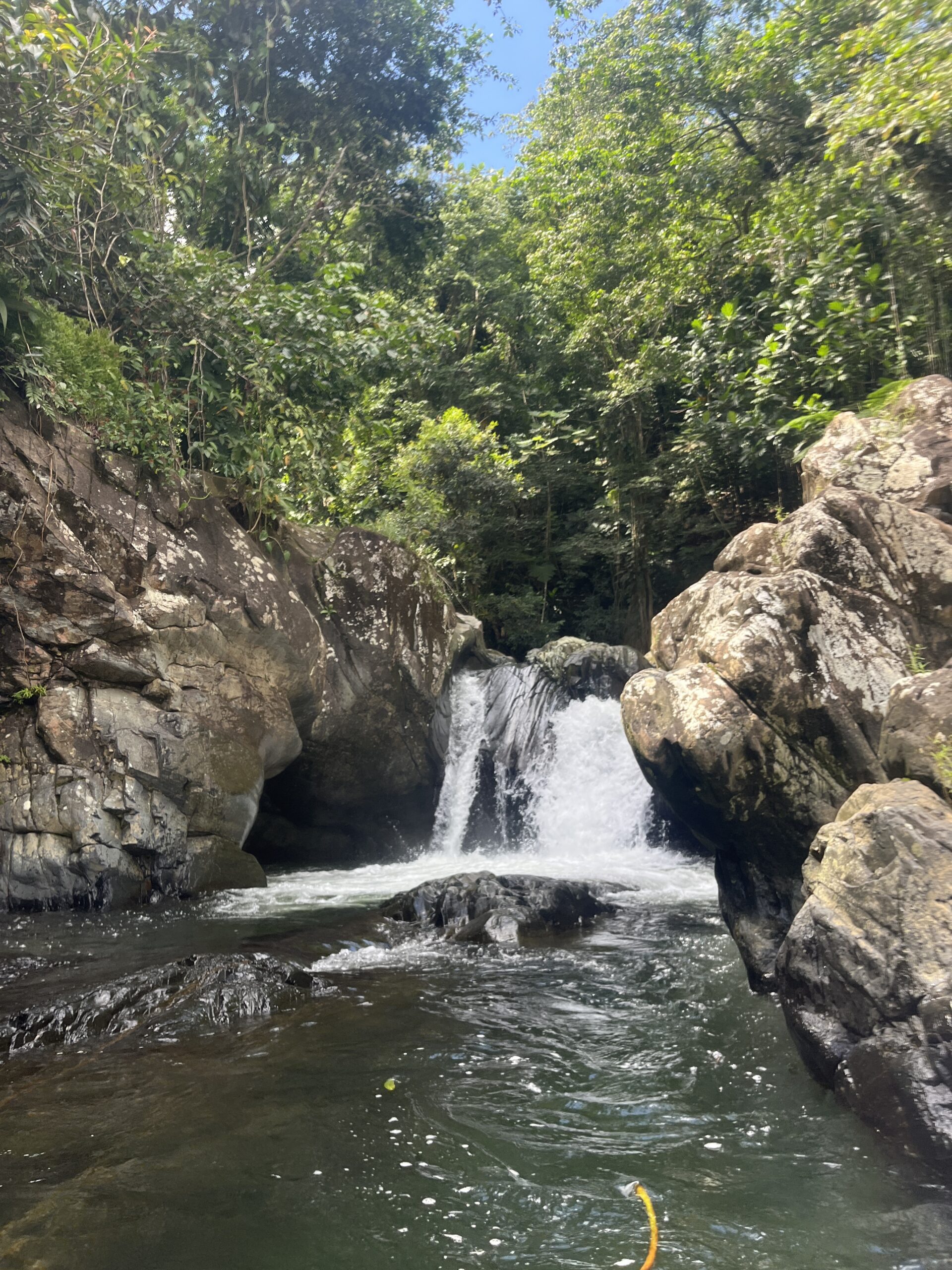
    On my spring break trip to Puerto Rico, I had the opportunity to explore El Yunque National Forest and listen to the calls of the coquí. Afterwards, I began to become more aware of their calls while exploring Puerto Rico, particularly hearing them in less city-like areas. These tiny frogs are not only common in Puerto Rican rainforests, but are also an important part of the island’s cultural identity. 

    The Puerto Rican coquí (Eleutherodactylus coqui) is a small arboreal frog, typically brown, yellow, or green in color, and they measure about one to two inches in length (National Wildlife Federation, n.d.). Despite their size, coquíes are well known for their loud and distinctive nighttime calls, which sound like “co-kee.” These calls produced by males are used to attract females and establish territory among competing males. According to researchers, the “co” part of the call is intended to repel males, while “quí” serves to attract females (Discover Puerto Rico, n.d.).

    Native to Puerto Rico, the coquí lives in the island’s forests, particularly in El Yunque. The coquí’s reproductive method is different from other amphibians. Unlike many frog species that lay eggs in water, coquís lay their eggs on land, often in moist leaf litter or bromeliads. The male coquí plays an important role in parental care by guarding the eggs and keeping them moist through his moist skin. This is vital for their development as it prevents the frogs from drying out or desiccation. In addition, these frogs do not undergo a tadpole stage. Instead, they hatch directly into tiny frogs with short tails (National Wildlife Federation, n.d.). 

    While the coquí seem harmless and are beloved in Puerto Rico, their introduction to other regions, such as Hawaii in the late 1980s, has caused ecological disruption due to their high population density and loud calls. In Hawaii, the absence of natural predators and favorable climatic conditions have allowed coquí populations to reach densities three times the estimates reported from native populations in Puerto Rico (Woolbright, 2006). This overpopulation has led to the consumption of many native invertebrates, and as a result, disrupting local ecosystems and threatening endemic species (Beard & Pitt, 2005). Additionally, the loud calls of male coquíes, reaching up to 100 decibels, have become a source of noise pollution, affecting the life for residents and impacting property values (Beard et al., 2005). There are also 13 species of coquí, each with its own unique call, and they sing at different times throughout the day. As you might imagine, the constant chorus can become quite loud and even overwhelming at times.

    In Puerto Rico, coquíes have profound cultural importance that goes beyond their biological characteristics. They are often honored in mythology, song, and art, and many Puerto Ricans identify the sound of coquíes with home. It’s clear the Puerto Rican coquí is far more than a small frog. Whether heard echoing through the rainforest or symbolized in island art, the coquí continues to be a defining voice of Puerto Rico.

    Video of Coqui Sounds Taken from Puerto Rico


    Sources cited

    Beard, K. H., & Pitt, W. C. (2005). Potential consequences of the coqui frog (Eleutherodactylus coqui) invasion in Hawaii. Diversity and Distributions, 11(5), 427–433. https://doi.org/10.1111/j.1366-9516.2005.00178.x

    “Coquí in the Rainforest.” Discover Puerto Rico, https://www.discoverpuertorico.com/coqui. Accessed 2 Apr. 2025.

    “Puerto Rican Coqui.” National Wildlife Federation, https://www.nwf.org/Educational-Resources/Wildlife-Guide/Amphibians/Puerto-Rican-Coqui.

    “The Sounds of the Coquí Explained!” Discover Puerto Rico, https://www.discoverpuertorico.com/article/sounds-coqui-explained. Accessed 2 Apr. 2025.

    Westrick, S. E., Laslo, M., & Fischer, E. K. (2022). The big potential of the small frog Eleutherodactylus coqui. eLife, 11, e73401. https://doi.org/10.7554/eLife.73401

    Woolbright, Lawrence & Hara, Arnold & Jacobsen, Christopher & Mautz, William & Benevides, Francis. (2006). Population Densities of the Coquí, Eleutherodactylus coqui (Anura: Leptodactylidae) in Newly Invaded Hawaii and in Native Puerto Rico. Journal of Herpetology – J HERPETOL. 40. 122-126. 10.1670/79-05W.1.