Category: Articles

  • The Horny Human’s Siberian Adventure: An Evolutionary Tale of Anthropological Proportions

    The Horny Human’s Siberian Adventure: An Evolutionary Tale of Anthropological Proportions

    Let me set the mood for you: you’re an anatomically modern human living in mountains of Siberia. The year is circa 80,000 BC. Siberia is cold this time of year (okay, let’s get real, it’s always cold in Siberia). You’re in the midst of the last great ice age and you’ve taken up residence in a small cave. You’re happy and healthy, you just finished your dinner of Saber-toothed cat stew and you have the fur of that wooly mammoth you skinned to keep you warm. Just as you’re about to go to sleep, a particularly strong gust of wind blows by and a stranger takes shelter in your cave. But this is no ordinary stranger, this is a brown-eyed, brown-haired, dark-skinned Denisovan, an ancient hominid species distinct from humans. You think of killing the Denisovan at first, but you reconsider. After all, you’re lonely and you have needs. So you get freaky.

    Okay, you caught me, that story is fictional. But how fictional is it? As it turns out, not very. In fact, we now know that humans have mated with other hominid species multiple times in their history. For example, in 2010, scientists working in the Pääbo lab at the Max Planck Institute for Evolutionary Anthropology in Germany sequenced DNA extracted from Neanderthal fossils and compared the sequences to those of modern day humans. What they discovered was startling: at some point in time, humans and Neanderthals interbred. By comparing the genomes of Neanderthals to various modern day human groups, scientists were able to determine that Neanderthals were more similar genetically to non-Africans than to Africans, suggesting that early humans in Europe and Asia mated with Neanderthals, while Africans did not. So what does this mean for you, the 21st century hominid? It all boils down to this: you’re not as human as you thought you were. In fact, if you have any European or Asian ancestry in you (that is, if you’re not 100% African), you are likely 1-4% less human than you thought you were. But wait, there’s more. You may be even less human than that.

    Mere months after the Pääbo lab published their findings on Neanderthal DNA, they stumbled upon another find in the form of a fossilized distal manual phalanx and two molars in Denisova Cave in the Altai Mountains of Siberia. Through genetic analysis of nuclear DNA found in the fossils, Pääbo’s team was able to determine that they belonged to a previously undiscovered species of hominid. This species has come to be known as Denisova hominid, or Denisovans. Upon discovering this new species, Pääbo’s team set out to sequence the Denisovan genome from DNA extracted from the distal manual phalanx (fingertip) fossil. If this sounds ridiculous (isolating ancient DNA from a fossilized finger), it’s because it is. It is absolute craziness to me that this technology exists, but it does. I know, I know, it’s friggin’ awesome…but I digress.  Back to fossil DNA.

    Through the development of radical new methods that are capable of sequencing 99% of the nucleotides in the genome over 10 times each, Pääbo and his team were able to unmask the Denisovan genome to an incredibly high degree of precision. So what did they find? They found that humans and Denisovans got it on (or to put it more scientifically, went through an admixture event). But unlike Neanderthals, they didn’t get it on quite as frequently, which means that unless you are Chinese or a Papua New Guinean, you probably aren’t very Denisovan. Denisovan DNA was found in trace amounts in the Han and Dai cultures on mainland China and in 3% of the genome of Papua New Guineans. The Denisovan DNA also gave scientists insight into what the species may have looked like. Denisovans likely had brown hair, dark skin, and brown eyes and probably existed in small population numbers with low genetic diversity. Denisovans were likely driven to extinction by modern humans some tens of thousands of years ago, but thanks to some horny Papua New Guineans, their genes live on.


    Article Sources:

    A. Gibbons, A crystal-clear view of an extinct girl’s genome. Science 337, 1028 (2012).

    M. Meyer et al., A high-coverage genome sequence from an archaic Denisovan individual. Sciencexpress (30 August 2012).

    R. E. Green et al., A draft sequence of the Neanderthal genome. Science 328, 710 (2010).

    http://en.wikipedia.org/wiki/Pleistocene

    http://en.wikipedia.org/wiki/Denisova_Cave

  • The movie “Contagion” is so realistic it’s boring

    The movie “Contagion” is so realistic it’s boring

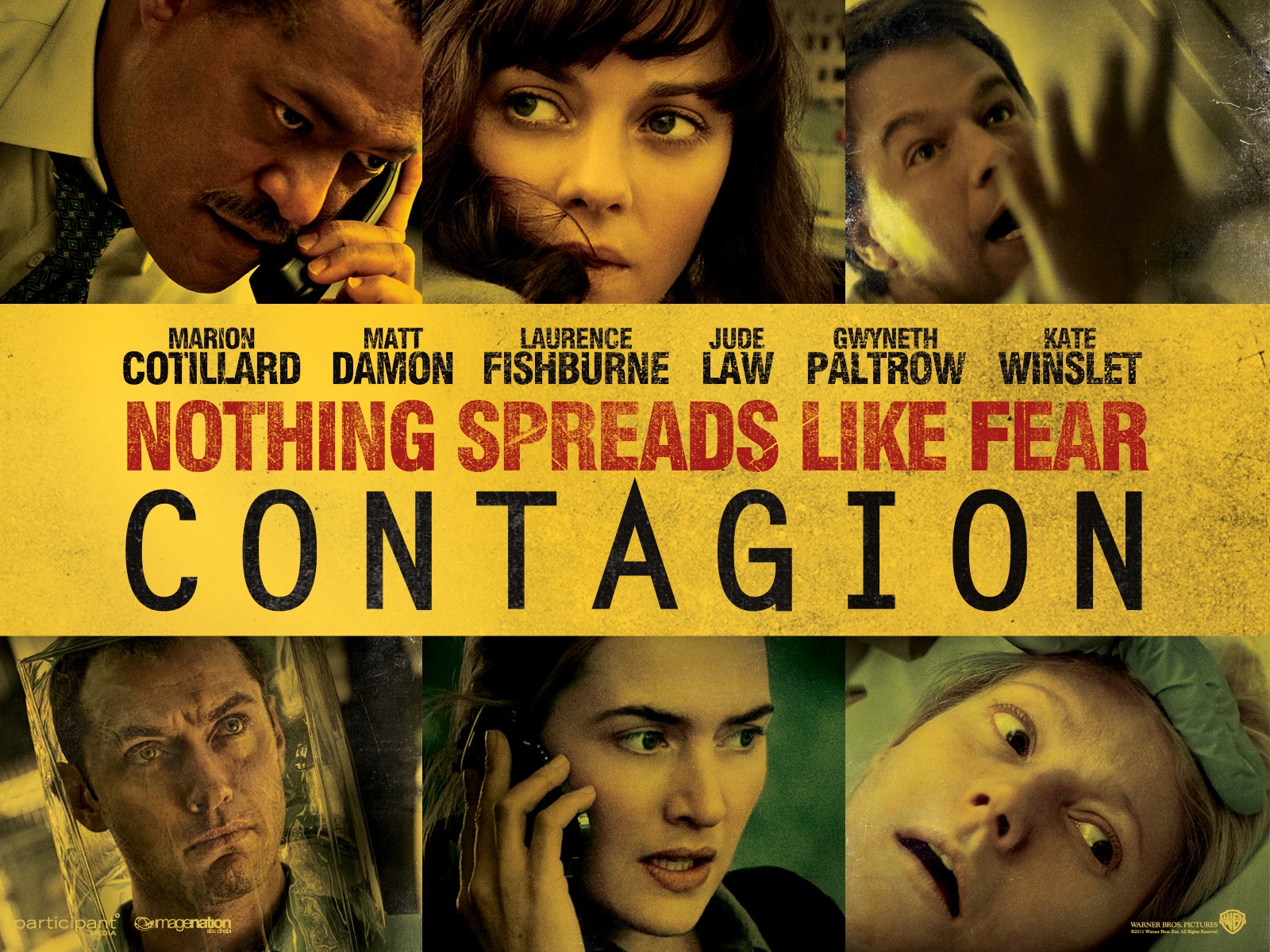
    I have been looking forward to seeing the movie Contagion since it came out last year and I finally got to see it last night. I am a big fan of outbreak/apocalypse/zombie-type movies and, since I’m an immunologist, I thought this would be right up my alley. Boy, was I wrong. The problem with the movie wasn’t with the premise (a new flu-like virus makes the jump from an animal reservoir to humans and starts spreading rapidly), the casting (Gwyneth Paltrow, Matt Damon, Jude Law, Kate Winslet, Laurence Fishburne), or the science (mostly spot on). The problem was that the movie was way too realistic.

    Hmmm, let’s see, we’ve got politicians and public health officials trying to keep the public from freaking out, a corrupt blogger/homeopathic proponent trying to get people to take an herbal remedy to recover from the virus (while he’s invested in the company that makes it), a protective father/widower (Matt Damon better watch out or he’s going to be typecast soon!), mass riots and looting, a dedicated scientist who makes a vaccine in no time, and the ultimate recovery of the country and the economy.

    Wait, huh? Where are the zombies? Where are the ghost towns? Where’s the blood oozing from eyeballs? This is just like what would happen in real-life if a virus wiped out 1% of the population of the Earth. People would be scared. People would lose loved ones. People would get sick and recover and then we’d move on. I don’t need a movie for this! There are way more dramatic things happening in the world right now! I think some character development could have saved the movie, but there were so many story lines going on at the same time it was impossible to get invested in any one character and the story lines never really converged.

    SCIENCE CRITIQUE: the screenwriters of contagion mostly did a good job with getting the science right and the set designers made things look pretty good. Only a few things stuck out. In one scene they were rotating a ribbon diagram of what was supposed to be the virus and its human receptor and they were describing four proteins, but it only looked like there were two on the screen.  It also didn’t make a lot of sense that Kate Winslet’s character, a CDC EIS officer, was explaining basic epidemiology to a group of state health department officials (don’t they have degrees in public health?). But the labs looked good and the CDC really looked like the CDC (although I’ve never been in a BSL4 lab).

    The bottom line: see the movie if you want a preview of what the next terrible outbreak will be like, but stay away if you’re looking for zombies …

  • Tap That

    Tap That

    Conservation is not a commonly exercised word for most Americans.  A booming economy once offered us blissful ignorance from contributing our share of frugality and it prevented us from joining the rest of the world in maintaining a conscience.  However, as vital resources such as freshwater diminish and global population continues to propagate, Americans should begin to choose conservation despite the fact that most financially don’t need to.

    Drinking water is already a precious resource in some countries and climate change will only increase pressure on freshwater supplies1.  The city of Delhi is short on water supply this summer by about 50 million gallons2; children in sub-Sahara Africa drink out of waterholes where animals bathe in from lack of any other water3; and the UN reports that a third of the world’s population is enduring some form of water scarcity4.  Considering other looming water wars across the globe, it seems immoral of us to purchase a plastic water bottle that takes 3 times as much freshwater to produce than what’s in the actual bottle5.  Now more than ever, every drop counts.

    The bottled water industry, although perhaps not the most environmentally hazardous industry in our country, is one of the cleverest for it seems to have duped us all. It made a $10.6 billion profit in 20106 on something we can all attain for free.  It has managed to “manufacture a demand for water as a commodity to be bought and sold for profit,” stated Gigi Kellet5, director of the Think Outside the Bottle Campaign, by costing consumers $1,400 per year for eight glasses a day versus the $0.49 per year that eight glasses of tap water a day would cost7.

    Not only are bottled waters sneakily detrimental to bank accounts, their production uses 17 million barrels of oil annually – enough to fill one million cars for a year7.  Extracting water for bottling places strain on flows to natural rivers, streams, springs, as well as ecosystems and groundwater levels5.  Also account for the fact that plastic takes hundreds of years to decompose and only 13% of the 29 billion purchased water bottles annually are recycled8, and one might ponder choosing tap water over bottled.

    Most Americans are aware of the world’s water crisis and the environmental consequences of consuming plastic-encased water, yet some still adamantly refuse to drink anything but bottled water.  The largest misapprehension for most people is that bottled water is cleaner than tap water.  Consider though that the bottled water industry spends tens of millions of dollars a year ($162.8 million in 20065) advertising their pristine water sources, falsely leading consumers to believe that it must, in fact, be cleaner than tap.

    The fact of the matter is, 47.8% of all bottled water is derived from tap water9, including Glaceau SmartWater, Nestle Pure Life, Alaska Premium Glacier and Yosemite10.  Pepsi was forced to change their Aquafina label in 2007 to accurately describe that their source came from a public water system11.  Coca Cola’s Dasani is also derived from a municipal source.  In 2003, Nestle’s Poland Spring was sued for false advertising in a class action lawsuit charging that their water, which supposedly came from springs, was actually just heavily treated ground water12.  The suit also stated that another Nestle source “stands over a former trash and refuse dump, and below an illegal disposal site where human sewage was sprayed as fertilizer for many years.”

    The Natural Resources Defense Council (NRDC) reports that the source for Spring Water, the bottle with a picture of a lake surrounded by mountains on the label, was from an industrial parking lot next to a hazardous waste site.  Brands such as Artic Falls Bottled, Glacier Mountain Bottled, and Everest are all bottled in New Jersey, Ohio and Texas, respectively10.

    Not only does bottled and tap water generally come from the same place, the municipal water board purifies these sources more than the bottle manufacturers.  Regulated by two different agencies, the Environmental Protection Agency (EPA) requires more stringent testing and purity standards for tap water13 than the Food and Drug Administration (FDA) does to bottled water.  In fact, bottled water rules actually allow for some contamination by E. Coli or fecal coliform while tap water rules prohibit any contamination.  There are also no requirements for bottled water to be disinfected or tested for parasites, unlike the rules for big city tap water systems.13

    Several cases have been made for contamination in bottled water, including carcinogenic chemicals.  The NRDC tested 103 bottled waters in 1999 and concluded that 4% of the bottles violated the excessive coliform bacteria standard, 21 bottles contained more bacteria than allowed, and 8 bottles had levels of arsenic that tested at a level of potential health concern.13

    According to the Environmental Working Group (EWG), lab tests for Walmart’s Sam’s Choice brand conducted in 2008 found bromodichloromethane, a cancer-causing chemical, at levels that exceed safety standards under California’s Safe Drinking Water and Toxic Enforcement Act of 1986.  The analyses conducted by the University of Iowa Hygienic Laboratory revealed disinfection byproducts, pharmaceuticals, heavy metals including arsenic and radioactive isotopes, fertilizer residue (nitrate and ammonia), plasticizers, and propellants within 10 popular water bottle brands they tested, reported EWG.

    The FDA’s seemingly negligent rules are completely exempt for waters that are packaged and sold within the same state, which account for 60-70% of all bottled water sold in the United States13.  If the product is declared on the bottle simply as “water,” “carbonated water,” “filtered water,” “seltzer water,” “sparkling water,” or “tonic water,” then it is not considered drinking water by the FDA and their quality standards are not required for these labels.13

    On a side note, the vice president for communications of the International Bottled Water Association (IBWA) is Tom Lauria, the former lobbyist for the tobacco industry.  EWG points out that he “has had extensive experience distorting the facts and misleading consumers in an attempt to hide the truth about the industry that pays his salary.”  The man who once denied that smoking was addictive14 is now communicating that bottled water is a beacon of health.  Do you see the parallels?

    Others argue that bottled water is just more convenient than tap water.  Sadly, we have come to confuse a plastic bottle’s disposability with “convenience” but there’s nothing more “convenient” than clean EPA-regulated free water running from your kitchen faucet.  Is the issue an unwillingness to stand at the sink with a reusable bottle for 10 seconds?  Bottles such as Hydros come equipped with a filter so that you don’t even have to pour from a Brita filter pitcher anymore.  Being on-the-go is not a noteworthy excuse either since there are public sources in every park, school, office, and stadium in the United States.

    Although taste is highly subjective, arguments were also made that bottled water tasted better than tap water.  Consumer’s tastes have been shaped by cunning marketing and the erroneous belief that bottled water is healthier than tap water.  However, in taste test after taste test, people can’t tell the difference between the two.  The University of Maryland’s Student Government Association (SGA) conducted a taste test between tap water and Pepsi’s Aquafina, their school’s official bottled water, and found that twice as many students preferred tap over bottled15.  The hosts of Showtime’s television series Penn & Teller: Bullshit conducted a blind taste test comparing waters that showed 75% of New Yorkers preferred city tap water to bottled waters16.  The hosts of the show conducted another test where a sommelier handed out water menus with $7 bottles of “L’eau du Robinet” (French for “tap water”), “Agua de Culo” (Spanish for “ass water”), and “Amazone” (“filtered through the Brazilian rainforest’s natural filtration system”) on them.  The patrons had no idea that all of the extravagant bottles were filled with the same water from a hose in the back of the restaurant.

    In the end, tap water tastes the same as bottled water, is more convenient, is less expensive (about 500 times less expensive17), and is purer than bottled water.   Over 50 universities across North America have joined the Ban the Bottle movement that seeks to eliminate plastic water bottles from campuses.  These campuses have recognized our country’s unspoken responsibility, a responsibly that comes with affluence and the ability to set precedents for other prosperous countries.   They’ve recognized that we need to start conserving whatever we can because we share the world’s resources with 9 billion other people.  They’ve recognized that corporation’s privatization of water has lethal consequences for those less fortunate than us and that tap water is the environmentally noble choice.  It’s time for everyone else to opt for tap water too.


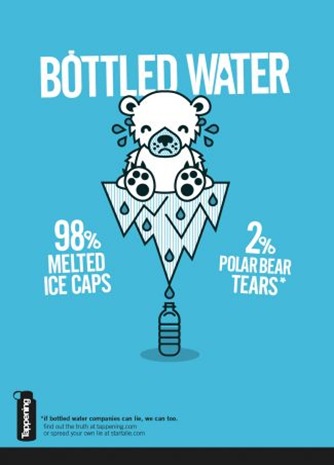
    Image courtesy of Tappening.com


    1  Kundzewicz, Z.W., L.J. Mata, N.W. Arnell, P. Döll, P. Kabat, B. Jiménez, K.A. Miller, T. Oki, Z. Sen and I.A. Shiklomanov, 2007: Freshwater resources and their management. Climate Change 2007: Impacts, Adaptation and Vulnerability. Contribution of Working Group II to the Fourth Assessment Report of the Intergovernmental Panel on Climate Change, M.L. Parry, O.F. Canziani, J.P. Palutikof, P.J. van der Linden and C.E. Hanson, Eds., Cambridge University Press, Cambridge, UK, 173-210.

    2  “Delhi Water Crisis to Worsen.” Gulf News. Al Nisr, 21 June 2012. Web. 31 July 2012. <http://gulfnews.com/news/world/india/delhi-water-crisis-to-worsen-1.1038737>.

    3  “New Straw to Kill Disease as You Drink.” BBC News. BBC, 04 Apr. 2006. Web. 01 Aug. 2012. <http://news.bbc.co.uk/2/hi/africa/4967452.stm>.

    4  “The Global Water Crisis.” UN News Center. UN, n.d. Web. 31 July 2012. <http://www.un.org/works/sub2.asp?lang=en>.

    5  Gies, Erica. “Rising Sales of Bottled Water Trigger Strong Reaction from U.S. Conservationists.” NYTimes.com. The New York Times, 19 Mar. 2008. Web. 31 July 2012. <http://www.nytimes.com/2008/03/19/business/worldbusiness/19iht-rbogbottle.html?_r=1>.

    6  Burnham, Ted. “Battling The Bottle: Students And Industry Face Off Over Water.” NPR. NPR, 12 Feb. 2012. Web. 31 July 2012. <http://www.npr.org/blogs/thesalt/2012/02/12/146692656/battling-the-bottle-students-and-industry-face-off-over-water>.

    7  Bosque, Tomas. “7 Bottled Water Myths Busted.” Ban the Bottle. N.p., 1 Mar. 2012. Web. 01 Aug. 2012. <http://www.banthebottle.net/articles/7-bottled-water-myths-busted/>.

    8  Didier, Suzanna. “Water Bottle Pollution Facts.” Green Living on National Geographic. National Geographic, n.d. Web. 01 Aug. 2012. <http://greenliving.nationalgeographic.com/water-bottle-pollution-2947.html>.

    9  Shapley, Dan. “Almost Half of All Bottled Water Comes from the Tap, but Costs You Much More.” The Daily Green. Hearst Communications, Inc., 12 Aug. 2010. Web. 01 Aug. 2012. <http://www.thedailygreen.com/environmental-news/latest/bottled-water-47091001>.

    10  “6 Types of Bottled Water You Are Drinking.” Reader’s Digest. N.p., Aug. 2011. Web. 01 Aug. 2012. <http://www.rd.com/health/wellness/6-types-of-bottled-water-you-are-drinking/>.

    11  “Aquafina Labels to Spell out Source – Tap Water.” CNN. Reuters, 27 July 2007. Web. 01 Aug. 2012. <http://www.cnn.com/2007/HEALTH/07/27/pepsico.aquafina.reut/>.

    12  “Nestle Sued for Falsely Advertising Poland Spring Water.” Water & Wastes Digest Magazine. Scranton Gillette Communications, n.d. Web. 01 Aug. 2012. <http://www.wwdmag.com/nestle-sued-falsely-advertising-poland-spring-water>.

    13  “Bottled Water.” Natural Resources Defense Council. N.p., 25 Sept. 2000. Web. 01 Aug. 2012. <http://www.nrdc.org/water/drinking/bw/chap4.asp>.

    14  Landman, Anne. “Lauria Quit Cigarettes, But Now He’s on the Bottle.” PR Watch. Center for Media and Democracy, 3 Sept. 2010. Web. 02 Aug. 2012. <http://www.prwatch.org/node/9415>.

    15  Saravia, Claire. “Bottled Water Loses to Tap in Taste Test.” Diamondback Online. The Diamondback, 10 Nov. 2010. Web. 01 Aug. 2012. <http://www.diamondbackonline.com/news/bottled-water-loses-to-tap-in-taste-test-1.1770525>.

    16  The Truth About Bottled Water. Perf. Penn and Teller. YouTube. Showtime Television, 28 Feb. 2009. Web. 01 Aug. 2012. <http://www.youtube.com/watch?v=JdvJOF-2mm0>.

    17  Derbyshire, David. “Tap Water as Healthy and Far Cheaper than Bottled, Says Watchdog.” The Telegraph. Telegraph Media Group Limited, 29 June 2006. Web. 1 Aug. 2012. <http://www.telegraph.co.uk/news/uknews/1522617/Tap-water-as-healthy-and-far-cheaper-than-bottled-says-watchdog.html>.
  • Ultraviolet radiation: what you can’t see can still hurt you

    Ultraviolet radiation: what you can’t see can still hurt you

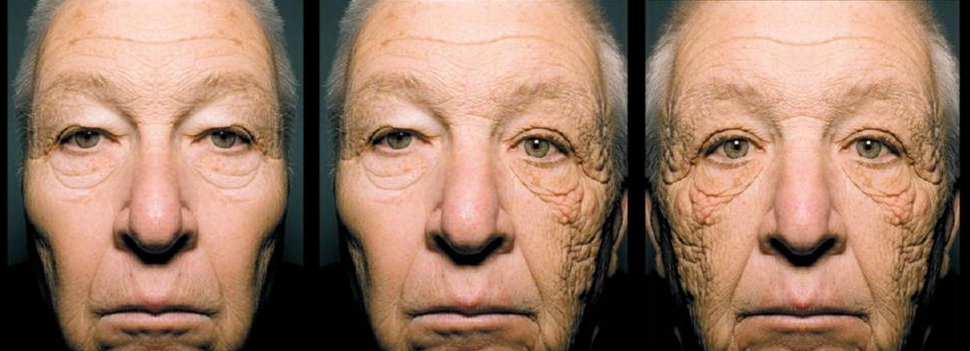
    A few weeks ago, a friend of mine showed me an article on MSN about a man whose face was obviously more wrinkled on one side than the other. Mr. McElligott, the gentleman featured in the article, drove a delivery truck for 28 years, exposing the left side of his face to the sun for several hours each day. I have heard several times throughout the years about the importance of sun protection, but hadn’t ever dwelled on the topic for much time. Once I read about Mr. McElligott, though, I was quite intrigued and started thinking about the whys and hows of sun damage, UV radiation, and wrinkles.

    In the pictures above, you can see Mr. McElligott’s original picture in the middle with an altered image on either side. I transposed one side of his face to that of the same side in an attempt to make the difference between the two sides of his face more apparent.

    Here you can find an “up-close and personal” version of the center picture. (How cool are his eyes?!?)

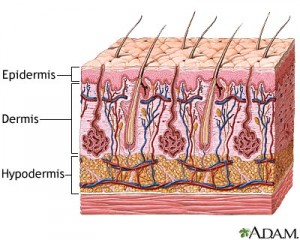
    As you may already know, skin is made up of three major layers: the epidermis, dermis, and subcutis (also known as the subcutaneous layer or the hypodermis). As in the diagram below, the epidermis is on top, then the dermis, and lastly the hypodermis. Freckles and moles, as well as sunburns, appear in the epidermis. The dermis houses the structural elements in skin which keep it firm and elastic. This is the section of skin where wrinkles form.

    Sunlight is known to negatively affect skin. This is because UV radiation (part of sunlight) can suppress the immune system, damage DNA, and alter skin texture, blood vessels and skin pigment. While conditions like thin skin and easy bruising are usually associated with old age, they are often lasting effects from UV damage as the majority of skin damage comes from the sun and not from Father Time.

    The Sun emits three types of ultraviolet radiation: UVA, UVB, and UVC, with wavelengths of ~315 to 400 nm,  ~290 to 315 nm, and ~100 to 290 nm, respectively. UVC radiation is absorbed by the ozone layer and doesn’t reach ground level. UVB radiation makes its way through the ozone layer and is the type of UV that hits the epidermal layer of skin and causes sunburns or tans; it is also known to cause skin cancer. Unlike UVA radiation which is relatively constant all year long, UVB radiation is stronger during the summer months. UVA is unique in its ability to pass through glass. Thinking back to Mr. McElligott, UVA radiation’s ability to penetrate glass led him to have a build up of UVA damage of the course of his career. Even on days when he drove with his window up, he would have been protected from UVB rays, perhaps not getting a sunburn or tan, but would have still received the negative effects of UVA. UVA rays cause damage to the dermis, destroying elasticity and potentially causing mutations in DNA. Out of all of the UV radiation that reaches us from the Sun, there is over 20 times more UVA than UVB.

    Harm to the skin caused by the Sun’s UV radiation is often referred to as photoaging, or dermatoheliosis. Photoaging is caused when UVA and UVB rays enter the skin, negatively affecting two of skin’s structural proteins, elastin and collagen. Radiation damages elastin and causes a build-up of altered metalloproteinase enzyme. Normally, metalloproteinases (also known as collagenases) help reverse skin damage by creating new collagen. Unfortunately, the metalloproteinase from the damaged elastin does the exact opposite— it breaks down collagen, leaving the skin with a broken collagen structure and wrinkles. (For a study on the effects of metalloproteinase,  check out this article.)

    Exposure to UV radiation in sunlight, in addition to air pollution and smoking/second-hand smoke, can also subject the skin to free radicals. Free radicals are molecules (or atoms) with a single, unpaired electron. Because a free radical lacks the second electron, it is unstable and thus seeks out another electron. When it reaches another molecule, the free radical takes an electron, completing its electron pair while leaving the second molecule with an unpaired electron (a new radical). This snowball effect continues throughout the skin, activating altered metalloproteinase and causing damage to collagen.

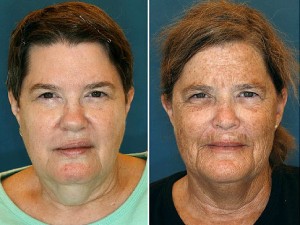
    Jeanne (left) and Susan (right), identical twin sisters, serve as a great example of how lifestyle choices can determine a person's skin aging. As children, the two women had an uncanny resemblance, but now it's easy to see that Susan's decision to sunbathe and smoke led her skin to age more rapidly. (Department of Plastic Surgery, University Hospitals Case Medical Center)

    Well, I hope you enjoyed learning more about wrinkles and UV radiation! Remember, prevention is key! Make sure to slather up in some good ol’ broad spectrum SPF 70 next time you go shoot some hoops (or do whatever it is that you do) and enjoy this fine video about why we need the Sun (even though it hurts us sometimes):


    Sources:

    Heather Brannon, MD (About.com)

    Jennifer R.S. Gordon, MD and Joaquin C. Brieava, MD (The New England Journal of Medicine)

    De Gruijl, Frank R. “Photocarcinogenesis: UVA vs. UVB Radiation.” Skin Pharmacology and Physiology 15.5 (2002): 316-20.  <http://www.ncbi.nlm.nih.gov/pubmed/10907526>.

  • New Houston: We have a problem

    New Houston: We have a problem


    If you are a technology enthusiast, NASA observer or all around space geek, you don’t need me to point out the connection between two recent news events. First off, SpaceX has successfully launched, maneuvered and docked their spacecraft “Dragon” with the International Space Station. That’s ISS for you acronym junkies. This is impressive not only in the sense that the actual feat is an accolade shared by very few extra-atmospheric vehicles – to my knowledge only the NASA Shuttle, and respective Russian, European and Japanese space agency crafts have ever docked with the ISS – but the Dragon was the first vehicle produced by an independent company. Deeming Space X as “independent” may give some readers pause, as at least at this point, a sizeable portion of their total funding comes from the US government to replace the lost Shuttle capabilities through the “Commercial Orbital Transportation Services” program run by NASA. The second event is the announcement by Dutch company Mars One revealing their plans to colonize Mars. This, again, is really only significant when considering how Mars One has proposed funding their journey to the red planet – namely, and in their own words, via “media spectacle”. I imagine that will include some kind of space Snooki doing shots of Jägermeister while orbiting Phobos or something, but the point is Mars One plans on going where no man (or woman, so as not to exclude Snooki) has ever gone before without being bankrolled by tax dollars. Ironically, the Dutch could be considered experts in the field of corporate colonialism. If memory serves, if you were getting your spice on about 400 years ago you had the Dutch East India Company to thank for that. It does deserve mentioning however that Mars One is not the first organization to ever propose such an undertaking. In fact, independent organizations have been in the planning stages of colonizing Mars for years, with one particularly prominent group being the Mars Society led by Dr. Robert Zubrin, but these organizations are focused on the technical aspects of a journey to and eventual colonization of Mars, rather than how to fund the colonization.

    So, taken in concert, the literal launch of the SpaceX’s Dragon spacecraft and the metaphorical launch of Mars Ones’ venture to fund the colonization of Mars, I would argue that the likelihood of anyone even setting foot on Mars within the next 50 or so years has gone from “not going to happen” to “it might actually happen but still probably not”. Why you ask? Because it’s too expensive, too political, and too dangerous for a single government to do alone.  I have never done any book learning on the Cold War, but from my perspective the whole point of the space race (which as a direct consequence gave us global telecommunications, the above mentioned ISS and the Hubble telescope among others)  between the United States and the former Soviet Union had less to do with legitimate exploration of orbital and sub-orbital space or going to the moon and more with “if my adversary has the capability of global surveillance and strategic space bound nuclear weapons, I want it too.” But now that there are no other communist super powers to compete with (oh wait), why bother going on to Mars? Do the scientific motivations outweigh the risks of sending humans instead of rovers or other autonomous vehicles? I don’t know the answer to that, and I don’t think any government space agency does either, which makes trying to pitch, fund and actually complete a government organized, manned mission to Mars dubious. Thus, as crazy as it sounds, corporate settlement of Mars might be the best option. However, for their part, NASA has not completely given up the ghost (of mars?) on exploring the Martian surface, and has unleashed a parade of satellites and rovers, with an upcoming landing of the curiosity rover celebrated with a recent and admittedly kind of bad ass promo , over the past several years.

    So what would the possible goal of colonizing another planet be? If undertaken by a privately funded company, the obvious answer is money. If Mars One leads the way, it might not be “New Houston” that is home to the future inhabitants of Mars but New Amsterdam (again). Are vast quantities of resources the goal of Mars One and like minded would-be-colonists, or is simply the prospect of settling a new world, unfettered of governments, geopolitical conflict and a breathable atmosphere the ultimate goal? Either way, it’s difficult to grok.


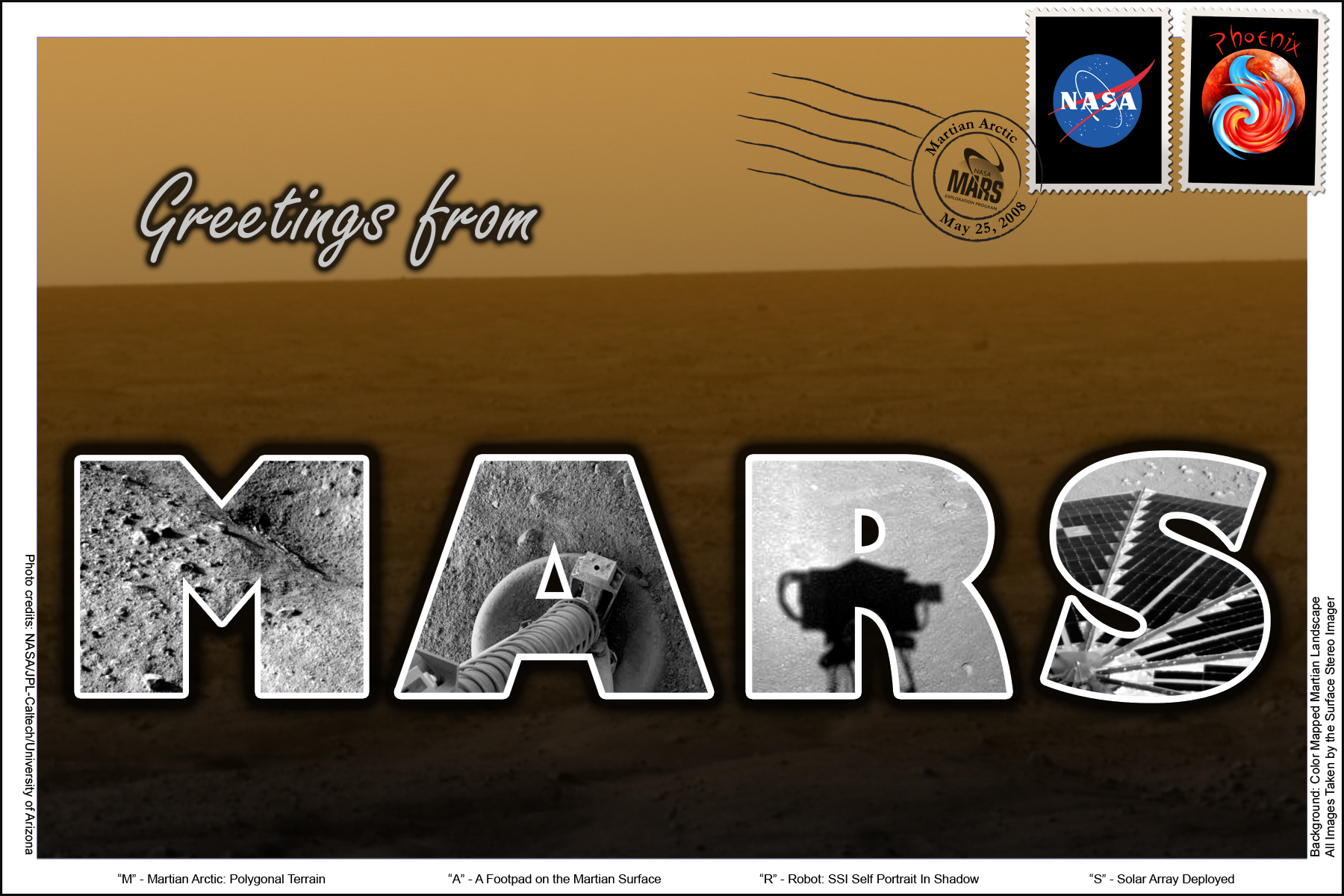
    image source: http://phoenix.lpl.arizona.edu/postcards.php

  • Whale Fall

    Whale Fall

    Normally, the term “dead whale” reminds me of long, tedious hours slogging through Moby Dick or sad images of beached or slaughtered animals, but a “whale fall” is a whole ‘nother beast.

    When dead whales fall to the bottom of the deep sea, their bodies become food for some of the creepiest creatures out there. Normally there’s not a lot to eat down where the sun don’t shine, but whales are a mess of meaty goodness. And where there’s meat, there’s scavengers.

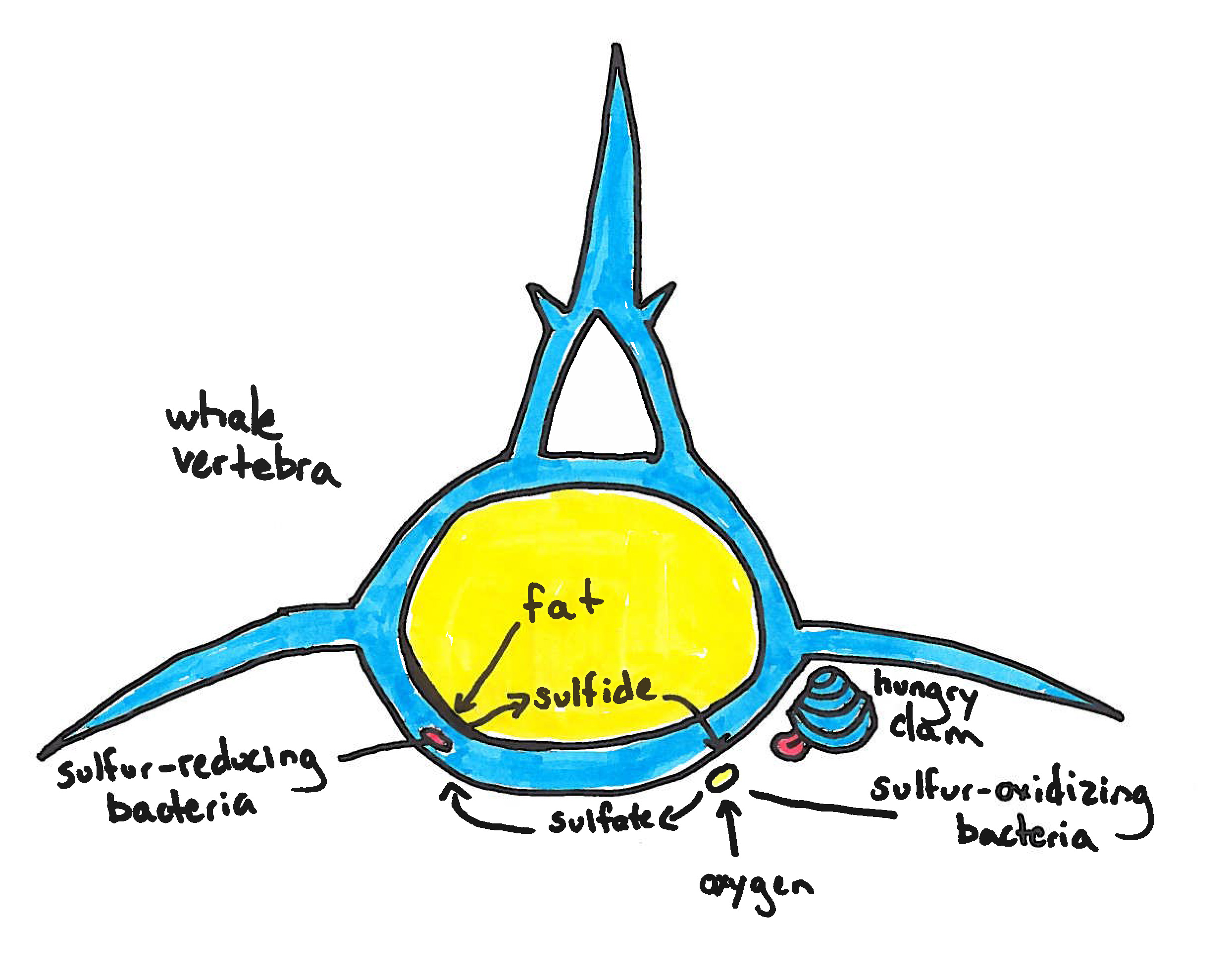
    During the first stage of the whale fall scavengers like hagfish and sleeper sharks chew all the meat off the bones of the whale and poop all over the place. That poop makes good food for things like clams and mussels, who hang around during what is called the “enrichment opportunist stage”. But the weirdest and most awesome stage of the whale fall succession comes next, the “sulfophilic” stage. Yep, you read that right, these critters love sulfur the way an anglophile loves Downton Abbey. And they don’t just love sulfur, they breathe it like oxygen. Sulfate-reducing bacteria eat the fat that is left in the whalebones and breathe sulfate, turning it into hydrogen sulfide in the process. Then sulfur-oxidizing bacteria use the sulfide to make sugar, just like plants use sunlight to make sugar. And who eats that sugar? More clams.

    So you’ve got whales feeding bacteria feeding clams feeding bacteria, all at the bottom of the sea, which is normally a cold dark void. The whole process can take over 50 years; so one whale fall can sustain a lot of critters for a long time.

    Whale falls are really beautiful, too, and inspire some beautiful art. Here is a lovely stop-motion film depicting the life of a whale fall directed by Sharon Shattuck and Flora Lichtman.


    Whale Fall (after life of a whale) from Sharon Shattuck on Vimeo.

  • Let’s Go!: Costa Rica

    Let’s Go!: Costa Rica

    As a supporter of the “Let’s stop wearing shoes” movement that seems to be taking over the mentality of both young adults and shoe manufacturers alike (that is a later story, though), I often find myself lamenting the amount of shoes I am required to pack when going on vacation with my mother. As a supporter of traveling and not destroying the environment in the process, those same trips with my mother tend to stress me out. Previous trips have found us in France and Ireland in GIANT tour buses that make me cringe when I think of the carbon emissions coming from my enjoyment of a new country.

    I have newly found faith in my mother’s traveling compulsion these days. Immediately upon finishing my first year of college, my mother and I hopped on a plane and flew to San Jose, Costa Rica to join a trip with G Adventures, an eco-friendly tour company based in Canada (and one where I was only required a pair of flimsy sandals in order to be comfortable).

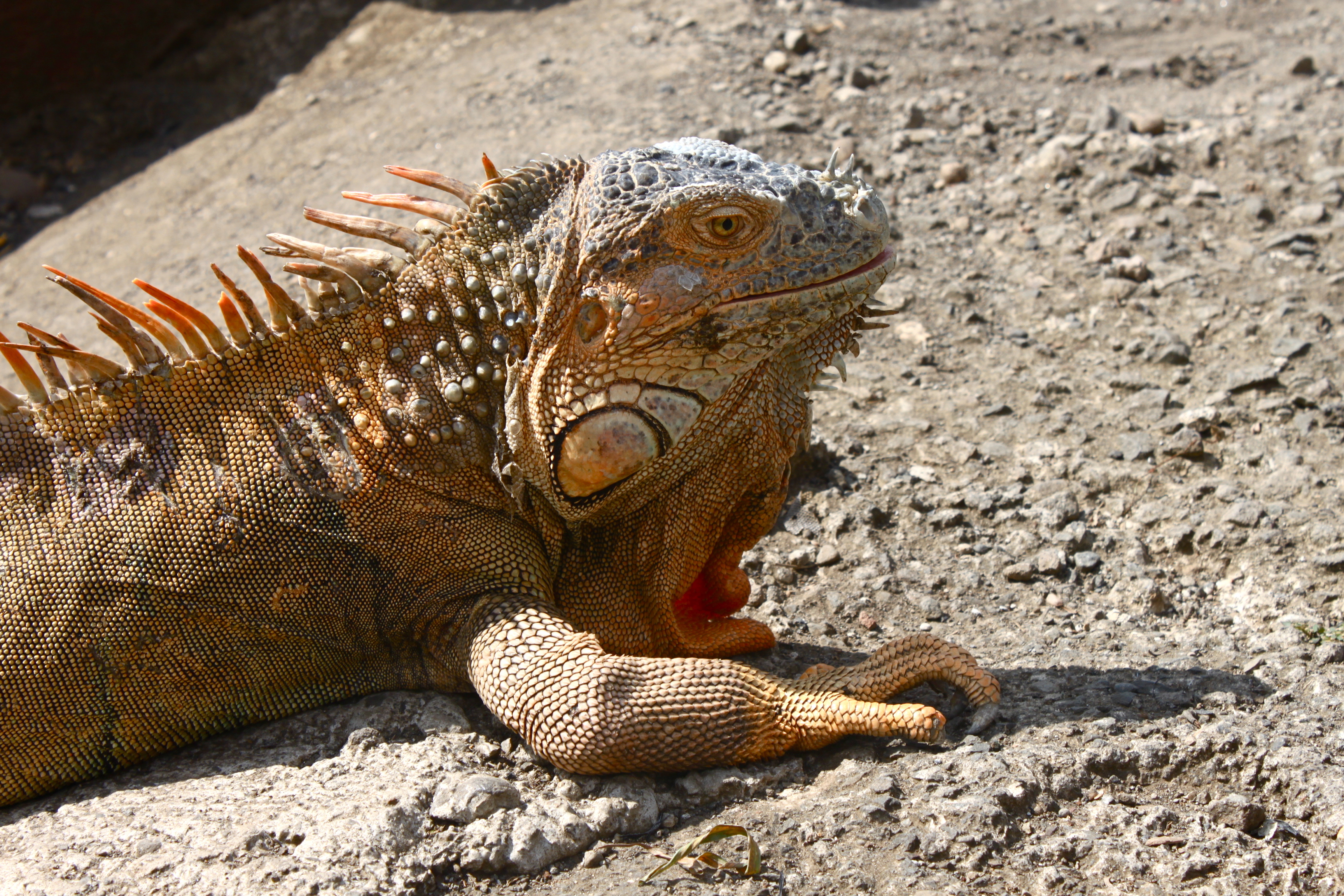
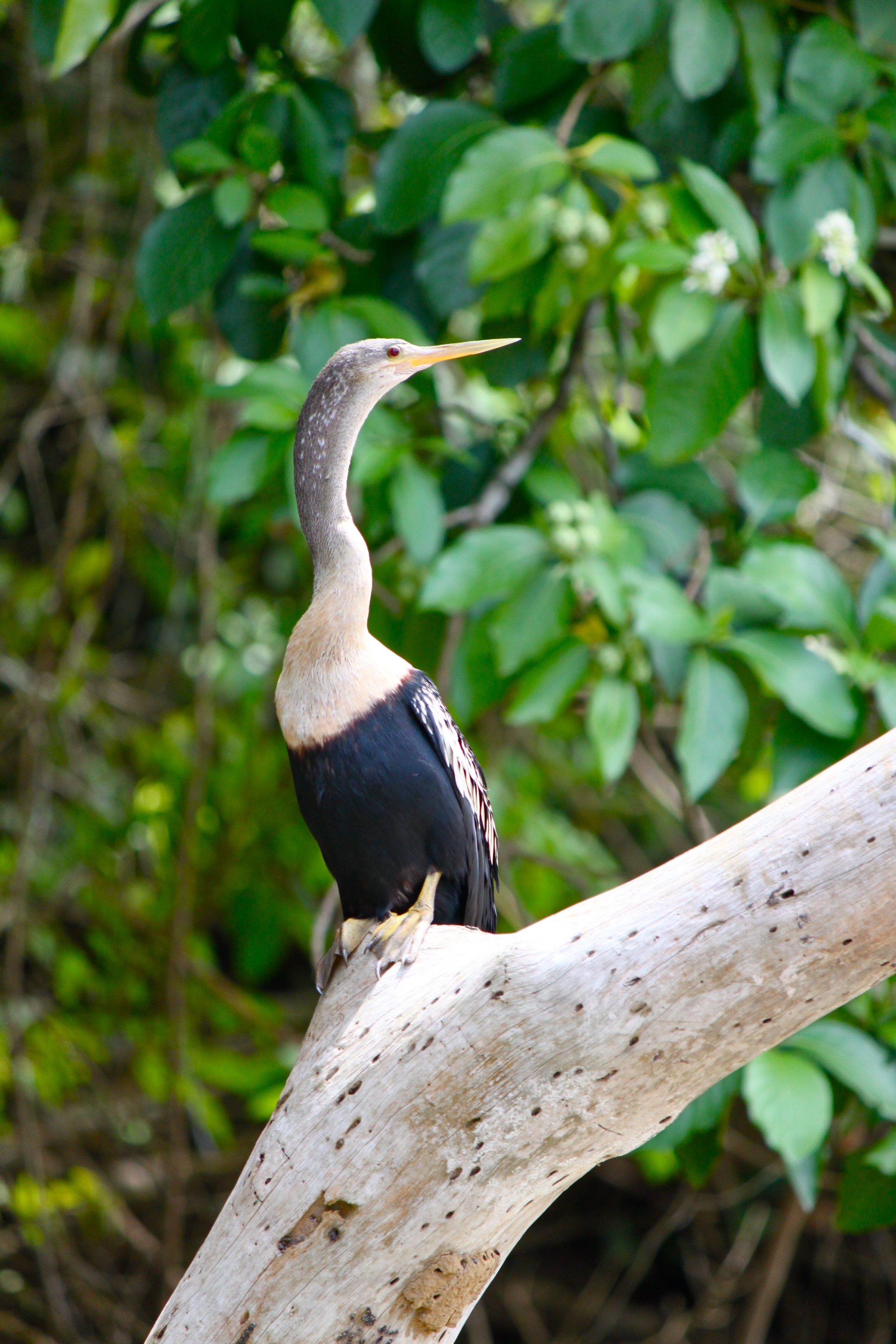
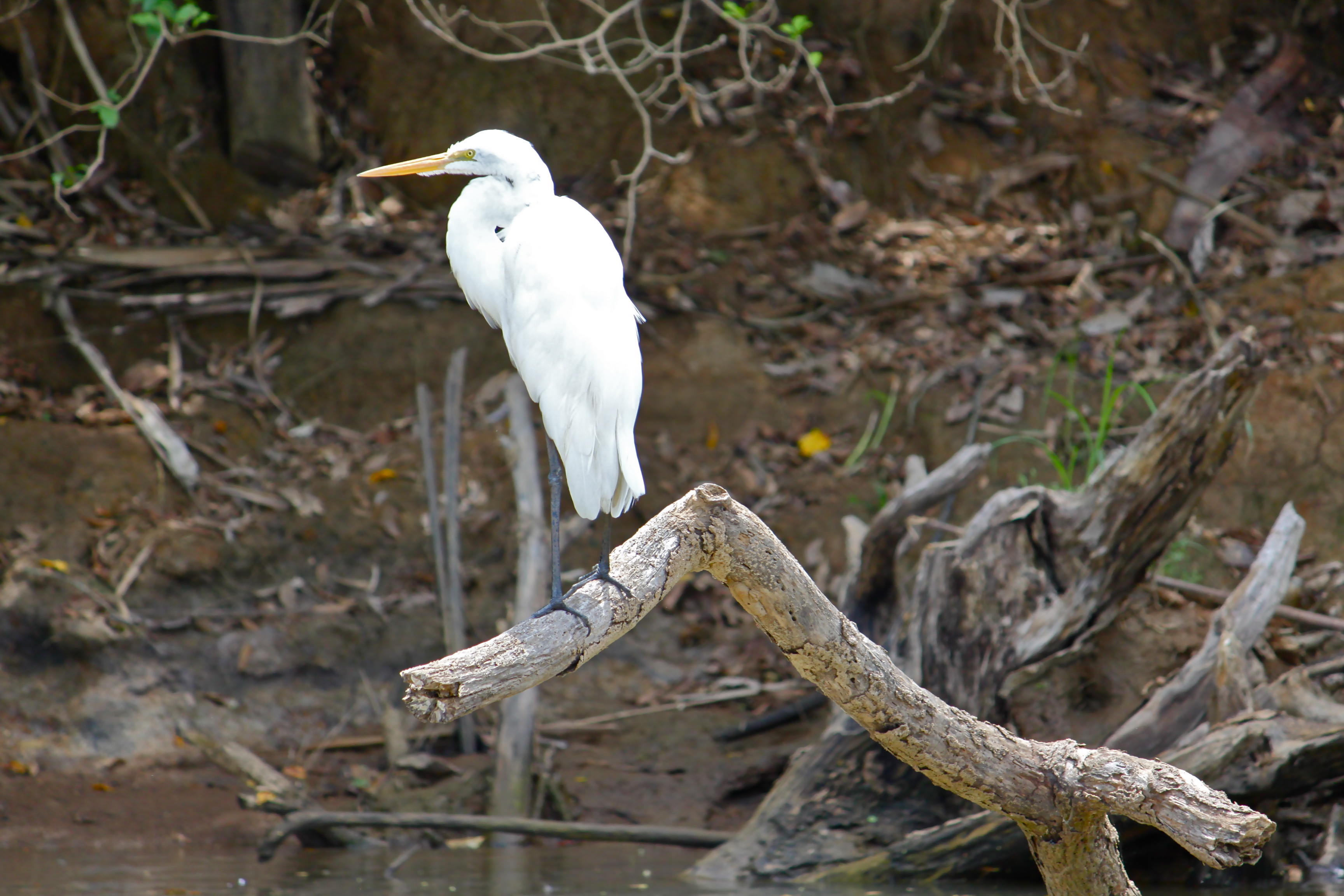
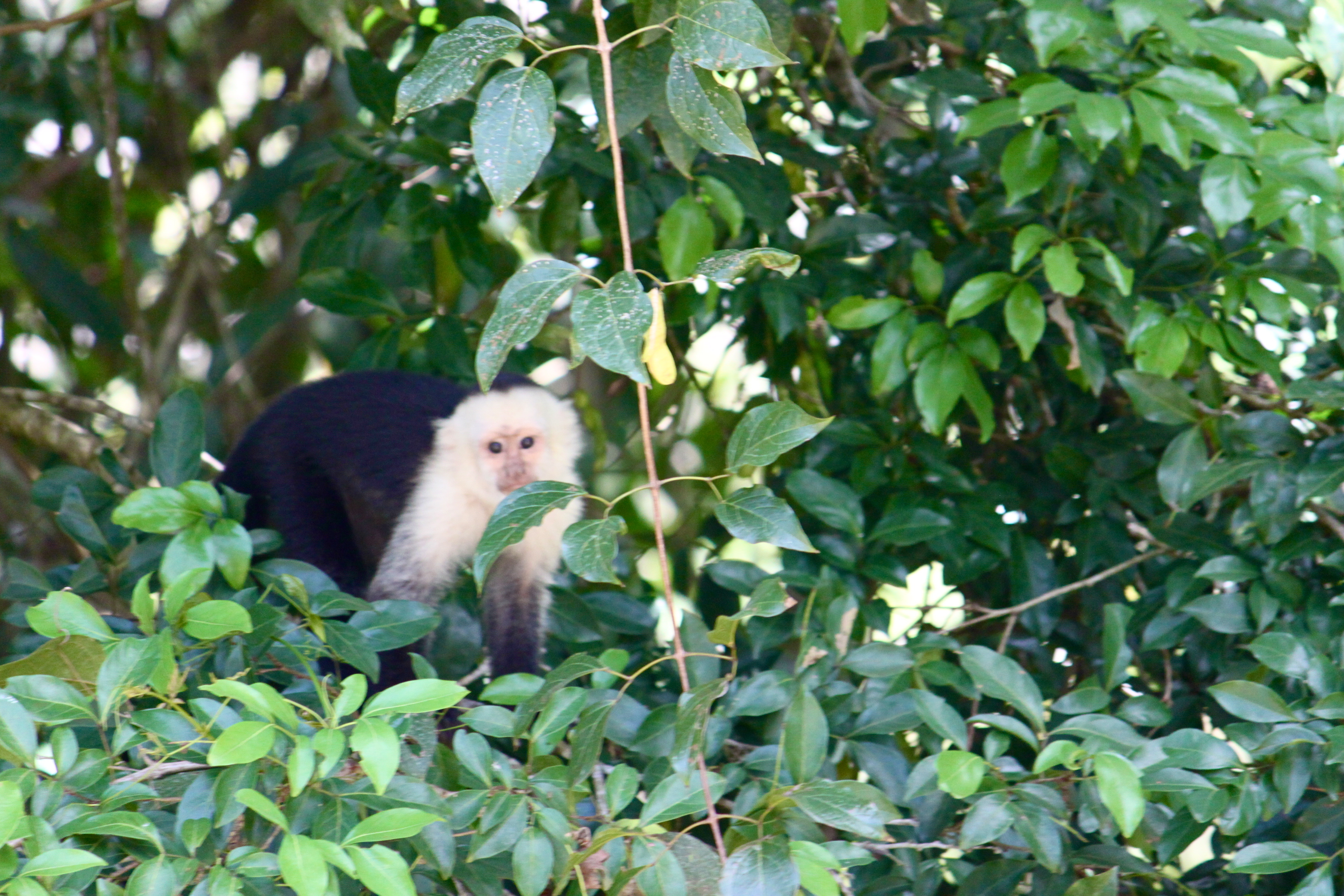
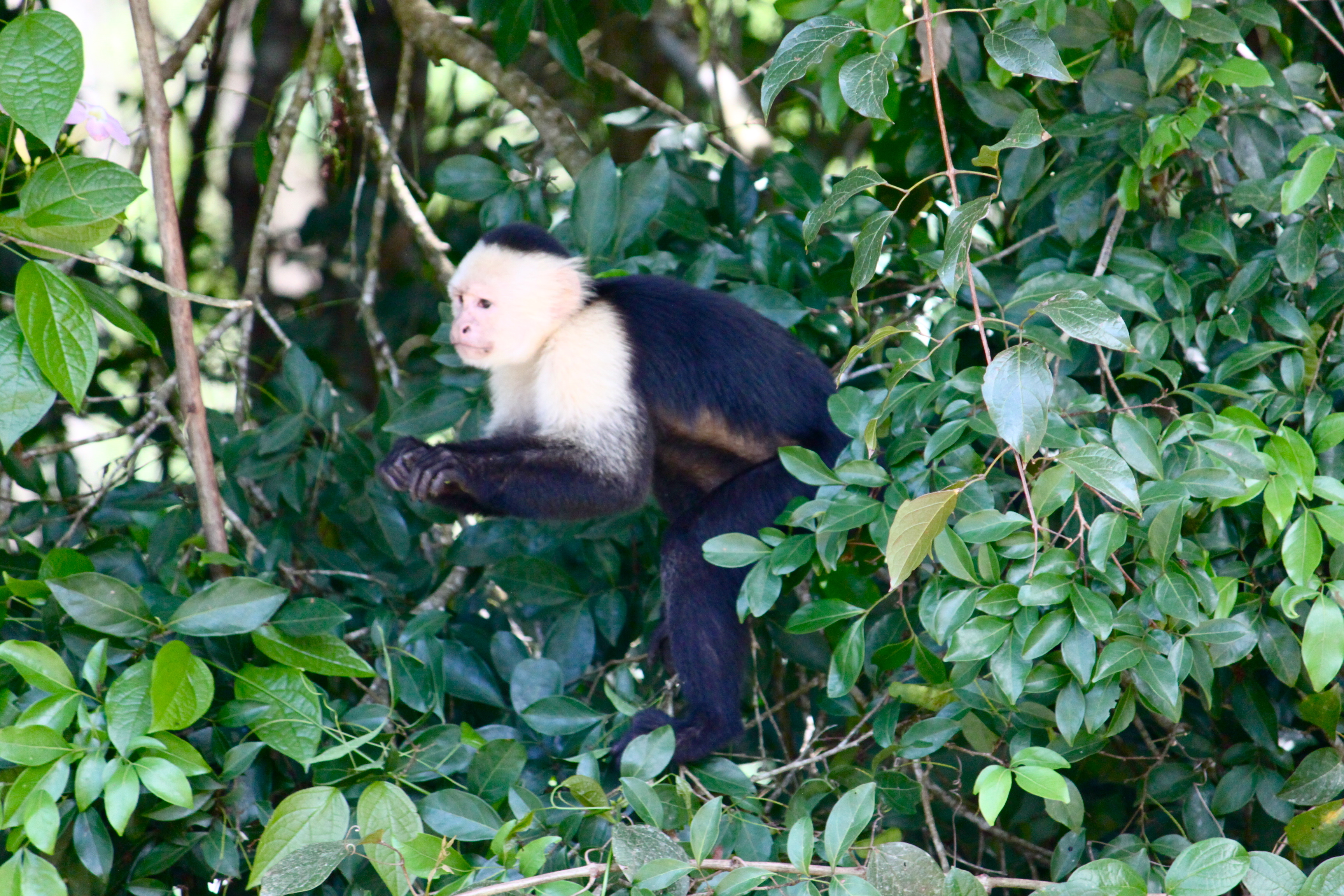
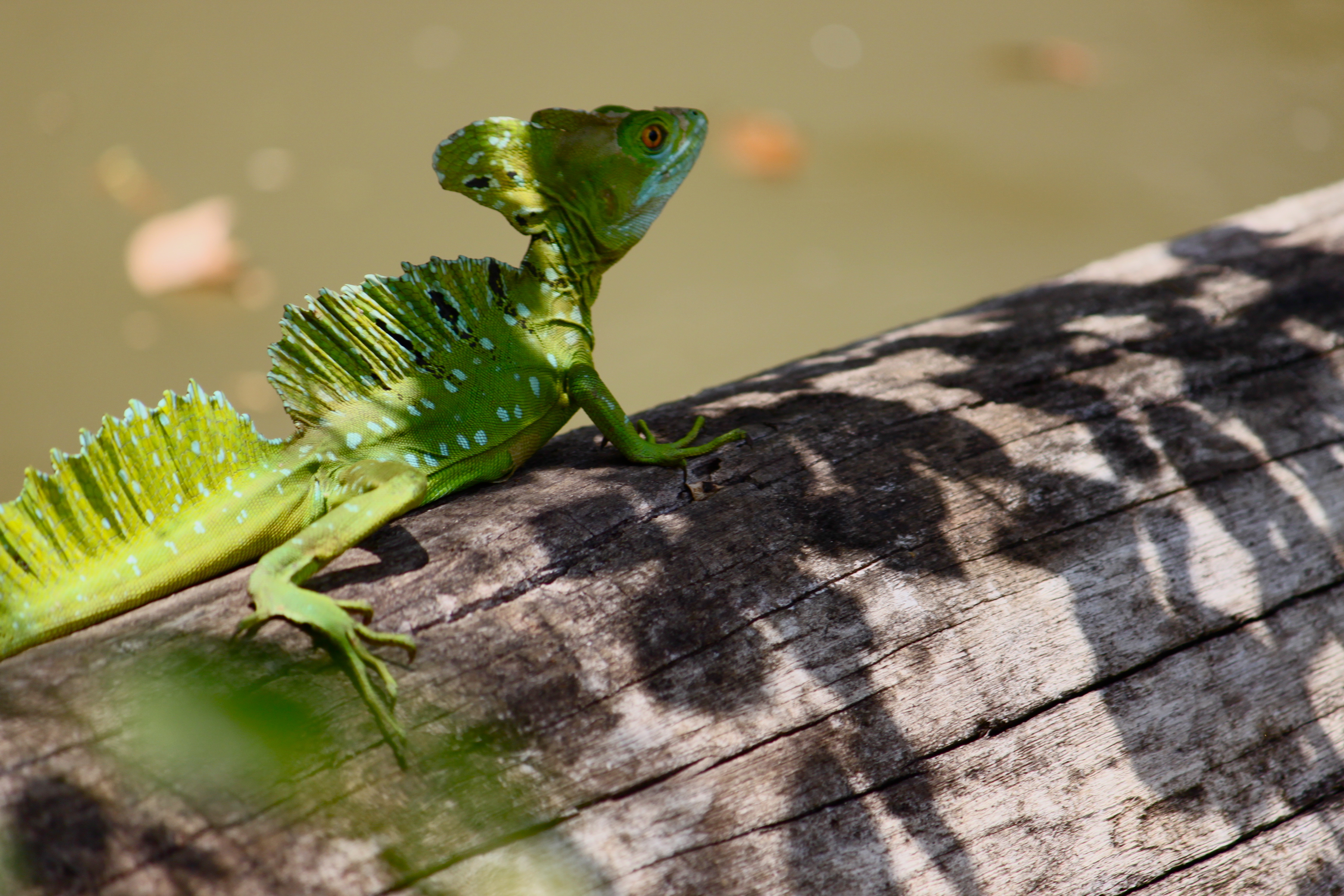
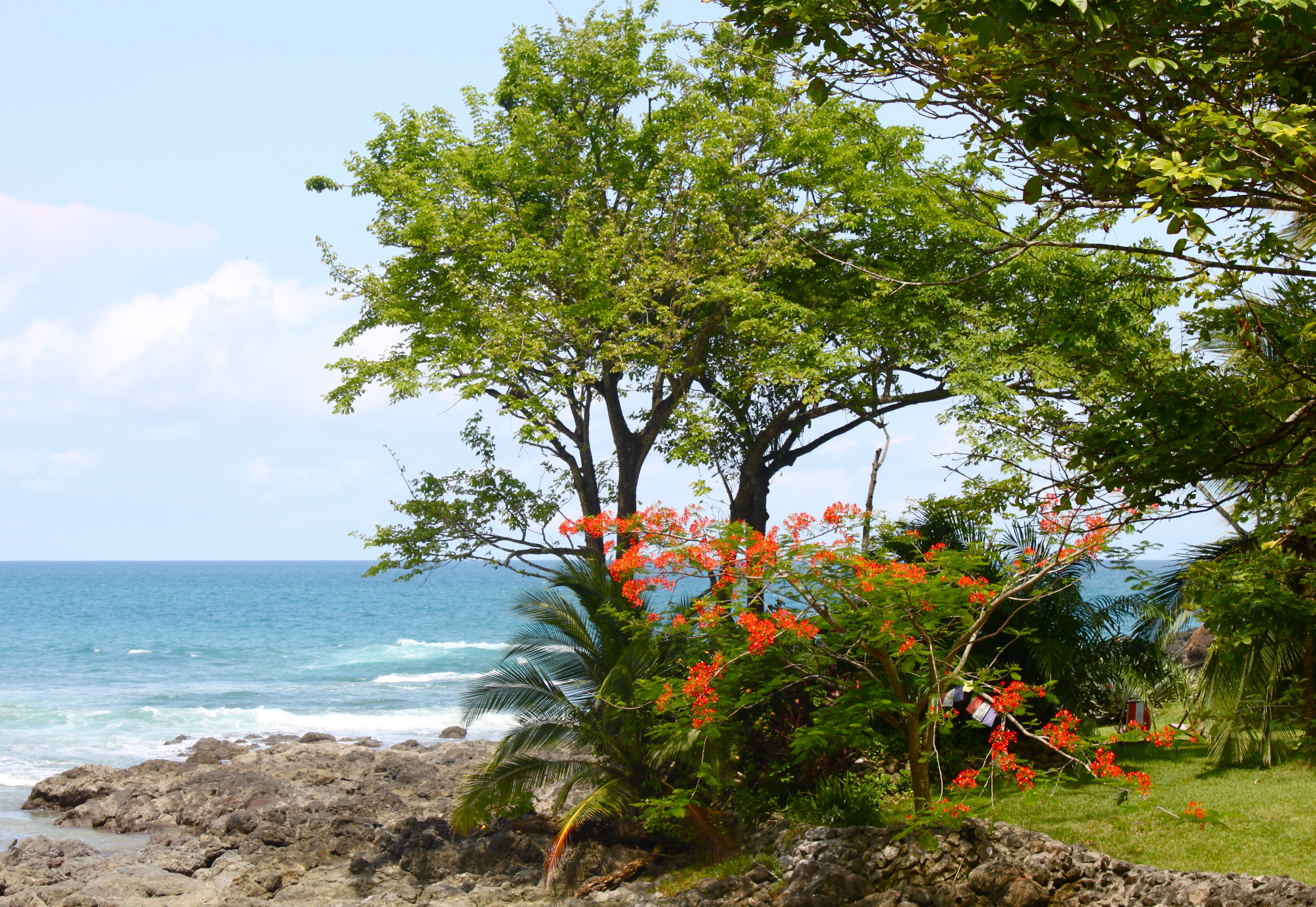
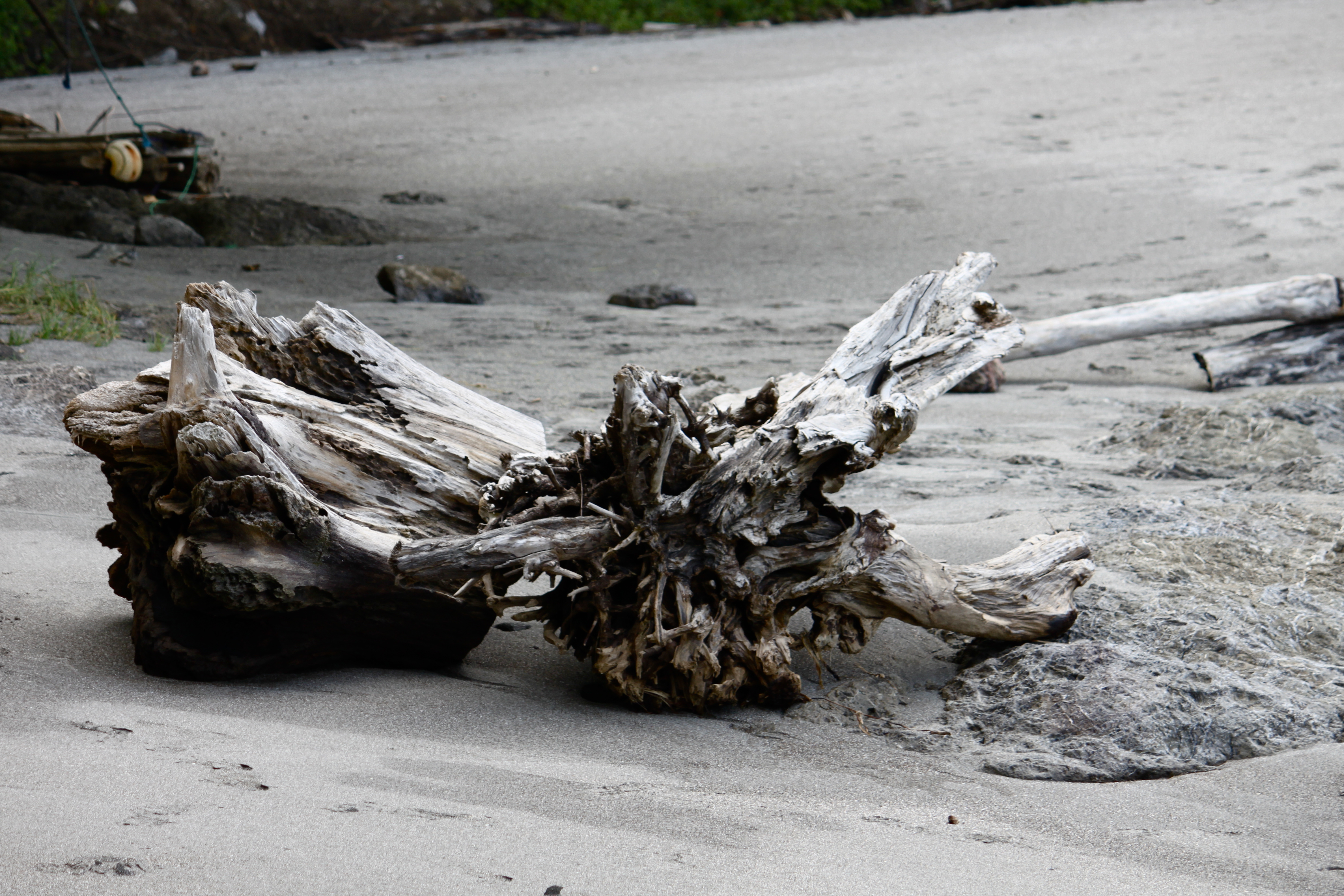
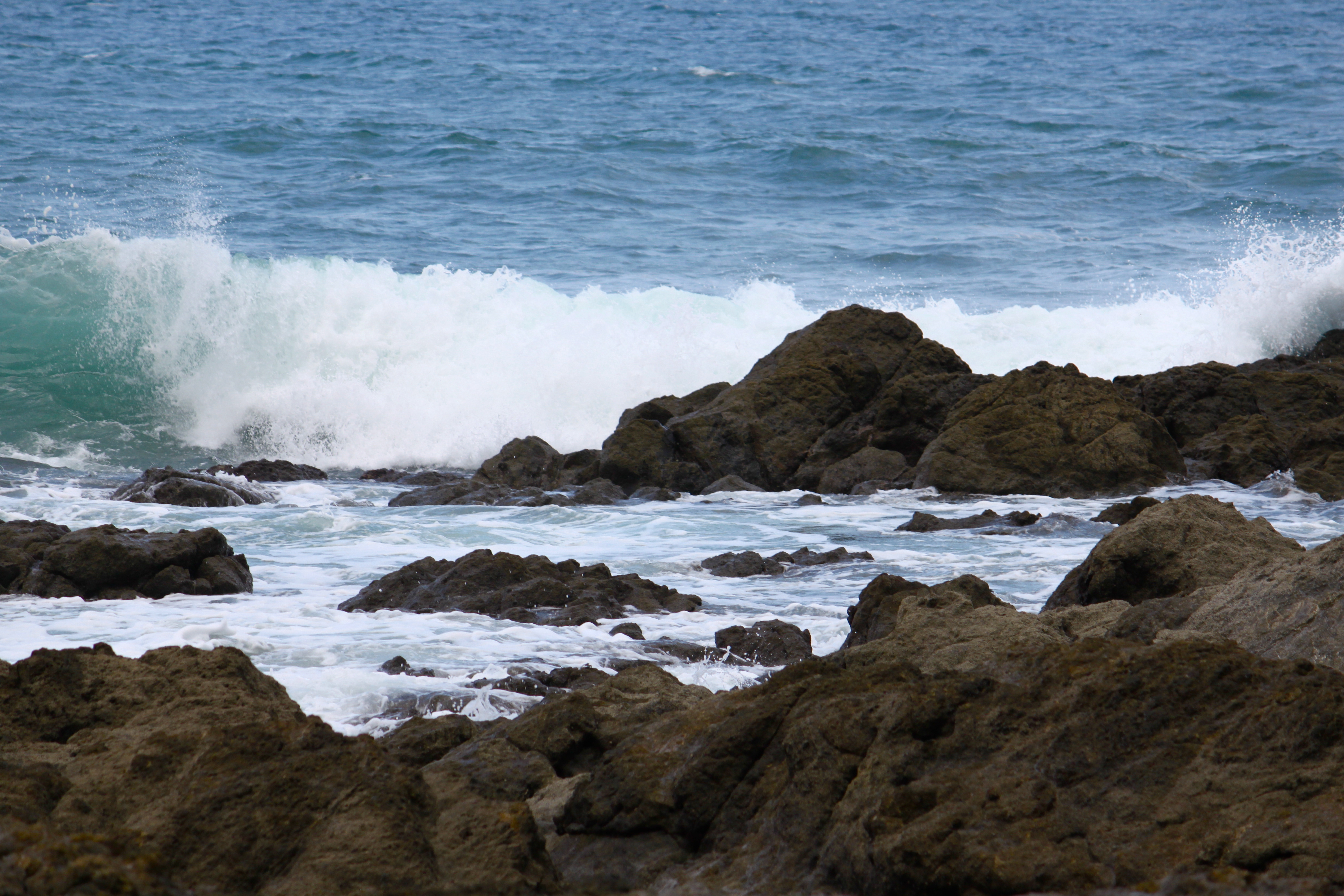
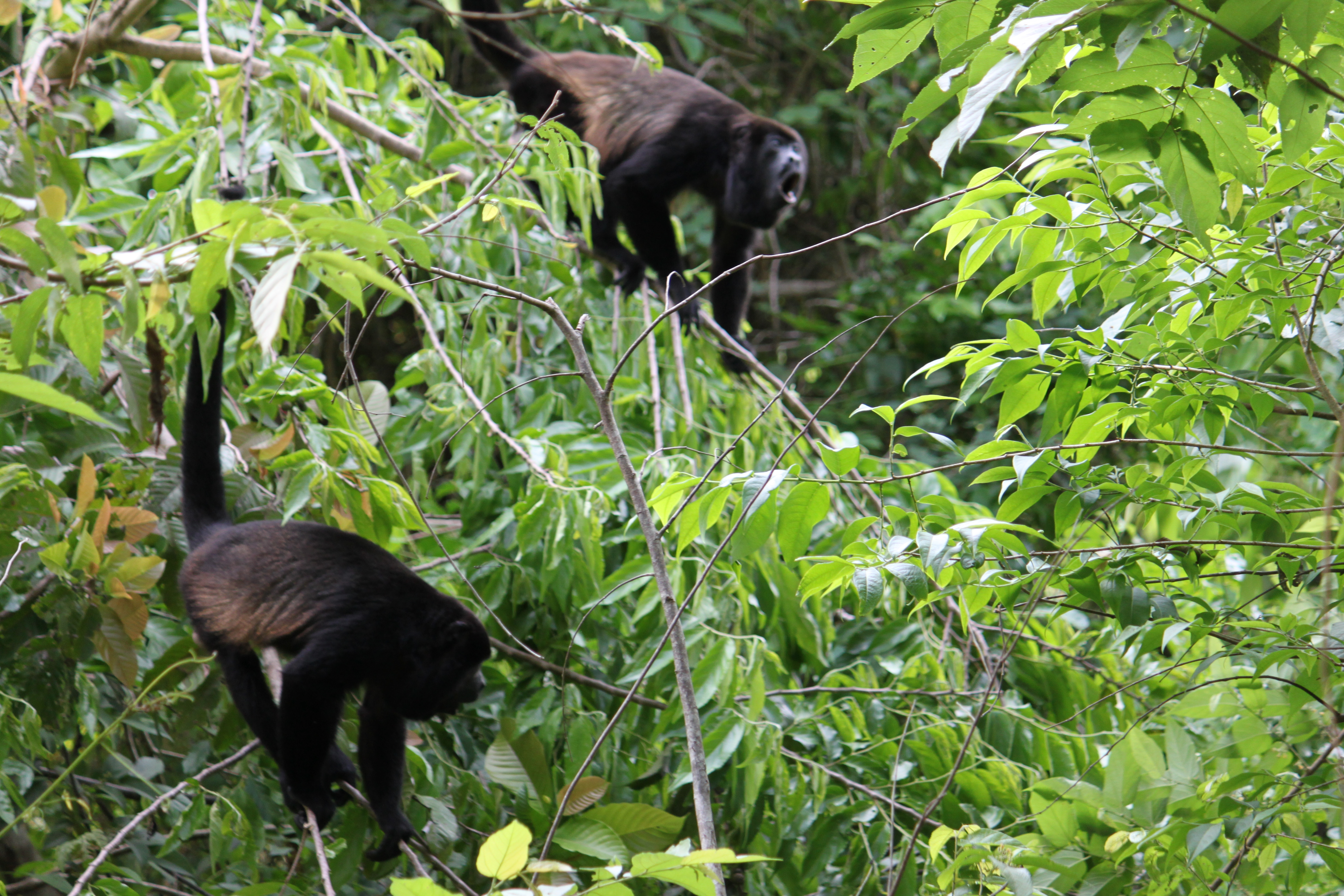
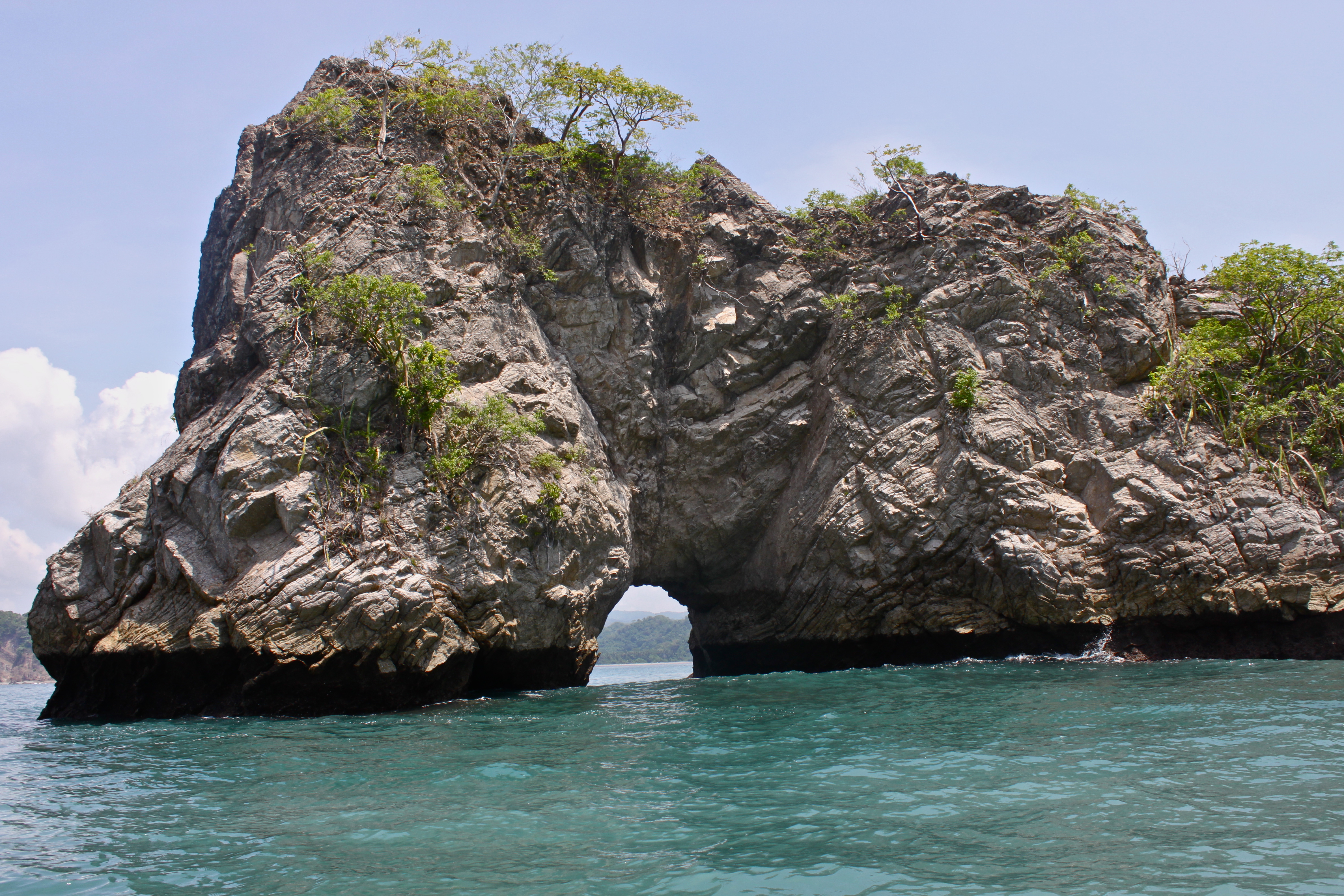
    The highlights of the trip included white water rafting, ziplining, and a safari with a whole lot of monkeys. So let’s go into picture heavy post, because I very honestly cannot encompass this trip in words.

    G Adventures offers many kinds of tours. My mother and I took a YOLO trip, which is a budget-style trip kind of perfect for us. The trip style that interested me the most, and is how our tour guide Jorge started in this line of work, is a “Volontour” trip. Jorge worked at a biology research center studying leatherback sea turtles. Volunteers, through G Adventures, were able to work alongside the biologists, protecting the sea turtles as they hatched.

    I’m still a bit in awe of the fact that I got to be in Costa Rica, sharing the tree tops with howler monkeys. I’ll be back when I get over that awe and talk to you guys about college (yes, yes, it is that time).

    sciseekclaimtoken-4fd6551a0640c