Category: Articles
-
Butterfly Pea Flower Tea
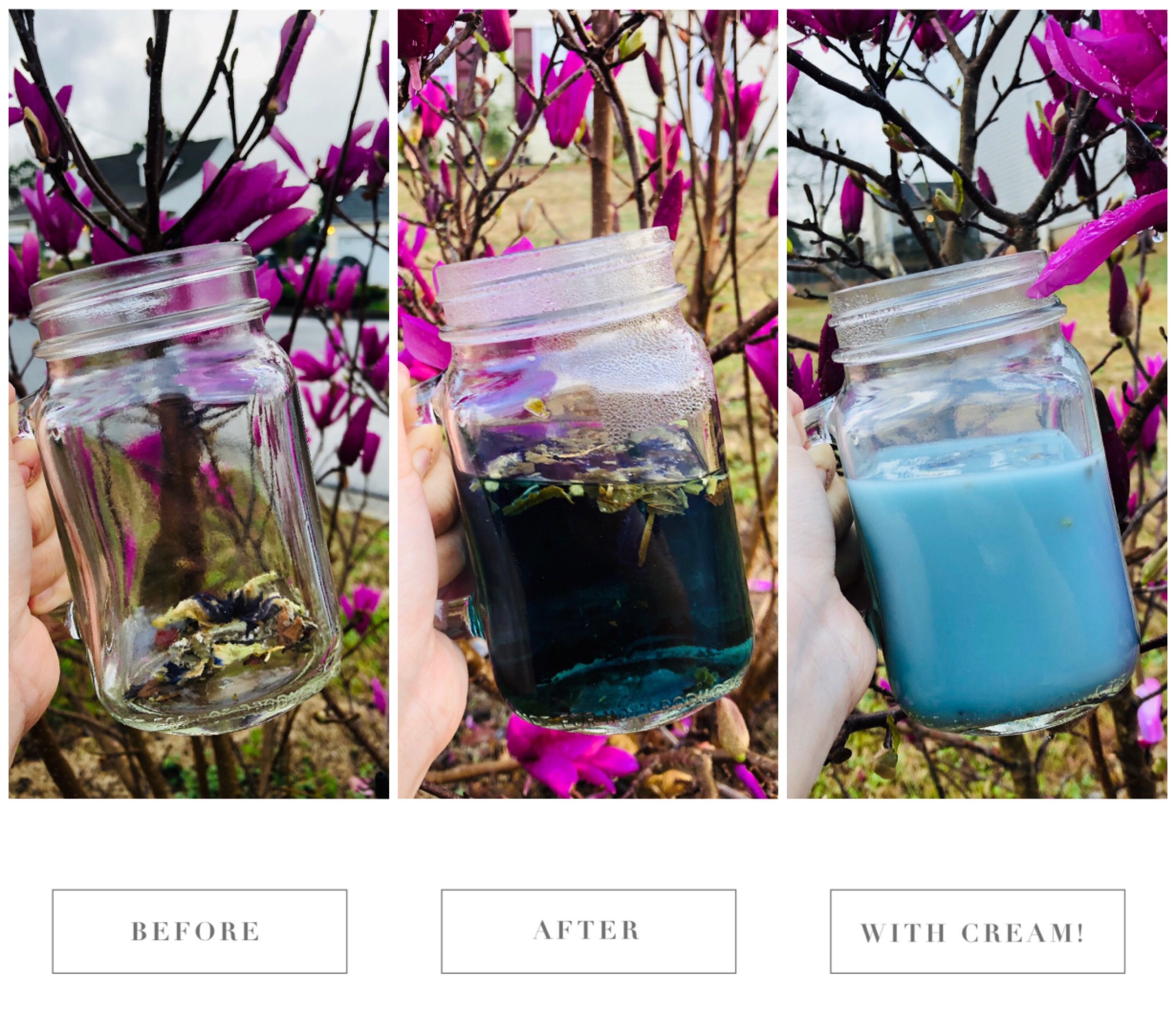
 A cup of tea brings feelings of peace and serenity to mind. Whether it be a rainy day or cold evening, drinking a warm cup of tea has never failed to help me feel calm and happy. There’s an amazing selection of tea for all types of different palates to choose from like your classic green, black, and white tea, but my personal, newfound favorite is butterfly pea flower tea! Befitting its exquisite name, this tea also has an appearance like no other.
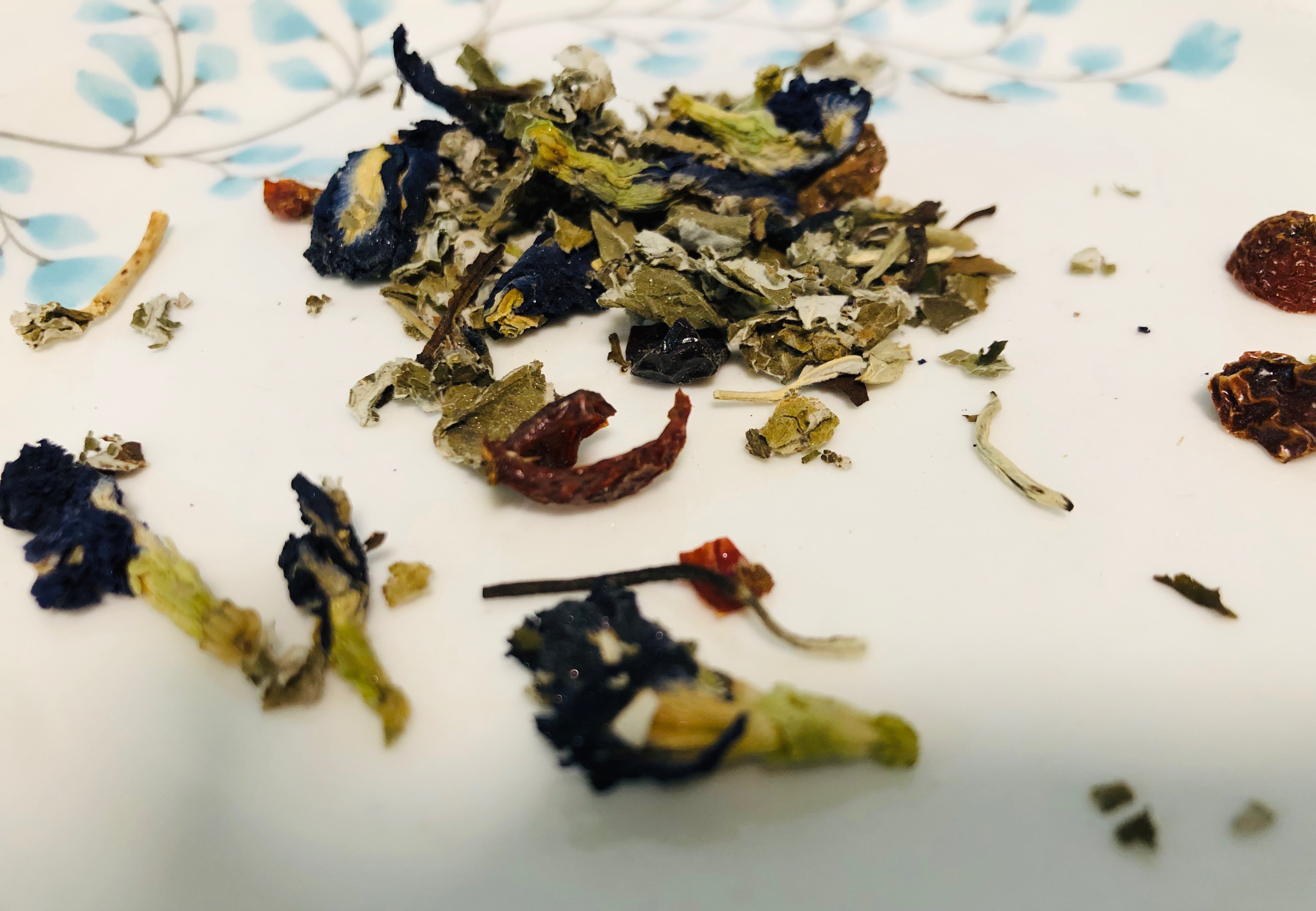
Butterfly pea flower tea may seem like a new and recent addition to tea shelves, but this tea has been consumed in Southeast Asian countries like Thailand and Malaysia for centuries. It is a caffeine-free beverage made from oftentimes dried lemongrass and blue flowers and leaves of a plant known as Clitoria ternatea (Centeno, 2018). It is said to have an earthy taste similar to green tea despite its color (Goldberg, 2016).
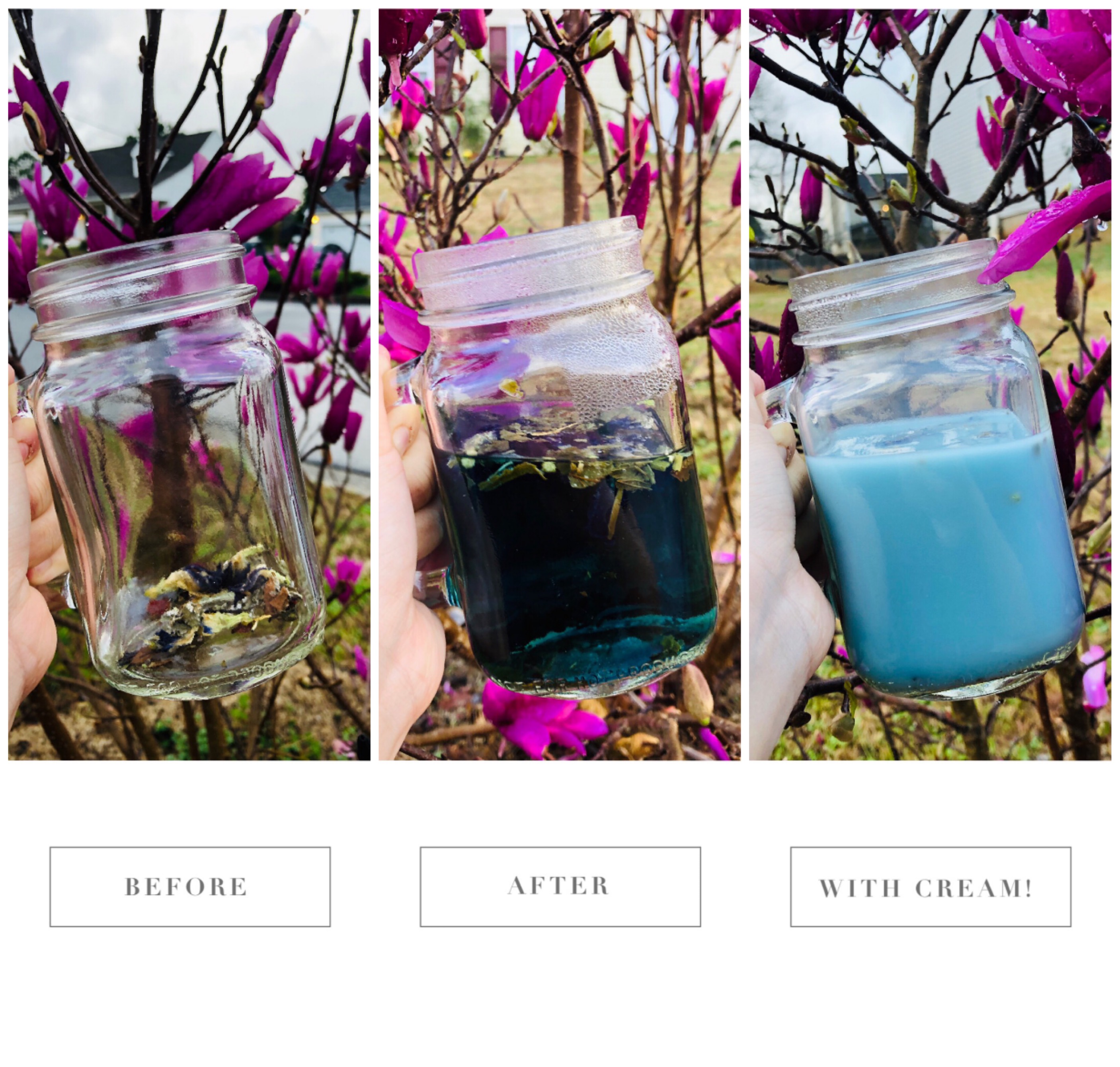
What makes this tea unique, however, is not just its natural, blue color, but its ability to change color depending on pH. Adding lemon will allow this beverage to take on a purple color (see below). Add more and it’ll turn hot pink, adding a perfect and mesmerizing ombre. Like other plants that function as pH indicators, butterfly pea consists of anthocyanins, allowing it to change color. The plant has been tested as a pH indicator to successfully differentiate pH levels between 2-12 (Amaolo, 2017).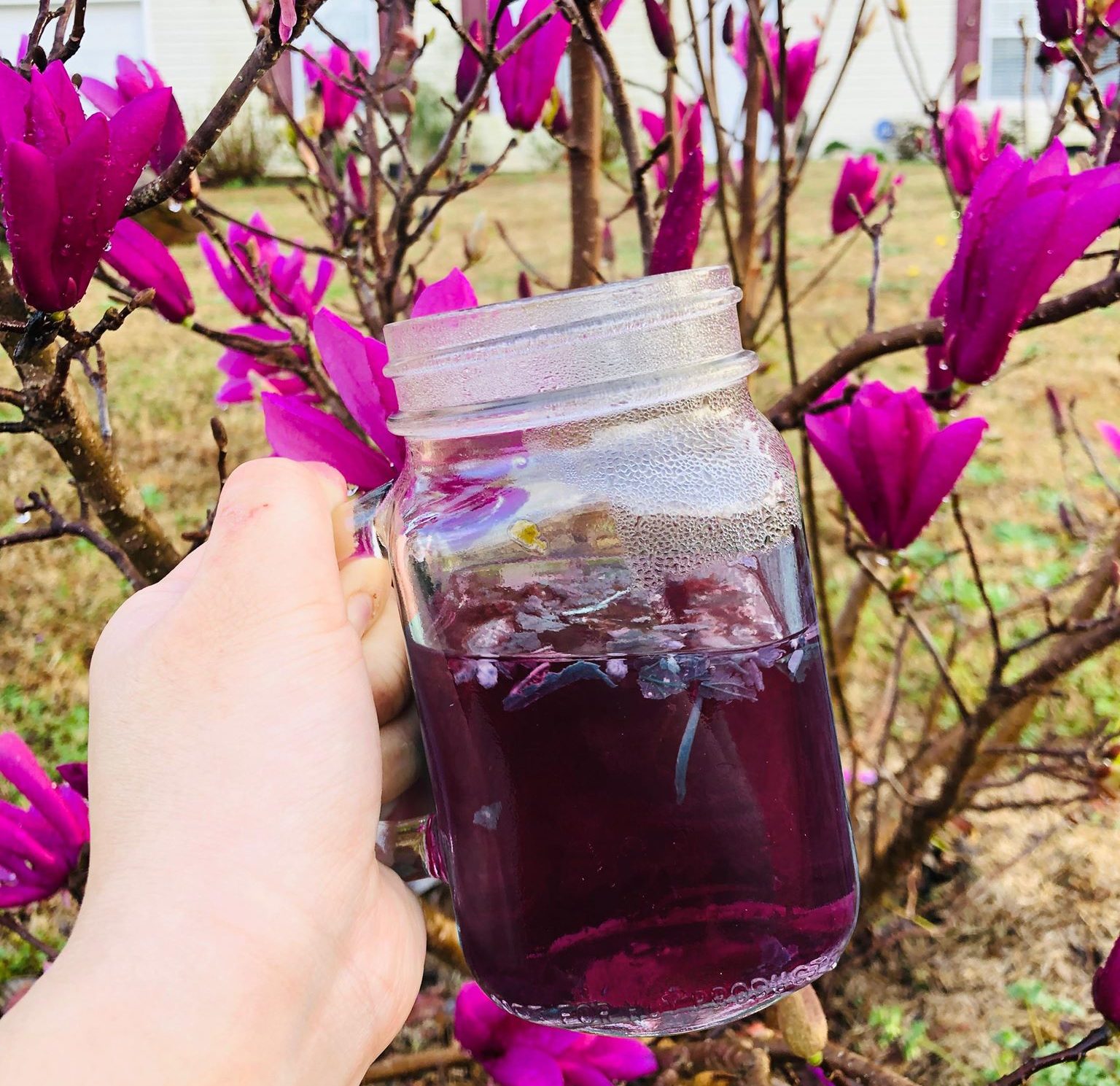
Anthocyanins also contain high amounts of antioxidants, making blue tea a common use in traditional medicine and a source of many health benefits (Kungsuwan, Singh, Phetkao, & Utama-ang, 2014). Butterfly pea flower extract has been found to have anti-inflammatory and pain-relieving abilities (Kumar and Ishwar, 2012) as well as the potential to relieve diabetic complications caused by advanced glycation end products (AGEs). AGEs are compounds that can clog vessels and form more often in diabetics when sugars combine with particular amino acids (Barone, 2017). Clitoria ternatea extract has also been found to improve memory and acetylcholine levels (Taranalli & Cheeramkuzhy, 2011) and has anti-depressant, anti-stress, anti-convulsant, and anti-microbial properties (Jain et al., 2003). Its antioxidant activity has also been applied in cosmetics (Kamkaen & Wilkinson, 2009).
Try making your own tea by seeping 1-2 teaspoons of butterfly pea flower with a cup of water and add honey, lemon, juice, or milk for more flavor. You can also make ice cubes with the tea to add color to any drink!
References
_______________________________________________________________________________________________________________Amaolo, A. (2017). The Butterfly Pea Flower as a pH Indicator. Retrieved from http://isjos.org/ISJOSv11p2-ButterflyPeaIndicator.pdf
Barone, J. (2017, February 28). What Are AGEs (Advanced Glycation End-Products)? Retrieved from http://www.berkeleywellness.com/healthy-eating/food-safety/article/abcs-ages-advanced-glycation-end-products
Centeno, E. (2018, July 03). What is Butterfly Pea Flower Tea? Retrieved from https://spoonuniversity.com/lifestyle/what-is-butterfly-pea-flower-tea-hint-it-changes-color
Goldberg, E. (2016, January 31). The Science Behind This Mesmerizing Color-Changing Tea. Retrieved from https://www.bonappetit.com/drinks/non-alcoholic/article/butterfly-pea-flower-color-changing-tea
Jain, N. N., Ohal, C. C., Shroff, S. K., Bhutada, R. H., Somani, R. S., Kasture, V. S., & Kasture, S. B. (2003, June). Clitoria ternatea and the CNS. Retrieved from https://www.ncbi.nlm.nih.gov/pubmed/12895670
Kamkaen, N., & Wilkinson, J. M. (2009, November). The antioxidant activity of Clitoria ternatea flower petal extracts and eye gel. Retrieved from https://www.ncbi.nlm.nih.gov/pubmed/19367668
Kumar, S. & Ishwar, B. (2012, March 19). Anti Inflammatory, Analgesic and Phytochemical Studies of Clitoria Ternatea Linn Flower Extract. Retrieved from https://irjponline.com/admin/php/uploads/935_pdf.pdf
Kungsuwan, K., Singh, K., Phetkao, S., & Utama-ang, N. (2014). Effects of pH and anthocyanin concentration on color and antioxidant activity of Clitoria ternatea extract. Retrieved from https://www.tci-thaijo.org/index.php/fabjournal/article/view/77397
Taranalli, A., & Cheeramkuzhy, T. (2011, January 10). Influence of Clitoria Ternatea Extracts on Memory and Central Cholinergic Activity in Rats. Retrieved from https://www.tandfonline.com/doi/abs/10.1076/1388-0209(200001)3811-BFT051
-
Bad @ss Birds
I didn’t realize that birds were cool until I was a senior in high school (4 whole years ago). Just to be clear, this article is talking about the kind of bird that flies in the air, not the electric scooter that Georgia Tech students ride to class when they’re late. Ornithology is the study of birds, and I was lucky enough to take a class in high school that let me learn about them hands on. I’ve included some pictures at the end of experiences I’ve had with birds, but first, here are some of my favorite, more exotic, birds.
Cuckoo Birds:
Cuckoos are parasitic birds that lay their eggs in the nests of a different bird. The host can range depending on the location of the cuckoos and the specific cuckoo species, but most parasitic birds tend to pick hosts who are insectivores in order for their offspring to have a high protein diet (Payne).
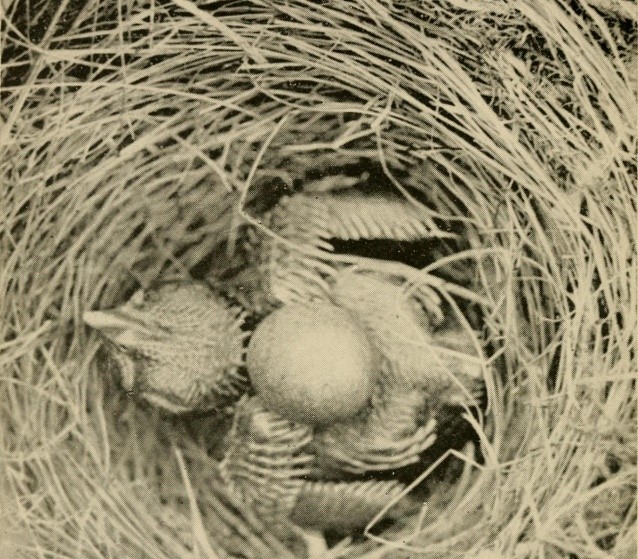
After the cuckoo lays its egg in the hosts nest, several events can occur. In some species of cuckoos, the cuckoo will hatch before the hosts eggs. This young cuckoo will then take the eggs of the host bird one at a time and eject them from the nest using its back. This allows the cuckoo nestling to receive all the attention, and food, from it’s host instead of splitting it with other nestlings. Other species of cuckoo won’t eject the hosts eggs, and the two species will be raised together by the host (Rothstein).
Cuckoos have some mechanisms to prevent suspicion from their host. Cuckoo’s eggs tend to mimic the eggs of their host in appearance and size, and the nestlings will tend to have similar feeding habits to their host. When the host’s nestling and the cuckoo are reared together, the young tend to resemble their nest mates at the beginning then grow significantly larger than their nestlings and possibly even larger than their host parents (Rothstein).
Pictured below is a cuckoo nestling ejecting other eggs from the host’s nest, and a cuckoo nestling being fed by its, much smaller, host parent.
Photographer Unknown
https://www.flickr.com/photos/internetarchivebookimages/14729384096/in/photostream/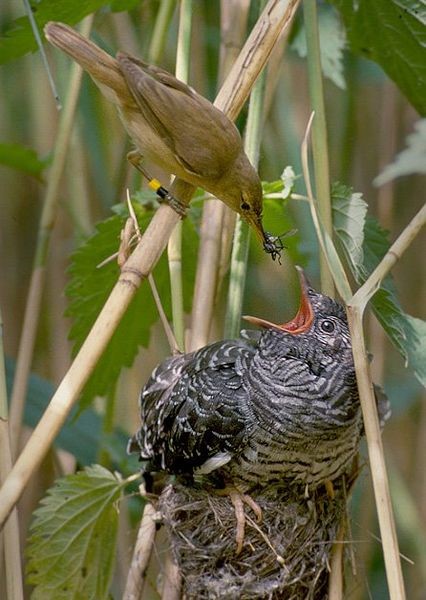
Photo by Per Harald Olsen
https://commons.wikimedia.org/wiki/File:Reed_warbler_cuckoo.jpgBower Birds:
Bower birds have an aesthetic mating ritual. Male bower birds build intricate structures, called bowers, decorated with colored objects to impress a female bower bird. The bowers are created with twigs, and the objects used to decorate them can range from fruit and flowers to shells or grass. Birds near human contact will sometimes use flashy man-made pieces like jewelry or glass. The objects will be set in piles around the bower for the female to inspect. In at least one species of bower birds, the males will decorate their bowers with colors matching that of the intended female (Marshall).
The bower isn’t the only part of the birds’ mating ritual. The female will watch the bower being built and the collection of objects for multiple months. During this time the male displays dances and mimics calls of other birds. When there’s enough food in the environment for a female bower bird to rear young, she can mate with the male. The female then leaves to create a nest and raise the young without the help of the male. The male can stay at its bower and attempt to mate with other females. It’s not restricted to mating once per season (Marshall).
Below are two pictures of bowers each decorated with unique objects.
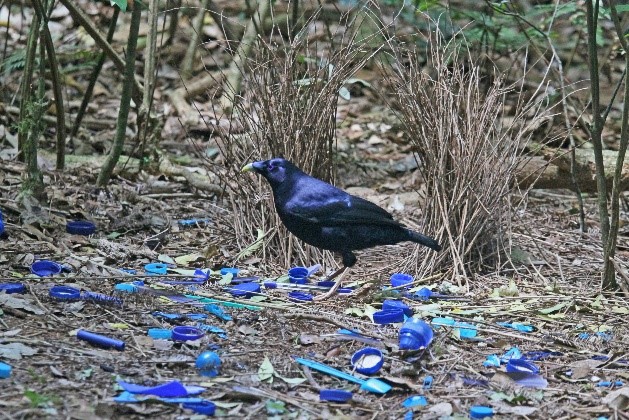
Photo by Joseph C Boone
https://en.wikipedia.org/wiki/Satin_bowerbird#/media/File:Satin_Bowerbird_at_his_bower_JCB.jpg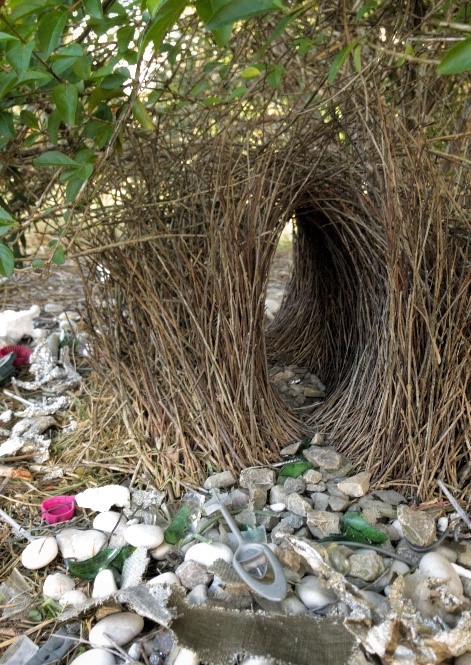
Photo by Allan Henderson
https://www.flickr.com/photos/88019192@N00/35514986355Kea:
Kea, sometimes referred to as the sheep killers, are a native parrot of New Zealand. They’ve been protected by the New Zealand Wildlife Act for several decades, but many people find them to be a nuisance because of their curiosity. Human machines and buildings can be damaged or destroyed by the Kea’s sharp beaks and inquisitive attitudes (Brejaart).
Slightly after sheep were introduced to New Zealand, the kea received a reputation for killing even though early numbers suggested that less than 5% of sheep were affected by the parrot. The government and private citizens established bounties in the late 1800s requesting kea’s beaks and heads, and these bounties continued until 1971 by which time an estimated 150 thousand keas were killed. Many researchers suggest that the death of sheep by non-kea causes were attributed to kea which lead to their villainous reputation (Brejaart).
So how does a bird kill a sheep? Keas are known to land on a sheep’s back before picking at the outer wool until reaching flesh. They feed on the sheep while the animals are still alive, but the ultimate cause of death for the sheep would be blood poisoning or the like (Brejaart).
Kea don’t just feed on live stock. In fact, a majority of their diet when under observation in Craigieburn Forest Park consisted of nuts and fruit (Brejaart). Below is a picture of a Kea, but if you would like to see something more graphic, look up ‘Kea feeding on Sheep’.
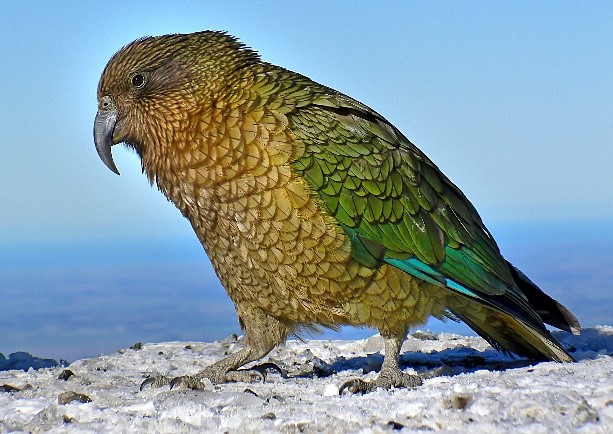
The Kea. Photo by Bernard Spragg
https://www.flickr.com/photos/volvob12b/9119203963Butcher Birds:
Butcher birds are another species with an especially interesting feeding habit. They take their prey which ranges from small fledglings to insects and kill them using tools before consumption. Some of their anatomy resembles that of other meat consuming birds including their beak, but they lack the talons to physically pull their food apart. This is where their unique actions come into play (Beal and Waldo).
Butcher birds take their prey and wedge it into the forks of branches (Marshall). This allows it to kill its prey or hold the prey in place while the bird pulls it apart with its beak. The most common prey are insects like grasshoppers and crickets with beetles coming in second. Depending on the species, the consumption of vertebrate (including birds, reptiles, and mammals) can range from 12% to 28% of prey (Beal and Waldo).
In times of plenty, some researchers suggest that the birds store extra food on sharp branches. The Australian counter part of the pied butcher bird is the Loggerhead shrike which impales its prey on wire and branches (Beal and Waldo).
Pictured below is a pied butcher bird, and you can also look up more graphic photos of their feeding habits.
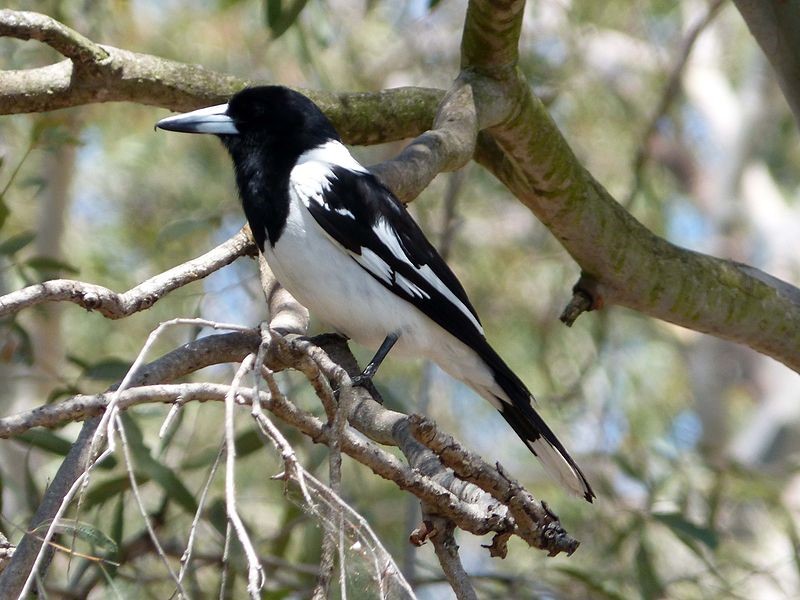
Photo by Gail Hampshire
https://commons.wikimedia.org/wiki/File:Pied_Butcherbird._Cracticus_nigrogularis_(15207948764).jpgMoa:
Moas, sometimes referred to as the elephant bird, are a large flightless bird ranging in weight from 45 lbs to 550 lbs. Unfortunately, they went extinct after Polynesian colonists arrived in New Zealand. Besides their incredible size, Moas are interesting because of the impact they had on natural scientists and their incredibly fast extinction after humans were introduced to their environment (Anderson).
Early scientists heard tales of moas ranging in height to about 16 and a half feet, and they constructed the fossils found to support these myths. Moas actually range up to 8 feet tall, which is still a significant height. Research also shows that the birds were wingless (Anderson).
Some people say that the moas have been romanticized through the ages, but you can decide that for yourself. Below is a drawing of what the moas looked like before their extinction.
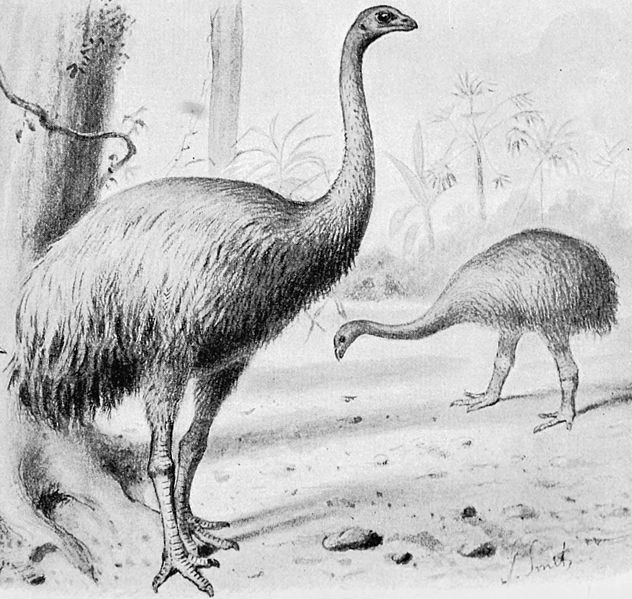
Picture by Joseph Smit
https://commons.wikimedia.org/wiki/File:Giant_moa.jpgPictures of me!
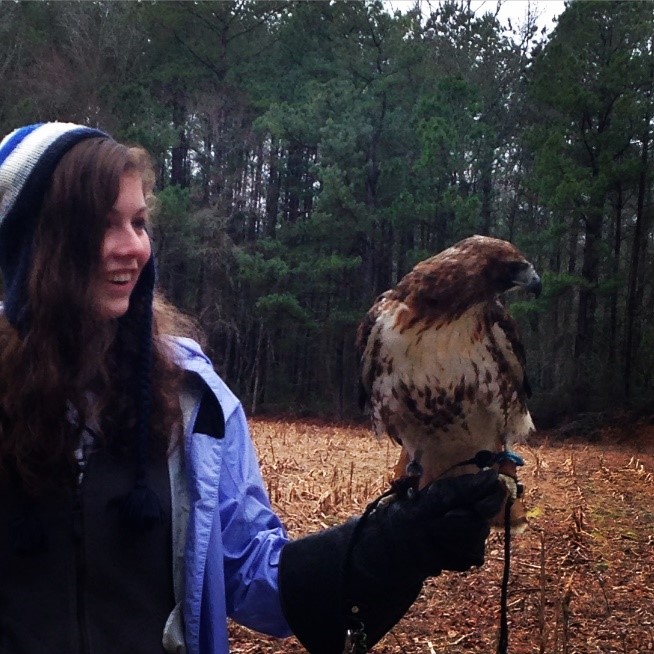
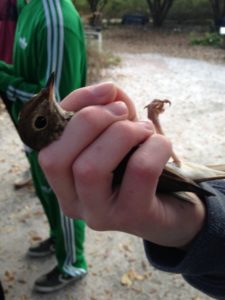
This is me when we took a red shouldered hawk to falcon. This means that we took the red shouldered hawk to a forest and released it—watching as it attempted to catch squirrels with its talons. Fun fact: you can use any bird of prey to falcon.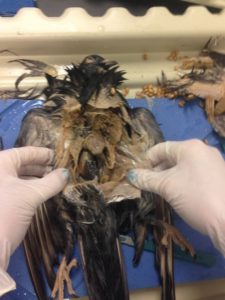
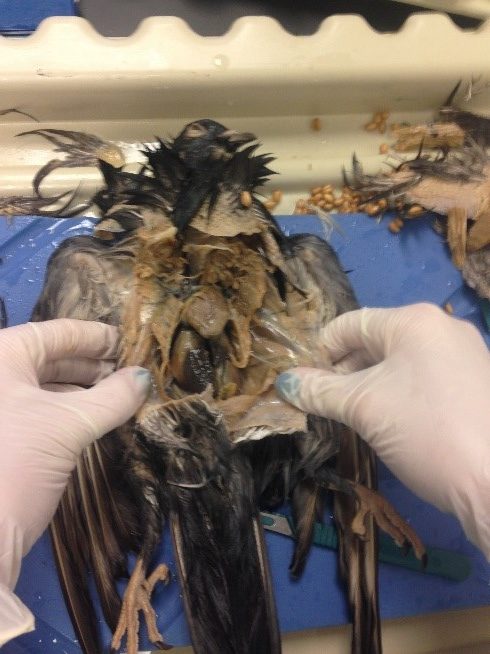
This picture is from when we dissected crows in the lab! It freaked me out a little at first, but once I opened the crow, it was really interesting.
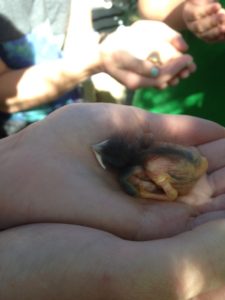
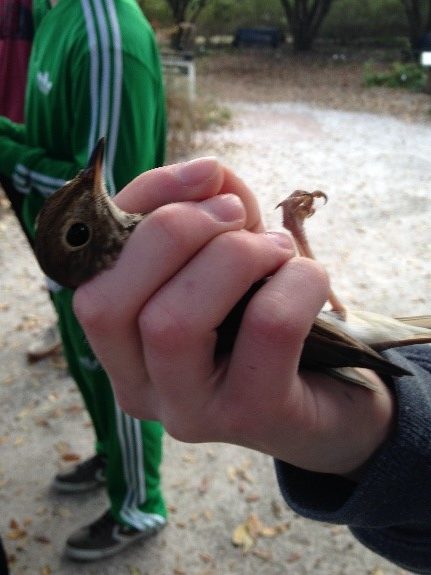
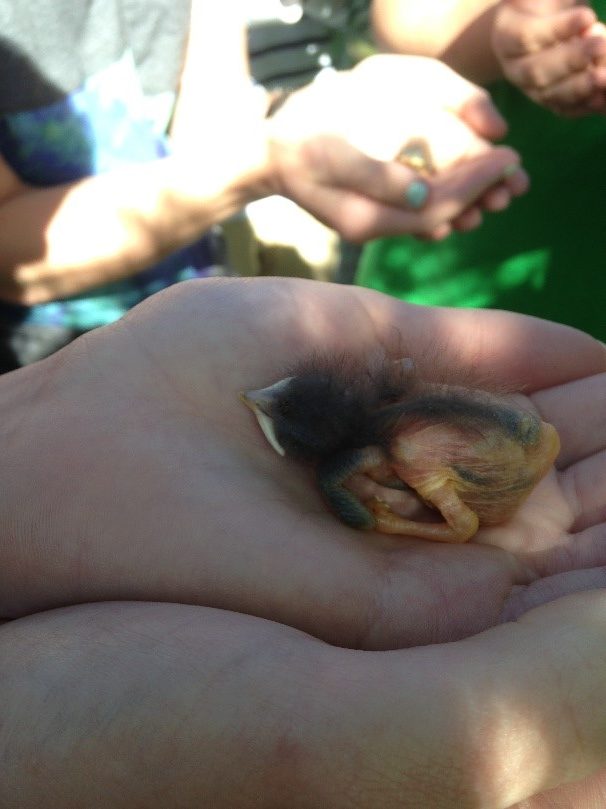
Blue birds make their nests in holes, so we had blue bird boxes around our campus. As a class, we would go around and periodically count the number of eggs in each box, and eventually we got to see the fledglings. It’s untrue that if you hold a baby bird or an egg that the mother will never come back.
Citations:
Anderson, Atholl. “Interest in Moas.” Prodigious Birds: Moas and Moa-Hunting in New Zealand, Cambridge University Press, 2003, pp. 2–3. https://books.google.com/books?hl=en&lr=&id=-Oo_kFo09VEC.
Beal, Foster and Waldo L. McAtee. “Southern Butcher Bird.” Food of Some Well-Known Birds of Forest, Farm, and Garden, U.S. Dept. of Agriculture, 1922, pp. 29–32, https://books.google.com/books?hl=en&lr=&id=OewYAAAAYAAJ.
Brejaart, Ria. “Diet and Feeding Behaviour of the Kea (Nestor Notabilis).” Diet and Feeding Behaviour of the Kea (Nestor Notabilis). 1998. Lincoln University, PhD disserataion.
Marshall, A. J. “Bower-Birds.” Biological Reviews, vol. 29, no. 1, Feb. 1954, pp. 1–45. doi:10.1111/j.1469-185x.1954.tb01395.x.
Marshall, David. “Stray Feathers: Feeding of Butcher-Birds.” The EMU, vol. 47, July 1947, pp. 68–69., www.publish.csiro.au/MU/pdf/MU947054r.
Payne, Robert B. “The Ecology of Brood Parasitism in Birds.” Annual Review of Ecology and Systematics, vol. 8, no. 1, Nov. 1977, pp. 1–28., doi:10.1146/annurev.es.08.110177.000245.
Rothstein, Stephen I. “A Model System for Coevolution: Avian Brood Parasitism.” Annual Review of Ecology and Systematics, vol. 21, 1990, pp. 481-508., doi:10.1146/annurev.es.21.110190.002405
-
Batty or Bacterial?
On The Origin of the Western Vampire
The myth of a devilish creature draining the life force (blood) of a community was brought to life by European peasants. In the 1730s, this being was dubbed “vampire”, which came from the Slavic word “vampir”. The story of the vampire was spread throughout Europe by Austrian conquerors, who observed Eastern European protection rituals, such as removing the organs from corpses, and became swept up in the terror. Eventually, European immigrants carried the legends of the vampire to America.
Bodily Basics
Superstitions and mythology originate from some kernel of truth, some observable phenomenon. What were all these people seeing that made them believe an undead body was preying on the living in the night?
Aspects of vampire mythology describe actual events that happen as a body decomposes. A corpse may appear to have “feasted” recently due to remaining liquid blood in the lungs being forced into the mouth. The appearance of a vampire victim as being “eaten” is typical of bloating that occurs during decay. The “screams” of a vampire is usually just gases escaping from the body. Additionally, bodies buried in colder areas may not appear decomposed at all, like the “living dead”. Taken together, it is easy to see why someone with no knowledge of the natural and scientific nature of these events would interpret them as supernatural.
Contagion Explanation
Vampire panics are not confined to a single spooky body. Over hundreds of years, small towns in America and Europe were terrorized by the idea that a vampire had come to turn family members and drain the community when in fact, these towns were being terrorized by outbreaks of contagious diseases.
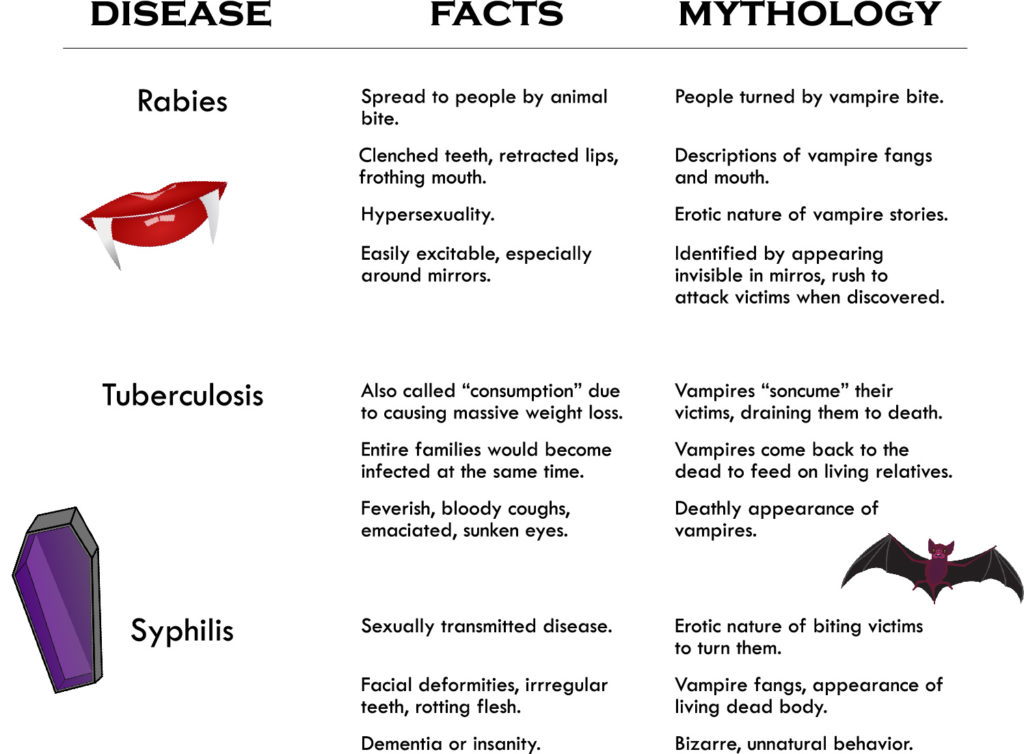
Similarities between some contagious diseases and common vampire mythology.
Sources:
Tucker, A. (2012, 10). THE GREAT NEW ENGLAND VAMPIRE PANIC. Smithsonian, 43, 58-65. Retrieved from http://prx.library.gatech.edu/login?url=https://search.proquest.com/docview/1086342252?accountid=11107
Hammer, K. O. (2005). Vampires: The dark fantasy of the 18th and 19th centuries (Order No. 1449350). Available from ProQuest Dissertations & Theses A&I: Literature & Language; ProQuest Dissertations & Theses Global: Literature & Language. (305363212). Retrieved from http://prx.library.gatech.edu/login?url=https://search.proquest.com/docview/305363212?accountid=11107
Burcum, J., & Writer, S. (1998, Oct 28). Putting the undead to rest // researchers have tried to shed light on the vampire myth, saying the horrific blood feasters were merely the victims of rabies, blood disorders or superstitious imaginations. Star Tribune Retrieved from http://prx.library.gatech.edu/login?url=https://search.proquest.com/docview/427048134?accountid=11107
-
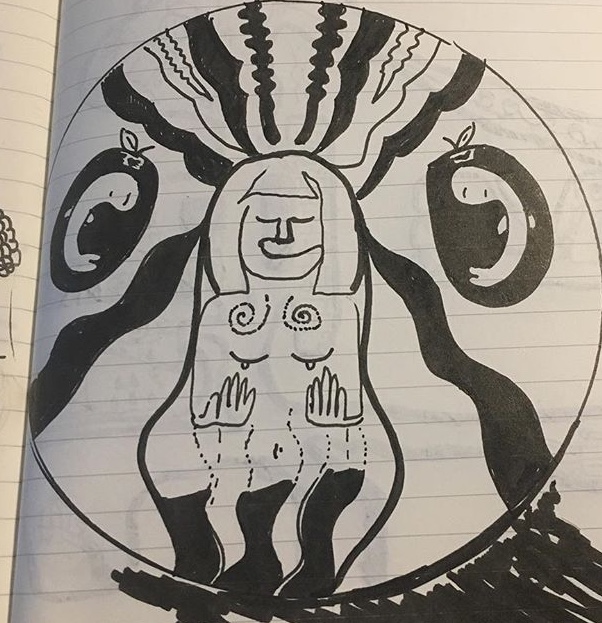
How The Science of Neuroplasticity Can Help You
What is Neuroplasticity?
Neuroplasticity seems like something a person would read about in a science-fiction novel. How can the brain, a seemingly unchanging mass of brain-goo, be constantly re-modelling and changing itself? As crazy as it seems, research has shown that throughout a person’s life, even as a person reaches adulthood, there are parts of the brain that remain “plastic” or moldable. For example, if a person loses their sight, the neurons associated with sight are re-wired to be used for other senses, such as touch or hearing. Although a child’s brain exhibits more neuroplasticity, the adult brain is still surprisingly flexible. This is specifically relevant to students, who use the brain’s natural ability to change for their own benefit.
The Student Guide to Revamping Their Brain
Feel less stressed, get better sleep, and feel more in control of your life!
1.Meditation
For most of neuroscience’s history, scientists believed that the brain was fixed or set. However, we now know that the brain changes itself in response to experiences, stimuli, thoughts, and the environment. Rather than being a static machine, the brain is constantly processing information and making new neural connections and letting old ones die. Evidence for this phenomena comes from the effect of meditation on the brain. Richard Davidson, a researcher from the University of Wisconsin, studied the effects of both short and long-term meditation practices. The researcher found that the meditator brain’s were different from the non-meditator brain’s. Not only did individuals who meditate feel less stressed, depressed, and more content, their actual brain showed differences too! On average, those who had a consistent mediation practice had more gray matter, which has been linked to mood control and decision making.
2. Exercise
If you need another reason to exercise, look so further! Exercise has been shown to not only increase spatial memory, but it promotes the generation and growth of neurons. People that exercise consistently have been shown to have a higher grey matter mass, especially grey matter associated with cognitive control. So, if you exercise, you might think and function better!
3. Change Your Thoughts
Although it’s surprising to think about, but the way we think can have an effect on our physical brain. When you think a thought, the brain forms a neural pathway. When you think that thought again, the neural pathway grows stronger. It is similar to the way a canyon is formed. Water flows through a canyon for years, making the path deeper and wider. Thought is powerful. When a person believes something, it has a physical manifestation in the brain. If a student believes that they can never be good at math, they will form a mental block. However, if they practice doing math, their brain will form a mini “map” for math and they will get better at it. The way we think can shape our worldview, what we do, and how we behave. It is good to be aware of that, even though a large part of our thoughts are not in our conscious awareness.
Citations:
Doidge, N. (2017). The brain that changes itself: Stories of personal triumph from the frontiers of brain science. Strawberry Hills, NSW: ReadHowYouWant.
Lutz, A., Greischar, L. L., Rawlings, N. B., Ricard, M., & Davidson, R. J. (2004). Long-term meditators self-induce high-amplitude gamma synchrony during mental practice. Proceedings of the National Academy of Sciences, 101(46), 16369-16373. doi:10.1073/pnas.0407401101
Begley, S. (2007, January 19). How Thinking Can Change the Brain. Retrieved from https://www.wsj.com/articles/SB116915058061980596
-
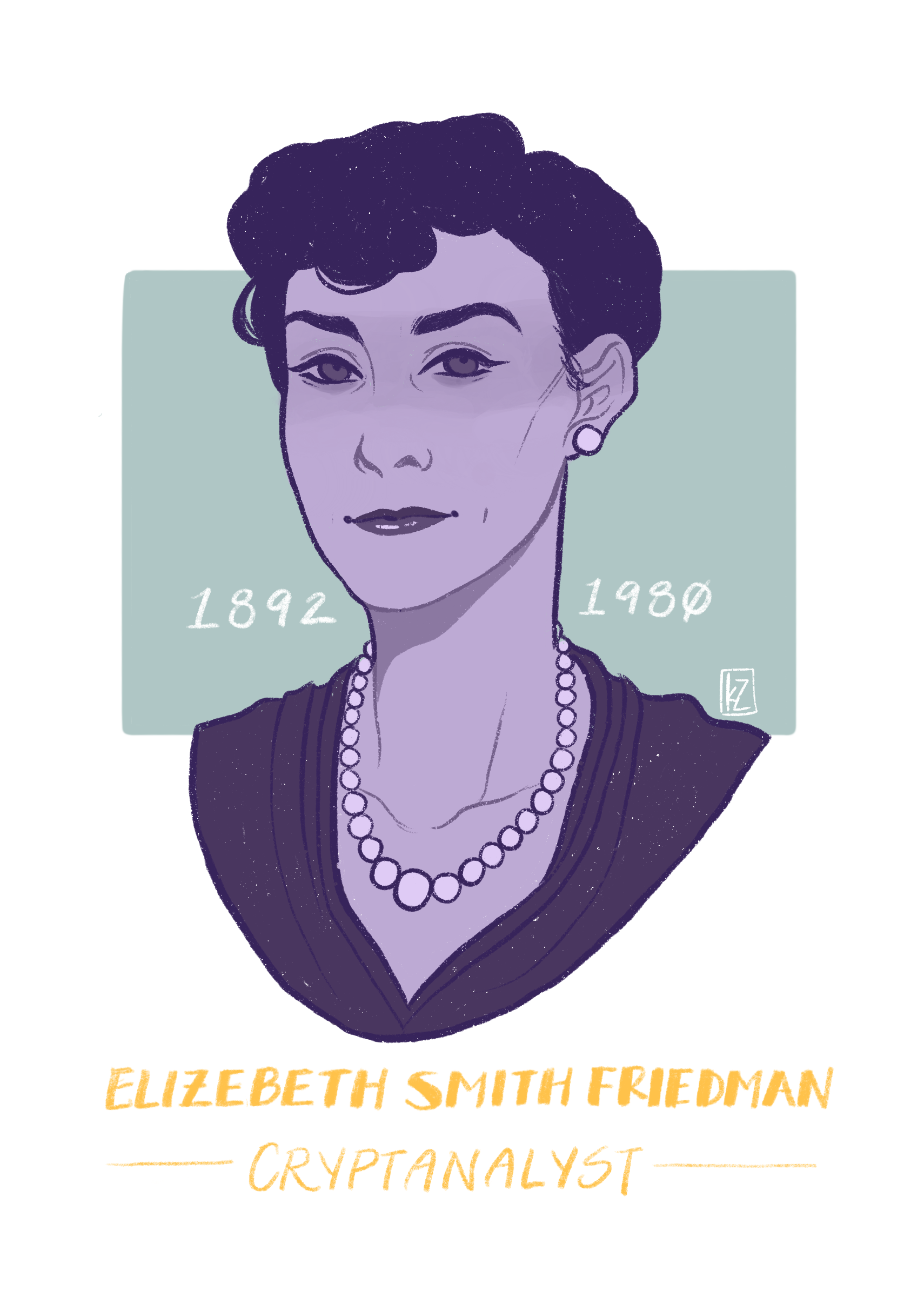
Elizebeth Smith Friedman: A Forgotten American Hero
An illustrated tribute to the most brilliant code-breaker you’ve never heard of.
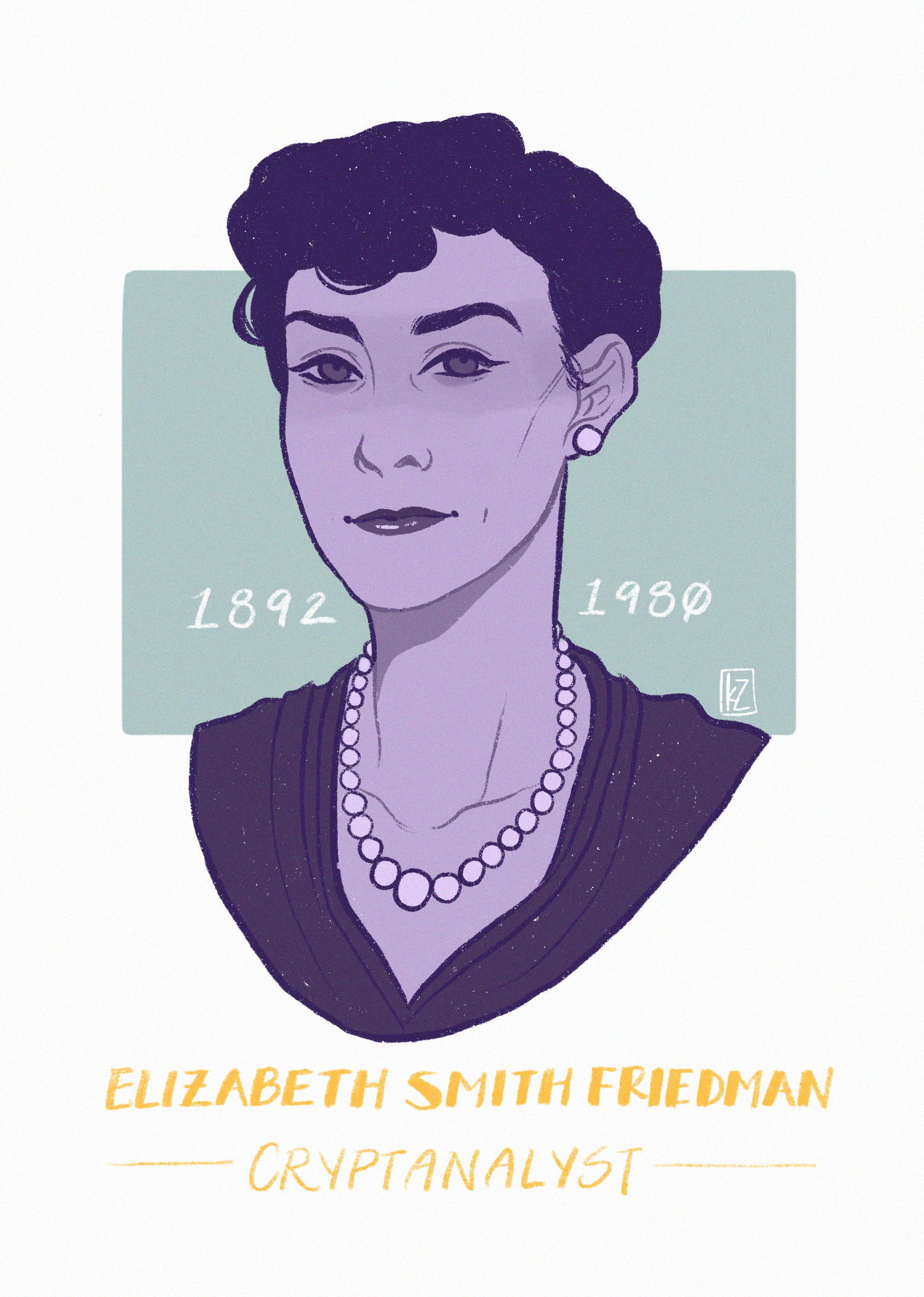
Ever since reading The Woman Who Smashed Codes by Jason Fagone, I have been fascinated by the life of Elizebeth Smith Friedman, a woman who was by all means a pioneer and an American hero. Despite founding one of the first facilities dedicated to the study of cryptography in the U.S. and pioneering many of the foundational principles and techniques still used in code-breaking today, much of her accomplishments were overshadowed by her husband and much of her work was hidden away in government vaults. The more I learned about her and her contributions to US war efforts, espionage, and domestic crime–including cracking difficult Enigma machine and JN25 codes, decoding rum-runner messages during Prohibition, and deciphering encoded letters containing naval movement in preparation for the Pearl Harbor attacks–the angrier I felt. I felt angry for her being forgotten in the annals of history, angry as a woman. It felt reprehensible to me that, due largely in part to sexism, her incredible story had been overlooked for so long. While an illustration drawn by some random college student in Georgia is far from the praise and recognition she deserves, I hope to convey my feelings of gratitude and admiration for her brilliance, no matter how insignificant the gesture.
-
The Science of Hand Dryers
Do you consciously consider the most sanitary way to wash your hands while washing them? According to the Centers for Disease Control and Prevention (the CDC), the correct process for washing your hands is (1) wet your hands, (2) apply soap, (3) scrub for at least 20 seconds, (4) rinse, and finally (5) dry your hands with a clean towel or air dry them. Air drying your hands is an easy, environmentally-friendly way to dry your hands. However, is there even any point to washing your hands in the first place if you’re just going to air dry them after? To put it simply: no.
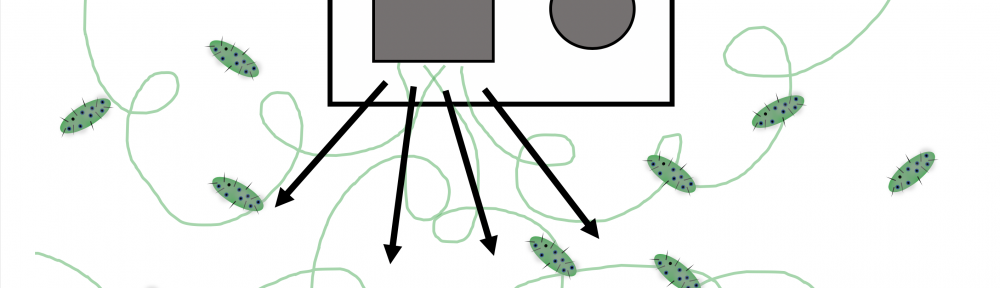
Every time you flush the toilet, bacteria as well as fecal matter is shot into the air, reaching heights of 15 feet. This is then sucked into the air dryers and blown onto your hands (Cassella). This type of fecal bacteria can cause diseases (Mayo Clinic).
An experiment was conducted at the University of Connecticut. Petri dishes were placed in bathrooms, one away from the air dryer and one under the air dryer. The one away from the air dryer had approximately one bacterial colony present, while the one exposed to 30 seconds of air dryer air had approximately 18 to 60 bacterial colonies per plate.
If you can’t use hand dryers, what should you use instead? According to the Mayo Clinic, “from a hygiene viewpoint, paper towels are superior to electric air dryers.” When you rub the paper towels against your wet hands, they create friction, which helps in removing germs (Petri). The Mayo Clinic also concluded that people preferred paper towels over air dryers – 55 percent preferred paper towels in 2009.
What if paper towels are not an option? Which option results in less bacteria – an air dryer or not drying your hands at all, considering the wetness of your hands can increase the survival of bacteria? The Mayo Clinic performed a study on the cleanliness of air dryers comparing the bacteria on your hands before and after air drying, and the air dryers increase the number of bacteria on your hands.
To conclude, avoid air dryers at all costs, unless you enjoy coming out of the hand-washing process more dirty than when you started.
Resources:
Are Hand Dryers Sanitary? (n.d.). Retrieved from https://www.kidzsearch.com/kidztube/are-hand-dryers-sanitary_b338e6e4f.htmlCassella, C. (n.d.). Here’s The Gross Truth About Bathroom Hand Dryers. Retrieved from https://www.sciencealert.com/bathroom-hand-dryers-spread-bacteriaCDC Features. (2018, October 11). Retrieved from https://www.cdc.gov/features/handwashing/index.htmlPerez, C. (2018, February 08). Viral Facebook post has people thinking twice about using hand dryers. Retrieved from https://nypost.com/2018/02/07/viral-facebook-post-has-people-thinking-twice-about-using-hand-dryers/Petri, A. (2012, December 14). The paper towel-hand dryer wars are over. Retrieved from https://www.washingtonpost.com/blogs/compost/wp/2012/12/14/the-paper-towel-hand-dryer-wars-are-over/?noredirect=on&utm_term=.96765f857320



.jpg)