Category: Articles

  • Unusual Units of Measurement

    Unusual Units of Measurement

    Unusual Units of Measurement

    As early as kindergarten, we are taught to measure things here in the U.S. using inches, feet, and centimeters. Later we are taught that volume is measured in cubic meters (m^3), and that time is measured in hours or minutes in a day.

    Have you heard that there’s such thing as a measurement of “cow’s grass”? Or how about a “shake” of time? Discover some unusual measurements of length, area, volume, and time below!


    LENGTH:


    Siriometer
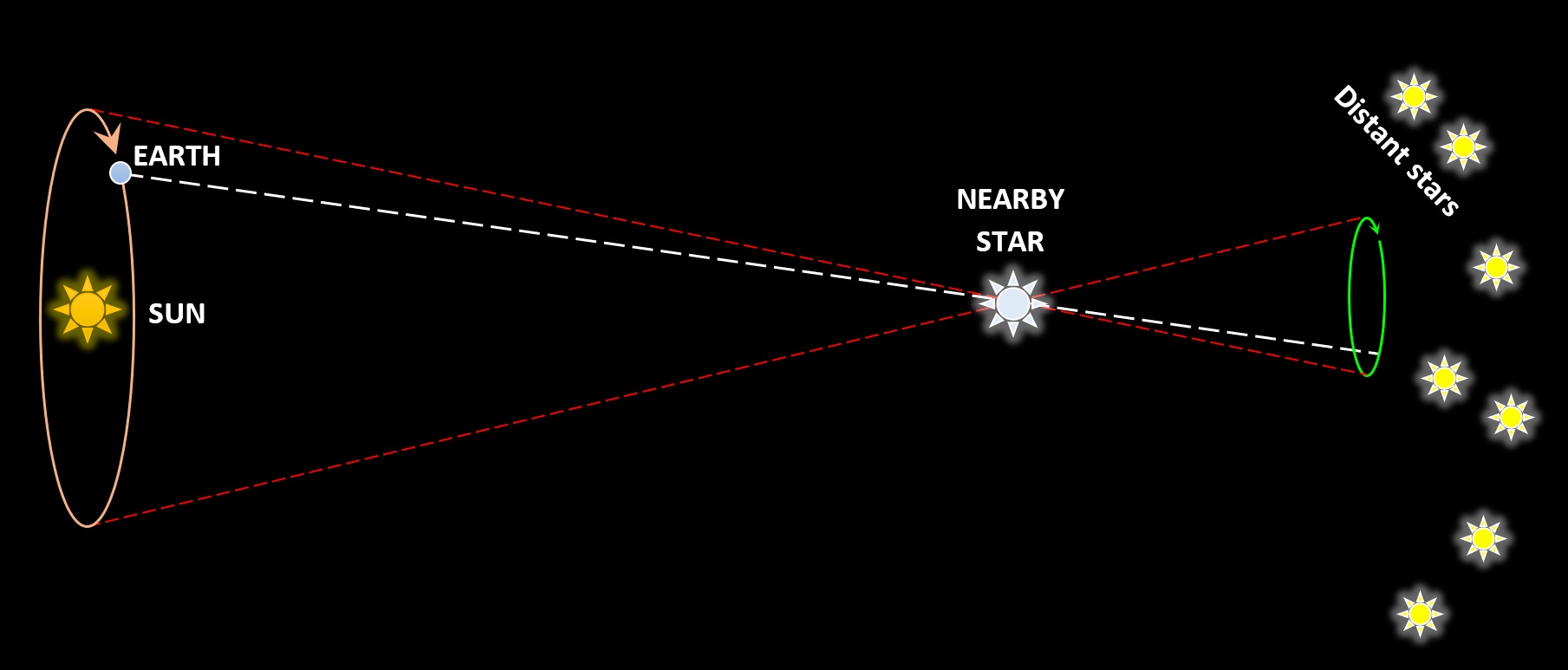
    A diagram measuring the distance between earth and a                                           nearby star.

    The siriometer is a rarely used astronomical measurement. It is equivalent to 1 million astronomical units — which is equivalent to 1 million times the average distance between the Earth and the Sun. This distance measures to about 15.8 light years, or 4.8 parsecs, and is roughly twice the distance from Earth to the star Sirius.


    Horse

    A smiling horse.

    Horses are used to measure distances in horse racing. A “horse” length is equivalent to 8 feet (or 2.4 meters). When measuring shorter distancing, they are measured in fractions of “horses”, and other common measurements are that of a full or fraction of a “head”, “neck”, or a “nose”.


    AREA:

    Cow’s grass

    A lovely cow in a luscious, green field.
    Before the 19th century in Ireland, a “cow’s grass” was a measurement used by farmers to specify the size of their fields. It was equivalent to the amount of land that contains enough grass for a cow to sustainably munch on.


    Barn

    A red barn.

    No, not that kind of barn! One barn is equivalent to 10−28 square meters, which is roughly the size of the cross-sectional area of a uranium nucleus; definitely much smaller than a barn pictured above. The name “barn” for this measurement likely comes from early neutron-deflection experiments, when the uranium nucleus was described as being “big as a barn” and the phrase “hit a barn door” were used. Barn measurements are typically used for cross sections in particle and nuclear physics.


    VOLUME:

    Cord and rick

    A cord of wood.

    The cord is a unit of measurement used in the US and Canada for dry volume to measure things such as pulpwood and firewood. A cord is equivalent to such an amount of wood that when the arranged to be aligned, parallel, and touching and compact, has a volume of 128 cubic feet. Correspondingly, this yields a well-stacked woodpile that is 4 feet deep by 4 feet high by 8 feet wide. A “rick” is an even more unusual measurement for firewood, and it is stacked 16 inches deep by 4 feet high by 8 feet wide — which is typically 1/3 of a cord.


    TIME:

    Shake
    A delicious-looking                shake!

    Wait, not that kind of shake! In term of measurements, the shake is used in astrophysics and nuclear engineering. It is defined as 10 nanoseconds. Call that a shake in time!


    Jiffy

    Mmmm, peanut butter..

    Sorry, we are not talking about peanut butter in this case! The “jiffy” is used in computing, and is the duration of one tick of the system timer interrupt. This is usually equivalent to 0.01 seconds.


    I hope you enjoyed learning about those abnormal units of measurement. There are plenty others that are used, such as dog years! Hmmm.. Which makes me wonder, is there such thing as cat years?


    Sources:

    https://en.wikipedia.org/wiki/List_of_unusual_units_of_measurement
  • Music & Emotions: A Series (Part 2 – Amusing)

    Music & Emotions: A Series (Part 2 – Amusing)

    Album Songs:

    1. The Streetbeater (Sanford and Son Theme) – Quincy Jones
    2. Grass Land – Super Mario Bros. 3 (Koji Kondo)
    3. Sugar Zone – Silent Partner
    4. Frolic (Curb Your Enthusiasm Theme) – Luciano Michelini
    5. The Good Egg (Warner Bros Cartoons) – The Carl Stalling Project
    6. Benny Hill Theme – James Rich, Randolph Boots, Leslie Mark Hill
    7. I Write Sins Not Tragedies – Panic! At The Disco
    8. Jockey Full of Bourbon – Joe Bonamassa
    9. Issues – Julia Michaels
    10. Love and Happiness – AI Green


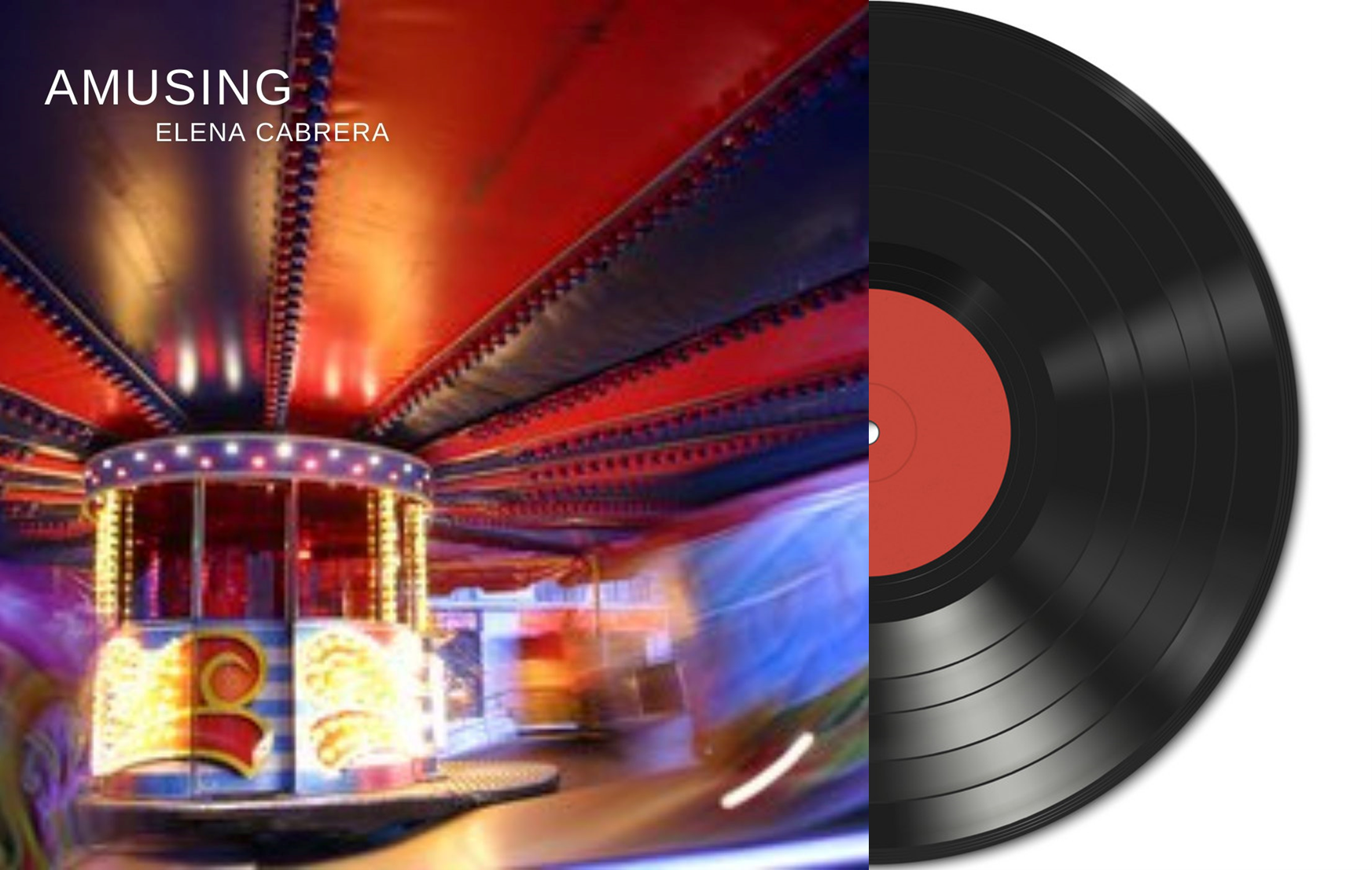
    Welcome to Music and Emotions: A Series (Part 2)! In this part, we continue our series with the category of “Amusing.” For a quick recap, an interesting study conducted by professors at the University of California Berkeley was conducted on how music evokes different emotions (Cowen et al., 2020). They decided upon 13 categorizations of music, one of which was “amusing.” Within this study, the researchers had participants from the US and China listen to over 2,000 music samples and report the specific feeling they felt (“angry, “dreamy,” etc.) as well as the broad affective features they noticed (valence, arousal, etc.). This allowed them to create a pool of data which they analyzed with large-scale statistical tools in order to identify 13 distinct types of subjective experiences attached to music among both cultures (Cowen et al., 2020). All of the songs included in the above album were utilized in this study and were some of the songs that participants most frequently categorized as “amusing.”


    In this study, it was found that emotions such as “amusement” and “triumph” were among those that were better translated cross-culturally. They tested both American as well as Chinese individuals which led them to this conclusion. It was also suggested that the categories dealing with subjective experiences, including “amusement,” may be more directly related to the music itself, meaning that certain features may be analyzed in a more culture-specific way among these (Cowen et al., 2020).


    As mentioned previously, they decided upon 13 categories and even included an interactive audio map where you can go in and see all of the songs used and see how you match up. Here you can also toggle through the USA and China participants to see the cross-cultural translation of music and emotions.  Stay tuned for the next part of this series where I will create an album on the “Indignant/Defiant” category! Comment below any songs you may think hit the mark for the “Amusing” category and how you matched up to others in the interactive audio map!


    Bibliography:

    Cowen, A. S., Fang, X., Sauter, D., & Keltner, D. (2020). What music makes us feel: At least 13 dimensions organize subjective experiences associated with music across different cultures. Proceedings of the National Academy of Sciences, 117(4), 1924–1934. https://doi.org/10.1073/pnas.1910704117 

  • Reflection on CS4641 Project

    Reflection on CS4641 Project

    Introduction

    When my professor assigned a new project in my CS 4641 class, Machine Learning, I felt panic begin to set in. All I could think of was my unpleasant experience from a couple weeks back. I had never coded for any machine learning project, so when I attempted the first coding project two days before it was due, it did not go smoothly. I had a meltdown because it was all so new and foreign to me and even the coding environment we had to use (Google Colab) was extremely confusing to me. In hindsight, I definitely should not have waited until the last minute to begin the massive project; I had let procrastination win. I had to find a way to turn the situation around, and quickly! 

    Now what?

    With less than two days left before the project deadline, there was no way I could finish the entire thing. Luckily for me, our class is allowed to utilize up to three late days on any assignment throughout the semester. I could finally take a breath and concentrate on the task at hand. Seeing that I had no clue whatsoever how to begin the project or even wrap my head around the concepts meant that I obviously needed to seek outside help. I went over to my professor’s website for the class and located the TA office hours guide on Piazza and signed up for every single office hour possible. In total, I was planning on going to seven different TA’s office hours during the rest of the week. 

    Struggling through the Process

    From there, I put my head down and worked until I could not stand the sight of my computer screen. I woke up early and went to bed late working continuously on the project. Thanks to the late days, I had time to go through the project step by step and write down every question I had. With these questions, I went to a bunch of office hours and learned from every single session with all the different TA’s. Through the non-stop work and meetings, I ultimately got my code to perform the desired outcome. That moment could have very well been the happiest I have felt this entire semester. The utter relief I had when it was all over was insurmountable. I had finally finished the monstrous project that I had put off for so long. 

    Conclusion

    Clearly, the biggest lessons learned here were that when a professor tells you not to start the homework late, listen to them and never be afraid to seek out help. I should never be embarrassed to ask any question I have because there are so many resources out there from GT to help.  Plus, once I eventually understood the machine learning project, it was super cool to see it work in action! 

  • Racing Rats’ Impact on Mental Health

    Racing Rats’ Impact on Mental Health

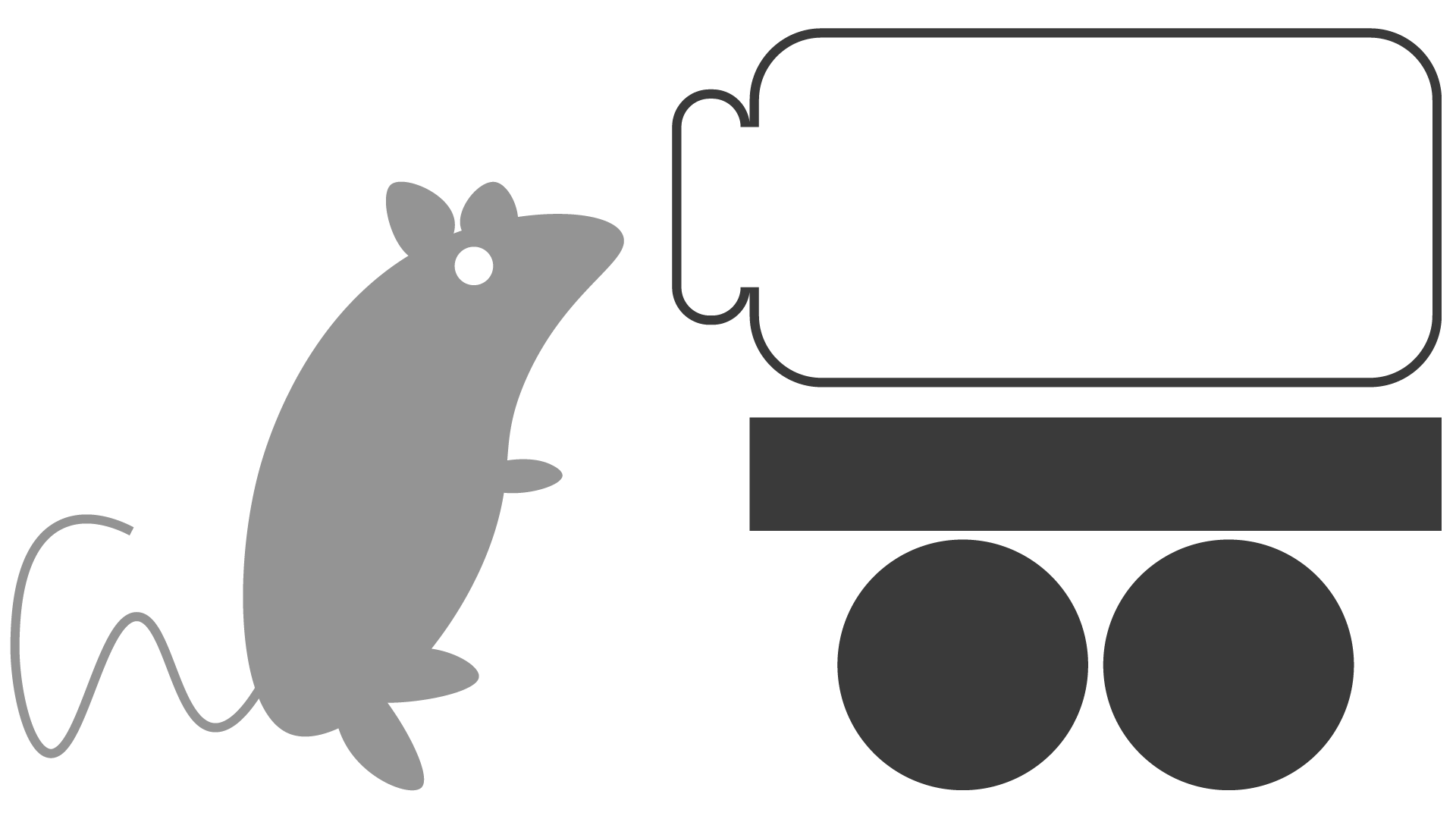
    A cartoon rat examines a rodent operated vehicle.Introduction

    The authors of “Enriched environment exposure accelerates rodent driving skills”, published in Behavioral Brain Research, conducted an experiment intended to study the impact of the environment on the efficacy of stress-releasing mental health treatments in lab rats. This study aimed to see how an enriched environment, both socially and intellectually, promotes stress relief while doing fun activities. The process for teaching the rats to drive the rodent operated vehicles (known as ROVs) also has implications for the importance of enrichment in how service dogs are trained.

    Study Summary

    There were two groups of rats that participated in this study. The control group of rats lived in a standard environment for laboratory rats, in standard laboratory cages, each with one other rat. The experimental group of rats lived in housing with an enriched environment. These rats got multiple rat friends, rat toys to keep them occupied, and multi-level housing.

    The study began with a “training period”, where rats in both groups were taught by operant conditioning how to drive the ROVs. While the authors of the study expected the rats living in standard housing to perform worse than the other rats, they were shocked at how much worse they performed. The authors noted that the control group rats failed to perform even “basic” tasks in driving the ROVs.

    After the training period (in which food rewards were used to encourage the rats to drive), both groups of rats continued to drive the ROVs even in the absence of rewards. However, rats living in enriched housing drove the ROVs without treats for a longer period of time than the rats living in standard housing. Throughout the study, the scientists measured the levels of hormones that were indicative of the rats’ ability to handle stress. Both groups showed an improved ability to handle stress as a result of ROV driving, but the enriched housing rats showed a significantly larger benefit than the standard housed rats.

    Conclusion

    This investigation shows that the environment of an animal has a significant impact on the effect of stress relieving interventions. The authors suspect that the enriched rats were more able to learn new behaviors (driving the ROVs) as a result of experiencing a wider variety of behaviors in their enriched home environments. The results of this study have interesting ramifications on the optimal conditions for other animals who will be undergoing rigorous training. Additionally, this study demonstrates how a good environment that has opportunities for social connection and mental challenges is beneficial in mental health treatment.

    References

    Crawford, L. E., Knouse, L. E., Kent, M., Vavra, D., Harding, O., LeServe, D., Fox, N., Hu, X., Li, P., Glory, C., & Lambert, K. G. (2020). Enriched environment exposure accelerates rodent driving skills. Behavioural Brain Research, 378, 112309. https://doi.org/10.1016/j.bbr.2019.112309

  • ‘Vampire Facials’: Viable or Just Bloody Gross?

    ‘Vampire Facials’: Viable or Just Bloody Gross?

    To pursue beauty, people will use makeup, creams, and even plastic surgery. But, would you spread your own blood on your face?

    Wait, Your Own Blood?

    Earlier this year, these treatments, known as ‘blood facials’ or ‘vampire facials’ became well known due to celebrities such as Kim Kardashian posting about their rejuvenation effect on social media. Quickly, this sparked a debate over whether these treatments were handy or horrific. And who knows if they even work?

    Well, Do They Work?

    These vampire facials are actually known clinically as protein-rich plasma (PRP) treatments. First, your blood is drawn, then spun through a centrifuge. The high force makes the blood separate into three layers: red blood cells at the bottom, liquid plasma at the top, and a cloudy layer called the “serum portion” in the middle that contains the protein-rich plasma. After processing the PRP, it is ready for treatment. Treatment can include injecting it under the skin the way one would inject fillers, or it can be applied like a face mask. If the PRP is applied, it can be combined with a procedure like microneedling or microabrasion, which open up little holes and cracks in the skin to help the plasma absorb into the face. The dermatologists who perform them promise effects like reversal of hair loss, increased collagen production, and glowing skin. 

    Just a Selling Point?

    While there aren’t many clinical studies on these effects yet, PRP treatments have actually been used for healing joint and muscle injuries. They can speed up cell regeneration for a variety of sports injuries and even alleviate chronic tendonitis pain. The process is quite similar to how vampire facials work. The platelet-rich plasma is just injected or applied onto the skin of the area that needs to grow back.

    Tell Me More!

    For both the cosmetic and medical treatments, the plasma is full of platelets. In the blood, they help it clot when you get a cut. They contain alpha granules that have growth factors in them. These growth factors act as chemical messengers to promote cell division and growth. This also includes producing more proteins such as collagen, which provides structure to the body. So, they can help a torn ACL reform or cause cheek cells to multiply and plump up a face. Since PRP is minimally invasive and has few risks, it can be a good option for patients who have a variety of treatment goals.

    If You’re Still Wrapping Your Head Around It All, You’re Not Alone!

    Many people can get put off by this bloody procedure. On the surface, it sounds like yet another one of those beauty gimmicks that seems to exist only to trick the wealthy out of their money. But astonishingly, protein-rich plasma treatments have a basis in regenerative medicine. In reality, the worlds of beauty, science, and medicine can be very intertwined. When these disciplines learn from one another, interesting and helpful things can happen. What other examples of this other than vampire facials can you think of?

    In any case, happy (belated) Halloween. Remember, your blood is very, very precious.


    Citations

    Abelman, D. (2021, August 5). What Exactly Is a Vampire Facial? . Allure. Retrieved November 1, 2021, from https://www.allure.com/story/vampire-facial-prp-treatment-guide.

    Platelet-rich plasma (PRP) injection: How it works: HSS. Hospital for Special Surgery. (n.d.). Retrieved November 1, 2021, from https://www.hss.edu/condition-list_prp-injections.asp.

    Setayesh, K., Villarreal, A., Gottschalk, A., Tokish, J. M., & Choate, W. S. (2018, December). Treatment of muscle injuries with platelet-rich plasma: A review of the literature. Current reviews in musculoskeletal medicine. Retrieved November 1, 2021, from https://www.ncbi.nlm.nih.gov/pmc/articles/PMC6220013/. 

  • Psych Comic Interlude

    Psych Comic Interlude

    Psychology Comics Interlude

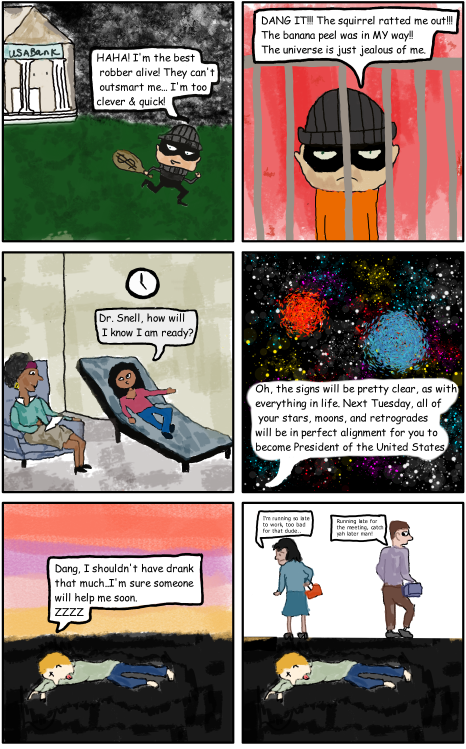
    Psychology is one of the most relevant and interesting science fields that pertain to humans. Psychology is the science of mind and behavior, and it includes the study of conscious and unconscious phenomena, as well as our individual feelings and thoughts. Enjoy these entertaining comics that consist of a definition of the specific psychology concept being portrayed!

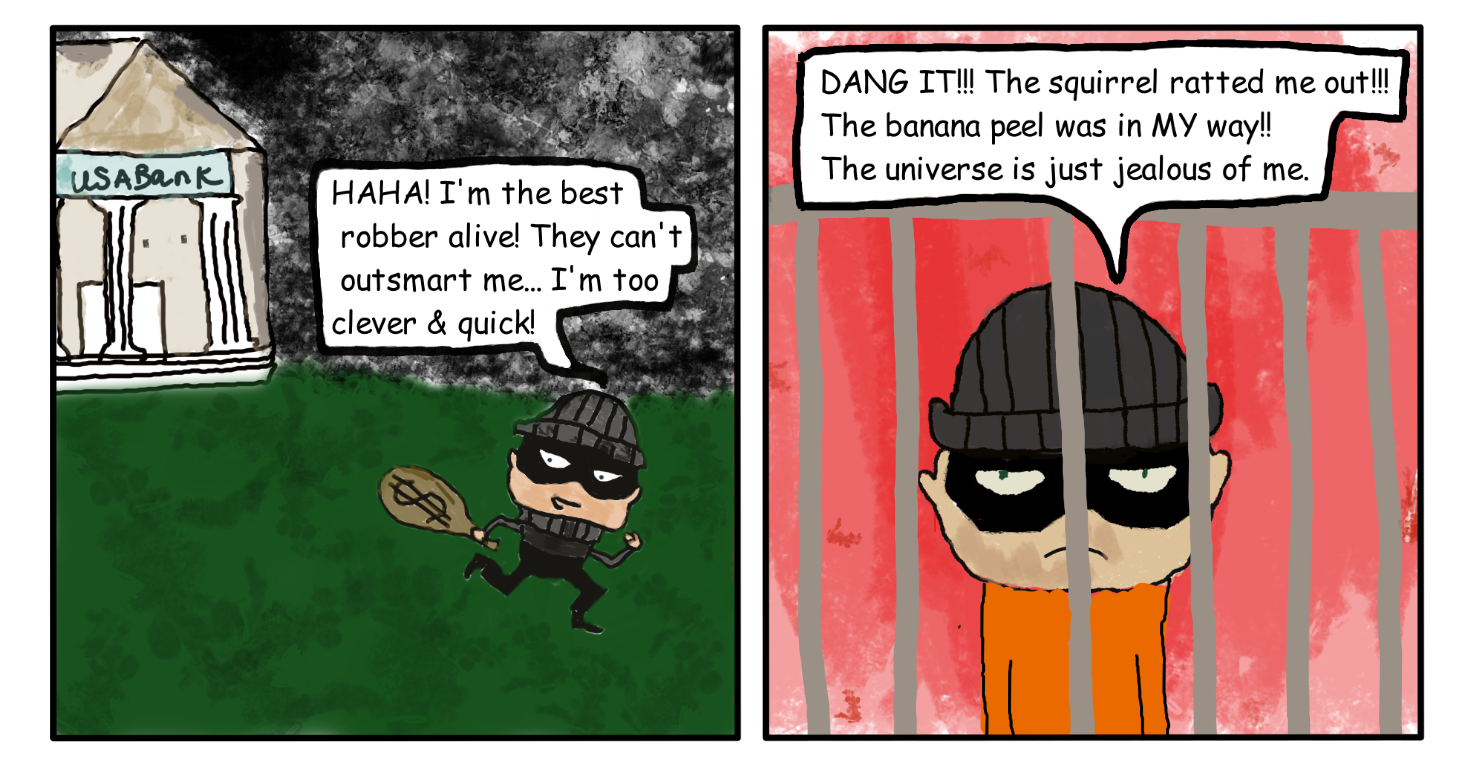
    Self-serving Attributional Bias– The tendency to attribute failure and other unfortunate events to external circumstances (i.e.: bad weather) and to attribute success and fortunate events to oneself (i.e: “I’m so smart!”).

    When it comes to self-serving attributional bias, the locus of control (LOC) comes into play. The concept of locus of control refers to a person’s belief system about the causes of events, and their attributions. The two categories of LOC are: internal and external.

    If a person has an internal LOC, they’ll assign their success to their own hard work, talent, effort, or persistence. However, if they have an external LOC, they’ll credit any success to luck, their zodiac sign, or something external of themselves. Those who are more likely to display self-serving bias, especially when it comes to achievements, are people with an internal LOC.

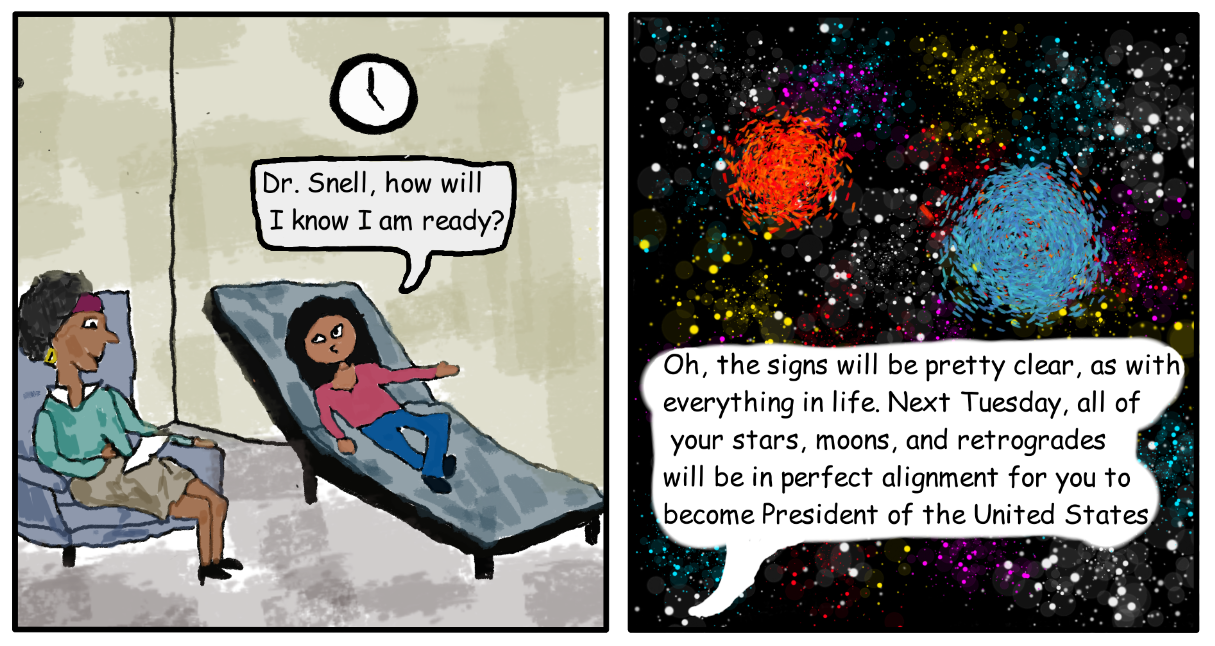
    Illusory Correlation– The belief that two variables are correlated when in fact they are not

    When it comes to illusory correlation, this is our tendency to use information that comes to mind quickly and easily when making decisions about the future. The availability heuristic is the pairings of two variables that come to mind easily and are seen as correlated. For example, gluten intolerance and ice cream are mentioned together often, so this might cause us to think they are correlated when they aren’t. The comic above makes light of how horoscopes can sometimes be attributed to the reasons or events that occur to people.


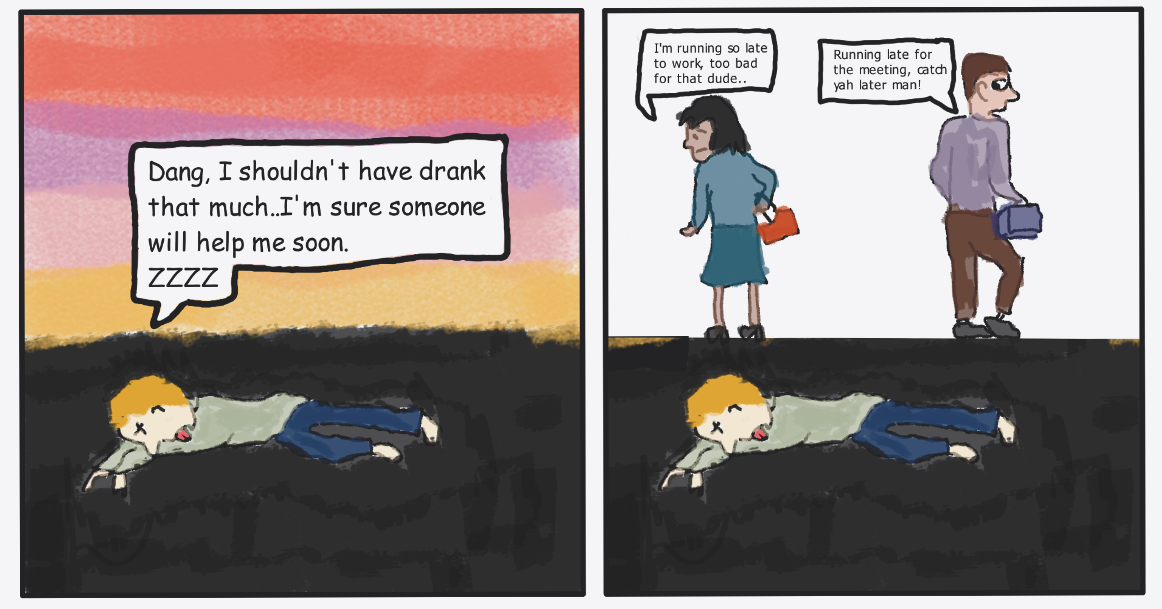
    Good Samaritan Effect– Time (especially under pressure) is one external factor that prevents people from helping another person.

    The Good Samaritan Effect in psychology shows us that time is an example of one external factor that prevents people from stepping in and helping another person. If you are under pressure to be somewhere or do something, you are less likely to help someone. 


    Source(s)

    Gilovich, T., Keltner, D., Chen, S., & Nisbett, R. E. (2015). Social Psychology (5th ed.). WW Norton & Co.

    Herndon, J. (2018, May 31). Self-serving bias: Examples, definition, and experiments. Healthline. Retrieved October 1, 2021, from https://www.healthline.com/health/self-serving-bias.

  • Music & Emotions: A Series (Part 1 – Scary/Fear)

    Music & Emotions: A Series (Part 1 – Scary/Fear)

    Album Songs:

    1. Flow – Peder B. Helland
    2. FSO – Jaws “The Shark Theme” – John Williams
    3. Halloween 1978 (main theme) – John Carpenter
    4. The Murder – Bernard Herrmann
    5. Crawling – Linkin Park
    6. Toccata in D Minor – Bach (1709)
    7. The End (It’s Near) – Noctilucant
    8. Pier to Nowhere – Charlie Spring
    9. Emperor’s New Clothes – Panic! At The Disco
    10.  Piano Concerto 1 in B Flat Minor – Tchaikovsky


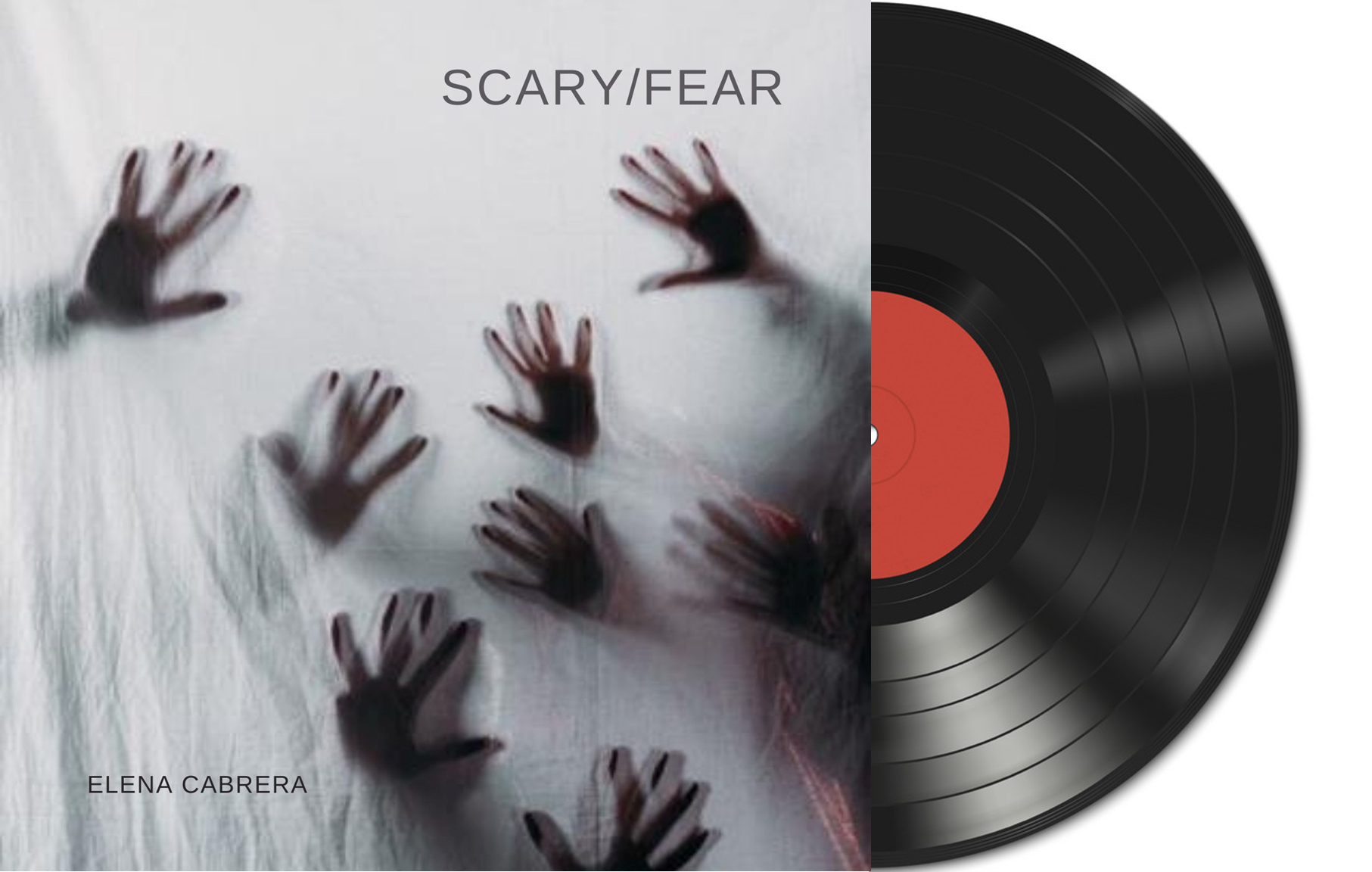
    Welcome to Music and Emotions: A Series (Part 1)! This series will be delving into an interesting study conducted by professors at the University of California Berkeley in which they investigated how music evokes different emotions (Cowen et al., 2020). They decided upon 13 categorizations of music, one of which was “scary/fearful.” They found that the way that individuals classified music based on emotions was relatively similar, even cross-culturally. All of the songs included in the above album were utilized in this study and were some of the songs that participants most frequently categorized as “scary/fearful.”

    According to the research, “scary/fearful” typically incorporates harmonic dissonance (Cowen et al., 2020). This emphasizes how some of the emotions people experience may have associations to specific melodic/harmonic intervals. For instance, the Herrmann piece included above is the soundtrack from the famous shower scene in Psycho! Here you can see a clear example of the tension and fear that arises from the use of harmonic dissonance. If you want to see a more in depth explanation of the genius music theory behind Herrmann’s song, here is a link to a very interesting analysis on YouTube.

    As mentioned previously, they decided upon 13 categories and even included an interactive audio map where you can go in and see all of the songs used and see how you match up. Stay tuned for the next part of this series where I will create an album on the “Amusing” category! Comment below any songs you may think hit the mark for the “Scary/fear” category and how you matched up to others in the interactive audio map!


    Bibliography:

    Cowen, A. S., Fang, X., Sauter, D., & Keltner, D. (2020). What music makes us feel: At least 13 dimensions organize subjective experiences associated with music across different cultures. Proceedings of the National Academy of Sciences, 117(4), 1924–1934. https://doi.org/10.1073/pnas.1910704117