Category: vintage science

science history, scientist spotlights, scientist interviews, science jobs

  • A Chemist, a Vegetable, and Iron Oxide Walk into a Bar

    A Chemist, a Vegetable, and Iron Oxide Walk into a Bar

    POV: you’re a college student who lives on her own. Not only do you have to do homework and go to class, but you also have to cook your own meals. While cleaning up after making your signature pasta dish (a spin-off of Gigi Hadid’s vodka pasta), you notice that your pan is really gross and grimy on the bottom. You scrub and scrub, but only a little if anything comes off. What can you do now? Enter: Bar Keepers Friend.


    This cleaning agent comes in many different forms so that it can be used on many surfaces. Its creation is credited to a chemist named George William Hoffman who realized that cooking rhubarb cleaned up a tarnished pan of his. He ended up finding out the secret ingredient and sold a powdered version of it to his bar keeper friends to polish up any brass fixtures they may have. The secret ingredient? Lov– no it’s oxalic acid. 

    wikipedia.org

    So when it comes to cleaning, there are different ways to do so: physically and chemically. As the description entails, physically cleaning something includes scrubbing, heat, light, and sound waves to clean a surface. With chemical cleaning, a reaction is used to remove dirt or anything from a surface. However, with chemical cleaning, some corrode surfaces more than others and are more toxic. Compared with other acids like hydrochloric acid and citric acid (which are both in-organic acids), oxalic acid is less corrosive. It can also complex with metal ions more effectively (aka can loosen up any built up schmutz and make it more dissolvable). But how does oxalic acid do that?

    sciencedirect.com

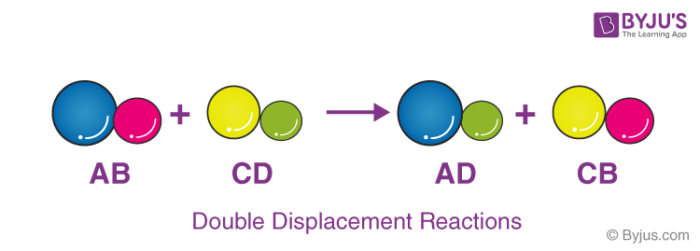
    Let’s take rust for example. Rust (iron oxide) is oxidized iron and SUPER hard to get off of any pans or metallic surfaces. Don’t even get me started on how tough rust stains are on fabric and other woven stuff like rugs. When oxalic acid comes into contact with rust, it causes a double displacement reaction. What does that mean? The double displacement  basically switches around the ions in the rust and oxalic acid, resulting in the rust to turn into iron oxalate. Iron oxalate is a salt that is water-soluble, allowing it to be washed away by water so TADAAA!!! We’ve cleaned our rusty pans and things.

    byjus.com

    Now, the brand, Bar Keepers Friend has expanded to more than just a powdered oxalic acid cleaner and takes many shapes and forms. You can use different products to clean stove tops, pans, and even your coffee machine. Of course, in order to be suitable for these places, they have to alter the formula. Their formula takes many forms, from liquids to powders to other liquids. For gentler surfaces, they’ve diluted the amount of oxalic acid. But at the end of the day, you could also just rub a piece of rhubarb on your pans and rust stains. After all, who said oxalic acid couldn’t be your friend too?

    Resources:

    Britannica, The Editors of Encyclopaedia. “oxalic acid”. Encyclopedia Britannica, 19 Dec. 2018, https://www.britannica.com/science/oxalic-acid. Accessed 20 November 2022.

    He, Y. “Liquid-Based Microextraction Techniques for Environmental Analysis.” Comprehensive Sampling and Sample Preparation, Academic Press, 10 July 2012, https://www.sciencedirect.com/science/article/pii/B9780123813732001162#s0095.

    Li, Yong-Sheng, et al. “Cleaning Effects of Oxalic Acid under Ultrasound to the Used Reverse Osmosis Membranes with an Online Cleaning and Monitoring System.” Desalination, Elsevier, 16 Apr. 2016, https://www.sciencedirect.com/science/article/pii/S0011916416301710.

    “Our Story.” Bar Keepers Friend, 11 Feb. 2021, https://barkeepersfriend.com/about-us/our-story/?param1=value1¶m2=value2&keyword=barkeepers+friend&creative=595151622440&gclid=Cj0KCQiAveebBhD_ARIsAFaAvrGcdlz4IqwndBFsUDjLp0H5Hpi3VXFwBVovW5U7WUm76vXWCD3RraUaArjIEALw_wcB.

    Renae. “Cleaning with Oxalic Acid? Here’s What You Need to Know.” CORECHEM Inc., 7 Sept. 2022, https://corecheminc.com/cleaning-with-oxalic-acid-heres-what-you-need-to-know/#:~:text=When%20Oxalic%20Acid%20comes%20in,water%20and%20easily%20rinses%20away.

  • Vinyl is Better than Digital Music

    Vinyl is Better than Digital Music

    Hear that music??? That, my friend, is the sound of classic vinyl…

    Meet Ernie. My vinyl player 🙂

    You know that round spinning thingy that plays music that your grandparents and/or parents used growing up? Well, good news – it’s not extinct! When it comes to enjoying music, one of the best ways that I have discovered is by using vinyl (aka: the record player).

    Compressed MP3 files and digital streaming services such as Spotify, Apple Music, Pandora, and YouTube have been the social norm for listening to music; however, vinyl sales have tremendously increased from under a million in 2007, to more than 8 million today in the U.S alone. According the British Phonographic Industry, vinyl sales hit a peak in the UK and the US in recent decades. Why? Because vinyl just is better!!

    Let’s delve into the reasons why vinyl records are superior to digital MP3.

    1) Simply put, vinyl sounds better than MP3:

    Vinyl is the only playback format readily available to consumers that is fully analog and fully lossless. That means that with a quality record player, you get to enjoy a high-fidelity listening experience. High-fidelity equates to high-quality reproduction of sound, that has inaudible background noise and distortion – giving a sound extremely similar to the original. Who wouldn’t want to listen to music that sounds as authentic as the source intended it to be?

    The quality is immaculate. The song you hear playing in this article is featured above. It is a vinyl by the Righteous Brothers, with a song clip entitled “The White Cliffs of Dover” (1965).

    2) Listening to vinyl is a complete experience:

    An expanding collection of my vinyls!

    You know when you can feel the music when listening to your favorite songs? Well, with vinyl, you not only figuratively feel the music coursing through your mind and soul, but you can physically feel the music through the tangible form of the vinyl. There’s nothing like unraveling a vinyl wrapped in its cover. There’s nothing like being able to smell the music, just like the comforting smell of books in the library. With vinyl, you get to fully experience music with literally all of your senses.

    3) Going to record stores is so fun!!

    There’s nothing like the nostalgic and magical experience of entering a record store, whether it’s your first time, third time, or hundredth time! You can easily spend hours in the record store browsing, searching, and discovering music! You can mingle with other vintage audiophiles, and you can usually always get a special discount when buying vinyl in bulk! Furthermore, there is no monthly subscription to enjoy the music you want (Haha, take that Spotify and Apple Music)!

    Unraveling a shiny vinyl!

    Vinyl is an unbeatable classic that has remained relatively unchanged for the past 40 years! Since it’s creation in 1948, numerous developments and refinements within the vinyl industry have been made to perfect its technical and practical excellence. As George Plasketes, a professor of media studies and popular culture in the School of Communication and Journalism at Auburn University in Alabama, put it:

    “Vinyl is not simply a recording format, but the artefact of an age; it is an experience that embraces emotion, passion and romance”.

    Keep calm and vinyl on!

    Sources:

    Oregonian/OregonLive, David Greenwald. “Does Vinyl Really Sound Better? An Engineer Explains.” Oregonlive, 19 Nov. 2014, www.oregonlive.com/music/2014/11/does_vinyl_really_sound_better.html.

    Plasketes, George. “Romancing the Record: The Vinyl De‐Evolution and Subcultural Evolution.” Wiley Online Library, John Wiley & Sons, Ltd, 5 Mar. 2004, onlinelibrary.wiley.com/doi/abs/10.1111/j.0022-3840.1992.00109.x.

    Sarpong, David, et al. “’Vinyl Never Say Die’: The Re-Incarnation, Adoption and Diffusion of Retro-Technologies.” Technological Forecasting and Social Change, North-Holland, 29 Nov. 2015, www.sciencedirect.com/science/article/pii/S0040162515003078#bb0310.

    Zabowski, Jason. “4 Reasons Why Vinyl Is Better Than MP3.” VOX Player, 21 Nov. 2017, https://vox.rocks/blog/vinyl-is-better

  • Deep Philosophical Questions About the Universe

    Deep Philosophical Questions About the Universe

    Are you currently laying in bed in the wee-hours of the morning and are wondering… what even is life?? Why on EARTH am I here? If aliens exist, then why haven’t we made contact with them yet?….. Or maybe extraterrestrial life has already attempted to make contact with humans, but our technology is not advanced enough to detect them…

    Well, look no further in your search for some interesting and deep, philosophical questions. If you are scrolling through your phone in bed, these questions might help you fall asleep — but not because they are boring, rather, they will have your mind thinking deeply, to the point where your brain will be thinking so deeply that it will get tired, and thus, you might fall asleep from mental and intellectual exhaustion.

    These four questions are all about the universe, and will surely make your head spin like a spiral galaxy. Some of the questions have been supported by research, others are too complicated or abstract to conduct studies on. Hopefully some day in the future, scientists will be able to answer some of these questions with complete assurance.


    1)   WHAT CAME BEFORE THE “BIG BANG”?

    Photo Credits: @ActionVance: https://unsplash.com/s/photos/space-explosion

    Depending on your belief of how the universe became, there are two most popular beliefs: the Big Bang, or that simply God created all of the universe and life. The Big Bang hypothesis states that about 13.8 billion years ago, all of the current and past matter in the universe came into existence at the same time. But, have you ever thought of what happened before the Big Bang? If nothing existed before the Big Bang, then how can something can just come from nothing? And how did that nothing become something?? According to Stephen Hawking,

    “Asking what came before the Big Bang is meaningless, according to the no-boundary proposal, because there is no notion of time available to refer to. It would be like asking what lies south of the South Pole.”

    He proposed that there’s no  end,      or beginning,      at all.

    Take a second and try to grasp that idea… Can’t grasp it? Me neither.

    In relation to Hawking’s “no-boundary” principle, it is like looking at the tip of a pencil. Take the example picture of my pencil below:

    “No-boundary” principle. Featuring my pencil

    Just as the tip of the pencil has a diameter of zero at its top-most point and gradually widens as you move to the right — the universe smoothly expanded from a point of zero size. Very peculiar and mind-blowing, isn’t it?!?


    2)  ARE WE ALONE IN THE UNIVERSE?

    My creepy drawing of an alien.

    To many people, there is no way that extraterrestrial beings cannot exist, even if they cannot see them. To others, aliens are a fantasy that has never, currently does not, and will never exist (except for E.T.). Dr. Zank and his colleagues from the University of Alabama in Huntsville within the Department of Space Science are among some of the scientists looking for the factors that make conditions optimal for exoplanets to fall into the “Goldilocks Zone”. The Goldilocks zone is where the planets are not too cold, nor too hot — but juuust right to possibly foster life.

    My representation of The Goldilocks Zone.

    There are lots of stars, called G-type or G-class stars, that are similar to our Sun. They radiate more light toward the infrared spectrum and they look promising for hosting exoplanetary life. Our nearest neighbors, Alpha Centauri A and Alpha Centauri B, look promising.

    The Fermi paradox offers an interesting perspective about the absence of evidence for extraterrestrial beings. Italian-American physicist Enrico Fermi created the Fermi paradox, which is the apparent contradiction between high estimates for the probability of extraterrestrial civilizations and the lack of evidence, thereof. However, various solutions to the Fermi paradox belong to different categories, such as the ones included below, regarding aliens:

        1. They Are Here: Aliens visited Earth in the past and they left evidence, via Alien Artifacts/Hieroglyphics, UFO’s, and witnesses.
        2. They Are Us: We– the humans– are the descendents of them ancient alien civilizations and we are the aliens.
        3. They Exist, But Have Not Communicated With Us, Yet: Aliens do indeed exist, but they either have not had enough time to reach us, are signaling but we do not know how to interpret the signaling, they have no desire to communicate with us (because humans are dumb, duh), their technology is too advanced, or they are all dead because of various catastrophes (that humans will eventually face).
        4. They Obviously Do Not Exist: Life is extremely rare, planets with the “perfect” conditions are rare, and humans are the superior race.

    Pick and choose your fighter as you will. I am not going to tell you which one to believe, but I will say that they can all be true — because we have not found evidence (or a lack thereof) of each possible solution.


    3)  IS THERE INHERENT ORDER IN NATURE, OR IS IT ALL JUST RANDOMNESS AND CHANCE?

    The recognition of randomness and apparent chance can be outwardly shown through things like galactic evolution (ie: the formation of the Universe), biological evolution (ie: development of early life), and geologic phenomena (ie: volcanos, mountains, rivers, etc). However, these phenomena can also be described via the perspective that there is inherent order in nature. For example, some Darwinistic-like theories suggest that through natural selection, life and everything that exists on the planet now is the result of deterministic principles.

    However, both are important to describe nature.  Nature is neither chaotic nor orderly; and neither random nor deterministic. In classical physics, things are observed as the same result every time given the same initial conditions. However, also in physics, the Big Bang theory suggests that the universe was created suddenly, by chance of the right conditions.

    So what gives? →  A paradox.

    A paradox such that chaos is deterministic, created by precise rules that do not involve any elements of chance. With this paradox, the future is completely determined by the past, but through time, small uncertainties accumulate upon each other — thus, even if a particular behavior is predictable in the short term, it remains unpredictable in the long run.

    My deck of cards with (literal) chaos surrounding it.

    “Essentially, there is order in chaos: underlying chaotic behavior there are elegant geometric forms that create randomness in the same way as a card dealer shuffles a deck of cards or a blender mixes cake batter.” — Chaos, Scientific American Journal

    Opposites truly do attract, in this case. I would have never thought of how order and chaos could mesh together so … naturally.


    4)  DO WE LIVE IN A SIMULATION?

    Are we sort of like puppets??

    The idea that we could be virtual beings living in a computer simulation means that our simulated environment would create perceptions of reality on demand, rather than simulate all of reality all the time. This is similar to a video game where only parts of a scene are rendered to be visible to a player.

    According to Neil deGrasse Tyson, “Maybe that’s why we can’t travel faster than the speed of light, because if we could, we’d be able to get to another galaxy… So the programmer put in that limit”.  A new analysis by Nick Bostrom of the University of Oxford shows that ‘the odds that we are living in base reality—meaning an existence that is not simulated—are pretty much even’.

    Bostrom’s simulation argument showed that at least one of the following scenarios must be true:

    1. Humans almost always go extinct before reaching the simulation-savvy stage.

    2. Even if humans make it to that stage, they are unlikely to be interested in simulating their own ancestral past.

    3. The probability that we are living in a simulation is close to one.

    If you think that perspective is interesting, take a look further. On November 12, 2019, professors at the Georgia Institute of Technology debated on the question: “Do we live in a simulation?”. There were lots of interesting answers, including the one below by professor Hans Klein in the School of Public Policy:

    “It’s a simulated world that we live in to the extent that we live in this world that arrives to us through media the nature of the simulation is that institutions have interests and the interests of the media corporations and the interests of the entities that are being reported on by the media corporations. They’re all actively shaping the information flows that come to the public, it’s quite significant […] A lot of effort is made to influence how our knowledge of the world is mediated and it’s done in such a way so that we will so we end up living in if we live on critically we live in a world that’s a bit of a bit of a fantasy world and it’s a fantasy world that reflects off in the interests of media institutions and powerful societal interests.”

    In a sense, Klein is saying that we, as humans, are creating our own simulating reality through the media and information we consume and the powerful interests of society that media corporations help perpetuate. With this perspective, maybe we are living in base reality after all…


    ALAS,

    As mysterious as the universe can be, hopefully one day humans will be able to answer these questions with impeccable certainty. Maybe the universe or some higher power does not want us to know the truth about our universe… Or maybe simply, humans just are not advanced enough yet to grasp the true notions of our reality, origin, or purpose. Hopefully you are asleep by now (if you wanted to be), but if not, may the Universe always be with you!


    SOURCES:

    Ananthaswamy, Anil. “Do We Live in a Simulation? Chances Are about 50–50 – Scientific American.” Scientific American, Scientific American, 13 Oct. 2020, https://scientificamerican.com/article/do-we-live-in-a-simulation-chances-are-about-50-50/.

    “Before the Big Bang: The Prehistory of Our Universe – Brian Clegg – Google Books.” Google Books, Brian Clegg, Aug. 2009, https://books.google.com/books?hl=en&lr=&id=3fZ0SM78LFsC&oi=fnd&pg=PP2&dq=what+happened+before+the+big+bang&ots=6aaH7pfy8I&sig=Gw6XKD59ZborhgRoidXqEaSqb88#v=onepage&q=what%20happened%20before%20the%20big%20bang&f=false. Accessed 10 Feb. 2021.

    C. JOHN MANN; Randomness in Nature. ‘GSA Bulletin’ 1970;; 81 (1): 95–104. https://pubs.geoscienceworld.org/gsabulletin/article-lookup/81/1/95 Accessed 2 Mar. 2021.

    Chaos. Scientific American, 1986, https://www.jstor.org/stable/pdf/24976102.pdf?refreqid=excelsior%3A9e5867f32c36ce9d2401f9b76c3af1cc. Accessed 26 Feb. 2021.

    Cvitanović, Predrag, et al., editors. Professor Debate on the Topic – Do We Live In a Simulation? Georgia Tech Library, 12 Nov. 2019, https://smartech.gatech.edu/handle/1853/62045. Accessed 3 Feb. 2021.

    Fermi’s Paradox.http://abyss.uoregon.edu/~js/cosmo/lectures/lec28.html. Accessed 18 Feb. 2021.

    “If the Universe Is Teeming with Aliens … WHERE IS EVERYBODY?: Fifty … – Stephen Webb – Google Books.” Google Books, https://books.google.com/books?hl=en&lr=&id=Kp6g79LuKWEC&oi=fnd&pg=PA2&dq=do+aliens+exist&ots=aAMZyI0X6s&sig=0DONvBxxF8VTV6N37huhr3X5M5c#v=onepage&q=do aliens exist&f=false. Accessed 6 Mar. 2021.

    “Physicists Debate Hawking’s Idea That the Universe Had No Beginning.” Quanta Magazine, Natalie Wolchover, 6 June 2019, https://www.quantamagazine.org/physicists-debate-hawkings-idea-that-the-universe-had-no-beginning-20190606/. Accessed 2 Mar. 2021.

  • Insect robots: How do they fly?

    Insect robots: How do they fly?


    “How do airplanes stay afloat?”

    “The same way a bird stays afloat.”

    When we give that answer to a kid, we fondly realize the connection between nature’s creatures and machines, and that the nature influenced creation of many machines from time to time. That is why the Wright brothers spent a great deal of time observing birds in flight and realized that when birds soared into the wind, the air flowed over the curved surface of their wings, and thus generated lift which helps them stay in flight. They noticed the wings of birds minutely, and realized that they change the shape of the wings to turn and maneuver, and thus flaps and stabilizers were born in the airplane wings. In a similar fashion, various insects and birds have influenced designs of many machines for their structural and aerodynamic ability. These creatures not only helped design the structural and aerodynamic systems of large machines, but attracted considerable attention from scientists and engineers for small-scale robots. Today we deep dive into the world of small robots and how they fly!

    Insects were the first organisms on Earth to take to the skies – estimates on the origin of insect flight range from ~320 to ~400 million years ago (Misof et al., 2014). That is a long, long time before vertebrates achieved this feat. Over time, insects mastered their flying ability, and achieved great perfection in speed, agility, and grace in the air. By design, insects such as hover flies and birds such as hummingbird have remarkable abilities to hover in the air, as well as being able to perform aerobatic maneuvers such as sideways or backward flying. The technique that they use is called a flapping wing motion. This remarkable ability is a key in the design of small-scale aircraft for surveillance or reconnaissance. Traditionally, engineers designed a medium to large scale aerodynamic vehicle with traditional mechanical linkage systems (Van Breugel et al., 2008). However, when it comes to an unmanned small-scale aerial vehicle (or even micro-scale that mimics the size of an actual small insect such as a hover fly), one of the key challenges in traditional designs was that the flapping-wing action was not stable because of the power and weight ratio that needs to be achieved to match the hovering and flying abilities of the insects and birds observed in nature.

    Historically, there have been a number of research efforts that focused on the mechanical and structural aspects of a small-scale flying robot design. One such project was the Entomopter project in Georgia Tech (Michelson et al., 1998). The researchers used a chemical muscle to produce linear actuation strain. Two sets of rigid wings (front and back) were placed, and chemical muscle actuated them. Other traditional designs of small-scale flying robots used gears and links for the movements needed for of an airborne vehicle.

    How do the “insect” robots get up in the air?

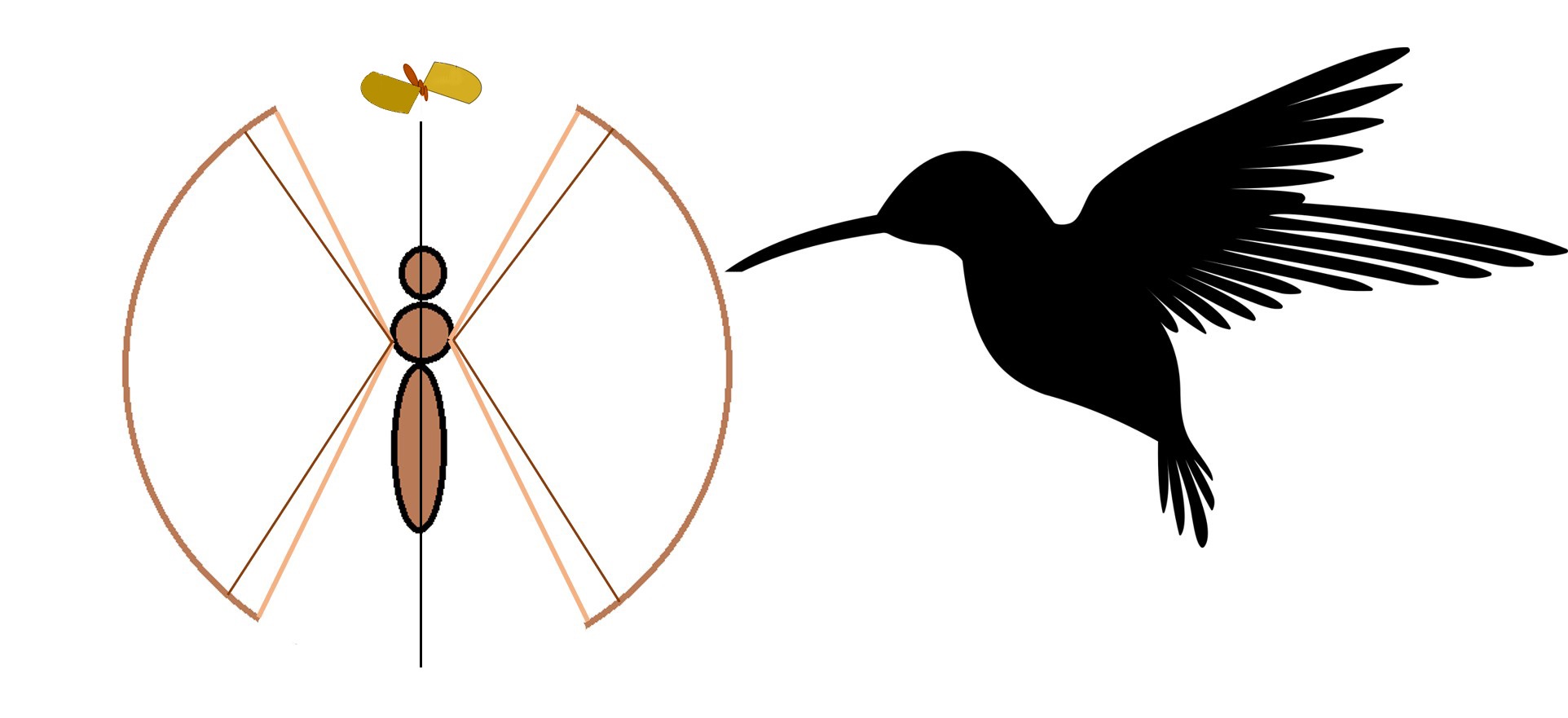
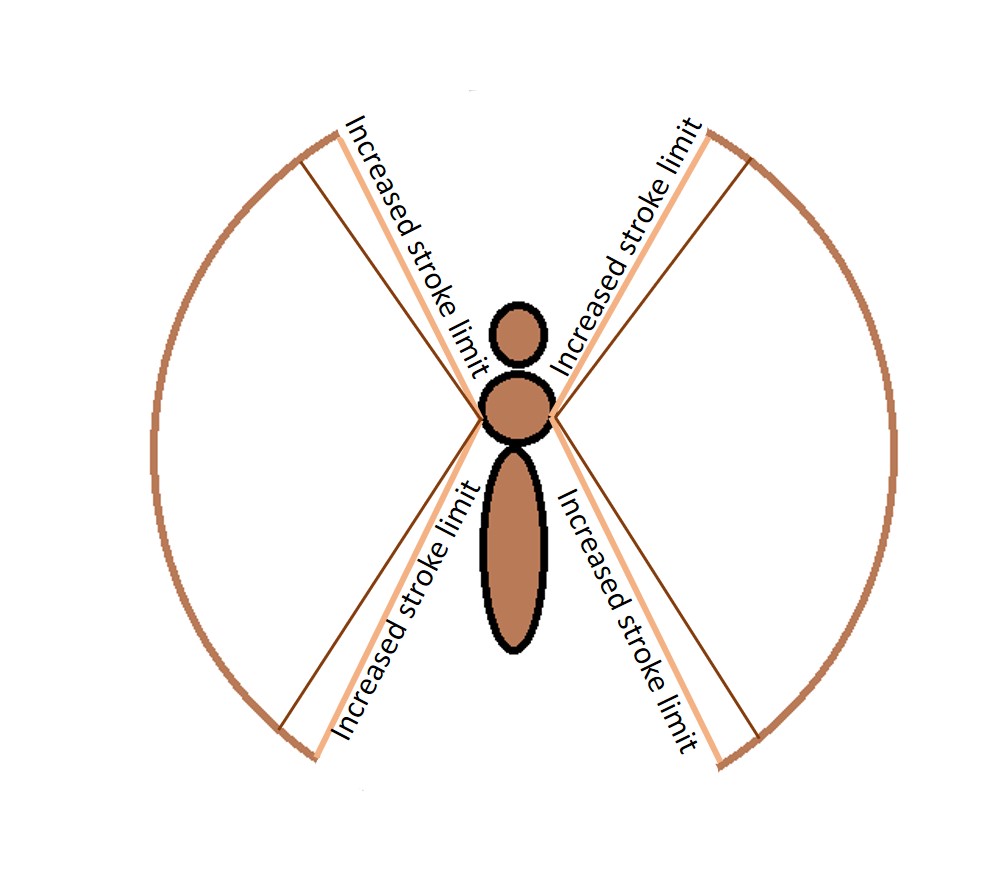
    In order to achieve a flapping action in-flight to gain altitude, sweeping and the pitching motions are needed to be achieved. The current design is set up to exploit resonant properties, as exhibited by flying insects, to reduce the energy expenditure and to provide amplitude amplification for the wing sweeping motion (Bolsman, 2010). Design objective for a small-scale flying machine is to reproduce a reference motion based on the kinematics of insects. Insects and birds perform wing flapping and adjustments of the body orientation in order to control speed, altitude and orientation of the flight. As shown in the figure below, to transfer this analogy to a micro-robot, the sweeping motion of the wings are emulated as a steady-state motion. The details of a control system can be found in advance literature (Bolsman, 2010). However, in simple terms, the design takes into account a constant resonance frequency, and a maximum wind sweeping stroke. As the stroke increases (shown by the extreme lines in the figure), the wings generate lift. The mass of the device (as in an insect) is centered towards the geometric center of the device, resulting in maximum possible stability. This is the stage where the robots get airborne and continue hovering.

    Lift: Flapping wing motion with sweeping stroke

    How do the “insect” robots move in the air?

    The hovering is the first state of condition that the robots achieve, similar to an insect. The figure above shows a simple two wing device. Each wing is designed to have independent controls to change flapping In order to change the direction to left or right, so that each wing is capable of having a different sweeping motion. This inevitably creates a sweeping motion that are not equal in each wing, and results in a rotation in the direction of the difference. An insect performs these exact same maneuvers to create a rotational motion for left-right (rolling) movement.

    As shown in the figure, the center position holds the center of mass for the whole assembly. As such, changing the center position of the sweeping motion will change the direction of flight as well. This is performed by shifting the positions of the effective centers of pressure of the left and right wings. This invariably creates a backward motion (or pitch), and more power from the device’s power source provides a required forward motion while maintaining the achieved altitude.

    How strong are these “insect” robots?

    A simple model of a small-scale flying robot has been described here to depict the fundamentals that are derived from an insect or a small bird for flapping motion design. A fully fledged flying micro robot has more control systems that are able to achieve a full range of motions if needed, with more complicated actuations that are associated with multiple wings and wing rotations. In addition, structural integrity is also a key factor which, surprisingly, is also derived from insects. One of the most fascinating and extraordinary creatures in earth are ants, they can carry objects several times of their body weight. Ant’s neck has a very sturdy construction by nature, because of the fact that they lift the large weights with their mouth, and the load is transferred through the neck. Researchers found from models that an ant’s neck can withstand loads of about 5,000 times the ant’s body weight! (Nguyen, 2012). This design is also simulated to be able to provide the micro robots a sturdy yet very lightweight construction, a critical requirement for such a device.

    Ultra-light, small scale robots are in use for surveillance, military operations, rescue missions, medical sector, hazardous material test/retrieval, and many other scenarios. We will continue to see the marvelous development of these micro machines, inspired by the insects and small birds around us, while pondering over the question: “how birds fly?”

    References:

    1. Bolsman, C. T. (2010). Flapping wing actuation using resonant compliant mechanisms: An insect-inspired design.
    2. Van Breugel, F., Regan, W., & Lipson, H. (2008). From insects to machines. IEEE robotics & automation magazine, 15(4), 68-74.
    3. Misof, B., Liu, S., Meusemann, K., Peters, R. S., Donath, A., Mayer, C., … & Niehuis, O. (2014). Phylogenomics resolves the timing and pattern of insect evolution. Science, 346(6210), 763-767.
    4. Michelson, R. C. (2000). S. Patent No. 6,082,671. Washington, DC: U.S. Patent and Trademark Office.
    5. Michelson, R. C., & Reece, S. (1998, March). Update on flapping wing micro air vehicle research-ongoing work to develop a flapping wing, crawling entomopter. In 13th Bristol International RPV/UAV Systems Conference Proceedings, Bristol England(Vol. 30, pp. 30-1).
    6. Nguyen, V. N. (2012). Development of a Finite Element Model of an Ant Neck Joint for Simulation of Tensile Loading(Doctoral dissertation, The Ohio State University).
  • The von Neumann Architecture

    The von Neumann Architecture

    The von Neumann Architecture

    Introduction

    Have you ever wondered how your computer works? Who decided that we should use keyboards to tell our devices what to do? And who else later decided that touch screens were cooler much of the time. Much of how we think about computing we currently owe to John von Neumann, who developed the current way of thinking about computers.

    The Von Neumann architecture is a model that was developed in the 1940s by John von Neumann, a physicist and mathematician, who was an early computer researcher. During World War 2, cracking secret codes and the development of nuclear weapons led to an increase in public funding for computer research, as machines could do lots of arithmetic quickly and accurately. Von Neumann would go on to outline a model for building any sort of computer in his The First Draft Report on the EDVAC (the EDVAC being a computer he was working on at the time) that has been the standard for all computing devices since.

    In his model, von Neumann illustrates that a computer should have several main components:

    • Arithmetic Unit
    • Control Unit
    • Memory
    • Input
    • Output

    Flexibility of the Model

    This model is relatively flexible – in his paper, von Neumann mentions that different machines could very well have different capabilities while still being built with all of these components in mind. Computers that use the von Neumann architecture range from very simple (such as the one in your microwave) to the massive supercomputers that have dedicated buildings. The wide scope of computers that fall under the von Neumann model are proof that von Neumann achieved his goal when it came to creating a model that was versatile.

    Components and What They Do

    The control unit, as described by von Neumann, is the part of the computer that keeps track of what is supposed to run when. When you turned on your computer, your PC’s control device (most probably inside of a CPU) queued up the correct start up operations. The purpose of the control unit is to allow a computer to run many different kinds of programs, and switch between them when necessary. While this seems trivial now, the first computers were manually operated. If you wanted a computer to do something different than what it was previously doing, you had to go in and change all of the wires yourself. The conception of a control unit allowed the computer to modify its own hardware and software, allowing a great deal of abstraction for users. Computers being able to modify themselves (and other computers) essentially enables modern computing as we know it, the good (high level programming languages, not swapping about the wires in your desktop) and the bad (it would be impossible to hack a pre-von Neumann computer without performing an elaborate heist operation to change around the wiring yourself).

    The arithmetic unit of a computer does the logical processing. Computers were originally designed for doing lots and lots of math, so von Neumann designated an entire component of his model to do that. Despite being called the arithmetic unit, this unit is also responsible for doing logical operations as well. Arithmetic units allow computers to distinguish if two sequences of binary are completely the same (an AND operation), if some of the numbers are the same, or allowing sign flippage.

    The memory component of this model is probably simplest to understand. If we want computers to do work in a useful capacity, they need to be able to remember what we’ve done. Most modern computers have two types of memory. They’ve got long term, slower memory, which is usually kept in the hard drive. Computers also have faster, short term memory. This is typically stored in RAM. Traditionally, RAM memory has been volatile. This means that it is erased when you turn the power off. This is also why you used to lose everything you did on older video games without saving – if you didn’t tell the computer to move your data out of RAM and onto the hard drive, it was just lost.

    The last components of a computer are its input and output components. Input is just how the user puts instructions into a computer. These days, inputs are most often keyboards and/or touch screens, although speakers are becoming more common. Output is how a computer communicates what it’s doing to the user. Most computers have a visual (a screen) and an audio (speakers and/or headphones) component to the output.

    Conclusion

    The von Neumann model for computing has lasted for nearly a century. Pretty much any device that you use will have been built and designed with the von Neumann architecture in mind. That being said, scientists are looking beyond this model for the future. Quantum computing and other innovations may mean we say good bye to the von Neumann architecture.

    References

    Brandl, M. F. (2017). A Quantum von Neumann Architecture for Large-Scale Quantum Computing. (https://arxiv.org/abs/1702.02583)

    Freiberger, P., & Swaine, M. (2016, November 14). Von Neumann machine. Retrieved September 15, 2020, from https://www.britannica.com/technology/von-Neumann-machine

    von Neumann, J. (1945). First draft of a report on the EDVAC. doi:10.5479/sil.538961.39088011475779


  • Computer Programming: A Women’s History

    Computer Programming: A Women’s History

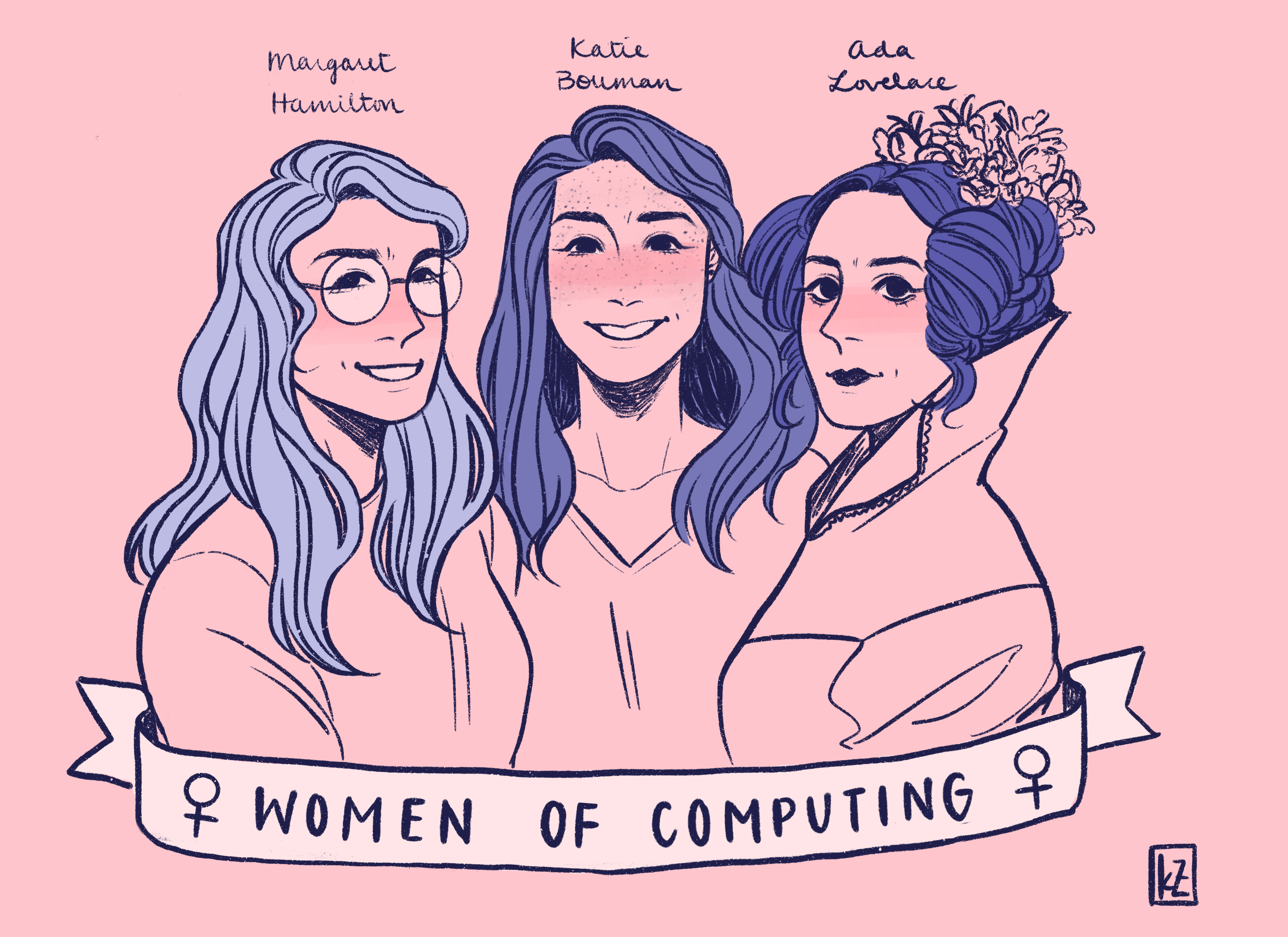
    I always found it interesting how people tend to see computer science and coding in general as inherently a male-dominated field, despite how the very foundations of computer programming were established by a woman, Ada Lovelace. In the 60s, computer programming was considered women’s work (look at the work of Dorothy Vaughan). The code that send us to the moon was predominantly written by a woman, Margaret Hamilton. In fact, in the days of the Atari and early gaming systems, many legendary game developers were also women (Carol Shaw, Donna Bailey, and Roberta Williams, just to name a few). And today, MIT’s Katie Bouman and her team are the first to ever capture an image of a black hole. Computer science may appear to be a male-dominated field, but we can’t forget that the pioneers of the field were women. This is my tribute to just three of those extraordinary female programmers.

  • The Secret Kennedy: The Science Behind Lobotomy

    The Secret Kennedy: The Science Behind Lobotomy

    Introduction

    Everyone has heard of John F. Kennedy before. Whether it be from his presidency, his role in the Cuban Missile Crisis, or his assassination. Many people have even heard about his brother, Robert F. Kennedy and his assassination, or the so-called ‘Kennedy curse.’ However, most people have not heard of the one Kennedy sibling who played a huge role in redefining a medical tragedy. This is because her existence was swept under the rug by her father as a critical failure and embarrassment. 

    It’s time for a spotlight to be shone on the tale of the secret Kennedy sister, Rosemary, and how lobotomy, a surgery designed to reduce prefrontal cortex functioning, ruined her life. This is the story of a woman like many others of her time who suffered at the hands of faulty medical practices and biases that swept the world in a frenzy.  

    The Story of Rosemary Kennedy

    Rosemary Kennedy, April 1940

    https://www.jfklibrary.org/sites/default/files/2018-03/kfc%202612p%20crop.jpg 

    Rosemary Kennedy, born to Joseph and Rose Kennedy in 1918, was not born like her brothers and sisters. Due to a lack of oxygen during her birth, Rosemary ended up with a learning disability that placed her significantly behind her age group in school (Larson, 2015). However, due to the highly influential political career of her father, Joseph P. Kennedy, Rosemary was forced to keep up the public appearance of being “well-adjusted.” Her mother would fabricate a world of appearances and deception to other high-class mothers about her daughter’s intellectual capability, JFK would accompany Rosemary to tea-dances under a watchful eye, and her parents even fabricated Rosemary’s search for a teaching degree (Larson, 2015). To the outside world, Rosemary served as an icon for the perfect daughter of a political figure. However, internally in the Kennedy family was everything but perfect.

    At age 22, Rosemary reportedly became more “difficult” with outbursts of aggression that led to her family’s decision to send her to a covenant school in Washington D.C. (“Rosemary Kennedy”). But when rumors spread that Rosemary might be having inappropriate relationships with men at her school, her father’s frustrations exploded. The threat of shame to his career and the budding careers of his children drove Joseph to sign Rosemary up for a prefrontal lobotomy with Dr. Walter Freeman, a popular lobotomist at the time, to reduce her mood swings and cumbersome behavior. After her lobotomy, Rosemary’s mental capacity was reduced to that of a toddler’s and she could no longer care for herself (Larson, 2015). Joseph hid his daughter away from the rest of her family at an institution for the mentally disabled called St. Coletta’s, and until his death, the world never knew the truth to the terrifying reality of what lobotomy did to Rosemary. 

    How did this happen though? How did a lobotomy lead to such a drastic change in Rosemary’s mental and emotional capacity? To understand this, first the process of a lobotomy and the areas of the brain it targets must be understood.

    The Process of a Lobotomy

    A lobotomy is a medical procedure developed during the 1940s and 1950s, in which parts of the brain are physically altered as a way to treat mental illness or behavioral problems. The practice of lobotomy began with Portuguese neurologist António Egas Moniz, but was popularized in America thanks to Dr. Walter Freeman (Lewis, 2014). Moniz originally crafted the process of the prefrontal lobotomy, where a doctor would drill a whole into the top of a patient’s head and then either inject ethanol to destroy brain fibers or use a leucotome (a wired loop) to slash away parts of the frontal lobe (Lewis, 2014). Later on, Dr. Freeman popularized the second form of lobotomy, called transorbital, where an ice pick would be placed behind the eye and used to severe the connection between frontal cortex from the thalamus (the motor and sensory control of the brain) (Lewis, 2014). The original appeal of lobotomy at the time stemmed from the lack of other ways to treat mental illness. In the 1940s and early 1950s, there were not yet any antipsychotic drugs, and it was very expensive to keep a family member in a mental institute (Hall, 2015). The lure of making a former difficult family member more docile through a simple surgery and improving family reputation became a common reason why lobotomies were performed (Hall, 2015).  

    That common reason of improving family reputation was one of the main ones Rosemary’s father had as he signed her up for her lobotomy. And while Rosemary underwent a prefrontal lobotomy, both forms of the procedure targeted similar parts of the brain (the prefrontal cortex) and produced similar effects in patients.

    Prefrontal Cortex Damage and Its Effects
    Prefrontal lobe of the brain

    https://www.livescience.com/42199-lobotomy-definition.html 

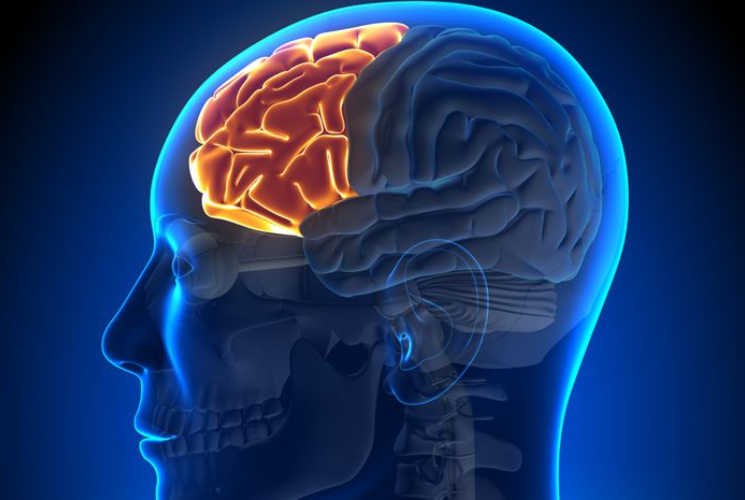
    The prefrontal cortex of the brain is responsible for social behavior, emotional responses, working memory, long-term decision making, and language/speech (Teffer & Semendeferi, 2012; Pirua & Liu, 2018). Lobotomy endeavors to sever this section from the brain to reduce emotional stress, cure mental illness (such as schizophrenia and depression), and as in Rosemary’s case, reboot “socially dysfunctional” women (Hall, 2015; Koziol & Tone, 2018). While to some extent lobotomy can prohibit emotional and social distress since the process does essentially wipe one part of the brain related to emotional response, it does so at an often catastrophic long-term cost to the patient.

    Damage to the prefrontal cortex can result in the reduction of critical analysis in long-term consequences of one’s actions (Bechara, Damasio, Damasio & Anderson, 2002). Patients will only follow impulses, not thinking about how their decisions can impact themselves or others in the future. This is often a common side effect experienced by lobotomized patients such as Mona Gable’s mother, who after her lobotomy suddenly began to run up credit cards, chase her children with baseball bats, and go on late night joy rides without a second thought (Gable, 2016). Part of this change in patients also stems from the loss of empathy and short-term memory that occurs with damage to the prefrontal cortex. Without the part of the brain responsible for social behavior fully functioning, patients begin to lose their connection to others in their social groups. It becomes increasingly difficult for patients to interact with people and express the more complex social behaviors such as empathy, and their short-term memory begins to fade, making it increasingly harder to partake in daily activities without extra assistance.  

    These alterations are a gateway to some of the worst transformations made by prefrontal cortex damage: overall personality and language production. Without their prefrontal cortex, people lose the part of their brain most responsible who they are as a person and why the act the way they do. Dr. Walter Freeman himself even stated that, “Every patient probably loses something by this operation, some spontaneity, some sparkle, some flavor of the personality” (Hall, 2015). Patients lose their motivation, ability to plan, how they interact with others and much more. They leave the procedure no longer the same person they were before. And from a more technical standpoint, patients can no longer even communicate as they did so before, since damage to the prefrontal cortex also damages speech and language ability. Patients post-lobotomy can have trouble forming meaningful sentences or understanding what others say to them. These transformations are what occurred with Rosemary. All of her personality, her spunk, her ability to speak/communicate with others was wiped as her prefrontal cortex was sliced away. The smiling girl in the photo disappeared and only a hollow shell of her former self remained. She could no longer interact with others at the capacity she could pre-lobotomy and she could no longer care for herself on a daily basis without having someone else help her make decisions and remember how to do various activities.

    Legacy of Lobotomy and Rosemary Kennedy

    The dark tale of lobotomy and Rosemary Kennedy leaves the science and medical community with a few haunting reminders. 

    For one, the quick, widespread popularization of lobotomy demonstrates why the scientific community must be more cautious when new therapies, treatments, medications and medical technologies appear with limited effectiveness and safety information. Portuguese neurologist António Egas Moniz published the results of his first lobotomy only around 4 weeks after the surgery had taken place (Hall, 2015). He did not take extra precautions in monitoring longstanding consequences of lobotomy because the initial results seemed very promising at a time when mental illness had few treatment options. The scientific method and the need for quality testing and experimentation is not to be skipped over. Even if the procedure seems like a blessed cure all, there can be unforeseen consequences that would need further careful observations before the product is approved for its to be used. If the initial report regarding lobotomy had been published later, the doctors could have better observed the long-term changes in personality and cognitive function of the original patients, and then maybe the over 50,000 other lobotomy patients would not have had to suffer similar fates to Rosemary Kennedy’s (Lewis, 2014).
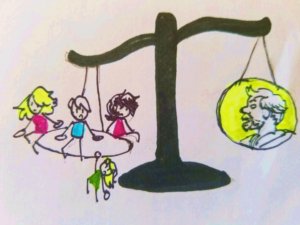
     

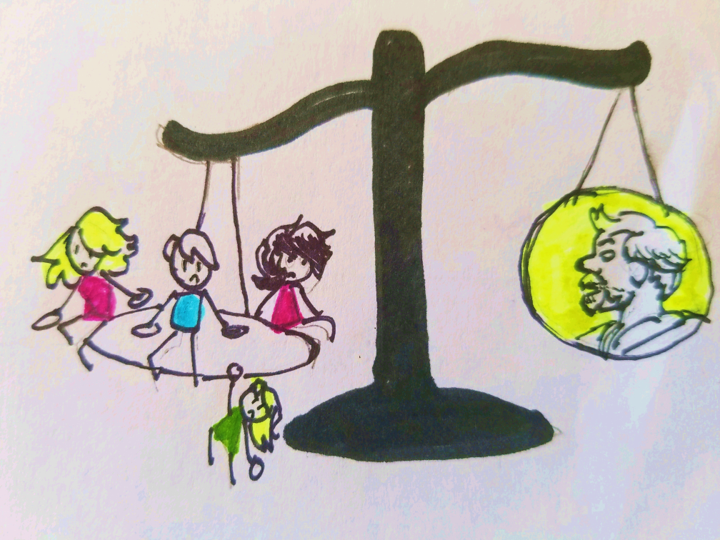
    My drawing representing the uneven justification of lobotomized patients’ lives for the Noble Prize and prestige Moniz won for his ‘easy solution’ to mental illness

    Additionally, Rosemary’s story itself is rooted in a much larger issue: implicit bias against women in medicine. While lobotomy was originally labeled to treat mental illness in mental institutes, most of the times it was used for treating unruly women no longer following the social norms of the 1940s and 1950s. The statistics themselves of how many more women than men were lobotomized, even though men made up the majority of mental institutes at the time are shocking: For Dr. Walter Freeman’s personal operations, he performed 75% of them on women, and in the Stockton State Hospital, 85% of lobotomies occurred with women (Koziol & Tone, 2018; Hall, 2015). Over time, lobotomy became less about treating mental illness and more about controlling women. In that sense, Rosemary could be considered a poster case of the abusive use of lobotomy in women. Her mood swings and alleged unruly behavior with men drove her father to seek to change her through a medical procedure becoming increasingly aimed towards women. She was a victim of how the medical world viewed how women should be treated. And while the process of lobotomy has thankfully become frowned upon and relatively inactive (partially thanks to the consequences of the Rosemary’s failed lobotomy being made public and partially thanks to the development of antipsychotic drugs), this implicit bias against women still lingers in the medical community today. For example, women are less likely to receive prescribed heart medication for congenital heart disease than men due to the misconception that older men are more at risk than women are (La Trobe University, 2019). Additionally, women with endometriosis usually have a 7.5 year period before they are diagnosed with the condition, only being told the symptoms are “normal” or “in their head” (“NICE call for improved diagnosis and management of endometriosis”, 2017). Both these cases illustrate how women are still disadvantaged by biases against their gender and how that impacts the success of their treatment. Medical treatment goes hand in hand with cultural zeitgeist on a subconscious level. It’s vital for anyone in the medical field to reevaluate personal biases as they treat a patient.    

    These are dark truths, not easy to grasp, but their importance stands firm. We must learn from our mistakes or we will be doomed to repeat them as the medical community continues to evolve and expand. The Institute for Healthcare Improvement offers many strategies to reduce implicit biases affecting medical treatment, such as increasing recognition of stereotyping, seeing people as individuals and building equal relationships with them, expanding one’s opportunities to interact with groups outside your own context, perspective taking, and more (IHI Multimedia Team, 2017). By using methods such as these to improve the environment of the medical field, we, as the scientific community, can start reworking how standards for treatment as a whole are handled. However, at the end of the day though, it comes down to the individual practitioner performing treatment. So heed cases likes Rosemary Kennedy’s and lobotomy’s, and who knows maybe you can find the next contemporary procedure that turns out to be barbaric in years to come.

    My Connection to This Tale of Lobotomy and Rosemary

    Personally, this topic hits close to home in terms of my career aspirations. I’m training to be a biomedical engineer, so I will be one of the main people designing healthcare equipment and procedures for the general public. One of my biggest fears is creating a medical device that actually ends up hurting someone or a group of people because I accidentally overlooked a certain aspect of it. And while hypothetically, the other engineers working with me should catch my lapses in logic, as we saw with the case of lobotomy, sometimes that process can be skipped over. With this article, I wanted to share the tale of lobotomy, not only as a reminder to me, but also to anyone reading, that you need to be responsible for critically thinking about the solutions you create to problems in any scientific industry. At the end of the day, you could be the person who saves thousands of patients from unnecessary pain and heartache if you just speak up and go against the popular flow.

    Additionally for me, it’s so vital that workers in healthcare be directly connected with the people they are treating. If I can’t, on some level, empathize with the person I’m treating, how will I create an effective procedure for them? People are individuals, not just items to characterize into implicit groups and call it a day. Rosemary Kennedy’s story always breaks my heart, hearing about how this wonderful young lady, full of joy and spunk, cruelly had that all ripped away from her because a bias against women she couldn’t control. I don’t want to be someone who lets situations like that idly happen. As I follow through with my career as a biomedical engineer, I want to be one of the individuals leading the medical industry in fighting implicit biases to create a better tomorrow for patients. How many times in history must the path for medical advancement be paved in blood before we begin changing our approach to it?