Category: today i learned (til)

health, fitness, medicine, environment, ecology, how to learn tricky topics in science and math, new discoveries, news, current events

  • Health Shot: Vaccines

    Health Shot: Vaccines


    I’m sure we can all remember that dreaded moment at the doctor’s office when they say “Time for some shots!”. Much crying later (maybe that’s just me) , we leave the office with a brightly colored band aid – and sometimes a sticker for the road. But what exactly goes on in these shots we receive from such a young age? What do these vaccinations do in our bodies? Moreover, what explains the origins of the the anti-vax movement?

    What happens when we get sick?

    When bacteria and viruses enter the body, immune cells called help fight off these invaders, which are called antigens. These antigens trigger the response by the body to fight them off with T Cells and B Cells. B Cells make antibodies, which are proteins produced by our immune system that help attack the antigens. Each antibody fits like a puzzle piece with a particular antigen and blocks off the antigen from communicating with other cells. This causes the antigen to die off. T Cells secrete chemical signals in the body that let other immune responses know to activate. Once the body has begun to eliminate the microbes faster than they reproduce, and the disease is eliminated, some of the T and B cells convert into memory cells can recognize the infectious microbe if it appears again and appropriately release antibodies. This offensive cycle of recognize, react, and remember allows our body to be very effective in responding to bacteria and viruses we interact with every day.

    How do vaccines help?

    Vaccines allow the body to be exposed to an illness and developed the memory cells, so that when we are exposed again to the microbe, we can quickly react. The vaccine contains a weakened form of the virus that does not cause the disease or reproduce very well – but this enough to get our bodies into action. Following the same cycle as above, the body fights off this weakened disease and is left with the memory T and B cells that cause future protection. Since the disease is in weakened form, many vaccines require more than one dose. In the case of the flu vaccine, the CDC recommends a vaccination every year since the vaccination is updated each year to include the strains that research suggests would be most pervasive that flu season.

    Where did the Autism-Vaccine link come from?

    In 1998, Andrew J Wakefield along with 12 co-authors published a study suggesting that from 12 cases, they found links between the MMR vaccination and autism in The Lancet. Though the paper could not support a causal relationship between the MMR vaccination and autism, in a video Wakefield suggested that the risk of autism was developing with the combined MMR vaccines. The press reaction to the publication and Wakefields statements were immediate, and parents in Britain and the United States began to delay vaccinations for their children.

    Ideas Debunked:

    In 2004, the editor of the Lancet revealed that the Wakefield has been paid by attorneys looking to file lawsuits against vaccine manufacturers, demonstrating a clear conflict of interest and ulterior motive. In 2010, after many of the co-authors had redacted their statements in the paper, The Lancet redacted the paper itself.

    In 2011, The British Medical Journal published a report by Brian Deer who investigated how Wakefield could have made the statements he did in the 1998 paper. Deer found that while the paper claimed eight children showed autism-like symptoms days after the vaccination, in fact only two showed symptoms that they had even before the vaccine was administered. With all this evidence, researchers agree that the original study should not have been published as the results could be categorized as research fraud.

    After the MMR-Autism hypothesis was no longer held, critics cited thimerosal, a preservative containing mercury as a possible cause for autism. In the late 1990’s concern for eating mercury present in a different form in fish heightened, and people turned their eyes to the mercury used in vaccines. A final report published in 2004 by the Institute of Medicine rejected an association between thimerosal and autism. However, today most childhood vaccines no longer contain thimerosal.

    Since autism rates have continued to increase since the onset of routine vaccination, critics continue to question vaccines. Research from the Autism Speaks associate reveals that autism is causes by both genetic and environmental factors. The exact reason why autism develops is still unclear, but vaccinations have been currently ruled out as a cause.

    The Anti-Vax Movement:

    In 2007, celebrity Jenny McCarthy’s son was diagnosed with Autism, and she blamed the diagnosis on the effect of vaccinations. This essentially kickstarted the recent anti-vax movement again, though the movement has been in existence since vaccines were widespread. The recent advent of Facebook and twitter has increased the spread of misinformation and has increased vaccines refusal across America. With the popularity of the anti-vax movement, the herd immunity of our population is threatened. For highly contagious diseases, herd immunity is achieved when 90-95% of the population is vaccinated. For less contagious diseases, like polio, 80-85% is enough. Herd immunity is precisely why anti-vax movement affect those who still choose to get immunized. Turning into a Tragedy of the Commons, one  misinformed individual can affect the health safety of their surrounding community. For this reason, staying informed with well established facts, rather than opinions, is important when dealing with medical issues.

    Sources:

    Vaccines Protect Your Community. (2017, December). Retrieved March 10, 19, from https://www.vaccines.gov/basics/work/protection

    How Do Vaccines Work? (2019, April 09). Retrieved from https://www.niaid.nih.gov/research/how-vaccines-work

    Understand how Vaccines work. (2018, July). Retrieved from https://www.cdc.gov/vaccines/hcp/conversations/downloads/vacsafe-understand-color-office.pdf

    Do Vaccines Cause Autism? (n.d.). Retrieved from https://www.historyofvaccines.org/content/articles/do-vaccines-cause-autism

    Wakefield, A. J. (1999). MMR vaccination and autism. The Lancet,354(9182), 949-950. doi:10.1016/s0140-6736(05)75696-8

     

  • Hidden Figures Beyond: Alexa Canady, the First African-American Neurosurgeon

    Hidden Figures Beyond: Alexa Canady, the First African-American Neurosurgeon

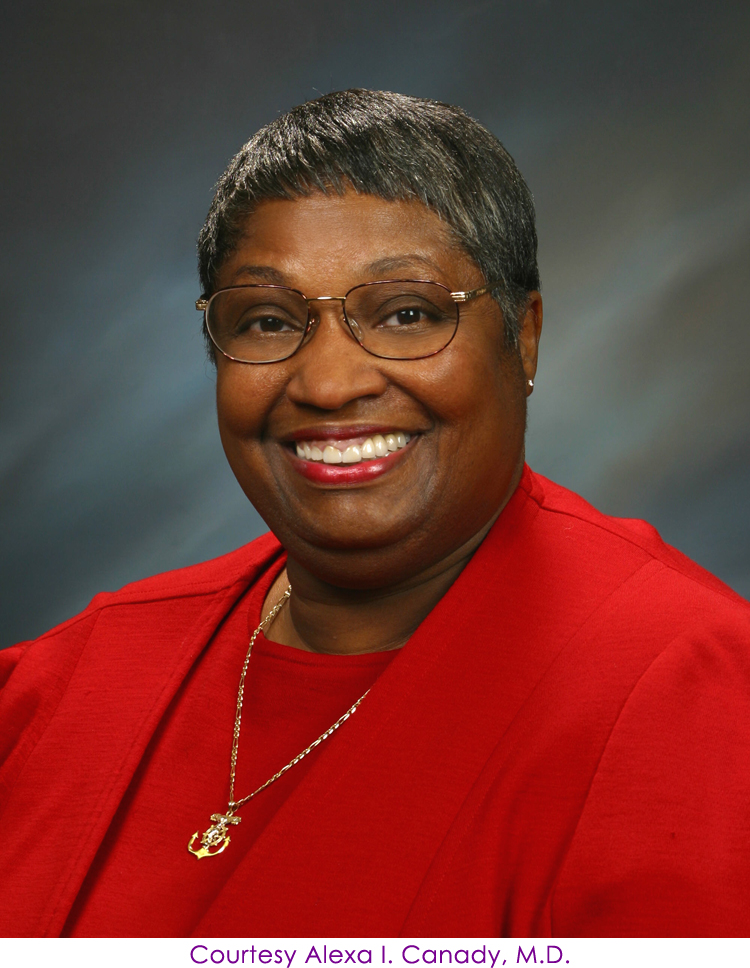
    This article will be the first of a series of articles I hope to continue called Hidden Figures Beyond. The goal of this series is to go beyond the movie Hidden Figures, highlighting more scientists that are underrepresented minorities whose research and studies continue to make an impact on the discovery of knowledge today. The first scientist that I will be highlighting is the first African-American neurosurgeon in America, Alexa Canady. She is retired now, but I would like to discuss her history with neurosurgery and the research that she focused on and its impact.

    To give a quick description of her early life, Alexa Canady was born in Lansing, Michigan to Elizabeth Hortense Canady and Clinton Canady Jr. Her mother was an educator and her father was a dentist, so she and her brother grew up in an education-based environment. Her family always emphasized the importance of education, especially as an African-American woman, which motivated her to graduate from her high school with honors and to attend the University of Michigan to earn. However, like most college students, she had her fair share of struggles as well. As a mathematics major, she had a ‘crisis of confidence’, questioning her place at the University of Michigan. When she learned about a minority scholarship for medicine, she felt an instant connection and decided to pursue it, thus switching her major to zoology and earning her bachelor’s degree in 1971, then graduating cum laude from medical school there in 1975. After graduating, she interned at Yale-New Haven Hospital for a year, where she still faced discrimination, being told on her first day, “You must be our new equal opportunity package.” Despite this, she continued to strive and be voted as one of the top interns by the physicians on her staff.

    After her internship, she had her residency at the University of Minnesota from 1976 to 1981, when she started a fellowship at Children’s Hospital in Philidelphia. In 1982, she completed her fellowship and was soon hired onto the faculty of Detroit’s Henry Ford Hospital. She worked there until she was hired as the chief of pediatric neurosurgery at the Children’s Hospital of Michigan in 1987. Canady specialized and researched in life-threatening illnesses, congenital spinal abnormalities, and other brain injuries like hydrocephalus, trauma and brain tumors. She performed many life-saving treatments on thousands of patients, most of her patients being ten years or younger. During her time in Detroit, she researched at Wayne State University to improve neurosurgical technology with two other neuroscientists. This research led to the development of an antisiphon shunt that helps to treat hydrocephalus, an abnormal accumulation of fluid inside the brain. She continued this work until her partial retirement in 2001, retiring to Florida. During this time, she worked as a part-time surgeon until her complete retirement in 2012. Even though Canady is retired, she is still a full-time role model for African-Americans interested in STEM, and working on the issues of medical bias of African-American patients.


    As I learned more and more about Alexa Canady and what an amazing scientist she is, I was also a little sad about the fact that she really isn’t very well known, even though she has done so much and has saved the lives of so many people. She’s stated that she doesn’t want the attention, but she is an inspirational role model and now that I know about her story, I don’t think I ever want to forget about her and her legacy. I’d like to leave this quote from a recent interview of hers when she was asked why young students should pursue neuroscience to perfectly define her life and legacy.

    “It’s fun to make people better… It’s intellectually challenging, you get kind of a high when everybody says ‘Ah the neurosurgeon is here.’”
    -Alexa Canady, 2017

  • Understanding the Use of CRISPR in Humans

    Understanding the Use of CRISPR in Humans

    CRISPR, an anacronym that stands for “clustered regularly interspaced short palindromic repeats,” is a concept becoming quite ubiquitous in most biology classes and rapidly gaining familiarity among experimental medicine and biology discussion circles not to mention scientific publications and health- or science-related news media. However, people who are not closely following these discussions or do not have a contemporary knowledge of genetics, understand very little about what exactly CRISPR could be or do. Even if one goes word by word for what each letter of the CRISPR anacronym stands for, it would be hard for the general public to have a workable idea of the science underlying this term. This article intends to provide an uncomplicate explanation of the concepts around CRISPR by resorting to a language that simplifies the ideas without decreasing the accuracy to the main concepts.

     Source: https://www.sciencenewsforstudents.org/article/crispr-enters-its-first-human-trials

    CRISPR vs. CRISPR Technology

    First, we may need to distinguish CRISPR, as a family of DNA sequences which is part of the immune system identified in bacteria cells, from CRISPR technology, as a tool to modify those DNA sequences in humans. Therefore, when scientists are talking about CRISPR and “trials in humans” they usually refer to a method used to modify the DNA genome in humans.

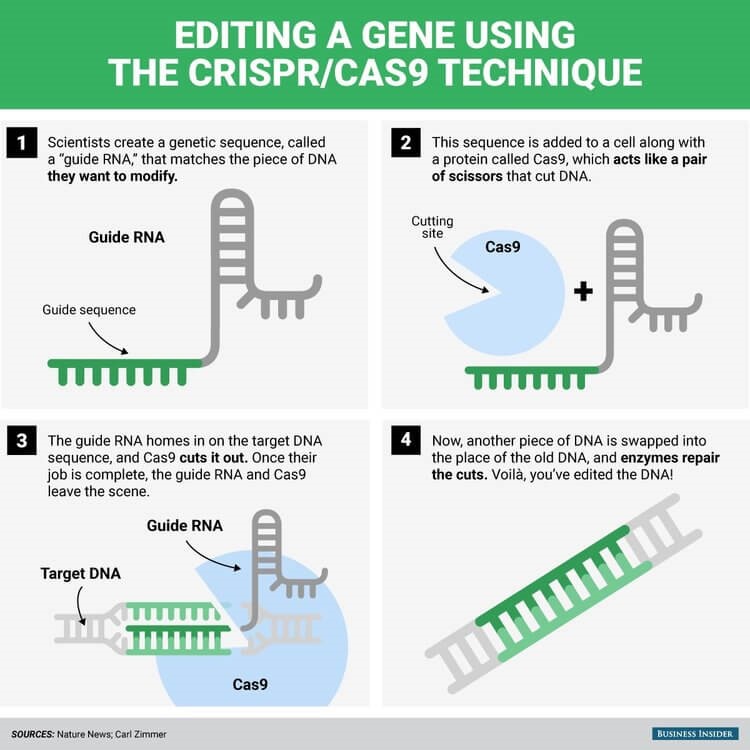
    CRISPR has two components: the Cas9 which is a protein that can unwind and cut DNA sequences and the guide RNA (or gRNA) that recognizes the sequence of specific sequence of DNA to be edited.  In some literature the CRISPR technology is also known as CRISPR/Cas9 in reference to a specific cutting protein – we will return to this concept below.

    At least, three important questions arise here: How well is our understanding of the DNA sequences in cells? How well developed and precise are the tools to manipulate those DNA sequences? Why do we need to modify any part of the DNA sequences? The first two questions are not only quite related, but also involve a lot of uncertainty even for scientist working everyday with CRISPR technology. The third question involves not only the diverse therapies and diagnostic purposes for which CRISPR technology is being used but also the dangers and ethical dilemmas involved in the use of this technology. We will mostly focus on the third question while bearing in mind and revisiting the first two questions.

    Source: https://sciencehook.com/biology/crispr-cas9-and-gene-editing-explained-140

    Understanding Gene Editing

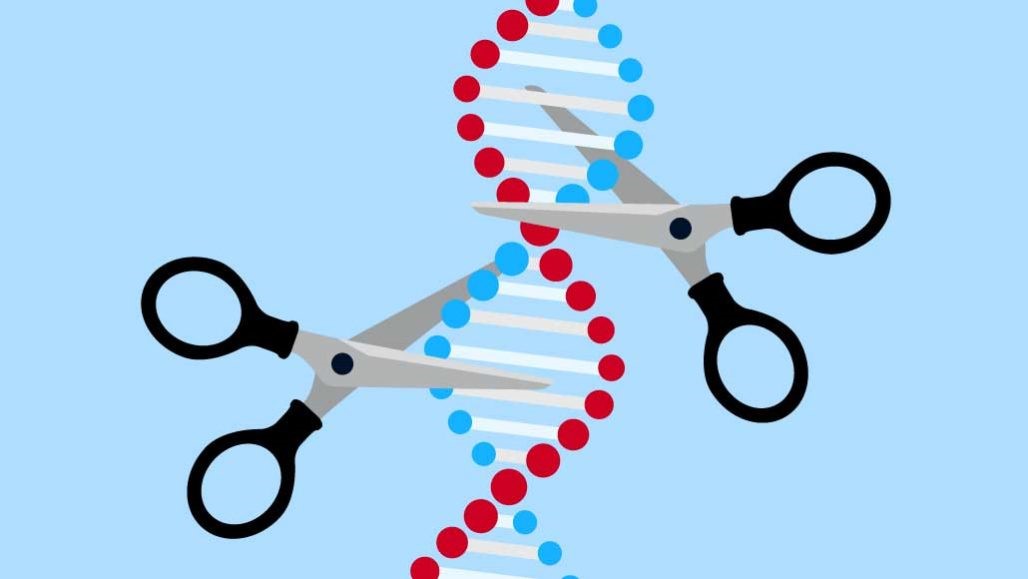
    CRISPR is a system mostly known for the modification of DNA sequences to correct or delete any mutations or defect within the sequence of spaced DNA palindrome. In a practical way, it could be seen as spellcheckers of misspelled sequences and a cut-and-paste tool for DNA editing.  CRISPR has been used in cancer patients, people with blood disorder and other possible diseases or defects that CRISPR could help to identify and correct.

    To have a more precise idea lets return to the underlying concepts once more. The purpose of CRISPR technology is first to identify genes associated with CRISPR.  Particularly relevant are those genes that could produce enzymes or proteins named Cris9 which are able to unwind and cut DNA, which were identified in the laboratories of Jennifer Doudna and Emmanuelle Charpentier and for which they received the Nobel Prize in Medicine.

    With Cris9 at hand, it could be used to unwind and cut out specific strands of DNA (mostly those parts of the human genome that were previously identified as the mutations that cause unwanted defects or health problems). At that point, a specific gRNA is created to match that stretch of the DNA sequence that was cut.  Next, after the gRNA is being attached to the DNA cutting enzyme Cas9, the complex formed by the Cas9 and gRNA is re-introduced to the targeted cell where the defect was detected.  In other words, the enzyme cuts the strands of DNA at the specific human genome so that whatever is deleted can be properly replaced by a corrected part. In this case, researchers would remove some cells that are susceptible to a bacteria or virus or cells that show some unwanted mutation, modify the DNA in those cells and then put the modified cells back to potentially decrease the likelihood of a disease or defect.

    Hopes, Slow Progress and Concerns

    In general, CRISPR has been associated with a scientific revolution happening in medicine that would soon help us to better fight diseases, cure cancer, diagnose diseases or maybe even create new humans. The increasing understanding of how CRISPR works has given some hope and enthusiasm to scientist.  Therefore, it is now frequent to find news about CRISPR being used in experiments.

    However, we are in the early days of CRISPR and the progress is slow.  In spite of the hopes, CRISPR has been used solely in a limited number of well-known mutations that cause certain diseases. This is an important limitation for various reasons. The number of unknown mutations is still quite large compared to the few known ones.  Moreover, the mutations in the same place of the sequence of DNA of two individuals could be quite different and therefore the application of CRISPR to cut and correct such a mutation may work in some but not in all individuals. Even in the cases where the application of CRISPR in experiments with animals were relatively successful, for example the injection of corrected stem cells that let paralyzed rats walk again, when the same experiments were run in humans, they did not provide the same results.

    The slow progress has not stopped the development of theoretical and laboratory models where CRISPR could be use beyond unwinding and cutting DNA, but also as a pointer and diagnostic tool. In the future, it is expected that CRISPR could be used in developing advanced patient therapies, customized medications and even cure life-long inherited diseases.

    Ethical considerations

    However, when CRISPR is associated with the “trials in humans,” a number of natural legitimate ethical concerns have been risen around the use of CRISPR.  For example, it has become accepted the use in CRISPR in somatic cells such as T-cells to treat diseases, but when CRISPR is used in embryo or stem cells, it becomes controversial, mainly because genome modifications are done at germline level with unknown of unintended consequences for patients and future generations.  In simple terms, the issue is the corrections at germline of a DNA sequence that could be passed to future generations by introducing heritable changes to sperm, eggs or embryos without full consideration of the risks or proper understanding of the participants.

    Source: https://www.technologyreview.com/s/612997/the-crispr-twins-had-their-brains-altered/

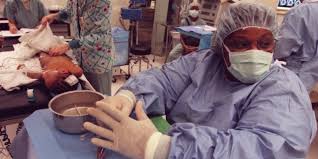
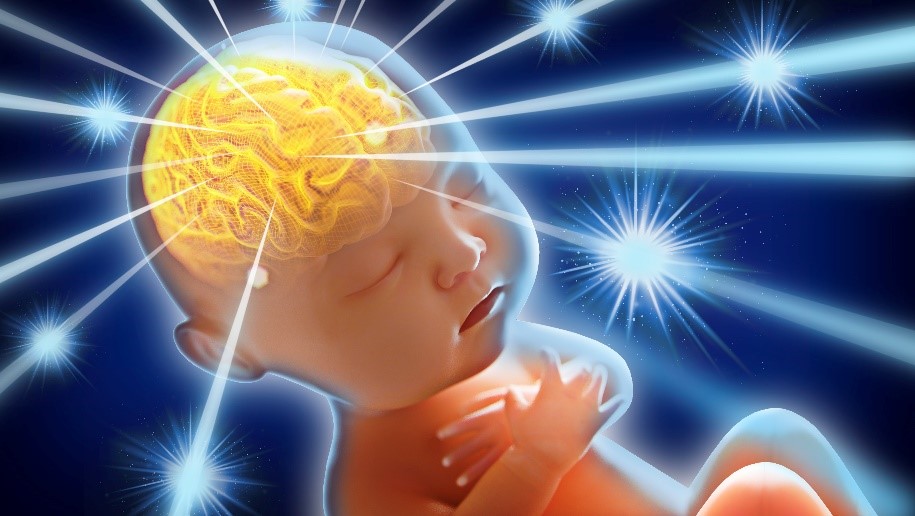
    This issue gained big relevance when a He Jiankui, a Chinese scientist, worked in the germline to modify the genes in twin kids (before birth), aimed to make the twins immune to HIV. This experiment was considered quite irresponsible and ethically questionable leading to a worldwide condemnation of the scientific community; the risks to the babies were higher than the benefits for a number of reasons: the parents provided consent without being properly informed, the CRISPR experiment was kept secret, He Jiankui ignored the ethical consensus against human germline genome editing. Due to this incident, regulations about when and how related research should be use in clinical treatment are being discussed and issued. Moreover, there have been even calls for a moratorium of clinical use of human germline editing.

    Although still experimental, it is expected that one day CRISPR would arrive to the market. This creates another controversial set of issues. Who will have access to it? Would the cost be prohibitive for most people?  Would CRISPR be similar to many new cancer or other high-tech medications and therapies with quite expensive price tags? Would CRISPR be seen as a discrimination tool via the market? These are open questions with no simple answers.

    Beyond the ethical concerns, people may tend, out of fear, to magnify some drawbacks and minimize important merits (or vice versa) and so, could be sensitive to rumors or unprecise information. That is the case of non-therapeutic uses of CRISPR. The idea that CRISPR could be used for frivolous ends (i.e., phenotype “corrections” like cosmetic surgery for aesthetics) is a frequent misconception about what CRISPR could do.  In general, it should be mentioned that the state of arts in genetics is not quite there yet to attempt any phenotype “correction.”  Simply put, science does not know exactly what the consequences are of changing some genes.


    In conclusion, editing CRISPR genome allows scientists to quickly create cell, which can be used to accelerate research into diseases such as cancer and mental illness. Also, CRISPR is now being developed as a rapid diagnostic tool.  However, CRISPR is still in its early days of and there are still scientific and ethical limitations to take into consideration


    Resources


  • I don’t know it when I see one

    I don’t know it when I see one

    In Fig. 1, which line is longer?

    Fig. 1 Müller-Lyer illusion

    Our eyes will tell us that the first line seems longer than the second, but in fact two lines are the same. This famous image consisting of stylized arrows is called Müller-Lyer illusion. When we see the picture, though we are asked to place a mark on the figure at the midpoint, our perception will automatically place our vision more towards the “tail end”. Illusions are situations when human’s perception differs from generating stimulus in a meaningful, even misleading way.

    Optical illusions are fascinating, and sometimes even challenging because they demonstrate that what we see is just what we perceive through eyes: we receive the information, interpreted it and yielded the internal representation of the world.

    Psychologists and evolutionary biologists have researched the proposition of illusory perceptual discrepancies. The direction of these researches has been changed throughout history, from purely concentration on the phenomena to the predicted analysis. With enough knowledge of the nervous system, detailed researches of neural structure and function in perspectives of the behavioral research proceed to geometrical and physical directions.

    We can classify illusions into six categories: Luminance and contrast, Motion, Geometric or angle illusions, 3D interpretation (impossible figures), Cognitive effects and Color. Here are some examples related with some of these categories.

    Luminance and contrast

    Fig. 2 Hermann Grid

    The “Hermann Grid” (Fig. 2) is that if you examine the picture, you will see gray dots at the intersections of the white “streets”. This was explained on the concept of lateral inhibition. We see the worlds as our retinal ganglion cells encode and thereby compress it. Moreover, the appearance of gray patches highlights the additional role of cortical processing, i.e. orientation selective neurons.

    Motions

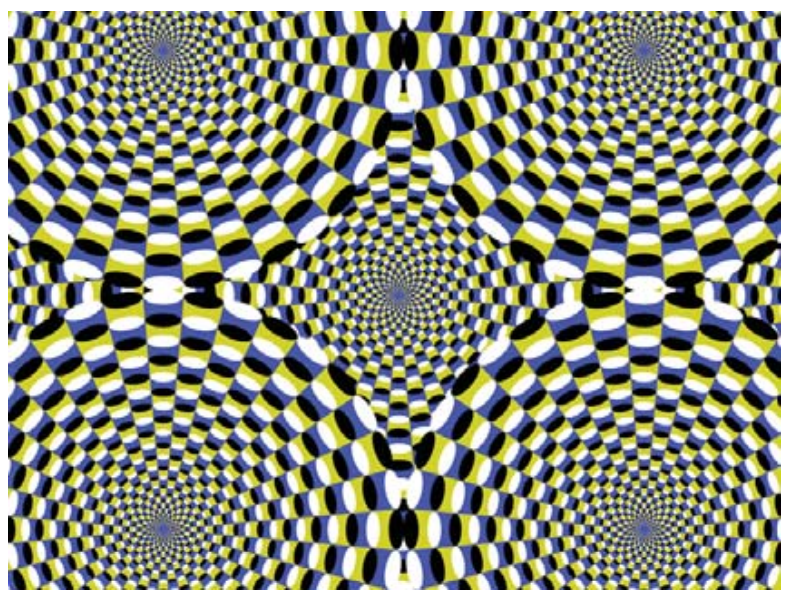
    Fig. 3 Kitaoka’s illusion

    In Fig. 3 the disks seem to expand slowly. One explanation is that when the asymmetric luminance (black to gray to white) appears, we will perceive the asymmetric luminance steps drive motion detectors. Meanwhile, human’s eye movements affect the modulation with our automatic adaptation or possible suppression.

    Geometric or angle illusions

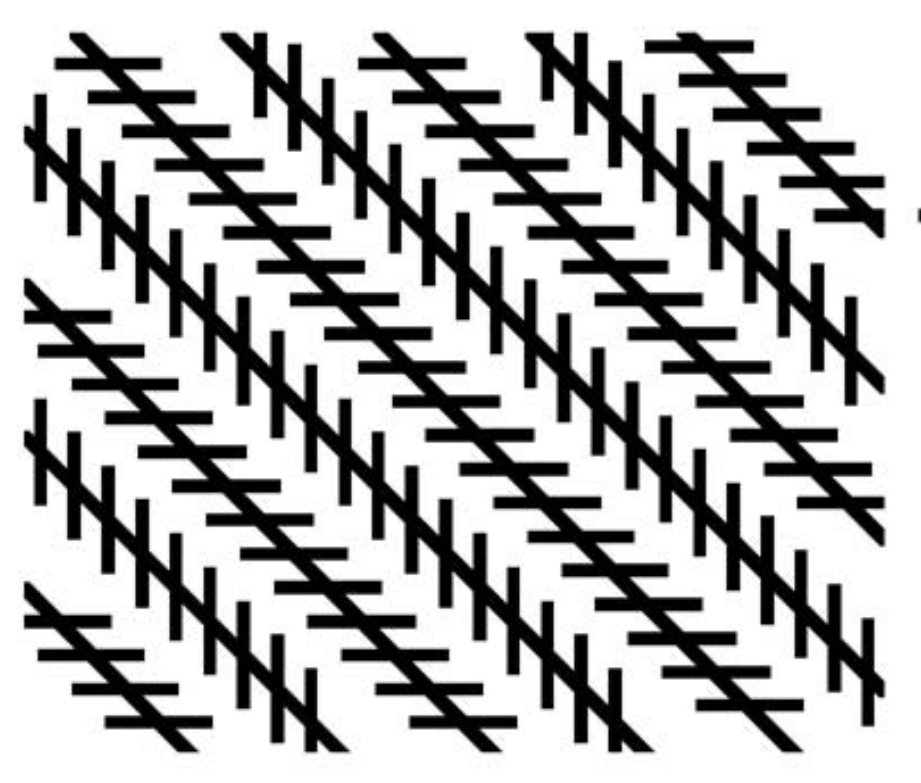
    Fig. 4 J Zöllner illusion

    As J Zöllner discovered in 1860 (Fig. 4), the parallel lines intersected by short lines with right angles appear to be unparalleled. One illustration was that we feel like these parallel lines appear to be closer because we overestimated the small angles affected by the crossings of short lines.

    Impossible figures

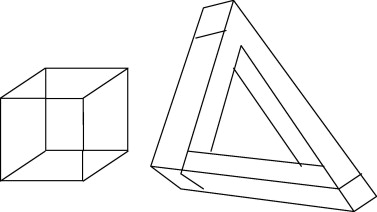
    Fig. 5 Penrose illusion

    As Gerald mentioned (2, Gerald), compared with common cube, figures of the Penrose (Fig. 5) and Escher type require specific parsing of the figure’s components and deductive reasoning to reveal the impossibility of their physical realization. These so-called “impossible figures” require human beings to imagine a physical world, take time to simulate and get a perception, but in fact neglect some other sensory. Basically, they can be created through illusory contours, time discrepancies and perspective drawings.


    Reference:

    Bach, Michael, and Ch M. Poloschek. “Optical illusions.” Adv Clin Neurosci Rehabil 6.2 (2006): 20-21.

    Westheimer, Gerald. “Illusions in the spatial sense of the eye: Geometrical–optical illusions and the neural representation of space.” Vision research 48.20 (2008): 2128-2142.

    Coren, Stanley, and Joan S. Girgus. Seeing is deceiving: The psychology of visual illusions. Lawrence Erlbaum, 1978.

  • Atlanta’s growth is Hurting the Environment

    Atlanta’s growth is Hurting the Environment

    The city of Atlanta is constantly growing. With new apartment complexes, new buildings and more companies coming to the city, the metropolitan of Atlanta is currently the “fourth fastest growing area in the country” (Carnes, 2019). These changes that are occurring within the city are having dramatic changes to the demographics and economy of the city, but these changes are causing detrimental environmental effects as well. 

                 Atlanta has become one of the fastest growing cities in the Southeast of the United States. The demographic of Atlanta has been evolving over this time of constant growth. With the constant growth, the average age of the population of Atlanta has decreased and is lower than the average age of the population of the state of Georgia. In 2019, the median age of Georgia is 36.2, while in Atlanta, the median age is 33.5 (“Atlanta Georgia Population 2019”). The city has a lower median age compared to the entire state due to reasons that younger individuals are moving to the city. According to the NFIB, young people are moving to the city “because of the low cost of living, the growth of the job market, and diversified economy” (“Atlanta is top 20…”). These age differences can have adverse effects on the population that could be good or bad. Within Atlanta, the lower median age can “impact the economy significantly” with negative repercussions.  (Majaski, 2019).

                 The economy of Atlanta is growing as well with the influx of people. The construction industry has a huge influence in the city. In order to accommodate these needs, various construction projects are constantly being started. As of June 2019, the job growth of construction is greater than any other industry in Atlanta (US Dept. of Labor, 2019). These construction projects include housing as well as corporate buildings as well. According to RealPage, the “demand for apartments outstripped new supply in Atlanta by nearly two-to-one with more than 4,200 units being rented while 2,700 new units delivered into the market” (Shchenke, 2019). This signifies that the general young population of Atlanta, constantly needs housing and in order to accommodate this, many constructions occur to provide housing for such. Although there is a huge number of construction projects occurring and benefits the city and people, these construction projects are having negative environmental effects. 

    Despite the construction and growth of the city being a good thing for the city, it can negative effects on the city as well. The city of Atlanta is a major city that is being affected by urban sprawl. According to Britannica, urban sprawl is the “rapid expansion of the geographic extent of cities and towns” (Rafferty, 2019). With this rapid expansion of Atlanta, it is having adverse effects on the environment and has led to drastic deforestation within the city. In order to clear space for new construction, “sprawl-fueled deforestation occurs at the rate of 50 acres per day” (Bullard). This leads to less tree cover for the area which can lead to effects such as more pollution, flooding and soil erosion (“Urban Sprawl”). Along with the effects of general pollution, flooding and soil erosion, a huge impact of urban sprawl within Atlanta is that the overall quality of air in the city will drop. 

                 Air pollution is one of the biggest problems that is caused by urban sprawl. With urban sprawl, many individuals have an “increased dependence on automobiles and other vehicles, and high energy and water use” (“Urban Sprawl: Your Health…”). In this case, the number of cars on the highways or streets essentially increases because people are spread out and do not have sufficient public transport to get to their destination. According to the Atlanta Regional Commision, “Atlantans drive a total of more than 100 million miles per day” (“Facing the facts…”) This means that people spend a long time in their cars due to traffic and general commutes. Along with the general increase in the number of vehicles on the road, the general idea of deforestation caused by urban sprawl would be a huge effect on air pollution. Trees are a huge factor in helping in releasing water vapor and taking in carbon dioxide and other pollutants(“Urban Spawl”). WIth deforestation, there are less factors in helping in decreasing the pollutants and essentially ruin the general air quality. Over the past 15 years, Atlanta has averaged 40 ‘code orange’ days over the past Summers. These ‘code orange’ days can cause specific lung and heart disease and people are advised to stay inside. Along with the ‘code orange’ days, metro Atlanta area fails to meet national health standards for both soot and smog, and likely won’t meet these standards for at least 10 years (“Facing the facts…”). This level of air quality for Atlanta is very bad for the inhabitants and with such expansion, the city of Atlanta needs to look at the effects and find ways to help fix such environmental issues. 

    With the growth of the city, the city of Atlanta needs to implement solutions that allow the city to accommodate the growth, but also be able to solve specific environmental problems. Being able to connect the overall city through different means of transportation, will be a huge factor in helping the air quality of city and prevent further expansion of the city. 

    (2019, August 5). Retrieved from https://www.bls.gov/regions/southeast/news-release/2019/pdf/areaemployment_atlanta_20190805.pdf

    Atlanta, Georgia Population 2019. (n.d.). Retrieved from http://worldpopulationreview.com/us-cities/atlanta-population/.

    Atlanta Is Top 20 City for Young Professionals. (2016, April 20). Retrieved from https://www.nfib.com/content/news/economy/atlanta-is-top-20-city-for-young-professionals-73695/.

    Bullard, R. (n.d.). Atlanta Megasprawl. Retrieved from http://forum.ra.utk.edu/1999fall/atlanta.htm.

    Carnes, J. (2019, April 24). Why is the city of Atlanta’s population growing? Retrieved from https://www.11alive.com/article/news/local/outreach/why-guy/why-is-the-city-of-atlantas-population-growing/85-389f3547-202b-4ad4-a22f-ccfb1e7f1702.

    Facing the Facts about Atlanta’s Air Quality. (n.d.). Retrieved from https://www.southernenvironment.org/cases-and-projects/fact-sheets/facing-the-facts-about-atlantas-air-quality.

    Majaski, C. (2019, October 26). What Is the Working-Age Population? Retrieved from https://www.investopedia.com/terms/w/working-age-population.asp.

    Schenke, J. (2019, July 16). Atlanta’s Apartment Rent Growth Ranks 3rd In The U.S. Retrieved from https://www.bisnow.com/atlanta/news/multifamily/demographic-tailwinds-help-push-atlanta-apartment-rents-up-to-third-strongest-in-nation-99894.

    Rafferty, J. P. (2019, February 7). Urban sprawl. Retrieved from https://www.britannica.com/topic/urban-sprawl.

    Urban Sprawl. (n.d.). Retrieved from https://www.georgiaencyclopedia.org/articles/arts-culture/urban-sprawl.

    Urban Sprawl: Your Environment, Your Health | National Library of Medicine. (n.d.). Retrieved from https://toxtown.nlm.nih.gov/sources-of-exposure/urban-sprawl.

  • Are Sunscreen products reliable?

    Are Sunscreen products reliable?

    What?

    Sunscreens contain diverse active ingredients. Some use the inert inorganic mineral pigment, such as zinc oxide and titanium dioxide, primarily to reflect or scatter UV radiation. Others use organic chemicals or a mixture because chemicals can absorb UV rays. For instance, sunscreens also contain carbon-containing molecules that absorb light, such as oxybenzone, octinoxate, octisalate and avobenzone.

    The Scientific Committee on Consumer Products (SCCP) has reviewed 27 UV filters approved for Cosmetic Directive, each processes a designation, by which they should be declared on product packaging.

    Each sunscreen product has a sunscreen products factor (SPF). It is misleading to interpret SPF as the strength of protection. In fact, SPF refers to the time for the UVB rays to redden the skin with the product compared to that without product. For instance, 15 SPF means using this sunscreen will take 15 times longer for the skin to burn than without using it.


    How?

    Most sunscreen products work by blocking, absorbing, reflecting and scattering UV rays through physical and chemical approaches. Physical method uses particles like titanium dioxide or zinc oxide mentioned above to reflect UV rays away from skins. Meanwhile, many complicated ingredients have chemical reaction with radiation as they contact, absorbing the UV rays, prevent the radiation harming the skins.

    Specifically, sunscreens can combat with two types of damaging UV rays: UVA and UVB. Recent researches show that both UVB and UVA radiation will cause sunburn and skin cancer, while UVA rays will also deeply penetrate the skins and cause faster aging, wrinkling and eye damaging.

    However, most sunscreen products on the market only block UVB rays while overlook the damage caused by UVA rays. Focusing on efficient UVA protection has a significant prospect in the future.


    Safety?

    Besides SCCP inspections, ingredients used in sunscreen products also must be approved by the Food and Drug Administration (FDA). The FDA has reviewed 17 ingredients that can be used in UV products, including oxybenzone, titanium dioxide and zinc oxide mentioned before.

    To guarantee the safety of ingredients, FDA conducts extensive inspections on the ingredients and moreover, regulates the safety and effectiveness of the ingredients until reaching the best performance. For instance, FDA has approved the use of zinc oxide in over-the-counter skin protectants and sunscreen products at concentrations up to 25 percent; active ingredients in sunscreen such as titanium dioxide protect our skin form the harmful UV rays.


    Experiment!

    Now let’s do something interesting using the nature print paper. The nature print paper will become very pale blue after exposure to the sunlight. We can use it to test the effectiveness of UV product by comparing the color.

    Step 1: Take one piece of Nature print paper and put it on a piece of corrugated cardboard for support.

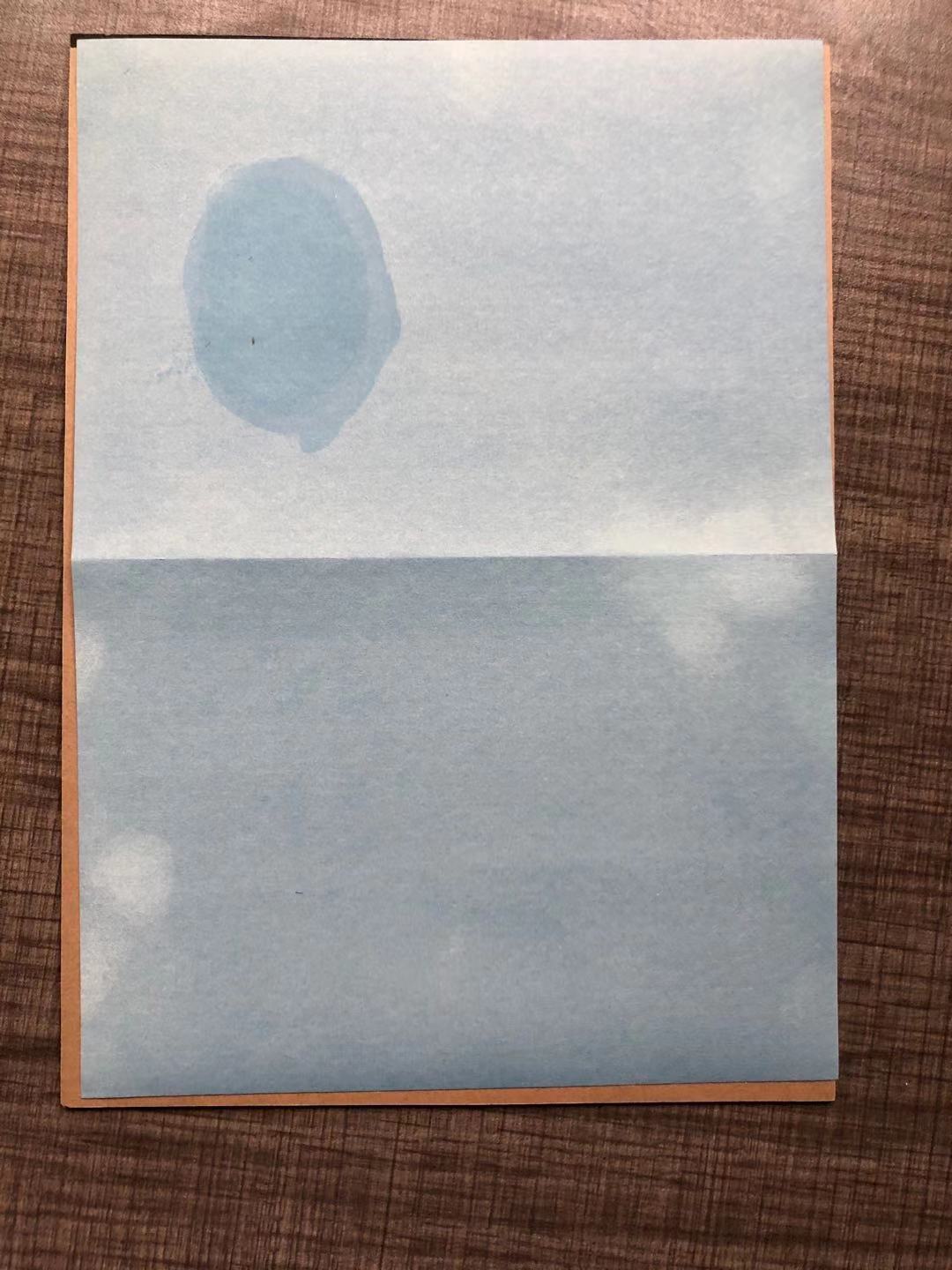
    Step 2: Smear some sunscreen on part of the paper (the small circle). I used the Shiseido UV product with SPF 50, PF+++.

    The paper without exposure to sunlight

    Step 3: Expose the paper under sunlight until the blue paper turns very pale blue.

    Step 4: Check the resulted paper.

    After exposure to sunlight for 2 hours

    We can discover that the whole paper became light blue, except the circle with sunscreen barely changed after 2 hours of exposure. We can see that the sunscreen products do have intensive effect and we can surely believe that sunscreen products can protect our skins against the harmful UV light.


    Binks, Bernard P., et al. “How the sun protection factor (SPF) of sunscreen films change during solar irradiation.” Journal of Photochemistry and Photobiology A: Chemistry 333 (2017): 186-199.

    Holman, Dawn M., et al. “Patterns of sunscreen use on the face and other exposed skin among US adults.” Journal of the American Academy of Dermatology 73.1 (2015): 83-92.

    Saini, Ritu, and Andrea Szemplinski. “How to choose the right sunscreen for your skin type.” (2016).

    Wahie, S., J. J. Lloyd, and P. M. Farr. “Sunscreen ingredients and labelling: a survey of products available in the UK.” Clinical and Experimental Dermatology: Clinical dermatology 32.4 (2007): 359-364.

    Gasparro, Francis P., Mark Mitchnick, and J. Frank Nash. “A review of sunscreen safety and efficacy.” Photochemistry and photobiology 68.3 (1998): 243-256.

  • An Egg-istential Question

    An Egg-istential Question

    Which came first, the chicken or the egg?

    A classic philosophical conundrum, intentionally baffling and likely argument-provoking.

    “You need a chicken to lay an egg, but chickens come from eggs, so you need an egg to get the chicken… to lay the egg, from which to get a chicken to lay an egg…”

    This can (and often does) go on forever, an endlessly frustrating loop of logical fallacy.

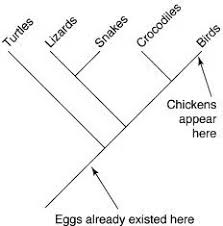
    I was pretty surprised  then, when the answer was suddenly provided in one of my classes, a course on evolutionary ornithology. We were discussing a phylogenetic tree,  when my professor casually pointed out an easy, glaringly logical, loophole in the age-old query.

    So, scientifically speaking, which came first, the chicken or the egg?

    Egg Timeline:

    The amniotic egg, or cleodic egg as it is also sometimes called, is thought to have evolved between 340-370 million years ago, and is highly conserved across many classes and families, from mammals like us to crocodiles. The classification of amniotes includes all vertebrate animals with four limbs and amniotic eggs, so think all mammals (Synapsida), and reptiles/birds (Reptilia) (Sander 2012).

    What exactly is so special about this egg?

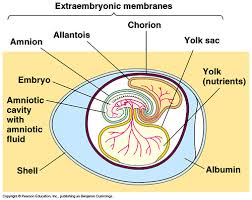
    The amniotic egg is characterized by its complex of inner membranes. The allantois, which is directly attached to the embryo, primarily holds the waste products, while the yolk sac contains all the nutrients the embryo will need for development. The embryo is bathed in a stable fluid environment, surrounded amniotic fluid and enclosed in amnion membrane. The outermost membrane, the chorion, provides close contact between the eggshell and its internal contents, allowing for the necessary gas exchanges of O2 and CO2, and holding the other structures together. Finally, there is the outer shell layer, which can be leathery (as can be seen in some turtle species) or calcified, like the hard eggshells of birds and crocodiles. This outer shell is semi-permeable, again to permit the gas exchanges needed for respiration, and to keep moisture in and harmful microorganisms out (Sander 2012).

    Quick aside- yes, mammals generally don’t lay eggs (excepting the monotremes such as platypuses and echidnas). However, the eggs that develop in the uterus before live birth are still considered to be amniotic eggs, since the embryo is surrounded by necessary membranes to encase fluid. They simply lack the outer eggshell and remain inside the mother’s body.  It is also worth noting that while the placental organ does perform some of the functions internal membranes have in other animals, most noticeably the nourishing role of the yolk, mammal embryos still have a yolk sac in early stages of development, as well as the other characteristic structures of the amniotic egg.

    This general structure of the amniotic egg is a major landmark in the evolutionary history of life. By providing a way to contain fluid, it eliminated the dependence of reproduction on bodies of water to lay and incubate in, and thus opened up a whole world for vertebrates to expand into. In fact, it’s considered the most defining development allowing for the evolution of life on land! And these eggs are quite old, evolving no later than 310 million years ago with the last common ancestor of mammals and birds. Most estimates place the appearance of the amniotic egg between 340 and 370 million years ago (Sues 2016).

    Chicken Timeline:

    Alright, now let’s consider the chicken. The modern common domestic fowl (Gallus gallus domesticus), what we know as chickens, have a long and storied evolution like all birds, stretching back into the age of dinosaurs, and more specifically, the therapods. Therapods are thought to have first appeared in the late Carnian age of the late Triassic period, somewhere around 232.4 million years ago, as a clade of saurischian dinosaur. They were a widely diverse group, but main features included hollow, light-weight bones, and bipedality, and they were generally carnivorous. Within the more specialized subsets, there are the Tetanurae, which are further subdivided into Megalosauroidea and the Avetheropoda. The Avetheropoda, contained Carnosauria and the Coelurosauria, from which birds are direct descendants!

    If we jump ahead a few million millennia, we can track down the last relative from which our favorite bird diverged. Gallus gallus domesticus, is a subspecies of the junglefowl, Gallus gallus, of the order Galliformes, suborder Galli, and family Phasianidae. Galliformes are originally from Southeast Asia and have been around for an estimated 50 million years. Although there are other jungle fowl with whom the chicken may share genetics, including the gray jungle fowl, Gallus sonneratii, that likely contributed the trait of yellow skin on their feet,  it well accepted that the chicken diverged most directly from the red junglefowl (Potts 2012). In one study by Sawai et al (2010), an analysis of DNA from 19 birds (including red and green junglefowl and several breeds of chickens), found that that the domestic chicken diverged from the red junglefowl  58,000±16,000 years ago, which had in turn diverged from its last common ancestor with the green junglefowl around 3.6 million years ago. This places our oldest chicken between 42,000 and 74,000 years ago (Sawai et al 2010).

    The Results are in…Eggs are way older

    Compared to the egg’s minimum of 310 million years, the chicken is practically a baby in evolutionary terms, somewhere around a mere 58,000 years old.

    When you set the comparison in these terms, it is an easy landslide. Of course, you may very well be thinking, “that’s great and all, but that’s not technically a chicken egg. Surely you need a chicken for the egg to be a chicken egg, right?”

    And you are not wrong- there are specific enzymes and other proteins that only chickens have which play a crucial role in their eggshell formation, with most people citing ovocledidin-17 as the primary example of this.

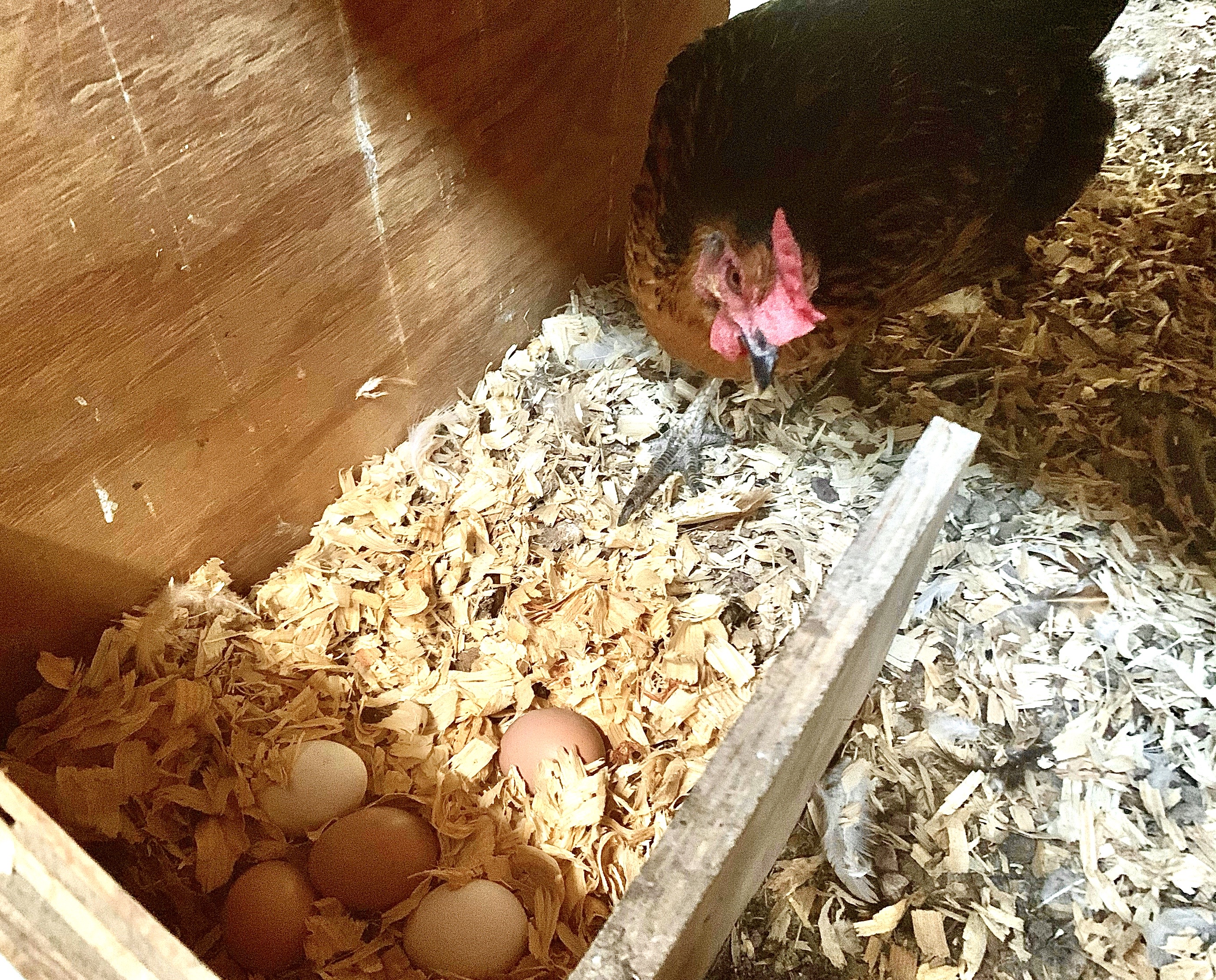
    When you think of an egg, a hard-shelled egg, the kind of egg  one might decorate at Eastertime, or buy by the dozen at the supermarket, however, the defining features are not of a chicken egg specifically. First and foremost, you are thinking of the massively distinct amniotic egg, which has existed before birds, much less chickens, were around to lay them.

    Yes, the question is rigged. It is a false dichotomy, and not meant to have a clear solution. If you are like me, however, this is the most satisfying ending; a supportable conclusion and some great practice in phylogenetic problem-solving.

    References:

    Amniote Egg. (n.d.). Retrieved from http://www.biologyreference.com/A-Ar/Amniote-Egg.html.Emma.berthold@science.org.au. (2019, September 19). Which came first: the chicken or the egg? Retrieved from https://www.science.org.au/curious/earth-environment/which-came-first-chicken-or-egg.

    Potts, A. (2012). Chicken. London: Reaktion.

    Sander, P. M. (2012). Reproduction in Early Amniotes. Science, 337(6096), 806–808. doi: 10.1126/science.1224301

    Sawai, H., Kim, H., Kuno, K., Suzuki, S., Gotoh, H., Takada, M., . . . Orban, L. (2010). The Origin and Genetic Variation of Domestic Chickens with Special Reference to Junglefowls Gallus g. gallus and G. varius (The Origin of Domestic Chicken). PLoS ONE, 5(5), E10639.

    Sues, H.-D. (2016). Amniotes, Diversification of. Encyclopedia of Evolutionary Biology, 56–62. doi: 10.1016/b978-0-12-800049-6.00279-1