Category: today i learned (til)

health, fitness, medicine, environment, ecology, how to learn tricky topics in science and math, new discoveries, news, current events

  • How to Create Effective STEM Presentation Materials

    How to Create Effective STEM Presentation Materials

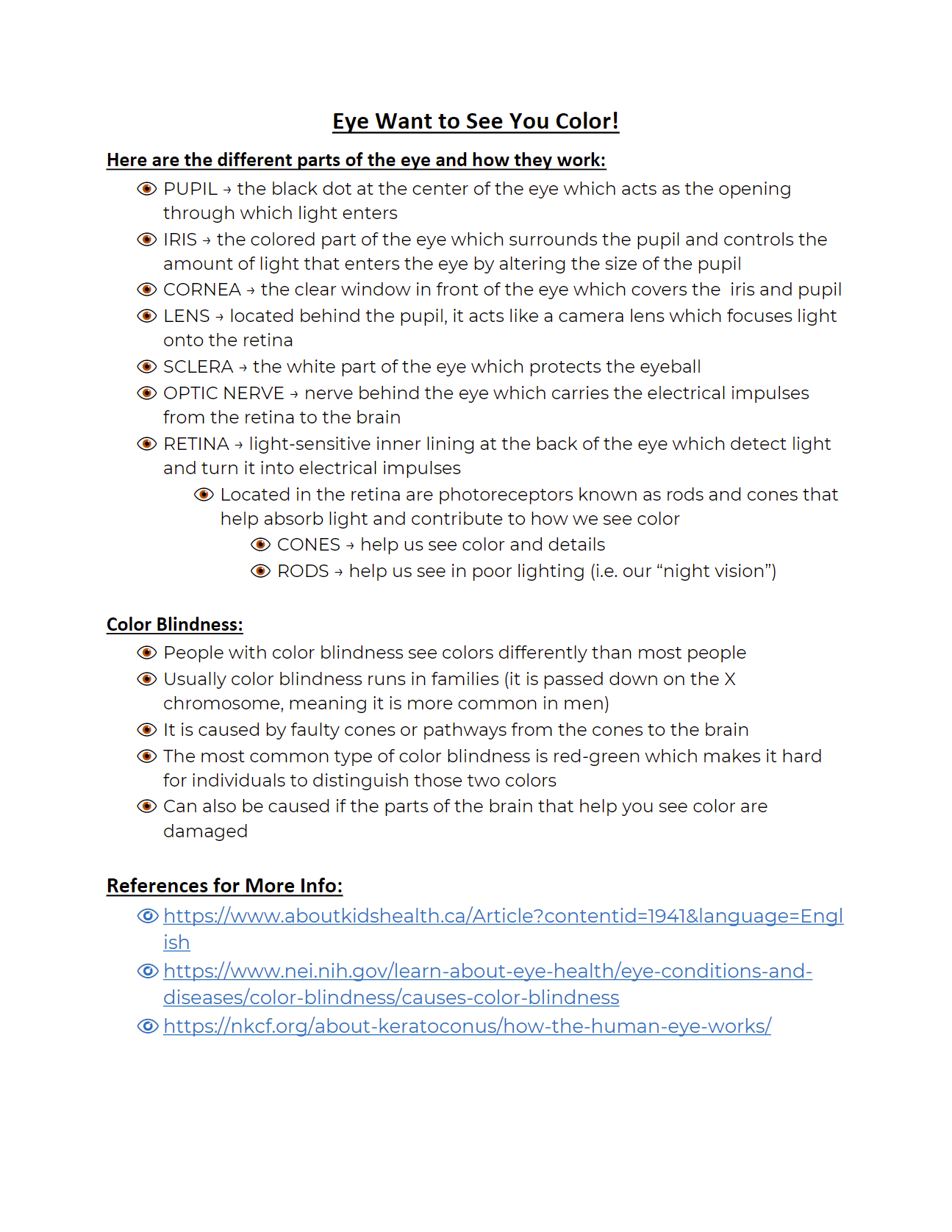
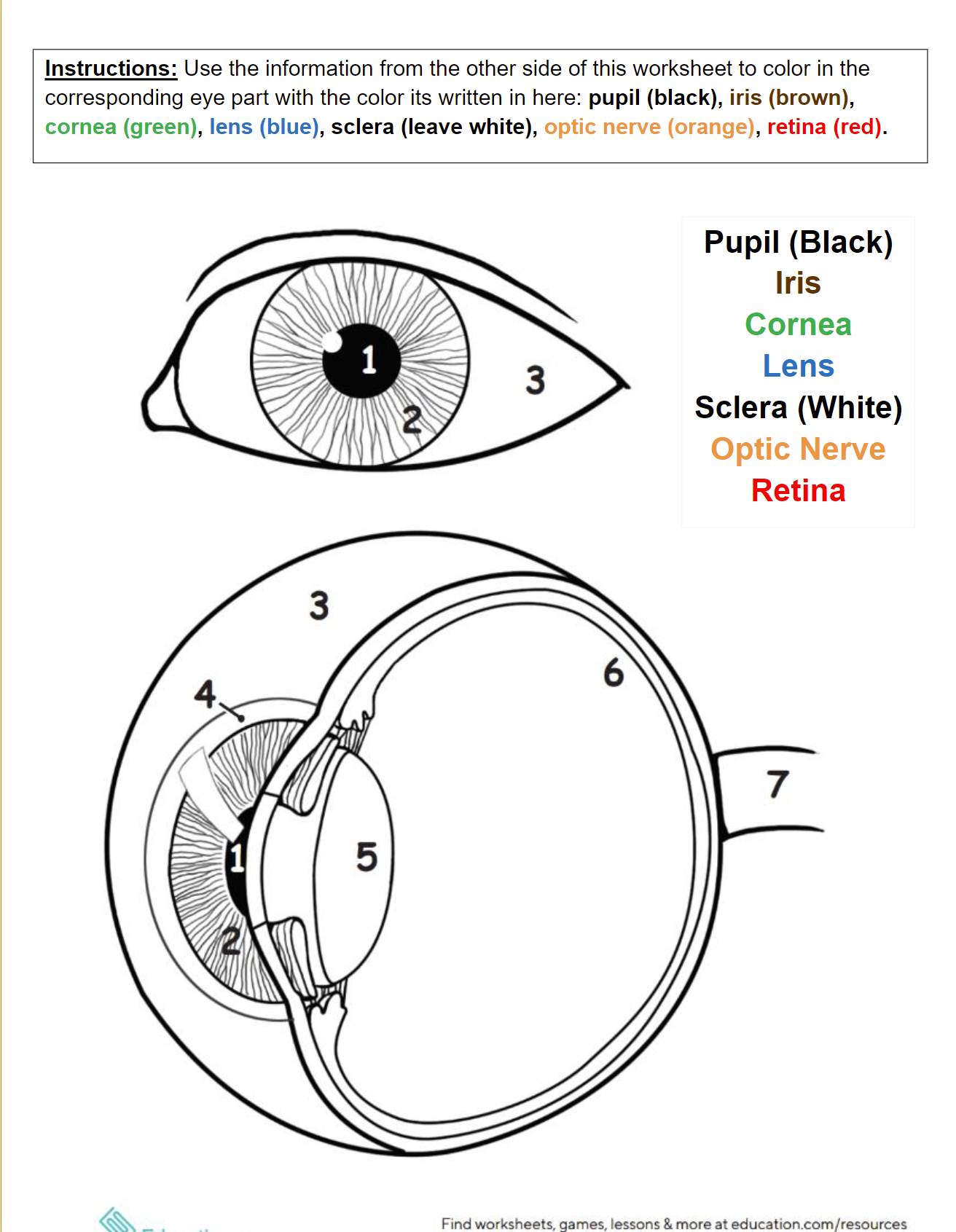
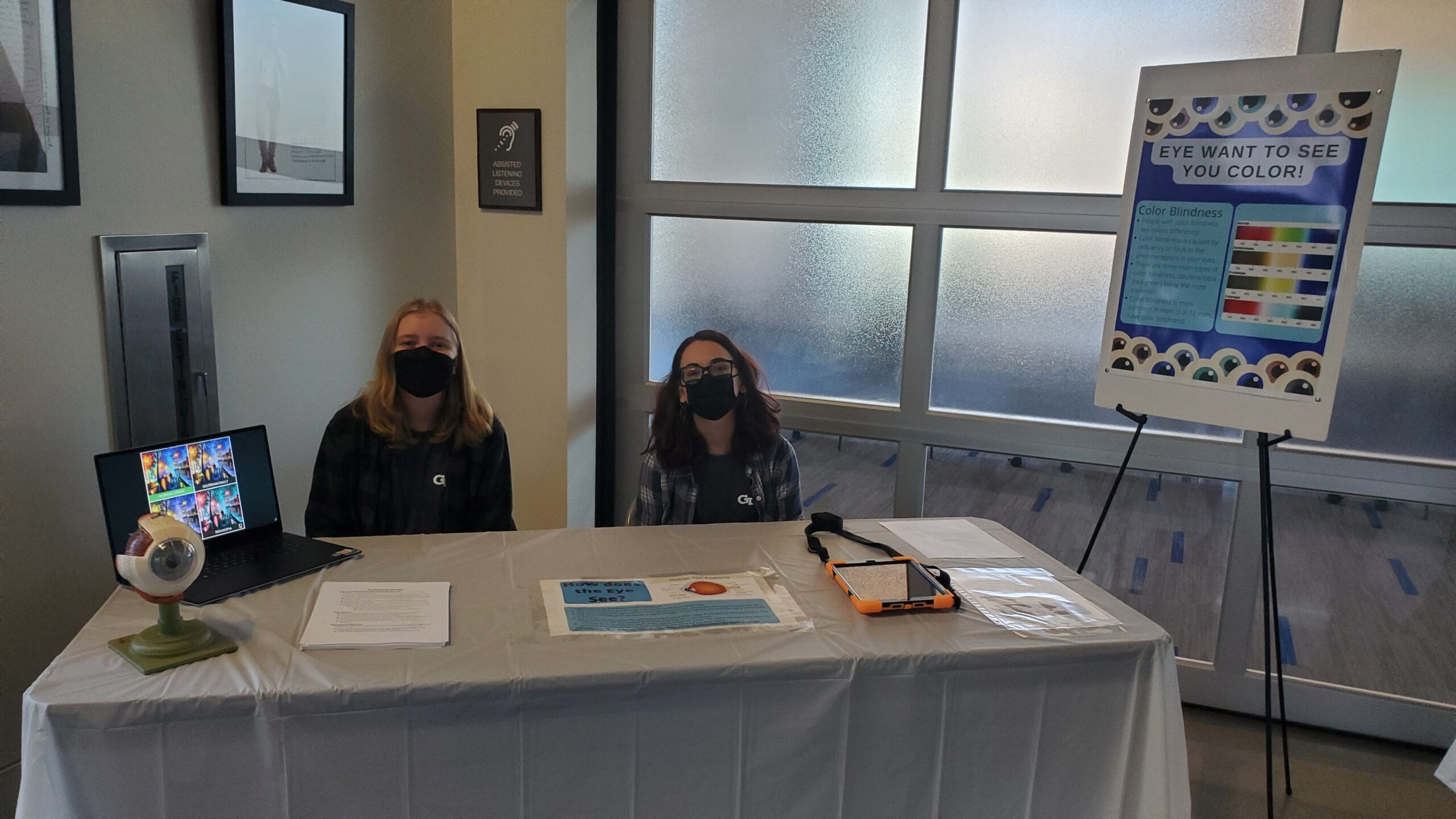
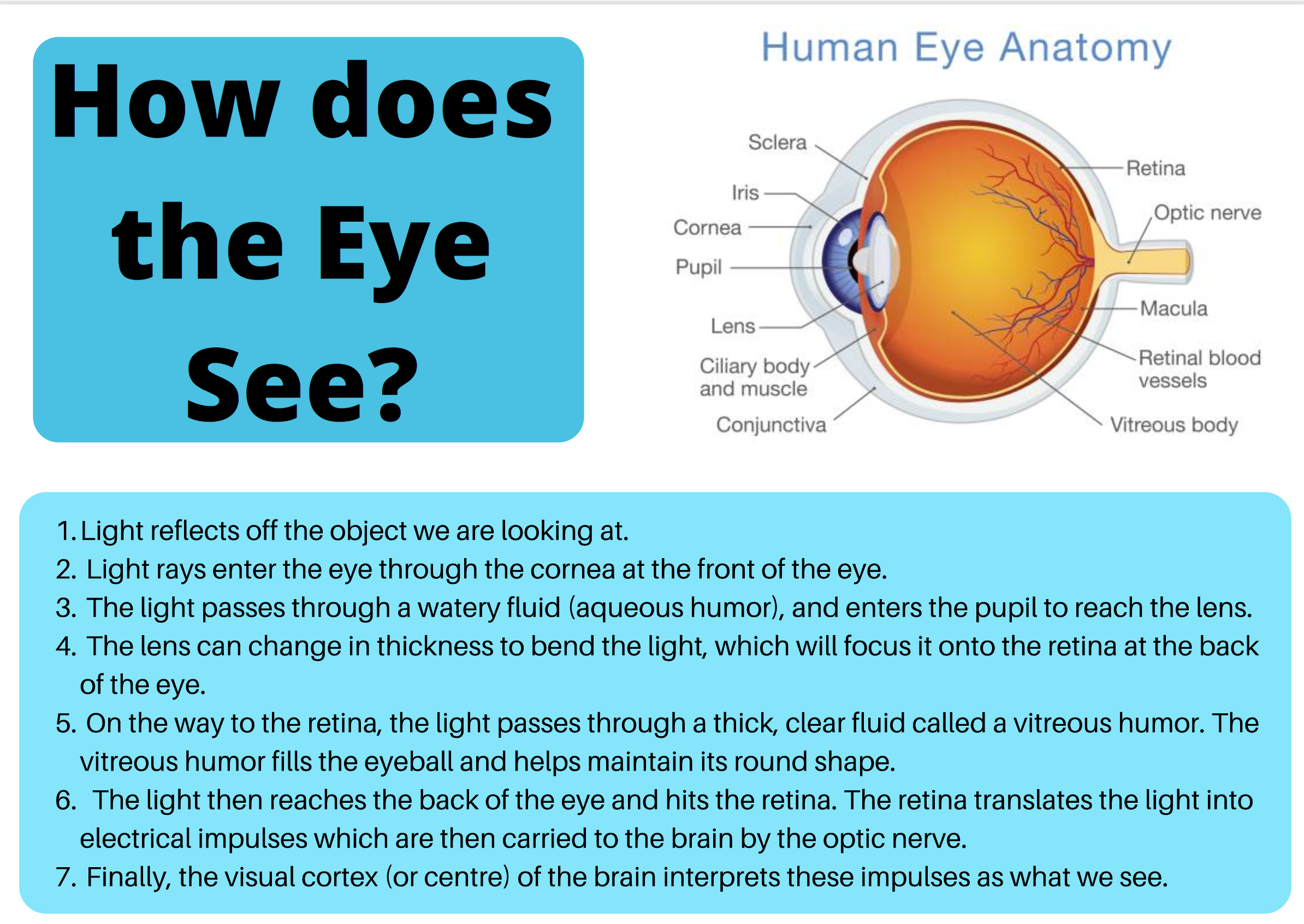
    Last month our STEMComm Team put together an event called MindCraft which focused on the science of arts and crafts. This involved setting up several tables, each of which was dedicated to a different craft. In order to create effective and engaging tables, each cohort also created materials such as posters and interactive worksheets. My table focused on the eye and how it works to perceive different colors while also relating it to color blindness. Below I include the poster, flyer, and interactive worksheet we created for this station along with tips and things to keep in mind when creating your own!
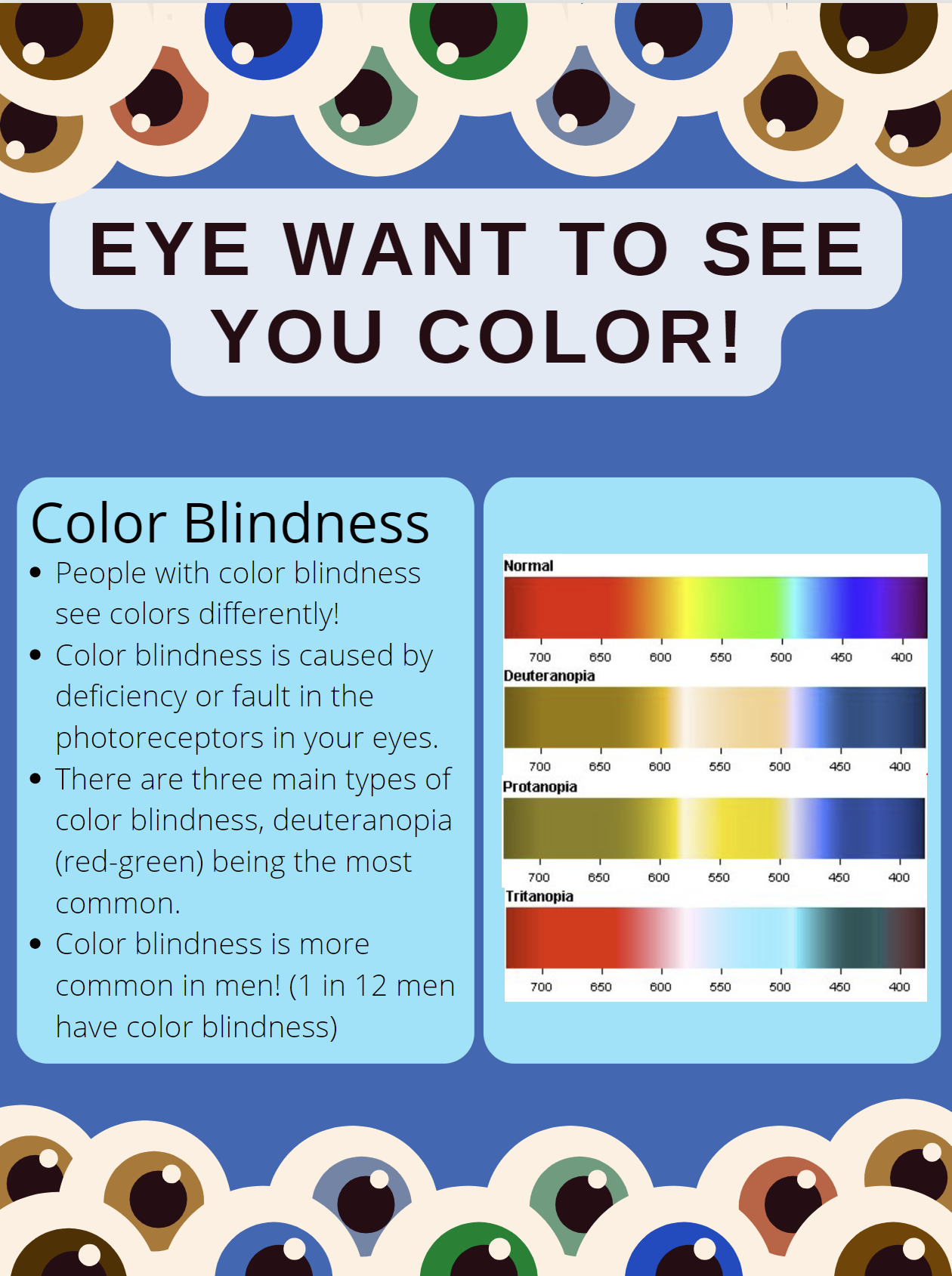
     

    • Poster 
      • Colorful 
        • It is important to create eye-catching materials so that people are drawn to your topic. (To read more about this, check out part 1 of this series where I give the top 5 tips to planning a STEM communications event!)
      • Not too wordy 
        • You do not want to overwhelm or bore your audience by making materials that are too wordy. Too many words will also draw the attention away from what you are saying as people will begin trying to read the content on the materials.
      • Images 
        • To aid in making your audience interested and also keeping them engaged while not taking the attention away from your presentation, include images! Choose images that reflect what you are presenting and act as an aid and supplement to your presentation. It could even be an image that you refer to in your oral speech so that you keep them engaged in what you are saying.
      • Neat 
        • It is also important to make sure that any material you are presenting is neat and organized so that your audience can take in the information effectively and efficiently. By doing this, you again are avoiding anything that takes away from your presentation. It also helps your audience be less confused about your topic so that you can answer engaging questions rather than clarification questions.
    • Flyer 
      • More detailed 
        • When presenting a smaller piece of material such as a flyer, you can include more detailed information than your large poster. This allows the audience members that are interested to look further into what you are presenting without overwhelming casual viewers.
      • Still includes images 
        • Despite having more details, you can see that including images is still important. By including this, you can more effectively present your concepts in a way that can easily be taken in by your audience.
      • Clearly labeled 
        • With this, it is imperative that if you include a diagram as we did, that it is all clearly labeled. If you do not, you risk confusing your audience and not having a clear understanding of the diagram so you cannot effectively speak on it. It is also important that you know how to speak on the parts of the diagrama and explain everything effectively (read more about rehearsing and being prepared in part 1).
    • Interactive Worksheet 
      • One side with supplemental information 
        • By providing supplemental information to your presentation in the format of a worksheet, you give the audience something they can take with them. This keeps them engaged with your topic past the time of your actual presentation and also allows them to continue learning.
      • One side with fun coloring activity 
        • Interactive 
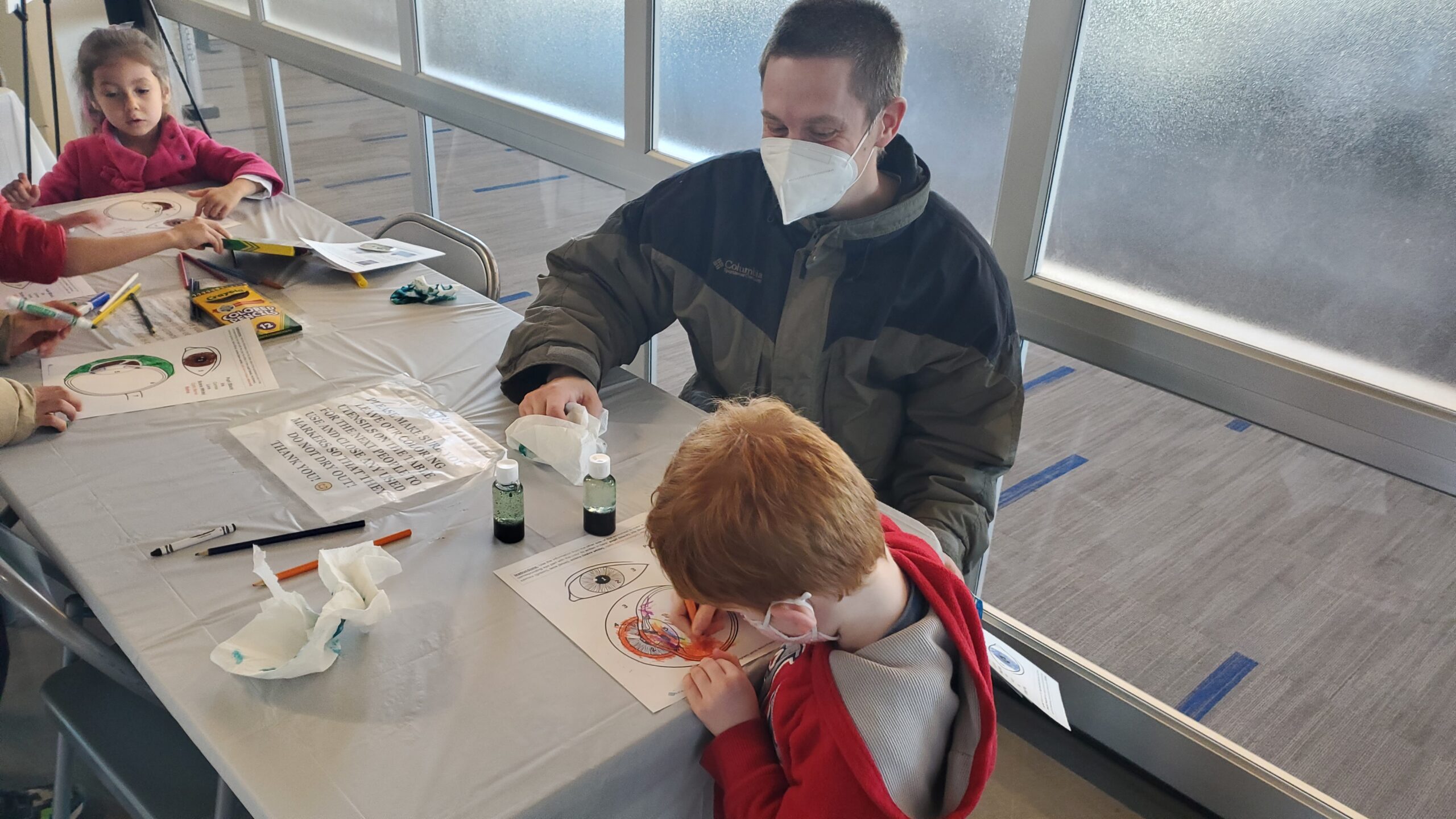
          • This provides something interactive for the audience to engage in that is fun. This again keeps them engaged and interested in your topic area.
        • Way for people to connect to the content presented 
          • Additionally, it provides a way for them to apply the information they learned from your presentation which is known to be one of the most effective learning strategies.

    Thank you for reading and best of luck to you on your future material creation and presentations!
  • Top 5 Tips to Planning a Science Outreach Event

    Top 5 Tips to Planning a Science Outreach Event

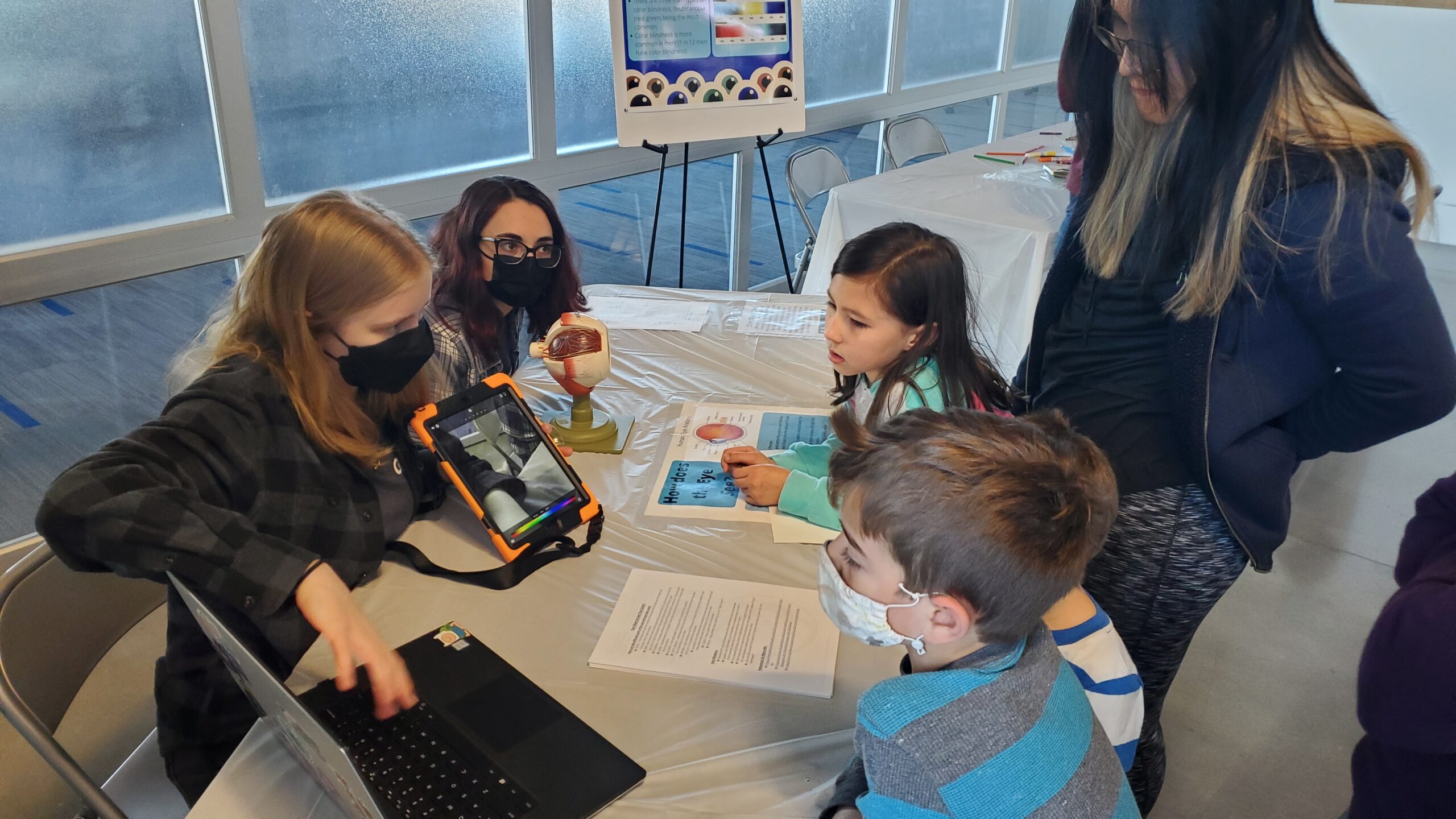
    A couple of weeks ago our STEMComm Team put together an event for the Atlanta Science Festival called MindCraft. Here we presented several tables with fun arts and crafts that tied into different scientific concepts. My cohort had a table dedicated to the eye and how it views different colors. After going through the process of planning and setting up our station, there were many things I learned. Here are my top 5 tips to planning a science communications event:

    1. Know your Audience 

    Being aware of who you will be presenting your content to is very important when considering what you will do. This involves asking yourself a series of questions such as, “How old will they be?”, “Are they new to these concepts?”, etc. By answering these questions, you will be able to cater your event to those specific needs and make it as effective as possible. For example, at our event, we knew that there would be some younger children in attendance so we made sure to have a station that they could more actively participate in by making our table’s craft a coloring sheet.

    2. Find an Expert Collaborator 

    By finding someone that has more expertise in the area than you, you will be able to not only add to your content, but also get assistance in the overall set-up. At our particular station, we did not have a collaborator and did everything on our own which became a bit more stressful. We quickly learned from some of the other tables that did have collaborators that the work became much easier with more people to split the labor between. In order to find a good collaborator, there are again some questions you should ask yourself – “Who would have knowledge in my topic area?”, “What organizations/people do I have access to?”, etc. By reaching out to an organization that could assist you, you will have people that you can manage so that you get your event set up more efficiently and with less stress on yourself. 

    3. Create Eye-catching Visuals 

    Striking visuals are another important component of an event. This draws people in initially and gives them something interesting to look at while they take in your content. At our table, this became particularly important since we were talking about colors. With posters and flyers, we were able to display important diagrams and color scales so people could visualize what we were explaining. It is also important to interact with these visuals by pointing or gesturing towards them as it keeps your audience engaged in what you are presenting. In addition, it gives those waiting on your presentation something to look at while you speak to other guests.

    4. Include Something Interactive 

    For an event such as these, interaction is key. By creating interaction between the audience and yourself as well as your content, people are more likely to learn something. For our particular table, we included an interactive coloring sheet that also included more information about the eye on the backside. This gave the guests something to physically do and apply the content to, plus, they were able to take it home with them! Having something to physically engage your audience with is important overall as it will keep them interested and help them apply and learn what you are presenting.

    5. Rehearse Beforehand

    When it comes to presenting information to others, it is important that you plan and rehearse what you will say in advance. If you do not do this, it is possible that you get stuck or do not present accurate information. In order to do this, you can set up some quick flashcards with information or use your presentation materials as guides. To rehearse, you can practice in the mirror, to your colleagues, or even to friends. This allows you to become comfortable with presenting the information and will make you sound more knowledgeable when you actually speak about it. However, you want to make sure that it does not sound like you are reading from a script as this could make your presentation boring. Rather, try to make it more casual and engage in conversations with your guests. Furthermore, you should be prepared for questions about your topic area. It is not the end of the world if you do not know how to answer something, but overall having done your research beforehand is important so that you are able to answer questions.

    All in all, many components go into planning and setting up a successful science communications event. By following these 5 tips, you can ensure better preparedness and less stress while planning.

    If you want to find out more about the specific materials and content we presented at our eyeball and color station, including tips on creating posters, flyers, and interactive worksheets, be on the lookout for another article coming soon! Best of luck with your event!

    More Resources for Planning a Science Outreach Event:

  • Seven Computer Science Jobs that Aren’t Coding Heavy!

    Seven Computer Science Jobs that Aren’t Coding Heavy!

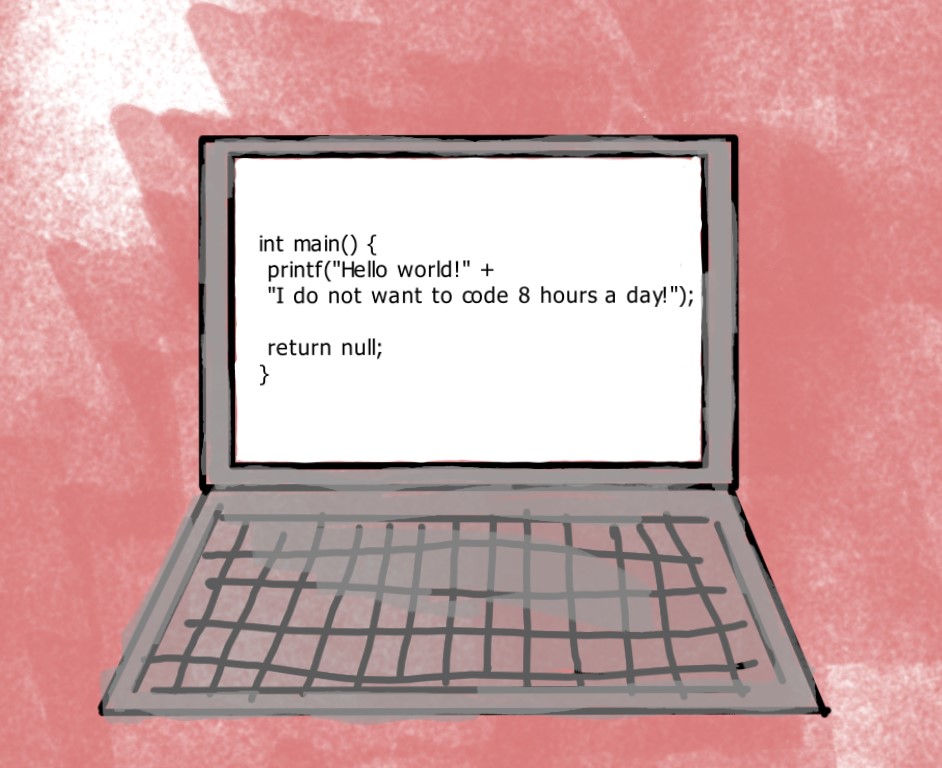
                     Do not worry, you’re not alone! Graphic drawn by Devi Connor.

    Are you majoring in computer science or already have a degree in computer science, but find yourself not passionate about coding 8 hours a day for the rest of your career? Do you crave more other than software coding, such as using your people skills or artistic skills? Well, look no further! I have researched about 7 different jobs that you, as a major in computer science, can apply for that are not coding-heavy. This is definitely not an exhaustive list of all the jobs you can apply to as a computer science major that aren’t coding heavy, but it’s just enough to get you thinking of all the endless options out there! Tell your other computer science friends who also feel the same way as you do! Your options are never limited. Your skills are so versatile, take a look at some of the jobs below.

    1) Project Manager

    Do you like planning ahead and prefer to be a leader in group projects? A project manager job might just be what you’re looking for! Project managers plan, execute, and complete projects by overseeing team members (such as a group of computer scientists) to make sure that they are performing their duties sufficiently. Project managers formulate benchmarks and deadlines for their team to complete, and work to meet regulatory and company standards.

    • Average Annual Salary in U.S: $88,907


    2) IT Support Specialist 

    IT Support Specialists are responsible for responding to technical issues and they work with IT departments, computer manufacturers (such as Dell or Apple), and retail stores. They assist customers and employees with software, network, and hardware issues.

    • Average Annual Salary in U.S: $58,332


    3) Graphic Designer

    If you have a talent or passion for visual design, graphic designing might be for you! Graphic designers are responsible for using design software such as (e.g: Adobe Photoshop or GIMP) to create logos, images, and other visual representations for clients and various companies. You may be responsible for creating web page designs, logos, and flyers.

    • Average Annual Salary in U.S: $47,334


    4) Technical Recruiter

    Technical recruiters utilize their people skills to recruit, interview, and present potential employees for IT positions. Technical recruiters have strong communication and interviewing skills, and are knowledgeable of the fundamental responsibilities of certain IT positions that candidates may apply for. 

    • Average Annual Salary in U.S: $56,747


    5) Data Analyst

    Are you a detail-oriented person? Well, a data analyst might be the job for you! Data analysts analyze data sets and identify departmental trends. They use data software along with market research and statistic to report their findings and predications to shareholders and executives to help guide their decision-making.

    • Average Annual Salary in U.S: $70,353


    6) Technical Writers

    If you like writing, this job is suited for you! Technical writers are responsible for writing technical materials such as resource guides, user manuals, and publications. Technical writers must possess a deep knowledge of their industry, and must know certain writing guidelines, grammar, and spelling.

    • Average Annual Salary in U.S: $68,555


    7) Software Testing Engineer

    As a software test engineer, you will be responsible for creating the methodologies used for testing software programs and conducting automated and manual tests to find bugs and determine software output. You will run reports and analyze the testing results to make recommendations for improvements on the software.

    • Average Annual Salary in U.S: $ 87,110


    Sources:

    https://www.glassdoor.com/Salaries/index.htm 

    https://www.indeed.com/career-advice/finding-a-job/computer-science-jobs-without-coding 

  • Mindcraft: The Science of Flowers & Flower Pressing

    Mindcraft: The Science of Flowers & Flower Pressing

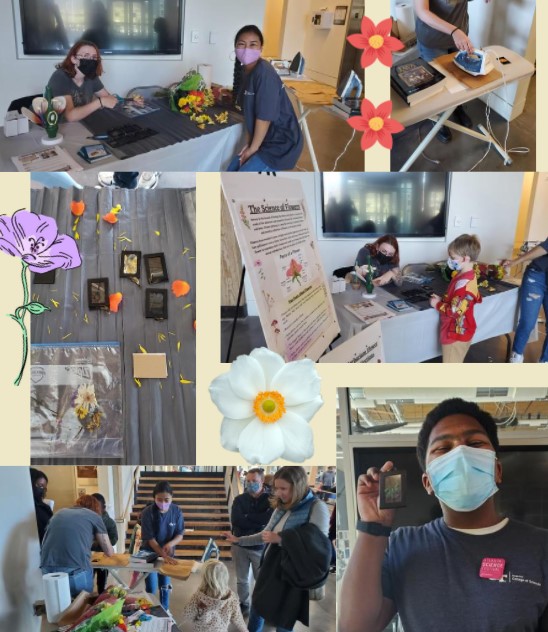
    On March 12th, 2022, STEMComm hosted a science crafting event in the Atlanta Science Festival (ASF), called “Mindcraft”. My focus was on flower pressing and the science behind flowers. I was lucky enough to be able to partner with Hannah, who helped with the workshop and had vast expertise about flowers, for she works at a native wildflower nursery (how cool is that?!). Our job was to demonstrate how to flower press a flower using three simple tools: an iron, a book, and parchment paper. In addition, we explained the parts of a flower and what each part serves in the sexual reproduction of flowers. Mindcraft as a whole was such a successful event! Many children and their parents attended, and students from Georgia Tech and other schools also attended.

    There were an endless amount of people that came to our flower pressing table. The look of children’s and their parents’ faces when they learned how to flower press their own flower was priceless! We ran out of supplies nearly right when the event ended!

    The Science of Flowers:

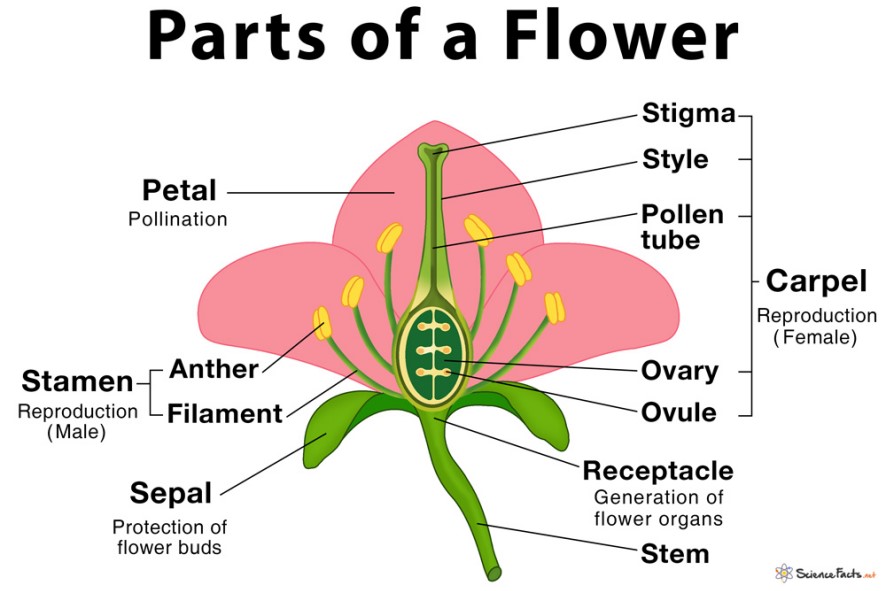
    Botany is the branch of biology that deals with plants. It involves the study of the structure and properties of plant life, including flowers and trees. Flower pressing is a way for scientists to preserve flowers and record a collection of flowers as the seasons change. Flowers have evolved to have a bright and colorful appearance so that they can lure pollinators such as birds, butterflies, bees and wasps. Pollinators help the flower to reproduce itself. Flowers are made up of many parts that allow for sexual reproduction. The parts of a flower are in the picture below. The female parts of a flower are located in the pistil, which contains the stigma, style, ovary, and ovule. The male parts of a flower are the stamen, which includes the anther and filament. 

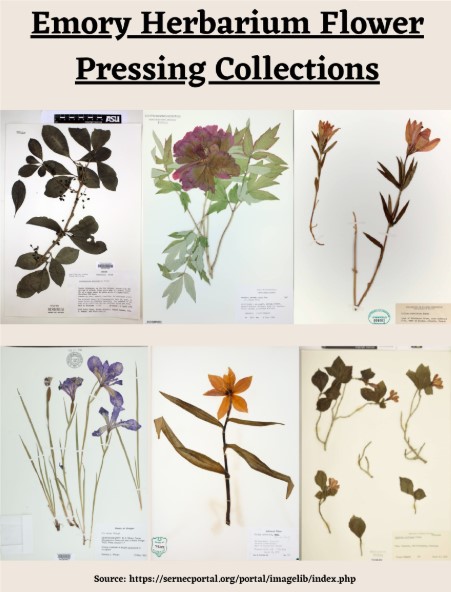
    Emory Herbarium hosts a wonderful collection of flower pressings. According to their website, they are home to more than 21,000 plant specimens, dating back to the late 1800s! The majority of their collection is composed of plants from the southeast USA, but new collection efforts are expanding our reach as far as the Mediterranean and Australia. Here are a few pictures of their collections. Click here to view their website!

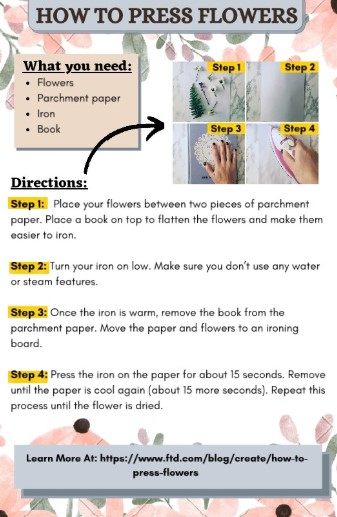
    How exactly do you press a flower? It is quite simple, actually! Take a look at the infograph below that delineates the steps using a clothes iron. In addition, below there are some pictures and footage of what our tabling looked like at the ASF Mindcraft event! Feel free to take a look.


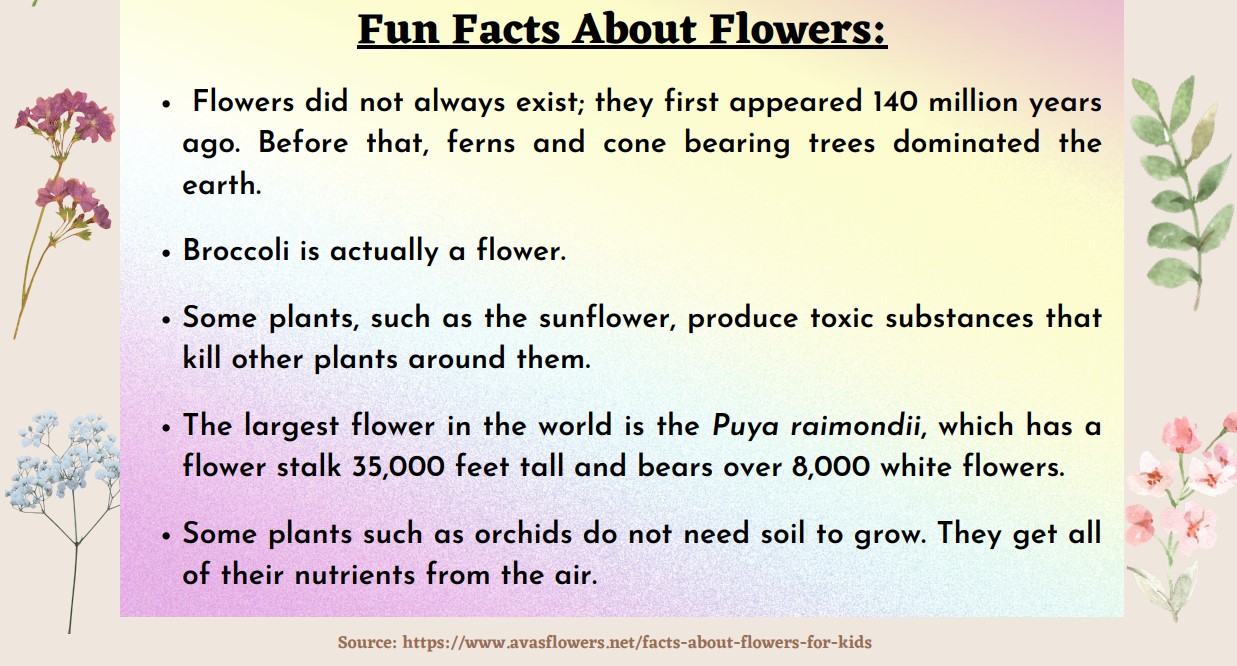
    If you would like to learn more fun facts about flowers, take a look at the list below! 


  • Self-Care and Mindfulness Tips

    Self-Care and Mindfulness Tips

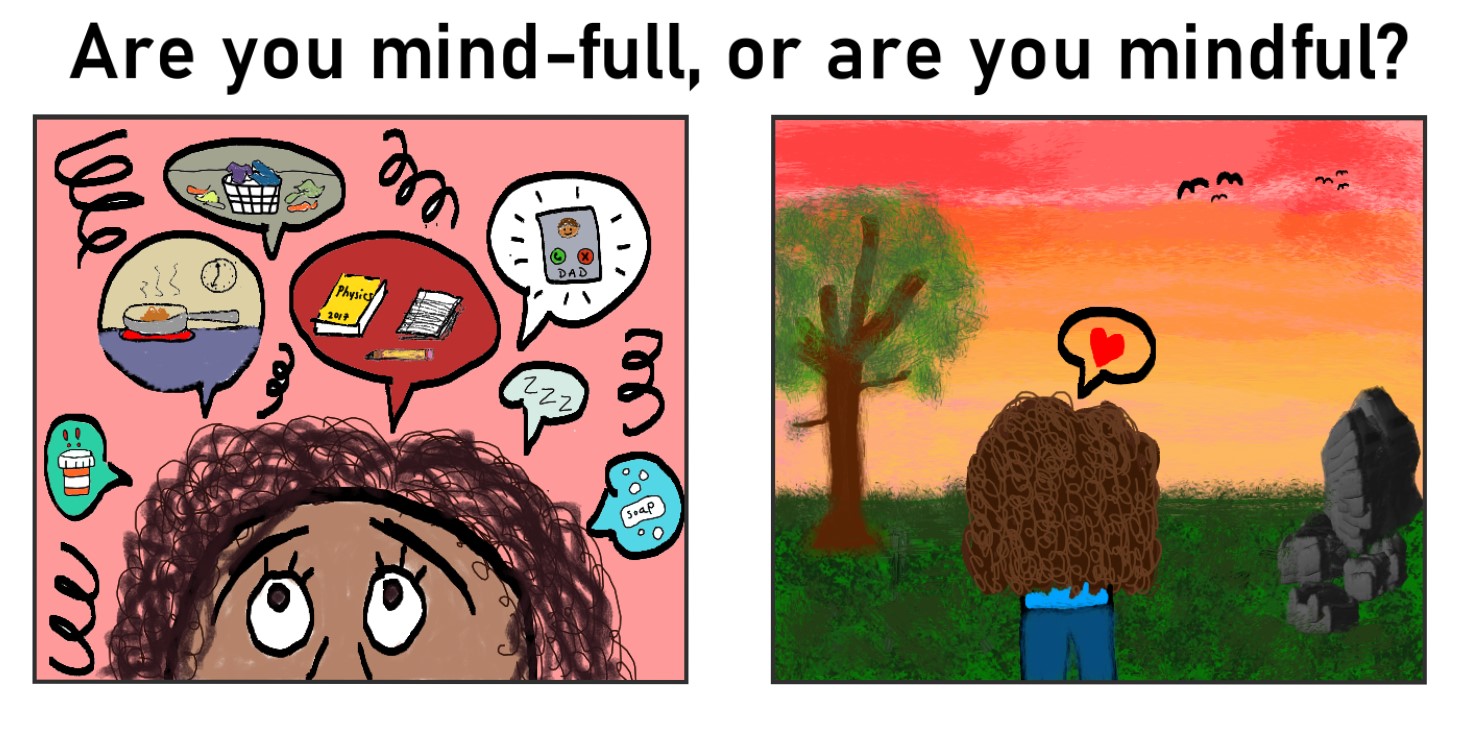
    There is a difference between being mindful and being mind-ful! Illustration by Devi C.

    Self-care and mindfullness go hand-in-hand, are things that we all need, especially in the midst of the COVID-19 pandemic. Self-care is a way to keep yourself healthy mentally, physically, emotionally, and spiritually. But why is self-care so important? According to Matthew Glowiak, a counselor at Southern New Hampshire University, self-care is often the first thing that we neglect when we find ourselves in difficult situations, whether it be failing a class, financial stress, or family and friend drama (Glowiak, 2020). Mindfulness means maintaining a moment-by-moment awareness of our thoughts, feelings, bodily sensations, and surrounding environment, through a gentle, nurturing lens (Berkeley, 2021). That is why it is important to continuously practice self-care and mindfulness, even in challenging times. By scheduling some time every day or every week to engage in self-care and be mindful, you better equip yourself to handle the things life may throw at you. You will be able to reset yourself into a healthy point so that you can carry on doing the things you need to do and prevent burnout.

    By not practicing self-care or being mindful, you are more likely to develop anxiety, depression, irritability, resentment, and whole bunch of other negative effects. Having a self-care routine and being mindful have been scientifically proven to reduce or get rid of anxiety, stress, depression, and frustration and anger, and has been proven to improve happiness, concentration, sleep quality, energy, and many other positive implications (Glowiak, 2020). They have been proven to reduce physical health illnesses such as heart disease, cancer, and stroke.

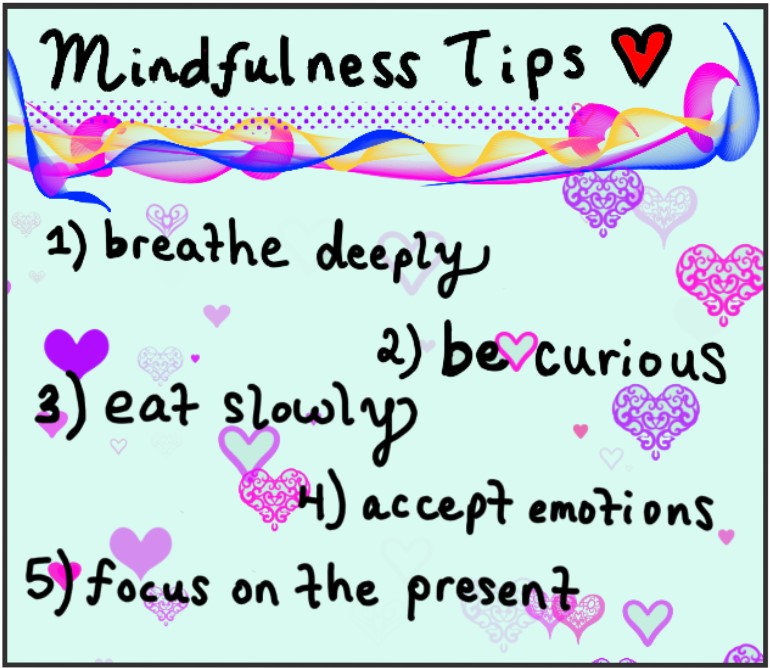
    One of the biggest excuses for people who do not engage in regular self-care or mindfulness is that they do not “have enough time”. Everyone has lots of things going on in their lives, but it is essential to carve out even just a mere 5 minutes of self-care – it does not have to cost a thing! Instead of scrolling on Instagram or TikTok, here are some simple & quick ways to implement self-care into your daily regime and practice more mindfulness.

    Five easy ways to practice minfulness. Illustration by Devi C.
    1. Practice affirmations
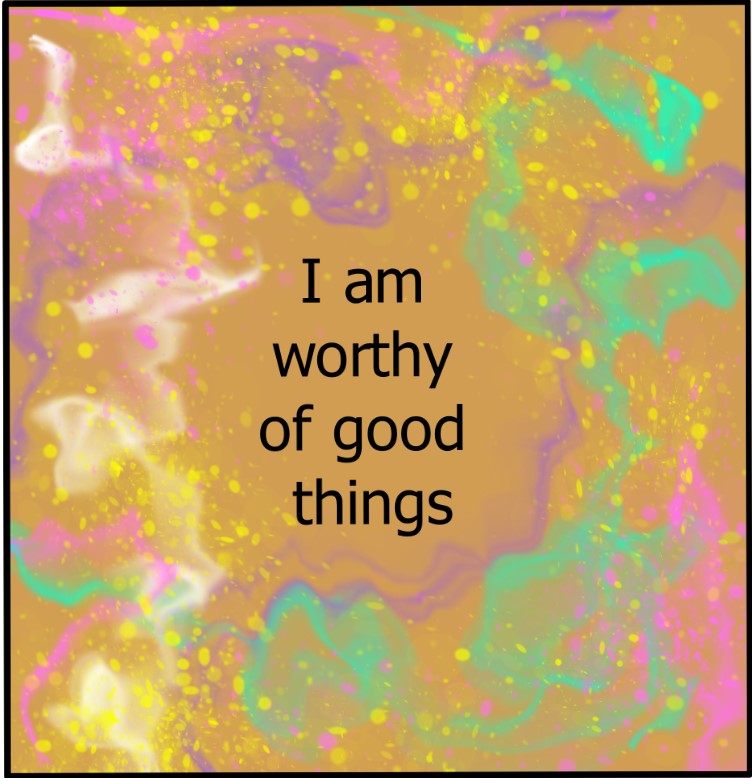
        • Affirmations serve as “integrity boosters”, raising a person’s sense that they are a coherent, moral, and adequate individual. Many people wish to view themselves as compassionate, worthy, and capable individuals, but sometimes their behaviors, attitudes, and intentions don’t always align with that ideal (Critcher, 2015). By practicing affirmations aloud repeatedly, one can allow themselves to truly feel that they are who they ideally view themselves to be. Repeat this with me 5 times:
      Read this alound to yourself — “I am worthy of     good things”. Repeat. Illustration by Devi C.

    2.  Drink a cup or two of water first thing in the morning. Your body will thank you and this will help prevent you from feeling groggy from dehydration upon waking up from a night’s sleep.

    3.  Have a little dance party in your room/home. Blast on your favorite songs and dance like nobody is watching!

    4.  Move your body for at least 30 minutes a day. This can be as simple as walking to all your classes in the day, instead of opting for the bus or scooters.

    5.  Get a plant. Nurturing plants is very therapeutic and they are lovely to look at!

    6.  Stop to smell the flowers – literally. This only takes a few seconds, but is very helpful in helping ground you in the moment and connect you with the very present.

    7.  Say no. It is important not to overextend yourself – you need to take care of you first before you can take care of others. You are more important than your to-do list. Prioritize you wellbeing above little tasks you might think or feel you need to do!

                   Ribbert the frog says hi! Illustration by Devi C.


    References:

    Berkeley. (2021). Mindfulness definition: What is mindfulness. Greater Good. Retrieved March 18, 2022, from https://greatergood.berkeley.edu/topic/mindfulness/definition#:~:text=Mindfulness%20means%20maintaining%20a%20moment,through%20a%20gentle%2C%20nurturing%20lens.

    Critcher, C. (2015). Self-Affirmations Provide a Broader Perspective on Self-Threat. Retrieved March 17, 2022, from https://journals.sagepub.com/doi/pdf/10.1177/0146167214554956 

    Glowiak, M. (2020, April 14). What is self-care and why is it important for you? Southern New Hampshire University. Retrieved March 18, 2022, from https://www.snhu.edu/about-us/newsroom/health/what-is-self-care 

  • A Picture Can be Worth a Thousand Words…or Dollars

    A Picture Can be Worth a Thousand Words…or Dollars

    Whether you dabble in it or appreciate it, we come across art in any shape or form several times in our daily lives– especially the visual kind. For most, we came into contact with making art in some art class in elementary school, using nontoxic watercolors and, if they let us, acrylic. These paints, obviously, are very different from those that professionals use in their lives, but in what ways? Why don’t professional artists use Crayola watercolors for their work? The answer may lie in the science and chemical composition of the paint itself. 


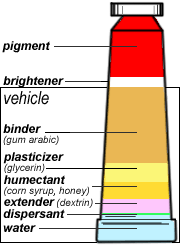
    For starters, paints contain binders, solvents, and pigments. The pigment is the actual color part that we see, and the more light that’s absorbed by it, the deeper the color. Binders are what help the pigment stick to the surface of a painting and can vary depending on whether the pigment is organic or inorganic, but most paints use a gum arabic binder. 

    handprint.com


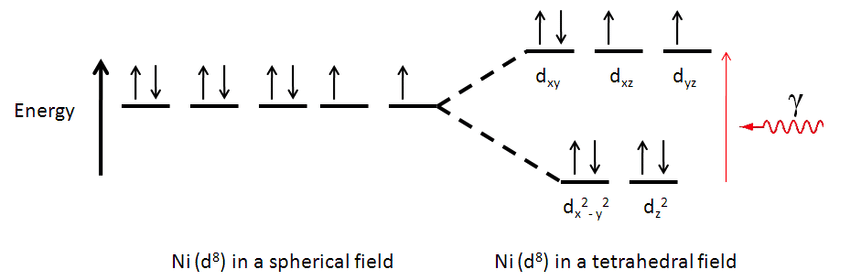
    Typically, organic pigments are more preferred due to their more vibrant colors and their increased stability. These paints will use a turpentine binder. Inorganic pigments, however, are more affordable and are heat and light stable. These pigments are made of metal oxides, usually transition metals that can sometimes be toxic, so these aren’t commonly used. These elements usually have their bonding electrons in d-orbitals, and when bonded, can lead to these orbitals splitting into 2 levels of energy which allow electrons to absorb energy and move between the two levels, but the wavelength they absorb can be different depending on how large the gap between the 2 energy levels are. The light that is not absorbed and reflected is what we perceive. 

    Gamma represents the wavelength that’s absorbed (ResearchGate)


    Staying with pigments, the more pigment, the more it will cost. Typically, artist-grade paint will have a higher concentration of finely-ground pigment, increasing surface area of the pigment and its vibrancy. Another factor that will raise the cost is if the pigment is organic or inorganic. Organic pigments, which can be more expensive since they are naturally-found colors and can be rare, are more vibrant and retain color over time when exposed to light. 


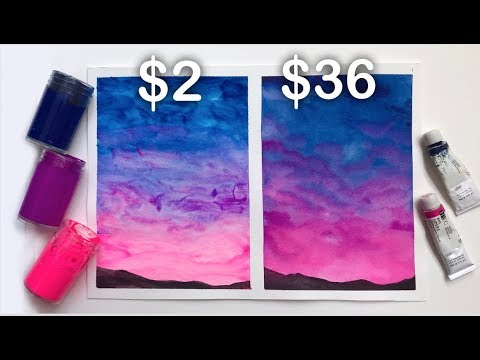
    A more expensive, higher quality watercolor may have smaller, more concentrated pigment. Due to the smaller particle size of the pigment (which can get as low as 0.05 microns), the color will literally seep into the fibers of the paper and will stain (stick to the paper better after it has dried) more effectively, which can be better or worse depending on your art style. However, this pigment concentration and permanence also implies that the paint is suspended in fewer fillers and uses a more effective binder, which also increases the price.

    AhmadArt, YouTube (2018)


    As someone who likes to dabble in watercolors and has used paints of all different quality, learning specific aspects such as these helps with understanding why it may be sometimes worth it to invest in a more expensive watercolor palette. Because sometimes, the price can be translated into its quality. However, it can be easier to see it in person, or maybe under a microscope because after all, a picture is worth a thousand words. 


    References

    acrylgiessen. (2022, February 16). Best Watercolor Paints – All About Professional Watercolor Paints. acrylgiessen.com. Retrieved March 4, 2022, from https://acrylgiessen.com/en/best-watercolor-paints/

    Compound Interest. (2014, March 21). Inorganic Pigment Compounds – The Chemistry of Paint. Compound Interest. Retrieved March 4, 2022, from https://www.compoundchem.com/2014/03/21/inorganic-pigment-compounds-the-chemistry-of-paint/

    Guide, S. (2021, May 19). Best Watercolor Paints – How to Choose the Right Watercolor Paint Set. craft-art.com. Retrieved March 4, 2022, from https://craft-art.com/best-watercolor-paints/

    MacAvoy, B. (n.d.). handprint : how watercolor paints are made. Handprint. Retrieved February, 2022, from https://www.handprint.com/HP/WCL/pigmt1.html

    McArdle, T. (2008-2022). Watercolor Paint Buyers Guide: Learn What to Look For When You Buy Watercolors — Art is Fun. Art is Fun. Retrieved March 4, 2022, from https://www.art-is-fun.com/watercolor-paint

  • Neurotransmitter Notes: Dopamine

    Neurotransmitter Notes: Dopamine

    “I’m just a chemical in your head

    I’m just that Dopamine

    So come on line me up

    Come on line me up”

    – “Dopamine”, Third Eye Blind

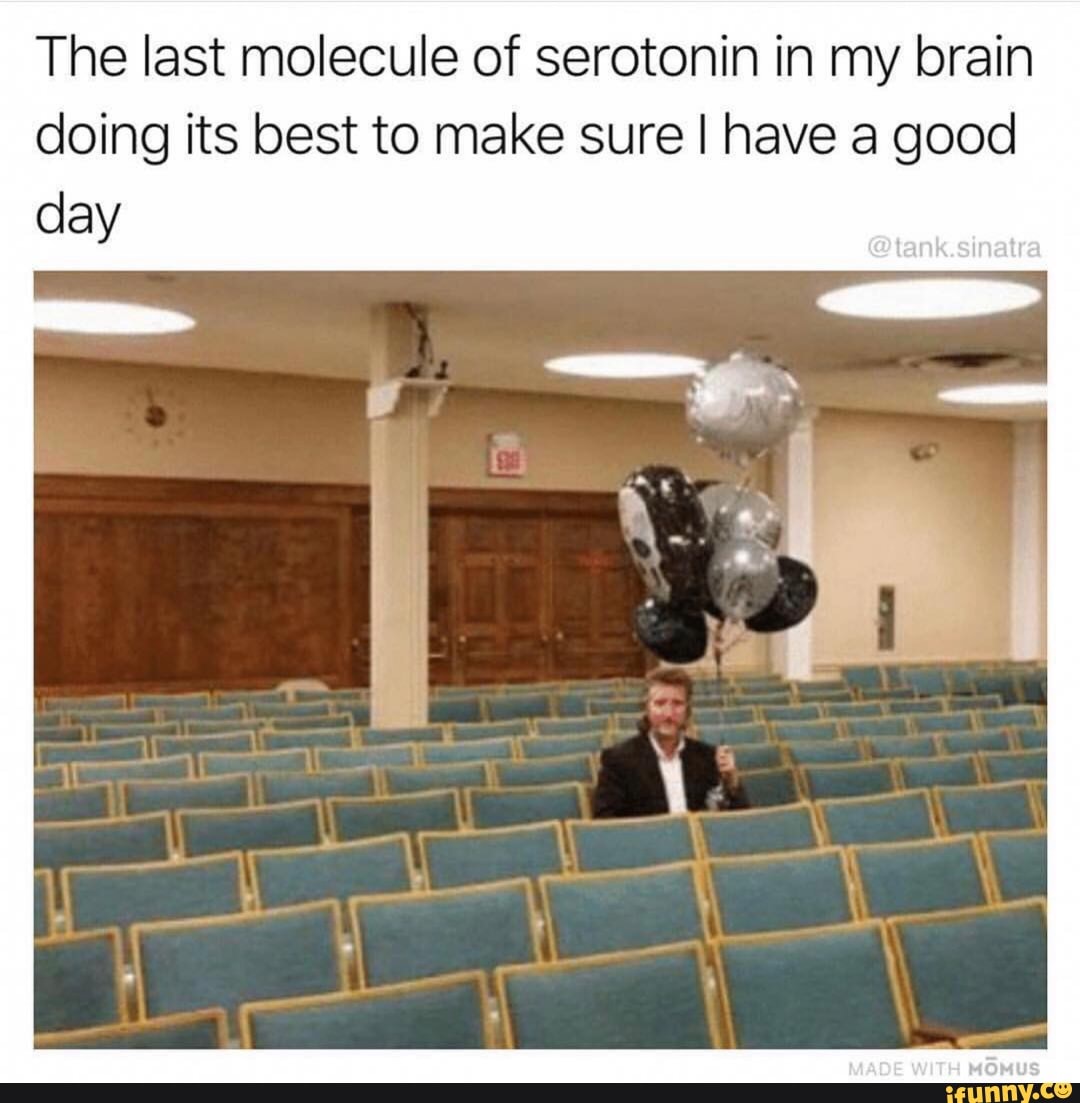
    As a neuroscience major, it makes me extremely happy when words about the brain and nervous system enter the popular vocabulary. And recently, I’ve noticed people have been using neurotransmitters to talk about their feelings. If someone wants to say something brings them joy, they’ll say, “That’s my dopamine!”. Or, if someone feels unhappy, they might share a meme about how they want more serotonin (like the meme below!)

    There is a picture of a man sitting alone in a lecture hall holding a bunch of balloons. The caption reads the last molecule of serotonin in my brain doing its best to make sure I have a good day.

    But to me, the biggest indicator of whether something has entered the popular consciousness is if there’s music about it. So, through the article series “Neurotransmitter Notes”, I want to chat about songs that talk about the 8 major neurotransmitters: epinephrine, norepinephrine, dopamine, serotonin, GABA, acetylcholine, glutamate, and endorphins. Today, we’ll tackle the most famous neurotransmitter of them all: dopamine.

    Neurotransmitters

    Hold on, what’s a neurotransmitter? The Encyclopedia Brittanica defines a neurotransmitter as “any of a group of chemical agents released by neurons (nerve cells) to stimulate neighbouring neurons or muscle or gland cells, thus allowing impulses to be passed from one cell to the next throughout the nervous system” (Neurotransmitter | Definition, Signaling, & Types | Britannica, n.d.). So, neurotransmitters (NTs) are chemical messengers that neurons use to pass signals onto one another. What differentiates NTs from one another are that NTs will only be sent and received by the neurons that have the protein receptors that fit with it. Neurons are classified by the type of neurotransmitter it can “understand”: so, you’ll have dopaminergic neurons (which send and receive signals about dopamine). Those dopaminergic neurons, when binding to dopamine, will cause the effects that are associated with dopamine.

    Dopamine’s Effects

    Like I mentioned earlier, dopamine is known as the “happy” chemical. But it’s not just released when you feel good: it plays many, many other roles. One role is controlling decision making. For instance, higher levels of it are related to whether someone chooses to do a more difficult, rewarding task over a simpler, less rewarding one (Dopamine Affects How Brain Decides Whether a Goal Is Worth the Effort, 2020). These facts, I’m sure, were handy when writing the lyrics to this dance jam:


    “You make all the dopa-dopamine in my bloodstream

    The way you touch me, I’m loving the feeling

    Of dopa-dopamine in my bloodstream

    Let it control me, I’m loving the feeling”

    – “Dopamine”, Purple Disco Machine ft. Eyelar


    The songwriters have demonstrated here the happy feeling associated with dopamine, as well as its importance in controlling behavior. However, there’s also an error: neurotransmitters don’t travel in the bloodstream. Dopamine happens to be unique because it has an alternate form that does travel in the bloodstream, but that form doesn’t have the same effects as what the song’s describing. It’s likely that they mixed up neurotransmitters with hormones, which do travel in the bloodstream.

    Dopamine Doesn’t Just Move You, It Motivates You

    Not only can dopamine make you feel good and affect your decision making, it can impact your motivation. This motivation can be in the form of how well you can focus and retain information for a task (executive function). Executive dysfunction occurs in people with ADHD, who also often have lower levels of dopamine in their brain (Logue & Gould, 2014). 

    Motivation also plays a role in addiction. The ventral tegmental area (VTA) is a section of neurons in the brain that play a major role in people with addictions, and these neurons are dopaminergic. In the song “Dopamine” by Bliss n Eso, the singer talks about his reliance on alcohol to help him through times of stress. This chorus describes how it felt for him to use it:


    “When there’s no way out

    When I don’t believe

    When I’m coming down

    You’re my dopamine”

    – “Dopamine”, Bliss n Eso


    However, over the course of the song, he cites his connections to his wife and child as motivation to become a better person. And by the end, this same chorus has taken on a new meaning. By the way, long-term intense romantic love still makes your VTA light up with dopamine, years after the honeymoon period has ended (Acevedo et al., 2012).

    Dope-amine or Nope-amine?

    I suppose we can take from this a lesson: dopamine is not just a feel-good chemical– it’s crucial for the proper functioning of your brain. Don’t try to chase that short-term high: if you take care of yourself and make meaningful connections to other people, dopamine (and life satisfaction) will come to you.

    Check out this playlist with the tunes mentioned in this article, as well as some other neuroscience related songs! (Note: please be aware that some songs in this playlist may have explicit lyrics.) I’ll be back soon with some more Neurotransmitter Notes!


    References

    Acevedo, B. P., Aron, A., Fisher, H. E., & Brown, L. L. (2012). Neural correlates of long-term intense romantic love. Social Cognitive and Affective Neuroscience, 7(2), 145–159. https://doi.org/10.1093/scan/nsq092

    Dopamine affects how brain decides whether a goal is worth the effort. (2020, March 30). National Institutes of Health (NIH). https://www.nih.gov/news-events/nih-research-matters/dopamine-affects-how-brain-decides-whether-goal-worth-effort

    Logue, S. F., & Gould, T. J. (2014). The neural and genetic basis of executive function: Attention, cognitive flexibility, and response inhibition. Pharmacology, Biochemistry, and Behavior, 0, 45–54. https://doi.org/10.1016/j.pbb.2013.08.007

    Neurotransmitter | definition, signaling, & types | britannica. (n.d.). Retrieved February 19, 2022, from https://www.britannica.com/science/neurotransmitter