Category: today i learned (til)

health, fitness, medicine, environment, ecology, how to learn tricky topics in science and math, new discoveries, news, current events

  • AI, Font Pairing, and Font Psychology

    AI, Font Pairing, and Font Psychology

    To me, choosing what font to use is the most fun part of a design process. However, it’s almost sometimes the most difficult. Your choice of typography sets the tone of the app and matters as much as the rest of interface layout. In most cases, when I’m designing an app or web interface, I’ll decide to use two fonts, one for titles and headers, and one for text. I’ll then find myself scrolling for hours trying to decide which fonts go together, whether I should use sans-serif fonts and no serif-fonts, etc. Once I heard there was a way to use Artificial Intelligence (AI) to pair fonts for me, I could only imagine the time I would save. Before we dive into the AI method, let’s go over some font basics. 

    There’s many different types of fonts: serif, sans-serif, script, decorative, and monospace. These are commonly found categories when you’re looking at a font library.

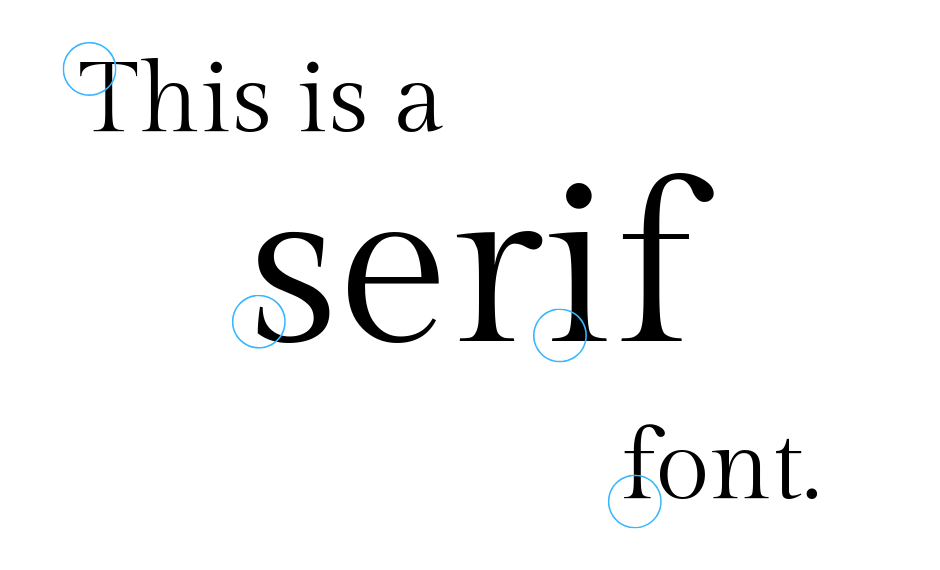
    Serif

    Serif fonts have strokes on the end of each character. It makes the font look ~fancy~ 

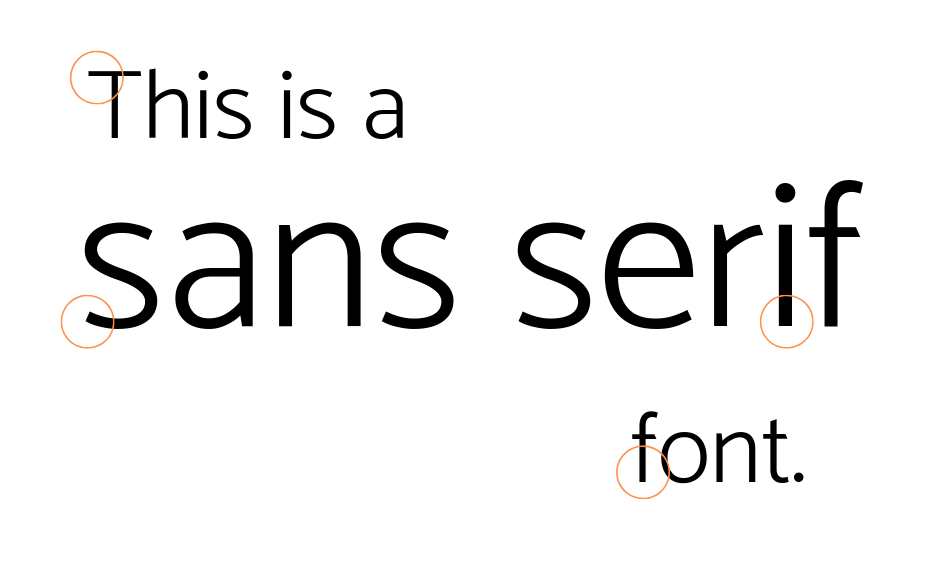
    Sans-Serif

    Sans-serif fonts don’t have extra strokes on the end. These usually provide the most legible reading experience for users. 


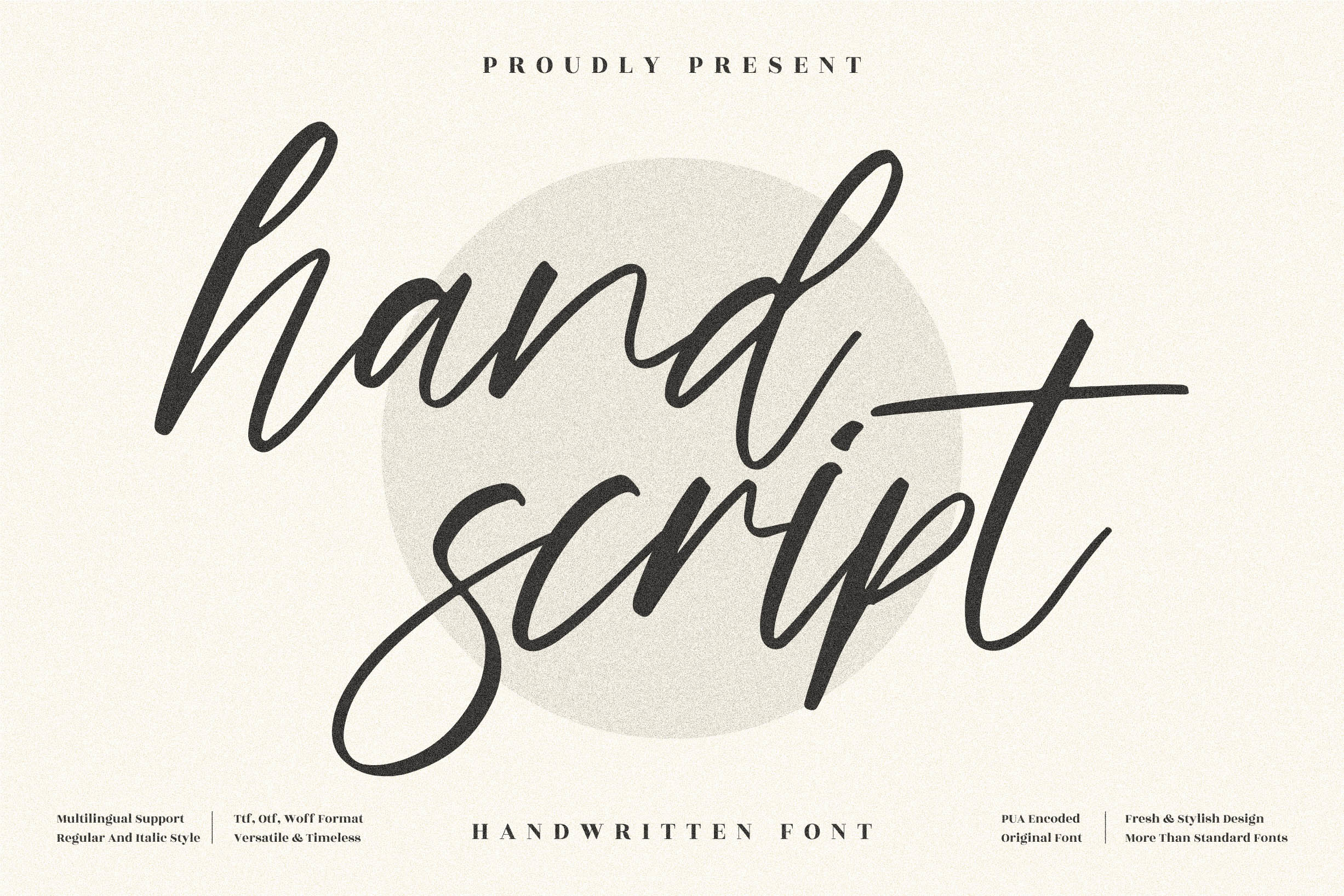
    Script

    Script fonts are in a more handwritten style  that includes varied and fluid strokes.

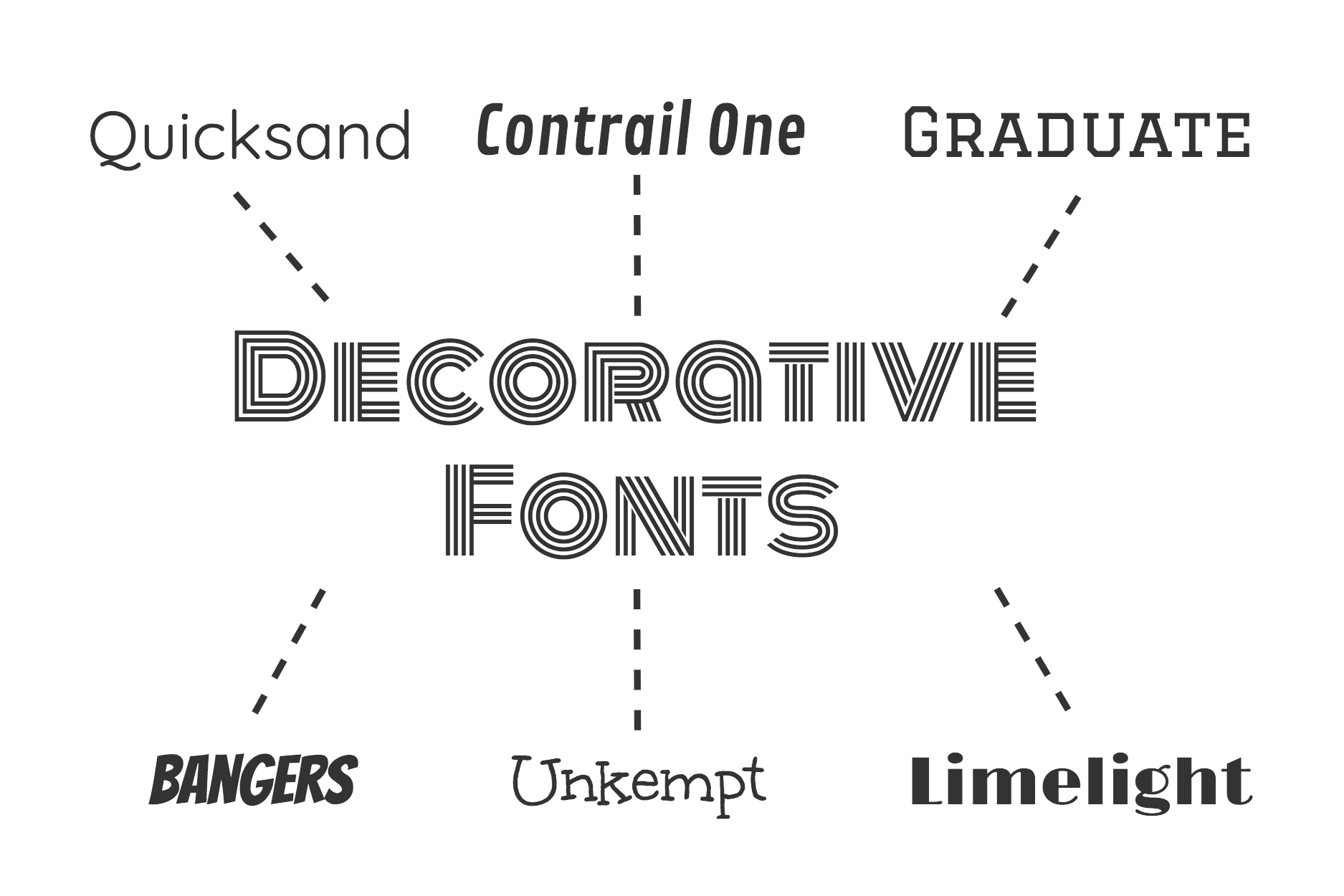
    Decorative

    Decorative fonts have the biggest personalities. They have unique looks and are used to grab the users’ attention. They’re much more dramatic and have distinct letter shapes. 

    Monospace

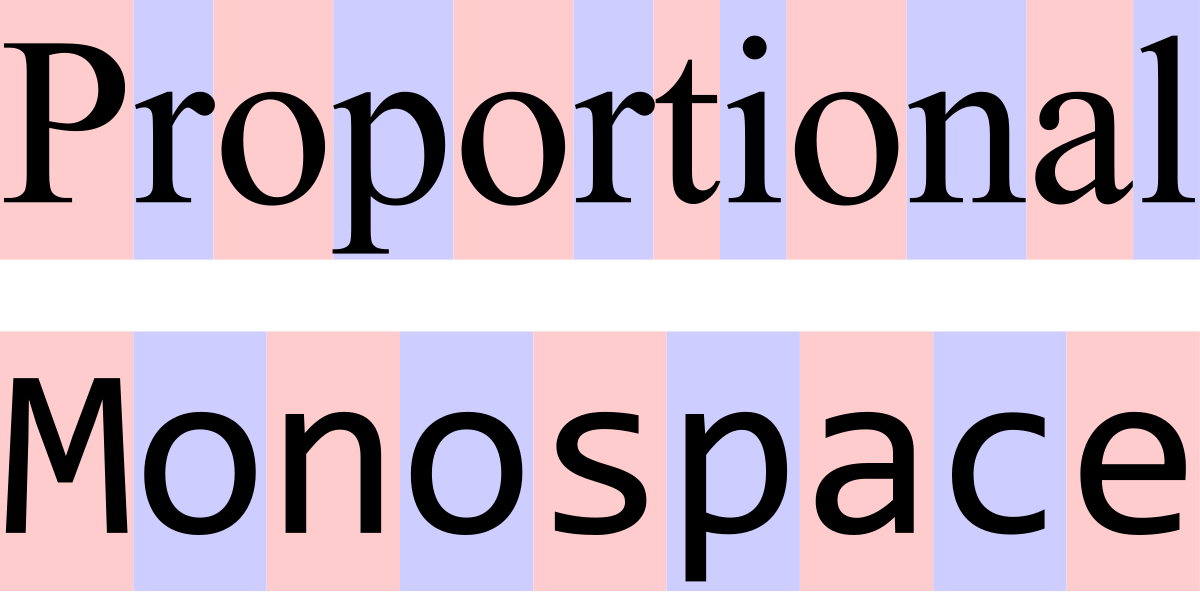
    Like the picture says, Monospace fonts have characters that are the same width/each character takes up the same amount of space horizontally. This font gives your designs a very simplistic and computer-y vibe. 

    As you can see, we have all these different types of fonts, and each of these has subcategories of fonts. You might wonder, how do I know which font to use with which? How do I know what looks good with what? That’s where AI can help! There are programs like FontJoy and Monotype that use machine learning to choose font pairs that look the best together. Some parameters AI can take into account to pair are the weight of the font, the obliqueness of the font, the style, and so on and so forth. Monotype also compares the levels of harmony and contrast between fonts. 

    You might be wondering: Why do we care about font pairing or how fonts look?  

    When it comes to visual design, font psychology has to be accounted for. Font psychology is the visual and emotional reaction you have to the font you’re seeing, according to 99 Designs. According to Albert Mehrabian’s Rule of Personal Communication, 93% of personal connection is non-verbal, meaning ideas and values need to get across in the simplest way possible. Because people will only take a couple of seconds at a design, there is a short chance to capture their attention with font. We can look at the Kolenda Font Model to evaluate how we perceive fonts and what we associate with them. There is also shape and color psychology. Certain geometric forms elicit certain emotions or feelings for the viewer, as do colors. If a font is rounder, it makes the viewer feel more bubble, relaxed, and fun, whereas a sharper more rigid font elicits a  more professional and serious tone. 

    Next time you’re using a font for a design, pay close attention to the style, shape, and color if you’re trying to convey a certain message! 

  • Our Science Fashion Show, and My Part In It!

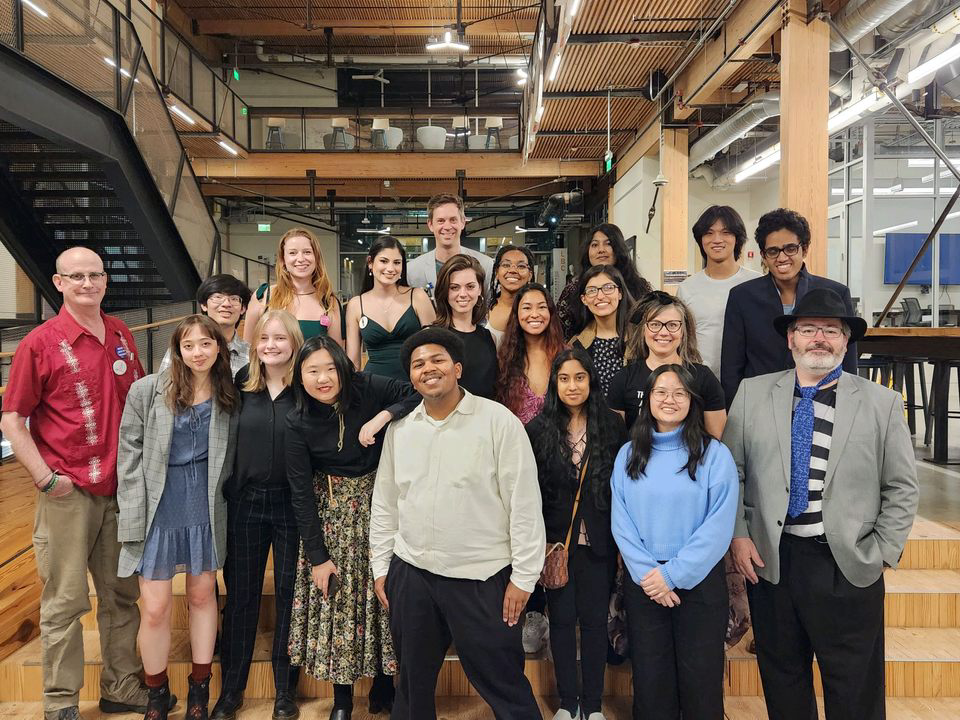
    My friends and I from Stemcomm after the event!

    During the planning for the science fashion show, I found myself feeling a bit behind. I am not typically great at outreach and that was a huge part of this project. I really got to put my skills to work in planning out the actual layout and small details of the event. Troubleshooting some last-minute tech issues, organizing the scene, and handing out little complementary trinkets that I made to the audience and participants is how I allowed my skills to shine.

    During the planning for this event, I got to learn a lot about different campus resources and maker spaces. The Invention Studio at GT has so many different machines and tools needed for making just about anything you can set your mind to. It is also run almost entirely by mechanical engineering students!

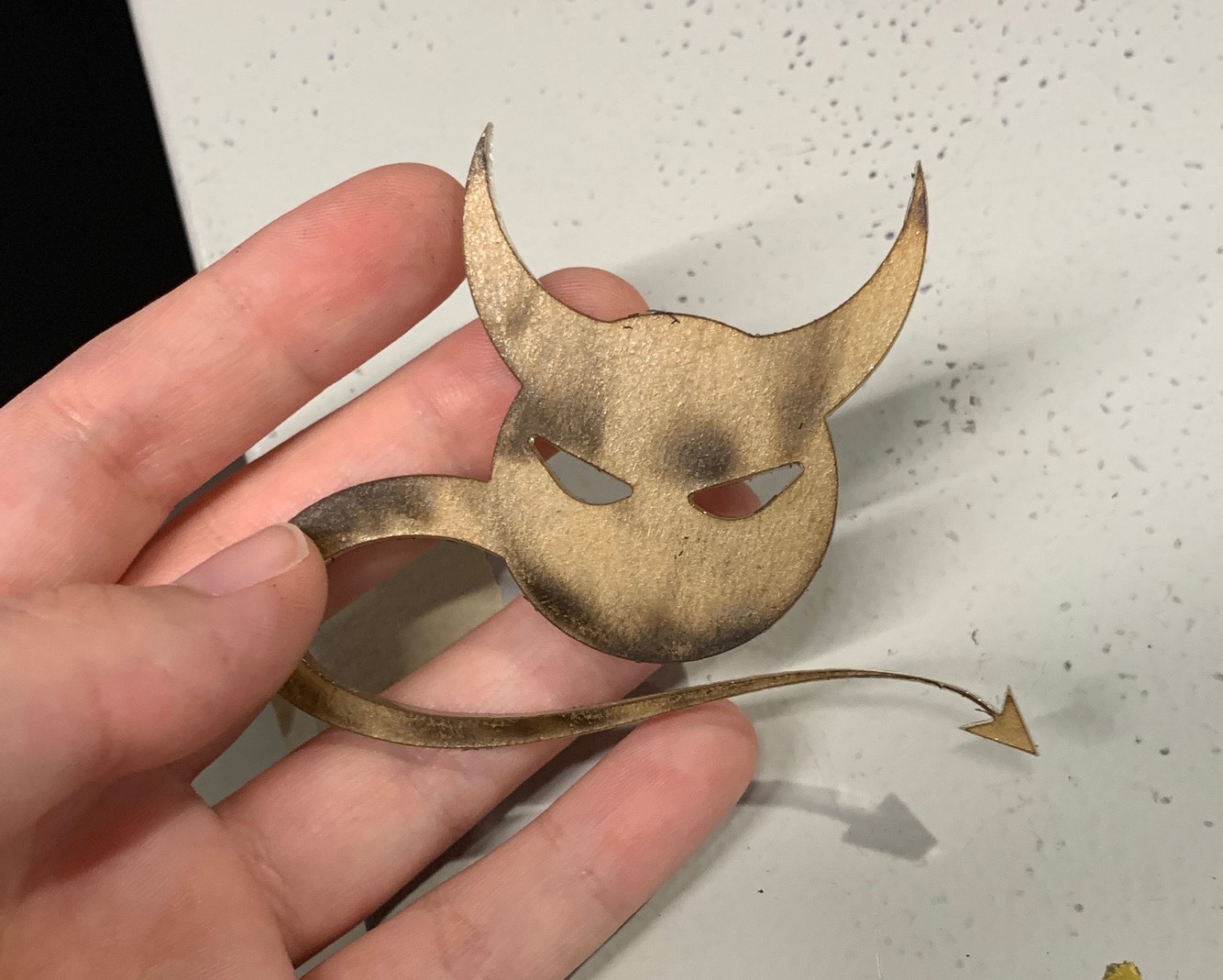
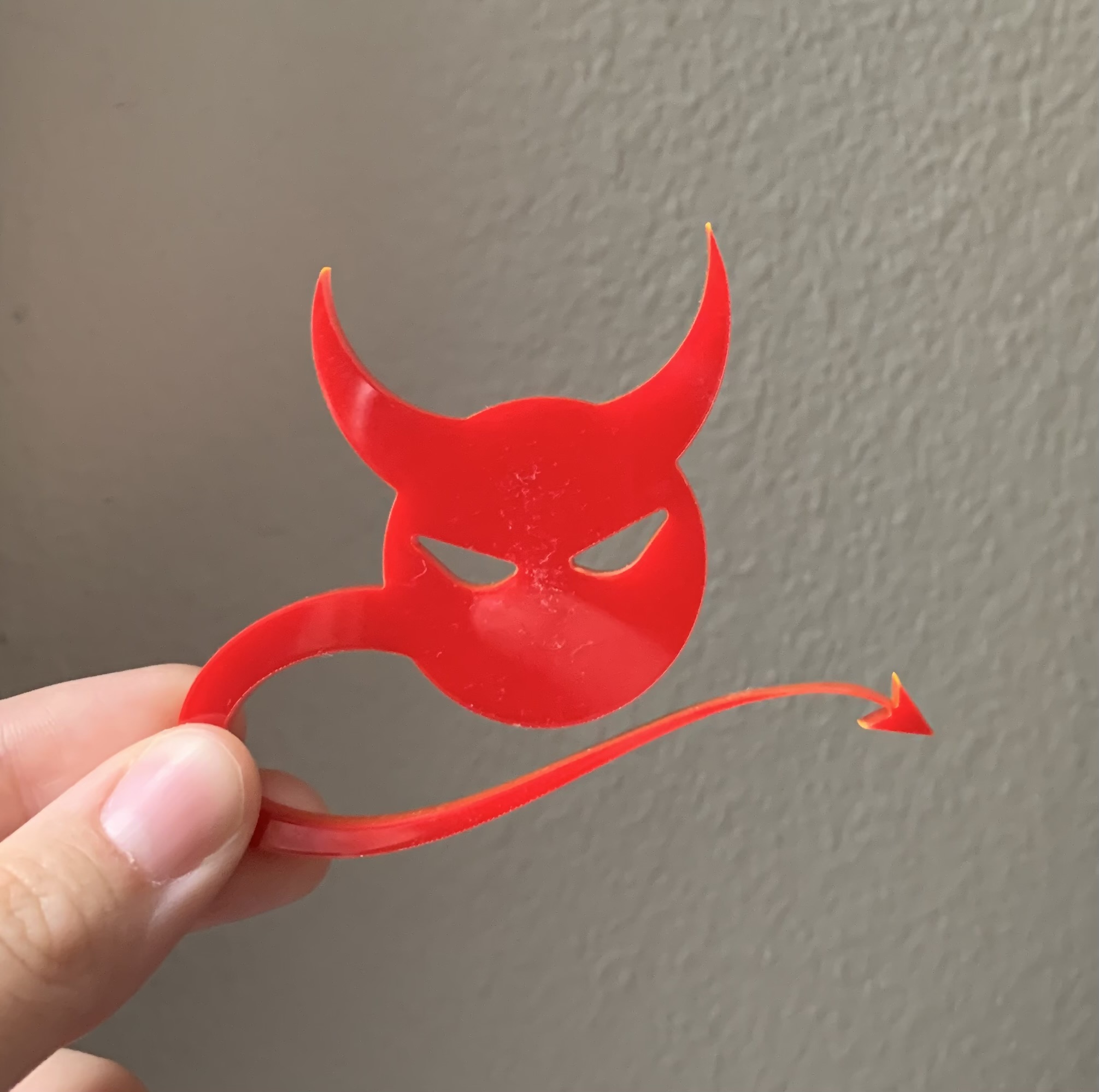
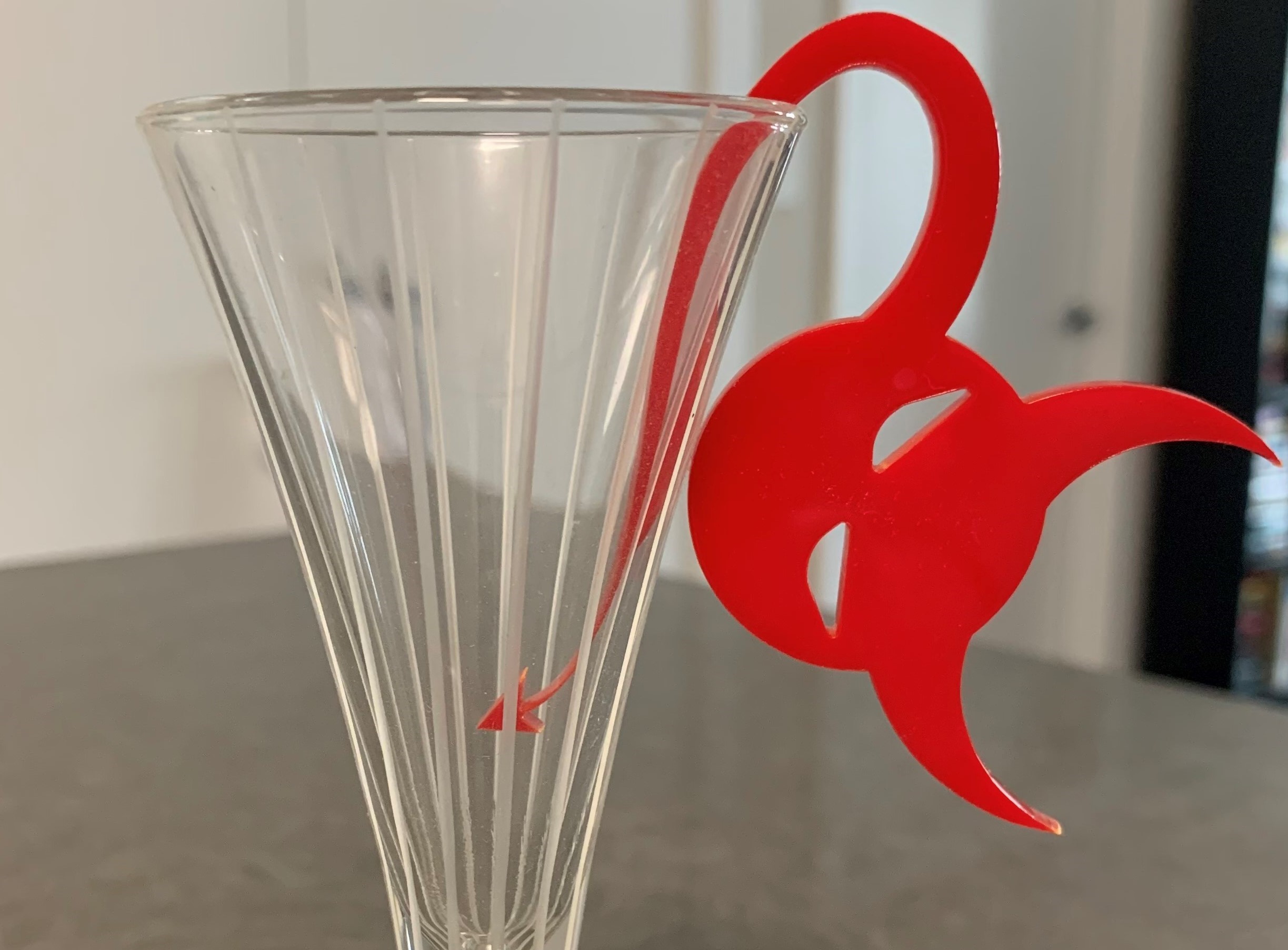
    I learned how to use the laser cutter/engraver while I was there. I used this to make some complimentary devil charms for attendees of the fashion show. These charms were originally meant to be decorations that go on people’s glasses of champagne. 

    It really wasn’t all that complicated to do. All I did was find a vector image that I liked on Canva, edit it a bit in Adobe Illustrator, place it on a flash drive, and take it up to the invention studio. I learned how to use the software needed to use the laser cutter and it was really fun!  I won’t get into all the technical details here, so let’s move on to showing you what I actually made.

    We started with an acrylic prototype, made from leftover scraps from the invention studio, first to ensure the desired size and parameters for the laser.

    Acrylic prototype

    Then, we tweaked a few things to ensure that our final product on our red acrylic would be perfect.

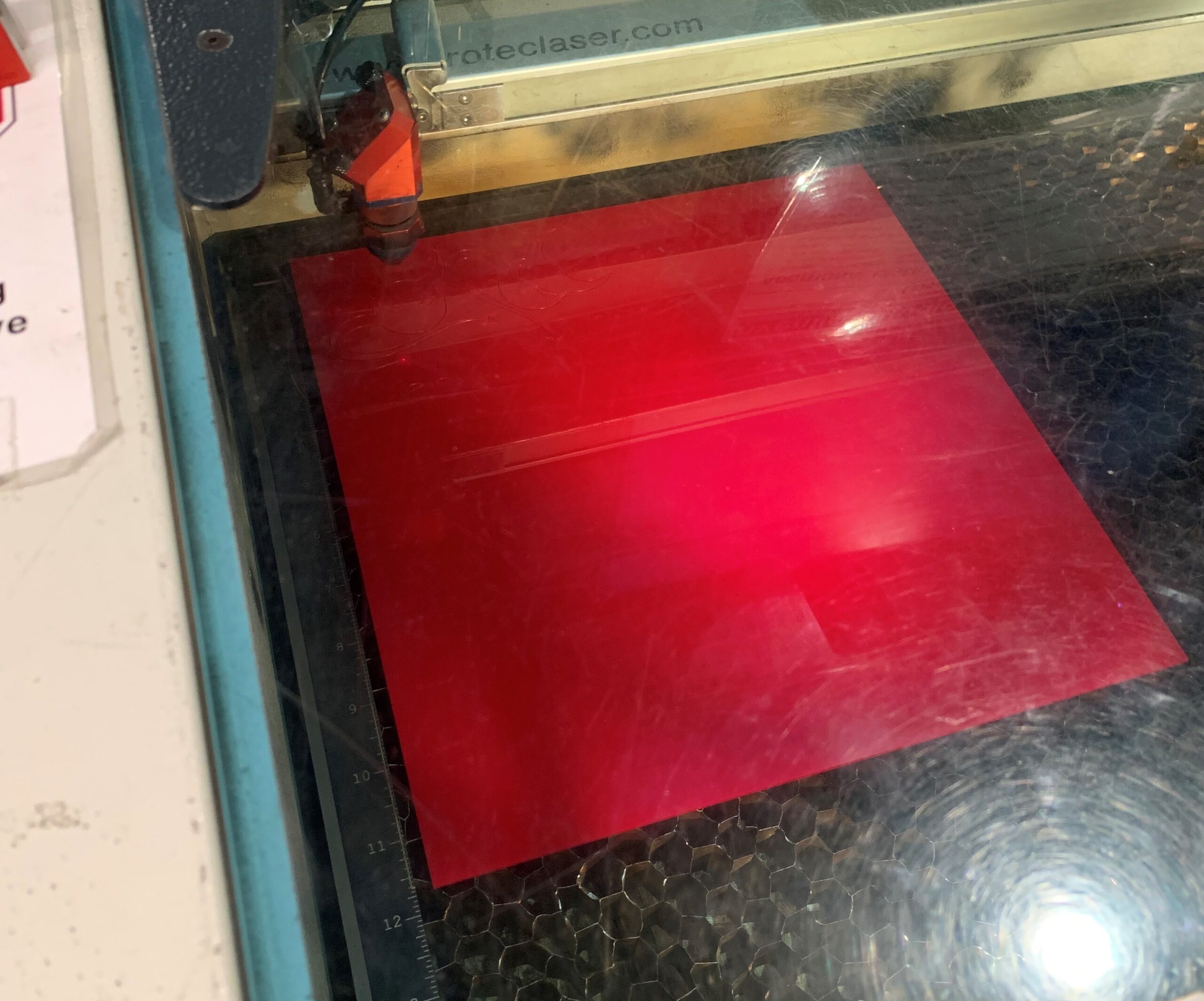
    Here’s the final product from start to finish!

    Picture of the red acrylic from the very beginning of the laser-cutting process
    picture of the finished product
    Picture of the charm on a glass
  • Dinos with… luscious lips?

    Dinosaurs may have looked… different.

    When you think of a T. rex, you think of scary sharp teeth sticking out of a giant mouth. While they did have some scary teeth, they might’ve been covered by lizard-like lips.

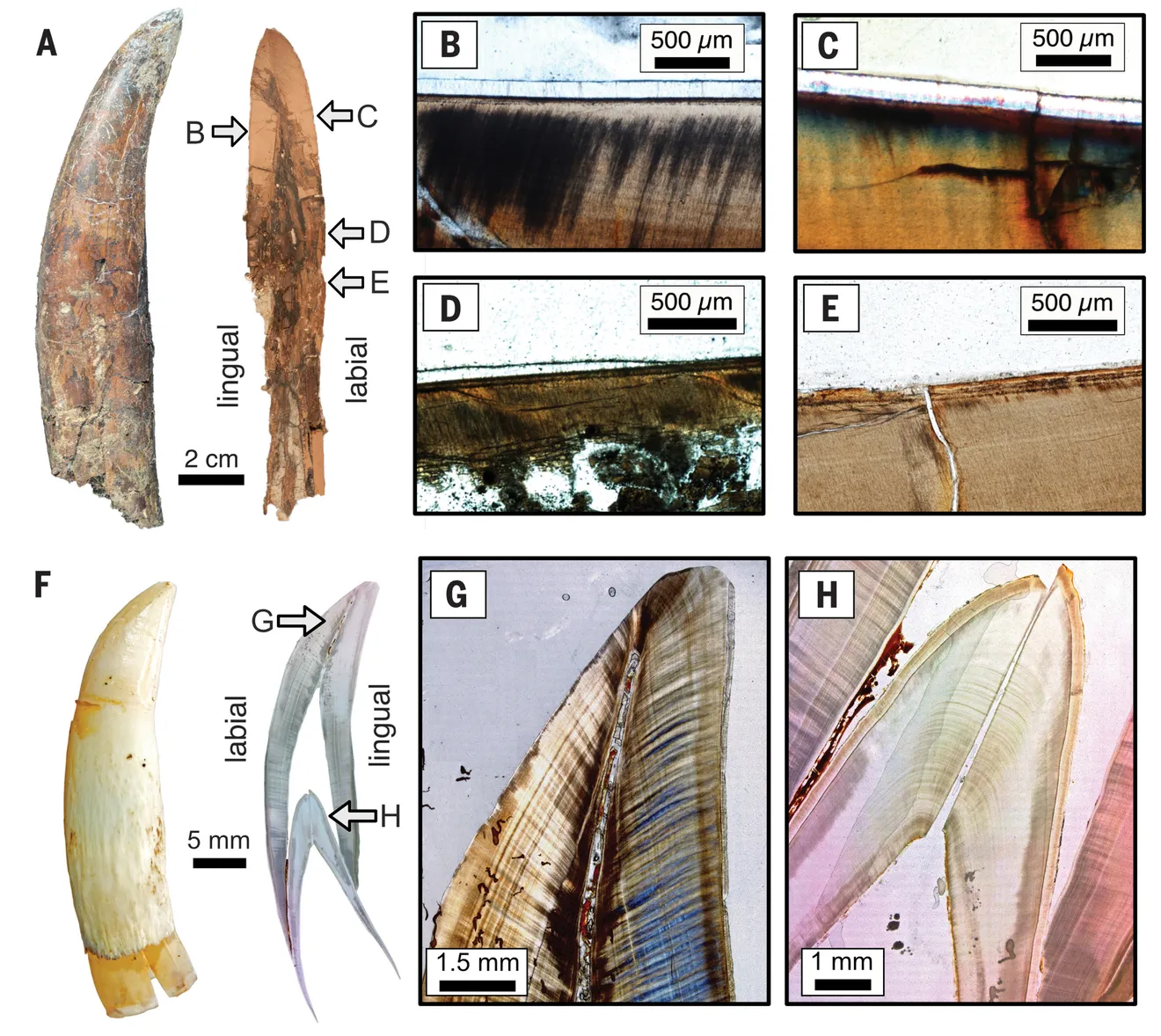
    A study was done by the University of Portsmouth that revealed it is likely that carnivorous dinosaurs had lips that covered their fangs. These lips were a barrier between their fangs and the elements. This means these teeth have less wear and tear than a tooth that was exposed to the elements throughout the life of the organism.

    “After embedding the Daspletosaurus tooth in resin an slicing into it with a diamond-studded saw, scientists discovered that is lacked significant degradation -signaling that it hadn’t been exposed to try air in a lip-free mouth” (Fine, USAToday, 2023)

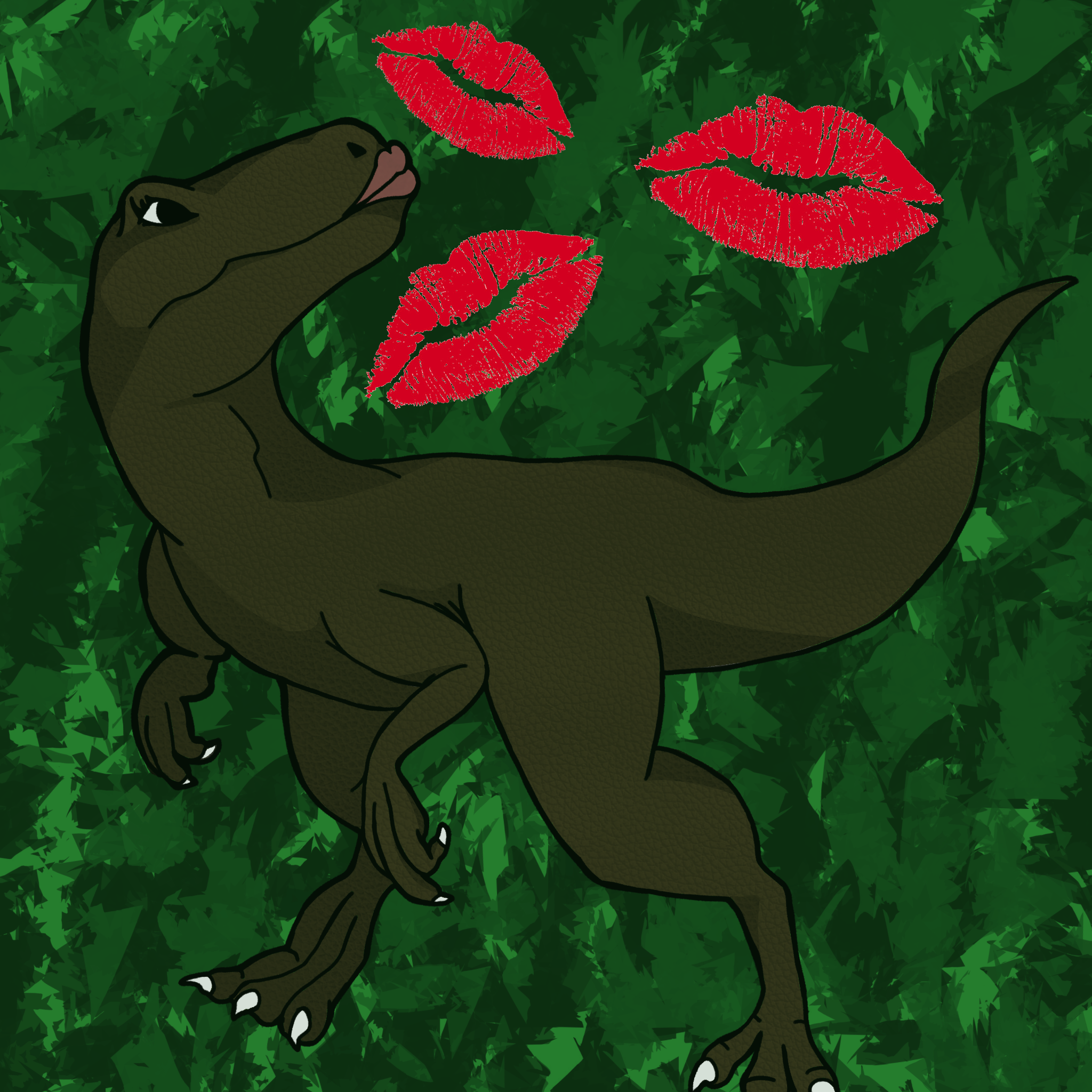
    Here’s a fun drawing I did to add a little humor to this scientific idea.

    References:

    https://www.sciencedaily.com/releases/2023/03/230330172120.ht  

    https://www.port.ac.uk/news-events-and-blogs/news/predatory-dinosaurs-such-as-t-rex-sported-lizard-like-lips 

    https://www.usatoday.com/story/news/nation/2023/04/03/tyrannosaurus-rex-lips-study/11593711002/ 

  • Tiny Organisms Solve Giant Problems

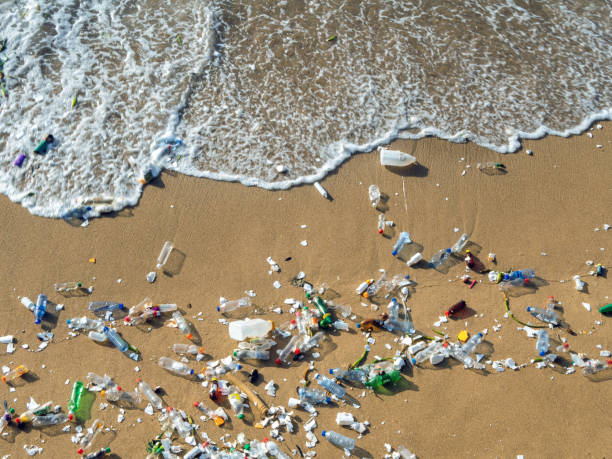
    The Plastic Problem

    A pressing issue our world is facing is “The Plastic Problem.” Humans have been creating harmful, non-biodegradable plastics and other materials for hundreds of years and polluting the planet with them. Scientists have been working to come up with reasonable solutions to waste management. While creating environmentally friendly alternatives is instrumental in preserving our planet, something must be done about the waste produced in years past.

    A natural solution?

    Who could have guessed that the Earth has been working to solve this itself? Some microorganisms have evolved and adapted to consume different types of plastic and convert their components into something good for the environment.

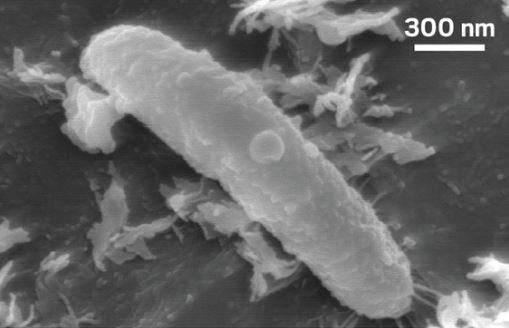
    Plastic-Eating Bacteria

    Ideonella Sakaiensis is a bacteria discovered in Osaka, Japan. It secretes enzymes that break down harmful PET plastics into biodegradable PHB plastics. This bacteria could break down plastics in around 6 weeks when studied in a lab setting.

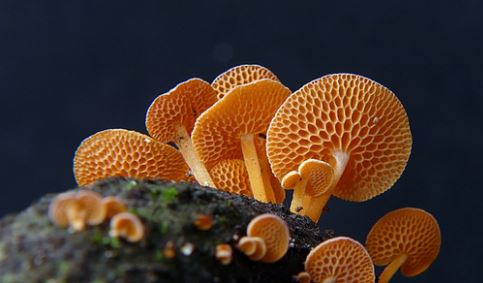
    Plastic-Eating Fungi

    Aspergillus Tubigensis, a naturally occurring fungus, was discovered by scientists at a waste disposal site in Islamabad, Pakistan. This fungus is also capable of breaking down plastic by secreting special enzymes. These enzymes destroy the bonds between molecules in the plastic.

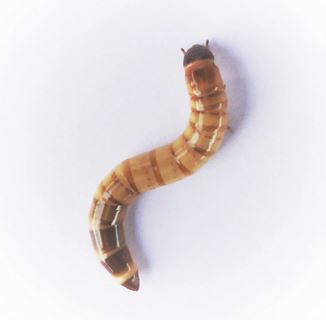
    Plastic-Eating Larvae

    Zophobas Morio, or “super worms”, are larvae of the darkling beetle. This creature can decompose polystyrene (AKA Styrofoam) through its digestion. The larvae’s gut microbiome is being studied to learn how to replicate the process of breaking down plastics and learn how to produce more efficient larvae.

    Is This Sustainable?

    For something to be sustainable, it must account for three things: ecology, equity, and economy. In other words, something must be good for people, nature, and the economy.

    While these organisms are all naturally-occurring, they are not the most efficient. In order for these organisms to become viable solutions to our plastic problem, they must be bio-engineered to be hundreds of times more efficient. Large-scale commercial use would be very expensive. The “willingness to pay” philosophy addresses how people will only choose sustainable products if they are willing to pay for them. More expensive endeavors are backed less by the average person. These organisms are only sustainable as long as researchers are given proper funding.

    References:

  • What Really Happened to the Dinosaurs?

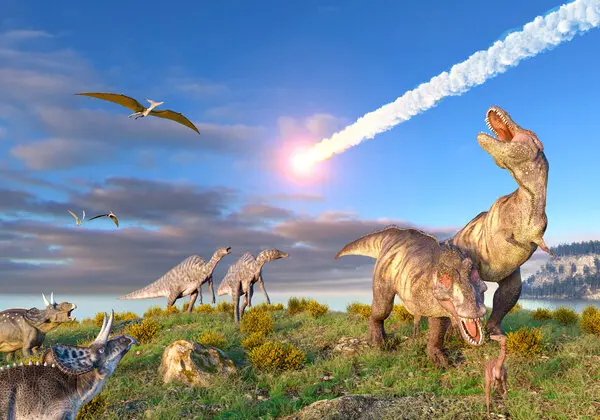
    What was the true cause of the infamous mass extinction at the end of the Cretaceous period? In this article, we will be evaluating two rival theories.

    Impact Theory VS. ______?

    The most currently accepted asteroid impact theory basically says: “A giant asteroid wiped out the dinosaurs”. In 1980, Nobel Prize-winning physicist Luis Walter Alvarez and his geologist son Walter published a theory that a historic layer of iridium-rich clay was caused by a large asteroid colliding with Earth. There is another notable theory by Gerta Keller, a professor of paleontology and geology at Princeton. Despite numbers of other theories proposed by other scientists, Alvarez’s theory has triumphed all others in the field since its inception.

    Deccan Traps Theory

    However, a crucial part of Alvarez’s theory actually supports Gerta Keller’s opposing “Deccan Traps Theory”. Alvarez’s main evidence for his impact theory, the layer of iridium-rich clay, wasn’t just one layer, but multiple separate layers. Alvarez defended his theory against the opposition who highlighted this hole in his theory and explained the extra layers at different depths by saying that it wasn’t just one asteroid, but multiple. While this is possible, I think Keller’s theory is much more plausible.

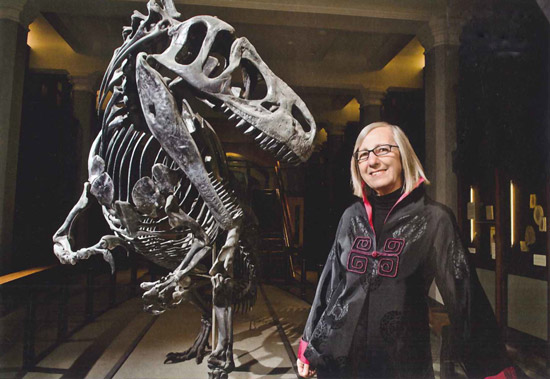
    Image of Gerta Keller

    We must recognize that Gerta Keller is a woman in science. Intellectual women have been undermined and had their ideas stolen by men for years. I believe that the lack of popularity of Keller’s theory can be attributed to the fact that she was a woman.

    What are the Deccan Traps?

    Here we can see the plateau formed by the volcanic eruptions in western India.

    The Deccan Traps are a plateau that was formed by molten lava around 66 million years ago. The Deccan Traps cover around 500,000 square kilometers of western India.

    Deccan Volcanism

    Keller’s theory involves the concept of “Deccan Volcanism”. Deccan Volcanism refers to 4 or 5 volcanic eruptions in the Deccan Traps that occurred before the KTB(Cretaceous–Tertiary) mass extinction. Each of these eruptions created massive flows of lava that can be seen in the fossil record.

    In this image you can see layers of iridium-rich earth formed from these eruptions.

    These eruptions also likely caused intense climate change, along with releasing tons upon tons of toxic gases into the atmosphere. The destruction of the global environment led to the eventual extinction of countless species.

    Combo Theory?

    Many believe that this environmental destruction contributed to the decline of many species in this period but didn’t “wipe them out”. Some scientists believe after all of the destruction, some sort of impact was the final nail in the proverbial coffin. This combined Deccan traps-impact theory has grown in popularity in recent years as more evidence surfaces to support it.

  • Should I Quit Chewing Gum?

    Should I Quit Chewing Gum?

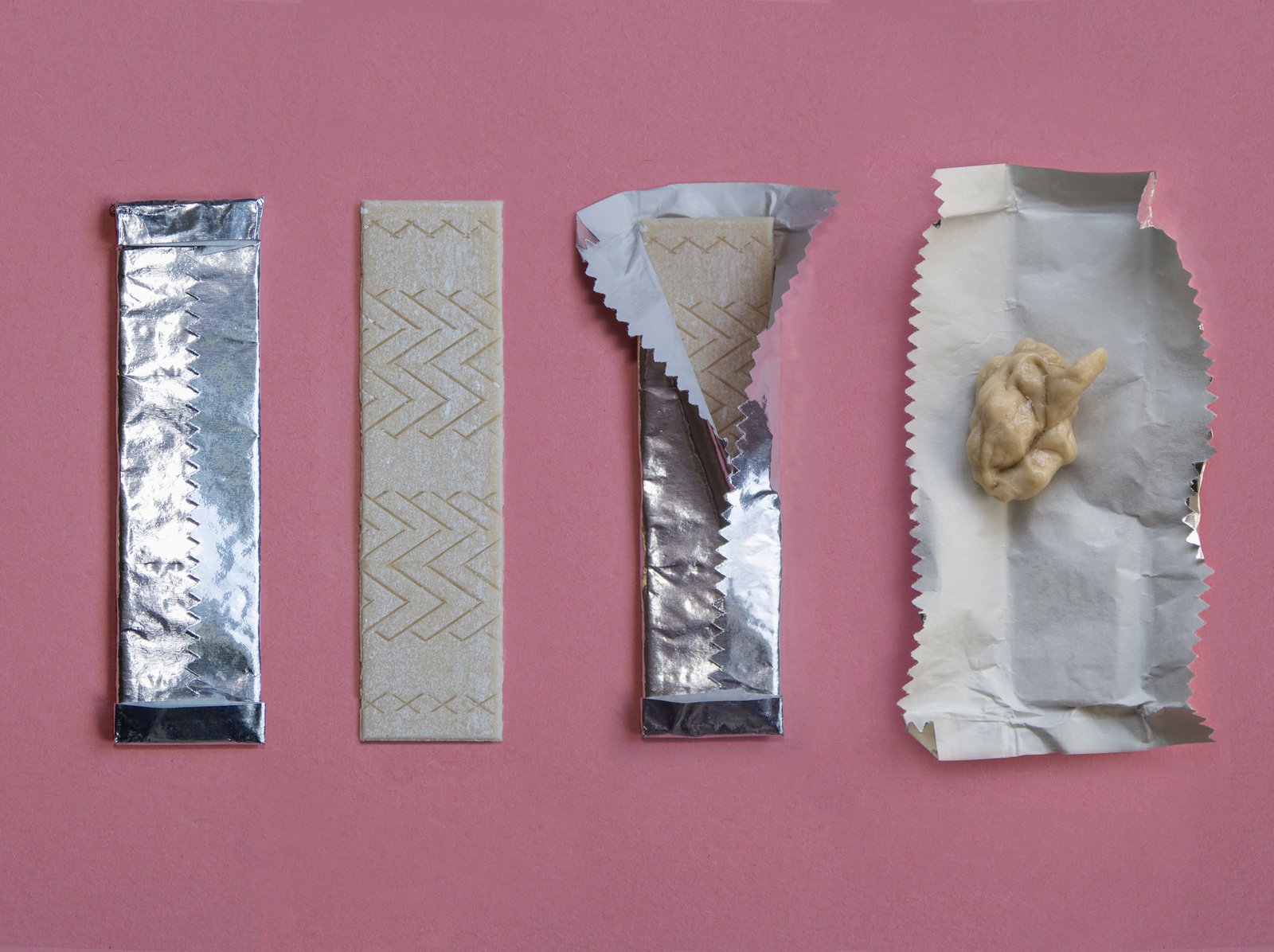
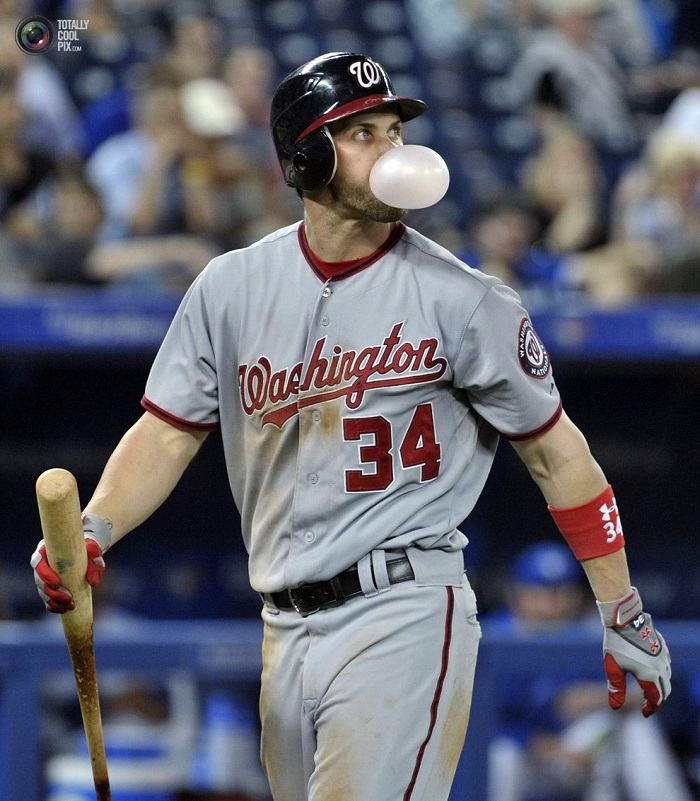
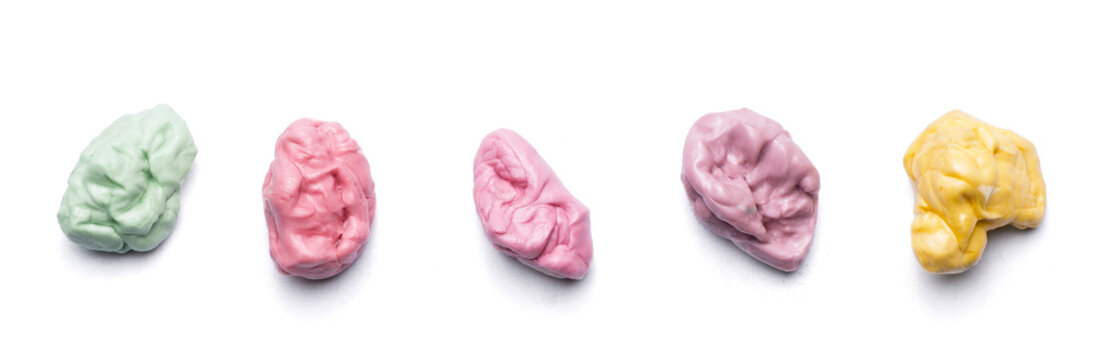
    In 24 days, or a little over 3 weeks, I chewed 171 pieces of gum. That’s between 10 and 12 packs of gum (depending on whether it was a 14 or 16 count). Sure, that doesn’t seem like much, but during these three weeks, I was trying to cut down. On a bad day, I could tear through an entire pack in an afternoon. I wish I could say that with age, I learned how to control my gum-chewing as a result of witnessing the dent my wallet takes after every trip to the grocery store, but to be completely honest, it shows no sign of stopping.

    You hear a lot about the benefits of chewing gum to relax your mind or help you remember what you’ve studied (Sasaki-Otomaru et al., 2011), but I’ve always wondered — can an excessive amount of something that’s supposedly good for your health be harmful?

    The NHS describes addiction as “not having control over doing, taking or using something to the point where it could be harmful to you… it’s possible to be addicted to just about anything” (“Addiction: what is it?,” n.d.). By that definition, “too much of a good thing” applies to every activity you could dream up.

    Investigating Ingredients

    Several artificial sweeteners are added to gum — xylitol being at the top of the ingredient list. Xylitol is a sugar alcohol, used to replace sugar, that naturally occurs in vegetables and fruits (Hester, 2022).
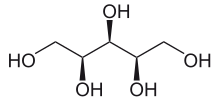
    • Xylitol is behind why gum chewing is recommended 30 minutes after a meal — it can’t be broken down into the acids that wear away teeth.
    • Although xylitol is easily absorbed by bacteria like sugar, once absolved, the bacteria will use their energy to expel the xylitol instead of reproducing, making it less able to stick to your teeth and causing them to die off. (Hester, 2022)
    • By neutralizing acids in the mouth, acid reflux and erosion of enamel, the hard mineralized substance that protects the surface of the teeth, are minimized.
    • Chewing gum also boosts saliva production, helping to wash away food particles from the teeth as well as digestive acids. (“Sugar-free gum – is it bad for me?,” 2012)
    • The saliva produced when you chew gum is stimulated saliva, which has a higher concentration of the proteins your teeth need to defend against the erosive acids in food and drinks (Hester, 2022).
    • To summarize, xylitol doesn’t spike blood sugar or insulin, starves the plaque-producing bacteria, and feeds microbes in the digestive system (Gunnars, 2018).

    But how do the rest of the ingredients line up?


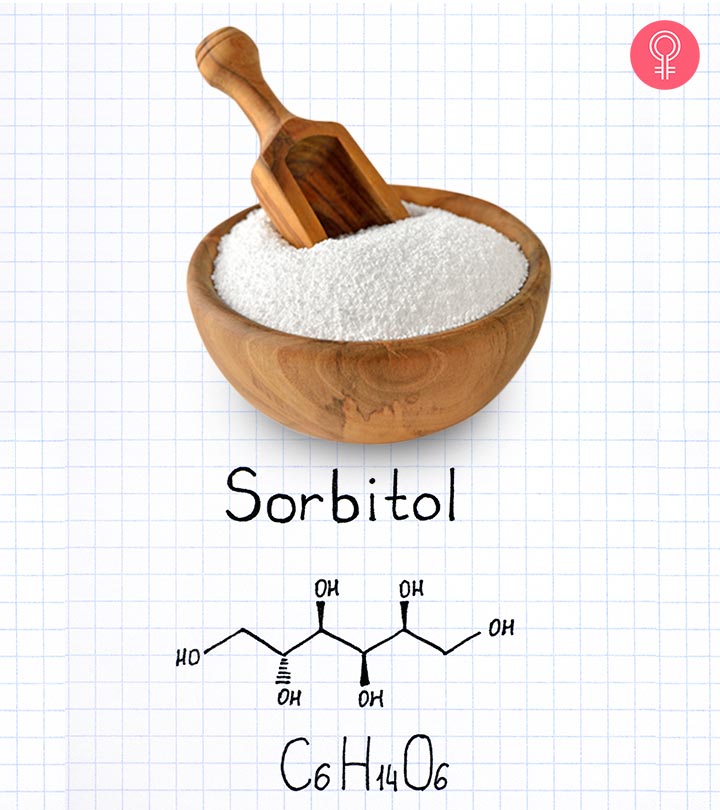
    Next on the list is sorbitol.
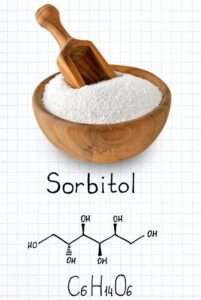
    • Similar to xylitol, sorbitol is a naturally occurring sweetener extracted from glucose. Consuming sorbitol is what gives you that cooling sensation in the mouth. 
    • Sorbitol has been declared safe by a number of studies. However, the suggests that if daily intake exceeded 30g, it may result in nausea, vomiting, or abdominal pain.
    • In larger quantities, sorbitol actually acts as a laxative. It does not get completely digested — the small intestine absorbs sorbitol in small amounts, which are then converted to fructose. The presence of excess remaining sorbitol may result in diarrhea, gas, bloating, and cramping (“Sorbitol research and safety,” 2022).
      • As it moves through the GI tract, it acts as a sponge by pulling water out of the intestinal walls, creating an excess of fluid in the bowels and these unpleasant symptoms (Johnson, 2010). 

    As you can probably guess, the other main ingredients like mannitol & maltitol, have almost identical descriptions — a sugar alcohol recognized as safe by the FDA that may cause bloating, gas, or diarrhea when overconsumed.


    Finally, I’ll discuss a bit about maltodextrin, a highly processed artificial sweetener made from corn, rice, potato starch, or wheat.
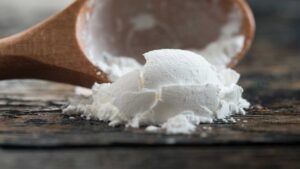
    • Maltodextrin’s high glycemic index means it can cause spikes in blood sugar.
    • Studies have suggested that it can change your gut bacteria composition in a way that makes you more susceptible to disease. 
      • Maltodextrin can suppress the growth of probiotics in your digestive system, increasing the growth of bacteria such as E.coli, which is associated with autoimmune disease.
      • It may also impair intestinal mucus release, raising the risk of colitis (inflammation of the large intestine).
    • However, there’s also evidence that maltodextrin is effective for preventing colorectal cancer and had positive effects on overall digestion (Shaefer, 2022).
    A Conclusion That’s Hard to Swallow

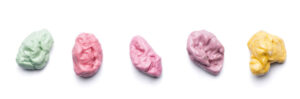
    Well, it seems the health effects of chewing gum are pretty insignificant. After all, a piece of gum is usually no more than a couple of grams.

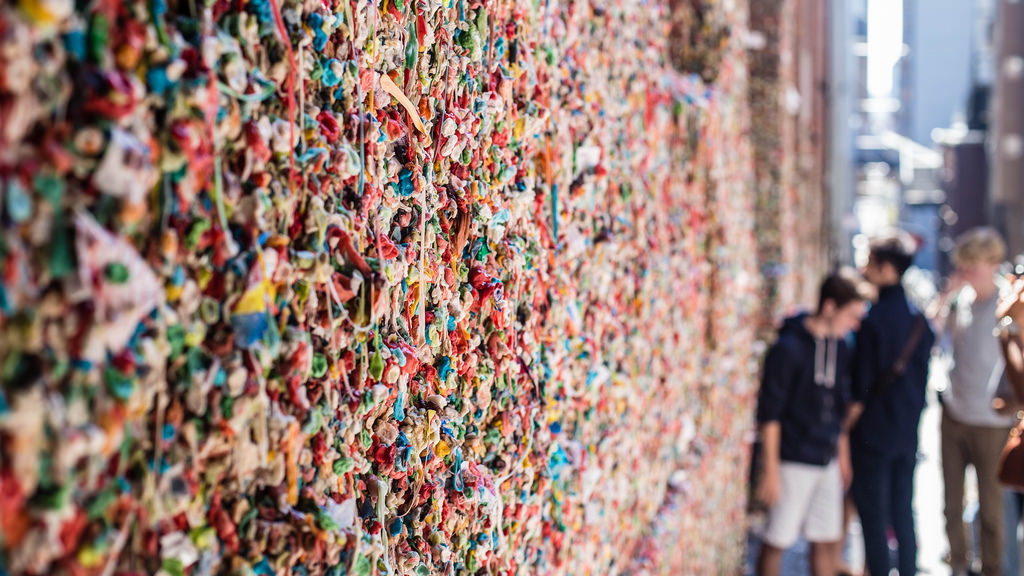
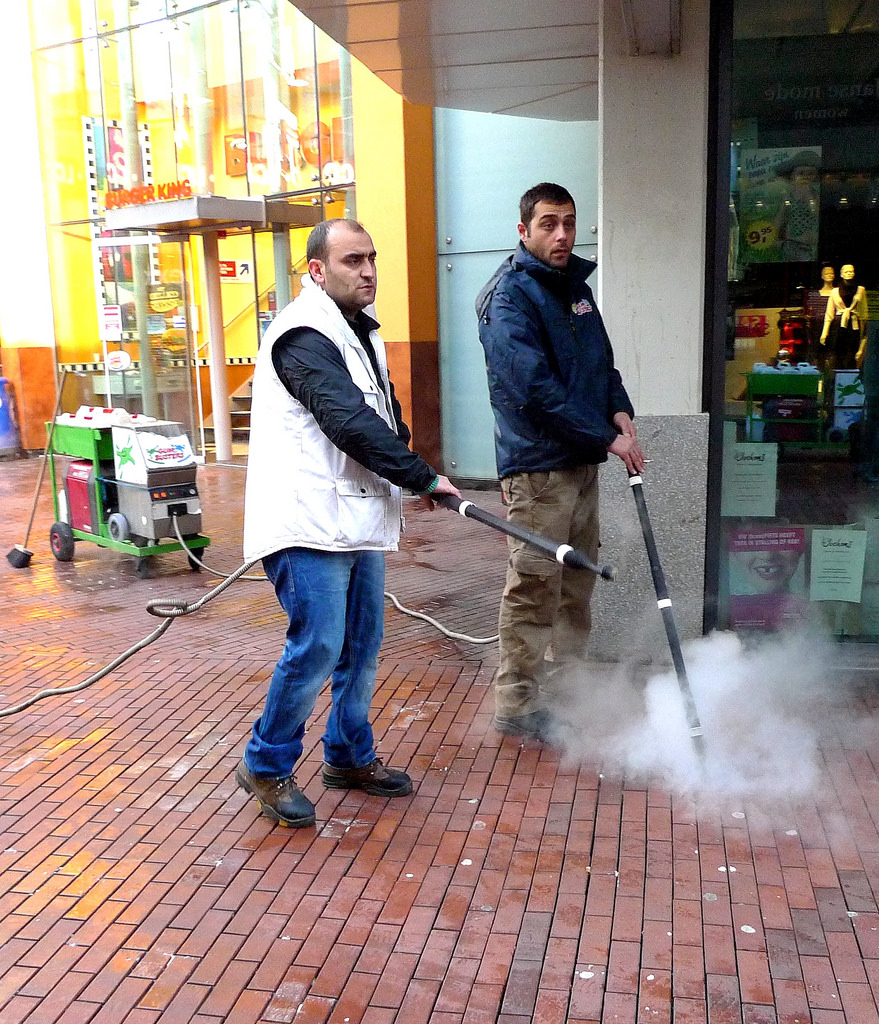
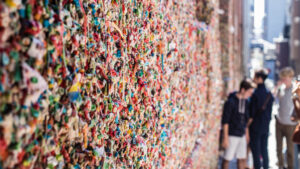
    But you know what isn’t? The residue it leaves behind. Chewing gum is made of “non-biodegradable hydrophobic polymers together with artificial sweeteners” (Roy, 2011). Since gum is an oil base synthetic polymer, it’s remnants are just like plastic. Gum products, then, are not broken down by natural processes, which produces pollution destined to exist for much, much longer than the amount of time it took to chew (Jones, 2019). Unsurprisingly, valuable time and money must be spent to clean up unsightly and bacteria-saturated chewed gum from the streets.

    As gross as it sounds, all the gum we’ve chewed probably still exists somewhere. It’ll be near excruciating to curb my chewing, but I’d like to think that the environment (and my wallet) will thank me.


    Resources

    Gunnars, K. (2018, October 4). Xylitol: Everything you need to know. Healthline. Retrieved April 1, 2023, from https://www.healthline.com/nutrition/xylitol-101#bottom-line

    Hester, J. (2022, June 17). Surprising dental health benefits of sugar-free gum. Dental Depot. Retrieved April 1, 2023, from https://dentaldepot.net/surprising-benefits-of-sugar-free-gum/

    Johnson, C. (2010, July 26). Too much sugarless gum can hurt you. UF Health Podcasts. Retrieved April 1, 2023, from https://podcasts.ufhealth.org/too-much-sugarless-gum-can-hurt-you/

    Jones, D. (2019, November 16). Chewing gum – 100,000 tonnes of plastic pollution every year. Just One Ocean. Retrieved April 1, 2023, from https://justoneocean.org/chewing-gum

    NHS. (n.d.). Addiction: what is it? NHS choices. Retrieved April 1, 2023, from https://www.nhs.uk/live-well/addiction-support/addiction-what-is-it/

    Roy, A. S. (2011, November 30). Improper disposal of non-biodegradable chewing gum is one of the biggest threats to our ecology: A Review. Current World Environment. Retrieved April 1, 2023, from https://www.cwejournal.org/vol16no3/improper-disposal-of-non-biodegradable-chewing-gum-is-one-of-the-biggest-threats-to-our-ecology–a-review

    Sasaki-Otomaru, A., Sakuma, Y., Mochizuki, Y., Ishida, S., Kanoya, Y., & Sato, C. (2011). Effect of regular gum chewing on levels of anxiety, mood, and fatigue in healthy young adults. Clinical practice and epidemiology in mental health : CP & EMH. Retrieved April 1, 2023, from https://www.ncbi.nlm.nih.gov/pmc/articles/PMC3158435/

    Shaefer, A. (2022, September 23). Is maltodextrin bad for me? Healthline. Retrieved April 1, 2023, from https://www.healthline.com/health/food-nutrition/is-maltodextrin-bad-for-me#alternatives

    Sorbitol research and safety. News. (2022, December 29). Retrieved April 1, 2023, from https://www.news-medical.net/health/Sorbitol-Research-and-Safety.aspx

    Sugar-free gum – is it bad for me? Go Ask Alice! (2012, December 7). Retrieved April 1, 2023, from https://goaskalice.columbia.edu/answered-questions/sugar-free-gum-it-bad-me/