In 24 days, or a little over 3 weeks, I chewed 171 pieces of gum. That’s between 10 and 12 packs of gum (depending on whether it was a 14 or 16 count). Sure, that doesn’t seem like much, but during these three weeks, I was trying to cut down. On a bad day, I could tear through an entire pack in an afternoon. I wish I could say that with age, I learned how to control my gum-chewing as a result of witnessing the dent my wallet takes after every trip to the grocery store, but to be completely honest, it shows no sign of stopping. 
You hear a lot about the benefits of chewing gum to relax your mind or help you remember what you’ve studied (Sasaki-Otomaru et al., 2011), but I’ve always wondered — can an excessive amount of something that’s supposedly good for your health be harmful?
The NHS describes addiction as “not having control over doing, taking or using something to the point where it could be harmful to you… it’s possible to be addicted to just about anything” (“Addiction: what is it?,” n.d.). By that definition, “too much of a good thing” applies to every activity you could dream up.
Investigating Ingredients
Several artificial sweeteners are added to gum — xylitol being at the top of the ingredient list. Xylitol is a sugar alcohol, used to replace sugar, that naturally occurs in vegetables and fruits (Hester, 2022). 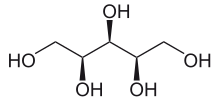
- Xylitol is behind why gum chewing is recommended 30 minutes after a meal — it can’t be broken down into the acids that wear away teeth.
- Although xylitol is easily absorbed by bacteria like sugar, once absolved, the bacteria will use their energy to expel the xylitol instead of reproducing, making it less able to stick to your teeth and causing them to die off. (Hester, 2022)
- By neutralizing acids in the mouth, acid reflux and erosion of enamel, the hard mineralized substance that protects the surface of the teeth, are minimized.
- Chewing gum also boosts saliva production, helping to wash away food particles from the teeth as well as digestive acids. (“Sugar-free gum – is it bad for me?,” 2012)
- The saliva produced when you chew gum is stimulated saliva, which has a higher concentration of the proteins your teeth need to defend against the erosive acids in food and drinks (Hester, 2022).
- To summarize, xylitol doesn’t spike blood sugar or insulin, starves the plaque-producing bacteria, and feeds microbes in the digestive system (Gunnars, 2018).
But how do the rest of the ingredients line up?
Next on the list is sorbitol. 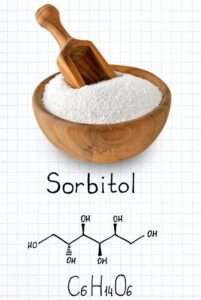
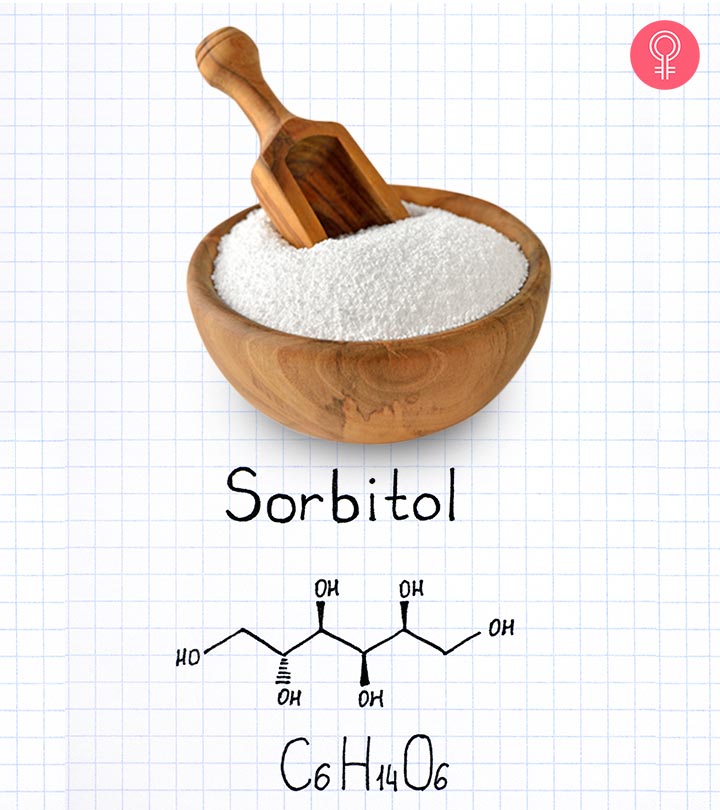
- Similar to xylitol, sorbitol is a naturally occurring sweetener extracted from glucose. Consuming sorbitol is what gives you that cooling sensation in the mouth.
- Sorbitol has been declared safe by a number of studies. However, the suggests that if daily intake exceeded 30g, it may result in nausea, vomiting, or abdominal pain.
- In larger quantities, sorbitol actually acts as a laxative. It does not get completely digested — the small intestine absorbs sorbitol in small amounts, which are then converted to fructose. The presence of excess remaining sorbitol may result in diarrhea, gas, bloating, and cramping (“Sorbitol research and safety,” 2022).
- As it moves through the GI tract, it acts as a sponge by pulling water out of the intestinal walls, creating an excess of fluid in the bowels and these unpleasant symptoms (Johnson, 2010).
As you can probably guess, the other main ingredients like mannitol & maltitol, have almost identical descriptions — a sugar alcohol recognized as safe by the FDA that may cause bloating, gas, or diarrhea when overconsumed.
Finally, I’ll discuss a bit about maltodextrin, a highly processed artificial sweetener made from corn, rice, potato starch, or wheat.
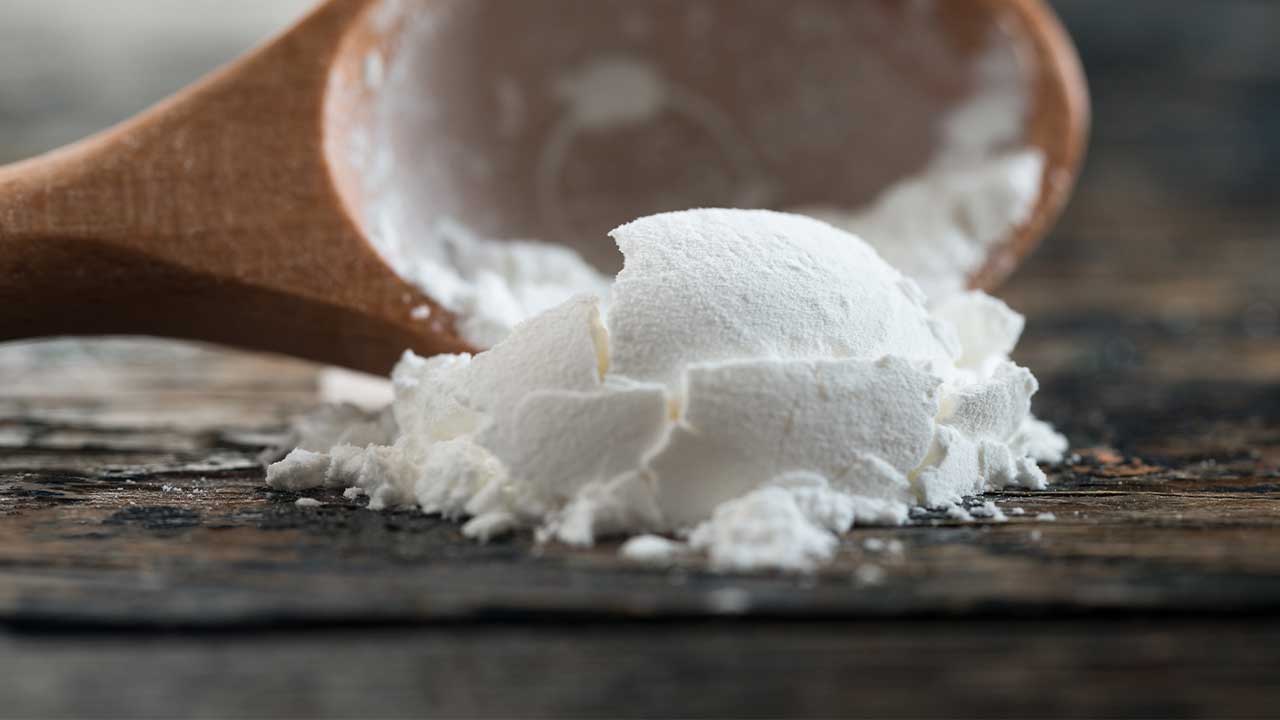
- Maltodextrin’s high glycemic index means it can cause spikes in blood sugar.
- Studies have suggested that it can change your gut bacteria composition in a way that makes you more susceptible to disease.
- Maltodextrin can suppress the growth of probiotics in your digestive system, increasing the growth of bacteria such as E.coli, which is associated with autoimmune disease.
- It may also impair intestinal mucus release, raising the risk of colitis (inflammation of the large intestine).
- However, there’s also evidence that maltodextrin is effective for preventing colorectal cancer and had positive effects on overall digestion (Shaefer, 2022).

A Conclusion That’s Hard to Swallow
Well, it seems the health effects of chewing gum are pretty insignificant.  After all, a piece of gum is usually no more than a couple of grams.
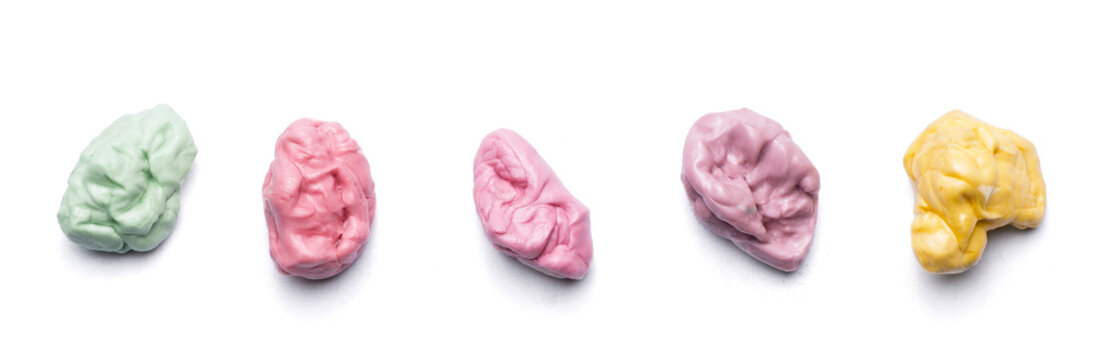
But you know what isn’t? The residue it leaves behind. Chewing gum is made of “non-biodegradable hydrophobic polymers together with artificial sweeteners” (Roy, 2011). Since gum is an oil base synthetic polymer, it’s remnants are just like plastic. Gum products, then, are not broken down by natural processes, which produces pollution destined to exist for much, much longer than the amount of time it took to chew (Jones, 2019). Unsurprisingly, valuable time and money must be spent to clean up unsightly and bacteria-saturated chewed gum from the streets.
As gross as it sounds, all the gum we’ve chewed probably still exists somewhere. It’ll be near excruciating to curb my chewing, but I’d like to think that the environment (and my wallet) will thank me.
Resources
Gunnars, K. (2018, October 4). Xylitol: Everything you need to know. Healthline. Retrieved April 1, 2023, from https://www.healthline.com/nutrition/xylitol-101#bottom-line
Hester, J. (2022, June 17). Surprising dental health benefits of sugar-free gum. Dental Depot. Retrieved April 1, 2023, from https://dentaldepot.net/surprising-benefits-of-sugar-free-gum/
Johnson, C. (2010, July 26). Too much sugarless gum can hurt you. UF Health Podcasts. Retrieved April 1, 2023, from https://podcasts.ufhealth.org/too-much-sugarless-gum-can-hurt-you/
Jones, D. (2019, November 16). Chewing gum – 100,000 tonnes of plastic pollution every year. Just One Ocean. Retrieved April 1, 2023, from https://justoneocean.org/chewing-gum
NHS. (n.d.). Addiction: what is it? NHS choices. Retrieved April 1, 2023, from https://www.nhs.uk/live-well/addiction-support/addiction-what-is-it/
Roy, A. S. (2011, November 30). Improper disposal of non-biodegradable chewing gum is one of the biggest threats to our ecology: A Review. Current World Environment. Retrieved April 1, 2023, from https://www.cwejournal.org/vol16no3/improper-disposal-of-non-biodegradable-chewing-gum-is-one-of-the-biggest-threats-to-our-ecology–a-review
Sasaki-Otomaru, A., Sakuma, Y., Mochizuki, Y., Ishida, S., Kanoya, Y., & Sato, C. (2011). Effect of regular gum chewing on levels of anxiety, mood, and fatigue in healthy young adults. Clinical practice and epidemiology in mental health : CP & EMH. Retrieved April 1, 2023, from https://www.ncbi.nlm.nih.gov/pmc/articles/PMC3158435/
Shaefer, A. (2022, September 23). Is maltodextrin bad for me? Healthline. Retrieved April 1, 2023, from https://www.healthline.com/health/food-nutrition/is-maltodextrin-bad-for-me#alternatives
Sorbitol research and safety. News. (2022, December 29). Retrieved April 1, 2023, from https://www.news-medical.net/health/Sorbitol-Research-and-Safety.aspx
Sugar-free gum – is it bad for me? Go Ask Alice! (2012, December 7). Retrieved April 1, 2023, from https://goaskalice.columbia.edu/answered-questions/sugar-free-gum-it-bad-me/