Category: today i learned (til)

health, fitness, medicine, environment, ecology, how to learn tricky topics in science and math, new discoveries, news, current events

  • The Science Behind Dyeing My Hair (with cool pics!)

    The Science Behind Dyeing My Hair (with cool pics!)

    Ten years ago, if you told me that I was going to dye my hair red when I was 21 years old, I would have told you that you were absolutely lying! I would never (according to 11-year-old me). But according to 22 year old me, yes — I absolutely did dye my hair red, and it’s here to stay for the next few years because I absolutely love it!

    The first time I dyed my hair, it was in the Fall of 2022. I wanted a big change (for personal reasons I will not delve into), but I wanted to do something I never did before. Something that will make me feel new. It did not come for cheap, however. It was worth it nonetheless. This lovely thing I’m talking about is hair dyeing!!

    So, what exactly goes behind hair dyeing? It all boils down to chemistry! The process is different depending on the type of hair dye you get: temporary/semi-permanent, demi-permanent, and permanent. Since I decided to get permanent red hair dye, I will discuss about the permanent hair dye process. Permanent color is what is needed for a more significant hair color change (i.e. from black to red or blond).

    Your natural hair color depends on the quantities and ratios of 2 main proteins: phaeomelanin and eumelanin. Eumelanin causes hair to be brown or black while phaeomelanin causes hair to be blond and red shades. My hair is jet black, so that means my hair is mostly composed of eumelanin.

    My natural hair color –> jet black.

    Both ammonia and hydrogen peroxide are used. Ammonia and peroxide act to lighten the hair’s natural color to form a new base color that will allow the permanent hair dye to stay.

    The cuticle, or outer layer, or the hair strand must be opened before permanent hair color can be applied into the hair. Once the cuticle is open, the dye reacts with the cortex of the hair to deposit or remove color. The cortex is the part of the hair that is the middle layer of the hair shaft which provides the strength, color and texture of a hair strand. There is usually a two-step process for permanent hair coloring: first to remove the original color of the hair, and then the second to apply a new color. 
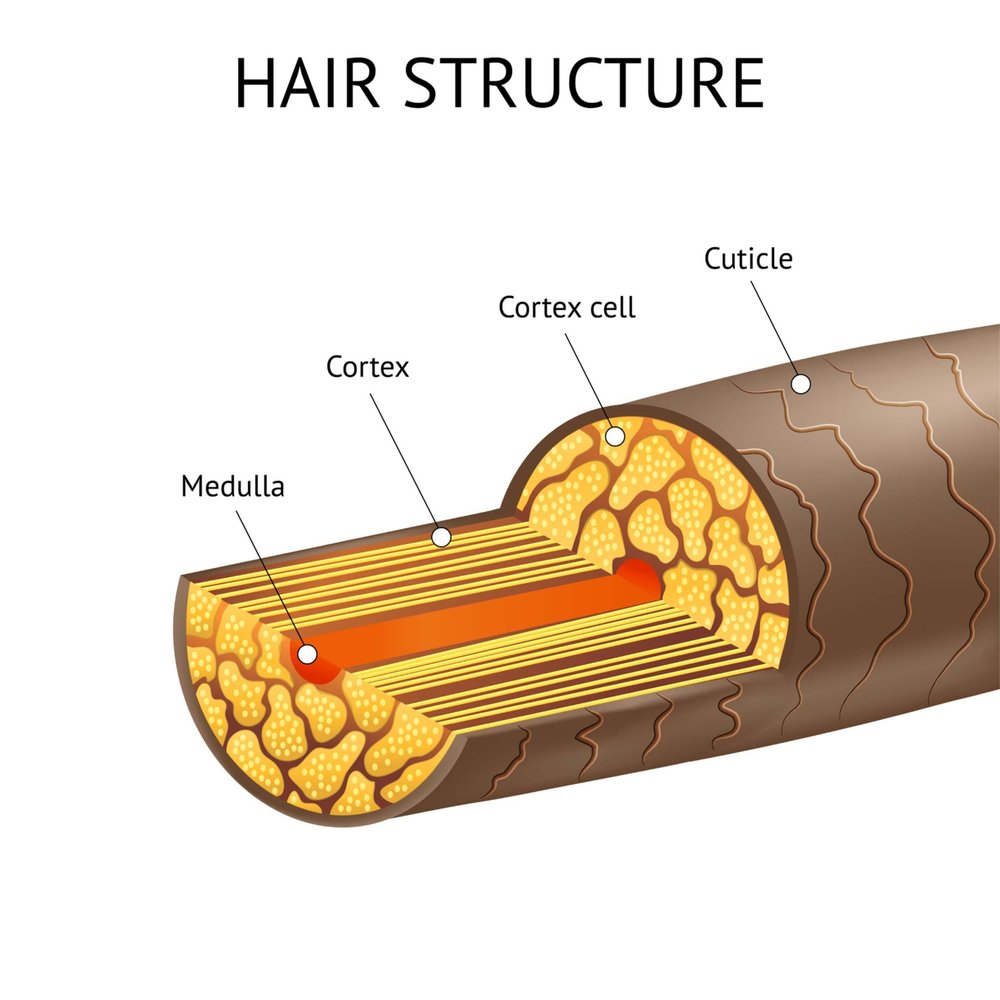
    The anatomy of a hair strand.

    The alkaline chemical of ammonia is used to open the cuticle to allow the hair color to enter the cortex of the hair. Additionally, it is a catalyst when the permanent hair color combines with the peroxide. Hydrogen peroxide is used as an oxidizing agent, or a developer to remove pre-existing color (it removes the melanin in the hair). Peroxide breaks chemical bonds in the hair, which releases sulfur. This is why there is such a strong odor when dying hair. As the melanin is removed from the hair, the new permanent color is bonded to the cortex of the hair. 

    The result of hydrogen peroxide on my hair (to lighten it)!

    And voila! The hair dresser then washes your hair and styles it. I opted for a haircut and a blowout hairstyle. Shoutout to my talented hairdresser Christi at Cherry Blossom Salon! 
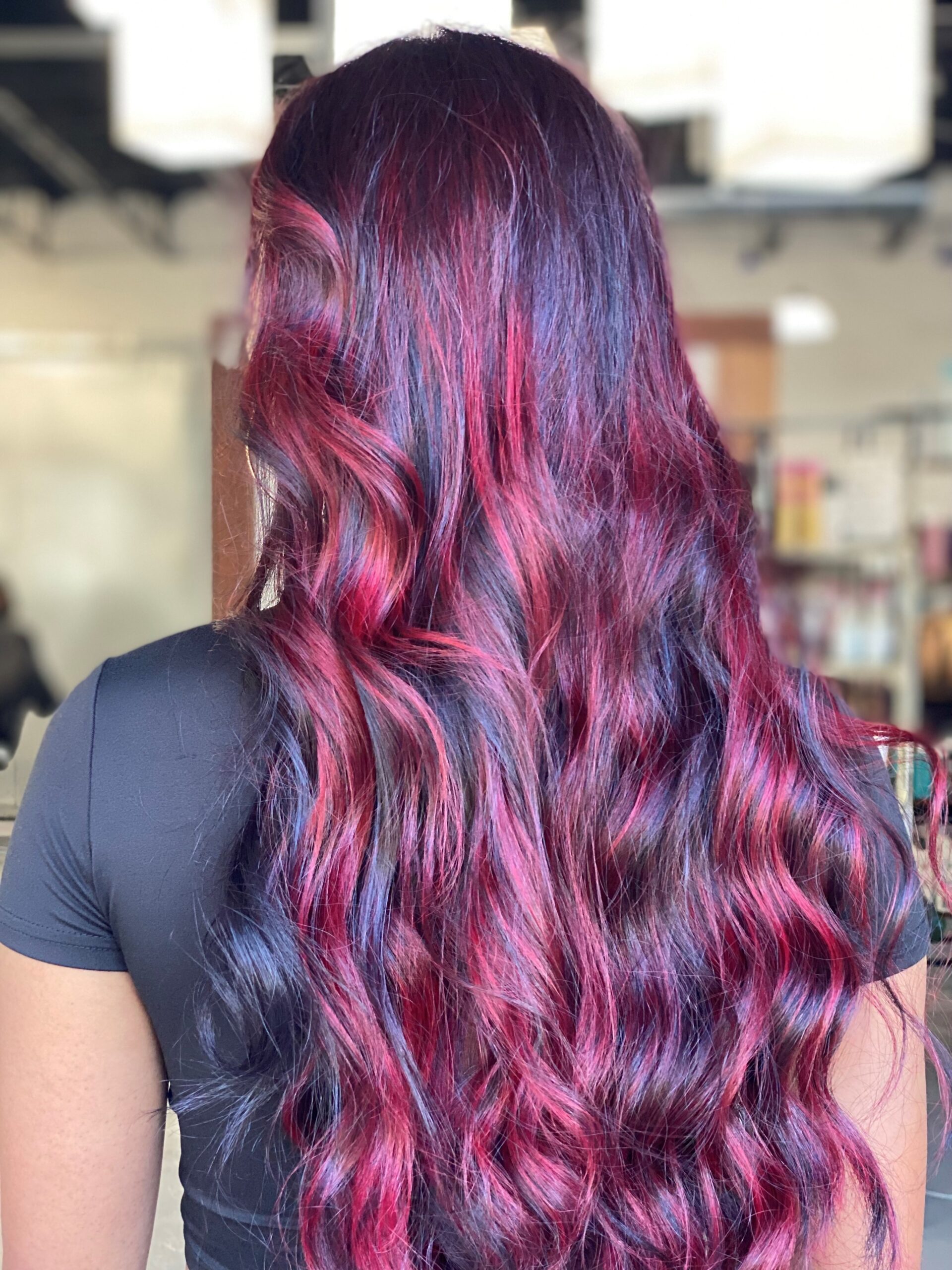
    Finished product!! I’m still so in love

    Have you ever wondered what dyed hair vs non-dyed hair looks like under a microscope?

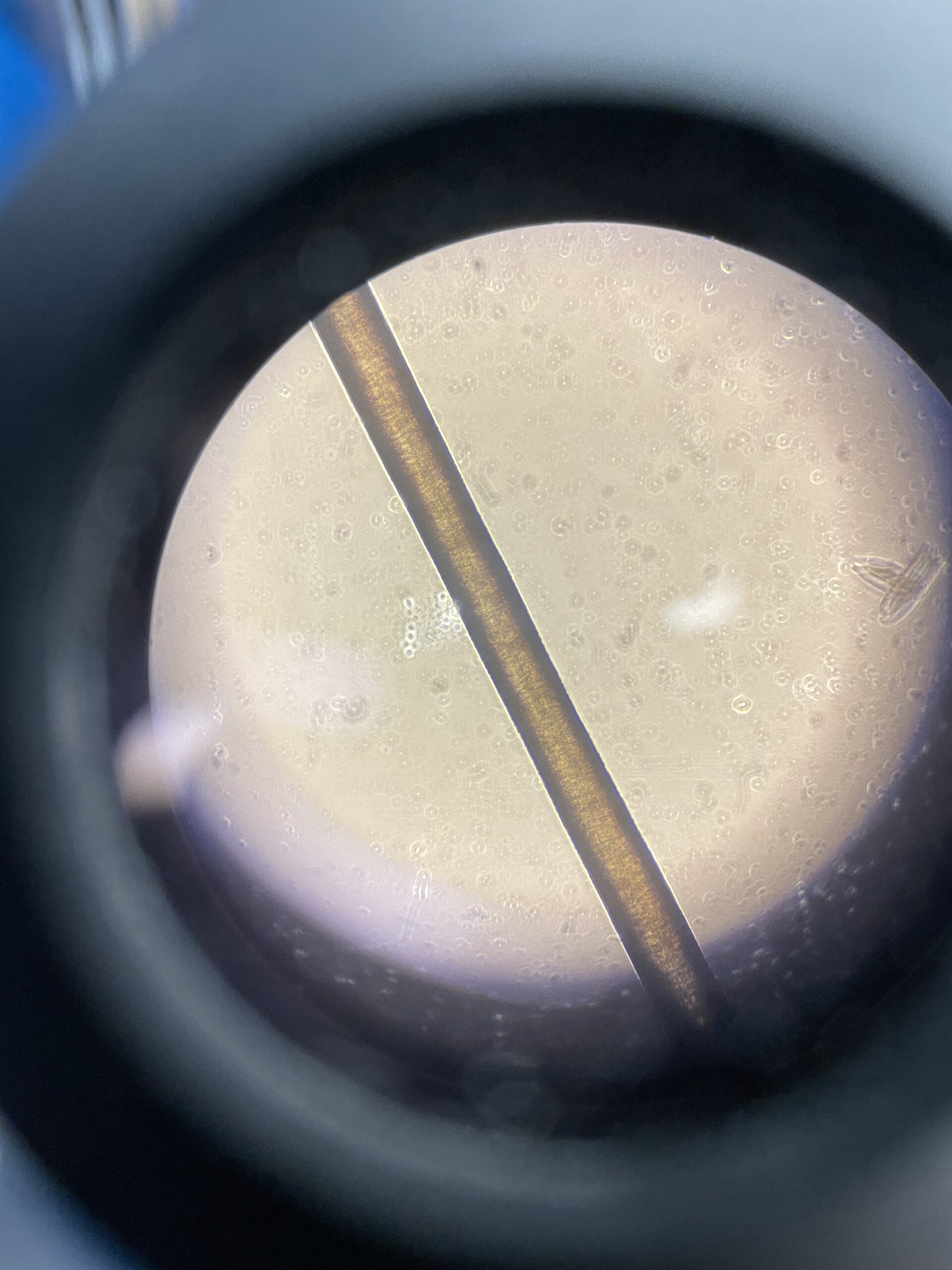
    Well look no further! With the help of Dr. Leavey, a classmate and I were able to look under the microscope of the molecules of our hair. The picture on the left is mine (red dyed hair) and the one on the right is my peer Claire’s hair (undyed black hair). As you can see, my hair cuticle and cortex are much more jagged and rough, compared to Claire’s smooth strand. This is a result of the chemical reactions that occurred to my hair – the ammonia and peroxide chemically and physically damaged my hair to allow the red color to deposit into my strands.
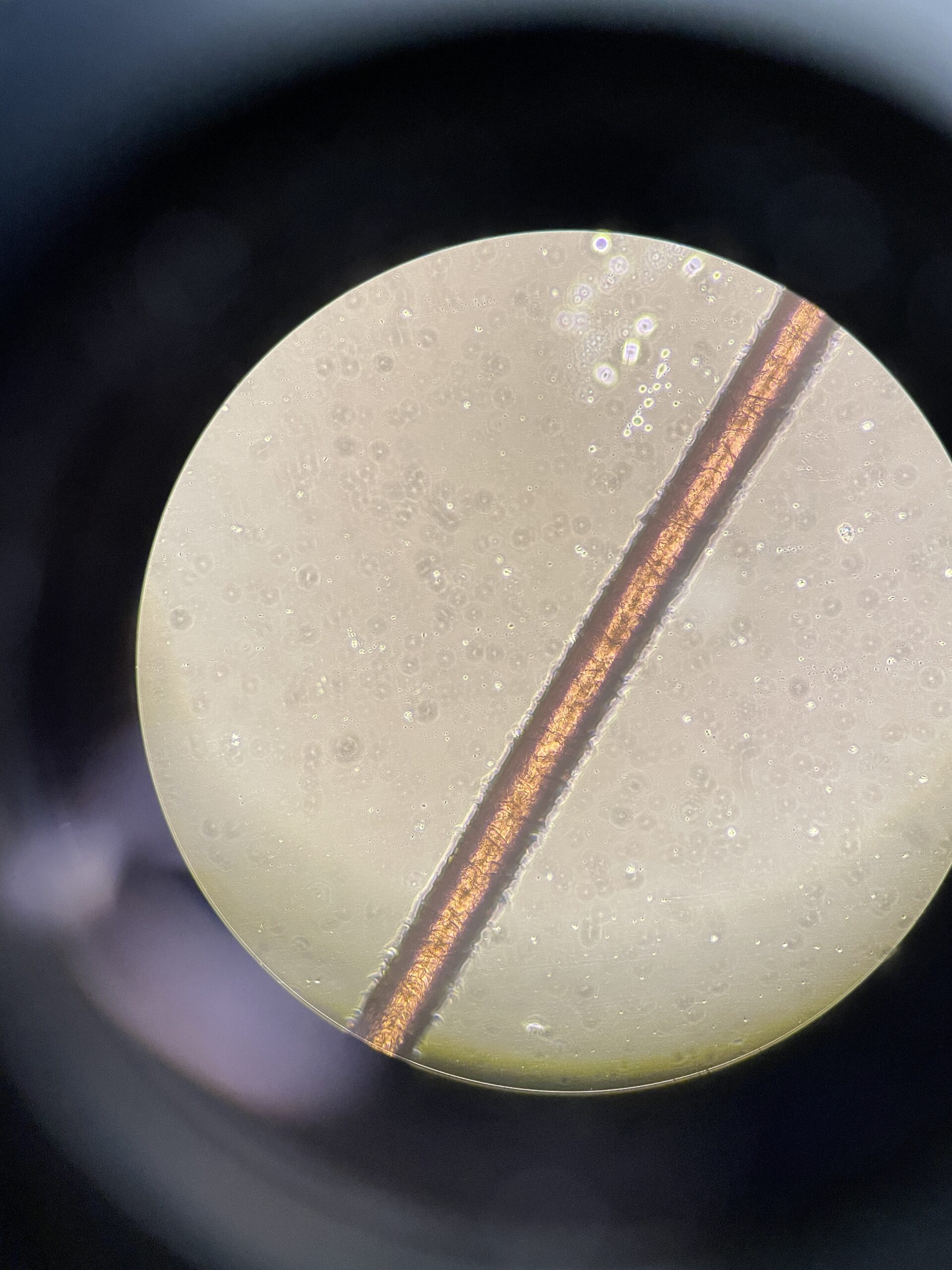
    My red dyed hair.
    Claire’s undyed black hair.


    What is wild is that my dyed hair is essentially permanently damaged. I will have to grow out my original black hair if I want to revert back to my undamaged hair. For now, I think I will stick with damaged dyed hair! 🙂


    Sources:

    Anne Marie Helmenstine, P. D. (2019, July 14). The science behind how hair coloring works. ThoughtCo. Retrieved April 26, 2023, from https://www.thoughtco.com/salon-hair-color-chemistry-602183

    Brain, M. (2023, March 8). How hair coloring works. HowStuffWorks Science. Retrieved April 26, 2023, from https://science.howstuffworks.com/innovation/everyday-innovations/hair-coloring3.htm
  • The Apple M1 Chip: A Breakthrough in Personal Computing

    The Apple M1 Chip: A Breakthrough in Personal Computing

    The M1 chip, a custom-designed system-on-a-chip (SoC) for Mac computers, was introduced by Apple in late 2020. This chip is based on Arm architecture and uses a 5-nanometer (very small) manufacturing process, which enables a high density of transistors on the chip, resulting in high performance and low power consumption. ARM architecture is a type of instruction set architecture (ISA) that is designed for energy efficiency. It is used in a wide variety of devices, including smartphones, tablets, and laptops. The M1 chip uses ARM architecture, which is one of the reasons why it is so energy efficient. ARM architecture is a reduced instruction set computing (RISC) architecture. This means that it uses a smaller number of instructions than other types of ISAs, such as x86. This makes ARM architecture more efficient, because it takes less time to decode and execute instructions.

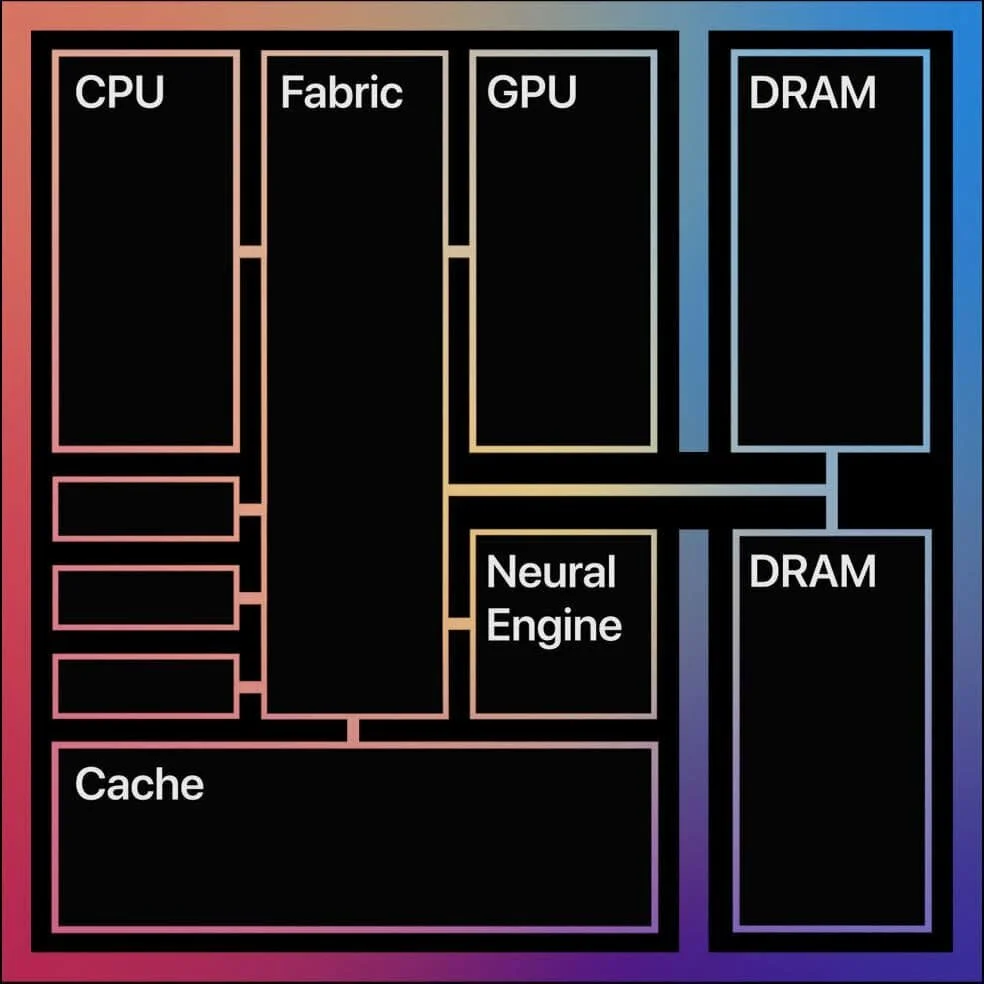
    Apple M1 Chip layout

    One of the most notable features of the M1 chip is its eight-core CPU, which comprises four high-performance cores and four high-efficiency cores. The high-performance cores operate at a higher clock speed and deliver significant computing power for demanding tasks such as video rendering and gaming. The high-efficiency cores consume less power and handle lighter workloads, such as browsing the web and checking emails. This architecture results in a balanced approach to power and performance.

    The M1 chip also provides powerful graphics processing capabilities for demanding applications such as 3D rendering and video editing. The GPU enables a seamless experience for users to render high-quality content and play graphically intensive games. Additionally, the M1 chip integrates a Neural Engine that is capable of delivering up to 11 trillion operations per second, enabling the chip to perform machine learning tasks with ease.

    Apple M1 Chip under the microscope

    Another feature of the M1 chip is its unified memory architecture. This design allows the CPU, GPU, and other components to share a single pool of memory, enabling faster data transfer and improved performance. This architecture also allows for a more efficient allocation of memory resources and a better utilization of system memory.

    Overall, the M1 chip is up to 3.5 times faster than the previous generation of Intel CPUs and is incredibly energy efficient, which allows Macs with the M1 chip to have up to 20 hours of battery life. The M1 chip’s design and implementation have been lauded for its energy efficiency, performance, and integration of key components onto a single chip. The M1 chip has reinvigorated the Mac line, delivering higher performance, longer battery life, and more efficient use of system resources.


  • Ada Lovelace: Countess, Programmer, Girlboss

    Ada Lovelace: Countess, Programmer, Girlboss

    Ada Lovelace is widely recognized as the world’s first computer programmer. Her life and work paved the way for the development of modern computing, and her legacy is still celebrated today. Ada Lovelace was a brilliant mathematician and writer born in London, England in 1815, and was the only legitimate child of the poet Lord Byron and his wife Anne Isabella Milbanke.

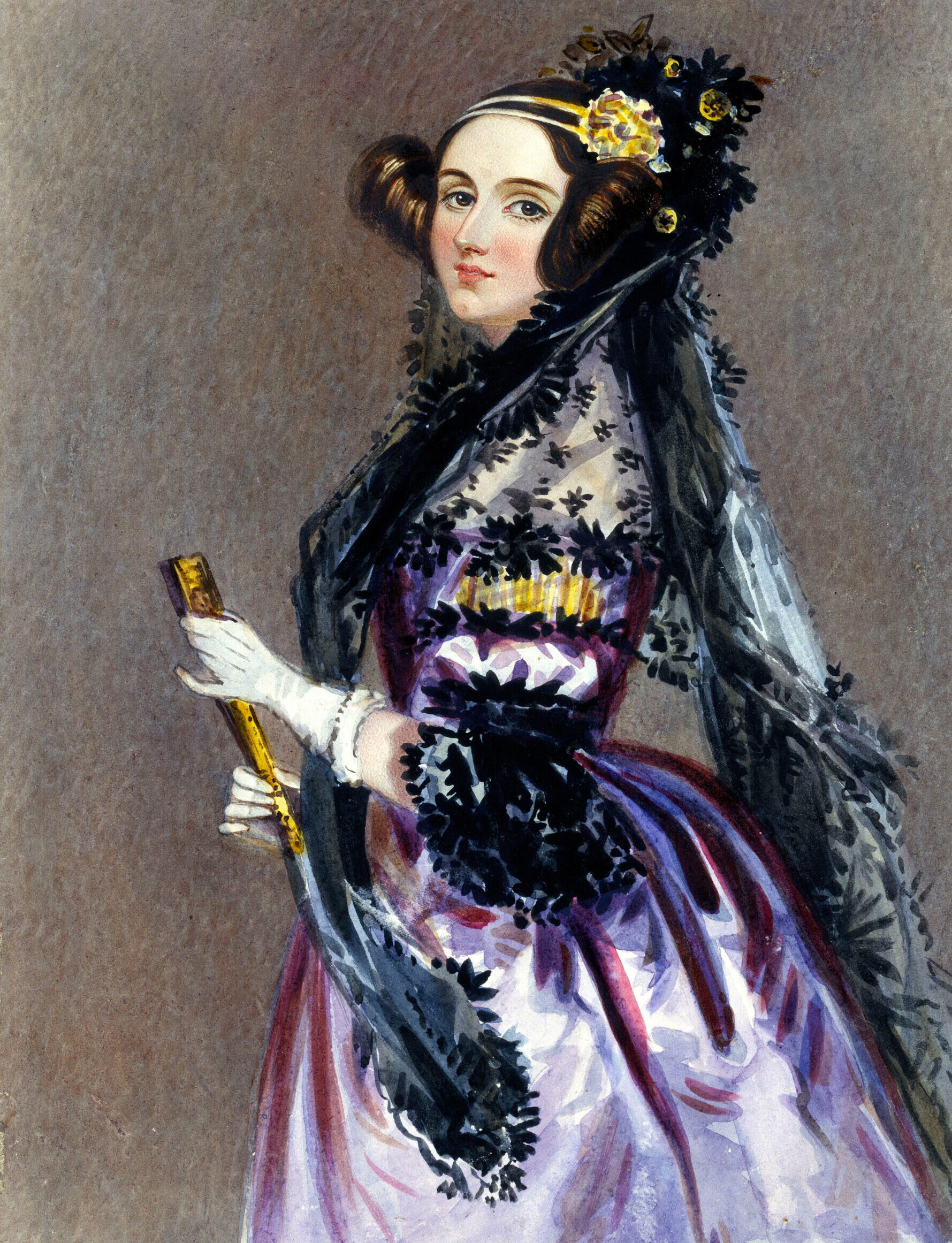
    Ada Lovelace, painted portrait circa 1836

    Lovelace’s mother was determined to raise her daughter to be a well-educated woman, and she hired some of the best tutors in London to teach her mathematics, science, and languages. Ada’s mother, who was concerned about her daughter’s potential to inherit her father’s poetic temperament, emphasized mathematics and science in her education. Despite the fact Ada’s early education in math and science was unusual for a young woman in the early 19th century, Lovelace was incredibly intelligent and she soon surpassed her teachers in her knowledge of mathematics. by age 17, she had become fascinated with Charles Babbage’s work on his Analytical Engine, a machine designed to perform complex calculations.

    In 1833, Ada Lovelace met Charles Babbage, a mathematician and inventor, at a party. Babbage had designed the Difference Engine, a machine capable of computing mathematical tables, and was working on his Analytical Engine, a more complex machine capable of performing various calculations.

    Ada’s helped him with the design of the Analytical Engine. She wrote an article on the machine in English, adding extensive notes on how the machine could be programmed to perform complex calculations beyond mathematical tables. These notes, which came to be known as “Sketch of the Analytical Engine,” contained what is now considered the first algorithm intended to be processed by a machine. Ada recognized that the machine’s potential was not just limited to mathematical calculations but could be used for any process that could be represented by symbols and numbers.

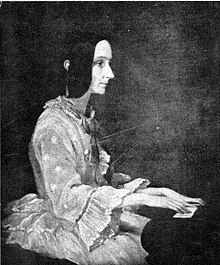
    Ada Lovelace, painted portrait circa 1852

    Lovelace died in 1852 at the young age of 36 from uterine cancer. However, her work on the Analytical Engine had a profound impact on the development of computer science. She is considered to be one of the most important figures in the history of computing, and her legacy continues to inspire women and girls around the world.

    Ada Lovelace was a visionary woman who left a lasting mark on the field of computing. Her work on the Analytical Engine and her ideas on computing and programming were far ahead of their time, and she is now recognized as the world’s first computer programmer. Ada Lovelace’s life and legacy continue to inspire people to pursue their passions and push the boundaries of knowledge and innovation.

    Works Cited

    “Ada Lovelace.” Ada Lovelace and the Babbage Engine, Computer History Museum, 2023, https://www.computerhistory.org/babbage/adalovelace/.

  • Why can’t I tickle myself?

    Why can’t I tickle myself?

    I admit it. I am SUPER ticklish. The slightest touch from both man and machine alike will have me squirming and giggling like a child. However, I am immune to the touch of one particular entity – myself. See, I’ve never been able to tickle myself. Trust me, I’ve tried (I had way too much free time as a kid.)

    Tickling is often described as an uncontrollable reflex response that occurs when a sensitive area of the body is stimulated in a certain way. This response is thought to be related to the fact that tickling is often associated with social interaction, and is therefore more likely to occur when someone else is tickling us.

    It is important to distinguish that there are two types of tickling:

    • Gargalesis, which is tickling that causes laughter when areas of the body are touched, and
    • Knismesis, which is tickling caused by light motion on the skin, which usually just feels like an itch.

    The kind of tickling I’m talking about today is Gargalesis, which is what we usually think of when we think of tickling. Knismesis can actually be self-induced! To experience it, try to touch your skin suuuper lightly. (I also did this as a kid. I had WAYYY too much free time.)

    When we try to tickle ourselves, we are essentially anticipating the sensation that we are about to feel. This anticipation of the sensation reduces the tickling response, making it less intense or completely absent. The brain is able to predict the sensation and to some extent, suppresses the ticklish feeling that we would normally experience when someone else tickles us.

    Additionally, when we try to tickle ourselves, we are able to predict the timing and location of the tickling stimulus. This makes the sensation less unpredictable, and thus, less ticklish. On the other hand, when someone else tickles us, we are unable to predict the timing or location of the tickling, making it more unpredictable and therefore, more ticklish.

    So, in summary, we can’t tickle ourselves as effectively because our brain is able to anticipate the tickling sensation and suppress the tickling response, making it less intense or completely absent.

  • The Cost of Cutting Your Crusts

    The Cost of Cutting Your Crusts

    https://giphy.com/gifs/oprah-yW0PaUqJszRUk

    I’ve eaten toast for breakfast or sandwiches for lunch since I discovered bread’s existence. Not once, in all these years, have I ever cut the crusts off a single slice. There’s a lot to be learned from those delightful, overlooked edges.


    Bread Crust’s “Roll” Against Cancer?

    The nutritional value of bread crust often goes unappreciated because not enough people take the time to recognize it. Bread crust actually contains compounds that have cancer-fighting potential. Researchers in Germany have found that the crust is rich in antioxidants (“Bread Crust And Stuffing Rich In Healthy Antioxidants,” 2002). The reason these compounds become concentrated in the crust is all in the baking.

    https://www.sciencefocus.com/science/what-is-the-maillard-reaction/

    Maillard Reaction: Delicious Chemistry

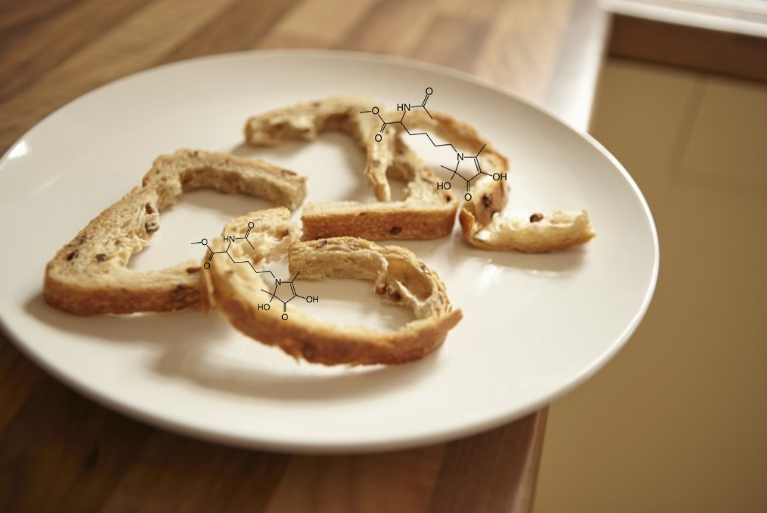
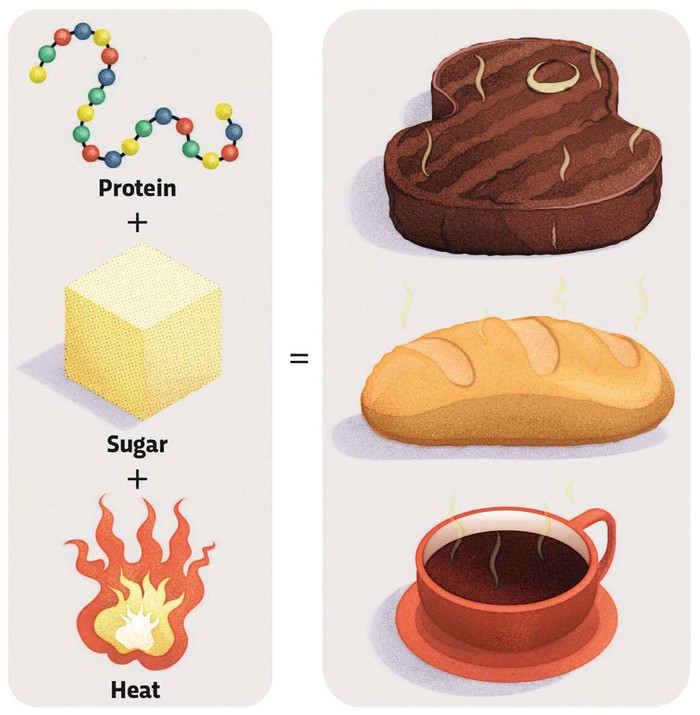
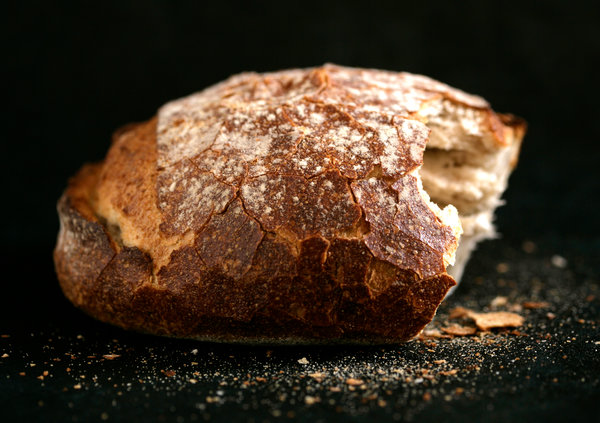
    The crust forms as a result of the Maillard Reaction, in which amino acids and reducing sugars react from heat. What follows from these chemical reactions are the formation of enticing aroma components, the distinct brown surface, and an enhanced flavor. The interaction between the protein-bound amino acid L-lysine and reducing sugars at high temperatures is what gives us pronyl-lysine (“Maillard reaction,” n.d.).

    Darker breads like pumpernickel and wheat contain higher amounts of these antioxidants than the typical white loaf (“Bread Crust And Stuffing Rich In Healthy Antioxidants,” 2002). However, burning your toast to a crisp won’t increase the levels because eventually, the Maillard reaction just becomes…well, burning.

    Proving Bread Crust’s Worth

    In the sourdough mixture used by the researchers, this novel antioxidant was 8 times more abundant in the crust than in the crumb! It wasn’t present in the flour mixture either, which suggests that the crust of the bread may provide stronger health benefits than any other part. 

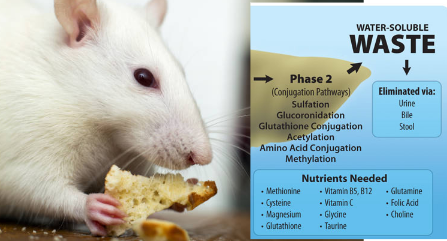
    Veronika Fasit, Ph.D., demonstrated that this antioxidant raised the level of phase II enzymes in human intestinal cells. Phase II enzymes defend against carcinogens and toxic chemicals (Zhang, 1970).

    Annamalai University in India examined the effect pronyl-lysine had on the development of precancerous lesions in rats — eating bread seemed to reduce the development of these lesions by up to 72 percent (“Bread Crust And Stuffing Rich In Healthy Antioxidants,” 2002)!

    Bread is also known as a great source of fiber, a nutrient important for digestion and for lowering the risk of heart disease, diabetes, and certain cancers (“Dietary fiber: Essential for a healthy diet,” 2022). What isn’t as well known is that the crust is where most of the fiber accumulates!

    https://dinnerthendessert.com/easy-cube-stuffing/

    Thinking Outside the Loaf

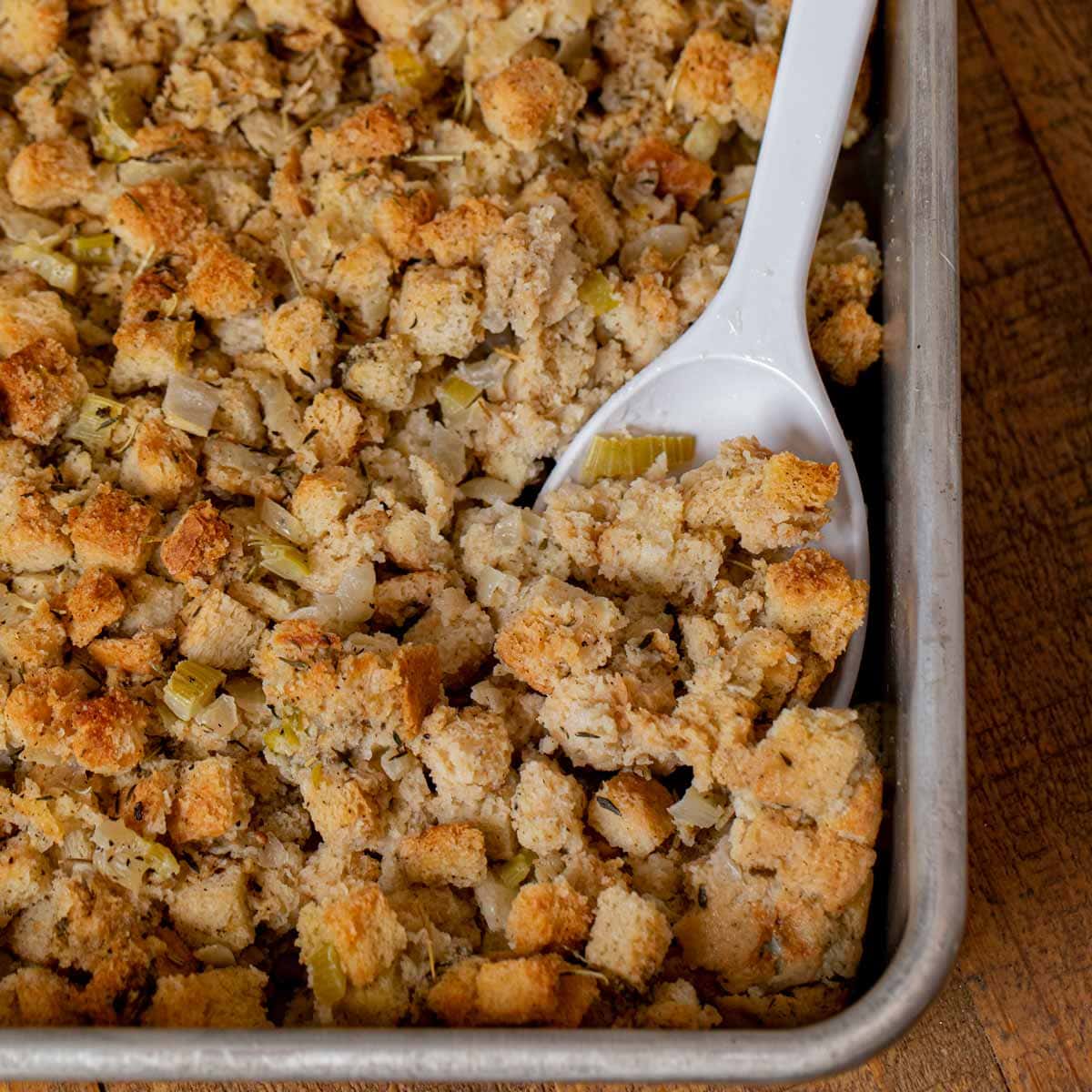
    These experiments don’t mean you can never cut your crusts again — it just means that you should put the scraps to good use. In fact, the antioxidant might be even more abundant when you make something with several small pieces. When you bake broken down bits in a stuffing or bread pudding, increased surface area means more reactions can occur!


    Crust Me, It’s Delicious!

    I’ve never understood the hate bread crusts received. To me, it felt completely undeserved when that’s where the best flavor is! A study with French baguettes even confirmed this.

    Tasting the Difference From Crust to Crumb

    This bread study evaluated the connection between the bread crumb vs. the crust on volatile release and aroma perception.

    https://cooking.nytimes.com/recipes/1018203-simple-crusty-bread

    Volatiles are substances that evaporate easily and are released from food when changes take place. Processes like hydration with saliva and the increase in surface area are then sensed in the nose. These flavor volatiles give us a window into the sensory properties of food while it’s being eaten (Taylor, 1996).

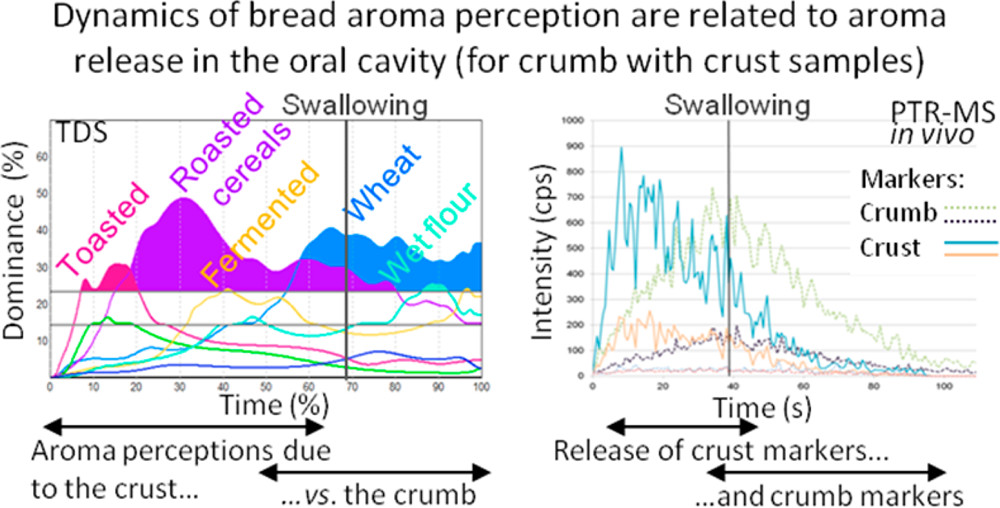
    Participants in the study consumed different samples of crusts and crumbs. The researchers measured their chewing behavior, perceptions, and volatile release. Results revealed that the volatiles, or markers, of the crust were released more quickly. This led to perception dynamics that differed from those of the crumb. There are several contributions to this observation. The crust’s firmness, which requires greater muscular activity to chew, released more volatiles. It’s placement on the surface and brittle structure lead to the crust being broken down more rapidly and thus a faster release of markers (Jourdren et al., 2017). 

    Aroma perception had some pretty noticeable differences, too. When food is eaten, the compounds from the aroma released into the oral cavity, where it interacts with olfactory receptors to allow the consumer to perceive the dimensions of flavor of their food (Jourdren et al., 2017).


    Slice of Life

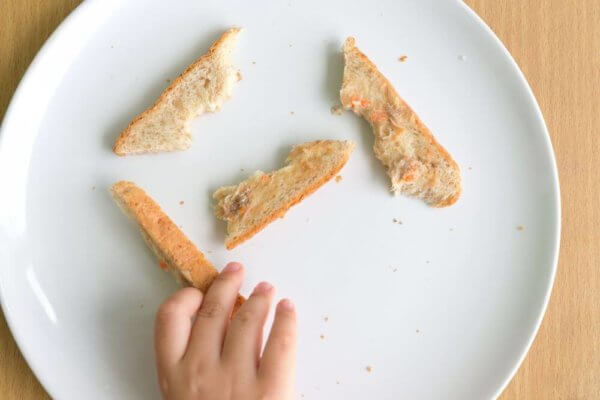
    https://lovefoodhatewaste.co.nz/ultimate-guide-childs-leftover-food/

    Parents of crust-haters might be relieved that their child eats any part of the bread at all. As a former picky eater, I would never guilt anyone into eat a certain food. But at the same time, I’d never leave the crust out of the experience of a crunchy slice of toast or a hearty sandwich. A loaf of bread doesn’t just appear without it’s crust. Crust is evidence of the cascade of reactions that allowed it to form and protects the delicate crumb lying inside.

    A Toast to the End of Bread Waste

    A crust thrown away is a small representation of the 119 billion pounds of food wasted each year (“Food Waste and Food Rescue,” n.d.). Most of this waste is bread, with over 240 million slices tossed annually. Even if you are adamantly anti-crust, a gentle reminder: bread freezes well and stale bread can be transformed into croutons, breadcrumbs, bread pudding and plenty more. 


    Resources

  • Isaac Newton – One Bad Apple

    Isaac Newton – One Bad Apple

    Isaac Newton is one of the most well known historical figures in the world of physics, and rightfully so. As the father of classical mechanics, Newton has many discoveries to his name. He was the first falling apple victim to understand the gravity of the situation; he got things moving in classical physics with his laws of motion; he shed some light on the mysteries of, well, light. Many people know him for his vast contributions to our understanding of the natural world, and Newton’s ideas were so significant that he even became president of the Royal Society, a prestigious group of scientists with a strong influence on the European scientific community during his time.

    However, despite all his achievements, Newton was not the best role model. For a man who talks a lot about standing on the shoulders of giants, he sure had a chip on his own. Newton was a vain and vindictive individual who would often take advantage of his influence in order to punish those who got in his way. Today, we’ll be looking at three such cases of famous scientists whose lives were screwed over by the force of just one Newton.

    Victim 1: Robert Hooke

    Perhaps the most famous of Newton’s disputes was his rivalry with Robert Hooke (you may know him from Hooke’s law). The conflict between the two scientists began when Newton was at an early stage in his scientific career. Before Newton rose to power, Hooke was one of the most influential physicists of his time, so when Newton presented his findings to the Royal Society, it was Hooke whom he had to impress.

    One of Newton’s early contributions to science was his theory on the properties of light and how light, Newton thought, consisted of particles. But Hooke and many other physicists at the time were supporters of the wave theory of light, so when Newton shared his ideas with the Royal Society, he was faced with admonishment from Hooke. As one could imagine, Newton did not take criticism lightly, and he held a grudge against Hooke for a long time. Over the years, the two physicists disputed over many things, such as who deserved credit for the concept of gravity, until Hooke’s death in 1703, coincidentally the same year that Isaac Newton became Royal Society president. According to an apocryphal story, Newton even kept his grudge after his rival died and gave orders to have the only painting of Hooke destroyed in an attempt to bury his legacy.

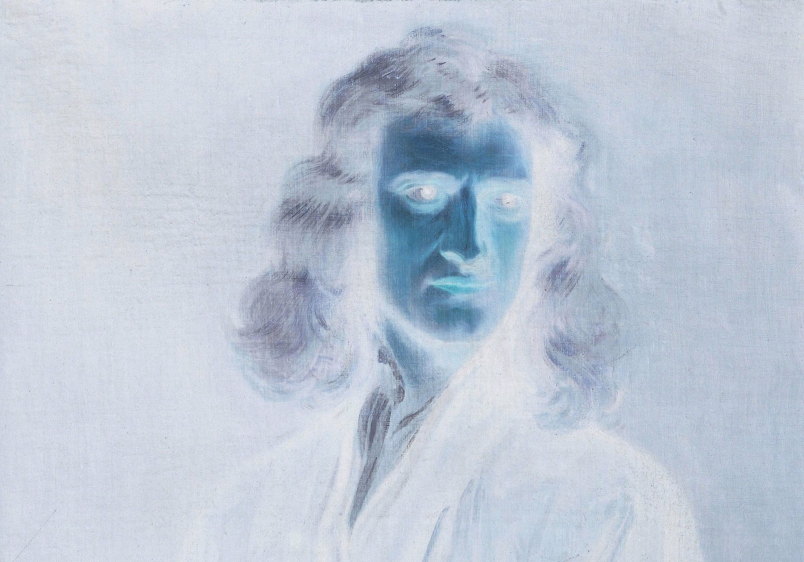
    Note: This portrait was made centuries after Hooke’s death based on historical accounts of his appearance

    Victim 2: Gottfried Wilhelm Leibniz

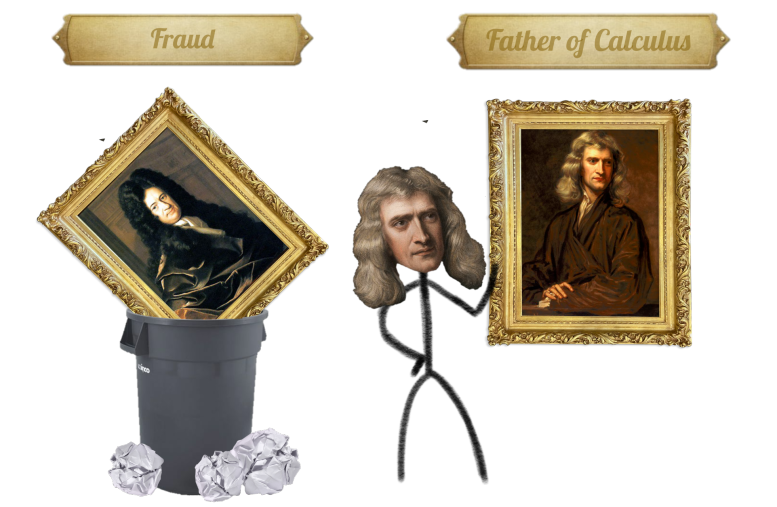
    Who was the inventor of calculus? If your answer was Newton, you’d be correct. But if you thought it was Gottfried Wilhelm Leibniz, you aren’t wrong either. Today, the general consensus is that these two men both invented calculus on their own, but in the late 17th century, the topic was one of much debate among the scientific community.

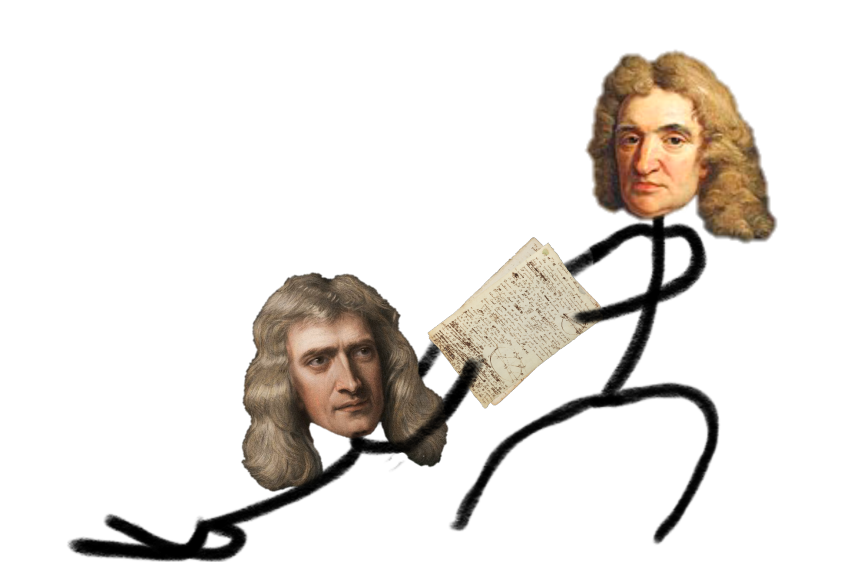
    While it is true that Newton invented calculus first, to maintain his reputation as an incredible genius, Newton had a knack for publishing his discoveries while concealing the ways in which he made them. This worked well for Newton until Leibniz independently discovered the same mathematical techniques Newton used to construct his theories and decided to share them with the rest of the world. Of course, when his techniques were no longer secret, Newton wanted all the credit for inventing calculus to himself and began a public dispute over the matter with Leibniz.

    There were supporters on both sides of the debate, but Leibniz never stood a chance against Newton’s unmatched determination. In secret, Newton pumped out article after article in defense of himself and disguised them as writings from his friends, and eventually, the debate boiled down to the decision of the Royal Society, where Newton had the upper hand, of course. As the Society’s president, Newton organized a biased committee to investigate the matter. Ultimately, not only did the committee rule in favor of Newton, but it also accused Leibniz’s work of being derivative (pun very intended) and that Leibniz had plagiarized Newton’s ideas. Even up until his death, Leibniz never got the positive recognition he deserved. But at least today, outside of physics circles, Leibniz’s calculus notation is still the most widely used.

    Victim 3: John Flamsteed

    John Flamsteed, the Astronomer Royal, was another victim of Newton’s vitriol. As head of the Royal Observatory, Flamsteed spent much of his time looking at celestial objects and was known for keeping a meticulous record of his observations. In fact, Newton used Flamsteed’s observational data to help him write his original magnum opus, the Principia Mathematica, in which he described the foundations of classical mechanics. However, between Newton’s publication of the first edition of Principia and his venture into writing the second edition, things became sour between the two scientists. According to Flamsteed, Newton never showed him any signs of appreciation or respect despite his contributions to Newton’s work. He even accused Newton of publishing some of his findings without his permission. As such, Flamsteed was intent on denying Newton access to anymore data for his research.

    However, in classic Newton fashion, in an attempt to obtain the data he needed, he used his authority as president of the Royal Society to forcefully take Flamsteed’s data and have it published by Flamsteed’s biggest rival, Edmond Halley. Luckily, in response, Flamsteed took Newton to court and had Newton’s actions nullified before any damage was done, and out of spite, Newton never acknowledged Flamsteed’s contributions to his theories ever again.

    As you can see, Isaac Newton is a textbook example of why you should never meet your heroes. From framing Leibniz while he was alive to ensuring Hooke was unframed after death, Newton was one bad apple who gave other scientists a headache. And of course, Newton isn’t the only one. With just a little digging, you’d find that physics has quite a few other problematic big shots, and maybe those can be articles for another time. But as they say in the phys-biz, every quark has its quirk (I just made that up, but I hope it’ll catch on). What’s important is separating the physics from the physicist.

    Sources

  • The Devil Wears Science: My Experience!

    The Devil Wears Science: My Experience!

    Since it was my first semester in the StemCOMM VIP, I was a little nervous to be taking part in organizing a Fashion Show for the 2023 Science Festival. Luckily, I met some great people who were helpful and encouraging the whole process through.

    In the beginning, I was on the team that would cover the Additive Armor section of the show, but I started to become more involved with the Sustainable Team. We worked with the Kendeda Sustainability Fellows to compile research regarding textiles, fast fashion, and the clothing life cycle. Below is some of the information we found through research!

    Fast fashion is the quick production of low-cost clothing, that is often trendy and not built to last. We wanted to talk about how the production, sale and eventual disposal of fast fashion items has a significant impact on our environment, and our communities. Many of the materials used to make our clothes have a heavy impact on the environment. For instance, it takes 2,700 liters of water to produce a single cotton t-shirt. Every year, the dyeing of fabrics consumes about 5 trillion liters of water. These chemicals used to clean and dye the clothes are often washed out into natural sources of water, causing harm to local ecosystems. It takes a lot of resources to get a piece of clothing to a consumer. But what happens when the trend is over and fast fashion is no longer fashionable? The average American throws away 81 pounds of clothing each year. The EPA estimates that only 15% of unwanted clothing is recycled. What can we do? The most sustainable thing we can do is use what we already have. We can do this by reusing and upcycling unwanted clothes. By breathing life into garments that have already been made, we can reduce the demand for new clothing production and break the cycle of wasteful fashion practices. 

    We met multiple times before the show to flesh out who was speaking, who would model, etc. We also visited the Kendeda Revolving Closet, where anyone can drop off clothes and shoes for donation! The closet is an initiative located in the basement for community members to donate their unwanted clothes for other to community members to use again. People are also welcome to take from the closet at no cost! When I visited the Closet, I was surprised by some of the clothes there. We were able to find some outfits for the fashion show. With three sustainable outfits planned out, we also needed 3 models. The models ended up being VIP members, and a Kendeda Fellow was our speaker/presenter. We ended up merging this section with the Additive Armor section, so we included a fourth model to wear the dress.

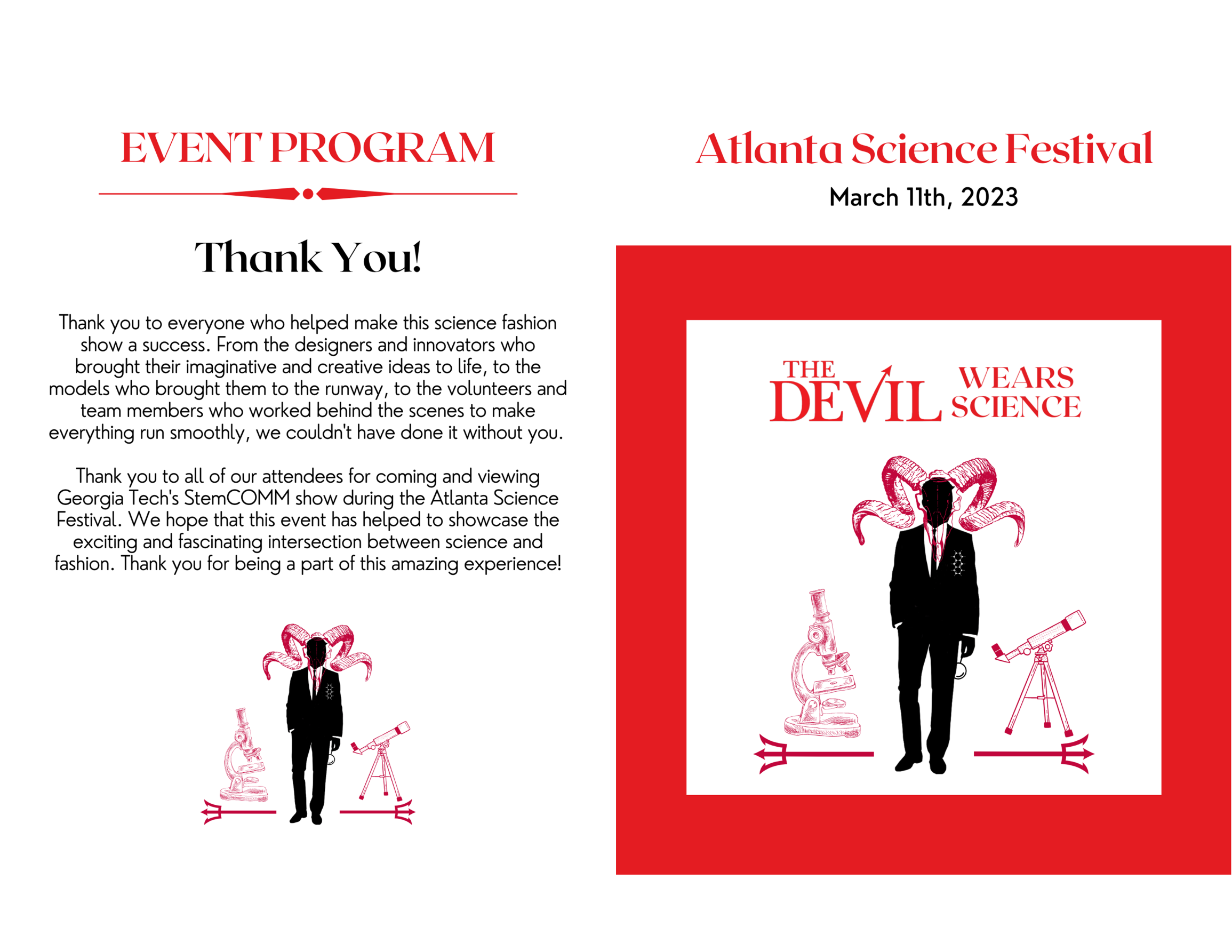
    I also worked on creating a pamphlet/event program for guests to look through and learn more about each exhibit.

    Devil Wears Science Program

    On the day of the event, things were starting to come together and time was moving fast. Steven and I went to print out QR codes that would link to the event program, as well as print out physical copies to staple together. Before the show started, all of us changed into our model outfits and got ready to strut the runway.

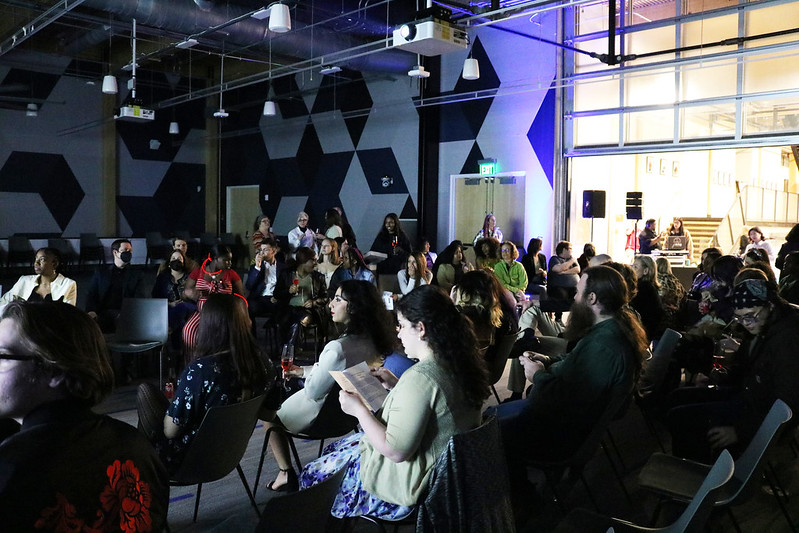
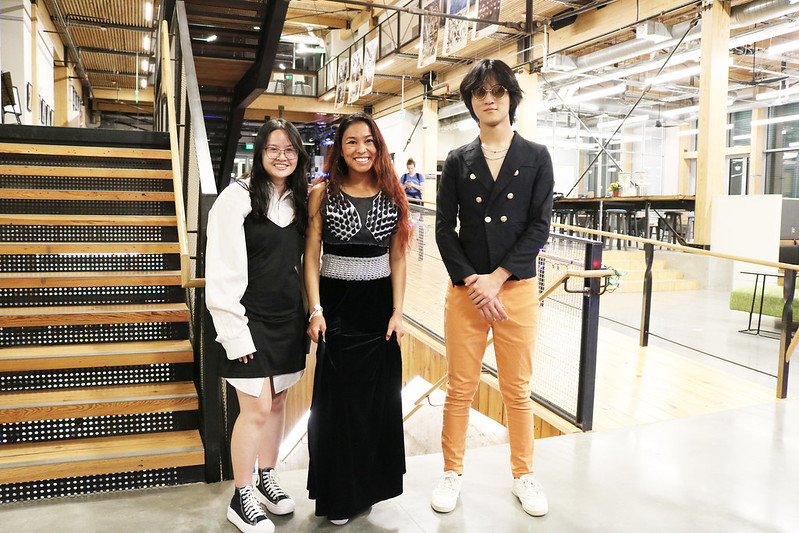
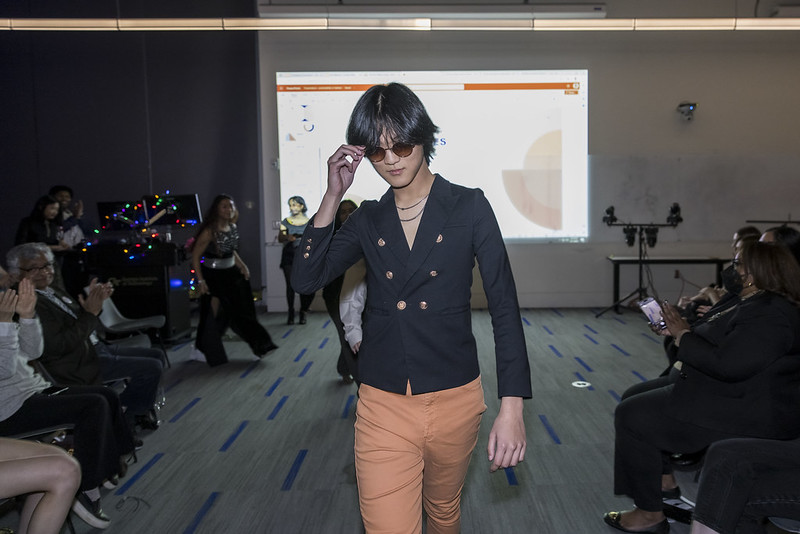
    The show was a success! Here are some photos from the event:

    Sustainability Models
    Steven Yang Model