Category: Articles

  • Are sustainability trends legit?

    Are sustainability trends legit?

    A lot of us may have seen the VSCO girl memes, telling us to “save the turtles” with their Hydroflasks and metal straws. I find it fascinating that metal straws have become a trend, restaurants have stopped providing plastic straws, and plastic bag bans are being implemented across the country. These sustainability trends sound great, but are they actually helping the environment and making a positive impact? It has been estimated that 8.3 billion plastic straws line the world’s coastlines, but they only make up 4% of total plastic waste, and according to The Atlantic, reusable tote bags use more energy to manufacture than a typical plastic grocery bag, and people tend to accumulate these tote bags, defeating the purpose of reusing them. 

    Sustainability is a big buzz word in the field of materials science. I talked to Nasreen Khan, a PhD candidate in Materials Science and Engineering at the Georgia Institute of Technology, to find out more about sustainable materials. Nasreen and other graduate students in her lab have recently created a podcast called “Talk Green to Me,” with episodes covering different classes of materials and their impact on the environment.

    The first thing I wanted to know was the definition of sustainability. Nasreen describes it as “taking positive action toward the protection and betterment of the environment.” So how are materials a part of the conversation around saving the environment? I asked for Nasreen’s opinion on what materials most affect our environment today. She replied with “microplastics, simply because of the sheer quantity of them that are in our environment, and we don’t quite know how they affect organisms.” Microplastics come from plastic waste naturally breaking down into smaller particles, as well as microbeads present in many consumer products, such as cosmetics. These microplastics pollute water systems, which are ingested by marine life and cause internal damage, and are even present in drinking water, though the extent of these effects are still being researched.

    How do plastics degrade and why do they degrade slower than other materials? Metals and ceramics break down through corrosion, and they eventually become part of the environment. Corrosion of these materials typically happen through interactions with water that strips away ions. Plastics have varying degradation times depending on the polymer, but are typically much longer than metals or ceramics due to functional groups that aren’t easily cleaved by water. These stronger covalent bonds cause plastics to stay in the environment for many years before breaking down.

    I asked Nasreen’s opinion about the effectiveness of reusable bags and straws. She argues that these trends are impactful because they have created awareness of how people’s choices affect the environment. This motivates people to think more about their consumption habits.

    So what else can we be doing? As a recycling connoisseur, Nasreen has many resources to suggest. Some general things included consuming less, reusing and repurposing items, especially textile waste. Nasreen also suggests “[buying] from companies that use recycled content because that will expand the market for recycled products.” Target is an example of a company that is making large efforts to create sustainable products such as packaging, paper, and clothing.

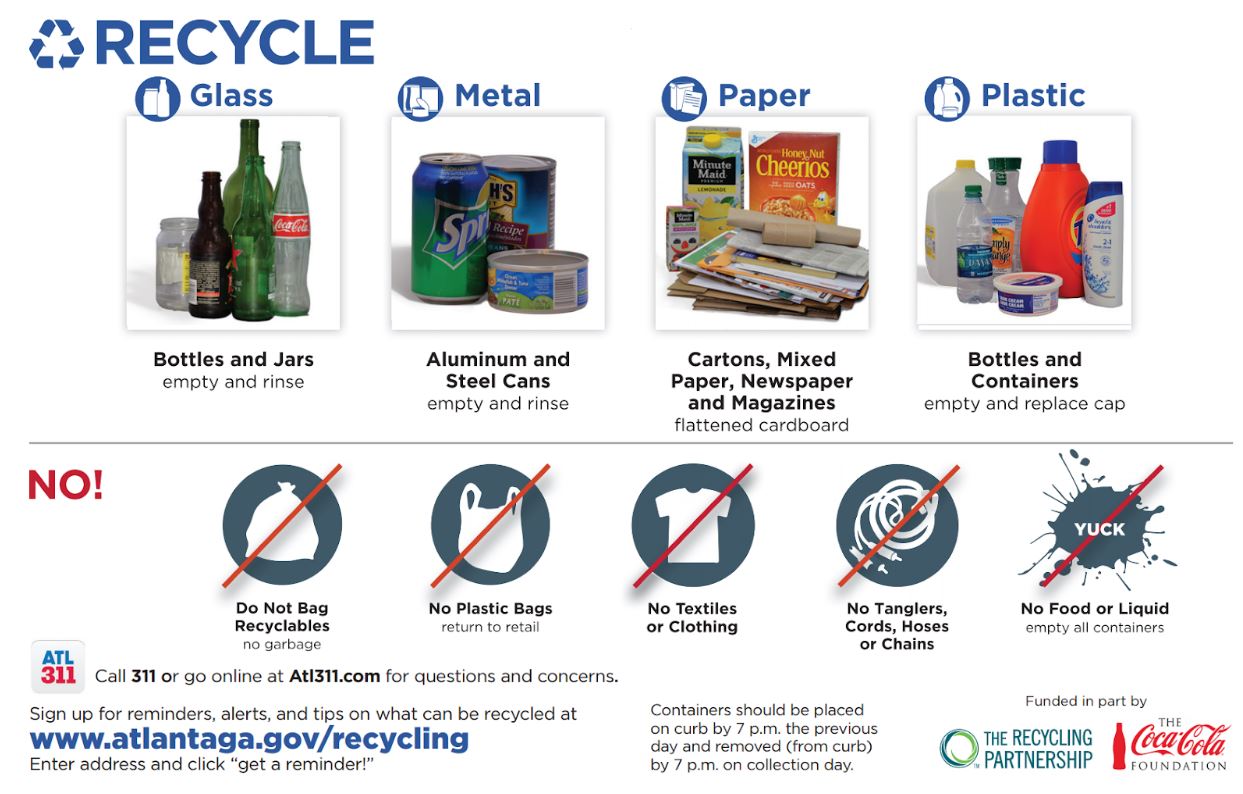
    In addition to choosing companies with sustainability efforts, municipalities typically provide information online that indicates how to recycle and what recycling efforts are happening. A recycling info card is available through atlantaga.gov to help people understand what can and cannot be recycled:

    Other recycling resources in Atlanta include MandM Waste, which recycles scrap metal, UseAgain, which does textile recycling, and the Center for Hard to Recycle Materials (CHaRM). Outside of Atlanta, TerraCycle is an international waste recycling program that can recycle products from used makeup to brita filters. Links to all of these resources are at the end of the article.

    Recycling correctly may take effort, but creating a regular habit can contribute to saving the environment. Looking back to the podcast created by Nasreen and her colleagues, I asked why they decided to create it in the first place. Nasreen said the goal was “to teach people about materials science and help them see the relevance and importance of sustainability.” Materials are such a big part of our daily lives, it’s crucial to be educated on how we are using and consuming them. If you want to learn more about the details of different classes of materials and their impact on the environment, check out “Talk Green to Me”, available on Spotify and iTunes.


    City of Atlanta Recycling Information: https://www.atlantaga.gov/government/departments/public-works/recycling-program

    MandM Waste: https://www.mandmwaste.com/scrap-metal-recycling-in-atlanta-ga-p-60.html

    CHaRM: https://livethrive.org/charm/

    TerraCycle: https://www.terracycle.com/en-US

    Sources:

    1. Borenstein, Seth. “Science Says: Amount of straws, plastic pollution is huge,” Boston News. April 20, 2018. Available: https://www.boston.com/news/politics/2018/04/20/science-says-amount-of-straws-plastic-pollution-is-huge
    2. Dillon, Noah. “Are Tote Bags Really Good for the Environment?” The Atlantic. Sep 2, 2016. Available: https://www.theatlantic.com/technology/archive/2016/09/to-tote-or-note-to-tote/498557/
    3. Jordan, Rob. “Do plastic straws really make a difference?” Stanford Earth. Sep 18, 2018. Available: https://earth.stanford.edu/news/do-plastic-straws-really-make-difference#gs.67cow8
    4. Target’s Sustainability Policies and Partnerships: https://corporate.target.com/corporate-responsibility/planet/sustainable-products
  • A World with New Plastic

    A World with New Plastic

    THE PROBLEM

    Plastic pollution continues to be a growing environmental issue. Around 79% of plastic is gathered in either landfills or natural environments. Due to its inability to biodegrade, plastic has the power to damage natural resources and wildlife over and over again. Many people aim to recycle, but many plastic products can’t be repurposed due to combined additives. There have been many attempts at creating sustainable alternatives. Researcher at our very own Georgia Institute of Technology are researching ways to utilize crab shells and tree fibers, but few attempts provide actionable solutions that could be integrated into society. What if there was a new way to make plastic eco-friendly?

    WHAT IS PLASTIC?

    Plastic was never made to be recycled! The majority of plastic products are produced using crude oil which consists of polymers (chains of hydrogen and carbon). Once separated into lighter components called “fractions”, it is then separated again into “naphthas”. There are also two main types of plastic: Thermoplastic and Thermosets.  Thermoplastic can be softened when exposed to heat and hardened when cooled. Thermosets are polymers that cannot be changed once molded. Because there are so many different types of plastic with various materials, and specific properties, you can imagine the difficulties that come when trying to contain them in a sustainable way.

    NEW PLASTIC CHANGES EVERYTHING!!

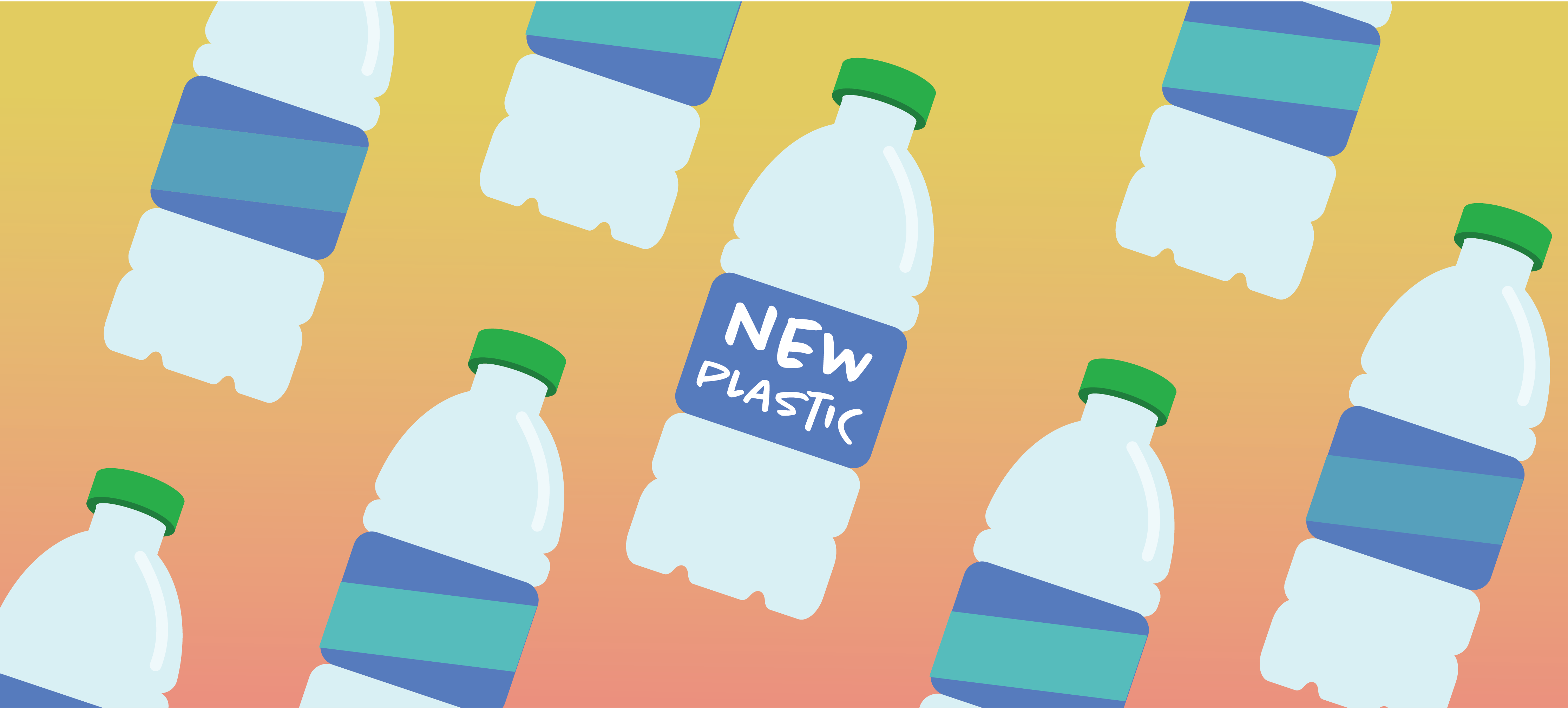
    New Plastic is a new polymer material developed by Lawrence Berkley National Laboratory that has the ability to be recycled continuously! While many thermoplastics can be melted down, the array of additives used in them prevent them from being reused. This is why the majority of plastic is “downcycle”, which means it can’t be used for important utility items.

    However, a new material called polydiketoenamine, or PDK has been developed. With the aid of a highly acidic solution, additives can be separated from their polymer. This leaves behind high-quality monomers that can be “up-cycled”, and be reused for products of importance.

    COULD WE MAKE A NEW PLASTIC WORLD? MAYBE NOT

    New PDK products and applications are being explored by researchers, but could this process even be adopted. Reusing plastic has been deemed not profitable enough for companies, and conventional plastic is one of the cheapest materials to produce. With the other 18 billion pounds of plastic waste still in circulation, trying to sort the PDK plastic from different types of plastic poses even greater systematic problems. There are also many cultural and societal barriers that prevent sustainable change. The typical person doesn’t know which plastic is recyclable or may not even care.  It’s for time to tell if new sustainable practices like New Plastic stand a chance in our modern landscape.

    SOURCES:

    Soderstrom, A. (2018, August 7). Georgia Tech creates sustainable plastic from crab shells, tree fibers. Retrieved from https://www.ajc.com/business/georgia-tech-creates-sustainable-plastic-from-crab-shells-tree-fibers/pWetPwmYUp0BS33wwtk6RI/.

    Daley, J. (2019, May 8). This New Plastic Can Be Endlessly Recycled. Retrieved from https://www.smithsonianmag.com/smart-news/new-plastic-can-be-recycled-endlessly-180972130/.

    Statistics of the Year 2018: Winners announced. (0AD). Retrieved from https://www.statslife.org.uk/news/4026-statistics-of-the-year-2018-winners-announced.

  • The Secret Kennedy: The Science Behind Lobotomy

    The Secret Kennedy: The Science Behind Lobotomy

    Introduction

    Everyone has heard of John F. Kennedy before. Whether it be from his presidency, his role in the Cuban Missile Crisis, or his assassination. Many people have even heard about his brother, Robert F. Kennedy and his assassination, or the so-called ‘Kennedy curse.’ However, most people have not heard of the one Kennedy sibling who played a huge role in redefining a medical tragedy. This is because her existence was swept under the rug by her father as a critical failure and embarrassment. 

    It’s time for a spotlight to be shone on the tale of the secret Kennedy sister, Rosemary, and how lobotomy, a surgery designed to reduce prefrontal cortex functioning, ruined her life. This is the story of a woman like many others of her time who suffered at the hands of faulty medical practices and biases that swept the world in a frenzy.  

    The Story of Rosemary Kennedy
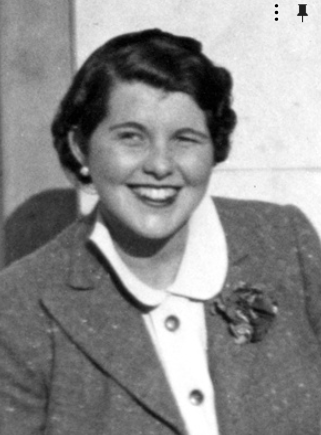
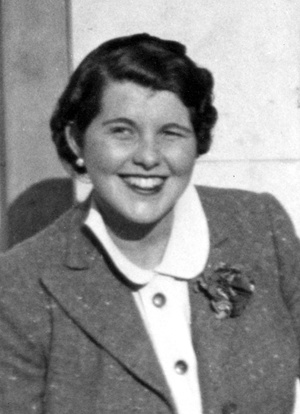
    Rosemary Kennedy, April 1940

    https://www.jfklibrary.org/sites/default/files/2018-03/kfc%202612p%20crop.jpg 

    Rosemary Kennedy, born to Joseph and Rose Kennedy in 1918, was not born like her brothers and sisters. Due to a lack of oxygen during her birth, Rosemary ended up with a learning disability that placed her significantly behind her age group in school (Larson, 2015). However, due to the highly influential political career of her father, Joseph P. Kennedy, Rosemary was forced to keep up the public appearance of being “well-adjusted.” Her mother would fabricate a world of appearances and deception to other high-class mothers about her daughter’s intellectual capability, JFK would accompany Rosemary to tea-dances under a watchful eye, and her parents even fabricated Rosemary’s search for a teaching degree (Larson, 2015). To the outside world, Rosemary served as an icon for the perfect daughter of a political figure. However, internally in the Kennedy family was everything but perfect.

    At age 22, Rosemary reportedly became more “difficult” with outbursts of aggression that led to her family’s decision to send her to a covenant school in Washington D.C. (“Rosemary Kennedy”). But when rumors spread that Rosemary might be having inappropriate relationships with men at her school, her father’s frustrations exploded. The threat of shame to his career and the budding careers of his children drove Joseph to sign Rosemary up for a prefrontal lobotomy with Dr. Walter Freeman, a popular lobotomist at the time, to reduce her mood swings and cumbersome behavior. After her lobotomy, Rosemary’s mental capacity was reduced to that of a toddler’s and she could no longer care for herself (Larson, 2015). Joseph hid his daughter away from the rest of her family at an institution for the mentally disabled called St. Coletta’s, and until his death, the world never knew the truth to the terrifying reality of what lobotomy did to Rosemary. 

    How did this happen though? How did a lobotomy lead to such a drastic change in Rosemary’s mental and emotional capacity? To understand this, first the process of a lobotomy and the areas of the brain it targets must be understood.

    The Process of a Lobotomy

    A lobotomy is a medical procedure developed during the 1940s and 1950s, in which parts of the brain are physically altered as a way to treat mental illness or behavioral problems. The practice of lobotomy began with Portuguese neurologist António Egas Moniz, but was popularized in America thanks to Dr. Walter Freeman (Lewis, 2014). Moniz originally crafted the process of the prefrontal lobotomy, where a doctor would drill a whole into the top of a patient’s head and then either inject ethanol to destroy brain fibers or use a leucotome (a wired loop) to slash away parts of the frontal lobe (Lewis, 2014). Later on, Dr. Freeman popularized the second form of lobotomy, called transorbital, where an ice pick would be placed behind the eye and used to severe the connection between frontal cortex from the thalamus (the motor and sensory control of the brain) (Lewis, 2014). The original appeal of lobotomy at the time stemmed from the lack of other ways to treat mental illness. In the 1940s and early 1950s, there were not yet any antipsychotic drugs, and it was very expensive to keep a family member in a mental institute (Hall, 2015). The lure of making a former difficult family member more docile through a simple surgery and improving family reputation became a common reason why lobotomies were performed (Hall, 2015).  

    That common reason of improving family reputation was one of the main ones Rosemary’s father had as he signed her up for her lobotomy. And while Rosemary underwent a prefrontal lobotomy, both forms of the procedure targeted similar parts of the brain (the prefrontal cortex) and produced similar effects in patients.

    Prefrontal Cortex Damage and Its Effects
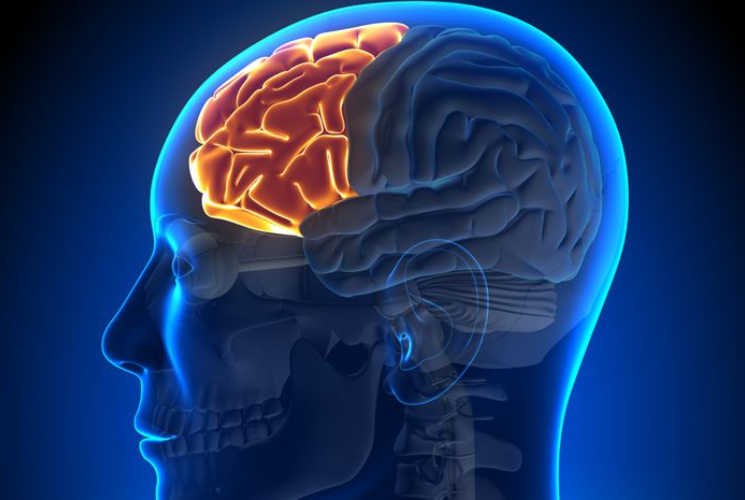
    Prefrontal lobe of the brain

    https://www.livescience.com/42199-lobotomy-definition.html 

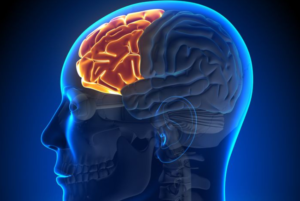
    The prefrontal cortex of the brain is responsible for social behavior, emotional responses, working memory, long-term decision making, and language/speech (Teffer & Semendeferi, 2012; Pirua & Liu, 2018). Lobotomy endeavors to sever this section from the brain to reduce emotional stress, cure mental illness (such as schizophrenia and depression), and as in Rosemary’s case, reboot “socially dysfunctional” women (Hall, 2015; Koziol & Tone, 2018). While to some extent lobotomy can prohibit emotional and social distress since the process does essentially wipe one part of the brain related to emotional response, it does so at an often catastrophic long-term cost to the patient.

    Damage to the prefrontal cortex can result in the reduction of critical analysis in long-term consequences of one’s actions (Bechara, Damasio, Damasio & Anderson, 2002). Patients will only follow impulses, not thinking about how their decisions can impact themselves or others in the future. This is often a common side effect experienced by lobotomized patients such as Mona Gable’s mother, who after her lobotomy suddenly began to run up credit cards, chase her children with baseball bats, and go on late night joy rides without a second thought (Gable, 2016). Part of this change in patients also stems from the loss of empathy and short-term memory that occurs with damage to the prefrontal cortex. Without the part of the brain responsible for social behavior fully functioning, patients begin to lose their connection to others in their social groups. It becomes increasingly difficult for patients to interact with people and express the more complex social behaviors such as empathy, and their short-term memory begins to fade, making it increasingly harder to partake in daily activities without extra assistance.  

    These alterations are a gateway to some of the worst transformations made by prefrontal cortex damage: overall personality and language production. Without their prefrontal cortex, people lose the part of their brain most responsible who they are as a person and why the act the way they do. Dr. Walter Freeman himself even stated that, “Every patient probably loses something by this operation, some spontaneity, some sparkle, some flavor of the personality” (Hall, 2015). Patients lose their motivation, ability to plan, how they interact with others and much more. They leave the procedure no longer the same person they were before. And from a more technical standpoint, patients can no longer even communicate as they did so before, since damage to the prefrontal cortex also damages speech and language ability. Patients post-lobotomy can have trouble forming meaningful sentences or understanding what others say to them. These transformations are what occurred with Rosemary. All of her personality, her spunk, her ability to speak/communicate with others was wiped as her prefrontal cortex was sliced away. The smiling girl in the photo disappeared and only a hollow shell of her former self remained. She could no longer interact with others at the capacity she could pre-lobotomy and she could no longer care for herself on a daily basis without having someone else help her make decisions and remember how to do various activities.

    Legacy of Lobotomy and Rosemary Kennedy

    The dark tale of lobotomy and Rosemary Kennedy leaves the science and medical community with a few haunting reminders. 

    For one, the quick, widespread popularization of lobotomy demonstrates why the scientific community must be more cautious when new therapies, treatments, medications and medical technologies appear with limited effectiveness and safety information. Portuguese neurologist António Egas Moniz published the results of his first lobotomy only around 4 weeks after the surgery had taken place (Hall, 2015). He did not take extra precautions in monitoring longstanding consequences of lobotomy because the initial results seemed very promising at a time when mental illness had few treatment options. The scientific method and the need for quality testing and experimentation is not to be skipped over. Even if the procedure seems like a blessed cure all, there can be unforeseen consequences that would need further careful observations before the product is approved for its to be used. If the initial report regarding lobotomy had been published later, the doctors could have better observed the long-term changes in personality and cognitive function of the original patients, and then maybe the over 50,000 other lobotomy patients would not have had to suffer similar fates to Rosemary Kennedy’s (Lewis, 2014).
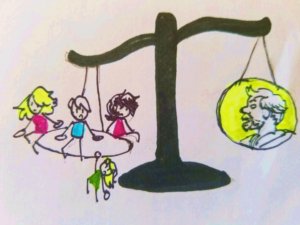
     

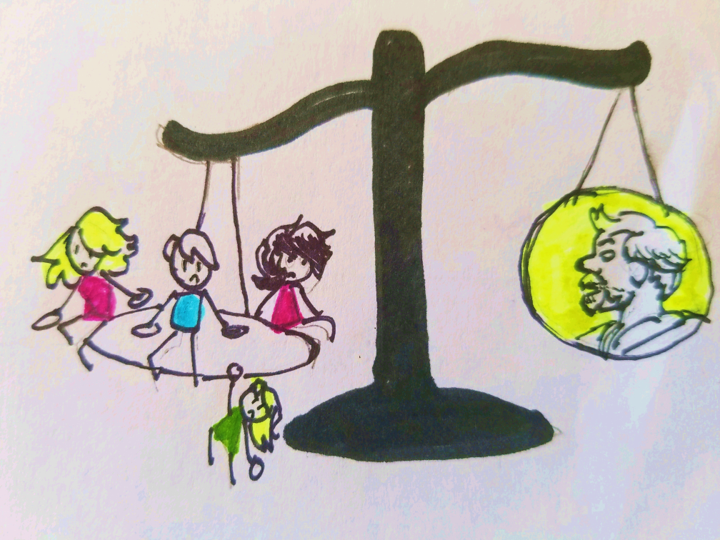
    My drawing representing the uneven justification of lobotomized patients’ lives for the Noble Prize and prestige Moniz won for his ‘easy solution’ to mental illness

    Additionally, Rosemary’s story itself is rooted in a much larger issue: implicit bias against women in medicine. While lobotomy was originally labeled to treat mental illness in mental institutes, most of the times it was used for treating unruly women no longer following the social norms of the 1940s and 1950s. The statistics themselves of how many more women than men were lobotomized, even though men made up the majority of mental institutes at the time are shocking: For Dr. Walter Freeman’s personal operations, he performed 75% of them on women, and in the Stockton State Hospital, 85% of lobotomies occurred with women (Koziol & Tone, 2018; Hall, 2015). Over time, lobotomy became less about treating mental illness and more about controlling women. In that sense, Rosemary could be considered a poster case of the abusive use of lobotomy in women. Her mood swings and alleged unruly behavior with men drove her father to seek to change her through a medical procedure becoming increasingly aimed towards women. She was a victim of how the medical world viewed how women should be treated. And while the process of lobotomy has thankfully become frowned upon and relatively inactive (partially thanks to the consequences of the Rosemary’s failed lobotomy being made public and partially thanks to the development of antipsychotic drugs), this implicit bias against women still lingers in the medical community today. For example, women are less likely to receive prescribed heart medication for congenital heart disease than men due to the misconception that older men are more at risk than women are (La Trobe University, 2019). Additionally, women with endometriosis usually have a 7.5 year period before they are diagnosed with the condition, only being told the symptoms are “normal” or “in their head” (“NICE call for improved diagnosis and management of endometriosis”, 2017). Both these cases illustrate how women are still disadvantaged by biases against their gender and how that impacts the success of their treatment. Medical treatment goes hand in hand with cultural zeitgeist on a subconscious level. It’s vital for anyone in the medical field to reevaluate personal biases as they treat a patient.    

    These are dark truths, not easy to grasp, but their importance stands firm. We must learn from our mistakes or we will be doomed to repeat them as the medical community continues to evolve and expand. The Institute for Healthcare Improvement offers many strategies to reduce implicit biases affecting medical treatment, such as increasing recognition of stereotyping, seeing people as individuals and building equal relationships with them, expanding one’s opportunities to interact with groups outside your own context, perspective taking, and more (IHI Multimedia Team, 2017). By using methods such as these to improve the environment of the medical field, we, as the scientific community, can start reworking how standards for treatment as a whole are handled. However, at the end of the day though, it comes down to the individual practitioner performing treatment. So heed cases likes Rosemary Kennedy’s and lobotomy’s, and who knows maybe you can find the next contemporary procedure that turns out to be barbaric in years to come.

    My Connection to This Tale of Lobotomy and Rosemary

    Personally, this topic hits close to home in terms of my career aspirations. I’m training to be a biomedical engineer, so I will be one of the main people designing healthcare equipment and procedures for the general public. One of my biggest fears is creating a medical device that actually ends up hurting someone or a group of people because I accidentally overlooked a certain aspect of it. And while hypothetically, the other engineers working with me should catch my lapses in logic, as we saw with the case of lobotomy, sometimes that process can be skipped over. With this article, I wanted to share the tale of lobotomy, not only as a reminder to me, but also to anyone reading, that you need to be responsible for critically thinking about the solutions you create to problems in any scientific industry. At the end of the day, you could be the person who saves thousands of patients from unnecessary pain and heartache if you just speak up and go against the popular flow.

    Additionally for me, it’s so vital that workers in healthcare be directly connected with the people they are treating. If I can’t, on some level, empathize with the person I’m treating, how will I create an effective procedure for them? People are individuals, not just items to characterize into implicit groups and call it a day. Rosemary Kennedy’s story always breaks my heart, hearing about how this wonderful young lady, full of joy and spunk, cruelly had that all ripped away from her because a bias against women she couldn’t control. I don’t want to be someone who lets situations like that idly happen. As I follow through with my career as a biomedical engineer, I want to be one of the individuals leading the medical industry in fighting implicit biases to create a better tomorrow for patients. How many times in history must the path for medical advancement be paved in blood before we begin changing our approach to it?   

  • Issues with the use of DNA Evidence in Criminal Cases

    Issues with the use of DNA Evidence in Criminal Cases


    Timothy Durham was convicted of rape when a test showed his DNA genotype matched the DNA recovered from a crime scene. Eye witnesses testified that Durham was in a different state at the time of the incident, but he wasn’t exonerated from his 3000 year sentence until follow up DNA analysis showed that the preliminary forensic analysis used in the trial was misinterpreted (Thomas et al.). DNA testing serves an invaluable part in our criminal justice system, but it comes with complications and bias that can lead to wrongful convictions and misinformed juries.


    Background:

    Blood testing:

    Forensic genetics aims to identify the origin of a biological sample. Forensic testing started when Karl Landsteiner discovered human ABO blood groups. With blood groups, elimination of suspects based on their blood type became possible. For example, if a suspect had type A blood, but type B blood was left at the scene by the perpetrator, then the investigators could rule out the suspect. Unfortunately, the reverse is less helpful. If the suspect and perpetrator both had the same blood type, investigators couldn’t concluded the guilt of the suspect. Blood identifiers later evolved into 8 distinct categories which improved the ability to eliminate suspects but still couldn’t conclusively identify a suspect (Jobling and Gill).

    DNA Testing:

    The field evolved in the 1980s with the discovery of Minisatellites, lines of repetitive DNA. Minisatellite patterns in DNA create what we know today as the DNA fingerprint. The DNA fingerprint can specifically pinpoint individuals with a higher accuracy rate than previous methods (Augustyn et al.). Around the same time, scientists discovered a breakthrough for victims of sexual assault. Bodily fluids of both the victim and the assaulter can mix during an attack. A new process called differential lysis could selectively increase the concentration of sperm in a fluid sample thereby allowing for accurate DNA testing (Jobling and Gill).

    Forensics evolved to use single-locus probe testing after several years because of its ease of interpretation. It looked at specific minisatellites that had high variability between subjects. This method became the first DNA-based method used in a criminal investigation. The first case used minisatellite patterns to link two murder homicides from several years apart. The DNA evidence then exonerated an innocent man, and implicated the guilty party when he tried to evade DNA testing. His guilt became reinforced when his DNA profiles matched the murderers, and he gave a full confession (Jobling and Gill).

    Finding DNA at a crime scene can’t guarantee that you’ll find a murderer. Issues with non-pure samples and limited samples make DNA work difficult, and accreditation of facilities and new techniques can take time (Jobling and Gill).


    Subjectivity of DNA Interpretation:

    Subjectivity might influence lab based forensics in complex cases. For example, not all DNA found at a crime scene comes from a single individual. The sample could include a mixture of several individual’s DNA. A study published in 2011 looked specifically at this issue (Dror and Hampikian).

    The Case:

    After a gang rape in Georgia, investigators used a mixture of DNA to prosecute one suspect after another suspect took a plea bargain to testify against him. Forensic scientists can look at DNA mixtures and conclude one of the following: suspect excluded, suspect cannot be excluded, and inconclusive. If the suspect is excluded, it means that there’s little possibility that their DNA is part of the sample. If the suspect cannot be excluded, it means that there’s a possibility that their DNA is part of the sample. In the trial, the DNA examiners who knew the context of the case concluded that the suspect being prosecuted could not be excluded from the DNA mixture. To the jury, this meant that the forensic examiners concluded the suspects DNA matched DNA in the sample (Dror and Hampikian).

    The Study:

    The 2011 study gave DNA evidence from this case, including DNA profiles of the suspects, to 17 forensic examiners. These examiners had no context of the case, and they worked independently. Of the 17, only 1 came to the same conclusion as the original examiners who knew the context of the case. Twelve of the 17 concluded that the prosecuted and convicted suspect had no relation to the DNA found in the sample, and the remaining 4 deemed the test inconclusive. This not only shows that subjectivity occurs due to the context of the case, but the 17 examiners had three different conclusions based on their past experiences. This proves that not all DNA analysis is objective (Dror and Hampikian).

    Some organizations like the Scientific Working Group on DNA Analysis Methods say that quantitative statistical evidence should be presented with every categorical conclusion, but this isn’t currently required by the US (Dror and Hampikian).

    False Positives:

    There are two categories that cause wrongful identification in a DNA report: coincidental matches and false positives. Coincidental matches are DNA matches between two unrelated people. The probability of these matches is about 1 to 500,000 for white individuals and about 1 to 350,000 for black individuals. This small probability of coincidental matches makes people feel confident in DNA evidence.

    False positives, on the other hand, are matches between sample DNA and test DNA that result from issues in the forensics lab. In multiple cases forensic labs have accidentally switched victim and suspected rapist’s DNA leading to wrongful convictions. For other cases, forensic scientists misread or misunderstand a sample. In a case from 1993, a man became wrongly convicted of rape after someone interpreted a mixed sample of victim and perpetrator DNA as an individual sample. To prevent false convictions, retesting DNA is allowed, but it’s not an efficient solution. Many people are pushing for statistical information on the probability of false positives, so jurors can make accurate judgements based on DNA evidence (Thomas et al.).


    Conclusion:

    DNA analysis is a useful tool for the criminal justice system, but possible subjectivity raises issues in forensic testing. To combat wrongful convictions, organizations like The Innocence Project use DNA testing to free the innocent (“Help us put an end to wrongful convictions!”). But, forensic testing standards need reformation in order to prevent subjectivity and to ensure proper education of juries.


    Citation:

    Augustyn , Adam, et al. “DNA Finerprinting.” Encyclopedia Britannica , 26 Apr. 2018, www.britannica.com/science/DNA-fingerprinting#ref153186.

    Dror, Itiel E., and Greg Hampikian. “Subjectivity and Bias in Forensic DNA Mixture Interpretation.” Science & Justice, vol. 51, no. 4, 2011, pp. 204–208., doi:10.1016/j.scijus.2011.08.004.

    “Help Us Put an End to Wrongful Convictions!” Innocence Project, www.innocenceproject.org/.

    Jobling, Mark A., and Peter Gill. “Encoded Evidence: DNA in Forensic Analysis.” Nature Reviews: Genetics, vol. 5, no. 10, Oct. 2004, pp. 739–751., doi:10.1038/nrg1455.

    Thompson, William C, et al. “How the Probability of a False Positive Affects the Value of DNA Evidence.” Journal of Forensic Sciences, vol. 48, no. 1, Jan. 2003, pp. 1–8., doi:10.1520/jfs2001171.


  • Why Rejection Hurts

    Why Rejection Hurts

    When people describe the feelings that result from social estrangement, they often use words that typically are used for describing physical pain, such as “hurt feelings” and “a broken heart” and with good reason. Research has shown that physical pain and social pain share common neutral mechanisms, which are responsible for detecting cues that might be harmful to survival, such as physical danger, but also social estrangement, as humans have relied on group living to survive for centuries.

    There is evidence to suggest that the anterior cingulate cortex (ACC), specifically the dorsal subdivision (dACC), is involved when humans become distressed when responding to both physical and social pain. The dACC has also been shown in other mammals to play a part in distress from social pain. One of the few studies done on this subject examined the neural components of social pain in humans. The study recruited participants to play a ball-tossing game on the computer, while their brains were being neuroimaged. The game was played with two other “people” and the participants were ultimately excluded from the game. Their neutral activity when they were excluded from the game, compared to when they were included, showed increased activity in the dACC. Afterwards, participants were asked to report their levels of social distress during the exclusion. The degree of dACC activity had a strong correlation with the self-reports of social pain.

    One of the hypotheses derived from the physical–social pain overlap is that factors that enhance sensitivity to one type of pain also enhances sensitivity to the other type of pain as well. Conversely, factors that downregulate the sensitivity to one type of pain should downregulate the sensitivity to the other type of pain. For example, when shown video clips of people in physical pain, rejection-sensitive people, compared with non-rejection-sensitive people, report more distress. On the other hand, those with a lot of social support, are shown to experience a reduction in chronic pain situations, such as during cancer and during childbirth.

    In conclusion, since humans have evolved to live in groups to survive, that need for social acceptance seems to have produced a sense of distress when social connections are threatened or broken. So next time you lose a friend, a romantic partner, or are excluded from a social situation and you feel that your feelings are hurt, or your heart is broken, know that that is completely normal.


    References

    Eisenberger, N. I., & Lieberman, M. D. (2004, June 17). Why rejection hurts: a common neural alarm system for physical and social pain. Retrieved from https://www.sciencedirect.com/science/article/pii/S1364661304001433

    Eisenberger, N. (2008). Understanding the Moderators of Physical and Emotional Pain: A Neural Systems-Based Approach. Retrieved from https://www.tandfonline.com/doi/abs/10.1080/10478400802608855?journalCode=hpli20

    Eisenberger, N. I. (2012, May 3). The pain of social disconnection: examining the shared neural underpinnings of physical and social pain. Retrieved from https://www.nature.com/articles/nrn3231


  • Makin’ Biscuits

    Makin’ Biscuits

    Some cats are oftentimes seen engaging in a rhythmic motion of pushing their paws back and forth on a soft surface, which is referred to as “kneading.” This behavior is not universal across all cats and can be distinctive among cats (“Why Do Cats Knead?, n.d.). The exact reason behind this behavior is a mystery, but there are a few explanations to rationalize this behavior (Castro, 2013).

      1. Kittens knead their mother while nursing to stimulate milk flow. This behavior may be carried on into adulthood when cats are feeling happy, associating kneading with the comfort of its mother (Castro, 2013).
      2. Cats may be marking their territories with their scent (“Why Do Cats Knead?, n.d.).
      3. Female cats knead as a mating signal to males (“Why Do Cats Knead?, n.d.).
      4. Kneading is a form of stretching (“Why Do Cats Knead?, n.d.).

    Regardless of the reason why cats knead, we can all agree that they are super cute when they do so!


    References
    _______________________________________________________________________________________________________________

    Castro, J. (2013, October 18). Why Do Cats Knead? Retrieved from https://www.livescience.com/40548-why-do-cats-knead.html

    Why Do Cats Knead? (n.d.). Retrieved from https://www.petmd.com/cat/behavior/evr_ct_why_do_cats_knead

  • Face the Trauma

    Face the Trauma

    Post-traumatic stress disorder, so-called PTSD, is a psychiatric disorder that can occur in people who have experienced or endeavored a traumatic event. Commonly we heard many violent tragedies happened because of the criminals’ former unpleasant experiences, for example, rape or any personal assault.

    The pathological environment of abuse fosters the development of a post-traumatic disorder. Past experience of abuse, especially in childhood, appears to be a major factor of becoming a psychiatric patient. Those survivors came back to normal life with a large number and variety of complaints. Bryer, studying psychiatric disorder, reported that women with historical physical abuse have significantly higher scores of depressions, stress, sensitivity, etc. (Bryer, 1987) Moreover, Briere reported that survivors of childhood abuse suffer significantly more in insomnia, drug addiction, alcoholism and so on. (Briere, 1988) Herman concluded that the symptoms can be categorized into somatic, dissociative and affective sequelae of prolonged trauma. (Herman, 1922)

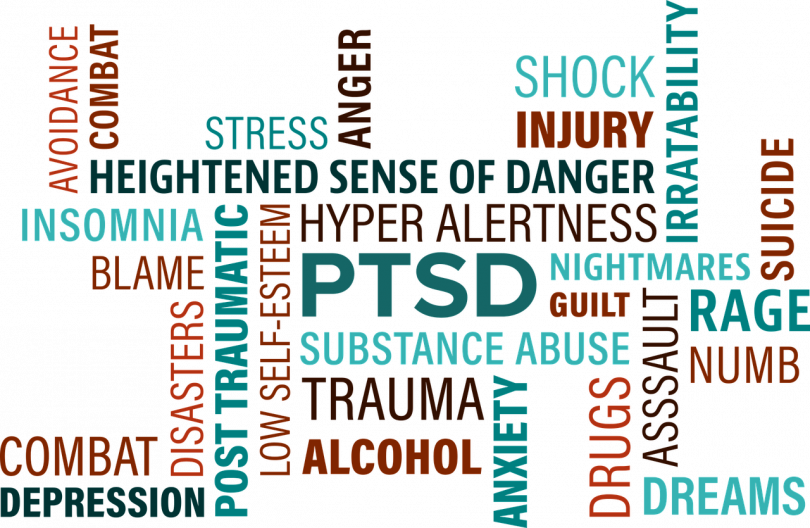
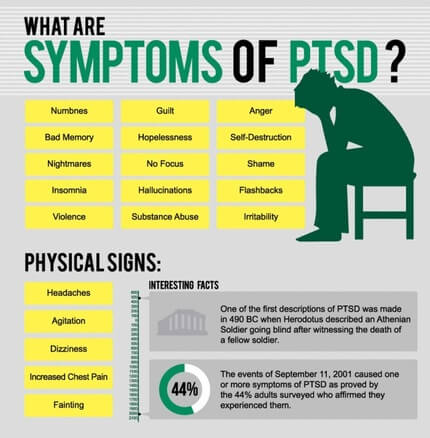
    https://www.betterhelp.com/advice/ptsd/possible-signs-of-ptsd-why-do-i-avoid/

    For PTSD treatment, the very first step is to access personal symptoms. The psychometric properties of the PTSD checklist (PCL), a brief and self-reported instrument, were on research based on 40 motorcycle accident victims and sexual assault victims. All the participants need to complete the PCL and take the interview as feedback. For the PCL the PTSD symptoms are evaluated on a scale indicating how much had the respondents been bothered by a particular symptom from 1 to 5. The results supported the value of PCL as an accessing device for the possible presence of PTSD. (Blanchard, 1996)

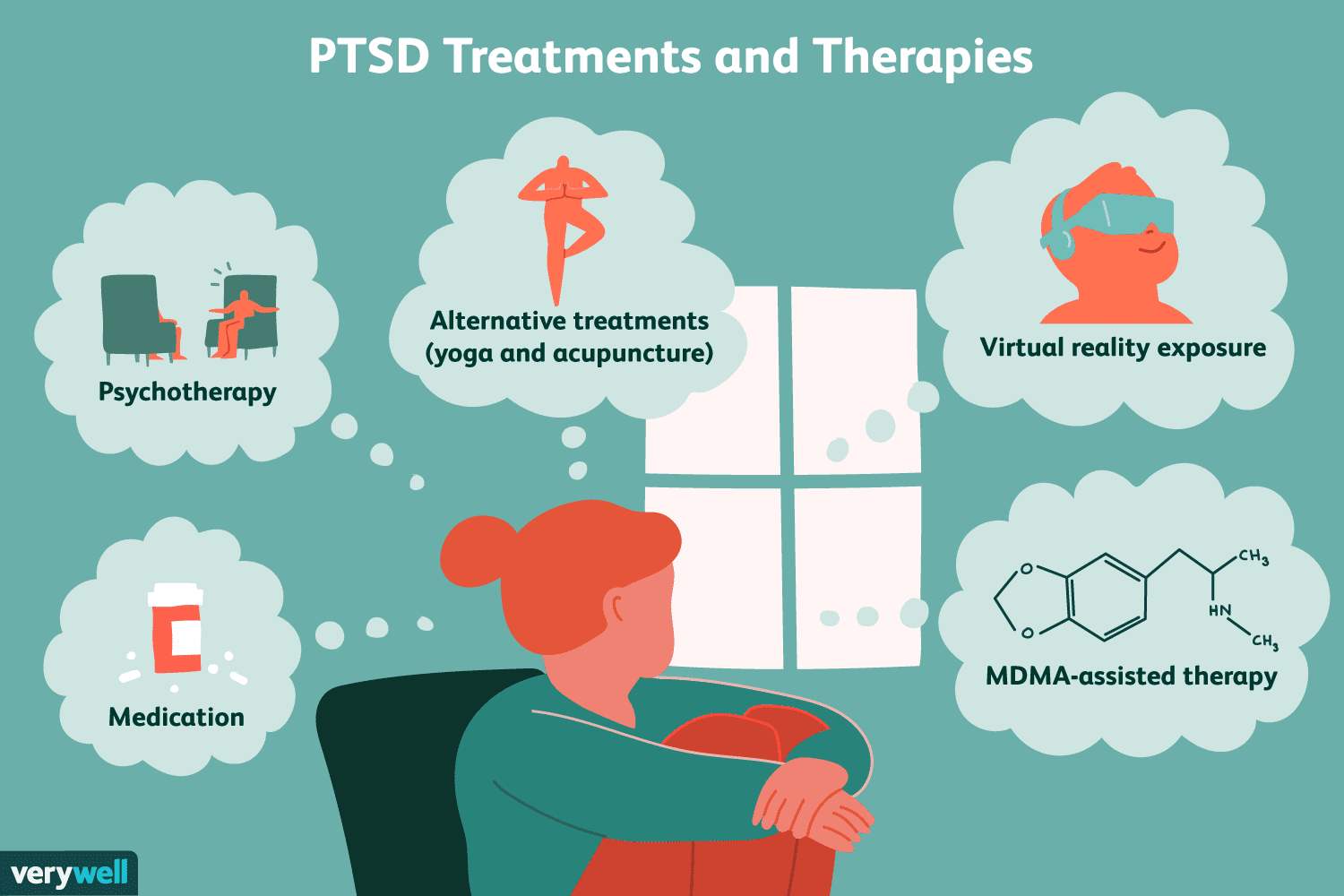
    https://www.verywellmind.com/thmb/SbtJky-uv56Z2DdkNtlgtdPAknE=/1500×0/filters:no_upscale():max_bytes(150000):strip_icc():format(webp)/ptsd-treatment-2797659_FINAL-5c12be374cedfd00010f866a.png

    Prolonged exposure is an effective treatment for post-traumatic stress disorder, no matter what type of trauma the patients endeavored. The PE therapy includes four main components: psychoeducation, in vivo exposure, imaginal exposure and emotional processing. (Rauch, 2012) Psychoeducation focuses on the PTSD symptoms and the former experience. Confronting trauma-related memories can actually reduce post-traumatic disorder. In vivo exposure means confronting trauma-related environment, including people and places as a reminder. Then during imaginal exposure, patients will go through the memory with all the thoughts, emotions and trauma he or she experienced. Finally, emotional processing includes the therapist moving through an open-ended discussion of trauma and thoughts, comparing with the past.

    To be honest, PTSD happens to everyone, from small effect to tremendous causes. Some aspersion can make me self-abased, especially trauma in childhood. While facing those symptoms, just be confident and optimistic to access the level, and take a trauma-related prolonged exposure. It is a golden therapy.


    Bryer, J. B., Nelson. B. A., Miller, J. B., and Krol. P. A. (1987). Childhood sexual and physical abuse as factors in adult psychiatric illness. Am. 1. Psychiafry 144: 1426-1430.

    Briere, J. (1988). Long-term clinical correlates of childhood sexual victimization. AnnaL New York Acad Sci 528: 327-334.

    Herman, J. L. (1992). Complex PTSD: A syndrome in survivors of prolonged and repeated trauma. Journal of traumatic stress, 5(3), 377-391.

    Blanchard, E. B., Jones-Alexander, J., Buckley, T. C., & Forneris, C. A. (1996). Psychometric properties of the PTSD Checklist (PCL). Behaviour research and therapy, 34(8), 669-673.

    Rauch, S. A., Eftekhari, A., & Ruzek, J. I. (2012). Review of exposure therapy: a gold standard for PTSD treatment. Journal of rehabilitation research and development, 49(5), 679-688.