Category: Articles

  • The Science Behind Makeup & 5 Things You May Not Know That Were Used as Makeup 

    The Science Behind Makeup & 5 Things You May Not Know That Were Used as Makeup 

    Makeup has been around for several hundreds of years, the earliest records date back to around 3000 BC when ancient Egyptians used natural products such as soot to enhance their looks. Just like how a peacock shows off his feathers, women can show off their features as well to convince the opposite gender that they are a great choice for a mate. Makeup helps to exaggerate or even fully fabricate signs of fertility and sexual availability, thus making them seem more appealing. A researcher at Gettysburg College in Pennsylvania discovered that the darker the eyes are in relation to the rest of the face, the more attractive a woman appears – thus eye makeup such as eyeliner comes in handy to make eyes seem larger and more youthful (Wilcox, 2010)! Furthermore, cosmetics are luxury items that are designed to make the user feel better, irrespective of whether they have lasting impacts on the skin (Sinclair, 1999). Numerous natural substances have been used in history as makeup. Read along further to see some of the odd beauty products throughout history that humans have used and some are still in beauty products used today!

    1) Wax 

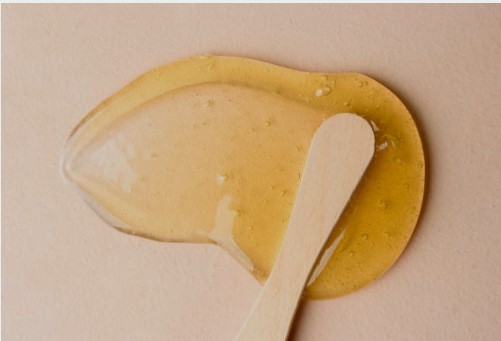
    Wax is a common ingredient in many face, body, and hair products used today. However, people in ancient Egypt used wax more creatively, such as sticking a cone of scented ointment on top of their head, which would melt over time from their body heat, to give off a pleasant scent. 

    2) Carmine 

    Carmine is a vibrant red dye from the carminic acid that cochineal bugs produce. These bugs can be found predominately in the cacti in places like Chile, Mexico, and Peru. Carmine is a common ingredient in makeup products such as eyeshadow and lipstick.


    3) Guanine

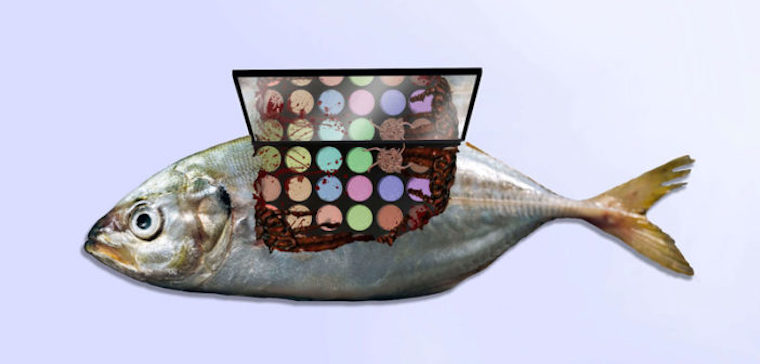
    Guanine is a substance made from fish scales and guano (which are the excrements of sea birds and bats)! The crystals from guanine refract light in a pearly, shiny way, which gives beauty products such as nail polish, eyeshadow, shampoo, and lotions their glittery look!

    4) Londinium Powder 

    Londinium is a lead-based powder that was used by Japanese women in the Heian era (around A.D. 800-1200), and it was mixed with water to create a thin paste that was applied to their faces. This powder was dangerous to use, for lead is easily absorbed by the body and can lead to severe health problems inlcuding death. 

    5) Ambergris 

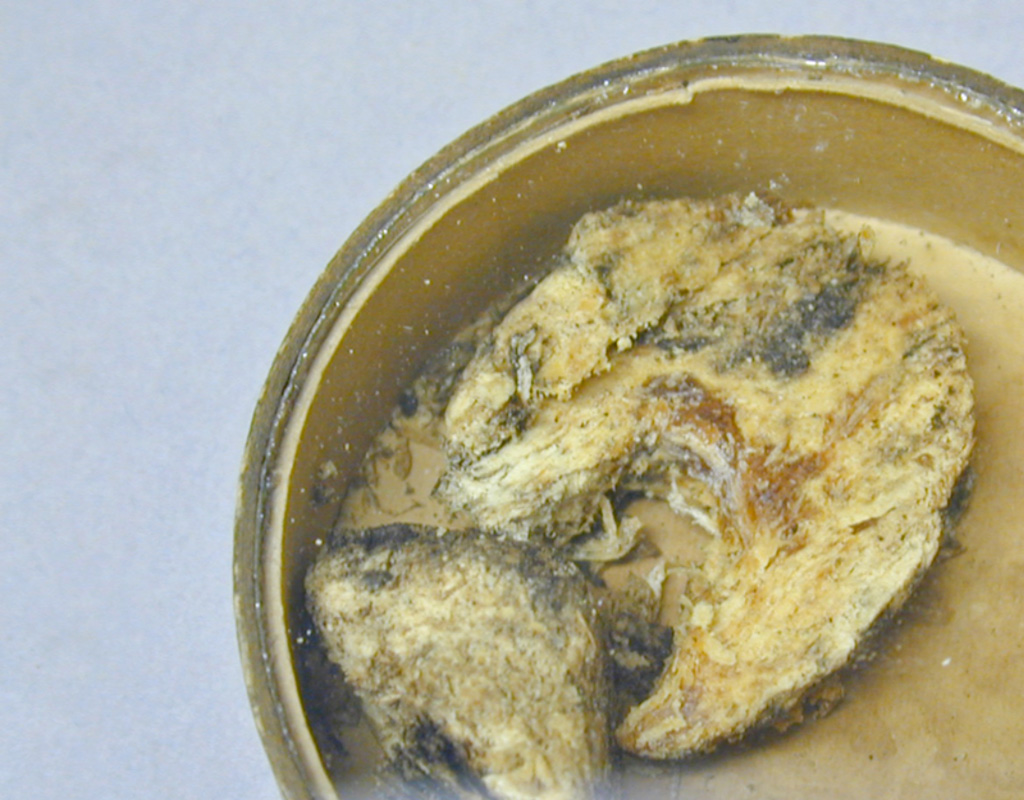
    Before the 18th century, women and men create ambergris into beads that were worn as aromatic necklaces. Ambergris is a highly flammable, waxy substance with a sweet, earthy aroma. Whales excrete ambergris (A.K.A whale barf), but synthetic ambergris is used today to prevent the slaughter of whales.


    Sources:

    Sinclair R. (1999). How credible is the science behind cosmetic skin creams?. The Western journal of medicine, 171(1), 35–36.


    Editors of Publications International, L. (2007, September 19). 12 odd beauty products throughout history. HowStuffWorks. Retrieved March 9, 2023, from https://lifestyle.howstuffworks.com/style/makeup/face/12-odd-beauty-products-throughout-history.htm 

  • Veganism- Doing More Environmental Harm than Good?

    Veganism- Doing More Environmental Harm than Good?

    Intro/Background

    Vegan- I am sure by now you have heard of the term either from someone you know trying it out, or the millions of social media profiles promoting the lifestyle. Whether you have a friend that’s been vegan for years or want to try it out for yourself, it’s not hard to notice the upsurge in popularity it has been gaining for years. I remember growing up pretty traditionally, eating meat and dairy, without a second thought as to the ethics or implications. Simply put, most children follow what parents show them in terms of eating patterns and habits while growing up and don’t think to question it until living independently (excluding picky eaters and young innovative thinkers). My first exposure to veganism was in my own home- a couple of years ago, my older brother had been working at a pizza place for a couple of months and had developed some pretty stubborn acne (the restaurant let the workers eat the leftovers…you can see where this goes). Of course, the dermatologist that he visited told him to analyze his eating habits and try his best to limit dairy and greasy foods; pizza had to go. That’s when he made the extreme turnaround in his eating and decided to go full-on vegan. He quit his job at the pizza place and got a new job at a vegan restaurant to learn how to make dishes. It was an arduous process for him through and through, and although he isn’t strictly vegan anymore, he still struggles with eating “regular” food without guilt-free.

    Veganism Explained

    Veganism is a word that confuses many because of how simple yet complex its definition is. Veganism purely means a diet without any animal products. Now, this is where it gets a bit hairy- a lot of the foods that people eat on a regular basis have added ingredients that most are unaware of. When I went vegan, it was ASTOUNDING to find out just how little people know about how food is prepared. For example, one of my coworkers last year tried to offer me an M&M and I declined because I was vegan; I told him “I can’t have any dairy”, to which he responded, “M&M’s don’t have dairy!!!”. I was shocked- it was obviously chocolate candy, specifically MILK chocolate. I wondered how people could think like this, blatantly ignorant of what they’re eating. But back to veganism: animal products are a large genre of food that include any kind of animal meat, dairy(milk, cheese, whey), and any kind of animal byproduct like eggs. In some cases, vegans will not eat gelatin because it is created from animal bones. In cases where veganism goes from a diet to a lifestyle, vegans will not wear any clothes or use any products that come from animals, like leather.

    Environmental Perceptions

    The story that follows veganism is that it “will cure the earth and society’s morals”, meaning if nobody is eating or using animals for products, then the world would have more animals to sustain the lands and ecosystem. As well as, abstaining from killing animals for food would better the morals and ethics of society as more cohesive and united to the earth. Moreover, it is no secret that the meat industry is one of the leading causes of high emissions of greenhouse gases, one of the main contributors to climate change. The animals that we discuss in regard to the food industry are cattle, “who are estimated to cause approximately half of the food-related climate emissions due to land use impacts and methane produced by ruminating animals”(Kortetmäki, Oksanen 2021). Knowing this and pairing it with the veganism diet itself makes it clear to see that it is commonly held that going vegan would greatly benefit the environment. Joseph Poore, a writer for the journal Science, once stated in an article regarding veganism that “a vegan diet is probably the single biggest way to reduce your impact on planet Earth, not just greenhouse gases, but global acidification, eutrophication, land use and water use”. It’s almost as if by not going vegan, you are adding to the climate catastrophe that the world is facing and not doing your part.

    What Researchers Say about the Environmental Impact

    Before getting into what the scientific community has been reporting about the true impact of veganism versus traditional diets, I wanted to clarify why it is veganism that is being highlighted as a solution to the climate crisis instead of regular vegetarianism. Vegetarians do not eat any kind of meat, but they can and do enjoy all types of dairy and eggs. Cheese, one of the world’s most beloved foods, has “one of the highest GHG footprints among foods and is common in non-meat diets” (Kortetmäki, Oksanen 2021). Therefore, veganism is a better alternative to vegetarianism when discussing solutions that would most benefit the climate.

    So, what are researchers really saying about veganism and the environment? An article that analyzed the argument for climate-centered veganism brought up three big points worth discussing. The first point and probably the most obvious, was that there are animal-based foods that have close to or even lower carbon emission rates than some plant-based foods. For example, “emissions of a small, 100-g piece of chicken (approximately 1.15 kg CO2eq) equals the emissions of approximately 1.1 L of soymilk or 500 g of tomatoes” (Kortetmäki, Oksanen 2021). That’s crazy! To think that chicken and soy milk have similar carbon emissions is mind-blowing. The second point that was introduced was the food waste problem. A vegan person that is accidentally served chicken ramen instead of veggie ramen would have to send back the original, thereby wasting a nutrient-dense and high-carbon emitting food. This is just one example but can be applied to the grander scheme of things. Lastly, and most important in my opinion, veganism and avoidance of animal-based foods advance the climate-friendliness of a diet, BUT do not guarantee it! The reason behind this is that foods with high fat and protein content have higher carbon footprints than foods that are primarily carbohydrates. This means that foods like avocados, chickpeas, and tofu still have high carbon footprints, and therefore are still contributing somehow to climate change. Thus, a vegan person eating only fast food would not be benefiting the environment whatsoever

    Conclusion

    It is hard to say for sure at this point if veganism is strictly bad or strictly good for the environment, but we have some clues as to which direction the pendulum is currently swinging to. Although the research outlined above does a great job of poking holes in the climate-based argument for veganism, I still find that the environmental pros outweigh the cons. A lot more research is definitely needed to come to a real conclusion on this topic, and I am excited to see what comes of future findings. For now, I stick with the fact that veganism is more beneficial to the environment than an animal-based diet.


    References

    Kortetmäki, T., Oksanen, M. Is there a convincing case for climate veganism?. Agric Hum Values 38, 729–740 (2021). https://doi.org/10.1007/s10460-020-10182-x

  • Pet Sounds (Literally): Music Made for Cats

    Pet Sounds (Literally): Music Made for Cats

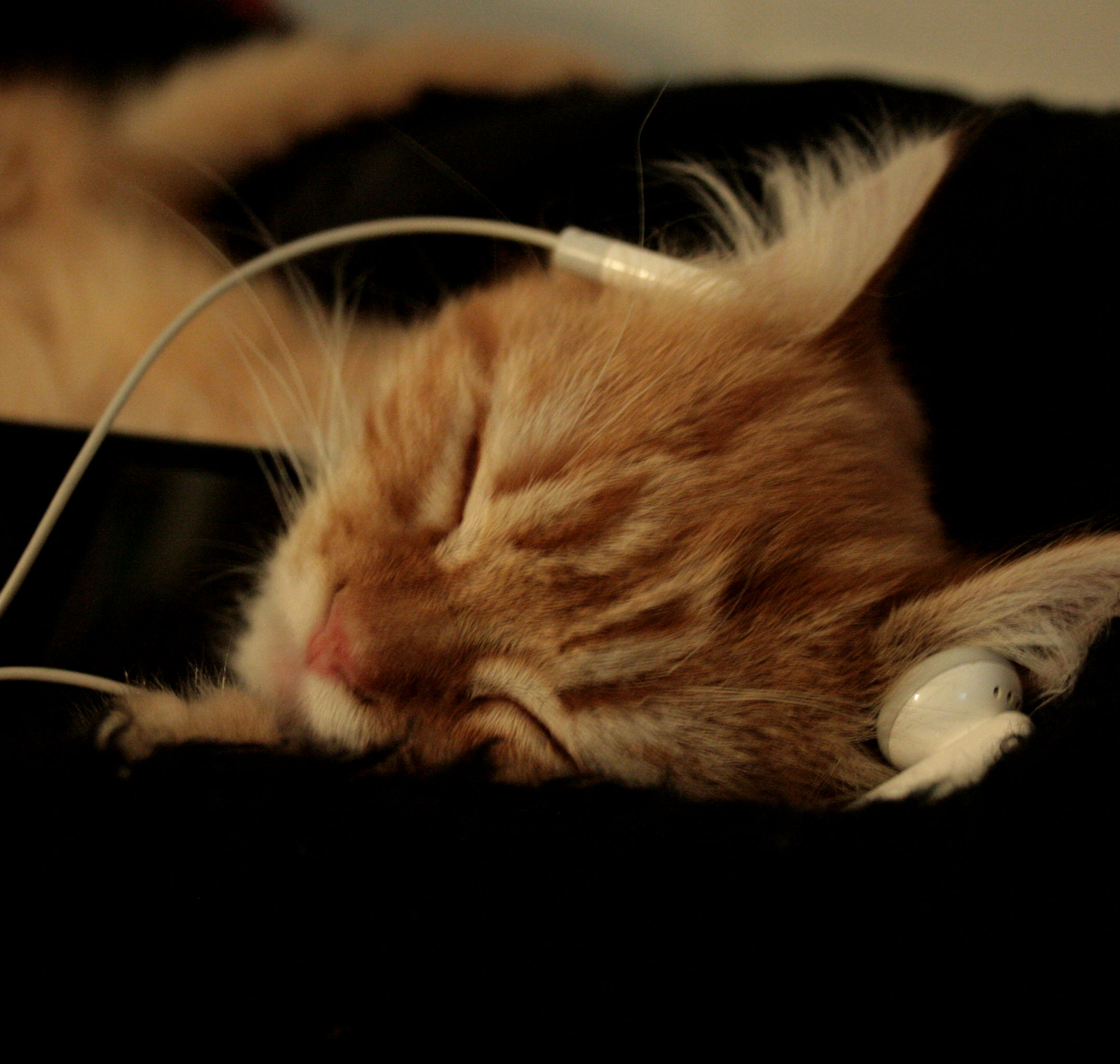
    Music and cats — the only two consistent things in my life that bring me joy, and possibly yours too. And perhaps, you too have tried to share your love of music with your cats as a form of affection only to be met with a scowl and pinned back ears.

    There’s now a solution in the form of species-appropriate music: Music for Cats by composer and scientist David Teie.

    It’s well established that listening to music reduces anxiety and blood pressure, while improving sleep quality, mood, and mental alertness (Keep Your Brain Young with Music, 2022). The question many pet owners ask is whether music has the same effect on them as it does for us. 


    The Ex-purr-iment

    Researcher Ronald Koh wondered the same — how do cats physiologically and behaviorally respond to music? In his experiment, cats were randomly assigned to 20 minutes of either cat-specific music, classical music, or no music. Cat stress scores were recorded before and after a physical exam at a veterinarian’s office: pretests showed no difference in stress levels between the three stimuli; however, scores significantly decreased after the examination for those who listened to music made for them! The team even observed less stress-related behavior in those who listened to music incorporating features relevant to cats (Hampton et al., 2019). Beats similar to their resting hear rate, cat-related sounds like purring and suckling, and frequencies within their vocal range most effectively reduced stress levels (Solis-Moreira, 2022).

    Mew-sic to their Ears

    Much like white noise, it would make sense that cat music mimics the calming sounds of the womb. However, the size of a newborn cat’s brain is a mere ⅛ of its full size, whereas a newborn baby’s brain is ¼ of average adult size. Therefore, a more relevant sound to developing cats would be suckling. David Teie — the father of species-specific music — designed Music for Cats on the basis that each species responds to sounds in an intuitive, biological way. As a highly experienced composer and dedicated cat lover, he used the sounds of relevant stimuli which kittens would have heard as they were developing (The Science: Music For Cats: David Teie, n.d.).

    Con-claw-sions

    A study conducted at the University of Wisconsin supported his premise, concluding that cats did indeed show a significant preference for their customized music. 

    Response latencies were significantly shorter to the music composed for cats than to human music. Cats showed significantly more orient and approach responses to music composed for them compared to music composed for humans.

    The Journal of Feline Medicine and Surgery also confirmed that Music for Cats has the ability to decrease cats’ stress levels and in turn improve the care received by vets in clinics.

    What do you Pre-fur?

    Music can even be designed to include structures that elicit approach, or be arousing or calming. It’s especially important to understand cats’ pitches, calls, and specific features to compose music that will obtain a certain behavioral effect. To make your cat more active, you can select sounds of alert calls and the environment. To calm an agitated animal, you can choose melodic vocalizations and rewarding sounds (Snowdon et al., 2015).

    From Paw McCartney to Meowly Cyrus

    If you’re planning to take your cat to the vet soon, do yourselves a favor and tune in to a Teie album on your drive.

    Music for cats is just one piece in the puzzle that is environmental enrichment for cats. It might just work to reduce stress and aggression related to new people and places (Solis-Moreira, 2022).

    Here, have a listen (Warning: Not for Human Consumption): David Teie – Music for Cats

  • 5G for 5IQ Individuals

    5G for 5IQ Individuals

    You’re wandering through the forest – lost, worried, thirsty. Your phone is at 6%. You have AT&T, so of course you have no service. You’re a 21 year old raised in the suburbs of Chicago. You’ve barely seen a tree, let alone have any survival skills. 

    When all of a sudden, your phone buzzes with a YouTube notification. Your phone just connected to a 5G tower that was disguised as a tree. You call 911. You’re saved. Thank you so much 5G!! Yet, once you return to society, you don’t return the favor to 5G; you just continue to live clueless about what 5G is or how the thing that just saved your life works. This is, of course, an extremely relatable story. We’ve all been there. So I’m here to fulfill your life debt to 5G and explain how it works.

    5G is the latest technology for mobile communication networks that promises faster internet speeds, lower latency, and greater capacity to connect more devices simultaneously.

    To put it simply, you know how your phone connects to the internet using cellular data or Wi-Fi? 5G is the next and latest version of that connection, and it’s better than previous versions. It’s like upgrading from an old bike to a faster one.

    With 5G, you’ll be able to download movies, music, and other files much faster than you do now. In fact, you’ll be able to download a full-length HD movie in just a few seconds. That’s like getting your candy bar in less than a second at the checkout counter!

    5G is a type of cellular network where the service area is divided into geographic cells. All devices with the antenna that allow them to connect to 5G wireless access the radio waves generated from these towers.  The towers also have antennas to pick up on 5G signals sent back from the devices. These radio waves transmit and accept information.

    The technology behind 5G is also more efficient, which means that it won’t drain your phone’s battery as quickly as older networks. It’s like having a phone that lasts longer before you need to charge it.

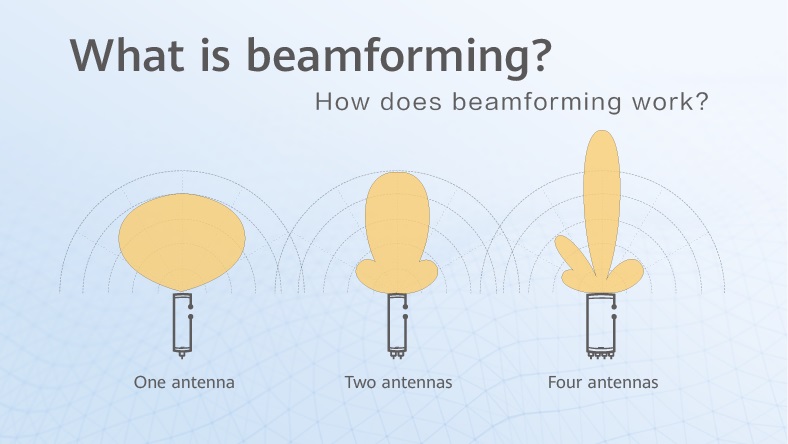
    There is also something known as “beamforming” used in 5G networks which is worth discussing in this overview. Beamforming is a way of processing signals for directional signal transmission/reception. As you can see, different antenna quantities can affect the efficiency and range of signal processing. Beamforming can be divided into two categories: digital and analog. Digital beamforming involves the transmission of data across multiple channels, while analog beamforming focuses on shaping the radio waves to be directed in a particular direction. 

    You now understand the very basics of 5G and have fulfilled your life debt. Congrats!

    —

    Hoffman, Chris (January 7, 2019). “What is 5G, and how fast will it be?“. How-To Geek website. How-To Geek LLC. Archived from the original on January 24, 2019. Retrieved January 23, 2019.

    Yibo, Wang. “What Is Beamforming?”. Info-Finder. Huawei Technologies Co., Ltd. Updated February, 4, 2022. Retrieved February 7, 2023.

  • Why did so many people not comply with evidence – based guidelines and precautions set during the Pandemic? Science implies that it may be due to Mirror Neurons!

    Do you remember those days of the Covid – 19 Pandemic? Schools were shut down. Zoom meetings were the norm. Graduation parties, birthdays, and weddings all felt like another era. But, worst of all, the number of people who succumbed to this virus and lost their lives was just horrific. More people died from Covid, than during 9/11 or World War 2. Those people were brothers, sisters, mothers, fathers, aunts, and uncles. Each of them meant something special to someone else. Perhaps, the saddest part of it is that each of these deaths could have been prevented if some simple measures had been taken, such as social distancing and mask wearing. However, for many reasons, a significant portion of Americans did not take these precautions. Now research has come up with a reason for why that might be the case, Mirror Neurons!

    Mirror Neurons are not always talked about as frequently as certain other types of neurons. However, the reality is that they are actually quite significant. For instance, did you know that Mirror Neurons are the reason why we flinch when someone gets a papercut? Did you know that they are the reason why we cringe when someone does something embarrassing on stage or makes a mistake during a presentation? Did you know that they are the reason why a baby cries when another baby in the room also cries? Have you ever wondered why we feel like giving someone a hug when they are having a tough day, and are distraught and dejected about something? The answer is, once again, Mirror Neurons! The point is that Mirror Neurons are extremely significant, when it comes to feeling empathy for other people, and stepping into other people’s shoes. They are the gateway that enables us to get out of our own world, and experience another person’s world in the way in which they see it!

    However, as with everything, you can imagine that there are problems when this Mirror Neuron System does not work. There are a multitude of factors that can cause someone’s Mirror Neurons to be wired differently, such as genetics, culture, circumstances in the environment (i.e, the family or the school environment), etc. One of the most prominent examples of a change in the Mirror Neuron network has been in those with Autism spectrum disorder. For instance, those with Autism have defects in their network of Mirror Neurons that cause the neurons to work differently or transmit messages to each other, in a different way. The authors of this research study on Autism believe that this could be a possible reason, as to why people with Autism are not able to understand and connect with other people’s’ problems as well, and have as much emotional attachment.

    From other studies and a bit of extrapolation, it has been speculated that this same change in the Mirror Neuron Network explains a majority of Americans lackadaisical attitude towards the Pandemic. The only difference is that the Neuron Networks do not differ due to genetic factors, but simply due to cultural and environmental factors. Scientists speculate that because many Americans live in a country, where there has not always been so much hardship, where there has been significant freedom, where getting clean food and water has not been a worry, where getting quality education has not been a worry, their Mirror Neurons are wired to fire in a specific way, or a specific sequence that is different from those who have had to live through many tough times, and have had to have the courage to deal with extremely tough times! Put another way, scientists think that because many Americans have not had to encounter as significant levels of hardship as other individuals living in other parts of the world, the neural pathways in their brain have been programmed in such a way that they never think about the situations and hardships that other people in society have. They compare it to muscle memory. For instance, when you type on a computer enough you learn to type certain words and sentences without even looking at the keyboard anymore. They believe that the same concept applies to the brain’s Mirror Neurons. When exposed to more challenges, the Mirror Neurons learn to deal with those challenges more effectively. On the other hand, when life is going mostly good and challenges are suddenly thrown, those Mirror Neurons have an extremely difficult time accustoming to that whole reality.

    So don’t get me wrong, there still are likely many explanations for why America’s response to the Pandemic was significantly less of a success than other countries around the world. It could have been due to the example set by our government. It could have been due to America’s individualist vs collectivist culture. It could have been due to how polarized this country is. However, I hope you left this article with another perspective, and understood that their likely is a biological basis to it to. Many Americans living in these generations simply did not have to deal with significant challenge until now, and their brains just had a difficult time figuring out how to deal with it and cope with it!

  • Anima-Toons: Cowbird Cradle

    Anima-Toons: Cowbird Cradle

    cowbird-01

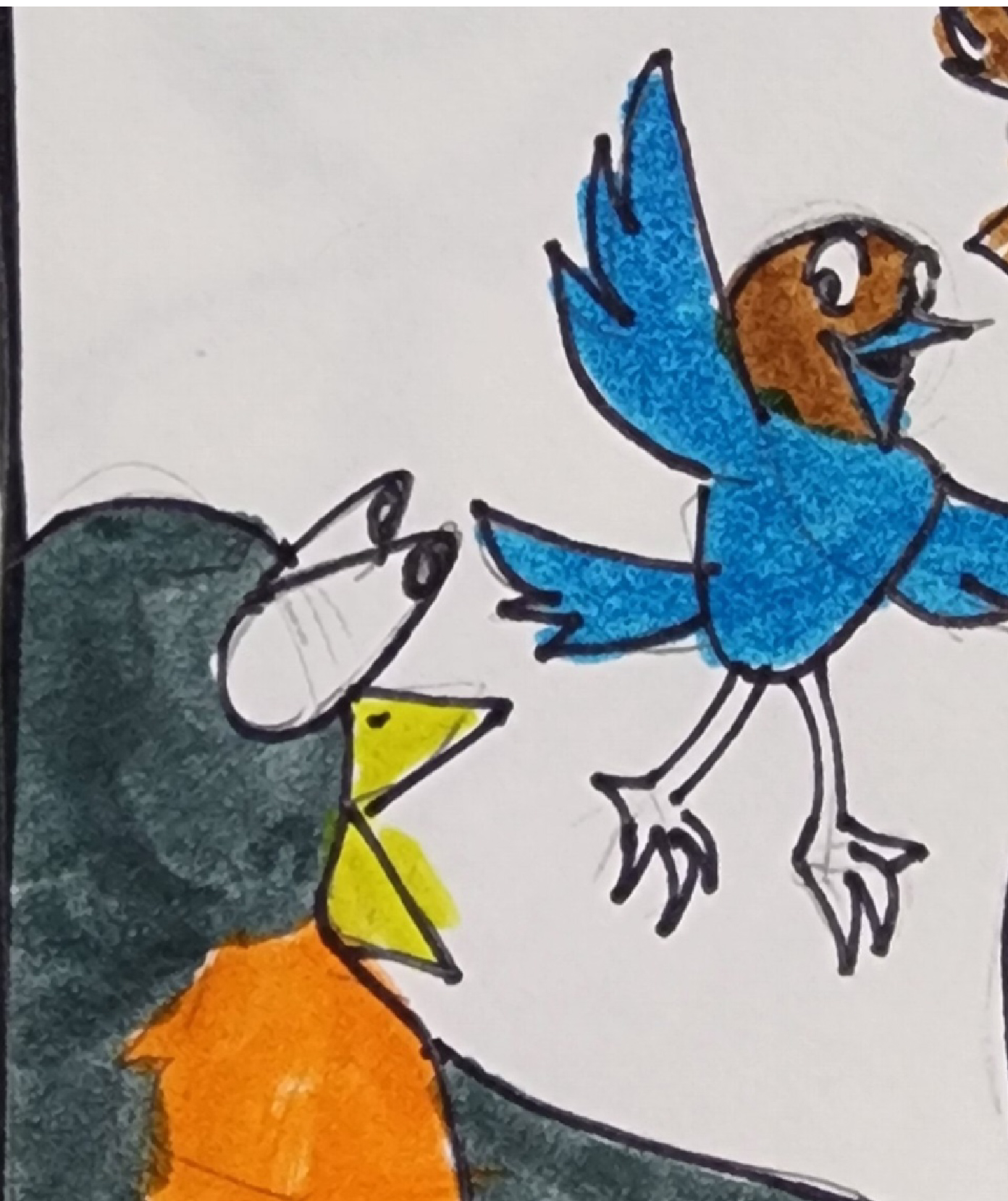
    Did you know that there’s a bird that’s considered to be a parasite? Sounds a little out there right? Well meet the brown-headed cowbird, a brood parasite. In layman’s terms this means that the female cowbird will find other species’ nests and damage one of the eggs to replace it with her own. The other species’ mother will raise the cowbird chick without ever even knowing, and these large cowbird hatchlings will often eat more of the resources even further harming the brood.

    One question you might have then, is if these cowbirds are raised as a different species, how will they ever know what they truly are? It lies in a secret passcode that all cowbirds innately know! An adult cowbird’s “chatter call” will activate the song-learning portion of the baby cowbird’s brain and allow them to identify their own species and remember other important calls and songs. Chicks as young as six days old can recognize the call of an adult cowbird.

    So here’s an ode to the Robin mother unknowingly raising a chick that was never hers only for him to leave once he’s hit with the secret cowbird password.


    SOURCES

  • Anima-Toons: Koala Caper – Breaking Under

    Anima-Toons: Koala Caper – Breaking Under

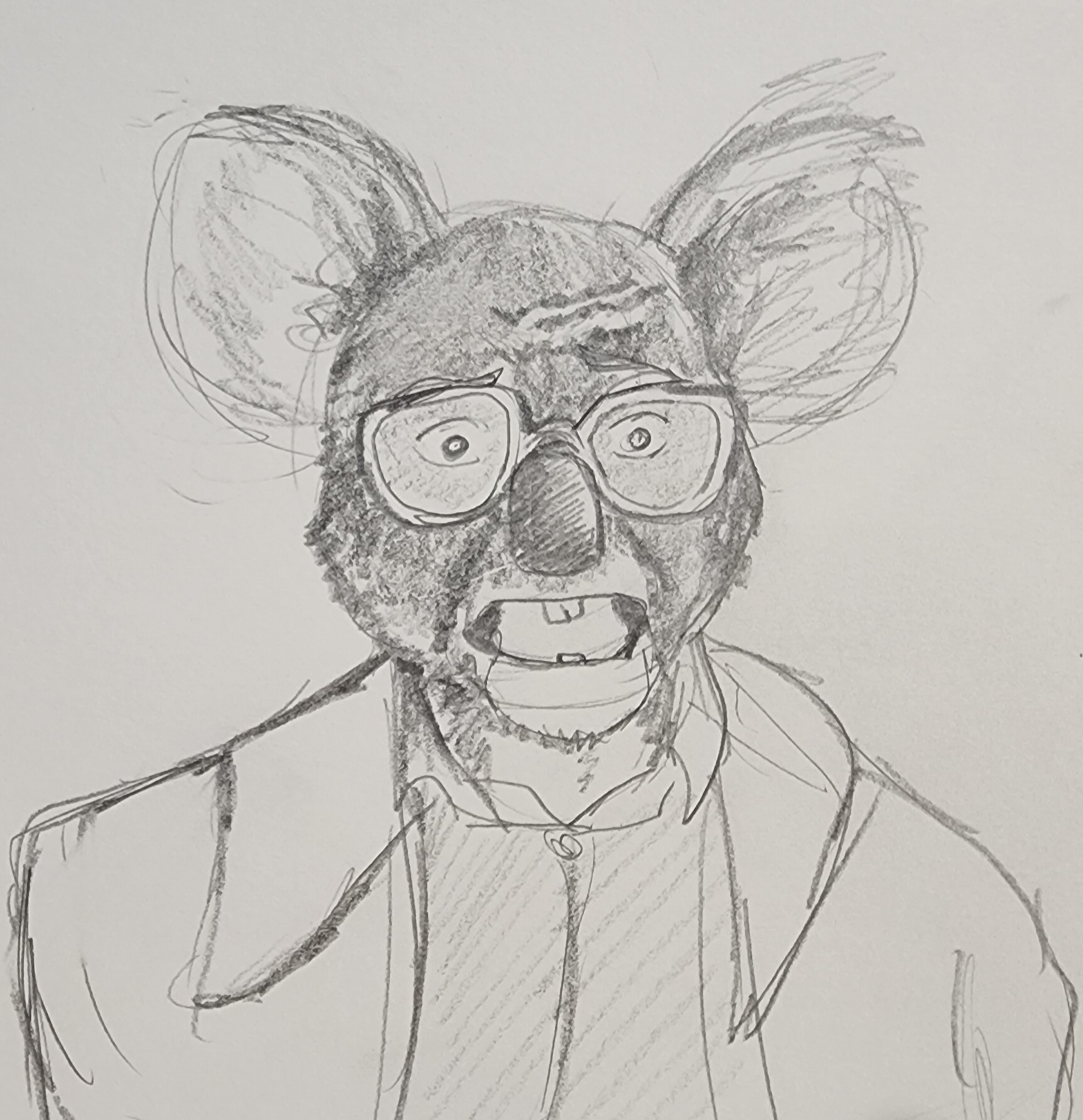
    Could a team of Koalas be masterful drug lord criminals to put Breaking Bad Walter White and Jesse to shame? Well, no, that’s probably not in the cards for these daily 20 hour sleepers, but these animals could tamper with a real-life crime scene as koalas possess fingerprints similar to those of humans!

    Just take a microscopic look at a koalas’ thumbprint and you’ll see similar loops, whorls, and arches to that of a human being’s. Scientists believe this is an example of convergent evolution (where unrelated species evolve similar abilities due to similar ecological pressures) and have used this case to investigate the true meaning behind why some animals might have detailed fingerprints in the first place.  

    It’s believed that rigid fingerprints provide a stronger grip on items by helping direct and control the moisture released by our hands’ sweat glands that provides different amounts of traction based on wet or dry conditions. Scientists also believe intricate fingerprints help increase the sensitivity of our touch by amplifying the vibrations our hands make when moving across different surfaces that are used to understand the texture of what we’re touching. 

    These two abilities give us humans an enhanced sense of touch and grip that few other animals possess, well a few including the koala! Koalas faced some similar ecological pressures of needing a good grip to climb eucalyptus trees and a sensitive touch to match their sensitive stomach that only eats eucalyptus leaves of a specific age. This is the believed reason why both koalas and humans evolved similar fingerprints even though we’re very very distantly related in the evolutionary world.

    So while we sadly may never see the cursed Koala Walter White and Jesse in real life, just know that there’s an off chance that some Australian crime scene might have koala contamination and we’d never know!


    SOURCES