Category: Articles

  • Human Brain Regions Tierlist (NOT CLICKBAIT)

    Human Brain Regions Tierlist (NOT CLICKBAIT)

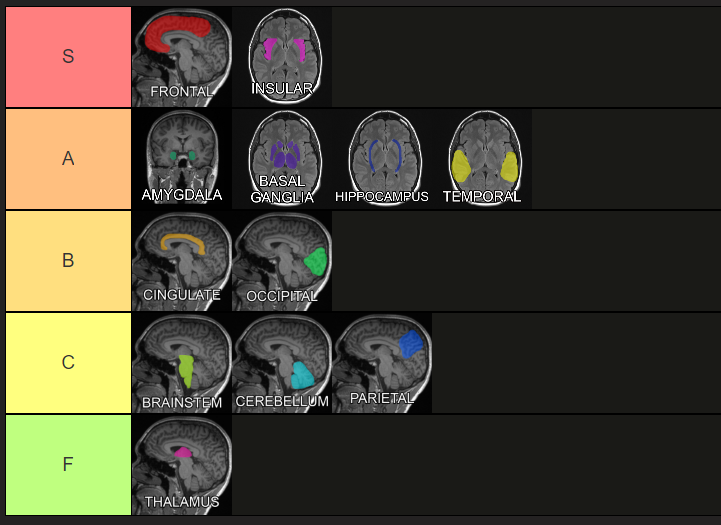
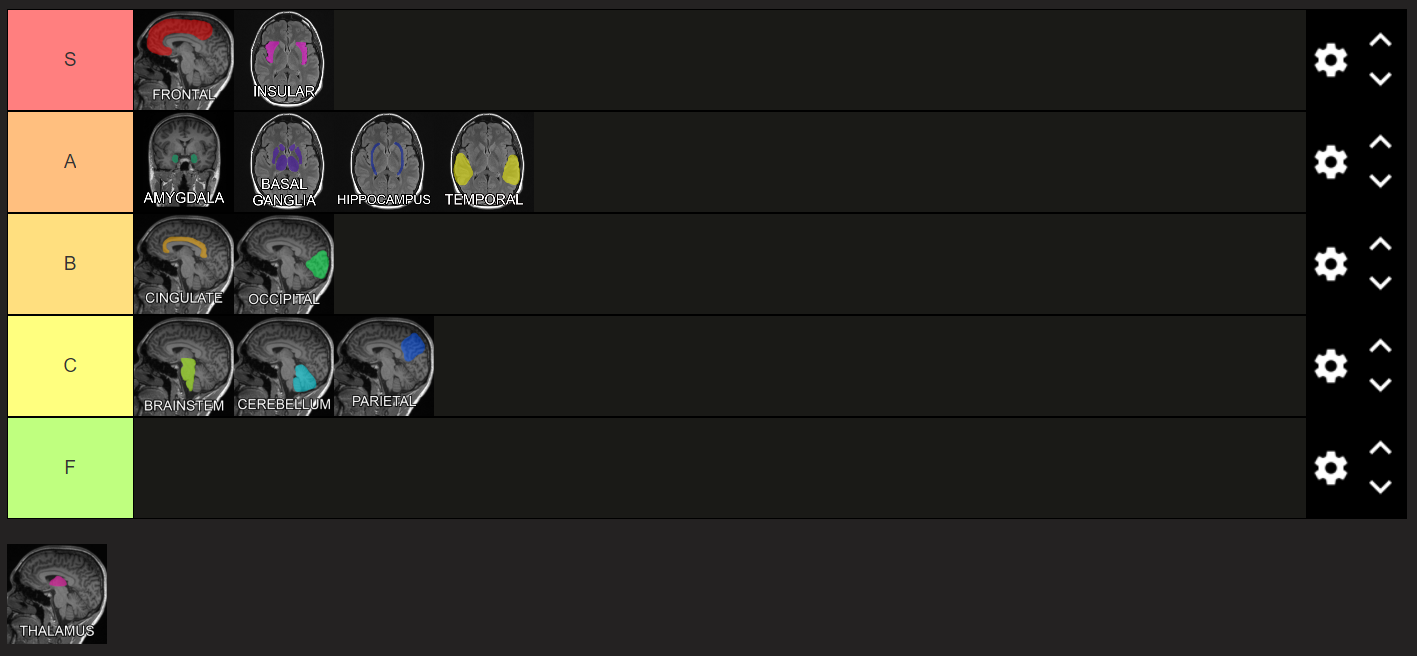
    Okay, guys. It’s the end of the semester and my brain is kind of fried. That being said, it would be fun and informational to rank the human brain regions. I used Tiermaker, and this is how I define the different categories. Feel free to make a tierlist yourself before you read the rest of the article to see how our rankings match up.

    S tier: coolest brain regions. iconic amazing perfect

    A tier: pretty interesting but just missing that star quality, y’know?

    B tier: it’s fine. a little boring maybe

    C tier: boooooooring

    F tier: I have personal beef against this mound of fatty squishy brain tissue

    Let’s go!

    Amygdala
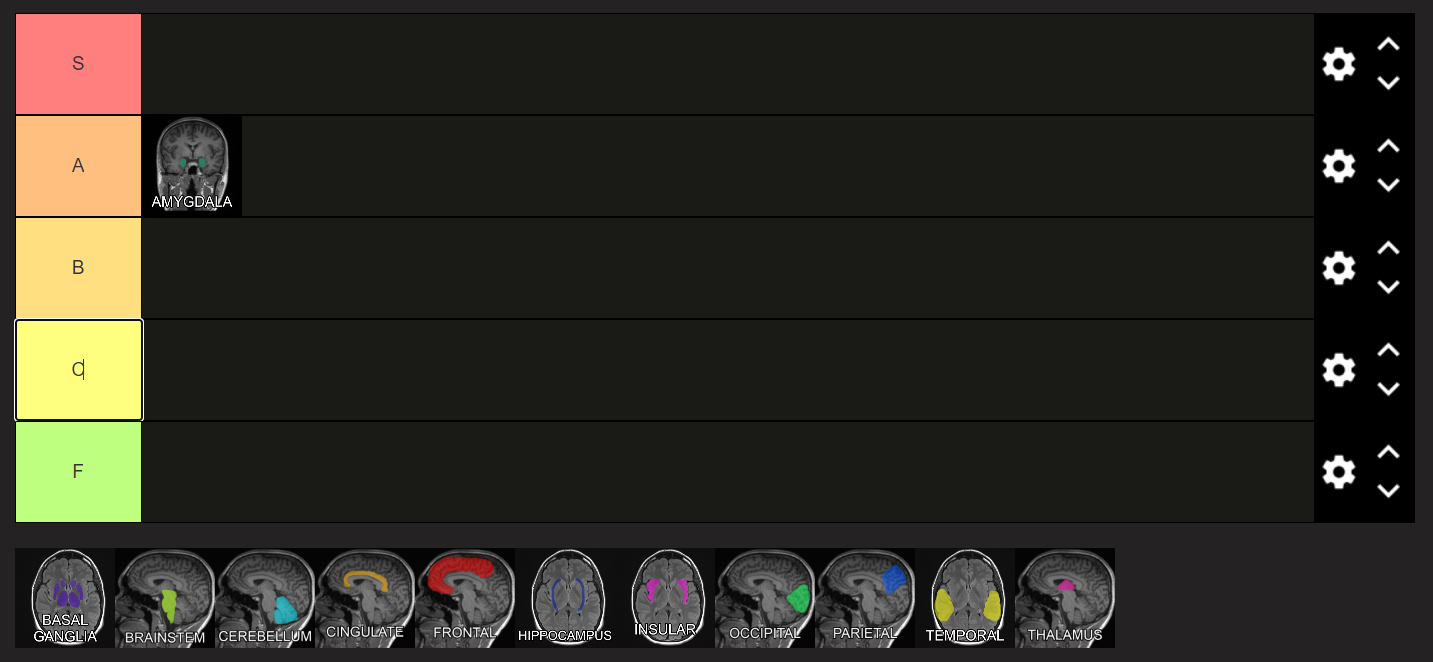
    A tier. Really interesting in that it’s involved in so many circuits (fear, memory, even smell!). If you didn’t have it, you wouldn’t be able to avoid harmful situations–famous patient S.M. had her amygdalae removed and she wasn’t able to get scared at movies or notice when people were robbing her! She’s kinda been pop cultured to death, though…everyone kinda already knows her deal. She needs to bring something new to the table.

    Basal Ganglia
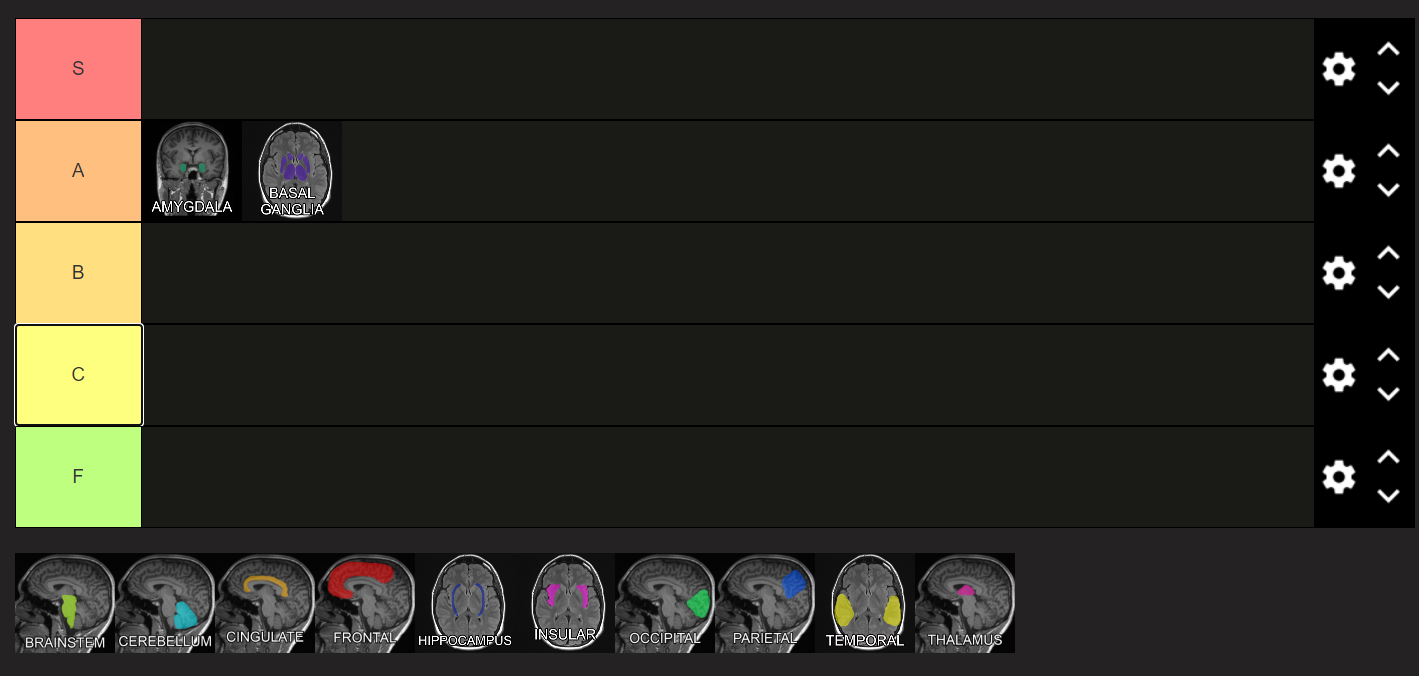
    A tier! Okay, I’m gonna say it, I’m biased! This is the area of the brain I research in lab. The basal ganglia isn’t well known outside of neuro circles, but ganglia just means a collection of nodes. This little string of pearls is near the center of our brain and controls voluntary movements while stopping unwanted movements. When things go awry, you can get tics, difficulty moving, or tremors. Think Parkinson’s disease or Huntington’s disease. The basal ganglia is a beautifully complex brain region, but she’s a little hard for beginners to understand. God knows I’ve had many headaches trying to wrap my head around what goes on in here.

    Brainstem and Cerebellum
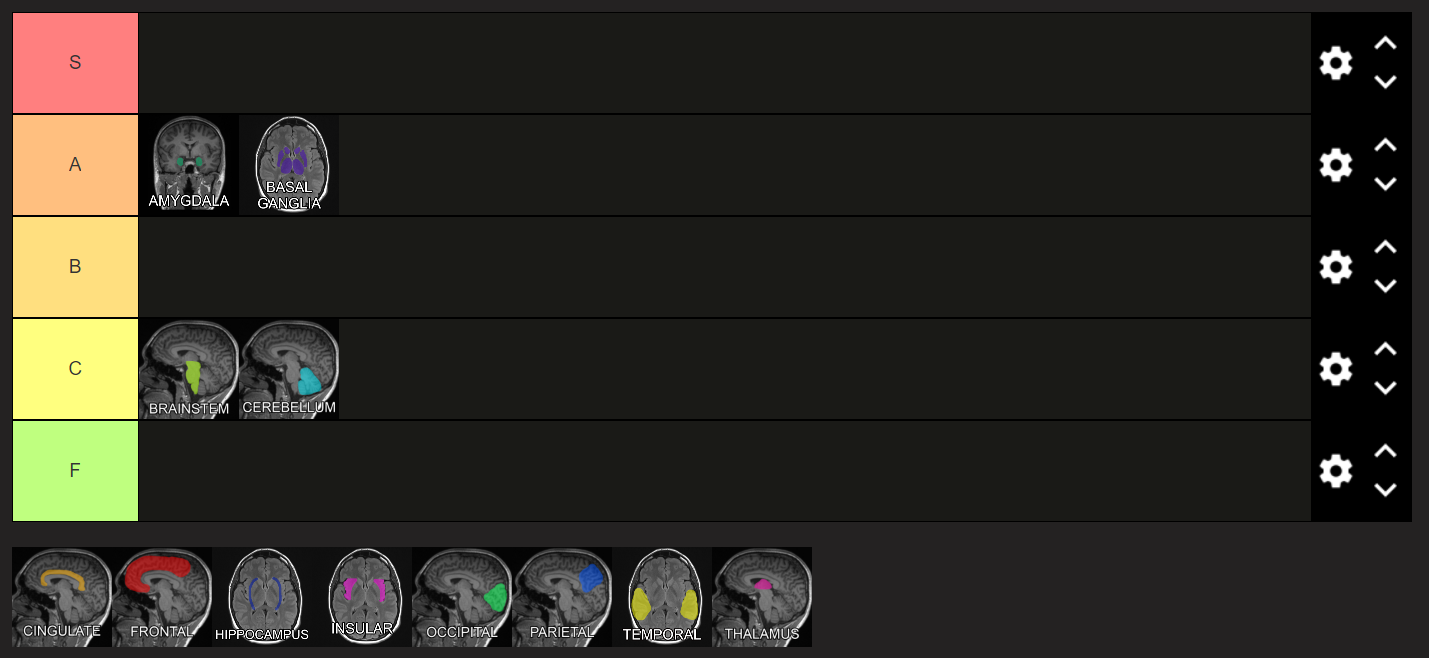
    Grouping these 2 together in C tier feels right. Sure, these two play crucial roles doing (brainstem) and coordinating (cerebellum) movements, but these are pretty basic hardware found in pretty much any animal with a centralized brain. These were the first brain areas of the brain to evolve, after all, and they’re the first parts of the brain to form in a human embryo. I’m just saying that you praise basketball players for dunking, not for knowing how to dribble. Too simple.

    Cingulate (cortex)
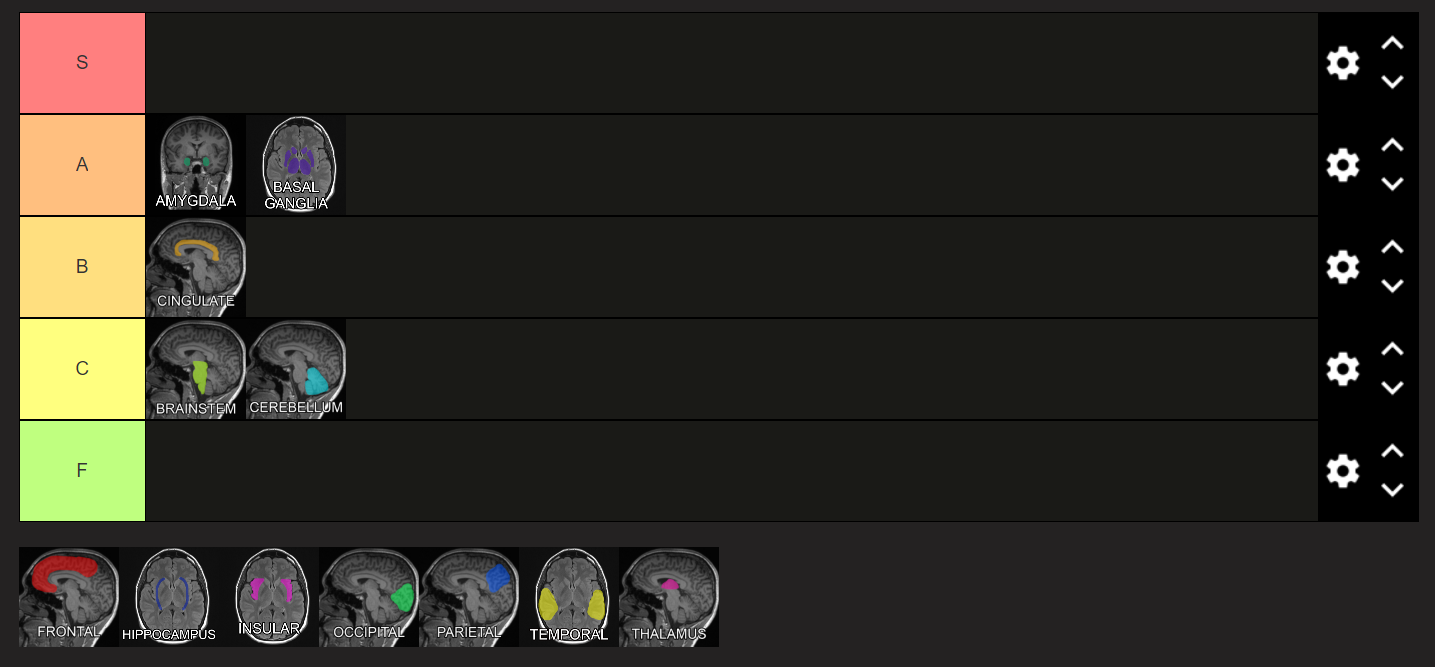
    B tier because while I’m really intrigued by it, I always forget all the bajillion things it’s involved in. This gyrus stretches from where the frontal cortex is to the somatosensory cortex (senses), motor cortex (movements), and corpus callosum (connects the two halves of your rain). So, it’s involved in a ton of circuits relating to the way you behave and feel. It’s a part of this cool club called the limbic system, which makes you feel emotions and effects your motivation, learning, and memory. This system also includes the amygdala and its origins are also pretty far up the evolutionary tree, so it’s got retro vibes. Groovy.

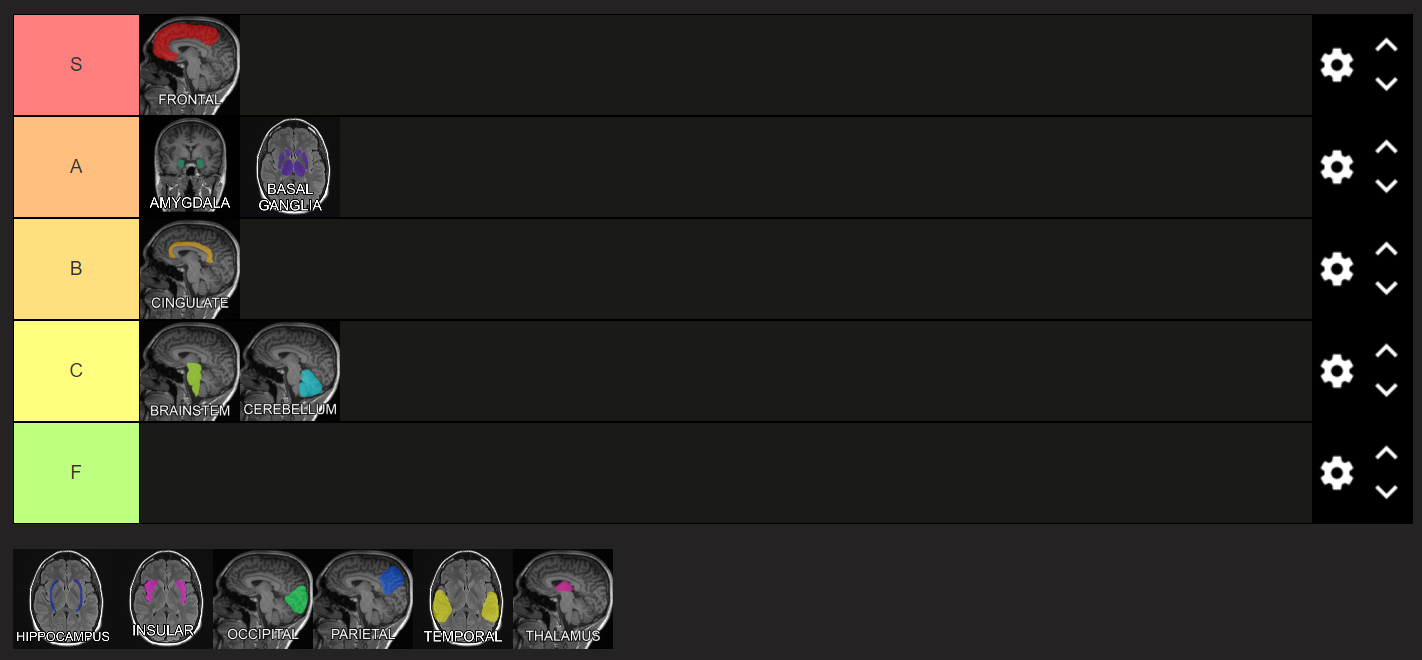
    Frontal Lobe S tier! What is there to say about the frontal lobe? She’s pretty much the it girl in pop psychology at the moment, and it’s hard not to see why. Young Gen Z on the internet love to use the fact that their frontal lobes aren’t mature yet as an excuse for everything–and can you blame them? This area of your brain controls decision-making, goal-setting, and is also involved in self awareness, cognition, and memory too. She can do it all! Your frontal lobe helps determine your personality and controls pretty much any voluntary movements you do (that’s pretty much everything that isn’t hearts beating or intestines squelching). And she is definitely not making me rank her at the top. Absolutely not. I have control. But if my sense of self is determined by my frontal lobe then can I truly be separ–
    Hippocampus
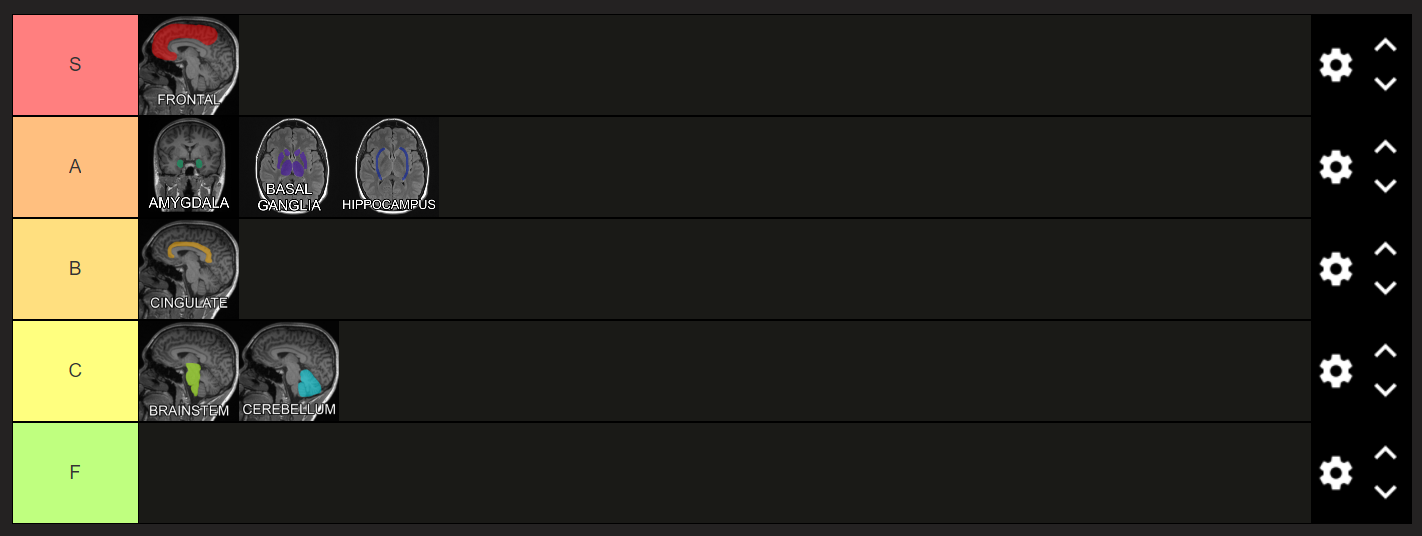
    A classic girlie! One of the first to be really understood, so an A tier feels right. Don’t underestimate the svelte size of this structure in this picture–this area may have been named after the Greek word for “seahorse”, but he has a mighty function. Our memories are formed in the hippocampus, which also acts as a hub for us to remember stuff later. He specialized in one thing, and he does it well! Would be S tier, but I seem to misplace mine around finals.

    Insula
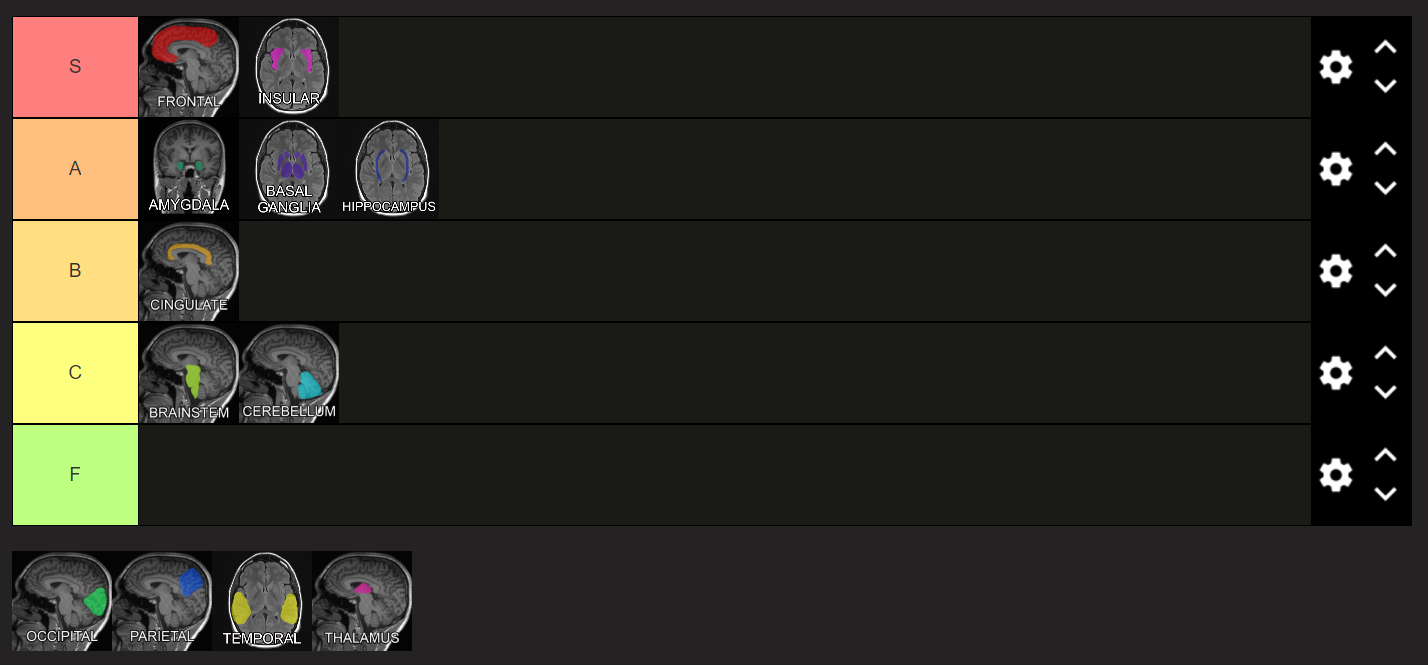
    This one’s an underrated classic! The insula is a region inside the brain under the cortices that’s involved in smell and taste. It is also the area of our brain that helps us feel our organs and know what’s going on under our skin, a “sixth sense” called interoception. This area is still poorly understood, which means it has an air of mystery about it. But what we do know is really cool and spooky. S-tier.

    Occipital Lobe
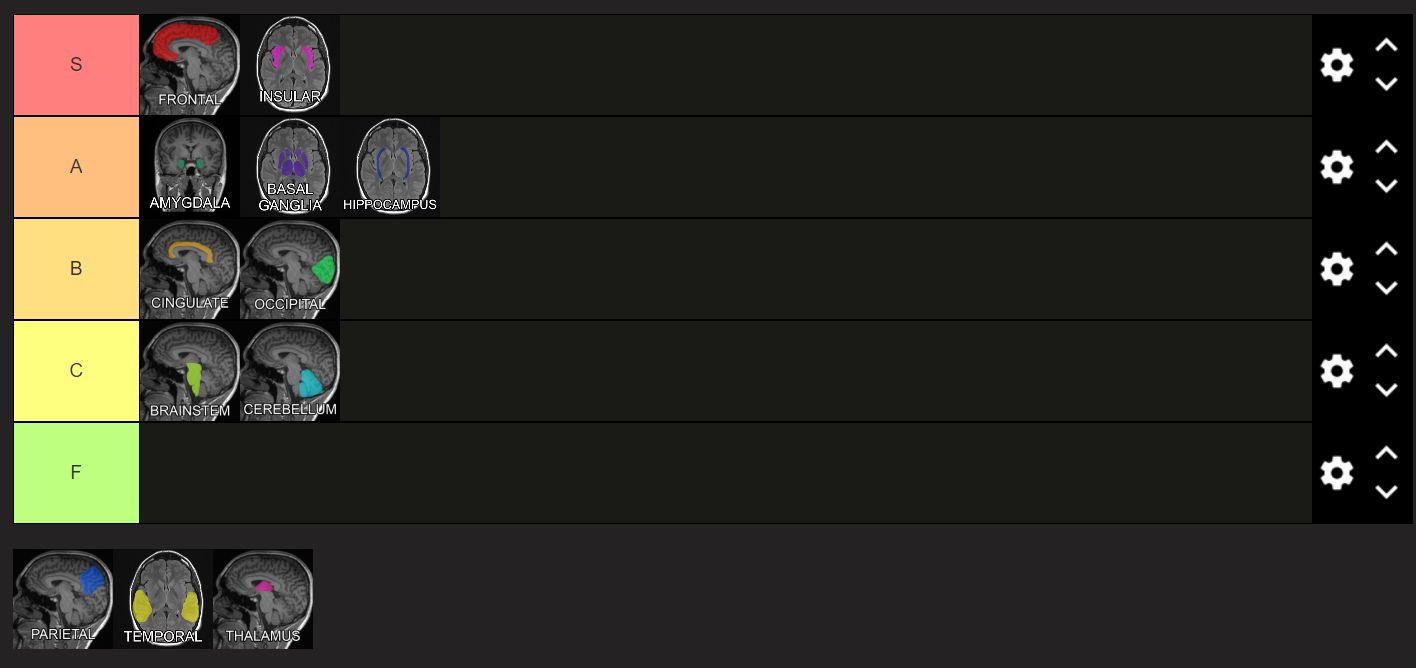
    B tier. Not much to say about this one. It helps you see!

    Parietal Lobe
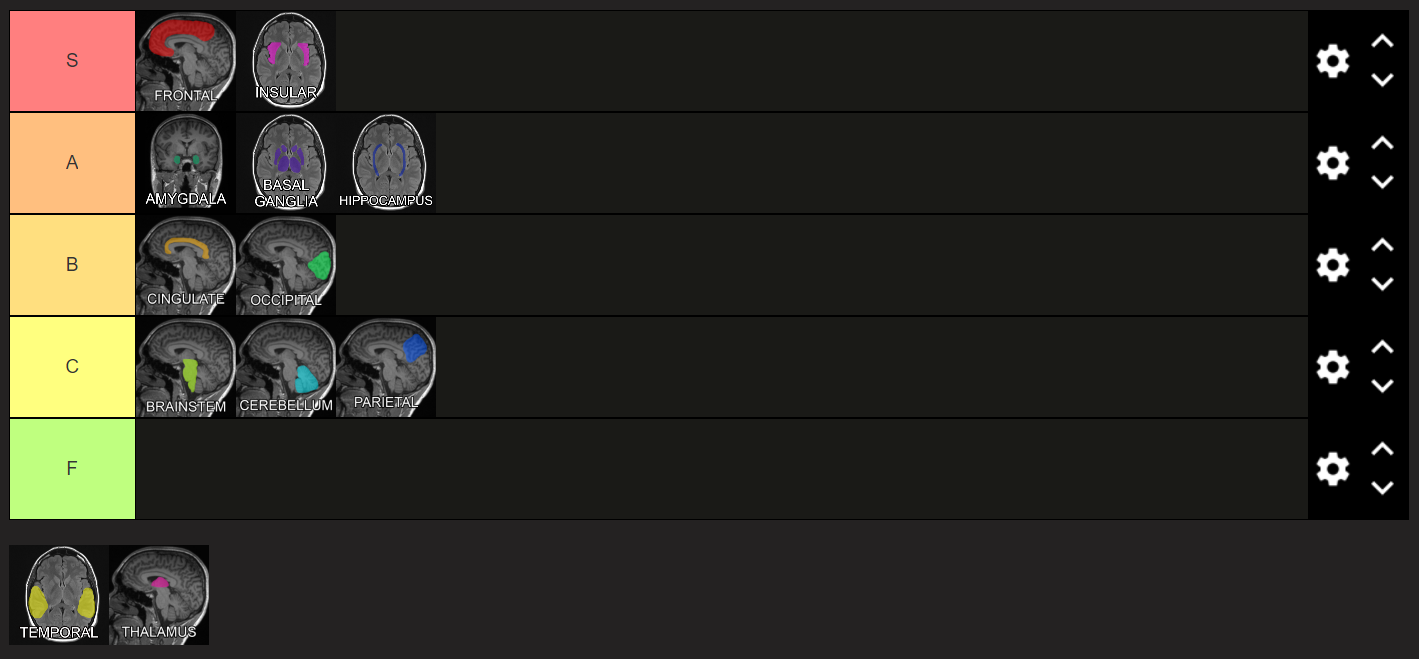
    Out of the “big four” lobes of the brain (frontal, occipital, temporal being the others), the parietal lobe is the most forgotten one. Every time I think of what it does, I think sensory, maybe? And that is what the parietal lobe does. A lot of sensory information is processed here–in particular, touch, temperature, and pain. All three together are called somatosensation. But honestly, “processing” sensory information is not the most interesting to me. C tier.

    Temporal Lobe
    This lobe is best known for housing the language centers of the brain (Broca’s area and Wernicke’s area), but it’s involved in so much more! The amygdala and hippocampus are inside this lobe, so fittingly, this one also goes into A tier. This lobe is not just language, but also memory, social functions, emotions, and even some vision! This is because this lobe is just so large and connects with so many regions. The back end of the temporal lobe is right next to the occipital! If you’ve ever heard of synesthesia, people who have it often have more connections between their temporal and occipital lobes. Accordingly, the most common subtype of synesthesia, where sounds are associated with colors, is colored hearing. This lobe is just really cool–and as much as we know about it, we’re still finding new things out all the time!

    Thalamus
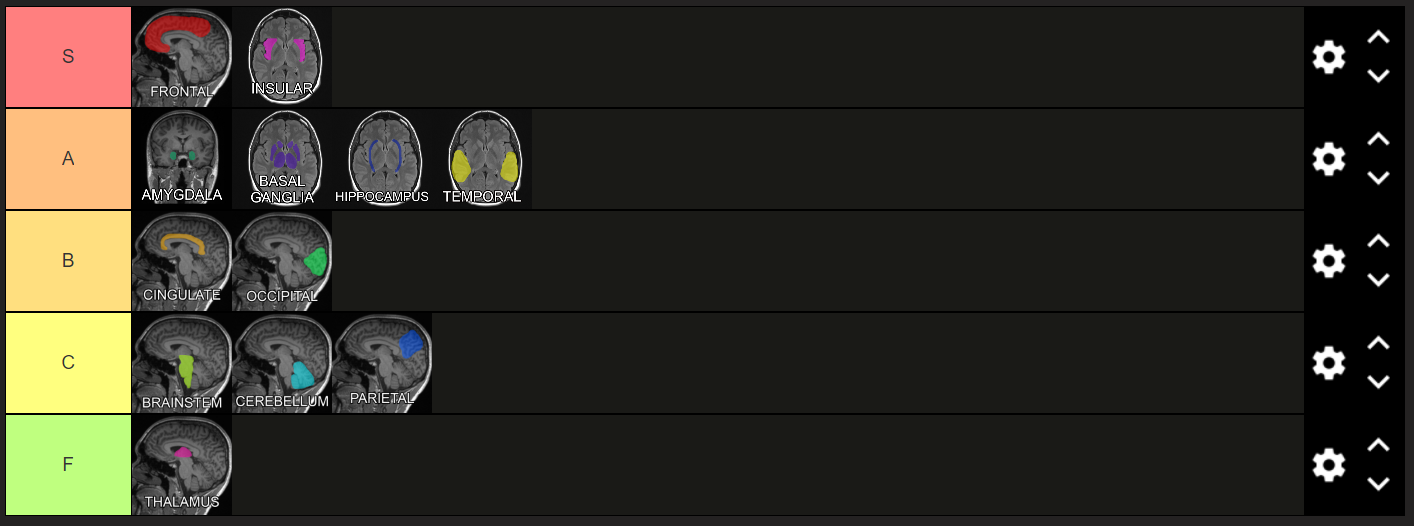
    F-tier. F-tier! Look–I love the brain. That’s why I decided to spend 4 years studying it. That’s why I want to research it when I graduate. But this tiny tiny area is the whole reason I wanted to add an F tier. This area of the brain is like a relay hub where pretty much every area of the brain connects to. That sounds great, until you realize there are hundreds of nuclei (neuron groups) that scientists have identified that do all sorts of different things with about six or seven different separate pathways. There are so many that we’ve had to group them into the anterior nuclear group, the medial nuclear group, midline nuclear group, intralaminar nuclear group, the lateral nuclear group (not to be confused with the ventral lateral group), and so on. Confused yet? This is the most annoying thing about neuroscience to me, and the thing that I feel like puts people off studying the subject. Because who wants to memorize all that? Anyway, if you disagree, you drill all that into your brain for a Neuroanatomy class and get back to me. Take it up with my 97 card “Thalamic Nuclei Groups” Anki set.

    Well, here’s my final ranking! How did it match up to yours? Did you learn something new? At least, I hope it made you think of the jelly stuff in your skull a little differently.

  • Secrets of Animal Immortality

    Secrets of Animal Immortality


    Senescence and Telomeres

    Biological aging, scientifically known as senescence, involves changes in an organism’s biology after maturity. Telomeres, repetitive DNA sequences at chromosome ends, play a crucial role in preventing DNA damage during cell division (Urdaneta, 2023). Imagine them as protective caps at the end of our chromosomes.


    Our cells start with a healthy supply of telomeres, but each year we lose around 31 of them due to cell duplications. This loss limits the number of times cells can divide, impacting tissue repair and contributing to the aging process. Interestingly, animals with longer telomeres tend to enjoy longer lifespans (Urdaneta, 2023).


    Lobsters

    Lobsters, those crustacean wonders of the ocean, possess a remarkable ability to regenerate even in their old age. Lobsters owe their longevity to the presence of telomerase enzymes scattered throughout their organs. Telomerase helps maintain the conditions of youthful cells for an extended period, showcasing nature’s ingenuity in the battle against aging (Joseph, 2013).

    Hydras

    Enter the hydra, a mesmerizing eukaryotic organism that breaks all the rules of biological aging. Hydras continually divide on a cellular level, effectively “editing” flaws in their DNA during the replication process. What sets them apart is their ability to produce and maintain telomeres, rendering them biologically immortal. The hydra challenges our understanding of senescence, offering insights into potential pathways for extending lifespan (Joseph, 2013).

    Hydra (genus) - Wikipedia

    Jellyfish

    The immortal jellyfish, scientifically known as Turritopsis dohrnii, dances through the ocean with a unique strategy for perpetual life. When faced with threats, disease, or aging, this petite creature undergoes transdifferentiation. It transforms into an earlier life stage, the polyp stage, essentially hitting the reset button on its life cycle. This process not only rejuvenates the jellyfish but also allows it to clone itself, perpetuating its genetic code in an awe-inspiring display of biological immortality (Joseph, 2013).

    Telomeres: A Summary

    In the intricate dance of life, telomeres emerge as central players, orchestrating the rhythm of aging and regeneration. From lobsters’ telomerase-powered longevity to hydras’ defiance of senescence and jellyfish’s transdifferentiation ballet, animals present a captivating narrative in the exploration of cellular immortality. These creatures beckon scientists to unravel the mysteries of telomeres, hinting at potential breakthroughs in understanding and potentially manipulating the aging process.


    References

    Joseph, A. (2013). Senescence, cancer, and immortality. Young Scientists Journal, 6(13), 9. https://doi.org/10.4103/0974-6102.107611

    Urdaneta, I. (2023, July 28). The “biological immortality” in certain animal species. Resonance Science Foundation – Explore the Connected Universe. https://www.resonancescience.org/blog/the-biological-immortality-in-certain-species

  • Autonomous Vehicles: The Road Ahead

    Autonomous Vehicles: The Road Ahead

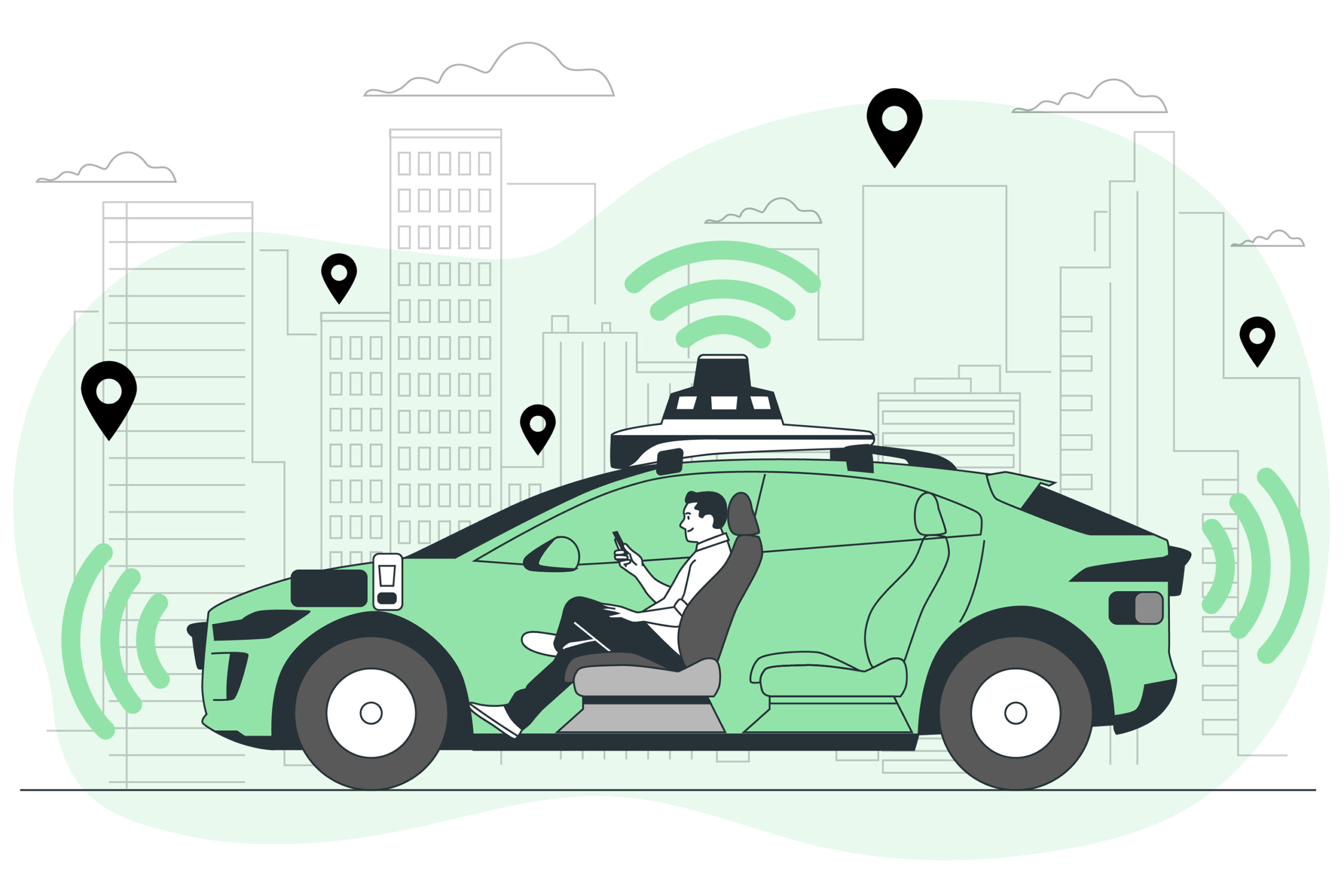
    Autonomous vehicles (or “self-driving cars”) was once a fantasy only seen in sci-fi shows and little kid’s drawings; but today, they are rapidly becoming a reality. There have been major advancements in technology over the last 20 years and the way we think about transportation is about to be revolutionized.

    [1]

    But how do self-driving cars drive themselves?

    Well, self-driving cars utilize a massive amount of sensors, cameras, radar, and artificial intelligence to get a map of the world around them, navigate it, and drive without human intervention. Companies like Waymo, General Motors, and – most famously – Tesla are at the forefront of this technology. They’ve all invested heavily in research and development; in fact, according to a report by McKinsey & Company, self-driving vehicles could, by 2030, account for up to 15% of auto sales worldwide [2].

    Many people – young and old – see the potential benefits of AVs. The most short-term impact is an increase in the safety of driving. The National Highway Traffic Safety Administration’s research found that human error is a factor in 94% of serious crashes [3]. Due to the fact AVs operate without distractions, impairments, or human error, they could drastically reduce accidents, saving lives and improving health outcomes. Moreover, as AVs could communicate with each other, they could significantly improve traffic efficiency by reducing congestion and optimizing driving patterns.

    There’s also, of course, the ecological angle. Self-driving cars are often electronic, presenting an opportunity for substantial reductions in emissions. A study by the International Transport Forum (ITF) at the OECD suggests that if managed properly, AVs could reduce energy consumption in urban transport by up to 50% [4].

    However, the road to widespread adoption of autonomous vehicles is fraught with challenges. A significant hurdle is legislative and regulatory. Governments around the world are grappling with how to regulate this emerging technology. Establishing universal standards for safety and performance, adapting infrastructure, and updating road laws to accommodate Self-driving cars are complex tasks that require coordinated effort and time.

    There’s also the concern about the economic impact, particularly job displacement in driving-related professions. 3.6 million Americans are truck drivers [5] and 5.6 million are Uber or Taxi drivers [6]; that’s 8.9 million workers, or 2.5% of the workforce that would become unemployed. While new jobs will be created in tech and maintenance, these will require a high level of education, proficiency in English, and other barriers that driving does not have. This will lead to a significant shift in the employment landscape that will hurt the most marginalized.

    So while autonomous vehicles have the potential to revolutionize transportation, offering numerous benefits in terms of safety, efficiency, and environmental impact, the path forward requires navigating technical, regulatory, ethical, and societal challenges. We have to steer this innovation towards a future where roads are safer, commutes are smoother, and the environmental footprint of transportation is minimized.

    Sources:

    1. “The Future of Self Driving Cars: Top Companies and Challenges.” TechAhead, 6 Nov. 2023, www.techaheadcorp.com/blog/future-of-self-driving-cars.

    2. Deichmann, Johannes, et al. “Autonomous Driving’s Future: Convenient and Connected.” McKinsey & Company, McKinsey & Company, 6 Jan. 2023, www.mckinsey.com/industries/automotive-and-assembly/our-insights/autonomous-drivings-future-convenient-and-connected.

    3. “NHTSA Estimates Traffic Fatalities Continued to Decline in the First Half of 2023.” NHTSA, 28 Sept. 2023, www.nhtsa.gov/press-releases/2023-Q2-traffic-fatality-estimates#:~:text=An%20estimated%2019%2C515%20people%20died,and%20second%20quarters%20of%202023.

    4. Cazzola, Pierpaolo, and Philippe Crist. “Assessing the Environmental Performance of New Mobility.” Itf Oecd.org, 2020, www.itf-oecd.org/sites/default/files/docs/environmental-performance-new-mobility.pdf.

    5. “Number of Truckers at All-Time High.” Census.gov, 27 July 2022, www.census.gov/library/stories/2019/06/america-keeps-on-trucking.html.

    6. Campbell, Harry. “How Many Uber Drivers Are There?” The Rideshare Guy, 17 Mar. 2023, therideshareguy.com/how-many-uber-drivers-are-there.

  • Demystifying Transgender Healthcare

    Fueled by misinformation, transgender healthcare has become a flashpoint of political controversy in recent years. Here at Charged, we’re going to debunk the myths and get down to the science to understand how transgender healthcare works, why it’s important, and what political messages are scientifically supported.


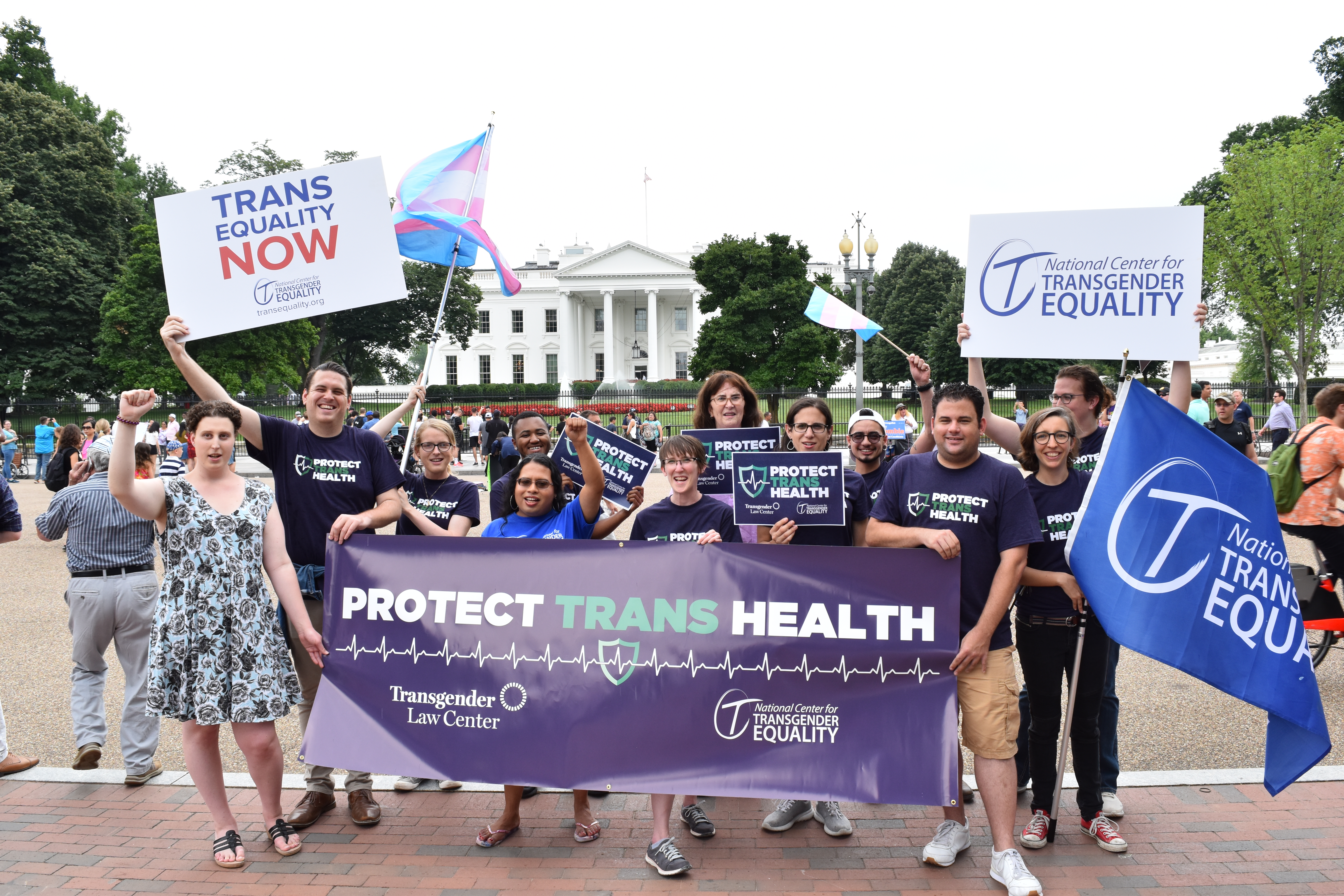
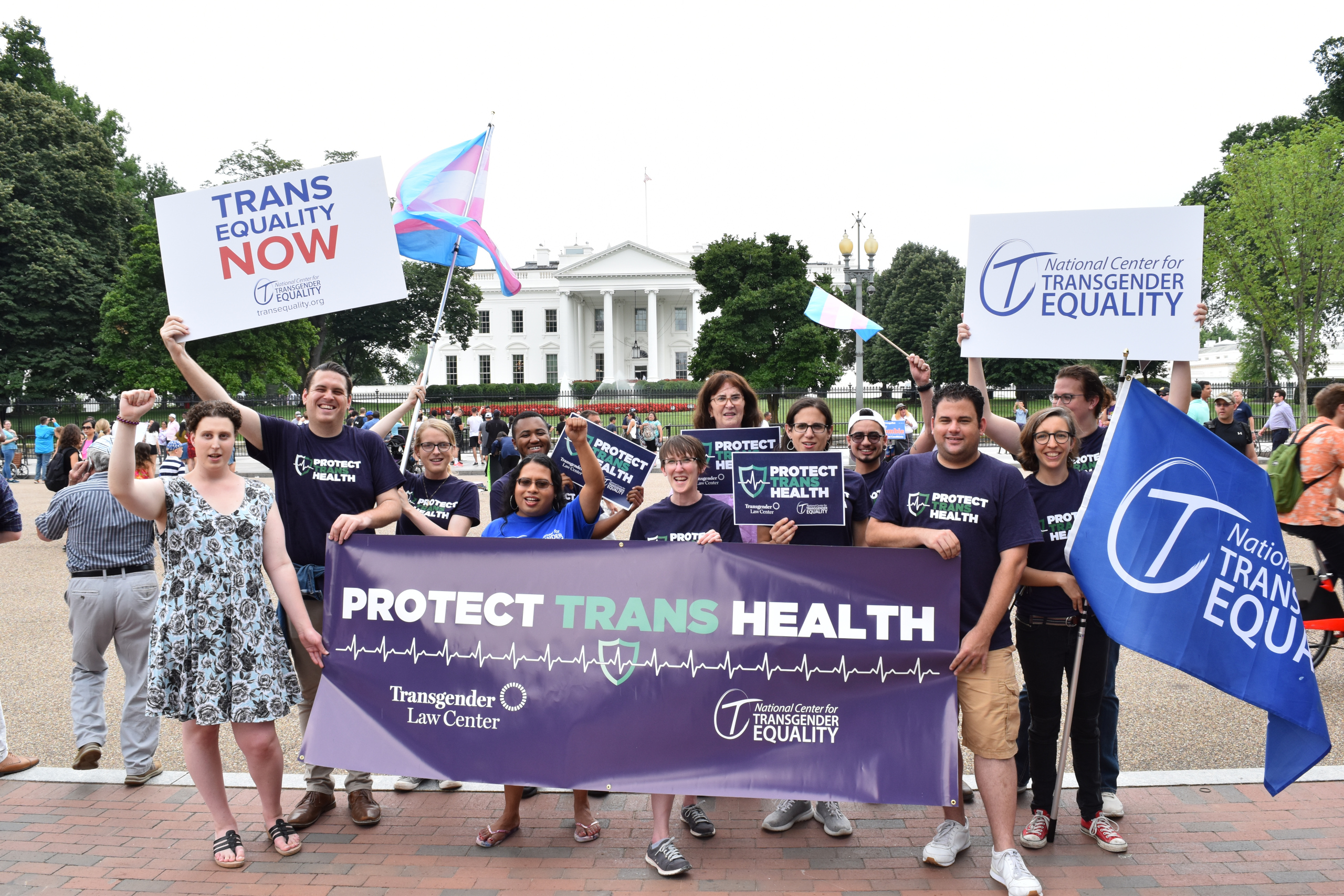
    Activists from the National Center for Transgender EqualityActivists from the National Center for Transgender Equity

    Activists from the National Center for Transgender Equality (Health Coverage Guide)


    Terminology

    Cisgender: “People whose gender identity is congruent with what is traditionally expected based on their sex assigned at birth” (Streed et al., 2021).

    Transgender: People “whose gender identity, gender expression, or behavior does not conform to that typically associated with the sex to which they were assigned at birth” (American Psychological Association, 2023).

    Gender Dysphoria: “Intense, persistent gender incongruence” (American Psychological Association, 2023).

    Gender Affirming Care (GAC): “Psychosocial and medical support” that allows people to live in alignment with their gender identity (Lepore, Alstott, McNamara, 2022).


    How Does Transgender Healthcare Work?

    Transgender healthcare involves many steps and processes, not all of which are pursued by all transgender patients. The most common form of GAC for transgender patients is exogenous hormone therapy.

    During hormone therapy, transgender men use testosterone to suppress feminizing characteristics and develop masculinizing characteristics (Unger, 2016). Transgender women use anti-androgens to suppress masculinizing characteristics and use estrogen to develop feminizing characteristics (Unger, 2016).

    Hormone therapy is a strongly positive force in many transgender patients’ lives. Patients that have undergone hormone therapy have shown positive physical and psychological changes, including improvements in sexual function and mood, and a reduction in stress and cortisol levels (Unger, 2016). For these reasons, hormone therapy is considered a core element of GAC.


    Myth 1: Only Transgender People Seek GAC

    Many arguments against the availability of GAC base themselves on the myth that only transgender people seek GAC. This is false. In fact, both cisgender and transgender individuals seek GAC, including such instances as “estrogen for menopause, breast surgery, genital surgery for sexual development disorders, etc.” (Lepore, Alstott, McNamara, 2022). Gender affirming care is not limited to transgender patients, and should be viewed as a general standard of care for patients, rather than a requirement specific to transgender people.


    Myth 2: GAC is Experimental

    Arguments in favor of legal bans against GAC for transgender patients state that GAC is experimental and unsafe, and thus not yet ready for use. This is another myth. GAC is used by cisgender people without legal complaints, involving the “same medications as used in [transgender] hormone therapy, like estrogen, testosterone, and spirolactone” (Lepore, Alstott, McNamara, 2022). Furthermore, puberty and androgen blockers, used by transgender patients to lower the effects of other types of hormones, are also used by cisgender people for “developmental disorders and general medical procedures” (Lepore, Alstott, McNamara, 2022). Evidently, both transgender and cisgender patients take GAC, and cisgender patients have been taking GAC without complaint. Thus, GAC cannot be experimental, and even if it was, it should not be blocked from transgender patients specifically, but from both transgender and cisgender patients, as they both benefit from GAC.


    Myth 3: GAC is Entirely Irreversible

    Another argument against the use of GAC for transgender patients, especially in the case of hormone replacement therapy (HRT) is the myth that GAC is entirely irreversible. While the effects of HRT are irreversible in the long term, patients are “only offered reversible treatments first,” and only take further hormonal treatments for long term symptoms of gender dysphoria (Lepore, Alstott, McNamara, 2022). Beyond treatment, transgender individuals are still able to conceive, and all individuals considering hormone therapy are recommended fertility preservation methods (Lepore, Alstott, McNamara, 2022). Furthermore, irreversible genital surgeries are only reserved for adults who have “adhered to their new identities for at least a year” (Lepore, Alstott, McNamara, 2022). Thus, it can be observed that GAC is not entirely irreversible, and all irreversible decisions are made after long-term, reversible treatment has already begun. To assuage the fears of youth taking irreversible, rash decisions, let it be known that young people seeking GAC are not capable of making irreversible medical decisions within the current guidelines.


    Myth 4: GAC is Unsafe

    Many argue that GAC for transgender patients is unsafe and too dangerous to be medically prescribed. However, dangerous chemicals have been removed from GAC prescriptions for many years, and the risks of cardiovascular disease, which is more prevalent among transgender people, are reviewed before any medication is prescribed (Lepore, Alstott, McNamara, 2022).

    In particular, transgender patients face an excess risk to cardiovascular disease, which can be attributed to “psychological stressors” such as discrimination and structural violence, rather than lower standards of care (Streed et al., 2021). Rates of cardiovascular disease are heightened for people suffering from HIV and AIDS, which are conditions more prevalent among transgender populations for reasons outside of medically prescribed GAC (Streed et al., 2021). While GAC has been shown to increase risks of cardiovascular disease, it is by no means the sole cause of transgender patients’ increased risk, nor is it likely the major cause of it (Streed et al., 2021).

    While GAC is a risk, it is by no means a risk too dangerous to be medically prescribed, and is not a prescription that distorts standards of care.


    Conclusion

    As transgender healthcare remains a sensitive political topic, it’s important to keep the science in mind. Gender affirming care does come with risk, but is not too dangerous to be prescribed, and is shown to be psychologically helpful and at times medically necessary for transgender patients (Unger, 2016).


    Sources

    Lepore C, Alstott A, McNamara M. Scientific Misinformation Is Criminalizing the Standard of Care for Transgender Youth. JAMA Pediatr. 2022;176(10):965–966. doi:10.1001/jamapediatrics.2022.2959

    Streed, C. G., Beach, L. B., Caceres, B. A., Dowshen, N. L., Moreau, K. L., Mukherjee, M., Poteat, T., Radix, A., Reisner, S. L., & Singh, V. (2021). Assessing and addressing cardiovascular health in people who are transgender and gender diverse: A scientific statement from the American Heart Association. Circulation, 144(6). https://doi.org/10.1161/cir.0000000000001003

    American Psychological Association. (2023, March 9). Answers to your questions about transgender people, gender identity, and gender expression. Understanding transgender people, gender identity and gender expression. https://www.apa.org/topics/lgbtq/transgender-people-gender-identity-gender-expression

    Unger CA. Hormone therapy for transgender patients. Transl Androl Urol. 2016 Dec;5(6):877-884. doi: 10.21037/tau.2016.09.04. PMID: 28078219; PMCID: PMC5182227.

    Health Coverage Guide, National Center for Transgender Equality, transequality.org/health-coverage-guide. Accessed 4 Dec. 2023.

  • Possible New Therapies for Deadly Neural Tube Defects!

    Possible New Therapies for Deadly Neural Tube Defects!

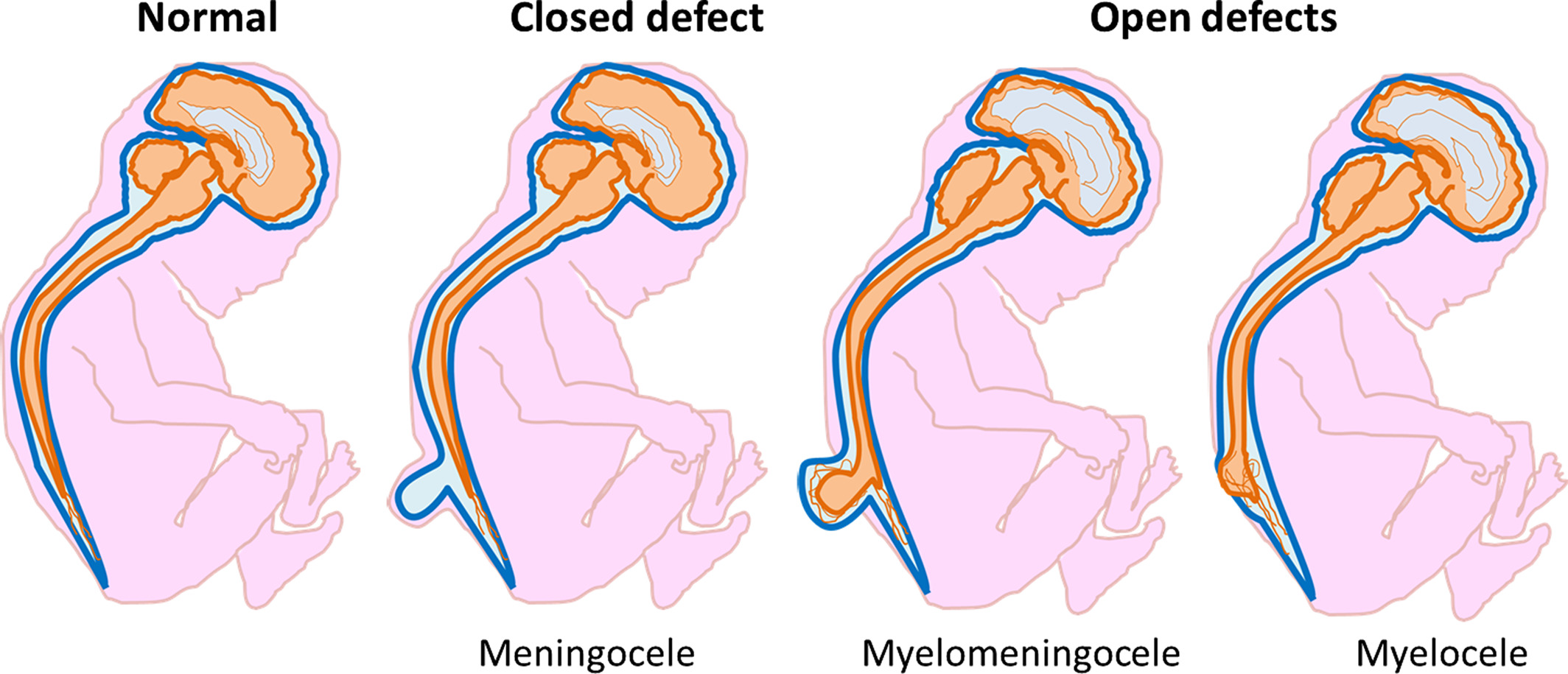
    Neural Tube Defects (NTDs) are a type of birth defect that can impact the brain, spine, or spinal cord during the early stages of fetal development (1). Common NTDs that fetuses develop include Spina Bifida, Anencephaly, Encephalocele, and Iniencephaly (5,6). NTDs have a strong global prevalence, impacting approximately 322,000 pregnancies worldwide annually (2). In the United States alone, NTDs occur in approximately 3,000 babies annually, with 1,000 of those affected experiencing Anencephaly (1,3,4). NTDs are particularly challenging to treat early, with no effective treatments, as the defects typically begin developing during the first month of pregnancy, which is when some women may not even know they are pregnant (1). Unfortunately, by the time Neural Tube Defects are correctly and definitively diagnosed, it becomes extremely difficult to effectively treat it. Prior to researching more, I had never heard of Neural Tube Defects! However, being a Biomedical Engineer, I only felt that it was my role and responsibility to contribute at least a little bit of the principles that I have learned to come up with new therapies! Who knows? Maybe, it can help someone one day. So, in this article, I decided to highlight what genes I thought of targeting so far. While this may turn out to be a nothing burger, hopefully it’s at least an interesting read for you all!

    Previous literature that I read through established the FOX1, ANKDR6, and WDR4 genes as significant contributors to the development of neural tube defects. Based on this, I came up with two methods by which normal functioning of these genes can be restored, and NTD development can be prevented, both carried out before the 6th week of the first trimester of pregnancy, since that is when the neural tube closes. Each of the genes being targeted plays a significant role in normal transcription regulation/signaling mechanisms that, when disrupted, lead to NTD’s. ANKDR6 mutations affect normal reciprocal mechanisms, causing motor neuron pools to be deactivated, hindering muscle innervation (7). WDR34 mutations affect the PCP signaling pathway, impacting muscle regeneration and neuron orientation (9,10,11); 3). FOX1 gene mutations lead to the formation of abnormal FOX1 proteins, which affects downstream transcriptional regulation of NTF mechanisms (8,12). The rationale for having two methods is that a comparison of both the methods will provide insight into which one is more effective in preventing NTDs over the long-term, especially given the known limitations of synthetic oligonucleotides for gene editing and removal. These aims will be tested on pregnant mice, whose fetuses have mutations in these three genes. 

    As you can see below, based on the research that I did, I compiled a few more details for each of my aims. These are works in progress, but using my creative mind, this is what I was able to think of!

    Aim 1: Utilize synthetic oligonucleotides with Homology Directed Repair to edit genetic mutations in the FOX1, ANKDR6, and WDR4 genes to prevent the formation of Neural Tube Defects.

    1. Mice will be randomly assigned to treatment, placebo, and control groups. 
    2. For the treatment group, complementary DNA Oligonucleotides to the genes will be created, while those unrelated to the three genes will be created for the control group and none will be created for the placebo group (13).
    3. Synthesize Repair DNA template strands, with Fluorescent Reporter Genes (GFP, BFP, MCherry), using promoters. They will then be ligated/joined with the oligonucleotides (14,20,21).
    4. The oligonucleotides with the fluorescent reporter genes will be successfully delivered to the somatic cells of the fetuses, through lipid nanoparticles (18,19). This will facilitate a double strand break at the ends of each of the three genes, which will promote their deletion, due to the HDR Mechanisms present in the cell (15,16,17).
    5. After enough time has passed, these cells will be harvested, and inserted through a flow cytometer. MFI will be measured, with a higher MFI, correlating to a higher success of gene removal (23).

    Aim 2: Utilize Crispr-Cas9, with HDR via a Lipid Nanoparticle delivery system to edit genetic mutations in the FOX1, ANKDR6, and WDR4 genes to prevent the formation of Neural Tube Defects.

    1. Mice will be randomly assigned to treatment and control groups.
    2. For the treatment group, guide RNA strands that correspond to the three genes will be created, while nonspecific guide RNA strands will be created for the control group (16).
    3. Synthesize Repair DNA template strands, with GFP, BFP, MCherry, using promoters (14). The Cas9 proteins, the gRNA and the repair template DNA will be delivered, through lipid nanoparticles (18), to the somatic cells of the fetuses. This will facilitate the breakage of the strands containing these genes, and their substitution with strands that lack these genes and express proteins that induce fluorescence (15,16,17). 
    4. After enough time has passed, these cells will be harvested, and inserted through a flow cytometer. Mean fluorescence intensity will be measured, with a higher MFI, correlating to a higher success of gene removal.

    My hope is that my approach of editing mutated versions of these genes in fetus somatic cells and replacing them, can inspire some scientists to pursue this further, and help to prevent NTD development and save lives. The problem is that, right now at least, if the genes were not edited or replaced, children would inevitably not survive the pregnancy, due to the lack of any effective treatments. These types of diseases simply do not have effective cures, and they require out of the box thinking to make any progress. Conventional wisdom does not always work in science! There are limitations, and challenges down the road, however. Edits will not automatically be passed on to future generations, since they do not affect the germline cells, which means that the offspring of someone who has this gene in their genome will unfortunately still suffer the consequences (19). This is a problem that I unfortunately could not find a way to get around in my methods, but hopefully I have provided a good starting point for other researchers to look into! If you made it this far, kudos to you and hopefully this inspires you to look into these horrible diseases as well!

    Sources:

    1. Cleveland Clinic Medical Professional. Neural tube defects (NTDs): What They Are, Causes & Prevention. Cleveland Clinic. March 30, 2022. Accessed October 28, 2023. https://my.clevelandclinic.org/health/diseases/22656-neural-tube-defects-ntd. 
    2. Kancherla V. Neural tube defects: a review of global prevalence, causes, and primary prevention. Child’s Nervous System. 2023/07/01 2023;39(7):1703-1710. doi:10.1007/s00381-023-05910-7
    3. Neural Tube Defects. March of Dimes. February 2022. Accessed October 28, 2023. https://www.marchofdimes.org/find-support/topics/planning-baby/neural-tube-defects#:~:text=Screening%20tests%20for%20NTDs%20include,to%2022%20weeks%20of%20pregnancy. 
    4. MedlinePlus [Internet]. Bethesda (MD): National Library of Medicine (US); [updated 2020 Jun 24]. Anencephaly; [updated 2019 Oct 01; reviewed 2018 Jun 01; cited 2023 Oct 29]; [about 5 p.]. Available from: https://medlineplus.gov/genetics/condition/anencephaly/. 
    5. King, Jesse, “Anencephaly”. Embryo Project Encyclopedia ( 2013-02-13 ). ISSN: 1940-5030 https://hdl.handle.net/10776/4215
    6. Amorosi S, D’Armiento M, Calcagno G, et al. FOXN1 homozygous mutation associated with anencephaly and severe neural tube defect in human athymic Nude/SCID fetus. Clinical Genetics. 2008;73(4):380-384. doi:https://doi.org/10.1111/j.1399-0004.2008.00977.x
    7. Rai S, Leydier L, Sharma S, Katwala J, Sahu A. A quest for genetic causes underlying signaling pathways associated with neural tube defects. Review. Frontiers in Pediatrics. 2023-May-22 2023;11 doi:10.3389/fped.2023.1126209 
    8. Greene NDE, Stanier P, Copp AJ. Genetics of human neural tube defects. Human Molecular Genetics. 2009;18(R2). doi:10.1093/hmg/ddp347 
    9. Wu G, Huang X, Hua Y, Mu D. Roles of planar cell polarity pathways in the development of neutral tube defects. Journal of Biomedical Science. 2011;18(1). doi:10.1186/1423-0127-18-66 
    10. Butler MT, Wallingford JB. Planar cell polarity in development and disease. Nature Reviews Molecular Cell Biology. 2017;18(6):375-388. doi:10.1038/nrm.2017.11 
    11. Hou P-S, hAilín D, Vogel T, Hanashima C. Transcription and beyond: Delineating Foxg1 function in cortical development and disorders. Frontiers in Cellular Neuroscience. 2020;14. doi:10.3389/fncel.2020.00035 
    12. Wong L-C, Singh S, Wang H-P, Hsu C-J, Hu S-C, Lee W-T. Foxg1-related syndrome: From clinical to molecular genetics and pathogenic mechanisms. International Journal of Molecular Sciences. 2019;20(17):4176. doi:10.3390/ijms20174176 
    13. Sauer NJ, Mozoruk J, Miller RB, et al. Oligonucleotide‐directed mutagenesis for precision gene editing. Plant Biotechnology Journal. 2015;14(2):496-502. doi:10.1111/pbi.12496 
    14. Li S, Chen L, Peng X, et al. Overview of the reporter genes and reporter Mouse Models. Animal Models and Experimental Medicine. 2018;1(1):29-35. doi:10.1002/ame2.12008 
    15. Smirnikhina SA, Zaynitdinova MI, Sergeeva VA, Lavrov AV. Improving homology-directed repair in genome editing experiments by influencing the cell cycle. International Journal of Molecular Sciences. 2022;23(11):5992. doi:10.3390/ijms23115992 
    16. Nambiar TS, Billon P, Diedenhofen G, et al. Stimulation of CRISPR-mediated homology-directed repair by an engineered rad18 variant. Nature Communications. 2019;10(1). doi:10.1038/s41467-019-11105-z 
    17. Chen J, Li S, He Y, Li J, Xia L. An update on precision genome editing by homology-directed repair in plants. Plant Physiology. 2022;188(4):1780-1794. doi:10.1093/plphys/kiac037 
    18. Givens BE, Naguib YW, Geary SM, Devor EJ, Salem AK. Nanoparticle-based delivery of CRISPR/Cas9 genome-editing therapeutics. The AAPS Journal. 2018;20(6). doi:10.1208/s12248-018-0267-9 
    19. Han JP, Kim M, Choi BS, et al. In vivo delivery of CRISPR-Cas9 using lipid nanoparticles enables antithrombin gene editing for sustainable hemophilia A and B therapy. Science Advances. 2022;8(3). doi:10.1126/sciadv.abj6901 
    20. Falzarano MS, Passarelli C, Ferlini A. Nanoparticle delivery of antisense oligonucleotides and their application in the exon skipping strategy for Duchenne muscular dystrophy. Nucleic Acid Therapeutics. 2014;24(1):87-100. doi:10.1089/nat.2013.0450 
    21. Moss KH, Popova P, Hadrup SR, Astakhova K, Taskova M. Lipid nanoparticles for delivery of therapeutic RNA oligonucleotides. Molecular Pharmaceutics. 2019;16(6):2265-2277. doi:10.1021/acs.molpharmaceut.8b01290 
    22. Blackburn L, Brigden T, Hall A, Johnson E. Somatic genome editing: An overview. PHG Foundation. 2019. Accessed November 18, 2023. https://www.phgfoundation.org/briefing/somatic-genome-editing-overview.
    23. Bahreyni-Toossi MT, Dayyani M, Mahmoudi M, Azimian H. Flow cytometric assessment of DNA double-strand break and repair kinetics in prediction of intrinsic radiosensitivity. Iran J Basic Med Sci. 2022;25(9):1104-1109. doi:10.22038/IJBMS.2022.65178.14350
  • My DNA Replication Rap! Effort to Teach Students Science In Ways That They Understand

    My DNA Replication Rap! Effort to Teach Students Science In Ways That They Understand

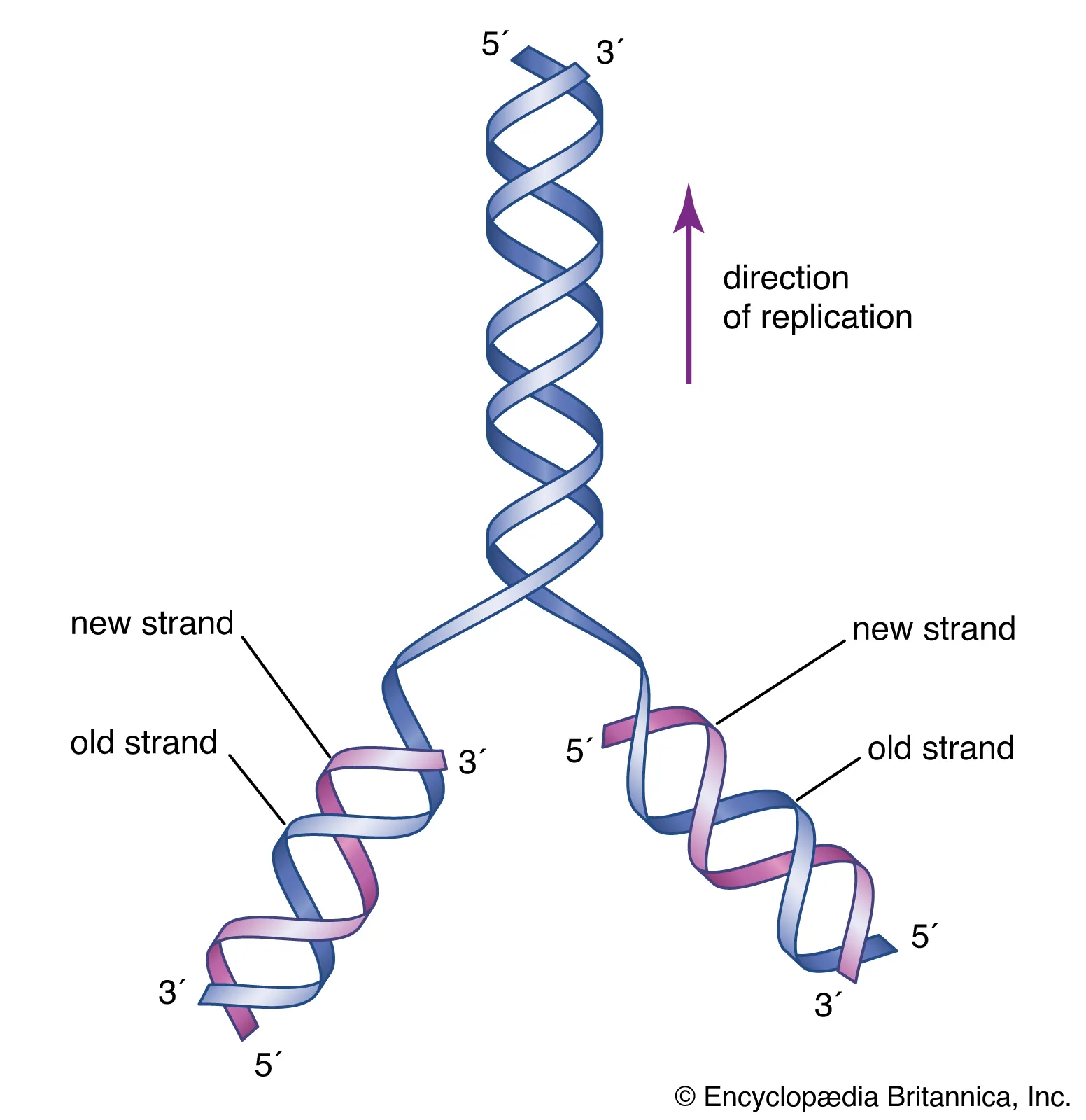
    Continuing from the previous post, I want to highlight more raps that I have been creating to teach students basic science related topics. In this post, I specifically want to discuss and share Biology-related raps that I have created. While I do not have access to the actual audio files of the raps because they are on my home computer, I can still share the lyrics to hopefully show you how I have been going about this! It all started when I got an email from a past high school teacher of mine asking me if I wanted to become an AP Biology Tutor. At first, I hesitated because it had been so long since I had taken AP Biology or any other Biology course. I was not sure that I remembered enough to teach someone else. The last thing I wanted to do was be a terrible tutor. However, I decided to be courageous and give it a try. Unfortunately, my first two tutoring sessions that I did over Teams were not what I had hoped for. Well, I had thought I explained well, it was clear that the person I was tutoring had not properly understood the concept. After some self-reflection, I decided I needed to try a different approach. That’s when I thought about making a rap song to teach this student the material. We were specifically focusing on the concept of DNA replication in this session. So, I made a rap about DNA replication. Here are the lyrics I’ve written so far:

    In the nucleus where the code exists.

    We got a lit double helix twist.

    This beat gonna slip harder than Sierra Mist.

    DNA replication, so many steps, need to make a list.

    Enzymes come in; Helicase unwound.

    Bonds broken; bonds rewound.

    Strands separate, a zipper out in the light.

    Replication fork shining real bright.

    Primase creates the primer, a starting point.

    New DNA strands made, together joint.

    Leading strand, continuous traction.

    Lagging strand, complete distraction.

    Okazaki fragments created, connected like pieces of a puzzle.

    Stay calm, no need to get confuzzled.

    Proofread code, check for mistakes

    Get the Exonuclease crew. That’s a real hot take.

    Do the Mismatch Repair. Somethin you’ll really preciate.

    I was delighted by what the student told me about their understanding of DNA replication after this rap. Not only did they understand the workflow of the topic better, but they also understood how the different pieces and aspects of the topic came together, even if one aspect only influenced another aspect indirectly. The presence of a higher-level understanding of the topic really heartened me, and it has only corroborated my suspicion that people learn things much better when they are engaged. While only time will tell, if you are teacher or a professor at Georgia Tech or other colleges and you are reading this and you feel like your students are struggling to grasp a concept, feel free to give something like this a try. You might find that you have a lot of fun, and that your students are much less confused! If you do try it, let me know how it goes!


  • Using Rap Music to Help Students Learn Critical Science Topics!

    Using Rap Music to Help Students Learn Critical Science Topics!

    I don’t know about you, but I have always had a hard time learning science topics. Many of them are extremely abstract, and theoretical, and I always felt that the professor went so fast in class that I barely had time to keep up and ask questions. I would go home, feeling nervous and tense after class, and frantically search for a YouTube or Khan Academy video. However, when I started the video, I quickly found myself feeling disengaged, bored, and tired. I would spend hours on a video, just to find myself as confused as when I started watching the video. Initially, I thought it was just an issue with my understanding of that particular video, and I would try different videos on YouTube. Nevertheless, a point came when it just felt like every video was not working out, and that I was confused no matter what I did. I felt as if there was nothing I could do, and that I was just stuck not understanding the information and hoping for the best. Plus, with all my other classes, and all the tests I had plus my commitments outside of class, I felt extremely crunched for time and did not feel like I had the time to keep looking for resources. But something pushed me to try something new. I had heard of these parodies of songs that people used to learn complex topics before. Seeing that I was a big fan of rap music, I looked for rap music parodies. I was so pleasantly surprised by what I found! Suddenly, I actually felt engaged in what I was watching that I actually absorbed the information really effectively. This inspired me to try writing rap songs, myself, to teach science to kids and I decided to post rap lyrics, inspired my Migos that I have come up with so far to teach the processes of the circulatory system and how the heart pumps blood to kids. It goes as follows:

    Rhythm drop, heart stop

    Right A (atrium) pump blood to the V (ventricle) top

    Get that O2 from the lung, lung lung

    Come back down to the Left A, yeah

    We go from O nothing to something now

    The heart is really functioning wow

    Left V so strong, circulating

    Aortic valve kick starting and…

    Myocardium pumping and pushing,

    Valves open and blood flowing

    Valves close preventin the leaking

    We got normal function of heart (ay)

    Myocardium pumpin and pushin,

    Valves open and blood flowin

    Valves close preventin the leaking

    We got normal function of heart (ay)

    Looking back, I have two hypotheses about why students learn significantly better when listening to these raps than using conventional methods. For one, many people in the Gen Z generation are into rap music. They like the beat, melody, and the flow of the words. Therefore, when they listen to a rap song, even if it is about a science related topic, they are significantly more likely to be engaged and interested as they get hooked into the music and focus less on what the song is actually about. At least from experience, when you try to teach someone a topic in a way that they can relate to and something in their life, like a hobby or an interest that they can personally connect the topic to, they are much more likely to be motivated and interested in learning. My second hypothesis is that listening to rap music increases their interest in the topic, and many research papers have demonstrated that when people are more interested in something, they are likely to retain much more of the information that they learn about it. For instance, one study that looked into the quantity of information that students remembered and the durability of their memory, regarding that information when they learned it in a way that was interesting to them vs. using a conventional method produced some results that were extremely insightful and fascinating. For instance, “The researchers found that the students who were interested in what they learned gained way more because they were more likely to go to class, pay attention, and even wanted to take more courses in that given area”(Interest Matters: The Importance of Promoting Interest in Education). This makes sense, from my personal experience, as I looked forward to going to classes where I knew that I would be entertained and I would have fun, while I dreaded and would not look forward to going to classes where I knew that I would be bored and that I would not be engaged. Similarly, another study found that “Experiencing situational interest, like seeing a brush being used to paint in art class can greatly increase engagement”(Interest Matters: The Importance of Promoting Interest in Education). This is one of the principles that I use in the raps that I create, as I try to include applications of how these topics apply to real life in the lyrics to increase peoples’ attention. I have also experienced this personally, as I was more engaged in my Biomechanics class, when I saw how what I was learning could be applied to the motion of joints in real life. What I do not understand is that with so many studies pointing to this finding, why have we not implemented this learning model in high schools and colleges across the country? What are we waiting for? Why do we keep using old methods, when we know their success rates are limited? It is high time to stop going with the conventional, tried and true method, and have the courage to try something new. Not only will it make students and professors, alike, happier, but students will actually retain more knowledge that will help them in their future careers and, more importantly, their life! If you are a professor reading this, I sincerely hope you have the courage to give this a try in your class one day! I guarantee you that you will not regret it!

    Source:

    Harackiewicz, J. M., Smith, J. L., & Priniski, S. J. (2016). Interest Matters: The Importance of Promoting Interest in Education. Policy insights from the behavioral and brain sciences, 3(2), 220–227. https://doi.org/10.1177/2372732216655542