Category: Articles

  • Tactile Trivia: A Innovative Activity to Engage People with the Sciences

    Tactile Trivia: A Innovative Activity to Engage People with the Sciences

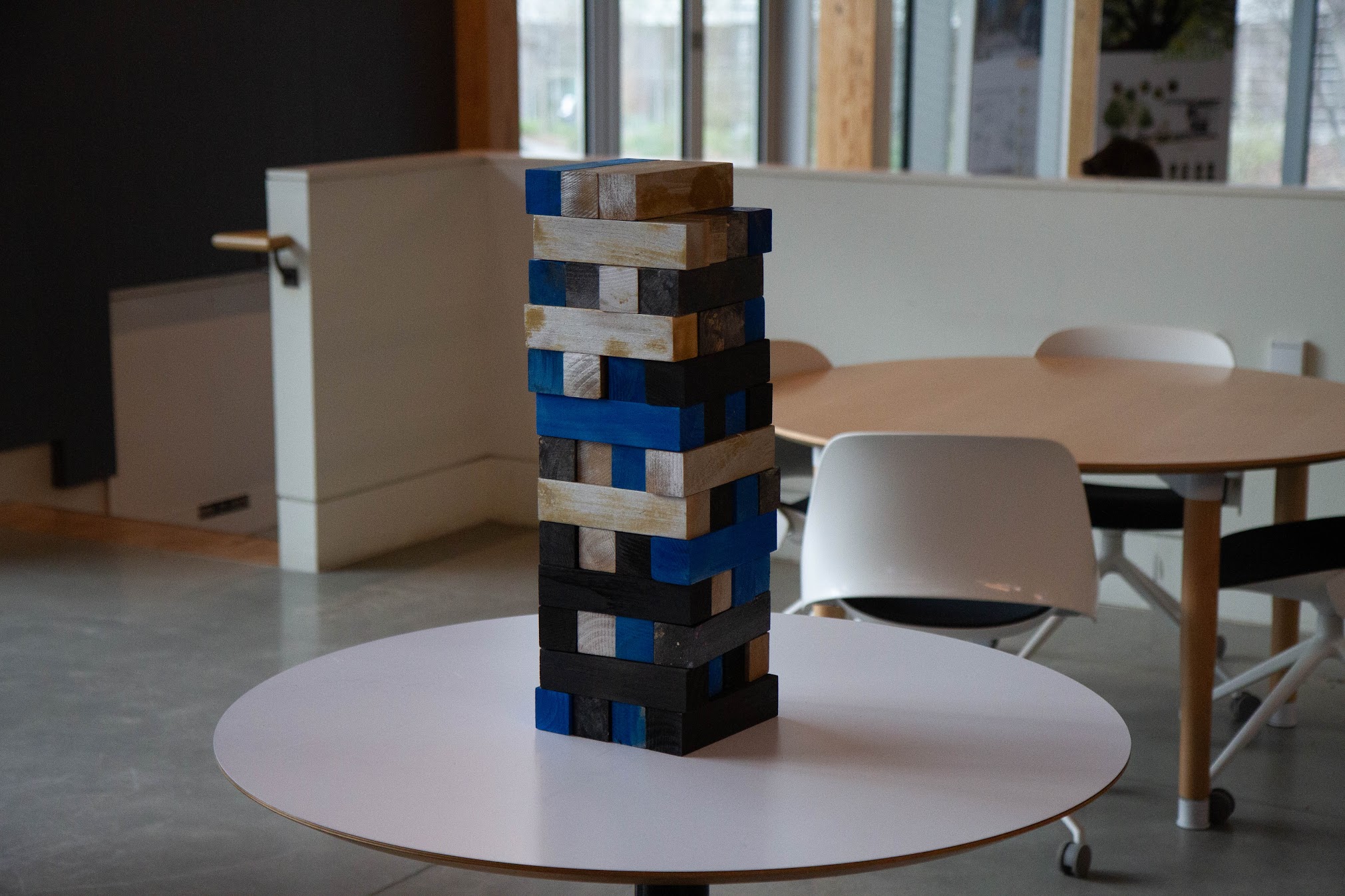
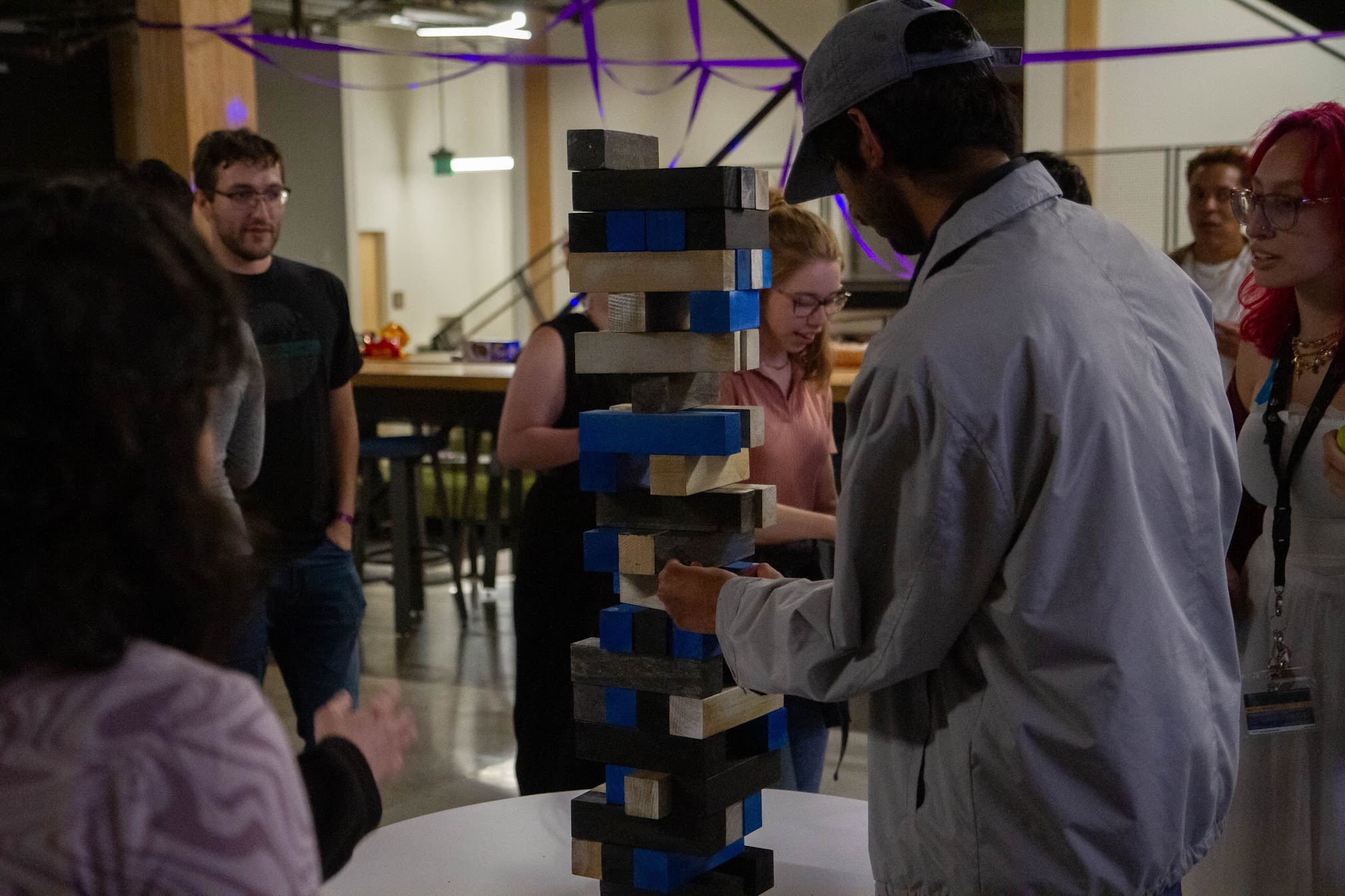
    Our team hosted a science-themed Jenga activity at the Atlanta Science Festival After-Party. The game served as an engaging activity to teach festival-goers about contemporary topics in astrobiology, astronomy, and other space-related science topics. Our team started by brainstorming different activities that could be used to engage people with scientific concepts. In the end, we decided that combining Jenga and Trivia would be an effective way to engage participants while retaining the space-theme of the Atlanta Science Festival. We drew on our class and research-related experiences to come up with fun trivia questions. One of my questions referenced phenolphthalein — the type of indicator used in my final titration for one of my lab classes — among other fun scientific tools and concepts. 
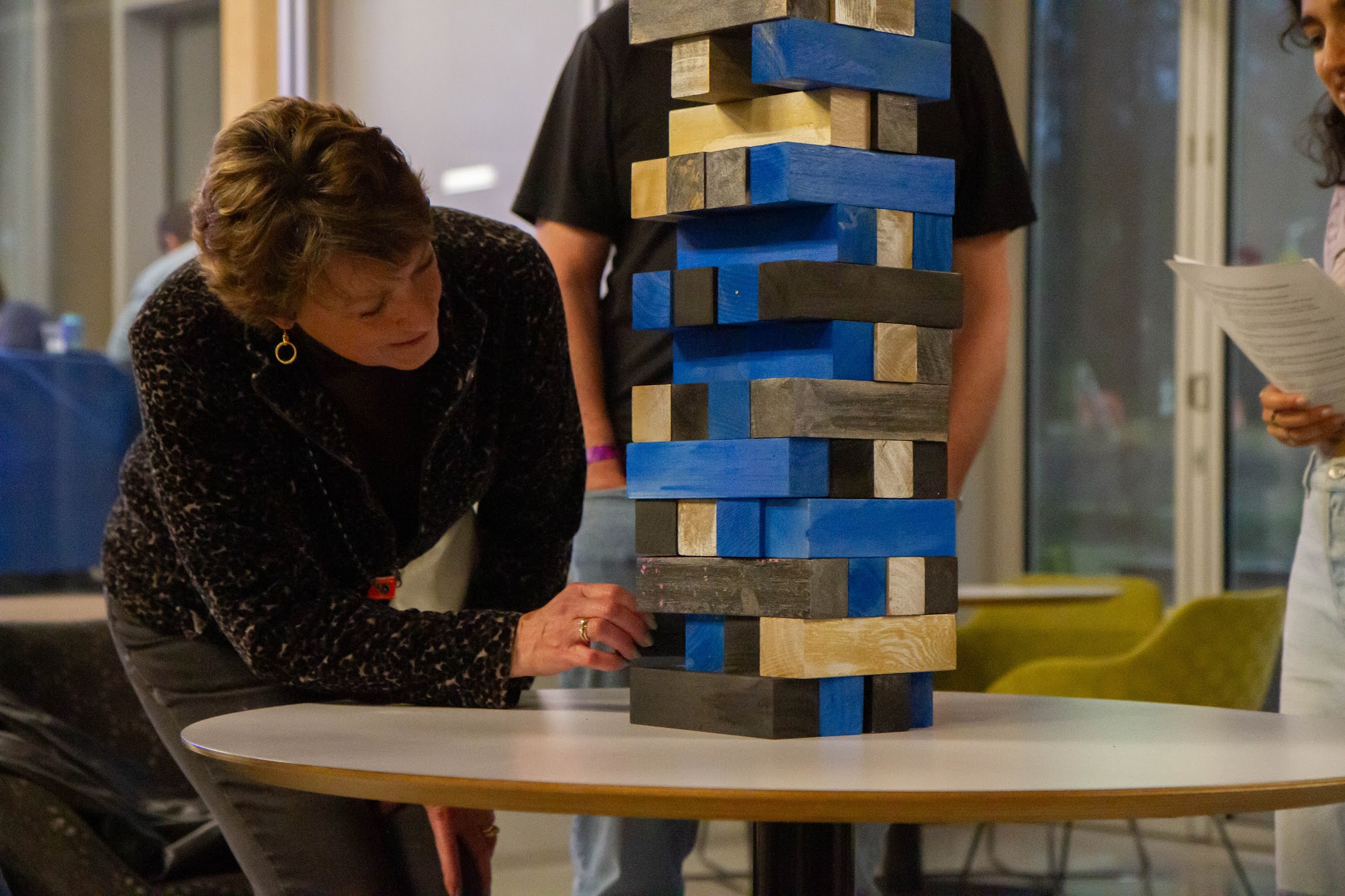
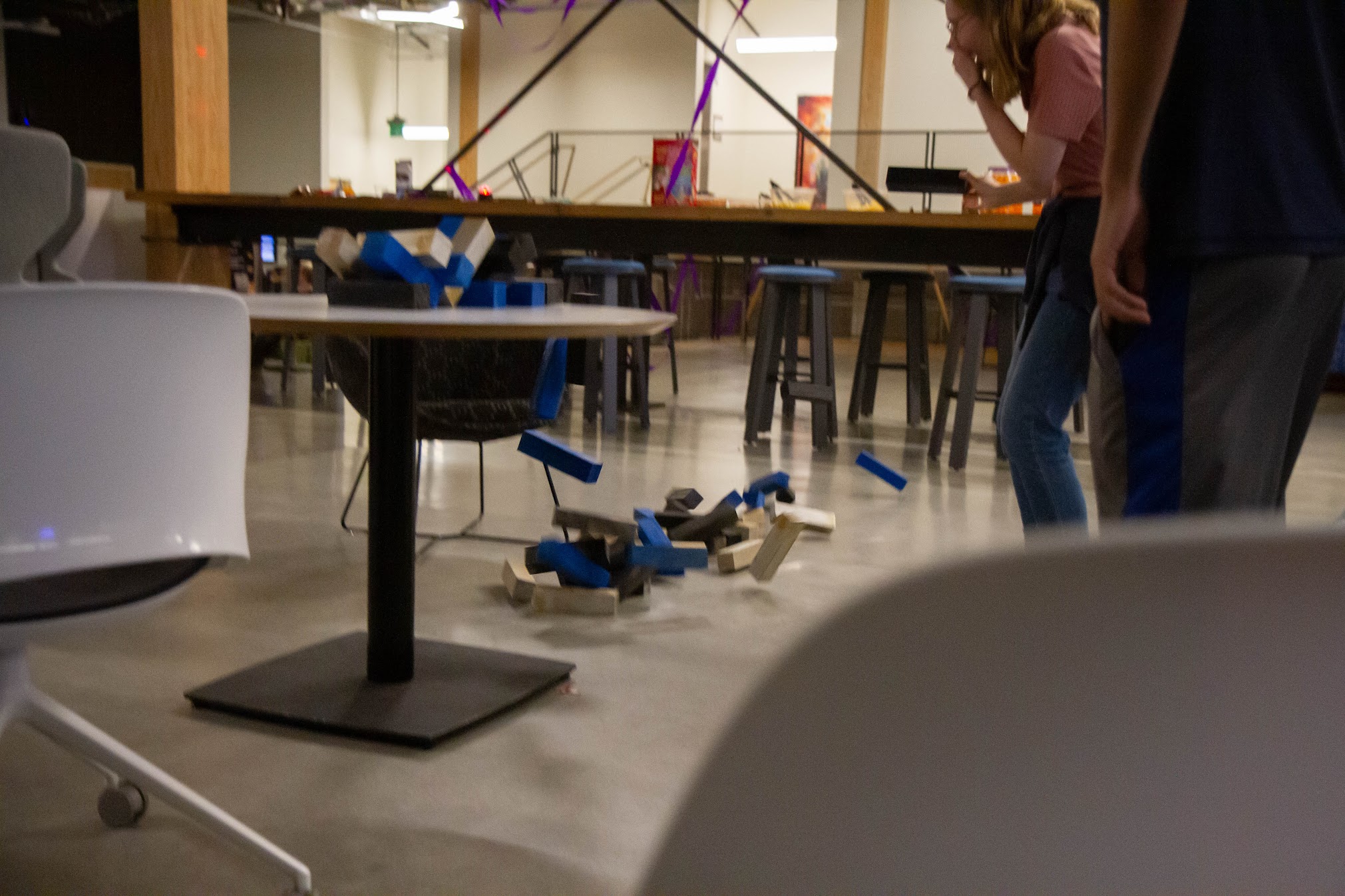
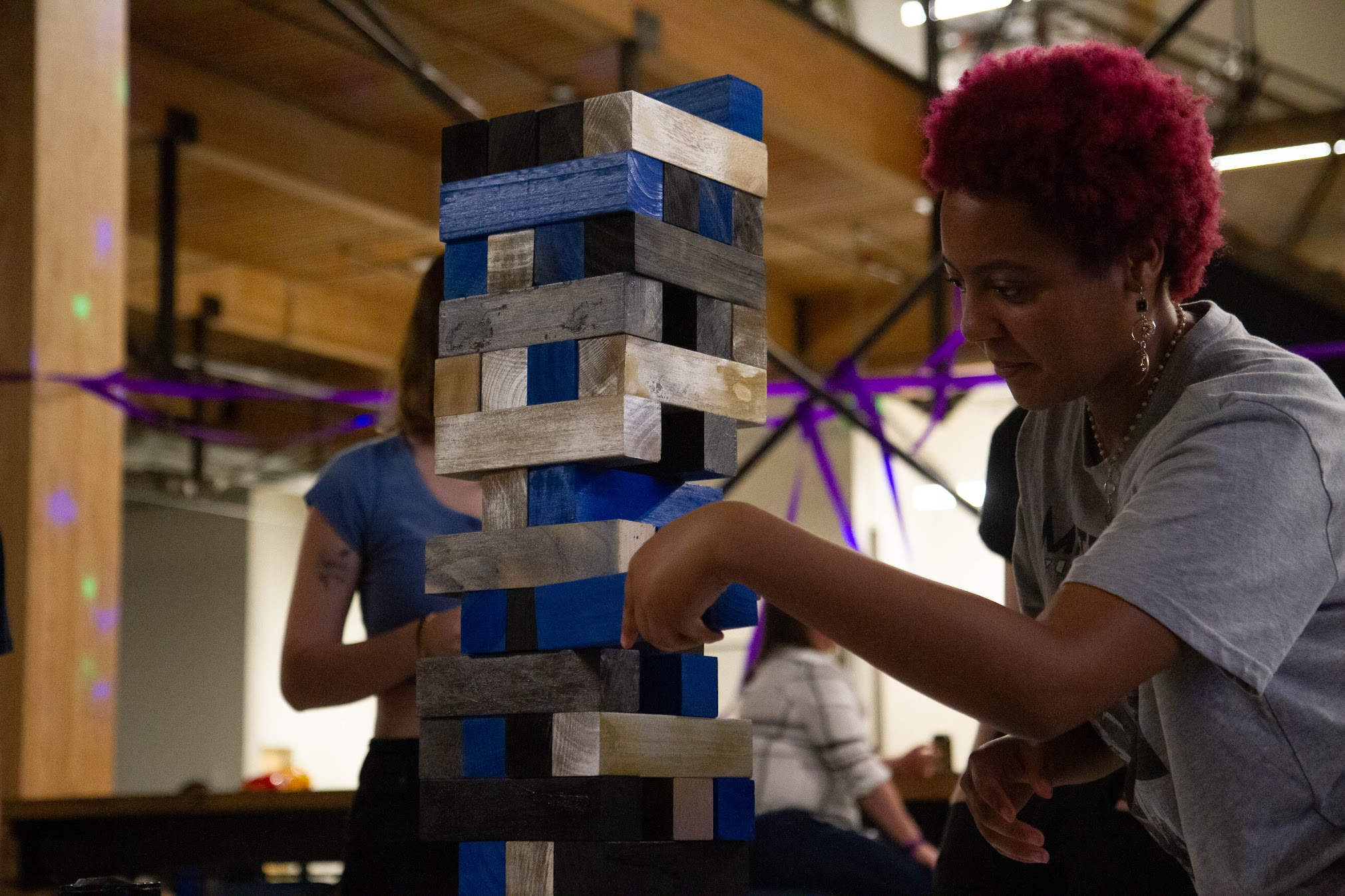
    First, a Jenga set was obtained from one of our members and the blocks were divided into three categories: “Dark Matter” (Chemistry and Astronomy), “Physics and Math”, and “Astrobiology”. Blocks corresponding to each category were painted a unique color (black, blue, and gold/silver respectively). Execution of the game itself involved first setting up the Jenga tower while ensuring that each layer contained a mix of blocks from multiple categories. Once setup was complete, players then took turns selecting a category of question to answer. If their answer was correct, it would be the next player’s turn. If their answer was incorrect, they would have to pull out a block of the color corresponding to their chosen trivia category. In typical Jenga fashion, the first player to knock over the tower was considered to have lost the game. 
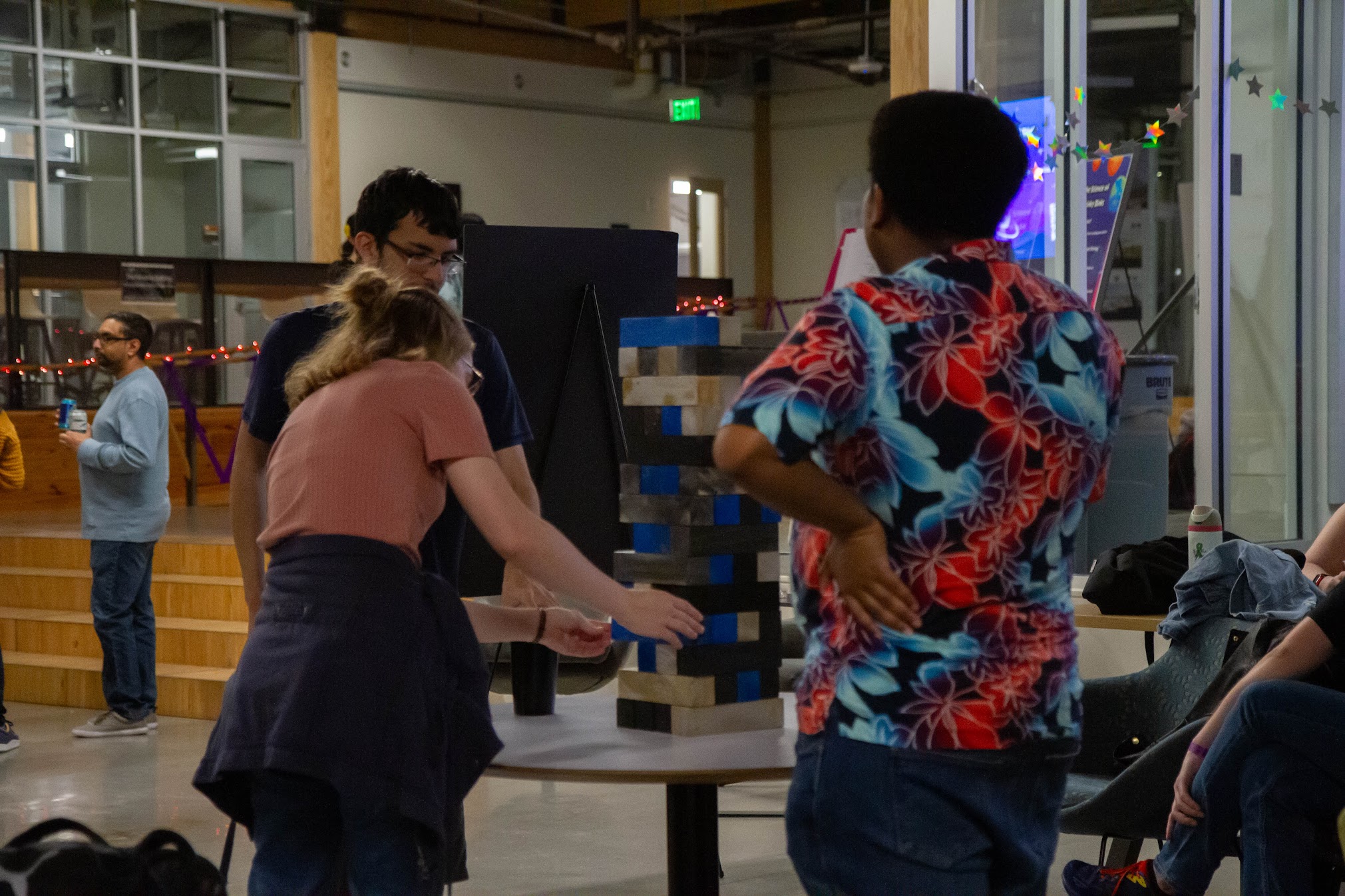
    In this way, the unique mechanics of Jenga were utilized in a manner complimentary to the trivia format. If a player didn’t answer a question correctly, their penalty was to remove a block from the Jenga tower which matched the color of the category they had selected. This increased engagement with the game by adding another avenue of strategy for players; they would need to select what category of question to answer based not only on their personal knowledge base, but also based on which color block would be easiest to remove if they got the question wrong. This mechanic encouraged players to ‘switch up’ which category of questions they selected as they were incentivized to pick colors whose removal wouldn’t impact the structural integrity of the Jenga tower. 
    We also had to be mindful of the difficulty of the Trivia Questions we chose to ask participants. It took several rounds of revisions to get to our final question bank. In the end, it was key to make sure the difficulty of questions was appropriately balanced to our target audience. After all, our party attendees could be expected to have an above-average exposure to science, however questions would need to be easy enough that they could reasonably be answered by someone outside of that scientific specialty. I think we hit the right balance in the end, as partygoers were challenged by most questions, but were able to get enough right that they felt motivated to continue playing. 
    Overall, our activity seemed extremely effective when it came to engaging participants with scientific concepts. Afterwards, one participant made a comment that they felt “like [they] learned a lot” by participating in the game. Some expansions/improvements to consider making in future could include a larger question bank to help avoid repeats, or an automated system that would select questions for participants so that the game-master doesn’t have to keep track of which questions have already been asked. I look forward to expanding upon this activity in future science-outreach related events. 
  • Mann V. Ford: Colorful Contamination

    Mann V. Ford: Colorful Contamination

    There are a variety of car brands you see on the street as you walk around Atlanta. From Acura to Telsa, you can find every make and model of just about every car you can imagine. However, one all-American car brand stands out: Ford. The Model T was one of the first cars that was accessible for the common man to purchase. However, the Ford Motor Company has a dark history as well. Some of this history is outlined in the documentary Mann V. Ford, which was released in 2011. The documentary works to outline the improper waste management of the Ford Motor Company and the lasting impact it has had on the land and the health of the nearby Ramapough Natives. This review of the documentary will hopefully convince you to watch it and hear directly from the people impacted by the unethical behavior of Ford. 

    Chief Dwayne C. Perry of the Ramapough Nation

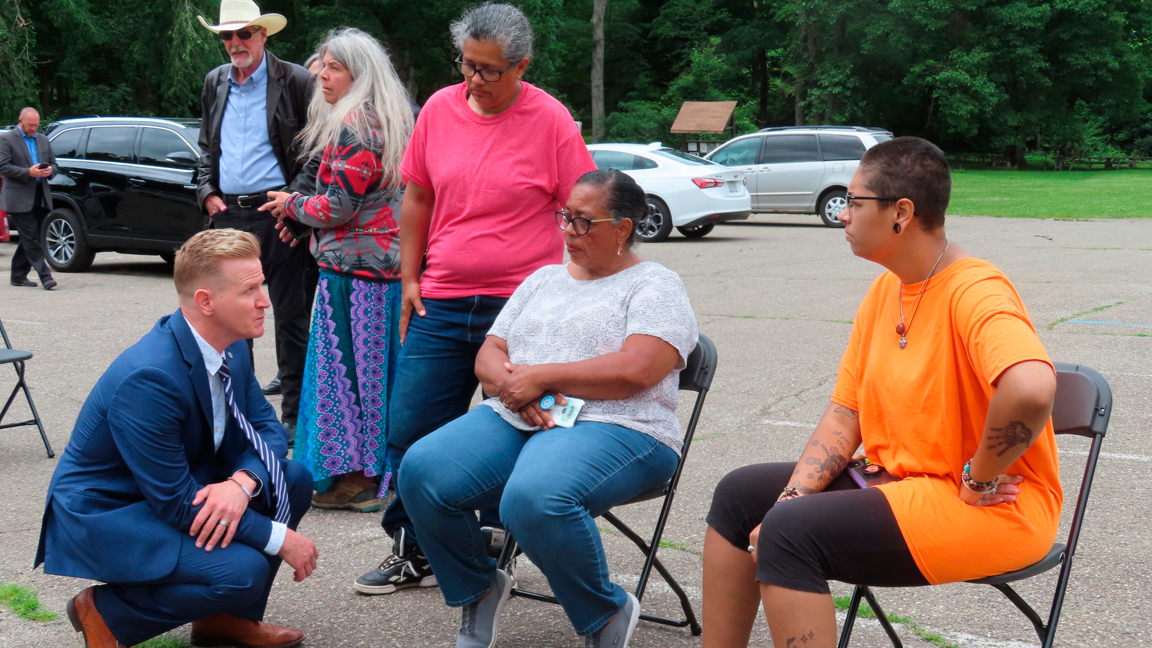
    The Ramapough Natives are a group of indigenous Americans who live in the New York-New Jersey area of the United States. A major community of these natives live in Ringwood, New Jersey, which is also where a major landfill was located. From 1967 to 1974, Ford dumped discarded car parts, solvents, and paint into this landfill (Campbell, 2005). Much of this paint and waste contained hazardous materials such as lead and arsenic, which are incredibly toxic to humans. In fact, exposure to lead has been shown to cause damage in almost every system in the body, but most specifically the central nervous system, the kidneys, and the blood (Tong et al., 2000). These health complications were very common among the Ramapough People as a result of the negligence of Ford Motor Company. There is an increased prevalence of lung and reproductive cancer among the Ramapough people who grew up in the area around The Ringwood Landfill (Meltzer et al., 2020). 

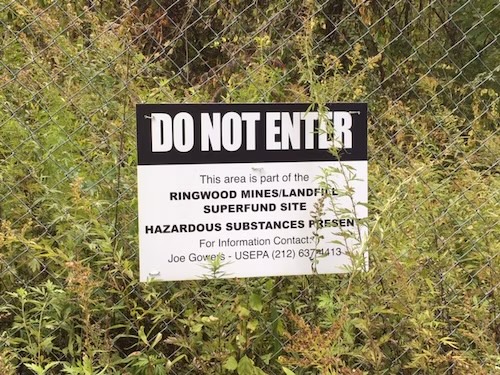
    Image of warning outside of the Ringwood Superfund Site warning people of exposure to hazardous materials

    Now that the surrounding circumstances have been laid out, it is important to discuss the reason why the documentary is called Mann V. Ford. In 2005, Wayne Mann, a member of the Ramapough Nation, represented the people of his community in a lawsuit against the Ford Motor Company, which is where the name was born. I won’t go into enough details to spoil the outcome, but I will say that the Ramapough People are still struggling with the aftermath of their land being poisoned. Despite the EPA classifying the site as a Superfund, the land is still under surveillance for things such as heavy metals. I cannot speak on behalf of the native people, which is why I implore you to watch the documentary and listen to their lived experiences. This case is a fantastic representation of the inequality that is associated with environmental health and safety. Although it may not impact you directly, it is important to be aware of the plight thousands of people face on a daily basis. 


    Sources

    Campbell, M. B. M. (2005). Ringwood, Passaic County Ringwood Mines/Landfill Former Superfund Site Petition March 24, 2005.

    Meltzer, G., Avenbuan, O., Wu, F., Shah, K., Chen, Y., Mann, V., & Zelikoff, J. T. (2020). The Ramapough Lunaape Nation: Facing Health Impacts Associated with Proximity to a Superfund Site. Journal of Community Health, 45(6), 1196-1204. https://doi.org/10.1007/s10900-020-00848-2

    Tong, S., Schirnding, Y. E. v., & Prapamontol, T. (2000). Environmental lead exposure: a public health problem of global dimensions. Bulletin of the world health organization, 78(9), 1068-1077.

  • Fast Fashion and Greek Life: Overconsumption in Style

    Fast Fashion and Greek Life: Overconsumption in Style

    As I walk around Georgia Tech’s campus, I cannot help but notice the student body’s diverse range of outfits. Many, like myself, opt for sweatpants or jeans coupled with a sweater for chillier days. The more fashionable may choose a statement piece, such as bright pants or a bold shoe. But one consistent theme I have seen is the consistency of Greek Life merchandise. A shirt bearing the phrases Alpha Delta Pi or Sigma Chi can be seen on almost every street corner. There is nothing inherently different about these stylish t-shirts until you begin to recognize how many you see. There are roughly ten variations of the exact same t-shirt from the same sorority only differing by theme. As the community becomes more aware of the plight of fast fashion, it is easier to recognize fast fashion in everyday life. This article will aim to break down the impacts of fast fashion as a whole, and how students at Georgia Tech can change our behavior patterns to limit our consumption of fast fashion.


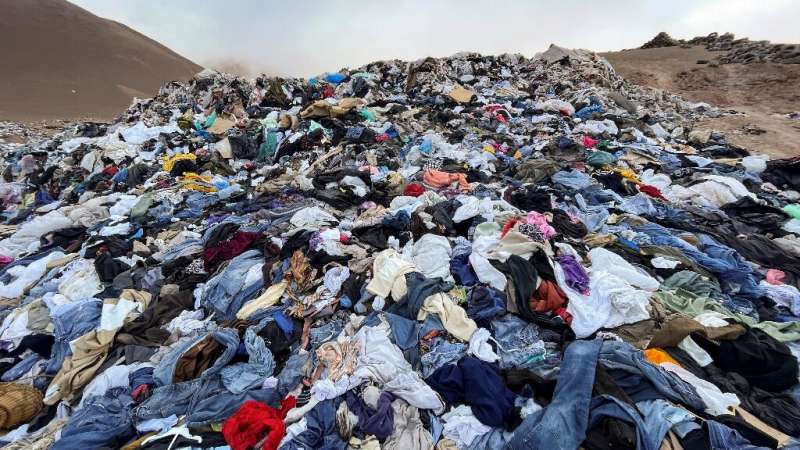
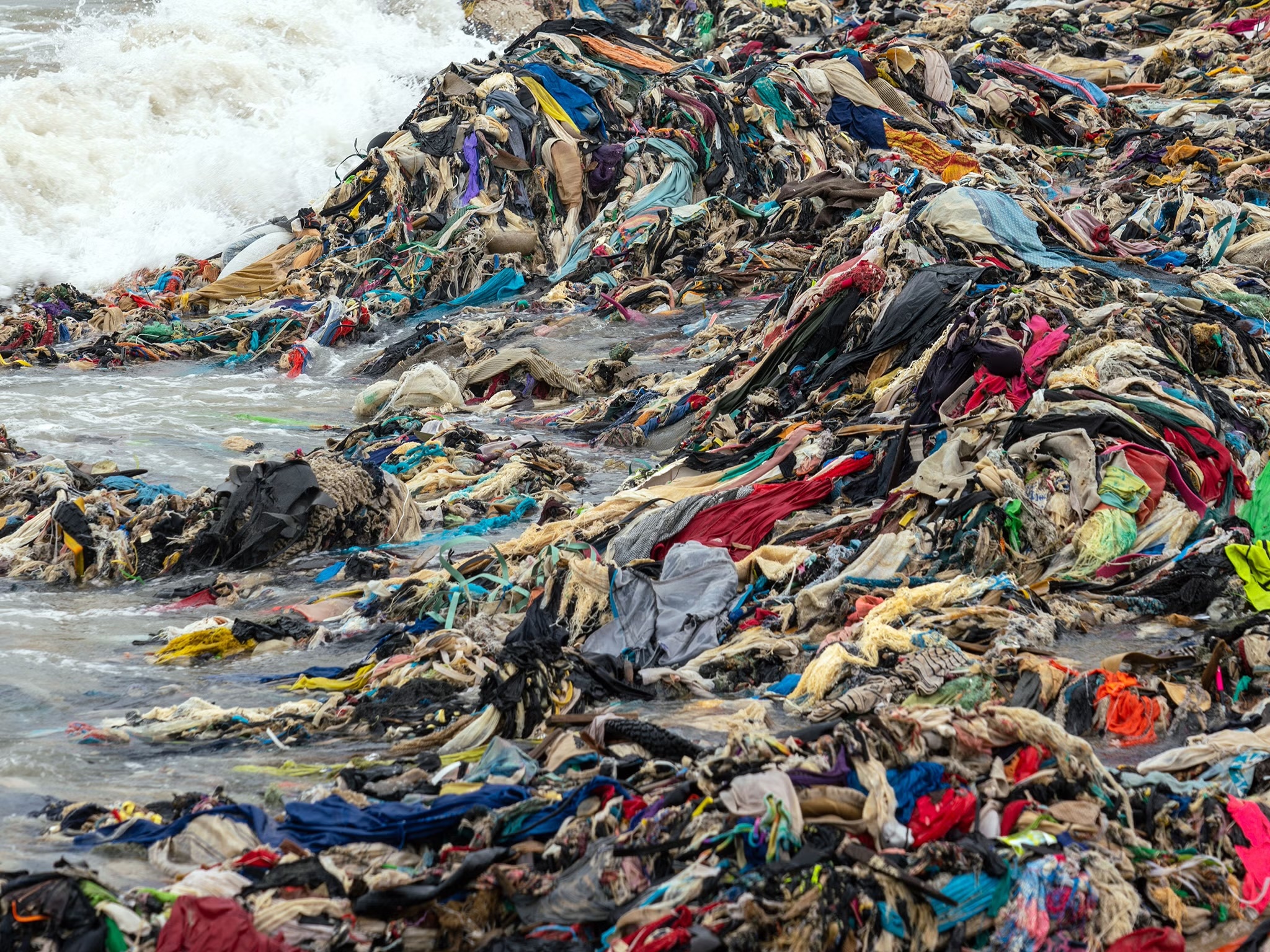
    Fast fashion as an industry has grown exponentially in recent years. Fast fashion is the business of producing low-quality and cost garments at a rapid pace in order to generate profit as trends appear. From brands such as Shein and Zara, there is a large variety of quality and prices that are classified as fast fashion. However, one theme remains consistent with fast fashion: waste. Much of the clothing purchased through fast fashion is donated or thrown in a landfill. Of the clothing donated, only about one-fifth is resold (Claudio, 2007). This means the rest of the pieces end up in the garbage further polluting the Earth. Fashion and textiles are the second most polluting industries, contributing roughly 20% of global water waste (Bailey et al., 2022). This mass amount of waste contributes heavily to the pollution of our earth and the changing climate that we experience. Additionally, the quality of fabrics has significantly decreased over time. Polyester is a very commonly used material to make clothes because it is cheap and can be mass-produced. However, polyester is made of microplastics, meaning it will not break down as easily as natural fibers (Weber et al., 2017). All of these factors contribute to the growing piles of discarded clothing in our landfills. However, fast fashion seems unavoidable in our society, as exemplified by merchandising in Greek life. 

    Fast fashion dumping site in Accra, Ghana

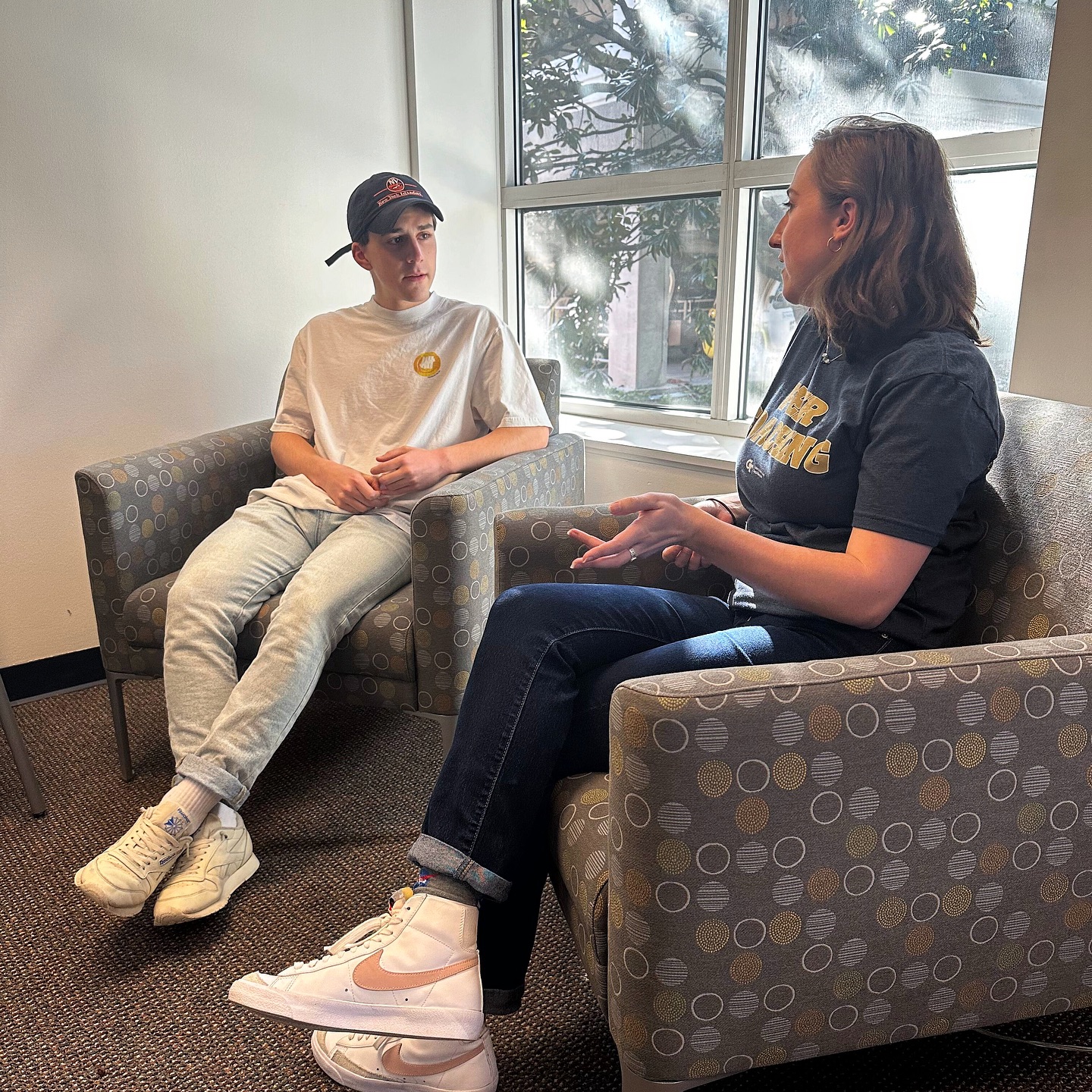
    I interviewed the Director of Merchandise for Alpha Omega Epsilon to collect information about consumption in Greek Life on Georgia Tech’s Campus. She says thus far this academic year she has received five t-shirts from the sorority, as well as a multitude of other merchandise, including a crewneck, a pair of sweatpants, a hoodie, and a keychain among other items. However, she also explained to me the ways that Alpha Omega Epsilon attempts to mitigate any waste they create if they order extra t-shirts or merchandise. She says that all extra merchandise is kept and offered to new members in the following years. It is great to see that these organizations have solutions to excess consumption. However, Greek life still creates a significant amount of excess waste, which as stated previously contributes significantly to the pollution of our Earth.


    Although this article focuses mostly on Greek life, it is up to us to limit our own consumption patterns in an attempt to make a difference. We are constantly given free t-shirts by the university, which inevitably end up in landfills. Every person consumes more than they need to, as it is almost impossible for an individual to remain carbon neutral. It is important to ask yourself as you purchase items: Do I need this? Do I have something similar to this? Can I purchase something like this second-hand? All of these questions may assist consumers in making smart decisions that could save them money and help save the planet.


    Sources

    Bailey, K., Basu, A., & Sharma, S. (2022). The Environmental Impacts of Fast Fashion on Water Quality: A Systematic Review. Water, 14(7), 1073.

    Claudio, L.. (2007). Waste Couture: Environmental Impact of the Clothing Industry. Environmental Health Perspectives, 115(9), A449–A454. https://doi.org/10.1289/ehp.115-a449

    Weber, S., Lynes, J., & Young, S. B.. (2017). Fashion interest as a driver for consumer textile waste management: reuse, recycle or disposal. International Journal of Consumer Studies, 41(2), 207–215. https://doi.org/10.1111/ijcs.12328

  • GaTech Taking Steps to Improve Mental Health!

    GaTech Taking Steps to Improve Mental Health!

    As of this semester, Georgia Tech has become a JED Campus! This is a designation given to universities that put systems and programs in place with the goal of protecting student mental health. “JED Campus” is the signature program of The JED Foundation designed to develop customized support for student mental health, substance use, and suicide prevention efforts.  Currently, JED programs have impacted 1078 colleges and high schools across the US.


    Being a student at Tech can be quite challenging with many stressors such as assignments, midterms, and job search. Research shows that first year students especially suffer from emotional problems, some associated with adjustment issues as they transition from high school to college. This difficulty in adjustment can result in poor academic performance and increased dropout rates. In one study, it was shown that more than 86% of students who sought counseling services decided to continue their enrollment for at least another semester. In another study, it was found that counseling centers have started to receive more severe concerns, some of which included suicide, substance abuse, depression, and sexual abuse (Kitzrow, 2003). For these reasons, the demand and need for counseling services in universities has grown substantially.


    Some consequences of poor mental health are low energy, difficulty sleeping, and eating problems, and interest in normal activities. These physical health implications can cause a decline in academic performance which in turn causes a continuous cycle of mental and physical burnout. Counseling serves as a way to minimize these impacts. Fortunately, Tech offers a range of services to help students manage their life in college. I asked fellow Tech students about their favorite resource and how it has helped them manage their stress.

    “I think it’s a really nice break from my normal schedule to stop by and meet the dogs. Even for a few minutes, they’re so friendly and cute it makes my day better. I wish there was also a version with cats, but I’m glad we have these events.” (Sheila)

    Check out this clip of pups on Tech Green from the @gatechlife instagram page!

    “I really enjoy the mental health workshops hosted by the Center of Mental Heath and Services. My favorite one was probably yoga! It was a great way to relax and meet new people”  (Christy)

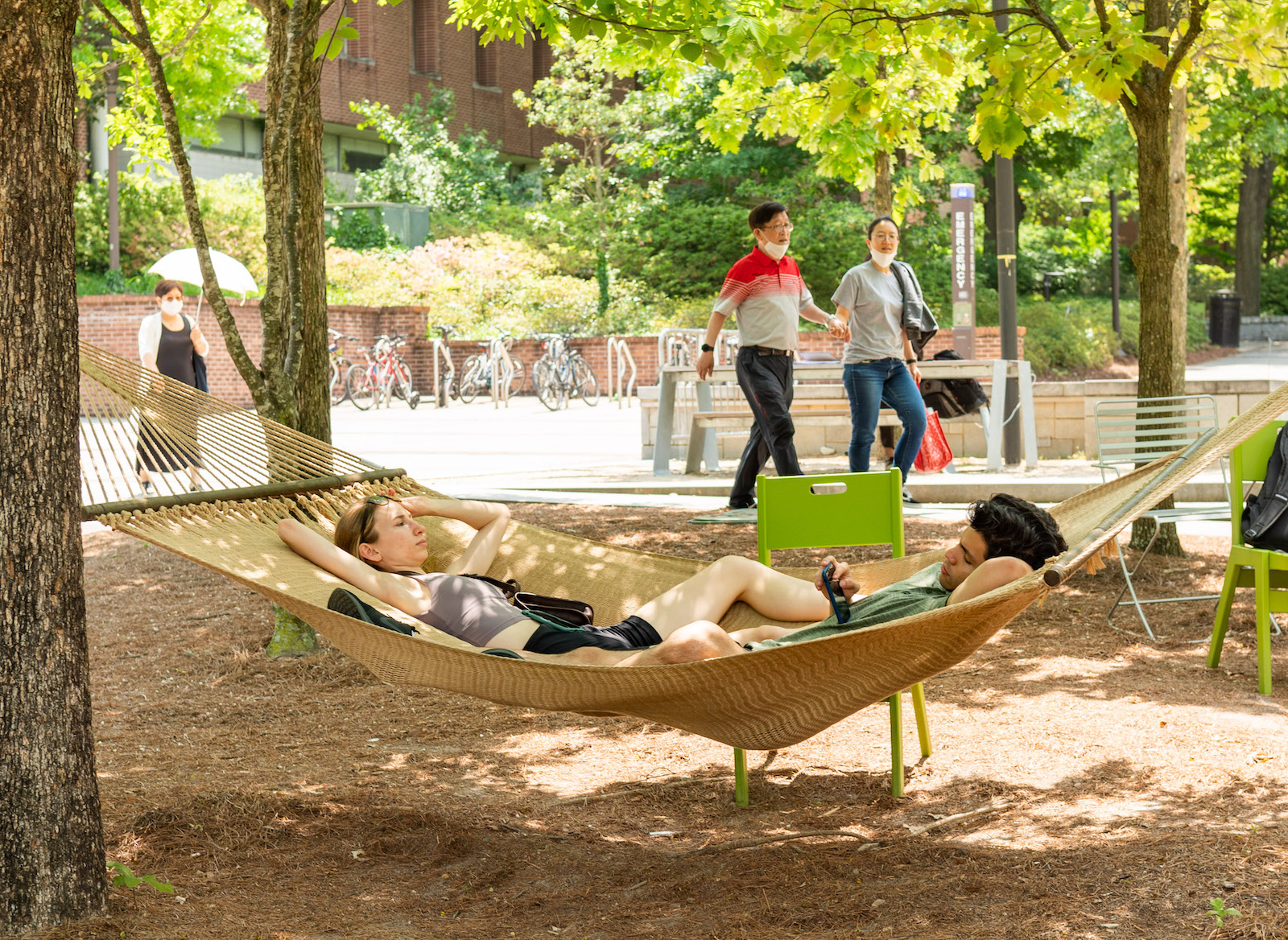
    “I love to relax on the hammocks especially now that the weather is getting better. After a long day, it helps me destress to just lay there and look up at the sky. Sometimes I read a book or listen to music.” (Tim)

    Take It Outside | News Center

    The Center for Mental Health Care & Resources offers a number of programs for students.


    Some of which include individual/group counseling, couple counseling, and mental health workshops. Short-term individual counseling involves ongoing individual meetings with a counselor, often on a weekly or bi-weekly basis. There is also an option for short-term group counseling which supports students in making positive changes in their lives, as well as group sessions based on specific issues or student identities Couples counseling sessions are geared towards resolving tension and miscommunication between partners. Mental health workshops are hosted monthly to deliver useful tips for coping, stress management, and relationships.


    These services are aimed at helping students reach their academic and personal goals. They have benefited many students on campus and the wellness center is continually striving to better serve the Tech population. And the best part of all is that these services are confidential and completely free!


    Sources

    Kitzrow, M. (2003). The mental health needs of today’s college students. https://ccvillage.buffalo.edu/wp-content/uploads/sites/74/2017/06/NASPA-Mental-Health-Needs-of-College-Students.pdf

    Roggers, V. (n.d.). Take it outside. News Center. https://news.gatech.edu/features/2022/05/take-it-outside

    Services. Center for Mental Health Care & Resources.

    https://mentalhealth.gatech.edu/clinical-services/services

    The story of jed. The Jed Foundation. (2024, February 13).

    https://jedfoundation.org/the-story-of-jed/


  • Green Spaces on Georgia Tech – Our Thoughts as Undergrad Students

    Green Spaces on Georgia Tech – Our Thoughts as Undergrad Students

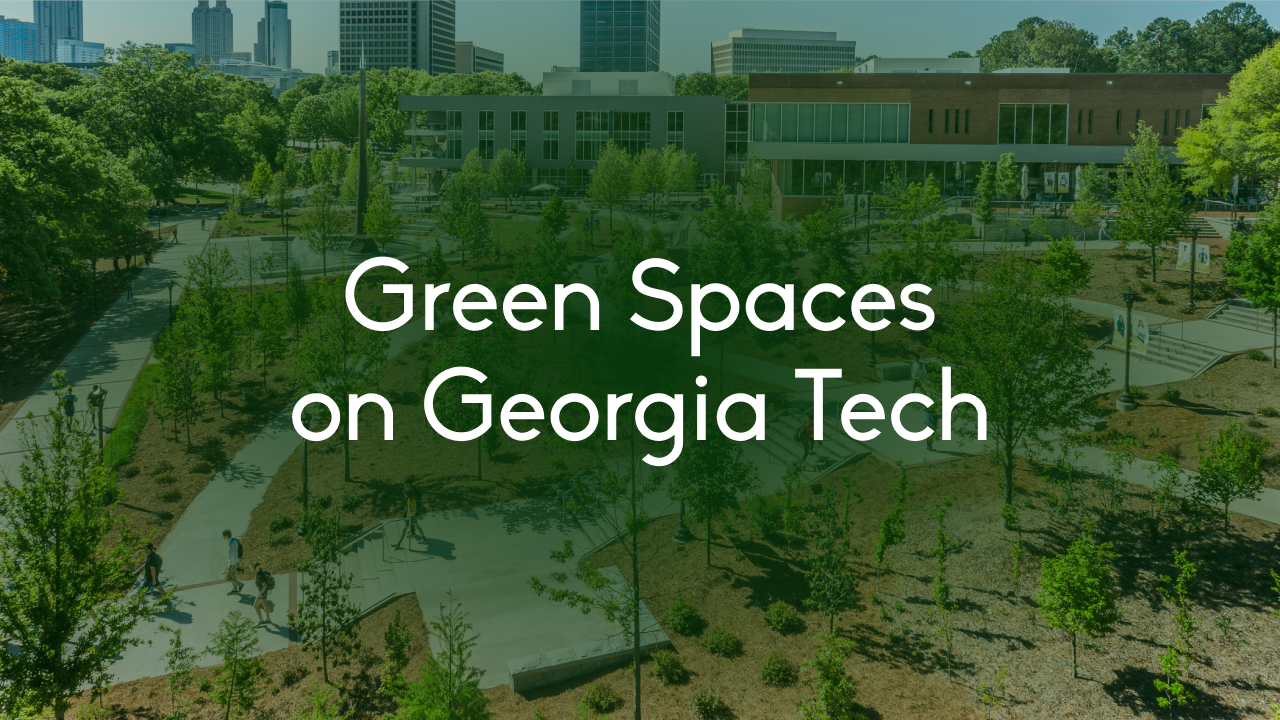
    Listen in on our thoughts as regarding the wonderful green spaces on campus and how they contribute to our study habits and mental health.

    Watch the video on our YouTube channel here! This video was made in collaboration with Rachel Weng and Christie Lin.


    If you would like to know more about green spaces, check out the references below:

    van den Berg, Magdalena, et al. “Health Benefits of Green Spaces in the Living Environment: A Systematic Review of Epidemiological Studies.” Urban Forestry & Urban Greening, vol. 14, no. 4, 2015, pp. 806–16, https://doi.org/10.1016/j.ufug.2015.07.008.

    Vidic, Zeljka, and Nicholas Cherup. “Mindfulness in Classroom: Effect of a Mindfulness-Based Relaxation Class on College Students’ Stress, Resilience, Self- Efficacy and Perfectionism.” College Student Journal, vol. 53, no. 1, 2019, pp. 130–44.

    Vleet, Zayden Van, et al. “The Effects of Green Space on College Students’ Mood.” Journal of American College Health, 2023, pp. 1–9, https://doi.org/10.1080/07448481.2023.2252931.

    Rakowska, Scarlett B., et al. “Examining the Effects of Green Space Accessibility on School Performance for 3421 Elementary Schools.” Landscape and Urban Planning, vol. 234, 2023, pp. 104731-, https://doi.org/10.1016/j.landurbplan.2023.104731.

  • The Magical Goo!

    The Magical Goo!

    Oobleck recipe

    Have you ever heard of Oobleck? I first discovered this substance, a mixture of water and cornstarch, while doing a science experiment in elementary school. Oobleck defies the laws of nature, or at least Newton’s laws. Though it initially appears like a liquid, when you apply pressure, it turns into a solid. How can a substance be both simultaneously?

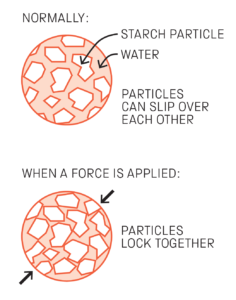
    The reason is because Oobleck is classified as a non-Newtonian fluid, meaning that it does not follow Newton’s law of viscosity. Viscosity is a property that describes how a fluid flows, or more simply, how thick or thin it is. When a fluid’s viscosity is constant, it is called a Newtonian fluid. Most fluids fall under this category. However, Oobleck is one of the few exceptions. Its viscosity is depended on the amount of force applied to it. Known as a shear thickening fluid, it appears thicker as you physically manipulate it. This behavior is explained by the structure of cornstarch, the main ingredient in Oobleck. Cornstarch particles are long and thin, when you mix it with water, the faster you move it, the more tangled the particles become, thus “hardening” and imitating the solid state. The increased amount of friction created through motion also causes increased resistance of the mixture to flow. It is important to note that Oobleck is a suspension, not a solution. This means that the cornstarch does not dissolve in water. Instead, it is suspended in the liquid. If you let it sit in a glass for a while, the cornstarch will separate from the water and settle at the bottom.

    Oozing oobleck activity - Science Museum Group Learning

    Aside from being a fun science experiments for students to enjoy, Oobleck has other potential uses. There have been cases of several patents for the industrial use of the material. One proposed usage was for a system to fill potholes. Permanently fixing potholes involves economic and seasonal considerations. One alternative was to use bags of Oobleck. When the bag is placed in the hole, the Oobleck acts as a liquid to fill the space. When a car drives over it, it hardens, preventing damage to the vehicle.

    Check out this video by Todd Scott to see the concept in action! 

    Another use was for a gear damper. Gear dampers are used in cars to control the movement speed of trays and glove boxes. Oobleck could be used to ensure that these components open when used normally but remain closed when a great force is applied, like in a car accident.

    Experimenting with Oobleck is a great way to explore the properties of non-Newtonian fluids. Though they are typically not mentioned in your typical science class, they exists in our everyday lives. Some common examples include Ketchup, paint, and toothpaste. Though, unlike Oobleck, these fluids become thinner when agitated. They are known as shear thinning fluids. In addition to serving as a fun science experiments, substances like Oobleck can also have practical real world applications!

    Sources

    Lima, E. (2020). Studying the Oobleck with video-analysis. IOPscience. https://iopscience.iop.org/

    Oobleck. Imagination Station.

    https://www.imaginationstationtoledo.org/education/diyactivities/Oobleck#:~:text=Oobleck%20is%20a%20suspension%20of,until%20you%20release%20the%20pressure.

    Oozing oobleck activity – science museum group learning. Science Museum Group. (2022, August 15). https://learning.sciencemuseumgroup.org.uk/resources/oozing-oobleck/

    Ralphs, A.(2023, August 4). Oobleck recipe. One Hundred Toys. https://www.onehundredtoys.com/oobleck-recipe/

    The IP Bloggers. (2018, February 20). Surprising uses for Oobleck. Industrial IP. https://www.industrialsip.com/2018/02/surprising-uses-for-Oobleck.html#:~:text=When%20the%20bag%20is%20placed,necessary%2C%20and%20is%20environmentally%20benign.


  • Updates on the Ray-Hybrid Phenomenon

    Updates on the Ray-Hybrid Phenomenon

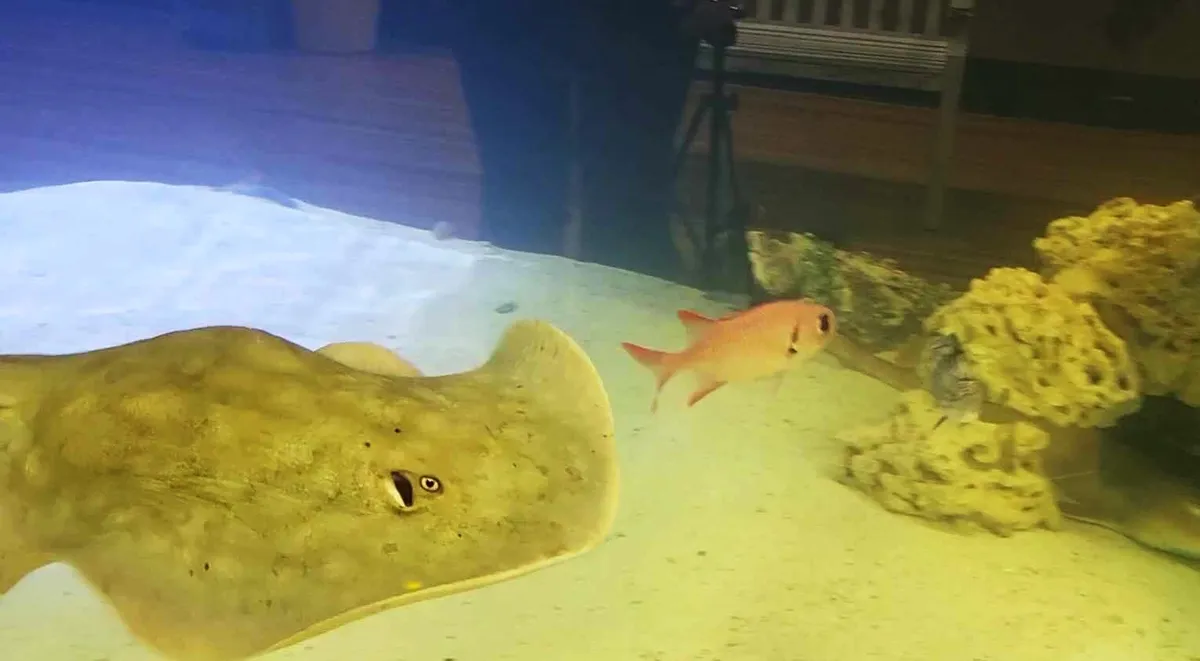
    In the Aquarium and Shark Lab of Team ECCO in North Carolina, there is a mystery in the water: Charlotte the California round stingray has become pregnant with three or four pups despite the lack of male rays!

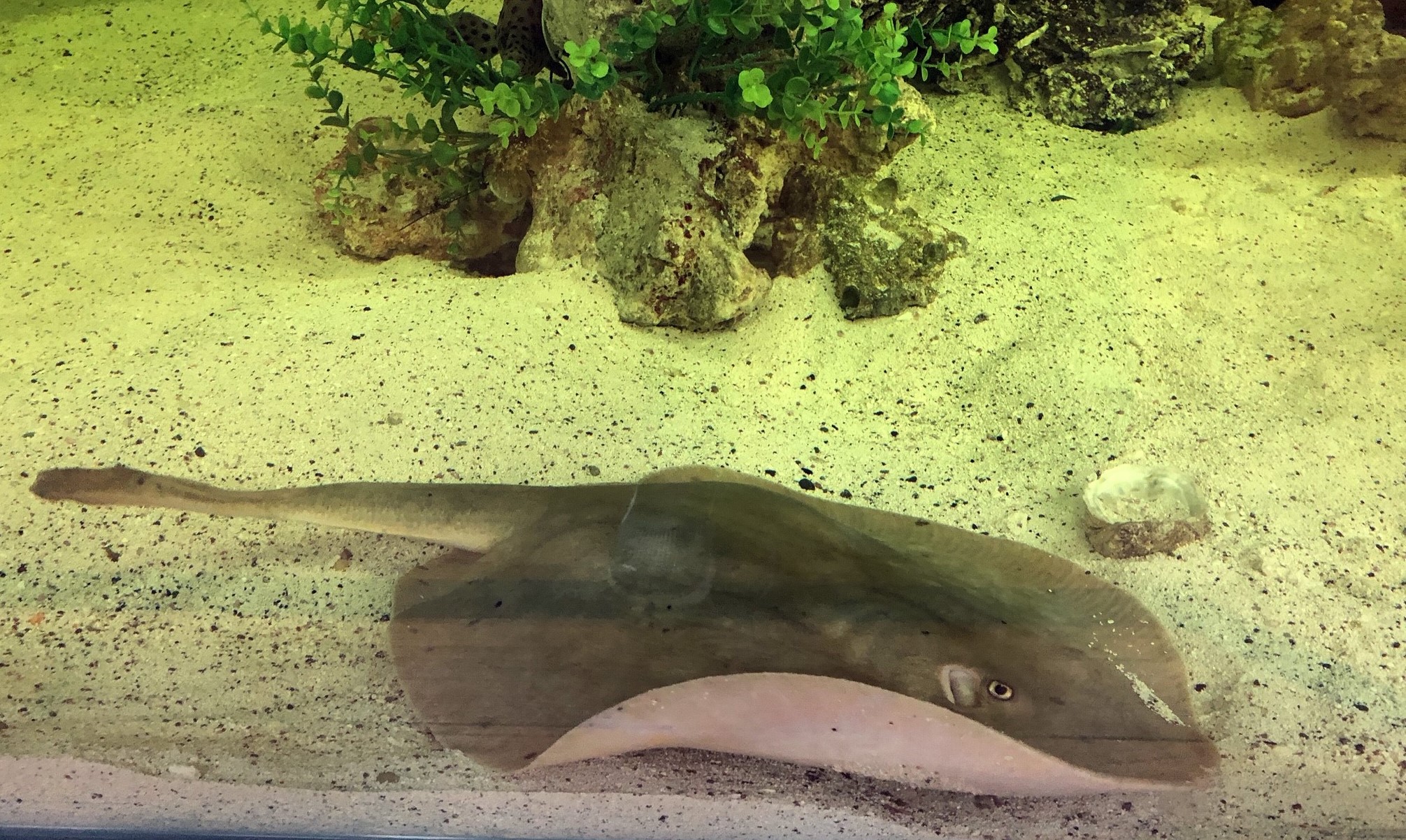
    Before we get into this mystery, let’s learn a little more about Charlotte. She is a round stingray with brown and yellow muddled spots. This type of stingray can be anywhere from 20 to 55 centimeters in length. Most round stingrays are found near California or in the eastern Pacific Ocean. They like to eat all types of invertebrates, like shrimps and crabs. Round stingrays are usually pregnant for 3-4 months before giving birth to up to six pups. Now that we know more about Charlotte, let’s get back into uncovering this scientific phenomenon.


    The news of Charlotte’s pregnancy caught the attention of many online and it continued to snowball when the head of the aquarium suggested that the stingray could have been impregnated by one of their sharks. 


    While this was a very popular theory amongst those on social media, there are actually a few more scientifically reasonable ways for a ray to become pregnant without males.


    The director of Team ECCO, Brenda Ramer, explained that while some rays can store sperm, there is no chance Charlotte could be pregnant this way, because no male stingrays have ever been in her tank. But wait, there were male sharks in her tank. There were two white spot bamboo sharks that had shared the tank with Charlotte last year. For some male sharks, they mate with females by biting them, so when the team found that Charlotte had some bite marks, the whole scenario just got more confusing. 


    If you’re still wondering if a shark can actually breed with a stingray, think about it ilke this: according to Dr. Noah Bressman, “sharks and rays are as distantly related as humans and snakes, so a snake knocking up a human is just as likely as a shark knocking up a ray” (Bluesky). In short, their DNA is simply incompatible. 


    So knowing that cross-species hybrids are plausible but extremely rare, we turn to a more likely explanation. While sexual reproduction is the norm for rays, some can occasionally pull off something different. They have this asexual reproduction method called parthenogenesis, which means “virgin birth.” This uncommon method lets them develop embryos without needing sperm. It’s not unheard of, though – this phenomenon “has been observed in more than 80 vertebrate species, many of which are fish and reptiles (Forbes).  


    As of right now, there are not any updates from Team Ecco regarding Charlotte’s pregnancy. They’ve posted an image of her ultrasound on their Instagram and some other cute videos as well. Hopefully Charlotte has a smooth delivery!


    Sources:

    Hobson, M. (22 February 2024). This stingray is about to have a ‘virgin birth’. Scientists explain how. Discover Wildlife. https://www.discoverwildlife.com/news/stingray-virgin-birth-parthenogenesis

    Large, H. (13 February 2024). Shark-Ray Hybrid? Aquarium Suggests Shark May Have Impregnated Its Lone Stingray. IFL Science. https://www.iflscience.com/shark-ray-hybrid-aquarium-suggests-shark-may-have-impregnated-their-lone-stingray-72919

    Murray, C. (14 February 2024). No, Sharks Cannot Impregnate Stingrays – As North Carolina Aquarium Investigates Mysterious Pregnancy. Forbes. https://www.forbes.com/sites/conormurray/2024/02/14/no-sharks-cannot-impregnate-stingrays-as-north-carolina-aquarium-investigates-mysterious-pregnancy/?sh=6b7774aa28ed

    Whitehead, B., Berger, J. (17 February 2024). ‘Miraculous birth’ expected from stingray with no mate, possible impregnated by shark. ABC 13 News. https://wlos.com/news/local/stingray-miracle-birth-expected-team-ecco-shark-lab-hendersonville-aquarium-parthenogenesis-possibly-impregnanted-shark-no-male-mate-clone-female-charlotte-jurassic-park#