Category: today i learned (til)

health, fitness, medicine, environment, ecology, how to learn tricky topics in science and math, new discoveries, news, current events

  • Neuroethics: expanding horizons

    Neuroethics: expanding horizons

    I LOVE science. From genetics to astronomy, neuroscience to botany, this branch of knowledge endears me with its concrete facts, equations, and straightforward answers.

    Engineering? It’s cool too. As an engineering major in my second year, I’m in the process of learning a ton about what engineering actually is, and I’m enjoying it! You certainly have to know the science behind the technology you’re working on, but you also get to think creatively and innovate. On paper, you can have no limitations and let your designs go wild, but I’m learning that engineering in practice poses limitations that aren’t exactly fun to think about — cost and means of production for instance.

    Now, philosophy of science? That’s a whole new level for me. I’m currently taking a philosophy and public policy class on the topic of neuroethics. The problems we’re examining look at how new developments in science and technology can be implemented, with all the ethical, legal, and moral issues that come with it. These types of complex issues enter a completely grey area where there is no right answer. Until taking this class, I generally avoided these types of topics because they’re out of my comfort zone; I think of them as being “fuzzy,” whereas my beloved sciences are concrete.

    However, by taking this ethics class, I realized exploring these grey areas is essential. After all, if new discoveries in science are to come to any real world importance, they need to be applied in a practical, ethically sound way.

    Let me give you an example. The most recent problem my classmates and I tackled was that of using neuroimaging technology to identify students who are at risk for committing acts of violence. Specifically, we were targeting both bullying in schools and more serious matters such as school shootings.
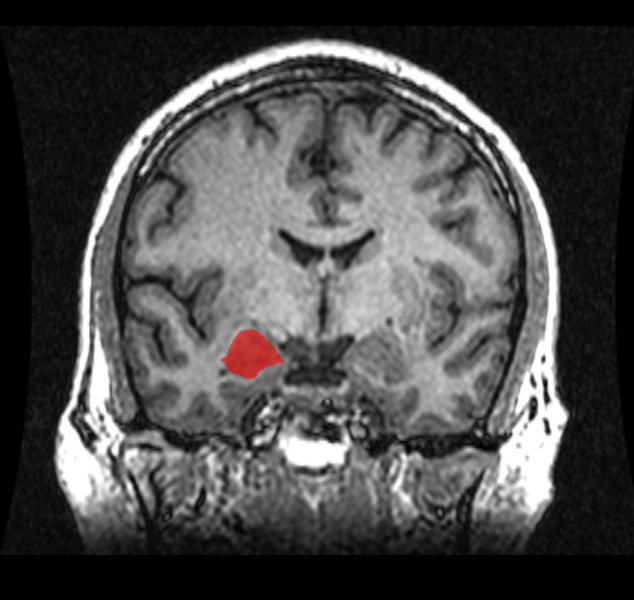
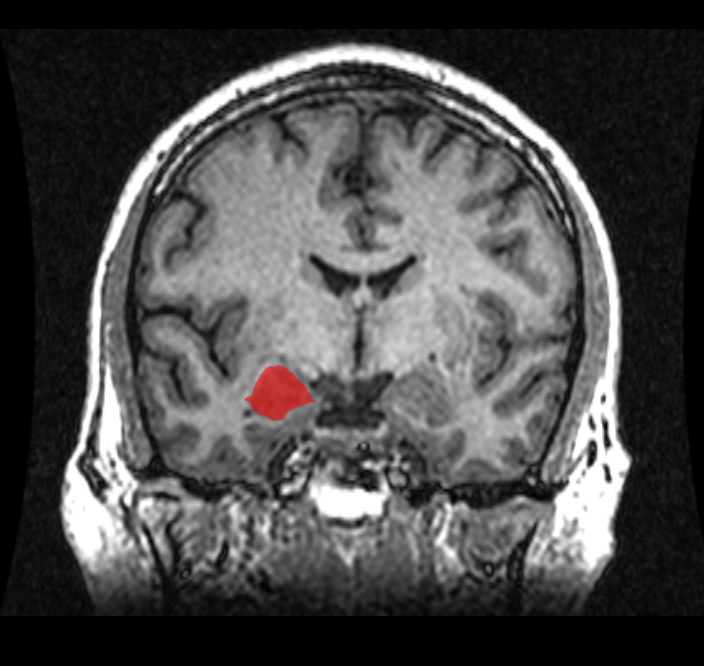
    MRI coronal view of the amygdala.
    Taken from the Wikimedia Commons.

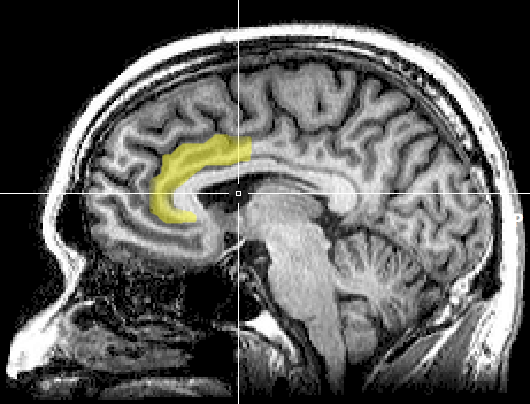
    First, we examined the technology. (This part was really fun!) Recent neuroscience studies have examined the fMRI results of those who have committed various violent crimes (assault, homicide, etc.) and have been identified with various disorders (conduct disorder, antisocial personality disorder, etc.). Generally, results show the subjects to have decreased activity in certain regions of the brain as compared with the average person. These regions include the amygdala, prefrontal cortex, and the anterior cingulate cortex (ACC), all of which are part of the limbic system, or the “emotional brain.” (Sterzer, 2009). These brain abnormalities may be why some children, adolescents, and even adults do not empathize with others or even derive pleasure for putting others in pain.
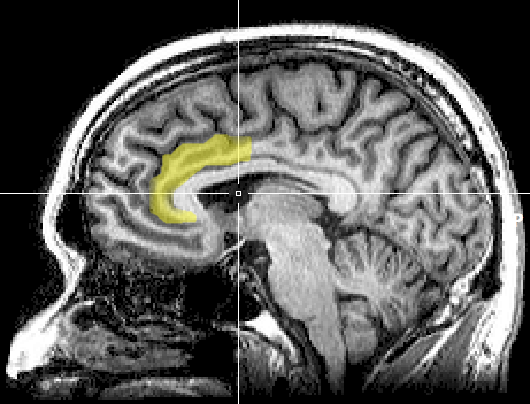
    Sagittal MRI slice with highlighting indicating location of the anterior cingulate cortex.

    So clearly there’s an inherent difference between the brains of violent and nonviolent individuals; shouldn’t we scan everyone for these defects and have them treated? Well not so fast. There is vast range of what “normal” is for a human brain. Scans have also found those with abnormal brain structure and no tendencies toward violence whatsoever. On the flip side of things, there are many violent criminals who lack these abnormal brain structures. If a scanning requirement were put in place for schools, false positives would create unnecessary stigma and hassle, and false negatives would allow students at risk for committing violence to slip through the system.

    On a related note, we need to consider that correlation does not equal causation. Just because a student may have a certain brain structure associated with violent tendencies, does not guarantee they will commit a violent act in the future. The brain is incredibly plastic, meaning it can change over time in response to experiences. An abnormal brain structure seen in a violent offender could be a result of actually committing the crime, or even a result of a negative childhood environment (Tsouderos, 2010).

    Beyond reading through the studies published on neuroimaging, we also had to look whether implementation of scanning in schools is financially, ethically, and legally sound. Have any of you ever had a PET, CAT, or MRI scan? Those things are expensive, especially if you don’t have health insurance. And in the case of a state program, that cost is placed on the tax payer. How accurate and effective do these scans have to justify paying thousands of dollars per scan? Once we have identified students as having an increased risk for violence, won’t we need the resources to treat them? And how do we manage the information taken from scans? Which school personnel, medical professionals, and authorities will have access to this information? Is it right to force a student to undergo a scan?

    In trying to find a solution, we ran into all of these questions and more. Ultimately, we decided against recommending using expensive neuroimaging technology (which, as cool as neuroscience is, it is still in its infancy) to combat violence in schools, instead looking at alternatives such as providing more resources for school programs to identify and treat mental disorders and promote mental health.

    However, whatever decisions we reached concerning this problem or the other topics in the class (ranging from genetic modification of humans to what type of medical information can be admitted into court), the important part of this experience was the discussion along the way. Thinking about these types of complex issues has really helped expand my thinking and round out my education. In fact, I was so consumed by our ethical debates that I’m seriously considering taking a proper introductory ethics or philosophy class. And to all you students out there, I recommend you do this as well! Or if not ethics, just something outside of your major and outside of your comfort zone; you never know when you’ll discover a new academic love!
    Sterzer, P., & Stadler, C. (2009) . Neuroimaging of aggressive and violent behaviour in children and adolescents. Frontiers in Behavioral Neuroscience, 3. Retrieved from http://www.ncbi.nlm.nih.gov/pmc/articles/pmc2766784/
    Tsouderos, T. (2010, Feb 15) . Exploring links between genes, violence, environment. Chicago Tribune. Retrieved from http://articles.chicagotribune.com/2010-02-25/news/ct-met-genetics-of-violence-20100225_1_genes-scientists-violence
    2. Taken from the Wikimedia Commons. Retrieved from http://upload.wikimedia.org/wikipedia/commons/1/10/MRI_anterior_cingulate.png
  • The Paleo Phenomenon

    The Paleo Phenomenon

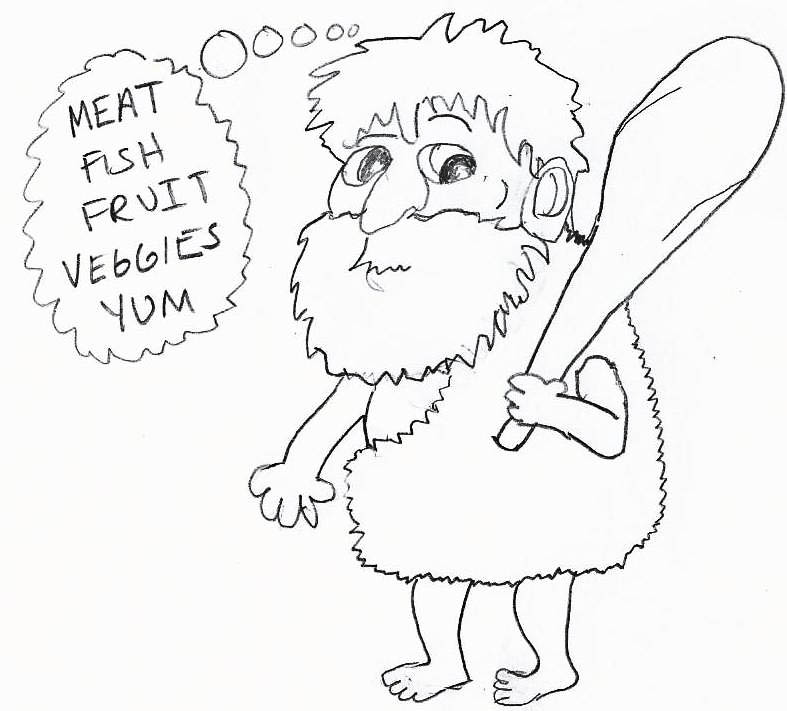
    It seems like every other day, a friend of mine declares a newfound dedication to the Paleo Diet.  Nicknamed the “Caveman Diet,” Paleo is this season’s slimmer, fitter (but just as raw) Atkins diet.  I first learned about the elusive Paleo from my dedicated Cross-Fitter friend after asking her for an afternoon snack.  I fully expected some Goldfish or hummus-like options but my friend looked carefully in her fridge and gave me a choice between freshly-watered lettuce or coconut flakes.  Apparently my disturbed look alluded to what I was thinking (when did you start hating your taste buds?) because she then confessed to me that she started this Paleo Diet.  She explained how she stopped eating bread, to which I replied “Dear God,” and went on to describe her new enlightened Paleo lifestyle.

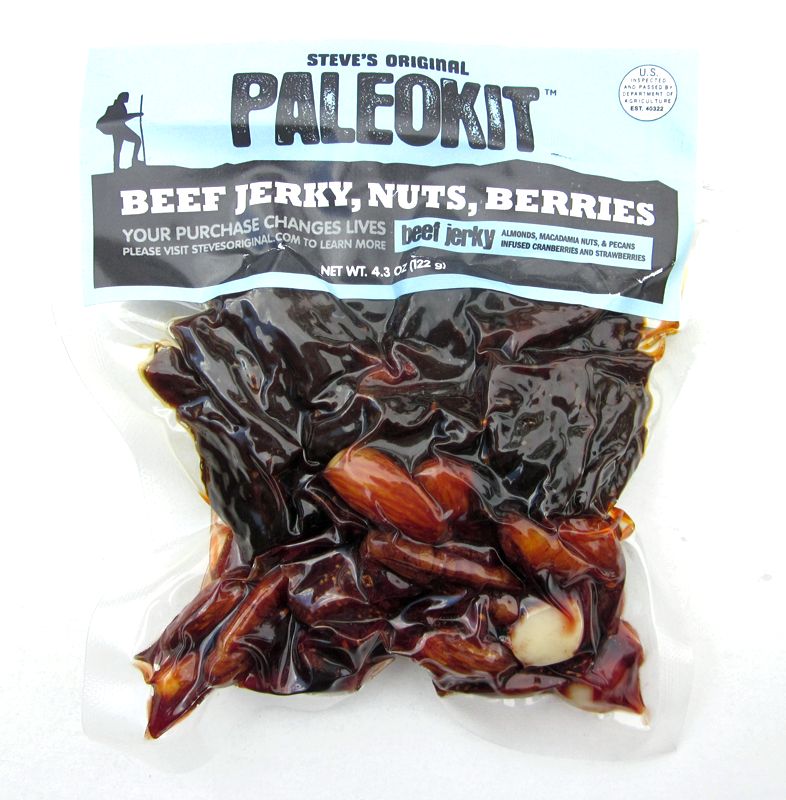
    The Paleo diet theoretically takes us back to our ‘caveman’ days when we hunted rodents with rocks and scurried for nuts and berries.  Protein heavy; processed foods are out of the question; dairy is for infants; and sugar is the devil.  I’m not sure how the Paleo people know this, but apparently cavemen never ate any grains whatsoever, so neither can my friend now.  She carries wild canned tuna in her purse, munches on dried jerky meat from a bag fit for an astronaut (right picture), and mumbles about bacon all the time.

    Shocked at the idea that someone couldn’t indulge in croissants, muffins, or baguettes with chunks of melted brie, I left my friend’s place horrified.  I thought of the possibility that lobbyists for the meat industry were behind the whole conspiracy and hated wheat with a passion.  I needed to find out for myself.  What’s the health benefit behind this fad? Is there any?  How has this pandemic spread to several of my friends already?  Will my love of carbs be strong enough to fight the Paleo takeover?

    The premise behind the ‘Paleolithic’ eating is that humans should only eat what we’ve been genetically adapted for.  For 2.5 million years, the length of the Paleolithic Era, our human ancestors were just a bunch of fit muscular naked hunters-and-gatherers.  Human diets changed 10,000 years ago when agriculture was developed, but our 2.5-million-year-old genetics did not change the way we digested food.  Proponents of Paleo blame ‘Industrial Era’ food such as beans, dairy, alcohol and salt for obesity, cardiovascular disease, cancer, diabetes and high blood pressure.  However, I could not find any known cardiovascular benefits to becoming caveman again.  There IS an increased risk of higher cholesterol because of the increased meat intake, so Paleo might not be a good idea if you have high cholesterol already.

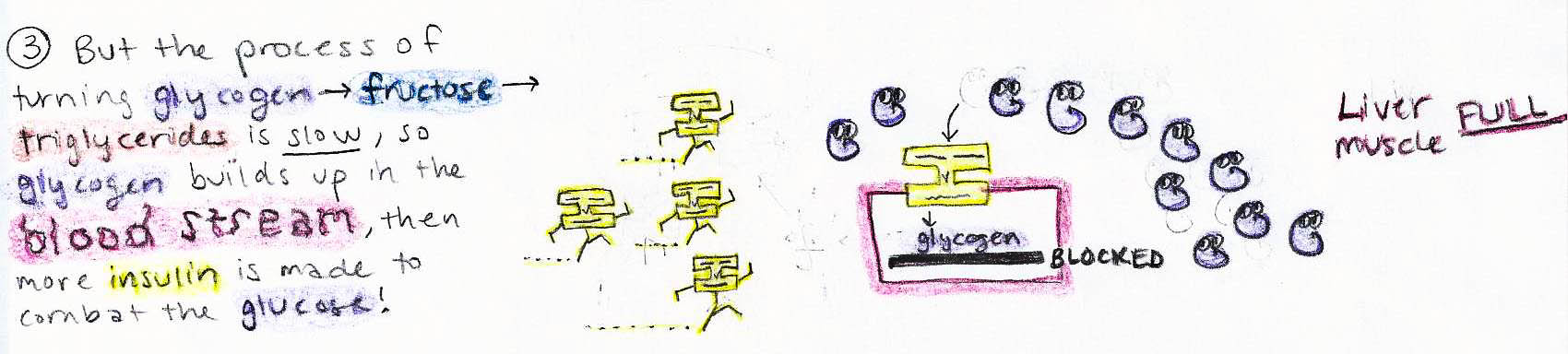
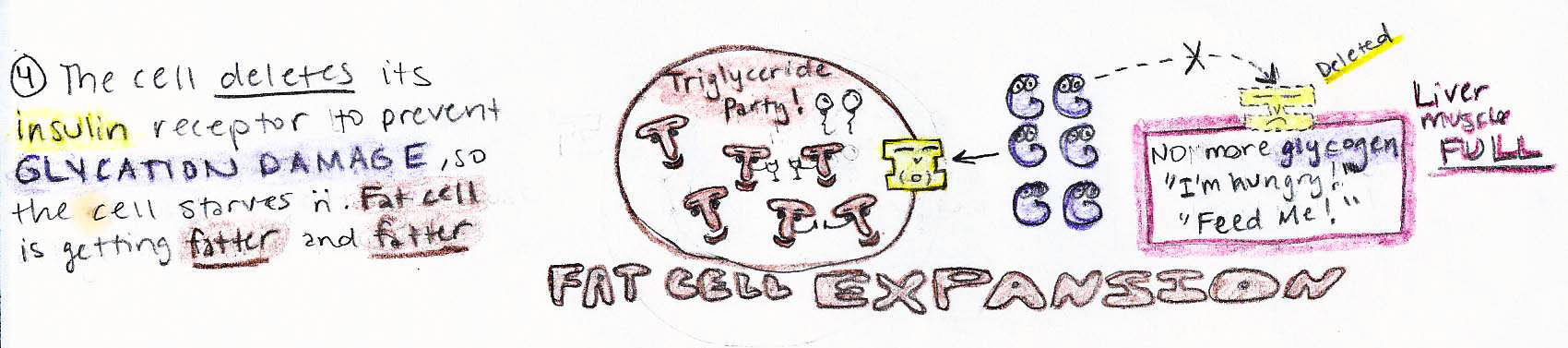
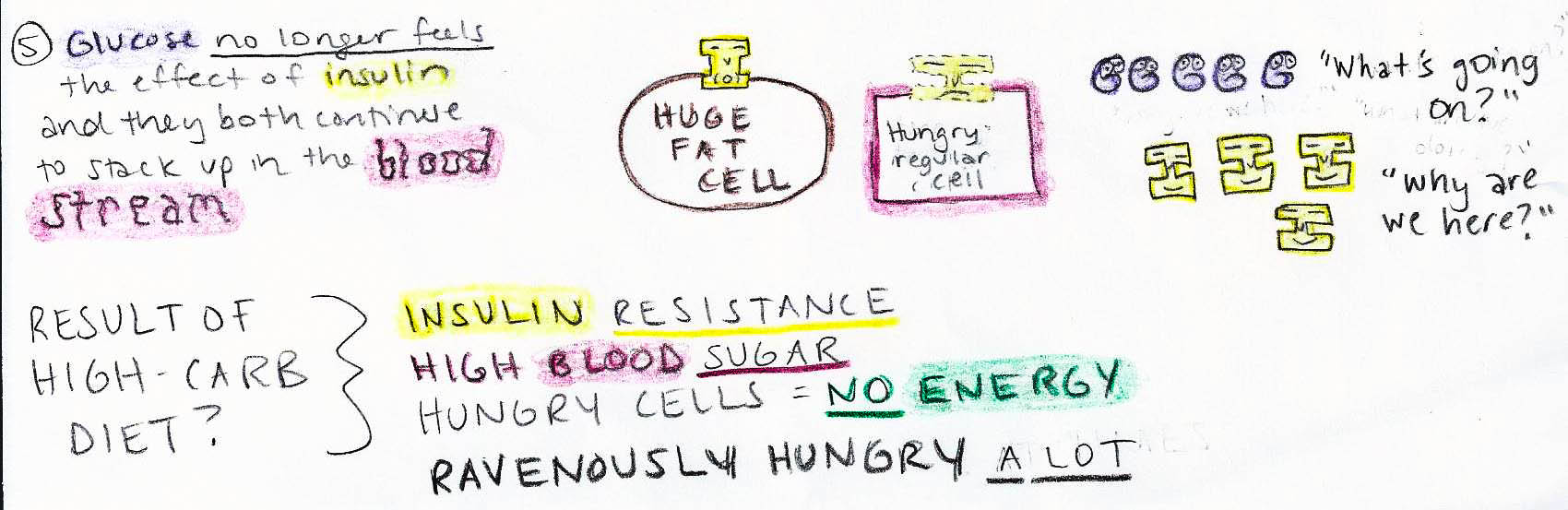
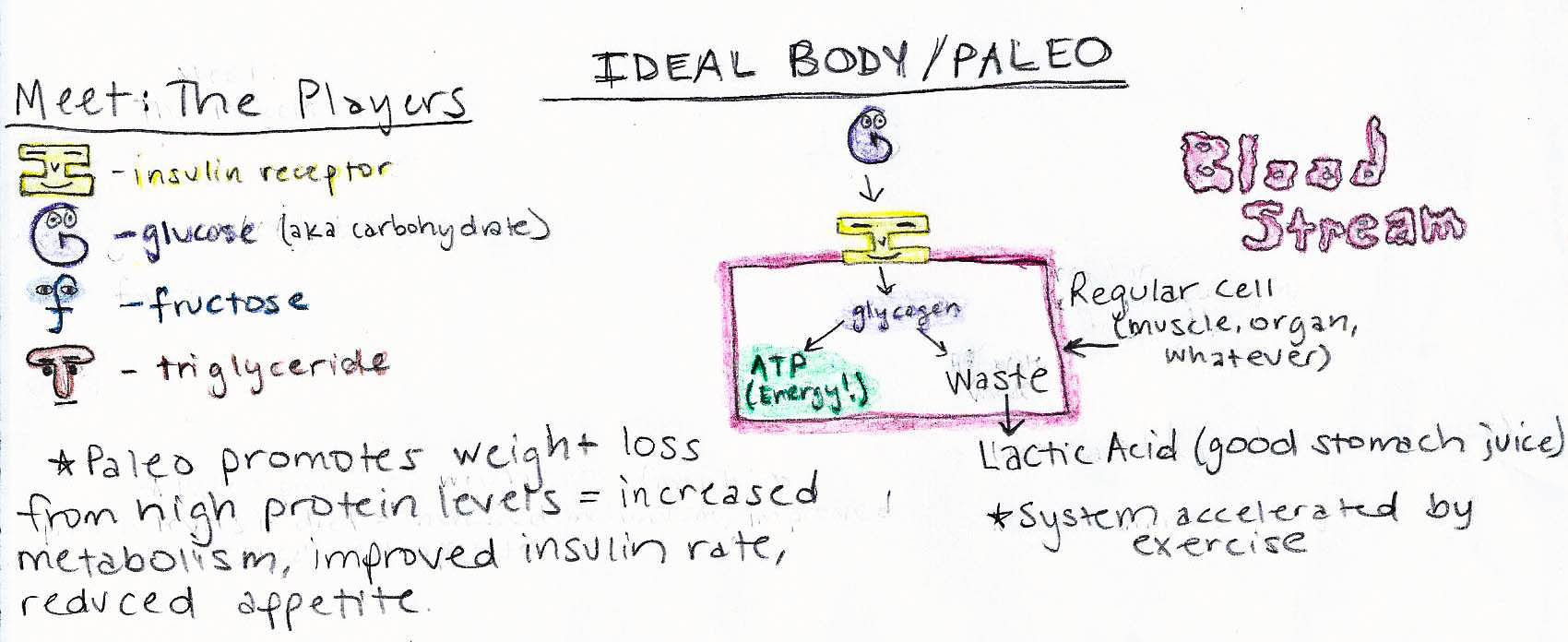
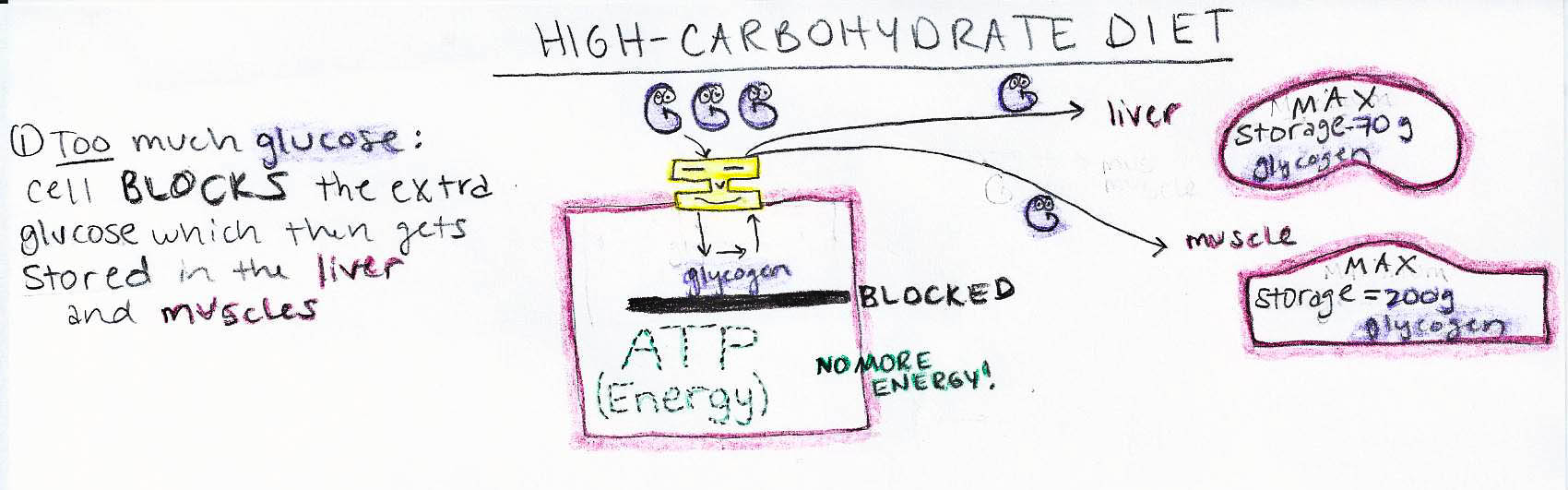
    Paleo basically hates carbohydrates.  They attribute carbohydrates to high blood sugar, insulin resistance and eventual morbid obesity.  Doug McGuff, MD and proponent of the Paleo diet, broke it down like this (with perhaps a few more sophisticated explanations):

    Paleo says that in this metabolic state, consuming high fructose corn syrup, sugar, or fructose of any kind will amplify these effects.  The only way to reverse this is with high intensity exercise.

    In theory, I’d say this Paleo diet sounds good.  But all diets sound good in theory until you’re hungry.  Examples- a few of my Paleo zombie comrades have cheated on a few occasions which they don’t want to admit.  They’ll crave a banana nut muffin all week and allow a bite on an upcoming weekend.  The pizza or cookie monster inside of them might emerge at 3 AM on a Saturday night.  They’ve also ordered light spring salads at dinner only to reach for my deep-fried chicken finger basket after they’ve digested their lettuce in 4 minutes flat.  This worries me.  I do have to say, my friends look extremely fit and healthy, and probably the best looking I’ve seen them in the last 6 years I’ve known them.  So something is working.  It could be the strenuous Cross-Fit workouts though.

    I’m very cautious about new hip diets so even after my research I was still not convinced I could get on board with the I-HATE CARBS Movement Paleo diet.  I needed to do some field research.  Meandering through the bookstore, I came across a Paleo Recipe Book and immediately started perusing through the pages.  The recipes looked pretty delicious so I snapped 18 pictures from my iPhone when no one was looking (don’t judge, I’m on school loans) and dashed from the aisle like a bandit.  I thought cooking one of the recipes would really make up my mind.

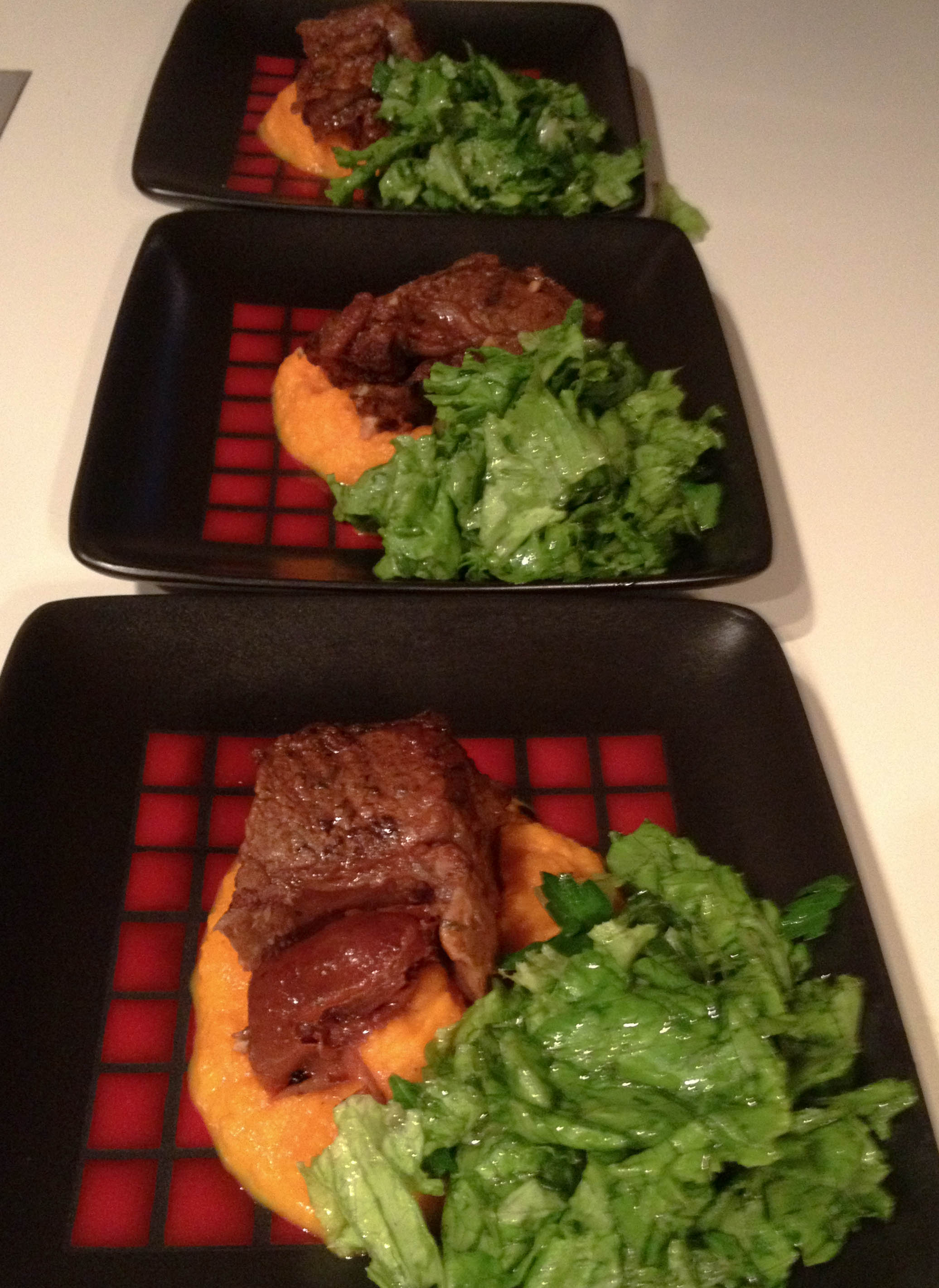
    I decided to conjure up some balsamic braised short ribs with a carrot puree and frisee parsley salad.  I wasn’t sure what to expect but, I have to say, it was damn good (pictured right).  I started to think maybe I could ‘have Paleo and eat it too’….but only on Sundays, and with friends who could split the grocery cost with me.

    All in all, I might consider going temporarily Paleo if I want to shed a few pounds but I’m gonna stick to my own health theory which is ‘everything in moderation.’  I don’t know about you, but I can’t get used to having my milk and cookies without either milk or cookies.  Plus diets that completely eliminate certain food groups are difficult to follow and can get very pricey.  If anything, I believe cutting red meats or the Weight Watchers diet are the best ways to go.  What diet could you get on board with?

  • Biology bucket list: algal blooms

    Biology bucket list: algal blooms

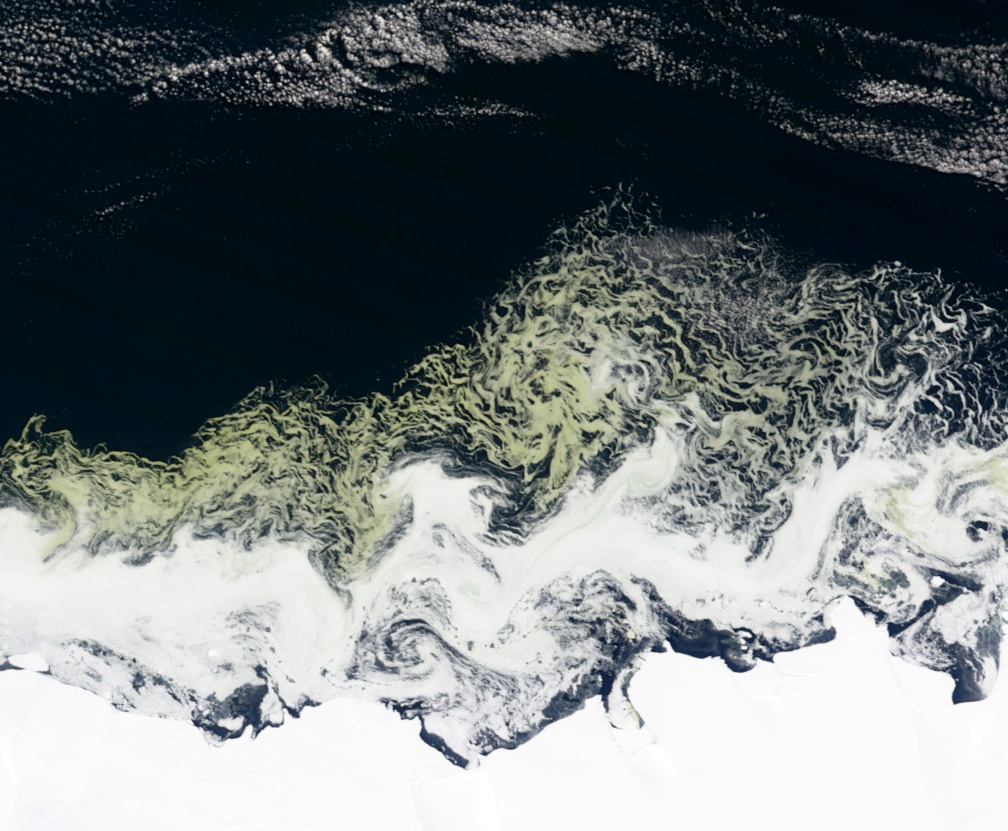
    An algal bloom appears off the Princess Astrid Coast in East Antarctica.
    NASA image courtesy Jeff Schmaltz, LANCE/EOSDIS MODIS Rapid Response Team at NASA GSFC.
    Greetings biophiles! What do algal blooms, great white sharks, and okapis all have in common? They’re all absolutely fascinating and they’re all on my list of events and animals I would jump at the chance to observe. This ever growing list of biology-related items has evolved into something of a bucket list, hence the title, and includes biological phenomena around the globe that I hope to one day see for myself!
    So what ‘s first up on my biology bucket list? Algal blooms.
    First some background: Algal blooms are basically just the growth of aquatic algae at a hyper fast pace, resulting in washes of discoloration over bodies of water. These artworks of nature generally occur due to favorable conditions such as availability of resources like minerals, nutrients, warmth, and sunlight. The algae, usually referred to as phytoplankton, are microscopic, single-celled organisms that make their home in the upper layers of both fresh and marine waters. They serve as vital components of aquatic ecosystems due to their powers of photosynthesis, as they provide food (directly or indirectly) for everything from penguins to blue whales.  Phytoplankton even feed you, as they are used as feed in aquaculture. We depend on these little guys!
    However, I not only appreciate them for their hard work in the upkeep of our oceans, but also for their aesthetic value on both a microscopic and macroscopic level. If you do an image search of either “phytoplankton” or “diatoms” (go, click on it!), you’ll see that these guys come in all kinds of wacky shapes, sizes, and colors. Looking at them under a microscope (and I would love to take my own sample from an algal bloom) is pretty much like walking through an art gallery (except better) because the artwork is made out of living organisms just hangin’ out,  powering an entire ecosystem and being funky shaped. Ahhh, that is the life.
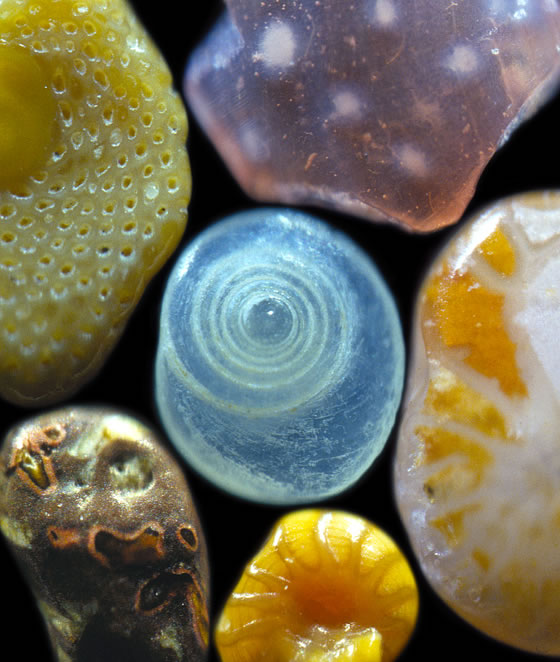
    (Side note: lots of ordinary things look crazy awesome when looked at close up, sand for instance. Oh nature, your beauty reveals itself on so many levels. *swoon*)
    Bits of sand made up of shell, coral, and volcanic rock bits.
    Image Copyright © 2008 Dr. Gary Greenberg, All Rights Reserved.
    How do I plan on experiencing an algal bloom you may ask? By swimming in one of course!* (Or looking at them from the International Space Station, as most algal blooms can be seen from space. NASA, if you want to make dreams come true, hit me up!)

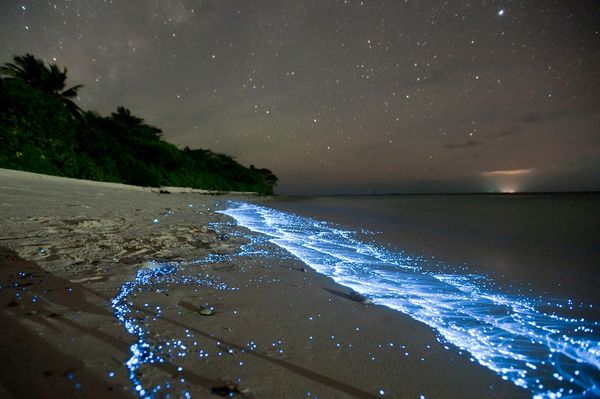
    And no, I’m not talking about taking a dive in the pond scum of the poorly-kept neighborhood pool. Instead, I hope to travel to what are known as bio-bays: bodies of water where bioluminescent phytoplankton, or more specifically dinoflagellates, light up the waters at night and create waves dotted with glowing spots to match the starry night sky. There are several locations around the world where tourists can experience the glowing waters- Puerto Rico, Vietnam, and the Maldives to name a few.

    However, these kinds of trips cost money and, alas, I am a poor college student, so until I can save up to travel to Puerto Rico (or the ISS), I’ll continue looking at satellite photos (like the ones from NASA, linked below). Other types of algal blooms can occur in bodies of water around the world and vary depending on seasonal and causal factors.

    Glowing blue waves on Vaadhoo Island in the Maldives.
    Photograph by Doug Perrine, Alamy

    I like to keep my eye out for new photos of algal blooms, such as this one, which displays Impressionist-esque swirls of green and yellow atop the waters off the Princess Astrid Coast in Antarctica, taken by NASA’s Terra Satellite this past February. Antarctic blooms generally occur in December (the start of summer for Antarctica) as the increased sunlight favors the growth of these photosynthesis superstars and kickstarts the rest of the marine ecosystem in time for baby-making season. This particular algal bloom’s late season appearance excited scientist to the possibility that it was caused by a more unusual factor: nutrients blowing off of a nearby ice shelf. This is just one example of how algal blooms can come about.

    Year round you can find news of all types of algal blooms being spotted in different places around the world, so keep a lookout for this fascinating biological phenomena! If you would like to see more of their intoxicating beauty I would recommend perusing through Visible Earth, a catalog of photos from NASA, or checking out this gallery from Wired magazine, which will also tell you about regional types of algal blooms.

    So, dear readers, what do you think? Would you go swimming in a bioluminescent ocean? I hope you’ll take a look through some of the galleries linked throughout (some of these photos make great wallpapers!), and of course I’d love to know what’s on your biology bucket list via the comments section below. (Also, keep a look out for our next installment of our biology bucket list series!)

    *It should be noted that some algal blooms are harmful (HABs), and certain species, about 2% of the 5000+ species of marine phytoplankton, are associated with toxins and can actually harm an ecosystem through the release of neurotoxins and the depletion of oxygen in water. These HABs can arise naturally and in predictable patterns, but have also increased in frequency due to human activity like agricultural run-off. So please do not just go jumping into any old discolored water and be sure to look out for notifications from your local health and marine departments if you plan on participating in any recreational activities in or near your local lakes or beaches.
    Here are the places I got my information from:
    Diersing, Nancy. “Phytoplankton Blooms: The Basics.” (May 2009). Florida Keys National Marine Sanctuary.
    “Greening the Princess Astrid Coast.” (March 2012). Earth Observatory by NASA.
    Landsberg J.H. “The effects of harmful algal blooms on aquatic organisms.”  (2002). Reviews in Fisheries Science.
    Than, Ker. “Picture: Glowing Blue Waves Explained.” (March 2012). National Georgraphic.
  • Mistaken concepts: the taste buds

    Mistaken concepts: the taste buds

    OK, kids, we need to talk. No, you’re not in trouble. The people in trouble are health, anatomy, and psychology teachers who try to teach a specific concept that is WRONG.

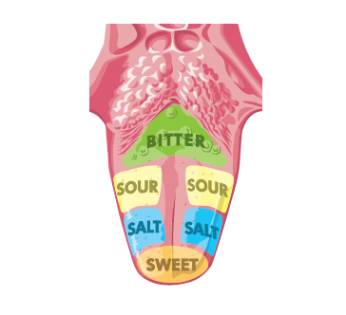
    Any guesses about what connects those teachers? No? Well, here’s the offending diagram.

    Don’t believe images like this. EVER.

    That, my lovelies, is a picture of a tongue. But see those cool segments that tell you what flavor is tasted by each segment of the tongue? They’re completely and totally unnecessary. Your tongue doesn’t work that way, despite what so many teachers and even college professors would have you believe.

    No, don’t try to look all cute and happy, Mr. Boring. You’re on scientific trial here.

    Let’s go back a bit to Harvard University circa 1901. A psychologist, Edwin G. Boring (more like Edwin G. Mistaken-Fact-Check) misinterprets data in a German paper, leading to the belief that each region of the tongue is specialized to taste exactly one of four basic flavors.

    “OH! Cool!” he says, thinking this break-through will change the way we interact with food (or something).

    Trust me, it didn’t.

    Let’s fast forward to 1974, when Virginia Collins discovered that all tastes are distributed equally across the tongue. Case closed, right?

    NOPE! People are STILL using the tongue map to explain taste buds in 2012!

    Let’s expand your knowledge a bit, though. Why is this tongue map concept so incredibly insulting to the science of taste? Here’s three big reasons why!

    Well, first off,  it is incorrect in the count of basic flavors. The map shows the four flavors (bitter, sour, salty, and sweet) that were known in 1901, but there are at least five that we know of now. The four that are on the map DO exist; the fifth wheel of taste we use at a wine and cheese party is actually one of the most important – umami. That’s the taste of savory things like meat and cheese, and was described as early as 1908, a mere seven years after Boring made his translational mistake.

    Secondly, the map claims the receptors for each flavor only exist on the edges of the tongue, the very back, and the very tip. That leaves a HUGE bit of space that doesn’t really do much, right smack in the center… where most food hits the tongue.

    Um. Science says, “Whoops?”

    It’s an impractical model from the start, is what I’m trying to say.

    Thirdly, our sense of taste is much more important in basic development and exploration than the map allows for. From the time we are born, we explore the world through all of our senses. Senses like sight don’t fully develop until we are between 6 and 18 months of age, but we make up for what we lack by using other senses, taste, in the case of infants.

    Well, why is that particularly important, you ask? Because of chemistry. The basic correlation between chemistry and taste is that acids taste sour and bases taste bitter. The safest way of testing this is to taste a lemon, which is full of citric acid. It’s sour, right? Right.

    Since things that are bitter are not necessarily desirable as food products, it’s very difficult to find them on market shelves. Egg whites and some crackers are the closest edible things you’ll find to basic foods.

    Now, think back to childhood…. Do you think a baby would like something that tastes bitter? NO! That’s a natural response. It’s a safety precaution, too; bitter foods tend to contain deadly chemicals, like ammonia. According to the tongue map, those substances would have to hit the back of the tongue to be tasted, which probably means someone is going to have to call poison control because little Johnny has swallowed ammonia instead of spitting it back out because he tasted that bitterness immediately.

    So, lesson of the day? Don’t think of the tongue as some city planner’s way of keeping the taste bud gangs from having turf wars. It’s much more accurate to think of it as a metro area, where everybody mixes and coexists while doing their jobs.


    O’Connor, Anahad (November 10, 2008). “The Claim: The tongue is mapped into four areas of taste”. The New York Times.

    Hänig, David (1901). “Zur Psychophysik des Geschmackssinnes”. Philosophische Studien 17: 576–623.

    Wanjek, Christopher (August 29, 2006). “The Tongue Map: Tasteless Myth Debunked”. Livescience.com.


    Image sources:

    www.leavingbio.net

    www.igs.net/~pballan


  • Let me check in the back: how 3D printing will revolutionize future commerce

    Let me check in the back: how 3D printing will revolutionize future commerce

    A commercially available, at home 3D printer from MakerBot Industries


    Allow me to transport your mind for a moment. The year is 1999, being an “internet company” is still a viable business model, and Yahoo! makes hilarious commercials with the following premise: the internet will allow you to find and obtain anything you’ve ever wanted. Today, that’s kind of true. If I want to buy a product, hire a person with a specific skill set, or learn about a new topic, the internet is the first stop. I grew up in this era of instant gratification, at least with digital content, so to me, using the internet to obtain information is so common it’s mundane. Here in present day future land, an emerging technology known as “3D printing” is soon going to do for physical objects, even complex machines, what the internet did for the dissemination of digital information.

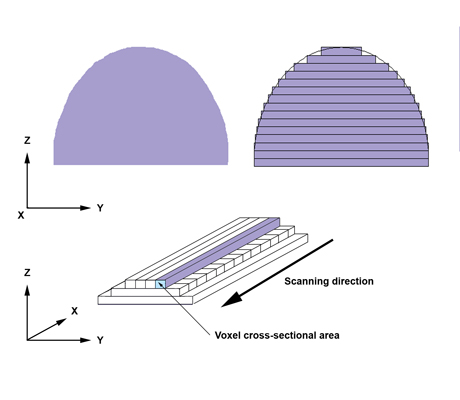
    In a nutshell, 3D printing is a lot like regular printing… in three dimensions. If you accept the simplicity of a cop-out explanation, then you are well on your way to appreciating why 3D printing will be such a transformative technology. In a regular inkjet printer, paper is maneuvered in one dimension, say “X” on a coordinate plane, and a printing head moves in a second direction “Y”. The combined motion in X and Y allows for “two-dimensional” printing, but there is some minute third dimension even for these systems, as the deposited ink has a height on the page. With the addition of a third degree of freedom for movement into the “Z” direction, and replacing the ink with a substance that can be easily deposited and then frozen into place, this afterthought of a third dimension can be capitalized upon. With each successive pass in the XY directions the height grows in the Z direction. If the increments in the Z direction are small enough, even complex geometries can be made perfectly smooth.

    3D Printers make intricate shapes by depositing small amounts of material in successive layers

    This is similar to a physical application of a “Riemann Sum” used for graphically approximating integrals in calculus. This level of precision and flexibility in manufacturing is what makes the possibilities for 3D printing so bizarrely unreal. Typically, if a material cannot be extruded, milled, pressed, or molded by machines the only option is handcrafting by skilled artisans. Think your grandmothers heirloom dining room table versus anything on sale at IKEA. Scale, my friends, is the difference.

    3D printing has enjoyed niche applications in producing product prototypes and custom-ordered artistic pieces. There are a lot of variations on the general technique I have just described, but one thing is for sure – if 3D printing ever reaches a “break-even” point with conventional people-actually-making-stuff manufacturing, the concept of supply and demand economics, that universal truth applying to huge quantities of product, will lose its relevance. 3D printing would allow supply and demand to approach a 1 to 1 ratio – there would never be any imbalance between the two. No reason for a sales clerk to check in the supply room for the last lamp or chair or dining room set or pair of sneakers, because it could just be printed on the spot. Scientists 1: Businessmen 0.  Admittedly, that’s a bit farfetched, but it’s certainly true that with a technology like 3D printing readily available and fully optimized, the gulf between items that are built by the zillions and given away in Happy Meals and manufacturing-intensive high-cost products will shrink. Items would go from existing on a shelf to existing on a hard-drive, made-to-order perhaps even at the point of sale.

    So what’s the catch? Sounds like a sweet deal! For a lot of creative, inventive people, it already is. Take MakerBot Industries for example – the creators of their namesake the MakerBot Thing-o-Matic shown at the top of this article, which is a bonafide do-it-at-home tabletop 3D printer. There is already a bustling community of users who submit their own CAD (computer-aided design) drawings to the Thingiverse for anyone to download and print on their own. Don’t have a 3D printer (or don’t want to spend $1749 for the MakerBot design)? No worries – you can even submit your designs to a third party 3D printer (pun intended) like i.materialise online, and they will print it for you. I uploaded a simple CAD design from Thingiverse to get an idea of pricing. I used a “hose clamp-pinch valve” with dimensions of about 1.5 inches wide and 3 inches long that came to a price of $15.50 (made of polyimide (AKA nylon), which is unfortunately not one of the plastics with a designated recycling code) and $336 to make the clamp out of brass if I was feeling fancy. For the plastic part at least, that is surprisingly affordable when compared to buying a single item of similar size and material at a home improvement store, which might run $5-$10. With prices like that I’ll have to forgive i.materialise for probably naming their company during a board room meeting at a Starbucks.

    But what if I had uploaded a design I had not gotten from an open source development site like Thingiverse or designed myself? What if I downloaded it on a peer-to-peer network or even copied an existing physical object in a store? Is it the responsibility of the people running the 3D printer to analyze every possible design for copyright violations? Is it mine? Certainly it would not be illegal for me to make my own pair of jeans inspired by, even identical to, a pair of Levi’s® if I had the ability and didn’t sell them? What if I had printed out a pair of Nike® basketball shoes with a big “G” on the side and gave a pair to my buddies?

    This, unfortunately, will likely be the Achilles heel for the 3D printing industry, and it is discussed in some detail by Michael Weinberg at Public Knowledge in his hilariously titled white paper on the subject –  “It Will Be Awesome if They Don’t Screw it Up: 3D Printing, Intellectual Property, and the Fight Over the Next Great Disruptive Technology”. They, I guess refers to “the man”, who has been known for previous violations of pointing his plastic finger at Jimi Hendrix and suing college kids for downloading albums in their dorm rooms. Or, say I used my own 3D printing machine to make assault rifles in the comfort of my own home. It’s been done folks, but unlimited capability is no reason to fear but rather to understand, plan ahead, and compromise.

    Use your printers wisely.


    Image sources:

    http://en.wikipedia.org/wiki/File:Rapid_prototyping_slicing.jpg

    http://www.flickr.com/photos/makerbot/5526691737/

  • Baaah Bye, Kudzu!

    Baaah Bye, Kudzu!

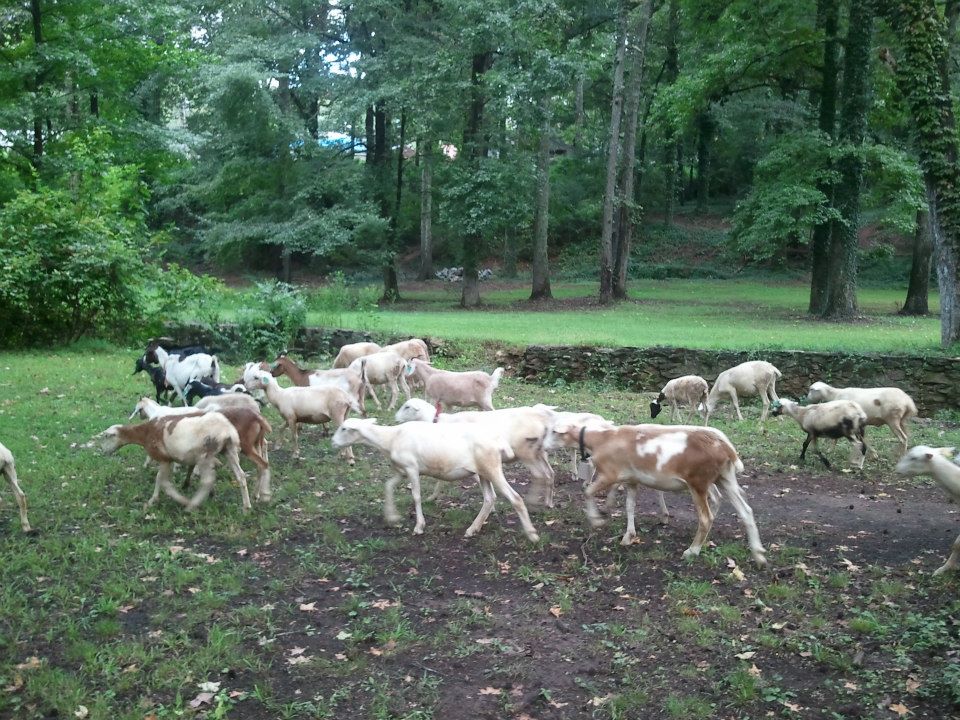
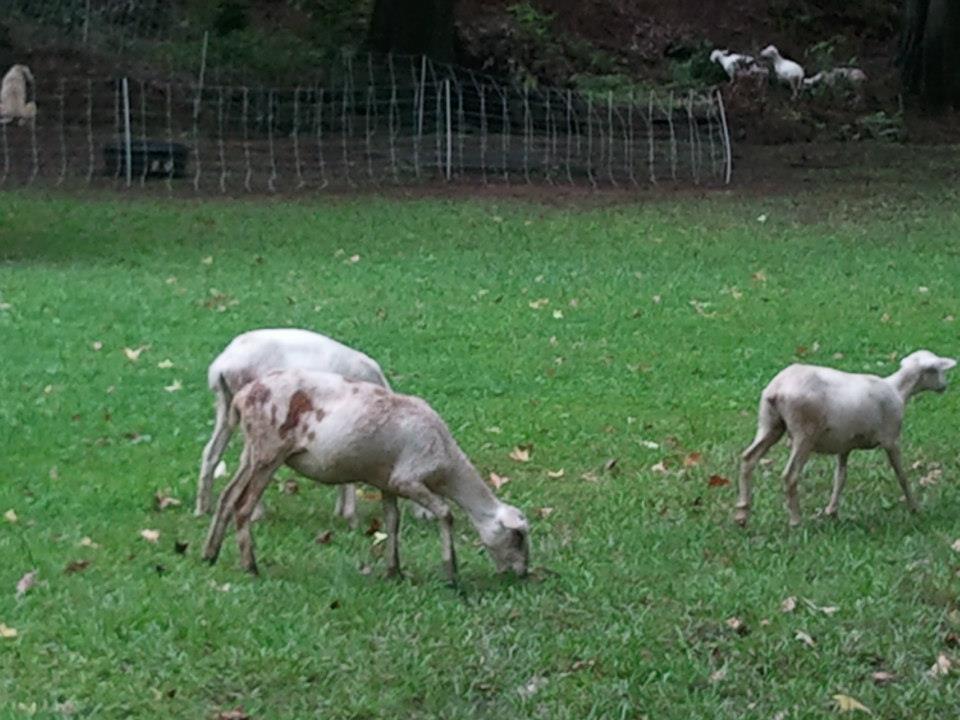
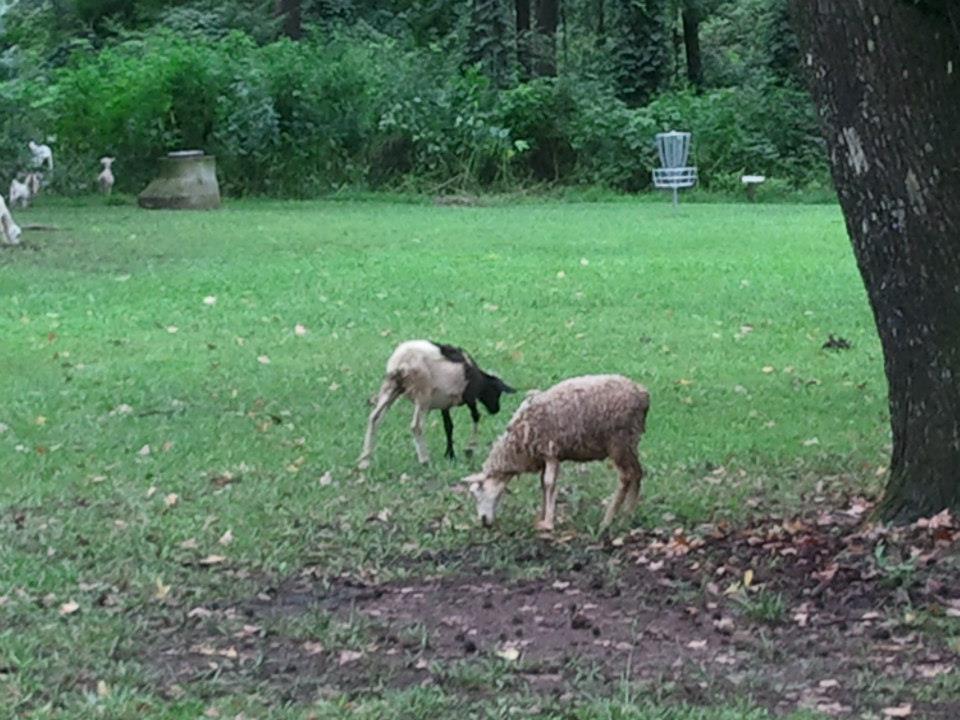
    Would you ever think sheep could be used in the place of a lawn mower? How could an animal do the same job as a piece of lawn equipment?! Well, in the case of managing kudzu, sheep (and goats) are doing a great job of keeping the invasive species at baaah. Uh… I mean bay.

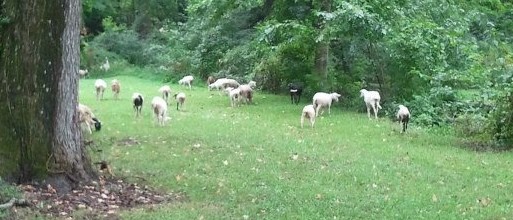
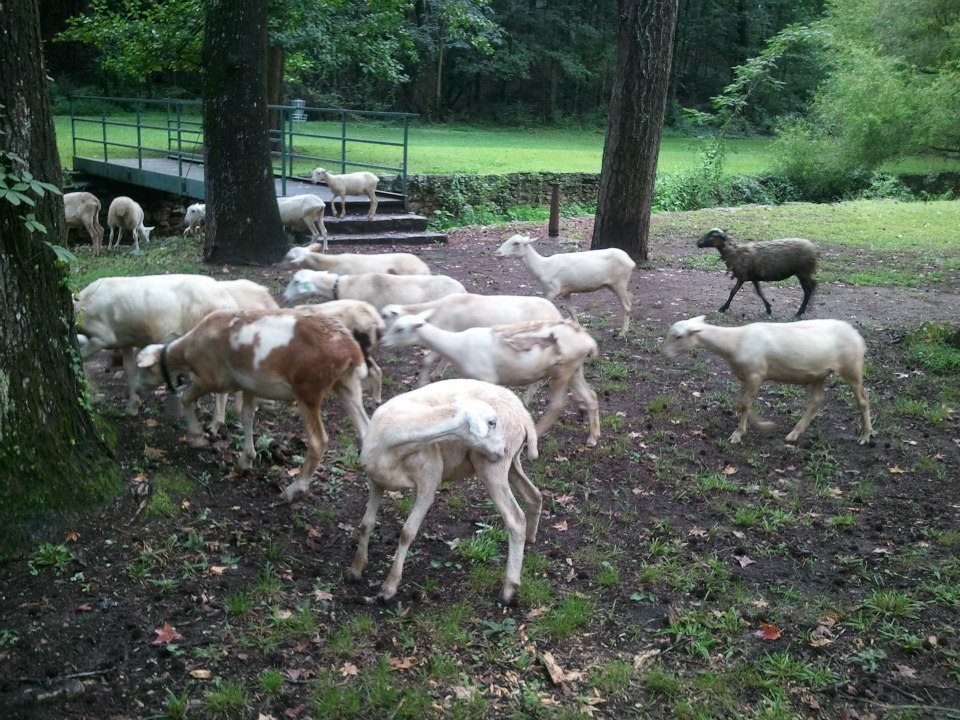
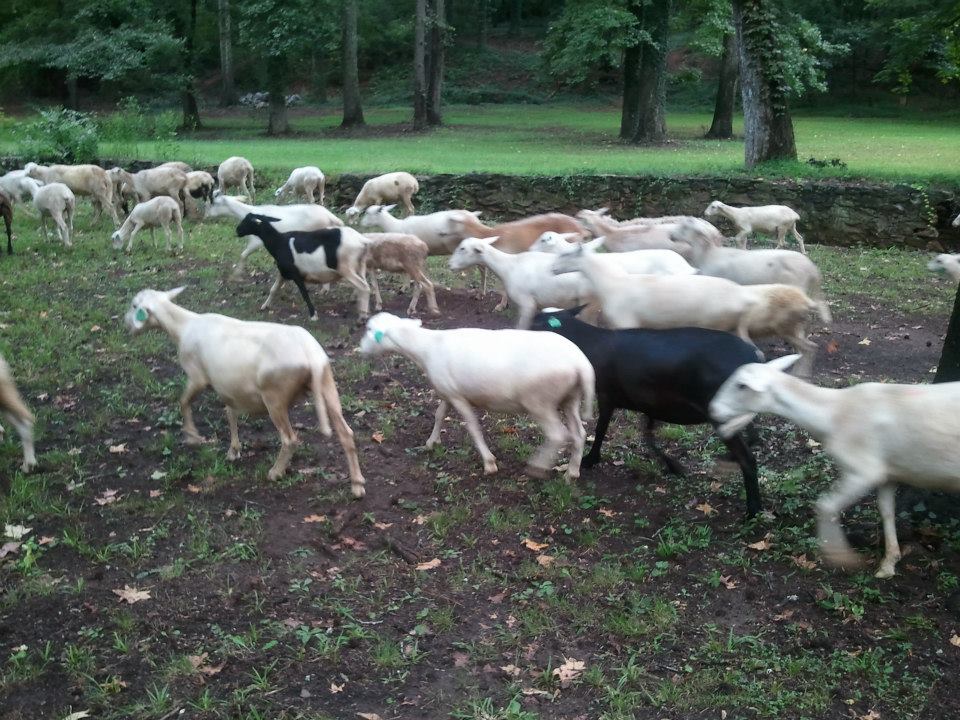
    A couple of weeks ago, I joined a few members of my learning community on a trip to visit some live action kudzu eating. The sheep we visited were part of a company named Ewe-niversally Green (clever, eh?) which specializes in the removal of invasive plants, particularly kudzu. The company is currently working with Trees Atlanta, clearing multiple acres of kudzu from the metro area each week.

    What is an invasive species and why are they bad, you ask?

    An invasive species can be any organism (both native and non-native) in an environment which grows at a rate which impedes the natural order. Every ecosystem is comprised of multiple types of organisms in balance, and if a new species is introduced or if a native species begins to dominate the system, this balance can be thrown off. Kudzu, like other invasive species, intrudes on the naturally occurring species by out competing them for resources. Over time, if the invasive species is left to prosper, a decrease in biodiversity could result and the ecosystem could crash if the invasive species caused too much damage to the natural order of the ecosystem.

    So how are invasive plant species typically removed?

    Usually, kudzu is maintained via mowing or by the use of chemicals. By using sheep instead of traditional methods, the natural habitat is conserved in a more sustainable, “eco-friendly” fashion. The risk of funky herbicides seeping into the soil or water supply is greatly decreased, or potentially eliminated completely. Plus, the sheep are supplied with yummy vegetation which makes them quite content.

    Sheep Fun Facts:

    The sheep we visited (there were about 100 of them, including a few goats) could easily clear an acre of kudzu a day! They can also clear foliage off trees up to about seven (7) feet from the ground!

    One sheep dog (a super cute Border Collie where we went) can herd around 1,000 sheep/goats by itself. The shepherd uses different whistle patterns to direct the well trained pup where to go and what to do. It’s quite spectacular!

    And poison ivy? They love it! It’s their equivalent of a tasty candy bar! Azaleas and rhododendrons, though, are poisonous to the sheep.


    If you would like to learn more about the sheep we visited, check out Ewe-niversally Green’s website here, or find them on Facebook here.


    Sources:

    Brian Cash at Ewe-niversally Green

    http://eweniversallygreen.com/home

    http://www.treesatlanta.org/SheepProgram.aspx

    http://en.wikipedia.org/wiki/Invasive_species

    Photos taken by Taylor James

  • The Horny Human’s Siberian Adventure: An Evolutionary Tale of Anthropological Proportions

    The Horny Human’s Siberian Adventure: An Evolutionary Tale of Anthropological Proportions

    Let me set the mood for you: you’re an anatomically modern human living in mountains of Siberia. The year is circa 80,000 BC. Siberia is cold this time of year (okay, let’s get real, it’s always cold in Siberia). You’re in the midst of the last great ice age and you’ve taken up residence in a small cave. You’re happy and healthy, you just finished your dinner of Saber-toothed cat stew and you have the fur of that wooly mammoth you skinned to keep you warm. Just as you’re about to go to sleep, a particularly strong gust of wind blows by and a stranger takes shelter in your cave. But this is no ordinary stranger, this is a brown-eyed, brown-haired, dark-skinned Denisovan, an ancient hominid species distinct from humans. You think of killing the Denisovan at first, but you reconsider. After all, you’re lonely and you have needs. So you get freaky.

    Okay, you caught me, that story is fictional. But how fictional is it? As it turns out, not very. In fact, we now know that humans have mated with other hominid species multiple times in their history. For example, in 2010, scientists working in the Pääbo lab at the Max Planck Institute for Evolutionary Anthropology in Germany sequenced DNA extracted from Neanderthal fossils and compared the sequences to those of modern day humans. What they discovered was startling: at some point in time, humans and Neanderthals interbred. By comparing the genomes of Neanderthals to various modern day human groups, scientists were able to determine that Neanderthals were more similar genetically to non-Africans than to Africans, suggesting that early humans in Europe and Asia mated with Neanderthals, while Africans did not. So what does this mean for you, the 21st century hominid? It all boils down to this: you’re not as human as you thought you were. In fact, if you have any European or Asian ancestry in you (that is, if you’re not 100% African), you are likely 1-4% less human than you thought you were. But wait, there’s more. You may be even less human than that.

    Mere months after the Pääbo lab published their findings on Neanderthal DNA, they stumbled upon another find in the form of a fossilized distal manual phalanx and two molars in Denisova Cave in the Altai Mountains of Siberia. Through genetic analysis of nuclear DNA found in the fossils, Pääbo’s team was able to determine that they belonged to a previously undiscovered species of hominid. This species has come to be known as Denisova hominid, or Denisovans. Upon discovering this new species, Pääbo’s team set out to sequence the Denisovan genome from DNA extracted from the distal manual phalanx (fingertip) fossil. If this sounds ridiculous (isolating ancient DNA from a fossilized finger), it’s because it is. It is absolute craziness to me that this technology exists, but it does. I know, I know, it’s friggin’ awesome…but I digress.  Back to fossil DNA.

    Through the development of radical new methods that are capable of sequencing 99% of the nucleotides in the genome over 10 times each, Pääbo and his team were able to unmask the Denisovan genome to an incredibly high degree of precision. So what did they find? They found that humans and Denisovans got it on (or to put it more scientifically, went through an admixture event). But unlike Neanderthals, they didn’t get it on quite as frequently, which means that unless you are Chinese or a Papua New Guinean, you probably aren’t very Denisovan. Denisovan DNA was found in trace amounts in the Han and Dai cultures on mainland China and in 3% of the genome of Papua New Guineans. The Denisovan DNA also gave scientists insight into what the species may have looked like. Denisovans likely had brown hair, dark skin, and brown eyes and probably existed in small population numbers with low genetic diversity. Denisovans were likely driven to extinction by modern humans some tens of thousands of years ago, but thanks to some horny Papua New Guineans, their genes live on.


    Article Sources:

    A. Gibbons, A crystal-clear view of an extinct girl’s genome. Science 337, 1028 (2012).

    M. Meyer et al., A high-coverage genome sequence from an archaic Denisovan individual. Sciencexpress (30 August 2012).

    R. E. Green et al., A draft sequence of the Neanderthal genome. Science 328, 710 (2010).

    http://en.wikipedia.org/wiki/Pleistocene

    http://en.wikipedia.org/wiki/Denisova_Cave