Category: Articles

  • Mind Over Matter: How Brain Implants Are Making Telekinesis Real

    Mind Over Matter: How Brain Implants Are Making Telekinesis Real

    Imagine a world where you can move objects and complete tasks simply by thinking about them. Sounds like a pretty relaxing and too-good-to-be-true idea, right? What if I told you that researchers are closer to this reality than you may think? In pop culture, characters like Raven from Teen Titans and Wanda from WandaVision may make telekinesis seem like an impossible out-of-this-world ability. Still, when translated into the real world and boiled down, telekinesis has nothing to do with supernatural powers and everything to do with our brain’s signals. 

    How is this possible?
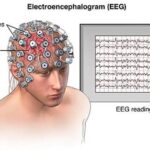
    Researchers are using brain-machine interfaces (BMIs) to simulate what we know as telekinesis. As the name suggests, these machines create a connection between brains and machines, translating the brain’s electrical signals into commands the machine can follow. This connection allows thoughts to control tangible items (Brain–Machine Interface Projects, n.d.). In medical dramas like Grey’s Anatomy, you might see a patient hooked up to a machine that has funny-looking lines. Well, that tool is an electroencephalography (EEG), and it is used to view brainwave activity using electrodes. In BMIs, this brainwave activity is translated into digital commands, which can be boiled down into 3 simple steps: signal detection, signal processing, and command execution.


    Real-World Applications

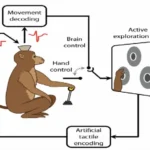
    There have already been some great advances in this technology and researchers are working to continue to push the bounds between ideas and reality. Miguel Nicolelis, a neuroscientist from Duke University, was one of the creators of a virtual arm used to further explore this mind-machine connection. As he explains it, “We trained these animals to use their own brain activity to control an avatar arm and hand that could explore objects, virtual objects that we created for them” (Npr, 2011). The connection between the monkey’s senses and this virtual arm was so strong that the monkeys assimilated the arm as their very own, and they could even feel the texture of objects solely using the virtual arm. 

    Nicolelis is hoping that this advancement can lead to even bigger uses, such as exoskeletons that would allow paralyzed individuals to use a BMI to walk and move again (Npr, 2011). A step in the right direction was seen when researchers used brain implants on paralyzed individuals to allow them to control tech devices without the need to lift a finger. Using just their thoughts, these individuals were able to perform tasks commonly performed on devices such as browsing the internet, streaming music, and even sending emails/texts to their loved ones (Sanders, 2018). Although this was not a physical feat of walking and moving again, the ability to communicate with their loved ones and with society in this way is an amazing step in the right direction.

    Challenges 

    Although researchers have been able to accomplish many things using BMIs, brainwave activity, and brain implants, there are still many challenges that come with trying to make telekinesis happen outside of a controlled environment. The brain is deeply complex, our thoughts, ideas, and intentions are often too specific for a machine to translate into commands. Many times, machines struggle to translate these complex thoughts and turn them into tangible actions. There is also the issue of mobility with these BMIs as researchers are currently trying to create wireless and more efficient versions. Another big differentiation between BMI technology and pop culture’s versions of telekinesis is the matter of levitation. As of now, no technology allows us to lift objects using solely our brains without the help of things like magnets and robotics. 

    Conclusion 

    There is still a long way to go before we can say that telekinesis is real and fully possible, but these advancements give hope that maybe one day we will be able to accomplish great feats using solely our minds and our ideas. I think it can be used for many good things, such as giving paralyzed individuals the ability to move again, and although it isn’t like Eleven from Stranger Things lifting a car, I find it just as interesting.


    References 

    Brain–Machine Interface Projects | IEEE Brain. (n.d.). https://brain.ieee.org/brain-topics/brain-machine-interface-projects/

    Npr. (2011, October 7). A virtual arm that talks with the brain. NPR. https://www.npr.org/2011/10/07/141156406/a-virtual-arm-that-talks-with-the-brain

    Sanders, L. (2018, August 8). Brain implants let paralyzed people use tablets to send texts and stream music. Science News. https://www.sciencenews.org/article/paralyzed-people-implants-brain-computer-interface-tablets
  • GNU Privacy Guard (GPG) and the Protection of Sensitive Genetic Data

    GNU Privacy Guard (GPG) and the Protection of Sensitive Genetic Data

    In today’s data-driven world, few forms of personal information are as personal and revealing as genetic information. Genetic sequencing has become more widely available and used, from determining health predispositions to investigating ancestry. But this growing availability also poses significant risk. Once digital, genetic information is vulnerable to breaches, abuse, and unauthorized surveillance. In order to safeguard this critical data, robust cybersecurity measures are required—and one of the most effective solutions out there is GNU Privacy Guard (GPG). GPG is open-source, free encryption software that adheres to the OpenPGP standard, used to ensure secure data encryption and digital authentication. Its value as a vehicle for genetic data security protection has grown exponentially in recent times, particularly in the wake of widely publicized breaches against firms. Effective resources such as GPG do exist, however, and ethical considerations are still at the top of the agenda—spanning data ownership dilemmas to the dangers of genetic discrimination.

    How GNU Privacy Guard (GPG) Safeguards Genetic Data

    GPG employs public-key cryptography to allow users to securely encrypt, decrypt, and verify digital data. When genetic information is encrypted with the public key of the recipient, only their private key can unlock it—offering complete protection from misuse. GPG also utilizes digital signatures, which verify origin and integrity and ensure the genetic data remains undamaged and that it came from a reliable source. Such trust is paramount for organizations responsible for dealing with sensitive genetic information.

    How does GPG particularly serve genetic data well? It does end-to-end encryption, ensuring information is encrypted when it transits (such as between labs and providers) and when on storage. Second, as an open-source solution, GPG permits its codebase to be inspected by communities—leading to quicker vulnerability recognition and closure than that from closed-source counterparts. Third, GPG aids in compliance with rigorous privacy policies and protocols such as the Health Insurance Portability and Accountability Act (HIPAA), General Data Protection Regulation (GDPR), and NIST recommendations. No encryption technique is completely secure, however. Handling of private keys in a mishandled fashion, inadequate operation security, or system setting faults can cause confidentiality to be compromised. Encryption must be part of a comprehensive security plan not one huge blob. Perhaps the most significant ethical difficulty in the processing of genetic information is that no informed consent exists. Most consumers of genetic test services do not know that their information can be retained forever or used as research data.

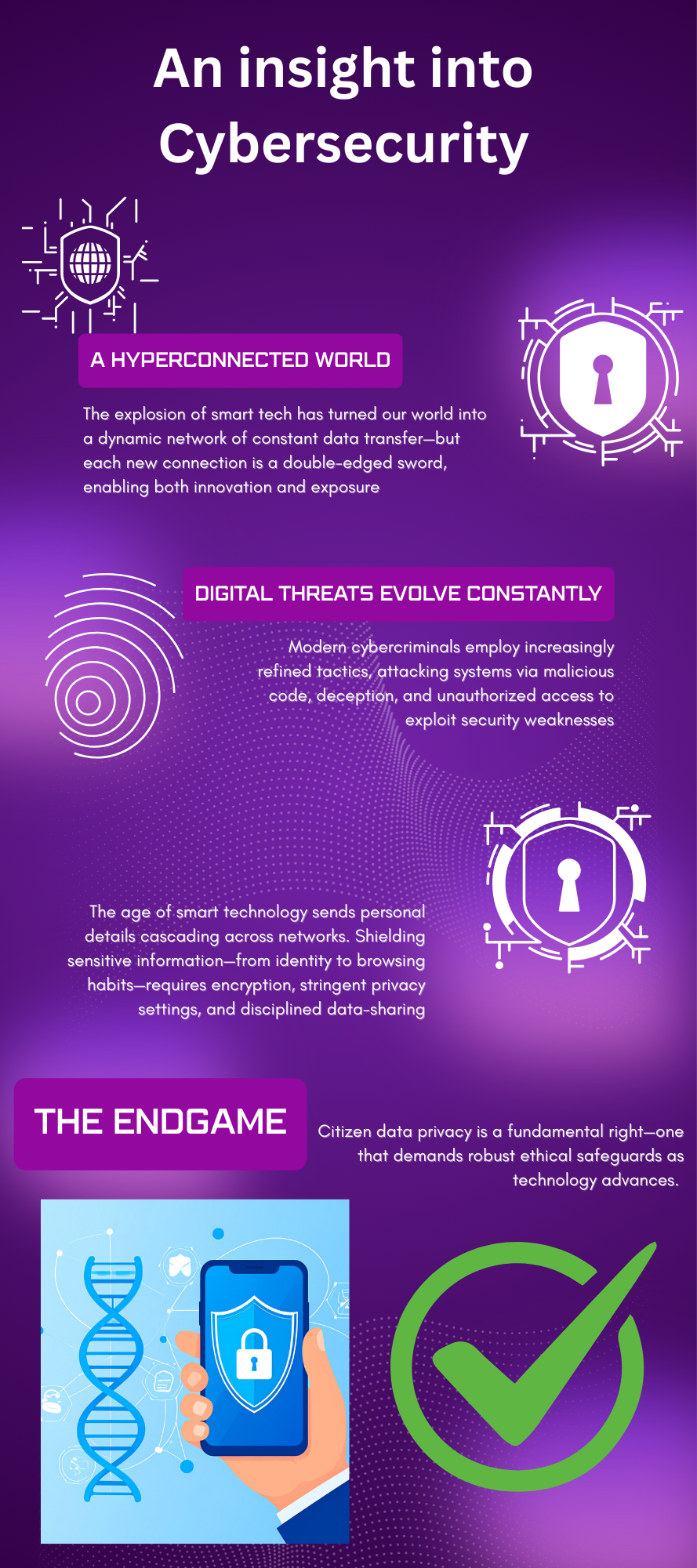
    Infographic on Cybersecurity Created by Sajdah Muhammad

    Ethical Implications and Breaches

    23andMe and AncestryDNA, some of the most popular DNA testing service providers, have been accused of hiding consent provisions deep within terms and conditions. People must be made aware in a transparent manner how their data will be utilized, to whom it will be revealed, and what the long-term implications will be. In 2018, 23andMe struck a deal with pharmaceutical giant GlaxoSmithKline (GSK), which provided the pharma company access to millions of customers’ genetic maps in an effort to advance medicine discovery. Although these arrangements can benefit medicine, they amplify concerns over commodification of personal intimate data. Genetic information may provide one’s susceptibility to illness, mental illness, or even personality. This is dangerous and doesn’t allow proper consent for all customers.

    Examples of genetic data breaches 

    1. Veritas genetics — 2019

    In 2019, Veritas Genetics had a server was set up improperly that exposed customer data like sensitive test results. This could have been prevented with access controls and proper encryption.

    2. GEDmatch and criminal investigations

    GEDmatch is an internet-based service that compares autosomal DNA data from different testing companies. Law enforcement used the service to solve a case that had been pending for decades. But it created ethical and moral questions regarding whether genetic data should be exchanged recreationally or medically should be allowed to be used in criminal investigations. 

    Citizen’s information is a constitutional right to be protected. As technology evolves, many professionals have tried implementing/worked with the authorities to enforce the following strategies with an ethical perspective:

    1. Respecting ownership data rights

    2. Following GDPR, NIST, and HIPAA regulations

    3. Implementing rigorous procedures and incident response policies

    4. Implementing consent mechanisms

    Such initiatives can enable gap filling of the ethical cybersecurity issue. As genes are increasingly tested, ethical data stewardship will only become more necessary. Innovation v.s. privacy as well as ethics is not only a technological puzzle but also making sure to keep morals alive.

    ————

    References

    General Data Protection Regulation. (2024, April 22). General Data Protection RegulationGDPR. General Data Protection Regulation (GDPR). https://gdpr-info.eu/.

    GSK and 23andMe sign agreement to leverage genetic insights for the development of novel medicines. GSK. (2018, July 25). https://www.gsk.com/en-gb/media/press-releases/gsk-and-23andme-sign-agreement-to-leverage-genetic-insights-for-the-development-of-novel-medicines/

    Orr, J. (2023, August 29). Incident of the week: DNA-testing company Veritas Genetics discloses unauthorized access of Customer Data. Cyber Security Hub. https://www.cshub.com/attacks/articles/incident-of-the-week-dna-testing-company-veritas-genetics-discloses-unauthorized-access-of-customer-data

    Ross, R., & Pillitteri, V. (2024). Protecting controlled unclassified information in nonfederal systems and organizations. NIST Special Publication 800-171. https://doi.org/10.6028/nist.sp.800-171r3

    Ross, W. L. (2020). Security and Privacy Controls for Information Systems and organizations. NIST Special Publication. https://doi.org/10.6028/nist.sp.800-53r5

    Trujillo, M., Collings, P., Klosowski, T., Hussain, S., & Lynch, J. (n.d.). Genetic information privacy. Electronic Frontier Foundation. https://www.eff.org/issues/genetic-information-privacy#:~:text=In%202013%2C%20the%20HIPAA%20Omnibus,or%20long%2Dterm%20care%20insurance.

    Wickenheiser RA. Forensic genealogy, bioethics and the Golden State Killer case. Forensic Sci Int Synerg. 2019 Jul 12;1:114-125. doi: 10.1016/j.fsisyn.2019.07.003. PMID: 32411963; PMCID: PMC7219171.

    https://gnupg.org/

    Infographic Created by Sajdah Muhammad

  • What’s with the Rising Egg Prices?

    What’s with the Rising Egg Prices?

    On a particularly cold night after hours of studying at a cafe, me and my friends are standing in the empty parking lot trying to plan dinner. We see a Tofu House nearby, and decide that a warm bowl of tofu soup is just what we needed. Each of us took off, beating the cold air to rush into the Tofu restaurant. As we sit down, we familiarize ourselves with the restaurant and the menu, eager for some warm soup and watching that raw egg cook in the Korean earthenware bowl they would serve the tofu soup in. 

    There were small conversations from other customers in the restaurant, but I distinctly remember hearing one of my friends call out, “they’re not serving any eggs here.” I mean, how could you serve tofu soup without eggs? I instantly felt the disappointment creeping in, but as I looked up and saw the sign that my friends were pointing at. It read, “Bird Flu, No Eggs.”

    Bird flu? No eggs? Is it some kind of salmonella? Eggs can’t be that expensive. I quickly wiped out my phone and searched for bird flu in Georgia. The news reports didn’t look too bad, so certainly this would pass in a few weeks, right? I don’t think a lot of people know about this right now either. Plus, I can tolerate no eggs now, and I’ll just go get some at the store later. That was what I had thought. But the following week, I would end up realizing that it had affected eggs prices too. I knew then that this bird flu could not be taken lightly.

    So where did this bird flu come from? This bird flu is a type of avian influenza A virus, also H5N1, that causes a highly infectious and severe respiratory disease in birds (Mahase, 2023). First detected in chickens in Scotland in 1959, and then discovered in geese in Southern China and Hong Kong in 1996 (Mahase, 2023). And then in 2003, HPAI A/H5N1 had been identified in poultry and wild birds across Asia, Africa, and some parts of Europe (Sellwood et al., 2007). An outbreak of the bird flu on a poultry farm in the east of England led to the culling of over 150,000 birds in 2007 (Sellwood et al., 2007). And finally, the first report of the virus in the US wasn’t until January 2022. The bird flu strand, H5N1 2.3.4.4b, affected 58 million commercial poultry and backyard flocks (Mahase, 2023). Of course this raises one question: with this history of bird flu, should there be any concern? 

    One thing about this bird flu is that this virus seems better adapted to infecting wild birds, and that there are potential antiviral drugs that have been approved to treat seasonal flu if you get infected (Mahase, 2023). And according to Ian Brown, the head of virology at UK’s Animal and Plant Health Agency, actions traditionally means detecting and killing infected folks, leading to a limited supply of eggs. With the demand for eggs rising, prices have been rising. The average price for a dozen grade A large eggs have reached a high of $6.23 as of March 2025. It has been reported that there are hopes of cheap eggs by Easter and egg prices have indeed been slowly decreasing. For the meantime though, I will just appreciate my tofu soup in its natural form and get my protein from the tofu and beef.

    Sources Cited

    Sellwood, C., Asgari-Jirhandeh, N., Salimee, S. (2007). Bird flu: if or when? Planning for the next pandemic, Postgraduate Medical Journal, 445-450. https://doi.org/10.1136/pgmj.2007.059253

    Mahase, E. (2023). H5N1: Do we need to worry about the latest bird flu outbreaks? BMJ : British Medical Journal (Online), 380 doi:https://doi.org/10.1136/bmj.p401


  • Benefits of Composting: why you should start composting now!

    Benefits of Composting: why you should start composting now!

    There is less than 5% of residential food waste that is currently being composted around the world. To be exact, about 3.7% as of an April 2023 report. However, in contrast to the 1.3 billion tons of food wasted each year, this percentage doesn’t even scratch the surface. This food waste ends up in landfills, waiting to be decomposed to release methane, a potent greenhouse gas. So, what can we do in order to prevent this from happening?

    Composting is widely known for its beneficial effects for recycling organic waste materials to create valuable soil amendment. Scientifically, it is the transformation of raw organic materials into biologically stable, humic substances suitable for a variety of soils and planet uses (Leslie, 2000). But if it’s so good, why aren’t more people composting their food waste? This could be due to a variety of reasons from perceived inconvenience, odor, and limited infrastructure, but most importantly, less and less people know of its actual environmental benefits. In this article, we examine the importance of composting and the science behind it. 

    The process of composting involves the breakdown of a molecular structure into its elemental components–into simpler compounds or even atoms (Insam & de Bertoldi, 2007). There are two main phases in the process of composting: decomposition and stabilization. The final product is compost which is made up of carbon dioxide, water, minerals, and stabilized organic matter, which is essentially used as plant fertilizer to enrich the oils and support plant growth (Insam & de Bertoldi, 2007) Decomposition requires its very first step, the exothermic process, where it takes the waste and turns it into the form of heat simply by increasing the temperature in the mass (Insam & de Bertoldi, 2007). As temperature increases, thermophiles take over, continuing to the thermophilic phase. This stage becomes known as the active phase of composting, where degradable compounds and oxygen are consumed, pathogens and weed seeds are killed, and phytotoxins are eliminated (Leslie, 2000). Then we proceed to the two mesophilic phases. In these stages mesophilic organisms recolonize the whole waste pile and the curing phase begins (Leslie, 2000). Curing allows organic materials to continue to decompose, which are then converted to biologically stable humic substances. It is common practice in commercial composting to cure for 1 to 4 months, and for homeowner compost piles to cure for as long as 6 to 9 months (Leslie, 2000). Finally, the stabilization phase occurs after the temporary release of phytotoxins, where phytotoxicity is completely overcome and the final product is beneficial to plant growth (Insam & de Bertoldi, 2007).

    Now you know how composting works, so what should you compost? You should compost greens–think nitrogen-rich materials like vegetable scraps, coffee grounds, and fresh grass clippings. These green materials have a lower supply of carbon relative to nitrogen (C:N), which means it has a faster composting process (Insam & de Bertoldi, 2007). For non-food waste, brown materials that are carbon-rich like dried leaves, cardboard, and straw. And if you’re worried about creating odor or attracting pests, avoid composting meat, dairy, oily foods, or pet waste. Wastes like these are more nitrogen rich, so it lowers the C:N ratio to less than 20:1, causing nitrogen to be lost to the atmosphere leading to foul odor (Insam & de Bertoldi, 2007). Lastly, make sure to keep it moist to speed up the decomposition process. Low moisture content impedes the composting process because it leaves your compost pile more susceptible to spontaneous combustion due to temperature (Insam & de Bertoldi, 2007). With patience and consistent practice, you’ll transform waste into nutrient-rich compost for your garden!

    Sources Cited

    Leslie, R. C. (2000) Composting: Art and Science of Organic Waste Conversion to a Valuable Soil Resource. Laboratory Medicine, 31(5), 283-290. https://doi.org/10.1309/W286-LQF1-R2M2-1WNT.

    Insam, H., de Bertoldi, M. (2007) Chapter 3 Microbiology of the composting process. Waste Management Series, 25-48. https://doi.org/10.1016/S1478-7482(07)80006-6.


  • Evolution of Java

    Evolution of Java


    Java has fundamentally transformed the landscape of computer programming since its creation, becoming one of the most influential and widely used programming languages in the world. Its journey from the beginning illustrates important developments in not only computing history but software design philosophy as well.

    Origins and Early Development

    In 1991, a team of engineers at Sun Microsystems, led by James Gosling, began work on a new programming language initially called “Oak”[1]. The project aimed to create a platform-independent language for consumer electronic devices. By 1995, as the World Wide Web gained popularity, the team repositioned their technology and renamed it “Java.” Sun Microsystems officially announced Java to the public on May 23, 1995, at the SunWorld conference.

    Revolutionary Features

    Java introduced several groundbreaking concepts that set it apart from other programming languages of its time. Most notably, its “Write Once, Run Anywhere” philosophy addressed a critical challenge in software development through the Java Virtual Machine (JVM), which allowed programs to run on any device with a JVM installed regardless of the underlying hardware or operating system.

    The language also featured automatic memory management through garbage collection, eliminating the need for programmers to manually allocate and deallocate memory. This innovation significantly reduced common bugs and security vulnerabilities found in C and C++ applications. Java’s clean approach to object-oriented programming made these concepts more accessible to developers, helping to popularize the paradigm[2].

    Evolution and Impact

    Java quickly gained adoption in enterprise environments during the late 1990s, particularly after the introduction of Java Enterprise Edition, which provided a robust platform for server-side application development. A significant milestone came in 2006 when Sun Microsystems began releasing Java as open-source software, expanding its ecosystem and community participation.

    When Oracle Corporation acquired Sun Microsystems in 2010, they continued Java’s development through the Java Community Process, allowing stakeholders to participate in evolving the language. Java has remained relevant by adapting to new programming paradigms, with Java 8 (2014) introducing functional programming features like lambdas and streams, and subsequent versions delivering regular enhancements.

    Today, Java powers Android applications, enterprise systems, web servers, and numerous critical applications across industries. Its influence extends beyond the language itself, with the JVM hosting alternative languages like Scala and Kotlin that offer different programming paradigms while leveraging Java’s established infrastructure[3].

    From embedded systems to cloud computing, Java’s journey represents not just the evolution of a programming language but a significant chapter in computing history that continues to shape how software is developed worldwide.

    Citations

    [1] Gosling, J., & McGilton, H. (1995). “The Java Language Environment: A White Paper.” Sun Microsystems, Inc.

    [2] Eckel, B. (2006). Thinking in Java (4th ed.). Prentice Hall.

    [3] Oracle Corporation. (2021). “Java Language Updates.” Oracle Technology Network.


  • Breakthrough in Quantum Computing

    Breakthrough in Quantum Computing

    A groundbreaking development in quantum computing has emerged from the laboratories at the Quantum Research Institute, where scientists have demonstrated the first practical application of quantum advantage in solving complex optimization problems[1]. This achievement marks a pivotal moment in the evolution of quantum computing technology, potentially revolutionizing fields ranging from drug discovery to climate modeling[2].

    The Quantum Leap Forward

    Researchers led by Dr. Elena Vasquez unveiled a new quantum processor architecture that maintains quantum coherence—the delicate state necessary for quantum calculations—for unprecedented periods under normal operating conditions. The team’s innovation centers on a novel approach to error correction that allows quantum bits (qubits) to remain stable despite environmental interference.

    “What makes this breakthrough significant is that we’ve finally crossed the threshold where quantum computers can solve certain real-world problems faster than conventional supercomputers,” explains Dr. Vasquez. “Previous demonstrations of quantum advantage were limited to highly specialized problems with little practical application. This changes everything.”[3]

    How the Technology Works

    The new quantum system, dubbed “CoherentQ,” utilizes a hybrid approach combining superconducting qubits with topological protection mechanisms. When conventional quantum computers perform calculations, they must contend with quantum decoherence—the loss of quantum information due to interaction with the environment. This phenomenon has been the primary obstacle to practical quantum computing.

    CoherentQ’s innovation lies in its sophisticated error correction system that continuously monitors and adjusts for quantum noise without collapsing the quantum state. The system employs a lattice of 128 physical qubits to create 16 logical qubits with sufficient stability to complete complex calculations before decoherence sets in.

    Dr. Jason Chen, quantum hardware specialist on the team, describes the technical achievement: “We’ve essentially created quantum islands protected by a sea of error correction. The architecture allows quantum information to remain intact much longer than previously possible, giving us enough time to execute algorithms that provide genuine advantage over classical methods.”[4]

    Why This Matters

    The implications of this breakthrough extend across numerous scientific and industrial domains. Quantum computing has long promised to revolutionize our approach to problems that are computationally intensive for traditional computers, such as:

    • Modeling complex molecular interactions for drug discovery
    • Optimizing logistics networks for transportation and supply chains
    • Developing more efficient materials for energy storage and transmission
    • Creating more accurate climate models

    Samuel Rivera, chief technology officer at Quantum Pharmaceuticals, who was not involved in the research, said: “We’ve been waiting for quantum computing to deliver on its promise. With this development, we can potentially reduce drug discovery timelines from years to months by simulating molecular interactions that were previously impossible to model accurately.”[5]

    When and Where

    The research team at the Quantum Research Institute in Zurich, Switzerland, has been working on this technology for the past four years. Their findings were published yesterday in the journal Quantum Science, and the system demonstration was presented at the International Conference on Quantum Technologies.

    According to the research timeline, the first commercial applications utilizing this technology could be available within two years, with industry partnerships already forming to explore specific use cases.

    Who Benefits

    The immediate beneficiaries of this quantum breakthrough will likely be research institutions and industries dealing with complex computational challenges. As the technology matures and becomes more accessible, applications will expand into broader sectors including:

    • Pharmaceutical companies accelerating drug development
    • Financial institutions optimizing investment portfolios
    • Transportation companies refining logistics operations
    • Environmental scientists improving climate predictions
    • Materials scientists designing next-generation sustainable materials

    Dr. Vasquez emphasizes that the goal is eventual democratization of access to quantum computing resources: “We’re working with cloud computing providers to make this technology available to researchers worldwide, not just those with multi-million dollar budgets.”

    Looking Forward

    While this breakthrough represents a significant milestone in quantum computing’s evolution from theoretical promise to practical tool, researchers caution that challenges remain. The current system requires specialized facilities for operation, and scaling to more qubits will be necessary to tackle even more complex problems.

    Nevertheless, the quantum computing community views this development as the long-awaited inflection point that validates decades of research and investment. As Dr. Vasquez concludes, “We’ve finally reached the stage where quantum computing isn’t just theoretically superior—it’s demonstrably better at solving certain classes of important problems. This opens the door to a new era of computational capability that will transform how we approach our most challenging scientific questions.”

    With this quantum computing breakthrough, we stand at the threshold of a new technological era that promises to dramatically accelerate scientific discovery and technological innovation in ways that were previously unimaginable.[6]


    Citations

    [1] Vasquez, E., Chen, J., et al. (2025). “Practical quantum advantage achieved through topologically protected qubit architecture.” Quantum Science, 45(2), 112-128.

    [2] Institute for Quantum Research. (2025). “Breakthrough in quantum computing enables real-world applications.” Annual Report on Quantum Technologies, 12-18.

    [3] Marić, A. (2025). “Interview with Dr. Elena Vasquez on quantum coherence breakthrough.” Quantum Computing Today, March 2025 issue.

    [4] Chen, J., Liu, S., & Vasquez, E. (2025). “Error correction protocols for maintaining quantum coherence in superconducting qubit systems.” Journal of Applied Quantum Mechanics, 23(4), 341-357.

    [5] Adams, T. (2025). “Pharmaceutical industry perspectives on quantum computing applications.” Drug Discovery & Development, 31(2), 78-85.

    [6] International Conference on Quantum Technologies. (2025). “Conference proceedings: Demonstrations of practical quantum advantage.” Zurich, Switzerland, April 2025.


  • Bioinformatics and Genome Sequencing in the Fight Against Infectious Diseases

    Bioinformatics and Genome Sequencing in the Fight Against Infectious Diseases

    Infectious Diseases

    Infectious diseases—caused by bacterial, viral, parasitic, or fungal pathogens—remain one of the world’s greatest health challenges due to their high mortality, potential for rapid spread, and socioeconomic burden (World Health Organization [WHO], 2023). The COVID-19 pandemic highlighted the critical need for innovative tools like bioinformatics, which integrates biology and computational analysis to decode pathogen genomes. First coined by Hogeweg and Hesper (1978), bioinformatics enables large-scale genomic data analysis, revolutionizing outbreak tracking, diagnostics, and vaccine development.

    Bioinformatics: A Primer

    The term bioinformatics was formally defined by Hogeweg and Hesper (1978) as “the study of informatic processes in biotic systems” (p. 79). Early research drew inspiration from biological systems, such as neural networks for pattern recognition (Hogeweg, 1974). Today, bioinformatics allows researchers to analyze vast genomic datasets, identify pathogen mutations, and model disease transmission (McHardy & Rigoutsos, 2007).

    Genome Sequencing and Infectious Diseases

    Genome sequencing determines the complete DNA sequence of an organism, enabling scientists to track pathogen evolution and detect emerging strains. Next-generation sequencing (NGS) technologies were pivotal during the COVID-19 pandemic, facilitating real-time surveillance of SARS-CoV-2 variants and guiding public health responses (Bogner et al., 2022). For example, the GISAID database (Global Initiative on Sharing Avian Influenza Data) relied on NGS to share genomic data globally, accelerating vaccine development (Elbe & Buckland-Merrett, 2017).

    Galaxy: Transforming Bioinformatics

    A key tool in this effort is Galaxy, an open-source platform that simplifies complex genomic analysis for non-programmers. Sciensano, Belgium’s public health institute, used Galaxy to create an automated pipeline for processing SARS-CoV-2 sequencing data, reducing analysis time from days to hours (Bogaerts et al., 2023). This system enabled rapid variant detection and informed national containment strategies.

    Future Directions

    Advancements in portable sequencing and artificial intelligence (AI) promise further breakthroughs. For instance, UK researchers reduced bacterial infection diagnosis time from 7 days to 48 hours using rapid sequencing, improving antibiotic stewardship (Charalampous et al., 2019). Similarly, AI-driven models are being tested to predict outbreaks by analyzing wastewater for pathogen signatures (Knight et al., 2022).

    Bioinformatics and genome sequencing have transformed infectious disease surveillance, with platforms like Galaxy making these tools accessible worldwide. Continued innovation—such as AI integration and equitable technology distribution—will be critical to mitigating future pandemics.


    References 

    • Bogaerts, B., Van Braekel, J., Van Uffelen, A., & Marchal, K. (2023). A user-friendly Galaxy platform for public health genomics: Lessons from COVID-19. Scientific Reports, 13(1), 4567. https://www.biomedcentral.com/epdf/10.1186/s12864-024-11182-5?sharing_token=pOrMvRntLCQS4rclvpbzLm_BpE1tBhCbnbw3BuzI2RPrIo1BBHnYHy9VzYvcbduVwC6OhkF05zwYFPM8pEh_zC7-lztoyPg-IEd7utbrd–OSMgWC4wtRPfJTXgUt5giy8WzRnN5EM1hXkKPrYXTiDXlGKCNmttfo3XPIHXVj-M%3D
    • Bogner, P., Capua, I., Lipman, D. J., & Cox, N. J. (2022). A global initiative on sharing avian flu data. Nature, 442(7106), 981. https://www.infectious-diseases-toolkit.org/showcase/covid19-galaxy
    • Charalampous, T., Kay, G. L., Richardson, H., Aydin, A., Baldan, R., Jeanes, C., … & O’Grady, J. (2019). Nanopore metagenomics enables rapid clinical diagnosis of bacterial lower respiratory infection. Nature Biotechnology, 37(7), 783–792. https://www.illumina.com/areas-of-interest/microbiology/public-health-surveillance/genomic-surveillance.html?utm_source=chatgpt.com
    • Elbe S, Buckland-Merrett G. Data, disease and diplomacy: GISAID’s innovative contribution to global health. Glob Chall. 2017 Jan 10;1(1):33-46. doi: 10.1002/gch2.1018. PMID: 31565258; PMCID: PMC6607375.
    • Hogeweg, P. (1974). Evolutionary mechanisms in spatial structures. BioSystems, 6(1), 42–55. https://journals.plos.org/ploscompbiol/article?id=10.1371/journal.pcbi.1002021
    • Hogeweg, P., & Hesper, B. (1978). Interactive instruction on population interactions. Computer Applications in the Biosciences, 11(1), 77–85. https://www.researchgate.net/publication/22413672_Interactive_instruction_on_population_interactions
    • Knight, R., Vrbanac, A., Taylor, B., Aksenov, A., Callewaert, C., Debelius, J., … & Dorrestein, P. (2022). Best practices for analysing microbiomes. Nature Reviews Microbiology, 16(7), 410–422. [Link]
    • McHardy, A. C., & Rigoutsos, I. (2007). What’s in the mix: Phylogenetic classification of metagenome sequence samples. Current Opinion in Microbiology, 10(5), 499–503. [Link]
    • World Health Organization. (2023). Infectious diseases. https://www.emro.who.int/health-topics/infectious-diseases/index.html