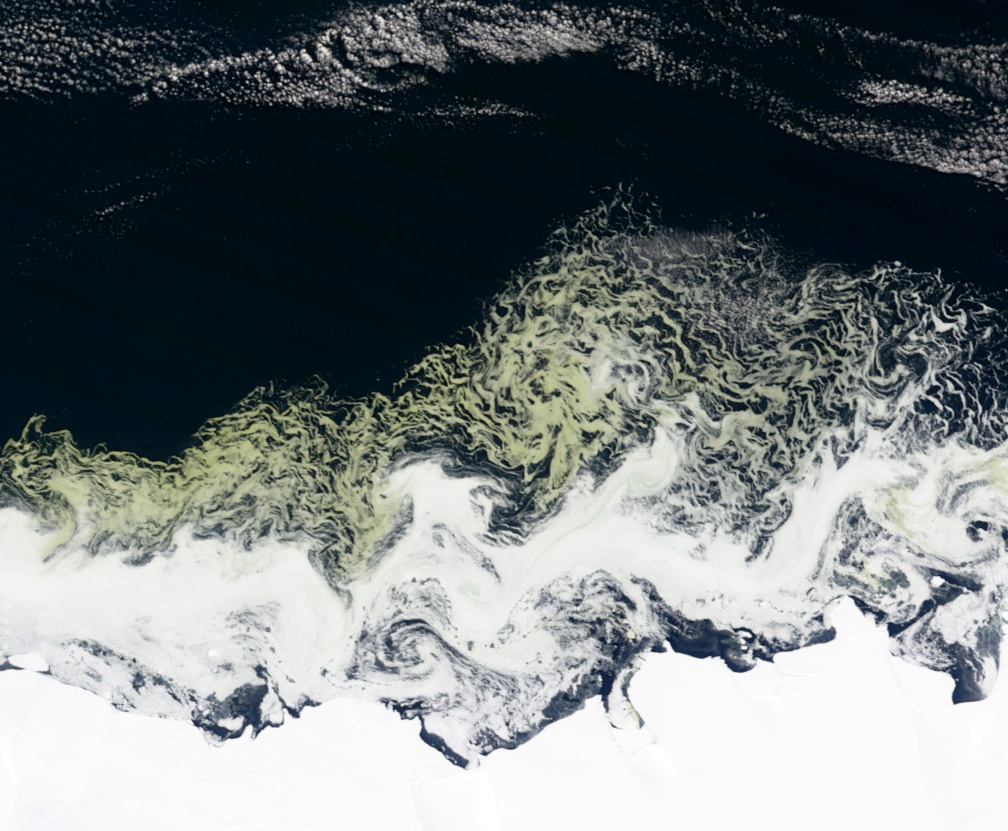
An algal bloom appears off the Princess Astrid Coast in East Antarctica. NASA image courtesy Jeff Schmaltz, LANCE/EOSDIS MODIS Rapid Response Team at NASA GSFC.
Greetings biophiles! What do algal blooms, great white sharks, and okapis all have in common? They’re all absolutely fascinating and they’re all on my list of events and animals I would jump at the chance to observe. This ever growing list of biology-related items has evolved into something of a bucket list, hence the title, and includes biological phenomena around the globe that I hope to one day see for myself!
So what ‘s first up on my biology bucket list? Algal blooms.
First some background: Algal blooms are basically just the growth of aquatic algae at a hyper fast pace, resulting in washes of discoloration over bodies of water. These artworks of nature generally occur due to favorable conditions such as availability of resources like minerals, nutrients, warmth, and sunlight. The algae, usually referred to as phytoplankton, are microscopic, single-celled organisms that make their home in the upper layers of both fresh and marine waters. They serve as vital components of aquatic ecosystems due to their powers of photosynthesis, as they provide food (directly or indirectly) for everything from penguins to blue whales. Phytoplankton even feed you, as they are used as feed in aquaculture. We depend on these little guys!
However, I not only appreciate them for their hard work in the upkeep of our oceans, but also for their aesthetic value on both a microscopic and macroscopic level. If you do an image search of either “phytoplankton” or “diatoms” (go, click on it!), you’ll see that these guys come in all kinds of wacky shapes, sizes, and colors.Looking at them under a microscope (and I would love to take my own sample from an algal bloom) is pretty much like walking through an art gallery (except better) because the artwork is made out of living organisms just hangin’ out, powering an entire ecosystem and being funky shaped. Ahhh, that is the life.
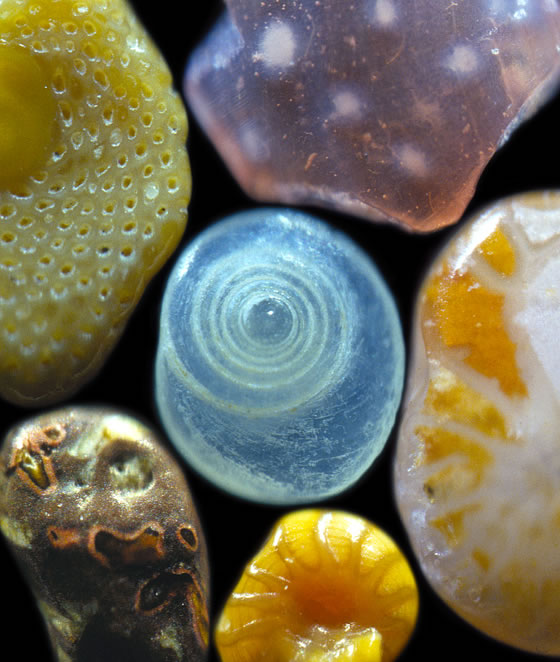
(Side note: lots of ordinary things look crazy awesome when looked at close up, sand for instance. Oh nature, your beauty reveals itself on so many levels. *swoon*)
How do I plan on experiencing an algal bloom you may ask? By swimming in one of course!* (Or looking at them from the International Space Station, as most algal blooms can be seen from space. NASA, if you want to make dreams come true, hit me up!)
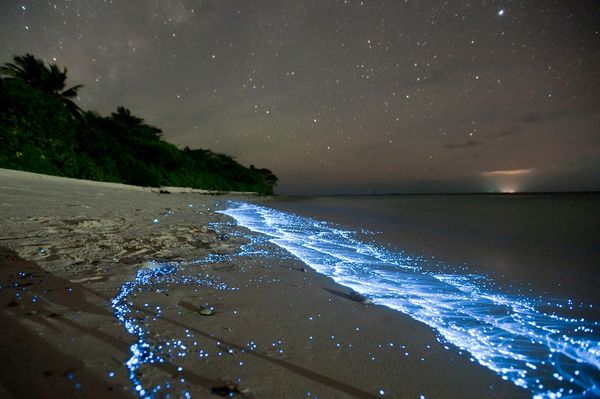
And no, I’m not talking about taking a dive in the pond scum of the poorly-kept neighborhood pool. Instead, I hope to travel to what are known as bio-bays: bodies of water where bioluminescent phytoplankton, or more specifically dinoflagellates, light up the waters at night and create waves dotted with glowing spots to match the starry night sky. There are several locations around the world where tourists can experience the glowing waters- Puerto Rico, Vietnam, and the Maldives to name a few.
However, these kinds of trips cost money and, alas, I am a poor college student, so until I can save up to travel to Puerto Rico (or the ISS), I’ll continue looking at satellite photos (like the ones from NASA, linked below). Other types of algal blooms can occur in bodies of water around the world and vary depending on seasonal and causal factors.
Glowing blue waves on Vaadhoo Island in the Maldives. Photograph by Doug Perrine, Alamy
I like to keep my eye out for new photos of algal blooms, such as this one, which displays Impressionist-esque swirls of green and yellow atop the waters off the Princess Astrid Coast in Antarctica, taken by NASA’s Terra Satellite this past February. Antarctic blooms generally occur in December (the start of summer for Antarctica) as the increased sunlight favors the growth of these photosynthesis superstars and kickstarts the rest of the marine ecosystem in time for baby-making season. This particular algal bloom’s late season appearance excited scientist to the possibility that it was caused by a more unusual factor: nutrients blowing off of a nearby ice shelf. This is just one example of how algal blooms can come about.
Year round you can find news of all types of algal blooms being spotted in different places around the world, so keep a lookout for this fascinating biological phenomena! If you would like to see more of their intoxicating beauty I would recommend perusing through Visible Earth, a catalog of photos from NASA, or checking out this gallery from Wired magazine, which will also tell you about regional types of algal blooms.
So, dear readers, what do you think? Would you go swimming in a bioluminescent ocean? I hope you’ll take a look through some of the galleries linked throughout (some of these photos make great wallpapers!), and of course I’d love to know what’s on your biology bucket list via the comments section below. (Also, keep a look out for our next installment of our biology bucket list series!)
*It should be noted that some algal blooms are harmful (HABs), and certain species, about 2% of the 5000+ species of marine phytoplankton, are associated with toxins and can actually harm an ecosystem through the release of neurotoxins and the depletion of oxygen in water. These HABs can arise naturally and in predictable patterns, but have also increased in frequency due to human activity like agricultural run-off. So please do not just go jumping into any old discolored water and be sure to look out for notifications from your local health and marine departments if you plan on participating in any recreational activities in or near your local lakes or beaches.
OK, kids, we need to talk. No, you’re not in trouble. The people in trouble are health, anatomy, and psychology teachers who try to teach a specific concept that is WRONG.
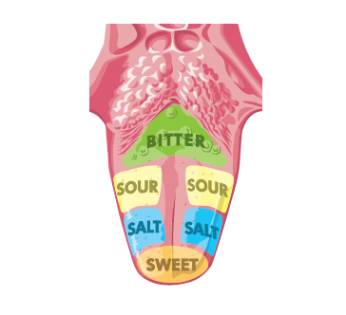
Any guesses about what connects those teachers? No? Well, here’s the offending diagram.
Don’t believe images like this. EVER.
That, my lovelies, is a picture of a tongue. But see those cool segments that tell you what flavor is tasted by each segment of the tongue? They’re completely and totally unnecessary. Your tongue doesn’t work that way, despite what so many teachers and even college professors would have you believe.
No, don’t try to look all cute and happy, Mr. Boring. You’re on scientific trial here.
Let’s go back a bit to Harvard University circa 1901. A psychologist, Edwin G. Boring (more like Edwin G. Mistaken-Fact-Check) misinterprets data in a German paper, leading to the belief that each region of the tongue is specialized to taste exactly one of four basic flavors.
“OH! Cool!” he says, thinking this break-through will change the way we interact with food (or something).
Trust me, it didn’t.
Let’s fast forward to 1974, when Virginia Collins discovered that all tastes are distributed equally across the tongue. Case closed, right?
NOPE! People are STILL using the tongue map to explain taste buds in 2012!
Let’s expand your knowledge a bit, though. Why is this tongue map concept so incredibly insulting to the science of taste? Here’s three big reasons why!
Well, first off, it is incorrect in the count of basic flavors. The map shows the four flavors (bitter, sour, salty, and sweet) that were known in 1901, but there are at least five that we know of now. The four that are on the map DO exist; the fifth wheel of taste we use at a wine and cheese party is actually one of the most important – umami. That’s the taste of savory things like meat and cheese, and was described as early as 1908, a mere seven years after Boring made his translational mistake.
Secondly, the map claims the receptors for each flavor only exist on the edges of the tongue, the very back, and the very tip. That leaves a HUGE bit of space that doesn’t really do much, right smack in the center… where most food hits the tongue.
Um. Science says, “Whoops?”
It’s an impractical model from the start, is what I’m trying to say.
Thirdly, our sense of taste is much more important in basic development and exploration than the map allows for. From the time we are born, we explore the world through all of our senses. Senses like sight don’t fully develop until we are between 6 and 18 months of age, but we make up for what we lack by using other senses, taste, in the case of infants.
Well, why is that particularly important, you ask? Because of chemistry. The basic correlation between chemistry and taste is that acids taste sour and bases taste bitter. The safest way of testing this is to taste a lemon, which is full of citric acid. It’s sour, right? Right.
Since things that are bitter are not necessarily desirable as food products, it’s very difficult to find them on market shelves. Egg whites and some crackers are the closest edible things you’ll find to basic foods.
Now, think back to childhood…. Do you think a baby would like something that tastes bitter? NO! That’s a natural response. It’s a safety precaution, too; bitter foods tend to contain deadly chemicals, like ammonia. According to the tongue map, those substances would have to hit the back of the tongue to be tasted, which probably means someone is going to have to call poison control because little Johnny has swallowed ammonia instead of spitting it back out because he tasted that bitterness immediately.
So, lesson of the day? Don’t think of the tongue as some city planner’s way of keeping the taste bud gangs from having turf wars. It’s much more accurate to think of it as a metro area, where everybody mixes and coexists while doing their jobs.
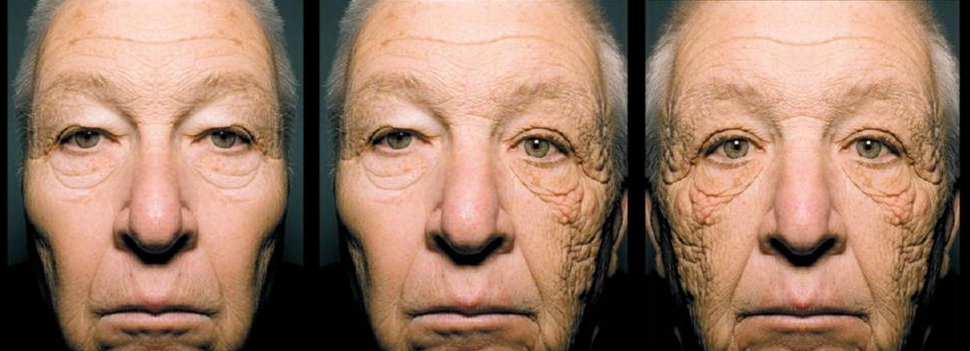
A few weeks ago, a friend of mine showed me an article on MSN about a man whose face was obviously more wrinkled on one side than the other. Mr. McElligott, the gentleman featured in the article, drove a delivery truck for 28 years, exposing the left side of his face to the sun for several hours each day. I have heard several times throughout the years about the importance of sun protection, but hadn’t ever dwelled on the topic for much time. Once I read about Mr. McElligott, though, I was quite intrigued and started thinking about the whys and hows of sun damage, UV radiation, and wrinkles.
In the pictures above, you can see Mr. McElligott’s original picture in the middle with an altered image on either side. I transposed one side of his face to that of the same side in an attempt to make the difference between the two sides of his face more apparent.
Here you can find an “up-close and personal” version of the center picture. (How cool are his eyes?!?)
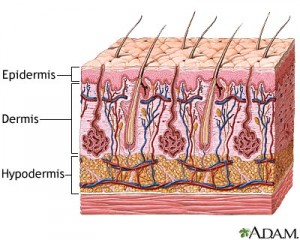
As you may already know, skin is made up of three major layers: the epidermis, dermis, and subcutis (also known as the subcutaneous layer or the hypodermis). As in the diagram below, the epidermis is on top, then the dermis, and lastly the hypodermis. Freckles and moles, as well as sunburns, appear in the epidermis. The dermis houses the structural elements in skin which keep it firm and elastic. This is the section of skin where wrinkles form.
Sunlight is known to negatively affect skin. This is because UV radiation (part of sunlight) can suppress the immune system, damage DNA, and alter skin texture, blood vessels and skin pigment. While conditions like thin skin and easy bruising are usually associated with old age, they are often lasting effects from UV damage as the majority of skin damage comes from the sun and not from Father Time.
The Sun emits three types of ultraviolet radiation: UVA, UVB, and UVC, with wavelengths of ~315 to 400 nm, ~290 to 315 nm, and ~100 to 290 nm, respectively. UVC radiation is absorbed by the ozone layer and doesn’t reach ground level. UVB radiation makes its way through the ozone layer and is the type of UV that hits the epidermal layer of skin and causes sunburns or tans; it is also known to cause skin cancer. Unlike UVA radiation which is relatively constant all year long, UVB radiation is stronger during the summer months. UVA is unique in its ability to pass through glass. Thinking back to Mr. McElligott, UVA radiation’s ability to penetrate glass led him to have a build up of UVA damage of the course of his career. Even on days when he drove with his window up, he would have been protected from UVB rays, perhaps not getting a sunburn or tan, but would have still received the negative effects of UVA. UVA rays cause damage to the dermis, destroying elasticity and potentially causing mutations in DNA. Out of all of the UV radiation that reaches us from the Sun, there is over 20 times more UVA than UVB.
Harm to the skin caused by the Sun’s UV radiation is often referred to as photoaging, or dermatoheliosis.Photoaging is caused when UVA and UVB rays enter the skin, negatively affecting two of skin’s structural proteins, elastin and collagen. Radiation damages elastin and causes a build-up of altered metalloproteinase enzyme. Normally, metalloproteinases (also known as collagenases) help reverse skin damage by creating new collagen. Unfortunately, the metalloproteinase from the damaged elastin does the exact opposite— it breaks down collagen, leaving the skin with a broken collagen structure and wrinkles. (For a study on the effects of metalloproteinase, check out this article.)
Exposure to UV radiation in sunlight, in addition to air pollution and smoking/second-hand smoke, can also subject the skin to free radicals. Free radicals are molecules (or atoms) with a single, unpaired electron. Because a free radical lacks the second electron, it is unstable and thus seeks out another electron. When it reaches another molecule, the free radical takes an electron, completing its electron pair while leaving the second molecule with an unpaired electron (a new radical). This snowball effect continues throughout the skin, activating altered metalloproteinase and causing damage to collagen.
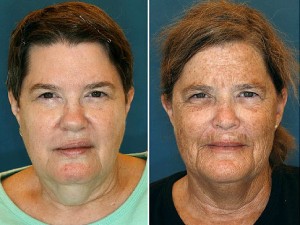
Jeanne (left) and Susan (right), identical twin sisters, serve as a great example of how lifestyle choices can determine a person's skin aging. As children, the two women had an uncanny resemblance, but now it's easy to see that Susan's decision to sunbathe and smoke led her skin to age more rapidly. (Department of Plastic Surgery, University Hospitals Case Medical Center)
Well, I hope you enjoyed learning more about wrinkles and UV radiation! Remember, prevention is key! Make sure to slather up in some good ol’ broad spectrum SPF 70 next time you go shoot some hoops (or do whatever it is that you do) and enjoy this fine video about why we need the Sun (even though it hurts us sometimes):
Sources:
Heather Brannon, MD (About.com)
Jennifer R.S. Gordon, MD and Joaquin C. Brieava, MD (The New England Journal of Medicine)
De Gruijl, Frank R. “Photocarcinogenesis: UVA vs. UVB Radiation.” Skin Pharmacology and Physiology 15.5 (2002): 316-20. <http://www.ncbi.nlm.nih.gov/pubmed/10907526>.
Normally, the term “dead whale” reminds me of long, tedious hours slogging through Moby Dick or sad images of beached or slaughtered animals, but a “whale fall” is a whole ‘nother beast.
When dead whales fall to the bottom of the deep sea, their bodies become food for some of the creepiest creatures out there. Normally there’s not a lot to eat down where the sun don’t shine, but whales are a mess of meaty goodness. And where there’s meat, there’s scavengers.
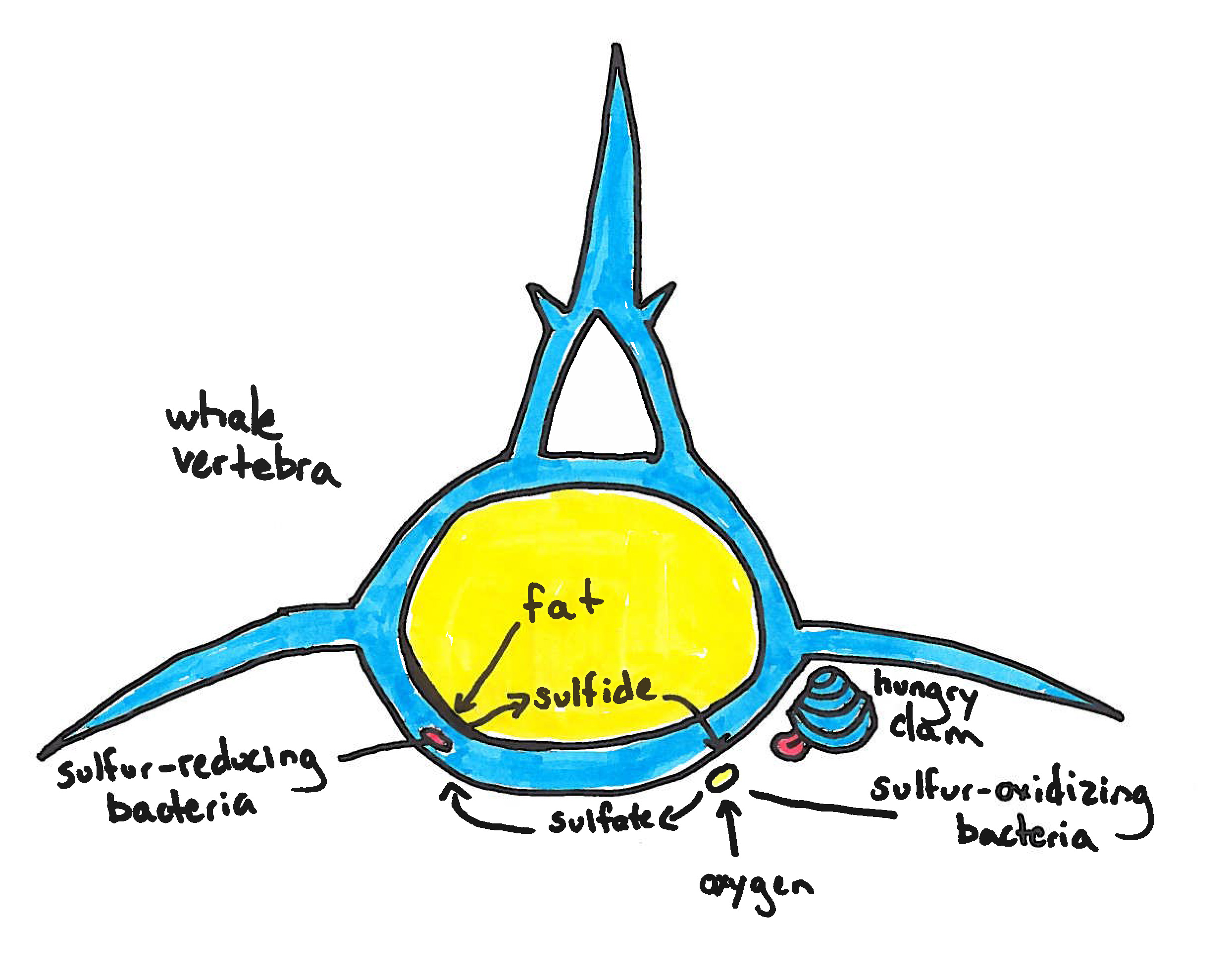
During the first stage of the whale fall scavengers like hagfish and sleeper sharks chew all the meat off the bones of the whale and poop all over the place. That poop makes good food for things like clams and mussels, who hang around during what is called the “enrichment opportunist stage”. But the weirdest and most awesome stage of the whale fall succession comes next, the “sulfophilic” stage. Yep, you read that right, these critters love sulfur the way an anglophile loves Downton Abbey. And they don’t just love sulfur, they breathe it like oxygen. Sulfate-reducing bacteria eat the fat that is left in the whalebones and breathe sulfate, turning it into hydrogen sulfide in the process. Then sulfur-oxidizing bacteria use the sulfide to make sugar, just like plants use sunlight to make sugar. And who eats that sugar? More clams.
So you’ve got whales feeding bacteria feeding clams feeding bacteria, all at the bottom of the sea, which is normally a cold dark void. The whole process can take over 50 years; so one whale fall can sustain a lot of critters for a long time.
Whale falls are really beautiful, too, and inspire some beautiful art. Here is a lovely stop-motion film depicting the life of a whale fall directed by Sharon Shattuck and Flora Lichtman.
As a supporter of the “Let’s stop wearing shoes” movement that seems to be taking over the mentality of both young adults and shoe manufacturers alike (that is a later story, though), I often find myself lamenting the amount of shoes I am required to pack when going on vacation with my mother. As a supporter of traveling and not destroying the environment in the process, those same trips with my mother tend to stress me out. Previous trips have found us in France and Ireland in GIANT tour buses that make me cringe when I think of the carbon emissions coming from my enjoyment of a new country.
I have newly found faith in my mother’s traveling compulsion these days. Immediately upon finishing my first year of college, my mother and I hopped on a plane and flew to San Jose, Costa Rica to join a trip with G Adventures, an eco-friendly tour company based in Canada (and one where I was only required a pair of flimsy sandals in order to be comfortable).
The highlights of the trip included white water rafting, ziplining, and a safari with a whole lot of monkeys. So let’s go into picture heavy post, because I very honestly cannot encompass this trip in words.
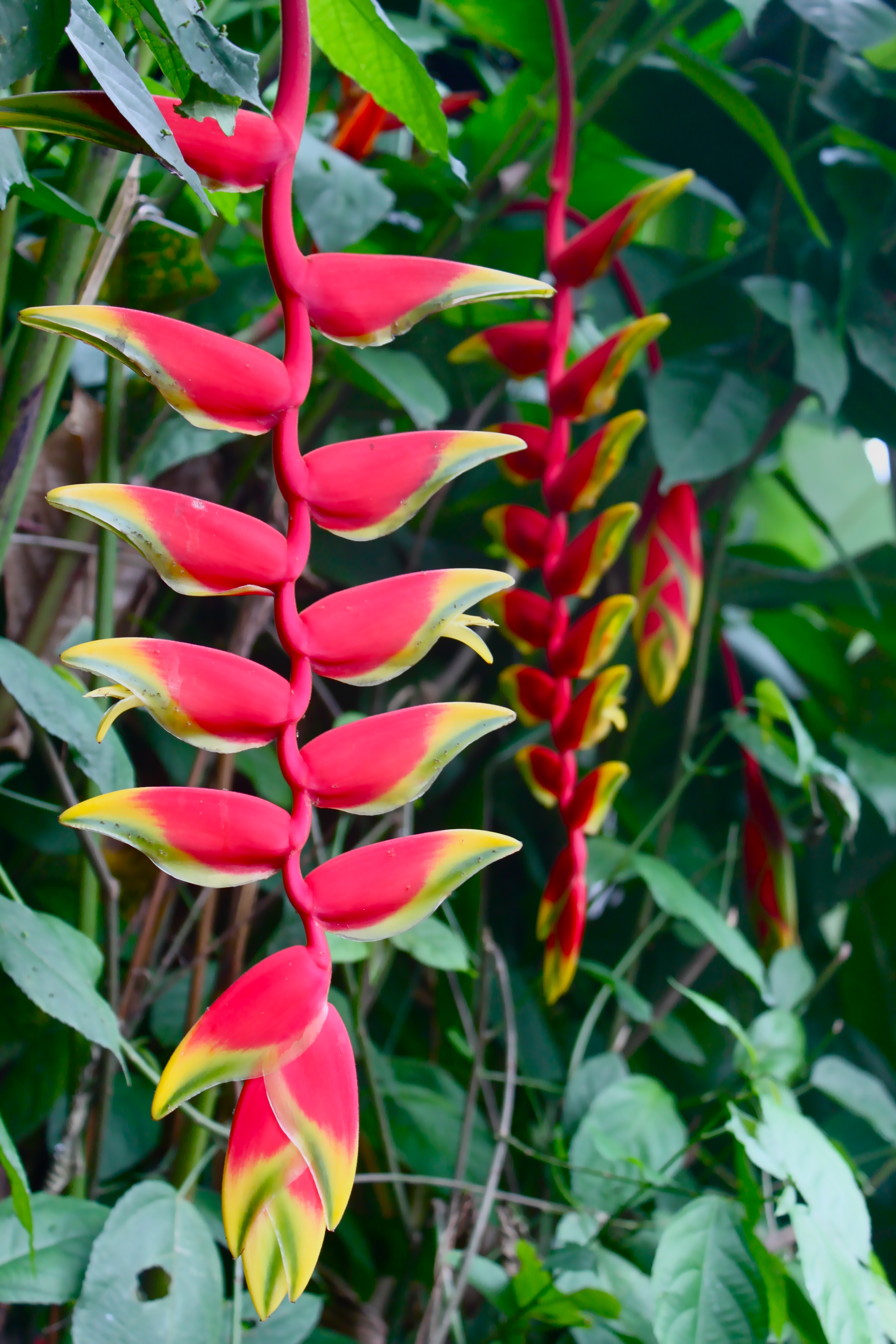
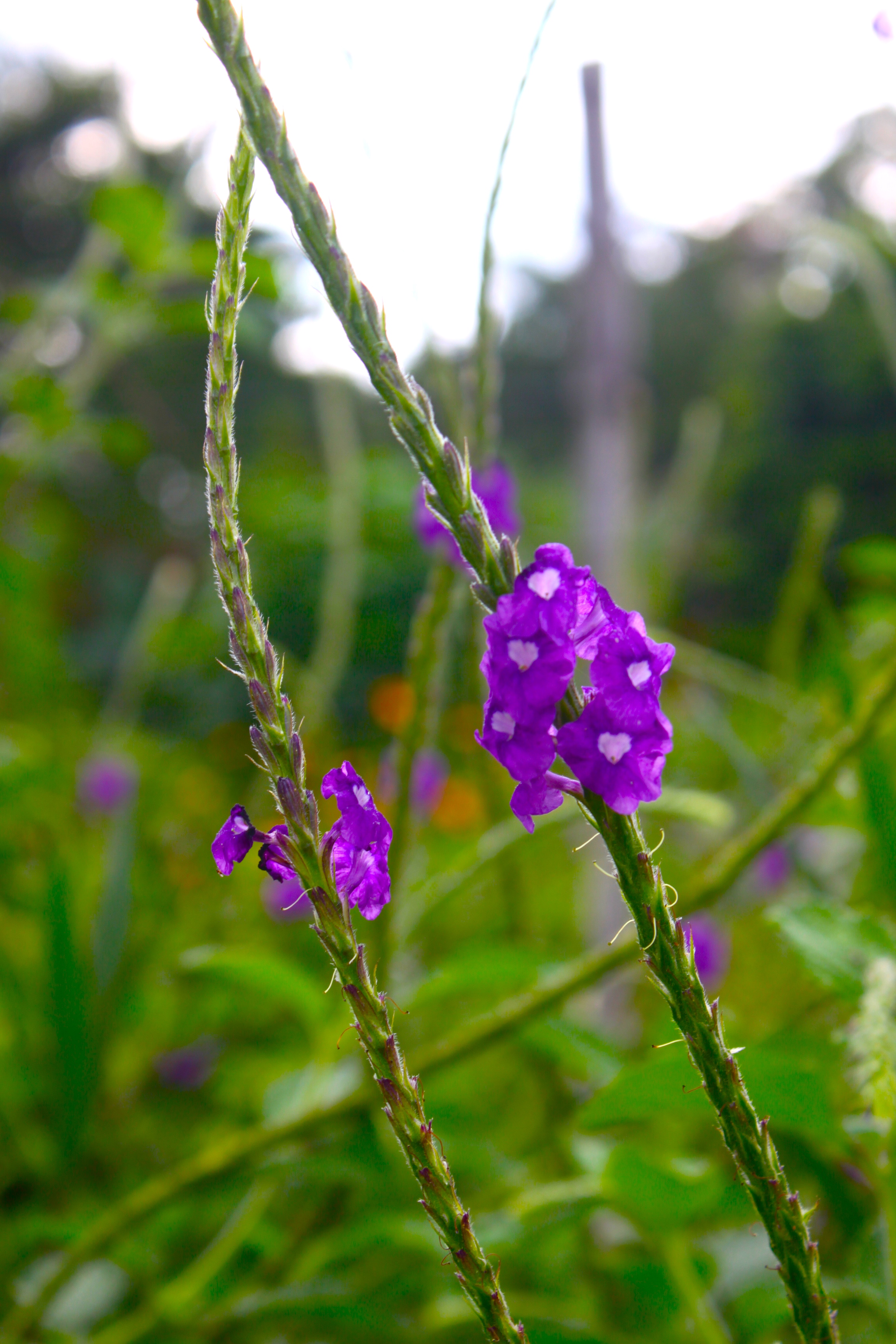
All I could think of with these flowers was what an awesome ladder they would make.
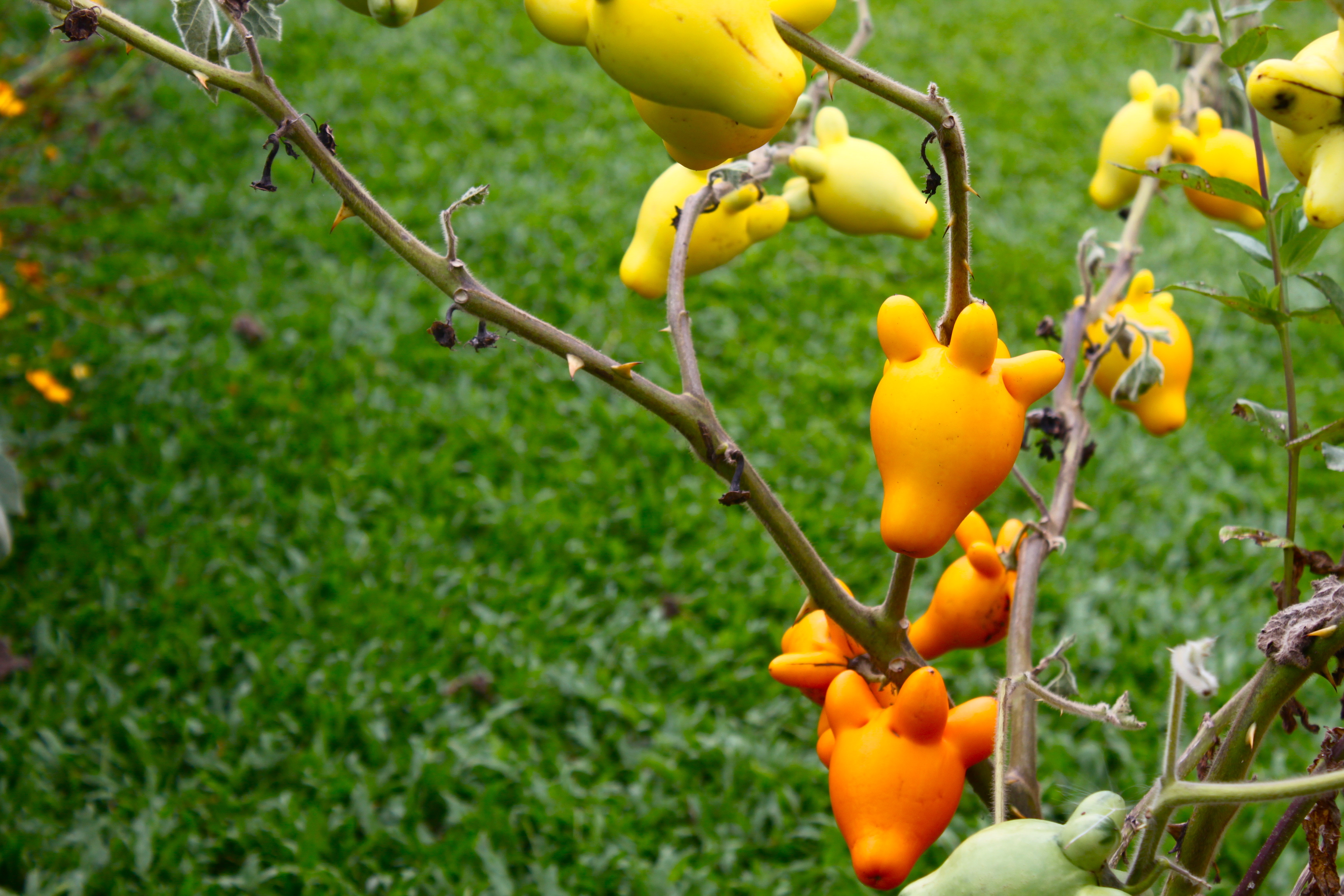
Farms in La Fortuna have the oddest peppers.
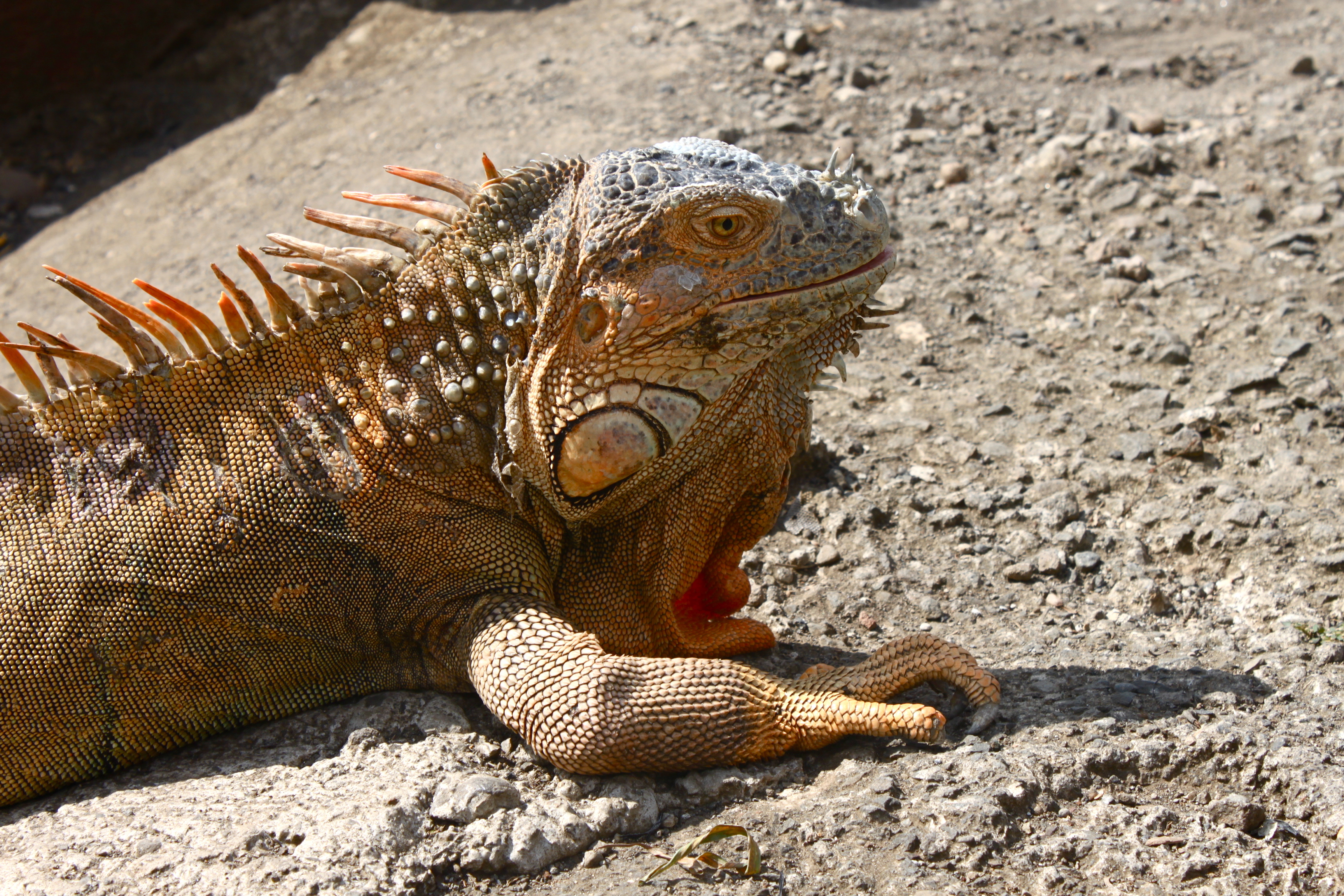
This iguana had his very own creek by the hotel that fed him.
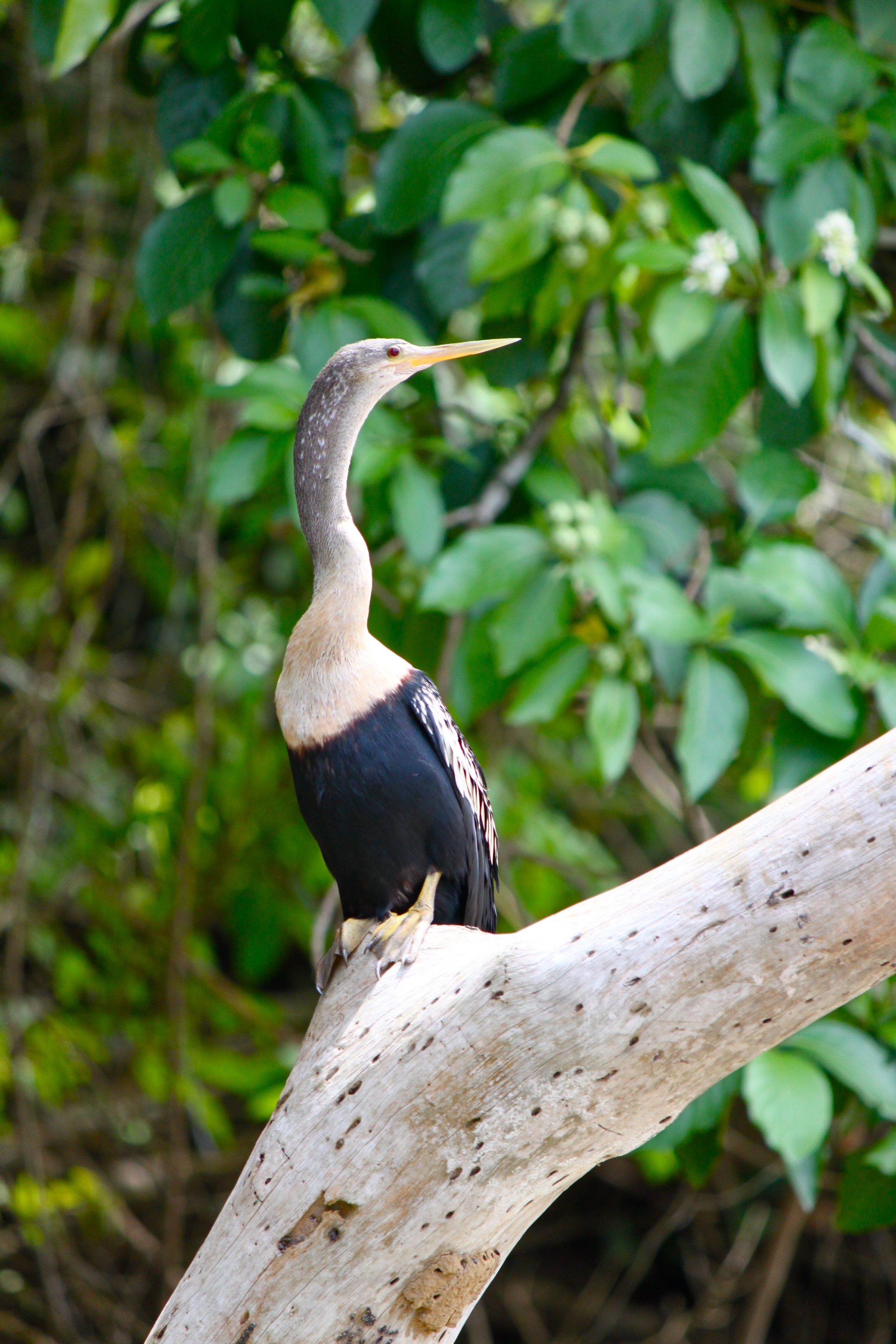
I never understood why they get called snake birds… Looks like a bird to me.
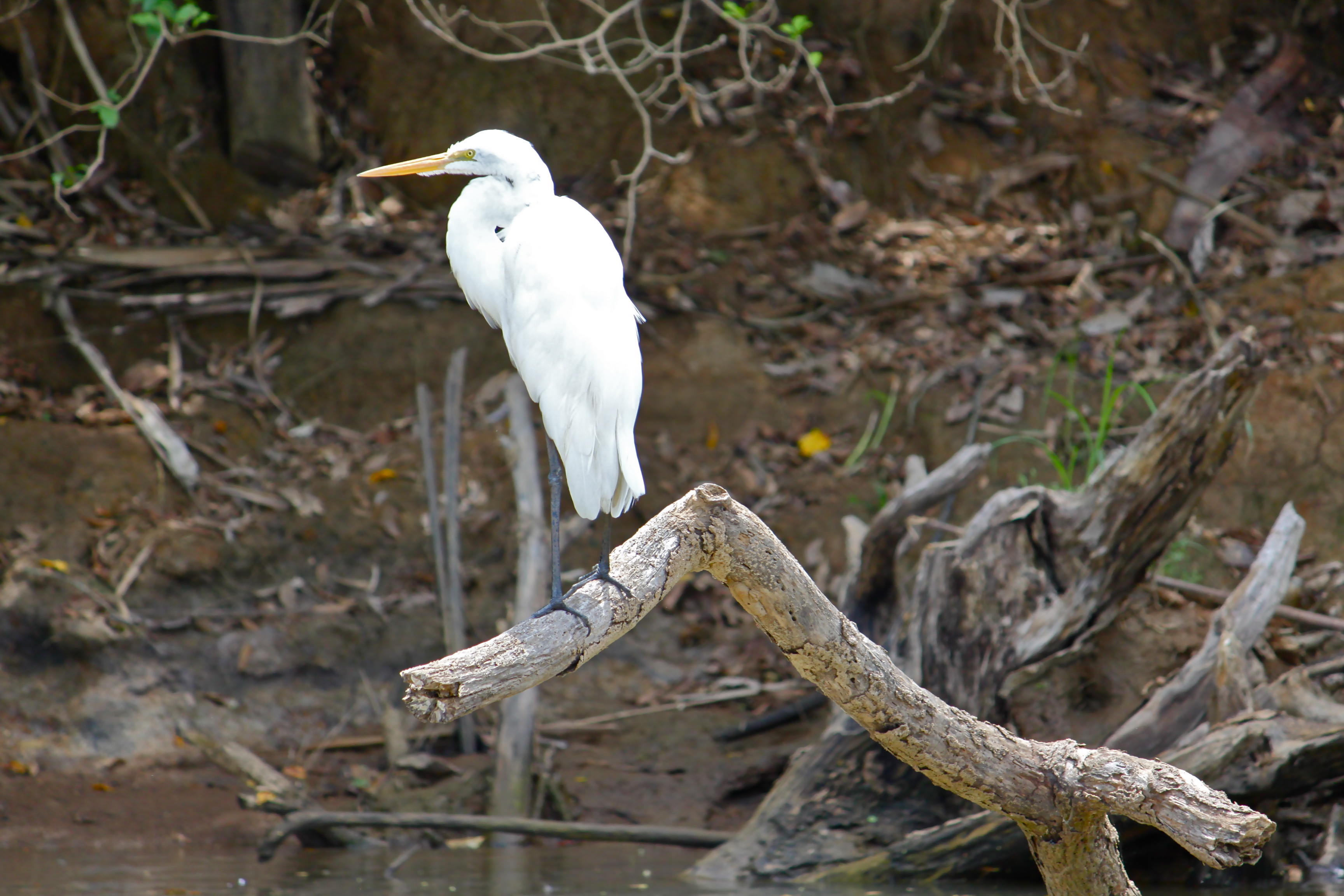
I see ibises and cranes at home on the river, but it was just so much more fun in a new place!
Apparently, we were really lucky to see these little guys on Cano Negro.
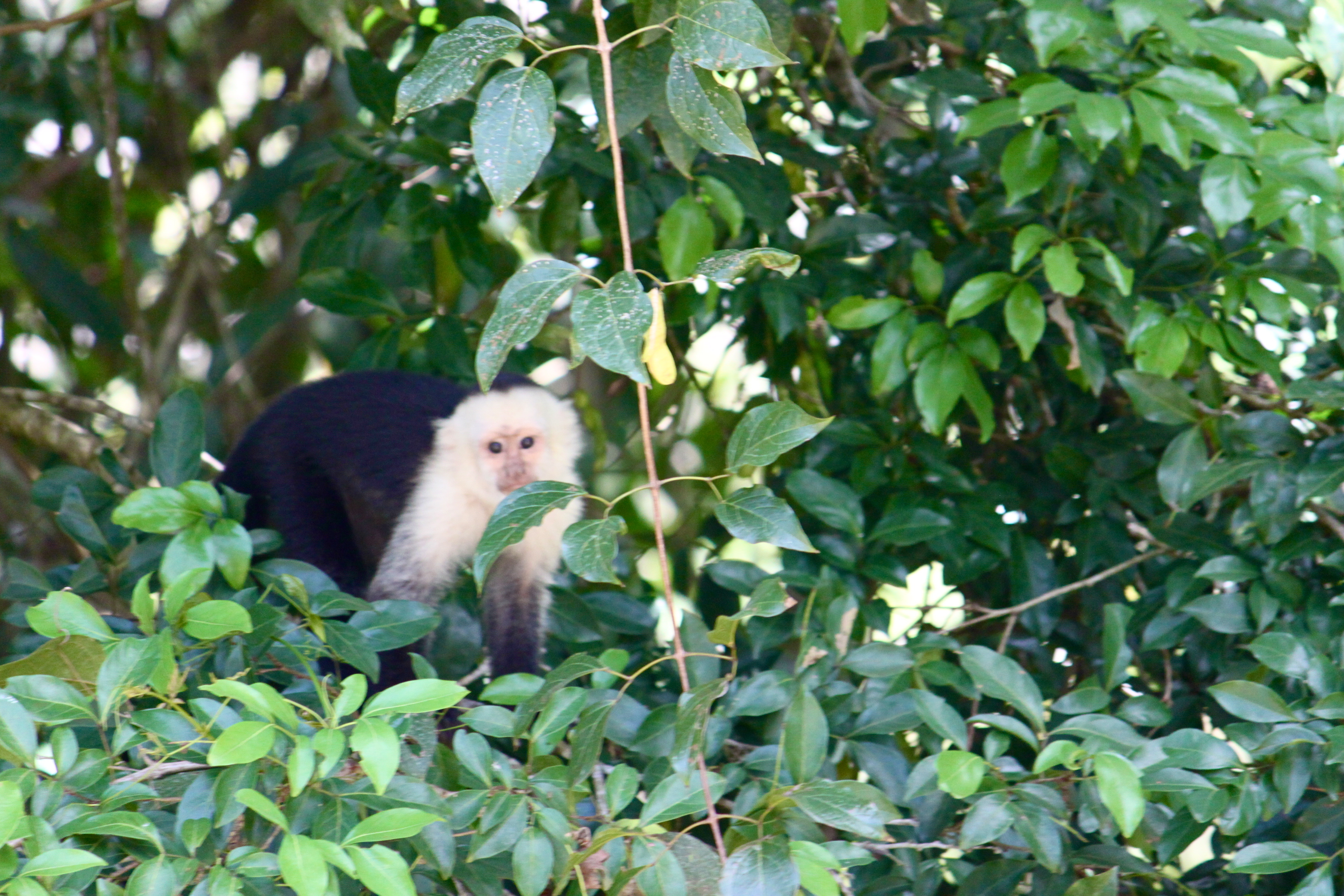
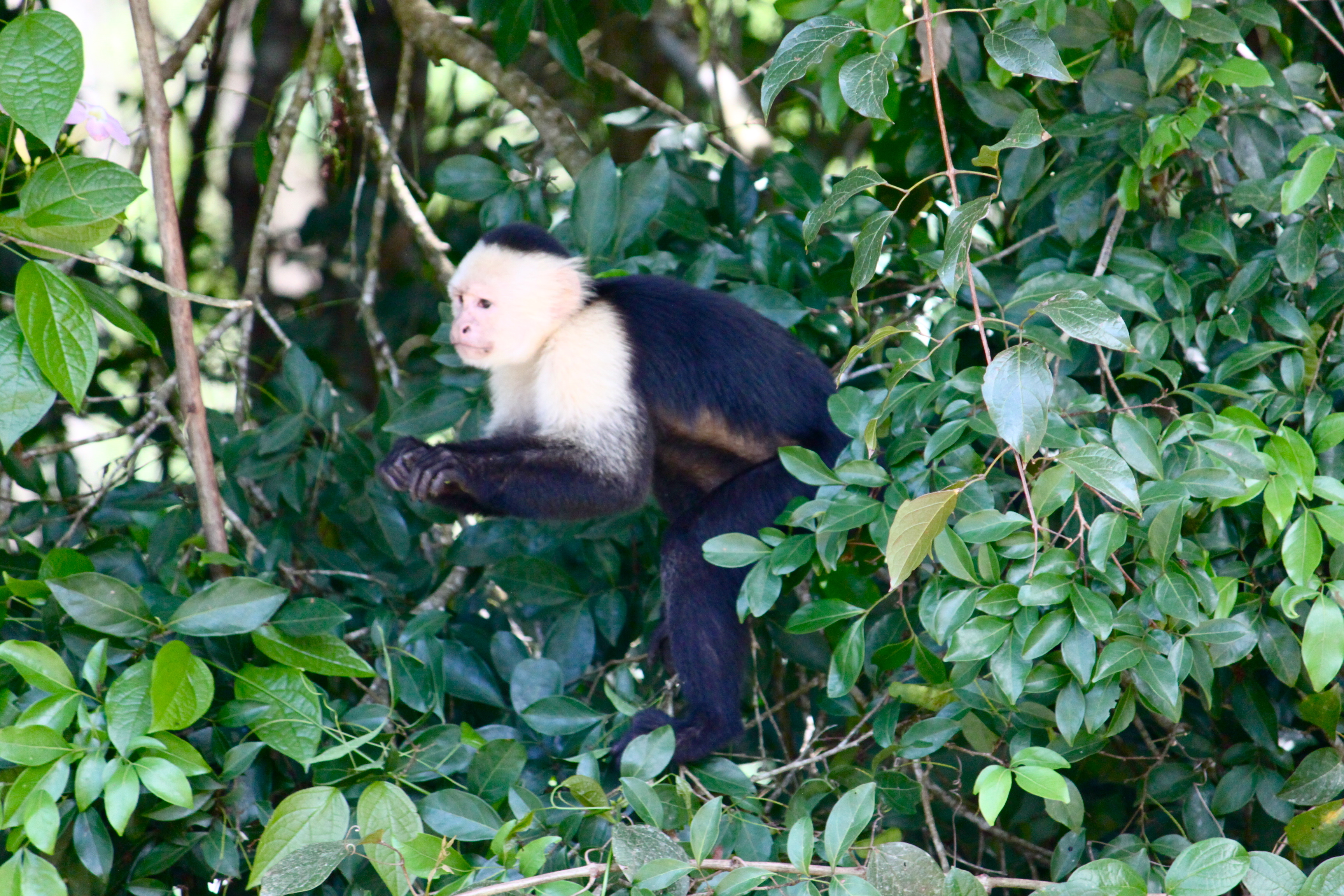
Everyone wants a cute little capuchin for their own, right?
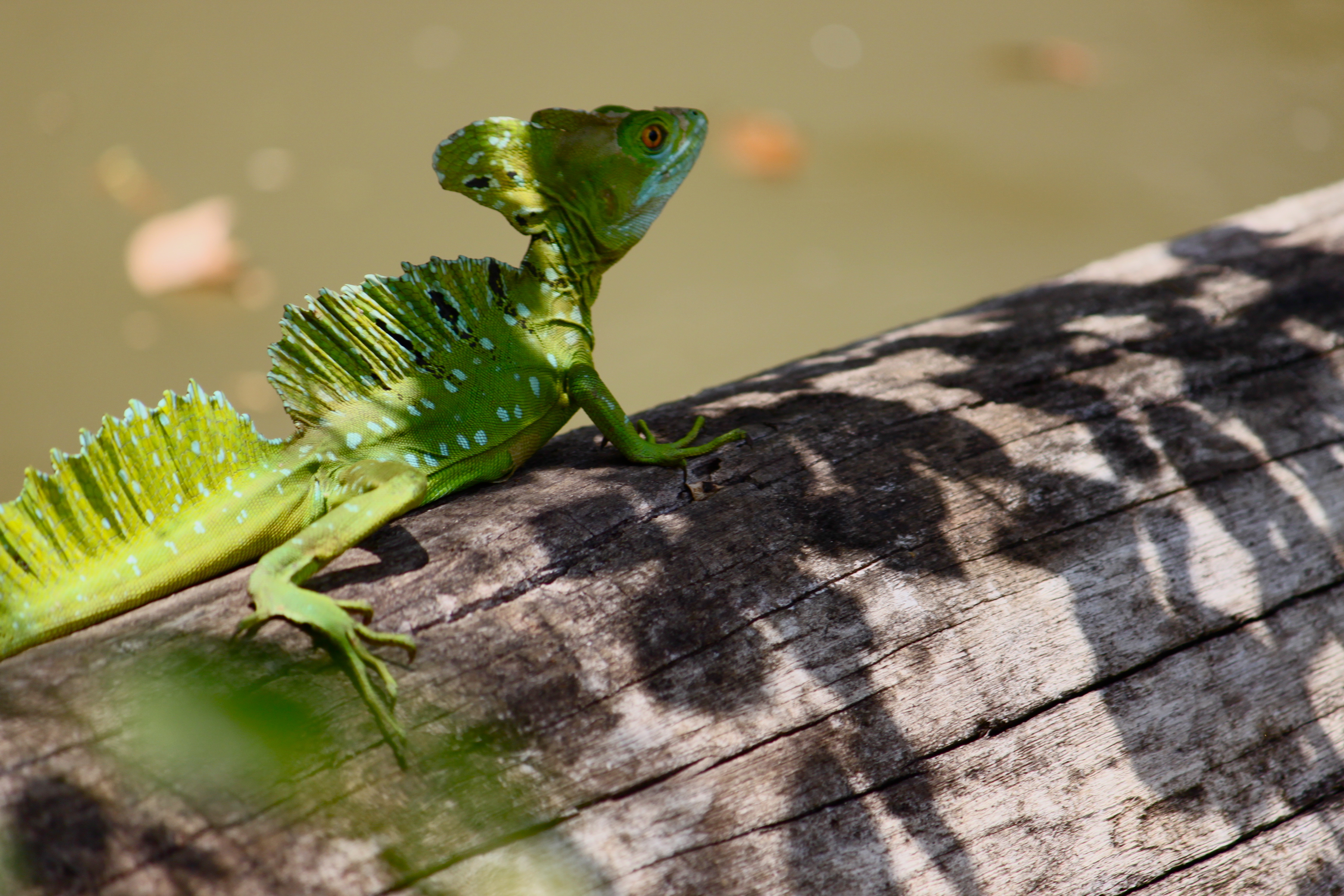
The Jesus Lizard: so named because it can run on water.
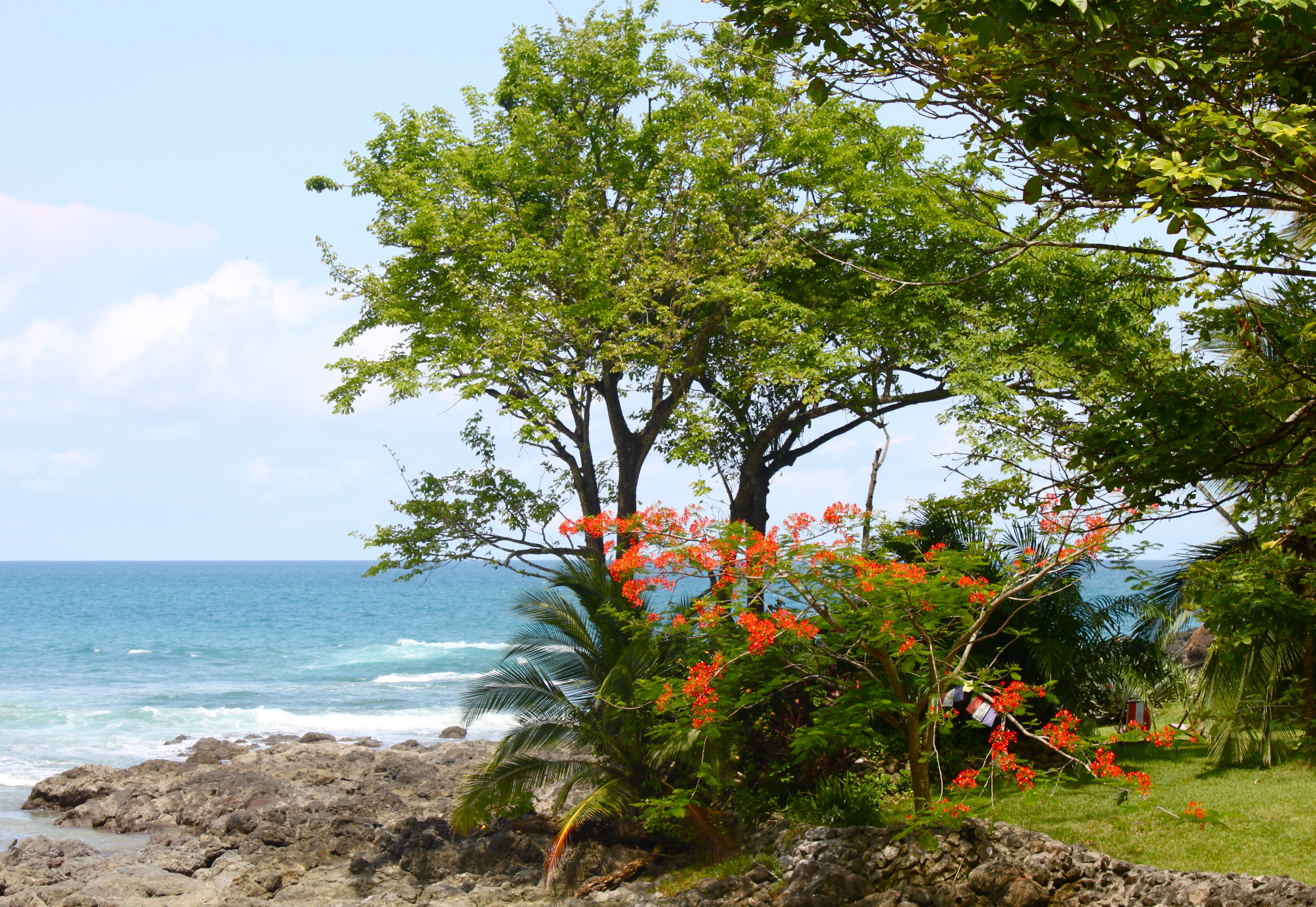
This was someone’s private beachfront right by our hotel in Montezuma!
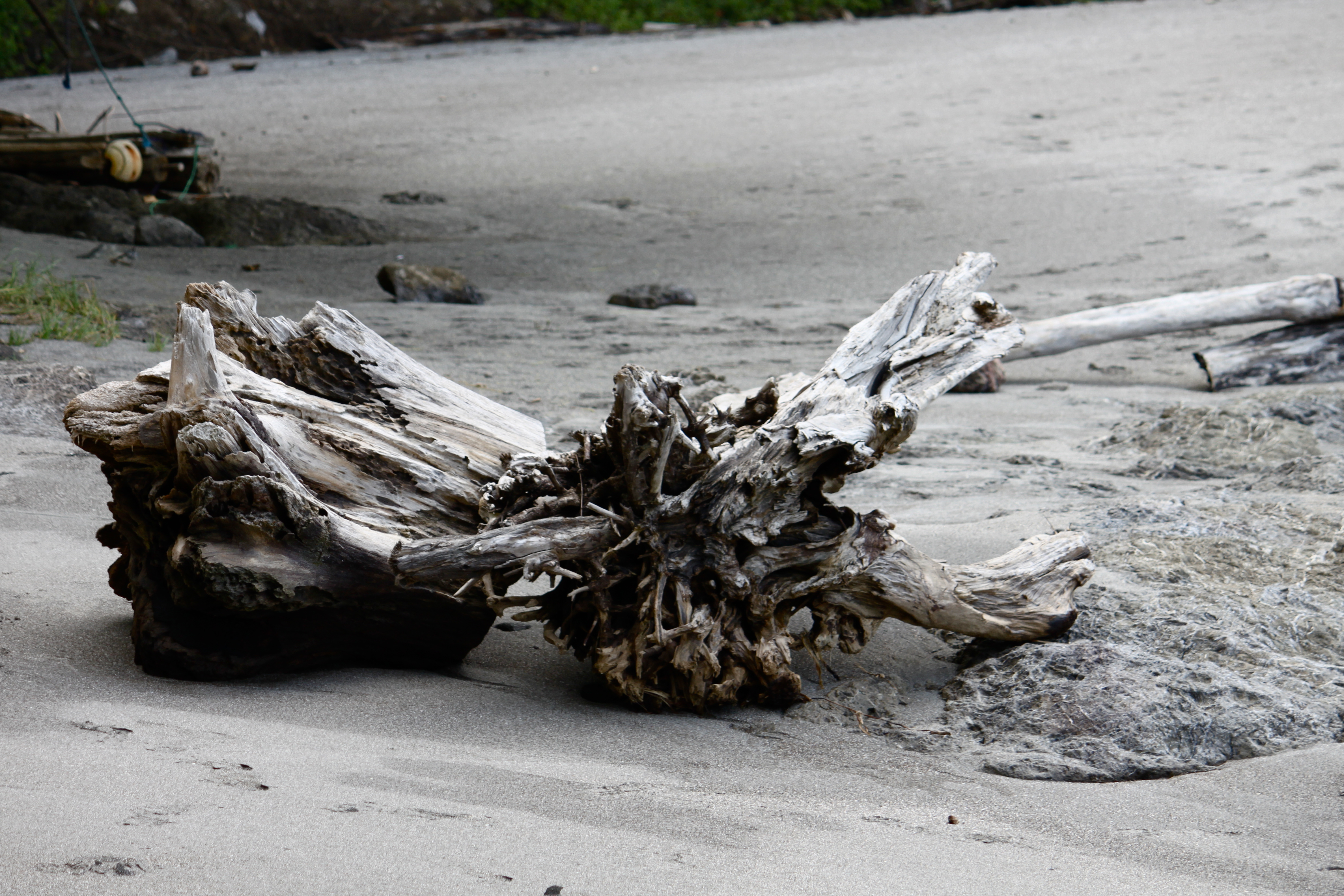
The beach by our hotel in Montezuma had some AWESOME driftwood.
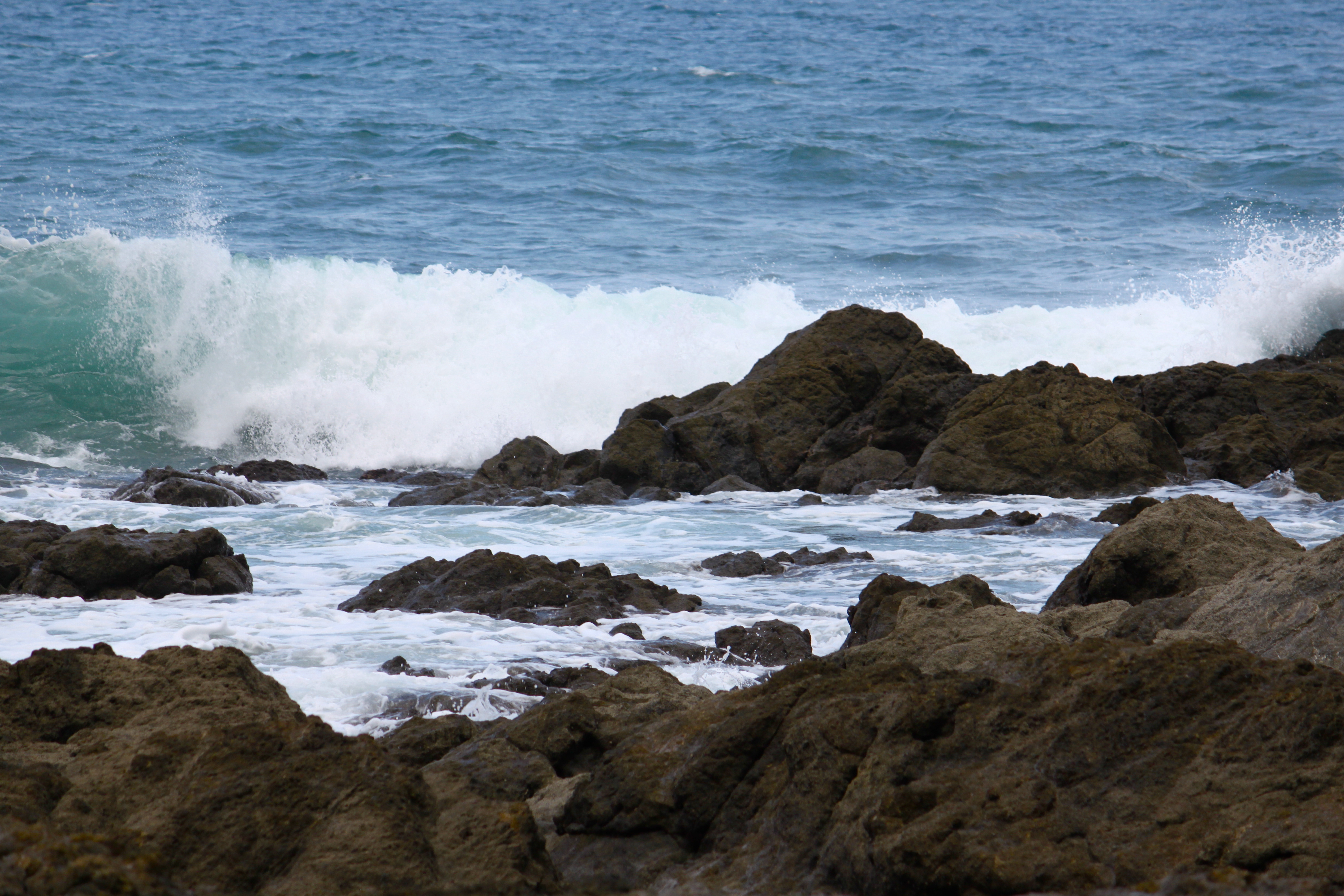
I loved just going by the ocean and watching the waves crash every morning.
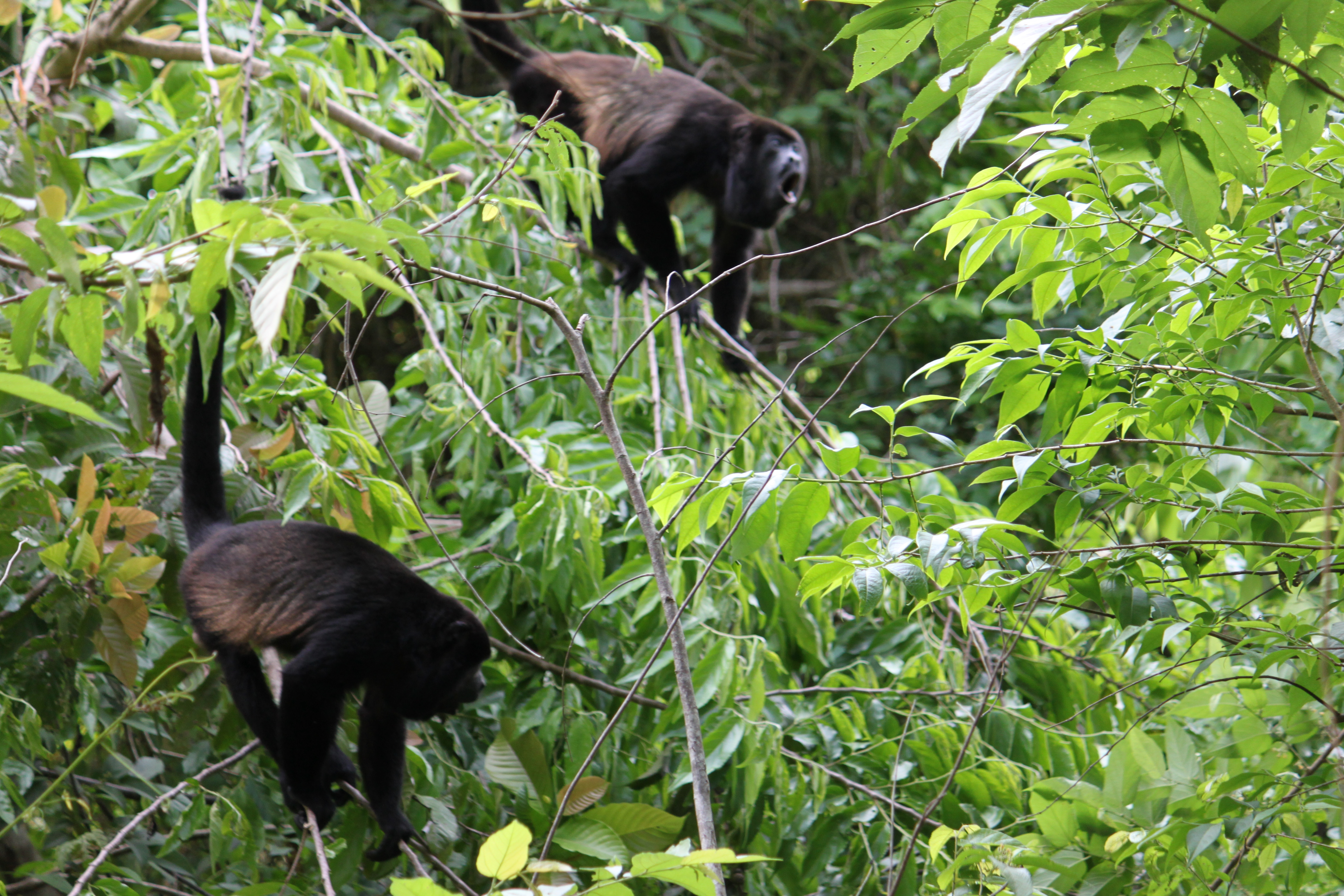
Some howler monkeys getting a tad bit frustrated with us just before we went ziplining through their treetops.
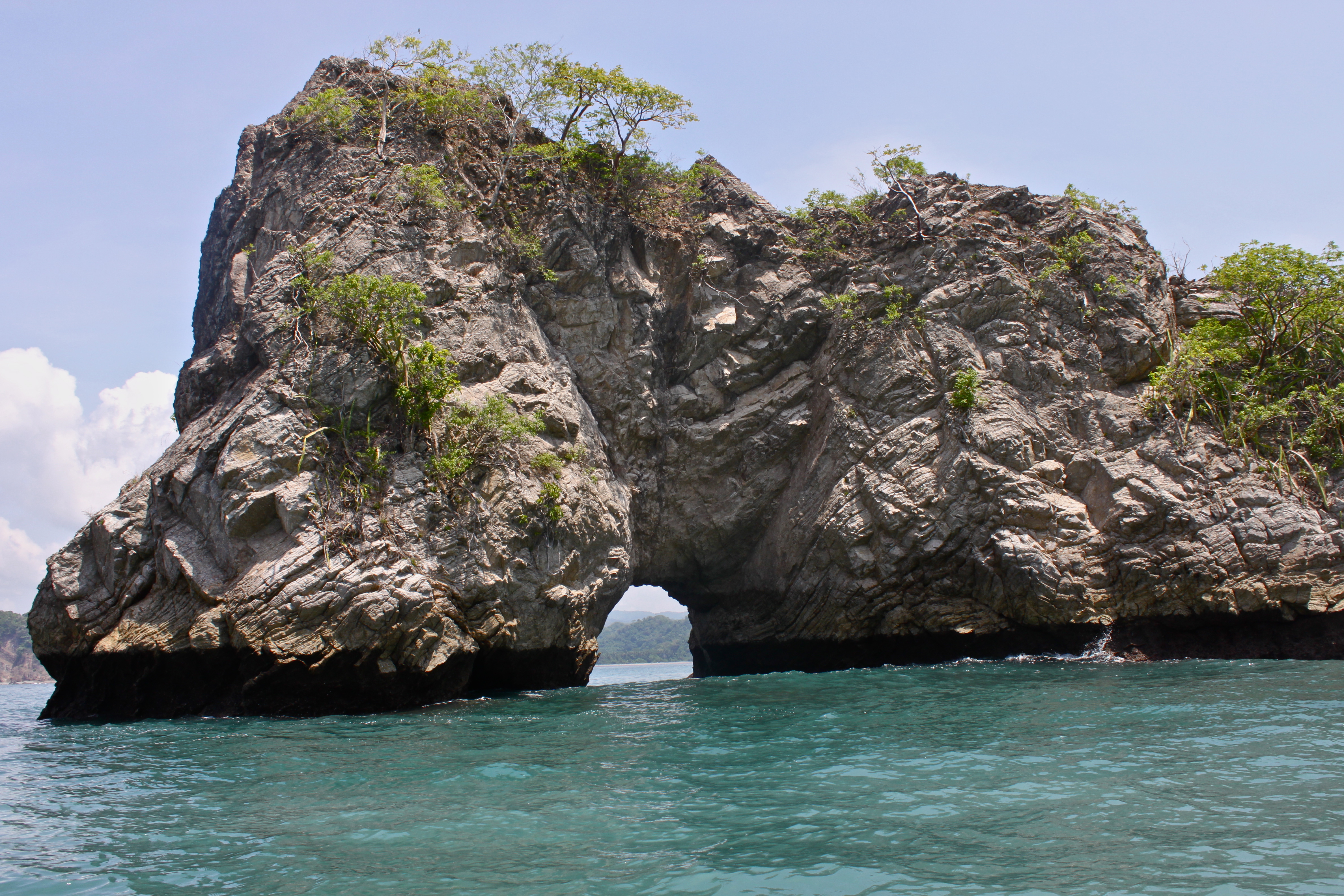
A small tunnel created by water erosion just off of Tortuga Island.
G Adventures offers many kinds of tours. My mother and I took a YOLO trip, which is a budget-style trip kind of perfect for us. The trip style that interested me the most, and is how our tour guide Jorge started in this line of work, is a “Volontour” trip. Jorge worked at a biology research center studying leatherback sea turtles. Volunteers, through G Adventures, were able to work alongside the biologists, protecting the sea turtles as they hatched.
I’m still a bit in awe of the fact that I got to be in Costa Rica, sharing the tree tops with howler monkeys. I’ll be back when I get over that awe and talk to you guys about college (yes, yes, it is that time).
“Wtf, shrimp!!? I make it all the way to this website from who knows what part of the internet, and I see ‘Badass Biology’. Man, Kevin, you flip my brain out with possibilities of flying sharks, rabbits of doom, or a half-honeybee half-unicorn rainbow pollinators. And what do you deliver? A stupid shrimp??! I hate you, and I quit this website. (╯°□°)╯︵ ┻━┻)” To which I reply, “Charles Barkley, I think you’re over-reacting. Please repair my table at once”.
It was hard to find a chart that even went up to 150dB, let alone the 220 these guys produce.
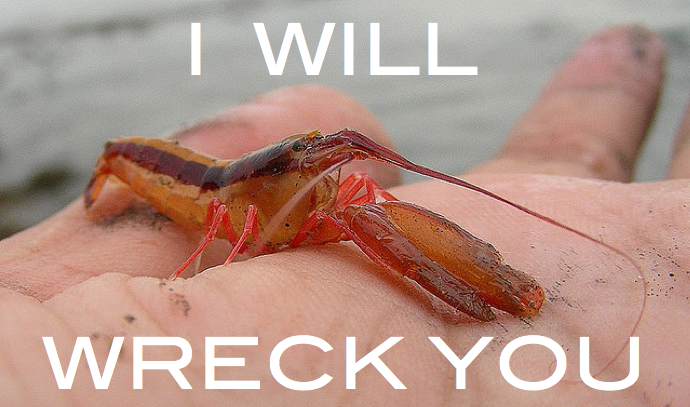
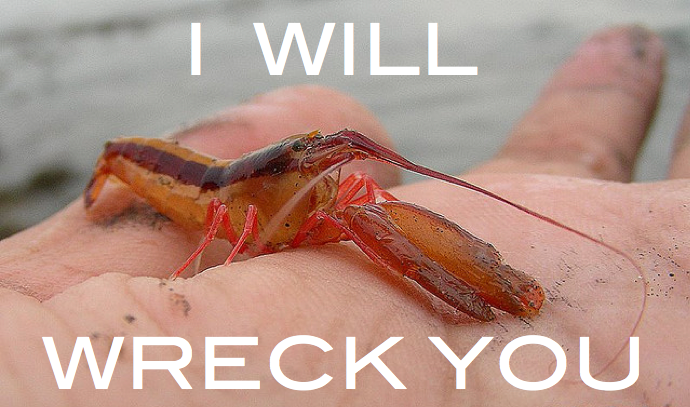
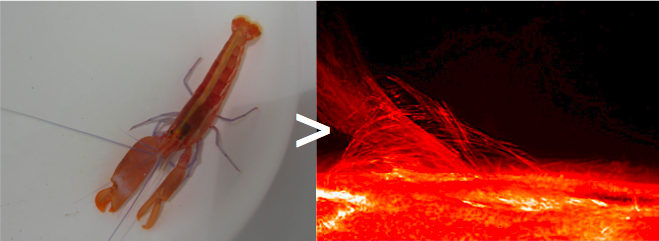
Yes, it’s a shrimp. A measly two-inch-long shrimp. But you don’t understand. This one single stupid shrimp is just about the coolest thing I’ve ever heard. Trust me, and when you hear one too, you’ll probably go deaf, because this one little shrimp IS ONE OF THE LOUDEST ORGANISMS ON THE PLANET. I’m talking 220+ decibels, much louder than a gunshot and louder than standing next to a jet engine at take-off. O_o.
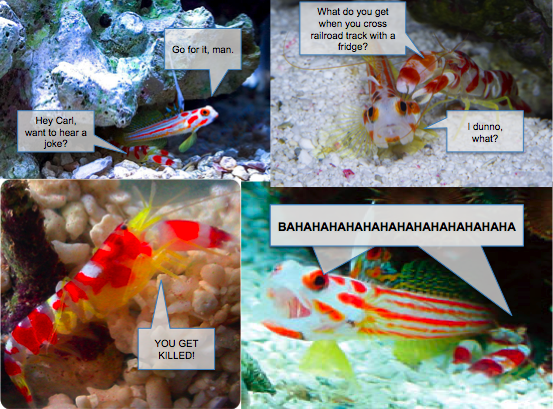
First, I want to talk about some other wicked cool stuff this little guy does apart from being a tiny walking firework of sonic pain. These shrimp garner lots of attention from ecologists because of their symbiotic, or mutually-beneficial, relationship with gobies, a type of small marine fish. The coral reef populations of this shrimp build burrows and recruit the help of a goby to stand guard out front while being no more than an antennae’s distance from the shrimp, using the goby’s well-developed vision to watch for danger. Once danger comes, the goby flicks its tail to signal a threat, and both the goby and the shrimp retreat into the same burrow. Then they start slapping five. It’s flippin sweet.
The mutualisms don't just end at gargoyle-ing.
From an ecologist’s point of view, this is totally mutualistic, and some scientific literature lists this interaction as “totally f-ing amazing” [citation needed] (Good luck with finding THAT reference -ed.). Yeah, both the goby and the shrimp live to see another day should a shark, barracuda, squid, rogue buoy, really fast snail, very-misplaced land predator, sinking boat part, cloud of wasps, or sentient shrimp-hating spear come around to threaten them. The goby gets a burrow, and the pistol shrimp gets a gargoyle. Selection at work.
I like to think of the goby as the pistol shrimp’s pet, kinda like me buying a falcon and parading it around the neighborhood on a leash. And once danger comes, the falcon goes “Hey yo, Kevo, you might need to reconsider this route”, we split, we don’t find danger, and I buy the falcon ribs for a job well done (and because I really want ribs right now). So in a sense, pistol shrimp are danger shepherds equipped with sun-blasting cannons of glory that we’ll get to in a moment.
I need to take a break to collect myself. Holy balls, these shrimp own everything own-able. Next time I see one, I’m buying it ribs. The whole rack.
Let’s get to that “pistol” thing, why don’t we? Pistol shrimp have one very distinct set of front appendages, like two arms extending outwards from its body. Only, one of these arms is disproportionately larger than the other, and it’s quite a contrast. Like no foolin’ man, this one arm alone can be as long as half the entire length of the shrimp’s body. Imagine walking around with one of your arms the size of the Hulk’s and you get the idea. This may look pretty stupid, but this powerful musculature operates one of the most badass weapons nature can offer.
Yeah, kinda like this
When in serious danger or when hunting, the pistol shrimp cocks its massive claw backwards into a 90o position. Once the claw snaps shut, it produces a jet of water propelled forward at 60mph. Yeah, woo, a fast water jet. Big deal. But here’s the amazing part. Are you ready to have your mind blown? If you have ever listened to me before, now is a pretty good time, too: This jet of water creates a bubble that cavitates, or implodes, generating a pressure wave that creates a sound loud enough to break glass in an instant. Not only that, but once the bubble cavitates, the heat generated by the force of the implosion causes the temperatures inside the bubble to reach about 18,000 degrees Fahrenheit. Yes. Eighteen. Thousand. Oh, and to top it off, the whole process takes three tenths of a second.
THIS TINY SHRIMP MAKES A BUBBLE SO AWESOME THAT IT’S LOUDER THAN A JET AND MORE THAN TWICE AS HOT AS THE SURFACE OF THE SUN.
You can imagine the horribly bubbly doom the pistol shrimp’s enemies must face. Stunned (or killed) by the force of that kind of pressure change, the pistol shrimp’s prey has basically just become lunch in an instant. The shrimp pulls its quarry into its burrow, and goes to town, just how I could go to town on some ribs right about now. I dug up a video about this whole process in case what I said wasn’t convincing enough:
http://www.youtube.com/watch?v=eKPrGxB1Kzc
If you want me to write about any other badass biological bosses, leave a comment. I may talk about them, or I may just tell you that your suggestions are awful. Probably not the latter though. I like people.
Well, I like most people except you, Charles Barkley. I really miss that table. Now I’ve got nothing to rest my wine on when Glee’s on.
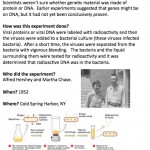
So, it’s April 20th and you want to celebrate DNA day, but aren’t sure how? What about making chocolate smoothies in honor of Alfred Hershey and Barbara Chase, the rockin’ scientists whose experiment finally convinced everybody that the information for your traits (i.e. genes) was contained in DNA rather than in protein, which was the other contender . They made their discovery 60 years ago so now’s a good time to call them out.
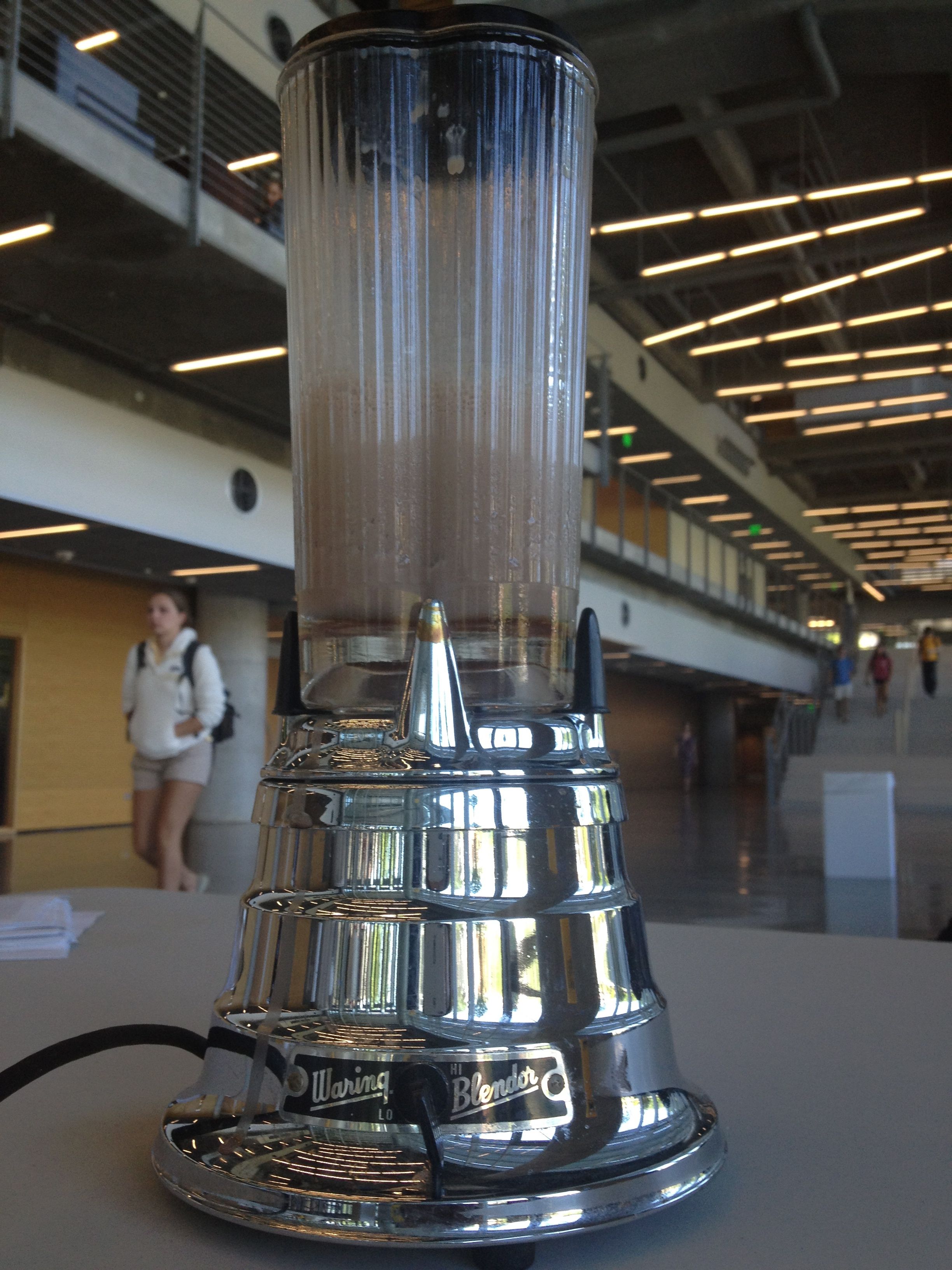
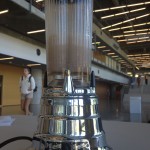
Now, 1952 was a prosperous time in America and while folks were makin’ babies, watching TV and buying $0.20/gallon gasoline to fuel their big, beautiful cars, Hershey and Chase were hanging out on Long Island at the Cold Spring Harbor Laboratory, mixin’ up phage (bacteriophage) and E. coli. Phage are viruses that infect bacteria and when they do that they bring genetic information along with them. Hershey and Chase had the genius idea that if they labeled the different parts of the phage with radioactivity and then tracked which parts went INTO the bacteria, they could figure out what genes were made of. So, they labeled the phage protein with radioactive sulfur or the phage DNA with radioactive phosphorous and added it to the bacteria for a little while. Then they used a blender (like the vintage Waring blender pictured here) to knock off any parts of the phage stuck to the outside of the bacteria and, lo and behold, the radioactive DNA was inside the cells carrying the genes and the radioactive protein got knocked off of the cells and floated away.
The results of the Hershey Chase experiment paved the way for the golden era of molecular biology and actually made people care about the big paper Watson and Crick put out the next year that proposed the structure of DNA.
So, HAPPY DNA DAY! Here’s how you can use YOUR blender to pay delicious tribute to these important scientists.

.jpg)