Category: today i learned (til)

health, fitness, medicine, environment, ecology, how to learn tricky topics in science and math, new discoveries, news, current events

  • Can Algorithms Deliver Justice?

    Can Algorithms Deliver Justice?

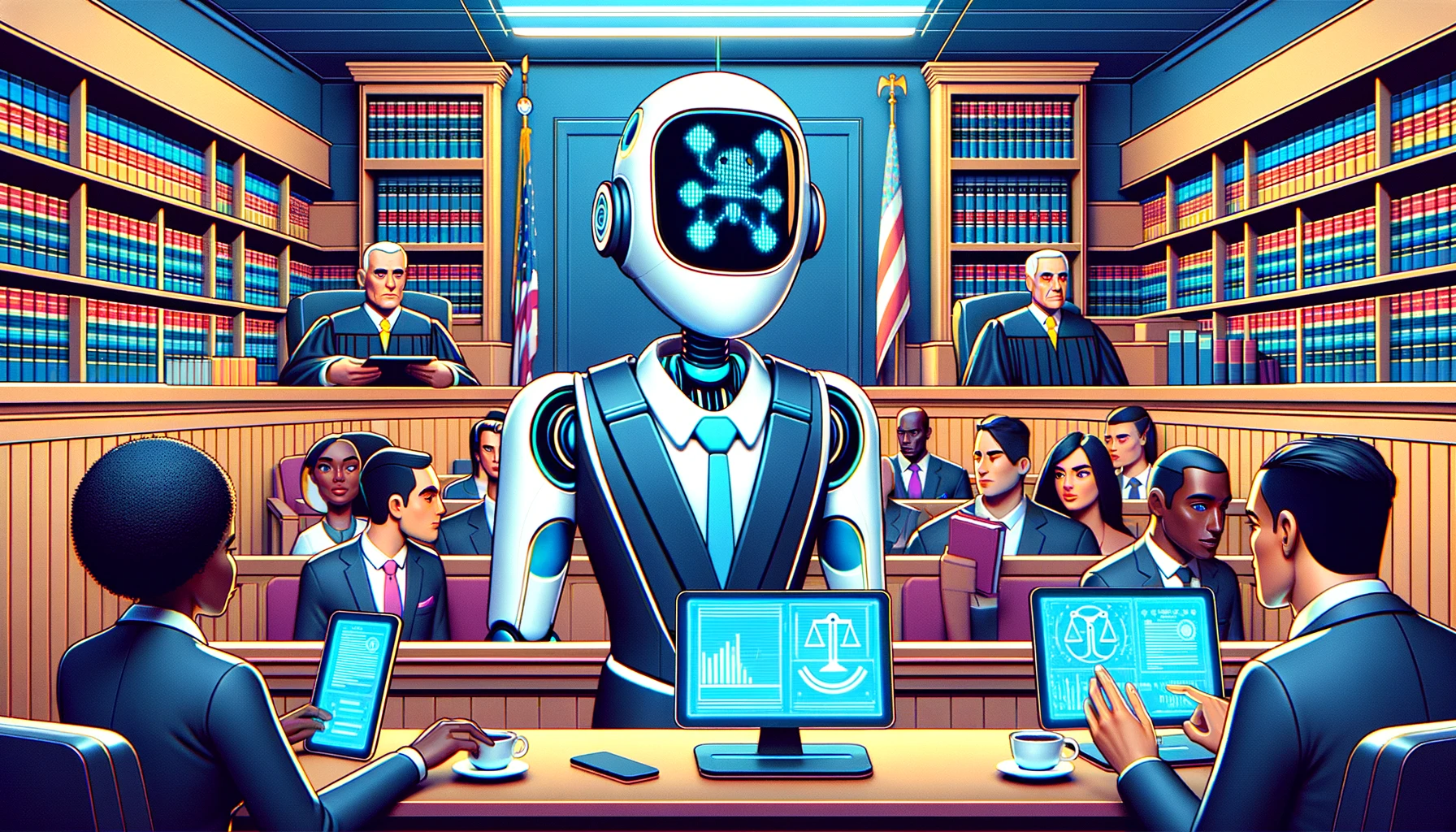
    While scales of justice have long been a symbol of fairness and impartiality, that has never been completely accurate. Racial, gender, and class has always affected your experience with the justice system, however, in the 21st century, they are increasingly balanced on the shoulders of algorithms. Artificial intelligence is rapidly transforming legal systems, from predicting recidivism to analyzing evidence. These impacts can have massive ripple effects on people’s lives.

    One of the most common applications of AI in the courtroom is in risk assessment tools, which are algorithms used to predict the likelihood of a defendant re-offending if released on bail or parole. Proponents argue that these tools can help reduce crime rates by identifying high-risk individuals, while critics raise concerns about bias and lack of transparency.

    A 2016 study by ProPublica found that a widely used risk assessment tool in Wisconsin was significantly more likely to misclassify Black defendants as high-risk compared to white defendants [1]. This raises the crucial question: Are AI tools simply perpetuating existing racial inequalities within the criminal justice system?
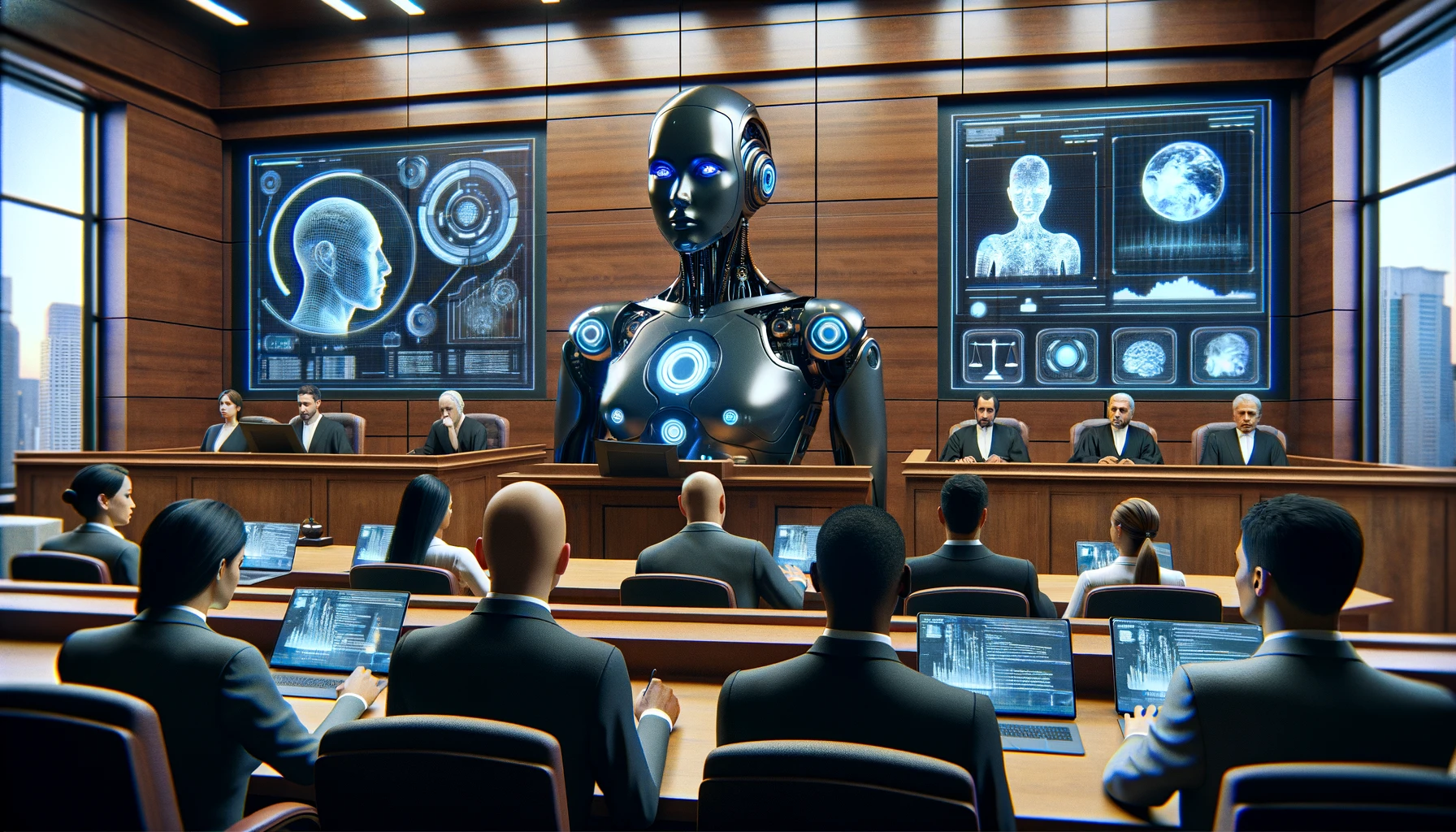
    AI is also being used to analyze vast amounts of evidence, including video footage, DNA, and social media data. This can be a valuable tool for investigators and prosecutors, but it also raises concerns about the manipulation of evidence.

    A 2019 report by the National Academies of Sciences, Engineering, and Medicine found that AI-based facial recognition technology has significant accuracy disparities across racial and ethnic groups [2]. This raises the possibility of innocent individuals being wrongly convicted based on flawed algorithms, and these issues particularly impacting minorities.

    Another big challenge with AI is the lack of transparency. Many algorithms are opaque “black boxes,” making it difficult to understand how they reach their conclusions. This lack of transparency can undermine public trust in the justice system and make it difficult to hold algorithms accountable for errors.

    In a 2023 case in California, a judge ruled that prosecutors could not use an AI-based risk assessment tool because the algorithm’s decision-making process was not sufficiently transparent [3]. This landmark case highlighted the need for greater transparency and accountability in the development and use of AI in legal systems and slowed the impacts of AI in California.

    The potential of AI to improve the justice system is still unrealized. However, it is crucial to acknowledge and address the challenges of bias, transparency, and accountability. We must ensure that AI is used in a way that promotes fairness and equal justice for all, not simply reinforces existing inequalities.

    The use of AI in the courtroom holds immense promise for improving the justice system by removing human bias, we must also be mindful of the way AI perpetuates and is built upon human biases. By acknowledging the challenges and taking steps to mitigate them, we can ensure that AI is used in a way that upholds the fundamental principles of fairness and equal justice.

    Sources:

    1. ProPublica. (2016, October 26). “Machine Bias: There’s a Bias in Algorithmic Justice.” https://www.propublica.org/series/machine-bias
    2. National Academies of Sciences, Engineering, and Medicine. (2019). “Commercial Facial Recognition Technology.” https://www.nationalacademies.org/our-work/facial-recognition-current-capabilities-future-prospects-and-governance
    3. Reuters. (2023, February 22). “California judge bars prosecutors from using AI risk assessment tool.” https://phys.org/news/2022-11-early-artificial-intelligence-criminal-justice.html
  • A science communicator takes a communications class?!

    A science communicator takes a communications class?!

    Even though I have been involved with the STEMComm VIP team for almost four full years now, I have never taken the time to learn about science communication properly and ways to go about it. Taking a communication class has been long overdue for me because it’s something that I’ve always been interested in improving about myself and my skill set as a graduate student and as a budding scientist. So, I finally leaped into MSE 8200: Advanced Presentation Skills.


    The Warm Up

    MSE 8200 had six students in a classroom meant for 40, so I needed to connect with my classmates to go through the class. We started with some surprisingly deep icebreaker questions about where we came from and what drove us to become engineers. From there, we began our warm-up exercises, where we went over problems of writing in science and how we can improve our communication. We all related to the feeling when we finally found an article with a title that might help us with our projects, but then we came to find out that the paper was impossible to understand. Since writing is the most significant thing that non-scientists see, it’s one of the things that should be practiced to be understandable and intriguing!

    After discussing the basics of science writing, we reviewed different science stories, what they did well in communicating their science, and what could have been done better. We finished the warm-up also talking about how to communicate with younger audiences, reading some different stories from well-known scientists, and how we can improve on explaining technical issues to a non-technical audience (with some pretty cool Ted Talks). After writing our versions of how to explain some of the foundations of our research, it was time to make our presentations!


    Speaking Up

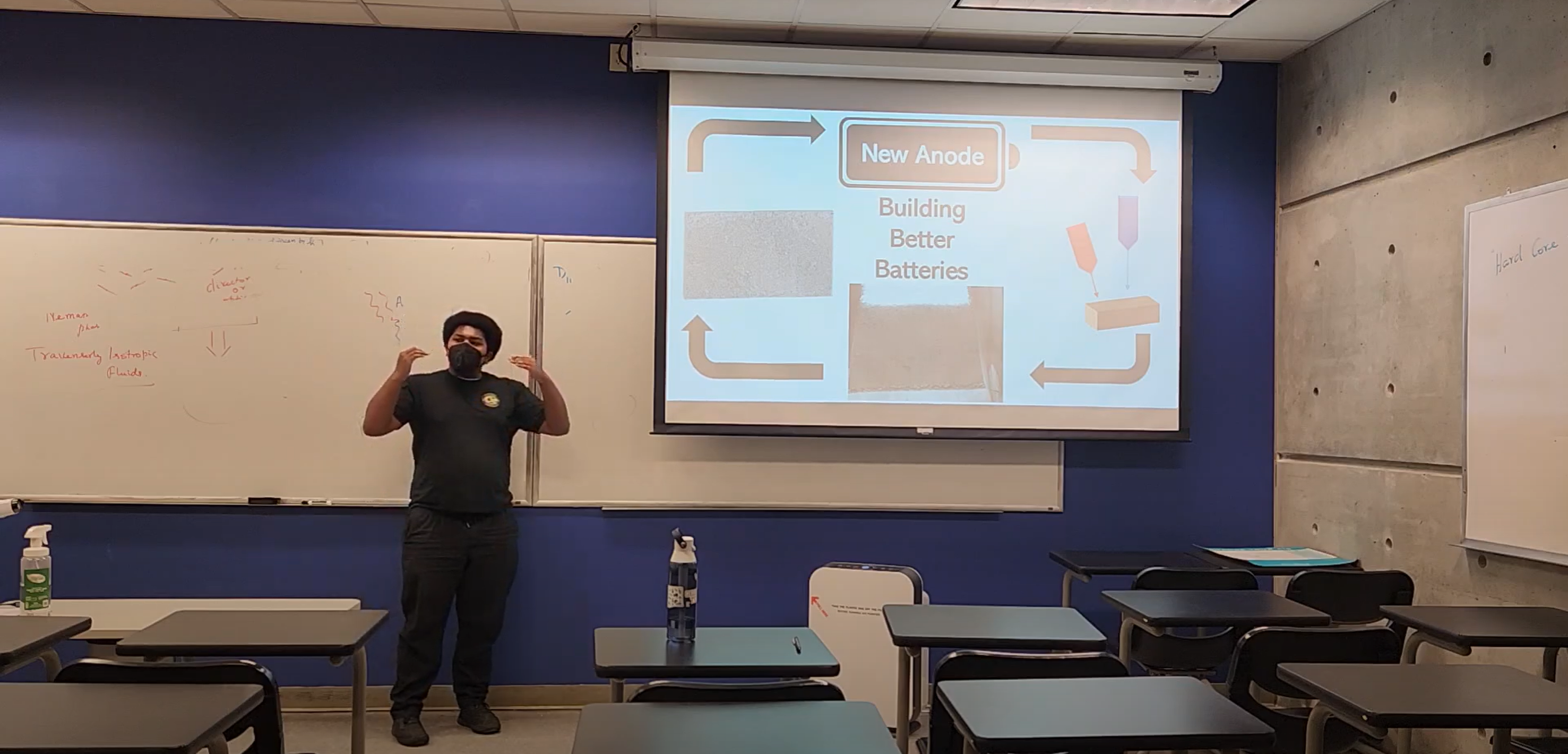
    After the warm-up, we switched between learning about different methods of presentations and creating presentations for the class with peer and instructor feedback. Our first style (and probably the easiest for me) was the elevator pitch, where we gave a short 90-second pitch on the research we do, why it matters, and what we learned from our work. It was an easy assignment since I love telling people what I do, whether they’re other materials scientists or a friend who wants to listen. The 3 Minute Thesis presentations were also fun to practice, summarizing my work and learning more about what my classmates do. It also gave me a fun challenge to take my research from my summer internship and condense seven research slides into one slide that explains three months of work!

    My most challenging communication style was long-form oral presentations for a technical audience. Essentially, they were presentations a researcher would give to other scientists at an academic conference. I realized that I’ve never attended an academic conference, so I wasn’t sure what would be the best information from my internship to explain further or delete. I also realized that since my Master’s research experience is from my internship, it was difficult to talk about my work for 15 minutes when I’ve been used to presenting it for 3-5 minutes. We closed out the course with a poster presentation, where we gave a brief pitch of our work once more, with some final comments on our experience in the class.


    Did Jalen learn to communicate better?

    Yes. 1000%. Absolutely (and any other words you can think of). Even though I have a good amount of experience creating science-related content, what I learned in this class will make me a better communicator. With the help of my instructor and my peers, I got a lot of feedback on what I could improve on in my presentation style and what I could do better. I learned that even though my long-form presentations were shorter than I would have liked, I did a great job presenting my work’s complicated terms and concepts in a way for both technical and non-technical audiences to understand and engage. With the use of animations and analogies in my work, I could put a clear image in the audience’s mind of what I was doing and put a lot more emphasis on the why; if a scientist cannot explain why their work matters, then it becomes even more challenging to engage with a non-technical audience, especially in fields like renewable energy, electric vehicles, and artificial intelligence.

    What I want to work on and improve is including more conciseness in my presentations. Though my explanations were clear, I spent more time elaborating on small details than I probably needed to, especially for a non-technical audience. I think if I improve on this, then I will be able to create more accessible presentations. I also hope to practice with more resources like “Academics Suck at Writing” to learn more ways that I can improve my STEM communication skills.

    MSE 8200 has been one of the most enjoyable and engaging experiences of my Master’s. Not only did I learn skills to make me a better science communicator, but I also realized that my communication style is more robust when it includes visuals or oral presentations. It also gave me a path to move forward with my STEM communication journey as I prepare to graduate and move on to the next career step. I plan to attend a science communication conference in the spring and use the lessons from this class to grow even further. If you can take a science writing or presentation class in your program or work, I highly recommend it!


    Note: If you want to see my research (and my communication skills in action ), I posted my 3 Minute Thesis presentation from my class below.

  • Dragon’s Beard Candy: A Math-Based Art

    Dragon’s Beard Candy: A Math-Based Art

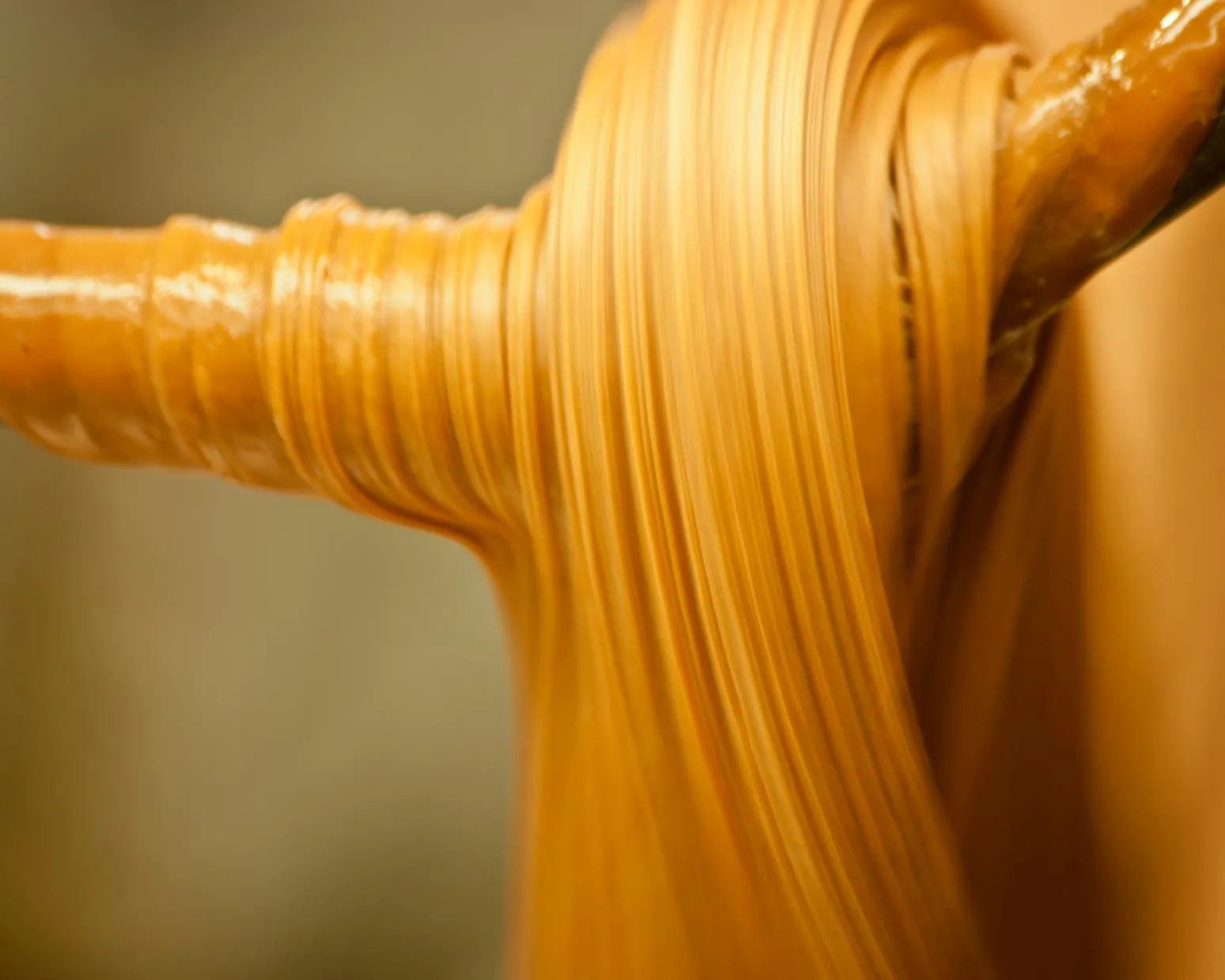
    “Dragon Beard Candy” Image Credit: A Canadian Foodie

    Dragon’s Beard Candy, also known as “Chinese Cotton Candy,” is a prime example of the masterful blending of culinary creativity and traditional culture. This delicate confection, which has its origins in ancient Asian traditions, has enthralled generations with its elaborate preparation and distinctive texture, which is reminiscent of fine silk threads. In this essay, we will explore the origins, preparation, and cultural significance of Dragon’s Beard Candy, shedding light on the science and craftsmanship behind this time-honored treat.

    Dragon’s Beard Candy has a rich history dating back to ancient China, where it was once considered a delicacy reserved for royalty. The candy’s creation takes on a mythical charm due to its association with dragons, which are highly revered in Chinese mythology. Dragon’s Beard Candy is a popular treat at weddings, festivals, and other special occasions. It has evolved over the centuries into a symbol of joy and celebration.

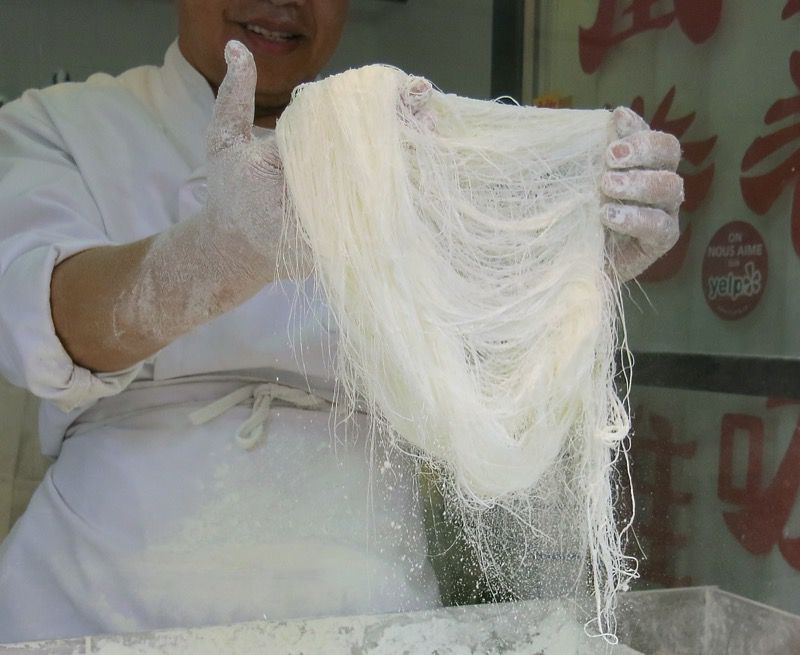
    The fundamental ingredients for Dragon’s Beard Candy are simple yet essential: sugar syrup and starch. First, a viscous syrup is made by heating sugar and water together. The critical step lies in the meticulous pulling, twisting, and folding of the sugar strands. This intricate dance transforms the once-solidified syrup into countless fine threads, resembling the beard of a dragon. There are two benefits to adding cornstarch or potato starch. First of all, it keeps the delicate strands from adhering to one another, preserving the candy’s unique texture. Second, the starch enhances the entire sensory experience by subtly counterbalancing the sweetness.

    There is an intriguing interaction between physics and chemistry in the making of Dragon’s Beard Candy. The process of pulling sugar is similar to an alchemical cooking technique in which heat and constant stretching turns sugar syrup into an intricate web of tiny threads. In addition to adding layers and air to the candy, twisting and folding gives it a fluffy, dreamy texture. The structural integrity of the candy is enhanced by the starch coating. Starch is essential for preserving the uniqueness of each sugar strand by preventing them from combining or collapsing thanks to the processes of encapsulation and absorption.

    Crafting Dragon’s Beard Candy requires a delicate touch and a keen understanding of the candy’s behavior under various conditions. Skilled confectioners become experts at pulling sugar, measuring syrup consistency, and striking the ideal ratio of elasticity to fragility. With meticulous execution of every twist and fold, the confection is not only aesthetically magnificent but also a demonstration of the artist’s talent.

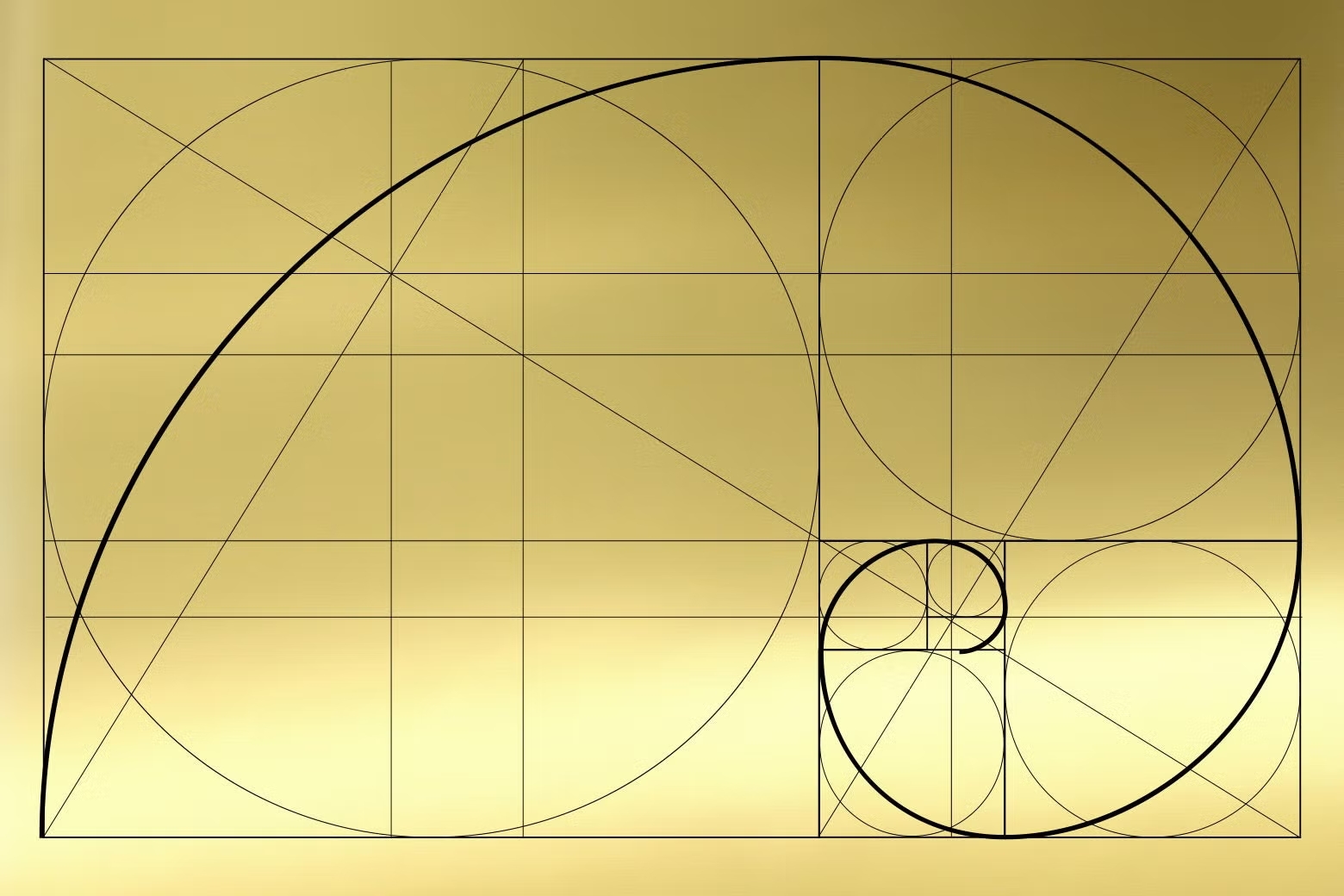
    “The Golden Ratio” Image Credit: Getty Images Plus

    The manual way of stretching the candy is by hooking and folding it over itself, which involves a multiplication factor of 2 (doubling in length). Nowadays, the modern candy-pulling machine implements a stretch factor related to the Golden Ratio,(1/2 + sqrt(5)/2 approximately 1.618), which is based on the number of rods/hooking with in the machine. The Greek letter phi (φ), which represents the mathematical constant known as the golden ratio, has historically been used to symbolize harmony and proportion in art. Within the culinary arts, Dragon’s Beard Candy presents an interesting pairing for the golden ratio as  delicate dance of precision and ratios goes into the painstaking preparation of this old confection. The intricate texture of the candy is achieved by pulling, twisting, and folding the sugar strands, which demonstrates a meticulous attention to proportions and is reminiscent of the influence of the golden ratio in both art and nature. The golden ratio is subtly acknowledged as one savors the dreamy sweetness of Dragon’s Beard Candy, linking the culinary experience to the timeless appeal of mathematical beauty. 

    Dragon’s Beard Candy is more than just candies; it is a culinary masterwork and a cultural asset. Its preparation, which has its roots in antiquated customs, accentuates the tasteful fusion of science and artistry. Savoring the threads of this delicious treat allows us to participate in a timeless tradition that weaves us into the rich fabric of cultural celebration and culinary history. Dragon’s Beard Candy encourages us to recognize the beauty in the craft of people who, akin to contemporary alchemists, turn ordinary ingredients into sensory-pleasing wonders.

    Sources: 

    Cyeeahn. “Dragon’s Beard Candy.” Red Thread Kitchen, 29 Jan. 2021, www.red-thread-kitchen.com/post/dragon-s-beard-candy.

    “Dragon’s Beard Candy – Alchetron, the Free Social Encyclopedia.” Alchetron.Com, 7 Sept. 2022, alchetron.com/Dragon%27s-beard-candy.

    Ellenberg, Jordan. “The Number That Becomes More Amazing the More You Study It.” Slate Magazine, Slate, 8 June 2021, slate.com/technology/2021/06/golden-ratio-phi-irrational-number-ellenberg-shape.html.

    Lugonja, Valerie. “Dragon Beard Candy.” A Canadian Foodie, 5 May 2015, www.acanadianfoodie.com/2015/05/05/dragon-beard-candy/. 

    Magazine, Smithsonian. “Using Math to Build the Ultimate Taffy Machine.” Smithsonian.Com, Smithsonian Institution, 21 Oct. 2016, www.smithsonianmag.com/science-nature/using-math-build-ultimate-taffy-machine-180960849/.

    The Mathematics of Ta y Pulling – University of Wisconsin, people.math.wisc.edu/~thiffeault/talks/ddays2018.pdf. Accessed 14 Dec. 2023. 

  • Virtual Reality in Education: Revolutionizing Learning Experiences

    Virtual Reality in Education: Revolutionizing Learning Experiences

    Virtual reality (VR) has emerged as technology with the potential to change education in the future. VR’s immersive and interactive experiences are redefining traditional educational methods as we navigate the digital age. This article examines how virtual reality is affecting education, stressing its advantages, difficulties, and potential applications for both teachers and students.

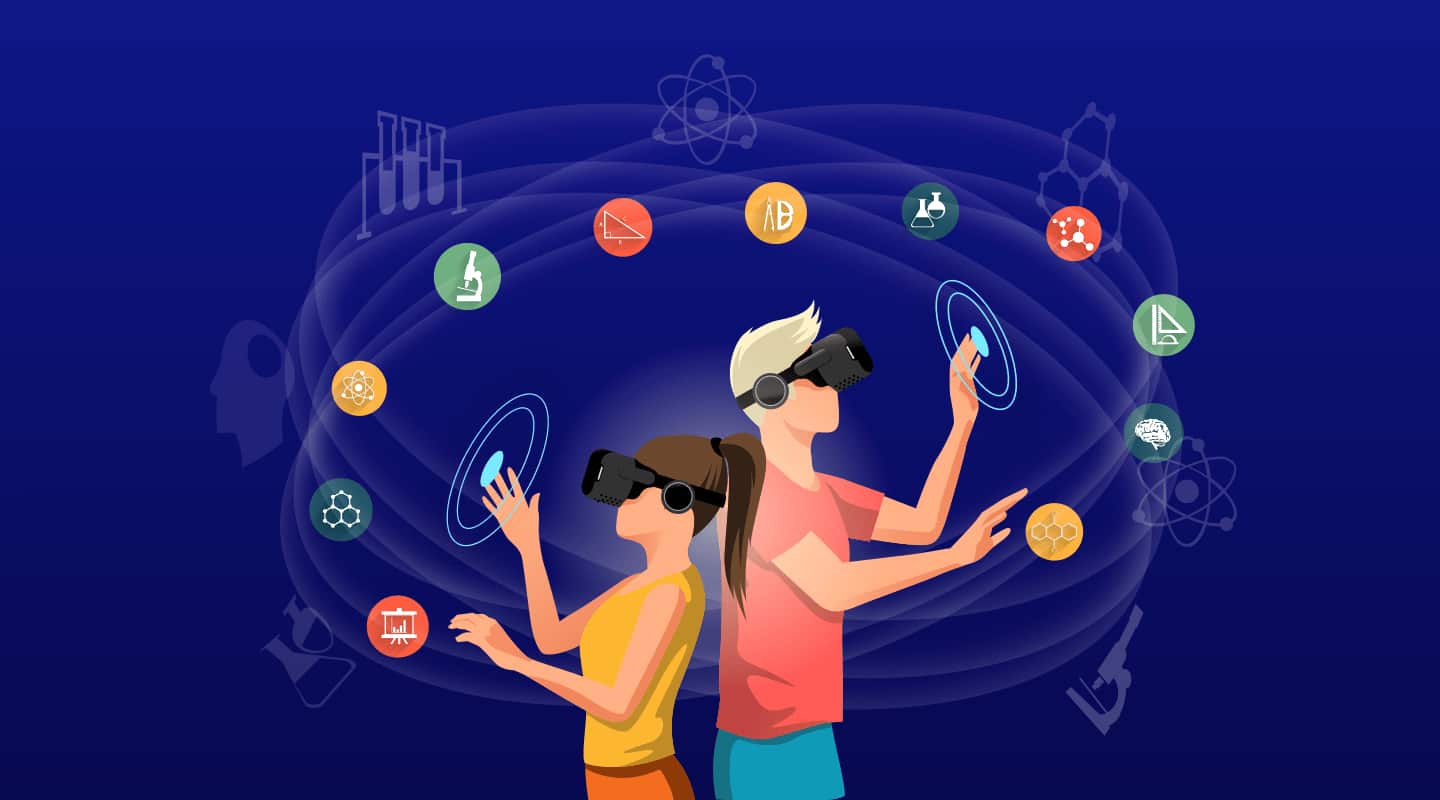
    When used in education, virtual reality offers a dynamic and engaging environment that goes beyond the confines of conventional classrooms. From the comfort of their classrooms, students can use virtual reality (VR) to explore far-off planets, go back in time, or learn more about the intricate workings of the human body. With the help of this technology, learning can take on a more interesting and dynamic quality.

    The potential of virtual reality (VR) to improve student engagement and retention is one of its main benefits in education. Students frequently find it difficult to pay attention in traditional lectures and textbooks, which results in lower information retention. However, virtual reality (VR) stimulates multiple senses, immersing learners in an interactive, three-dimensional environment that leads to a more profound and long-lasting understanding of the subject matter.

    Teachers can design customized learning experiences with virtual reality that are based on the needs of each individual student. Students can advance at their own pace while getting real-time assistance and feedback from adaptive virtual reality programs. By catering to the various learning styles and preferences of students, this individualized approach promotes a more inclusive and efficient educational system. In disciplines like science, engineering, and medicine that demand practical experience, virtual reality is especially helpful. Students can hone their skills in a risk-free environment by practicing them in simulations and virtual laboratories. This is especially beneficial in disciplines where real-world practice may be expensive, dangerous, or logistically challenging.

    With virtual reality, geographical limitations no longer prevent collaborative learning. Participation in shared virtual classrooms by students from around the world promotes global perspectives and cross-cultural interactions. Additionally, virtual reality (VR) bridges the gap between educational opportunities by making education accessible to people living in remote or underserved areas. Virtual reality in education seems to have a bright future as long as technology keeps improving. Applications for virtual reality (VR) are probably going to get more advanced, providing more customized and realistic learning experiences. Furthermore, the combination of VR and AI can improve adaptive learning even more by giving students individualized learning paths.

    “VR Education” Image Credit: The Tech Trend

    The use of virtual reality in the classroom has the potential to completely transform both the way teachers and students learn. Education becomes a dynamic and engaging experience thanks to VR’s immersive and interactive qualities, which also promote improved comprehension, retention, and skill development. Virtual reality in education has a bright future, despite certain obstacles. These obstacles will be addressed by continued technological advancements and a dedicated effort. The educational landscape will profit from virtual reality’s boundless potential as we embrace this game-changing tool for the next generation of students.

    Source: 

    “Pros and Cons of Using Virtual Reality in Education: LITSLINK Blog.” Litslink, 23 July 2021, litslink.com/blog/usage-of-virtual-reality-in-education-pros-and-cons. 

    Onu, P., Pradhan, A. & Mbohwa, C. Potential to use metaverse for future teaching and learning. Educ Inf Technol (2023). https://doi.org/10.1007/s10639-023-12167-9

    Radianti, Jaziar, et al. “A systematic review of immersive virtual reality applications for higher education: Design elements, lessons learned, and research agenda.” Computers & Education 147 (2020): 103778.

    Riley, Zoey. “Top 13 AR & VR Companies That Are Working on Education Sector.” The Tech Trend, 10 Oct. 2021, the-tech-trend.com/reviews/top-13-ar-vr-companies-that-are-working-on-education-sector/. 

    Unleashed, Universal Unity. “The Impact of Virtual Reality on Education: Transforming the Classroom Experience.” Medium, Medium, 21 Nov. 2023, medium.com/@gabri4974/the-impact-of-virtual-reality-on-education-transforming-the-classroom-experience-ef6ed342b525. 

  • Maximizing Sleep Cycles for Optimal Well-Being: The Key 90 Minutes

    Maximizing Sleep Cycles for Optimal Well-Being: The Key 90 Minutes

    Given its critical importance to our health and well-being, sleep is an essential and fundamental aspect of our lives. Our heart, immune system, metabolism, respiratory system, and circulatory system are all impacted by sleep. Understanding the concept of sleep cycles can significantly impact the quality of our rest. Sleep cycles, consisting of various stages, play a crucial role in physical and mental rejuvenation. This article aims to explore the different stages of sleep and provide tips on how to maximize your sleep cycles for a more restorative night’s sleep.

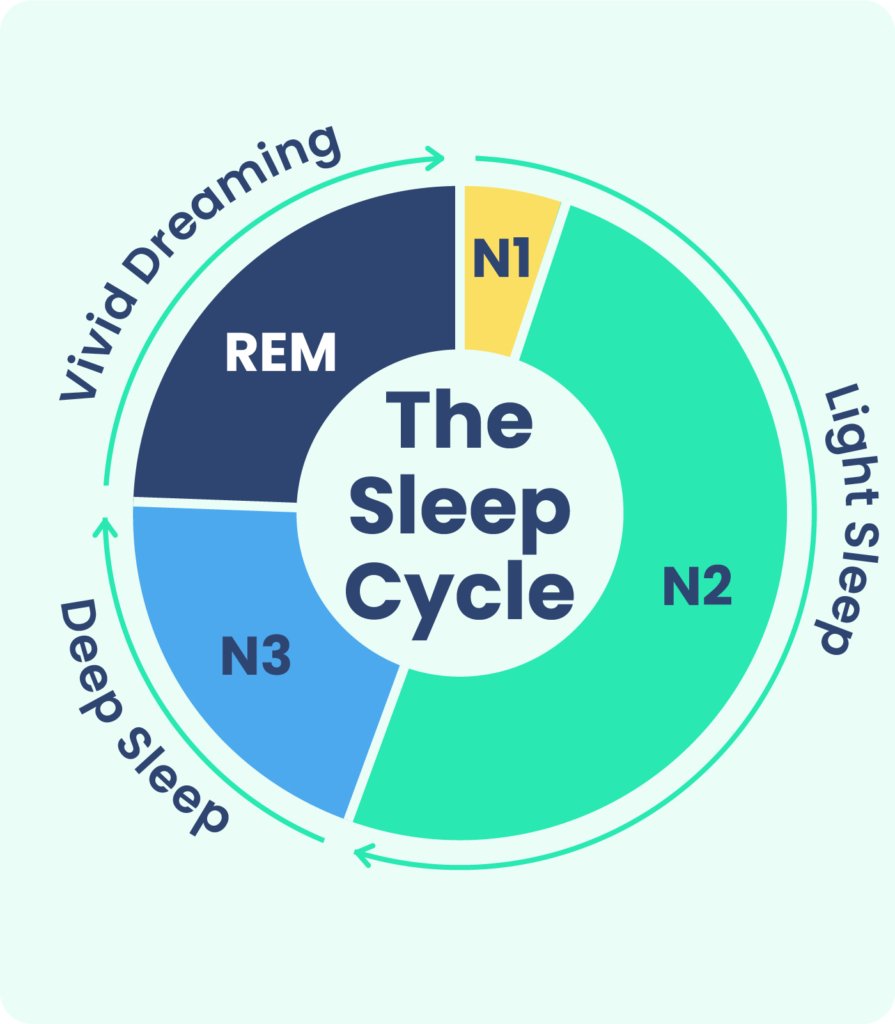
    “The Sleep Cycle with the Phases” Image Credit: Sleep Foundation

    The Sleep Cycle 

    Sleep cycles are intricately structured patterns that govern the various stages of sleep, each contributing uniquely to the overall restoration and well-being of the body and mind. There are four distinct stages in the sleep cycle: REM (rapid eye movement), NREM1, NREM2, and NREM3 (deep sleep or slow-wave sleep). NREM1 marks the transitional phase from wakefulness to sleep, lasting only a few minutes, and sets the foundation for the deeper stages that follow. NREM2 represents true sleep, which is characterized by decreased muscle activity, decreased body temperature, and a slowing heart rate and lasts about 10–25 minutes.  This stage of sleep plays a vital role in memory consolidation and learning. NREM3, a deep sleep stage characterized by delta brain waves, is essential for the body’s physical recuperation or restoration because it stimulates the release of growth hormones, the immune system, and muscle repair. The last phase of sleep, known as REM sleep, is characterized by vivid dreams, fast eye movements, and brain activity similar to that of wakefulness. This stage is essential for memory consolidation, emotional regulation, and cognitive function. The sleep cycle is not something that happens once per night. On most nights, a person goes to 5 to 6 sleep cycles. A balanced distribution of the different stages of sleep is ensured by the cyclical nature of sleep, which is essential to its effectiveness. It is important to note that the length and distribution of each stage can change during the course of the night, with REM sleep lasting longer in the morning and deep sleep mostly happening in the earlier cycles.

    The Key 90 Minutes 

    The concept of 90-minute sleep cycles is rooted in the understanding of the human sleep architecture, characterized by distinct stages that repeat in a cyclical pattern throughout the night. Each complete sleep cycle, which typically lasts about 90 to 110 minutes, is crucial for overall health and well-being. Understanding the importance of these cycles sheds light on the significance of maintaining a consistent and adequate sleep duration.

    Optimizing the distribution of sleep stages is a crucial feature of the 90-minute sleep cycle. The NREM1 and NREM2 lighter stages, NREM3 deeper slow-wave sleep, and the REM (rapid eye movement) stage comprise a full cycle. Each stage serves a unique purpose in physical and mental restoration. While REM sleep is necessary for emotional regulation and cognitive function, NREM1 and NREM2 aid in early relaxation and memory consolidation, and NREM3 is necessary for physical recovery. People can benefit from a balanced distribution of these stages throughout the night by following 90-minute sleep cycles. Sleep cycles guarantee a thorough and all-encompassing restorative experience for the body and mind, addressing the mental and physical dimensions of health. Achieving multiple complete cycles maximizes the body’s ability to repair, heal, and consolidate memories by allowing for a thorough exploration of the various stages of sleep.

    The 90-minute sleep cycle also corresponds with the natural ultradian rhythms that control our physiological functions. These rhythms operate in cycles of approximately 90 minutes, influencing factors such as alertness, focus, and productivity. People who sleep in accordance with these innate cycles may discover that they wake up more easily and feel more rested because their sleep is in harmony with their body’s internal clock. Maintaining regular sleep cycles is also essential for controlling the circadian rhythm. The circadian rhythm, also known as the internal body clock, is triggered by light and dark in the environment. Consistent sleep habits aid in regulating the circadian rhythm, fostering a more robust and consistent sleep-wake cycle.

    In summary, the significance of 90-minute sleep cycles lies in their capacity to facilitate a comprehensive and balanced restorative process. People can improve their physical and mental recovery, sharpen their cognitive abilities, and promote their general health and well-being by honoring their body’s natural sleep cycle. Cultivating a healthy sleep routine begins with making consistent and adequate sleep a priority in line with these cycles. This optimization entails establishing restful surroundings and embracing healthy sleeping practices. Maximizing the benefits of each sleep stage requires a consistent sleep schedule, a calming bedtime ritual, and a sleep-conducive environment that includes elements like darkness and a cool temperature. Knowing the mechanics of sleep cycles enables people to prioritize good sleep hygiene, which improves sleep quality and promotes general health and vitality. So, next time, whenever you are going to bed or taking a nap, remember to take them in 90-minute intervals for well-rested sleep.

    Sources:

    Cherry, Kendra. “The 4 Stages of Sleep (NREM and REM Sleep Cycles).” Verywell Health, Verywell Health, 11 May 2023, www.verywellhealth.com/the-four-stages-of-sleep-2795920. 

    Eugene, Andy R, and Jolanta Masiak. “The Neuroprotective Aspects of Sleep.” MEDtube Science, U.S. National Library of Medicine, Mar. 2015, www.ncbi.nlm.nih.gov/pmc/articles/PMC4651462/. 

    “Stages of Sleep: What Happens in a Sleep Cycle.” Sleep Foundation, 8 Dec. 2023, www.sleepfoundation.org/stages-of-sleep. 

    “What Happens during Sleep.” Sleep Doctor, 19 July 2023, sleepdoctor.com/sleep-faqs/what-happens-when-you-sleep/. 

    “Why Is Sleep Important?” National Heart Lung and Blood Institute, U.S. Department of Health and Human Services, www.nhlbi.nih.gov/health/sleep/why-sleep-important.

  • Navigating the Cosmic Currents: The Great Attractor

    Navigating the Cosmic Currents: The Great Attractor

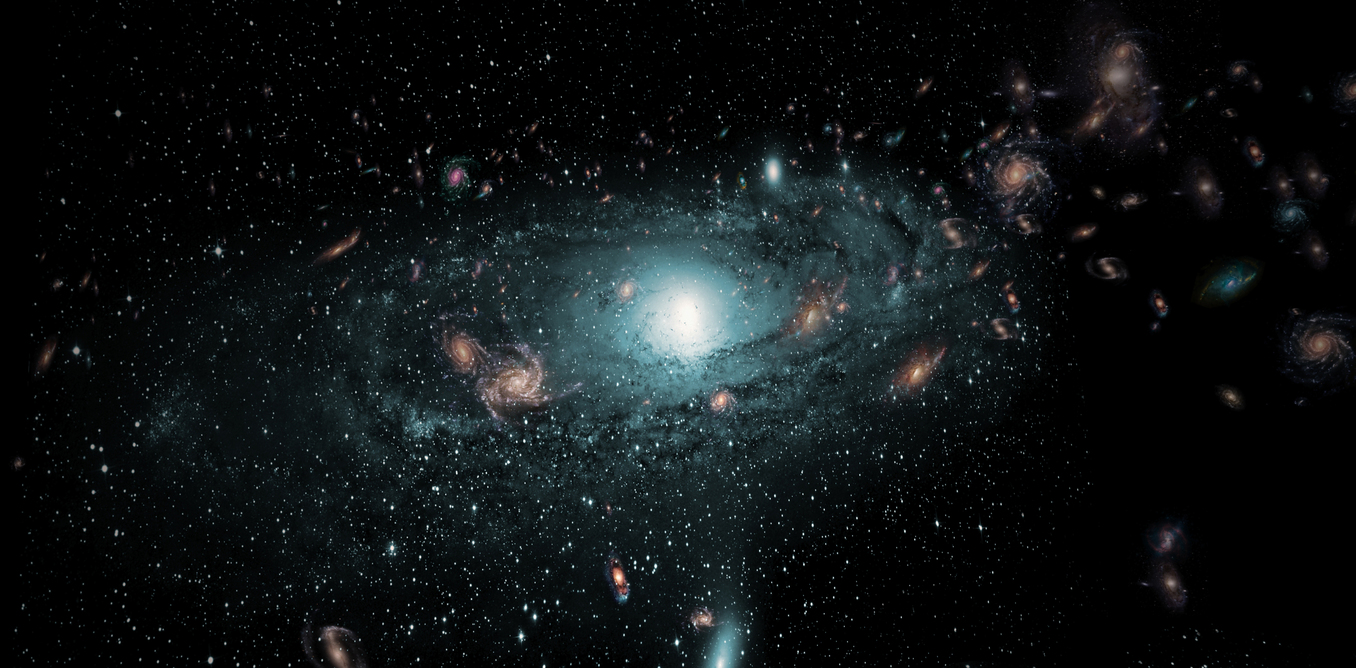
    Astronomers and astrophysicists are fascinated by the deep mysteries that lie beneath the cosmic tapestry, which is made up of galaxies, clusters, and the vast emptiness of intergalactic space. The Great Attractor stands out among these celestial mysteries as a cosmic giant, a massive object with a gravitational pull that is located outside the observable boundaries of our universe. This massive mass concentration exerts a force that defies universal expansion, inviting scientists to explore its mysteries and reshape our understanding of the universe.

    Astronomers first became aware of the Great Attractor in the late 1970s when they observed an unexpected, massive galaxy movement toward a particular area of the sky. There were far more gravitational anomalies at work than could be accounted for by the local observable matter. This unusual gravitational pull led astronomers to search for the source of this cosmic pull, which ultimately resulted in the discovery of the Great Attractor.

    “The Great Attractor” Image Credit: Tully, R. B., Courtois, H., Hoffman, Y, Pomarède


    The Great Attractor is a gravitationally dominant object, but its precise location is obscured by a cosmic gas and dust mist. When looking through this cosmic mist, conventional optical telescopes are rendered useless. However, astronomers have turned to alternative observational techniques, such as radio telescopes and infrared imaging, to penetrate the cosmic shroud and gain insights into the nature of this mysterious gravitational focal point.

    The Great Attractor is a massive mass concentration equal to tens of thousands of galaxies, not just a gravitational anomaly. Its enormous size and gravitational pull span hundreds of millions of light-years, which puts our basic notion of the universe’s size to the test. On an unprecedented scale, the very existence of such a massive structure raises questions about the formation and evolution of cosmic structures. A cosmic paradox—the universe’s unrelenting expansion against the concentrated gravitational pull of this enormous structure—lies at the core of the Great Attractor mystery. While galaxy separation is the general trend in the universe, the Great Attractor creates a gravitational dance that pulls galaxies, clusters, and even our own Milky Way toward its enigmatic core. Scientific understanding of the underlying forces forming the universe is being called into question as a result of this cosmic tug-of-war with established cosmological models.

    At the heart of the Great Attractor mystery lies a cosmic paradox: the universe’s relentless expansion versus the concentrated gravitational pull of this colossal structure. While the general trend in the cosmos is the gradual separation of galaxies, the Great Attractor orchestrates a gravitational dance, drawing galaxies, clusters, and even our Milky Way toward its mysterious core. This cosmic tug-of-war challenges established cosmological models and forces scientists to reconsider our understanding of the fundamental forces shaping the universe.

    Worldwide astronomers and researchers are working together to study the Great Attractor in this collaborative effort. This cosmic giant is using advanced technologies, such as powerful computational models and sophisticated telescopes, to unravel the gravitational web that it has woven. The Great Attractor may reveal more of its secrets as technology and observational capabilities develop, providing a deeper understanding of the underlying forces that shape the cosmic architecture.

    Sources: 

    Alderson, E. “The Powerful and Mysterious Great Attractor.” Medium, Predict, 18 Feb. 2020, medium.com/predict/the-powerful-and-mysterious-great-attractor-710f353e809f.

    “The Great Attractor: Uncovering the Mystery of The Invisible Force.” Space Mesmerise, spacemesmerise.com/en-us/blogs/astronomy/the-great-attractor-uncovering-the-mystery-of-the-invisible-force. 

    Siegel, Ethan. “Ask Ethan: Will the ‘great Attractor’ Defeat Dark Energy?” Forbes, Forbes Magazine, 23 July 2016, www.forbes.com/sites/startswithabang/2016/07/23/ask-ethan-will-the-great-attractor-defeat-dark-energy/?sh=67a899aa7b77.

    Staveley-Smith, Lister, and University Of Western Australia. “Explainer: What Is the Great Attractor and Its Pull on the Milky Way?” Phys.Org, Phys.org, 31 May 2016, phys.org/news/2016-05-great-attractor-milky.html.

    “What Is the Great Attractor, and Will It Destroy Us?” Big Think, 19 Apr. 2022, bigthink.com/surprising-science/what-is-the-great-attractor-and-will-it-destroy-us/. 


  • Real or CGI? How Technology is Used in Netflix’s Life on Our Planet


    Life On Our Planet. Cr. Courtesy of Netflix © 2023

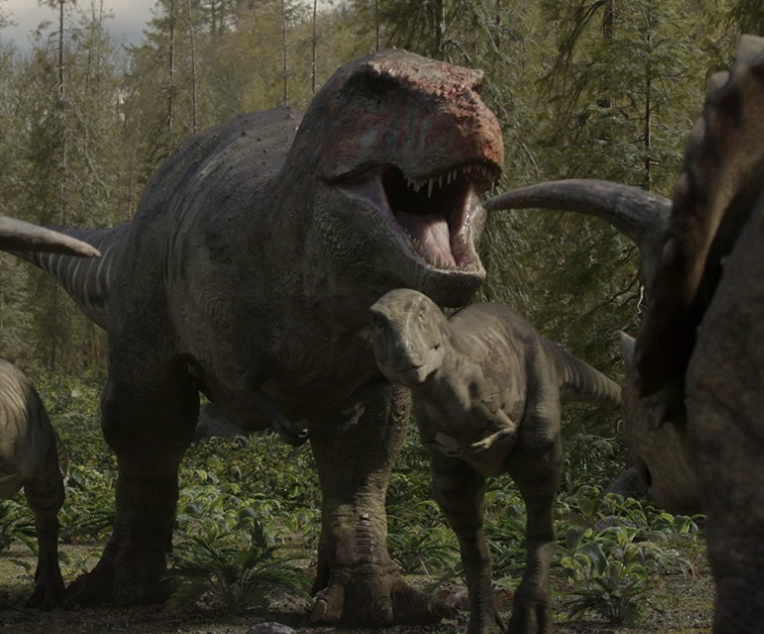
          The image above features two Cave Lions, beautifully captured looking out over the icy foothills of Madagascar. The lions look pristine, and the photo would fit right in inside the latest edition of National Geographic. Except for the fact that this picture isn’t real, and Cave Lions have been extinct for around 14,000 years. This photograph is screen captured from an episode of Netflix’s Life on Our Planet, and the Cave Lions are completely computer generated.

          Now, maybe you guessed that these animals were made with CGI. The fur looks a little but too soft and perfect, and their expressions look just a smidge too human. There are certain tells that can give away whether something is real or computer generated, and human eyes are great at spotting them, usually.

         The other day, I was watching an episode of Life on Our Planet, and I found myself completely unable to distinguish between real and computerized animals. Even prehistoric animals, which I knew were long extinct, looked and moved so realistically that I thought the producers could have filmed some real, unique and unknown creature, and edited the scale and colors to make it look like something new. The way the animals moved, the way they interacted with their environments- my brain could not comprehend the notion that these animals were simply rendered and animated computer models. This coupled with the fact that the real wildlife shots from Life on Our Planet are so beautiful, detailed, and crisp, that even the real animals appear fake at times, had me questioning the authenticity of every scene that I saw.

         Most of the animals depicted in this docuseries are completely real, and breathtaking videos are produced from the tireless work of on-site videographers, who can spend months on location just to get that perfect shot. It is only when depicting dinosaurs and other prehistoric creatures, that the production team relies on CGI.

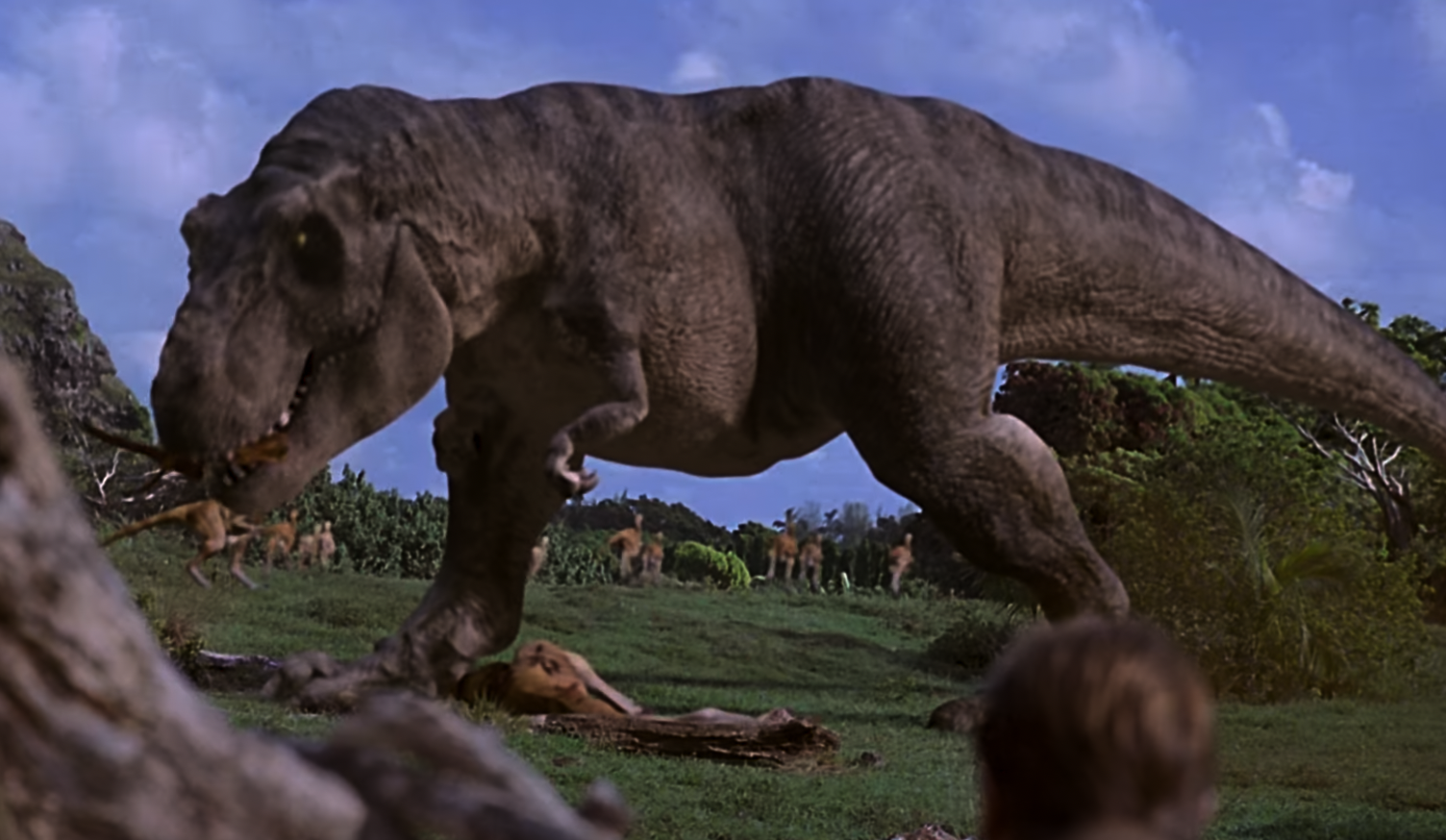
         It was shocking to me how realistic CGI models have become. One way to see how this technology has improved is to compare the CGI rendering of dinosaurs from Jurassic Park, created in 1993, and Life on our Planet, created in 2023.

          Watching these two clips makes the differences over 30 years even more clear. The contrast in texture, movement, and overall quality has gotten remarkably better since the days where CGI was still in its experimental stages. CGI was not truly integrated into movies until the early 70s. Jurassic Park was a trailblazer in CGI, and considering how early it was made, the computer-generated dinosaurs look pretty good. Jurassic Park utilized RenderMan technology, the same program that was adopted by Pixar and used to create Toy Story and Avatar. Since then, RenderMan has evolved with technology, maintaining its position as one of the most advanced rendering technologies by adopting features like raytracing, which could light animated scenes better than ever before by simulating the behavior of actual light. 

         Life on Our Planet works with a variety of technologies to create their hyper realistic, 3D animations. Their process is primarily done through Industrial Light and Magic, or ILM, a visual effects company founded by George Lucas in 1975 to create effects for the original Star Wars film. ILM utilizes the 3D modeling program, Autodesk Maya, and renders with RenderMan.

        The process for creating these hyper-realistic, CGI creatures for Life on Our Planet is quite extensive. As is documented in behind-the-scenes content for the series, it begins with filming the scenery. Taking beautiful shots of nature is no longer enough. The film crew has to plan every detail of the final scene before they even start filming. Where will the animal stand? What path will it move in? Every twig and leaf in its path must be removed or otherwise accounted for in order to produce a believable animation 

         But animals don’t simply glide over the ground; they affect their environment. How can film-makers create the illusion that an animal is interacting with its environment without it even being there? In cases where the animal is making drastic, visual changes to the environment, like a dinosaur eating a branch off a tree, filmmakers will greenscreen (or more accurately, “bluescreen”) themselves into the scene, modifying the environment with a visible hand that will be edited out later. Smaller and less noticeable environmental interactions can be completely done in post-production, but before we can understand that, it’s important to know how the environment is rendered with this type of CGI.

         In Life on Our Planet, the first step of post production takes place within the Layout Department, and it involves baking in images taken on site into a digital environment in which the animation will take place. With CGI this advanced, the entire environment must be rendered before a character can be placed in it. Simply editing an animation into raw footage would not be able to produce the environmental interactions that are needed to make a character truly seem part of a scene. The animal will need a physical terrain to move across. It will need to be placed behind objects in the foreground. The best method to achieving this is a complete environmental rendering, which, as can be seen in the docuseries, is completely indistinguishable from regular footage.

         Once the digital environment is formed, animators can create believable environmental interactions. Slightly adjusting the terrain can give the appearance of a footprint. An animal can scratch a tree, turn up some foliage, or unearth dirt.

         The process for creating CGI animations is complex, and it varies across studios, production companies, and type of work. Life on Our Planet provides us with a view into the potential of CGI so create true to life animations and visuals, and believable environmental interactions. By melding the real world with the computerized, this series has created some of the most realistic and beautiful animations we have seen yet. Considering the fact that CGI has only been meaningfully used in film for around 50 years, it is exciting to imagine the possibilities as technologies advance even further.


    Works Cited

    Life on Our Planet | Filming Dinosaurs in The Real World | Netflix. (2023, November 3). Www.youtube.com. https://www.youtube.com/watch?v=nKRP2Zc6udA

    Nast, C. (2019, April 10). “Our Planet” filming locations: where was the Netflix series shot? CN Traveller. https://www.cntraveller.com/gallery/our-planet-filming-locations

    Petychakis, M. (2020, June 29). How Technology Evolutions changed Animation. APILama. https://apilama.com/2020/06/29/how-technology-evolutions-changed-animation/

    Schrodt, P. (2023, November 9). What Did Dinosaurs Really Look Like? “Life on Our Planet” Filmmakers Explain. Netflix Tudum. https://www.netflix.com/tudum/articles/life-on-our-planet-what-did-dinosaurs-look-like

    Tyson, J. (2000, November 14). How Industrial Light and Magic Works. HowStuffWorks. https://entertainment.howstuffworks.com/perfect-storm.htm