Category: today i learned (til)

health, fitness, medicine, environment, ecology, how to learn tricky topics in science and math, new discoveries, news, current events

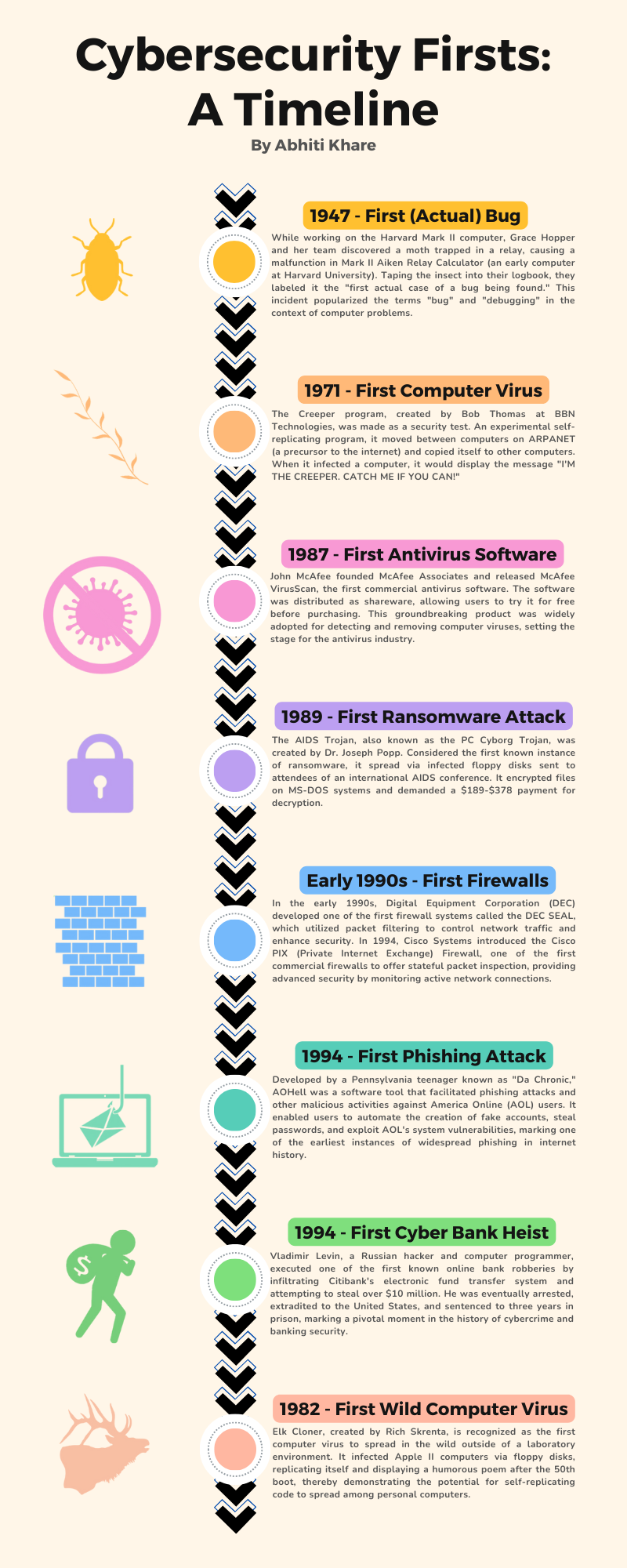
  • Cybersecurity Firsts: A Timeline

    Cybersecurity Firsts: A Timeline

    Sources:

    • https://education.nationalgeographic.org/resource/worlds-first-computer-bug/
    • https://ui.adsabs.harvard.edu/abs/2020arXiv200715759L/abstract
    • https://www.cybersecurityeducationguides.org/john-mcafee-godfather-of-antivirus-software/
    • https://online.utulsa.edu/blog/famous-ransomware-attacks-in-history/
    • https://www.verizon.com/business/resources/articles/s/the-history-of-phishing/
    • https://usa.kaspersky.com/resource-center/threats/a-brief-history-of-computer-viruses-and-what-the-future-holds
    • https://www.fbi.gov/news/stories/a-byte-out-of-history-10-million-hack
    • https://www.britannica.com/technology/firewall
  • Are Joro Spiders Going to Kill Us All?


    If you live in Atlanta, there’s a large chance you’ve come into contact with the now common Joro Spider. Measuring in at 3 inches long, Joro spiders have neon-yellow abdomens and long legs with bright yellow stripes. They build incredibly large and intricate webs and have seemingly positioned themselves as a super predator of arachnid world, catching basically any insect foolish enough to get caught in their web.

    Joro spiders are native to East Asia and were first introduced to Georgia in 2013. Since then, their populations have been increasing, but still remain mostly confined to North Georgia and Southern Tennessee. These spiders have begun to dominate northern Georgia, setting up shop in forests and urban areas. There is growing concern about their growing populations. Joro spiders are venomous, and families are concerned about the safety of these spiders around their pets and children. In addition, invasive species often pose threats to local ecosystems, and there is growing concern for how the Joro invasion is going to affect native flora and fauna. Lastly, it appears that the Joro population is slowly starting to spread northward, and many are beginning to worry that the Joro troops are planning to dominate the entire east coast, and maybe even… the world.


    To address these concerns, I would like to begin with the assertion that Joro spiders look a lot scarier than they really are. While these spiders are venomous, their venom is only potent enough to kill small insects. If a human is bit by a Joro spider, which is unlikely, it will hurt less than a bee sting and will not require medical attention. Despite their threatening stature, Joro spiders are, for lack of a better word, babies. They are a very docile and non-aggressive species of spider. A study conducted in 2023 by blah, was evaluating how different species of spiders reacted to a environmental stressor. When blown with a light puff of air, most spiders in the study responded by freezing for less than a minute. The Joro spider, however, reacted to the stressor by freezing for over an hour. It is safe to say that these spiders are not going to attack humans or animals they see as a threat.


    Concerns about how Joro Spiders may impact local ecosystems are much more valid. As of right now, scientists are unsure of exactly how these new Joro spiders will impact the environment. It is clear that they have cemented their spot as top predators of the arachnid world, and it is likely that they will out-compete native spider populations for food. This could threaten local spider and insect populations, which could lead to eventual destabilization of ecosystems, but the extent to which ecosystems will be affected is still up for debate.


    The good news is that many scientists are optimistic about the effects that Joro Spiders will have on the environment, some going as far as to say that they may be beneficial. In general, spiders are key pillars of healthy ecosystems, as they control insect populations and act as a key source of protein for birds. Additionally, there is no evidence that Joro Spiders pose any threat to the environment apart from potentially destabilizing insect and spider populations. Take the invasive Spotted Lanternfly, which was introduced to the US from China in 2014 These insects have had disastrous consequences on agriculture due to their intensive feeding of various trees and crops. Americans are advised to kill these lanternflies on sight due to their environmental impact. Luckily for it, the Joro Spider has yet to exhibit any behaviors that could pose a similar threat and could warrant similar measures. In fact, Scientists are optimistic that Joro Spiders could help the environment by preying on another invasive species, the Brown Mamorated Stink Bug. This bug was introduced to the US from East Asia in 1998 and caused significant agricultural damage through their feeding habits. There are very few natural predators of this stink bug, which has allowed their populations to boom. The Joro Spider, however, will happily feast on this stink bug, which could potentially keep their population in check.


    So, where are Joro Spiders headed now? As of right now, Joro Spiders are confined to the southeast, concentrated in Northern Georgia, Tennessee, and the Carolinas. There have been a few sightings of these spiders in Oklahoma, Maryland, and West Virginia, likely from being transported by car; however there is not evidence of any permanent or expanding Joro populations this far north. Joro Spiders prefer the warm climate of the southeast, and they are unlikely to move farther north. However, with climate change continuing to progress, it is possible Joro Spiders may increase their reign as a larger portion of America becomes habitable for them. At this point, it is difficult to predict.


    So, to answer the question, “Are Joro Spiders Going to Kill Us All?” is a definite no. While their large webs and bright colors might seem intimidating, Joro spiders are quite harmless to humans and pets. Although their presence does raise ecological concerns, particularly for native spider populations, scientists remain cautiously optimistic. For now, residents of the Southeast can coexist peacefully with these giant newcomers and perhaps even appreciate the role they play in keeping insect populations in check.


    Works Cited


    Bugwood. (2024, November 5). Home. Joro Watch. https://jorowatch.org/


    Joro Spider is a unique exception to a major threat. Big Think. (2022, May 20). https://bigthink.com/life/joro-spider-invasive/


    Meadows, K. / S. (2021, September 6). Joro spider update: Controlling this invasive species. Joro Spider Update: controlling this invasive species.

    https://gardeningsoul.blogspot.com/2021/09/joro-spider-update-controlling-this.html


    Pappas, S. (2024, June 11). No need to panic about the joro spiders. Scientific American. https://www.scientificamerican.com/article/millions-of-joro-spiders-are-moving-up-the-east-coast-heres-what-to-expect/


    Spotted lanternfly. Spotted Lanternfly | National Invasive Species Information Center. (n.d.). https://www.invasivespeciesinfo.gov/terrestrial/invertebrates/spotted-lanternfly


    Walling, M. (2024, June 7). Everything you need to know about the invasive joro spider. PBS. https://www.pbs.org/newshour/science/everything-you-need-to-know-about-the-invasive-joro-spider

  • How Can Science be Distinguished From Pseudoscience?

    How Can Science be Distinguished From Pseudoscience?

    For decades, science and pseudoscience have been compared to each other using a wide variety of criteria. The question of what distinguishes the two is especially relevant today, but scientists and philosophers have historically struggled with this division and how to use it to defend the public from bogus discoveries and scams based on scientific-sounding gibberish. In general, pseudoscience is defined as a non-scientific doctrine whose supporters claim that it is scientific, but there are many other definitions, including those below.

    Science . . .

    • . . . is based on sound research and and changes over time as new research causes the revision or discarding of older ideas. This feature is apparent across all fields, since every scientific discipline, from physics to psychology, has undergone dramatic changes throughout its existence.
    • . . . fulfills or endorses all or most of the following philosophical criteria:
      • Logic
      • Semantical (a realist view of meaning)
      • Ontological (all real things are material and follow scientific laws)
      • Epistemological (theories reflect facts about the real world)
      • Reasonable ethics, including an aim to serve the greater good
      • Sociological (created and regulated by a community of experts)
    • . . . must be falsifiable. That is, it must be able to be proven wrong under some circumstances. Basically, this means that ideas must hold up against fair efforts to test them.
      • Some researchers include the criteria that an idea must actually be tested in addition to being falsifiable, and that supporters of the idea accept any negative results.
    • . . . investigates questions, including its own failures. If a researcher performs an experiment and their hypothesis not supported by the results, they must investigate why this would be and revise their ideas.
    • . . . tests new ideas and leads to progressively greater knowledge of the world

    Pseudoscience . . .

    • . . . is not based on reliable research and does not change in response to new research or at all. Homeopathy demonstrates this feature well. The practice originated in the 1800s and is based on the idea that extremely tiny quantities of certain substances have medicinal purposes. The original experiments on homeopathy were poorly designed, and the field remained the same even as new discoveries in chemistry contradicted its claims. Homeopathy now defies most of the principles of chemistry.
    • . . . fails to satisfy most or all scientific philosophical criteria, and may include idealism, such as:
      • Idealist epistemology (there are things that do not have to conform to scientific laws). For instance, the belief that some people have special powers, such as telekinesis, that defy the laws of physics uses idealist epistemology.
      • Dubious or flexible ethics, especially regarding experimentation. A psychic may say that their powers “do not appear on command” to avoid participation in a lab experiment, while at the same time offering frequent readings on the street that they claim are 100% accurate.
      • In addition, supporters of an ideology-based pseudoscience may claim that “science is just one more opinion.” This tactic can be a part of any pseudoscience, but it is most notably used by groups who use pseudoscience for religious purposes, such as proponents of creationism or intelligent design.
    • . . . includes ideas that are impossible or unreasonably difficult to disprove, and may be attached to “ad hoc” hypotheses that function as excuses in the event that evidence is produced against the idea. A great example is the statement “Bigfoot exists.” It is unlikely that Bigfoot is actually real, but no evidence against the existence of Bigfoot would ever convince believers. A skeptical question such as, “If Bigfoot exists, why have no Bigfoot corpses or skeletons been found?” will prompt the production of even more unfalsifiable (and often ridiculous) assertions, including: “Bigfeet decay unusually quickly.” “When a Bigfoot dies, it is always buried by another Bigfoot.” “No animal bodies are ever found unless they were killed by humans, and no Bigfoot has ever been killed by a human.” When a pseudoscientific idea is found to be inaccurate, supporters usually refuse to admit that they were wrong, rather than rejecting or revising the idea and moving on to further investigation.
    • . . . does not investigate much and doesn’t question its failures. Astrology is one pseudoscience that ignores many potential investigations. For instance, astrologers claim that an individual’s personality is determined by the position of the sun, moon, planets, and stars at the moment of their birth. This idea prompts a number of questions, including how stars and planets would affect a person’s brain or why birth is the determining event as opposed to conception. However, astrology contains no answers to these questions, and most astrologers seem uninterested in looking into the glaring issues they pose for the field.
    • . . . is unwelcoming to new ideas, and theories mostly conform to what is already believed. There are a number of reasons why Sigmund Freud’s ideas of psychoanalysis are pseudoscientific, but one of the most immediate is that the field rejects ideas that Freud himself did not invent. In one case, Karen Horney, a fellow psychoanalyst, tried to introduce the concept of “womb envy” to the field as a response to Freud’s theory of “penis envy.” Freud had declared that penis envy was a woman’s desire for male anatomy that led to a sense of inferiority and that all women experienced these feelings their entire lives. Horney, taking the idea further, theorized that men were also jealous of women and wished for the ability to give birth and participate in motherhood. However, Horney believed that both penis envy and womb envy were rare and that they involved desires for certain social and cultural roles held by the opposite gender, rather than a literal wish for different reproductive organs. Freud rejected the idea of womb envy and essentially told Horney that she’d only come up with the concept due to her own problems with penis envy!

    The differences between science and pseudoscience is a topic that many have studied and worked on for a long time, and will without a doubt continue to be debated far into the future. Is it more important to define pseudoscience as a lack of investigation or as idealism? Is science more reliable than pseudoscience because it is based on better research or because it is more testable? As we encounter scientific-sounding claims in advertising and health care, and on social media, it’s important to keep these questions in mind. They may save us from the consequences of falling for a pseudoscientific claim.

    References:

    “Astrology – the Skeptic’s Dictionary – Skepdic.com.” Skepdic.com, skepdic.com/astrology.html.

    Bunge, Mario. The Philosophy behind Pseudoscience. Skeptical Inquirer, 2006.

    Hansson, Sven Ove. “Science and Pseudo-Science.” Plato.stanford.edu, 3 Sept. 2008,          plato.stanford.edu/entries/pseudo-science/ utm_campaign=OImrt19&utm_medium=organic&utm_source=instantmagazine

    “Homeopathy – the Skeptic’s Dictionary – Skepdic.com.” Skepdic.com, 2015,    skepdic.com/homeo.html.

    Hu, Zhe, and Haofeng Sun. A Contrast Analysis of Sigmund Freud and Karen Horney’s Theory of Psychology. 2017.

    Loxton, Daniel, and Donald R Prothero. Abominable Science! : Origins of the Yeti, Nessie, and Other Famous Cryptids. New York, Columbia University Press, 2015.

    Yadav, Riya. “Sigmund Freud and Penis Envy – a Failure of Courage?” BPS, 8 May 2018,    www.bps.org.uk/psychologist/sigmund-freud-and-penis-envy-failure-courage.

  • My Experience with Biomechanics(BMED 3410) As a Biomedical Engineer

    My Experience with Biomechanics(BMED 3410) As a Biomedical Engineer


    If you have ever entered into a STEM major at Georgia Tech, or at any other school, you know that it is not easy business. Sleepless nights, tears, wanting to rip your hair out (It’s an expression don’t worry!) are all parts of the package. You end up learning a lot of useful information for your future career, and for your personal life that you will definitely utilize to achieve your goals. Nevertheless, along the way, there are plenty of times that you will doubt yourself and your capability to survive your major. Being a Biomedical Engineering major, a major that combines elements of pre-med, and Engineering, I know first hand how this feels. I have had more challenging classes throughout this major than I can count from Conservation Principles of BME, to Intro to MATLAB, to Organic Chemistry I, to Organic Chemistry II, to Statics, to Biotransport, to Systems Modeling this semester. It is constant stress, and hardwork! It is rewarding hardwork, but it is hardwork nonetheless. One of the things that helped me every semester when I felt overwhelmed through this workload was to know that other people were also going through what I was going through, and were as stressed out as I was. So, being a fifth year BME and STEM student at Georgia Tech, I wanted to write this article to provide solace to people who felt overwhelmed, so they feel like there are people who have gone through what they have gone through and that they are not alone in the challenges that they face. So sit back and relax, as I take you through my journey as a STEM student taking Biomechanics and the hurdles and misery I felt as I went through the class.

    To start off, throughout high school and most of my life, I was good at math and science. Others looked at subjects like AP Chemistry with dread, while those subjects gave me joy. After all, there was nothing more fun than working on Stoichiometry problems on a Friday night, right? Others would walk into Chemistry class, with a look of dread on their face, while I would walk in with a feeling of excitement. Making solutions in the lab was my jam. We would have quizzes every Friday, and I could see the feeling of dread on my peers’ faces afterward as they turned in their papers with half-empty work, not confident that they had solved the problem correctly, while I had solved the problem confidently from start to finish. I was riding a sugar high, and it felt great to be at the top. There was a great feeling that came with feeling so confident about science and I really enjoyed what I was learning as well. Unfortunately, little did I know that this was just a positive moment, and that, in the grand scheme of things, I was in for a tough reality.

    Fast forward to my senior year of college. I had registered to take Biomechanics. It was a course that was required for my major. I had heard awful things from some of my friends who had taken it before me, but I went in with an open mind. The first few lectures went by, and I already felt slightly confused, but I had been able to clarify concepts that I was struggling with. I was able to do the practice problems. Nothing seemed too concerning.  Then came the day of the quiz on Wednesday. Most people had not done the practice problems, and I was feeling ready. It was approaching the last 25 minutes of the lecture, and the professor and TA’s began handing out the papers. I knew it was not going to be easy, but I felt prepared, or so I thought.

    I flipped the paper over, only to see a diagram with a lot of text that I could not comprehend. I tried to calm myself down and reread, but I just could not understand. It was then that I saw the time on the screen going down, 20 minutes, 19:59, 19:58, 19:57. With each passing second that went by, I was losing time, and I was still not able to understand the question prompt or the way my Free Body Diagram should look. With each second that went, I could feel a ticking time bomb going off in my head. My stomach began to burn like lava. My chest began to feel constricted, and I felt like I could not breathe. To make matters worse, I heard the sounds of chairs moving in and out beside me, as people began to turn in their quizzes and leave. People were writing so loudly that it almost made the desks shake, and it just made me feel even more nervous than I already was. In the last 10 minutes, I wrote down some work and formulas, hoping to get some credit. However, I did not get a good feeling about how this was going to go, and my gut feeling was usually correct. Seeing as my approach to studying for this quiz had probably failed, I decided to modify my studying approach for the next quiz, next Friday.

    Unfortunately, modifying my approach did not change the outcome of the next quiz. The next quiz also felt just as impossible, and now that it had been two quizzes like this, I began to think I was just screwed in this class, no matter what I did. I then went home, tired, and not aware of what to do. I took a break from Biomechanics because, after all, I was going to suck no matter what, right? The grade for the first quiz came that Sunday, and it was even worse than I could have ever expected. I had gotten a 0. It seems I had managed to not even get any partial credit. As dramatic as this sounds, I then began to contemplate all my life decisions, including coming out of state to Georgia Tech to study BME. Maybe I was just not cut out for it? I had already spent many semesters before this, feeling dumb about struggling in classes at Tech, having a lower GPA than some others, and not getting a single internship until the summer after my junior year. In truth, I was doing fine, but I still doubted myself because BME was a hard major. Any Engineering was a hard major, and there were plenty of people that had quit before me and that had not even made it nearly as far as I had made it. It is extremely common, unfortunately, for people in STEM majors to drop out and some classes make many people more tempted to drop out than to stick it through.

    In the second half of the class, I began to make up ground. I began to get 80’s and 90’s on the quizzes, and I even got a 98 on the second test. I had not changed much at all about the way I studied, except I had become calmer, as I had decided that the worst thing that would happen was that I would fail. I was not prepared to drop the class, in the rare chance that I passed. I finally finished the class, and it was still not my best grade, but I ended up with a way better outcome than I thought I was going to end up with in the beginning. I persevered, and that is when I realized that I was good at self-learning, even if I did not think so initially. I was proud of myself, and I felt a sense of joy as to what I was able to accomplish. So, I just want to say, for anyone coming from a STEM background who feels intimidated and hopeless about being successful in your major, you will encounter difficult times and difficult situations. However, if you are motivated to push through and persevere, you can not only find success, but you can enjoy your major while going through the challenge.

  • The Effects of Various Amino Acid Side Chains on B – Lactam Antibiotic Resistance

    The Effects of Various Amino Acid Side Chains on B – Lactam Antibiotic Resistance

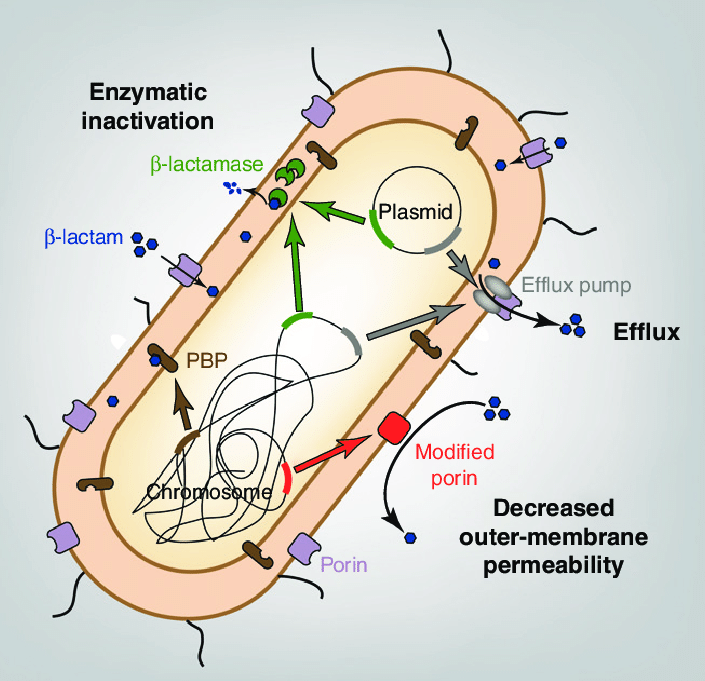
    Antibiotic resistance has increased global deaths by 8% between 1990 and 2021 and is expected to be a leading cause of death by 2050 [1]. Based on projections, 11.1 million deaths due to Antimicrobial Resistance could be prevented if a treatment is devised to effectively inhibit Gram-negative B – Lactam bacteria that have undergone these mutations [1]. However, the lack of an effective antibiotic treatment is causing β– Lactam antibiotic resistance to be an unnecessary top cause of disease burden/death. This is why it is imperative to get down to the molecular mechanisms behind antibiotic resistance, so something can be done about this catastrophe. Now, I know I am just a Georgia Tech student. However, I hope to shed some light on this issue today, so I can communicate to the general public and to the non-scientists out there that this really is a solvable problem. It really is not as dire as it seems. So, sit back and relax, as I take you through a journey, looking into the history of β-Lactam Antibiotics, β-Lactam Antibiotic resistance, and mutations that have occurred that have allowed Gram-negative bacteria to become so powerful and what we as people can do about this!

    β-Lactam Antibiotics, such as penicillin, have been used to treat a wide variety of bacterial infections due to the diversity of mechanisms with which they can work, such as their ability to promote the breakdown of the peptidoglycan layer of the cell wall via the targeting of binding proteins, transport proteins that transport peptidoglycan precursors across the cell wall, phospholipids that normally decrease permeability, etc [2]. Recently, however, the overreliance on β-Lactam Antibiotics has led to the development of resistance mechanisms in β-Lactam bacteria to counteract the effects of these antibiotics, the main one being the evolution of β-Lactamase enzymes [4]. This is due to evolutionary and selective pressure, which cause Gram-negative bacteria to develop resistance mechanisms to evade the effects of antibiotic treatment, especially though the development of mutations in their lactamase enzymes [4,5]. Resistance mechanisms in β-Lactam bacteria take the form of Standard beta-lactamase (SBL) and extended spectrum beta-lactamase (ESBL) mutations.

    The two mutations differ primarily in their substrate specificity and the complexity of their mutations. SBL mutations enable SBLs to hydrolyze first-generation β-Lactam Antibiotics, whereas they fail to effectively enable hydrolysis of second or third-generation beta-lactamases [6, 7]. On the other hand, β-Lactam bacteria, with more complex mutations that help to increase the number of substrate– binding sites and the size of the active site, allow for the hydrolysis of a broader and more diverse range of antibiotics, increasing catalytic efficiency and conformational flexibility [7]. The result is more formidable antibiotic resistance, which poses a significantly greater threat compared to standard mutations [8]. Examples of β-Lactamase enzymes with these ESBL mutations are the TEM, KPC, and CTX-M enzymes. The danger with these mutations is that they spread easily through plasmids, which replicate independently of an organism’s chromosomal DNA and can transfer genes to other bacterial cells via horizontal gene transfer [9]. This means that mutations conferring resistance can quickly spread to multiple bacterial cells making it very difficult for antibiotic treatment to be successful [9,10]. Based on projections, 11.1 million deaths due to Antimicrobial Resistance could be prevented if a treatment is devised to effectively inhibit Gram-negative B – Lactam bacteria that have undergone these mutations [1]. This makes it imperative to better understand the molecular mechanisms behind what makes these Amino Acid mutations so advantageous in the TEM, KPC, and CTX-M enzymes so that more effective treatments to tackle antibiotic resistance can be devised. This paper focuses on the molecular mechanisms behind such mutations that enable Gram-negative bacteria to better bind to the side chains of extended-spectrum β-Lactam Antibiotics to help achieve that goal.

    As alluded to earlier, mutations in Gram-negative bacterial proteins leading to resistance began with standard spectrum β-lactamase (SBL) mutations (S70 → S70G, E166 → E166N, K73 → K73H). The S70G mutation enabled β-lactamase enzymes to conduct a nucleophilic attack on the β-lactam ring, while the E166N and K73H mutations helped stabilize the transition state of this reaction with the side chains of β-lactam antibiotics, such as penicillin [11]. However, at this point, the worst-case scenario had not yet materialized because the active site of the β-lactamase enzymes could not accommodate extended-spectrum β-lactam antibiotics with bulky oxyimino side chains at the C7 position. These side chains were too large, and the active sites lacked the conformational flexibility to accommodate them [11]. The binding affinity (Km) was too high, and catalytic efficiency was too low for hydrolysis to occur. Extended-spectrum β-lactamase (ESBL) mutations, however, overcame this limitation by enhancing the ability of the bacteria to bind extended-spectrum β-lactam side chains. ESBL mutations, such as G238S, R164S, and E104K, expanded the active site through structural changes in the omega loop, allowing for new interactions between the enzyme and side chains, such as electrostatic interactions and hydrogen bonding [11, 12]. This significantly increased catalytic efficiency and decreased Km. Various gain-of-function mutations enabled β-lactamases to degrade β-lactam side chains more effectively, increasing the likelihood of significant antibiotic resistance [12].

    For example, the G238S and R164S mutations in TEM enhance degradation by significantly increasing the conformational flexibility of the β-lactamase active site, by promoting the formation of Hydrogen bonding networks, allowing for the effective accommodation of the bulky R1 and R2 side chains of second-generation βlactam antibiotics, such as cefotaxime and ceftazidime [12]. This increased flexibility improves the binding affinity between the active site and the side chains, thereby increasing the acylation rate of cefotaxime and ceftazidime [12, 13]. As a result, catalytic efficiency and turnover rate also increase. Other mutations, such as E104K and E240K, further increase catalytic efficiency by enhancing electrostatic interactions between the β-lactamase active site and the β-lactam side chains, thus reducing aggregation and promoting proper folding [13, 14]. This phenomenon of enhanced hydrolysis due to increased flexibility is also seen in KPC β-lactamase, where the V240G and H274Y mutations improve the accommodation of the ceftazidime side chain by increasing the conformational flexibility of the β3 strand and introducing a tyrosine residue that participates in pi-stacking interactions with positively charged residues on the β-lactam side chain, further increasing catalytic turnover and facilitating hydrolysis [15].

    Some mutations enhance the hydrolysis of β-lactam side chains by stabilizing the β-lactamase enzyme, enabling it to withstand other mutations that could otherwise destabilize it. For example, the M182T mutation introduces a polar side chain with a hydroxyl group, which can participate in hydrogen bond network formation [16]. This helps compensate for destabilizing effects caused by mutations such as G238S and E104K, by promoting correct protein folding and reducing the likelihood of significant aggregation [16]. Similarly, the A237T mutation introduces a polar side chain that facilitates hydrogen bonding and dipole–dipole interactions [16, 17]. In metalloβ-lactamases, such as New Delhi Metallo-β-Lactamase (NDM-1) and Verona-integron encoded metallo-βlactamase 2 (VIM-2), mutations like D124N, H189Y, H120R, and H263Y can enhance metal ion coordination within the active site, such as zinc binding, thus increasing overall enzyme stability and activity. These stabilizing mutations can offset the negative effects of destabilizing mutations, such as R244S, which weakens enzyme stability by disrupting ionic and hydrogen bond networks with the introduction of smaller polar side chains, and S130G in TEM-1 β-lactamase, which disrupts protein folding by affecting hydrophobic interactions in the core, breaking hydrogen bonding networks, and impairing the stabilization of enzyme loop regions due to the loss of a polar group after mutation [18, 19].

    Finally, other mutations enhance the hydrolysis and degradation process by promoting the formation of new bonds, bond networks, and intermolecular forces between residues in the β-lactamase enzyme active site and the β-lactam side chains. Initially, wild-type CTX-M β-lactamase enzymes were ineffective at hydrolyzing the βlactam side chains of certain β-lactam antibiotics, such as ceftazidime, because the predominant mutations only allowed for the accommodation of smaller β-lactam side chains, such as those found on cefotaxime [11]. However, mutations that wild-type CTX-M β-lactamase enzymes later underwent, such as D240G and P167S, enhanced the fit of the aminothiazole ring of ceftazidime into the β-lactamase active site and altered the steric conformation of proline from cis to trans, respectively, allowing for the formation of electrostatic interactions and new hydrogen bonds with the β-lactam side chains [11, 20]. This occurs because Proline has an extremely rigid cyclic structure, so by mutating to Serine, its flexibility increases, enabling it to form more bonds. This ultimately increases catalytic efficiency and enhances hydrolysis [21].

    Overall, these results suggest that key mutations, such as R164S & G238S in TEM, P167S & D240G in CTX-M, etc. work to induce resistance to β-lactam antibiotics, by promoting increased conformational flexibility, increasing the stabilization of the β-lactamase enzyme, and enabling the formation of new bonds between the active site residues on the enzyme, and the side chains of the antibiotics. The questions that remain are how these mutations can ultimately induce multi-drug resistance, either to different classes of antibiotics or different types of β-lactam bacteria, and what methods can be harnessed to specifically target β – Lactamase enzymes and slow down the rate at which they undergo mutations.

    References

    1.Naghavi M, Vollset SE, Ikuta KS, Swetschinski LR, Gray AP, Wool EE, et al. Global burden of bacterial antimicrobial resistance 1990–2021: a systematic analysis with forecasts to 2050. Lancet. 2024; 1-28.

    2. Mora-Ochomogo M, Lohans CT. β-Lactam antibiotic targets and resistance mechanisms: from covalent inhibitors to substrates. RSC Med Chem. 2021; 12(10): 1623–1639.

    3. Papp-Wallace KM, Mack AR, Taracila MA, Bonomo RA. Resistance to novel β-lactam-β-lactamase inhibitor combinations: the “price of progress.” Infect Dis Clin North Am. 2020; 34(4): 773–819.

    4. Antimicrobial Resistance Collaborators. Global burden of bacterial antimicrobial resistance in 2019: a systematic analysis. Lancet. 2022; 399(10325): 629–655.

    5. Oz T, Guvenek A, Yildiz S, Karaboga E, Tamer YT, Mumcuyan N, Ozan VB, Senturk GH, Cokol M, Yeh P, Toprak E. Strength of selection pressure is an important parameter contributing to the complexity of antibiotic resistance evolution. Mol Biol Evol. 2014; 31(9): 2387–2401.

    6. Shitta G, Makanjuola O, Adefioye O, Olowe OA. Extended spectrum beta-lactamase (ESBL), blaTEM, blaSHV, and blaCTX-M resistance genes in community- and healthcare-associated Gram-negative bacteria from Osun State, Nigeria. Infect Disord Drug Targets. 2021; 21(4): 595–602.

    7. Russ D, Glaser F, Shaer Tamar E, Yelin I, Baym M, Kelsic ED, Zampaloni C, Haldimann A, Kishony R. Escape mutations circumvent a tradeoff between resistance to a β-lactam and resistance to a β-lactamase inhibitor. Nat Commun. 2020; 11(1): 2029: 1–9.

    8. Shaikh S, Fatima J, Shakil S, Rizvi SM, Kamal MA. Antibiotic resistance and extended spectrum betalactamases: types, epidemiology, and treatment. Saudi J Biol Sci. 2015; 22(1): 90–101.

    9. Tao S, Chen H, Li N, Wang T, Liang W. The spread of antibiotic resistance genes in vivo model. Can J Infect Dis Med Microbiol. 2022; 2022: 3348695.

    10. Pfeifer E, Bonnin RA, Rocha EPC. Phage-plasmids spread antibiotic resistance genes through infection and lysogenic conversion. mBio. 2022; 13(5): e0185122.

    11. Hussain HI, Aqib AI, Seleem MN, Shabbir MA, Hao H, Iqbal Z, Kulyar MF, Zaheer T, Li K. Genetic basis of molecular mechanisms in β-lactam resistant gram-negative bacteria. Microb Pathog. 2021; 158: 105040.

    12. Palzkill T. Structural and mechanistic basis for extended-spectrum drug-resistance mutations in altering the specificity of TEM, CTX-M, and KPC β-lactamases. Front Mol Biosci. 2018; 5: 1–19.

    13. Soeung V, Lu S, Hu L, Judge A, Sankaran B, Venkataram Prasad BV, Palzkill T. A drug-resistant βlactamase variant changes the conformation of its active-site proton shuttle to alter substrate specificity and inhibitor potency. J Biol Chem. 2020; 295(52): 18239–18255.

    14. Zhou HX, Pang X. Electrostatic interactions in protein structure, folding, binding, and condensation. Chem Rev. 2018; 118(4): 1691–1741.

    15. Avci FG, Altinisik FE, Vardar Ulu D, Ozkirimli Olmez E, Sariyar Akbulut B. An evolutionarily conserved allosteric site modulates beta-lactamase activity. J Enzyme Inhib Med Chem. 2016; 31(sup3): 33–40.

    16. Grigorenko VG, Krivitskaya AV, Khrenova MG, Rubtsova MY, Presnova GV, Andreeva IP, Serova OV, Egorov AM. Saturation mutagenesis and molecular modeling: the impact of methionine 182 substitutions on the stability of β-lactamase TEM-1. Int J Mol Sci. 2024; 25(14): 76-91.

    17. Blázquez J, Negri MC, Morosini MI, Gómez-Gómez JM, Baquero F. A237T as a modulating mutation in naturally occurring extended-spectrum TEM-type beta-lactamases. Antimicrob Agents Chemother. 1998; 42(5): 1042–1044.

    18. Palica K, Deufel F, Skagseth S, Di Santo Metzler GP, Thoma J, Rasmussen AA, Valkonen A, Sunnerhagen P, Leiros HKS, Andersson H, Erdelyi M. α-Aminophosphonate inhibitors of metallo-β-lactamases NDM-1 and VIM-2. RSC Med Chem. 2023; 14: 2277–2300.

    19. Schroeder WA, Locke TR, Jensen SE. Resistance to beta-lactamase inhibitor protein does not parallel resistance to clavulanic acid in TEM beta-lactamase mutants. Antimicrob Agents Chemother. 2002; 46(11): 3568–3573.

    20. Turner J, Muraoka A, Bedenbaugh M, Childress B, Pernot L, Wiencek M, Peterson YK. The chemical relationship among beta-lactam antibiotics and potential impacts on reactivity and decomposition. Front Microbiol. 2022; 13: 807955.

    21. Kim D, Kim S, Kwon Y, Kim Y, Park H, Kwak K, Lee H, Lee JH, Jang KM, Kim D, Lee SH, Kang LW. Structural insights for β-lactam antibiotics. Biomol Ther. 2023; 31(2): 141–147.

  • The Science Behind Pickled Vegetables and Their Longevity

    The Science Behind Pickled Vegetables and Their Longevity

    Pickled vegetables have a long shelf life, which is achieved through a combination of preservation techniques and science. Acidity, salinity, and microbial activity in the pickling process enable longevity in the product. Depending on the time, temperature, and quality of the pickling process, these can significantly affect the flavor, texture, and color of the final product. For instance, higher temperatures tend to fasten the process which may not allow much complex flavor development, unlike lower temperatures. 

    How Pickling Works

    Pickling typically involves submerging vegetables in a solution of vinegar (acetic acid) or saltwater brine. Sometimes salt can be used as a pretreatment in order to create safe lactic acid fermentation (Sawada 2021). A key factor in the pickling process is fermentation, particularly lactic acid fermentation which results in the tangy flavor of the product. Fermentation is a metabolic process where microorganisms, such as bacteria or yeast, convert sugars into acids, gases, or alcohol (Sato 2023). 

    The acid or high-salt environment prevents the growth of spoilage-causing bacteria while encouraging the activity of beneficial microbes, particularly lactic acid bacteria. The vegetable is also placed into an airtight container because the presence of oxygen can encourage the growth of beneficial bacteria and promote undesirable microorganisms. The airtight container enables lactic acid bacteria to thrive due to lack of oxygen, thus allowing fermentation to occur. These microbes convert natural sugars into lactic acid, further lowering the pH and creating a hostile environment for pathogens. The result is a flavorful product that remains safe for consumption over extended periods.

    Key Factors Contributing to Longevity

    The low pH achieved during pickling is important for preservation. The optimal pH range is typically between 3.4 and 4.6 for pickling (Sato 2023). Fermentation-based pickling allows lactic acid bacteria to produce lactic acid over time. This method ensures the environment is inhospitable to harmful microorganisms. In fermentation-based pickling, salt concentrations between 2-5% are optimal for promoting the growth of lactic acid bacteria (Sawada 2021). This balance ensures both preservation and the development of the tangy flavors. Lastly, sealing the pickling container reduces oxygen levels, which is important for anaerobic microbes like lactic acid bacteria to grow. This prevents the growth of aerobic spoilage organisms and helps the fermentation process.

    Example of Pickled Vegetable

    When asked about what pickled foods there are, one might think cucumbers. However, there are many foods other than cucumbers that are pickled. A common example of pickled vegetables seen in Korean cuisine is kimchi. Some raw vegetables used for kimchi are cabbage, parsley, perilla leaf, green pepper leaf, garlic, and red pepper. This has many complex flavors and a crispy texture due to the numerous biochemical changes during kimchi fermentation. Kimchi not only tastes good but also brings nutritional value such as dietary fiber and vitamins from the B group, β-carotene, and ascorbic acid (Montaño 2016).

    Why Pickled Foods Last

    The longevity of pickled vegetables arises from a combination of microbial inhibition, acidification, and proper storage. When stored in cool, dark places, pickled foods can last for months or even years. This makes pickling a great technique for food preservation. Next time you visit the grocery store, take a moment to explore the variety of pickled products and you might just discover a new favorite!


    Sources Cited

    Encyclopedia of food and health. (n.d.). ScienceDirect. Retrieved November 25, 2024, from http://www.sciencedirect.com:5070/referencework/9780123849533/encyclopedia-of-food-and-health

    Pickling—An overview | sciencedirect topics. (n.d.). ScienceDirect; Encyclopedia of Food and Health. Retrieved November 24, 2024, from https://www.sciencedirect.com/topics/food-science/pickling

    Sato, T. (2023). The science behind food pickling: Understanding the fermentation process. 7(4), 190. https://www.alliedacademies.org/articles/the-science-behind-food-pickling-understanding-the-fermentation-process.pdf

    Sawada, K., Koyano, H., Yamamoto, N., & Yamada, T. (2021). The effects of vegetable pickling conditions on the dynamics of microbiota and metabolites. PeerJ, 9, e11123. https://doi.org/10.7717/peerj.11123

  • The Science of Baking: Know Your Dough

    The Science of Baking: Know Your Dough

    One of my absolute favorite hobbies is baking, so I wanted to not only share my experience with baking but also discuss the science behind common baking ingredients. We’re going to be exploring five different ingredients: yeast, cream of tartar, butter, baking powder, and baking soda. Let’s get started!


    Yeast

    Yeast is vital when it comes to creating a hearty loaf of bread, but yeast is incredibly temperamental. When growing yeast for bread, you have to put the yeast in lukewarm water (between 105℉ and 110℉). If the water is too hot, the yeast will die, and if the water is too cold, nothing will happen. Having a good base of yeast is the first step to creating bread, so if you mess up this first step, you might as well start over (Exploratorium, n.d.). Luckily, it usually only takes a few minutes to get the yeast to rise after feeding it some sugar, so you won’t be reset too far.

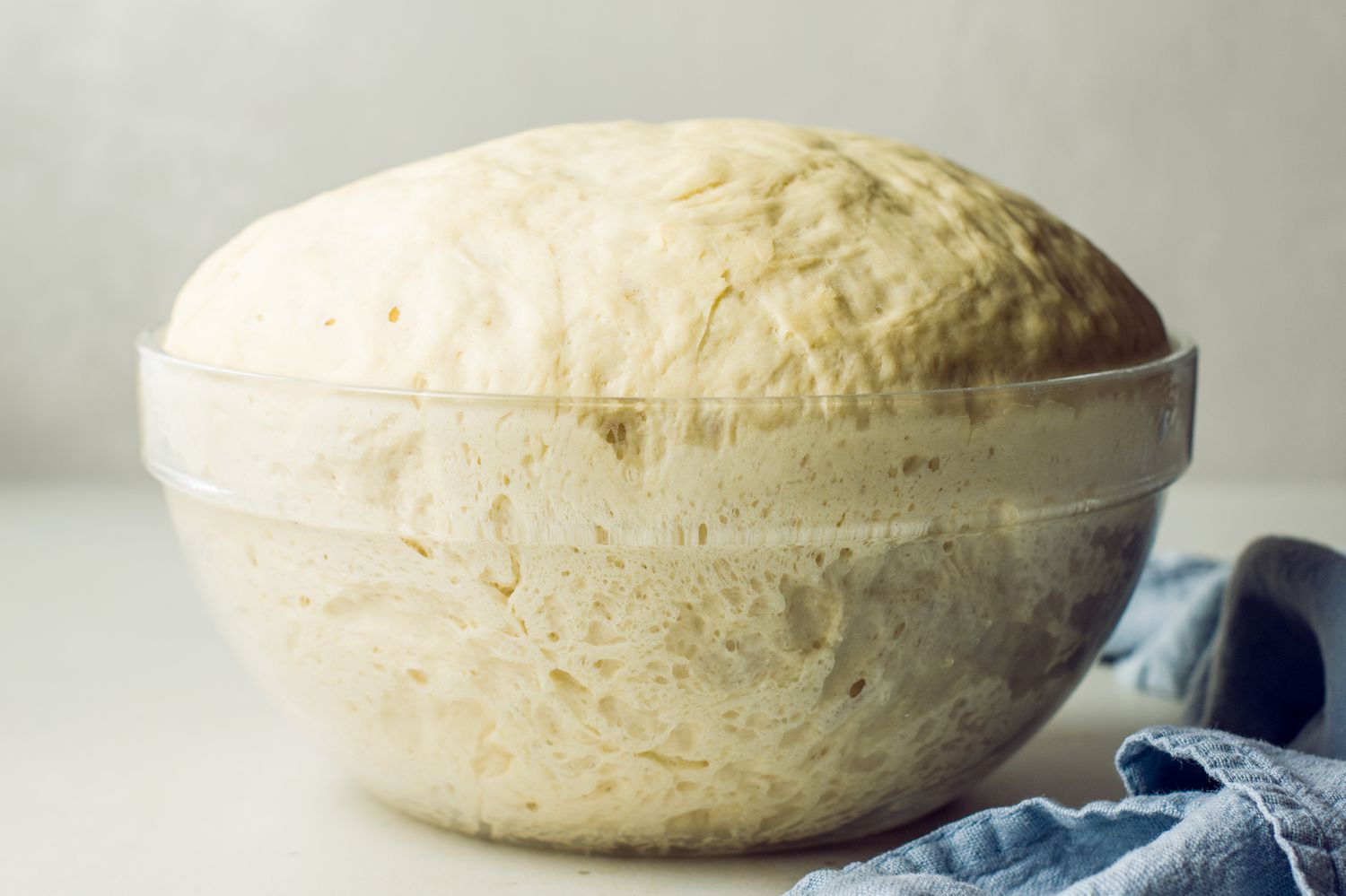
    A bowl of yeast
    Figure 1. The Spruce Eats / Diana Chistruga. This shows a bowl of yeast and flour after proofing.


    Cream of Tartar

    There’s a fair chance that you might not be familiar with this ingredient, so I’ll gladly explain. According to the McGill Office of Science and Society (2023), cream of tartar is a partially neutralized tartaric acid that is a byproduct of winemaking. Cream of tartar can be used for a number of purposes, but its most important use-case for baking is maintaining structure. My main experience with cream of tartar is when making macarons. You have to create a meringue during the process, and this is where cream of tartar is absolutely necessary. Cream of tartar is what allows egg whites to whip into a firm meringue and not lose its form. Using expired cream of tartar or even none at all will affect how your macarons rise, making them collapse in on themselves. For this reason, cream of tartar is crucial in delicate baking.

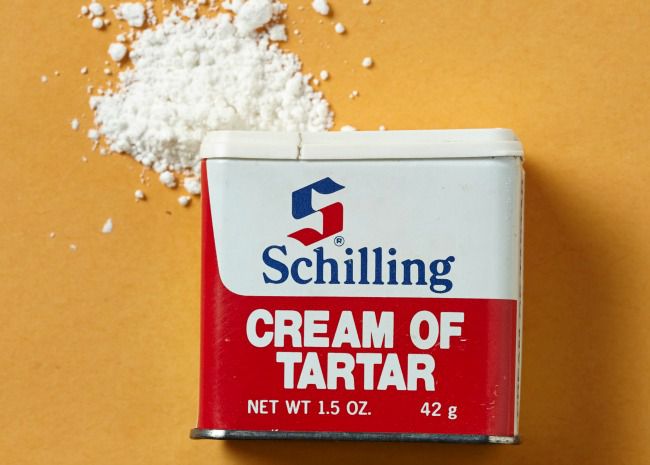
    A container of cream of tartar.
    Figure 2. All Recipes / Vanessa Greaves. Shows a container of cream of tartar.

    Butter

    Butter is a prominent ingredient in most baked goods, but something most people don’t realize when they’re using butter is how important the temperature is. You’ve probably read a recipe before where it says something like room temperature or melted or frozen; well, this clarification is very important. The temperature of butter when it’s being combined with other ingredients defines its role as a binding agent at different parts of the process. For example, if butter is melted, it will most likely be a part of the liquids section of a recipe, and if it is room temperature, it will most likely be with the solids. From my experience, frozen butter is usually used to prevent butter from melting too quickly and burning in an oven. All of these temperatures have specific and special roles (McCoy, 2015).

    3 sticks of butter.
    Figure 3. All Recipes / Kelsey Ogletree. Shows three sticks of butter.

    Baking powder

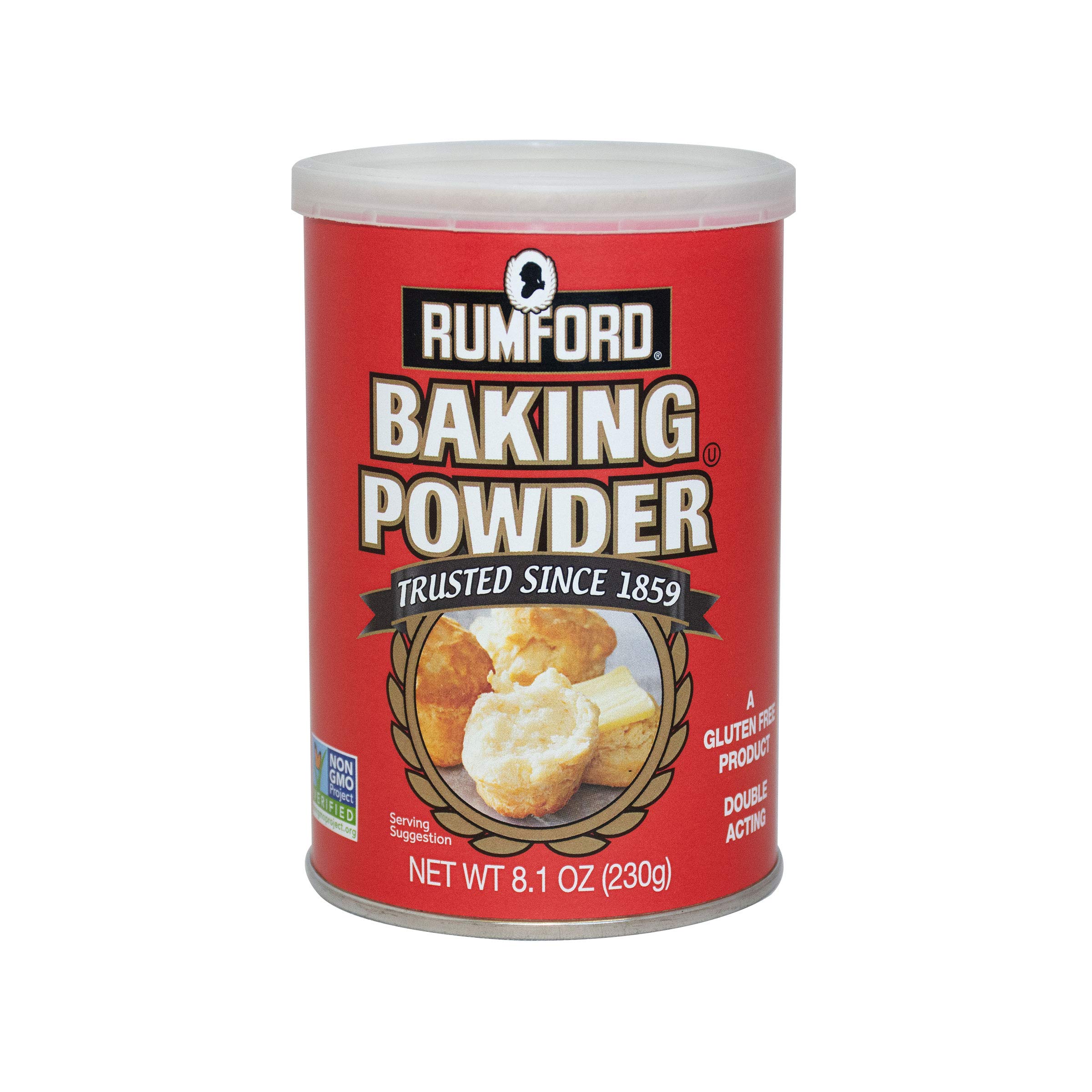
    You’ve most likely heard of baking powder or its counterpart, baking soda (which we’ll be talking about next), but you may not know the science behind it. According to Sorangel Rodriguez-Velazquez at American University (n.d.), baking powder is classified as a high quality chemical leavener. Baking powder is activated through moisture and heat and releases gas that moves throughout the baked good, allowing it to expand and grow in the oven. It’s very important to not use too much baking powder because it could cause your baked goods to collapse (Rodriguez-Velazquez, n.d.). Baking powder is pretty crucial to making baked goods like cakes and preventing them from becoming too dense. 

    Container of baking powder.
    Figure 4. Rumford Baking Powder. Shows a container of baking powder.

    Baking Soda 

    Now I know what you’re thinking, what is the difference between baking soda and baking powder? Well for starters, baking soda has only one ingredient, sodium bicarbonate, while baking powder contains that and two acids. The real difference when baking though is that baking soda reacts immediately while baking powder works at different stages, depending on if it’s single or double acting. Both act as leavening agents; however, since baking soda does not have acids built into it, it is only really used when there is some sort of acidic ingredient in it such as cream of tartar or buttermilk (Shipman, 2024). That’s why it’s usually baking soda in recipes involving those ingredients. 

    Box of baking soda.
    Figure 5. Arm & Hammer Pure Baking Soda. Shows a container of baking soda.


    Baking is such a fun and fascinating scientific process. I hope next time you find yourself baking, you understand the ingredients you are working with better and appreciate the science that goes into every little moment.


    References

    Exploratorium. (n.d.). Bread Science 101. Exploratorium. https://www.exploratorium.edu/explore/cooking/bread-science

    Pellegrinelli, C. (2024). What is Yeast?. The Spruce Eats. https://www.thespruceeats.com/basic-yeast-information-304312

    Schwarcz, J. (2017). Cream of Tartar. McGill Office for Science and Society. https://www.mcgill.ca/oss/article/general-science-history/cream-tartar

    Greaves, V. (2023). Cream of Tartar: What It Is and How to Use It [Photograph]. All Recipes. https://www.allrecipes.com/article/cream-of-tartar/

    McCoy, J. (2015). Beyond Flavor: The Science of Butter. Institute of Culinary Education. https://www.ice.edu/blog/beyond-flavor-science-butter

    TWOELLIS. (n.d.). [Photograph of three sticks of butter]. Getty Images. https://www.allrecipes.com/article/salted-vs-unsalted-butter-what-s-the-difference/

    Rodriguez-Velazquez, S. (n.d.). 5.5: Baking Powder. American University. https://chem.libretexts.org/Bookshelves/Biological_Chemistry/Chemistry_of_Cooking_(Rodriguez-Velazquez)/05%3A_Leavening_Agents/5.05%3A_Baking_Powder

    Shipman, M. (2014). The difference between baking soda and baking powder. North Carolina State University. https://phys.org/news/2014-05-difference-soda-powder.html

    Berkheiser, K. & Richter, A. (2023). What’s the Difference Between Baking Soda and Baking Powder?. Healthline. https://www.healthline.com/nutrition/baking-soda-vs-baking-powder#:~:text=When%20to%20use%20which%20one,needed%20to%20produce%20carbon%20dioxide.

    Light, J. (2024). Science of Baking Cover Art. STEMComm.