Category: today i learned (til)

health, fitness, medicine, environment, ecology, how to learn tricky topics in science and math, new discoveries, news, current events

  • The Amazing Race: Citrus Circuit GoSTEM Reflection

    The Amazing Race: Citrus Circuit GoSTEM Reflection

    This semester, STEMComm was invited to participate in the Latino College & STEM Fair, hosted for k-middle grade schoolers to engage and learn about the variety of science topics exhibited in colleges. It was an exciting opportunity to share and demonstrate what we were passionate about at GT. 

    Our event for the Latino College & STEM fair was the Amazing Race, for the various activities hosted by members of STEMComm. Each activity involved some action ranging from testing cognitive ability, response time, to memorization. My group, the Citrus Circuit, was the computational media group, and we set up a trivial game and a potato circuit using a simple arduino program to act as the buzzer. We connected the potato to a circuit board, so that when you make contact with the potato, it’ll light up and create a buzzing sound generated on the circuit board. The kids had to use the potato to buzz in to answer the trivial questions.

    The simple potato board circuit is much like a potato battery, with the potato acting as a power bank. The potato in that sense becomes an electrochemical battery, or cell. Since it contains certain metals, it will experience a chemical reaction with the acids inside of the potato that then creates the electrical energy that can power a LED light or a clock, and in our case, a LED light. One difference is that our contact with the potato creates that chemical reaction due to the fact that our bodies also conduct electricity, prompting the potato to start the process of turning the LED light on the circuit board. To make a better response, we recommend limes or any kind of citrus because of the amount of water and acidity in them.

    The event was overall super successful and went smoothly. The kids had fun and were able to learn something more interesting about science, and even apply what they had learned at school at our Citrus Circuit activity.

    Read more about potato circuits:

    https://stemgeneration.org/potato-power/#:~:text=The%20potato%20battery%20is%20a,an%20LED%20light%20or%20clock.

    https://www.vedantu.com/physics/potato-battery-experiment

  • All About Water Puppies

    All About Water Puppies

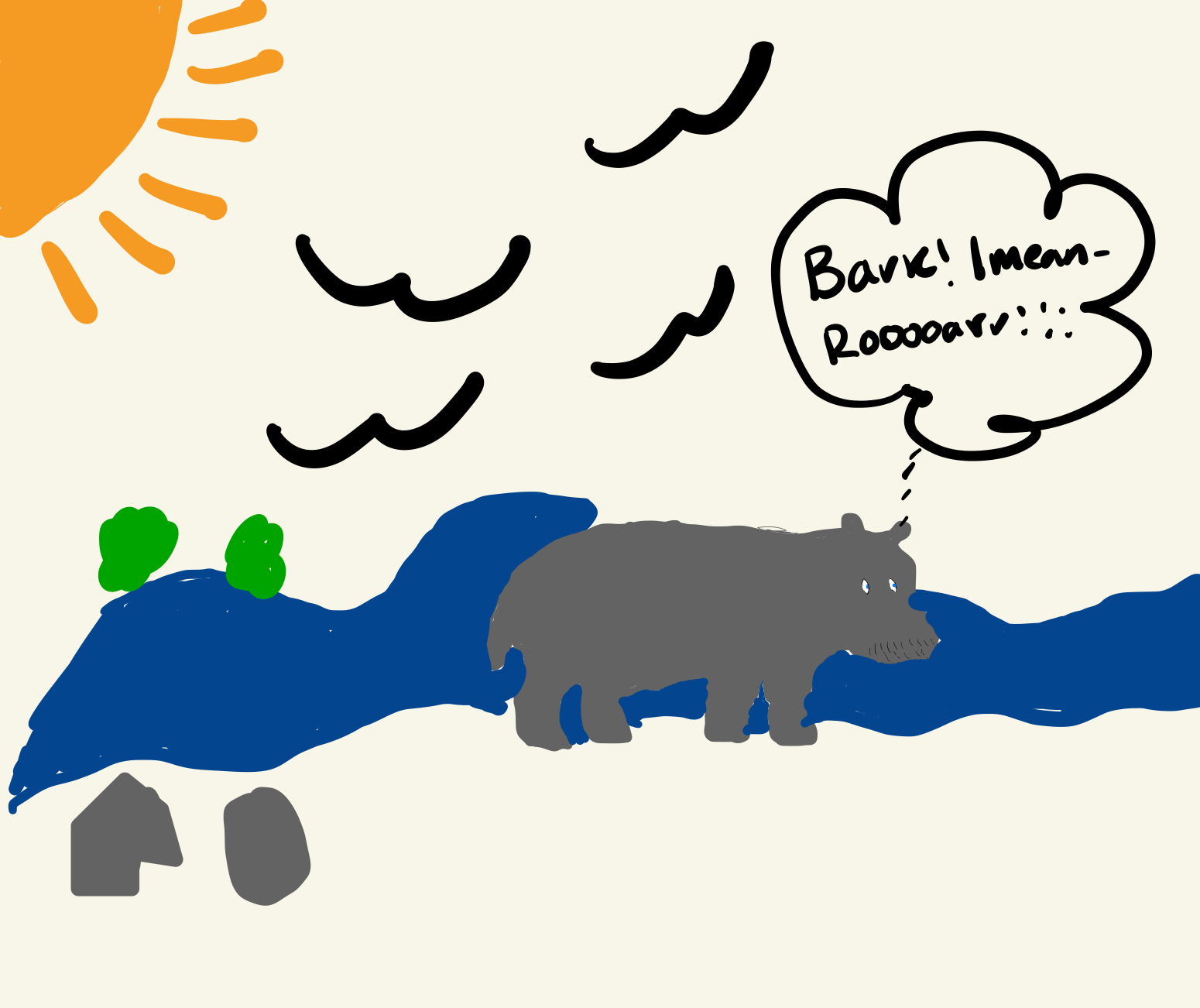
    Hippopotamuses(not, hippomotami) are the third largest land mammal, following elephants and white rhinos. They are semi aquatic animals, so they enjoy the best of both worlds. If you’ve ever been to the zoo, you’ve probably seen them peeking out of the water with their little floppy ears. It’s quite cute, take a visit if you haven’t. Despite them being known as “water puppies”, hippos are actually pretty dangerous. Not only can they weigh up to 5 tons, but their mouths can open up to a whopping 150 degrees(obtuse angle for you math nerds). You definitely don’t wanna be caught in their mouths.

    There are actually two types of hippos: regular hippos and pygmy hippos. Pygmy hippos are much much smaller, weighing up to only about 600 lbs(African Wildlife Foundation). They’re not nearly as tall either, only getting up to about 5 ft in length. They’re like mini hippos. They’re also quite adorable, some may argue even more so than their larger counterparts. Now they do have different scientific names, which I find extremely interesting. According to the San Diego Wildlife Alliance, the common hippos scientific name is Hippopotamus amphibius while pygmies are called Choeropsis liberiensis. They’re cousins, not siblings. Both water puppies are herbivores and are unfortunately prey to other animals like lions and crocodiles. I imagine pygmies are much easier targets, which is so sad because they are SO cute. They’re also targeted by humans, for their meat and ivory tusks(African Wildlife Foundation). Really people? Elephants, rhinos, and now hippos? We really need to stop hunting animals, especially the big and cute(but deadly) ones. I actually saw a TikTok a couple days ago about a 50 year old White African Elephant that is now being guarded by soldiers 24/7 to prevent poaching attempts. This is the energy we need to give to all endangered animals. And stop killing them for money! Capitalism. The only creatures I’d happily allowed to be “poached” are wasps. They are the most annoying and quite frankly rude little pests to ever buzz around this earth. Yes, I do go to a school whose mascot is the Yellow Jacket. Buzz would never hurt me though.

    Anyways, back to hippos. The reason I’m writing this article is to hopefully give you a 3-5 minute distraction from whatever tasks you may be doing(grading papers, doing homework, sending riveting emails, realizing that climate change is rapidly sucking the life out of our dear planet, etc). I’m talking about hippos because of this new sensation that has been born at a Thailand Zoo.

    Meet Moo Deng, a baby pygmy hippo who has taken over the internet. Moo Deng, or translated “Bouncy Pork” is famous because of her lovable personality(Jaijongkit, 2024).

    All she does is run around her enclosure and wreak havoc. She doesn’t like baths, she refuses to eat unless it’s on her own terms, and she is constantly bothering her mom. She’s made the zoo a hit and people have traveled thousands of miles just to see her. Would I ever travel across the world for a hippo? Maybe. After reading this article, let me know if you go see her, or her siblings(yes, there’s more of them!)

    Baby hippos can’t swim, here’s a pic of a baby hippo getting bounced around the floor by his mommy. 2020. Reddit, https://www.reddit.com/r/aww/comments/nkpdsl/baby_hippos_cant_swim_heres_a_pic_of_a_baby_hippo/. Accessed 2024.

    Big Craig Of The Amboseli: A 50 Year Old Male African Elephant Whose Tusks Weigh 100 Lbs Each & Is Guarded From Poachers By Maasai Warriors 24/7. 2023. Reddit, https://www.reddit.com/r/AbsoluteUnits/comments/14s9kbm/big_craig_of_the_amboseli_a_50_year_old_male/. Accessed 2024.

    Jaijongkit, Por. “Explaining the Food Names of Moo Deng and Company.” Medium, Medium, 28 Sept. 2024, medium.com/@pjaijongkit/explaining-the-food-names-of-moo-deng-and-company-916eff75e107.

    Lover, Hippo. Cute Hippo. 2024. Instagram, https://www.reddit.com/r/aww/comments/nkpdsl/baby_hippos_cant_swim_heres_a_pic_of_a_baby_hippo/. Accessed 2024.

    “Hippopotamus.” African Wildlife Foundation, African Wildlife Foundation, www.awf.org/wildlife-conservation/hippopotamus. Accessed 15 Nov. 2024.

    “Pygmy Hippopotamus.” San Diego Zoo Wildlife Alliance Animals and Plants, San Diego Zoo Wildlife Alliance Animals and Plants, animals.sandiegozoo.org/animals/pygmy-hippopotamus. Accessed 15 Nov. 2024.

  • Is Immortality Possible?

    Is Immortality Possible?

    We’ve only ever seen immortality on TV, but what if I told you, we seem to be closer to it than we think. In 1952, a cervical cancer patient, Henrietta Lacks, was admitted to the John Hopkins hospital where a sample of her cells were collected without her consent (Hongbao, 2017). The doctor who had treated her took a sample of the tumor onto a dish, and sent it down the hall to George Gey, the head of tissue culture research at John Hopkins. At that time, George Gey was researching how to grow cells outside of the human body for decades until Henrietta Lacks.

    A later discovery revealed that her cells were durable and could be kept alive, multiplying on their own when a single cell was separated. For unknown reasons, Henrietta’s cells could just double their cell numbers every 24 hours. They became known as HeLa Cells, the first “immortal human cell line,” being able to grow and divide forever. These HeLa Cells became the first human cells grown in a lab that were naturally immortal, surviving even after a set number of cell divisions (Hongbao, 2017).

    After the discovery of HeLa cells, the news spread fairly quickly, with many researchers requesting for HeLa cells, which George Gey gave to anyone who wanted them. They quickly became one of the most important things that happened to medicine. One researcher, Jonas Stalk, was able to successfully grow polio virus and quickly develop a vaccine for it. Due to its highly proliferative nature and its innate ability to be easily infected by the poliovirus, HeLa cells were made as the ideal source for testing vaccines. This cell line went on to be the first human cells to be successfully cloned as the results from vaccine testing could be easily obtained, but still remained the same tumor cells that were removed from Lacks (Hongbao, 2017). They helped develop all kinds of vaccines that we use today, and most can be traced back to Henrietta’s cells. HeLa cells have been used for research into cancer, AIDS, the effects of radiation and toxic substances, gene mapping, and countless other scientific pursuits (Hongbao, 2017). Additionally, they even went up into the first space missions to see what would happen to human cells in zero gravity. Evidently, not a single person hasn’t benefited from Henrietta’s cells.

    Citations

    Hongbao, M. (2017). Hela cells and immortality. Cancer Biology, 3(7), 71-78.

    BBC. (2022, Feb 23). How one woman’s “immortal” cells changed the world. BBC News. https://www.bbc.com/reel/video/p08wr9gf/how-one-woman-s-immortal-cells-changed-the-world

  • Late night studying: effects of warm and cool LED lamps

    Late night studying: effects of warm and cool LED lamps

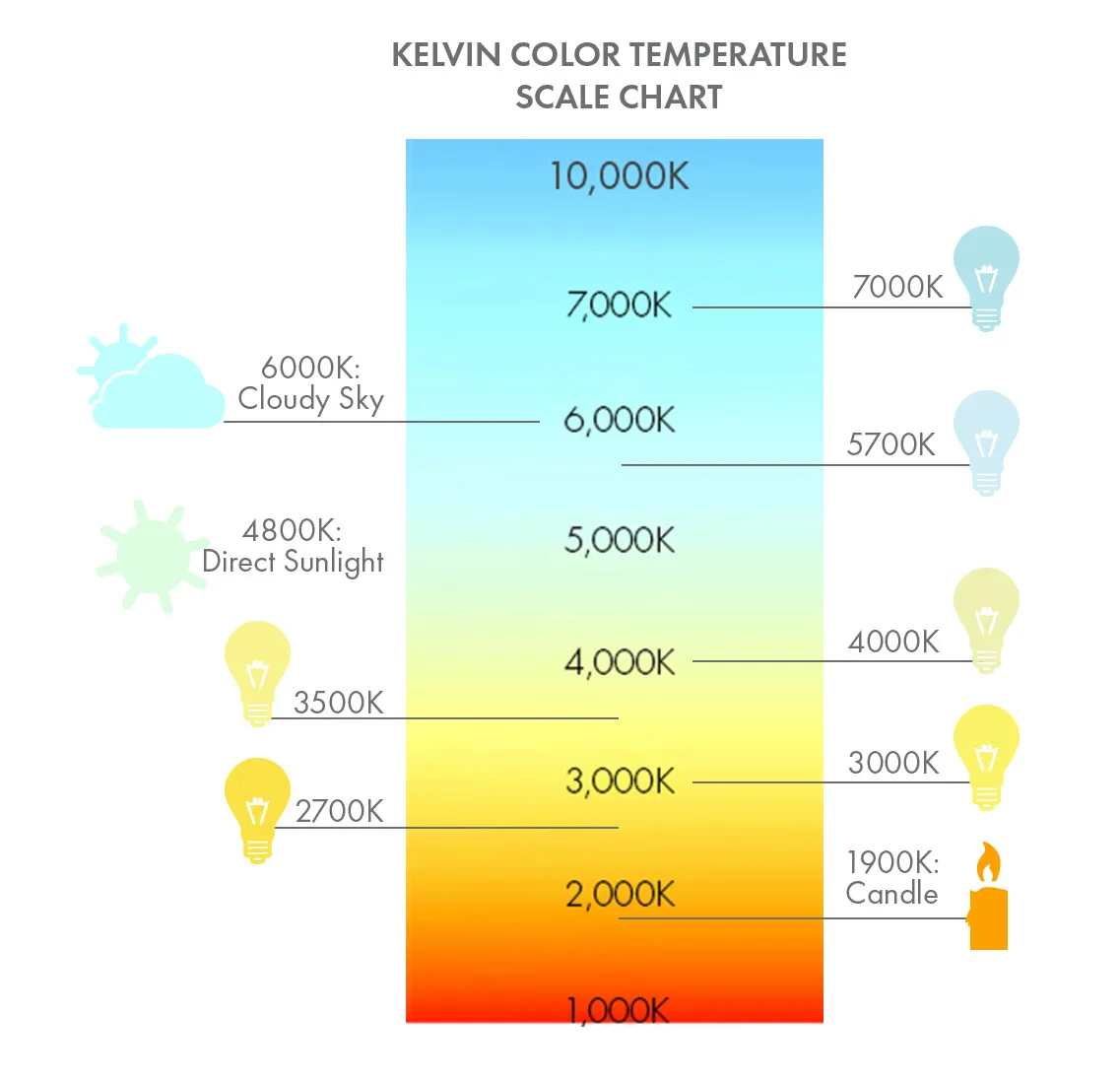
    Are you trying to pick out the right kind of fluorescent LED light for your room? One search for light bulbs on amazon shows results that range within 3000K or 6500K LED light. They look either warm or cool, so which one should you be purchasing? Sure, the decision can come down to personal preference, but you know you want to buy the right kind.

    Here’s a scenario to consider: you’re a newly admitted college student and you’ve moved into your new space with default warm light bulbs installed already. And after a few late night study sessions in your room, you’ve noticed that you’ve been getting drowsy super fast. So, when it comes down to what might truly benefit you, we can take a closer look at what each kind of light temperature offers.

    A study conducted to examine the effects of warm/cool white LED lamps and warm/cool color environments on mood and performance showed that perhaps inhabiting a study environment with a cooler light and a cool color environment help with study productivity (Shahidi et al., 2021). Additionally, another suggestion was to have a combination of the white color and warm light or the blue color with cool light can have a more favorable effect on visual comfort and mood (Shahidi et al., 2021). Some further discussion also revealed that cool lighting in white and blue colors stimulated less fatigue than warm light, and that warm light significantly reduced the amount of vigor than cool light. However, it is advised that increased exposure to cool fluorescent lighting can lead to increased rates of anger and depression (Shahidi et al., 2021). This is pretty typical with college students and late studying, since it can lead to eye strain and tiredness. Getting the right studying environment, like what fluorescent LED lamp you should place in your room, is the first step, but other factors like your attention and mental energy can also contribute to a successful late night study session.

    So, should you be installing warm or cool light LEDS in your room? Hopefully, this provides a better insight into what type of environment is ideal, but that would also depend on if you’re trying to be more or less productive.

    Citations

    Shahidi, R., Golmohammadi, R., Babamiri, M., Faradmal, J., & Aliabadi, M. (2021). Effect of warm/cool white lights on visual perception and mood in warm/cool color environments. EXCLI journal, 20, 1379–1393. https://doi.org/10.17179/excli2021-3974

  • CAPTCHA: Are You A Robot?

    CAPTCHA: Are You A Robot?

    When you interact with a website—whether you are creating an account, posting a comment, or making a purchase—you might be prompted to confirm that you are not a robot. This seemingly simple request, often in the form of a CAPTCHA challenge, plays a vital role in safeguarding online systems from malicious activity. While it may seem like a minor inconvenience, CAPTCHA serves as an essential gatekeeper, ensuring that human users can engage with digital platforms while keeping automated bots at bay.

    What is CAPTCHA?

    CAPTCHA, which stands for “Completely Automated Public Turing test to tell Computers and Humans Apart,” is a challenge-response test designed to distinguish human users from automated bots. It has become a ubiquitous feature of the online experience, particularly in areas where data protection or restricted access is necessary. These tests are crafted to be simple for humans to solve but challenging for bots or automated software.

    The most common form of CAPTCHA involves recognizing distorted text, identifying images, or selecting specific objects in a grid—such as traffic lights or street signs. However, CAPTCHA has evolved significantly over the years. For instance, Google’s reCAPTCHA has become more sophisticated, often requiring users to simply click a box that confirms “I am not a robot.” In some cases, this can be the only interaction needed, or the process might be completely invisible to the user.

    Why CAPTCHA is Crucial for Cybersecurity

    CAPTCHA plays an essential role in cybersecurity by preventing bots from exploiting online systems. Automated bots, often deployed by malicious actors, can be used to conduct harmful activities like credential stuffing attacks, where bots use stolen sets of login information to try and gain unauthorized access to user accounts. Bots are also used in web scraping to gather and steal data from websites in bulk, violating privacy and security protocols. Furthermore, bots can flood platforms with spam—whether on forums, email inboxes, or social media—leading to an overwhelming and often harmful volume of unwanted content. In more severe instances, bots may even participate in Distributed Denial of Service (DDoS) attacks, flooding websites with traffic and causing service disruptions.

    By blocking automated access, CAPTCHA helps to protect not just user privacy but the integrity of digital platforms. It ensures that interactions are carried out by humans, not bots, reducing the risk of fraud, data theft, and system failure. By serving as a gatekeeper, CAPTCHA minimizes the chances of automated threats causing harm to critical digital infrastructure, thus safeguarding both users and organizations from malicious activity.

    How CAPTCHA Works

    CAPTCHA systems are built around tasks that are simple for humans to perform but difficult for bots to replicate. One common method is text recognition, where users are asked to identify distorted or skewed letters and numbers. These distortions make it challenging for computer algorithms to interpret, making it an effective tool to differentiate between human and bot activity. Another popular approach is image identification, in which users select images containing specific objects like traffic lights or street signs. This leverages humans’ superior ability to recognize objects in images, especially when they are blurry or unclear—a task that bots often struggle to perform.

    In addition to text and image-based challenges, modern CAPTCHA systems also employ behavioral analysis to assess whether a user is human. For example, Google’s reCAPTCHA tracks a user’s mouse movements and click patterns to detect subtle differences between human and automated behavior. Another growing trend is invisible CAPTCHA, which requires no direct interaction. Instead, it analyzes behavioral patterns—such as the user’s browsing history or IP address—to determine whether the request originates from a human or a bot. These increasingly sophisticated methods help CAPTCHA remain effective in preventing automated attacks while minimizing user inconvenience.

    The Challenge of AI and the Future of CAPTCHA

    As artificial intelligence (AI) and machine learning (ML) technologies advance, they pose significant challenges to traditional CAPTCHA systems. AI-powered bots, utilizing technologies like Optical Character Recognition (OCR) and deep learning, are now capable of bypassing conventional CAPTCHA tests, such as distorted text and image recognition. These bots can learn from previous CAPTCHA attempts, adapting to overcome newer challenges, making them harder to block.

    To stay ahead, CAPTCHA systems will need to evolve. One potential solution is adaptive CAPTCHA, where the difficulty of challenges increases based on user behavior or the sophistication of the bot attempting to bypass it. Behavioral biometrics, such as typing speed or voice recognition, could also be incorporated to enhance security. Moreover, AI-powered CAPTCHA systems might evolve in real time, dynamically adjusting challenges to keep pace with increasingly advanced bots. Another potential solution is combining CAPTCHA with multi-factor authentication (MFA), which would create a layered defense against bots. Additionally, new AI-driven alternatives—such as natural language processing or gesture-based inputs—could offer a more secure and user-friendly experience in an AI-dominated world.


    The next time you encounter a CAPTCHA challenge, remember that it is more than just a small hurdle—it is there to help protect your data and your online experience. As AI continues to evolve, CAPTCHA systems will need to adapt in order to maintain security. So, when you are asked to prove you are not a robot, you are helping safeguard the broader digital ecosystem and ensuring that online spaces remain secure for all users.

    Sources: 

    • https://www.cloudflare.com/learning/bots/how-captchas-work/
    • https://www.ibm.com/topics/captcha
    • https://www.fastcompany.com/91167056/ai-changing-future-captcha
    • https://www.techradar.com/pro/this-ai-tool-can-solve-googles-popular-anti-spam-defense-every-time-captcha-system-could-soon-become-obsolete
    • https://www.technologyreview.com/2023/10/24/1081139/captchas-ai-websites-computing/
    • https://www.google.com/recaptcha/about/
  • Malware Monikers: Cyber Threats with Intriguing Names

    Malware Monikers: Cyber Threats with Intriguing Names

    The names of malware frequently resemble whimsical nicknames or the titles of obscure indie bands rather than serious threats to global cybersecurity. However, beneath these seemingly playful monikers lie intriguing stories, unexpected coincidences, and, at times, a subtle sense of humor. In the following exploration, we will examine the histories behind some of the most unusual and memorable malware names. The histories behind some of the most unusual and memorable malware names reveal intriguing stories and unexpected connections.

    ILOVEYOU

    Meaning: Named after the subject line of the phishing emails it used to spread.

    In 2000, the ILOVEYOU worm swept across the globe, targeting millions of computers with a deceptively innocent email subject: “I LOVE YOU.” Victims, tempted by curiosity or affection, opened the attached “love letter” file, unknowingly unleashing a worm that overwrote files and spread itself through the victim’s contact list. The irony was stark—there was no love, only destruction.

    Zeus

    Meaning: A nod to the malware’s godlike capabilities, akin to the king of the gods.

    Zeus is a banking Trojan designed to steal sensitive information, such as banking credentials. First detected in 2007, its formidable power lay in its ability to execute man-in-the-browser attacks while remaining stealthy. Over time, Zeus evolved into a prolific malware family, spawning numerous variants and maintaining its reign as a dominant force in the cybercriminal underworld.

    Oompa-Loompa

    Meaning: A reference to the helpers in Willy Wonka & the Chocolate Factory.

    This Trojan targeted Apple’s iChat in 2006, exploiting the victim’s trust to spread itself. It sent fake messages to contacts, urging them to open an image file. The name likely drew inspiration from the Oompa-Loompas—mischievous workers who spread through the factory in a somewhat chaotic, factory-worker fashion, much like how this malware spread through iChat.

    Snow White

    Meaning: Inspired by the fairy tale, but with a sinister twist.

    The Snow White malware, active in the late 1990s, is believed to have been part of a spam campaign promoting illegal activities. It disguised itself as harmless files with attractive names, luring victims into opening them. The name seems to be a sly reference to the poisoned apple from the fairy tale, tempting users into danger.

    Koobface

    Meaning: An anagram of Facebook.

    The Koobface worm, which emerged around 2008, targeted social media platforms like Facebook and MySpace. It tricked users into clicking malicious links, spreading primarily through social connections. The name, an anagram of “Facebook,” reflected its targeted platform while giving the malware an air of playful menace.

    Michaelangelo

    Meaning: Named after the famous Renaissance artist, due to its activation date.

    Michaelangelo was a DOS-based virus that activated on March 6, the birthday of the famous artist Michelangelo Buonarroti. Discovered in 1991, the virus was feared to have catastrophic potential, though the actual damage it caused was relatively minimal. The virus’s artistic name, paired with its destructive nature, gave it a peculiar charm, blending creativity with chaos.

    Sadmind

    Meaning: Likely a reference to the melancholy nature of its payload.

    The Sadmind worm exploited vulnerabilities in Sun Microsystems’ Solaris and Microsoft IIS servers in the early 2000s. Its rapid spread and politically motivated cyberattacks made it notorious. The name, evoking a sense of sadness and melancholy, mirrored the worm’s somber impact on its victims.

    Father Christmas

    Meaning: A holiday-themed malware with a deceptive name.

    Father Christmas emerged during the holiday season, spreading disguised as festive greeting messages. Its cheerful name masked a malicious payload, highlighting the contrast between the holiday spirit of giving and the malicious nature of cybercrime. This malware was a stark reminder of the unexpected threats that can emerge during the season of goodwill.

    BugBear

    Meaning: Named after a folkloric creature, symbolizing the malware’s disruptive nature.

    BugBear, first detected in 2002, was a worm that targeted businesses by infecting networks and keylogging sensitive information. Its name, drawn from the mythical “bugbear” creature, underscored its nuisance-like nature. Much like a mischievous creature lurking in the shadows, BugBear sneaked into systems to cause disruption.

    WannaCry

    Meaning: Capturing the emotional reaction of its victims.

    The WannaCry ransomware attack of 2017 lived up to its name by spreading chaos and locking users out of their data. By encrypting files and demanding Bitcoin ransom, it took advantage of a leaked NSA exploit. The name encapsulated the despair of its victims, as millions of people and organizations “cried” over lost files and the demands for payment, making WannaCry one of the most infamous malware incidents in history.

    Why the Weird Names?

    Malware names often reflect their creators’ creativity, dark humor, or attempts to mislead. These names can also serve as a way for cybersecurity researchers to identify and discuss threats using memorable, distinct terms. 

    The next time you encounter a malware attack, take a moment to appreciate the strange, often ironic stories behind its name. But remember—while the names may amuse, the threats are very real, so do not let your guard down!


    Sources: 

    • https://usa.kaspersky.com/blog/cybersecurity-history-iloveyou/26869/?srsltid=AfmBOoq28y26yBC4Sdjq81ZmdhbpCbC882C1Z_RfLh_K74J0rZcV5AWj
    • https://www.crowdstrike.com/en-us/cybersecurity-101/malware/zeus-malware/?srsltid=AfmBOorNsDbmnj3X1AYoaNl-RNsSGdXNKgBIwGjliskfEI9SSaQsR0ja
    • https://www.macworld.com/article/178862/leapafaq-2.html
    • https://computer.howstuffworks.com/worst-computer-viruses.htm
    • https://www.theregister.com/2001/01/10/vandals_behind_spread_of_hybris/
    • https://www.f-secure.com/v-descs/hybris.shtml
    • https://www.netsurion.com/articles/malwares-crazy-names-where-do-they-come-from#:~:text=There’s%20Heartbleed%2C%20Melissa%2C%20and%20GooLoad,(more%20on%20this%20later).
    • https://ntrs.nasa.gov/citations/19920019024
    • https://www.kaspersky.com/resource-center/definitions/what-is-the-koobface-virus
    • https://cybernews.com/editorial/the-first-malware-scare-turns-30-the-michelangelo-virus/
    • https://www.f-secure.com/v-descs/sadmind.shtml
    • https://usa.kaspersky.com/resource-center/threats/ransomware-wannacry?srsltid=AfmBOooUn0q3Y2o65HqeVIvCmK65UAQlBbuPrDadpa903DBdMs62nizT

  • Lesser-Known Cybersecurity Threats: SEO Poisoning, Spamdexing, and AI Keystroke Capture

    Lesser-Known Cybersecurity Threats: SEO Poisoning, Spamdexing, and AI Keystroke Capture

    In an era where technology evolves at an unprecedented pace, the digital landscape has become a battleground for both innovation and malicious activities. Cybercriminals are increasingly exploiting sophisticated techniques, such as SEO poisoning and spamdexing, to manipulate online information. Meanwhile, the rise of artificial intelligence has introduced novel threats, including the alarming possibility of AI-driven eavesdropping through keyboard sounds. As these developments unfold, it becomes crucial to examine their implications for both cybersecurity and society at large.

    SEO Poisoning: Manipulating Search Results for Malicious Gain

    Search Engine Optimization (SEO) is a legitimate practice that businesses use to improve their online visibility. However, cybercriminals have turned SEO into a tool for exploitation through a technique known as SEO poisoning. By manipulating search algorithms, attackers can ensure that malicious websites rank highly for popular queries. Unsuspecting users who click on these links are often redirected to phishing sites, exposed to malware, or tricked into revealing sensitive information.

    To achieve this, attackers employ a variety of deceptive techniques. One such method is keyword stuffing, where webpages are overloaded with excessive, often irrelevant keywords in an effort to manipulate search rankings. These keywords may be hidden within the website’s code or placed in locations that are invisible to users but detectable by search engine crawlers. This misrepresentation leads search engines to falsely prioritize the malicious site. 

    Another common tactic is the use of link farms—networks of websites that artificially inflate a page’s number of backlinks. Since search engines consider the number of backlinks as an indicator of credibility, attackers exploit this by creating multiple low-quality websites that link back to the malicious page, boosting its rank.

    Cloaking, a third technique, involves serving different content to search engine crawlers and human visitors. Attackers display benign content to search engines to gain a high ranking, while delivering malicious material to unsuspecting users. This discrepancy allows attackers to bypass algorithms designed to detect harmful content.

    In some cases, cybercriminals also compromise legitimate websites to host malicious content or create fake sites that mimic trusted sources. The ultimate goal is to exploit the trust users place in high-ranking search results, luring them into dangerous traps.

    To mitigate these risks, it is essential to educate users about the dangers of clicking on unfamiliar links. Additionally, search engines like Google and Bing continually update their algorithms to identify and demote malicious sites. Installing reputable antivirus and anti-malware programs can also provide an added layer of protection.

    Spamdexing: The Art of Deceptive Indexing

    Closely related to SEO poisoning, spamdexing refers to the manipulation of search engine indexes through unethical means. Like SEO poisoning, the goal is to artificially inflate a website’s ranking, often directing users to irrelevant or harmful content.

    Techniques commonly used in spamdexing include keyword stuffing, as well as the insertion of hidden text and links that are invisible to users but readable by search engines. Another tactic is the creation of doorway pages, which are optimized for specific keywords but ultimately redirect users to a different website entirely.

    Combating spamdexing requires search engines to deploy sophisticated algorithms capable of detecting and penalizing such deceptive practices. Webmasters—the individuals responsible for maintaining websites—are encouraged to adhere to ethical SEO guidelines to preserve the integrity of search results. By following best practices, webmasters contribute to a healthier, more reliable internet ecosystem, ensuring users can find trustworthy and relevant information.

    AI Eavesdropping Through Keyboard Sounds: A New Espionage Frontier

    Recent advancements in artificial intelligence have led to the development of algorithms capable of deciphering keystrokes based solely on the sounds produced while typing. By analyzing the acoustic patterns created when a person types on a keyboard, AI systems can potentially reconstruct the exact text being entered. This poses significant privacy and security risks, as sensitive information could be intercepted without the user’s knowledge.

    Researchers have trained machine learning models to recognize the unique sound profiles of individual keys on a keyboard. Using microphones embedded in smartphones, laptops, or even through VoIP calls, attackers can capture these sounds and translate them into readable text with remarkable accuracy.

    The implications of this technology are profound. Passwords, personal messages, and other sensitive information could be compromised, making it a serious threat to user privacy. To counter this, users can take precautionary measures, such as using software to generate ambient noise, typing on virtual keyboards, or adopting biometric authentication methods to reduce the risk of eavesdropping.

    Sources: