Category: Articles

  • The Microscope that can Think by Itself

    The Microscope that can Think by Itself

    Artificial-intelligence technology is beginning to transform one of the oldest tools in science: the microscope. Researchers at institutions such as UCLA and Caltech are developing AI-powered microscopes capable of analyzing samples in real time, flagging unusual cells, and helping scientists diagnose diseases faster and more accurately.

    These advanced systems work by capturing high-resolution images and sending them through trained deep-learning models. When a researcher places a slide under the lens, the AI quickly scans thousands of cells, highlighting features that may indicate infection, cancer, or other abnormalities. Instead of relying solely on painstaking manual examination, scientists can use the AI’s suggestions as a guide, focusing their attention where it matters most.

    Early results have been promising. In several studies, AI-assisted microscopes identified harmful bacteria and subtle cellular changes at speeds that outperform traditional methods. Some algorithms were even able to detect patterns that are difficult for the human eye to notice, offering a powerful complement to expert analysis.

    What makes this technology especially impactful is its potential beyond major research hospitals. Schools, community clinics, and field labs could all benefit from microscopes that combine affordable hardware with intelligent software. Students learning cell biology could see the AI outline abnormal cells as they appear, while clinicians in resource-limited areas could diagnose infections more quickly and with improved accuracy.

    However, researchers emphasize that AI is not replacing human expertise. The algorithms must be trained carefully, and scientists still play a critical role in verifying results and preventing misclassification. The goal is not to remove humans from the process, but to strengthen diagnostic tools and make high-quality analysis more widely accessible.

    As AI continues to advance, the role of the microscope is shifting from simple magnification to intelligent interpretation. This fusion of computation and biology has the potential to accelerate diagnosis, improve education, and bring powerful analytical tools to places that need them most.


    Works Cited

    Ozcan, Aydogan, and Yibo Zhang. “Artificial Intelligence–Powered Optical Microscopy and Its Applications.” ACS Photonics, vol. 6, no. 11, 2019, pp. 2729–2741. American Chemical Society, https://doi.org/10.1021/acsphotonics.9b01029.

    Rivenson, Yair, et al. “Deep Learning Microscopy.” Optica, vol. 4, no. 11, 2017, pp. 1437–1443. Optical Society of America, https://doi.org/10.1364/OPTICA.4.001437.

    Zhang, Yibo, et al. “Pathologist-Level Interpretation of Microscope Images Powered by Deep Learning.” Nature Biomedical Engineering, vol. 3, 2019, pp. 1207–1215. Nature Publishing Group, https://doi.org/10.1038/s41551-019-0362-y.

    Caltech. “AI Microscope Can Help Diagnose Diseases in Real Time.” Caltech News, 3 May 2022, https://www.caltech.edu/about/news/ai-microscope-can-help-diagnose-diseases.

    University of California, Los Angeles (UCLA). “UCLA Engineers Develop AI-Powered Microscope to Automatically Detect Bacteria.” UCLA Newsroom, 12 Mar. 2020, https://newsroom.ucla.edu/releases/ai-microscope-bacteria-detection.

  • How Virtual Reality Makes Science Accessible

    How Virtual Reality Makes Science Accessible

    Imagine putting on a headset, picking up a 3D-printed lab tool, and suddenly you’re in a virtual chemistry lab- pouring colorful liquids, watching reactions bubble and swirl, all without spilling a drop. That’s not science fiction anymore. At Arizona State University, researchers have created a “mixed-reality” chemistry lab that blends the real world with the digital one (Arizona State University, 2023).

    In a recent experiment, students used a 3D-printed burette- a tool chemists use for titrations- that connected to a computer simulation. When students turned the real valve, the digital liquid moved in the virtual flask (Amador et al., 2020; Meteor Studio, n.d.). They could watch the chemical reaction happen on screen, just like in a real lab, but with no mess or danger.

    The researchers wanted to see if this new kind of setup actually helped students learn chemistry better. The results were fascinating: students who already had some chemistry experience learned even more with the mixed-reality setup. But beginners, who were still figuring out the basics, did better with the simpler version on a regular computer screen (Johnson-Glenberg et al., 2023). That means the kind of tools we use to learn science might need to match where we are in our learning journey.

    What makes this so exciting is how it could change the way chemistry is taught. Schools that don’t have full lab spaces or expensive equipment could still give students the experience of “doing chemistry,” not just reading about it (Arizona State University, 2023). You can twist a valve, watch molecules react, and understand what’s happening- all while sitting in a classroom or even at home.

    It’s a powerful reminder that chemistry isn’t only about memorizing formulas or mixing real chemicals. It’s about understanding how things work- and technology is opening new ways to do that. Whether you’re a future scientist or just someone curious about how the world works, the chemistry classroom of tomorrow might not look like the one you know today. It might be part real, part virtual, and completely amazing.


    Works Cited

    Johnson-Glenberg, M. C., Yu, C. S. P., Liu, F., Amador, C., Bao, Y., Yu, S., & LiKamWa, R. (2023). Embodied mixed reality with passive haptics in STEM education: randomized control study with chemistry titration. Frontiers in Virtual Reality, 4:1047833. https://doi.org/10.3389/frvir.2023.1047833 

    Amador, C., Liu, F. W., Johnson-Glenberg, M. C., & LiKamWa, R. (2020). Work-in-Progress: Titration Experiment — Virtual Reality Chemistry Lab with Haptic Burette. In D. Economou et al. (Eds.), Proceedings of the 6th International Conference of the Immersive Learning Research Network (iLRN 2020), 363-365. IEEE. https://doi.org/10.23919/iLRN47897.2020.9155209 

    Arizona State University. (2023, October 13). A new class of chemistry experiments. ASU News. Retrieved from https://news.asu.edu/20231013-discoveries-new-class-chemistry-experiments 

    Meteor Studio, Arizona State University. (n.d.). Mixed Reality Virtual Titration Experiment. Retrieved from https://meteor.ame.asu.edu/projects/titration/ 


  • Secrets Of The Skin: A Hidden Ecosystem

    Secrets Of The Skin: A Hidden Ecosystem

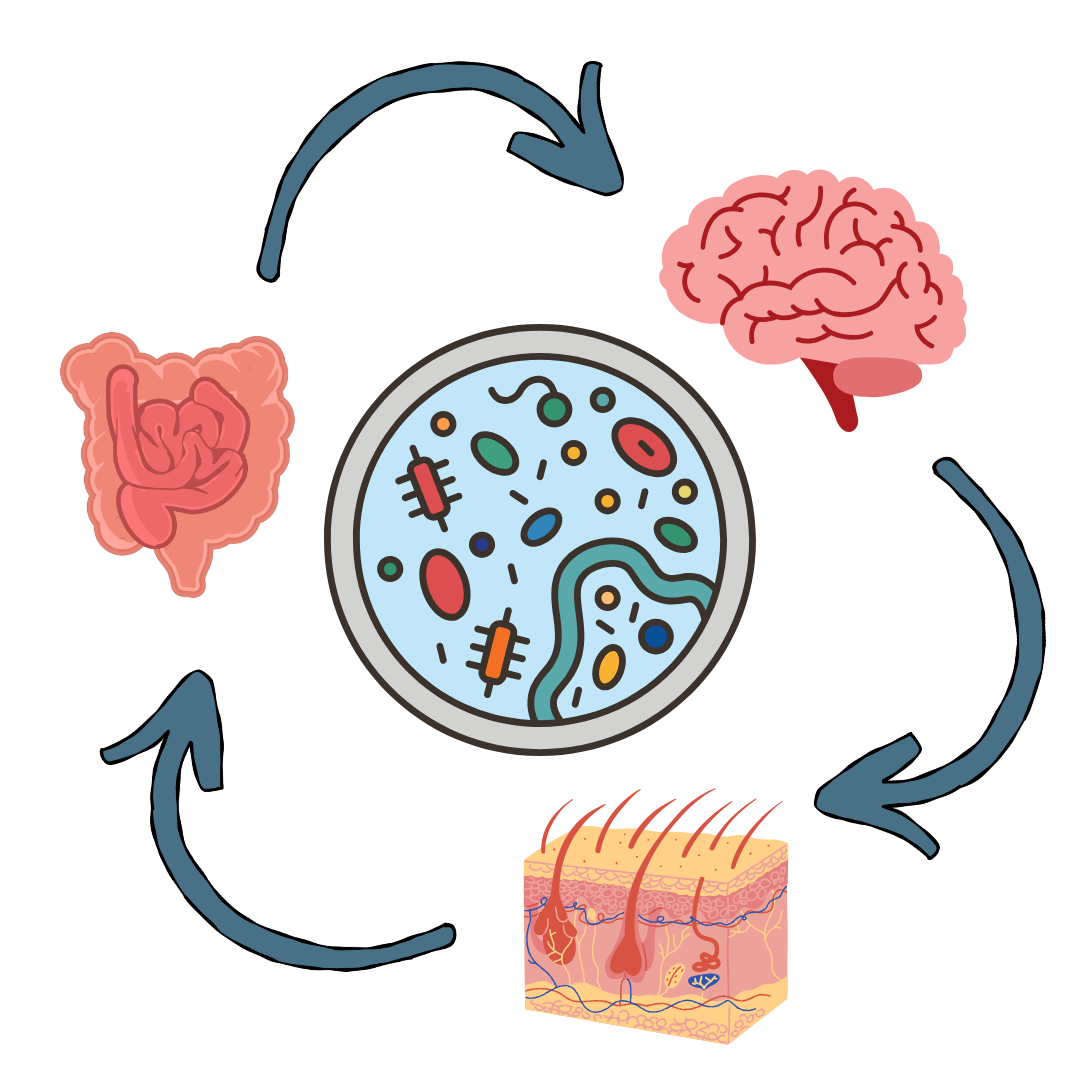
    Every system in our body is connected, and every process in it is affected by all others. When two processes affect each other in a bidirectional manner, they are called axes. Scientists have recently looked into the gut-skin-brain axis, or the connection between your gut and skin health and your psychological well-being.

    It is commonly known that your gut has its own microbiome, consisting of bacteria that help us digest our food. Less people know that there is a similar microbiome on your skin. Right now, there are thousands of different species of bacteria, fungi, viruses, and other microorganisms living in symbiosis on the surface of your skin. The word microbe usually comes with a negative connotation, making you think of disease or parasites, but the microbes both on our skin and in our gut are vital to our health. Having an unbalanced gut microbiome, or being in dysbiosis, is often associated with various skin conditions, such as eczema, psoriasis, rosacea, or acne (Wiginton 2025).

    The skin makes for a very harsh environment. It is dry and we are constantly shedding skin cells, which makes it a less than ideal place for a microbe to live. But many species have adapted to be able to handle life on the skin, and most have preferred locations on the body as well. Some bacteria prefer somewhere warm, such as the armpit or foot, whereas others thrive somewhere oily, like our face. These microbes actually work as part of our immune system. Our skin is our largest organ and prevents pathogens from entering our body. The microbes that thrive on our skin like the harsh environment, and help keep it so. Other harmful microbes often cannot survive in these conditions, and sometimes are even attacked by our skin’s microbes (Byrd et al. 2018).

    The link between the gut microbiome and our psychological well-being has been well established as bidirectional, meaning they affect each other. Dysbiosis, or an imbalance, in the gut has been linked to depression, anxiety, and autism. On the other hand, stress can alter our gut microbiome and make us more susceptible for gastrointestinal disorders. Studies have even shown which bacteria, Cutibacterium, show the strongest link to our psychological well-being (Tyson-Carr et al. 2025).

    Recently, proof has been found of a triple axis, the gut-skin-brain axis. Probiotics are living microorganisms in our gut and have been found to play a part in our immune system. These microbes in the gut help our immune cells distinguish between harmful and beneficial microorganisms. Bacteria in the gut also release molecules that have anti-inflammatory effects on the skin. Studies have shown that taking probiotics benefits your gut microbiome, which in turn benefits our immune system, creating a snowball effect that can be beneficial towards our skin health and psychological well-being. Probiotics have even been proven to improve some chronic inflammatory skin diseases, such as psoriasis by increasing certain microbe species in the gut (Abdi et al. 2024).


    Wiginton, K. (2025). What Is the Skin Microbiome? WebMD. https://www.webmd.com/skin-problems-and-treatments/skin-microbiome

    Byrd, A. L., Belkaid, Y., & Segre, J. A. (2018). The human skin microbiome. Nature Reviews Microbiology, 16(3), 143–155. https://www.nature.com/articles/nrmicro.2017.157

    Tyson-Carr, J., Leng, J., Scott, M., Adams, S., Hoptroff, M., Murphy, B., Fallon, N., Paterson, S., Thomas, A., Giesbrecht, T., & Roberts, C. (2025). Body site-specific associations between human skin microbiome composition and psychological wellbeing. British Journal of Dermatology, 193(Supplement 2), ii6–ii14. https://academic.oup.com/bjd/article/193/Supplement_2/ii6/8140349

    Abdi, A., Oroojzadeh, P., Valivand, N., Sambrani, R., Lotfi, H. (2024). Immunological aspects of probiotics for improving skin diseases: Influence on the Gut-Brain-Skin Axis. Biochemical and Biophysical Research Communications, 702. https://www.sciencedirect.com/science/article/pii/S0006291X24001682


  • Macroevolution: The Big Picture of Life’s Changes

    Macroevolution: The Big Picture of Life’s Changes

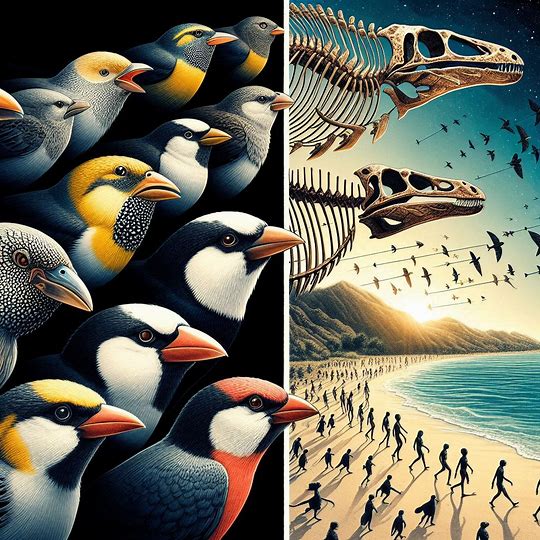
    When most people think about evolution, they picture small changes happening over time, like finches developing different beak shapes or bacteria becoming resistant to antibiotics. But there’s actually a much bigger story happening on a grander scale, and that’s what macroevolution is all about. While microevolution deals with those small, observable changes within species, macroevolution zooms out to look at the really major transformations: how new species emerge, how entire groups of organisms come to be, and how life on Earth has diversified into the incredible variety we see today.

    So what exactly counts as macroevolution? Basically, it’s evolutionary change that happens at or above the species level. We’re talking about the origin of new species (speciation), the emergence of major new body plans and features, and patterns we can see when we look at the fossil record over millions of years (Futuyma, 2017). Think about how different a whale is from its land-dwelling ancestors, or how birds evolved from dinosaurs. Those are macroevolutionary changes. These transformations don’t happen overnight; they accumulate over vast stretches of time through the same basic mechanisms that drive microevolution, just playing out on a much larger scale.

    One of the coolest things about macroevolution is how we can actually track it through multiple lines of evidence. The fossil record is probably the most obvious one. It literally shows us snapshots of life from different time periods, and we can see how organisms have changed over millions of years. We can observe transitional fossils, like Tiktaalik, which shows features of both fish and early tetrapods, giving us insight into how vertebrates made the move from water to land (Shubin et al., 2006). But fossils aren’t the only evidence. Comparative anatomy reveals how different species share similar structures because they inherited them from common ancestors. The bones in a human arm, a bat’s wing, and a whale’s flipper are arranged in basically the same way, which makes sense when you realize we all share a common ancestor.

    Then there’s molecular evidence, which has become huge in recent decades. By comparing DNA sequences between different species, scientists can reconstruct evolutionary relationships and even estimate when different lineages split apart. The more similar the DNA, the more recently two species shared a common ancestor (Bromham, 2016). This molecular data often confirms what we suspected from fossils and anatomy, but sometimes it reveals surprising connections we didn’t know about.

    What drives these large-scale changes? A lot of it comes down to the same processes that cause microevolution (natural selection, genetic drift, mutation, and gene flow) just operating over much longer time periods. But there are also some big-picture factors at play. Mass extinctions, for instance, have dramatically reshaped life on Earth multiple times, wiping out dominant groups and creating opportunities for survivors to diversify into newly available ecological niches. Geographic isolation also plays a major role in speciation. When populations get separated by mountains, oceans, or other barriers, they evolve independently and can eventually become different species.

    Some people try to draw a hard line between micro and macroevolution, but most biologists see them as the same processes just viewed at different scales. The small changes we can observe in real time, given enough time and the right circumstances, can accumulate into the major transformations we see in the fossil record. It’s like the difference between watching a river erode a rock versus the Grand Canyon forming. Same process, different timescale.

    Understanding macroevolution isn’t just about satisfying our curiosity about the past. It helps us understand biodiversity, predict how organisms might respond to environmental changes, and even informs fields like medicine and conservation. Evolution is the framework that makes sense of life’s diversity, and macroevolution is what shows us how we got here.


    References

    1. Futuyma, D. J. (2017). Evolutionary biology today and the call for an extended synthesis. Interface Focus, 7(5), 20160145. https://doi.org/10.1098/rsfs.2016.0145
    1. Futuyma, D. J., & Kirkpatrick, M. (2017). Evolution (4th ed.). Sinauer Associates.
  • The Race to Understand Mars: What Current Research Reveals

    The Race to Understand Mars: What Current Research Reveals

    Mars has never been more accessible to human exploration. Right now, multiple spacecraft are actively studying the Red Planet, fundamentally reshaping our understanding of whether life ever existed there and whether it could exist there again.

    Water: The Breakthrough Discovery

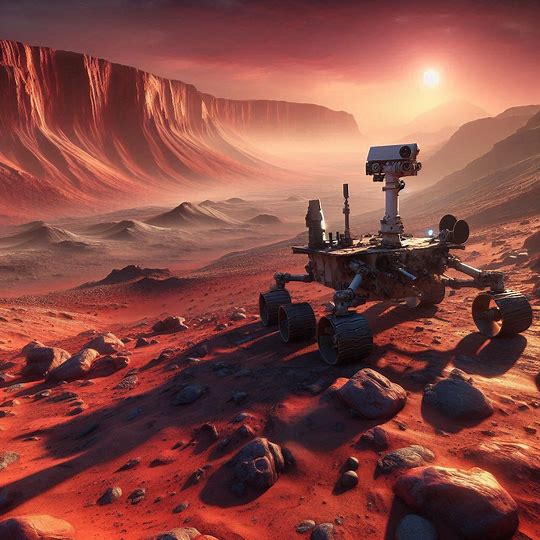
    The most significant recent finding came from Mars rovers and orbiters detecting substantial evidence of ancient water. NASA’s Perseverance rover, which landed in Jezero Crater in 2021, has been exploring what scientists believe was once a river delta. The rover has found sedimentary rocks and minerals that only form in the presence of water, suggesting Mars once had conditions potentially suitable for microbial life.

    Even more intriguing, the European Space Agency’s Mars Express orbiter has detected what appears to be liquid water beneath the planet’s southern ice cap. If confirmed, this subsurface lake could be one of the best places to search for existing Martian life.

    The Search for Biosignatures

    Perseverance isn’t just looking at rocks—it’s collecting them. The rover is gathering samples in sealed tubes as part of the Mars Sample Return mission, a collaboration between NASA and ESA. These samples, scheduled to return to Earth in the 2030s, could contain organic molecules or other biosignatures that might indicate past life.

    Meanwhile, the Curiosity rover continues analyzing Martian soil and has detected complex organic compounds and methane fluctuations that scientists are still working to explain. On Earth, methane is often produced by living organisms, though geological processes can create it too.

    Understanding Mars’ Atmosphere and Climate

    The MAVEN (Mars Atmosphere and Volatile Evolution) orbiter has revealed how Mars lost most of its atmosphere over billions of years. Solar wind gradually stripped away the protective magnetic field and atmosphere, transforming Mars from a potentially habitable world into the cold, barren desert we see today. Understanding this process helps scientists determine when Mars might have supported life and what that means for Earth’s own atmospheric future.

    China’s Tianwen-1 mission and the UAE’s Hope probe have added new perspectives, studying Martian dust storms and seasonal changes that affect the entire planet.

    Human Exploration on the Horizon

    Current research isn’t just academic, it’s preparing for human arrival. Scientists are testing whether Martian soil could grow food, studying radiation levels astronauts would face, and identifying water ice deposits that future missions could use. NASA’s Artemis program aims to establish a lunar base first, using it as a proving ground for eventual Mars missions in the late 2030s or 2040s.

    The Controversial Question

    But here’s where scientific consensus breaks down: Should we go at all? Some researchers argue we should focus on robotic exploration to avoid contaminating Mars with Earth microbes, potentially destroying evidence of Martian life before we find it. Others insist that human presence is essential for the kind of complex scientific work needed to truly understand Mars and that becoming a multi-planetary species is crucial for humanity’s long-term survival.

    As our robots continue sending back data and our rockets grow more powerful, Mars is transforming from a distant mystery into humanity’s next frontier. Whether that’s progress or hubris may be the most charged question of all.


    References

    1. NASA. (2024). “Mars Perseverance Rover.” NASA Mars Exploration. https://mars.nasa.gov/mars2020/
    1. Orosei, R., et al. (2018). “Radar evidence of subglacial liquid water on Mars.” Science, 361(6401), 490-493.
  • Strange Insect Encounter: The Human Instinct

    Strange Insect Encounter: The Human Instinct

    Labor Day Encounter

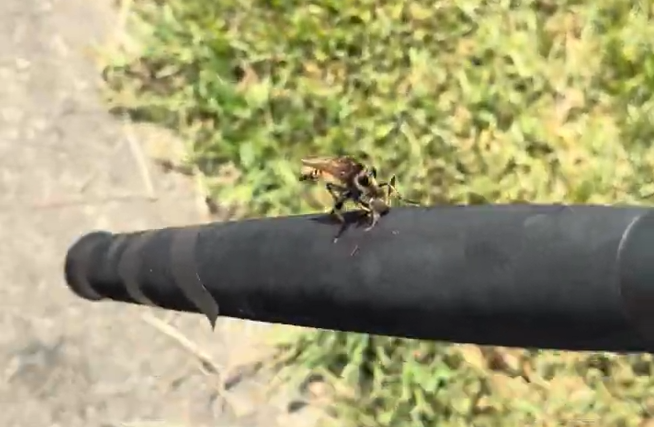
    On Labor Day this year, I visited West Point Dam, Georgia for a small family picnic. It’s supposedly a good spot for fishing, but I didn’t catch any. However, an uninvited guest took a liking to my fishing rod. It was a fellow Yellow Jacket, or so I thought!


    Figure 1. Encounter at West Point Dam, Georgia. Video by Diemmy Dang, 2025.

    From my survival instinct, half of me wanted to shoo the strange-looking guest away; The other half of me took over and let the guest take the free ride. Perhaps sensing my intense glare, the guest left after approximately fifteen minutes. I guessed it is a bee based on the obvious appearance traits: the black and yellow stripes. The surrounding withered flower fields also contribute to this thought. However, what is it to be exact? Surely, there are so many species of them. 

    Figure 2. Zoomed in Image of Encounter at West Point Dam, Georgia. Image by Diemmy Dang, 2025.

    A Small Investigation

    My best friend – Google, helped me get started on the investigation. I used the inefficient and brute-force way to search for “bee” and keep looking at the ones that strike the familiarity. The closest one I have gotten to is Hoverfly (flower fly). Hoverfly is a beneficial insect for ecosystems, pollinating plants and eating pests. As their round shapes suggested, Hoverfly are friendly and harmless to humans, and they are unable to sting. However, the guest never struck me as a friendly type.

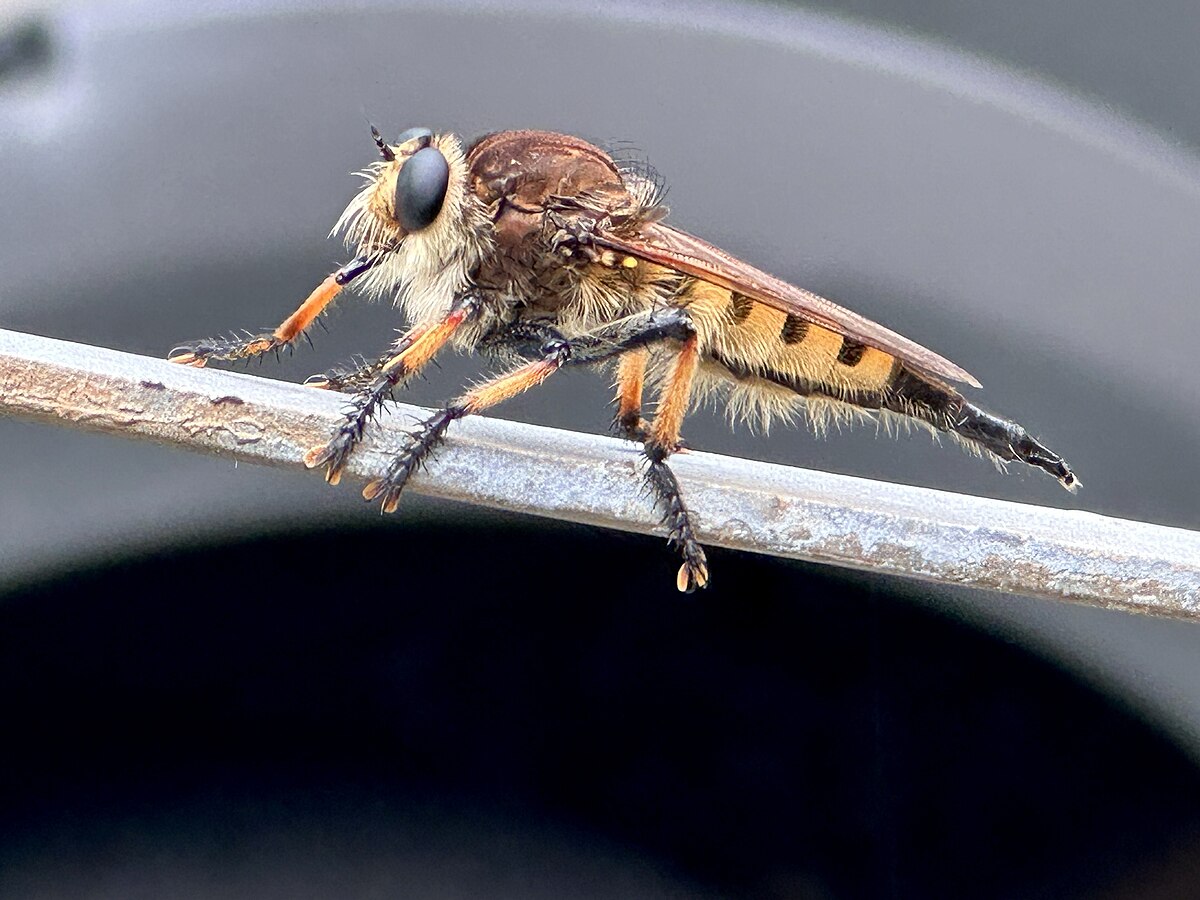
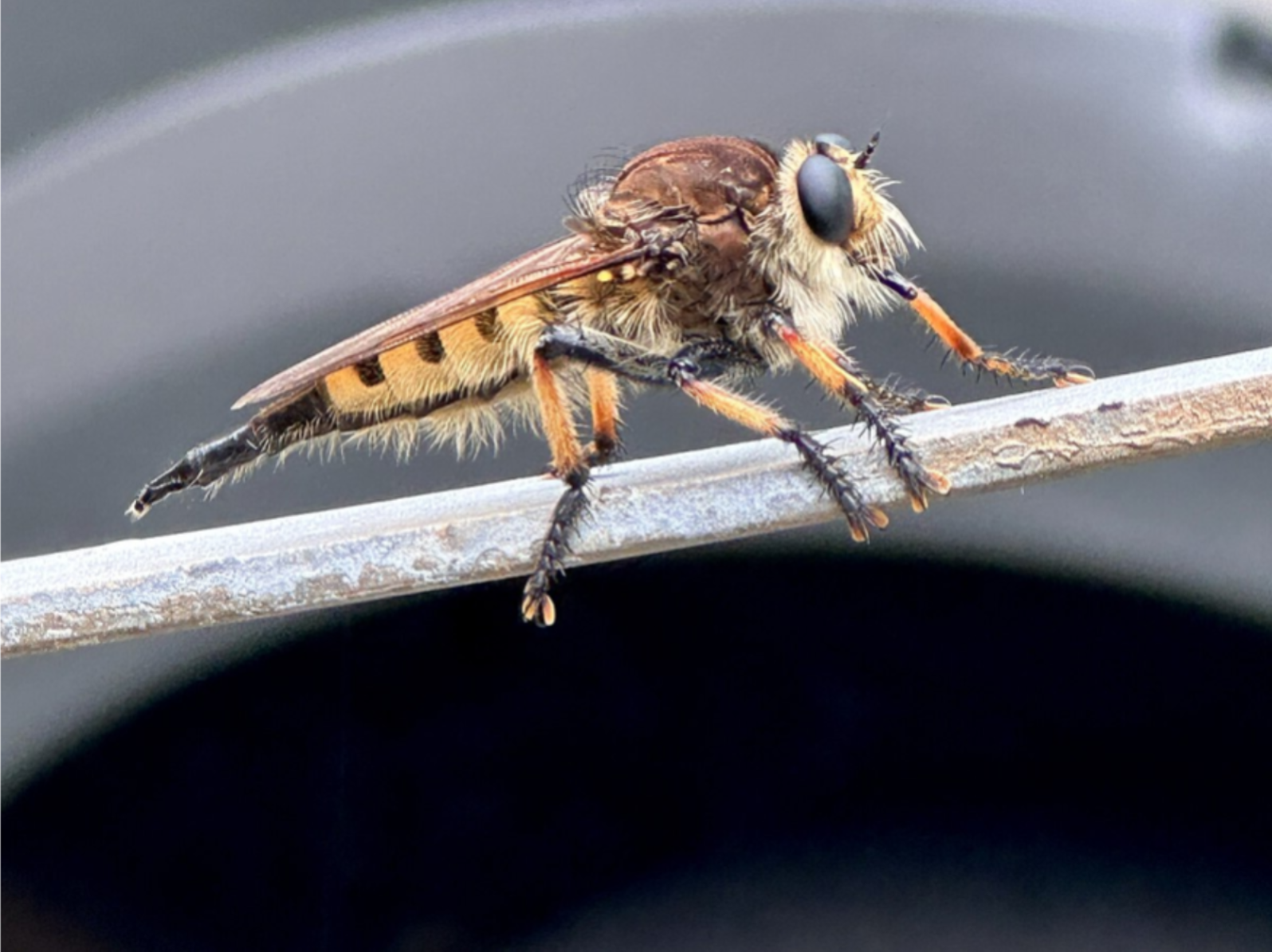
    As the investigation continued, Kayla – a fellow member of STEMComm VIP team, introduced me to Google Lens. Surprisingly, it gave me a solid answer right away – Robber fly. To be more exact, the guest belongs to the species Promachus rufipes (red-footed cannibalfly).

    Figure 3. Flipped image horizontally from File:Promachus rufipes 314724260.jpg by Anne, 2023, Wikimedia Commons. CC0 1.0 Universal Public Domain Dedication.

    Despite the rhyme names with Hoverfly, Robber fly is an insect hunter. They are beneficial to the ecosystem by controlling pest populations, but they are also aggressive predators. Robber flies can cause painful bites if they feel threatened by humans. 

    As the fun investigation came to an end, I was left with curiosity. Why did I have conflicted reactions and emotions that day?

    The Negative Human Emotion

    A potential cause is that human instincts regarding insects have been passed down from ancestors. Fear of contamination, fear of being bitten, and fear of infestation can manifest into disgust as an emotional adaptation to help humans increase likelihood of survival (Jose, 2019). Small stings and bites can trigger an unknown allergy to a minority of people, threatening a good health body. 

    Growing up in the countryside, I was once chased by a group of wasps (?) when I was a child. Though the painful experience doesn’t last long in my memory, I have learned to avoid messing with bee kinds. Lockwood (2013) stated that “people consistently overestimate the likelihood that fear-relevant stimuli (e.g, an image of a spider) will be associated with a painful experience (e.g, an electric shock) compared to neutral stimuli” (p. 23). Humans survive by learning to avoid dangers. Survival of the fittest theory is still holding strongly.

    Surprisingly, appearances can also contribute to human’s negative emotions toward insects. In cartoons, dangerous wild animals are commonly represented as cute creatures. Unlike them, small and harmless insects are usually depicted as ugly, visually unappealing, and sometimes villainous (Jose, 2019). According to psychologists, fear can be triggered by visual cues: “the ugliness of antennae … the oddly proportioned eyes and bodies, … discomfort of hairiness and sliminess … the more divergent a creature is from the human form, the greater its capacity to evoke fear” (Lockwood, 2013, p. 23). Jose (2019) suggests this has something to do with rejection response, which is a mechanism to keep human safe. The presence of insects has been associated with the threat of sickness, and disgust seems to be an evolutionary response to disease’s prevention. This idea is tied back to the survival of fitness theory.

    The Positive Human Reaction

    So, was my decision of letting the guest stay purely due to fear and disgust?

    Despite the fear of an unknown insect, my original impression of the guest is a bee – an insect providing well known benefits. An experiment with different age groups, with the youngest in elementary school, and expert beekeepers found that all subgroups perceive bees as useful and worthy of conservation (Schönfelder & Bogner, 2017). Bee products and the importance of pollination for the ecosystem are remarked upon. Perhaps I was just letting a friendly insect take a break on Labor Day.

    Final thoughts

    Human instincts can be contributed by many factors. Although it’s not fair to fear insects differently from other wild animals, it’s important to keep oneself safe and healthy. Insect allergy can be severe, so if anyone is planning a trip to somewhere with a potential of bee family mass attack, wearing white or light-colored clothing might reduce the risk (Greene & Breisch, 2005).

    As I conclude this article, it happens to be Thanksgiving as well. Happy holidays and stay safe out there!


    References

    Anne. (2023). File:Promachus rufipes 314724260.jpg. [Photograph] Wikimedia Commons. Wikimedia Foundation. Retrieved November 27, 2025, from https://commons.wikimedia.org/wiki/File:Promachus_rufipes_314724260.jpg.

    Greene, A., & Breisch, N. L. (2005). Avoidance of bee and wasp stings: An entomological perspective. Current Opinion in Allergy & Clinical Immunology, 5(4), 337–341. https://doi.org/10.1097/01.all.0000173781.58154.53

    Jose, V. (2019). Why are humans so afraid of insects. International Journal of Trend in Scientific Research and Development, 3(2), 1027–1029. https://doi.org/10.31142/ijtsrd21564

    Lockwood, J. A. (2013). Chapter 2: Evolutionary Psychology: Survival of the Scaredest. In The infested mind: Why humans fear, loathe, and Love insects (pp. 20–34). essay, Oxford University Press.

    Schönfelder, M. L., & Bogner, F. X. (2017). Individual perception of bees: Between perceived danger and willingness to protect. PLOS ONE, 12(6). https://doi.org/10.1371/journal.pone.0180168

  • The Future of Touch: How Neural Networks are Revolutionizing Prosthetics

    The Future of Touch: How Neural Networks are Revolutionizing Prosthetics

    You might be familiar with The Amazing Spiderman where Dr. Connors, the villain, has an amputated arm. He tests reptilian DNA to see how to regenerate tissue. Instead of simply regrowing his arm, he becomes the Lizard and terrorizes New York City. This story was focused on the dangers and corruption of greed, but also reflects a human desire and reveals a sympathetic side: to restore something that was lost. 

    Nowadays, scientists are following the same dream that Dr. Connors was pursuing, minus the whole turning into a villain issue. People are developing something even more incredible: bionic limbs that can think, feel, and move just like a biological limb can. Welcome to the world of neuroprosthetics, where the line between humans and machines is slowly merging. 

    What are Prosthetics and Why Do they Matter?

    Prosthetics are appliances designed to replace missing body structures for those who were born without or have gone through a traumatic experience. In history, prosthetics used to be purely mechanical and used available resources like wooden legs, hook hands, and other contraptions that are able to grab and hold objects. While these prosthetics had some functionality to it, they had many issues from skin irritation to pressure discomfort. Imagine trying to pick up an egg and you can’t feel how hard you are squeezing it. That is the feeling for millions of people suffering with this disability. 

    Now, the field is evolving rapidly. There has been new prosthetic research completely restoring the human experience of touch, movement, and sensation . Researchers and scientists are asking more questions to further the impact of this field like: Can we create limbs that directly interact with the brain? Can prosthetics perceive temperature, texture, and pressure?

    The answer is, increasingly, yes.

    Training Machines to Speak like the Brain

    The most exciting aspect of this new generation of prosthetics are neural networks. This includes our brains and AI systems that are still learning how to process similar thoughts and actions. At the core of the revolution are BCIs or brain-computer interfaces establishing a connection between neural signals and prosthetic devices.  

    How it works begins with our hands. Once we conduct a hand movement, our brain sends electrical impulses to our muscles and these nerves will always release to the according limb even if it is amputated. Today, scientists are developing brain-computer interface systems that can detect and interpret nerve impulses immediately (Willsey et al., 2025). With these methods, scientists were able to find that prosthetics were responsive and even reached 97-98% accuracy in individual finger and wrist motions using artificial intelligence agents (Diu et al., 2022). These results reveal a major step towards restoring the limb as an extension of the body through AI systems and actively work as a biological device again for the patient. 

    At Stanford’s Neural Prosthetics Translational Lab, scientists try to take their research to the next level where they attempt to translate neural activity to speech on the screen in front of them (NPTL, 2025). This kind of technology uses machine learning and advanced computational methods to learn the specific patient’s neural patterns and then creates a personal movement dictionary connecting the brain activity to the patient’s speech and movement.  

    Making Prosthetics Feel

    Going back to our Spiderman reference, Dr. Curt Connors was able to feel with his one hand. He could sense temperature, feel textures, and experience pressure, all of which he missed out on with his amputated limb. Early prosthetics lacked this sensory dimension, but now, the movement is changing that. 

    Prosthetics today directly connect with brains to provide live sensory data. Studies show that they are able to recreate the nuanced feeling of hands through electrical stimulation (Greenspon et al., 2024). Researchers conduct these experiments by placing electrodes in certain parts of the brain in order to trigger the response for sensation and tactile feedback in the respective limbs. This is revolutionary for patients as it proves to reduce phantom limb pain for patients, where they still feel pain sensation despite the loss of a limb. The future of neuroprosthetics aims to make artificial touch as immersive and intuitive as possible and now scientists are on the path to finding a way. 

    Osseointegration

    Perhaps the most impressive breakthrough in this field is figuring out how to implement this into the body for it to coexist with the patient comfortably. Conventional prosthetics often cause discomfort, limited control and even skin irritation. Osseointegration is the integration of titanium implants into the skeletal tissue, a method to attach artificial limbs without discomfort and allows for machine learning control through embedded electrodes and sensors (Ortiz-Catalán et al., 2023). This innovation is crucial for pushing towards products that are more viable for daily use among patients. 

    In a critical clinical trial, researchers experimented on a patient with a traumatic injury to her right hand. Surgeons implemented a prosthesis which then attached the bionic hand to her forearm bones by placing the titanium implants directly on there. The result proved successful allowing the patient to control all five phantom fingers at a completion rate of 95% in the post motion test given (Ortiz-Catalán et al., 2023). Additionally, her sensations prompted consistent neural responses revealing exceptional sensory feedback. This surgery proved to be very helpful as it substantially reduced patient pain as phantom limb pain decreased as well as discomfort from the prosthetics. This allowed the patient to use the prosthesis for over three years improving her overall quality of life and independence. 

    Conclusions

    Scientists from so many varied fields are merging to accomplish something incredible in the field of neuroprosthetics, going above and beyond biological capabilities. The goal is to design something that doesn’t wear out, use sensors and processors, and beautifully blend human and computer communication. 

    This has shown how possibilities are endless and can immensely improve the lives of those struggling without body parts. Dr. Connors was wrong to turn the whole city into lizards, but his pain and suffering can be empathized with across the world. Advanced technology today is able to help amputees and paraplegics communicate with others, move again, and reestablish their neural networks. 

    In the future, prosthetics may even become so progressive that its biological counterparts will be indistinguishable. Machines will be controlled by our thoughts and actions in the split of a second and move so effortlessly that people will forget they are even wearing a prosthetic. Restoring something so significant in our daily lives is truly life-changing for these individuals and merging it with technology can help us achieve that goal faster and make movement more accessible everywhere. 


    References

    Diu, K., Luu, Nguyen, A., Jiang, M., Drealan, M., Xu, J., Wu, T., Tam, W.-K., Zhao, W., Lim, B., Overstreet, C., Zhao, Q., Cheng, J., Keefer, E., & Yang, Z. (3 C.E.). Artificial Intelligence Enables Real-Time and Intuitive Control of Prostheses via Nerve Interface.

    Greenspon, C. M., Valle, G., Shelchkova, N. D., Hobbs, T. G., Ceci Verbaarschot, Callier, T., Berger-Wolf, E. I., Okorokova, E. V., Hutchison, B. C., Efe Dogruoz, Sobinov, A. R., Jordan, P. M., Weiss, J. M., Fitzgerald, E. E., Prasad, D., Driesche, A. V., He, Q., Liu, F., Kirsch, R. F., & Miller, J. P. (2024). Evoking stable and precise tactile sensations via multi-electrode intracortical microstimulation of the somatosensory cortex. Nature Biomedical Engineering. https://doi.org/10.1038/s41551-024-01299-z

    NPTL. (2025). NPTL; Stanford University. https://nptl.stanford.edu/

    Ortiz-Catalán, M., Zbinden, J., Millenaar, J., D’Accolti, D., Controzzi, M., Clemente, F., Cappello, L., Earley, E. J., Enzo Mastinu, Justyna Kolankowska, Munoz-Novoa, M., Stewe Jönsson, Njel, C., Paolo Sassu, & Rickard Brånemark. (2023). A highly integrated bionic hand with neural control and feedback for use in daily life. Science Robotics, 8(83). https://doi.org/10.1126/scirobotics.adf7360

    Willsey, M. S., Shah, N. P., Avansino, D. T., Hahn, N. V., Jamiolkowski, R. M., Kamdar, F. B., Hochberg, L. R., Willett, F. R., & Henderson, J. M. (2025). A high-performance brain–computer interface for finger decoding and quadcopter game control in an individual with paralysis. Nature Medicine. https://doi.org/10.1038/s41591-024-03341-8