Category: DIY

science activities you can do at home, science crafts, scientist favorite recipes, science travel, fashion and beauty science, science art, mods

  • Cholera cookies, delicious or gross?

    Cholera cookies, delicious or gross?

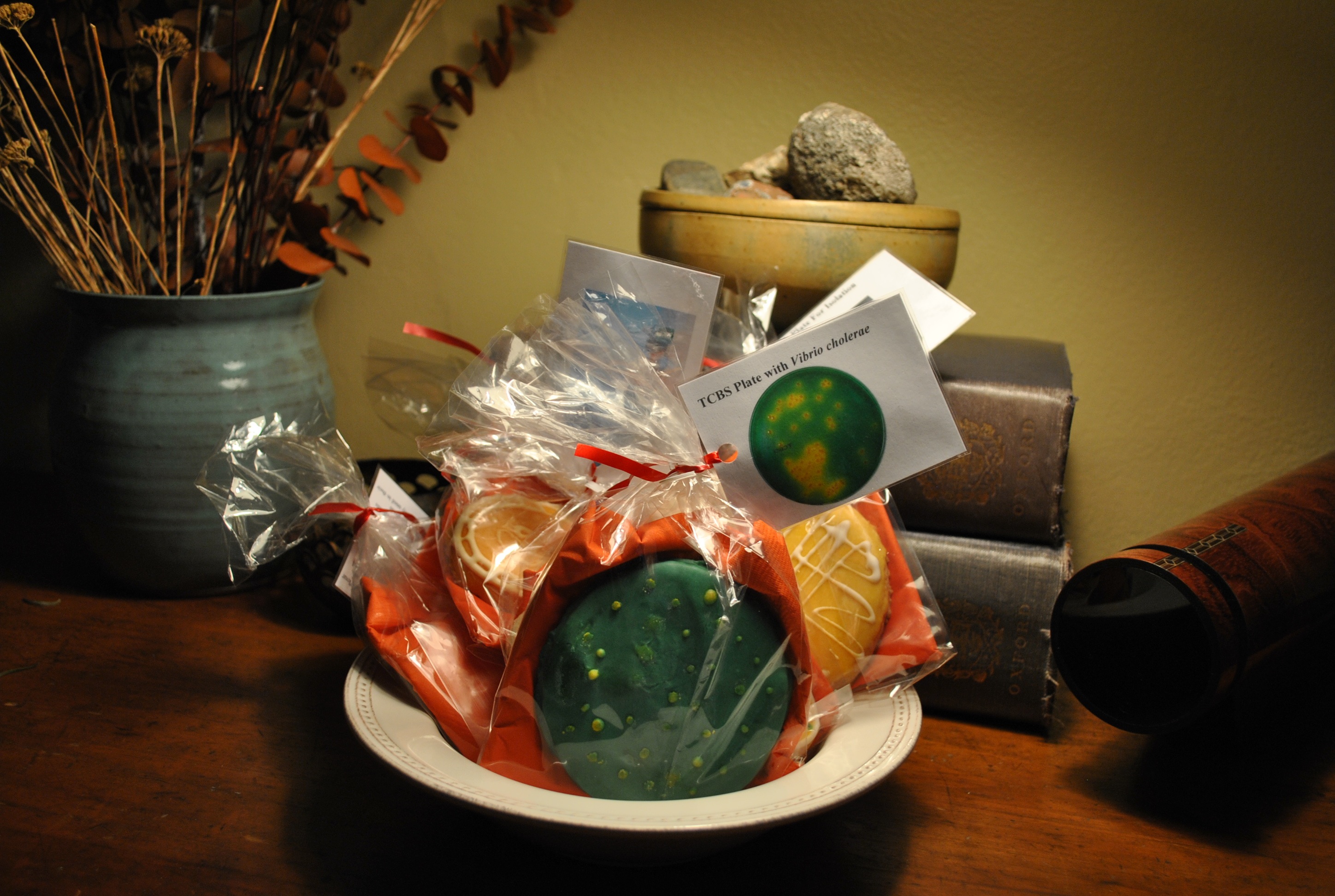
    TCBS is a selective medium for Vibrio cholerae, but this cookie didn't make me sick!


    Every December the Georgia Tech School of Biology has a holiday party with one of those never ending gift swaps.  Most of the presents are silly, and you never know if you are going to wind up taking home a ramen noodle cookbook or a puka shell necklace.  This year, every time I had a present I liked it was stolen and ulitmately I was left with the decision of whether to open the last unwrapped gift or make the game go on for another round.  I took the last gift, ending the game, and to my delight found it was filled with hilarious homemade science cookies!  Maria Nellessen, an Emory University biology major doing research in Dr. Brian Hammer’s lab at Georgia Tech made the cookies.  I recently asked her about herself and the cookies.  Read on to learn more about this budding microbiologist with a sweet tooth!
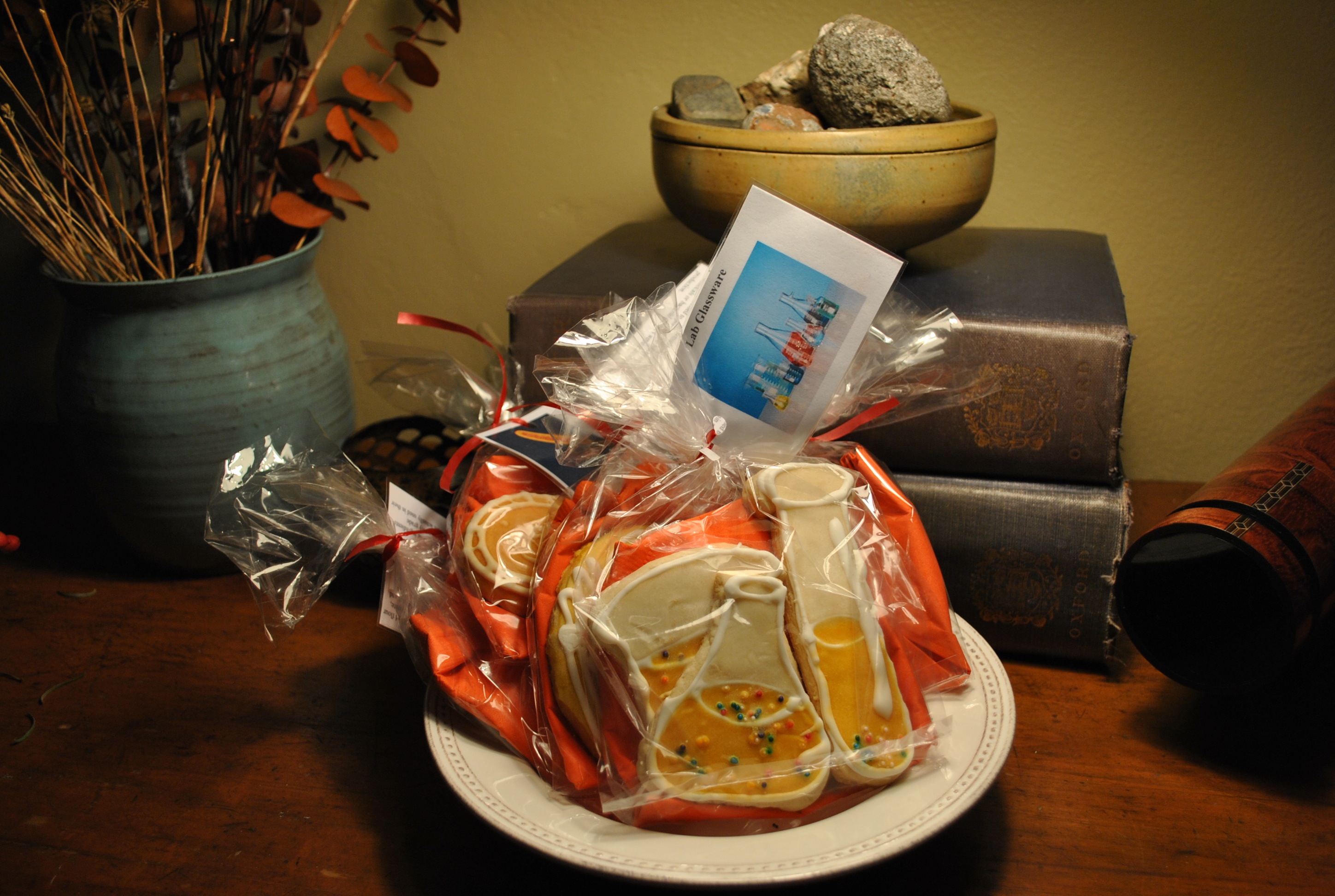
    A beaker, an erlenmeyer flask and a test tube. All edible!


    1) I understand that you go to Emory and are graduating this semester. What are you studying and what are you planning on doing after graduation?

    Yes, I am a senior biology major at Emory.  I have spent this year in Brian’s lab at Tech doing research in order to write and defend a thesis, ultimately graduating from Emory with honors.  I was initially planning on pursing a Ph.D. in Molecular Genetics immediately after graduation, however, I recently decided to act on my desire to obtain a medical education.  Part of the reason I found and fell in love with science is because of all its implications in medicine.  I truly want to make a contribution to the medical field using a strong scientific background.  Therefore, I am planning to enter a MD or a MD/PhD program in the fall of 2013.  In the meantime, I hope to find a job to keep me occupied (maybe I should add cookie making to my CV).
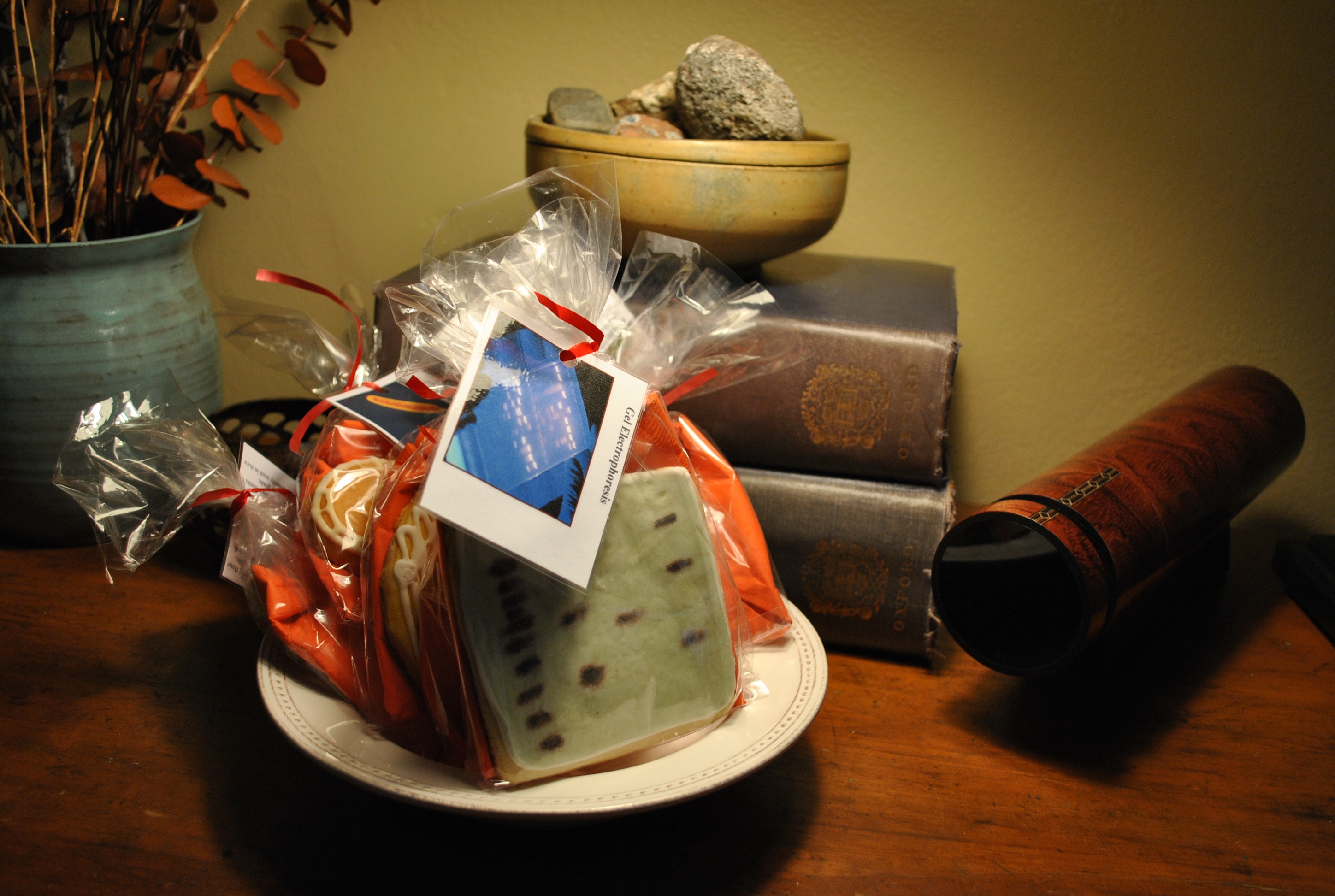
    This cookie looks like an agarose DNA gel. Hope there's no ethidium bromide in there!


    2) What inspired you to make decorated cookies depicting one of the most dangerous bacteria in the world, the causative agent of cholera? What about the other cookies? Could you describe the mice?

    To promote eating cholerae. Okay, not really.  Actually, I was in a grant writing course at Emory with a mix of both science and humanities students, and we were asked to give a creative presentation based on the project we were working on.  Since not everyone in the class was a biologist, or scientist for that matter, I was reminded of my first time learning about microbiology in my intro course and I distinctly remembered the proud feeling that came along with doing a streak plate for isolation.  To this day, I get that same proud feeling when I come into the lab the next day to see my plates with isolated colonies (success…I’m a scientist!).  I really wanted to share that feeling with my classmates, but I was limited by the fact that I couldn’t allow them to work with bacteria.  So I thought I would teach them the streak plate method and let them enjoy “results” through a cookie.

    I started getting practice making the streak plate cookies by making them for science related events (such as lab meetings and for my microbiology students).  I really didn’t want to go out and buy anything for the Christmas party (because I’m a poor college student), so I decided to make some science cookies, even branching out to new designs in efforts to brighten a fellow science nerd’s day.  Choosing to do a TCBS plate with Vibrio cholerae was easy because I work with V. cholerae in the lab and we use this green media (called TCBS) that causes V. cholerae to turn a bright yellow on the plate.  In a way, V. cholerae is actually quite pretty on the plate and I wanted to represent that in a cookie.  The other designs were just me thinking of other scientific designs I could do, as well as searching the internet for other ideas.  Sure enough, other people also make science cookies  I got a lot of inspiration from Not So Humble Pie (she makes streak plate cookies too!).  While I don’t research on mice, I thought they were cute, so I gave them a try.
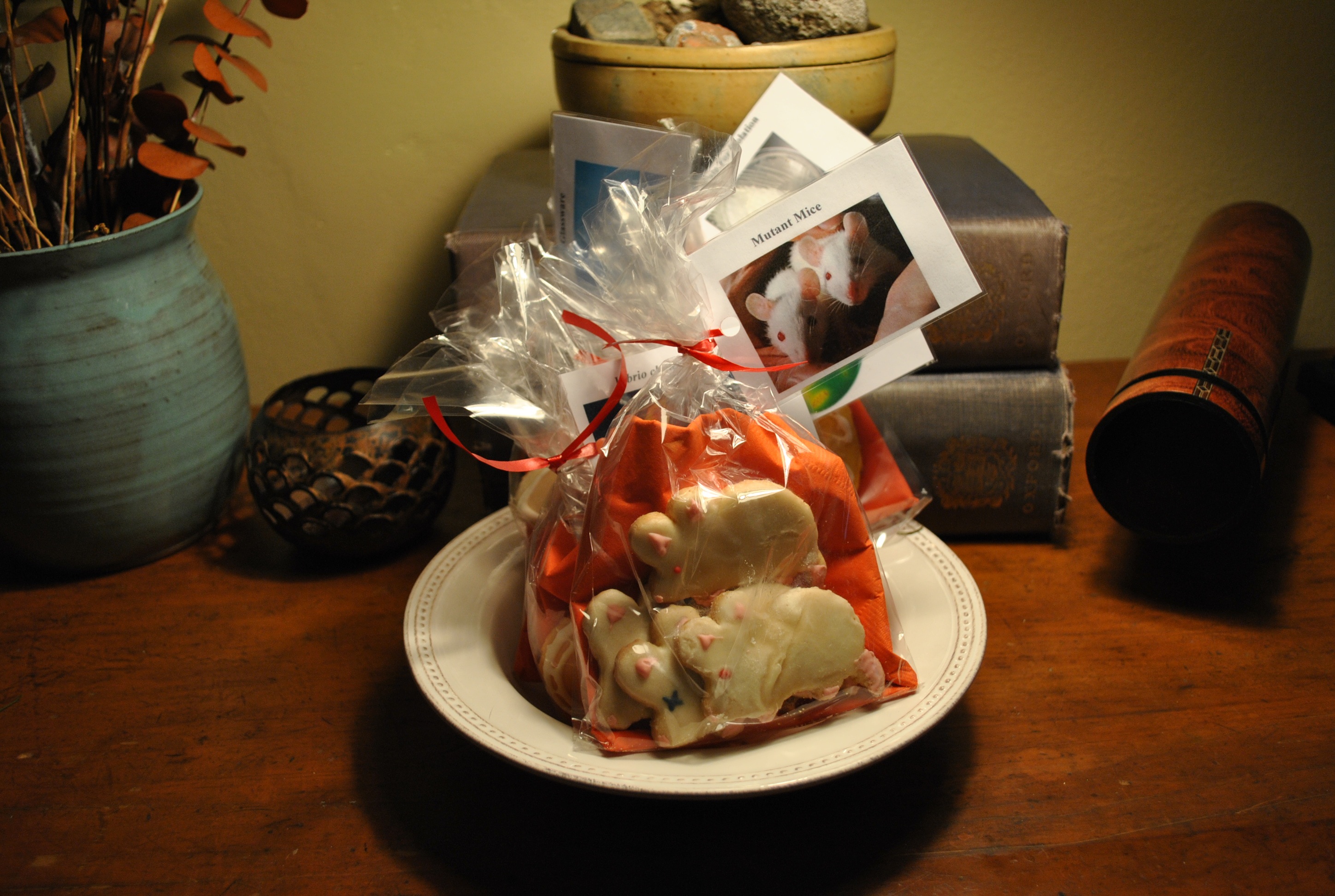
    Uh oh, looks like one of those mutations is lethal!


    3) How did you make the cookies? Do you have any tips for the novice baker?

    For the record, I do not in any way consider myself a baker.  I don’t even have the tools that most bakers have, which would actually make decorating these cookies a whole lot easier.  I’m not going to pretend I have a secret recipe (let’s be honest here…I’m in college!).  For the cookie, I just follow the roll-out cookie recipe on a sugar cookie mix (I prefer Krusteaz) and use a cup to cut out the circle shape. Since I only made a few of the other designs, I just cut them out with a knife.  Then I throw together a powder-sugar based frosting to decorate my cookies.  I know….no big secret, right?  Anyone can make and decorate cookies.  Each time I make them, I may modify something to perfect my “recipe,” but getting the signature cookie takes time and practice.  The good thing is that your mess-ups are usually still edible and delicious!
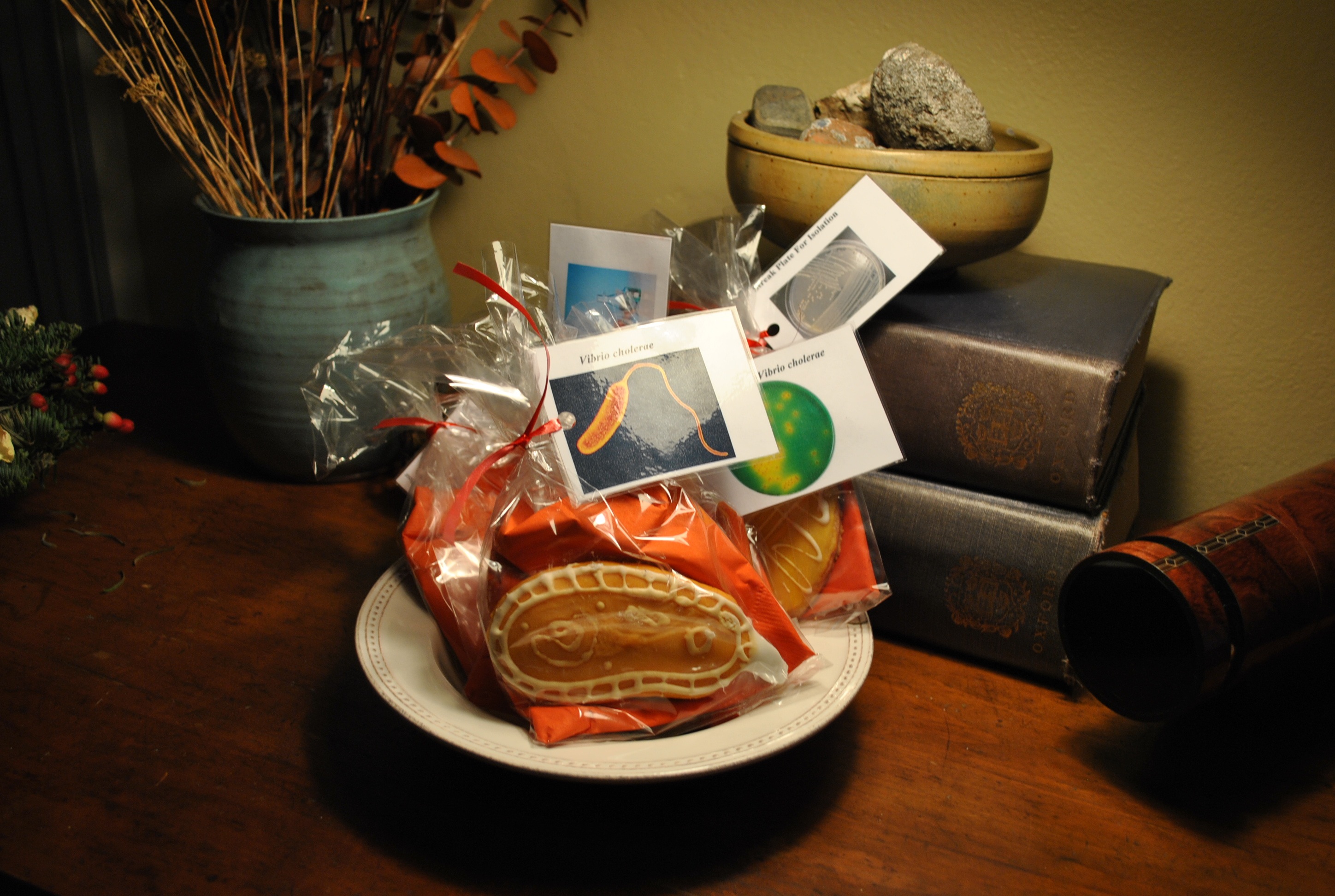
    It must be hard to make a cookie flagellum.


    4) Have you ever made any other strangely decorated cookies or do you have plans to?
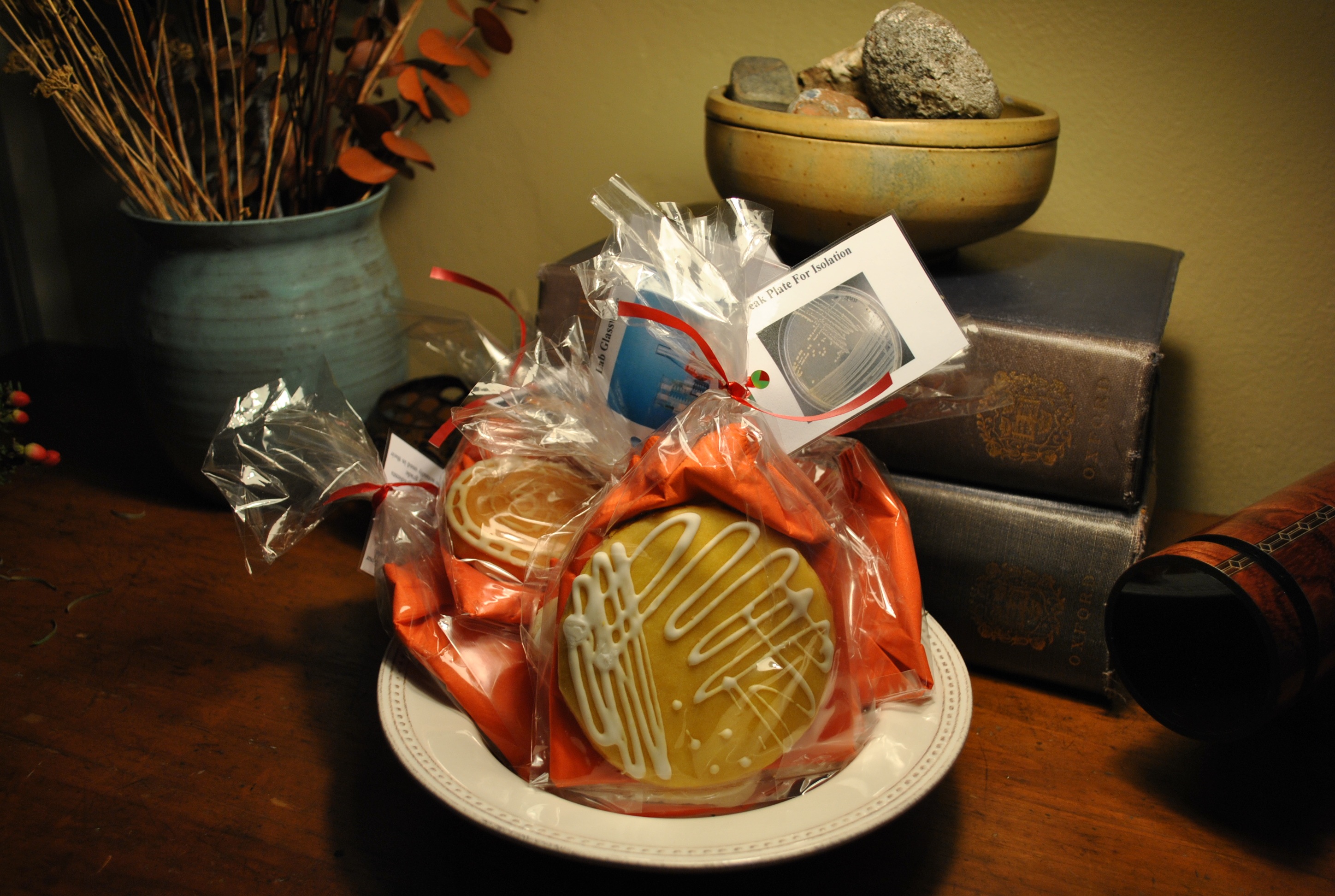
    My busy lifestyle rarely leaves time for me to bake for fun, but sometimes I’ll come across something (usually science-related) and think to myself “that’d be a cute cookie.”  I honestly have thought about perfecting recipes and publishing them along with information/instructions as I often do when I make my streak plate cookies for students.  When I made a batch of cookies for the Christmas party, I attempted to make a V. cholerae bacterium but it ultimately looked like some kind of squash.
    I’m sure my future medical education will provide me with plenty of opportunities to make all sorts of weird (and probably disturbing to most people) cookies.  I’d love to try to create a complete skeleton, where each bone is a cookie.
    Perfect technique!


    – So, it turns out making weird cookies is not as hard as I thought.  Maybe I’ll make some T cell cookies this weekend!
  • Zinc has bigger game than you do

    Zinc has bigger game than you do


    Still struggling to pick out that one in a million Valentine’s Day gift? Worry no longer, because I have the perfect gift idea sure to make anyone melt. No – it’s not superhot plasma from your favorite star gone supernova (the Biebs?) – We’re talking zinc baby. Baby. Baby. Baby. Oh baby.

    Zinc coatings on steel to be exact, through the process of “hot dip” galvanization.  The hot dip part is literal – pieces of steel are dunked in a bath of molten zinc metal and when they are removed a thin layer of zinc is atomically attached to the surface of the steel. The “galvanized” part belies the true function of the coating, considering this word is derived from a certain Italian who took liberties with dead frogs.

    “Why bother?” Your significant other may ask.  “Here I had this nice piece of steel and now you’ve gone and hot dipped it. I think we’re at two different places in our relationship.” We’ve all been there.

    The role of the zinc is to protect the iron in iron alloys (most importantly steel) from rusting. Like a proverbial knight in shining (preferably hot dipped) armor, zinc prevents the steel from rusting by selflessly doing all the rusting itself. As I describe it, this is starting to sound a lot less romantic and more like zinc has wandered into the friend-zone. Poor zinc.

    If you read my last article, you know that natural corrosion resistance is rare among the elements, but ironically zinc protects steel by being less good at resisting the undesirable reactions with oxygen and water that cause the formation of rust on steel. A good analogy for this process is if both zinc and iron open lemonade stands on the same block and oxygen is the customer. Every time iron is trying to seal the deal zinc unleashes a humorous ad campaign and slashes their prices, so naturally oxygen buys lemonade from zinc instead. Now replace lemonade with electrons and you’ve got a half-decent understanding of how zinc does its job – as far as oxygen is concerned it came to this two bit lemonade town to buy lemonade from somebody (form an atomic bond), and zinc sure is looking pretty good right now. The only discrepancy with this analogy is that in the business world iron would have to resort to foul play and steal all of zinc’s lemons or deface their billboards or something. Probably shouldn’t write that on your next chemistry exam though. But don’t feel bad for zinc – the corrosion products of zinc with the environment (zinc oxide and zinc carbonate), actually prevent continued corrosion of the underlying zinc. This is called “passivation” which is the way that many other metals, like aluminum, avoid needing a hot dip.

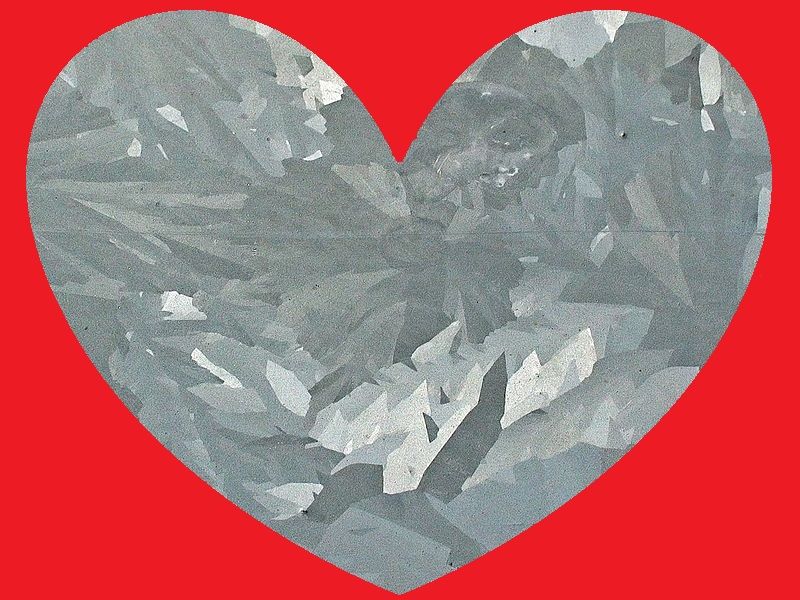
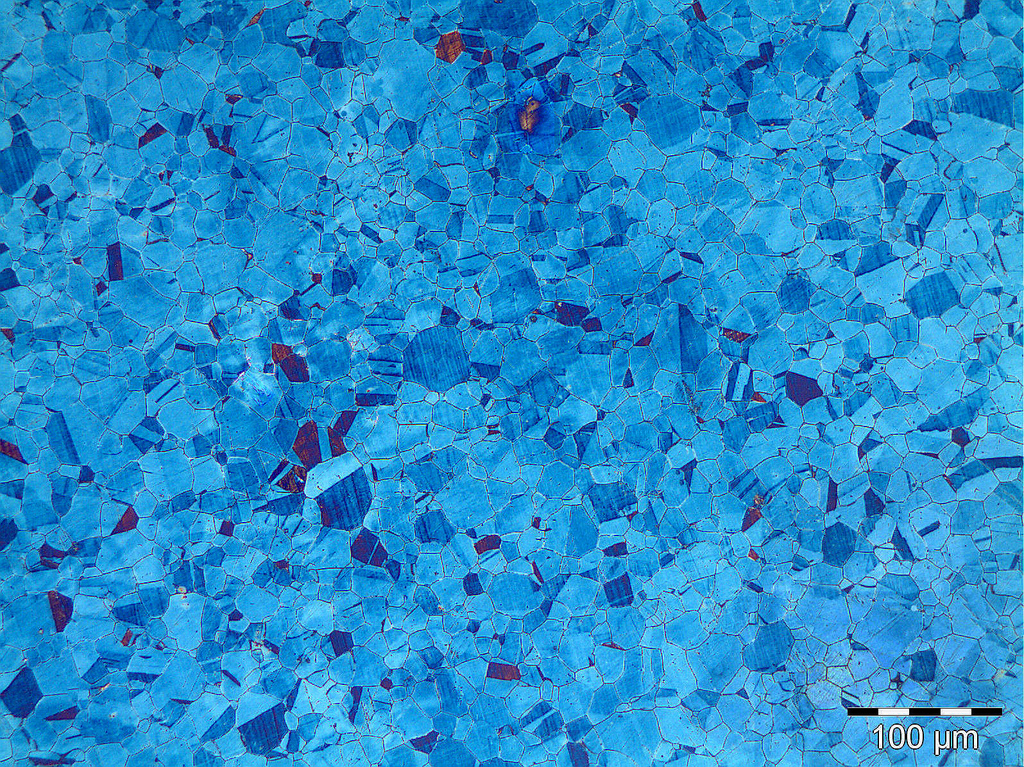
    So we’ve covered the “from the heart” part of a good V-day gift, but a box of galvanized nails might not send the right message to the apple of your eye. The good news is hot-dip galvanized steel looks really cool. The next time you’re passing a guard rail, street light pole or the like, you might notice a kind of patchwork series of flecks on the surface of the steel. No, that’s not art deco, those are the macro-sized crystalline grains of zinc busy oxidizing away. You can see some of these flecks inside the heart at the beginning of this article. In fact, all metals crystallize in this way, but because of how the zinc coating is applied the crystals of zinc that form on the surface of the steel are able to grow very large. If you were to take a high powered microscope and have a look at the surface of un-galvanized steel you would see a very similar grain structure but about 1000 times smaller. A good example is shown below from the Flikr photostream by the department of engineering at the University of Cambridge –  I admit I am a little jealous at all the cool science photos they have. Do yourself a favor and check them out.  The grains in this image are about 30-50 micrometers, which is about half the width of a human hair.

    Normally the grain size in so called “engineering materials” like steel is intentionally kept very small because it improves strength. Zinc, whose only role is as a sacrificial coating, can flaunt its’ big ole’ grains. The only other example I can think of where crystal grains are visible like this is in polycrystalline silicon solar cells. The fact that all three of these materials have the same general appearance is not by chance, but more on that another time.


    If love is sacrifice, then zinc has got it down. I will close with a poem that you can use with your gift:

    Roses are red,

    Rust is red too,

    A coating of zinc,

    says I – LOVE – YOU


    And don’t I just.


    – Gordon


    Original image sources:

    hot dip galvanized

    grains of steel


  • Pick a Door, Any Door

    Pick a Door, Any Door

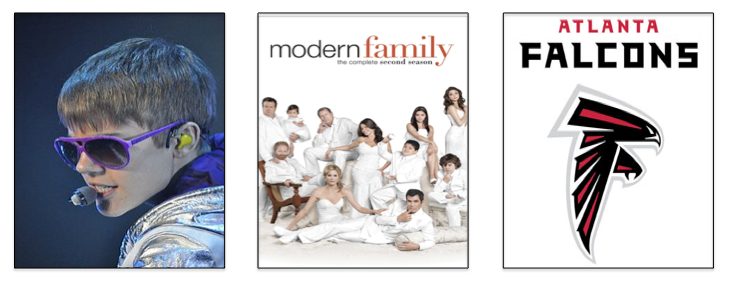
    You’re trapped in a bland room with absolutely nothing but three ordinary, poster-plastered doors. The first door is covered with pictures of the teen pop star sensation, Justin Bieber singing in front of an audience of entirely teenage girls (roughly the composition of his entire fan base). The second door displays a montage of the cast of Modern Family, the TV show, which seems to have grasped the public’s short attention span for the time being. And lastly the third door includes a very sharp arrangement of Atlanta Falcon paraphernalia. You are told that behind one of these doors is a free ticket to any concert of your choosing, but behind the other two doors are free (did I mention enforced?) enrollment courses to…drum roll please…SAT classes! Your parents, who happen to spontaneously appear in your room, instruct you to choose any of the three doors and claim the “prize” behind it. Which door do you pick? Chances are if you value talented musical artistry, you’re at least not going to choose the Bieber door. Alright, alright, enough with the Bieber jokes. So you pick a door, the Bieber door. Now the catch is, your parents don’t open the door you chose. Instead, they open one of the other two doors (let’s just say the Modern Family door) and lo and behold, you get glimpse of the dreaded SAT class. Now, your parents offer you the once in a lifetime opportunity to either change your choice to the Falcons door or stick with Bieber. What do you do?

    This problem is essentially the teenage equivalent of the Monty Hall Problem,which you may recognize from the movie 21 directed by Robert Luketic and starring Kevin Spacey, Jim Sturgess, and Kate Bosworth. In this movie, the professor Micky Rosa, played by Kevin Spacey, poses a perhaps less embellished version of this dilemma to a student Ben, played by Jim Sturgess. Ben, being thoroughly well-versed in the principles of probability and statistics, decides to change his door. Why? The truth is that this entire problem is designed to play into the decision maker’s emotional bias. My version of the problem may attempt to do this more so than other versions given the decals on the faces of the door, but what’s life without a little imagination? While the scope of the movie 21 incorporates more than just this 5-minute scene, I wanted to take the time to investigate the mathematics behind this choice.

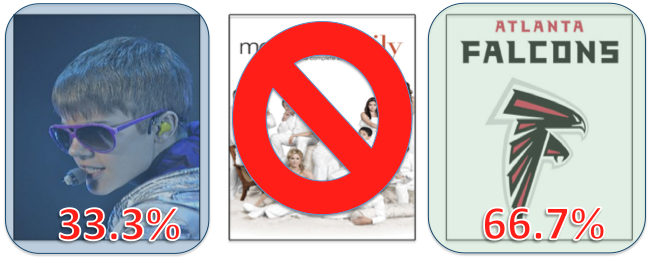
    When you first pick a door, there is approximately 33.3% chance (1/3) that your door contains the coveted concert tickets and about 66.7% that the doors you didn’t choose contain the tickets.
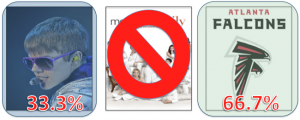
    When your parents open one of the other doors to reveal the SAT class, how has the situation changed? Probability dictates that since your door has a 33.3% chance of containing the tickets, the remaining door now has a 66.7% chance of containing the tickets.
    Thus, in reference to our earlier example, the conditional probability that the Falcons door contains the prize given that you originally chose the Bieber door and that the Modern Family door contains the SAT class is approximately 66.7%.

    Still aren’t convinced? Try thinking about the problem in the context of 100 doors. Your original door has 1% chance of containing the prize while the other 99 have an added total of a 99% chance that one of them contains the prize. As 98 of those 99 doors are exposed as “phonies”, the last door standing has a 99% chance of containing the prize as it has managed to outlive a 98-door elimination process. Now if you still don’t believe me, I encourage you to try it out! Take three cups and put a ping-pong ball (or any quiet object) under one of the cups. Then have a friend guess which cup contains the “prize”. Open one of the other cups (one not containing the prize) and ask if he wants to switch. Consistently run this experiment using his original choice regarding switching. If he chose to switch, he should be winning about 2/3 of the time. If he chose to stay, he should be winning about 1/3 of the time. Stay tuned for future posts about Math & Movies!

    Image Sources:

    Justin Bieber: wikipedia.com

    Modern Family: wikipedia.com

    Atlanta Falcons: ticketmaster.com