Author: Cassandra Lund

  • Native Plants at the Georgia Tech EcoCommons

    Native Plants at the Georgia Tech EcoCommons

    Introduction

    The effort to bring greenspace and restore natural ecology to the Georgia Tech campus can be seen in the EcoCommons, a park built near the Keneda building and the Center Street Apartments. One of the goals of the EcoCommons is to restore Georgia’s natural plant life to Atlanta. Today, we’re going to look at some of the native plants which have been brought back to the EcoCommons.
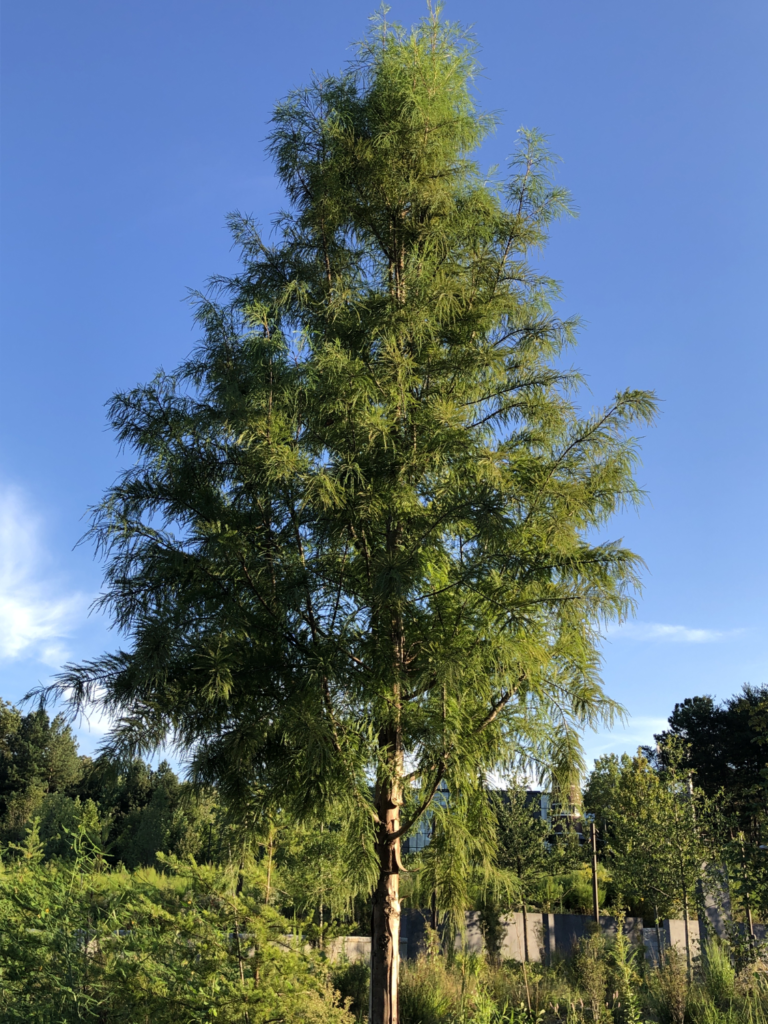
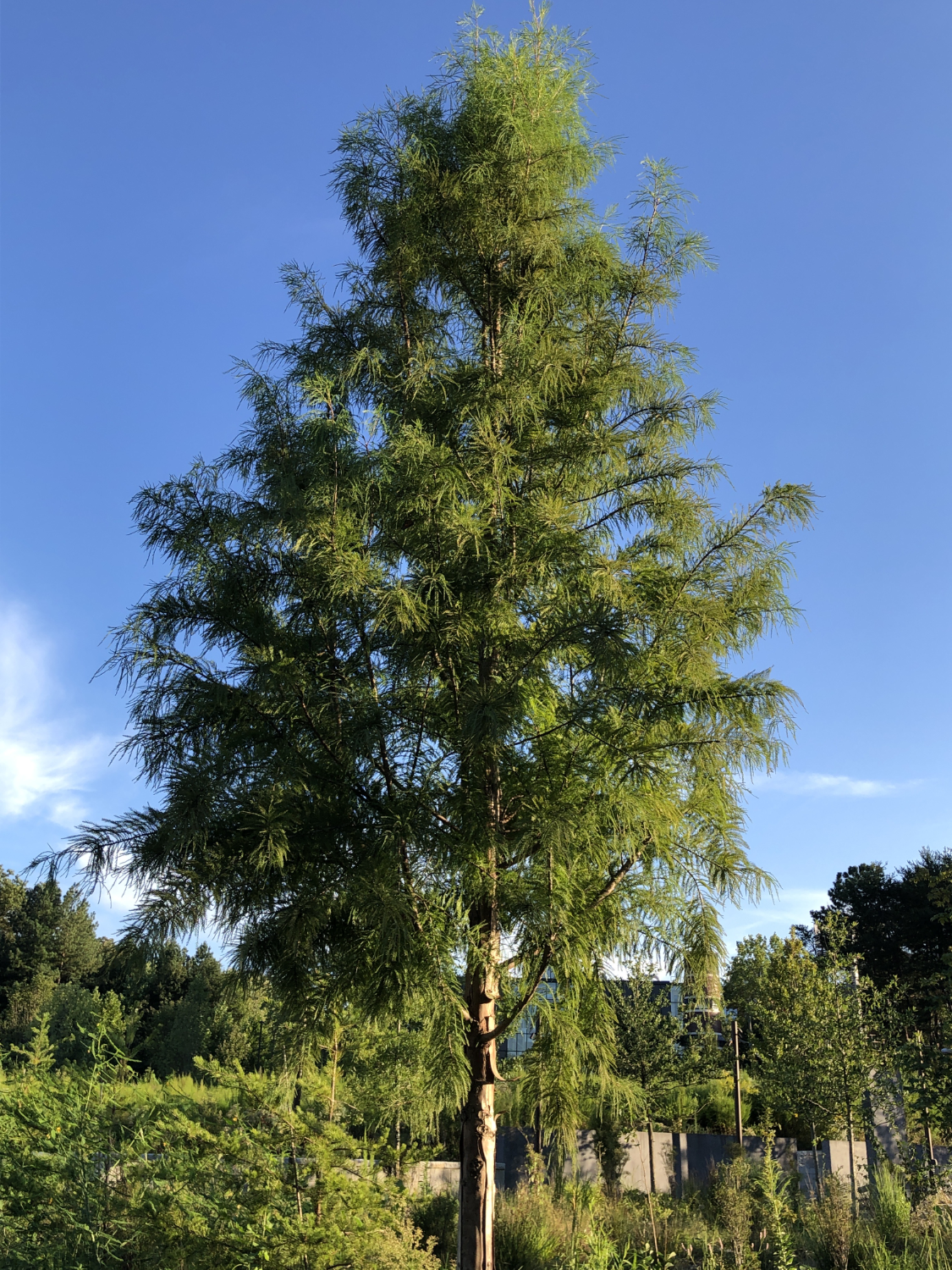
    A smaller variety of the bald cypress tree at the Georgia Tech EcoCommons, known as the pond cypress.Bald Cypress Trees

    Bald cypresses are trees native to much of the southeastern United States. They’re hardy and versatile, and can grow in all kinds of soil environments. This, along with their lovely red and orange needles during the fall, makes them popular plants for decorative purposes. Other common names for the bald cypress include swamp cypress, white cypress, tidewater red cypress, gulf cypress and red cypress.

    In the wild, bald cypresses are typically found in wet, swampy areas. They can be identified by their large, spread out needles.
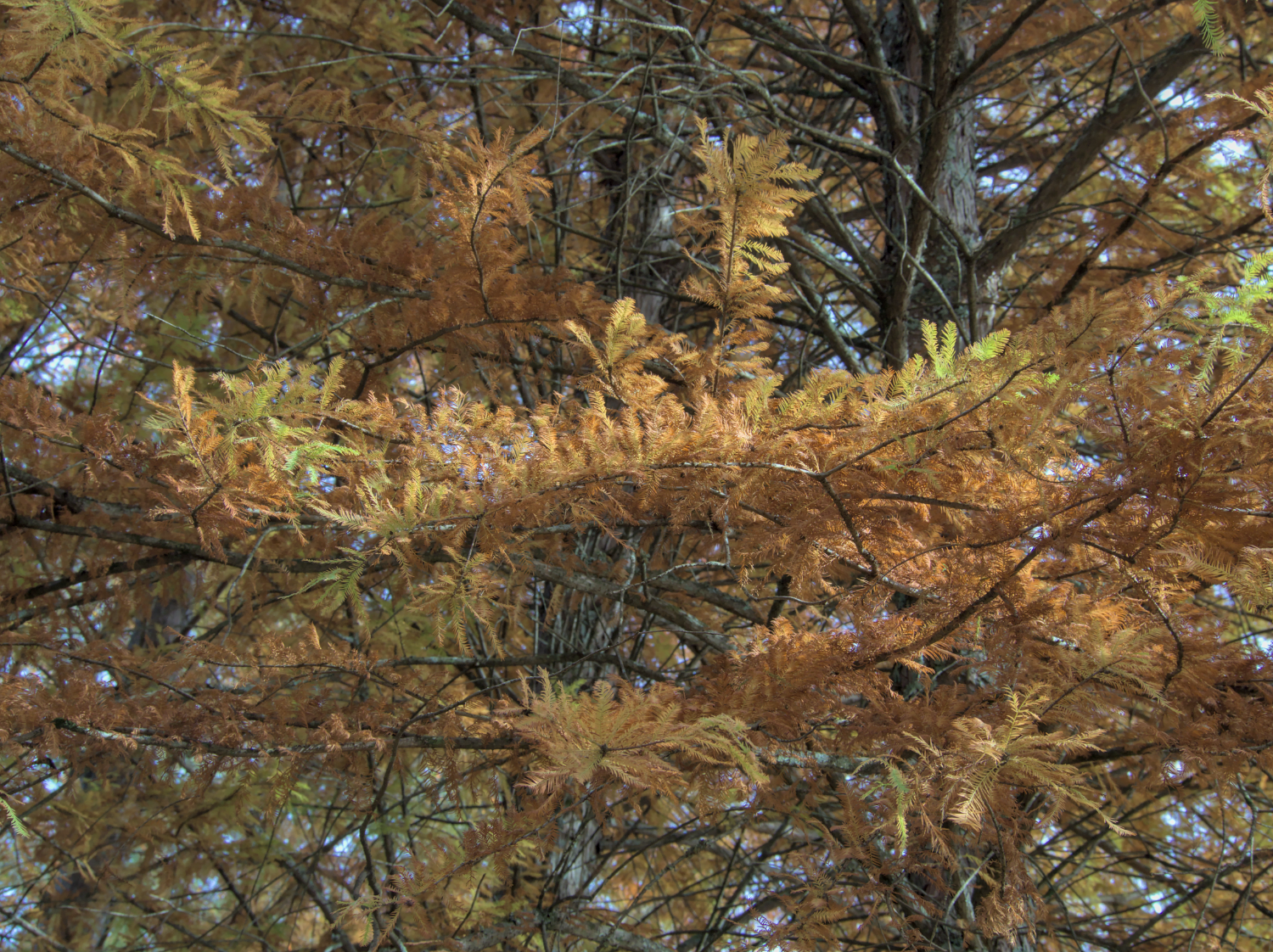
    A close up of baldcypress needles in autumn.FUN FACTS

    • The oldest bald cypress tree (that we know of) has been alive since 605 BCE. That’s a 2627 year old tree!
      • The site of the tree is actually a secret – park rangers don’t want visitors vandalizing it.
    • The bald cypress is the state tree of Louisiana.
    • Bald cypress wood has historically been marketed for its resistance to water, which makes it useful in wet areas.
    • Around a bald cypress tree, it’s common to see what are called cypress knees – wooden outgrowths from the ground. They actually extend upward from the main trunk’s root system. They look like small stumps coming out of the ground, although they’re still connected to a “main” tree.
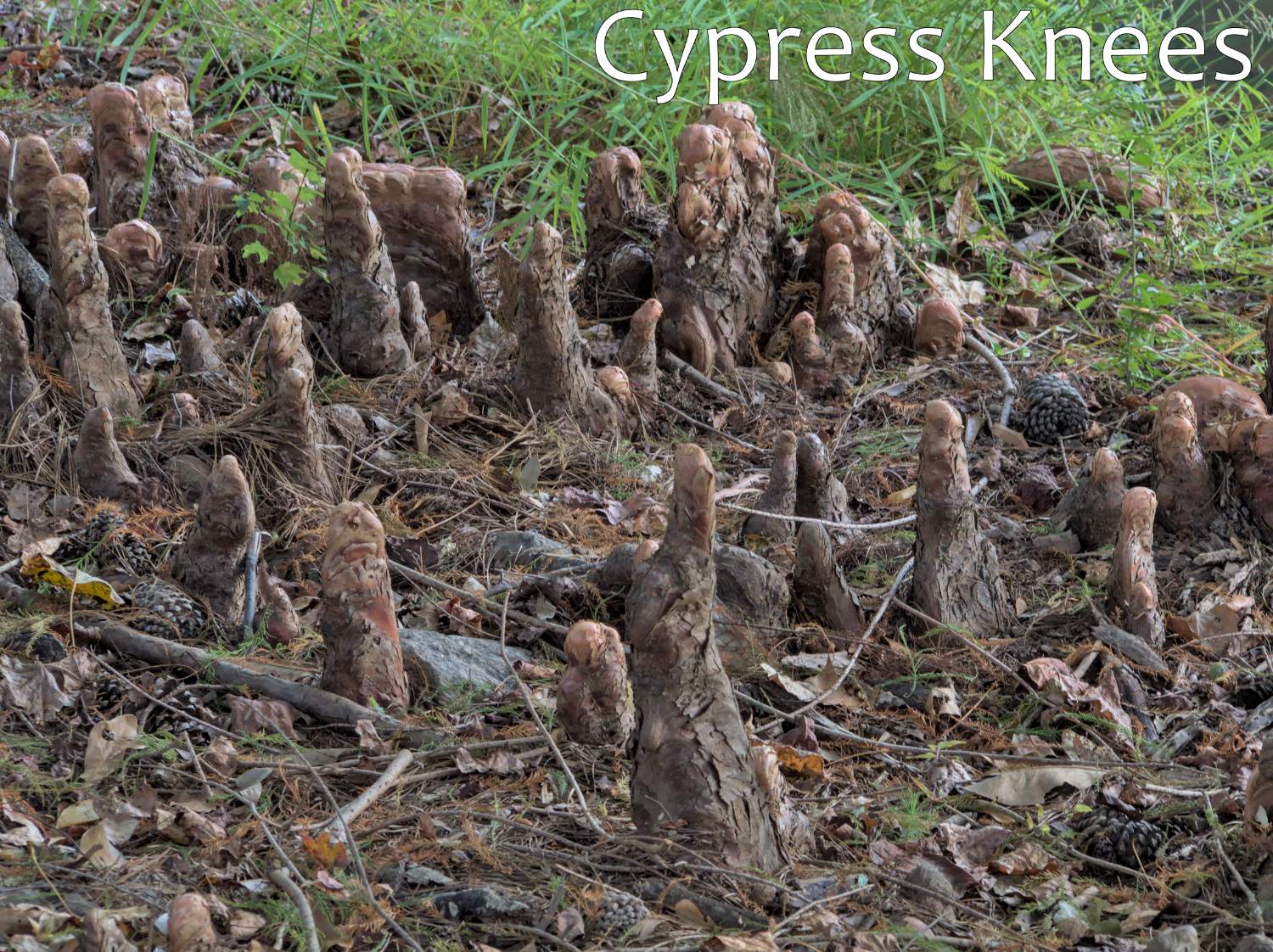
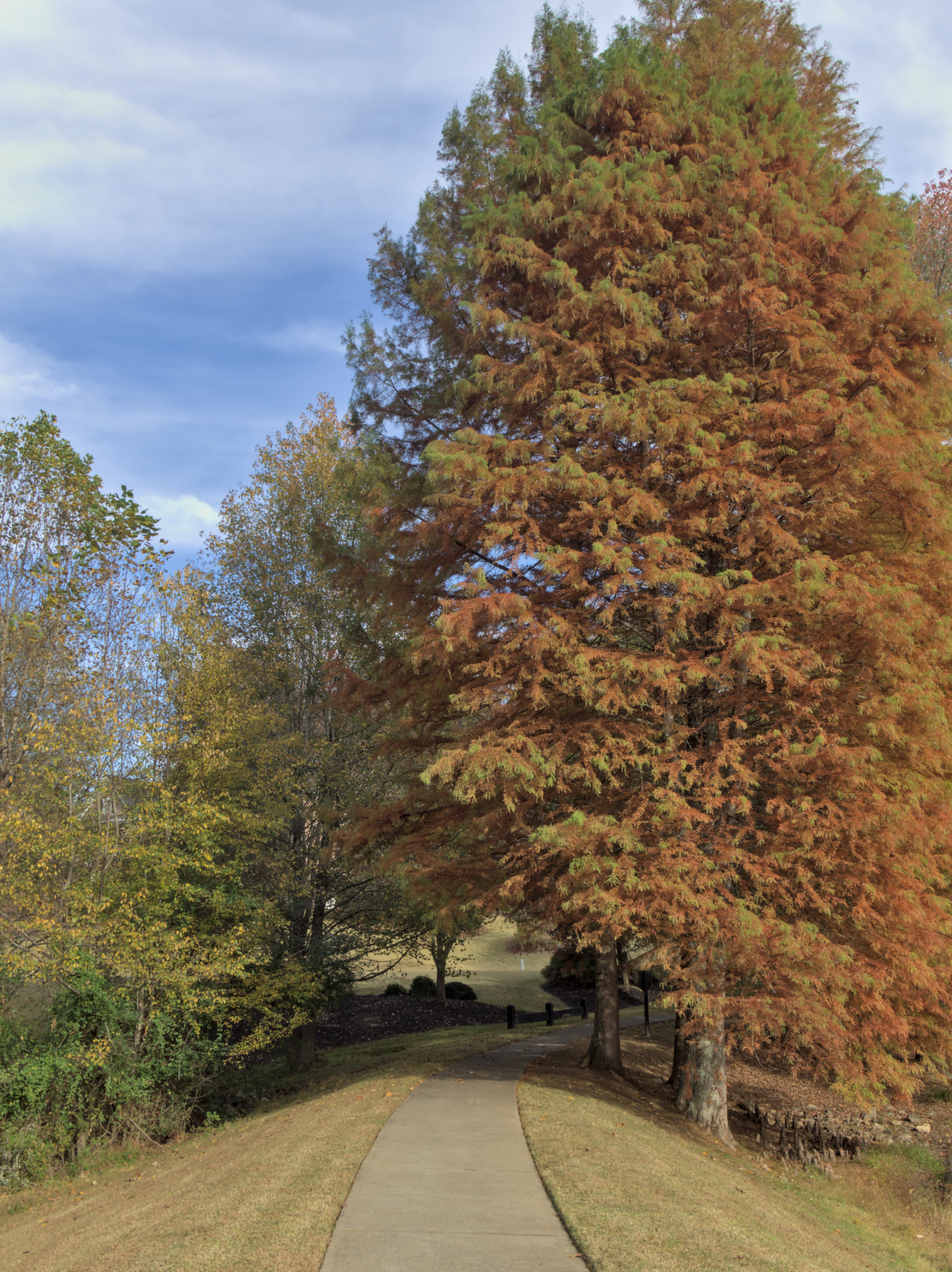
    A zoomed in image of the wooden knobs that extend from the roots of cypress trees, known as cypress knees.Bald cypress trees are famous for their fall colors – here’s a larger bald cypress off of the Georgia Tech campus in November. These native plants are a great choice for people looking for decorative trees that are ecologically beneficial to the local environment.
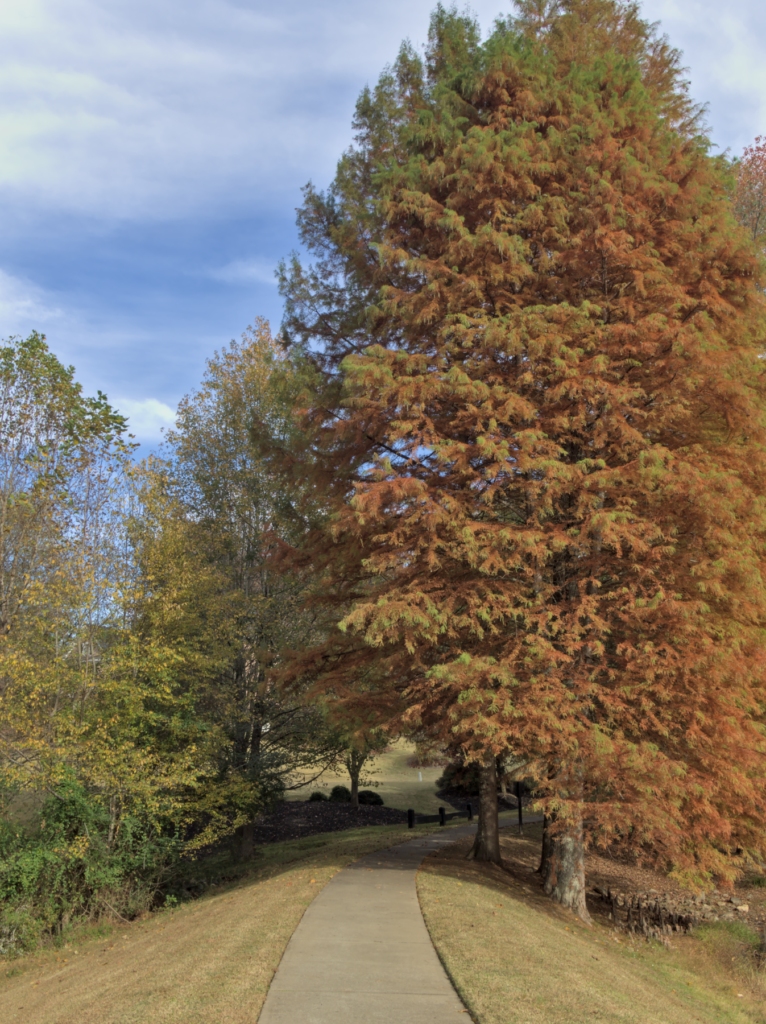
    A baldcypress tree with its fall russet needles.Cardinal Lobelias

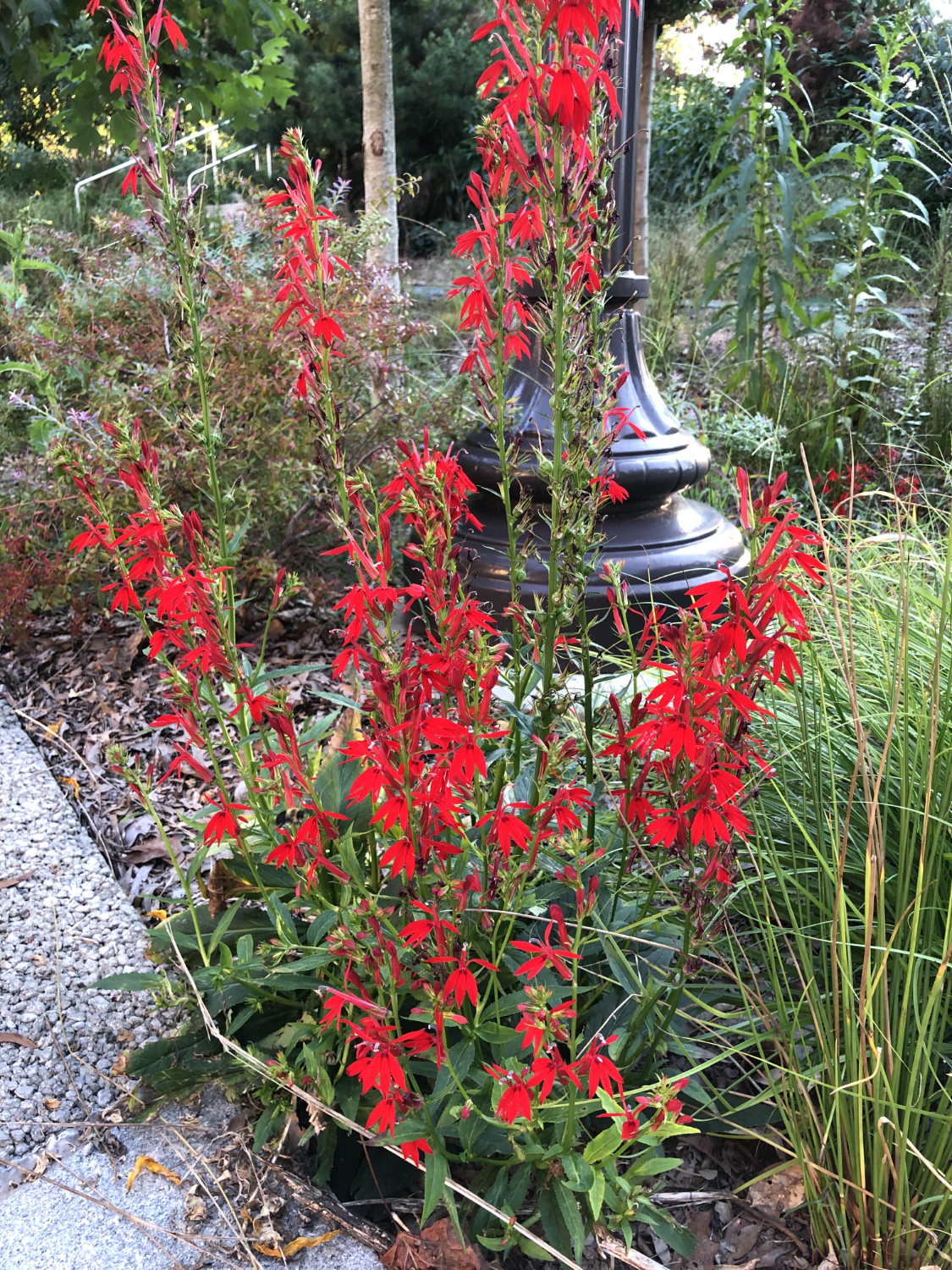
    A shot of cardinal lobelias in bloom.The cardinal flower, lobelia cardinalis, is a red flower, belonging to the bellflower family, that is native to most of the United States (except for far Northwestern states). It primarily lives in moist areas, such as stream banks, ditches, and lake shores.

    FUN FACTS

    • Excellent for hummingbird and butterfly gardens. This plant attracts many native pollinators, so it’s a great addition to your yard or garden if you’d like to see more hummingbirds and butterflies.
    • You can find varieties of the cardinal flower with pink and white flowers, although these are mostly sold in nurseries for decorative plants.
    • Every part of the cardinal flower is poisonous when ingested – don’t eat it!

    New England Aster
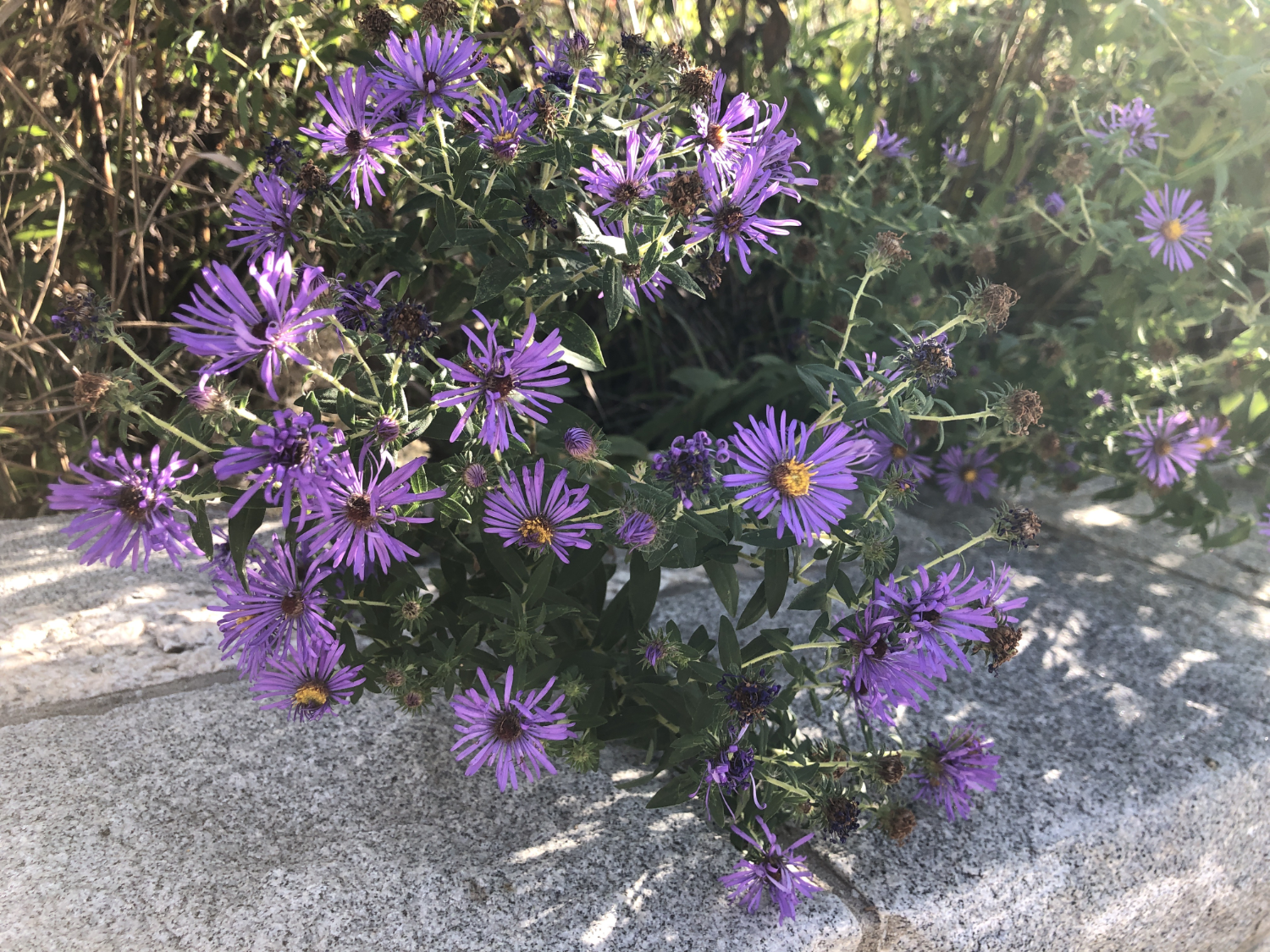
    A New England aster plant with purple flowers.The New England aster, Symphyotrichum novae-angliae, is a perennial flower that is a native plant to much of the northeastern United States. It typically blooms from late summer through fall, with asters blooming in late August to early November depending on the region. New England asters are typically found in moist environments, particularly in wetlands. However, it has been found in dry soils as well.

    FUN FACTS

    • New England asters are a favorite flower of the monarch butterfly! These flowers are known to attract the monarch butterflies during their migration south for the winter.
    • The word “aster” comes from the Greek word ἀστήρ, meaning “star”. Aster shares a language history with astronaut and astronomy.
    • Here in Georgia, New England asters are considered “Critically Imperiled” by NatureServe – this means that their natural range has been reduced significantly by human activity.
    • Domestically, you can find New England asters in all sorts of pinks and purples at nurseries for your garden or yard.

    Blue Mistflower
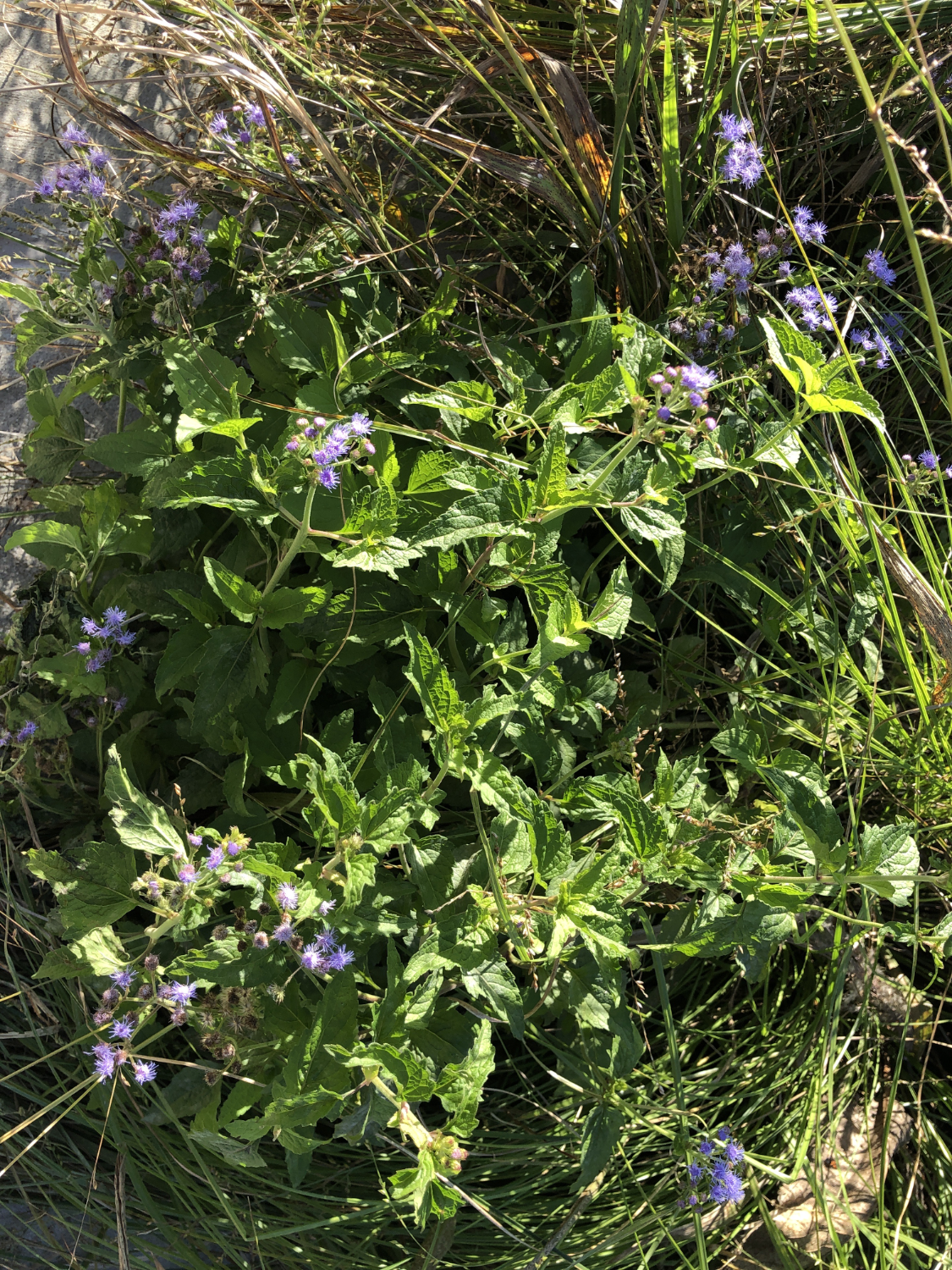
    Blue mistflowers close up.The blue mistflower, conoclinium coelestinum, is a perennial flowering plant in the Asteraceae family. Blue mistflowers are widespread throughout North America, and can be found from Ontario, Canada to Tepoztlan, Mexico. It’s commonly grown in gardens, and flowers from July through November each year.

    FUN FACTS

    • Blue mistflowers are hardy plants that can spread quickly – be warned if you want them in your garden! They’re very capable of choking out their neighbors because their root systems spread out.
    • These flowers are known for their ability to attract pollinators, which makes them great for supporting local ecology.
  • The Prehistoric Origins of Birds

    The Prehistoric Origins of Birds

    You may have heard that modern birds evolved from dinosaurs before. More specifically, modern birds descend from theropods, which is a clade of dinosaurs. A clade is a group of species that share some key traits as well as common ancestry. Theropods all had hollow bones and three toed limbs, traits that remain in modern birds. The most famous of theropods was the T. Rex, but you also may have heard of the Spinosaurus, Archaeopteryx, and Allosaurus.

    How did we come to this conclusion? It turns out hollow bones and three toed limbs are not the only similarities between theropods and modern birds. Various types of theropods have also been found to have feathers in fossilized remains. Older theropod species, that are “farther” back from dinosaurs on the tree of life, only had one kind of feather, which paleontologists think was used for insulation. Younger theropods, more closely related to birds, such as the oviraptors, had multiple different kinds of feathers. While some of these feathers are also for insulation, others are very similar to the flight feathers on modern birds. Modern birds have three “fingers” in the bone structure that supports their wings. Groups of dinosaurs that are theorized to be closely related to modern birds tend to have less and less fingers. The Orinsthican dinosaurs, very distant ancestors to birds, had five fingers. The Allosaurids, closer ancestors, had four fingers. Eventually, dinosaurs like Archaeopteryx had three fingers, which would eventually lead to the development of modern birds’ wings. Over time, the tails of dinosaurs began to get shorter and shorter. Eventually, the tails got so short that they’re barely there, until the only modern evidence of them are the tail feathers on the backs of birds.

    References

    Agnolin, F. L., Motta, M. J., Brissón Egli, F., Lo Coco, G., & Novas, F. E. (2019). Paravian phylogeny and the dinosaur-bird transition: An overview. Frontiers in Earth Science, 6(February), 1–28. https://doi.org/10.3389/feart.2018.00252

    The origin of birds – Understanding Evolution. (n.d.). Retrieved December 2, 2021, from https://evolution.berkeley.edu/what-are-evograms/the-origin-of-birds/

    Theropod | dinosaur suborder | Britannica. (n.d.). Retrieved November 30, 2021, from https://www.britannica.com/animal/theropod

  • Racing Rats’ Impact on Mental Health

    Racing Rats’ Impact on Mental Health

    A cartoon rat examines a rodent operated vehicle.Introduction

    The authors of “Enriched environment exposure accelerates rodent driving skills”, published in Behavioral Brain Research, conducted an experiment intended to study the impact of the environment on the efficacy of stress-releasing mental health treatments in lab rats. This study aimed to see how an enriched environment, both socially and intellectually, promotes stress relief while doing fun activities. The process for teaching the rats to drive the rodent operated vehicles (known as ROVs) also has implications for the importance of enrichment in how service dogs are trained.

    Study Summary

    There were two groups of rats that participated in this study. The control group of rats lived in a standard environment for laboratory rats, in standard laboratory cages, each with one other rat. The experimental group of rats lived in housing with an enriched environment. These rats got multiple rat friends, rat toys to keep them occupied, and multi-level housing.

    The study began with a “training period”, where rats in both groups were taught by operant conditioning how to drive the ROVs. While the authors of the study expected the rats living in standard housing to perform worse than the other rats, they were shocked at how much worse they performed. The authors noted that the control group rats failed to perform even “basic” tasks in driving the ROVs.

    After the training period (in which food rewards were used to encourage the rats to drive), both groups of rats continued to drive the ROVs even in the absence of rewards. However, rats living in enriched housing drove the ROVs without treats for a longer period of time than the rats living in standard housing. Throughout the study, the scientists measured the levels of hormones that were indicative of the rats’ ability to handle stress. Both groups showed an improved ability to handle stress as a result of ROV driving, but the enriched housing rats showed a significantly larger benefit than the standard housed rats.

    Conclusion

    This investigation shows that the environment of an animal has a significant impact on the effect of stress relieving interventions. The authors suspect that the enriched rats were more able to learn new behaviors (driving the ROVs) as a result of experiencing a wider variety of behaviors in their enriched home environments. The results of this study have interesting ramifications on the optimal conditions for other animals who will be undergoing rigorous training. Additionally, this study demonstrates how a good environment that has opportunities for social connection and mental challenges is beneficial in mental health treatment.

    References

    Crawford, L. E., Knouse, L. E., Kent, M., Vavra, D., Harding, O., LeServe, D., Fox, N., Hu, X., Li, P., Glory, C., & Lambert, K. G. (2020). Enriched environment exposure accelerates rodent driving skills. Behavioural Brain Research, 378, 112309. https://doi.org/10.1016/j.bbr.2019.112309

  • The Green Tree Frog: Southern Summer Ambience

    The Green Tree Frog: Southern Summer Ambience

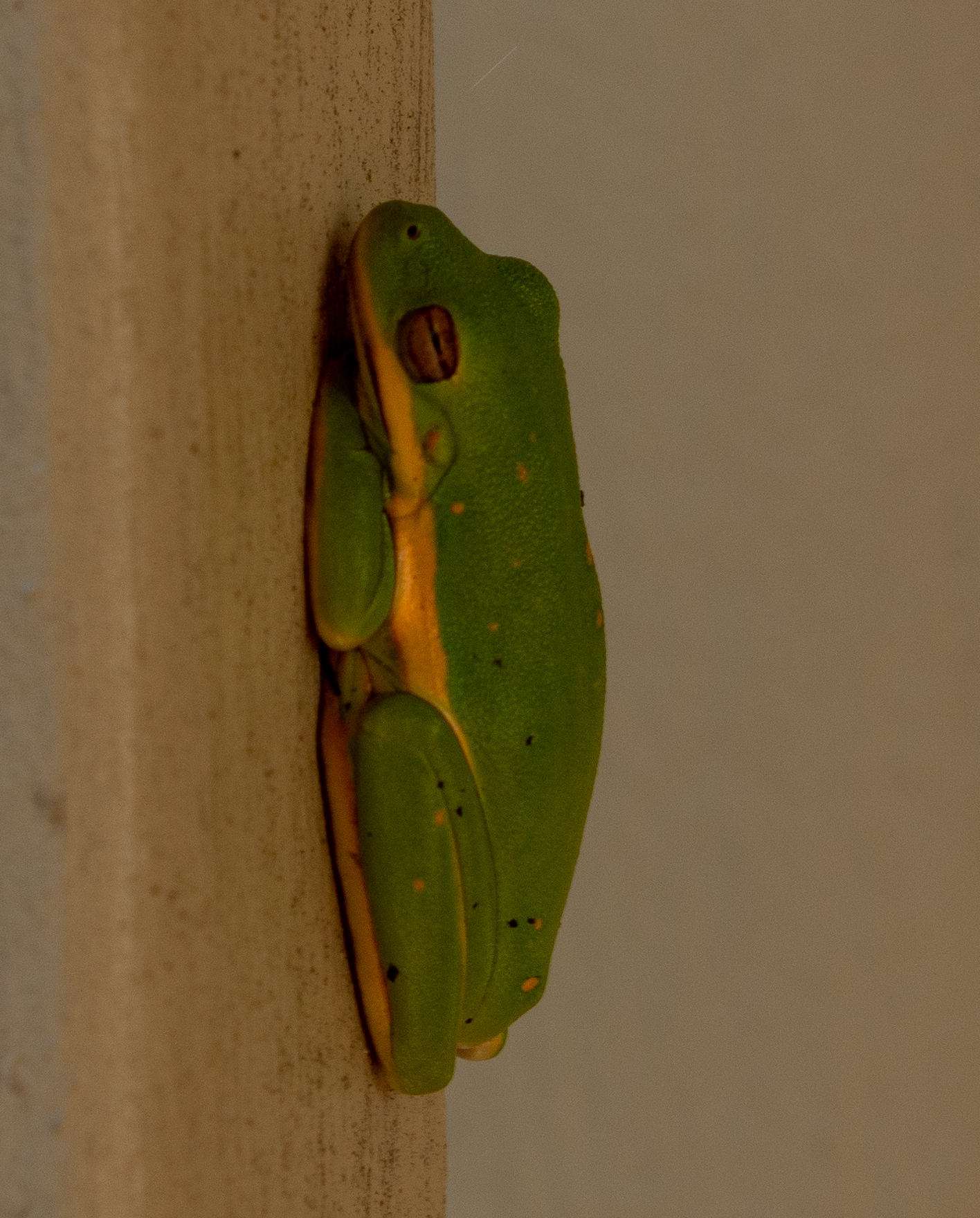
    A green tree frog resting on a post. This is a small green frog with a bright yellowish-white stripe running down the side of its body.
    A green tree frog resting on a post.

    Introduction

    The green tree frog (Hyla cinerea) is a bright green, average sized frog. Adults are about an inch or two long, with females typically being slightly larger than the males. Most green tree frogs have a white stripe down the middle of their bodies, like the frog shown above. However, a minority of frogs don’t have this stripe. Some individuals, like the one shown above, have yellowish dots on their bodies as well. A green tree frog’s coloration can vary based on their environment – some individuals are more yellow, gray, olive, or brownish. An individual’s coloration is affected by lighting, stress levels, and temperature. The photo above was taken in warmer lighting, which explains why the frog is more of a yellow green.

    Green tree frogs are found throughout the southeastern United States, with ranges in Texas, Louisiana, Arkansas, Mississippi, Alabama, Georgia, Florida, South Carolina, North Carolina, stretching all the way up into Virginia and Maryland.

    Habitat & Behavior

    Adult green tree frogs live in forested areas, which are located near freshwater access where they breed. These frogs become active in late spring each year, and go dormant in October. Frogs in the southern part of this range stay active all year, with frogs in the middle spending more time active than frogs in northern regions. You’re most likely to see these frogs active at night or at dusk, and you’re more likely to see an active green tree frog on a rainy day than a sunny one. While active, green tree frogs are most likely to be feeding, or moving to and from calling perches (used to signal nearby green tree frogs that they’re available for mating).

    Breeding

    Green tree frogs most often breed around permanent wetlands. Ponds, lakes, streams, and swamps are all common breeding grounds for green tree frogs. Human-built water structures are not off the table for breeding sites as well – you can often find breeding sites in all sorts of constructed water reserves. Breeding starts by one or a few males calling, with more males joining in the chorus. The chorus will swell as many males join, before going quiet. This cycle will continue for hours, from dusk into the early morning hours. There’s evidence that social signals between male green tree frogs have an impact on their testosterone and steroid levels, independent of calling behavior.


    References

    Burmeister, S., & Wilczynski, W. (2000). Social signals influence hormones independently of calling behavior in the treefrog (Hyla cinerea). Hormones and Behavior, 38(4), 201–209. https://doi.org/10.1006/hbeh.2000.1605

    Dodd, C. K. (2013). Frogs of the United States and Canada. In Frogs of the United States and Canada. John Hopkins University Press. https://doi.org/10.17161/randa.v20i3.13960

    Jennison, C. (n.d.). Species Profile: Green Treefrog (Hyla cinerea) | SREL Herpetology. Savannah River Ecology Laboratory University of Georgia. Retrieved September 29, 2021, from http://srelherp.uga.edu/anurans/hylcin.htm

  • Where do Great Blue Herons catch their snacks?

    Where do Great Blue Herons catch their snacks?

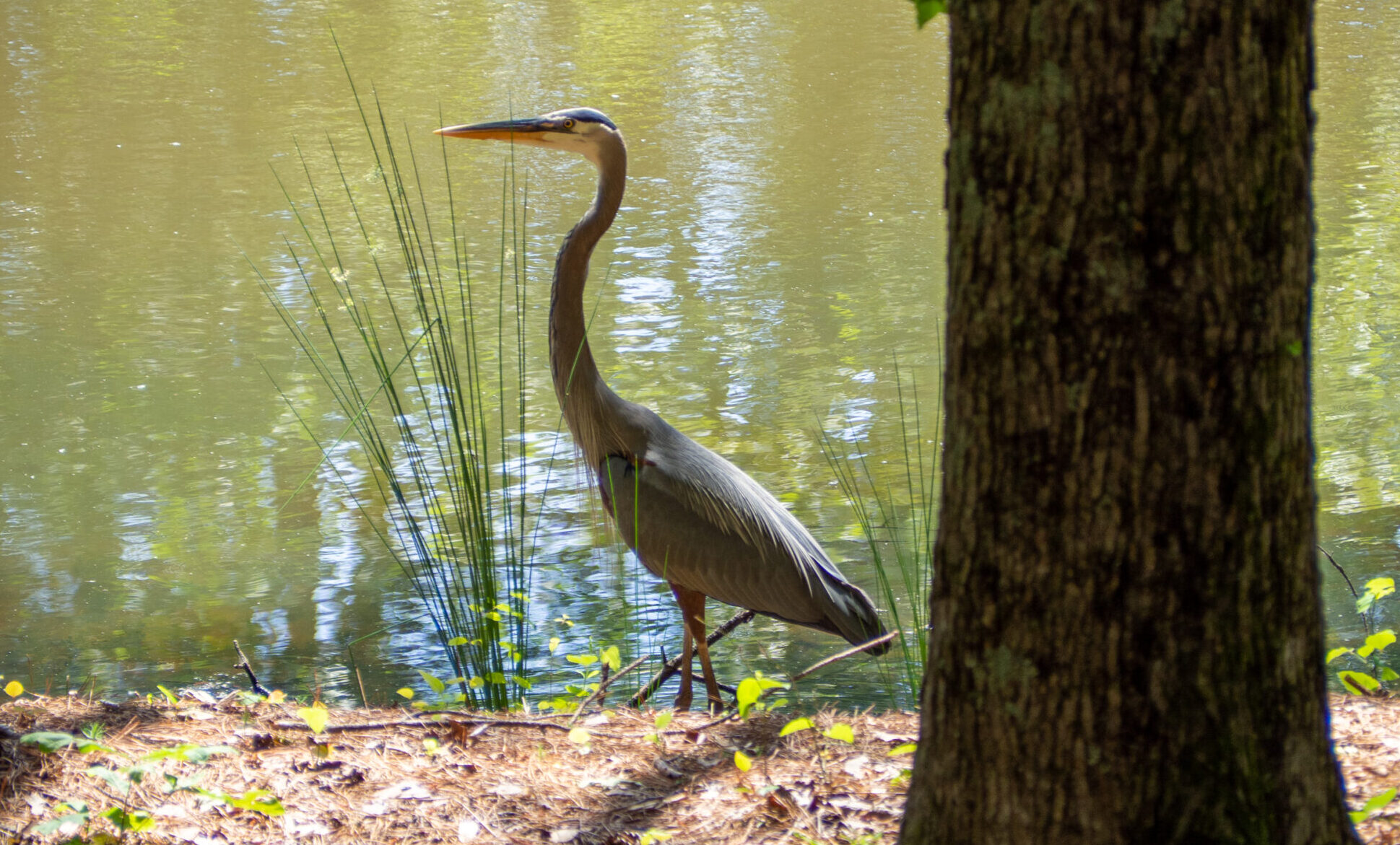
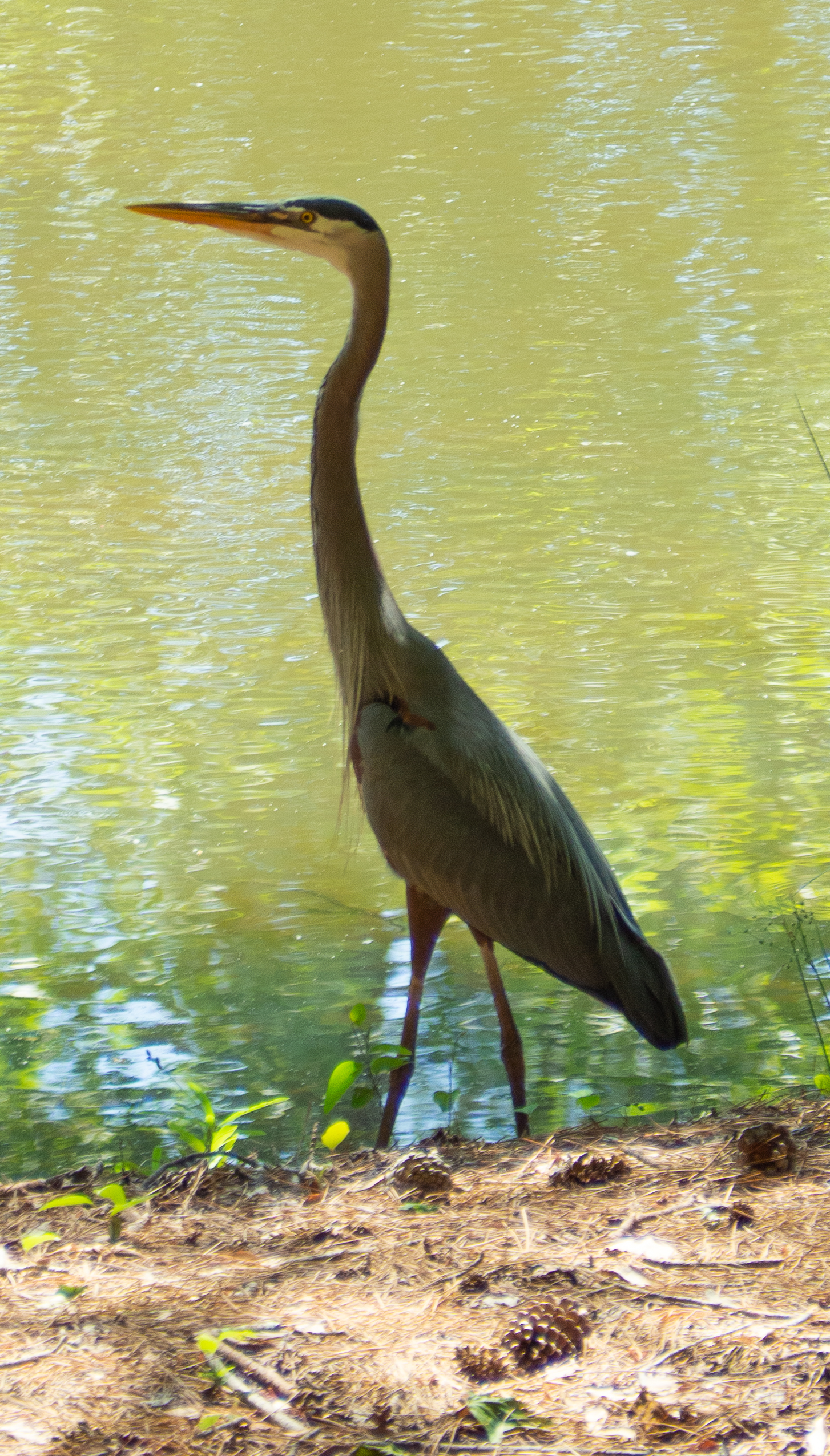
    A picture of a great blue heron. The heron is standing on the edge of a pond.

    Introduction

    Great blue herons are part of the Ardea genus, which is a genus of birds that includes the herons, egrets, and bitterns. These birds are typically pretty large in size, with lengths usually greater than 80–100 cm. You’re most likely to find members of this genus in wetlands and other partially aquatic habitats.

    Feeding Behavior

    Great blue herons are carnivores, and they eat a variety of aquatic, semi-aquatic, and terrestrial prey. Their diet consists of predominantly fish, but they will eat pretty much anything that they can catch in their beaks. Fish are supplemented by amphibians, reptiles, small ground mammals, and even other birds. Great blue herons catch smaller prey in the jaws at the back of their beak, although they prefer to stab larger prey with their beaks.

    There are 38 total feeding behaviors that have been recorded by members of the Ardea family. Each species in this genus uses multiple feeding methods — they’re creative hunters. Twelve of these strategies have been observed in great blue herons. The most commonly observed feeding behavior for the great blue heron is standing and waiting, where the heron simply stands still and waits for its prey to come to it. Herons also will move slowly, either through the water or through a field, in search of prey. More dramatically, the great blue heron will occasionally plunge-dive, diving down quickly and with force, to catch its prey. A particularly interesting feeding behavior of the great blue heron is to stick its bill in the water, and vibrate it. The underwater vibrations create ripples, attracting fish and other aquatic prey.

    Habitat

    Great blue herons prefer to live in wetlands, especially when nesting. Rather than nesting alone, great blue herons nest in colonies. Colony nesting is particularly common for birds that live in aquatic environments. Colonies can have over 500 nests (so easily over a thousand birds) all relatively close together. For large scale habitats and especially for colony nesting, great blue herons have preferences for certain types of habitats over others. The lacustrine wetlands is a particular favorite of Illinois great blue herons. Lacustrine wetlands are any wetland or deepwater area that has these three characteristics:

    1. Located in a valley/depression in the ground
    2. Lacking trees, shrubs, and other plant life that covers more than 30% of the area
    3. At least 20 acres in surface area

    Biologists believe that herons may prefer this biome for their habitats due to the easy access to their preferred prey of small bodied vertebrates. Additionally, large wetlands tend to be isolated from human activity, which great blue herons tend to avoid if possible.

    References

    Combs, B. P. (2021). Great Blue Heron Forages for Fish by Bill-Vibrating. Western North American Naturalist, 81(2), 280–284. https://doi.org/10.3398/064.081.0213

    Gibbs, J. P., & Kinkel, L. K. (1997). Determinants of the Size and Location of Great Blue Heron Colonies. Colonial Waterbirds, 20(1), 1–7. https://doi.org/10.2307/1521757

    Knight, E. C., Vennesland, R. G., & Winchester, N. N. (2016). Importance of Proximity to Foraging Areas for the Pacific Great Blue Heron (Ardea herodias fannini) Nesting in a Developed Landscape. Waterbirds, 39(2), 165–174. https://doi.org/10.1675/063.039.0207

  • Red-Shouldered Hawks

    Red-Shouldered Hawks

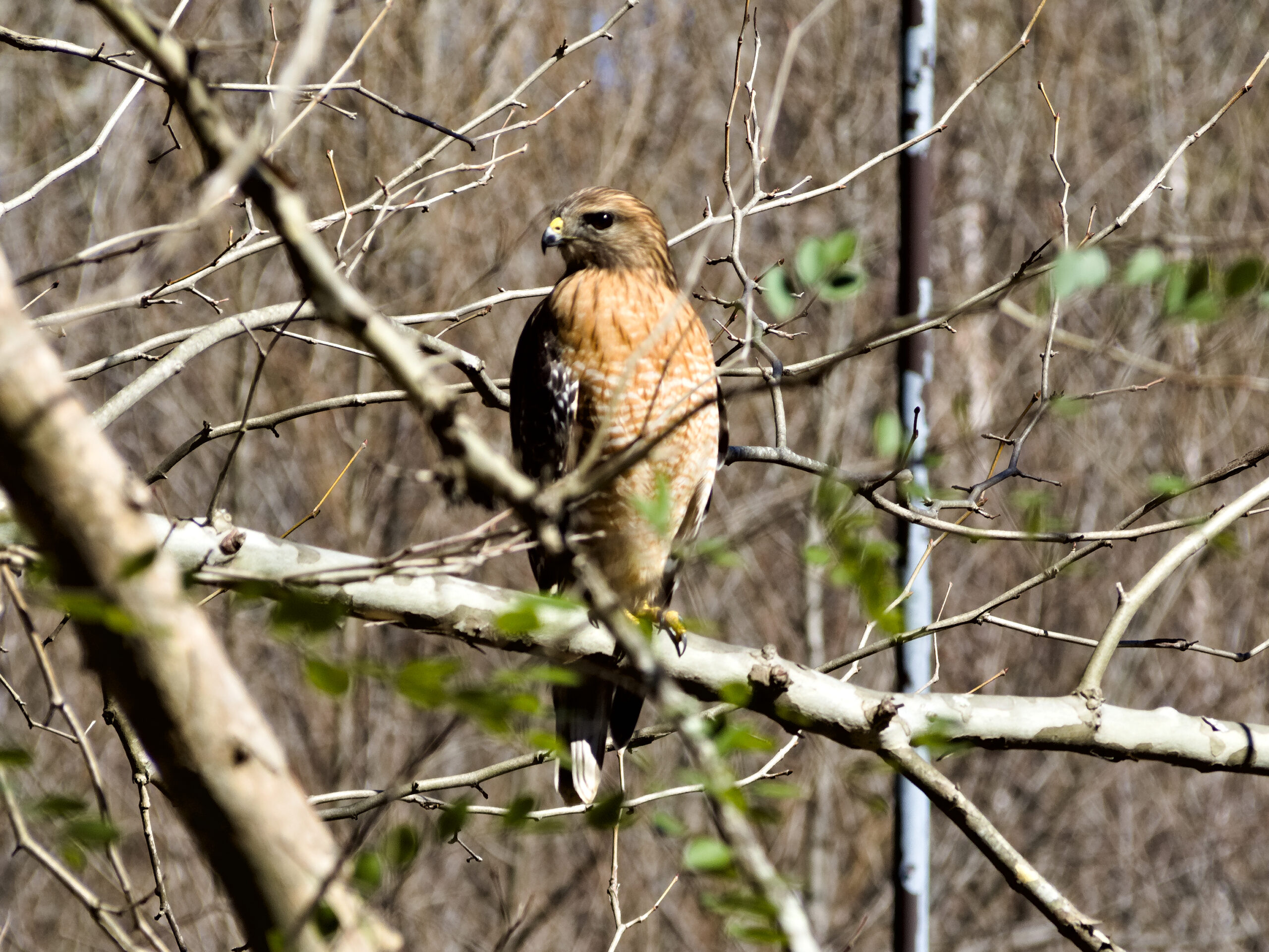
    A red-shouldered hawk, a mid-sized hawk with red-orange feathers on its shoulders and chest.

    Introduction

    The red-shouldered hawk (Buteo lineatus) is a raptor that is found in forests throughout North America. Year round, the red-shouldered hawk is found throughout much of the Eastern and Midwestern United states. During their breeding season, they can be found in both the northeastern and western United States as well as part of Atlantic Canada. They also have a non-breeding range in Mexico, where they are found for some parts of the year. Red-shouldered hawks can be identified by their medium size and reddish-brown feathers on their chests and shoulders. Hawks from the western part of their range tend to be a deeper red than those found in the eastern part. As for their wings, the feathers are banded black and brown from the underside, with black and red being predominant on the outside. Their tails are also banded, which is another identifying trait of the species.

    Sexual Dimorphism in Red-shouldered Hawks

    Red-shouldered hawks do show some sexual dimorphism in their appearance. Sexual dimorphism occurs when males and females of the same species show different traits on average, such as average size and weight. Mass is one of the traits that is sexually dimorphic for red-shouldered hawks. Females are larger than males, with the average male being only 85% of the mass of the average female. Researchers recently have tried to establish other ways of determining the sex of red-shouldered hawks morphologically. Determining sex by morphology is used by biologists to guess at the sex of an animal without needing to check for sure with DNA testing. Sex determination based on morphology is more convenient than determining sex based on molecular testing, and can be done by biologists in the field without access to DNA testing equipment. Other features of red-shouldered hawks that are sexually dimorphic are toepad length, length of secondary feathers, bill length, mass, and wing chord length. However, mass remains the most reliable way to morphologically determine the sex of a red-shouldered hawk.

    Diet and Habitat of the Red-shouldered Hawk

    The diet of the red-shouldered hawk is mostly made up of small mammals, lizards, snakes, and amphibians, and these hawks typically live in riparian forests. Riparian forests are forests that are on or near the bank of a river or stream. There is evidence that the composition of the red-shouldered hawk’s diet varies depending on where in their range they are living. One study split red shouldered-hawks into two groups. The first group was the northern hawks, which live above 38o N latitude. This is the latitude line passing just south of Charlottesville, VA, and through Lexington, KY. Interestingly, northern hawks preferred more mammalian prey and less amphibian prey. The opposite was true for southern hawks. Researchers noticed that diets were more mammalian in drier conditions, whereas hawks that lived in wetter conditions relied more on invertebrate and amphibian prey. It’s possible that hawks that live in drier areas will be less affected by wetland degradation than hawks in wetter areas.

    Nesting Preferences of the Red-shouldered Hawk

    Where red-shouldered hawks choose to nest is another area of interest for researchers. Typically, red-shouldered hawks prefer to nest in large tracts of mature forest, although they can also be found in more fragmented forested areas, such as those found in suburban areas. One study found that nests were more likely to be located near a lake or treeless wetland than not. Nests were also more likely to be near a trail or stream than not for both cases. Researchers believe that open trails might make good hunting grounds for the hawks, without trees and underbrush to hide prey. We can guess similarly about hawks’ proximity to lakes and treeless wetlands. The lack of trees gives hawks easier access to their prey, which they detect primarily via eyesight. Red-shouldered hawks’ positive association with wet areas is a well known feature – amphibians make an important component of the diet of the red-shouldered hawk, especially while nesting.

    References

    Cheryl R. Dykstra, Herman L. Mays Jr, Jeffrey L. Hays, Melinda M. Simon, & Ann R. Wegman. (2012). Sexing Adult and Nestling Red-Shouldered Hawks Using Morphometrics and Molecular Techniques1. Journal of Raptor Research, 46(4), 357–364. https://doi.org/10.3356/JRR-11-84.1

    Brad N. Strobel, & Clint W. Boal. (2010). Regional Variation in Diets of Breeding Red-Shouldered Hawks. The Wilson Journal of Ornithology, 122(1), 68–74. https://doi.org/10.1676/09-071.1

    Landenberger, James F, Roosa, Dean M, Stravers, Jon W, Ehresman, Bruce, & Patterson, Rich. (2013). The Raptors of Iowa. University of Iowa Press.

    James E. Woodford, Carol A. Eloranta, & Anthony Rinaldi. (2008). Nest Density, Productivity, and Habitat Selection of Red-Shouldered Hawks in a Contiguous Forest. Journal of Raptor Research, 42(2), 79–86. https://doi.org/10.3356/JRR-07-44.1

    Red-shouldered Hawk Overview, All About Birds, Cornell Lab of Ornithology. (2019). allaboutbirds.org. https://www.allaboutbirds.org/guide/Red-shouldered_Hawk/

  • The Cilantro Controversy: A Scientific Look

    The Cilantro Controversy: A Scientific Look

    Cilantro: A Very Controversial Herb

    Cilantro (also known as coriander) is a plant that has been cultivated for thousands of years. Cilantro, unlike your more run-of-the-mill herbs, has a very polarizing smell and taste. Eventually, research was done into the sharp divide over cilantro, and something fascinating emerged. Scientists found that members of certain ancestries are far more likely to despise cilantro than others. Twin studies were also consulted to see if there could possibly be a heritable element to being a cilantro hater. The link found was stronger for disliking the smell (.52) than the taste (.38). Respondents who didn’t like cilantro often referred to the herb as smelling soapy, which isn’t particularly appetizing.

    How Do You Smell Cilantro?

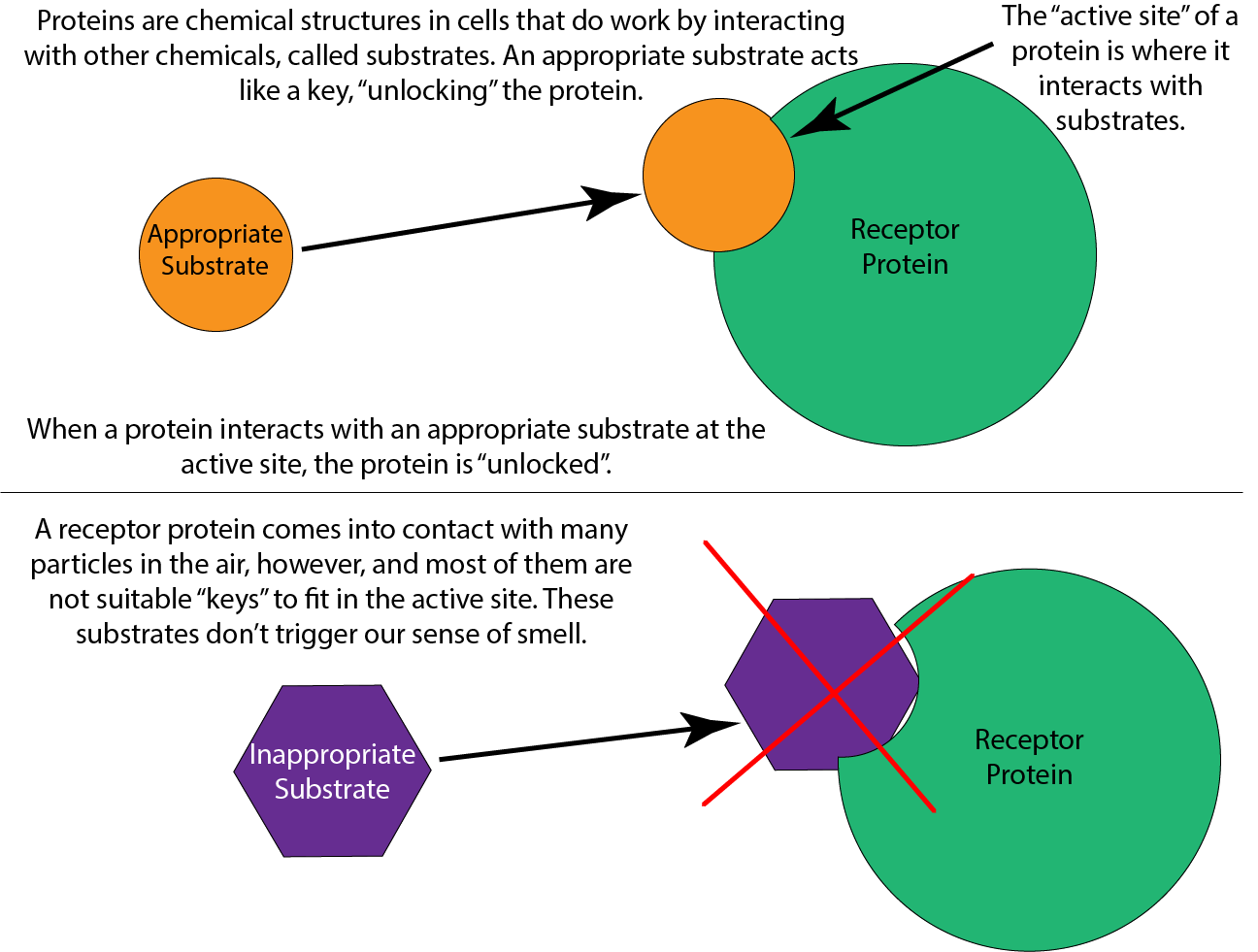
    Your brain has a specialized region dedicated to identifying smells, known as the olfactory epithelium. The olfactory epithelium sits right up your nose. The epithelium contains special proteins, which are chemicals in cells that do work, called receptors. These proteins are able to “match” up with one or a select few chemicals found in the air. You can think of them like poor quality locks that fit a few keys, rather than just one. Each receptor’s shape matches up to one or several molecules that you breathe in.

    An illustration of the lock and key model, showing how the shape of the protein is what determines whether or not a potential substrate will fit inside.

    If a receptor is activated by something in the air, it sends a signal to another part of your brain, the olfactory cortex. The olfactory cortex uses this signal to interpret what you’re smelling. The olfactory cortex also coordinates the smell with the rest of your brain’s activities – if you smell your favorite food, the olfactory cortex lets you know to start feeling hungry.

    The chemicals that enter your nose when you take a whiff of cilantro are called aldehydes, in particular the (E)-2-alkenals (mostly (E)-2-decenal and (E)-2-dodecenal).  Aldehydes are a class of organic molecules found all around in nature. They’re grouped together as a result of the chemical structures they have in common. All aldehydes have an oxygen double bonded to a carbon. This carbon is bonded to a hydrogen and atom/group of atoms.

    A diagram of the basic model of an aldehyde: a single carbon, which is doubled bonded to an oxygen, and single bonded to both a hydrogen and an R group. R groups are any given arrangement of molecules or single elements.

    As cilantro sits out on your counter, some of its aldehydes evaporate in the air. When you smell the cilantro, those aldehydes bind to the aldehyde receptors in your olfactory epithelium. Then, the receptors tell the rest of your brain that you’re smelling cilantro.

    A Quick Genetics Lesson

    Before we investigate the findings into the cilantro soap gene, let’s take a quick look at some of the genetics involved. Inside each and every one of your cells, there is a copy of your DNA. DNA (deoxyribonucleic acid) is made up of two long strands of repeating units called nucleotides. Each nucleotide has a nitrogenous “base” which the rest of the nucleotide’s structure hangs on to. The four variants of this base are identified by four letters: G, C, A, and T. How the sequences of these letters vary determines the genetic code. A gene is a section of nucleotides that corresponds to a protein. Proteins are molecules that do all sorts of important functions in the body. Remember the olfactory receptors we talked about earlier? Those are proteins. Variations in the olfactory receptor genes, for example, might change the shape of those receptors. Depending on where the shape of the receptor is changed, this could alter the sense of smell of someone with a changed receptor. There are different kinds of ways a gene can be mutated, or changed to be different from the “normal” version of the gene. One of these mutation types is known as an SNP (single nucleotide polymorphism), which means just one letter is different from normal.

    Potential Soap Genes

    This report conducted a genome-wide association study on 14,604 unrelated participants of primarily European ancestry. Two SNPs were found to be associated with finding cilantro to taste like soap. Let’s take a look at each of them. The first SNP was found on chromosome 11, located near the olfactory receptor genes. Researchers suspect that the SNP alters either the OR6A2 receptor or OR10A2 receptor. In particular, the OR6A2 receptor is known to be directly involved in smelling aldehydes, which is what we primarily smell from cilantro.

    The other SNP that was found to be linked to smelling cilantro as soap was inside the gene SNX9. Researchers were baffled by this finding, as this gene encodes the instructions to create a chemical that helps cells communicate within themselves and re-construct their cell membranes when they duplicate. Now, this apparently has absolutely nothing to do with cilantro, and it’s very possible that it could be a false positive. However, the equivalent to this gene in mice was found to be associated with non-syndromic hearing loss in mice, so it’s not impossible to think that it could be related to human senses as well.

    Soap Tasting Populations

    There were several significant differences between populations when it came to cilantro tasting like soap in this study. Women were significantly more likely to find cilantro soapy than men. Out of ancestries, Europeans were more likely than South Asians, East Asians, Latin Americans, and those of African descent to find cilantro soapy. No difference was found between Northern and Southern Europeans, or between Ashkenazi Jews and other Europeans. Although the South Asian group studied in this report was small, a significant association was found. This suggestion that there is a significant association between the genome and a person’s response to cilantro even outside of the European group. However, the heritability estimate made in this study was very low. This could be evidence that environmental effects and/or epigenetic effects have an impact on how someone tastes cilantro.

    References

    Browning, Peggy. (2018). Smell. In Gale Encyclopedia of Nursing and Allied Health (pp. 3266–3268).

    Eriksson, Nicholas, Wu, Shirley, Do, Chuong B, Kiefer, Amy K, Tung, Joyce Y, Mountain, Joanna L, . . . Francke, Uta. (2012). A genetic variant near olfactory receptor genes influences cilantro preference. Flavour (London), 1(1), 22.

    Solomons, G., Fryhle, C. B., & Snyder, S. A. (2014). Organic chemistry (11th ed.). Hoboken, NJ: Wiley.