Day: April 24, 2026

  • Ghost Fishing – Small Action Big Impact

    Ghost Fishing – Small Action Big Impact

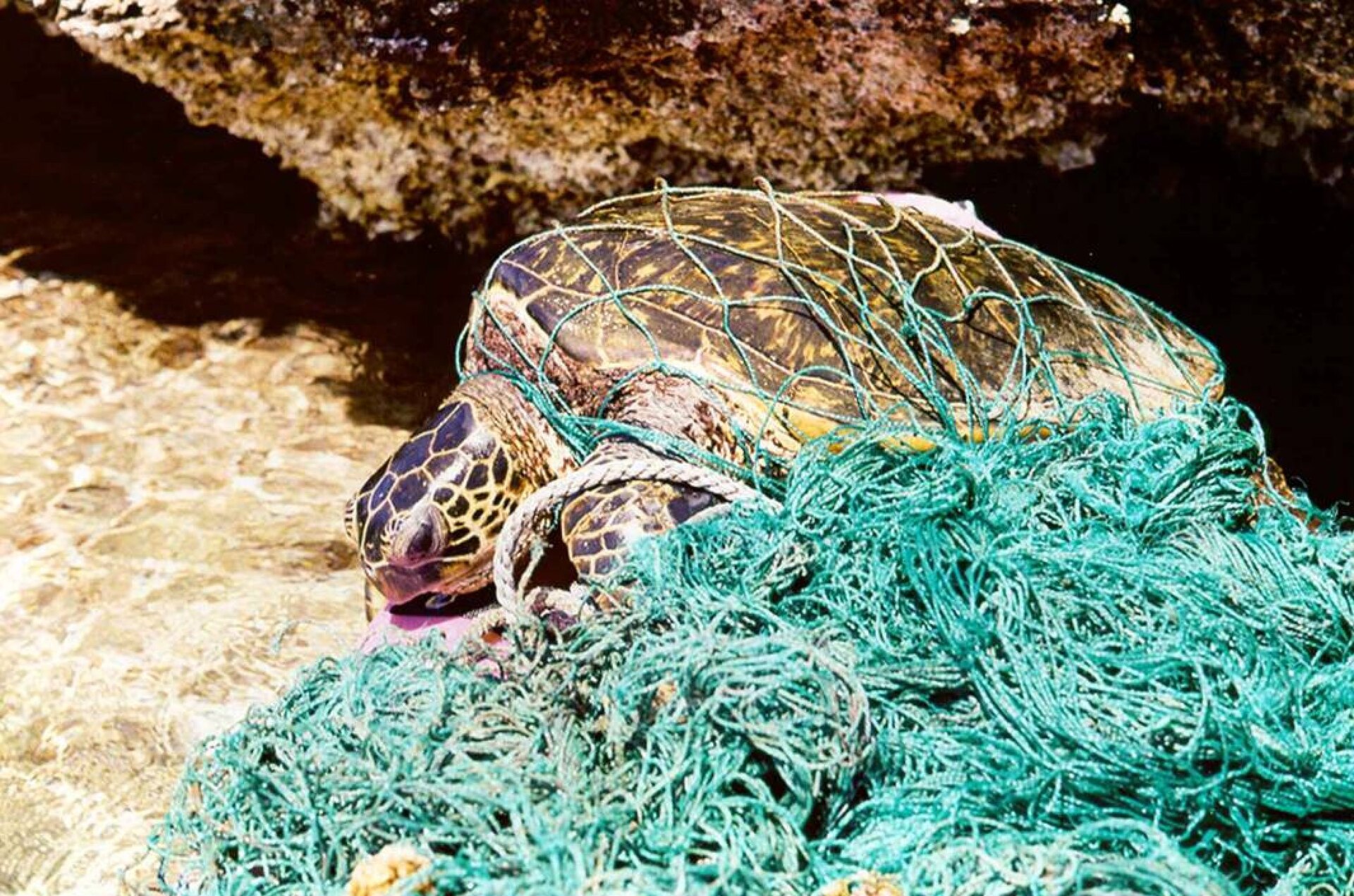
    Have you ever gone fishing and got something that is not a fish? I’m not talking about shrimps, squids, or seaweed. If I could get a dollar every time I fish a hook, I would have gotten 3 dollars. Three dollars is not a lot, but weirdly it happened three times, and I only go fishing like once a year! 

    Not that it was entangled with another angler’s hook. The hooks were abandoned in the water, attached to a long fishing line (cord). It’s nothing but an annoying occurrence. One can simply spend at most 5 minutes removing it. However, this is nothing but the tip of an iceberg that implies a bigger problem. What if it wasn’t a hook, but something bigger? Something that is way more difficult to remove, like a net? And it wasn’t your hook that was entangled, but rather tons of marine creatures were trapped?

    What is Ghost Fishing?

    Ghost fishing was defined as “the ability of fishing gear to continue fishing after all control of that gear is lost by the fisherman.” (Matsuoka et al., 2005) Specifically, fishing gear (either recreational or commercial) can become a derelict fishing gear (DFG) where the equipment continues to capture the intended targets or non-intended marine animals, potentially endangering protected species (Lively & Good, 2019). One uncontrolled piece of equipment can continue to fish from days to years, and it can reach as shallow as less than 1 meter, or as deep as 900+ meters. According to World Wild Life, fishing gear accounts for roughly 10% of 12 million tons of plastics that end up in the oceans every year. In the most recent update, 46% of the Great Pacific Garbage Patch is made up of discarded nets, lines, and ropes (World Wild Life). This doesn’t just happen within a single patch: it’s a worldwide issue!

    Impacts of Ghost Fishing

    Fishing gear used to be made of natural materials like wood and cotton.The introduction of highly durable fishing gear made of long-lasting synthetic materials makes the matter worse (NOAA Marine Debris Program, 2019). As technology advances, new fishing equipment uses stronger and long-lasting materials like plastics, vinyl coated steel, etc. These equipment now take years to bio-degrade, and hence started to accumulate within the oceans. Ghost fishing started to pose a threat to the marine ecosystem. As the 20th century progressed, it started to become a more widespread issue. By the 1970s, The International Maritime Organization Convention for the Prevention of the Pollution from Ships (MARPOL) prohibited the abandonment or dumping of fishing gear in the oceans (Lively & Good, 2019). 

    By late 1980s, more researches worked on the total number of mortality per gear after gear loss for gillnets and trammel-nets (Matsuoka et al., 2005). Traps continue to ghost fish as long the bait remains. Nets can ghost fish way longer due to their scale and property of getting things entangled when attached to natural marine traps like corals (Lively & Good, 2019). There were an increasing number of reports on incidental catch of non-fishery animals such as marine mammals, reptiles and seabirds along with fishing gear entangled on seabed (Matsuoka et al., 2005). Marine protected areas now accumulate a large number of DFG. These regions are designated and managed by laws and regulation for the long-term conservation of marine resources, ecosystems services, or cultural heritage.

    According to the Marine Debris Program, overseen by the National Oceanic and Atmospheric Administration (NOAA), ghost fishing can impose a variety of harmful impacts to marine ecosystems. The impacts are not limited to “killing target and non-target organisms, including endangered and protected species; causing damage to underwater habitats, such as coral reefs and benthic fauna; economic losses from target species mortalities and replacement costs; and contributing to marine pollution” (NOAA Marine Debris Program, 2019). According to Lively and Good (2019), between 1991 to 2008, the red king crab caught in derelict nets may account for 1%–3% of the local red king crab population per year in Women’s Bay Kodiak Island, Alaska. Some studies estimate that over 90 percent of species caught in DFG are of commercial value, which can contribute to a significant loss of revenue for jobs surrounding marine species such as fishermen. 

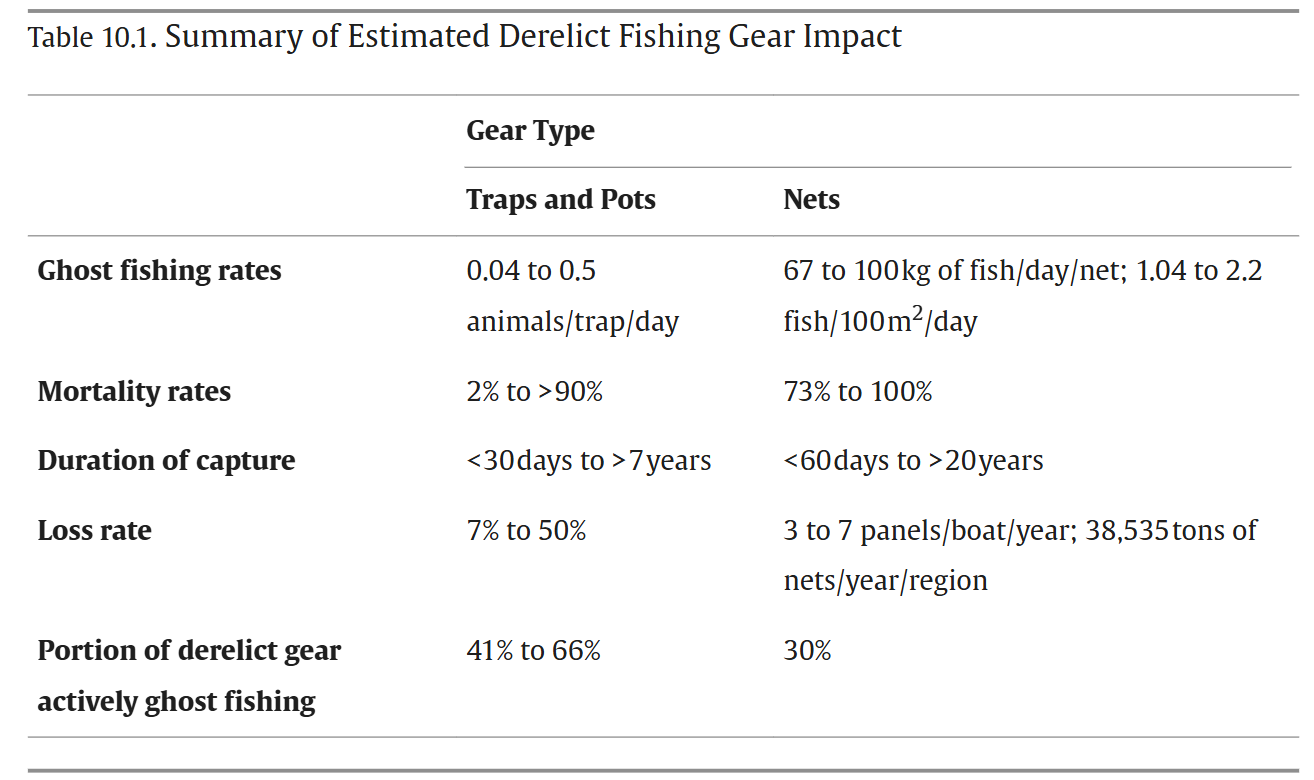
    Below is a comparison table between major types of fishing gears and their impacts regarding ghost fishing (Lively & Good, 2019) .
    Prevention & Mitigation

    Unfortunately, these DFG might not just be the consequences of abandonment of vandalism. Environmental factors such as storms, floods, or hurricanes can contribute as well (Lively & Good, 2019). Prevention is difficult to implement, but better gear management can help reduce the impacts.

    Around the world, World Wild Life joined hands with fishers, government agencies, and others to remove abandoned nets from the water. They increased establishments for gear collection and recycling programs. Better technology for tracking and recovery of gear are under development (World Wild Life). GPS and bottom mapping technology can identify obstructions that might result in accidental loss of gears. A cost-free solution is provided to fishermen to dispose of unusable fishing equipment (NOAA, 2011). Others suggest encouraging arts to monetize unused gears at proper disposal. The NOAA Marine Debris Program has collected more than 1,814,369.48 kilograms (4 million pounds) of gear from 56 locations across the United States. Everyone is working to recover the marine ecosystem.

    What Can YOU Do?

    Individuals cannot contribute much to the grand scale of technology and initializing these programs. However, every effort counts! Raising awareness is very important. Word should travel that everyone should try their best to minimize the garbage and gears that can make their way to the ocean freely. Otherwise, these beautiful creatures might go extinct. And before you know, the King Crabs will become protected species.

    References:

    Lively, J. A., & Good, T. P. (2019). Ghost fishing. World Seas: An Environmental Evaluation, 183–196. https://doi.org/10.1016/b978-0-12-805052-1.00010-3

    Matsuoka, T., Nakashima, T., & Nagasawa, N. (2005). A review of Ghost Fishing: Scientific Approaches to evaluation and solutions. Fisheries Science, 71(4), 691–702. https://doi.org/10.1111/j.1444-2906.2005.01019.x

    NOAA. (2005). Turtle entangled in marine debris (ghost net). Wikimedia Commons. Retrieved from https://en.wikipedia.org/wiki/File:Turtle_entangled_in_marine_debris_(ghost_net).jpg.

    NOAA. (2011, September 27). What is ghost fishing?. NOAA’s National Ocean Service. https://oceanservice.noaa.gov/facts/ghostfishing.html

    NOAA. (2019, February 24). What we know about “ghost fishing” | marine debris program. NOAA Marine Debris Program. https://marinedebris.noaa.gov/what-we-know-about-ghost-fishing-0

    World Wild Life. (n.d.). Ghost fishing gear: Ocean’s Silent killer | world wildlife fund. https://www.worldwildlife.org/resources/explainers/ghost-fishing-gear/
  • The Next Time You Smell Rotten Eggs, It May Be Comet 67

    The Next Time You Smell Rotten Eggs, It May Be Comet 67

    ROSINA:

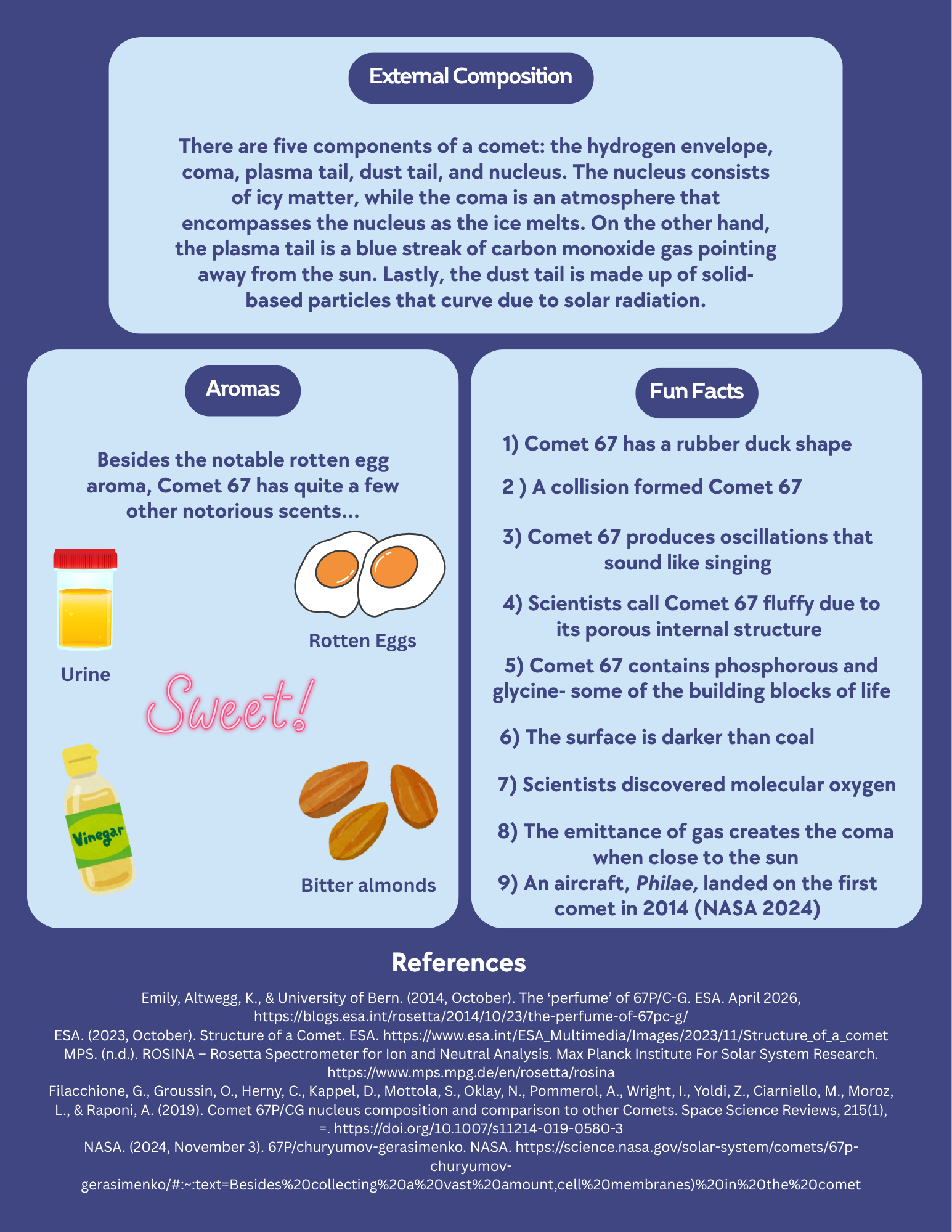
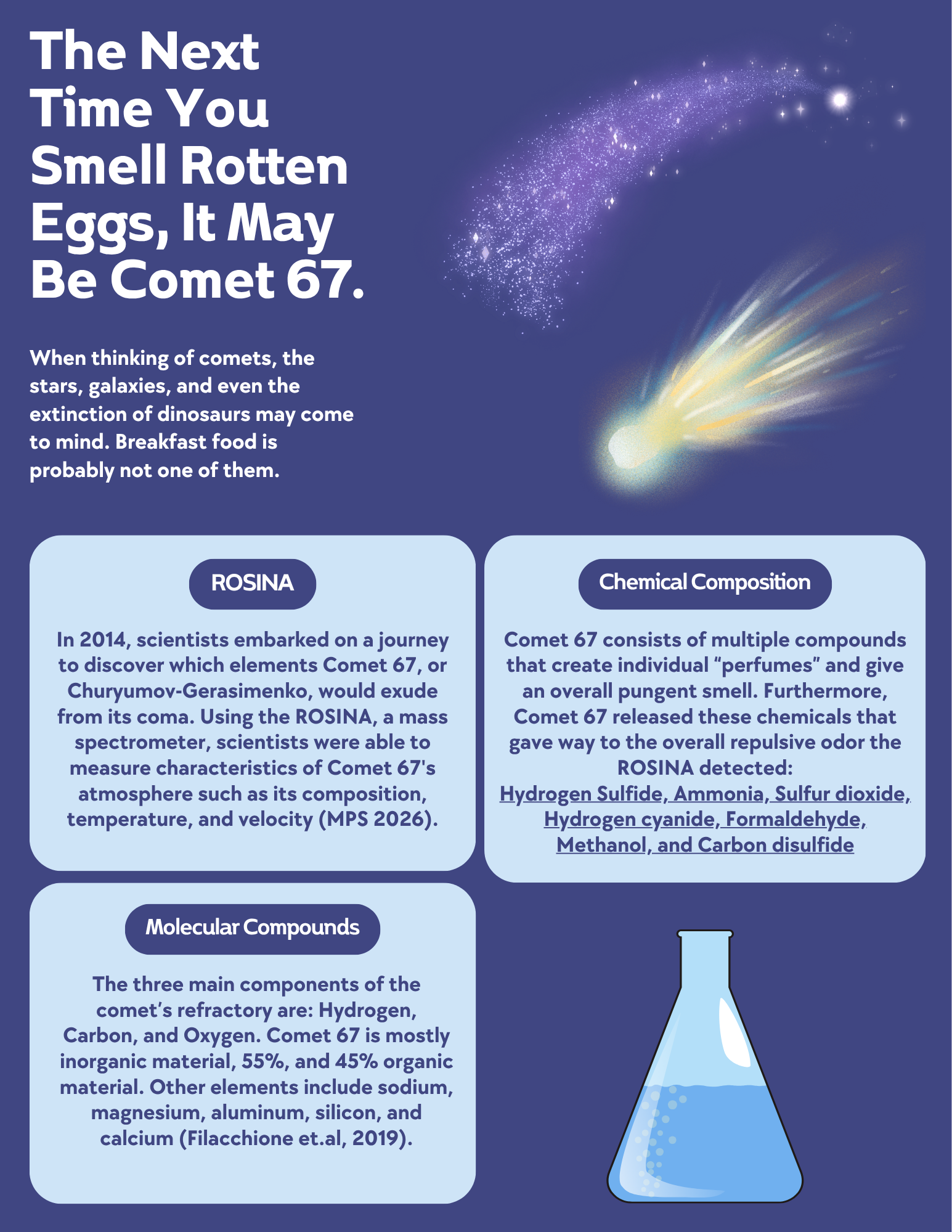
    In 2014, scientists embarked on a journey to discover which elements Comet 67, or Churyumov-Gerasimenko, would exude from its coma. Using the ROSINA, a mass spectrometer, scientists were able to measure characteristics of Comet 67’s atmosphere such as its composition, temperature, and velocity (MPS 2026)

    Chemical Composition:

    Comet 67 consists of multiple compounds that create individual “perfumes” and give an overall pungent smell. Furthermore, Comet 67 released these chemicals that gave way to the overall repulsive odor the ROSINA detected:

    Hydrogen Sulfide, Ammonia, Sulfur dioxide, Hydrogen cyanide, Formaldehyde, Methanol, and Carbon disulfide.

    Molecular Compounds:

    The three main components of the comet’s refractory are: Hydrogen, Carbon, and Oxygen. Comet 67 is mostly inorganic material, 55%, and 45% organic material. Other elements include sodium, magnesium, aluminum, silicon, and calcium (Filacchione et.al, 2019).

    External Composition:

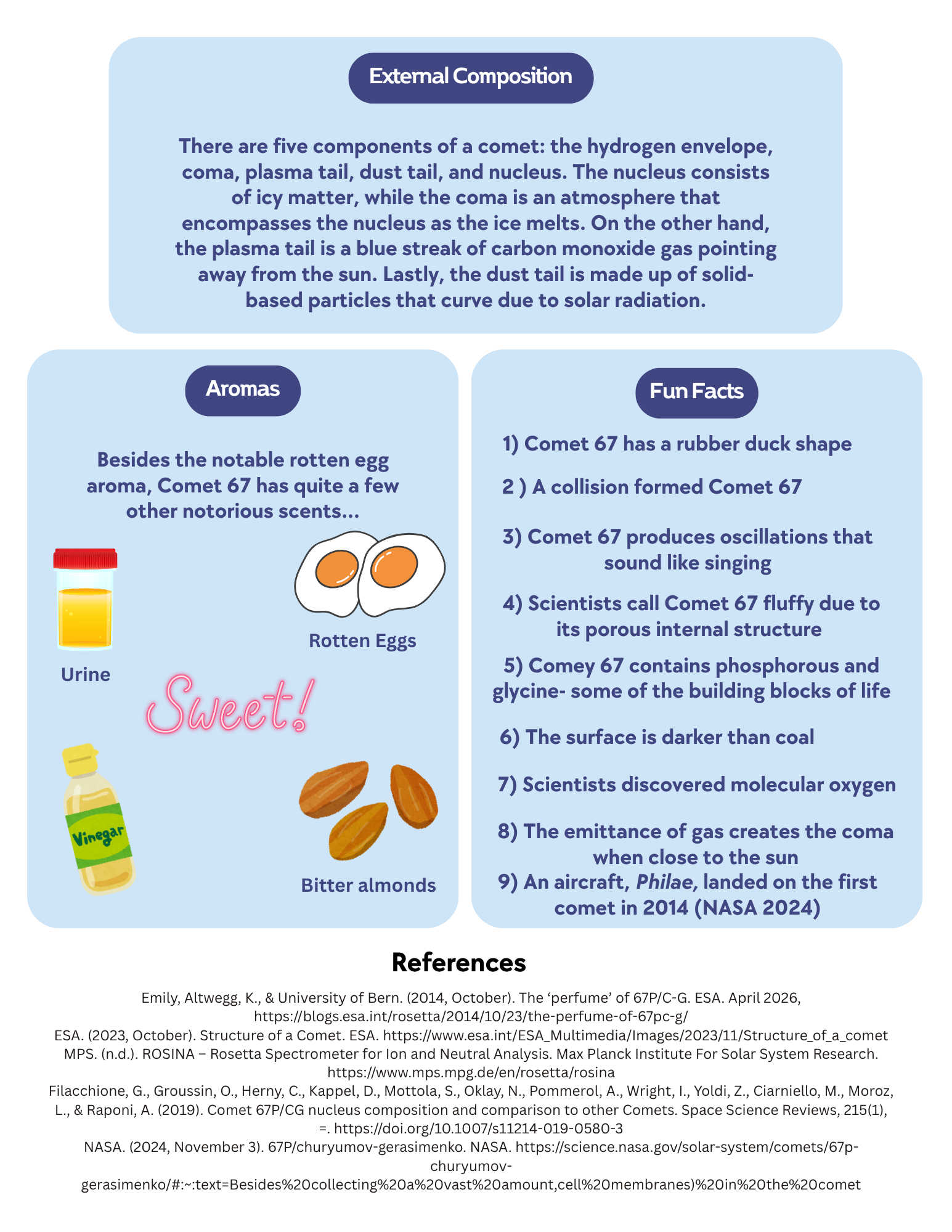
    There are five components of a comet: the hydrogen envelope, coma, plasma tail, dust tail, and nucleus. The nucleus consists of icy matter, while the coma is an atmosphere that encompasses the nucleus as the ice melts. On the other hand, the plasma tail is a blue streak of carbon monoxide gas pointing away from the sun. Lastly, the dust tail is made up of solid-based particles that curve due to solar radiation.

    Aromas:

    Besides the notable rotten egg aroma, Comet 67 has quite a few other notorious scents…

    Rotten eggs, sweet, urine, vinegar, and bitter almonds

    Fun facts:

    1) Comet 67 has a rubber duck shape

    2) A collision formed Comet 67

    3) Comet 67 produces oscillations that sound like singing

    4) Scientists call Comet 67 fluffy due to its porous internal structure

    5) Comet 67 contains phosphorous and glycine- some of the building blocks of life

    6) The surface is darker than coal

    7) Scientists discovered molecular oxygen

    8) The emittance of gas creates the coma when close to the sun

    9) An aircraft, Philae, landed on the first comet in 2014 (NASA 2024)

    References:

    Emily, Altwegg, K., & University of Bern. (2014, October). The ‘perfume’ of 67P/C-G. ESA. April 2026, https://blogs.esa.int/rosetta/2014/10/23/the-perfume-of-67pc-g/

    ESA. (2023, October). Structure of a Comet. ESA. https://www.esa.int/ESA_Multimedia/Images/2023/11/Structure_of_a_comet

    MPS. (n.d.). ROSINA – Rosetta Spectrometer for Ion and Neutral Analysis. Max Planck Institute For Solar System Research. https://www.mps.mpg.de/en/rosetta/rosina

    Filacchione, G., Groussin, O., Herny, C., Kappel, D., Mottola, S., Oklay, N., Pommerol, A., Wright, I., Yoldi, Z., Ciarniello, M., Moroz, L., & Raponi, A. (2019). Comet 67P/CG nucleus composition and comparison to other Comets. Space Science Reviews, 215(1), =. https://doi.org/10.1007/s11214-019-0580-3

    NASA. (2024, November 3). 67P/churyumov-gerasimenko. NASA. https://science.nasa.gov/solar-system/comets/67p-churyumov-gerasimenko/#:~:text=Besides%20collecting%20a%20vast%20amount,cell%20membranes)%20in%20the%20comet


  • The Symptom Gap for Women with ADHD: The Hidden Signs Behind Anxiety, Depression, and Late Recognition

    The Symptom Gap for Women with ADHD: The Hidden Signs Behind Anxiety, Depression, and Late Recognition

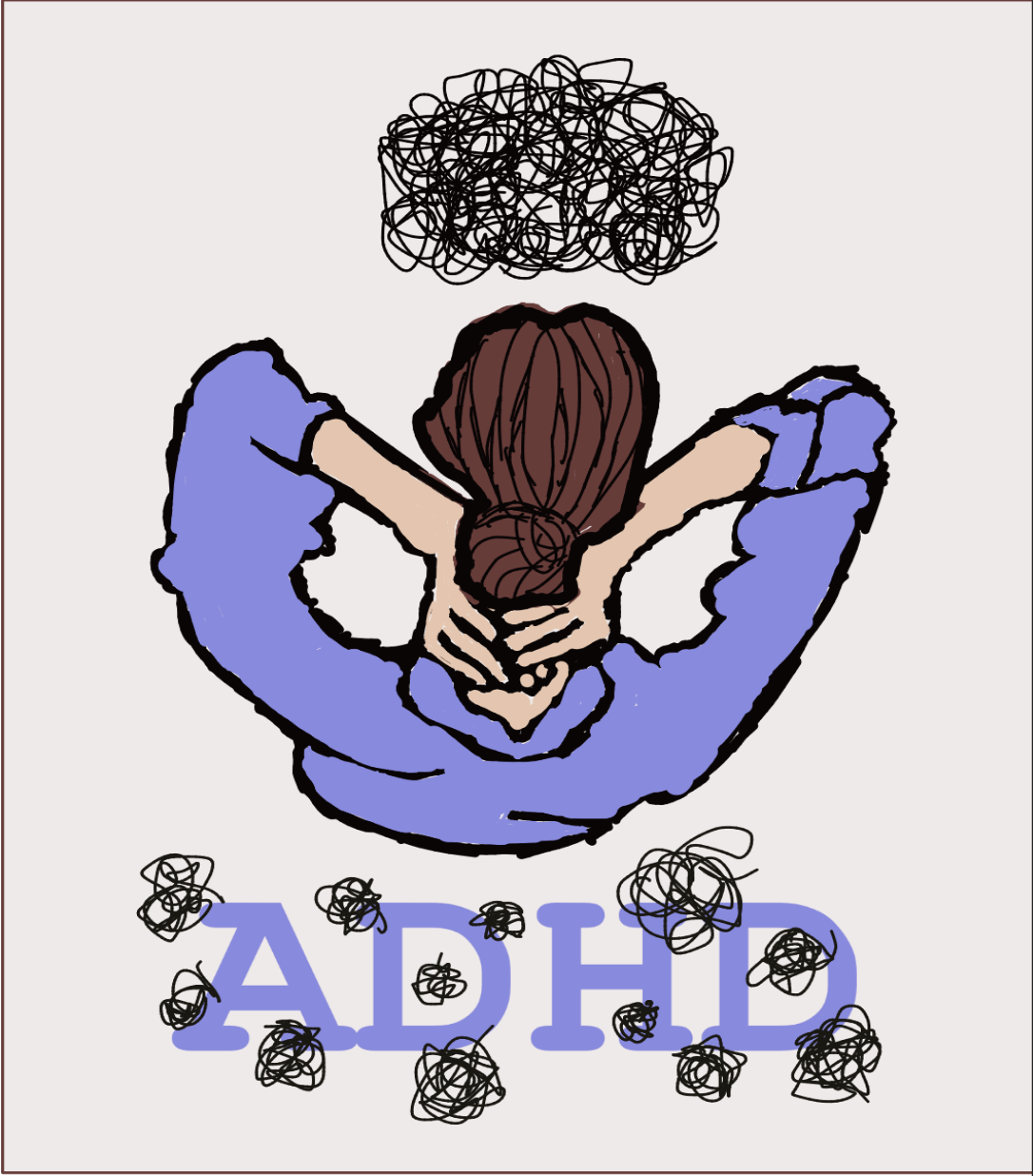
    Attention Deficit Hyperactivity Disorder, more commonly known as ADHD, is historically known as a neurodevelopmental disorder that interferes with daily function and development through inattention, hyperactivity, and impulsivity. However, this definition is largely based on how ADHD has been studied and recognized in men rather than in women. Today, in schools, homes, and medical settings, researchers and clinicians are paying closer attention to how ADHD presents differently in women and girls because so many have gone undiagnosed for years. Women often experience ADHD symptoms that are more masked, internalized, and frequently misdiagnosed (Littman & Wagenberg, 2023; Platania et al., 2025; Stibbe et al., 2020). Especially when undiagnosed, ADHD can cause several disruptive and antisocial behaviors over the lifespan of patients, ranging from substance abuse and work absenteeism to criminality, further contributing to the socioeconomic burden of the disease (Stibbe et al., 2020). Misdiagnosis can change the trajectory of one’s life, and it changed mine. 

    I grew up in an immigrant home where struggling academically was not a choice. As an adolescent, I often did badly when I was left to complete tasks without my mother’s supervision. My mother would get upset, indicating that I needed to “grow up.” Fast forward to high school: I got diagnosed with anxiety and depression because of experiences that I had been going through, even though I still became my class’s salutatorian. Therapy was not resolving my overbearing amount of anxiety and depression. I would always ponder when I would stop feeling so awful. I got to college, where life became centered around self-accountability and doing well, and I genuinely could not function because I could not concentrate on anything. This past year, I got diagnosed with ADHD after years of appearing high-functioning, meaning I would work under high stress while my mental health suffered as a result. It all finally made sense to me. 

    I went undetected for 20 years of my life as a woman due to the stigma and diagnostic gap between how ADHD presents in men and in women. I struggled so much as a woman being held up to high expectations while not understanding why my brain would not function the way I wanted it to. You must be wondering, how could this even happen? One major reason is that, in classrooms, clinics, and even at home, ADHD in women often does not look like the version people expect. Mental health conditions can be misdiagnosed quite frequently, even though they are often the main expressive behaviors in women’s ADHD symptoms. Men are more likely to experience externalizing disorders, such as substance or alcohol abuse, antisocial personality disorder, and conduct disorder, while internalizing disorders, such as anxiety, depression, somatic symptoms, and bulimia, are more common in women (Littman & Wagenberg, 2023; Martin et al., 2018; Platania et al., 2025). 

     Symptom masking has become quite common among women with ADHD (Marschall, 2026; Platania et al., 2025). Women, including myself, often have a greater tendency to internalize their struggles, as we are often told that it is our “hormones” or something that can be left to be resolved by ourselves. Since men exhibit more defining features of ADHD that have been researched based on adolescent and male populations, they are more likely to get symptom relief through medication at a younger age than women (Littman & Wagenberg, 2023; Platania et al., 2025). 

    As mentioned earlier, hormones play a completely different role in gender symptom manifestations, yet this is often overlooked. Across different stages of life and in healthcare settings, this can make women’s ADHD even harder to recognize. A premenstrual girl with ADHD presenting to a clinician as insecure, anxious, and despondent can appear confident, effective, and hopeful a week later, after menstruation commences (Littman & Wagenberg, 2023; Quinn & Madhoo, 2014). Several women around me who have been diagnosed with ADHD have discussed the major highs and lows they have and how they feel like they are “going insane.” However, often they get directed to the idea of having PMDD or other menstrual-hormone associated disorders compared to ADHD. Women with ADHD exhibit high rates of premenstrual syndrome, premenstrual dysphoric disorder, severe postpartum depression, and climacteric symptoms when compared with their neurotypical peers (Quinn & Madhoo, 2014). 

    Today, researchers believe there is a need to develop a new edition of the DIVA-5 designed to better capture ADHD manifestations in women and girls, and examining gender differences in populations with and without ADHD could deepen our understanding of how ADHD manifests across genders (Platania et al., 2025). If clinicians had been better equipped to recognize these signs earlier, I may have understood myself sooner and spent less of my life believing I simply was not enough as an individual. Closing the symptom gap for women with ADHD is not just about improving diagnosis; it is about ensuring that more girls and women are understood, supported, and treated before being detrimentally impacted long-term. 


    References: 

    Davies, W. (2014). Sex differences in attention deficit hyperactivity disorder: Candidate genetic and endocrine mechanisms. Frontiers in Neuroendocrinology, 35(3), 331–346. https://doi.org/10.1016/j.yfrne.2014.03.003  

    Littman, E. B., & Wagenberg, B. (2023, July 26). Gender differences in ADHD and their clinical implications. Psychiatric Times, 40(7). https://www.psychiatrictimes.com/view/gender-differences-in-adhd-and-their-clinical-implications  

    Marschall, A. (2026, March 31). ADHD masking harms neurodivergent women at work. ADDitude. https://www.additudemag.com/neurodivergent-women-in-workplace-adhd-masking/  

    Martin, J., Walters, R. K., Demontis, D., Mattheisen, M., Lee, S. H., Robinson, E., Als, T. D., Brikell, I., Ghirardi, L., Larsson, H., Sullivan, P. F., Thapar, A., Neale, B. M., & Andreassen, O. A. (2018). Sex-specific manifestation of genetic risk for attention deficit hyperactivity disorder in the general population. Journal of Child Psychology and Psychiatry, 59(8), 908–916. https://doi.org/10.1111/jcpp.12874  

    Platania, N. M., Starreveld, D. E. J., Wynchank, D., Beekman, A. T. F., & Kooij, J. J. S. (2025). Bias by gender: Exploring gender-based differences in the endorsement of ADHD symptoms and impairment among adult patients. Frontiers in Global Women’s Health, 6, Article 1549028. https://doi.org/10.3389/fgwh.2025.1549028  

    Quinn, P. O., & Madhoo, M. (2014). A review of attention-deficit/hyperactivity disorder in women and girls: Uncovering this hidden diagnosis. The Primary Care Companion for CNS Disorders, 16(3), Article PCC.13r01596. https://doi.org/10.4088/PCC.13r01596  

    Ramtekkar, U. P., Reiersen, A. M., Todorov, A. A., & Todd, R. D. (2010). Sex and age differences in attention-deficit/hyperactivity disorder symptoms and diagnoses: Implications for DSM-V and ICD-11. Journal of the American Academy of Child & Adolescent Psychiatry, 49(3), 217–228.e3. https://doi.org/10.1016/j.jaac.2009.11.011  

    Stibbe, T., Huang, J., Paucke, M., Ulke, C., & Strauss, M. (2020). Gender differences in adult ADHD: Cognitive function assessed by the test of attentional performance. PLOS ONE, 15(10), e0240810. https://doi.org/10.1371/journal.pone.0240810 

  • New Year, New Me: A guide to rewiring your brain

    New Year, New Me: A guide to rewiring your brain

    Although it’s been about 4 months since the New Year, the start of summer is another perfect opportunity to get back on track with your new year’s resolutions. And this time, you’re going to stick to it because I’m going to explain the science behind your habits and how you can change your brain to change your habits. 

    Scientifically, a habit is a routine, behavior, or cognitive process that starts spontaneously but is repeated automatically as a result of prior experience (Mendelsohn, 2020). It essentially means that it’s something you do without really thinking because you’ve done it before. For example, brushing your teeth as soon as you wake up, showering before bed, or grabbing a snack as soon as you get back to your apartment even if you’re not hungry. Habits are context dependent which means they are strengthened through repetition and use cues from the surrounding environment. When you perceive a cue, it automatically triggers a response without much cognitive input (Mendelsohn, 2020). In the example above, the cue is getting back to your apartment and your habit is grabbing a snack, because you’re normally hungry when you get back. But today, you ate a bigger lunch and even though you aren’t hungry you carried out your habit, why? 

    The relationship between the cue and the response is strengthened by dopamine, the same molecule that keeps you scrolling on tiktok even though you have to wake up in 5 hours. This means that habits are strengthened and rewarded, urging you to carry them out over and over again. When you do something for the first time, your prefrontal cortex is highly active, aiding in carrying out complex cognitive behavior, attention, and decision making. As you continue to carry out the response, dopamine is released by two other brain regions known as the Ventral Tegmental Area (VTA) and Substantia Nigra (SNc). Here, dopamine helps facilitate learning by spiking the exact neural pathway carried out if an action is worth carrying out again or repeating. This strengthens the firing of those neurons in relation to one another, a process known as neuroplasticity (more on that later). Once the response has been reinforced with dopamine, it’s tagged for repetition which is facilitated by the corticostriatal loop which connects the cortex to the striatum, the part of the brain responsible for motor control and decision making. Over time, the brain starts to correlate the cue not the action with the reward leading to the automatic nature of habits. Finally, the striatum translates dopamine release into motor encoding so the output is not reliant on cognitive input and the prefrontal cortex but associations with contextual cues (Wyatt, 2024). 

    This makes it seem like once a habit is formed, it’s an automatic response wired into us for good. Luckily, our brains are constantly evolving, rebuilding, and restructuring, a process known as synaptic plasticity. This means even though it may be hard, we can restructure, rebuild, and begin new habits. Neuroplasticity is the way the brain changes its activity in response to a stimulus by reorganizing its structure, functions, or connections. This can be carried out through a mechanism known as synaptic plasticity in which long-lasting changes are made to the connections between neurons. In order for this to occur, neurons must “fire together to wire together”(Puderbaugh & Emmady, 2023). At the cellular level, this change happens through synaptic plasticity. When neurons repeatedly fire together, they strengthen their connections, a concept known as “neurons that fire together wire together.” When one neuron activates another, it releases glutamate, an excitatory neurotransmitter. With repeated activation, receptors like AMPA and NMDA work together to increase the sensitivity of the receiving neuron. Over time, this makes the connection stronger, meaning the same signal produces a bigger response. This is how repeated behaviors become more efficient and automatic in the brain. This is obviously really cool science, but how do you use this to form new habits? 

    It’s clear that habits require repetition whether it’s strengthening the synapses between neurons or the control of actions shifting from the prefrontal cortex to the striatum. But repetition can be hard when your brain has already been wired to do something different so here’s some tips to get your brain to repeat actions that aren’t yet habits until they become one. 

    • Write down why your new habit made you feel good 

    The reward pathway and dopamine are key players in why we carry out habits but unfortunately actions don’t feel like a reward until it’s been repeated over and over again. Taking time to think about why your new habit was a good one, and how it made you feel can release some of the “feel good” neurotransmitters and activate the same reward pathways that led to habit formation initially. 

    • Habit stacking 

    Stack new habits into a routine you already have. For example, if you always brush your teeth right when you wake up but forget to take your vitamins, start taking them right after you brush your teeth. This helps link the new behavior to already existing neural pathways making it easier to reinforce through repetition. 

    • Start small 

    Because your brain has wired your habits rendering them automatic, it takes a large cognitive load to override them. By starting small, you lessen the cognitive load and reduce the demand on the prefrontal cortex making it easier to start the task. For example, instead of saying you need to workout, start by saying you’ll go to the gym for 20 minutes. 

    • Pay attention to cues 

    Habit formation is highly cue dependent so start paying attention to the cues that trigger certain habits. The next time you see the cue, you are more likely to break the automatic control of the striatum and engage the decision making and cognitive processing of your prefrontal cortex. 

    Although habit formation may seem hard, your brain is built to be changed if you let it. Now that you know the science behind changing your brain, the summer is a great time to start! 

    Sources: 

    Exploring the brain’s relationship to habits | nsf—U. S. National science foundation. (2013, January 14). https://www.nsf.gov/news/exploring-brains-relationship-habits

    Mendelsohn, A. I. (2019). Creatures of habit: The neuroscience of habit and purposeful behavior. Biological Psychiatry, 85(11), e49–e51. https://doi.org/10.1016/j.biopsych.2019.03.978

    Puderbaugh, M., & Emmady, P. D. (2026). Neuroplasticity. In StatPearls. StatPearls Publishing. http://www.ncbi.nlm.nih.gov/books/NBK557811/

    Wyatt, Zoe. (2024). The Neuroscience of Habit Formation. Neurology and Neuroscience. 5. 3. 10.33425/2692-7918.1063. 


  • Left? Right? Left?

    Left? Right? Left?

    https://www.procreo.jp/labo/labo13.html

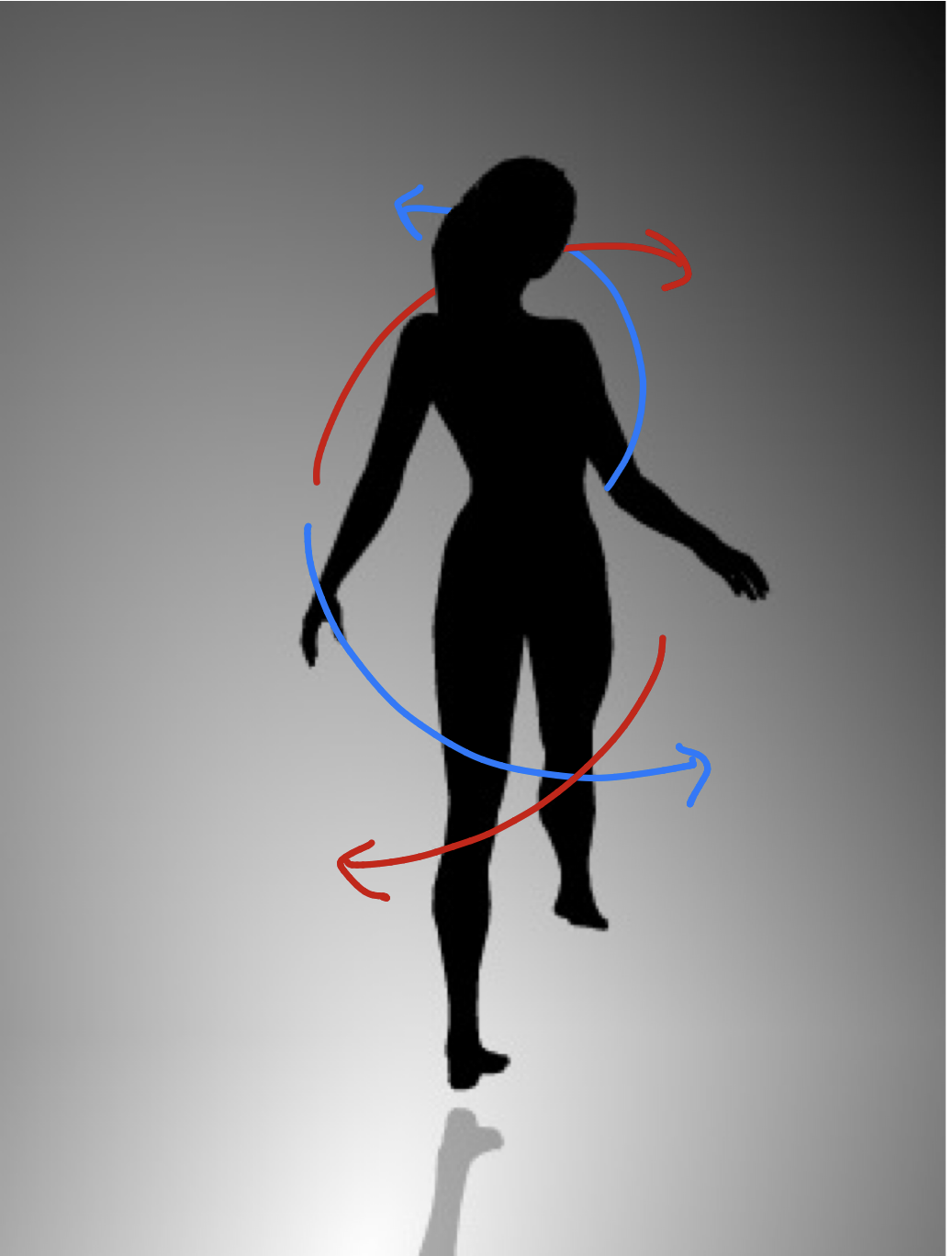
    Watch this video. Do you see the dancer turning to the left?

    Keep watching. Now, do you see her turning to the right?

    The spinning dancer illusion has stumped viewers for years. Is the dancer actually changing directions, or is it just your brain playing tricks on you?

    This video was made by a Japanese web designer named Noboyuki Kayahara in 2003 (Lucafò et. al. 2016).

    Previously, I have talked about the concept of an image being multistable/bistable. Similar to images, this video can also be perceived as bistable because your brain can perceive the dancer as spinning in both the clockwise (CW) and counterclockwise (CCW) directions. Your brain maintains only one direction until prompted to switch because it settles on one interpretation until more evidence is accumulated to push it to change. In this case, my prompting you to look again would be sufficient evidence for your brain to look for a different visual interpretation of this video (Lucafò et. al., 2016).

    In a study conducted by Bernal, it was found that a different hemisphere of the brain is activated for each iteration of the video (CW and CCW). This shows that different brain states are present for the subjective perception of a visual input. These differences in perception reflected spontaneous brain fluctuations in top-down sensory processing (Bernal et. al, 2014).

    The ability of the brain to “flip” an interpretation of a visual input is a topic that has only been researched in recent years. The spinning dancer illusion is a simple and easy to measure and provides a strong basis for future studies in neural perception and attention.

    References

    Bernal, B., Guillen, M., & Marquez, J. C. (2014). The spinning dancer illusion and spontaneous brain fluctuations: An fMRI study. Neurocase, 20(6), 627-639.

    Lucafò, C., Marzoli, D., Prete, G., & Tommasi, L. (2016). Laterality effects in the spinning dancer illusion: The viewing‐from‐above bias is only part of the story. British Journal of Psychology, 107(4), 698-709.

  • Fabrican: Taking a Piece of Chemistry onto the Catwalk

    Fabrican: Taking a Piece of Chemistry onto the Catwalk

    One of the most valuable experiences for any designer or innovator is the process of mastering new fields of knowledge to better guide and inform creative decisions. Almost every new problem or project requires designers to think of new ways to approach their solution or design. Manel Torres is the perfect example of this approach as he had to immerse himself in chemistry to develop what is now known as spray-on clothing. His work demonstrates how expanding beyond traditional design boundaries can lead to groundbreaking results with multiple applications! Torres’s invention really highlights how impactive ideas often emerge when disciplines intersect.

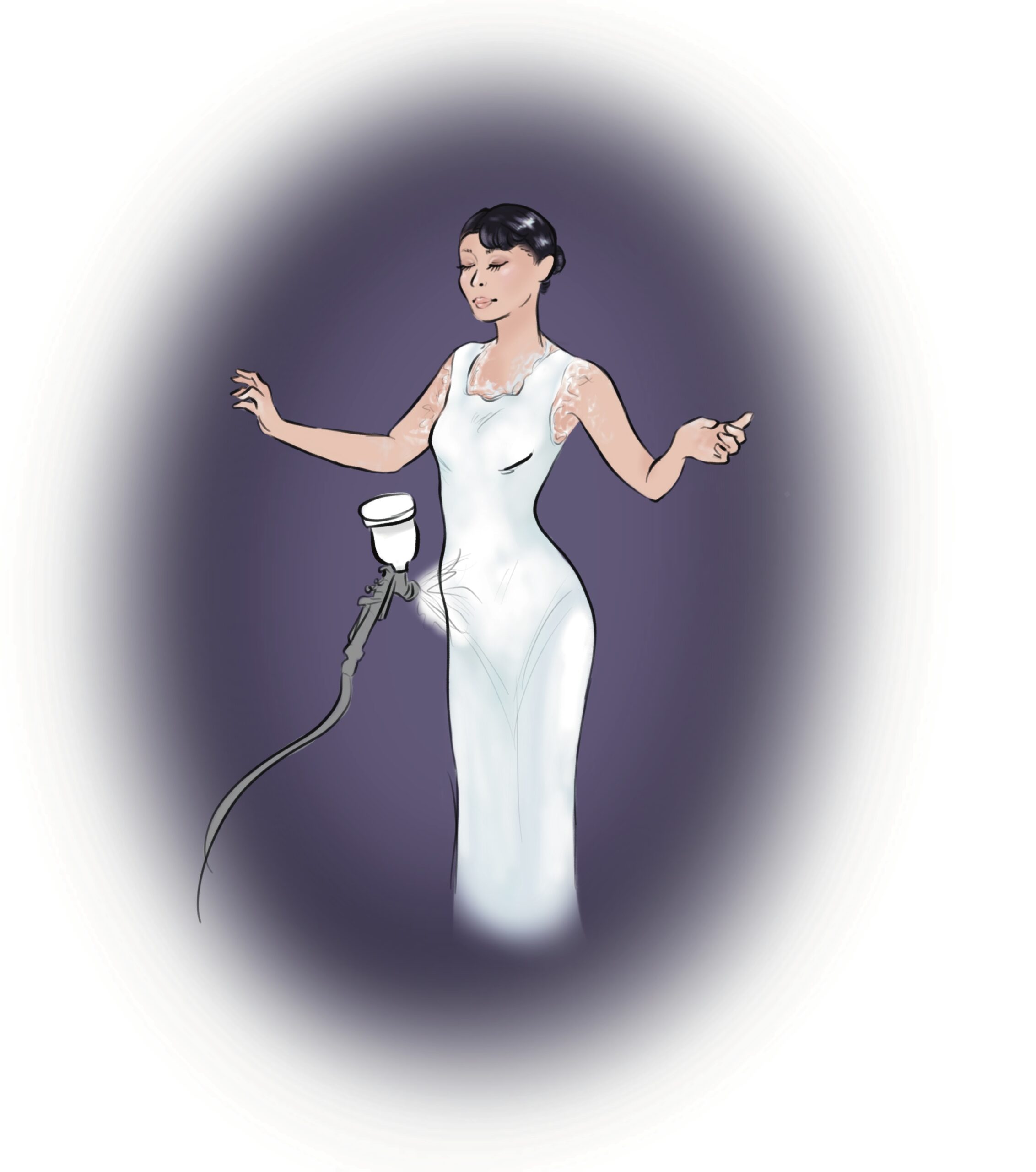
    During Paris Fashion week in 2022 at the Coperni runway, Bella Hadid made a stunning performance as she stood there practically naked, while being sprayed with some white liquid material. Well, this material so happened to originate from the works of Manel Torres’ Fabrican. Inspired by silly string spray cans, Torres wanted to create a spray-on T-shirt from an aerosol can during his doctoral years at the Royal School of Art in London. With the help of Professor Paul Luckham from Imperial College’s department of Chemical Engineering and Chemical Technology, Torres was able to create the right formulation to produce something that can spray thin fabric onto a model (Melton, 2023). A featured article years back on the home page of the Guardian Newspaper, highlights the work of fashion designer Dr. Manel Torres who invented a spray that “forms a seamless fabric on contact with the body” (Amato, 2011). Along with the article was a video, showing Torres in a lab coat demonstrating his new innovation by spraying the torso of a male model with a liquid mix of fibers and polymers that instantly dried and solidified upon contact with the skin. The results came out to be a skintight t-shirt!

    (source: drawn by An Truong)

    So how is it possible for a liquid material to become something that you can actually wear? 

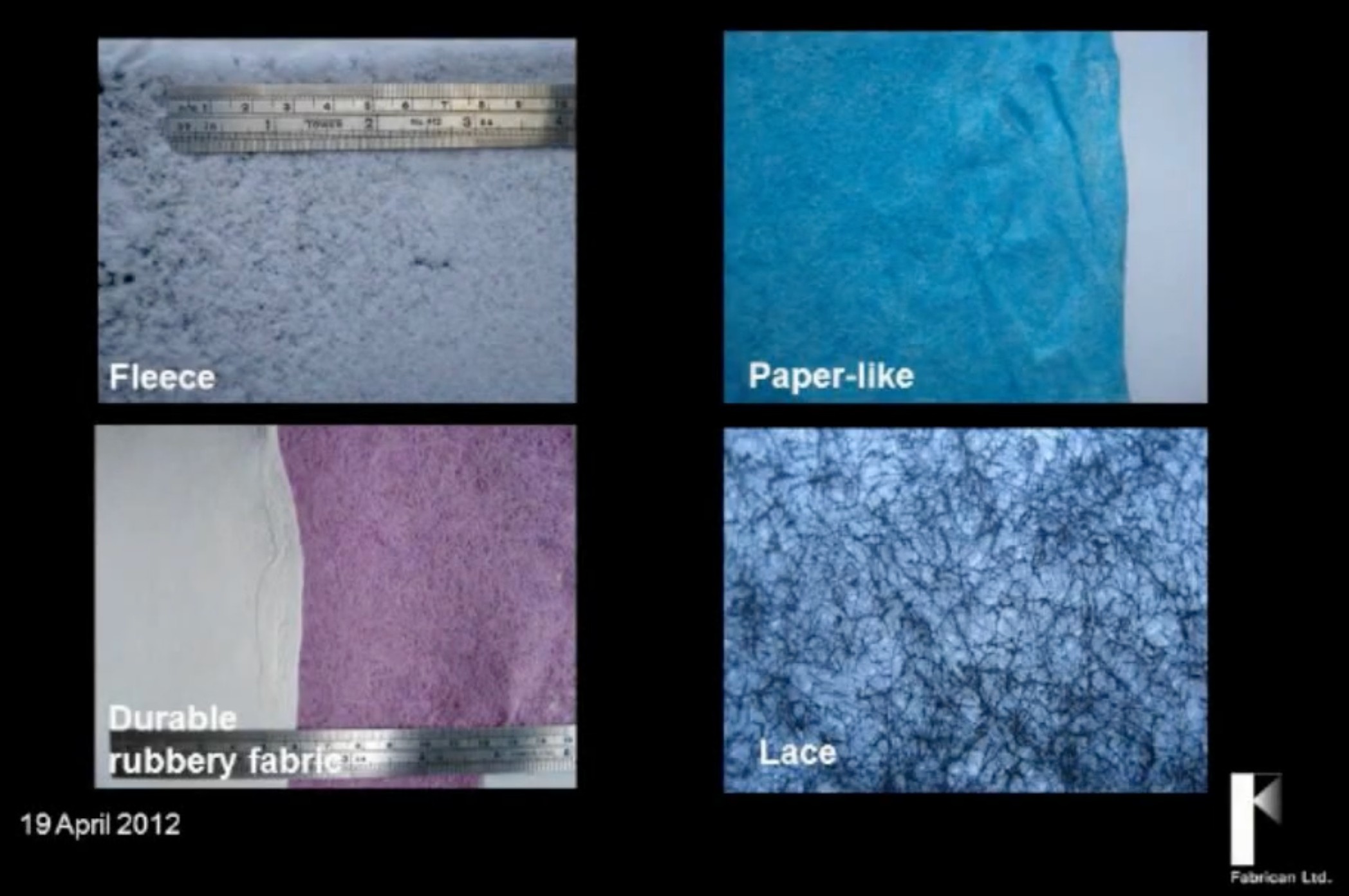
    Torres’ invention consists of a liquid mixture of short fibers that are suspended in a solvent that evaporates when exposed in the air, so that the spray turns into a solid non-woven non-knit material upon contact (Melton, 2023). It was made to be applied using an aerosol can or a spray gun that would be sprayed directly onto a person or onto a mannequin or mold, forming a fabric layer that can be thickened and strengthened by applying multiple layers. With this, you would be able to style, peel off, and shape the fabric as needed. The fibers themselves are biopolymers created from natural or synthetic sources such as corn starch, wool or mohair based keratin, hemp, or even collagen (Amato, 2023). Torres also experimented with various other kinds of fabrics and textures such as a paper-like texture, fleece, rubber, and lace. These fabrics and textures were able to be embossed, molded, and essentially patterned in any ways a designer wishes. 

    (source: TEDxTalk)

    Further Application

    Torres believes that his invention should be and can be used to create a wide range of products, including fashion, automotive components such as dashboards and interior fabrics, and for medical application such as bandages, instant sterile dressings, or drug delivery patches. 

    As any great designer and innovator would do, Manel Torres continues developing and improving his own works. In a TED TALK Torres gave in 2012, he mentions how he wants to push Fabrican to be fully reusable and sustainable as well as incorporate some kind of smart technology in the future. This is a great practice for designers and innovators alike as they should all reflect on their designs and continue to improve them even after its final outcome is presented.

    Conclusion

    Manel Torres’s work with Fabrican shows how innovation in design is truly never finished. It should evolve alongside new ideas, technologies, and needs. By continuing to refine his spray-on fabric with goals of sustainability, material and cost efficiency, and integration of smart technology, Torres sets a perfect example for future designers and innovators that creativity should not end at just the final invention or outcome, it instead continues to grow through constant iteration. Manel Torres’ process demonstrates how science and design can merge to create materials that are functional and adaptable. As Fabrican develops, it has great potential to reshape industries starting from fashion and expanding to fields such as medicine. Ultimately, Torres’s process and work encourages designers to think beyond traditional materials and to embrace experimentation and iteration. His brilliant vision for the future of clothing and textiles challenges the next generation to design with both imagination, experimentation, and research!

    Citations:

    Amato, Sarah. (2011). Fit to a T: Spray-On Clothing, Craft, Commodity Fetishism, and the Agency of Objects. Utopian Studies, 22(2), 285–302. https://doi.org/10.5325/utopianstudies.22.2.0285

    Coperni. (2023, September 14). The making of a dress [Video]. YouTube. https://www.youtube.com/watch?v=YxObP6-ovdk

    Melton, Lisa. The instant spray-on dress. Nat Biotechnol 41, 743 (2023). https://doi.org/10.1038/s41587-023-01829-1

    TEDx Talks. (2012, April 26). Spray-On Fabric: Manel Torres at TEDxImperialCollege [Video]. YouTube. https://www.youtube.com/watch?v=EW6Gv-IoErw


  • Health and Houseplants

    Health and Houseplants

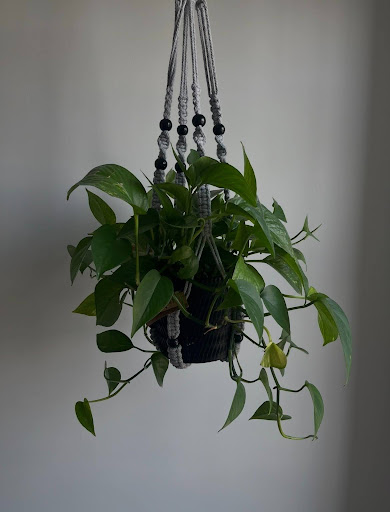
    Recently I have been completely obsessed with houseplants. For a whole month, I bought a new plant every week. I bought them fertilizer, new pots, anything I could to keep them healthy and growing. When I fill up my water bottle, I know my plants will be drinking more of it than me. But why? Was this craze fueled by a desire for a better oxygenated indoor life? Or to somehow resolve the everyday stress of student life? Turns out, it was probably a combination of both.

    Houseplants and The Physical Environment

    You may already know that humans inhale O2  and exhale CO2 . You may also know that plants intake CO2 and output O2. This makes humans and plants the perfect pair! It turns out that too much CO2 is harmful for us too! Short term, too high a concentration of CO2 can cause sore throat, coughing, shortness of breath, and dry eyes. Long term, it has even been linked to obesity (Gubb, 2018). Another issue our indoor environments present for us is lower than optimal humidity, which plants can also work to solve! (Gubb, 2018) Low humidity can cause skin and eye irritation, dry sinuses, and increased flu transmission (Gubb, 2018). While it’s hard to say exactly how much plants offset these effects due to the negative impact on plant gas exchange rates from being indoors, we do know that plants help combat these issues. 

    Houseplants and Psychology

    Believe it or not, houseplants can help support your mental health too! According to one study, people in offices with plants were more attentive to tasks (Yeo, 2020). Another study showed that plants promote creativity, reduce stress levels, and create positive feelings and comfort (Yeo, 2020). These are huge benefits for something as cheap and low maintenance as a house plant.

    My Experience With Plants

    When it really comes down to it, these are definitely not the real reasons for my houseplant craze, but they are real effects of it. Just having them around (and giving them names), has given me something else to care for in my day to day life, much like a pet. This is something I think a lot of college students, and many others, are missing from their lives. For me personally, my window faces the sunrise. Having plants who are reliant on that sun in the morning has helped me get out of bed to open my blinds for them. They also give me something to focus on: I’ve gotten into the habit of checking on each one before bed every night to see if I notice anything. For them, it’s to make sure I catch things like yellowing leaves that could indicate a need for something early. But for me, it’s become a sort of ritual, or part of my routine before bed. I feel like this has helped me get to sleep faster. For anyone reading this, I would encourage you to try it out yourself. Maybe start with one little plant, something easy like a succulent, and develop your own rituals around it. See how it helps you!

    References

    Gubb, C., Blanusa, T., Griffiths, A., & Pfrang, C. (2018). Can houseplants improve indoor air quality by removing CO2 and increasing relative humidity? Air Quality, Atmosphere & Health, 11(10), 1191–1201. https://doi.org/10.1007/s11869-018-0618-9

    Yeo, L. B. (2020). Psychological And Physiological Benefits Of Plants In The Indoor Environment: A Mini And In-Depth Review. International Journal of Built Environment and Sustainability, 8(1), 57–67. https://doi.org/10.11113/ijbes.v8.n1.597