
Day: December 14, 2023

  • Dragon’s Beard Candy: A Math-Based Art

    Dragon’s Beard Candy: A Math-Based Art

    “Dragon Beard Candy” Image Credit: A Canadian Foodie

    Dragon’s Beard Candy, also known as “Chinese Cotton Candy,” is a prime example of the masterful blending of culinary creativity and traditional culture. This delicate confection, which has its origins in ancient Asian traditions, has enthralled generations with its elaborate preparation and distinctive texture, which is reminiscent of fine silk threads. In this essay, we will explore the origins, preparation, and cultural significance of Dragon’s Beard Candy, shedding light on the science and craftsmanship behind this time-honored treat.

    Dragon’s Beard Candy has a rich history dating back to ancient China, where it was once considered a delicacy reserved for royalty. The candy’s creation takes on a mythical charm due to its association with dragons, which are highly revered in Chinese mythology. Dragon’s Beard Candy is a popular treat at weddings, festivals, and other special occasions. It has evolved over the centuries into a symbol of joy and celebration.

    The fundamental ingredients for Dragon’s Beard Candy are simple yet essential: sugar syrup and starch. First, a viscous syrup is made by heating sugar and water together. The critical step lies in the meticulous pulling, twisting, and folding of the sugar strands. This intricate dance transforms the once-solidified syrup into countless fine threads, resembling the beard of a dragon. There are two benefits to adding cornstarch or potato starch. First of all, it keeps the delicate strands from adhering to one another, preserving the candy’s unique texture. Second, the starch enhances the entire sensory experience by subtly counterbalancing the sweetness.

    There is an intriguing interaction between physics and chemistry in the making of Dragon’s Beard Candy. The process of pulling sugar is similar to an alchemical cooking technique in which heat and constant stretching turns sugar syrup into an intricate web of tiny threads. In addition to adding layers and air to the candy, twisting and folding gives it a fluffy, dreamy texture. The structural integrity of the candy is enhanced by the starch coating. Starch is essential for preserving the uniqueness of each sugar strand by preventing them from combining or collapsing thanks to the processes of encapsulation and absorption.

    Crafting Dragon’s Beard Candy requires a delicate touch and a keen understanding of the candy’s behavior under various conditions. Skilled confectioners become experts at pulling sugar, measuring syrup consistency, and striking the ideal ratio of elasticity to fragility. With meticulous execution of every twist and fold, the confection is not only aesthetically magnificent but also a demonstration of the artist’s talent.
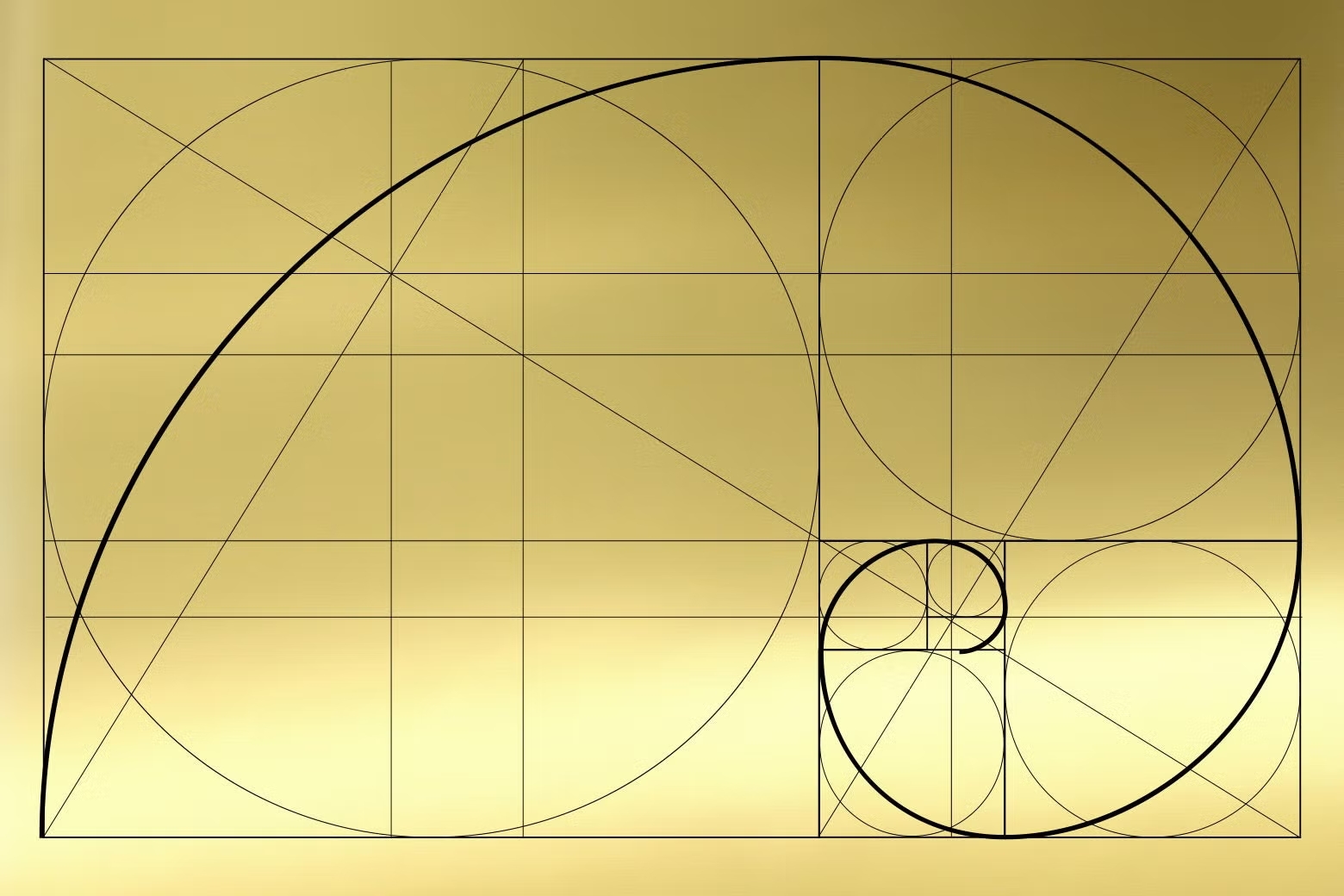
    “The Golden Ratio” Image Credit: Getty Images Plus

    The manual way of stretching the candy is by hooking and folding it over itself, which involves a multiplication factor of 2 (doubling in length). Nowadays, the modern candy-pulling machine implements a stretch factor related to the Golden Ratio,(1/2 + sqrt(5)/2 approximately 1.618), which is based on the number of rods/hooking with in the machine. The Greek letter phi (φ), which represents the mathematical constant known as the golden ratio, has historically been used to symbolize harmony and proportion in art. Within the culinary arts, Dragon’s Beard Candy presents an interesting pairing for the golden ratio as  delicate dance of precision and ratios goes into the painstaking preparation of this old confection. The intricate texture of the candy is achieved by pulling, twisting, and folding the sugar strands, which demonstrates a meticulous attention to proportions and is reminiscent of the influence of the golden ratio in both art and nature. The golden ratio is subtly acknowledged as one savors the dreamy sweetness of Dragon’s Beard Candy, linking the culinary experience to the timeless appeal of mathematical beauty. 

    Dragon’s Beard Candy is more than just candies; it is a culinary masterwork and a cultural asset. Its preparation, which has its roots in antiquated customs, accentuates the tasteful fusion of science and artistry. Savoring the threads of this delicious treat allows us to participate in a timeless tradition that weaves us into the rich fabric of cultural celebration and culinary history. Dragon’s Beard Candy encourages us to recognize the beauty in the craft of people who, akin to contemporary alchemists, turn ordinary ingredients into sensory-pleasing wonders.

    Sources: 

    Cyeeahn. “Dragon’s Beard Candy.” Red Thread Kitchen, 29 Jan. 2021, www.red-thread-kitchen.com/post/dragon-s-beard-candy.

    “Dragon’s Beard Candy – Alchetron, the Free Social Encyclopedia.” Alchetron.Com, 7 Sept. 2022, alchetron.com/Dragon%27s-beard-candy.

    Ellenberg, Jordan. “The Number That Becomes More Amazing the More You Study It.” Slate Magazine, Slate, 8 June 2021, slate.com/technology/2021/06/golden-ratio-phi-irrational-number-ellenberg-shape.html.

    Lugonja, Valerie. “Dragon Beard Candy.” A Canadian Foodie, 5 May 2015, www.acanadianfoodie.com/2015/05/05/dragon-beard-candy/. 

    Magazine, Smithsonian. “Using Math to Build the Ultimate Taffy Machine.” Smithsonian.Com, Smithsonian Institution, 21 Oct. 2016, www.smithsonianmag.com/science-nature/using-math-build-ultimate-taffy-machine-180960849/.

    The Mathematics of Ta y Pulling – University of Wisconsin, people.math.wisc.edu/~thiffeault/talks/ddays2018.pdf. Accessed 14 Dec. 2023. 
  • Virtual Reality in Education: Revolutionizing Learning Experiences

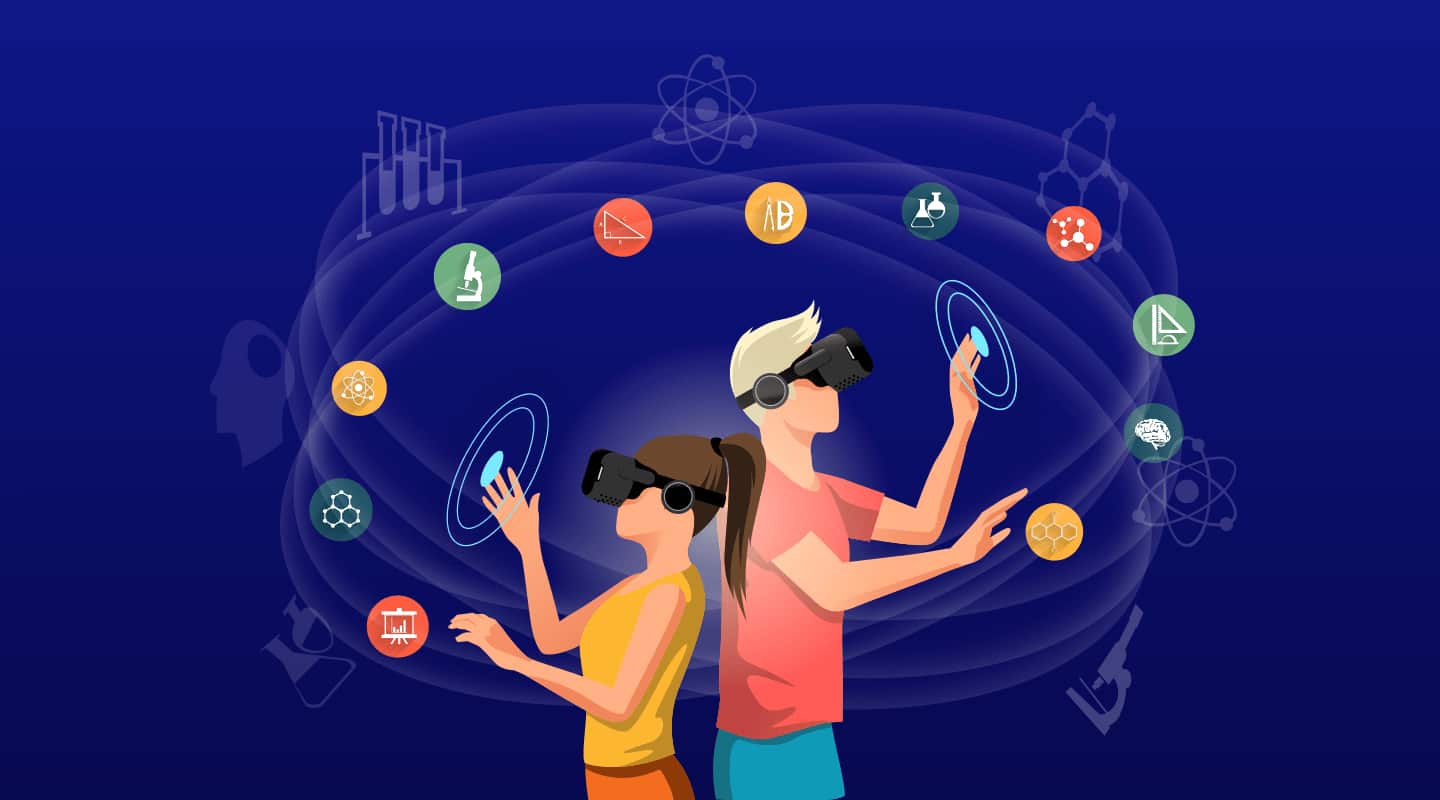
    Virtual Reality in Education: Revolutionizing Learning Experiences

    Virtual reality (VR) has emerged as technology with the potential to change education in the future. VR’s immersive and interactive experiences are redefining traditional educational methods as we navigate the digital age. This article examines how virtual reality is affecting education, stressing its advantages, difficulties, and potential applications for both teachers and students.

    When used in education, virtual reality offers a dynamic and engaging environment that goes beyond the confines of conventional classrooms. From the comfort of their classrooms, students can use virtual reality (VR) to explore far-off planets, go back in time, or learn more about the intricate workings of the human body. With the help of this technology, learning can take on a more interesting and dynamic quality.

    The potential of virtual reality (VR) to improve student engagement and retention is one of its main benefits in education. Students frequently find it difficult to pay attention in traditional lectures and textbooks, which results in lower information retention. However, virtual reality (VR) stimulates multiple senses, immersing learners in an interactive, three-dimensional environment that leads to a more profound and long-lasting understanding of the subject matter.

    Teachers can design customized learning experiences with virtual reality that are based on the needs of each individual student. Students can advance at their own pace while getting real-time assistance and feedback from adaptive virtual reality programs. By catering to the various learning styles and preferences of students, this individualized approach promotes a more inclusive and efficient educational system. In disciplines like science, engineering, and medicine that demand practical experience, virtual reality is especially helpful. Students can hone their skills in a risk-free environment by practicing them in simulations and virtual laboratories. This is especially beneficial in disciplines where real-world practice may be expensive, dangerous, or logistically challenging.

    With virtual reality, geographical limitations no longer prevent collaborative learning. Participation in shared virtual classrooms by students from around the world promotes global perspectives and cross-cultural interactions. Additionally, virtual reality (VR) bridges the gap between educational opportunities by making education accessible to people living in remote or underserved areas. Virtual reality in education seems to have a bright future as long as technology keeps improving. Applications for virtual reality (VR) are probably going to get more advanced, providing more customized and realistic learning experiences. Furthermore, the combination of VR and AI can improve adaptive learning even more by giving students individualized learning paths.

    “VR Education” Image Credit: The Tech Trend

    The use of virtual reality in the classroom has the potential to completely transform both the way teachers and students learn. Education becomes a dynamic and engaging experience thanks to VR’s immersive and interactive qualities, which also promote improved comprehension, retention, and skill development. Virtual reality in education has a bright future, despite certain obstacles. These obstacles will be addressed by continued technological advancements and a dedicated effort. The educational landscape will profit from virtual reality’s boundless potential as we embrace this game-changing tool for the next generation of students.

    Source: 

    “Pros and Cons of Using Virtual Reality in Education: LITSLINK Blog.” Litslink, 23 July 2021, litslink.com/blog/usage-of-virtual-reality-in-education-pros-and-cons. 

    Onu, P., Pradhan, A. & Mbohwa, C. Potential to use metaverse for future teaching and learning. Educ Inf Technol (2023). https://doi.org/10.1007/s10639-023-12167-9

    Radianti, Jaziar, et al. “A systematic review of immersive virtual reality applications for higher education: Design elements, lessons learned, and research agenda.” Computers & Education 147 (2020): 103778.

    Riley, Zoey. “Top 13 AR & VR Companies That Are Working on Education Sector.” The Tech Trend, 10 Oct. 2021, the-tech-trend.com/reviews/top-13-ar-vr-companies-that-are-working-on-education-sector/. 

    Unleashed, Universal Unity. “The Impact of Virtual Reality on Education: Transforming the Classroom Experience.” Medium, Medium, 21 Nov. 2023, medium.com/@gabri4974/the-impact-of-virtual-reality-on-education-transforming-the-classroom-experience-ef6ed342b525. 

  • Maximizing Sleep Cycles for Optimal Well-Being: The Key 90 Minutes

    Maximizing Sleep Cycles for Optimal Well-Being: The Key 90 Minutes

    Given its critical importance to our health and well-being, sleep is an essential and fundamental aspect of our lives. Our heart, immune system, metabolism, respiratory system, and circulatory system are all impacted by sleep. Understanding the concept of sleep cycles can significantly impact the quality of our rest. Sleep cycles, consisting of various stages, play a crucial role in physical and mental rejuvenation. This article aims to explore the different stages of sleep and provide tips on how to maximize your sleep cycles for a more restorative night’s sleep.

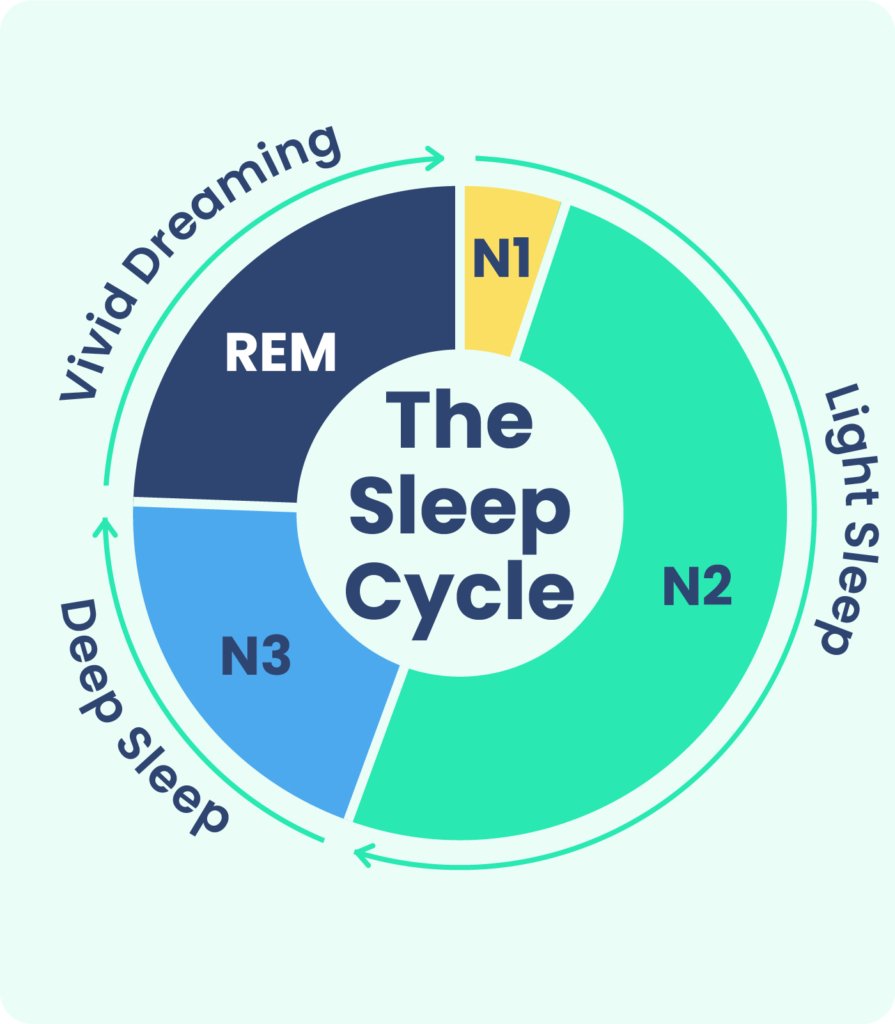
    “The Sleep Cycle with the Phases” Image Credit: Sleep Foundation

    The Sleep Cycle 

    Sleep cycles are intricately structured patterns that govern the various stages of sleep, each contributing uniquely to the overall restoration and well-being of the body and mind. There are four distinct stages in the sleep cycle: REM (rapid eye movement), NREM1, NREM2, and NREM3 (deep sleep or slow-wave sleep). NREM1 marks the transitional phase from wakefulness to sleep, lasting only a few minutes, and sets the foundation for the deeper stages that follow. NREM2 represents true sleep, which is characterized by decreased muscle activity, decreased body temperature, and a slowing heart rate and lasts about 10–25 minutes.  This stage of sleep plays a vital role in memory consolidation and learning. NREM3, a deep sleep stage characterized by delta brain waves, is essential for the body’s physical recuperation or restoration because it stimulates the release of growth hormones, the immune system, and muscle repair. The last phase of sleep, known as REM sleep, is characterized by vivid dreams, fast eye movements, and brain activity similar to that of wakefulness. This stage is essential for memory consolidation, emotional regulation, and cognitive function. The sleep cycle is not something that happens once per night. On most nights, a person goes to 5 to 6 sleep cycles. A balanced distribution of the different stages of sleep is ensured by the cyclical nature of sleep, which is essential to its effectiveness. It is important to note that the length and distribution of each stage can change during the course of the night, with REM sleep lasting longer in the morning and deep sleep mostly happening in the earlier cycles.

    The Key 90 Minutes 

    The concept of 90-minute sleep cycles is rooted in the understanding of the human sleep architecture, characterized by distinct stages that repeat in a cyclical pattern throughout the night. Each complete sleep cycle, which typically lasts about 90 to 110 minutes, is crucial for overall health and well-being. Understanding the importance of these cycles sheds light on the significance of maintaining a consistent and adequate sleep duration.

    Optimizing the distribution of sleep stages is a crucial feature of the 90-minute sleep cycle. The NREM1 and NREM2 lighter stages, NREM3 deeper slow-wave sleep, and the REM (rapid eye movement) stage comprise a full cycle. Each stage serves a unique purpose in physical and mental restoration. While REM sleep is necessary for emotional regulation and cognitive function, NREM1 and NREM2 aid in early relaxation and memory consolidation, and NREM3 is necessary for physical recovery. People can benefit from a balanced distribution of these stages throughout the night by following 90-minute sleep cycles. Sleep cycles guarantee a thorough and all-encompassing restorative experience for the body and mind, addressing the mental and physical dimensions of health. Achieving multiple complete cycles maximizes the body’s ability to repair, heal, and consolidate memories by allowing for a thorough exploration of the various stages of sleep.

    The 90-minute sleep cycle also corresponds with the natural ultradian rhythms that control our physiological functions. These rhythms operate in cycles of approximately 90 minutes, influencing factors such as alertness, focus, and productivity. People who sleep in accordance with these innate cycles may discover that they wake up more easily and feel more rested because their sleep is in harmony with their body’s internal clock. Maintaining regular sleep cycles is also essential for controlling the circadian rhythm. The circadian rhythm, also known as the internal body clock, is triggered by light and dark in the environment. Consistent sleep habits aid in regulating the circadian rhythm, fostering a more robust and consistent sleep-wake cycle.

    In summary, the significance of 90-minute sleep cycles lies in their capacity to facilitate a comprehensive and balanced restorative process. People can improve their physical and mental recovery, sharpen their cognitive abilities, and promote their general health and well-being by honoring their body’s natural sleep cycle. Cultivating a healthy sleep routine begins with making consistent and adequate sleep a priority in line with these cycles. This optimization entails establishing restful surroundings and embracing healthy sleeping practices. Maximizing the benefits of each sleep stage requires a consistent sleep schedule, a calming bedtime ritual, and a sleep-conducive environment that includes elements like darkness and a cool temperature. Knowing the mechanics of sleep cycles enables people to prioritize good sleep hygiene, which improves sleep quality and promotes general health and vitality. So, next time, whenever you are going to bed or taking a nap, remember to take them in 90-minute intervals for well-rested sleep.

    Sources:

    Cherry, Kendra. “The 4 Stages of Sleep (NREM and REM Sleep Cycles).” Verywell Health, Verywell Health, 11 May 2023, www.verywellhealth.com/the-four-stages-of-sleep-2795920. 

    Eugene, Andy R, and Jolanta Masiak. “The Neuroprotective Aspects of Sleep.” MEDtube Science, U.S. National Library of Medicine, Mar. 2015, www.ncbi.nlm.nih.gov/pmc/articles/PMC4651462/. 

    “Stages of Sleep: What Happens in a Sleep Cycle.” Sleep Foundation, 8 Dec. 2023, www.sleepfoundation.org/stages-of-sleep. 

    “What Happens during Sleep.” Sleep Doctor, 19 July 2023, sleepdoctor.com/sleep-faqs/what-happens-when-you-sleep/. 

    “Why Is Sleep Important?” National Heart Lung and Blood Institute, U.S. Department of Health and Human Services, www.nhlbi.nih.gov/health/sleep/why-sleep-important.

  • Navigating the Cosmic Currents: The Great Attractor

    Navigating the Cosmic Currents: The Great Attractor

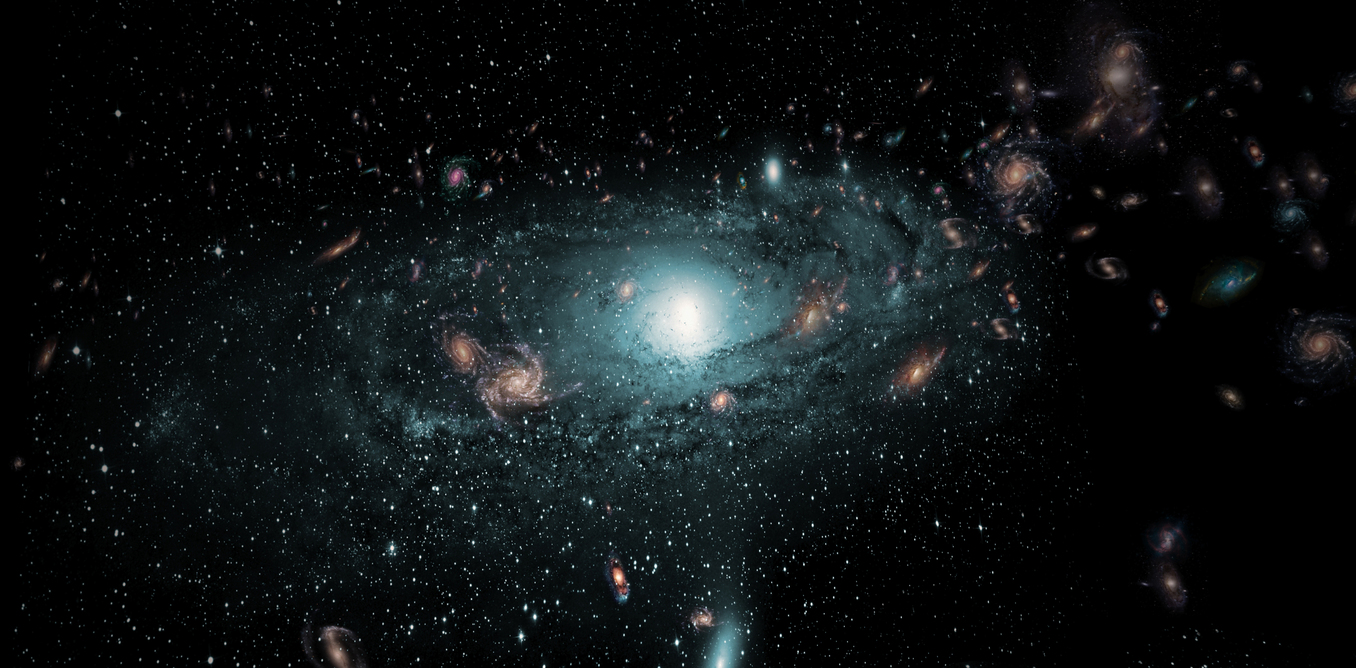
    Astronomers and astrophysicists are fascinated by the deep mysteries that lie beneath the cosmic tapestry, which is made up of galaxies, clusters, and the vast emptiness of intergalactic space. The Great Attractor stands out among these celestial mysteries as a cosmic giant, a massive object with a gravitational pull that is located outside the observable boundaries of our universe. This massive mass concentration exerts a force that defies universal expansion, inviting scientists to explore its mysteries and reshape our understanding of the universe.

    Astronomers first became aware of the Great Attractor in the late 1970s when they observed an unexpected, massive galaxy movement toward a particular area of the sky. There were far more gravitational anomalies at work than could be accounted for by the local observable matter. This unusual gravitational pull led astronomers to search for the source of this cosmic pull, which ultimately resulted in the discovery of the Great Attractor.

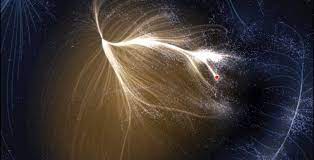
    “The Great Attractor” Image Credit: Tully, R. B., Courtois, H., Hoffman, Y, Pomarède


    The Great Attractor is a gravitationally dominant object, but its precise location is obscured by a cosmic gas and dust mist. When looking through this cosmic mist, conventional optical telescopes are rendered useless. However, astronomers have turned to alternative observational techniques, such as radio telescopes and infrared imaging, to penetrate the cosmic shroud and gain insights into the nature of this mysterious gravitational focal point.

    The Great Attractor is a massive mass concentration equal to tens of thousands of galaxies, not just a gravitational anomaly. Its enormous size and gravitational pull span hundreds of millions of light-years, which puts our basic notion of the universe’s size to the test. On an unprecedented scale, the very existence of such a massive structure raises questions about the formation and evolution of cosmic structures. A cosmic paradox—the universe’s unrelenting expansion against the concentrated gravitational pull of this enormous structure—lies at the core of the Great Attractor mystery. While galaxy separation is the general trend in the universe, the Great Attractor creates a gravitational dance that pulls galaxies, clusters, and even our own Milky Way toward its enigmatic core. Scientific understanding of the underlying forces forming the universe is being called into question as a result of this cosmic tug-of-war with established cosmological models.

    At the heart of the Great Attractor mystery lies a cosmic paradox: the universe’s relentless expansion versus the concentrated gravitational pull of this colossal structure. While the general trend in the cosmos is the gradual separation of galaxies, the Great Attractor orchestrates a gravitational dance, drawing galaxies, clusters, and even our Milky Way toward its mysterious core. This cosmic tug-of-war challenges established cosmological models and forces scientists to reconsider our understanding of the fundamental forces shaping the universe.

    Worldwide astronomers and researchers are working together to study the Great Attractor in this collaborative effort. This cosmic giant is using advanced technologies, such as powerful computational models and sophisticated telescopes, to unravel the gravitational web that it has woven. The Great Attractor may reveal more of its secrets as technology and observational capabilities develop, providing a deeper understanding of the underlying forces that shape the cosmic architecture.

    Sources: 

    Alderson, E. “The Powerful and Mysterious Great Attractor.” Medium, Predict, 18 Feb. 2020, medium.com/predict/the-powerful-and-mysterious-great-attractor-710f353e809f.

    “The Great Attractor: Uncovering the Mystery of The Invisible Force.” Space Mesmerise, spacemesmerise.com/en-us/blogs/astronomy/the-great-attractor-uncovering-the-mystery-of-the-invisible-force. 

    Siegel, Ethan. “Ask Ethan: Will the ‘great Attractor’ Defeat Dark Energy?” Forbes, Forbes Magazine, 23 July 2016, www.forbes.com/sites/startswithabang/2016/07/23/ask-ethan-will-the-great-attractor-defeat-dark-energy/?sh=67a899aa7b77.

    Staveley-Smith, Lister, and University Of Western Australia. “Explainer: What Is the Great Attractor and Its Pull on the Milky Way?” Phys.Org, Phys.org, 31 May 2016, phys.org/news/2016-05-great-attractor-milky.html.

    “What Is the Great Attractor, and Will It Destroy Us?” Big Think, 19 Apr. 2022, bigthink.com/surprising-science/what-is-the-great-attractor-and-will-it-destroy-us/.