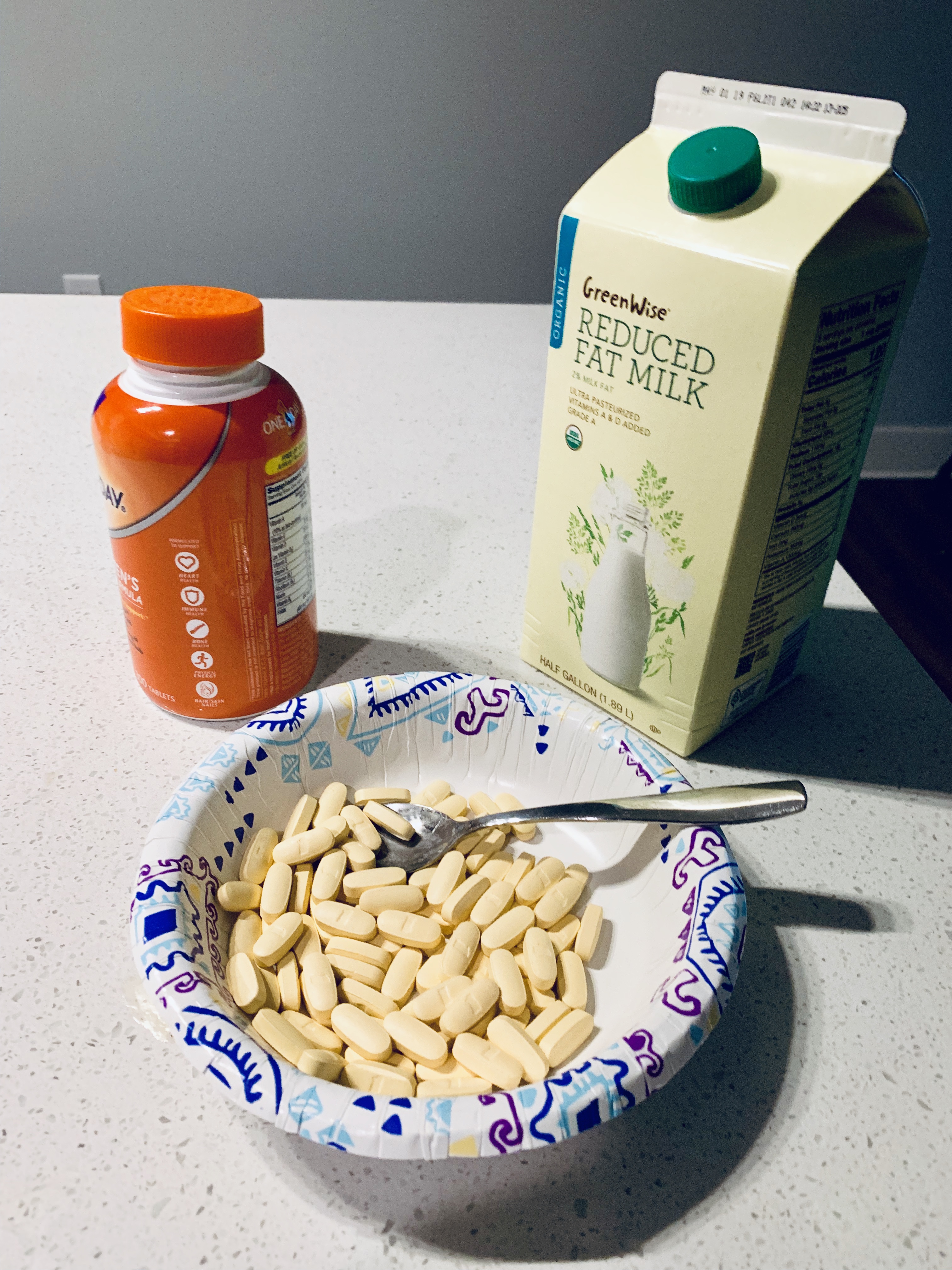
 Too much of a good thing is even better? Right? Wrong. Turns out with vitamins, this is not the case. The Vitamin market is a $23.3 Billion industry, and we are increasingly turning to these convenient capsules for a quick fix. The effect of vitamins is a U curve – too little has negative effects, but so does too much. A moderate amount has the best effects on the body – but this can be hard to achieve with vitamin supplements. Vitamins usually have 1-10x the recommended daily allowance in their pills, and people take these without question. With public opinion largely being that vitamins are a revolution, I want to shed some light on how overdosing on some of the most popular supplements can have detrimental effects.
Vitamin D
Vitamin D manages calcium in your blood, bones and gut and helps cells all over your body to communicate properly. Since the rise of sedentary lifestyles, many have been turning to Vitamin D supplements over being outside in the sun. Large overdoses of vitamin D (100x the daily allowance for many months) can cause calcium buildup in the blood, called Hypercalcemia This buildup can result in persistent nausea and frequent vomiting. Additionally, the calcium buildup in the blood can cause kidney damage when the calcium binds with phosphate and forms crystals in tissues. In a case series conducted in Kashmir, India, researchers found that the Vitamin D prescribed by physicians to treat deficiencies was far exceeded the required daily amount, and pushed patients to hyperclacemia. In their conclusions, the researchers cautioned against taking a seemingly innocuous vitamin in large doses.
Vitamin A
Vitamin A is important for eye heath and helps prevent eye diseases like Age-related macular degeneration. However, Acute Vitamin A toxicity can occur when a single excessively high dose and chronic toxicity when 10x the recommended daily amount is taken over a long period. Side effects can include headaches, vision disturbances, joint pain, and skin irritation. Worse, toxicity can impact fetal health and even cause birth defects of the eye, skull, lungs, and heart. The national institutes of health warns pregnant women about taking high dose Vitamin A supplements.
Vitamin E
Vitamin E is important to important to vision, reproduction, and the health of your blood, brain and skin. In a clinical trial called SELECT (Selenium and Vitamin E Cancer Prevention Trial), 35,000 men 50 years and older took Vitamin E and Selenium supplements for 5.5 years and then were observed for 1.5 years following. Men tho took Vitamin E supplements alone had a 17% increased risk of prostate cancer compared to men on the placebo pill. Men taking vitamin E and selenium both also had an increased risk of prostate cancer, but in lower amounts. After analyzing the results, the SELECT team concluded that the vitamin dose (400IU/day) given was far too high based on the U shaped curve. The recommendation from the SELECT team was that men should not take vitamin supplements for cancer prevention.
The Takeaway
As the negative repercussions of vitamin overdoses continue to come to light, researchers are starting to question the practice of prescribing vitamins to those with deficiencies in high doses. As consumers of vitamins, we have the responsibility to ensure that we are getting our vitamins in reasonable quantities through vitamins or sticking to natural sources. Next time you decide to pop a pill, you might want to flip the bottle around and get a better look at what you’re having!
Sources:
Nicastro, H. L., & Dunn, B. K. (n.d.). CHAPTER 25. The Selenium and Vitamin E Cancer Prevention Trial (SELECT): Prevention of Prostate Cancer Using Selenium and/or Vitamin E in the SELECT Cancer Prevention Trial. Food and Nutritional Components in Focus Selenium,428-457. Retrieved from https://epi.grants.cancer.gov/Consortia/members/select.html.
Office of Dietary Supplements – Vitamin A. (n.d.). Retrieved from https://ods.od.nih.gov/factsheets/VitaminA-HealthProfessional/
Penniston, K. L., & Tanumihardjo, S. A. (n.d.). Vitamin A in dietary supplements and fortified foods: Too much of a good thing? Journal of the Academy of Nutrition and Dietetics. Retrieved from https://www.ncbi.nlm.nih.gov/pubmed/12963949.
Trend Insights: Vitamins & Supplements. (n.d.). Retrieved from https://www.fona.com/trend-insights-vitamins-supplements/.