Tag: chemistry

  • Raindrop Cake, Not a Cake?

    Raindrop Cake, Not a Cake?

    Have you ever wondered what a raindrop would taste like if it was transformed into cake form? Look no further! Raindrop cake, albeit very different from your typical, traditional cake, will let you have a truly magical experience.
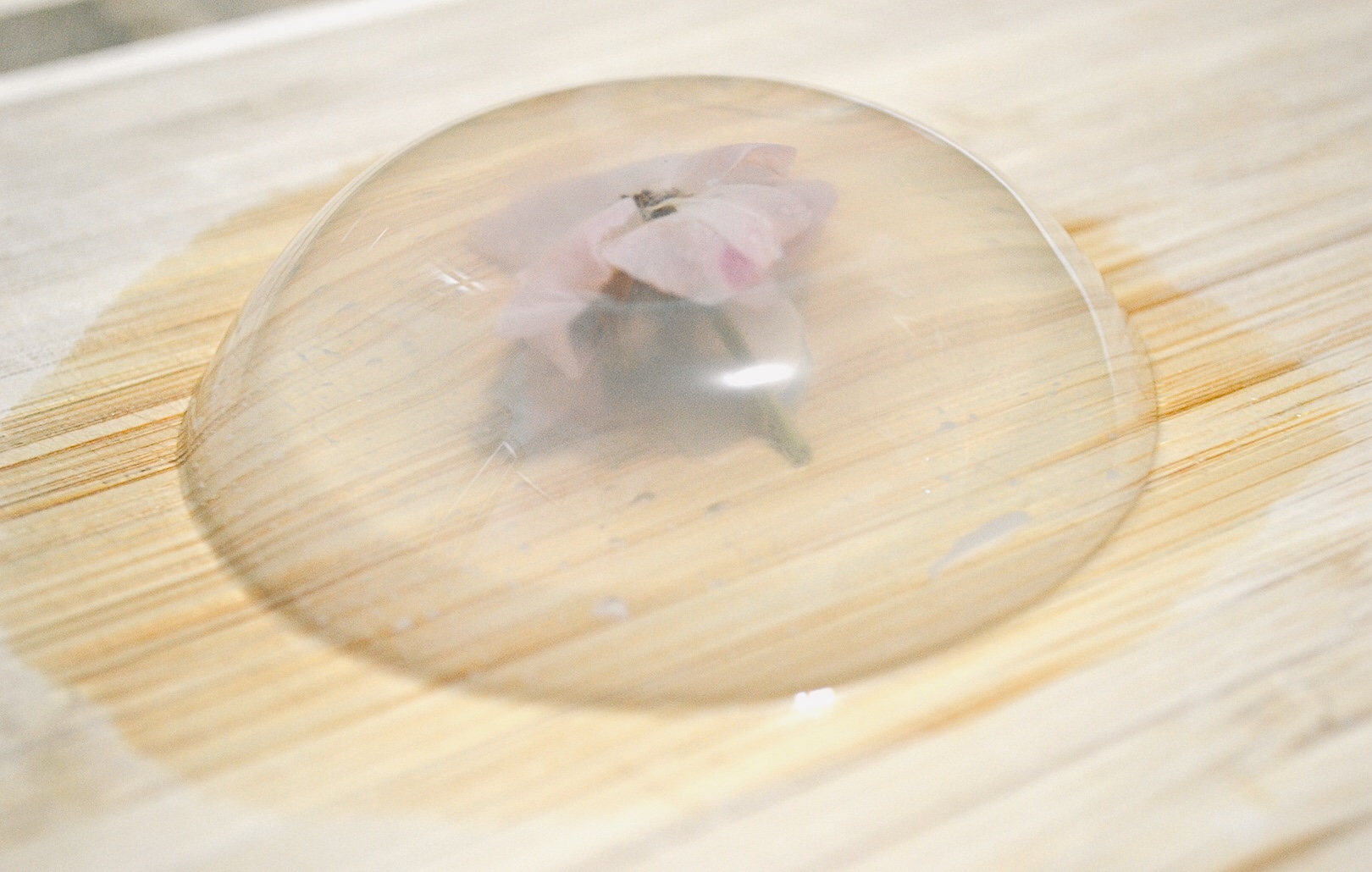
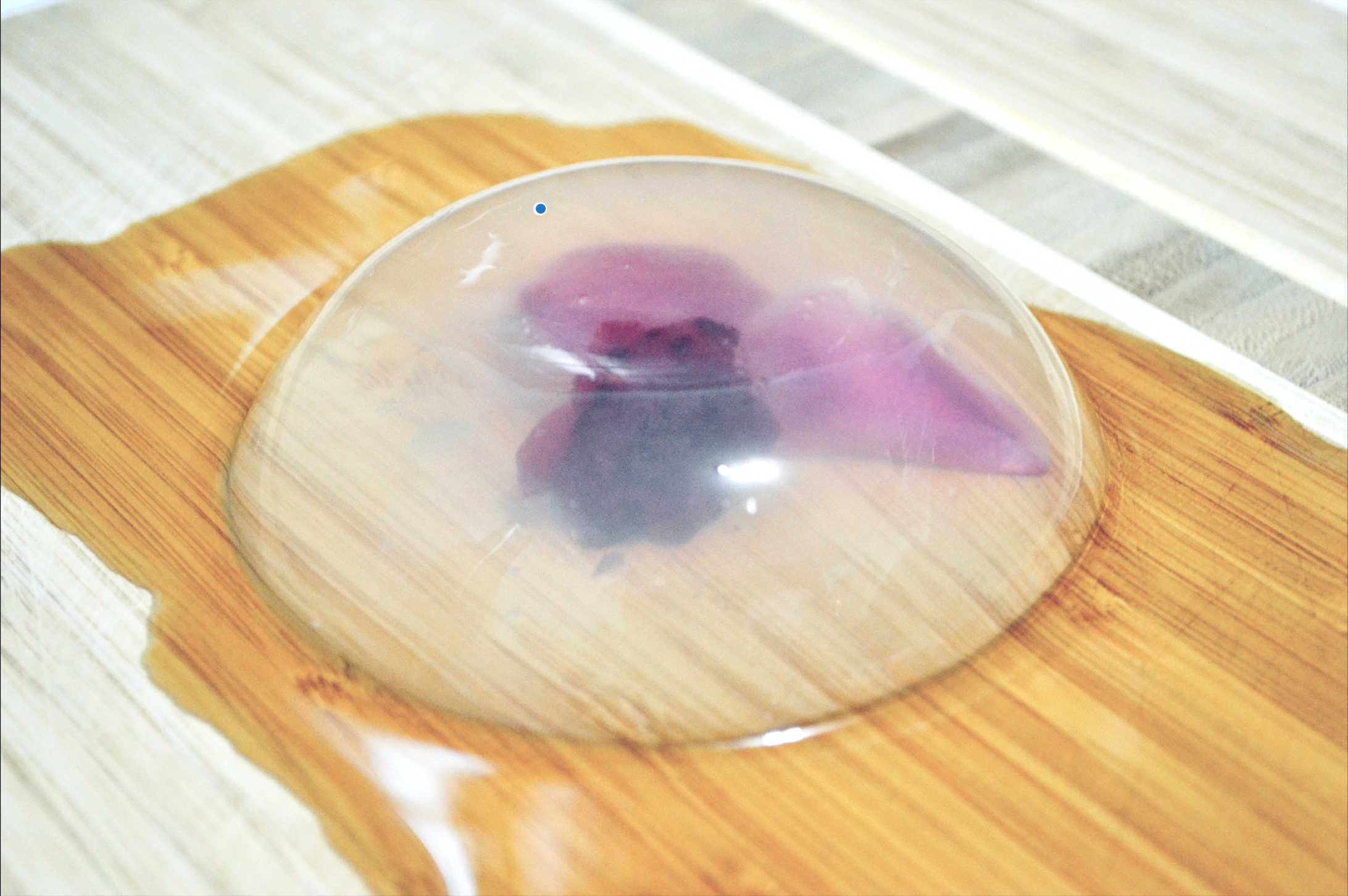
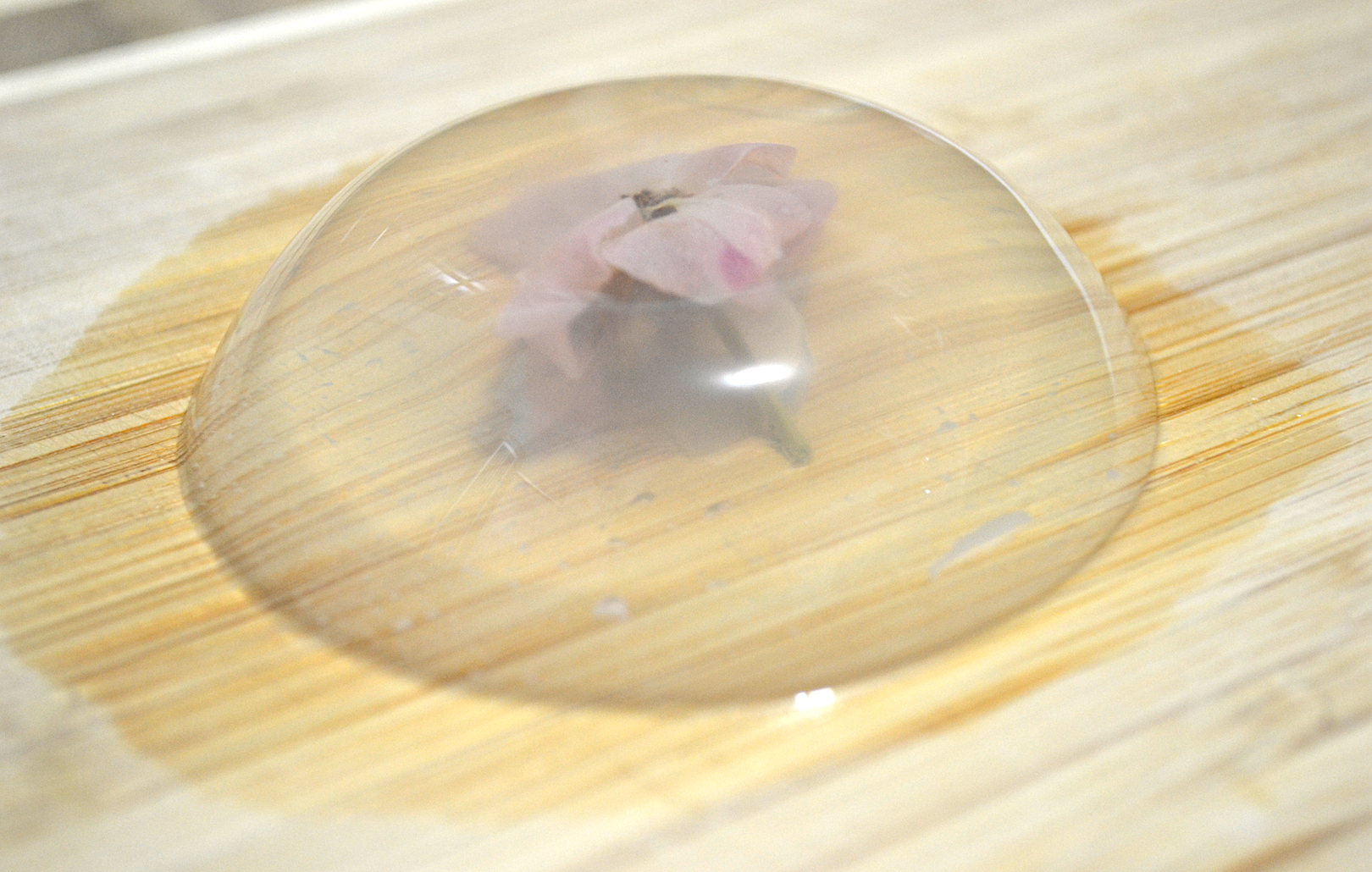
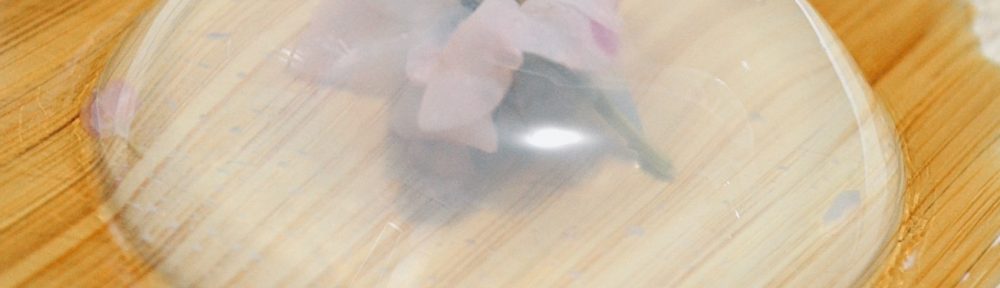
    IMG_1885                                                         My first attempt!

    Screen Shot 2018-11-01 at 8.50.37 PM

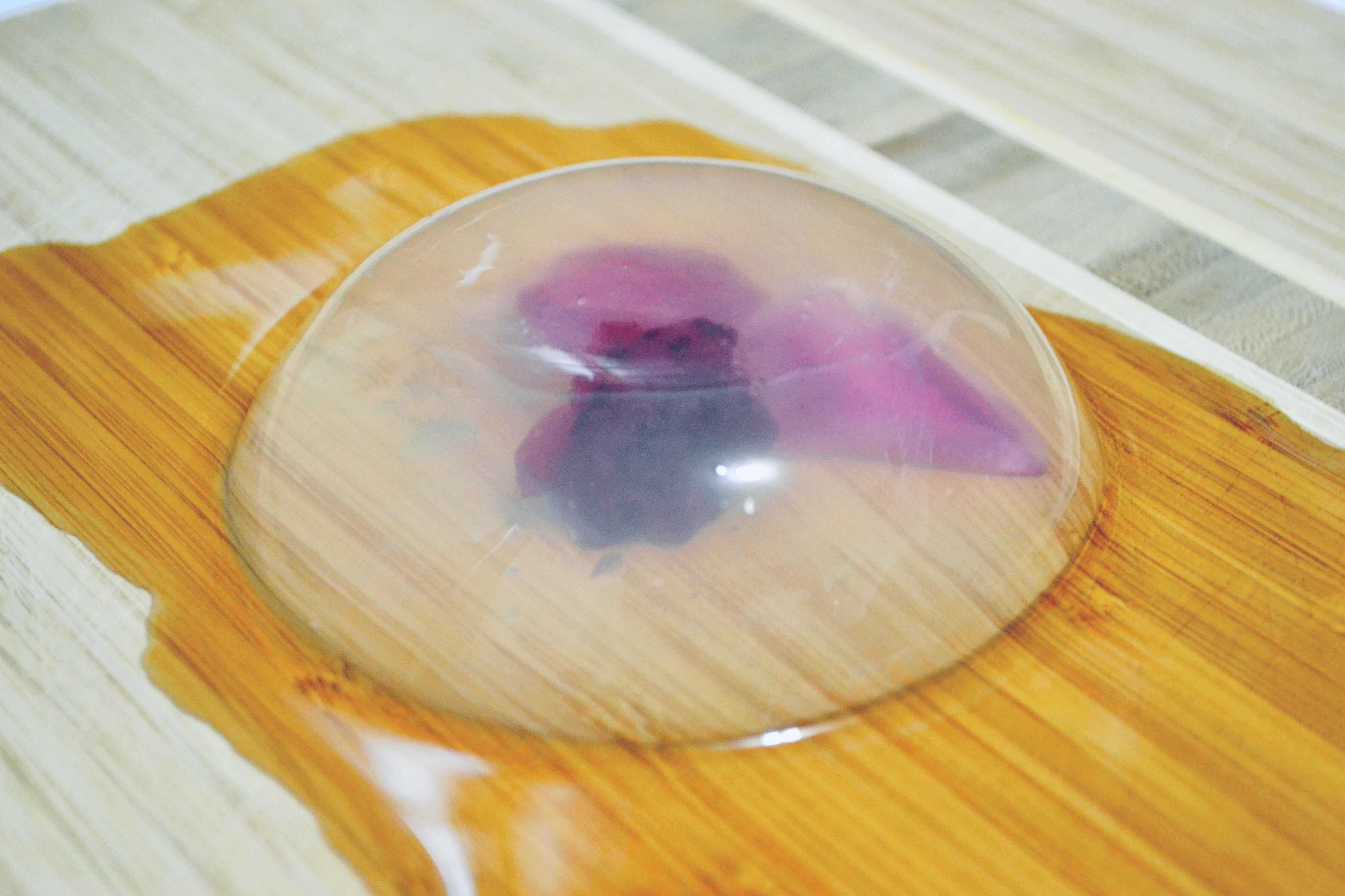
    My second attempt!

    I’ve always loved scrolling through food reviews and videos. One trend that emerged in recent years caught my eye. It was a clear, beautiful jelly bubble resembling a raindrop. It seemed so unique that I set out on a journey to try creating it myself, and it was definitely not an easy task. Being able to set the cake while trying to keep it light, soft, and bouncy and to where you’re able to feel like you’re eating a drop of water took many trials and errors. Keep reading to discover more about the secret ingredient and how you can make your own raindrop cake!

    Raindrop cake, also known as Mizu Shingen Mochi, was first created by the Kinseiken Seika Company in Japan, using two main ingredients: fresh, mineral water from the Japanese Alps and agar. This light, refreshing delicacy resembles a jiggly, blob of jello, but will melt in your mouth and fill it with a hint of sweetness and nuttiness when paired with brown syrup and roasted soybean flour. But beware! If not eaten immediately, this dessert will dissolve and vanish within 30 minutes as recipe calls for the minimal amount of agar.

    The key ingredient that solidifies water into a raindrop cake is a polysaccharide known as agar-agar. Agar is made from seaweed or red algae, Gelidium amansii. It was first introduced in Japan over 350 years ago, in 1658, and is still commonly used to this day due to the hydrocolloid properties and agarose composition that allow it to form gel-like substances using hydrogen bonding in the presence of water. Agar is also unique in that its thickening properties are reversible; disintegration occurs when temperatures are varied.
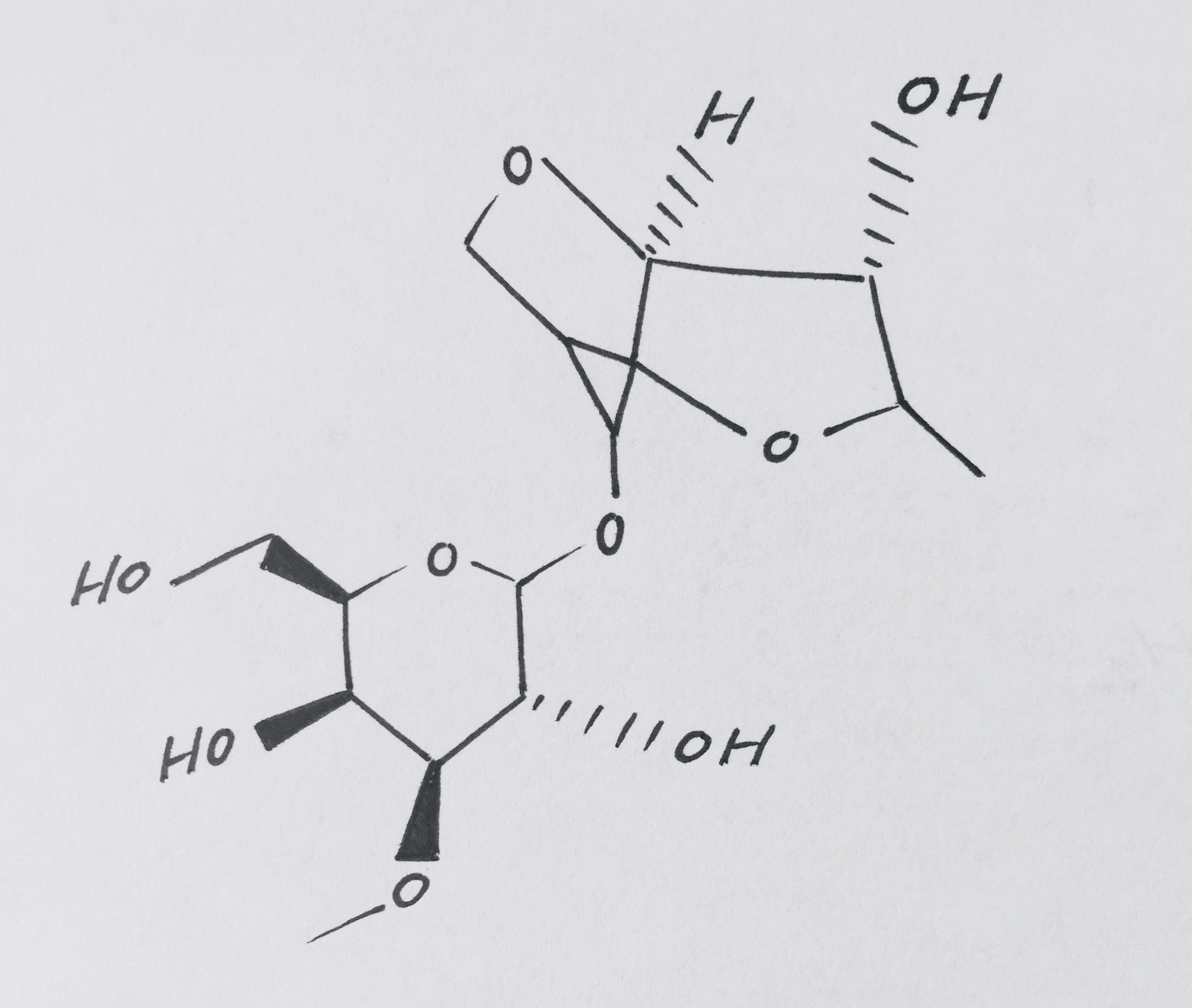
    IMG_1883The structure of agar.

    Due to agar’s gelling ability and the ease at which substances can be gelled, melted, and reformed, agar has numerous uses. One of the most common applications of agar can be found in the food industry. Agar is used in canning foods and is also tasteless, making it a perfect addition to foods and desserts that need thickening such as ice cream, icings, puddings, cookies, jelly, and pie fillings. It can also be found as an agar jelly or as a crystal boba topping in many bubble tea drinks. It has also been used as a laxative and in diets due to its ability to stimulate fullness using low calories.
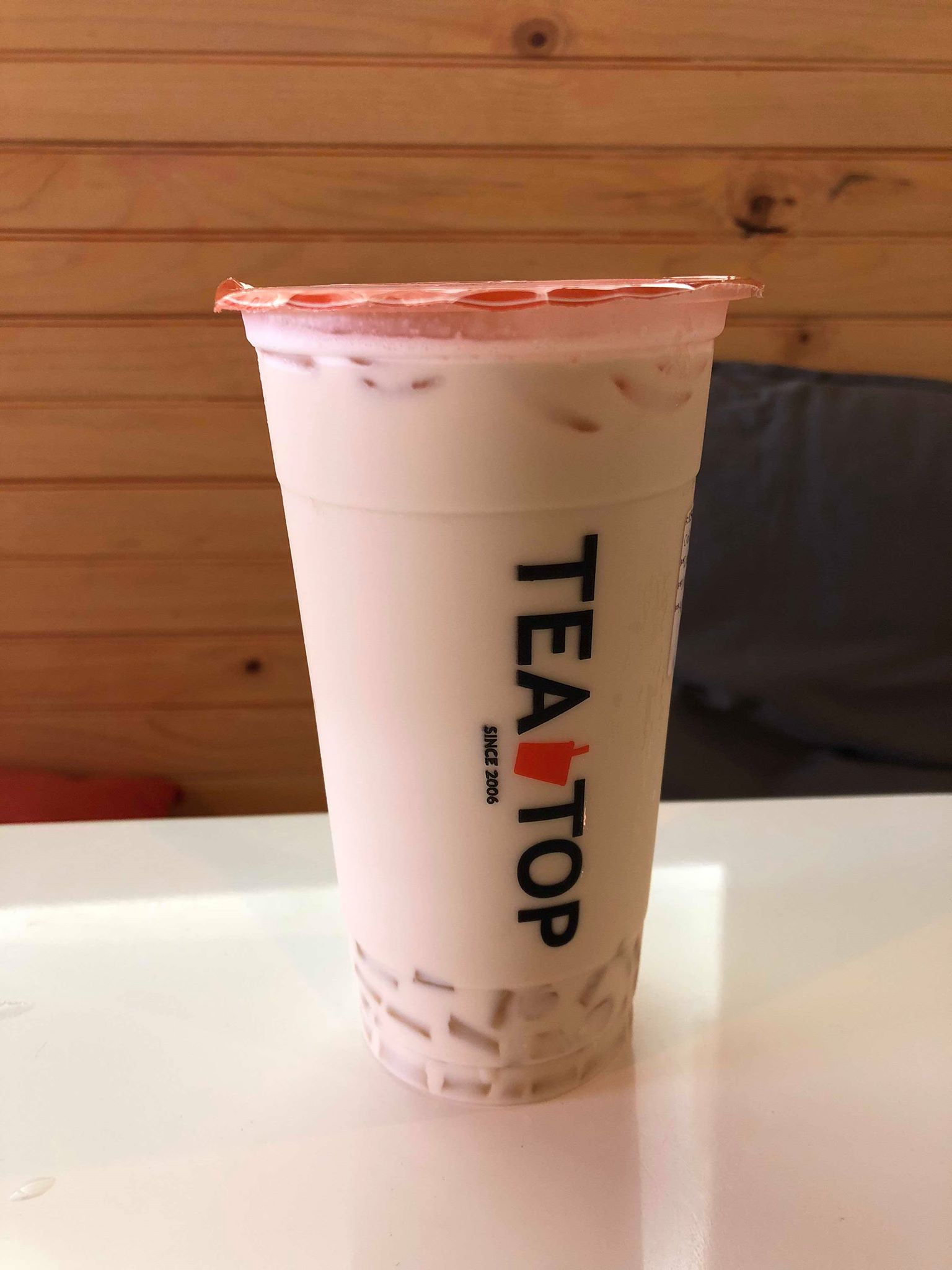
    bubbleAgar jelly used as a topping for bubble tea.
    This was the first time I’ve ever had agar jelly, and I haven’t looked back since! Yum!

    Application in biology labs as a medium to breed insects like silkworms and fruit flies or to culture bacteria and yeasts is also common.
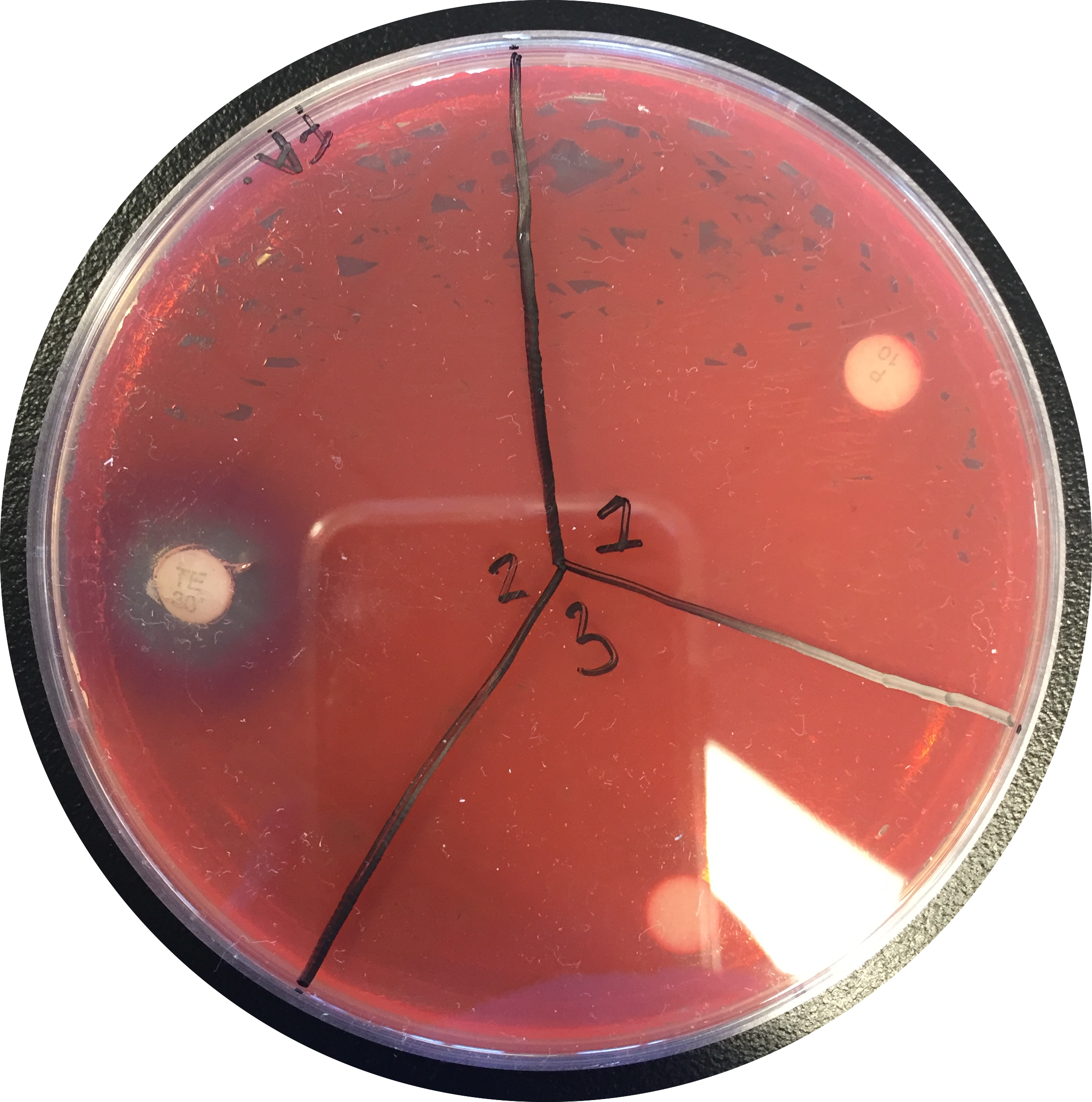
    IMG_1118     Here an agar plate was used to culture Serratia marcescens, a Gram-negative bacteria. 

    Agar is a valuable ingredient for many reasons such as being extremely low in calories and containing fiber. Agar also does not require sugar to solidify, which is highly beneficial in food preparation for diabetics. It is also known as a vegan and vegetarian gelatin substitute, and best of all, it is an environmentally friendly product.

    Here’s how you can make your own raindrop cake that has swept the internet in recent years!

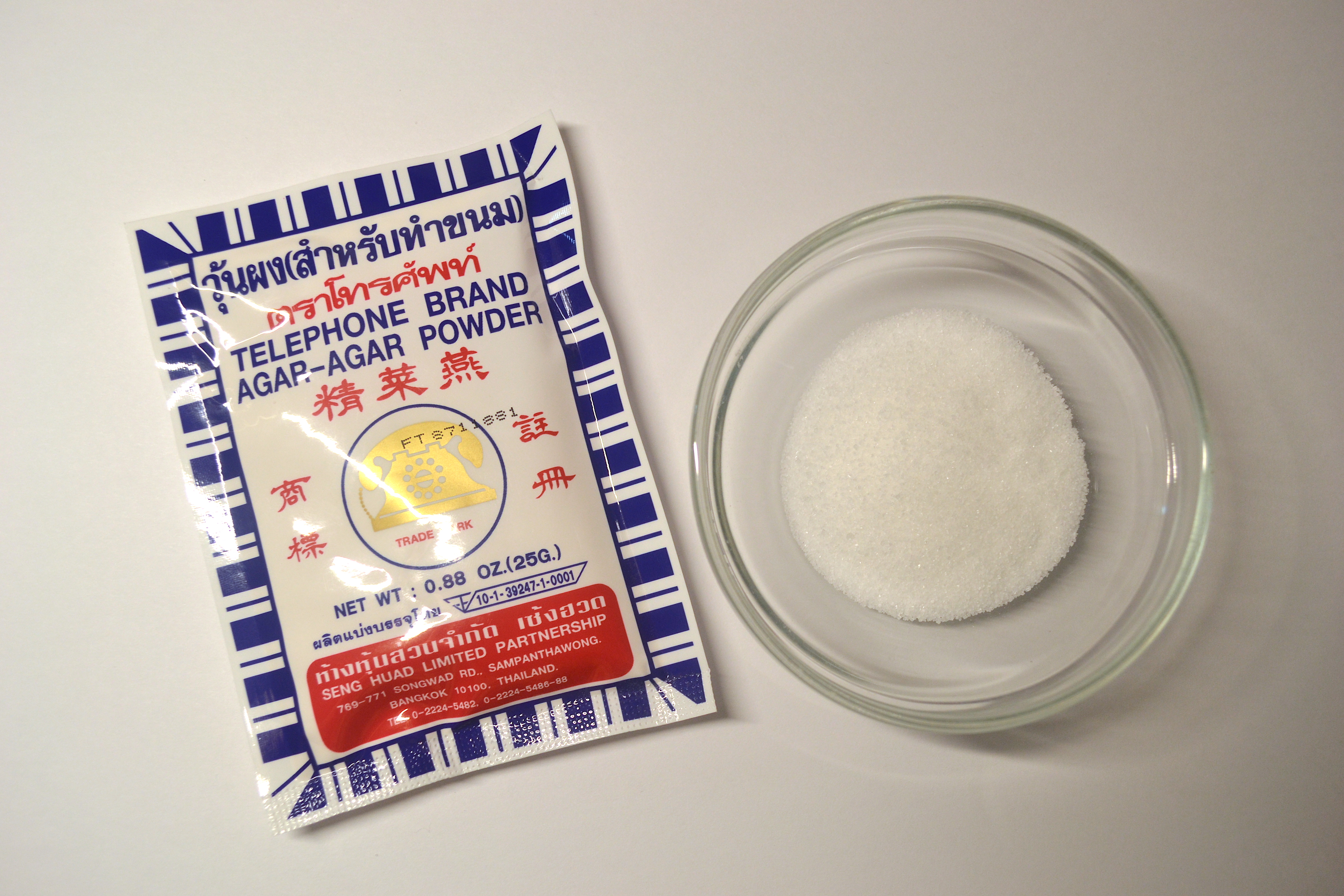
    Ingredients
    DSC_0452

    • 1 cup of mineral water
    • 1/4 tsp agar-agar
    • 3 tsp of granulated sugar (optional)

    Optional toppings

    • 1 tbsp roasted soybean flour
    • brown sugar syrup (1 cup of brown sugar + 1/2 cup of water)
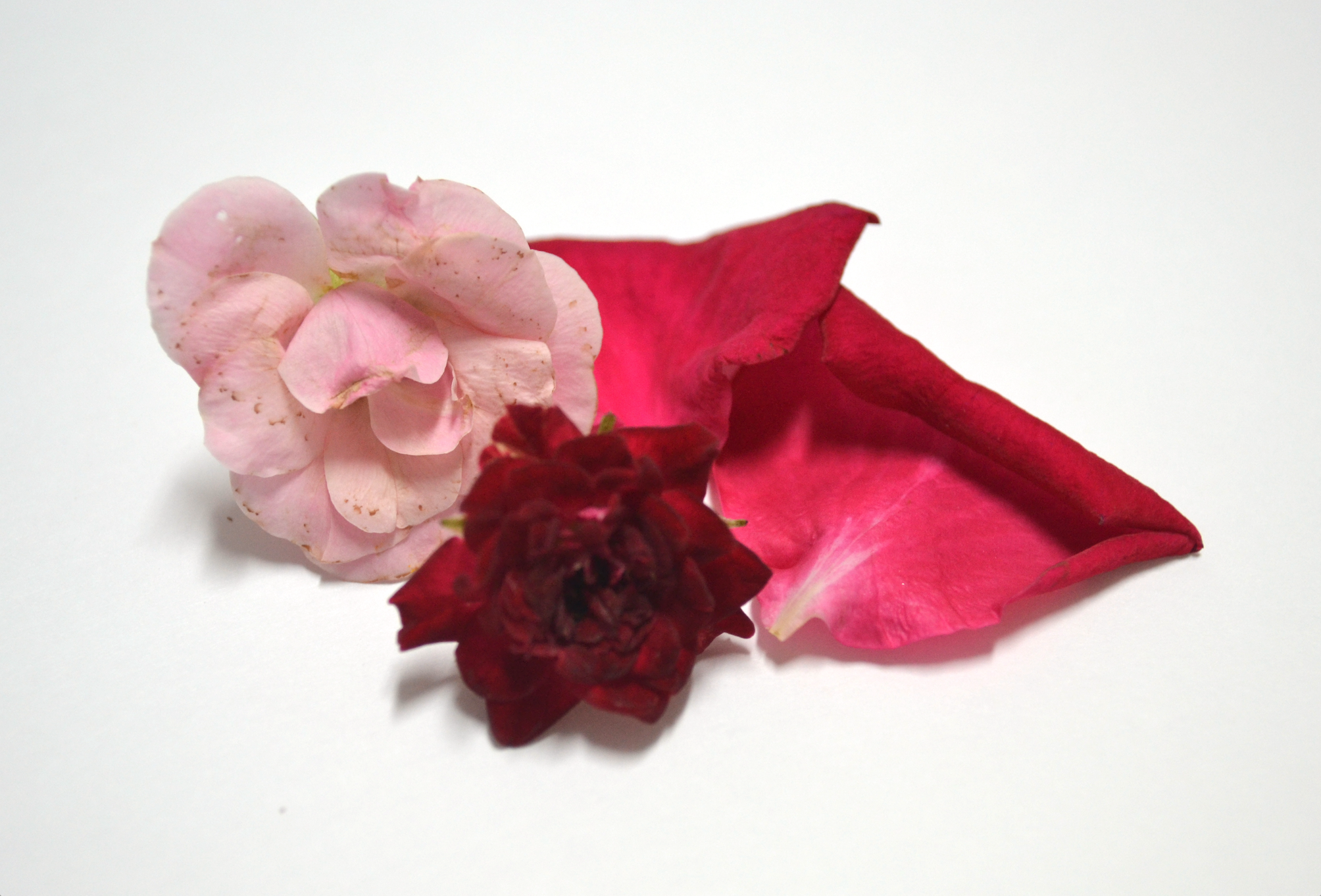
    • flowers, petals, fruits

    flowers

    1. Dissolve agar and water in a small pot.
    2. Allow mixture to come to a boil over medium-high heat. Continue boiling over a medium heat for 1-2 minutes.
    3. Pour mixture into any round-bottom mold. (Optional: Add light fruit/flower toppings to the mixture.)
    4. Let mixture cool and place in the fridge overnight or until it sets.
    5. To make syrup, dissolve the brown sugar in water over medium-high heat until mixture boils. Maintain a rolling boil for 1 minute.
    6. Remove mixture and let cool. Serve with raindrop cake along with optional soybean flour. *Consume your raindrop cake upon taking it out the fridge. May melt if left out for over 20-30 minutes.

    References

    Giant Raindrop Cake Recipe by Tasty. (n.d.). Retrieved from https://tasty.co/recipe/giant-raindrop-cake

    K. (2018, September 15). Raindrop Cake. Retrieved from https://kirbiecravings.com/raindrop-cake/

    Maitland, H. (2017, August 02). Everything You Need To Know About Raindrop Cakes. Retrieved from https://www.vogue.co.uk/article/everything-you-need-to-know-about-raindrop-cake

    National Center for Biotechnology Information. PubChem Compound Database; CID=71571511, https://pubchem.ncbi.nlm.nih.gov/compound/71571511 (accessed Sept. 28, 2018).

    Phillips, G.O. Williams, P.A.. (2009). Handbook of Hydrocolloids (2nd Edition).Woodhead Publishing. Retrieved from
    https://app.knovel.com/hotlink/toc/id:kpHHE00002/handbook-hydrocolloids/handbook-hydrocolloids
     

  • Learn How to Make Water Disappear

    Learn How to Make Water Disappear

    Learning intricate card tricks and complex hand movements can be overwhelming and hard to execute in front of an eager audience, so here is a how to perform a magic trick that does not require any skill but, instead, just a little bit of science. Here is the premise of the trick: You tell an unassuming bystander to pour a glass of water into your magician’s hat. You wave your hands over the hat and chant a seemingly realistic spell. When you flip the hat over, no water pours out… not even a drop. So how did this happen?

    While the audience believes that the enchanting spell you cast over the hat made the water disappear, the real magic is rooted in the chemistry behind one particular item: the diaper. When we think of diapers, words like “ew” or “baby” or even “ew babies” come to mind. However, after reading this, you might have a new perspective on the amazing properties of diapers.

    We’re now going to do something no ordinary person would do: dissect the diaper. The magical substance that you will line your magician’s hat with can be found underneath the lining of a diaper. This substance is a water-absorbing chemical called sodium polyacrylate. Polyacrylate can absorb more than 200 times its own mass (which is extremely fortunate for those potty training and those who have to change the diapers of potty trainers). Although this superabsorbent polymer is now found in a wide variety of products like medical bandages, female hygiene products and diapers, the substance was originally manufactured for the U.S. Department of Agriculture in the 1970s. The original use for polyacrylate gel was to improve the water retention in soils in an effort to improve germination and plant growth (Liu, 2001).

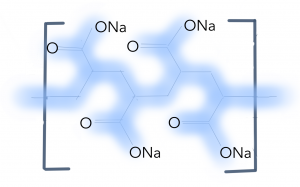
    sodium polyacrylate
    This is the chemical structure of sodium polyacrylate. The molecule is a polymer, so this structure repeats beyond the bars in the diagram.

    Sodium polyacrylate is a network polymer that contains sodium ions. The key to the absorption process and this magic trick is understanding basic rules of diffusion, osmosis and bonding. Osmosis is the when molecules in a solvent move from a less concentrated solution to a more concentrated solution. In this magic trick, when the water comes into contact with the sodium-containing polymer, the sodium diffuses into the water. This results in the replacement of sodium atoms with water molecules in the complex network (Carnegie Mellon University, n.d.). The polymer is essentially a long chain of negatively charged molecules and bonds to water through hydrogen bonds. The bonds allow the network to swell and hold the water in place, which is why the resulting mixture is crystal-like, fluffy substance that does not spill out of the hat. Now that you know the secret to this trick you will now be able to hone and perfect your water vanishing skills!

    Hopefully now when you think of diapers you think “awesome, absorbent polymer.” That said, there are limitations to how amazing this polymer is. Although bunnies are about 70% water, please know a diaper will not make a bunny disappear.

    Here’s what you need for the trick:

    –       Hat

    –       Source of sodium polyacrylate (>2g)

    –       Glass of water (8 floz.)

    Start with some sodium polyacrylate at the base of the hat. You can tape a diaper to the bottom of the hat to conceal the water-absorbing polymer. Ask someone to pour a regular glass of water in the hat. Swirl the hat around and distract the audience while the water absorbs. The absorption time will depend on how much sodium polyacrylate you use and how much water is added, however, this process should occur within a matter of seconds to minutes. Once you are convinced everything has been absorbed, flip the hat over and watch the audience be amazed!


    References:

    Carnegie Mellon University (n.d.). Super absorbing polymer powder. Retrieved from https://www.cmu.edu/gelfand/education/k12-teachers/polymers/polymer-and-absorption/super-absorb-powder.html

    Foy, J. M., & Schnieden, H. (1960). Estimation of total body water (virtual tritium space) in the rat, cat, rabbit, guinea‐pig and man, and of the biological half‐life of tritium in man. The Journal of physiology, 154(1), 169-176.

    Liu, M., & Guo, T. (2001). Preparation and swelling properties of crosslinked sodium polyacrylate. Journal of Applied Polymer Science, 82(6), 1515-1520.

    Parks, L. R. (1981). Cross-linked sodium polyacrylate absorbent. U.S. Patent No. 4,295,987. Washington, DC: U.S. Patent and Trademark Office.


  • What’s The Connection Between Complex Chemistry and Islamic Medieval Architecture?

    What’s The Connection Between Complex Chemistry and Islamic Medieval Architecture?


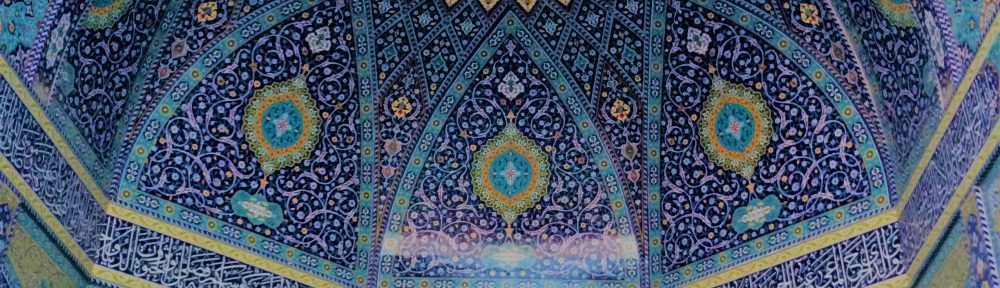
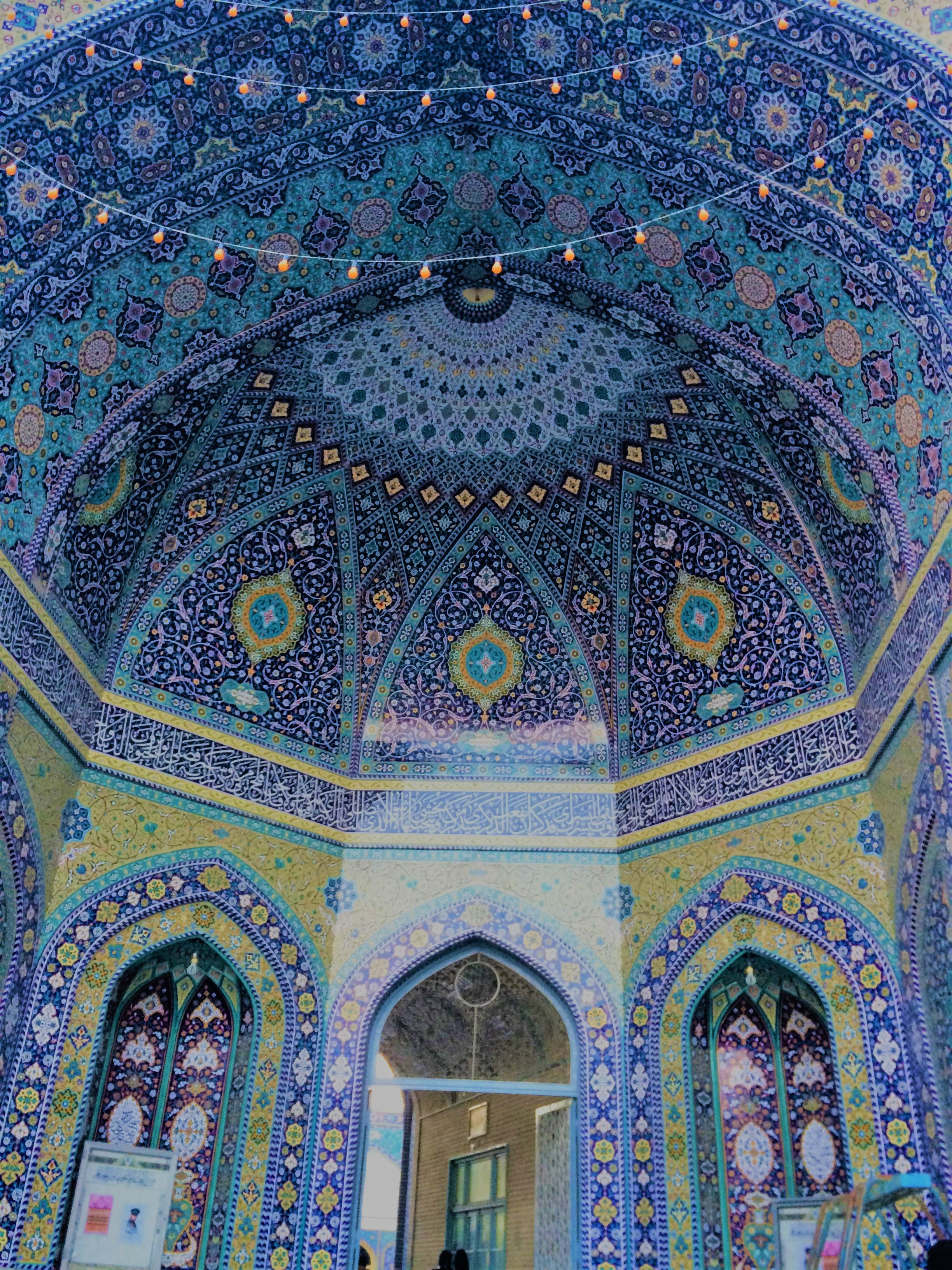
    karbala, iraw


    The expansive domes and minarets of famous mosques such as the Blue Mosque in Istanbul or Al-Masjid An-Nabbi in Medina exude a quiet, powerful energy. Oftentimes these are characterized by a large, stone courtyard. You walk through the simple, colorless path towards the mosque entrance. You feel cleansed, as if you’re leaving a part of the world outside; it’s almost unsettling. At a first glance, you could describe these mosques as plain. Crossing the threshold, however paints a different picture. Your sight is overloaded with bright jewel-toned colors: azure, emerald, turquoise, fuchsia, red. It’s hard to focus on one detail – will it be the gold leaf, intricate etch work, milky marble, shimmering glasswork? You are humbled standing underneath the enormous ceilings.

    The glittering shrines and mosques that characterized medieval Islamic architecture are more than just a pretty sight, but in fact the product of geometrical planning. Aside from the lavish materials and colors, it is the tiling patterns that make the architecture stand out. These patterns are featured prominently in Islamic arts as a substitute for more figurative images. The reasoning was that images depicting people would lead to idol worship. Inside the mosque, you see these tiles plastered densely together on the ceilings, the columns, the minarets, the free wall space.(*)

    Islamic interlacing patterns can be divided into two categories: the arabesque versus girih. While arabesque designs feature more curved elements in an effort to emulate greenery and nature, the girih is composed of geometric lines mostly of stars and polygons with interlaced lines. Muslim architects designed the girih tiling system with only two simple tools: a compass and ruler. These patterns became complex tessellations made up of up to five different shapes: the bowtie, rhombus, pentagon, elongated hexagon, and decagon. Between the 1200s to 1400s, Islamic art developed the girih exhibiting the same complexity as quasi-crystals, a material that defies normal atom packing. Back at the mosque, you trace your fingers along the figurative tiles that blend seamlessly. A lime green pentagon here, an ivory star there.You see that the tiles are made of contrasting colors with a multitude of small shapes.

    Quasi-crystals are made of patterns that look regular but do not repeat exactly. The patterns in Islamic architecture demonstrate this by including “tessellations” that have five, ten, and twelve-fold symmetry. Technically, they are are not actually patterns, but just appear to be so. Scientists conjecture that Islamic architects wanted the effect of extend a pattern without just repeating images. Looking up at some of the mosques ceilings confirms the success of this design – you feel as if you are swallowed by the dizzying depths of shimmering oceans and bright stars.500 years later mathematical physicist, Roger Penrose at University of Oxford discovered the concept of quasi-aperiodic tiling. Sir Penrose stumbled upon a pair of tiles that cannot form a pattern in a periodic manner. This discovery was just a consequence of his work on the famous tiling pattern in mathematics – “given a collection of polygonal shapes, is it possible to cover the whole plane using just these shapes, with no overlaps?”

    Quasicrystals are found mostly in metallic alloys such as (Al-Li-Cu), and lack translational symmetry. The discovery of the non-symmetrical packing of atoms took a while for the scientific community to accept. Although first discovered in the 1960s, much of the scientific community refused to believe that materials could consist of irregular atomic structure. Next, materials scientist, Dr. Dan Shectman, designed an artificial alloy with quasi-crystal properties. He did not publish his results for years because he feared that others would ridicule his work.  Only after researcheres found a  natural quasi-crystal, icosahedrite in the Koryak Mountains, Russia in 2009 that led people to be convinced. Shectman received the Nobel Prize in Chemistry in 2011 for this work.

    Researchers connected Islamic girih and quasi-crystals recently; Dr. Peter Lu a physicist from Harvard University recognized ten-fold symmetry in architectural motifs while visiting Uzbekistan.  He analyzed 3700 Penrose tiles found in an archive of documented medieval Islamic architecture, and published a paper with Princeton University’s Dr. Paul Steinhardt titled ”Decagonal and Quasi-Crystalline Tilings in Medieval Islamic Architecture”. Dr. Lu uses the Darb-I-Imam Shrine in Iran as the iconic “near perfect” example of Penrose tiling. He conjectures that laborers could easily have created mathematically complex patterns by lining tiles decorated with lines that, once set down next to each other, form a continuous pattern.

    Back at the mosque – you see a worshipper prostrated to the ground, oblivious of the art around them. Their hearts disconnected from the ancient mathematics and chemical mimicry in which they are enclosed in. Science and spirituality; a Nobel prize in chemistry yet also an artform. These two paradigms reside side by side in the glorious, kaleidoscopic patterns of centuries old Islamic architecture. There is an elegance in the scales that aperiodic tiling has reached – from the utterly microscopic crystals to the gigantic mosques that can hold thousands of people.

  • Anxiety

    Anxiety

     Exams……projects……homework assignments, it never ends! In turn, the anxiety begins to manifest. According to the National Institute of Mental Health, an estimated 19.1% of U.S. adults had any anxiety disorder in the past year.

    Sadly, for many yellow jackets, anxiety has become a normality. This emotional response is mostly associated with the fear of not doing well academically at Georgia Tech. Most of us don’t know why we can’t stop worrying. Many of us look past our anxiety and think this is normal, especially when you hear other students complaining about the same things you are. However, when it gets to the point of where the anxiety interferes with your life, it’s time to take action and understand your neurological chemistry.

    Anxiety AnxiousEmojiis a feeling that lingers ling after a stress (external stimulus that signals danger often by causing pain) has lifted and the threat has passed. The factors that trigger anxiety grow out of a response that is hardwired in our brains. For example, thinking you won’t be successful if you don’t do well and pass a class. When in reality, one class doesn’t determine our future. But why do we think this way? Are we born this way or do our experiences cultivate our thinking?

    Kenneth Kendler, a psychiatric geneticist, decided to approach this question by studying groups of identical twins who share virtually all their genes, and fraternal twins, who, like any other siblings, share only some of them. What Kendler’s group found was that both identical twins were somewhat more likely than both fraternal twins to suffer from generalized anxiety disorder, phobias or panic attacks. The correlation isn’t 100%, however. “Most of the heritability is in the range of 30% to 40%,” Kendler says. That’s a fairly moderate genetic impact, so your genes set your general vulnerability. But your upbringing and your experiences still have a major role to play.

    Being that we have no control over our genetic makeup, how can we turn their negative anxiety into positive anxiety? Using it as a tool to focus the mind. Think about it, when you’re worried, anxious, or fearful, whatever you’re associating these feelings with consume your thoughts and you can only focus on that discomfort. To change this, one would need to explore their amygdala and hippocampus. The amygdala tells the body what to do while the hippocampus is a cluster of nerves that help the brain learn and form new memories. These new memories will activate the prefrontal cortex which sends out an “everything is ok,” message, and lets the amygdala know that there is no reason to worry or cause anxiety. So instead of thinking negatively, think something positive no matter the situation or circumstance. Just like any habit, it’s easier to stop than it is to start, so it will require intentional effort to clear your mind of negativity. Understanding this neural circuitry can be the key to reduce the anxiety of students at Georgia Tech and increasing the jubilation of students.

    Gorman, C. (2002). The science of anxiety. Time Magazine, 47-54.

  • What’s behind your screen?

    What’s behind your screen?

    chargedarticleartwork

    One of the most popular displays today is an LCD display. They come in televisions, computer monitors, phones, and more, but do you know that chemistry and physics are the fundamental to create these screens?

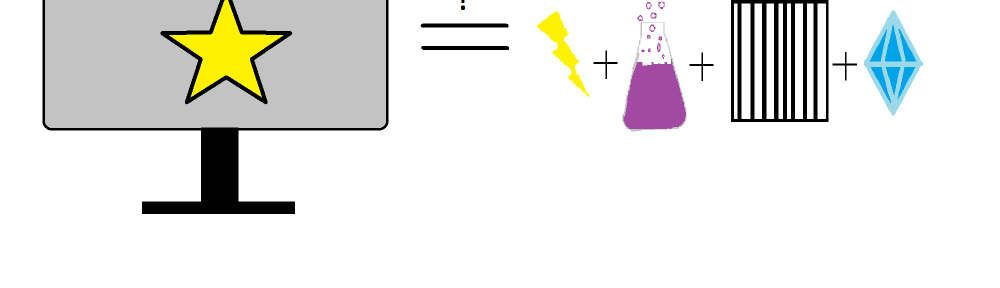
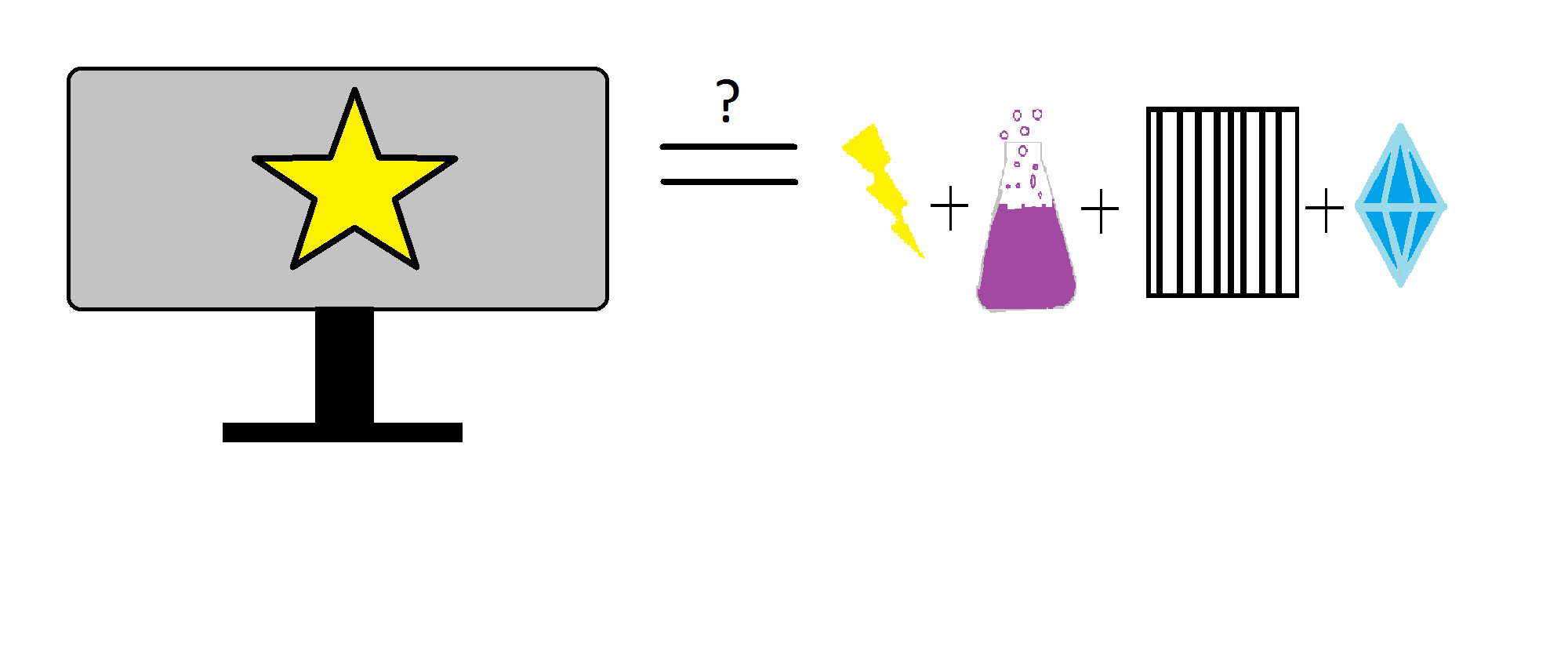
    LCD stands for Liquid Crystal display and were used to replace Cathode Ray Tube displays because the CRTs were too bulky making televisions and computer monitors huge. Inside of an  LCD display there are multiple layers: a thin filmed transistor, an electrode pattern, a liquid crystal and some level of polarization.

    The thin filmed transistor is a very specific form of glass known as Borosilicate glass, made up of around 13% boron trioxide and around 80% silicon dioxide. Its physical properties due to its compound make up allows the glass to be more shock resistant and heat resistant than your average piece of glass. The electrode pattern uses metals like copper and titanium to transfer electrons. The polarizer mainly works with filtering light. Previously, light was just projected onto the television. Now a polarizer filters light waves by direction reducing the amount of power required to use a lit up display. It also allows for smooth picture transition. Finally the liquid crystal is used to produce the crisp look of an LCD screen. This crystal starts out as a liquid and when it comes into contact with the average atmospherics on the surface of the earth, this liquid crystallizes, like a spiders silk. It has the unique ability based on its shape and structure to show or not show various light rays. The polarizer prepares the light for this liquid crystal making its job possible.

    So there you have it, now you know whats behind that magic box in your living room!

  • Graph Paper: Golden Nuggets

    Graph Paper: Golden Nuggets

    Graph Paper 1
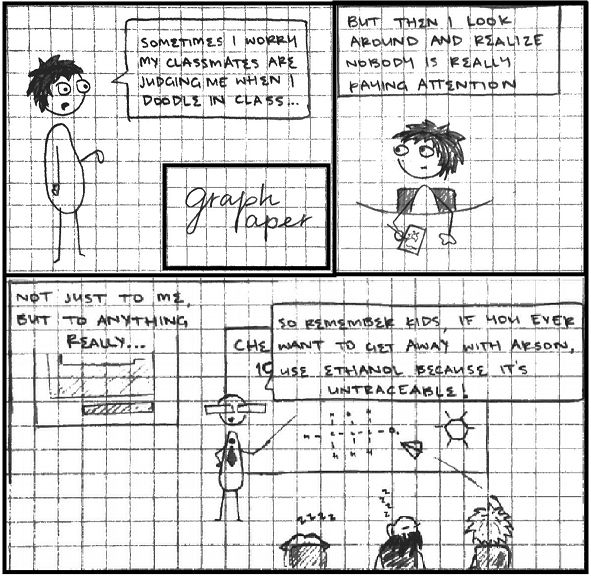
    Every now and again, the professor surprises you.