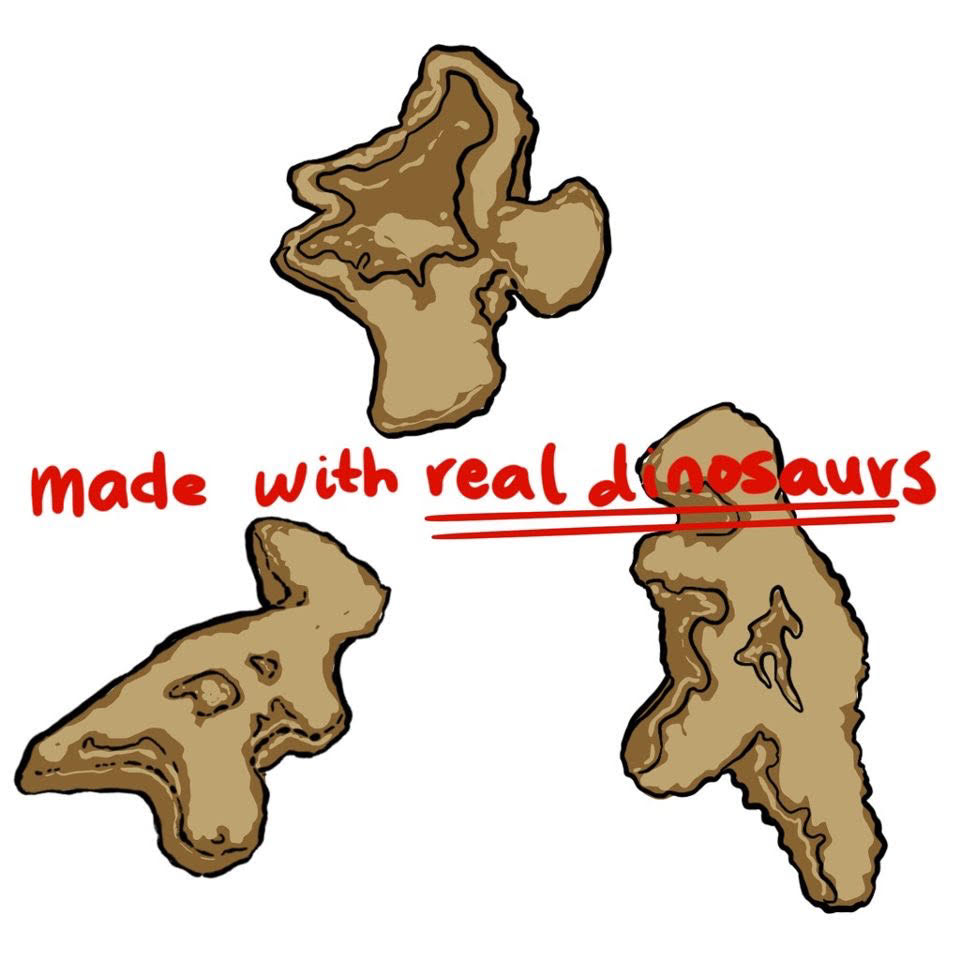
Dino nuggets are pretty yummy right? These childhood snacks—or adult snacks if you’re like me— are dinosaur-shaped breaded chicken nuggets. At first glance, they might seem like a clever trick to get some protein into kids, but what if there was more to it? What if a trace of the true self exists in the false self?
To begin, let us understand how scientists classify animals. The two main systems they use are the Linnaean and phylogenetic systems. The first groups organisms mainly on physical traits that connect them—like the existence of backbones for example—and the second groups organisms according to their evolutionary history, which often is revealed by DNA and RNA similarities. We do not have access to any dinosaur DNA these days, so the best way to connect any currently living animals to dinosaurs is by comparing their physical traits.
Dinosaurs, mighty as they were, are simply very large or even small terrestrial reptiles that inhabited earth around 250 million years ago. On the other hand, we have birds, usually small, bright and most of them love to fly! The physical similarities might not seem obvious at first but scientists have spent years making this connection. It was not one big jump from a T-rex to a pigeon; this evolution took millions of years with many intermediate species in between.
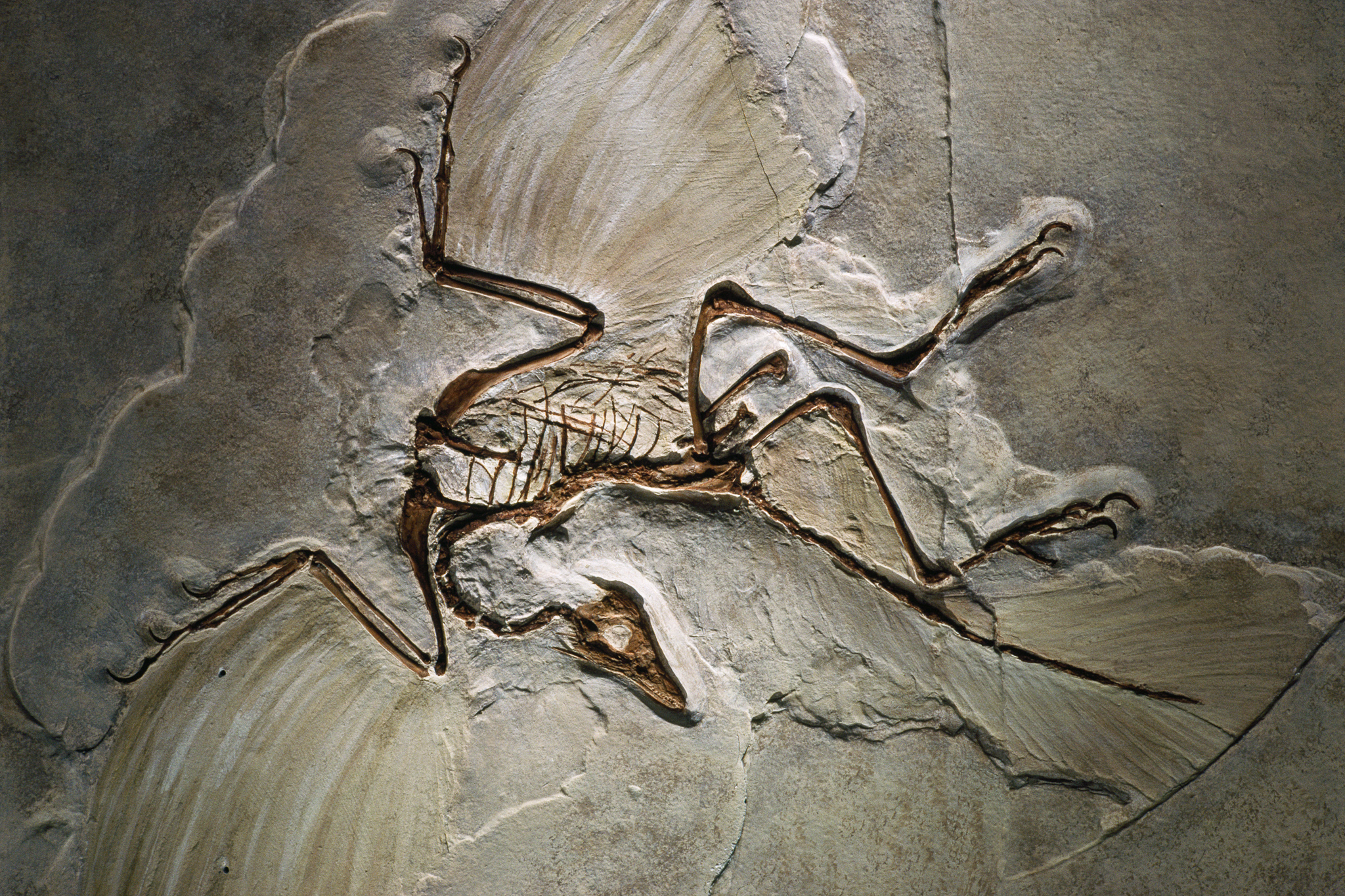
In 1860, the fossil of a small avian dinosaur called the archaeopteryx was found. This fossil was the first clue to birds’ ancestry. Simply speaking, the archaeopteryx was an intermediate animal between dinosaurs and birds. Its bone structure, tail, and teeth were most similar to that of a reptile yet it had wings and was covered in feathers. This is not to say that the archaeopteryx was the first bird to exist because it had feathers or a different bone structure, but we consider it to be the first avian dinosaur that we know of. We’re not even sure if it could fully fly or just glide from a height.
There is no definite line to be drawn between dinosaurs and birds as of course since the process of evolution is a continuous one. This new advantage of aviation could have possibly saved this dinosaur from predators and allowed it access to more resources which would increase its chances at survival and reproduction. With each passing generation, qualities that improved flight could have been chosen for and accumulated; these qualities include hollow bones, wing-like limbs, feathers, and shorter tails.
The archaeopteryx was the size of a modern day raven,which was not the most common size at the time. But as the years passed more and more smaller dinosaurs evolved. Paraves, a type of avian dinosaur, was shown to grow at a rate 160 times faster than the rate at which other dinosaurs were growing during the Jurassic period. This shrinkage could have been very beneficial for flying. The lighter the animal was, the easier it was for them to soar instead of just glide. Recent studies have also shown that modern day birds highly resemble late embryos of dinosaurs.
One primary physical difference between birds and dinosaurs is the presence of beaks vs. teeth. The strong jaws of dinosaurs had developed pointy ends that would help them precisely pick up food when their hands started to turn into wings. Their mouths were still filled with teeth but they had slowly started to harden and sharpen into toothy beaks that were found on dinosaurs similar to Ichthyornis dispar which lived around 100 million years ago. Over time those dinosaurs started losing their teeth for reasons that are hypothesized to be evolutionarily advantageous. Some scientists hypothesize that tooth loss could have been under selective pressure for shorter incubation periods, lighter head weight and better center of mass, or even as an adaptive response to an extinction event.
A trademark of modern birds are their feathers. There has not been a definitive answer to why dinosaurs first developed them or exactly when. We do know that they started as a sort of hollow spine-like filament on the skin then this filament branched into a softer “fluffier” protofeather similar to the feathers of modern young birds called downy feathers. Those feathers were further toned and perfected to what we see today over the past million years. Feathers could be a heating mechanism that kept dinosaurs at a certain body temperature or to provide their eggs with warmth during incubation.
Feathers could have also been a sexual advantage that was used for attracting mates. Just like how ostriches or peacocks use their feathers to attract females more than fly, some non-avian dinosaurs had feathers that are speculated to be for the same reason. Newly found fossils also show that dinosaurs displayed similar courting rituals to modern day birds. Scraping, a process where a male tries to impress the female by mimicking nest-building behavior, seems to be an age-old tradition that theropods started and many birds today still use to woo their mates. Additionally, some dinosaur fossils like the Hadrosaur skull show a hollow nasal chamber that was used for deep loud noises to communicate with others and call for mates. A similar anatomy can be found in the southern cassowary nowadays; they also use it for mating calls.
Birds are now classified as coelurosaurians which is a clade containing their closest ancestors; coelurosaurian translates to “hollow tailed lizards” from Greek. They share common features like hollow bones, an erect perpendicular placement of their legs, a fused clavicle and furcula, 3-toed legs, as well as shorter stiffer tails. From all the previous evidence we discussed in the fossil record we can safely say that birds are avian dinosaurs.
العربية
إن ناجتس الديناصورات لذيذة جدا ، أليس كذلك؟ هذه الوجبة الخفيفة مصنوعة من قطع الدجاج بالبقسماط
المشكلة على هيئة ديناصورات. للوهلة الأولى ، قد يبدو الأمر وكأنه حيلة ذكية لإدخال بعض البروتين إلى نظام الأطفال الغذائي بطريقة مرحة ولكن ماذا لو كان هناك المزيد؟ ماذا لو كانت الذات المزيفة مرآة للذات الحقيقية؟
أولا, دعونا نفهم كيف يصنف العلماء الحيوانات. النظامان الرئيسيان للتصنيف هما نظام لينيوس الثنائي ونظام النشوء والتطور. يقوم النظام الثنائي بتصنيف الكائنات الحية تبعا للسماتها الجسدية التي تربطها – مثل وجود أو عدم وجود العمود الفقري – وتصنف المجموعة الثانية الكائنات الحية وفقًا لتاريخها التطوري والذي غالبًا ما يتم الكشف عنه من خلال أوجه التشابه بين ال DNA و ال RNA. لا يمكننا الوصول إلى DNA أي ديناصور في عصرنا الحالي، لذا فإن أفضل طريقة لربط أي حيوانات حية حاليًا بالديناصورات هي بمقارنة سماتها الجسدية.
الديناصورات على الرغم من عظمتها وكبر حجمها هي ببساطة زواحف كبيرة جدًا -أو حتى صغيرة – سكنت اليابسة منذ حوالي 250 مليون سنة. في الشق الآخر نرى الطيور ، كائنات عادة ما تكون صغيرة وملونة ويحب معظمها التحليق! قد لا تبدو أوجه التشابه الجسدية واضحة في البداية ، لكن العلماء مضوا سنوات عدة للوصول لهذا الرابط. لم يكن هناك قفزة كبيرة واحدة من ديناصور التي ريكس إلى الحمام مثلا فقد استغرق هذا التطور ملايين السنين و العديد من الأجناس الوسيطة بينهما.
في عام 1860 ، تم العثور على حفرية ديناصور محلق صغير وسمي بالأركيوبتركس. كانت هذه الحفرية أول ما دل العلماء على العلاقة بين الديناصورات والطيور. ببساطة ، كان الأركيوبتركس حيوانًا وسيطًا بين الديناصورات والطيور. كانت بنية عظامه وذيله وأسنانه تشبه إلى حد كبير هيكل حيوان زاحف ولكنه كان ذو أجنحة وكان جسده مغطى بالريش. هذا لا يعني أن الأركيوبتركس كان أول طائر موجود لأنه كان يحتوي على ريش أو بنية عظمية مختلفة ، لكننا نعتبره أول ديناصور طائر نعرفه. لسنا متأكدين حتى مما إذا كان بإمكانه الطيران بالكامل أو الانزلاق من ارتفاع فقط.
لا يوجد خط فاصل بين الديناصورات والطيور بالطبع لأن عملية التطور عملية مستمرة. يفترض العلماء أن خاصية الطيران الجديدة كانت ميزة تكيفية اضافية قد تساعد الديناصور في الهرب من الحيوانات المفترسة وتسمح له بالوصول إلى المزيد من الموارد التي من شأنها أن تزيد فرصته في البقاء والتكاثر. مع كل جيل يمر، كان الاصطفاء الطبيعي يفضل الصفات التي أدت إلى تحسين الطيران وزيادة فرص النجاة؛ تشمل هذه الصفات العظام المجوفة والأطراف الشبيهة بالأجنحة والريش والذيول القصيرة.
كانت حفرية الأركيوبتركس بحجم غراب في وقتنا الحالي، وهذا لم يكن الحجم المتعارف عليه للديناصورات ان ذاك. ولكن مع مرور السنين ، بدأت الديناصورت بالتقلص. تبين أن بارافيس ، وهو نوع من الديناصورات المحلقة ، ينمو بمعدل 160 مرة أسرع من معدل نمو الديناصورات الأخرى خلال العصر الجوراسي. كان من الممكن أن يكون هذا الانكماش مفيدًا جدًا للطيران. كلما كان الحيوان أخف وزنا ، كان من الأسهل عليه التحليق بدلا من مجرد الانزلاق من طرف هاوية. أظهرت الدراسات الحديثة أيضًا أن الطيور الحديثة تشبه إلى حد كبير أجنة الديناصورات في الشهور الأخيرة.
أحد الاختلافات الجسدية الأساسية بين الطيور والديناصورات هو وجود المنقار بدلا من الأسنان. تطورت نهايات مدببة بدلا من الفكوك القوية للديناصورات كي تساعدهم على التقاط الطعام بدقة عندما بدأت أيديهم في التحول إلى أجنحة. كانت أفواههم لا تزال مليئة بالأسنان التي سرعان ما بدأت في التصلب والتحول الى مناقير مسننة كالتي تم العثور عليها على الديناصورات المشابهة لـ Ichthyornis dispar التي عاشت منذ حوالي 100 مليون سنة. بمرور الوقت ، بدأت تلك الديناصورات بفقد أسنانها لأسباب يُفترض أنها مفيدة من الناحية التطورية. يفترض بعض العلماء أن فقدان الأسنان قد يكون تحت ضغط انتقائي لفترات حضانة أقصر ، أو وزن رأس أخف ، ومركز كتلة أفضل ، أو حتى كاستجابة تكيفية لحدث الانقراض.
من أوسمة للطيور الحديثة, ريشها. لليس هنالك سبب محدد لماذا طورتها الديناصورات لأول مرة أو متى بالضبط. نحن نعلم أنها بدأت كنوع من الخيوط المجوفة الشبيهة بالعمود الفقري على الجلد ثم تشعبت هذه الفتيلة إلى ريش بدائي “رقيق” أكثر ليونة شبيهاً بريش الطيور الصغيرة الحديثة التي تسمى الريش الناعم. كان هذا الريش مشابها أكثر لما نراه اليوم على مدار المليون سنة الماضية. يمكن أن يكون الريش آلية تسخين تحافظ على الديناصورات عند درجة حرارة معينة للجسم أو لتزويد بيضها بالدفء أثناء الحضانة.
يمكن أن يكون للريش أيضًا فوائد جنسية تم استخدامها لجذب الأزواج. تمامًا مثل الطريقة التي يستخدم بها النعام أو الطاووس ريشه لجذب الإناث أكثر من الطيران ، كان لبعض الديناصورات غير الطيور ريش يُعتقد أنه لنفس السبب. تظهر الحفريات المكتشفة حديثًا أيضًا أن الديناصورات عرضت طقوس مغازلة مماثلة لطيور العصر الحديث. يبدو أن الكشط ، وهي عملية يحاول فيها الذكر إثارة إعجاب الأنثى عن طريق محاكاة سلوك بناء العش ، هو تقليد قديم بدأه الثيروبودات ولا يزال العديد من الطيور يستخدمه اليوم لجذب أزواجخم. بالإضافة إلى ذلك ، تُظهر بعض أحافير الديناصورات مثل جمجمة هادروسور غرفة أنف مجوفة كانت تُستخدم لإصدار أصوات عالية للتواصل مع الآخرين واستدعاء أزواج. يمكن العثور على تشريح مماثل في طائر الشبنم الجنوبي في الوقت الحاضر. يستخدمونها أيضًا في مكالمات التزاوج.
.تصنف الطيور الآن على أنها كويلوروصورات وهي كليد يحتوي على أقرب أسلافها ؛ coelurosaurian من اليونانية يترجم إلى “سحالي مجوفة الذيل”. يتشاركون في ميزات مشتركة مثل العظام المجوفة ، والوضع العمودي المنتصب لأرجلهم ، والترقوة الملتصقة واللفيفة ، والساقين الثلاثة الأصابع ، وكذلك ذيول أقصر صلابة. من كل الأدلة السابقة التي ناقشناها في السجل الأحفوري يمكننا أن نقول بأمان أن الطيور هي ديناصورات محلقة.
.
Resources :
https://www.nhm.ac.uk/discover/what-are-dinosaurs.html
http://www.eartharchives.org/articles/what-are-birds/
https://academic.oup.com/biolinnean/article-abstract/8/2/91/2682639
https://news.yale.edu/2018/05/02/scientists-find-first-bird-beak-right-under-their-noses
https://royalsocietypublishing.org/doi/10.1098/rsbl.2018.0090
https://www.ncbi.nlm.nih.gov/pmc/articles/PMC2842673/
https://onlinelibrary.wiley.com/doi/full/10.1111/evo.12363
https://www.geol.umd.edu/~tholtz/G104/lectures/104coelur.html