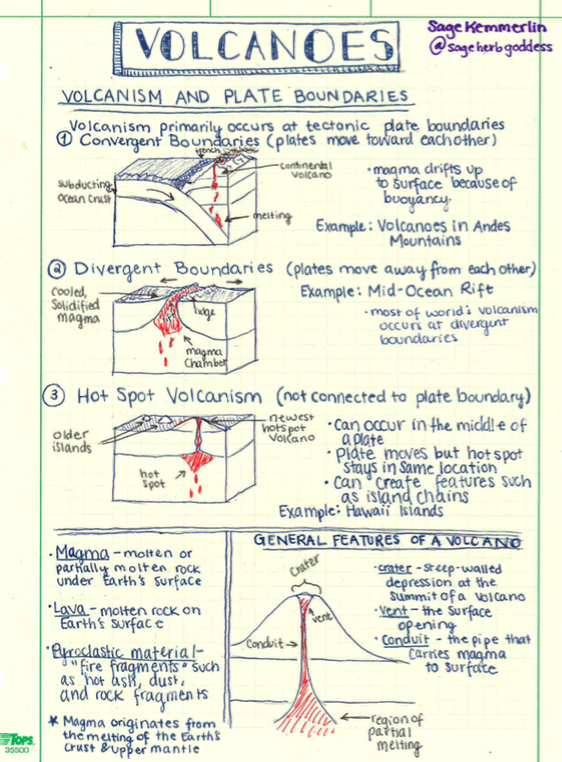
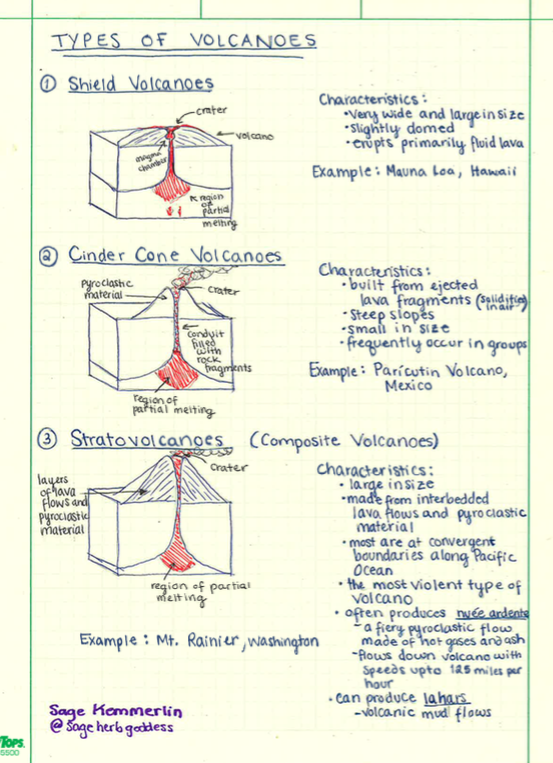
I present to you my two page cheat sheet on volcanoes since they are one of the most fascinating and awe-inspiring features of the earth:
health, fitness, medicine, environment, ecology, how to learn tricky topics in science and math, new discoveries, news, current events
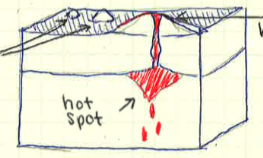
I present to you my two page cheat sheet on volcanoes since they are one of the most fascinating and awe-inspiring features of the earth:
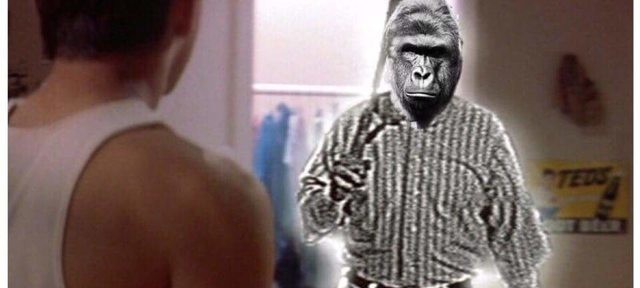
If you have been online at all the past couple of months, you have probably ran into Harambe–the latest meme hot off of the internet presses (wherever that is). Like, really, he is everywhere. It is kind of scary.
With many of these memes you will find a lot to the effect of #RIPHarambe or #neverForget. And yeah, it is kind of hilarious and kind of ridiculous and kind of sad at the same time. The majority of stuff you find online is probably not authentic, but as a great scholar once said, “At the heart of every meme there is a grain of truth.” Or something like that, I don’t know.
 For the uninformed, Harambe was a gorilla at the Cincinnati Zoo and Botanical Garden. On May 28th, 2016, a young child climbed (or fell) into the enclosure.
 Harambe claimed the child as his own and raised him as part of the troop. Frightened, the child begins to cry as the adult male gorilla approaches. I mean shit, I would probably cry too. This stresses out Harambe, and he begins to drag the child around the enclosure. It is honestly terrifying, and shows just how effortlessly this gorilla could kill a small child. If you haven’t seen the recording of the encounter, you really need to check it out.
After about ten minutes of this, the zookeepers decided to shoot and kill Harambe. In my opinion, this is both a simple and complicated issue. Simple in that a kid’s life was in danger. I mean, damn, look at that video. I am sure that many of people placed in that situation would make the same choice, but what about the alternatives? Why not tranquilize Harambe, then remove the child when the endangered Western lowland gorilla is out cold? According to zookeepers and primatologists responding to the incident, that would of just pissed the ape off before any effects took place. So that means Harambe had to be shot. This is where the problem becomes a bit more complex. Who do we blame for this?
Surely there is some pitchfork that can be grabbed–someone needs to take responsibility. Do we blame the child for wandering into the pit? Do we blame the gorilla for acting like a gorilla? Do we blame the mother for negligence? Maybe. I think Donald Trump actually (and shockingly, I know) summed this up quite eloquently.
Or, we could think about the zoo itself. Many people disagree with zoos. Whether it is for treating the animals poorly, being unnatural, or commercializing nature itself, zoos often take the hotseat when discussing eco-conservation. For transparency, I am not one of those people.
I love zoos, but I understand and empathize with many of those points. I believe, that in a perfect world, there would be no zoos in the concrete jungle, and that profit would always take a back seat to conservation. I agree that zoos must be kept under constant supervision in regard to the treatment of their animals. And I think the most important item on the docket is restoring natural habitats–Yes. All of that is important. But I also believe that how zoos support communities, and how zoos support conservation are also important.
One of my favorite memories from my childhood is visiting the Atlanta Zoo. I had the pleasure of seeing its famous silverback gorilla, Willie B., just before he passed away. My mom bought me a silver necklace of Willie B., and I thought it was the coolest thing in the world. My name is William Bradley Martin. My mom would call me Willie B., and now I got to see this awesome animal that had the same name! How cool is that? I still have the necklace to this day.
That memory is so important to me, because it was the first time in my life I found myself interested in science. I wanted to know more about it, no matter what shape it took. I read Zoo Books, watched Animal Planet, I would draw chimpanzees in a sketchbook I had. My young mind was on overload. Though this interest in science has grown and changed a bit over the years, I can trace it back to that specific moment. All because of a zoo. It makes me wonder, how many other people that now work in wildlife conservation were at one point inspired by some zoo or garden, aquarium, or museum? Zoos have been around for hundreds of years, surely some other sparks must of been lit besides mine.
So when I think of the Cincinnati Zoo and of Harambe and of the tragedy that happened, I am saddened. Yes, he had to be shot. But I believe that the blame is put on society instead of any one individual. Zoos can be a wonderful and enlightening experience – an opportunity to learn about a world that naturally we would most likely never come in contact with. But the moment the zoo is simply an amusement park, with horseplay (no pun intended) and spilt popcorn and kids running around like animals, someone – or something – is bound to get hurt.
Sources:
Downes, Azzedine. “Jane Goodall, Azzedine Downes Together Offer Thoughts on Tragic Harambe Killing.” IFAW. N.p., 19 June 2016. Web. 09 Sept. 2016. <http://www.ifaw.org/united-states/news/jane-goodall-azzedine-downes-together-offer-thoughts-tragic-harambe-killing>.
Ohlheiser, Abby. “The Internet Won’t Let Harambe Rest in Peace.”Washington Post. The Washington Post, 27 July 2016. Web. 09 Sept. 2016. <https://www.washingtonpost.com/news/the-intersect/wp/2016/07/27/the-internet-wont-let-harambe-rest-in-peace/>.
Also, I highly recommend reading Life of Pi, by Yann Martel, for a beautiful and passionate defense of zoos.
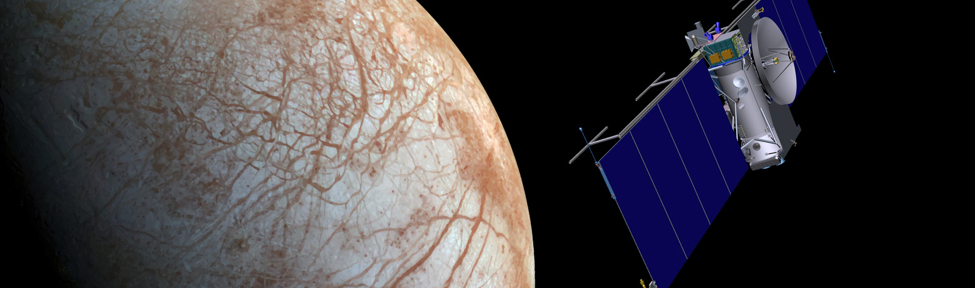
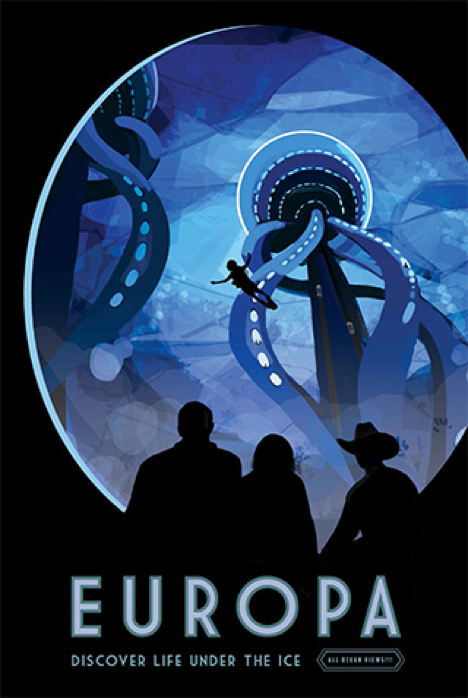
Image Credit: NASA/JPL-Caltech
http://www.jpl.nasa.gov/visions-of-the-future/
Water: the ultimate resource. We depend on it to survive, but Earth is not the only place with a substantial amount of water. Buckle up, because I want to tell you about my favorite moon, Europa.
Europa is one of the moons of Jupiter. It is approximately 4.5 billion years old (about the same age as Jupiter) and is about 485 million miles from the sun. It is the smallest of the Galilean moons with a diameter of 1900 miles (smaller than Earth’s moon but larger than Pluto). Europa looks like a dead, frozen, wasteland covered in large cracks and fractures in the ice, but it is exactly for this reason why it is so cool (literally and figuratively). These cracks are likely caused by tides in an ocean that lies buried underneath Europa’s icy surface. Europa’s tide is the result of host planet Jupiter. Jupiter’s gravity lifts and lowers the sea level causing cracking in the ice. Below the ice and ocean is a rocky interior and inside that is an iron core [1].
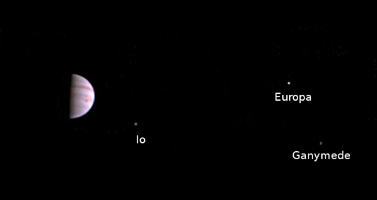
Image Credit: NASA/JPL-Caltech/SwRI/MSSS
http://photojournal.jpl.nasa.gov/catalog/PIA20707
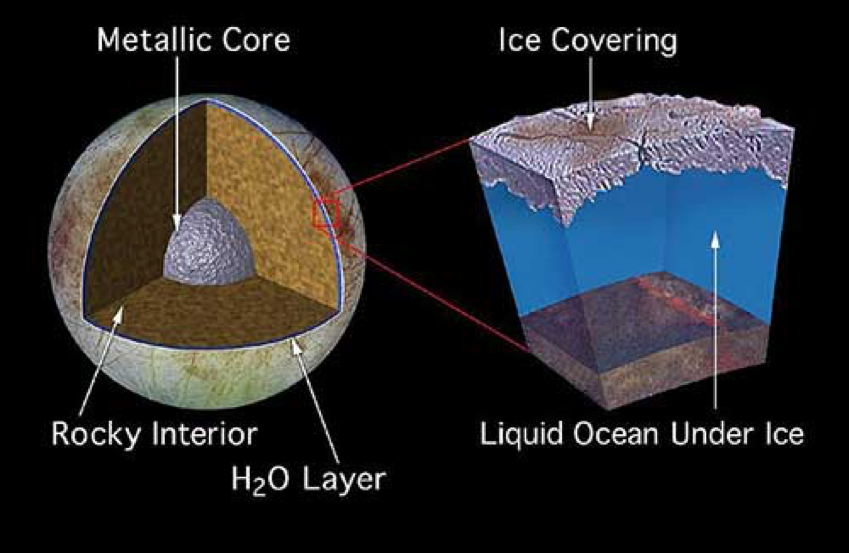
Image Credit: NASA
http://spaceplace.nasa.gov/europa/en/
Ok, so you might be thinking, “that’s kinda cool, a frozen moon. Why do I care?” Well, you should care because Europa’s subsurface ocean hosts the possibility of life. That makes Europa a possibly habitable location for us humans (in the future though, cause we are no where near that yet), which is awesome.
The ocean beneath the surface is widely believed to be salty liquid water which is a big deal (but not yet known for certain since we haven’t sent any missions directly to Europa thus-far). In a recent study done by NASA’s Jet Propulsion Laboratory (Vance et al., Geophysical controls of chemical disequilibria in Europa), the researchers calculated the potential amount of hydrogen that could be produced from interactions of seawater with the rock below it.This process of interaction is called serpentinization. NASA also looked into oxidants in Europa’s ocean. Jupiter, being the massive gas giant that it is, bathes Europa in radiation from it magnetosphere (Earth actually has this type of radiation too called the Van Allen belts, although they are about a thousand times weaker than Jupiter’s). This radiation can split apart water ice molecules and create oxidants. One of the lead authors of NASA’s study, Steve Vance, said, “If the rock is cold, it’s easier to fracture. This allows for a huge amount of hydrogen to be produced by serpentinization that would balance the oxidants in a ratio comparable to that in Earth’s oceans”. The balance between hydrogen and oxidants is an indicator to the energy available for life [2]. However since no spacecrafts have been sent to Europa to investigate this, it is currently unknown if serpentinization occurs (several spacecrafts have done flybys such as Pioneer 10 and 11, Voyager 1 and 2, and Galileo [1] ).
NASA is planning an orbital reconnaissance mission of Europa called the Europa Clipper with the main goal of investigating the habitability of Europa. The Clipper will have 45 low-altitude flybys over the course of 3.5 years. The clipper will have three main objectives [3] : (1) to investigate the ice shell and ocean, (2) investigate the composition, and (3) investigate the geology of Europa. Essentially, NASA wants to confirm what they think they know about the structure and composition of Europa and how it’s layers interact (like the rocky interior, the ocean, and the icy shell) both mechanically and chemically, and determine the effect Jupiter’s radiation has on Europa. This will give insight to the habitability of Europa. There will be nine scientific instruments aboard to try meet these scientific objectives.
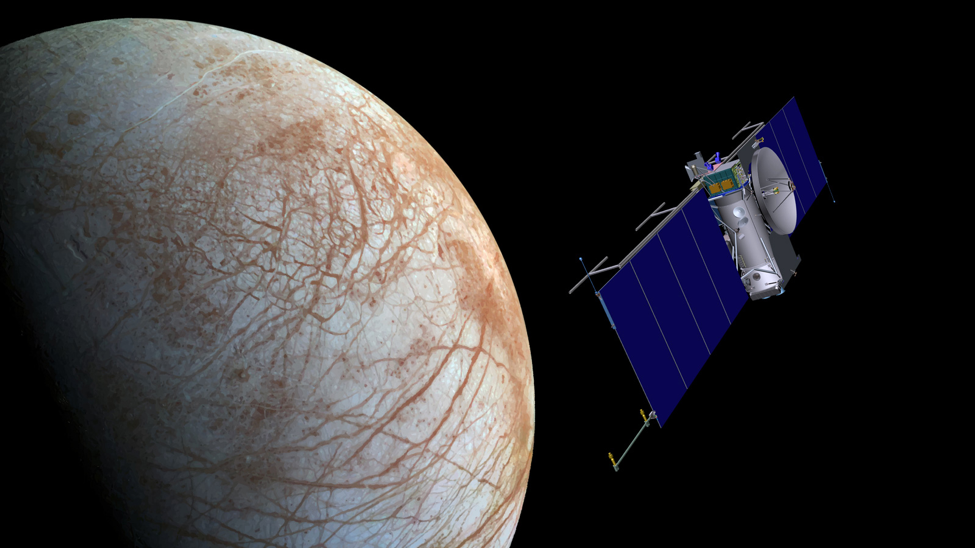
Image Credit: NASA/JPL-Caltech
http://www.jpl.nasa.gov/news/news.php?feature=4627
The Europa Clipper’s launch date is not yet determined, but it is likely to be in the early 2020s and would arrive 6-9 years later depending on the launch vehicle [4]. There is still A LOT of work needed to be done on the mission planning, but I’m very optimistic that it will yield in fascinating results, maybe even giving us significant insight to if we are alone in the solar system.
Here is a NASA/JPL-Caltech video about the Clipper:
References:
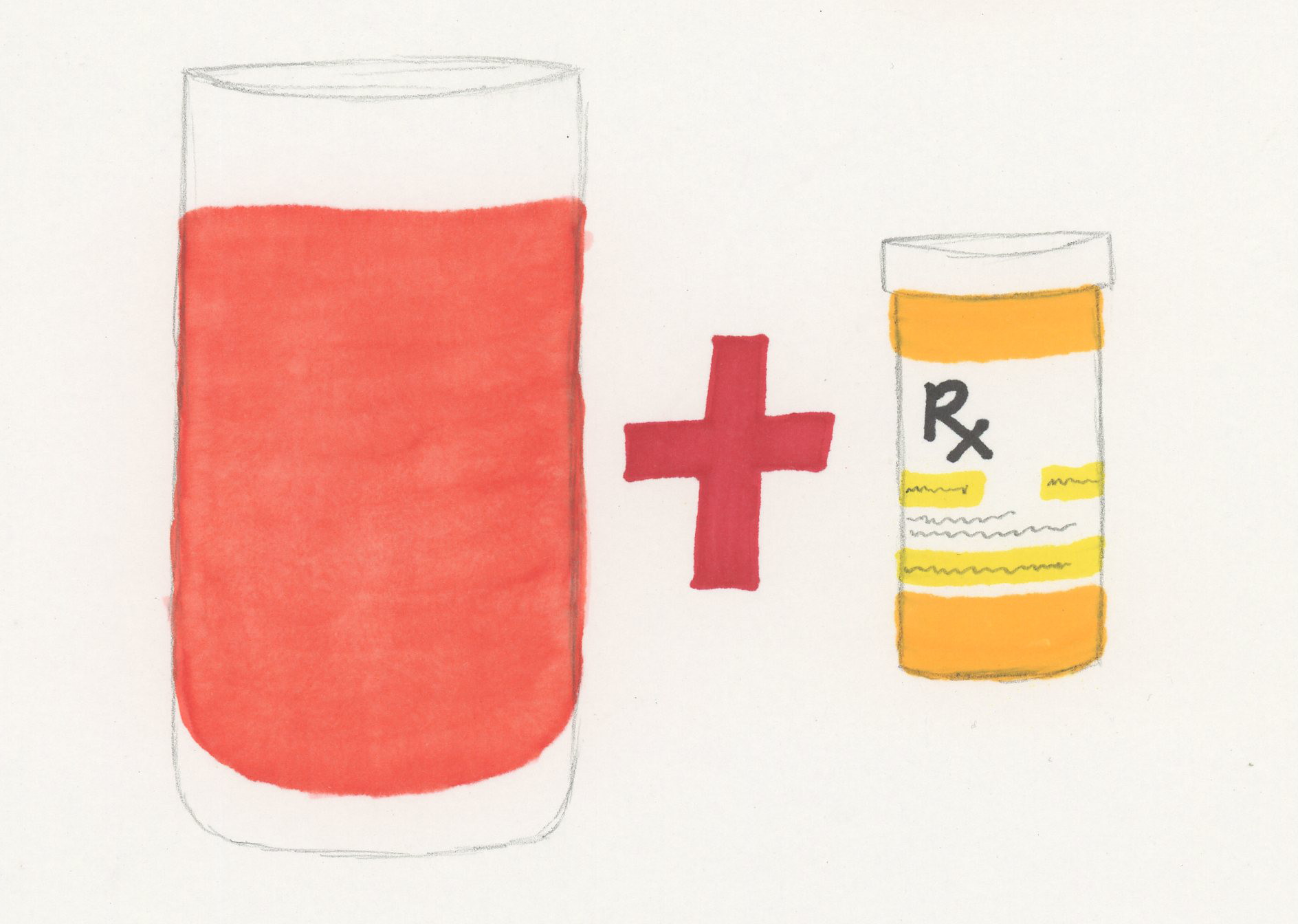 So, the other day I got a new prescription, and as I skimmed through the 300 pages of side effect warnings (okay… maybe it was only 3 pages, but the font was ridiculously tiny), I noticed a warning about consuming grapefruit and/or grapefruit juice. “Whaaat? Why grapefruit specifically?”
The warning is written as follows:
“Eating grapefruit or drinking grapefruit juice while you are taking this medicine may increase the amount of this medicine in your blood, which may increase your risk for side effects. Talk with your doctor before including grapefruit or grapefruit juice in your diet.”
I figured this warning was probably specific to drugs similar to the one I’m taking (combination hormone birth control), so I just brushed it off and made a mental note to never drink grapefruit juice again. That is until I was watching TV a few hours later and a commercial for another prescription– one for bi-polar depression– had the same warning. “Seriously! What is up with freaking grapefruit?!?” The scientist in me was intrigued, so I decided to do some digging.
Apparently there are many drugs (85 that are known of so far) that have warnings against grapefruit consumption, including statins (for high cholesterol), anti-arrhythmics (for an irregular heartbeat), and Viagra® (sorry, fellas).
Grapefruit juice most commonly interacts with drugs by inhibiting the metabolism of the drug by the enzyme cytochrome P450 (specifically the CYP3A4 isoform). Normally, medications are broken down in the liver and/or the small intestine and then excreted from the body, but since grapefruit juice contains compounds called furanocoumarins which inhibit the drug from being broken down in the small intestine, the drug doesn’t leave the body and is instead reabsorbed into the bloodstream. This leads to increased amounts of the drug in the bloodstream and thus an amplified risk for developing side effects.
The more sensitive the dosing of the drug is (the lower the therapeutic index), the greater the risk of consuming grapefruit juice will be. In other words, if a slight change in the concentration of the drug in the bloodstream has a high impact on the drug’s potency, then consuming grapefruit juice will have a much greater negative impact on the person taking that drug than would be the case if the potency of the drug in question was less affected by slight changes in the drug dosage.
The effects from grapefruit juice can last up to 24 hours, and it only takes one glass of juice for the drug metabolism of some drugs to be fully inhibited (Lilja, Neuvonen, and Neuvonen). Drinking grapefruit juice before, during, or after taking your medication can cause adverse effects. For medications taken daily, like birth control, it is recommended to minimize ingesting grapefruit/grapefruit juice during the entire duration of time the medication is being taken.
Sources:
Lilja, J. J., Neuvonen, M. and Neuvonen, P. J. (2004), Effects of regular consumption of grapefruit juice on the pharmacokinetics of simvastatin. British Journal of Clinical Pharmacology, 58: 56–60. doi: 10.1111/j.1365-2125.2004.02095.x

Badass Biology: Humanity’s most badass adaptation
At some point, modern humans started believing that we are somehow special, that we are the center of creation and of the universe and that God loves us most. My point isn’t to argue against such divine egocentricity; we are indeed very special. Hell, no other species has made guns and missiles and stuff. And we are special even from a biological perspective. The reason we’ve done so well as a species is because we have adaptations that have allowed us to do so. So what are they?
We have many. Vertical skeletal structure, opposable thumbs, massive frontal cortexes, and unlimited salad and breadsticks are all commonly cited as being necessary for our species to thrive and dominate. These are all important morphologies. I believe, however, that there is one very overlooked adaptation in our evolution, one thing that, if it weren’t just right, would negate all of the benefits from these other lesser adaptations. So if it’s not our massive brain or our dexterous hands, what is it? Turns out it’s guns and missiles.
Guns and missiles have allowed humanity to reach far beyond our former niche. We now own the planet with such unchecked power that one person can say “I want to blow up that bit of the surface right there”, and his buddy thousands of miles away can instantly reply, “done!”. This adaptation has caused an evolutionary cascade of intermittent……………..ok, I can’t keep this up. I’m full of it. Our most important adaptation is actually our size.
I guarantee that human size was not the first adaptation that would have popped into your brain, but it is arguably the most important. Am I suggesting that all animals our size are evolutionarily successful? Of course not. Am I saying that tiny or huge people are somehow inferior biologically? Nope. However, if we were, on average, significantly larger or smaller, like ten times as large or small, the course of earth’s history probably would have played out very differently.
Much like the famous fairytale porridge, we benefit from being “just right”. Being the right size means there’s space for a brain that prioritizes and categorizes and tells the body to act judiciously. We stand vertically because we’re small enough not to battle gravity as ferociously as we would if we were the size of elephants. We can offer unlimited salad and breadsticks because we’re large enough to farm yet small enough to be incapable of eating the planet’s supply of breadsticks in one sitting. In this article of Badass Biology, I hope to convince you that our dominance stems from our ideal size. Had we been much larger or smaller, the evolution of our intelligence would have played out much differently, meaning no guns and missiles.
Bigger is better, unless you’re Godzilla
What does size have to do with anything? As animals grow larger in size, they tend to become more metabolically efficient. A cornerstone of evolutionary theory lies in Kleiber’s “3/4ths power rule”, stating that for every added unit of mass, metabolic rate only increases as a rate of mass^(3/4) [1]. While the value of the exponent and its real-world meaning is debated, one thing is clear: grow larger, and you’ll use less energy for your size, a comment you also hear regularly from your disappointed girlfriend.
Humans are damn gigantic; 99% of all animal species on earth are smaller than we are [2]. Does the power rule work to our advantage? Yep. Because math. The average human male (7700g) weighs roughly 457 times that of a typical field mouse (15g). Raise both to the ¾ power, divide one by the other, and you’ll find that the human has only about 100 times the metabolic demand of a field mouse despite the 457 fold increase in mass. I’d say that gives us a pretty big advantage in terms of having to spend less time and energy feeding, replacing tissues, respiring, etc. More time for guns!

This sounds great, but if bigger is better, why isn’t every animal huge? Again, because math. Think back to high school geometry. Among the suppressed memories of sitting behind that brunette you thought was cute but wouldn’t pay attention to you unless you were captain of a team sport but that you later reconciled with because she ended up being a relatively heartless and shallow person despite her extreme self-professed piety, or that guy across the room you thought was an asshole to other people because he had a giant triangular face and douchey long blonde hair and a name not unlike “Brittney” until he confirmed his assholiness by being an asshole directly to you about something that absolutely did not matter at all, surely you must remember the formulas for surface area and volume. Basically, a shape that grows larger and keeps its form expands its volume in three dimensions (side x side x side), whereas surface area expands only into two (side x side). Big objects, like animals or guns or missiles, have relatively low surface area compared to their volume because volume mathematically outpaces surface area as objects grow bigger.
This is a really big deal. Think about every process that keeps you alive. Breathing, eating, sensing your environment, playing Civilization 5. All of these processes rely on tissues with some kind of exposure to the outside environment. Oxygen is absorbed as air rushes across alveoli in the lungs. Nutrients are absorbed through countless tiny folds of the small intestine. Tastants and odorants absorb through fluid media in the mouth or nose to trigger sensory receptors. Civilization 5 enters your brain through tiny refractive holes in the middle of your face. These are all parts of your surface area.
The point is this: if we were a lot bigger, like Godzilla-sized, we’d have a lot of trouble performing these same basic functions given our current body shape. This would suck for the most part. We’re already pretty specialized as is; a lot of animals don’t have folds in the lungs or intestines like we do because they’re small enough (thus having enough surface area for their volume) not to need them. But not absorbing things would be only one of our many worries if we were larger.
The earth’s gravity is not all that strong in a cosmic sense, but its impact on surface-dwelling body forms is huge. Let me put it simply: stuff caint grow too big because aint no way they caint get strong enough to stand up. Fighting gravity is hard unless you’re a gun or missile, especially when you’re giantic. Our skeletons would have to be quite different in order to support our huge stature. Bones would need to be thicker yet more pliable.To be Godzilla-sized would be risky, not only because of the inevitable bone weakness and joint decay, but because of imbalance and falling. Even at twice our current size, tripping over a gun or missile would cause a tumble with 16 to 32 times more kinetic energy than it would now.
This all sounds like a recipe for disaster.
Suppose that our bodies do adjust. We grow to Godzilla size, have super-efficient perforated lungs, guts that absorb enough to get by, and bones capable of supporting a small skyscraper that can walk and build guns and missiles. Imagine the caloric demand a body like that would require. How many hamburgers would we need to eat in a day?
Godzilla is, at lowest estimates over his career, 164 feet tall, or about 50m. A quick foray into ideal body weight calculations yields that a 25-year old male this height should weigh around 8106.8 pounds, or 3676ish kg. Plug that into the ¾ power formula, and the daily metabolic demand of our gargantuan is around 84,000 calories per day. The power rule certainly works into this huge person’s favor, because I certainly was disappointed by how low that caloric count was. So what does 84,000 calories look like? Imagine 81 quarter pound hamburgers with white wheat buns, ketchup, and a tomato slice. And that’s only just breakfast; imagine eating that three times per day. BIG PEOPLE PROBLEMS. I’m sure I’ve made my point. The earth would strain to support life of that magnitude. Here’s the kicker: I didn’t even account for added bone mass and musculature necessary to become that tall. Let’s add another 100,000 hamburgers per meal to the calculation just to be safe.
The worst part of being tall would be this: it would be really hard to fit as many people onto airplanes. The airline industry wouldn’t see as much profit from airfares, thus flying would be a privilege only for the super-rich, limiting my ability to go to places like Switzerland. And I really want to go to Switzerland.

Why Ant-man is the worst superhero ever.
What if we were much smaller? Well, there’s good and bad news. The good news is that we could adopt simpler body forms, but that’s about it. The bad news? Pfft.
First. we would probably be much dumber than we are. Zoom in closely on the brain of every animal and you’ll find neurons, cells that communicate to one another using electrical or chemical signals. Hundreds to thousands of these neurons form dense and complicated circuits with one another in the vertebrate brain. Such circuits form pathways that tend to perform specific functions in the body. For instance, there are specific regions of the brain designated for movement, for regulating sleep, for hunger, for balance, for typing “guns and missiles”, and for interpreting the sights, sounds, and smells from the world. Our bodies may be able to shrink in size and still function to some degree, but our neurons cannot only be miniaturized and still function with such complex synchrony and elegance. As we grow significantly smaller, we run out of room for neurons very rapidly.
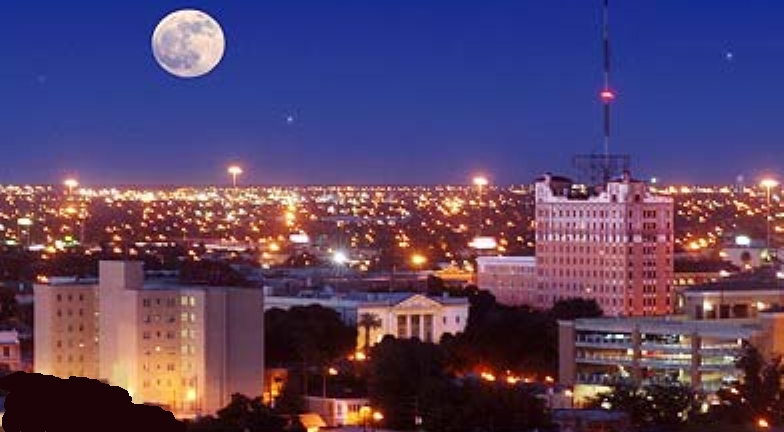
“But Kevin, I’ve always heard that a big head doesn’t mean make you smarter”. Don’t you sass me. But you are right, anonymous naysayer. There is admittedly weak evidence that intelligence correlates with head volume, yes, but that’s among humans of relatively the same size [3]. For example, my fiancée is tiny and adorable, though she’s likely smarter than I am (Fiancée et al, 2014). However, when we’re talking about a difference in scale between us and a mouse, size matters. We have nearly half the number of neurons as the U.S. military has guns and missiles, something around 86 billion neurons [5]. Mice have around 10 million. Ants have around 200,000. To put this into perspective, if each neuron were a person, our brains would outnumber earth’s human population 12 times over. A mouse’s would be constrained to the size of North Carolina. An ant’s would be Laredo, Texas. It’s hard to grow intellectually when you’re Laredo, Texas.
I apologize to anyone from or living in the city limits of Laredo. I did not mean to say your city is dumb. However, it certainly looks that way. I’ve visited your website. It looks terrible.
Being the size of an insect would present a number of other challenges. The interactions we have with things in our environment (like the water we drink and the food we eat) conform to the laws of physics. As we shrink in scale, these interactions change. To an ant, water seems as viscous as maple syrup. Gravity takes a backseat to air turbulence. As Steven Jay Gould writes, “An ant-sized man might don some clothing, but surface adhesion would preclude its removal. The lower limit of drop size would make showering impossible; each drop would hit with the force of a large boulder. If our homunculus managed to get wet and tried to dry off with a towel, he would be stuck to it for life. He could pour no liquid, light no fire…” [2].
Could an ant-sized version of early man have developed civilization even if intelligence were not a factor? Probably not, at least not at the same rate or with the same level of success. I imagine cultivating agricultural crops, one of the supposed precursors for civilization, would have been near impossible, not to mention cross-breeding them for good yield. Our meat-based diet would be replaced with who knows what, but I suppose it would include plant material and any nearby organism that decides to die. For that matter, hunting would be folly; spears and bows would be completely ineffective because we probably couldn’t put enough force behind the blow. Guns and missiles wouldn’t exist. Our predators would vastly rise in number, distancing us from the top of the food web. We’d be stomped into submission by the elements, by other creatures, and by our own ineffectiveness. Switzerland would be near impossible to get to. So long, Mürren.
What about food? Shouldn’t food be more abundant since, you know, one kernel of corn could feed an entire village of people? That’s true, but there’s a much bigger caveat to this than you’d think. The world’s food is spatially patchy. I don’t just mean that bananas only grow in the tropics or that rice grows best in silty soil. I mean that, when you’re the size of an ant, getting a bug from the ground nearby is a marathon. Food sources are really f**king far apart, but plentiful once they’re found. Many animals that live upon such food sources adopt life strategies to cope with smorgasbord-style resources. Some insects that exploit huge but infrequent foods, including flies like the gall midge, have adaptations that allow them to exploit them quickly. Gall midges typically reproduce sexually, though it takes a long time for larvae to develop this way. When midges find a mushroom, a gold mine on their scale, females reproduce without a male through a process called parthenogenesis. These offspring are formed more quickly than doing things via the sexual route, though it comes at a cost to the mother. Instead of developing externally, the larvae grow inside the mother, eventually liquefying her insides and bursting from her lifeless husk [4]. However, immature as they may be, they are ready to start chomping away on some sweet sweet mushroom bits and rotting parts of their mommah. D’awww. Overall, the flies have more successful babies this way, thus the need for bursting out of their moms and such.
Will humans do that? I dunno. That sounds desperate. But food would likely be lacking for most humans on earth. Maybe we’d be as successful as ants and develop complex chemical signals to communicate the locations of food, bypassing any other weird adaptations like the ones midges have . Maybe we wouldn’t, and we’d fill just another tiny niche in the complex world which we inhabit.
So, I hope you now understand how important our size is for our survival. We are big and scary creatures, and that’s allowed us to hunt and kill and eat meats and make pizzas and build guns and missiles. But we’re not so large that joint damage, eating entire herds of cattle per day, and toppling over and breaking bones would be a daily norm. We’re also not so small either that we can’t take showers or cultivate food. So, here we stand, results of the goal-less, powerful, yet delicate hands of natural selection. Just right.
Nobody comments on my stuff. You should comment on my stuff. Get your friends to comment on my stuff. I will then comment. We can all comment. It will be a great world full of comments.

Literature Sources:
[1] http://en.wikipedia.org/wiki/Kleiber’s_law
[2] “Ever Since Darwin” by Steven Jay Gould, Norton & Co. 1977
[3] http://science.howstuffworks.com/life/inside-the-mind/human-brain/brain-size2.htm
[4]http://www.sjgarchive.org/library/text/ontogeny/p0306.htm
[5] http://journal.frontiersin.org/Journal/10.3389/neuro.09.031.2009/full#B24
Image sources:
http://upload.wikimedia.org/wikipedia/commons/1/13/Apollo_17_The_Last_Moon_Shot_Edit1.jpg
http://images.gadmin.st.s3.amazonaws.com/26758/images/buehne/Muerren_054-1.jpg
http://img.docstoccdn.com/thumb/orig/124825385.png
http://universe-review.ca/I10-83-metabolic.jpg
http://pics4.city-data.com/cpicv/vfiles25324.jpg
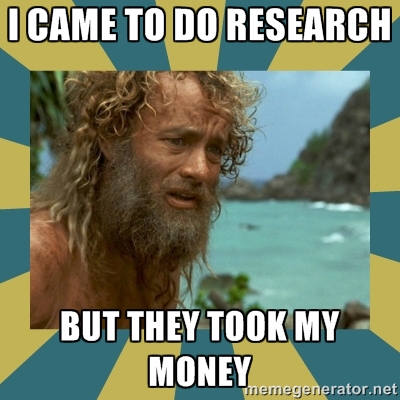 As a US citizen who travels internationally to conduct research, I’m well aware of the perception that gringos = $$. Sometimes that perception is true and you have money on your person or have access to it. But sometimes you simply represent wealth in some sociocultural way. Regardless of the reason, the fact is that I get robbed sometimes. Getting robbed is no fun, but it does make for some good stories.
Robbers are opportunistic, and travelers are, by definition, out of their element, so opportunities arise to rob travelers. Robberies are also about communication, i.e., “Give me your money now.” Pretty simple, huh? Well, sometimes the solution (i.e., not getting robbed) can be just as simple. If the robber doesn’t speak English and the robbee pretends not to understand the phrase “Give me your money now” then the would-be robbery is at a communications standstill. This dumb gringo trick works great, and I’ll use it as long as no weapons or physical assaults are involved. Before I developed this trick, however, I did wind up engaging a robber in a conversation in his native language.
I was out in the Neotropical boondocks very late one night alone in the rain, catching toads (it’s what I do). A guy on a horse came up behind me and startled me. Yeah, I get really focused on toads, so scenarios like this can happen; and, I don’t hear well. I assumed that I had accidentally trespassed onto his land, so I initiated the conversation of apologizing if I had done so, and promising to leave immediately if I was out of place. Turns out he did not care at all where I was, but he did want to rob me. Immediately, I was kicking myself for making the evidently poor decision a few hours earlier, to put my entire research-travel grant funds in my pocket, rather than leave them in the truck on the highway. Eventually, after a long conversation, I convinced him that my boss (who did not exist) had all of the funds back in the fancy hotel in the capital city because no one with lots of money would ever trust it to some schmuck pathetic enough to be hired to catch toads on a rainy night with all these mosquitoes around. I showed him my bag full of toads as evidence of the veracity of my story. He agreed that this made sense, and then demanded my flashlight. So, I asked him please not to take my flashlight, because then I couldn’t even do my shitty job and I’d get fired. He got off the horse, gave me a hug, and said something to the effect of, “I’m sorry for you my friend, as your lot in life is even worse than my own.” Of course he had a machete, because he was an actual cowboy, but he never raised it at me. If he’d raised that machete, he would have had a few hundred dollars instantly.
So, not all robbers are necessarily bad people. But I’ll tell you who are bad people: corrupt government officials. As robbers, they have a huge advantage and they know it. They have, ironically, the authority of law on their side, and the mere threat of being arrested during my travels is scarier than any gun I’ve had shot in my direction. These guys always have guns. They also have the mandate to set up roadblocks and stop all cars in the name of programs like the War on Drugs. For the corrupt ones, their day job is to make sure that the only people carrying drugs and weapons on that road are the people from the pre-approved local cartel. So they are not kidding when they search or grill you hard about carrying unauthorized drugs or weapons; just don’t conflate their diligence with caring about preventing drug trafficking. Once they clear you at the roadblock, they sometimes settle into robber mode. This authoritarian backdrop makes for some effective robbing. The game becomes a push-and-shove of “how little can I give them” vs. ”how much do I think this guy has on him.” To their credit, they are smart enough to realize that they have to be practical and discrete about all of this because if they just carjack you and take everything, then well it would be awkward to have you sitting there on the curb, and they have the keys to your truck, but they can’t take off with your truck until the end of their shift. These guys are not dumb thugs. They are fully aware of their advantage and thus are really impatient with any attempts you may make to stall the obvious outcome. In other words, I tried the dumb gringo trick at a roadblock exactly once. It escalated very badly, and they got all my money. Lesson learned.
The wandering toad-seeker runs into other brands of robbers as well. Gas station attendants can make a great cover for a top-class grifter. These folks have all day every day to figure out new, and often ingenious, tricks to rip off the customer. Again, they have an advantage on their side. You stopped and engaged them in this transaction, you need the gas that only they can access, and at some point you are going to give them the amount of money that they say you owe them. Add in the ever-bumpy cultural and language barrier plus, in my case, raging dyscalculia, and they definitely have the upper hand. If you do not pay them what they say you owe them, then you are stealing which is illegal (see “getting arrested” above). What are you going to do…drive off without paying? I dare you. The solution is to learn the more obvious scams and block them before they can play out.
Hookers are a complex reality. I want nothing to do with hookers, but, as a male gringo, they come to me. Remember gringo = $$ and, I usually wind up spending a lot of time politely declining the well-crafted and earnest sales pitches of hookers who assume I am rich. One night, however, the terms hookers and robbers became synonymous. After a moderate round of drinking in a large tropical city, my gringo colleague and I were walking back to our shabby hotel. He picked the route back, I argued against it because it seemed sketchy, but he won the argument. So I’m crossing the dark lonely back alley that people like me know to avoid and suddenly I am physically surrounded by three hookers who are busily putting their hands in my delicate areas and busily cramming my own hands into their delicate areas. There are eight hands involved here. My two hands are “occupied” against my will and the other six hands are occupied with violating my privacy and rifling through my pockets. Take-home advice: don’t wear baggy shorts in sketchy neighborhoods at night. It was over in seconds and they were gone. I’m not dumb, so I didn’t have my passport or watch or anything like that on me. They got my six leftover dollars that I had not spent on beer. Ok, so I got mugged or whatever, and they got six dollars. No one got physically hurt, and it was far less terrifying than the threat of getting arrested by corrupt cops. What was really terrifying was my first response to the assault: I launched into my rote spiel politely declining their sales pitch. That is how off-guard I was to the actual situation; it didn’t even occur to me to fight back, or run, or scream or anything remotely more rational than essentially saying “no, thank you.”
Afterwards, and to this day, the truth slaps me hard. I wasn’t being solicited, I was getting robbed. And whether the robber is a street thug, an official, a grifter, or a lady of the night, the victim is always the same: the hapless gringo perdido.
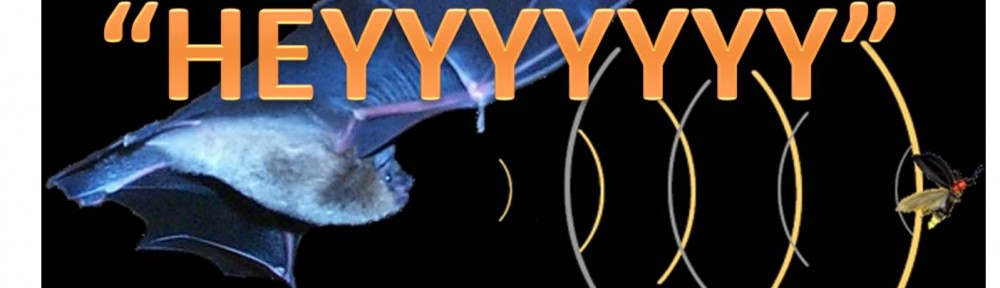
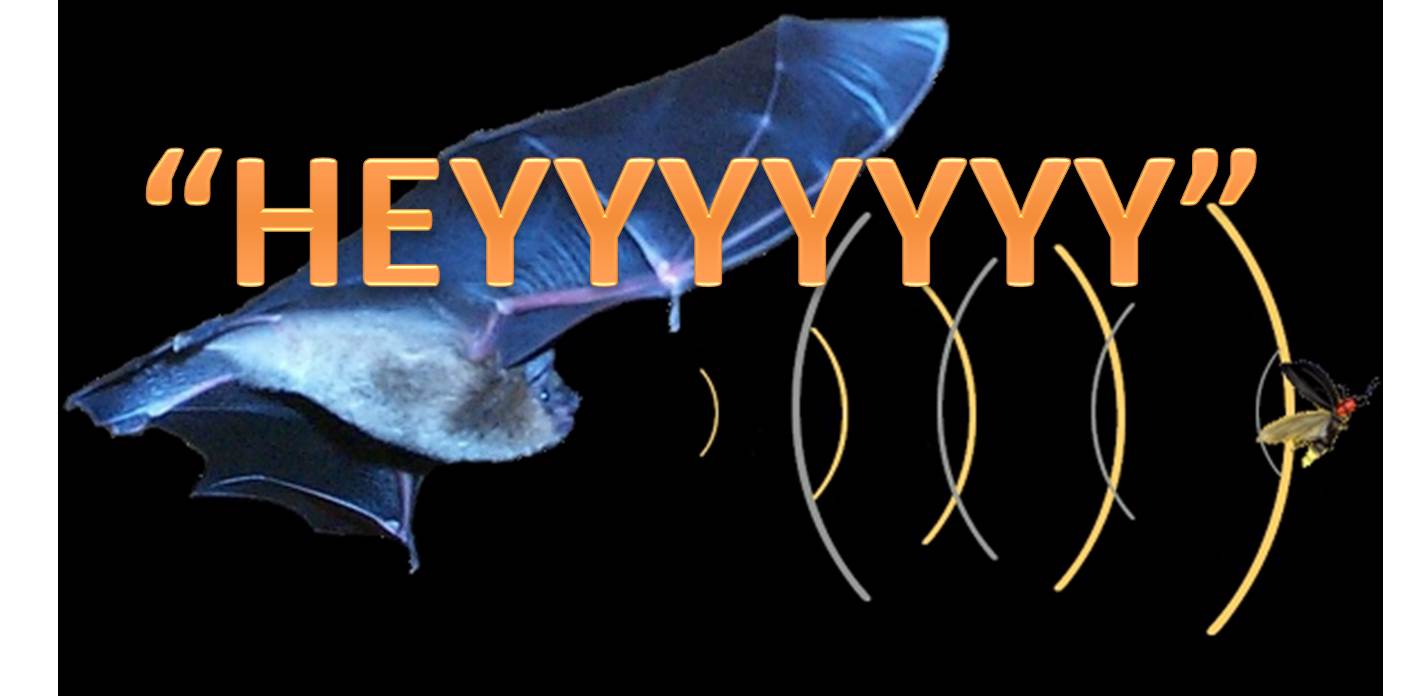
Vision is awesomely complicated. A lot of animals, like the hawk, use vision to detect important environmental cues from vast distances. They use complex eyes and even more complex brains to locate prey, or figure out where the ground starts, or I dunno, check out lady hawks. Hearing is like vision’s less-popular but talented younger brother, the often-forgotten Luigi to evolution’s Mario. Hearing is amazing, yes, but our hearing kinda sucks. We’re not good at it, and so we discount its importance. Instead, we glorify vision as the pinnacle of evolutionary achievement, the ultimate sensory weapon against a hostile world. Yes, vision is awesome, and it is reliable, and it is useful for things like looking at steak. I f**king love steak. But other animals use hearing to see their steaks oh man that sounded really stupid so now it’s a run-on sentence now I don’t know how to end it oh no I’m embarrassed lol. The bat is one of the few animals that can accomplish this awkwardly-written steak hearing, and it does so using methods that absolutely amaze me.
It must not come to a shock to you that bats use echoes from their own calls to create a mental picture of the world around them. Bats hear with the precision of a rocket-tipped arrow, which sounds totally stupid because that implies the rocket should blow the arrow backwards and that’s not where the pointy end is, but this is not important. I will explain to you how they use variable auditory frequencies, interaural timing, Doppler shift, and badass brain parts to make a map of their world. In short, they use magic. Bottom line, bats are badass.
PARTS OF THE ECOCHOLOCATION PROCESS THAT ARE BALLS-OUT INSANE BECAUSE THEY GIVE BATS THE HEARING PRECISION OF A ROCKET-TIPPED ARROW.
1-The call
Did you also know that bats are really damn good at determining object size, velocity, shape, and even if it’s fluttering? I bet you didn’t, Mr. Fact Learner. You need to learn up all of your facts except that fact because you know for a fact that this fact is a fact, and that’s a fact.
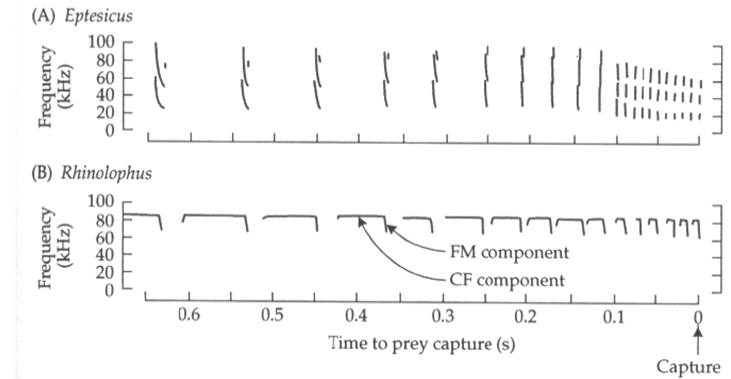
Small bats usually emit two types of calls. First up are frequency-modulated (FM) sweeps, and bats use these to locate objects in the space around them. These calls are usually quick, and the pitch rapidly drops. This allows bats to emit a range of frequencies to the nearby area. The amount of time an FM sweep takes to return to the bat allows the bat to determine distance. Bats also use the time disparity between frequencies in the left and right ears to tell where objects are on the azimuth, or how left/right they are relative to the head. The pointy shape of their ear also allows bats to use FM pulses to gauge the elevation of objects.
We got three properties down in one paragraph: azimuth, elevation, and distance. Isn’t that enough? Hells nah. They use some of them AT THE SAME TIME. For instance, bats can tell the size of an object by determining how loud the echo is. They can then use all of this information to tell the difference between something like a bird that’s far away and a moth that’s up close. FM calls are sweet.
The second type of call allows bats to tell how fast an object is moving. Constant-frequency (CF) pulses are typically longer, though the pitch does not drop. This allows, and yes I’m serious, bats to determine slight deviations in pitch due to the Doppler effect; a CF echo from an approaching object is slightly higher in pitch. This raises a good question: How can a bat do this if it’s flying toward an object? Wouldn’t the act of approaching an object make the CF pitch higher simply because the bat is moving towards it?
This next experiment sounds kind of insane, but I promise it really happened.
Scientists strapped a bat to a swing, pointed the swing at a wall, hooked up some microphones, and let loose. Sure enough, a bat swinging at a wall lowers the pitch of its emitted call. So, bats can compensate for their own movement through space by dropping the pitch of their call, making the pitch of the echo ALREADY ACCOUNT FOR DOPPLER SHIFT BY THE TIME IT GETS BACK TO THE BAT. Totally. Friggin. Badass.
2-The ear and auditory pathway
“Auditory pathway? Ughsheesh. That sounds boring. I don’t want to read about that.” said nobody awesome ever.
Our inner ears are pretty complicated. Without getting stained with details, sound transduction works basically like this:
1) Sounds, which are essentially air pressure waves, vibrate tiny bones in the middle ear that then convert those vibrations into pressure for the inner ear.
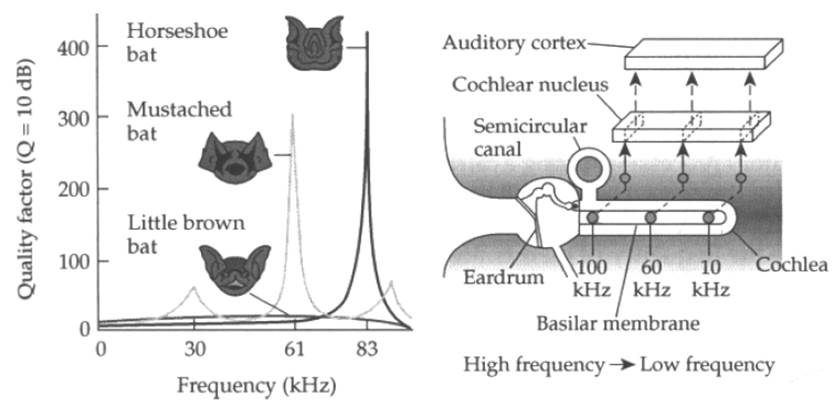
2) The basilar membrane, a bendy flap of tissue in the cochlea that looks like an industrial-strength file, vibrates in different spots based on the frequency of these vibrations.
3) The bending basilar membrane causes tiny hair cells adjacent to the cochlea to bend. These hair cells are connected to neurons that can detect when these hair cells bend.
What did we learn here? Basically, pitch matters. Low pitches vibrate different hair cells than high ones. Bats are crazy though. Really crazy. I once saw one bite the head off a human.
Bat basilar membranes, the part of the ear that transduces sounds into nerve impulses, are wider on the part of the cochlea where they detect the frequencies of their echoes. This helps for a number of reasons: 1) It increases the volume of noise in this frequency range, 2) It allows bats to become more sensitive to their own echoes, and 3) it helps reduce sensitivity to their own calls, reducing the odds of confusing those calls (or other sounds) with echoes. It’s also pretty cool to point out that bats contract muscles in their ears when they screech, dampening the sound of their calls further. All in all, bats are pretty much deaf to their own calls but highly sensitive to their echoes. Also, different bats are sensitive to different frequencies, limiting the odds of cross-talk between species.
Alright, this is about to get nuts. I recommend not reading this if you’ve just had a heavy meal, because you may be so amazed that you’ll spew half-digested mush all over your keyboard.
3- The brain
I’m so excited to tell you about bat brains that I’m literally going to get some Oreos. It turns out I was actually excited about the Oreos all along.
The auditory cortex is the part of the brain where auditory information is processed. You and I both have auditory cortexes. This is where information from the ears is organized and sent to other parts of the brain to aid in functions like cerebral processing, speech, and motor function. It’s also the part of the brain that allows us to differentiate between a high E flat played by a piano and a high E flat played by a chainsaw.
Bats have auditory cortexes too. Theirs do many of the same things as ours. But there’s got to be a reason I’ve decided to spend an entire section on their brains. Trust me, there is.
Remember how the cochlea can organize sounds by frequency? We tend to keep nerve impulses of similar frequencies bundled together as we send sound information from our ears to the auditory cortex through various brain structures. So, different parts of the auditory cortex become active when we hear different pitches, giving us somewhat of a tonal map of our sounds. Bats do this too, as do many animals. Here’s the difference: bat brains are capable of producing an ACTUAL map based on sounds.
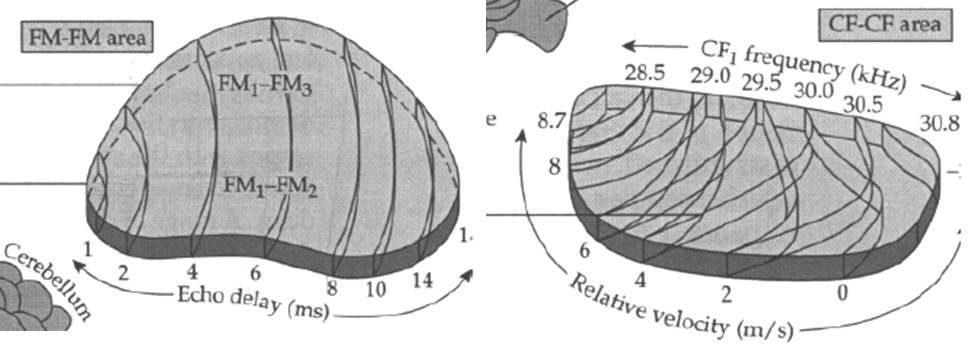
The bat auditory cortex has two pretty badass regions. One is the FM-FM region. Remember FM pulses? Those are the calls bats use to determine where things are in the space around them. This function is done here. Neurons in the FM-FM area respond to the amount of time in the delay of a call and the harmonics of the call’s echo? What is a harmonic? Click here to find out.
Think of the FM-FM area of the auditory cortex like a 2-D map. Each harmonic excites different horizontal sections from top to bottom, while the left-right axis responds to different delays. So, if the bat detects an echo from the 2nd harmonic after 8ms, neurons in a specific area of the FM-FM area will start firing. Enough of these allow a bat to tell how the large size and distance of the object is.
Bats auditory cortexes can also produce a mental map of sounds based on their velocity. Recall that bats use CF-CF calls to detect the Doppler Shift of sounds and tell whether they’re moving. They process this information in the CF-CF area of the auditory cortex. Like the FM-FM area, certain cells become active when sound properties are just right. Bands of cells respond to certain CF frequencies, and other bands respond to the velocity, or Doppler shift, of the sounds encoded. What bats end up with is a map of awesome.
So what’s the point? Oreos can get me really excited. And to be specific, I’m talking about the golden ones. For some reason the regular Oreos get stuck in my teeth and I can never seem to get them out. Not that regular Oreos aren’t good, I’m just a little bit more partial to the ones that don’t annoy me. And bat brains, those are cool too. I wonder how they make the crème on the inside of the cookie. DO they keep it in big vats? I wonder how much would I have to bribe a guard to swim in that vat for 20 minutes.
Could you imagine if I ended the article that way? Hahahahaha. I am so funny. But seriously, I am actually going to end the article this way. You don’t get a summary of what I said earlier.
Want to suggest a topic for Badass Biology? Want to tell me how awesome a person you think I am? Interested in funding me? I didn’t think so. Anyway, leave a comment below and I might talk to you about stuff.
A big shout-out to “Behavioral Neurobiology” by Thomas Carew for much of the information and figures used in this article. Dr. Carew, if you’re reading this, you seem like a cool guy. Email me and we will go grab a beer and some Oreos.