Category: today i learned (til)

health, fitness, medicine, environment, ecology, how to learn tricky topics in science and math, new discoveries, news, current events

  • Children Response to Conflicting Information

    Children Response to Conflicting Information

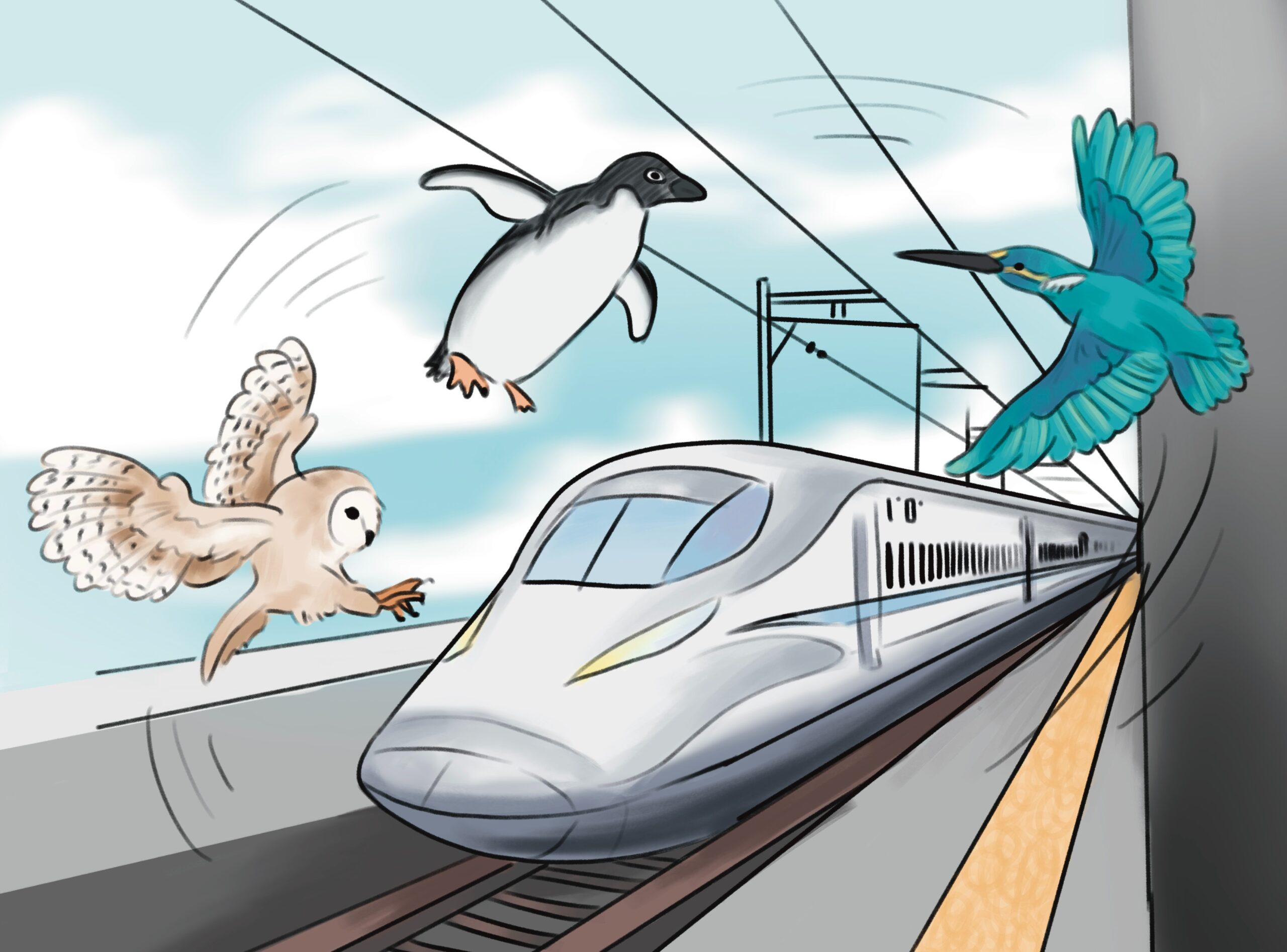
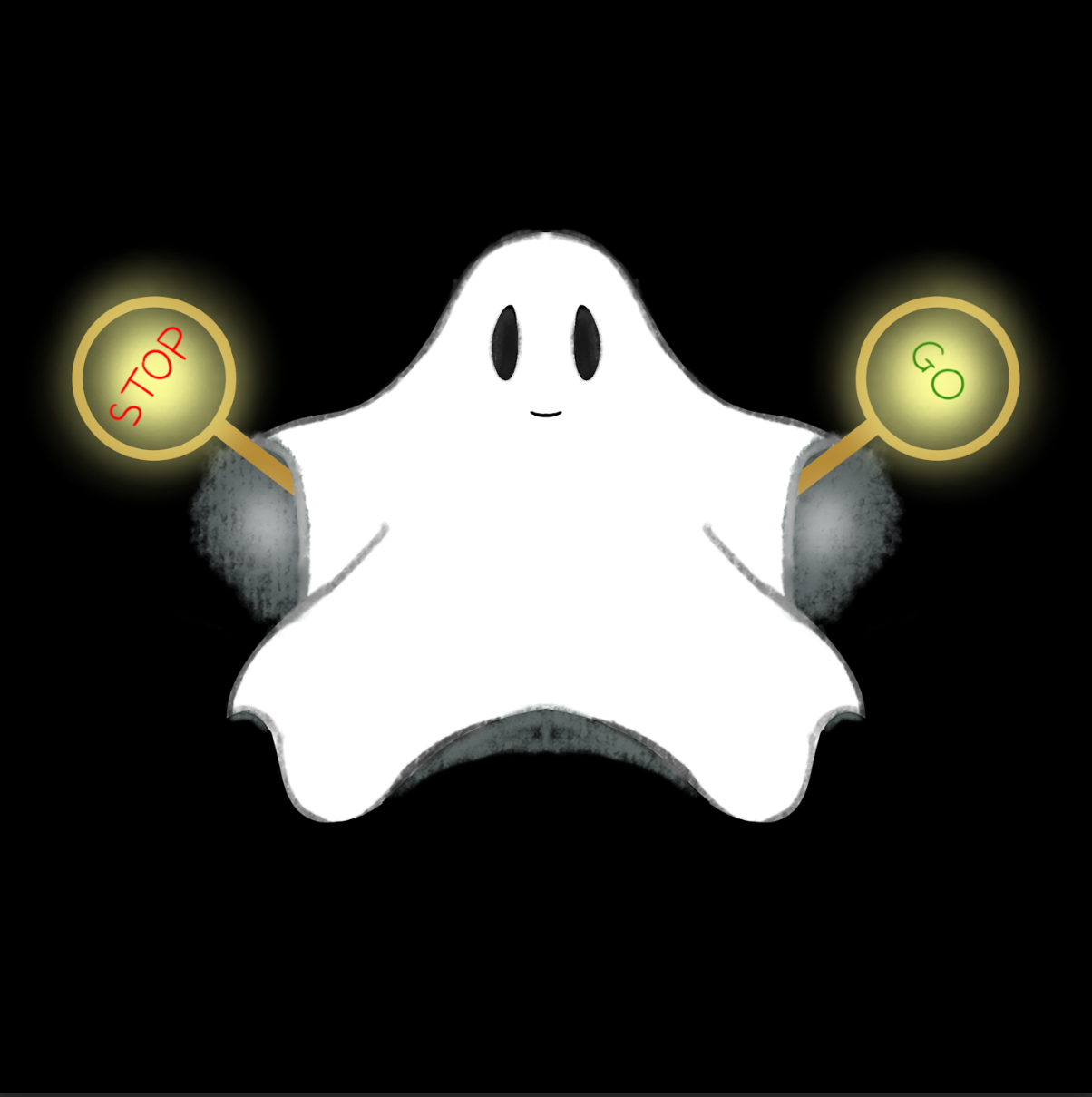
    <Featuring image is drawn by the author>

    Ghost Tour Observation

    Recently, the STEMComm VIP team took part in the Atlanta Science Festival in March 2026. We presented the Ghost Tour, featuring scientists who have died because of their inventions, passion, or major founding respective to their science field. I was part of the Zenith hot air balloon tragedy team as a NPC ghost actor. If you are interested, you can look up the three main characters: engineer Joseph Crocé-Spinelli, navy officer Théodore Sivel, and Gaston Tissandier. Two of them died on their flight into the death zone (high altitude), while Gaston survived to tell the story with the price of being deaf. 

    Our team was assigned a big room. As guests come in from the door, they will be blocked by a big board sign of “death zone”, suggesting the death zone is ahead. The guide of the tour – Einstein, will lead them to the sign and leave them there. In the meantime, the NPC ghost will sneak in between the tour group, surprise the guests, and walk them past the sign, closer to the actual scene featuring the actors.
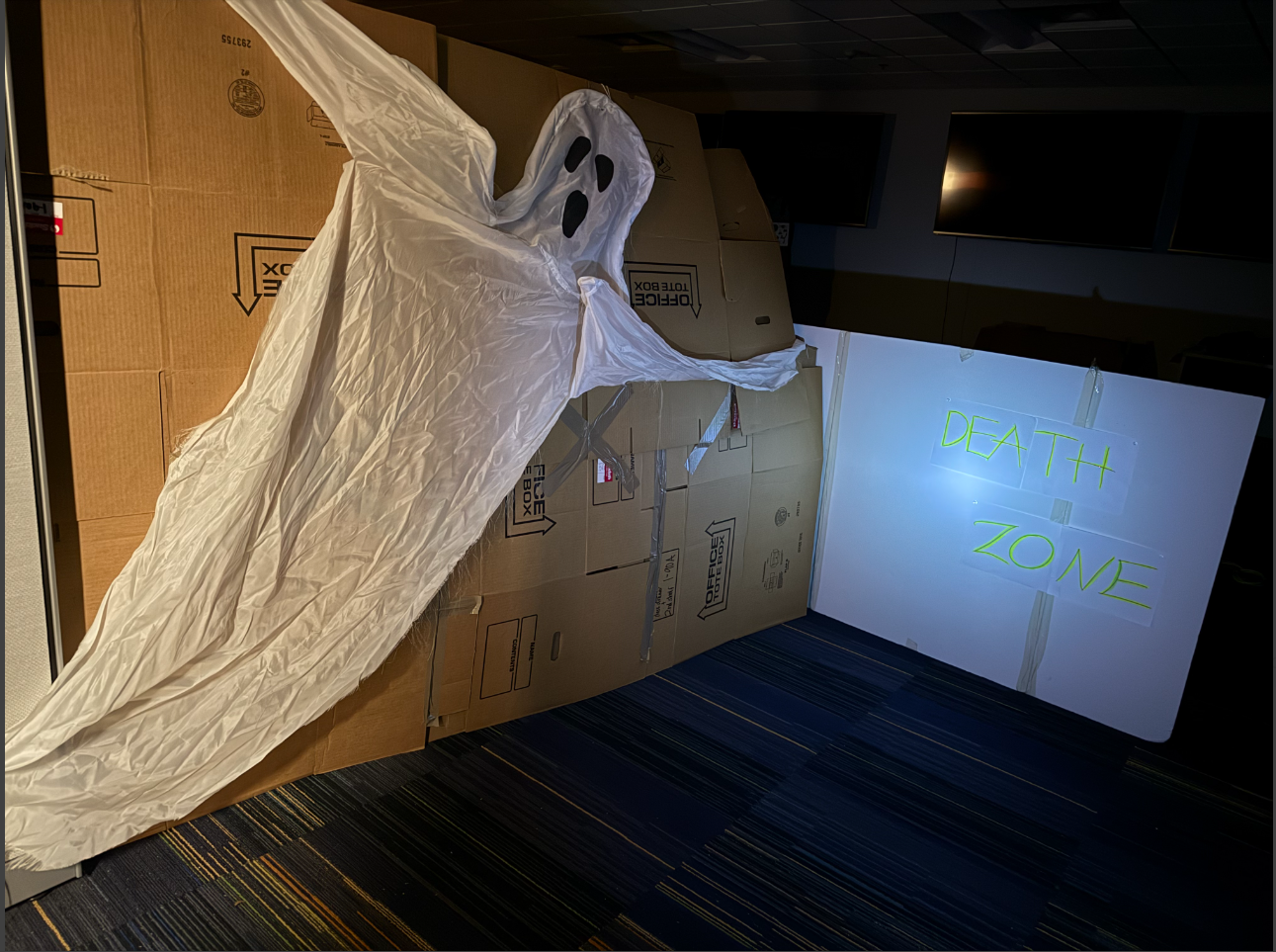
    <Picture is taken by the author>

    However, a small issue arised.There was a mix of reactions when the NPC ghost took the lead to walk over the Death Zone sign. Most people stayed still behind the sign, some hesitated to walk over, and very few actually followed the ghost.


    Mixed Behaviors to Conflicting Information

    Apparently, at first, the guide – Einstein, told the guests to not cross over the death zone. Then, the ghost NPC told them “follow me” as the ghost moved past the sign. Even with the actual dead scientists signaling and inviting the guests to come closer, it takes some time for them to actually move.

    • First information: Do not cross the death zone – Guide Einstein said
    • Second information: Follow me (crossing death zone) – NPC ghost moved
    • Third information: Come closer – Dead scientists in the death zone, with obvious hand signals to come closer

    There were different tour groups. The reactions are also mixed between these groups. Groups with more children tend to follow the NPC ghost at first, with young children being the first to move. In groups with more adults, the hesitation is very obvious. Even when children start walking over, they are stopped by the guardians. It takes the three actors’ effort to invite them over.


    How Children Reaction to Conflicting Sources

    Lili Ma and Patricia Ganea (2009) suggest that children often learn about the world through direct observation, but their knowledge can also be acquired through others’ testimony. This is validated as children often trust what they see, but they also recognize adults as trustworthy sources. Furthermore, some experiments suggest that children might accept false testimony that contradict their first-hand observation. This aligns with the classic Asch study where adults’ judgement was influenced by the social pressure and testimony of others, even though their visual perception suggests otherwise (Ma & Ganea, 2009). This explains why young children who were ready to walk over stopped along with their guardians. Parents are the more trustworthy source of information.

    In addition, the three studies done by Ma and Ganea (2009) confirms that children can outweigh one source of information more than another. This aligns with another study by Baer and others (2025), suggesting that children endorse confident informants over hesitant ones when faced with conflicting testimony. The intention of one ghost to walk over might not have been as clear compared to a group of familiar adults staying in place. On a side note, in the age of the Internet, even if the confident informants previously gave false testimony, it is unlikely they will lose credibility. This is true for both children and adults as they still follow Einstein the guide after the hot air balloon room (Guerrero et al., 2020). 

     Interestingly, studies also show that young children can accept both sources, even if there is a contradiction (Ma & Ganea, 2009). Over time, children learn to distinguish reliable sources over misleading testimony. This is crucial to their development of selective trust and skepticism. At one point, children can conclude new understanding of the situations based on contradiction sources. This might happen around the age of 8 (Baer et al., 2025). With the second piece of information contradicting the first (and their trustworthy informants), then the last information supporting the second, the young guests were able to resolve the tricky situation and take the lead to start the scene.


    Afterthought

    Adults tend to apply the situation in their thought process. Given it was a Ghost Tour, they might assume to not just listen to the wandering ghosts. In addition, did Einstein’s credibility as the guide play in his favor? Einstein was the original source of information for the guests.  Guests might assume the ghosts are just acting out the script. What would you do in their shoes?


    References:

    Baer, C., Engelmann, J. M., & Kidd, C. (2025). Children use the relative confidence of people with conflicting perspectives to form their own beliefs. Developmental Science, 28(4). https://doi.org/10.1111/desc.70027

    Guerrero, S., Sebastián-Enesco, C., Morales, I., Varea, E., & Enesco, I. (2020). (in)sensitivity to accuracy? children’s and adults’ decisions about who to trust: The teacher or the internet. Frontiers in Psychology, 11. https://doi.org/10.3389/fpsyg.2020.551131

    Ma, L., & Ganea, P. A. (2009). Dealing with conflicting information: Young Children’s reliance on what they see versus what they are told. Developmental Science, 13(1), 151–160. https://doi.org/10.1111/j.1467-7687.2009.00878.x 
     

  • Tech is in Bloom for Spring!

    Tech is in Bloom for Spring!

    It’s currently spring at Georgia Tech, which means tons of flowers are in bloom. Around the end of March and beginning of April, students, staff, and visitors can all take a walk around campus to take in the natural beauty of Georgia Tech. 

    Here are some of the plants that they may run into:

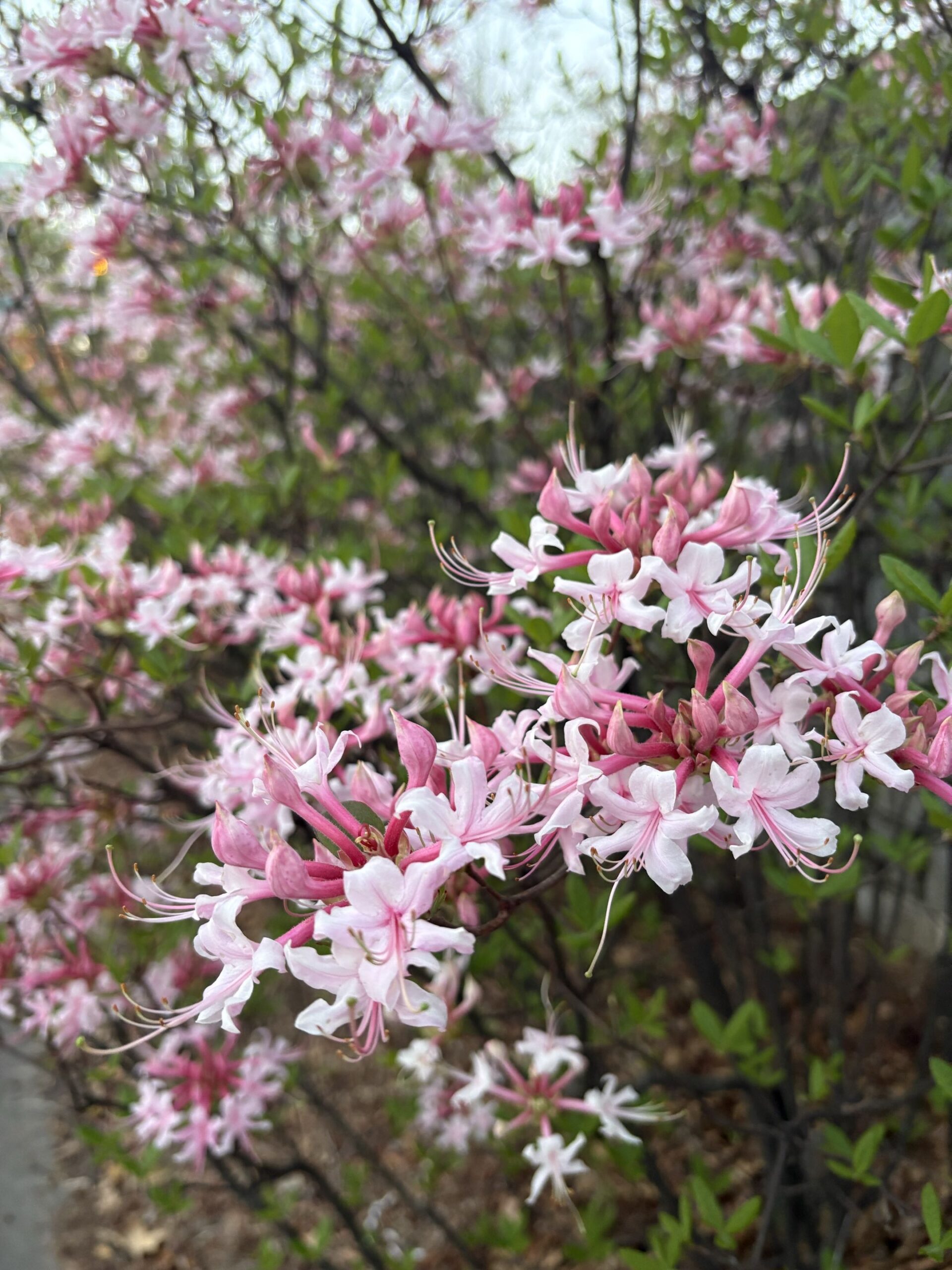
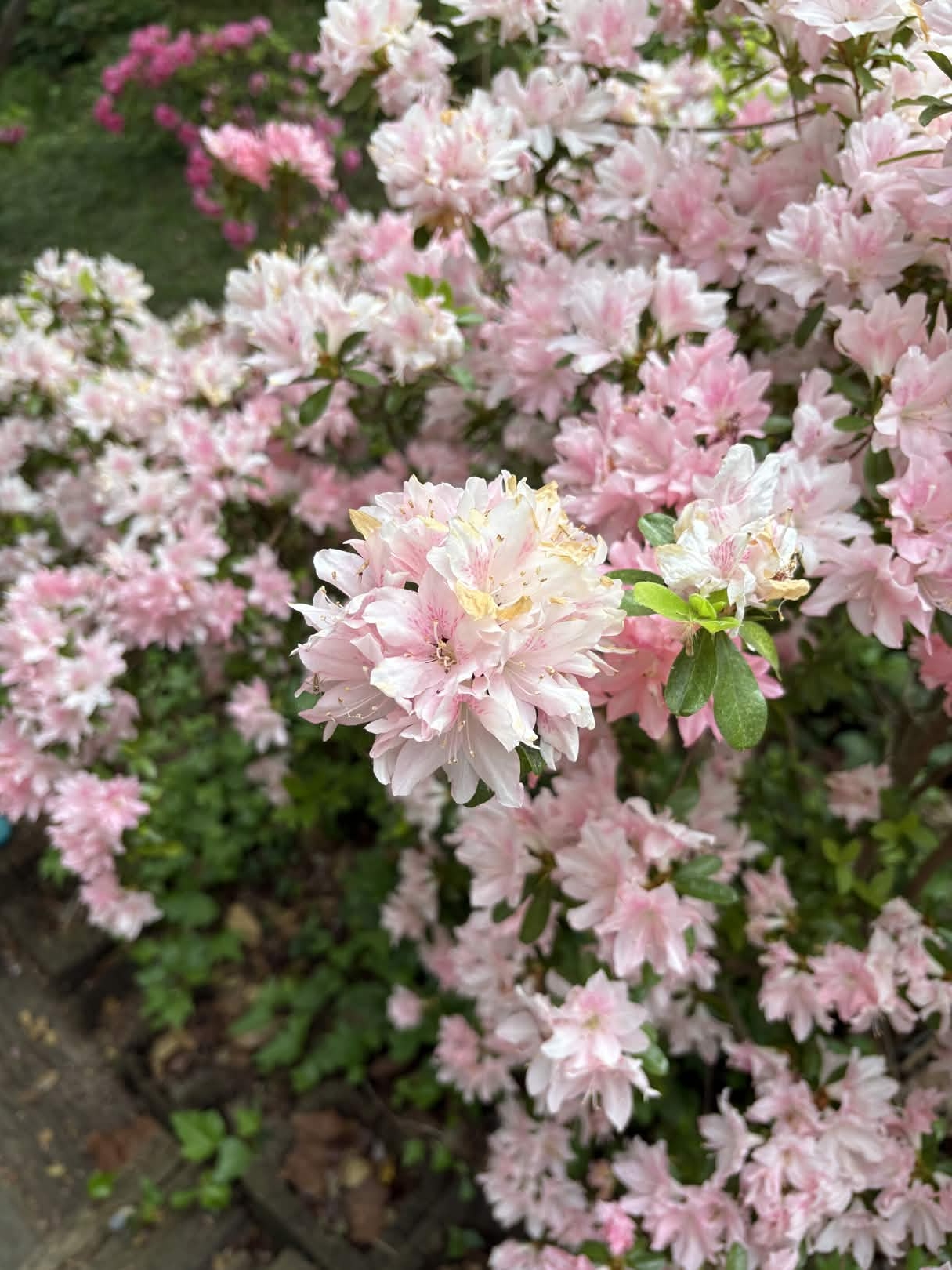
    Piedmont Azaleas: 

    One of the first few flowers that one might notice around Tech are the Piedmont Azaleas, which often grow in bushes on the walkway up to the Howey Physics building.

    The Piedmont Azalea, also known as Rhododendron canescens, is a flower native to Georgia. These azaleas bloom early in the spring, from mid-February through March (Wade, Braman, & Woodward, 2022).

    They tend to grow in the earlier parts of spring and produce a sweet, musky scent in the air. (Yadav et al., 2019). These flowers often attract a number of pollinators, including butterflies, bees, and hummingbirds. 


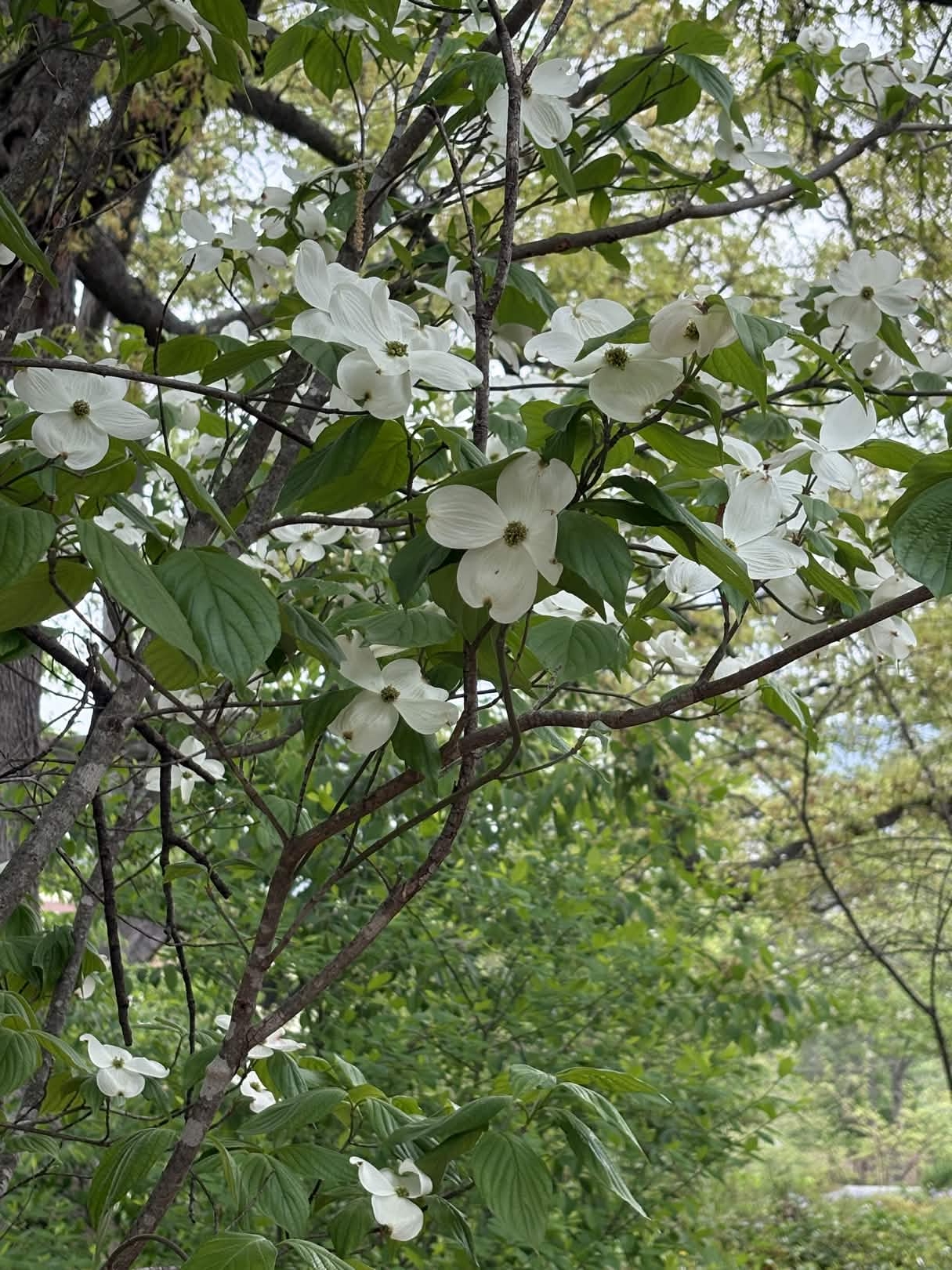
    Flowering Dogwood:

    Outside the Kendeda building also lies flowering Dogwood trees, which are known as the Cornus florida.

    These trees are often planted throughout Georgia as ornamental trees. This means that the trees are mainly planted for display rather than a more practical function. 

    However, the species can be extremely beneficial to the environment. Dogwood trees produce leaf litter that decomposes rather quickly, which can improve the soil quality (USDA). Additionally, the plant is an extremely important part of calcium cycling. Plants need calcium to survive, as it is extremely important to the structure of cell walls and plasma membranes. Flowering dogwood trees draw calcium from the soil, cycling it into a more usable form for other plants. (Borer, Sapp, & Hutchinson, 2013).


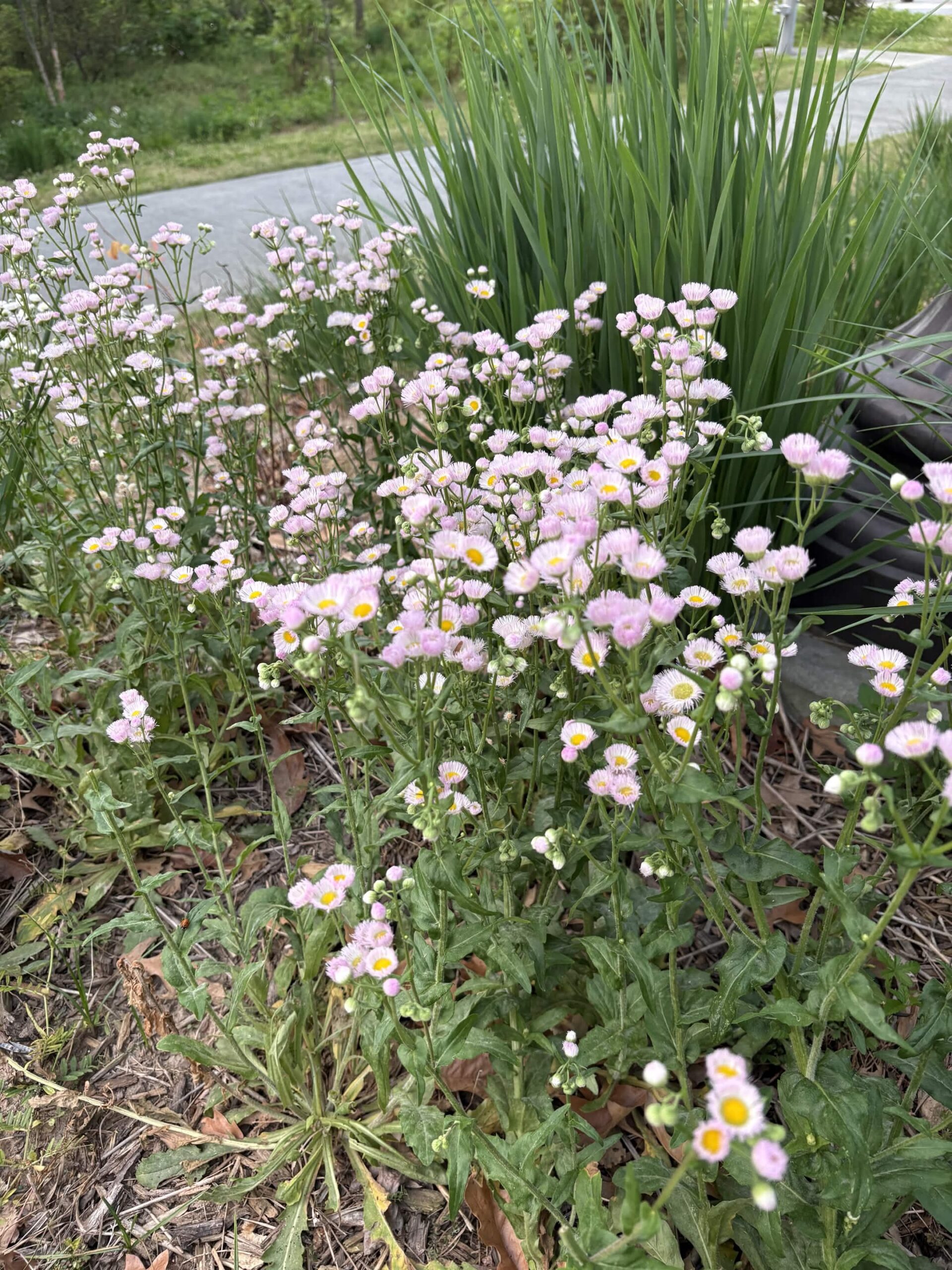
    Philadelphia Fleabane:

    Around the Center Street South apartments are the Philadelphia Fleabane, which are also known as the Erigeron philadelphicus.

    These are common wildflowers that grow in moist regions of the United States. They are often considered as weeds if they are not managed properly. This does not mean that they are invasive, but rather that the plant can grow in unwanted spaces if they are not managed properly. 

    They most commonly bloom during the spring. The flowers will remain open throughout the day time and close back up during the night.

    Throughout history, these flowers have had a number of uses, especially in Native American populations. The Philadelphia Fleabane has been made into tea, burned as incense, or simply chewed to treat the common cold in the past (USDA). 


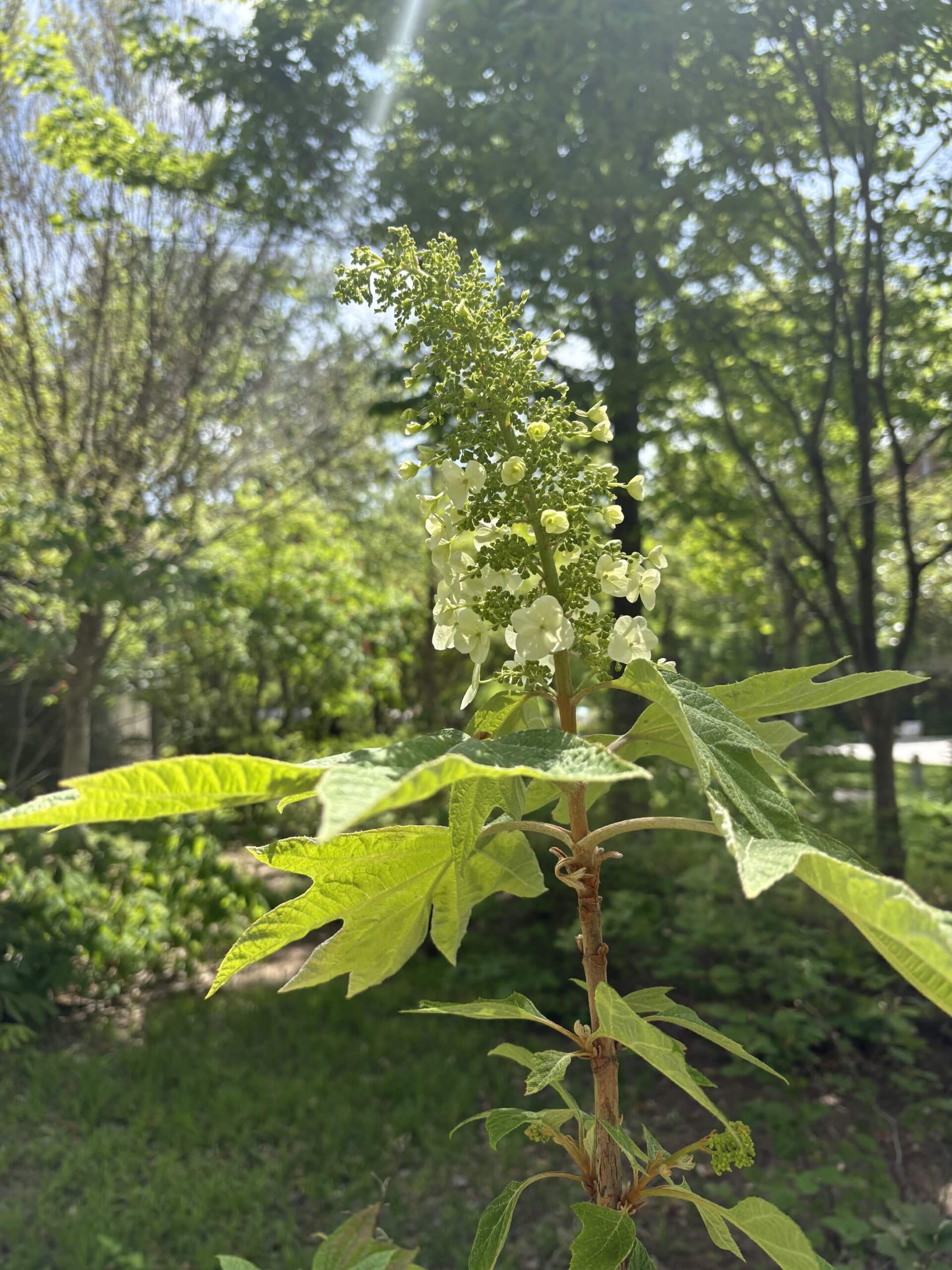
    Oakleaf Hydrangea:

    Finally, we have the Oakleaf hydrangeas, which are generally grown in shrubs near the Klaus and Van Leer buildings towards late spring or early summer. These are also known as Hydrangea quercifolia, and they can be found blooming throughout campus. The flowers are native to the southeastern parts of the United States, where they begin to bloom in the early parts of summer.

    The plants grow in shrubs, with many cone-like structures that eventually bloom with cream-colored flowers. They are more known to be planted for ornamental purposes.

    Although the hydrangea pictured is native to Georgia, there are other species of Oakleaf hydrangeas that were specifically bred for their looks. For example, universities from multiple states in the southeast came together to cultivate the Ruby Slipper Oakleaf. It is a hybrid that starts off white just like the flower pictured and later turns a deep red color as it ages (Reed, 2010).


    Works Cited:

    Borer, C.H., Sapp, S.G. & Hutchinson, L.H. (2013). Flowering dogwood (Cornus florida L.) as mediator of calcium cycling: new insights are revealed by analysis of foliar partitioning. Trees 27, 841–849 https://doi.org/10.1007/s00468-012-0838-9 

    Georgia Native Plant Society. (n.d.). Piedmont Azalea (rhododendron canescens). GNPS https://gnps.org/plant/piedmont-azalea-rhododendron-canescens-2/ 

    Reed, S. M. (2010). ‘Ruby Slippers’ and ‘Munchkin’ Oakleaf Hydrangeas. HortScience, 45(12), 1908–1909. https://doi.org/10.21273/HORTSCI.45.12.1908 

    United States Department of Agriculture National Resources Conservation Service, USDA. (n.d.). PHILADDELPHIA FLEABANE Erigeron philadelphicus L.. https://plants.sc.egov.usda.gov/DocumentLibrary/plantguide/pdf/cs_erph.pdf 

    United States Department of Agriculture National Resources Conservation Service, USDA. (n.d.). FLOWERING DOGWOOD Cornus Florida L. https://plants.sc.egov.usda.gov/DocumentLibrary/plantguide/pdf/pg_cofl2.pdf 

    Wade, G. L., Braman, K., Woodward, J. W., (2022) Selecting and Growing Azaleas. UGA Cooperative Extension Bulletin 670. https://fieldreport.caes.uga.edu/wp-content/uploads/2025/08/B-670_6.pdf 

    Yadav, L. K., McAssey, E. V., & Wilde, H. D. (2019). Genetic Diversity and Population Structure of Rhododendron canescens, a Native Azalea for Urban Landscaping. HortScience, 54(4), 647–651. https://doi.org/10.21273/HORTSCI13840-18 


  • Mandai Bird Paradise: Asia’s Biggest Aviary Sanctuary

    Mandai Bird Paradise: Asia’s Biggest Aviary Sanctuary

    The Mandai Bird Paradise is the biggest bird conservatory in Asia, inaugurated back in May 2023. As one of the six pillars of the Mandai Wildlife Reserve, the incredible sanctuary covers over 42 acres of land on Mandai Island in Singapore. The reserve houses around 3,500 birds encompassing over 400 different species. Mandai Nature is the conservation arm of the Mandai Wildlife Group, which is dedicated to providing a haven for all these species through the Mandai Bird Paradise and to preserving Southeast Asia’s incredible biodiversity through conservation efforts, with a focus on averting species extinction (Temasek Trust, 2024). 

    Such a variety poses a rather obvious question: How? In order to answer this question, we must chart our way through the science behind conservation, biodiversity and rehabilitation!

    Conservation

    Conservation, as defined by the Merriam-Webster dictionary, is to carefully preserve and protect something. In a wildlife context, it is orchestrated management of natural resources to prevent exploitation, destruction, or neglect. Conservation efforts to preserve biodiversity are not just about protecting animals in isolation, but in our context, it is about the creation of an entire ecosystem where species can thrive naturally.

    At Mandai Bird Paradise, conservation takes an approach similar to this article on biodiversity conservation by diversity (Ramón et al., 2020). In-situ conservation focuses on protecting species in their natural habitats, whereas, ex-situ conservation, which is practiced at Mandai, provides controlled environments where vulnerable or endangered species can be bred, monitored, and protected from immediate threats such as habitat loss or poaching.

    The sanctuary also participates in international breeding programs and collaborates with global conservation organizations to ensure genetic diversity is maintained among species. This is critical because reduced genetic diversity due to issues such as environmental changes from global warming can make populations more susceptible to disease. Through these coordinated efforts, Mandai Bird Paradise becomes more than just a sanctuary, but a cornerstone in the Mandai Wildlife Group’s stand as an active contributor to global conservation science.


    Biodiversity

    Biodiversity refers to the variety of life in a particular habitat or ecosystem, encompassing differences in species, genetics, and ecological roles. The presence of over 400 bird species at Mandai Bird Paradise highlights not only the richness of different avian life present but also the complexity of maintaining such diversity within a single environment. This maintenance is done by separating the 42-acre land into around 10 unique habitats that each suit a certain group.

    Each species then gets to play its unique role in its ecosystem, from seed dispersal to pollination and pest control. By housing a wide array of species, the sanctuary effectively simulates interconnected ecological networks, allowing researchers and conservationists to better understand how these systems function.

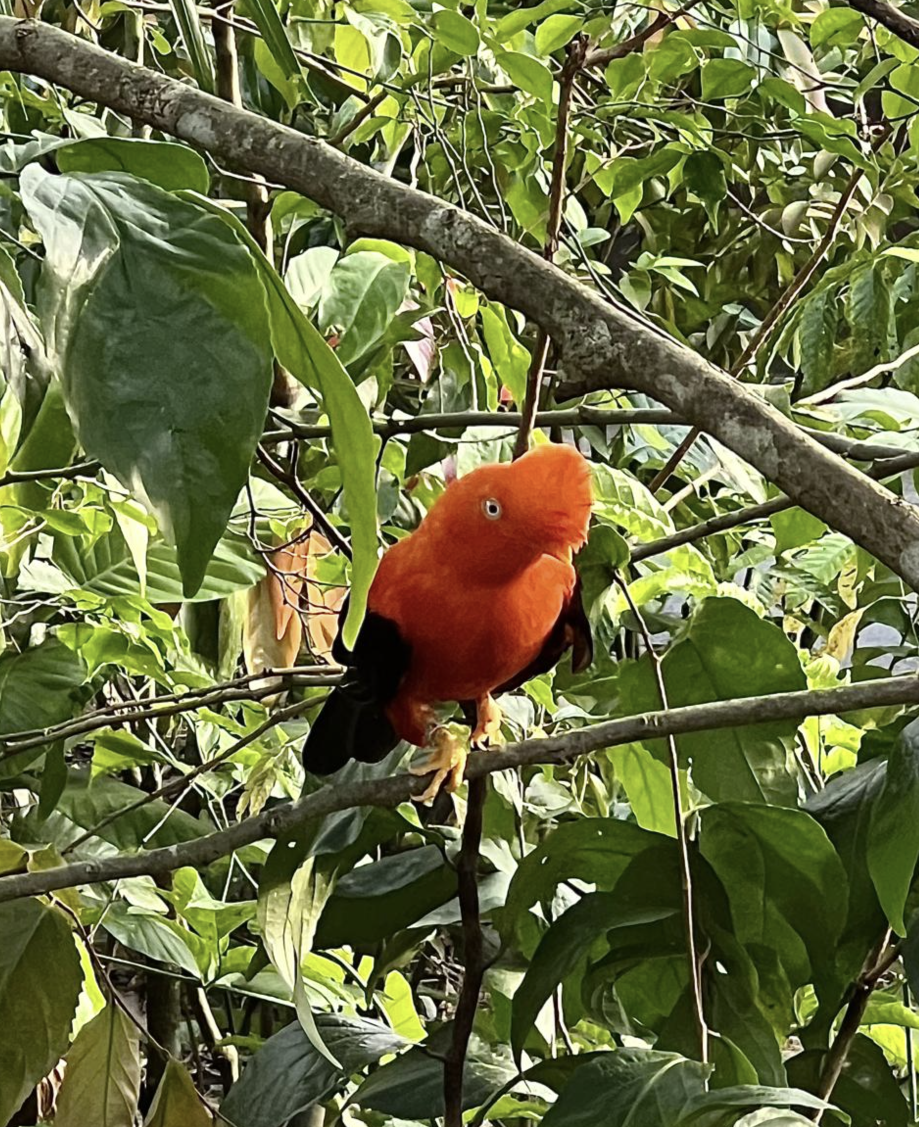
    Maintaining biodiversity in a controlled setting requires careful planning. Factors such as diet, climate conditions, nesting environments, and social groupings must all be tailored to meet the needs of different species. For instance, tropical birds such as the Andean cock-of-the-rock (yes, you read that right) require high humidity and dense vegetation, while others may need open spaces or specific nesting structures. This level of detail ensures that the birds are not only surviving but thriving in conditions that closely resemble their natural habitats.

    Andean cock-of-the-rock


    Rehabilitation

    Rehabilitation is another crucial component that involves the care and recovery of injured, displaced, or trafficked birds with the goal of reintroducing them into the wild whenever possible.

    Birds that arrive at rehabilitation centers often suffer from injuries caused by habitat destruction, illegal wildlife trade, or human interference. At Mandai, veterinary teams and specialists provide medical treatment, nutritional support, and behavioral conditioning to help these birds regain their strength and natural instincts.

    One of the key challenges in rehabilitation is ensuring that birds do not become overly dependent on human care. To address this, caretakers minimize human interaction and design enclosures that encourage natural behaviors such as foraging and flight. Only when a bird demonstrates sufficient recovery and independence is it considered for release. Even when release is not possible, rehabilitation still plays an important role. These birds may become part of educational programs, helping to raise awareness about conservation issues and inspiring visitors to take action in protecting wildlife.


    Mandai Bird Paradise – Sanctuary & Conservation Magic

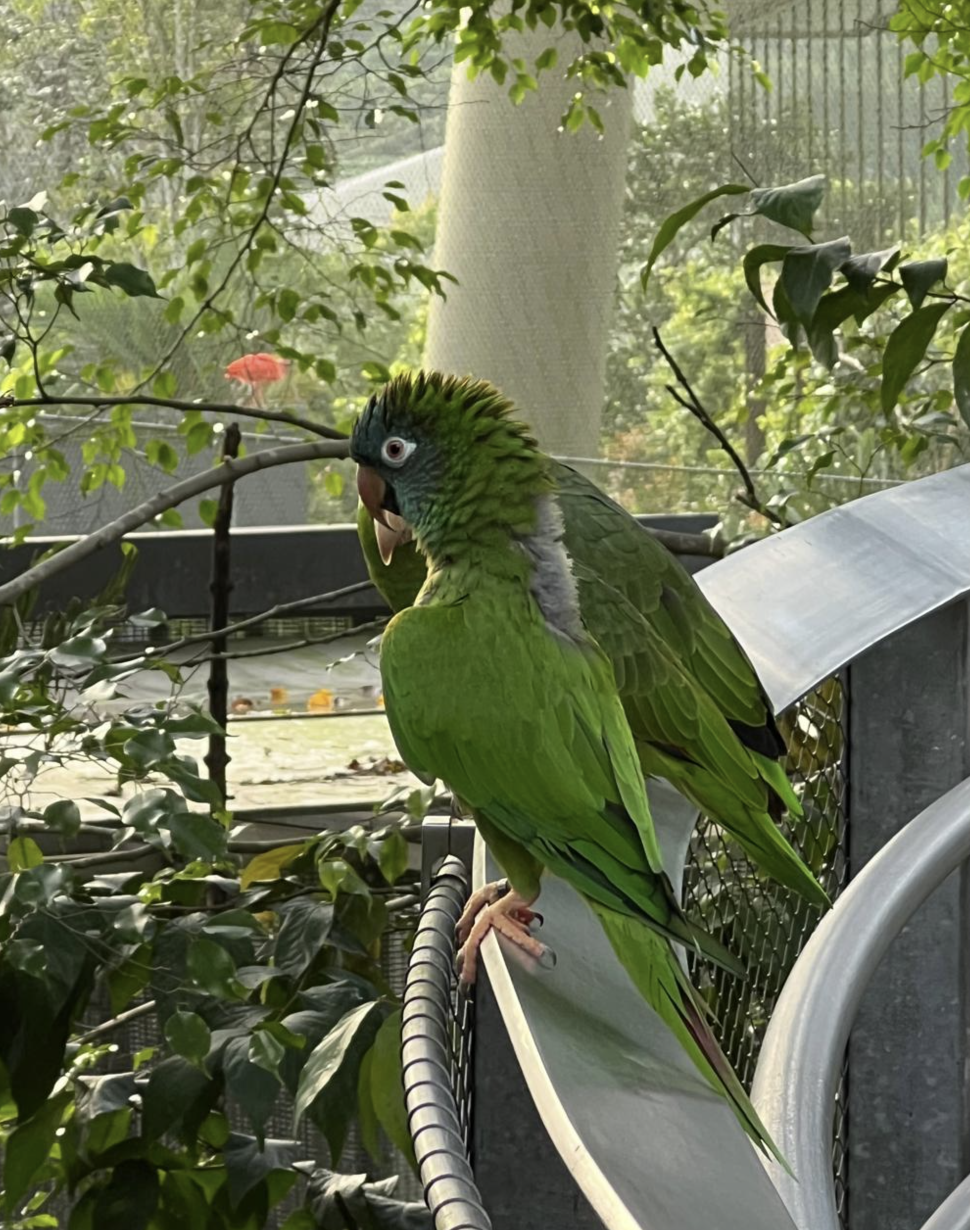
    Mandai Bird Paradise is more than the visually stunning attraction you see through my lens, it is a living example of how science, conservation, and education can come together to protect our planet’s biodiversity. By integrating conservation strategies, maintaining diverse ecosystems, and supporting rehabilitation efforts, this sanctuary embodies what modern wildlife preservation should look like. In doing so, Mandai Bird Paradise not only safeguards thousands of birds but also inspires future generations like yours and mine to value and preserve the delicate balance of life on Earth.

    Blue-crowned Parakeet

    Bits of My Time

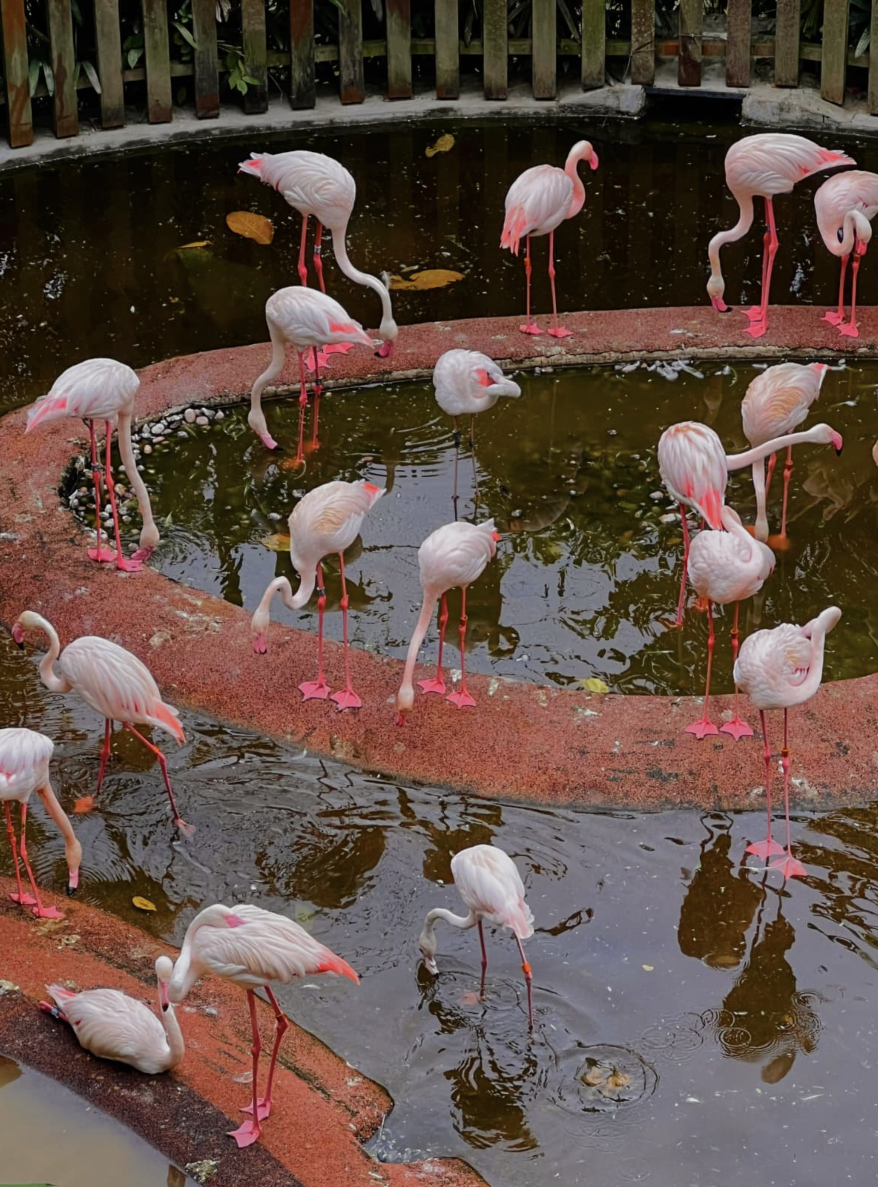
    This reserve is one of the most beautiful places on Earth! Walking out into the Crimson Wetlands zone of the park felt like a scene straight out of a movie. There were colorful macaws soaring overhead, bright American flamingos dancing by the pond, Scarlet ibis carefully balancing on the hand rails and so much more. My exploration of the Mandai Reserve taught me so many fun facts about birds and this experience rekindled my love for all things nature. It truly gave me a fond memory to recall for the rest of my lifetime.

    References

    All Photography/Illustrations by Kristina Sarah Siju

    Mestanza-Ramón, C., Henkanaththegedara, S. M., Vásconez Duchicela, P., Vargas Tierras, Y., Sánchez Capa, M., Constante Mejía, D., Jimenez Gutierrez, M., Charco Guamán, M., & Mestanza Ramón, P. (2020). In-Situ and Ex-Situ Biodiversity Conservation in Ecuador: A Review of Policies, Actions and Challenges. Diversity, 12(8), 315. https://doi.org/10.3390/d12080315 

    Protecting Wildlife, Preserving The Future. (2023). Temasek Trust Revamp. https://www.temasektrust.org.sg/what-we-do/impact-hub/article-details/mandai-nature-impact-report-2023-2024

    Speiran S. I. M. (2025). The ‘Sanctuary Gap’: Reviewing the Research on Captive Wildlife Sanctuary Tourism. Animals : an open access journal from MDPI, 15(4), 496. https://doi.org/10.3390/ani15040496

  • Why Is Math So Hated?

    Why Is Math So Hated?

    “What’s your favorite subject?”

    “I’m not sure… just definitely not math. What’s yours?”

    “Oh, funny story…”

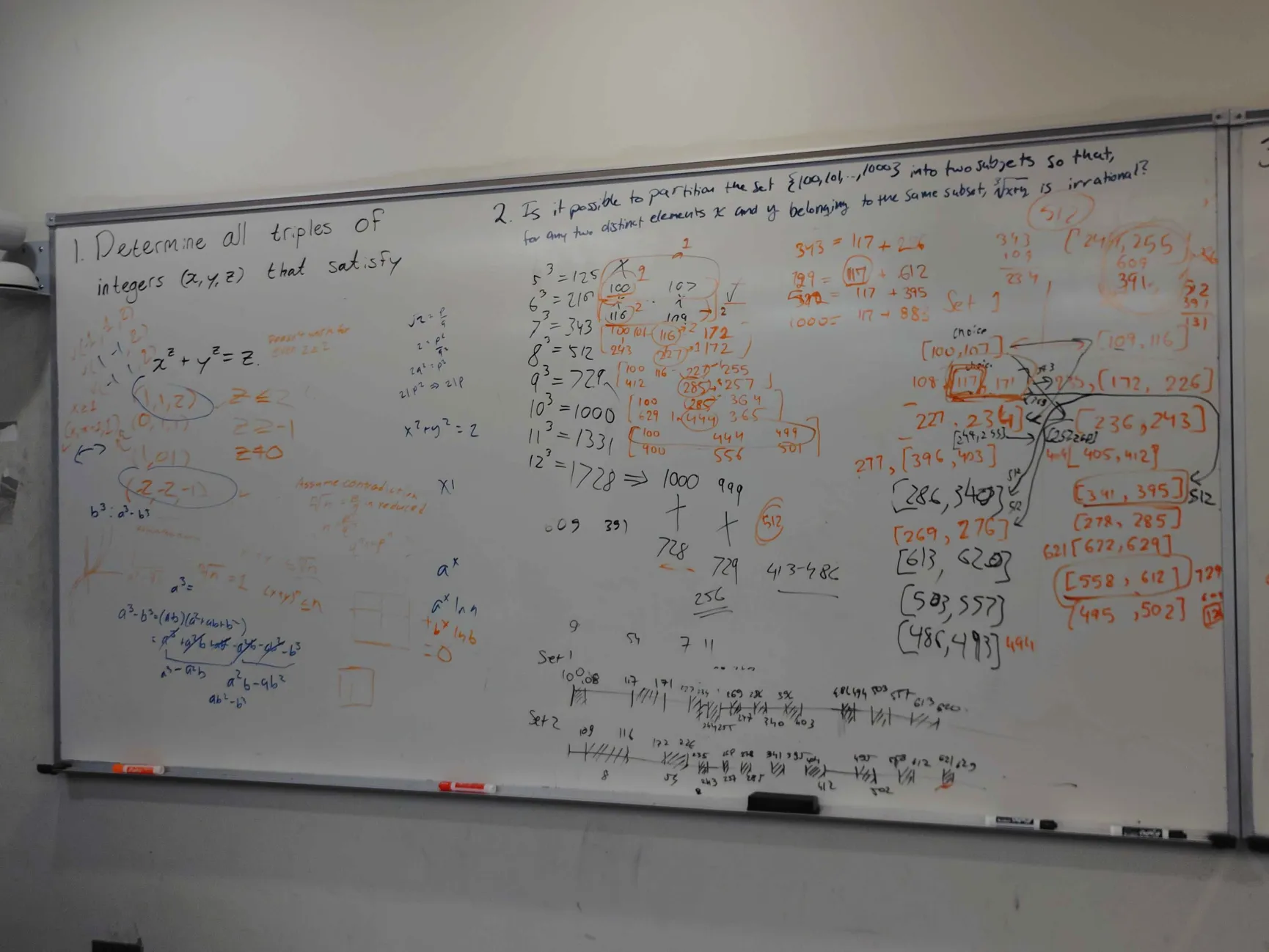
    Ah yes, math, the subject notorious for being one of the hardest subjects in school, with “math anxiety” being the term coined for the fear of math. If you’re reading this, you’ve most likely been through the agony of a difficult math class or teacher that just didn’t understand you. As a math major and someone who loved math as a child (but also had their share of math difficulties), I sought out to understand why math is so hated, and if there is anything we can do to change that. After all, I was able to see firsthand how cool math is and my hope is that more and more people will be able to as well.

    How Math is Taught in School

    Many students point to the difficulty of math when asked why they dislike it, as shown from this table, where math being hard was listed as a reason almost twice as much as it being boring (Stodolsky et al., 1991). Therefore, we should look to how math is taught in school to see why students are struggling so much. In general, many math educators teach in a more computationally-focused way, prioritizing students’ abilities to memorize concepts and algorithms to be able to complete a problem set, rather than letting them discover the math on their own or letting the students know the “why” behind what they are doing (Stodolsky et al., 1991). This was certainly my experience in some of my classes, where when asked why something works the teacher would just say “don’t worry about it.” This can cause students to be confused on how to follow the steps given to them to solve a problem or give them difficulty when trying to memorize them for a test. If students knew all of the derivations to the formulas they were using, I think they would be more likely to remember it and boost their problem-solving skills than if they regurgitate a step-by-step process given to them.

    Gender Stereotypes Regarding Math Ability

    If you’re a girl, you may have heard it at least once in your life: “You’re a girl? You can’t possibly be good at math or science, you belong in humanities (or the kitchen).” Or perhaps, you’ll be the only girl, or one of a few, in some advanced STEM class. One study was held testing children in a few different categories: math performance, math anxiety, and test anxiety, collecting data over different grades for boys versus girls. The study found that higher math anxiety had more of a negative effect on girls than for boys (Erturan & Jansen, 2015). This is likely due to the aforementioned  stereotypes that boys are better than girls at STEM related subjects such as math, putting more pressure on girls when testing. Even if they might know the content, these stereotypes can put doubt into girls’ minds about whether or not they are capable of doing well in math.

    Intergenerational Effects on Math Anxiety

    Math anxiety has existed for a long time, not just in this generation, but in those of our parents and grandparents as well. As a result, it makes sense to consider the possibility that it gets passed down from generation to generation, not necessarily through genetics, but through parents’ attitudes towards math rubbing off on their children. Another study on math anxiety investigated the role that parents played pertaining to their children’s levels of math anxiety, by testing students’ reading and math performance and giving parents questionnaires to determine their levels of math anxiety. The study revealed that there was a negative correlation between a parent’s math anxiety and their child’s performance, but only when the parent was significantly involved with helping the child with their homework (Maloney et al., 2015). It is speculated that the cause of this is the parents letting out their own negativity towards the subject to the child, expressing their frustration which caused their children to also have higher levels of math anxiety and do poorer on their tests.

    What To Do?

    It is clear there are many outside factors that can cause a child to dislike math, so  how do we combat this? Even if we don’t like math that much ourselves, we can try our best not to project that mindset onto young minds and instead, encourage students to develop a growth mindset (Mendoza, 2025). With some work, it would also be beneficial to make a few changes to the way math is taught in school by making learning more interactive and prioritizing understanding over memorization. And hopefully, maybe one day, math will not be considered the “hated” subject but simply just a subject that more people enjoy.


    References

    Erturan, S., & Jansen, B. (2015). An investigation of boys’ and girls’ emotional experience of math, their math performance, and the relation between these variables. European Journal of Psychology of Education, 30(4), 421–435. https://www.jstor.org/stable/24763249

    Maloney, E. A., Ramirez, G., Gunderson, E. A., Levine, S. C., & Beilock, S. L. (2015). Intergenerational Effects of Parents’ Math Anxiety on Children’s Math Achievement and Anxiety. Psychological Science, 26(9), 1480–1488. https://www.jstor.org/stable/24544088

    Mendoza, K. (2025, February 28). 9 Strategies to Help Students Love Math – Oxford Learning. Oxford Learning. https://oxfordlearning.com/9-strategies-to-help-students-love-math/

    Stodolsky, S. S., Salk, S., & Glaessner, B. (1991). Student Views about Learning Math and Social Studies. American Educational Research Journal, 28(1), 89. https://doi.org/10.2307/1162880

  • Filling in the Gaps: Biases and Pareidolia

    Filling in the Gaps: Biases and Pareidolia

    Our brains are amazing, allowing us to do so much. Even so, they aren’t perfect. Do you remember during COVID, you would meet people for the first time wearing masks? Then, when you finally saw their whole face, you were surprised. And it’s not like you had purposefully thought about what the bottom half of their face looked like, but it was still somehow different than expected.

    Facial Recognition & Pareidolia

    This may be due in part to the fact that humans are wired to recognize faces. This is such a strong skill that we even recognize “faces” in inanimate objects: the front of cars, electrical outlets, even clouds or rocks. This phenomenon is called pareidolia, a human tendency to recognize meaningful patterns, especially faces. This is thought to evolve from the need to quickly recognize facial expressions for threats or social cues. We even have an entire region of the brain responsible: the face fusiform area (FFA) (Zhou & Meng, 2020). Studies have shown that even infants can recognize face-like patterns as faces (Kato & Megitani, 2015). Infants as young as seven months were able to recognize faces in Arcimboldo’s paintings (Kobayashi et al., 2012). These paintings were of inanimate objects, such as vegetables, arranged to resemble a portrait of a human. They are honestly a bit creepy, but feel free to give it a google!

    Obviously we can all recognize a face, even under a mask, but a study using an artificial face recognition system gave us some evidence for why. A system called deep convolutional neural networks, or DCNN, determined the most important facial feature for facial recognition to be the eyebrows. This was followed by the eyes, mouth, then nose (Zhang et al., 2024). This makes sense with facial recognition under a mask, as the two most important features are still visible. Why the eyebrows are the most important isn’t clear. It could be that eyebrows are important for facial expressions, or that they are important for individual recognition due to their large diversity in color, shape, and placement.

    Cognitive Dissonance & Bias

    I found the science behind facial recognition fascinating, but it still doesn’t quite explain why we subconsciously fill in the bottom half of someone’s face. As it turns out, recognizing parts of a meaningful pattern, such as the face, but missing key parts of it, creates cognitive dissonance. Cognitive dissonance is when there is discrepancy between what your brain expects or believes and the information it is gathering. In the case of a mask, your brain is expecting to see all the important components of a face, so when the mouth and nose are missing, it creates a sort of tension. To relieve this tension, your brain uses what it knows about the face to fill in the gaps. This way, the pattern fits in with the categories we already have.

    Significance

    Pattern recognition, especially facial recognition, is super important, allowing us to recognize slight changes in facial expression or obstructed faces, like under a mask. But this can also lead to something not so great. Amy E. Herman said in her book “Visual Intelligence” that humans see through the brain, not the eyes. All your sensory organs collect signals and send them to the brain for processing. The signals don’t mean anything on their own, whether that is light through the eyes or smell through the nose. It is the processing that allows us to process these signals into something meaningful. This information is then tried to fit in with our prior knowledge, reducing cognitive dissonance. But in the process of fitting in new information, it can get twisted. Filling in what a face looks like under a mask, for example, is the brain twisting information to fit it in with what it already knows. This phenomenon happens all the time and is the science behind confirmation bias.

    Human brains are extremely susceptible to confirmation bias, even going so far as to discard or ignore information that contradicts our beliefs (The science of stereotyping, 2022). The Smithsonian has a super cool interactive article about the science of bias if you are interested in learning more!

    All of this to be said, our brains are amazing things, but they are not perfect. It is important to know that sometimes they take the easy path, twisting information to fit what we already know, from what someone looks like under a mask, to knowing a face-shaped rock is not a person.


    References

    Zhou, L.-F., & Meng, M. (2020). Do you see the “face”? Individual differences in face pareidolia. Journal of Pacific Rim Psychology, 14, e2. https://doi.org/10.1017/prp.2019.27

    Kato, M., & Mugitani, R. (2015). Pareidolia in infants. PLOS ONE, 10(2), e0118539. https://doi.org/10.1371/journal.pone.0118539 

    Kobayashi, M. et al. (2012). Do infants recognize the Arcimboldo images as faces? Behavioral and near-infrared spectroscopic study. Journal of Experimental Child Psychology, 111(1), 22-36. https://doi.org/10.1016/j.jecp.2011.07.008. 

    Zhang, Q. et al. (2024). Understanding of facial features in face perception: insights from deep convolutional neural networks. Frontiers in Computational Neuroscienc, 18 https://doi.org/10.3389/fncom.2024.1209082 

    University of Wisconsin–Madison Department of Psychology. (2022). The science of stereotyping. https://psych.wisc.edu/news/the-science-of-stereotyping/

    Smithsonian Institution. (2021). The science of bias. https://biasinsideus.si.edu/online-exhibition/the-science-of-bias

  • Why You Shouldn’t Go To Bed at 4 AM

    Why You Shouldn’t Go To Bed at 4 AM

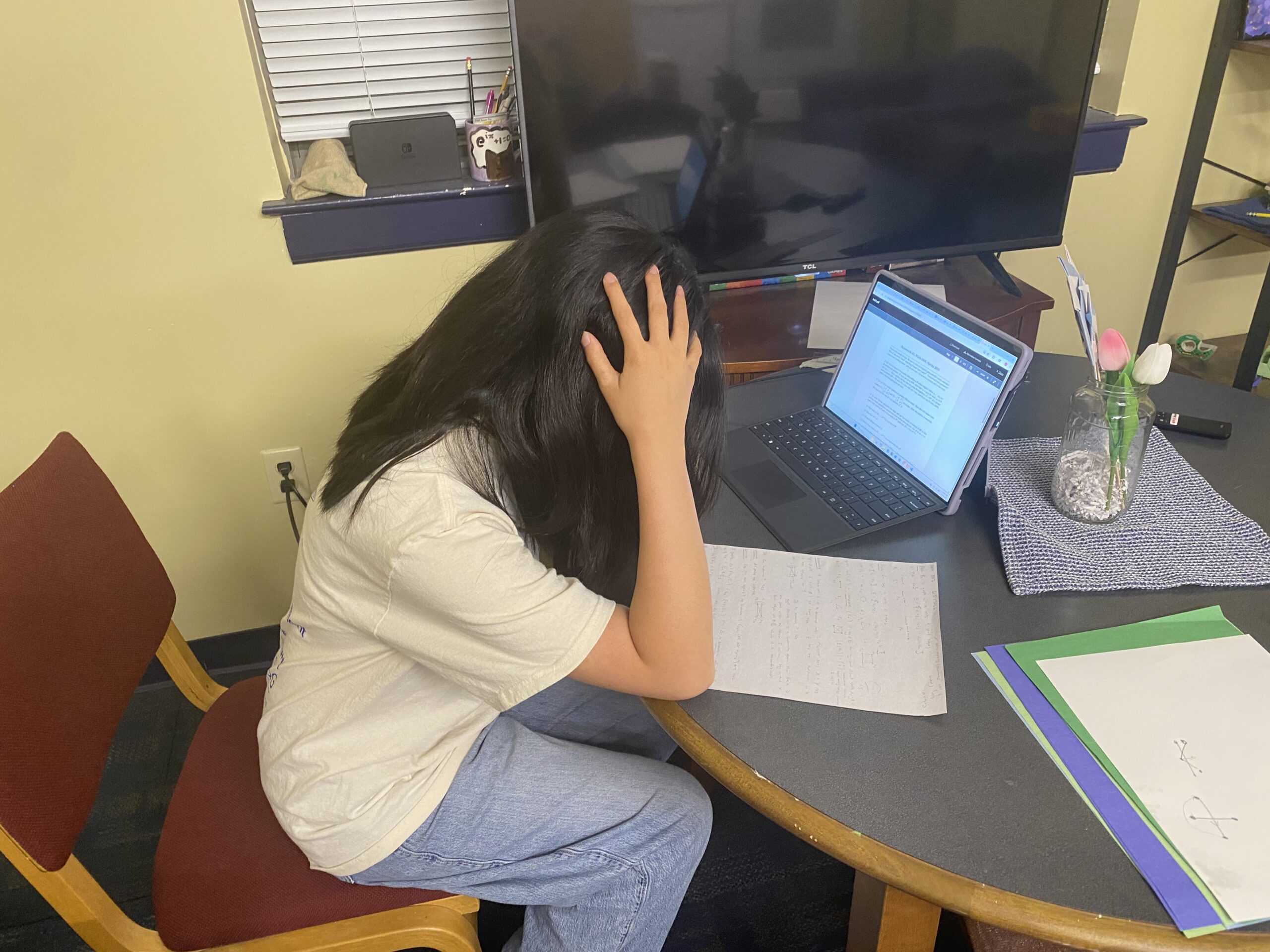
    Imagine the following scenario – it’s 2:15 am and you’re furiously typing away a final paper that is due before your 8 AM class tomorrow. With dark circles under your eyes, you take another sip of your iced Americano and promise yourself that you will go to bed soon. You don’t and end up staying up til 4 AM. The next day, you walk around campus with just three hours of sleep – you have bloodshot eyes, are unable to think properly, and just feel like passing out. 

    Under the pressure of school, work, or whatever it may be, we all have been tempted to compromise our sleep. In the face of such situations, sleep seems like something that can wait, or worse, be ignored completely. However, that is a large and even dangerous misconception because sleep is incredibly important for the functioning of our bodies. One of its crucial goals is to be restorative for many physiological, cognitive, and psychological processes. Without the restorative effects of sleep, the body can begin to experience issues in various areas of health. In extreme cases with chronic sleep deprivation, there can be serious consequences, which can include even a shortened lifespan. 

    What is sleep?

    Sleep is described as a state that is easily reversible and also characterized by changes in consciousness and decreased responses to sensory stimuli. In other words, you are able to relatively easily enter a state of sleep and vice versa, come out of that sleep, which is known as wakefulness. In addition, you are not actively tuned into your environment during sleep, which explains why you do not use much of your senses (e.g., vision, hearing, touch, etc.) while you sleep.   

    In addition, sleep is regulated and controlled by our bodies, specifically the brain, by “biological clocks” called circadian rhythms. The specific part of the brain that is responsible is called the suprachiasmatic nucleus (SCN) and helps control sleep as a 24 hour cycle, which includes wakefulness. Moreover, sleep is divided into four primary stages: N1, N2, N3, and REM sleep (Baranwal et al., 2023). Specifically, the N1 stage is responsible for light sleep while the N2 stage is when our heart rate and body temperature decrease (Baranwal et al., 2023). The N3 stage, also known as slow wave sleep, is characterized as deep sleep and is believed to be when body repair/restoration occurs (Baranwal et al., 2023). Lastly, REM sleep or the N4 stage is when dreaming occurs (Baranwal et al., 2023). 

    Impact of Sleep on the Body

    As it was previously emphasized, sleep is restorative in many ways – for instance, physiological processes, such as regulation of homeostasis and secretion of growth hormone, work more efficiently during sleep (Irwin, 2015). Specifically, homeostasis can be described as how the body maintains a balanced internal environment. Disruptions in homeostasis due to sleep deprivation can negatively impact the body, such as causing a weakened immune system (Baranwal et al., 2023). In addition, research has shown secretion of growth hormone increases during slow-wave sleep, or the N3 stage of sleep (Baranwal et al., 2023). As a result, not sleeping well, especially for children and teenagers, can have negative effects on growth. 

    Its importance is not limited to just physiological processes, but also cognitive processes such as learning, memory, executive functioning, and regulation of emotions (Hyndych et al., 2025). It is already well known in the scientific field that sleep is crucial for learning and memory in which sleep deprivation can cause serious disruptions. Hence, it seems ironic – especially from a student’s perspective – because the purpose of pulling all nighters is to cram information and speed up the learning process – however, its effects are actually the very opposite. 

    Research continues to be ongoing and has linked sleep deprivation to many health issues in many areas such as metabolic, cardiovascular, etc. For example, it is associated with impairment in muscle repair (metabolic), hypertension (cardiac), increased stress levels, and reduced production levels of antibodies (immune), etc (Baranwal et al., 2023). As you can see, sleep is vital to our daily functioning and health overall!

    So what?

    So, the next time you feel tempted to stay up to finish work or pull an all-nighter – just don’t. Sleep is not something we “just do” but plays a crucial role in that it restores your body and mind, helping to reset you for the next day. Missing out on hours of sleep can cause dysfunction and leave you feeling worse than better. In the long run, sleep deprivation can cause serious health issues and a few all-nighters are simply not worth that. 

    References

    Baranwal, N., Yu, P. K., & Siegel, N. S. (2023). Sleep physiology, pathophysiology, and sleep hygiene. Progress in Cardiovascular Diseases, 77(1), 59–69. https://doi.org/10.1016/j.pcad.2023.02.005

    Dang-Vu, T. T., Schabus, M., Desseilles, M., Sterpenich, V., Bonjean, M., & Maquet, P. (2010). Functional Neuroimaging Insights into the Physiology of Human Sleep. Sleep, 33(12), 1589–1603. https://doi.org/10.1093/sleep/33.12.1589

    Harvard Medical School. (2021, October 1). Science of Sleep: What is Sleep? Harvard.edu. https://sleep.hms.harvard.edu/education-training/public-education/sleep-and-health-education-program/sleep-health-education-47

    Hyndych, A., El-Abassi, R., & Mader, E. C. (2025). The Role of Sleep and the Effects of Sleep Loss on Cognitive, Affective, and Behavioral Processes. Cureus, 17(5). https://doi.org/10.7759/cureus.84232

    Irwin, M. R. (2015). Why Sleep Is Important for Health: A Psychoneuroimmunology Perspective. Annual Review of Psychology, 66(1), 143–172. https://doi.org/10.1146/annurev-psych-010213-115205