Category: today i learned (til)

health, fitness, medicine, environment, ecology, how to learn tricky topics in science and math, new discoveries, news, current events

  • Hues of Education

    Hues of Education

    College classrooms often bear the reputation of being dull and uninspiring. Most of the time, classrooms are just rows and rows of tables, black or gray chairs used for seats, and mono-colored walls. These types of classroom environments contribute to a sense of monotony which doesn’t foster an optimal learning environment. The lack of visual stimulation can lead for students to disengage and reduce attention spans to their professors and further lead to low test averages and low academic performance in class. As classrooms are a vital part of our learning environment and the way that students engage in lectures, the classroom environment that we are in should be more engaging and vibrant and create a more stimulating atmosphere. 

    When it comes to learning, there are various factors that influence how we absorb and retain information. One factor that influences our learning experience and is often overlooked is the impact of colors. Colors impact the way that information is processed in our brain, so when placed in an environment that is not monotonous, the brain reacts to the colors that are in the room. For example, warmer and more vibrant colors, such as red and yellow are known to be stimulating to the brain.  When we see the color red, our bodies react naturally releasing adrenaline in the brain. The adrenaline increases our blood pressure and heart rate as well, this heightened state can lead to enhanced focus and attention. It can increase quick responses to reactions and physical performances in classes. Due to the adrenaline, it creates a more collaborative space as well, as students are able to communicate and discuss more freely about the content at hand. Vibrant classroom colors such as red and yellow are attention grabbers as well, so when placed in an environment that is not so visually stimulating, it is easier for students to understand the material as it is being taught in front of them. 

    The other end of the color spectrum is colors that have cooler tones creating a calming and soothing effect for the mind. These colors reduce stress and anxiety within students creating a safe space for them to learn. Cooler hues such as blue and green are known to be psychologically and physiologically influencing. When seeing shades of blue and green, it creates a sense of tranquility and stability with the mind. This sense of calmness helps students memorize and understand material more than in a white-and-gray classroom environment. Physiologically, cooler colors reduce cortisol levels and increase the production of serotonin which calms the mind down even further and creates a sense of security. Cooler colors should be placed in classrooms where students need to have a lot of focus and concentration. Study halls, testing centers, and tutoring areas are also places where students benefit from having cooler tones of colors in their classroom walls and decorations. 

    Straying away from the monotonous walls and classroom decorations helps students excel better in the natural learning environment. Having different shades of colors for classroom walls unexpectedly serves as an intrinsic motivator to students. Brighter and more visually appealing colors stimulate classroom environments and change students’ attitude and make them more motivated to learn. These colors promote a sense of enthusiasm that further builds collaboration between students. Cooler colors create a sense of stability and calmness in the student’s mind. Blue and green incorporated into the classroom settings, helps students understand course material faster and in a calm and effective manner. 

    By effectively using the power of colors, it can lead to better learning outcomes in the classroom and a better understanding of harder and more challenging materials. Colors and hues play a pivotal role in enhancing cognitive processes in learning environments. They shape students’ educational experiences to be better and provide them with an extra push that enables them to be better in their classes. Whenever there is a classroom that needs renovating or a school being built, educators, teachers, and students alike should pay a little more attention to the colors of their classrooms. The slight change in detail can foster a whole different learning environment that is beneficial to all. 

    References:

    AL‐Ayash, A., Kane, R. T., Smith, D., & Green‐Armytage, P. (2016). The influence of color on student emotion, heart rate, and performance in learning environments. Color Research & Application, 41(2), 196-205.

    Mehta, R., & Zhu, R. (2009). Blue or red? Exploring the effect of color on cognitive task performances. Science, 323(5918), 1226-1229.

    Ray, B. (2022, August 1). Best colors for classroom and the psychology behind it. A Tutor. https://atutor.ca/best-colors-for-classroom/ 

    Yildirim, K., Cagatay, K., & Ayalp, N. (2015). Effect of wall color on the perception of classrooms. Indoor and Built Environment, 24(5), 607-616.


  • Pomodoro: A Mental Stimulant

    Pomodoro: A Mental Stimulant

    As the semester ends, and finals week begins, the amount of anxiety and stress that suddenly seems to double down on everyone on campus begins as well. The buzz of campus life that was there before, dies down to frowns and frustrations, as everyone starts preparing for exam season and struggles over not understanding the materials at hand. It seems that in the time that we are the most stressed and overworked, we will do just about anything to procrastinate the task at hand. Whether that be studying, working on a final paper, or completing a group project, all of our thoughts wander on the various ways that we can procrastinate.  

    This time, one of my ways of procrastination was to actually research about procrastination. Procrastination is the action of delaying or postponing work that could have been done at an earlier time. It primarily stems from the behavioral phenomenon called “time inconsistency” which states that there are two versions of ourselves, the present self, and the future self. Our present self values the time that we have and wants to spend that time treating ourselves, while our future self wants to be the one who has accomplished all the goals and tasks at hand and is on top of things. Most of the time, the wants of our present self win despite having good intentions of doing the work, we procrastinate and waste the time on our hands. This newfound knowledge led to more research about anti-procrastination and productivity techniques.  There were a lot of techniques that were learned from researching, some of these include the Kanban Method, the Eisenhower Matrix, and the Eat the Frog method. All of these productivity techniques focused on time management and dividing up the tasks at hand. However, out of the many ones that were researched, there was one method that stood out the most compared to others, which was the Pomodoro technique.

    Pomodoro Timer Cycles ” Image Credit: Clockwise


    The Pomodoro Technique stands out as the simplest and most effective method for managing time and improving focus. It was developed by Francesco Circle in the late 1980s, and it is a method that is used by most people, especially college students, today. The Pomodoro Technique revolves around the concept of breaking work into short and focused intervals with small breaks in between. First, you choose a task to work on. Set a time for 25 minutes and exclusively focus on the chosen task, after those 25 minutes, take a 5-minute break, and repeat the process over and over again. After completing four cycles of work and a break, take a longer break for around 15 to 30 minutes and then repeat the cycle again. 

    There are different factors that make the Pomodoro Technique so effective, but the two that are most utilized are the force focus and the Zeigarnik Effect.  The first factor is called the force focus technique. This technique involves breaking the task at hand into small, short manageable intervals and encourages a deep focus on the task. The brain can only work for a limited amount of time before needing a mental break. By utilizing the Pomodoro Technique, it provides short structural intervals and forces the brain to work for those 25 minutes without taking a break.  

    Another factor as to why the Pomodoro Technique is effective is because it utilizes the Zeigarnik Effect, which is a psychological phenomenon that suggests that people remember uncompleted or interrupted tasks better than completed ones. So, when a task is interrupted with a short or long break, it creates a mental loop in the mind, leading to a sense of urgency to complete the task at hand. So, right after your break ends, it ensures you go back to the task at hand. The Zegarnik Effect increases motivation and focus in a person, showcasing its effectiveness. This also fosters productivity and effective use of time management, leading to the Pomodoro Technique’s success

    As the semester comes to a close and the pressure mounts, the Pomodoro Technique serves as a mental stimulant and emerges as a powerful tool in combating procrastination and changing productivity. The structured approach that the Pomorodo technique utilizes, capitalizes the brain’s natural ability to focus for limited periods and enforces concentration on the task at hand. By embracing this method, students can navigate their challenges and achieve their goals without being defeated due to procrastination. 

    References:

    Amit, A. J., Shankararam, S. G., Pradeep, P., Perumalraja, R., & Kamalesh, S. (2021, May). Framework for preventing procrastination and increasing productivity. In 2021 3rd International Conference on Signal Processing and Communication (ICPSC) (pp. 228-232). IEEE. 

    Clear, J. (2019). Procrastination: A Scientific Guide on How to Stop Procrastinating. jamesclear. com/procrastination>. Acesso em, 12. 

    Kachigan, M. (2022, January 4). Pomodoro Technique & productivity – method that yields big results. Official Teamly Blog – Official Teamly Blog – Your Project Management Resource. https://www.teamly.com/blog/pomodoro-technique-to-maximize-productivity/ 

    Pomodoro technique: A simple timer improves productivity: Clockwise. RSS. (n.d.). https://www.getclockwise.com/blog/pomodoro-technique 

    Seifert, C. M., & Patalano, A. L. (1991). Memory for incomplete tasks: A re-examination of the Zeigarnik effect.

  • Enigmatic World of Chromesthesia

    Enigmatic World of Chromesthesia

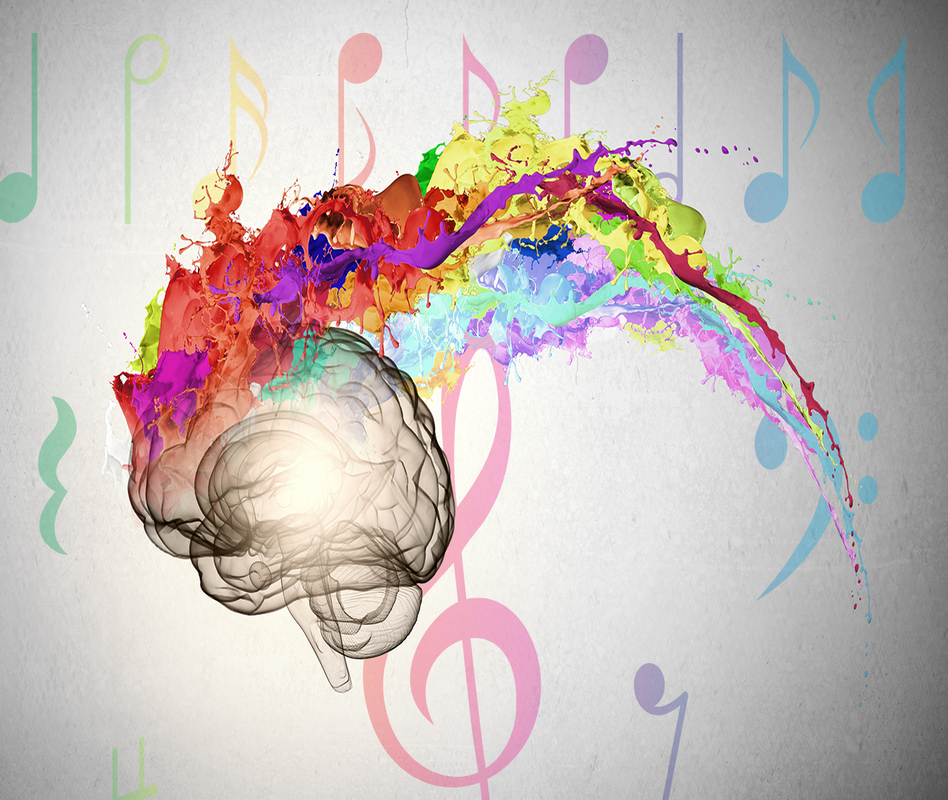
    When we listen to music, we evoke a wide range of emotions within ourselves. Whether it be the lyrics of a song or the beats of the music, we connect with the music and feel all types of emotions. Whether they are emotions of sadness or feelings of joy, music is more to us than just an auditory sensation. But imagine if music is more than that, instead of just emotions, you find yourself stuck in a world full of vivid colors, like a kaleidoscope changing constantly due to each note, beat, and chord within a song. People who experience music through colors like that have the neurological phenomenon called chromesthesia, which allows them to constantly see vibrant colors in their minds whenever they hear a tune. 

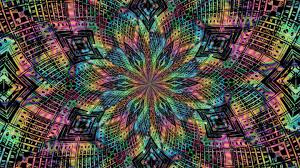
    Synesthesia is a neurological phenomenon where one sensory pathway triggers the experiences of another, which offers a unique interconnectedness between the senses. Amongst its various forms, one of the most common forms of synesthesia is chromesthesia, where different sounds evoke a different vivid color in someone’s mind. For individuals with chromesthesia, listening to music isn’t just an auditory experience but a very visual one. Each note, chord, and melody create different colors, shapes, and patterns in their mind, and every time the music changes, these colors, shapes, and patterns change as well. These synthetic experiences are deeply personal, with each person associating specific sounds with distinct colors, textures, and intensities that they have no control over. 

    “Chromesthesia” Image Credit: Chromesthesia Music Visualizer

    Chromesthesia is estimated to affect approximately 1–2% of the population, but it is very common to people with synthetic experience. However, due to the individualized nature of chromesthesia, it is very hard to accurately determine its prevalence. Research indicates that both genetic and environmental factors influence chromesthesia. Family studies have shown a higher prevalence among relatives of synesthetes, while environmental factors, such as early exposure to music or language, also play a significant role. There are many neuroimaging studies that reveal there is an increased connectivity between auditory and visual brain regions in individuals with chromesthesia. This connectedness is based on a theory called the cross-activation theory of synesthesia. This theory suggests that synesthetic experiences arise from increased communication between different brain regions, suggesting a remarkable cross-modal integration of sensory information. According to this theory, people with synthesis have a sensory input in one modality (e.g., hearing a sound) that automatically triggers another modality (e.g., seeing colors). This cross-activation is thought to occur due to atypical neural connections between sensory areas of the brain, causing the stimulation of one sensory pathway to spill over into another. This theory suggests that synesthesia arises from the brain’s inherent flexibility and ability to create novel connections between sensory pathways, leading to the blending or merging of sensory experiences.

    In conclusion, chromesthesia, a form of synesthesia where sounds evoke vivid colors, shapes, and patterns, offers a unique glimpse into the interconnectedness of our senses. For individuals with chromesthesia, music isn’t just heard but also seen, creating a rich multisensory experience. While it affects an estimated 1-2% of the population, its prevalence is difficult to accurately determine due to its highly individualized nature. Both genetic predispositions and environmental factors, such as early exposure to music or language, contribute to the development of chromesthesia. Neuroimaging studies suggest that chromesthesia arises from increased connectivity between auditory and visual brain regions, supporting the cross-activation theory of synesthesia. This theory proposes that synesthetic experiences emerge from atypical neural connections, allowing sensory input in one modality to trigger experiences in another. Chromesthesia showcases the remarkable flexibility and complexity of the human brain in integrating sensory information, offering a fascinating window into the wonders of perception and cognition.

    References:

    Chromesthesia Music visualizer (PC). realovirtual.com. (n.d.). https://www.realovirtual.com/rovdb/juegos/11997/chromesthesia-music-visualizer

    Dring, D. (2017, November 9). Chromesthesia: Hearing and seeing sound in colour: Beardedgmusic. Bearded Gentlemen Music. https://beardedgentlemenmusic.com/2017/11/09/chromesthesia-seeing-sound-in-colour/

    Hubbard, Edward M., et al. “Individual differences among grapheme-color synesthetes: brain-behavior correlations.” Neuron 45.6 (2005): 975-985.

    Makhlin, J. (2014). Chromesthesia as phenomenon: emotional colors.

    Simner, J., & Hubbard, E. M. (2006). Variants of synesthesia interact in cognitive tasks: Evidence for implicit associations and late connectivity in cross-talk theories. Neuroscience, 143(3), 805-814.

  • Why Does Mars’s Moon Look Like That? A Dive into Moon Formation

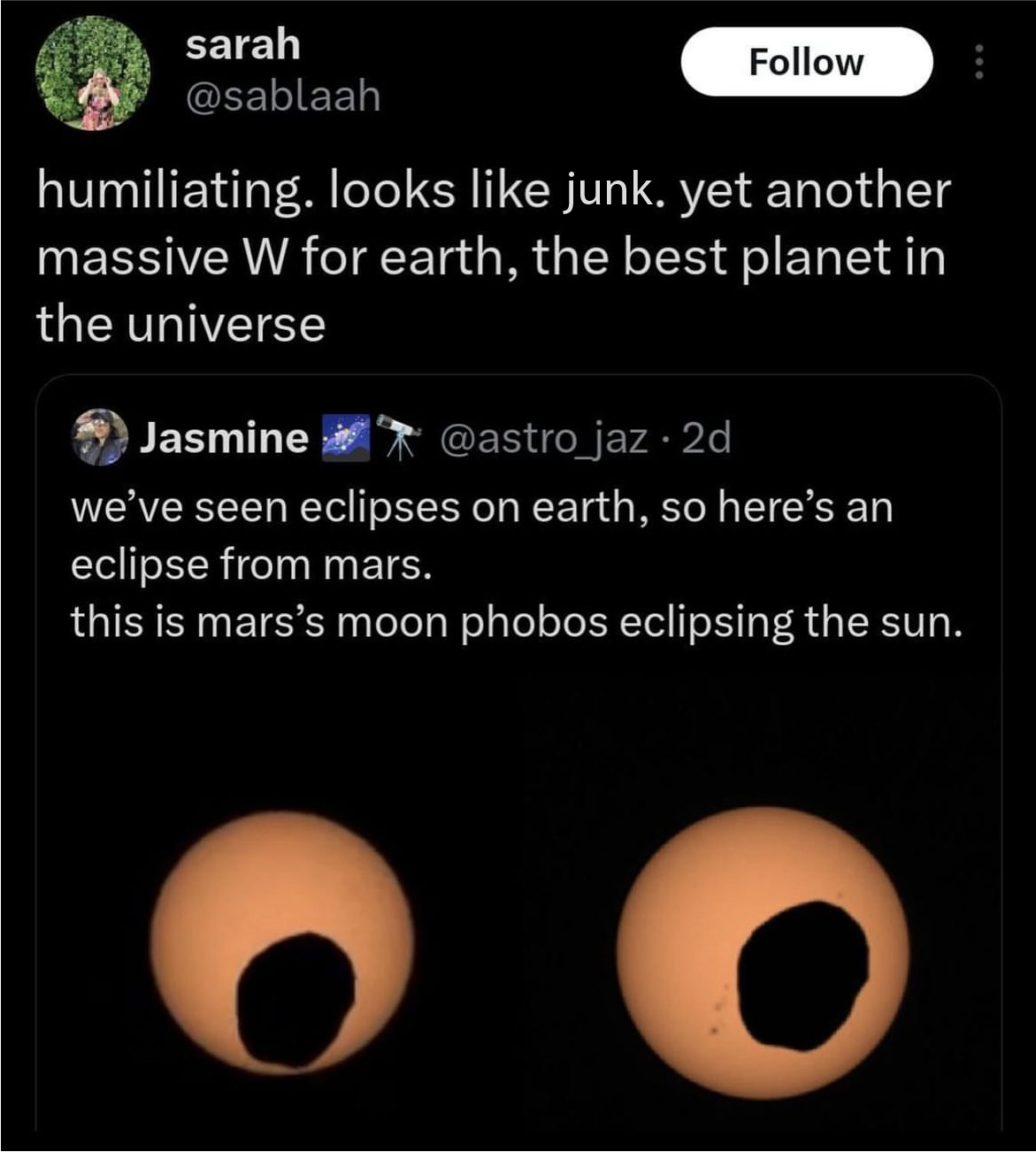
    The other day, I came across a funny meme on Instagram.


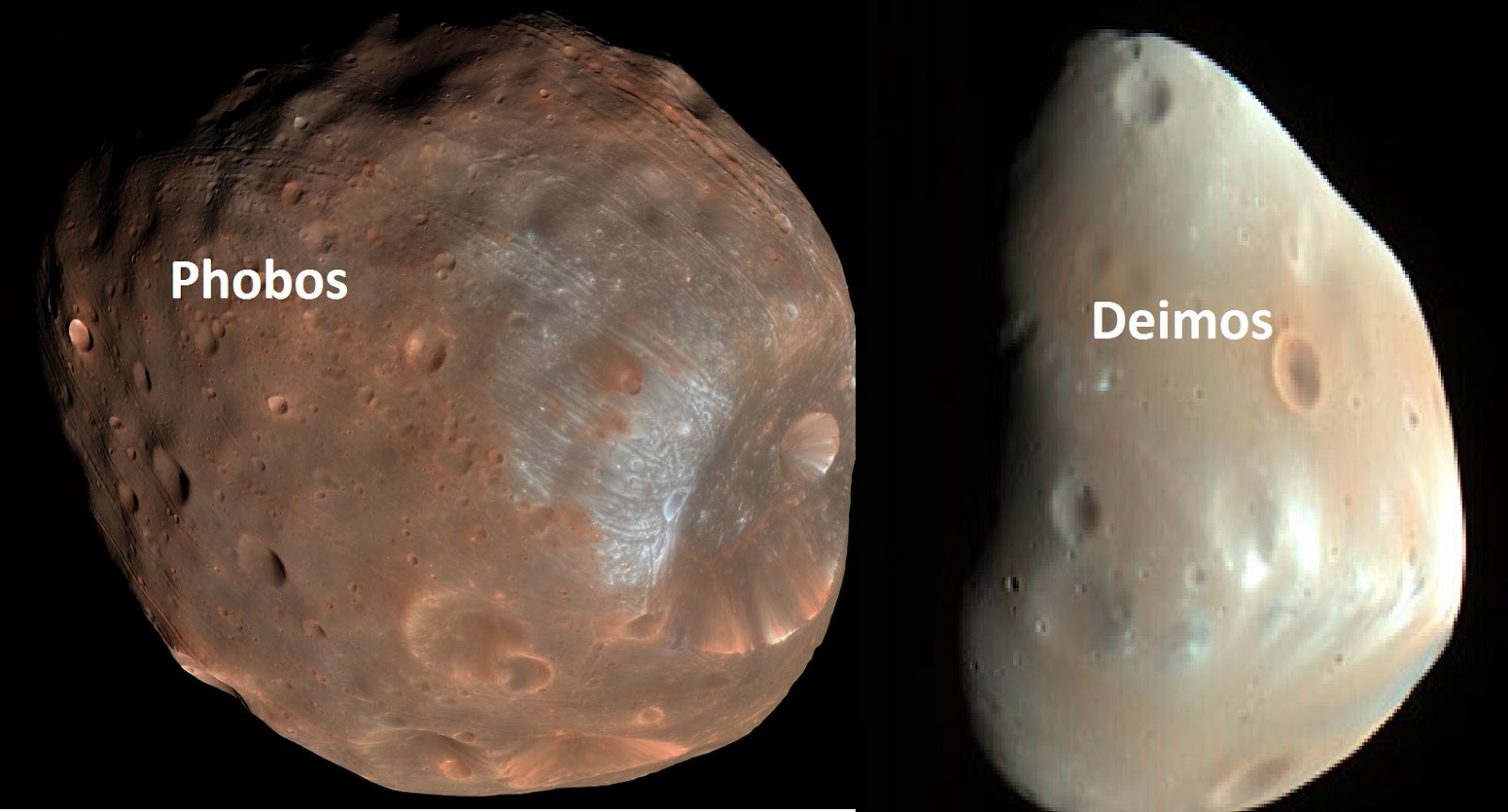
    I laughed, I gave it a like, and I moved on with my life- kind of. As I continued with my day, one thought kept creeping up in the back of my mind- “Why does Mars’s moon look like that?” It doesn’t even look like a moon, from the standards of as average Earth-dweller, who is so used to the beautiful, spherical, and almost perfect moon that we have been spoiled by. Why is Earth’s moon so perfect, while Mars’s moon looks like it just hopped off the nearest asteroid belt into Mars’s orbit?


    Mars has two moons, Phobos and Deimos. There is no absolute consensus among the scientific community on how these two moons came to be, but there are two main theories. The first theory, known as the Capture Theory, is that Mars’s moons are captures asteroids, meaning debris created during the early formation of the solar system were pulled into Mars’s orbit by the planet’s gravitational pull. The fact that the two moons are so small and irregularly shaped supports the Capture Theory, along with the fact that they are visibly much darker in color than the Red Planet. The opposing theory is known as the Impact Theory, proposes that Mars underwent some impact from some collision during its early years, uplifting debris that aggregated into two moons. Recent photographic evidence has suggested that Deimos is composed of a rocky material, very similar to what makes up Mars, which supports the Impact Theory and opposes the Capture Theory, which would expect the moons to be made of a more carbon-rich material. There is also debate to whether or not these two moons are even made of the same material, or moreover, were even formed in the same event.

    There are a great deal of unknowns about how Mars’s moons were formed, but however they came to be, they sure look a lot different from our moon. While formation process may play a role in this, the main reason for this difference, is mass. Our moon has an approximate mass of 7.348 × 10²² kilograms, while Mars’s larger moon, Phobos, has a mass of only 1.060×10¹⁶ kilograms. While these both seem like huge numbers, the masses of these two moons are on vastly different scales, with Phobos being about 0.000014% the mass of Earth’s moon. In summary, Mars’s moons are tiny, and this accounts for the fact that they look so nonuniform.


    When the Earth’s moon was forming, it became rounded due to the same principle that causes every other sizable celestial body to become spherical- self gravity. Self-gravity is the gravitational force that an object exerts on itself. Once a body accumulates enough mass, this force will pull in towards its center, forming a spherical shape. This final stage is known as hydrostatic equilibrium. Every object that has mass has some amount of self-gravity, even people! But of course, we do not have nearly enough mass for our self-gravity to pull us into a sphere. So that’s the main reason Mars’s moons are so misshapen; they’re too small to exert a strong enough self-gravitational pull on themselves. But, there is one more piece to the puzzle. Mass isn’t the only things that cause celestial bodies to become rounded. The other secret ingredient is material.


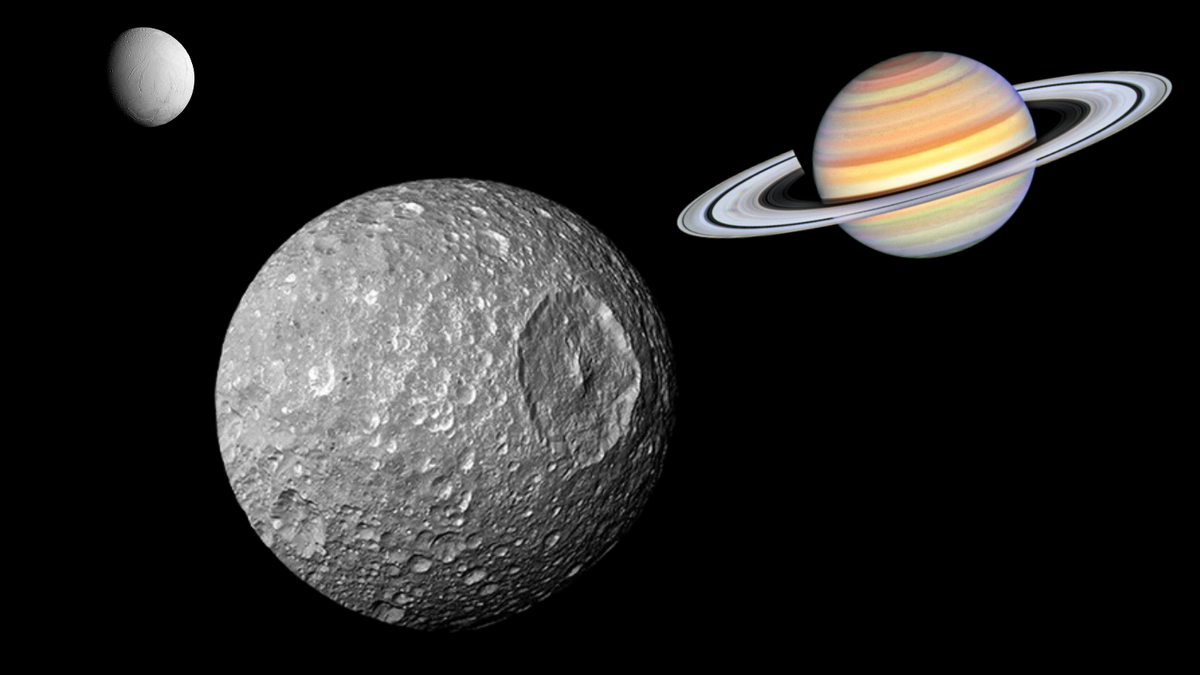
    For bodies to reach a spherical state, their self-gravity must be strong enough to warp and squish the physical material that they are composed. For example, a hypothetical body made of only liquid water would not need much mass in order to achieve hydrostatic equilibrium, because water molecules can be moved around with very little force. There are other materials, such as iron, that resist gravitational pulls even more, and require even more mass to become spherical. The smallest known celestial body that has reached hydrostatic equilibrium is Saturn’s moon, Mimas, which has a diameter of only 396 km. This moon has a very low density, and is composed of mainly ice, and a small amount of rock. This composition gives Mimas a low resistance to its own self-gravity, hence allowing it to become spherical, even with its small mass.

    While the answer to my original question turned out to be pretty simple, topics involving space always have a way of becoming more complex. I hope you were able to learn something from this article, or maybe find a topic that you would like to learn more about. There are still so many unknowns in this topic, including exactly what Mars’s moons are even made of, but there is also new and exciting research coming out every day.


    Sources

    Coffey, D. (2023, November 13). Why are things in Space round?. LiveScience. https://www.livescience.com/space/why-are-things-in-space-round#:~:text=Gravity’s%20rounding%20effect%20is%20a,into%20a%20sphere%2Dlike%20shape.

    Giant impact may explain origin of martian moons phobos and deimos. Smithsonian Insider. (n.d.). https://insider.si.edu/2010/12/giant-impact-may-explain-origin-of-martian-moons/

    Jonti Horner                          Professor (Astrophysics). (2024, March 5). I’ve always wondered: Why are the stars, planets and Moons Round, when comets and asteroids aren’t? The Conversation. https://theconversation.com/ive-always-wondered-why-are-the-stars-planets-and-moons-round-when-comets-and-asteroids-arent-160541

    Metcalfe, T. (2023, May 18). A new look at Mars’ Moon Deimos highlights its mysterious origin. Astronomy Magazine. https://www.astronomy.com/space-exploration/a-new-look-at-mars-moon-deimos-highlights-its-mysterious-origin/


  • Artificial Rain- Real or Sci-Fi

    It’s a futuristic fantasy that many have dreamed up, that humans could someday possess the power to control the weather. Artificial weather is an interesting, but ultimately fantastical pipe dream, or is it? Would you believe me if I told you that countries around the world have been artificially altering the weather for decades? Maybe you would, and maybe you’ve heard the term “cloud-seeding” going around in the media recently. You may have heard that it is an innovative, new solution to water scarcity and climate change. Or, maybe you heard that it is causing immense harm to the environment, including some extreme cases of flooding in the Middle East. But, what exactly is cloud-seeding, and why is it being done? Is this new innovative process a solution to environmental issues, or is it another cause?


    To understand how cloud-seeding works, it is important to understand the science behind how clouds form. Clouds are formed when evaporated water cools and condenses around a small dust or salt particle in the atmosphere. A common misconception about cloud-seeding, is that these dust particles are being released into the atmosphere to facilitate the formation of clouds. That is close, but not completely accurate to what cloud seeding is. Cloud seeding is less concerned with cloud formation, and more concerned with increasing precipitation. There are multiple types of cloud seeding, but they all involve releasing particles (usually a type of salt) into already existing clouds to act as ice nuclei. These crystalline particles increase the rain-fall capacity of the cloud by causing ice crystals to form around the ice nuclei, thus increasing the ability of the cloud to induce precipitation. Cloud seeding has been used in the US and many other countries in the world for decades to fight drought, help agriculture, disperse fog, and even help out struggling ski resorts by increasing snowfall.


    Cloud seeding has only been a widespread practice for a few decades, and the lack of research on the topic has led to the emergence of many environmental and ethical concerns. Because cloud-seeding has not been in practice for long, it is difficult to predict the long-term environmental effects on ecosystems. Cloud seeding often includes the release of materials such as silver-nitride, dry ice, and salt into the atmosphere, all of which, though being relatively harmless, have not been studied in their long-term ecological effects. There are also concerns about the meteorological effects of artificial rain, and what larger effects altering the climate could produce. More research is required to fully understand this, but there is evidence to suggest that altering weather patterns in one area could inadvertently affect the climate in a completely different region, or disturb climate patterns in general. There are also ethical concerns over this practice, as it brings up the question of who owns and controls natural resources. In regions where water scarcity is a pressing issue, concerns over who controls and owns water resources is a growing debate, and the concept of “creating” rain in one region amplifies these concerns.


    Now, it is time to address one of the biggest accusations that cloud-seeding has received- that this technology has directly caused some disastrous flooding events. On April 16, 2024, a record amount of flooding caused by heavy rainfall hit the United Arab Emirates, heavily affecting the cities of Dubai and Sharjah. Cloud seeding is a common practice in this region and was immediately blamed as the cause of the flooding. However, after some investigation by experts into the flooding cause, it seems unlikely that cloud-seeding played a role. Dr Friederike Otto, senior lecturer in climate science at Imperial College London, stated that, “Even if cloud seeding did encourage clouds around Dubai to drop water, the atmosphere would have likely been carrying more water to form clouds in the first place, because of climate change” (BBC). Meteorologists at BBC also mentioned that heavy storms had already been forecasted by systems that do not take into account artificial rain fall caused by cloud seeding. So, this tremendous weather event was not in fact caused by cloud seeding, but is another long-term effect of human-caused global warming. Higher air and ocean water temperatures from global warming increases evaporation and cloud formation, subsequently leading to increased precipitation. Global warming seems to be a common thread connecting a plethora of increased occurrences of natural disasters that we have seen in the last decade.

    In conclusion, the concept of artificial weather, once confined to the realm of science fiction, has become a reality in many parts of the world through cloud-seeding. While initially seen as a solution to water scarcity, the widespread use of cloud-seeding raises significant environmental and ethical concerns. The lack of long-term research on its ecological impacts, coupled with the potential for unintended meteorological consequences underscore the complexity of manipulating weather patterns. Moreover, recent events such as the flooding in Middle East highlight the need for a deeper understanding of the interactions between human behavior and natural processes in the context of climate change. While cloud seeding may not be directly causing these floods, as many people were quick to believe, it is clear that we as a society have much to learn about the long-term effects our actions have on the environment we are so eager to alter. As we navigate the relationship between innovation and responsibility, it becomes increasingly clear that the quest to control the weather requires careful consideration of its broader implications for our planet.


    Sources

    Anderson, B. (2024, April 23). What is cloud seeding (or Artificial Rain)?. Greenly. https://greenly.earth/en-us/blog/ecology-news/what-is-cloud-seeding-or-artificial-rain

    CBS Interactive. (n.d.). What is cloud seeding and did it play any role in the Dubai floods?. CBS News. https://www.cbsnews.com/news/what-is-cloud-seeding-and-did-it-impact-dubai-floods/

    How climate change is making record-breaking floods the new normal. UNEP. (n.d.). https://www.unep.org/news-and-stories/story/how-climate-change-making-record-breaking-floods-new-normal

    Silva, M. P. & M. (2024, April 17). What is cloud seeding and did it cause Dubai flooding?. BBC News. https://www.bbc.com/news/science-environment-68839043

    What is cloud seeding?. DRI. (2022, September 19). https://www.dri.edu/cloud-seeding-program/what-is-cloud-seeding/#:~:text=Cloud%20seeding%20is%20a%20weather,base%20for%20snowflakes%20to%20form.

  • The Science of Why We Love Music

    The Science of Why We Love Music

    Why do patterns of sound have so much power over us, stirring our emotions, evoking memories, and leaving a permanent impact on us? Music has been an integral part of human culture for centuries, from the bards of ancient civilization to modern pop artists, serving as a universal language. Human beings have an inherent capacity for music appreciation and enjoyment which is ingrained in our cultural and biological makeup. While speech primarily serves as a means of communication, music serves a different purpose, allowing us to express and experience emotions, moods, and affective states that enhance our quality of life.

    When we hear music, our brains start processing the sound right away. The auditory perception system is like our brain’s “music analyzer.” It breaks down the music into different components, like pitch, rhythm, and melody. This happens in several areas of the brain, including the brainstem, thalamus, and auditory cortex. For example, when you listen to a piece of music, your brainstem picks up the vibrations in the air created by the sound. These vibrations are then sent to the auditory cortex, where they’re decoded into recognizable sounds and patterns. This process allows us to distinguish between different notes, chords, and rhythms in the music we hear.Moreover, our brains can detect subtle changes in pitch and timing, which are essential for understanding melodies and rhythms. This ability to process and analyze sound is crucial for our enjoyment of music because it helps us make sense of the patterns and structures within the music.

    But it’s not just about understanding the music as our brains also try to predict what’s coming next. This predictive ability is crucial for making sense of the music and anticipating how it will unfold. Think of it like predicting the next plot twist in a movie based on the clues you’ve picked up along the way. Our brains are constantly making predictions about the music we’re listening to based on patterns and expectations formed from our past experiences. This predictive process helps us anticipate how the music will progress and allows us to stay engaged with the music as it unfolds. For example, if you’re listening to a familiar song, your brain might anticipate the next verse or chorus based on the patterns established earlier in the song. This predictive ability is what keeps us engaged with the music and makes it feel satisfying when our predictions are correct.

    Now, why does music make us feel so good? When we listen to music that we enjoy, our brains release chemicals like dopamine, which are associated with pleasure and reward. This happens in a part of the brain called the reward system, which is responsible for reinforcing behaviors that are beneficial to our survival and well-being. When our brains detect that the music we’re listening to is pleasurable, they release dopamine, which makes us feel good. This is why listening to music can be such a joyful experience – it literally makes our brains happy! Moreover, studies have shown that our brains respond more strongly to music that exceeds our expectations or surprises us in some way. Our brains are essentially saying, “Wow, that was even better than I thought – I love it!” This heightened response in the reward system is what makes certain pieces of music feel especially satisfying and enjoyable.

    So, when we listen to music, our brains go through a complex process of perception, prediction, and reward. The auditory perception system helps us understand the music, the prediction system helps us anticipate how it will unfold, and the reward system makes us feel good when we hear something we enjoy.

    Understanding these processes can help us appreciate why music has such a powerful effect on our emotions and well-being. It’s not just about the sounds we hear – it’s about how our brains interpret and respond to those sounds, creating feelings of happiness and enjoyment. So, the next time you find yourself lost in your favorite song, remember that it’s not just music – it’s a symphony of brain activity bringing you joy and pleasure.


    Sources:

    Schrock, K. (2009). Why Music Moves Us. Scientific American Mind, 20(4), 32–37. https://doi.org/10.1038/scientificamericanmind0709-32

    Zatorre R. J. (2018). Why Do We Love Music? Cerebrum:the Dana forum on brain science, 2018, cer-16-18.

  • Medieval Medicinal Remedies Not to Try at Home

    Medieval Medicinal Remedies Not to Try at Home

    In the medieval era, medicinal practices were influenced by a blend of herbalism, superstition, and early medical theories. This led to an array of home remedies, some effective, some strange, some which should never be practiced today, that people of that time used to cure themselves of their ailments. Here’s a list of the most common remedies of that time.

    For migraines

    The medieval remedy for migraines was boiling barley with herbs like betony and vervain, then wrapping them in a cloth and applying them to the head. Betony, a grassland herb, was commonly used in medieval remedies for various ailments and is still utilized in modern medicine for treating severe headaches and migraines. Vervain, known for its glycoside derivatives, was also used in the remedy and is still applied today in modern treatments for migraines, depression, and anxiety.

    For a sore throat

    The medieval remedy for quinsy involved a rather gruesome procedure: stuffing a cat with various ingredients like hedgehog grease, bear fat, resins, fenugreek, sage, honeysuckle gum, and wax, then roasting it and using the gathered grease to apply on the patient’s body. This bizarre treatment is just one example of harmful medieval practices that should not be practiced today. 

    For a cough

    The medieval remedy for treating a cough was consuming a mixture of horehound juice and diapenidion, a confection made from barley water, sugar, and egg whites drawn out into threads. Horehound, known for its effectiveness in treating coughs, was combined with diapenidion, which provided a sweet and pleasant taste. Some parts of this remedy are still used today as sugar, a key ingredient in diapenidion, is used in over-the-counter cough remedies for its soothing effects on the chest. 

    For an upset stomach

    To relieve colic caused by trapped wind, medieval medicine prescribed a remedy made from carminatives, cumin and anise, steeped in white wine for three days and nights. After drying for nine days on an ash board, the mixture was powdered and ingested in pottage or as a drink. Alternatively, dill and fennel could be used for the same purpose, similar to modern gripe water formulas. This concoction usually took around 2 weeks to prepare, so patients would likely purchase this remedy from apothecaries.

    For gout

    To treat gout, medieval people would prepare an owl by plucking it, cleaning it, and salting it before placing it in a pot covered with a stone and baking it in an oven until burnt. Once burnt, the owl was pounded with boar’s grease to create a mixture used for anointing the affected area. However, this treatment was likely entirely ineffective and only led to an unfortunate situation for the owl. 

    A stye/bump on the eye

    The remedy for a stye, or a small painful bump, on the eye was done through first pounding either onion or leek and garlic, then mixing them with equal parts of wine and bull’s gall. After letting the mixture stand for nine nights in a brass bowl, it was strained and applied to the eye with a feather at night. This concoction, though initially unappealing in appearance and odor, exhibited potent antibiotic properties due to the antimicrobial components of onion, garlic, and bull’s gall. Additionally, the reaction between the wine and brass bowl produced bactericidal copper salts. Recent research has validated the efficacy of this remedy, prompting further investigation for potential use against antibiotic-resistant infections like MRSA. 

    For burns and scalds

    Medieval medicine recommended using the slime of a live snail to treat burns and scalds, a simple yet effective remedy that reduces blistering and alleviates pain. Recent scientific studies have confirmed that snail slime contains a range of beneficial properties, including antioxidants, antiseptics, anti-inflammatories, and skin-repairing compounds like collagen and elastin. Modern skincare products, known as “Snail Gel,” now utilize these properties for treating minor injuries such as cuts, burns, and scalds.

    For sciatica nerve pain

    Medieval remedies for sciatica or pain caused by the sciatic nerve often included a mixture of ingredients such as the gall of a red ox, water-pepper, cumin, and suet. These ingredients were boiled together to create an ointment-like gruel, which was then applied to the affected area. Additionally, the patient was instructed to apply heat to the hip bone and use hot cloths on the area. Despite the questionable effectiveness of the ingredients, the combination of bed rest and heat treatments may have provided some relief for sciatica symptoms.


    Sources

    Anastasi, L. (2023, January 13). Medieval History – Herbal Medicine in the Middle Ages. Medieval History. https://historymedieval.com/herbal-medicine-in-the-middle-ages/

    Freeman, J. (2022, August 17). Do not try this at home: Medieval medicine under the spotlight in major new project. University of Cambridge. https://www.cam.ac.uk/stories/curious-medieval-medicine

    Mason, E. (2015, April 20). 9 weird medieval medicines. History Extra; History Extra. https://www.historyextra.com/period/medieval/9-weird-medieval-medicines/