Day: April 11, 2025

  • Hidden Vegetables & Essential Vitamins

    Hidden Vegetables & Essential Vitamins

    We all know vitamins are important, but what do they actually do? Well, each vitamin has different benefits, with some playing multiple roles in important bodily functions. The oxygen transfer from our lungs to our cells, for example, depends on many vitamins and minerals, such as vitamin B6, C, and iron.

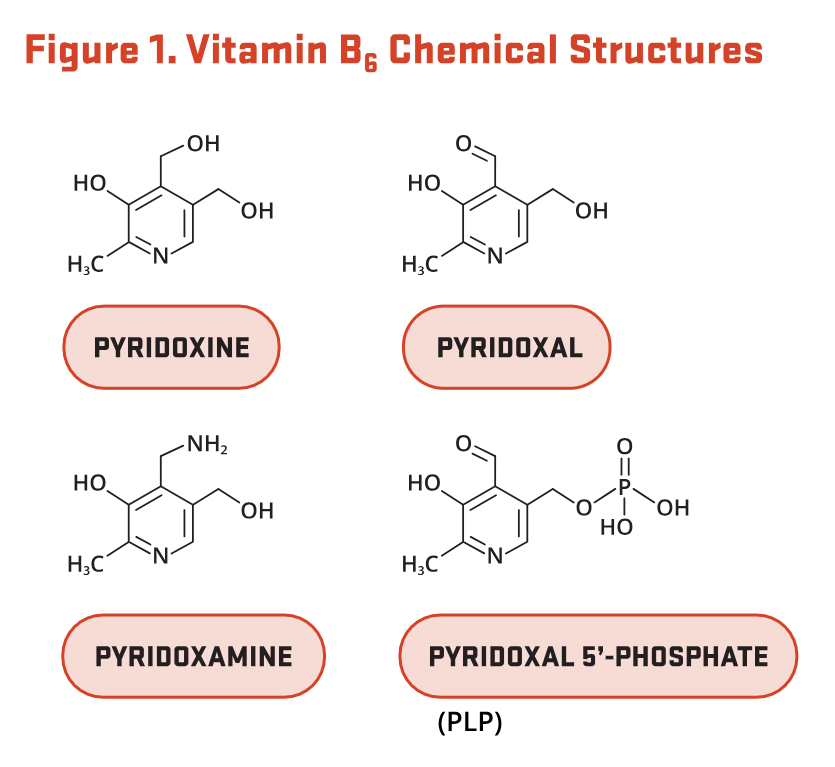
    Vitamin B6 comes in many different forms, but our bodies convert it to its most useful one: pyridoxal-5′-phosphate, conveniently referred to as PLP. PLP is a coenzyme that helps catalyze the production of hemoglobin.
    Found in our red blood cells, hemoglobin is arguably one of the most important molecules in our body. Each hemoglobin molecule contains four heme groups, which are responsible for carrying the oxygen our body needs. Heme groups are also coordination complexes, meaning they have one or more molecules bound to a metal center, which in this case is iron.
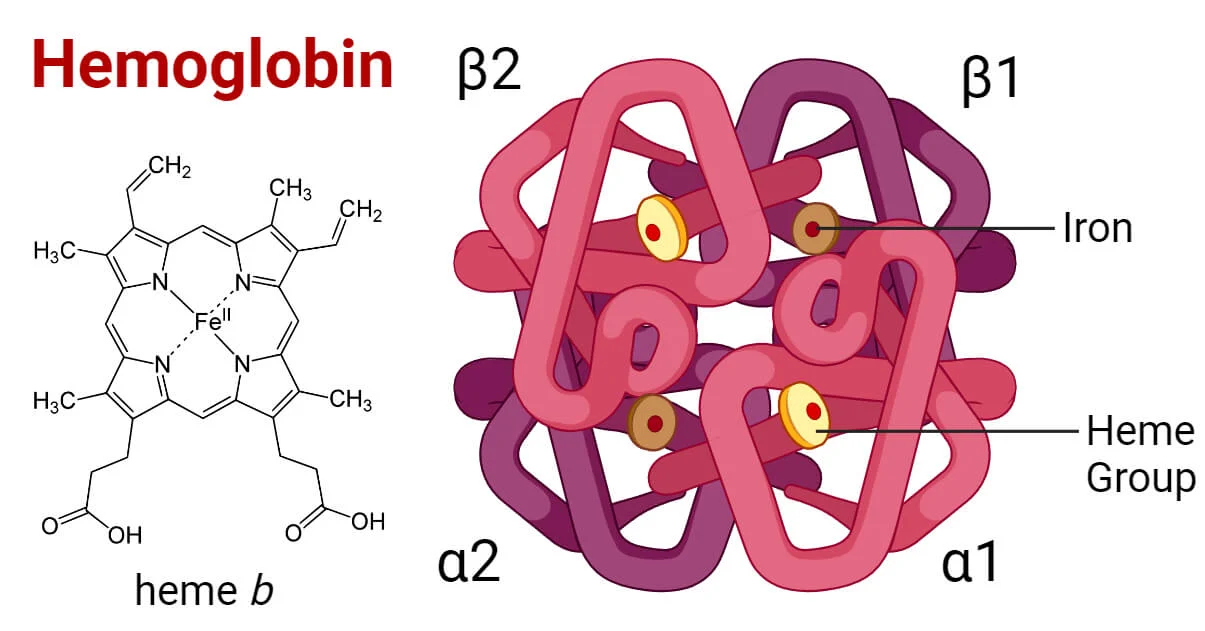
    As you might have guessed, this is why iron is so important in our diet. Without it, our body can’t make as much hemoglobin, and our cells wouldn’t get the oxygen they need. This makes sense if you have ever experienced low iron; your cells aren’t getting the oxygen they need to produce energy, which causes fatigue.

    Iron, like vitamin B6, comes in many forms, but there is only one form useful to our body. Iron must have a 2+ charge to form a heme group. The iron we get from meat already has this 2+ charge, but the iron from vegetarian sources often doesn’t. Our body must convert the iron into its usable form, which is where vitamin C comes in.

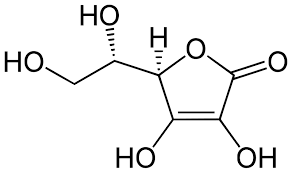
    Vitamin C, also known as ascorbic acid, has numerous jobs to keep our body functional, one of which is helping give iron its 2+ charge so it can form a heme group. It is hypothesized that vitamin C increases the acidity of our digestive tract, making it easier for our body to convert iron into the form we need. This is why patients with iron deficiency are often told to take their iron supplements with a glass of orange juice.
    All together, vitamin B6, C, and iron ensure our cells get the oxygen they need by playing a part in different stages of hemoglobin production. Getting all of the vitamins your body needs can be tricky, but there are many ways to make it happen, especially if you like to bake. Including “hidden” vegetables in meals or desserts is a fun way to do this and can increase your vitamin intake without drastic changes to your diet.

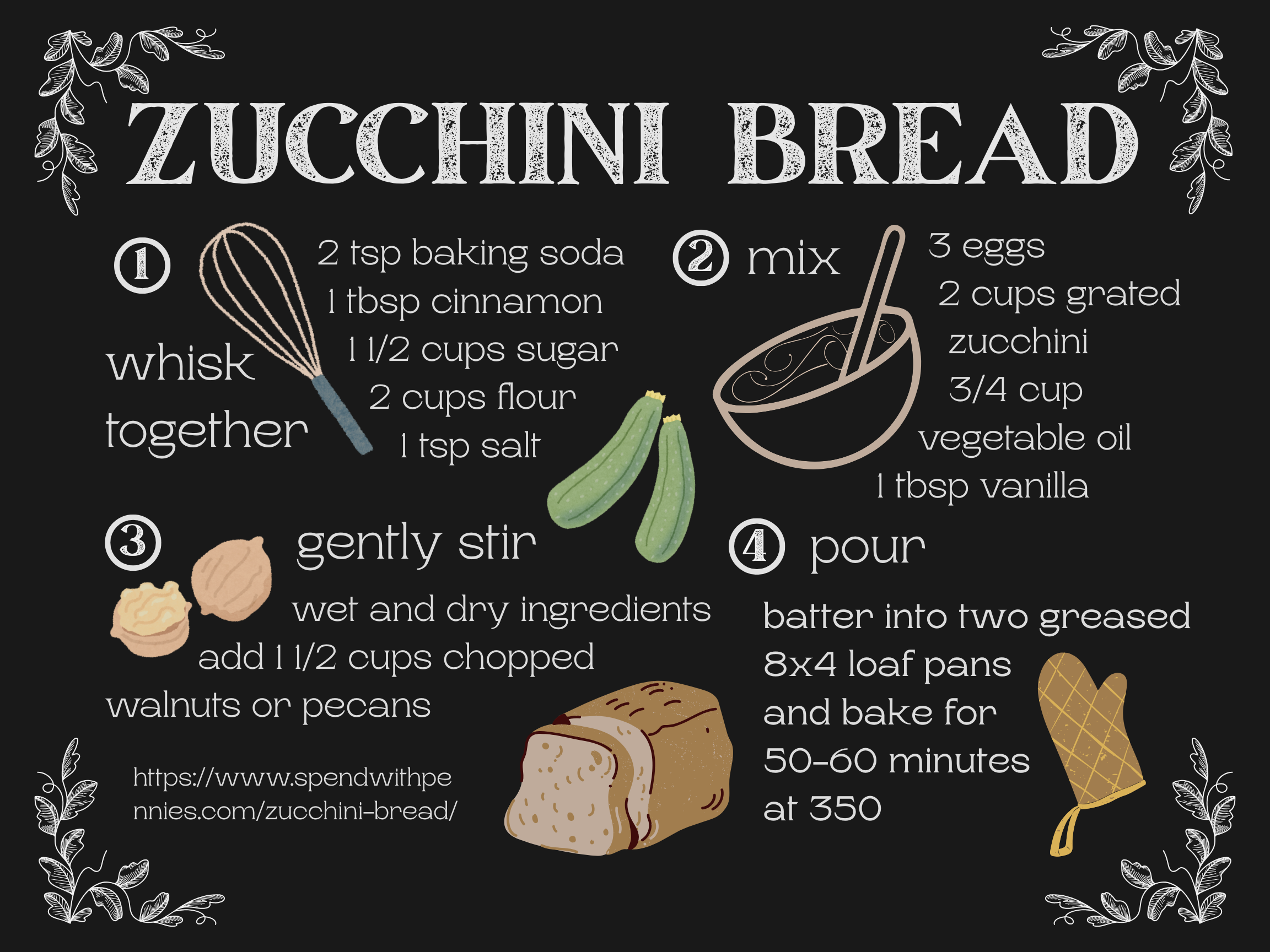
    Since zucchinis contain vitamins B6 and C and nuts are a vegetarian source of iron, this recipe for zucchini bread provides you with three essential vitamins for hemoglobin production along with a delicious breakfast or snack. The zucchini keeps the bread moist without taking away from the warm cinnamon flavor, and the slices taste especially good toasted with butter. Enjoy!
    Dahal, P. (2025, March 6). Hemoglobin decoded: Key types, functions & disorders. Microbe Notes. https://microbenotes.com/hemoglobin/
    Deng, J., & Ramelli, L., & Li, P. Y., & Eshaghpour, A., & Muti Scheunemann, G., & Crowther, M. (2023, November 2). Efficacy of Vitamin C with Iron Supplementation in Iron Deficiency Anemia Patients: A Systematic Review and Meta-Analysis. Ash Publications. https://ashpublications.org/blood/article/142/Supplement%201/1091/504755/Efficacy-of-Vitamin-C-with-Iron-Supplementation-in

    Higdon, J., & Drake, V., & Delage, B. (2024, May). Vitamin B6. Oregon State University. https://lpi.oregonstate.edu/mic/vitamins/vitamin-B6#:~:text=PLP%20functions%20as%20a%20coenzyme,to%20microcytic%20anemia%20(3).

    Wikipedia contributors. (2025, March 22). Heme. Wikipedia, The Free Encyclopedia. https://en.wikipedia.org/wiki/Heme

    Wikipedia contributors. (2025, March 31). Chemistry of ascorbic acid. Wikipedia, The Free Encyclopedia. https://en.wikipedia.org/wiki/Chemistry_of_ascorbic_acid
  • The Amazing Race: Speed of Light Reflection

    The Amazing Race: Speed of Light Reflection

    This semester marks my last contribution to planning and participating in events as a member of STEMComm. The last two semesters were eventful, and I always enjoyed helping plan out the logistics by being a team player. However, this semester’s challenge was to lead a group activity planning for a topic that I was not quite familiar with.

    For the Atlanta Science Festival, we organized an Amazing Race event. Each group planned both a mental and physical activities for our participants to choose from. My group choose an interesting topic, optics, focusing specifically on light and color. Being a computational media major who works on designing user experiences, I had never quite dealt with any so physics related, so it was kind of difficult to brainstorm actual activities that would be engaging. In previous events that I helped planned, my group always considered how accessible resources were before finalizing any details. This was the same case for my group this semester.

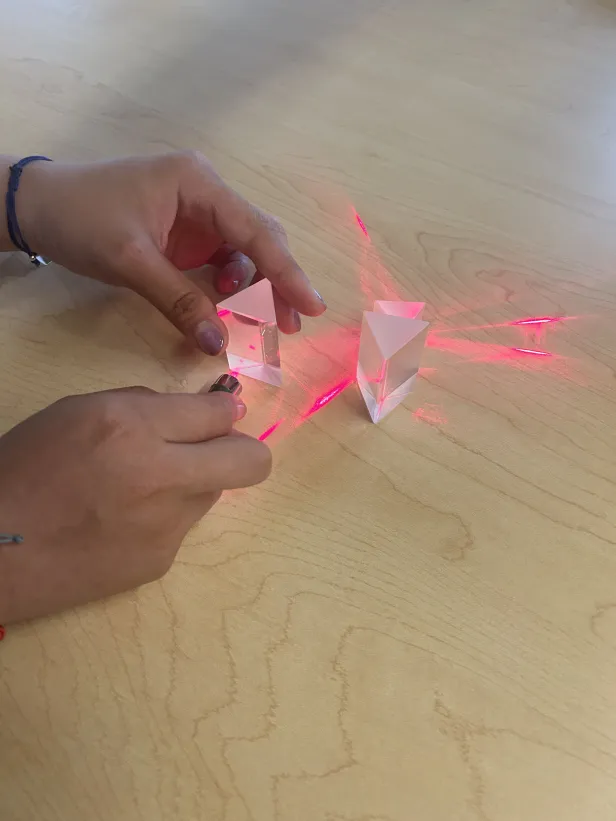
    Our physical proposal idea was to plan an event related to light, which lead to having the participants bend light with prisms. We knew that prisms made out of glass can analyze and reflect light, and paired with a laser beam, light would become refractured. As one of our learning objectives, we had a hands on activity with refraction by having the participant use a laser, a single wavelength, and prisms to create a path where the light had to bounce off of all the prisms. Additionally, although we didn’t have a natural white light, our other learning objective was dispersion, when different wavelengths bend differently, splitting white light into colors.

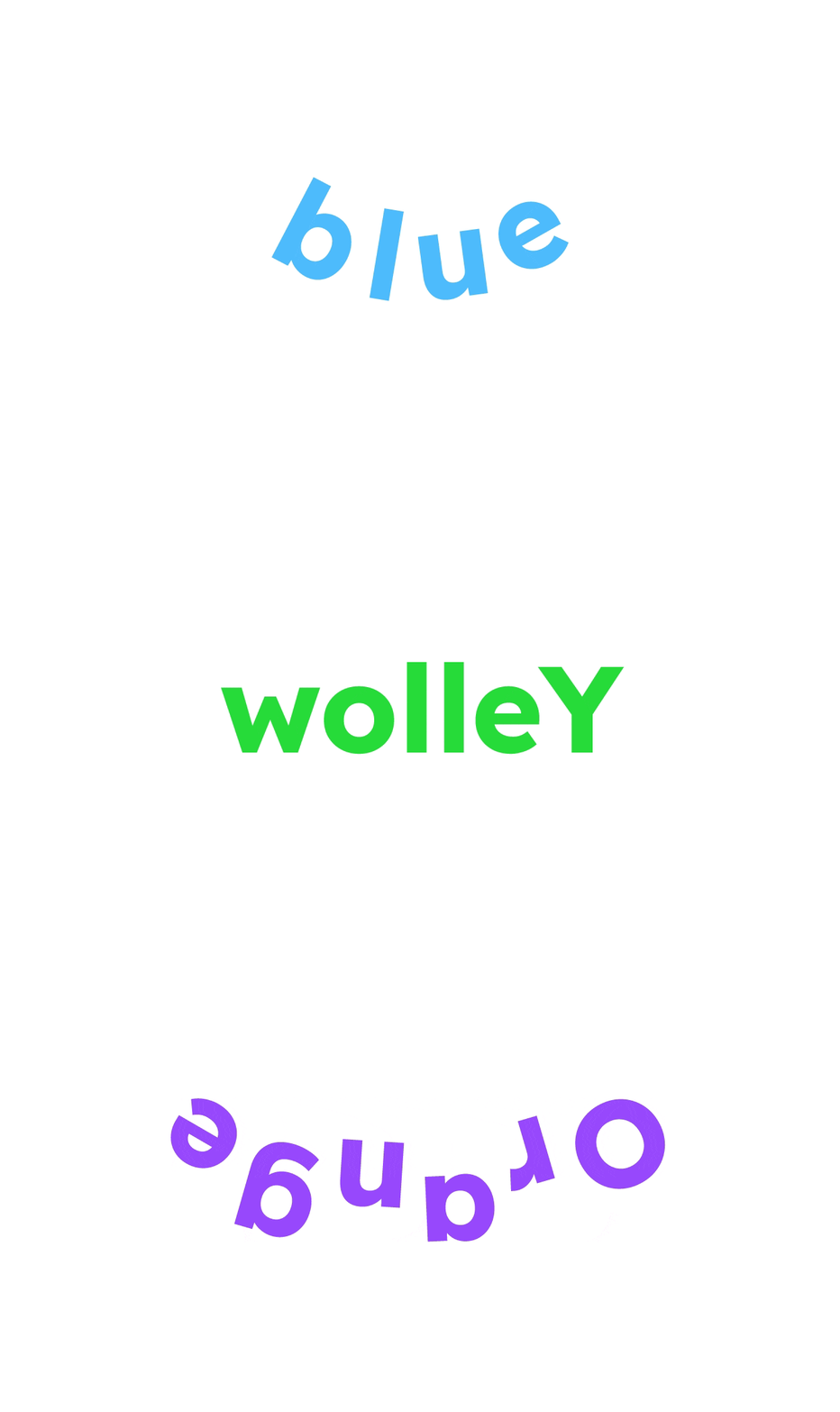
    For the mental activity, I wanted it to be correlated with colors. After some researching, I found the stroop effect, with learning objectives aligning with how our brain processes color and text simultaneously when presented with both visually. The Stroop effect occurs because reading is automatic, but naming colors requires more effort, causing delays with conflicting words. When presented with incongruent stimuli, which is a situation where two aspects of a stimulus contradict each other, like seeing the word “red” written in blue ink, the idea is that you take longer to process. Your anterior cingulate cortex (ACC), located in the medial wall of the frontal lobe, helps resolve this conflict, showing more activity with incongruent color-word pairs versus the congruent color-word pairs such as the word “red” written in red ink. To recreate this, I used Figma, a design tool that I used often, to create this activity. Being able to combine design and science was very fun and it made me become more motivated.

    stroop effect twisted
    click on this gif image!

    On the day we had to execute our plan, it went way better than I had expected. I could see the reminiscing of younger days on older participants as they watched their kids engage with the prisms and light. We presented our learning objectives and then had them complete short quiz. Although the stroop effect didn’t get as much attention as the prisms, we had a psychologist who administers this mental activity for their patients explain more in depth the processing with incongruent and congruent stimuli and other test variations. We also got swamped with many groups arriving at the same time, but we adjusted by splitting our group into two and running either the mental or physical activity. This event was truly an insightful experience and I learned many valuables skills that went beyond science.

    Sources Cited