Day: November 30, 2024

  • All About Water Puppies

    All About Water Puppies

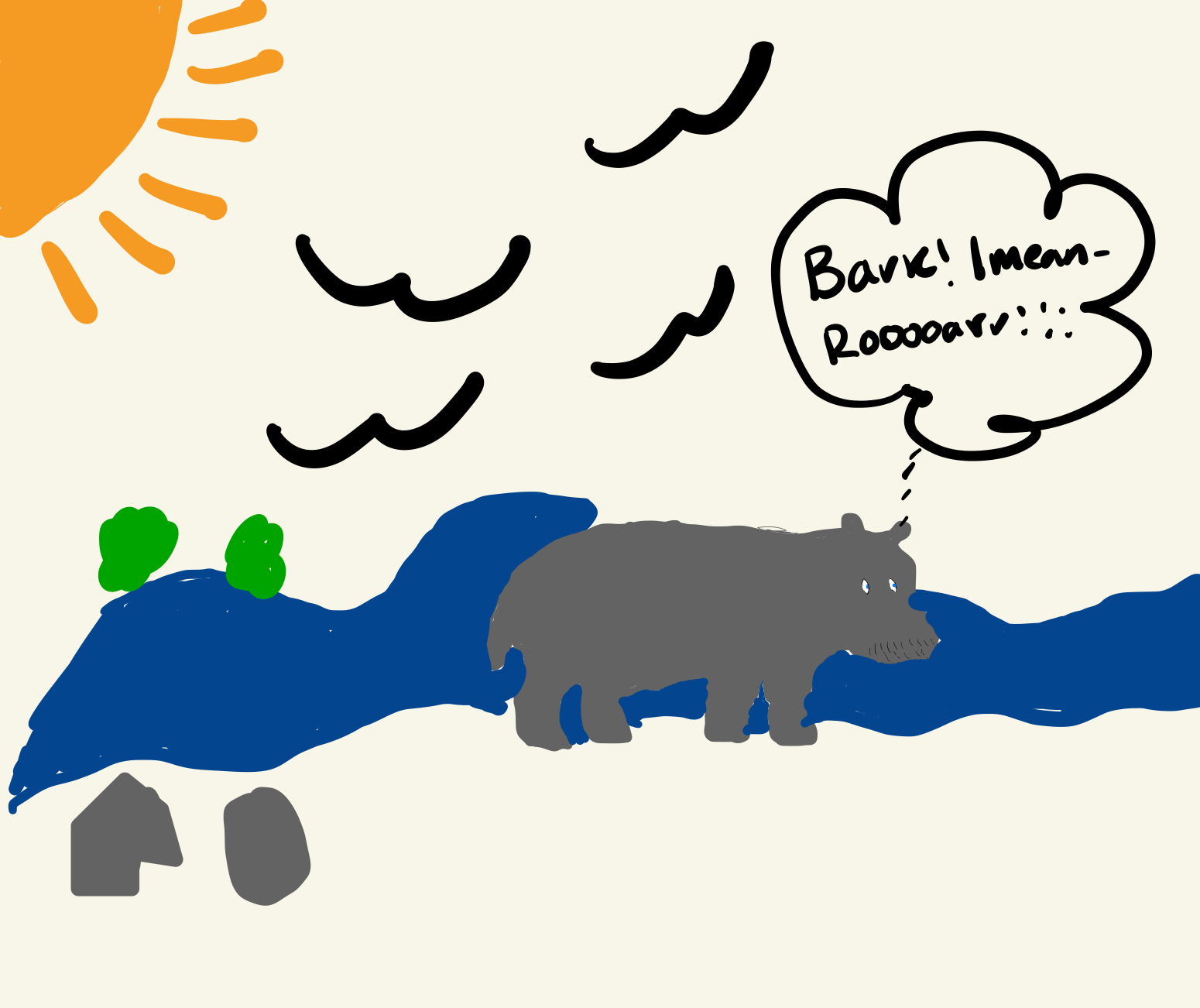
    Hippopotamuses(not, hippomotami) are the third largest land mammal, following elephants and white rhinos. They are semi aquatic animals, so they enjoy the best of both worlds. If you’ve ever been to the zoo, you’ve probably seen them peeking out of the water with their little floppy ears. It’s quite cute, take a visit if you haven’t. Despite them being known as “water puppies”, hippos are actually pretty dangerous. Not only can they weigh up to 5 tons, but their mouths can open up to a whopping 150 degrees(obtuse angle for you math nerds). You definitely don’t wanna be caught in their mouths.

    There are actually two types of hippos: regular hippos and pygmy hippos. Pygmy hippos are much much smaller, weighing up to only about 600 lbs(African Wildlife Foundation). They’re not nearly as tall either, only getting up to about 5 ft in length. They’re like mini hippos. They’re also quite adorable, some may argue even more so than their larger counterparts. Now they do have different scientific names, which I find extremely interesting. According to the San Diego Wildlife Alliance, the common hippos scientific name is Hippopotamus amphibius while pygmies are called Choeropsis liberiensis. They’re cousins, not siblings. Both water puppies are herbivores and are unfortunately prey to other animals like lions and crocodiles. I imagine pygmies are much easier targets, which is so sad because they are SO cute. They’re also targeted by humans, for their meat and ivory tusks(African Wildlife Foundation). Really people? Elephants, rhinos, and now hippos? We really need to stop hunting animals, especially the big and cute(but deadly) ones. I actually saw a TikTok a couple days ago about a 50 year old White African Elephant that is now being guarded by soldiers 24/7 to prevent poaching attempts. This is the energy we need to give to all endangered animals. And stop killing them for money! Capitalism. The only creatures I’d happily allowed to be “poached” are wasps. They are the most annoying and quite frankly rude little pests to ever buzz around this earth. Yes, I do go to a school whose mascot is the Yellow Jacket. Buzz would never hurt me though.

    Anyways, back to hippos. The reason I’m writing this article is to hopefully give you a 3-5 minute distraction from whatever tasks you may be doing(grading papers, doing homework, sending riveting emails, realizing that climate change is rapidly sucking the life out of our dear planet, etc). I’m talking about hippos because of this new sensation that has been born at a Thailand Zoo.

    Meet Moo Deng, a baby pygmy hippo who has taken over the internet. Moo Deng, or translated “Bouncy Pork” is famous because of her lovable personality(Jaijongkit, 2024).

    All she does is run around her enclosure and wreak havoc. She doesn’t like baths, she refuses to eat unless it’s on her own terms, and she is constantly bothering her mom. She’s made the zoo a hit and people have traveled thousands of miles just to see her. Would I ever travel across the world for a hippo? Maybe. After reading this article, let me know if you go see her, or her siblings(yes, there’s more of them!)

    Baby hippos can’t swim, here’s a pic of a baby hippo getting bounced around the floor by his mommy. 2020. Reddit, https://www.reddit.com/r/aww/comments/nkpdsl/baby_hippos_cant_swim_heres_a_pic_of_a_baby_hippo/. Accessed 2024.

    Big Craig Of The Amboseli: A 50 Year Old Male African Elephant Whose Tusks Weigh 100 Lbs Each & Is Guarded From Poachers By Maasai Warriors 24/7. 2023. Reddit, https://www.reddit.com/r/AbsoluteUnits/comments/14s9kbm/big_craig_of_the_amboseli_a_50_year_old_male/. Accessed 2024.

    Jaijongkit, Por. “Explaining the Food Names of Moo Deng and Company.” Medium, Medium, 28 Sept. 2024, medium.com/@pjaijongkit/explaining-the-food-names-of-moo-deng-and-company-916eff75e107.

    Lover, Hippo. Cute Hippo. 2024. Instagram, https://www.reddit.com/r/aww/comments/nkpdsl/baby_hippos_cant_swim_heres_a_pic_of_a_baby_hippo/. Accessed 2024.

    “Hippopotamus.” African Wildlife Foundation, African Wildlife Foundation, www.awf.org/wildlife-conservation/hippopotamus. Accessed 15 Nov. 2024.

    “Pygmy Hippopotamus.” San Diego Zoo Wildlife Alliance Animals and Plants, San Diego Zoo Wildlife Alliance Animals and Plants, animals.sandiegozoo.org/animals/pygmy-hippopotamus. Accessed 15 Nov. 2024.

  • Is Immortality Possible?

    Is Immortality Possible?

    We’ve only ever seen immortality on TV, but what if I told you, we seem to be closer to it than we think. In 1952, a cervical cancer patient, Henrietta Lacks, was admitted to the John Hopkins hospital where a sample of her cells were collected without her consent (Hongbao, 2017). The doctor who had treated her took a sample of the tumor onto a dish, and sent it down the hall to George Gey, the head of tissue culture research at John Hopkins. At that time, George Gey was researching how to grow cells outside of the human body for decades until Henrietta Lacks.

    A later discovery revealed that her cells were durable and could be kept alive, multiplying on their own when a single cell was separated. For unknown reasons, Henrietta’s cells could just double their cell numbers every 24 hours. They became known as HeLa Cells, the first “immortal human cell line,” being able to grow and divide forever. These HeLa Cells became the first human cells grown in a lab that were naturally immortal, surviving even after a set number of cell divisions (Hongbao, 2017).

    After the discovery of HeLa cells, the news spread fairly quickly, with many researchers requesting for HeLa cells, which George Gey gave to anyone who wanted them. They quickly became one of the most important things that happened to medicine. One researcher, Jonas Stalk, was able to successfully grow polio virus and quickly develop a vaccine for it. Due to its highly proliferative nature and its innate ability to be easily infected by the poliovirus, HeLa cells were made as the ideal source for testing vaccines. This cell line went on to be the first human cells to be successfully cloned as the results from vaccine testing could be easily obtained, but still remained the same tumor cells that were removed from Lacks (Hongbao, 2017). They helped develop all kinds of vaccines that we use today, and most can be traced back to Henrietta’s cells. HeLa cells have been used for research into cancer, AIDS, the effects of radiation and toxic substances, gene mapping, and countless other scientific pursuits (Hongbao, 2017). Additionally, they even went up into the first space missions to see what would happen to human cells in zero gravity. Evidently, not a single person hasn’t benefited from Henrietta’s cells.

    Citations

    Hongbao, M. (2017). Hela cells and immortality. Cancer Biology, 3(7), 71-78.

    BBC. (2022, Feb 23). How one woman’s “immortal” cells changed the world. BBC News. https://www.bbc.com/reel/video/p08wr9gf/how-one-woman-s-immortal-cells-changed-the-world

  • Late night studying: effects of warm and cool LED lamps

    Late night studying: effects of warm and cool LED lamps

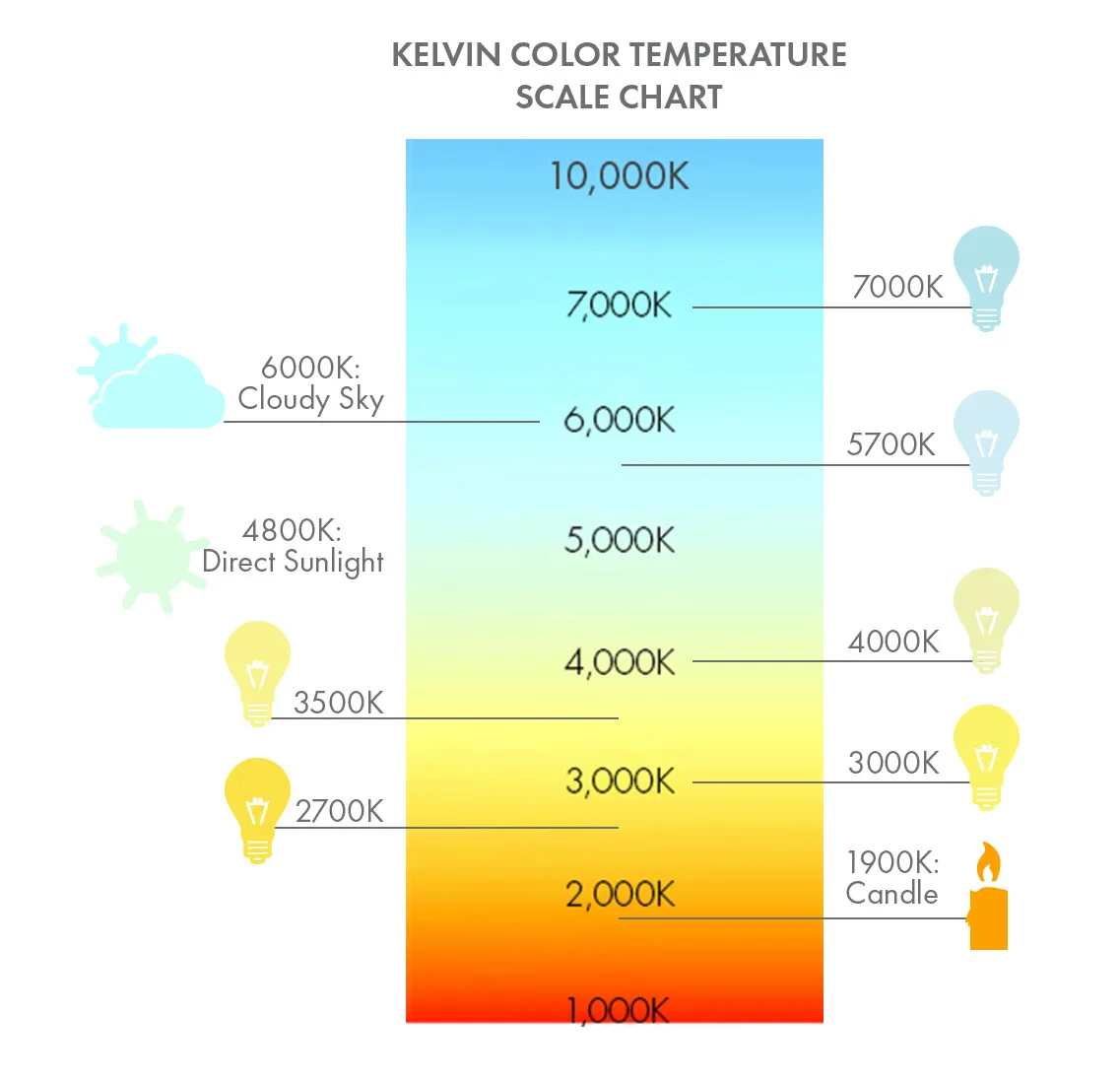
    Are you trying to pick out the right kind of fluorescent LED light for your room? One search for light bulbs on amazon shows results that range within 3000K or 6500K LED light. They look either warm or cool, so which one should you be purchasing? Sure, the decision can come down to personal preference, but you know you want to buy the right kind.

    Here’s a scenario to consider: you’re a newly admitted college student and you’ve moved into your new space with default warm light bulbs installed already. And after a few late night study sessions in your room, you’ve noticed that you’ve been getting drowsy super fast. So, when it comes down to what might truly benefit you, we can take a closer look at what each kind of light temperature offers.

    A study conducted to examine the effects of warm/cool white LED lamps and warm/cool color environments on mood and performance showed that perhaps inhabiting a study environment with a cooler light and a cool color environment help with study productivity (Shahidi et al., 2021). Additionally, another suggestion was to have a combination of the white color and warm light or the blue color with cool light can have a more favorable effect on visual comfort and mood (Shahidi et al., 2021). Some further discussion also revealed that cool lighting in white and blue colors stimulated less fatigue than warm light, and that warm light significantly reduced the amount of vigor than cool light. However, it is advised that increased exposure to cool fluorescent lighting can lead to increased rates of anger and depression (Shahidi et al., 2021). This is pretty typical with college students and late studying, since it can lead to eye strain and tiredness. Getting the right studying environment, like what fluorescent LED lamp you should place in your room, is the first step, but other factors like your attention and mental energy can also contribute to a successful late night study session.

    So, should you be installing warm or cool light LEDS in your room? Hopefully, this provides a better insight into what type of environment is ideal, but that would also depend on if you’re trying to be more or less productive.

    Citations

    Shahidi, R., Golmohammadi, R., Babamiri, M., Faradmal, J., & Aliabadi, M. (2021). Effect of warm/cool white lights on visual perception and mood in warm/cool color environments. EXCLI journal, 20, 1379–1393. https://doi.org/10.17179/excli2021-3974