Day: November 25, 2024

  • The Science Behind Pickled Vegetables and Their Longevity

    The Science Behind Pickled Vegetables and Their Longevity

    Pickled vegetables have a long shelf life, which is achieved through a combination of preservation techniques and science. Acidity, salinity, and microbial activity in the pickling process enable longevity in the product. Depending on the time, temperature, and quality of the pickling process, these can significantly affect the flavor, texture, and color of the final product. For instance, higher temperatures tend to fasten the process which may not allow much complex flavor development, unlike lower temperatures. 

    How Pickling Works

    Pickling typically involves submerging vegetables in a solution of vinegar (acetic acid) or saltwater brine. Sometimes salt can be used as a pretreatment in order to create safe lactic acid fermentation (Sawada 2021). A key factor in the pickling process is fermentation, particularly lactic acid fermentation which results in the tangy flavor of the product. Fermentation is a metabolic process where microorganisms, such as bacteria or yeast, convert sugars into acids, gases, or alcohol (Sato 2023). 

    The acid or high-salt environment prevents the growth of spoilage-causing bacteria while encouraging the activity of beneficial microbes, particularly lactic acid bacteria. The vegetable is also placed into an airtight container because the presence of oxygen can encourage the growth of beneficial bacteria and promote undesirable microorganisms. The airtight container enables lactic acid bacteria to thrive due to lack of oxygen, thus allowing fermentation to occur. These microbes convert natural sugars into lactic acid, further lowering the pH and creating a hostile environment for pathogens. The result is a flavorful product that remains safe for consumption over extended periods.

    Key Factors Contributing to Longevity

    The low pH achieved during pickling is important for preservation. The optimal pH range is typically between 3.4 and 4.6 for pickling (Sato 2023). Fermentation-based pickling allows lactic acid bacteria to produce lactic acid over time. This method ensures the environment is inhospitable to harmful microorganisms. In fermentation-based pickling, salt concentrations between 2-5% are optimal for promoting the growth of lactic acid bacteria (Sawada 2021). This balance ensures both preservation and the development of the tangy flavors. Lastly, sealing the pickling container reduces oxygen levels, which is important for anaerobic microbes like lactic acid bacteria to grow. This prevents the growth of aerobic spoilage organisms and helps the fermentation process.

    Example of Pickled Vegetable

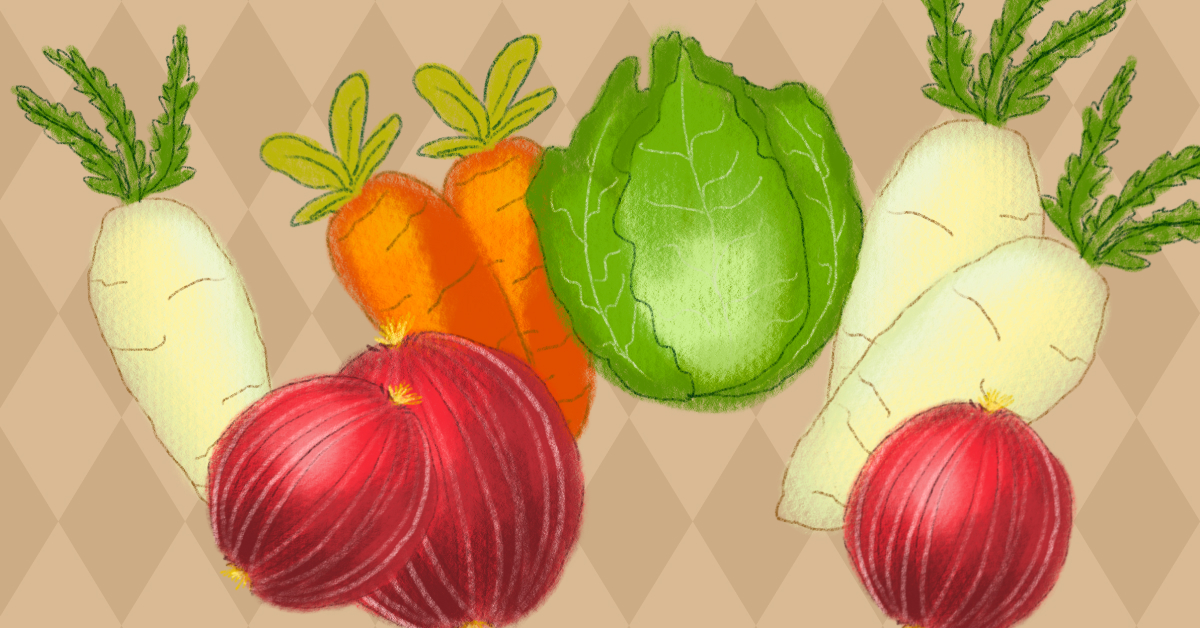
    When asked about what pickled foods there are, one might think cucumbers. However, there are many foods other than cucumbers that are pickled. A common example of pickled vegetables seen in Korean cuisine is kimchi. Some raw vegetables used for kimchi are cabbage, parsley, perilla leaf, green pepper leaf, garlic, and red pepper. This has many complex flavors and a crispy texture due to the numerous biochemical changes during kimchi fermentation. Kimchi not only tastes good but also brings nutritional value such as dietary fiber and vitamins from the B group, β-carotene, and ascorbic acid (Montaño 2016).

    Why Pickled Foods Last

    The longevity of pickled vegetables arises from a combination of microbial inhibition, acidification, and proper storage. When stored in cool, dark places, pickled foods can last for months or even years. This makes pickling a great technique for food preservation. Next time you visit the grocery store, take a moment to explore the variety of pickled products and you might just discover a new favorite!


    Sources Cited

    Encyclopedia of food and health. (n.d.). ScienceDirect. Retrieved November 25, 2024, from http://www.sciencedirect.com:5070/referencework/9780123849533/encyclopedia-of-food-and-health

    Pickling—An overview | sciencedirect topics. (n.d.). ScienceDirect; Encyclopedia of Food and Health. Retrieved November 24, 2024, from https://www.sciencedirect.com/topics/food-science/pickling

    Sato, T. (2023). The science behind food pickling: Understanding the fermentation process. 7(4), 190. https://www.alliedacademies.org/articles/the-science-behind-food-pickling-understanding-the-fermentation-process.pdf

    Sawada, K., Koyano, H., Yamamoto, N., & Yamada, T. (2021). The effects of vegetable pickling conditions on the dynamics of microbiota and metabolites. PeerJ, 9, e11123. https://doi.org/10.7717/peerj.11123
  • The Science of Baking: Know Your Dough

    The Science of Baking: Know Your Dough

    One of my absolute favorite hobbies is baking, so I wanted to not only share my experience with baking but also discuss the science behind common baking ingredients. We’re going to be exploring five different ingredients: yeast, cream of tartar, butter, baking powder, and baking soda. Let’s get started!


    Yeast

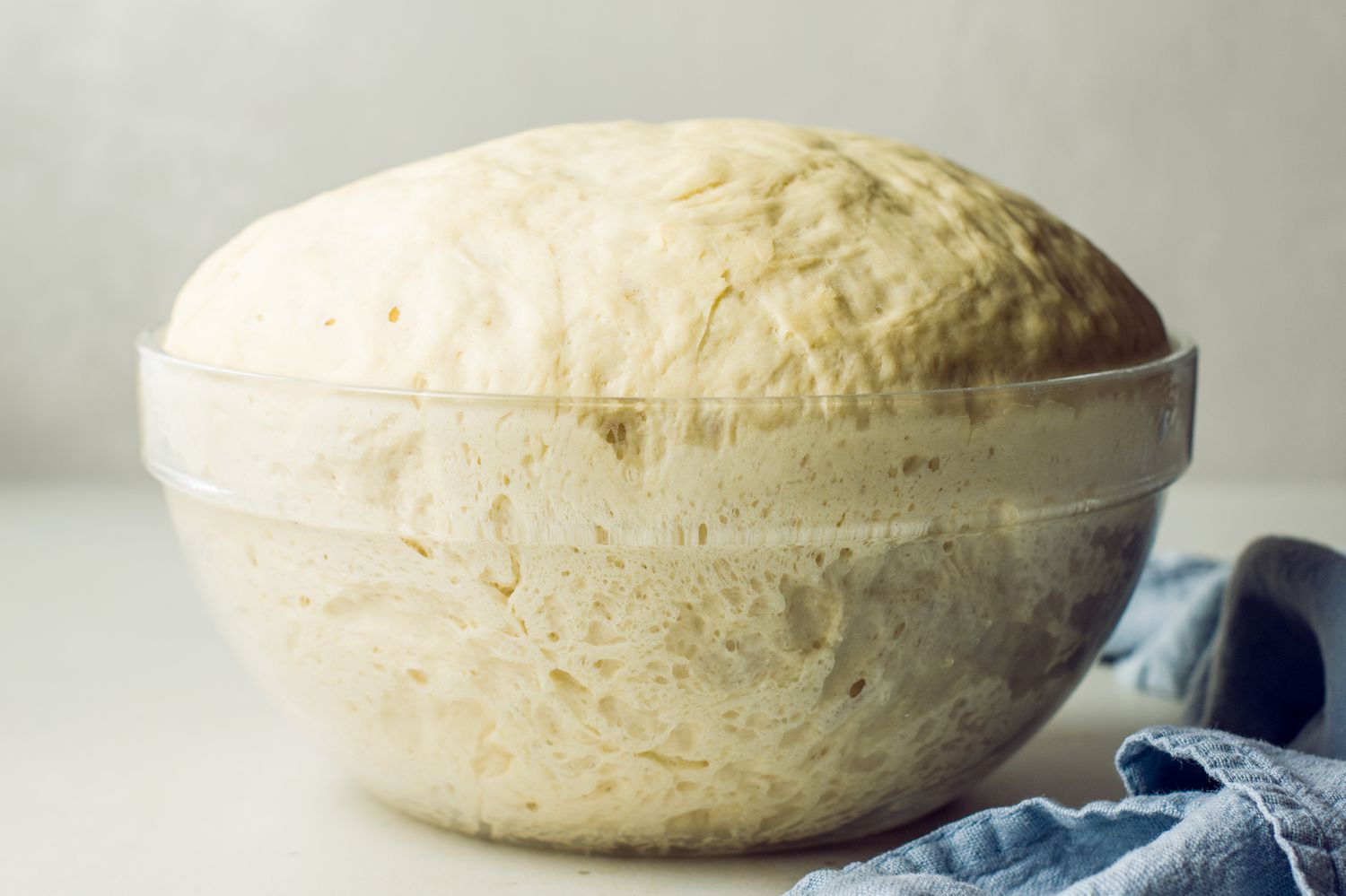
    Yeast is vital when it comes to creating a hearty loaf of bread, but yeast is incredibly temperamental. When growing yeast for bread, you have to put the yeast in lukewarm water (between 105℉ and 110℉). If the water is too hot, the yeast will die, and if the water is too cold, nothing will happen. Having a good base of yeast is the first step to creating bread, so if you mess up this first step, you might as well start over (Exploratorium, n.d.). Luckily, it usually only takes a few minutes to get the yeast to rise after feeding it some sugar, so you won’t be reset too far.

    A bowl of yeast
    Figure 1. The Spruce Eats / Diana Chistruga. This shows a bowl of yeast and flour after proofing.


    Cream of Tartar

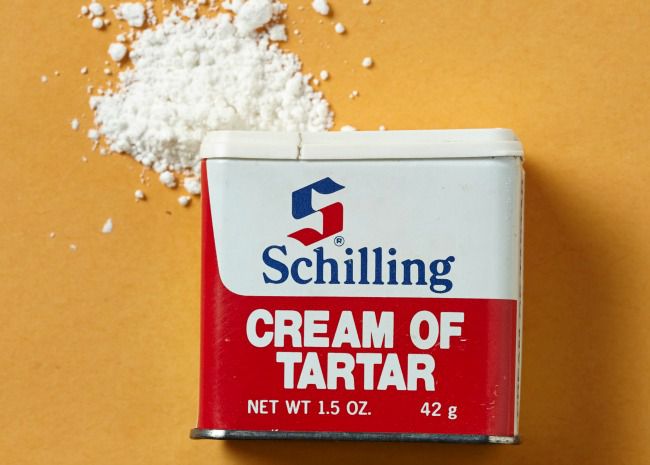
    There’s a fair chance that you might not be familiar with this ingredient, so I’ll gladly explain. According to the McGill Office of Science and Society (2023), cream of tartar is a partially neutralized tartaric acid that is a byproduct of winemaking. Cream of tartar can be used for a number of purposes, but its most important use-case for baking is maintaining structure. My main experience with cream of tartar is when making macarons. You have to create a meringue during the process, and this is where cream of tartar is absolutely necessary. Cream of tartar is what allows egg whites to whip into a firm meringue and not lose its form. Using expired cream of tartar or even none at all will affect how your macarons rise, making them collapse in on themselves. For this reason, cream of tartar is crucial in delicate baking.

    A container of cream of tartar.
    Figure 2. All Recipes / Vanessa Greaves. Shows a container of cream of tartar.

    Butter

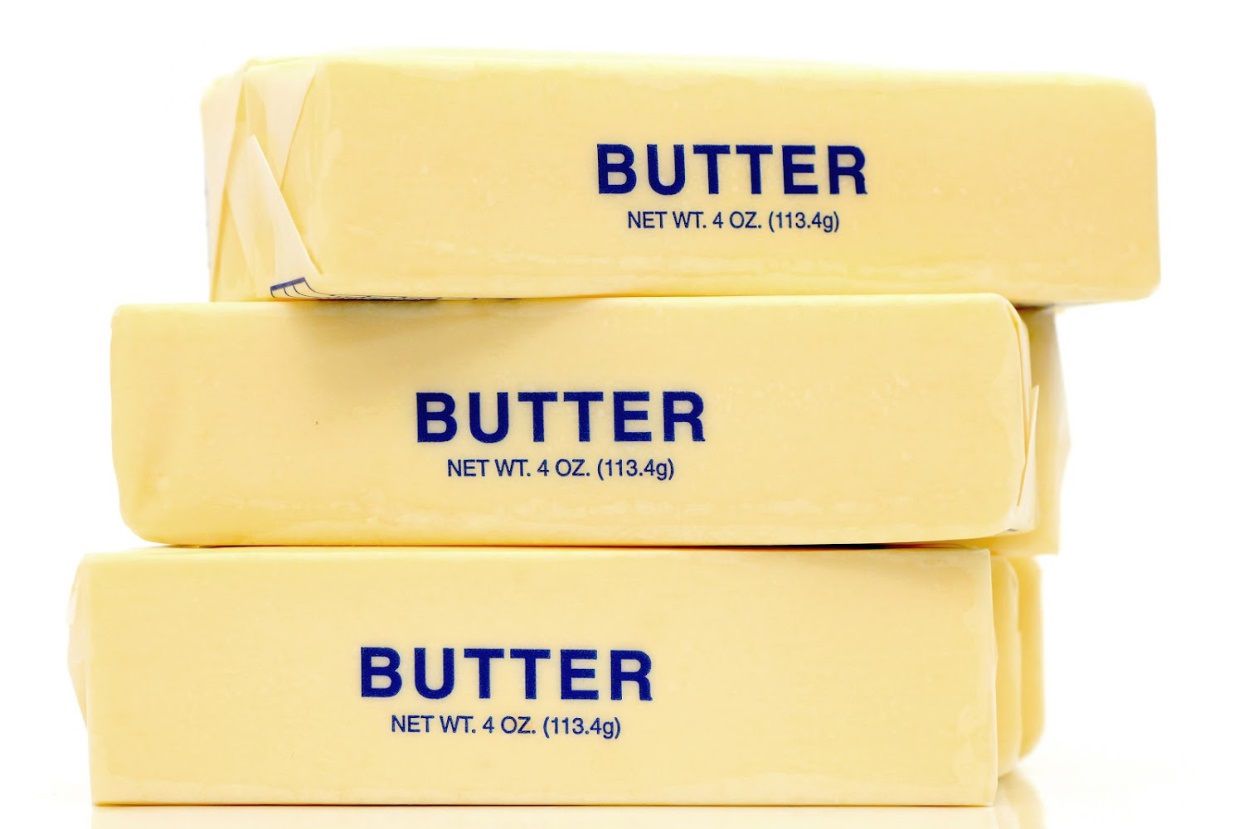
    Butter is a prominent ingredient in most baked goods, but something most people don’t realize when they’re using butter is how important the temperature is. You’ve probably read a recipe before where it says something like room temperature or melted or frozen; well, this clarification is very important. The temperature of butter when it’s being combined with other ingredients defines its role as a binding agent at different parts of the process. For example, if butter is melted, it will most likely be a part of the liquids section of a recipe, and if it is room temperature, it will most likely be with the solids. From my experience, frozen butter is usually used to prevent butter from melting too quickly and burning in an oven. All of these temperatures have specific and special roles (McCoy, 2015).

    3 sticks of butter.
    Figure 3. All Recipes / Kelsey Ogletree. Shows three sticks of butter.

    Baking powder

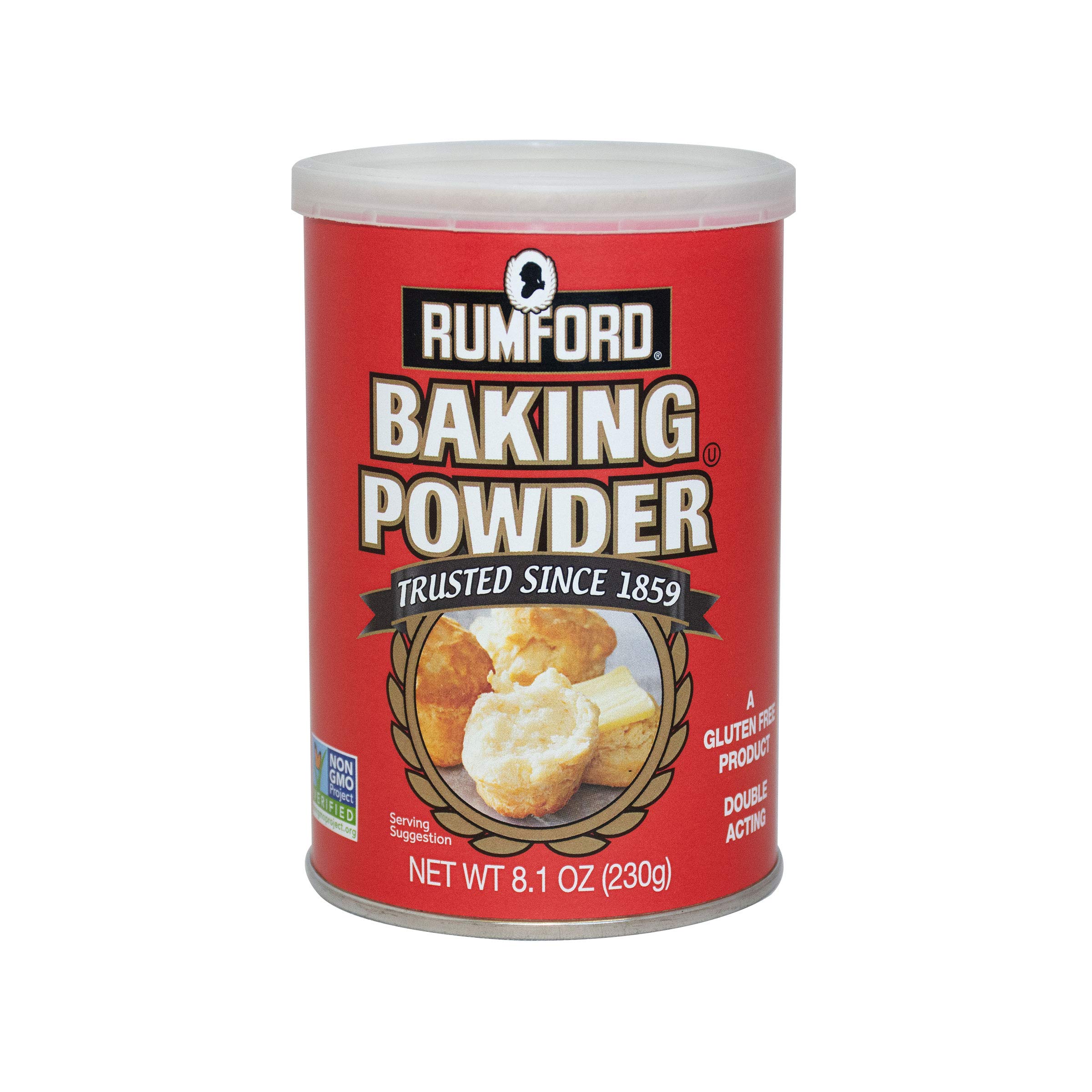
    You’ve most likely heard of baking powder or its counterpart, baking soda (which we’ll be talking about next), but you may not know the science behind it. According to Sorangel Rodriguez-Velazquez at American University (n.d.), baking powder is classified as a high quality chemical leavener. Baking powder is activated through moisture and heat and releases gas that moves throughout the baked good, allowing it to expand and grow in the oven. It’s very important to not use too much baking powder because it could cause your baked goods to collapse (Rodriguez-Velazquez, n.d.). Baking powder is pretty crucial to making baked goods like cakes and preventing them from becoming too dense. 

    Container of baking powder.
    Figure 4. Rumford Baking Powder. Shows a container of baking powder.

    Baking Soda 

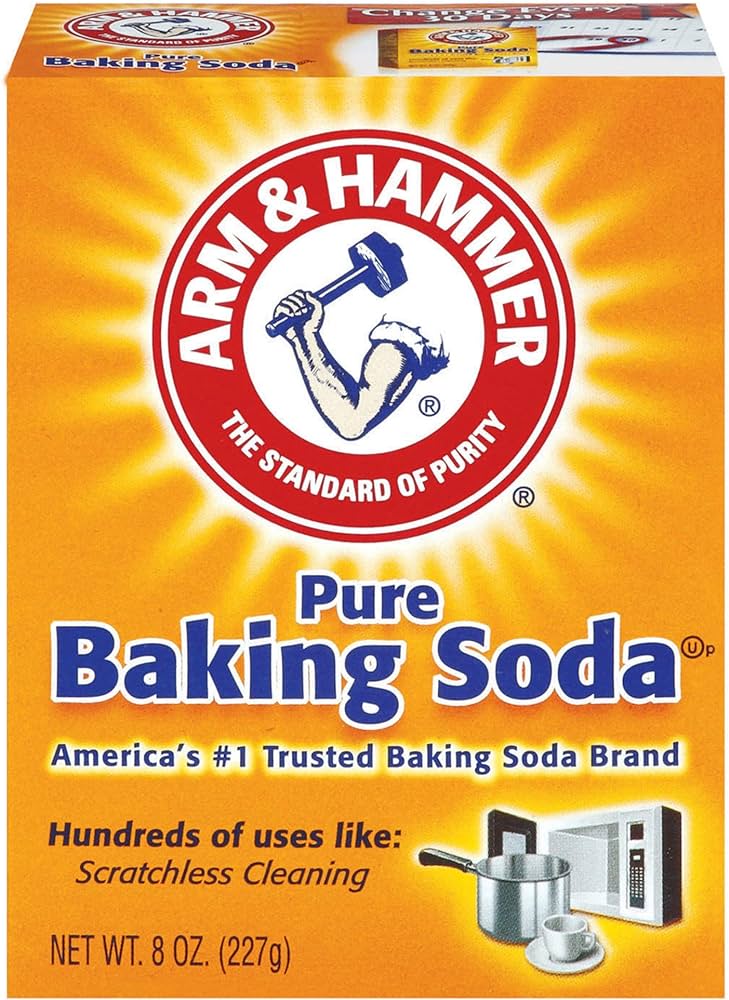
    Now I know what you’re thinking, what is the difference between baking soda and baking powder? Well for starters, baking soda has only one ingredient, sodium bicarbonate, while baking powder contains that and two acids. The real difference when baking though is that baking soda reacts immediately while baking powder works at different stages, depending on if it’s single or double acting. Both act as leavening agents; however, since baking soda does not have acids built into it, it is only really used when there is some sort of acidic ingredient in it such as cream of tartar or buttermilk (Shipman, 2024). That’s why it’s usually baking soda in recipes involving those ingredients. 

    Box of baking soda.
    Figure 5. Arm & Hammer Pure Baking Soda. Shows a container of baking soda.


    Baking is such a fun and fascinating scientific process. I hope next time you find yourself baking, you understand the ingredients you are working with better and appreciate the science that goes into every little moment.


    References

    Exploratorium. (n.d.). Bread Science 101. Exploratorium. https://www.exploratorium.edu/explore/cooking/bread-science

    Pellegrinelli, C. (2024). What is Yeast?. The Spruce Eats. https://www.thespruceeats.com/basic-yeast-information-304312

    Schwarcz, J. (2017). Cream of Tartar. McGill Office for Science and Society. https://www.mcgill.ca/oss/article/general-science-history/cream-tartar

    Greaves, V. (2023). Cream of Tartar: What It Is and How to Use It [Photograph]. All Recipes. https://www.allrecipes.com/article/cream-of-tartar/

    McCoy, J. (2015). Beyond Flavor: The Science of Butter. Institute of Culinary Education. https://www.ice.edu/blog/beyond-flavor-science-butter

    TWOELLIS. (n.d.). [Photograph of three sticks of butter]. Getty Images. https://www.allrecipes.com/article/salted-vs-unsalted-butter-what-s-the-difference/

    Rodriguez-Velazquez, S. (n.d.). 5.5: Baking Powder. American University. https://chem.libretexts.org/Bookshelves/Biological_Chemistry/Chemistry_of_Cooking_(Rodriguez-Velazquez)/05%3A_Leavening_Agents/5.05%3A_Baking_Powder

    Shipman, M. (2014). The difference between baking soda and baking powder. North Carolina State University. https://phys.org/news/2014-05-difference-soda-powder.html

    Berkheiser, K. & Richter, A. (2023). What’s the Difference Between Baking Soda and Baking Powder?. Healthline. https://www.healthline.com/nutrition/baking-soda-vs-baking-powder#:~:text=When%20to%20use%20which%20one,needed%20to%20produce%20carbon%20dioxide.

    Light, J. (2024). Science of Baking Cover Art. STEMComm.