Day: April 19, 2024

  • Rating Neurotransmitters by (Personal Preference?)

    What is a neurotransmitter? 

    Neurotransmitters are the chemical messengers used for communication between neurons. They are released into the synapse (gap between neurons) by the neuron referred to as the presynaptic neuron and then cause some sort of response (generally excitatory, inhibitory, or modulatory) on the postsynaptic neuron (Hook et al, 2019). 

    Some traditionally recognized neurotransmitters include serotonin, dopamine, and adrenaline.

    However, the scope of what a neurotransmitter is has been expanding to include a broader range of signaling chemicals. Now, substances like Nitric Oxide (NO) and ATP (yes, adenosine triphosphate, the one made in the powerhouse of the cell) are beginning to be included as well. 

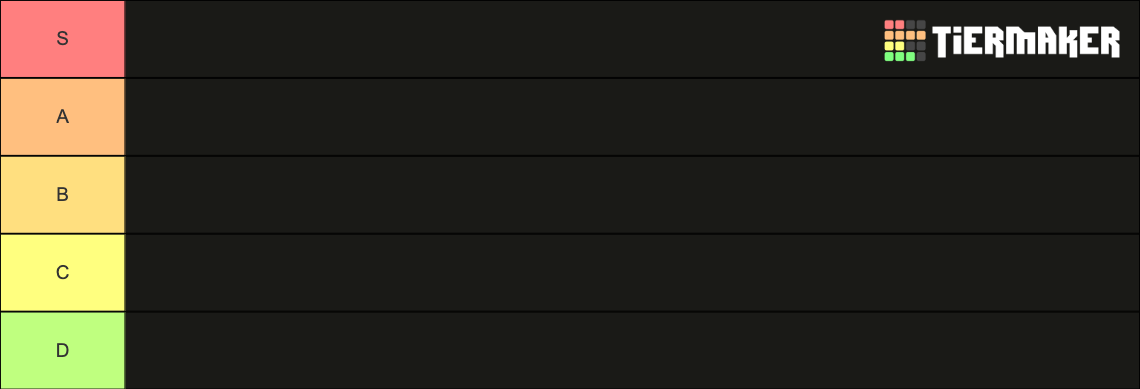
    Now let’s make a tier list…

    For the purposes of this list, we will be focusing on some of the more traditional neurotransmitters.
    Serotonin

    To start off, we’ll go with one that is pretty well known: serotonin. This monoamine is involved in the signaling for a huge variety of systems including regulation of mood, sleep, digestion, and more. It is commonly associated with depression and a common treatment for depression for decades has been SSRIs (Selective Serotonin Reuptake Inhibitors) which essentially stop processes that clear serotonin from the synaptic cleft (Preskron, 1997). So serotonin is pretty cool, pretty popular, and I guess with it being linked to our ability to be well, not depressed, it should be pretty high up. 

    But to put it in the S tier feels too basic. And recent advances in depression treatments support a new theory of depression involving a different neurotransmitter (more on this coming soon). So I say serotonin gets a solid A. 

    Acetylcholine

    Acetylcholine is one of my personal favorites. It’s most commonly known for being used by pre synaptic neurons at the neuromuscular junction which is where nerve meets muscle. This means the release of acetylcholine is essential for movement. My favorite acetylcholine fact is that botulinum toxin can be used to inhibit its release at these junctions which is actually what botox does (Nigam, 2010). Can’t wrinkle if those muscles can’t move. I’m giving acetylcholine an A!

    GABA

    Ah, the primary inhibitory neurotransmitter in the central nervous system. Inhibition is so important and honestly quite underrated. Without GABA, there would be too much activity which  could lead to a whole host of consequences. Low GABA levels are linked to diseases like epilepsy, motor disorders like stiff person syndrome, and even schizophrenia (Levy & Degnan, 2013). And of course, this inhibition is also crucial for sleep which is a personal favorite activity of mine. So, for the essentialness of inhibition, I think we have our first S tier neurotransmitter.


    Epinephrine 

    I may or may not be wearing my epinephrine (aka adrenaline) necklace as I write this; however, I can not say I am a huge fan of this molecule, at least, not as a neurotransmitter. It’s associated with sympathetic nervous system activity which is the part of our autonomic nervous system that responds unconsciously to stressful situations, often referred to as the fight or flight response (C.C medical). When epinephrine is released in my body, I generally want to get out of whatever situation I am in. I almost want to put this guy in D tier, but I guess the responses in my body due to epinephrine helps me get out of that situation so I’ll cut it some slack and put it in C. 

    Norepinephrine 

    Norepinephrine (Noradrenaline) is also involved in that fight or flight response and is generally important for arousal and alertness (Tank, 2015). I’m going to go ahead and put this one near its very chemically similar friend epinephrine in the B row. 

    Glutamate 

    Now we have our primary excitatory neurotransmitter (the anti-GABA). Glutamate is essential for learning and is believed to be essential in neuroplasticity (aka our brains ability to change which is very cool). Recently, glutamate has been theorized to have a role in depression and ketamine is being utilized as a way to treat treatment resistant depression (Pal, 2021). The results are very impressive and cause long term positive impacts from small doses. I like learning and I like treating depression, so S tier! 

    Dopamine

    Ok, I admit, I have a favorite. Dopamine is extremely important and one of the key processes it is involved in is motivation (Olguín et al, 2016). Its role in reward makes it an important molecule in guiding our behaviors as the presence of dopamine is associated with pleasurable feelings. It is also involved in movement; Parkinson’s disease, a movement disorder, is actually attributed to a decrease in dopamine production in a region called the substantia nigra.

    In my eyes, dopamine is a great example of the complexities of the nervous system because it has involvement in multiple systems and its dysregulation can have a huge range of impacts. Its association with pleasurable feelings displays how in moderate amounts dopamine offers positive feelings but in excess we see how it can become harmful like in the case of addictions. So with that I say, S+ tier!!! 

    To sum it up…

    While creating this list, I thought long and hard about how to compare these neurotransmitters and found myself using the approach of, ‘which one could be removed’. The answer: none of them. Each of these neurotransmitters is involved in multiple systems and some dis-regulation of them can cause widespread consequences. So to completely remove any neurotransmitter would be detrimental. This demonstrates how fine tuned our brains are to function in a way where the production and use of neurotransmitters is precise and modulated. All this to say the rankings of these neurotransmitters was quite arbitrary and are based essentially on just my own opinions, but I hope you learned a little bit about the epic chemicals that allow neurons to communicate along the way! 


    References

    C. medical. (n.d.). Epinephrine (adrenaline): What it is, function, deficiency & side effects. Cleveland Clinic. https://my.clevelandclinic.org/health/articles/22611-epinephrine-adrenaline 

    Hook, V., Kind, T., Podvin, S., Palazoglu, M., Tran, C., Toneff, T., Samra, S., Lietz, C., & Fiehn, O.. (2019). Metabolomics Analyses of 14 Classical Neurotransmitters by GC-TOF with LC-MS Illustrates Secretion of 9 Cell–Cell Signaling Molecules from Sympathoadrenal Chromaffin Cells in the Presence of Lithium. ACS Chemical Neuroscience, 10(3), 1369–1379. https://doi.org/10.1021/acschemneuro.8b00432

    Juárez Olguín H, Calderón Guzmán D, Hernández García E, Barragán Mejía G. The Role of Dopamine and Its Dysfunction as a Consequence of Oxidative Stress. Oxid Med Cell Longev. 2016;2016:9730467. doi: 10.1155/2016/9730467. Epub 2015 Dec 6. PMID: 26770661; PMCID: PMC4684895.

    Levy, L. M., & Degnan, A. J.. (2013). GABA-Based Evaluation of Neurologic Conditions: MR Spectroscopy. American Journal of Neuroradiology, 34(2), 259–265. https://doi.org/10.3174/ajnr.a2902

    Nigam, P. K., & Nigam, A. (2010). Botulinum toxin. Indian journal of dermatology, 55(1), 8–14. https://doi.org/10.4103/0019-5154.60343

    Pal M. M. (2021). Glutamate: The Master Neurotransmitter and Its Implications in Chronic Stress and Mood Disorders. Frontiers in human neuroscience, 15, 722323. https://doi.org/10.3389/fnhum.2021.722323

    Preskorn S. H. (1997). Clinically relevant pharmacology of selective serotonin reuptake inhibitors. An overview with emphasis on pharmacokinetics and effects on oxidative drug metabolism. Clinical pharmacokinetics, 32 Suppl 1, 1–21. https://doi.org/10.2165/00003088-199700321-00003

    Tank, A. W., & Lee Wong, D. (2015). Peripheral and central effects of circulating catecholamines. Comprehensive Physiology, 5(1), 1–15. https://doi.org/10.1002/cphy.c140007


     

  • Virtual Nature: Could it yield the same effects?

    I recently went on my first backpacking trip and was able to spend my time immersed in a natural environment. Among those trees and streams of water, I felt a sense of serenity and peace that I do not normally experience in my day to day life in Atlanta. I am not alone in feeling a relief and escape in nature. Research over the last couple decades has consistently demonstrated that time in nature has positive impacts on well being due to stress relieving benefits and increasing cognitive function (Berto, 2014). Environments with these benefits are often referred to as restorative environments and a recent focus in research on the therapeutic benefits of these environments has been an effort to recreate them within VR environments. 

    So far, the research seems promising. One study exposed participants to a forest nature environment and a neutral environment both utilizing virtual reality. The simulation utilized both visual and auditory sensory components. The natural environment exposure was found to lead to an increase in cognitive performance, lower perceived stress, and higher restorativeness when compared to the neutral environment (Mostajeran et al., 2023). However, in a review of 21 similar studies, the results across the board were more mixed. There is a generally observed decrease in negative effect from exposure to restorative VR environments, but this review noted limited positive affect (Frost et al., 2022). 

    Overall, where the research on VR based nature interventions seems to be lacking is in comparison between the VR exposure and physical immersion into a nature environment. A key component of VR design that this relates to is the idea of presence vs immersion. Immersion refers to the sensory environment created by the technology and is therefore a reflection of the technology itself. On the other hand, presence is more related to the psychological state of the user and how integrated they feel they are in the environment. Presence is more subjective and can be influenced by the perspectives and experiences of the user (Berkman & Akan, 2019). However, both of these factors influence each other and greater immersion can generally increase feelings of presence. In restorative therapies utilizing VR nature exposure, both presence and immersion are essential, but the immersion is likely lacking. 

    In nature exposure research, there is a general gap in exploring different sensory modalities. Much of the research is highly focused on visual components. Within VR, visual and auditory components are the easiest to replicate so VR technologies are limited in their scope of creating an immersive sensory experience. For example, a key sensory route of positive affect from nature exposure is olfaction. One study examined the impact of indoor plants on psychophysiological health and cognitive performance, and they looked at both visual and olfactory components of the stimuli. The results indicated that “visual, olfactory and combined stimuli all induced spontaneous neural oscillations related to relaxation or cognitive function, and significant changes in metabolic pathways associated with antidepressant, anti-inflammatory or neuro-protective effects were observed” (Li et al., 2024). Another study compared the effects of visual stimuli and olfactory stimuli in park and forest environments and their results suggested that olfactory stimulation may have a greater role in facilitating stress reduction than visual stimuli (Hedblom et al., 2019). 

    Overall, the multi-sensory experience seems to be key to reaping the benefits of restorative environments which is something VR environments are currently unable to replicate. Furthermore, VR exposures may be limited temporally. These interventions would provide a brief, non tangible escape from the environment of the regular lives of those in urban environments. But after the interventions, the environment that could be causing higher stress is still present. Looking at the bigger picture, VR interventions are a bandaid on a bullet hole solution to higher stress levels brought on from urbanization. To reach the root of this problem, it may be more effective to examine what could be done to the environments themselves. 


    So, how can we alter the environments we spend our time in to be better suited for stress reduction and increased cognitive function? Biophilic design!  

    Biophilic design is the idea of integrating the restorative elements of nature into buildings, cities, and public spaces. The ideas of biophilic design relate to the Biophilia Theory which emphasizes the importance of human interaction with nature on the basis of our evolution alongside it. In Kellert and Calabrese’s book, Biophilic Design: The Theory, Science, and Practice of Bringing Buildings to Life, they outline several key components of biophilic design: direct experience with nature, indirect experience with nature, and experience of space and place (Kellert & Calabrese, 2015). Furthermore, the goals of good biophilic design go beyond allowing people to experience nature in their everyday environments; they aim to also be sustainable both environmentally and economically. Kellert and Calabrese also emphasize experiencing nature through different sensory modalities as a key aspect of designing buildings and cities. One literature review examined evidence for the benefits of biophilic design on wellbeing and found that the direct exposure to nature and the presence of natural elements had the most significant positive impact (Gillis & Gatersleben, 2015). 

    One recent example of Biophilic design in action can be seen in the Living Building Project. This initiative aims to design buildings that are self-sufficient, have a positive impact on individuals interacting with them and with the natural systems involved, and that connect people with natural light, space, air, nature, and food (What is The Living Building Challenge, 2024). 

    Ultimately, more research is needed for both VR as a restorative approach and biophilic design. However, biophilic design provides a multi-sensory element that VR currently lacks and both increases the level of positive exposure and decreases the source of negative affect. The increased focus on use of VR in the context of nature based restorative therapies has its merits but with the current limitations and the overall unanswered question of if it could truly replicate experiences in nature remaining, it might be better to focus on alternative approaches that could be more effective like changing the environments people are already present and immersed in. 


    References:

    Berto, R.. (2014). The Role of Nature in Coping with Psycho-Physiological Stress: A Literature Review on Restorativeness. Behavioral Sciences, 4(4), 394–409. https://doi.org/10.3390/bs4040394

    Berkman, M. I., & Akan, E.. (2019). Presence and Immersion in Virtual Reality (pp. 1–10). https://doi.org/10.1007/978-3-319-08234-9_162-1

    Frost, S., Kannis-Dymand, L., Schaffer, V., Millear, P., Allen, A., Stallman, H., Mason, J., Wood, A., & Atkinson-Nolte, J. (2022). Virtual immersion in nature and psychological well-being: A systematic literature review. Journal of Environmental Psychology, 80, 101765. https://doi.org/10.1016/j.jenvp.2022.101765 

    Gillis, K., & Gatersleben, B.. (2015). A Review of Psychological Literature on the Health and Wellbeing Benefits of Biophilic Design. Buildings, 5(3), 948–963. https://doi.org/10.3390/buildings5030948

    Hedblom, M., Gunnarsson, B., Iravani, B., Knez, I., Schaefer, M., Thorsson, P., & Lundström, J. N.. (2019). Reduction of physiological stress by urban green space in a multisensory virtual experiment. Scientific Reports, 9(1). https://doi.org/10.1038/s41598-019-46099-7

    Kellert, S. R., & Calabrese, E. F. (2015). The practice of biophilic design. https://biophilicdesign.umn.edu/sites/biophilic-net-positive.umn.edu/files/2021-09/2015_Kellert%20_The_Practice_of_Biophilic_Design.pdf 

    Li, Z., Zhang, W., Cui, J., Wang, L., Liu, H., & Liu, H. (2024). Biophilic environment with visual-olfactory stimuli contributes to psychophysiological restoration and cognitive enhancement. Building and Environment, 250, 111202. https://doi.org/10.1016/j.buildenv.2024.111202 

    Mostajeran, F., Fischer, M., Steinicke, F., & Kühn, S.. (2023). Effects of exposure to immersive computer-generated virtual nature and control environments on affect and cognition. Scientific Reports, 13(1). https://doi.org/10.1038/s41598-022-26750-6

    What is the Living Building Challenge?. International Living Future Institute. (2024, April 5). https://living-future.org/lbc/ 

  • Beats to Cellularly Divide To

    Beats to Cellularly Divide To

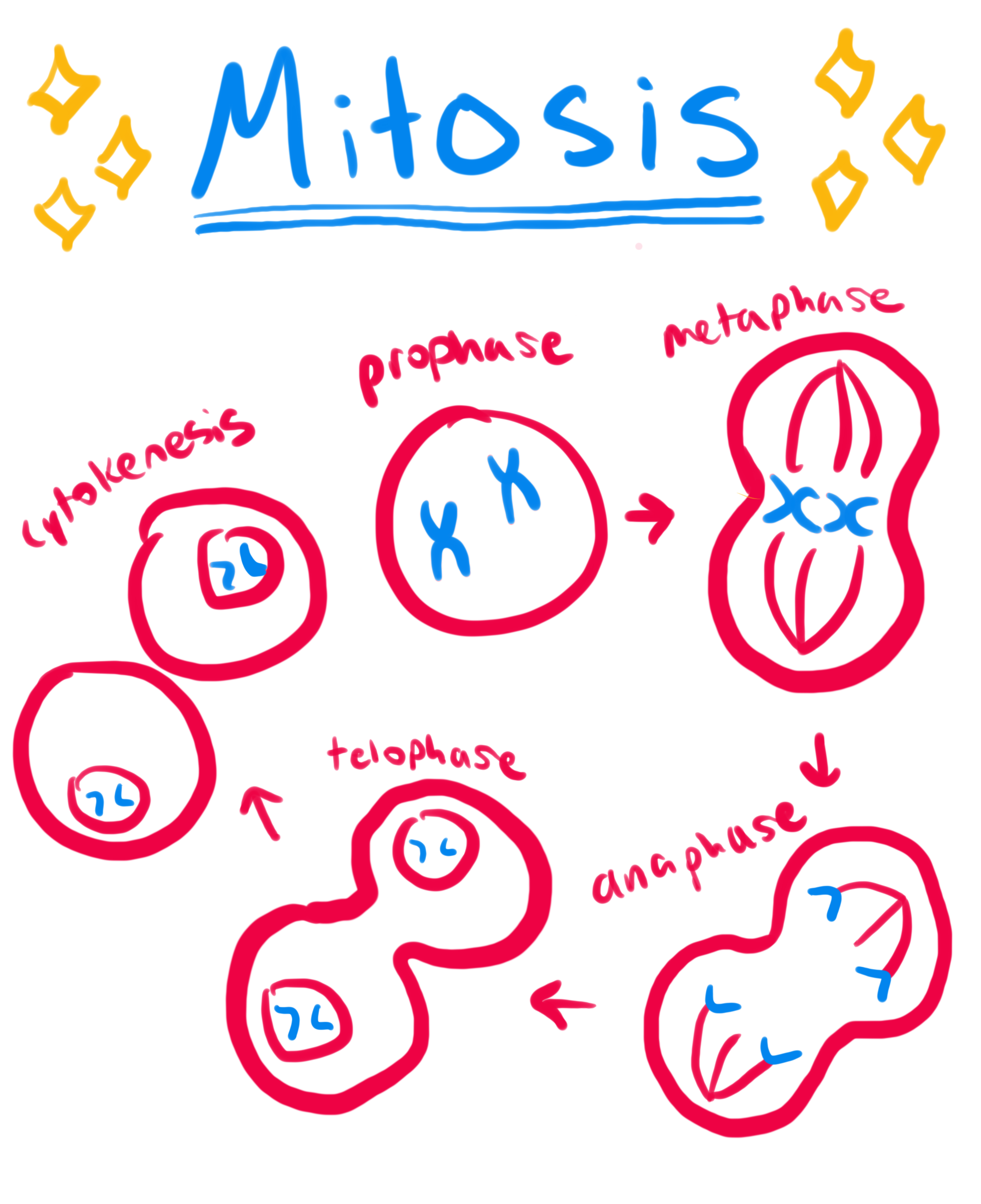
    When it comes to learning key biological concepts, it can be helpful to connect new material to something you’re familiar with or passionate about. In this vein, I chose to put together a short playlist that draws parallels between popular songs and the phases of mitosis by assigning each phase of mitosis to a song on the playlist. Linking this biological process with music can serve as a learning tool to help deepen a student’s understanding and memory of the cellular division process. With that said, here is my list of “Beats to Cellularly Divide To”:

    1. Prophase: Pompeii by Bastille

    This alternative song conjures a vivid image in the listener’s mind of the disruption caused to civilization by the volcanic eruption at Pompeii. Indeed, prophase can be thought of in a similar vein: it begins the resource-intensive process of mitosis, which will ultimately result in two daughter cells. The lyric “And the walls kept tumbling down in the city that we love” is particularly on the nose, as the nuclear envelope (analogous to the “walls” described in this lyric) disappears during prophase, as cellular division begins.  

    1. Metaphase: The Middle by Grey, Maren Morris, and Zedd

    This classic pop tune reiterates the phrase “why don’t you just meet me in the middle?”, the same sentiment reflected by the second phase of mitosis: metaphase. During this part of mitosis, the chromosomes align at the metaphase plate near the center of the cell, forming a line. Just like the song describes how you may want a friend to ‘meet you in the middle’ during a time of conflict, the chromosomes similarly meet in the middle during the second phase of mitosis. 

    1. Anaphase: Drift Away by Uncle Cracker

    “Drift Away” is a rock song which describes the feeling of enjoying a piece of music so much you seem to get lost in it, or ‘drift away’ from reality. In a similar manner, anaphase involves the separation of sister chromatids as they are pulled apart by kinetochore fibers, ‘drifting away’ from each other to opposite sides of the cell. 

    1. Telophase: We Are Never Ever Getting Back Together by Taylor Swift

    This Taylor Swift song describes a break-up, boldly declaring “We are never, evеr, ever gettin’ back togеther”. This aligns with the aims of telophase, as this stage of mitosis involves the cell permanently splitting into two new daughter cells. Reformation of the nuclear membrane takes place, and nucleoli reappear and remain in each of the two new cells. Both cells now contain a complete copy of the original cell’s genome. Thus, they are completely separate and ready to exist apart, similar to the speaker in the song “We Are Never Ever Getting Back Together” post-breakup. 

    This concludes my “Beats to Cellularly Divide To”. My hope is that this playlist can serve as a learning tool to help would-be students comprehend and remember the phases of mitosis and the process of cellular division. It also serves as a fun way to musically engage with the sciences. The full playlist can be found on Spotify at this link: https://spotify.link/0NoUZST4JIb. Happy listening!

  • What Even Is Cuteness?

    What Even Is Cuteness?

    Have you ever seen something so cute you want to squeeze it? Maybe it was a puppy or kitten, or perhaps a teddy bear or doll. You may wonder why you feel this way – after all, it seems rather strange to mimic violence against something endearing. What makes cute things just so emotionally powerful, and what makes them cute in the first place?


    Cuteness as Affect

    In an article by the University of Oxford, Associate Professor Morten Kringelbach explains that cute things draw in our senses, attract our attention and spark rapid brain activity in the orbitofrontal cortex – a region associated with emotion in pleasure. In fact, the presence of something cute (in the case of this research article, a baby’s face) can activate the orbitofrontal cortex in 140 ms, or just under a seventh of a second (Kringelbach, 2016). Cuteness overloads the emotional state of the brain, drawing in mental attention and the five senses.

    The feeling of cuteness, what researchers call its “affect,” has very interesting roots. From a biological perspective, an emotional response to cuteness may be derived from an evolutionary need to protect babies from harm. As Dr. Kringelbach explains, the evolved instinct to protect and care for babies may drive our wider perceptions of cuteness. Humans tend to express affection not only for babies and small children, but also for animals with baby-like features, and even dolls, teddy-bears, and miniature objects. These animals and objects trigger similar evolutionary protective desires – as well as a drawing in of attention and a general increase in emotional pleasure.

    If cuteness is an evolutionary instinct to care and protect, why do we feel “cuteness aggression” – the “urge to squeeze or bite cute things” without causing harm (Alba and Stavropoulos, 2018)? Researchers at the University of California, Riverside, took on this challenge and made some interesting findings. Summarizing greatly, cuteness aggression was found to be an evolutionary response to the overwhelming emotions of experiencing cuteness (Alba and Stavropoulos, 2018). Evolutionarily, it would be less than ideal if early humans were “incapacitated” with emotion (as the researchers put it) in the presence of cuteness, and thus experienced a counter-emotion (scientifically called a “dimorphous expression” – when human action expresses the opposite feeling as to what they feel, like laughing when you cry). In the case of overwhelming cuteness, this dimorphous expression of playful harm held an evolutionary role to stop early humans from being too affected by cuteness.


    Cuteness as Aesthetic

    While this simple definition of cuteness – an evolutionary instinct to care for and be emotionally attached to babies (and by extension, baby-like animals and objects) – contains an incomplete and shallow understanding of how cuteness exists as a concept in society. As Joshua Paul Dale writes in his academic publication, The Aesthetics and Affects of Cuteness, “cuteness occupies both the aesthetic and affective realms” – and the modern extent of research places extensive focus on the affective side and avoids discussing the aesthetic. Note that in this usage, Dale does not mean aesthetic to mean cottage-core or punk – instead, the word is used within its sociological background, to understand how cuteness exists in the modern world.

    Dale writes that the emotional response of cuteness is “manipulated for a variety of purposes” – including commercial, artistic, and social (Dale, 2016). The feeling of cuteness is emotionally powerful, and for that reason, is manipulated (malevolently and selfishly at times, yes, but also largely in acts of self-expression) to produce action. As Dr. Kringelbach discovered in her article for the University of Oxford, cuteness invites such powerful emotions that it drives the subject to action, causing them to put in work to continue to be able to receive and engage with the source (Kringelbach, 2016). Socially, cuteness has further effect than its core, biological and evolutionary response. In the modern world, cuteness causes the subject “catharsis” (as Dale writes) that fosters a need to protect a vulnerable object from harm (Dale, 2016). This effect of cuteness links it to vulnerability, a link that Dale dives into (in more depth than is relevant for this article) to understand the connections between violence and cuteness. Remember that cute thing you wanted to squeeze? The association between cuteness and vulnerability may be why. As Dale writes, cuteness is disarming and tender, but also “involves a cognitive reaction in which the power differential between subject and object comes into play” (Dale, 2016). Cuteness is, in many ways, an expression of a power dynamic.

    So… what is cuteness? There’s the affective component: baby-like things trigger a biological response that draws attention and fosters feelings of care, and there’s the aesthetic component: cuteness is linked with vulnerability, intensity of emotion, and power dynamics, defining its socially constructed half. Together, these components create the feeling of cuteness that we understand today. It’s youthful, tender, disarming, attention-grabbing, and (in large part, but not entirely) biological.


    References

    Dale, J. P. (2016). The Appeal of the Cute Object: Desire, Domestication, and Agency. In The Aesthetics and Affects of Cuteness (1st ed., pp. 35–55). essay, Taylor & Francis Group.

    Kringelbach, M. L. (2016). How cute things hijack our brains and drive behaviour University of Oxford. How cute things hijack our brains and drive behaviour. https://www.ox.ac.uk/research/how-cute-things-hijack-our-brains-and-drive-behaviour

    Stavropoulos, K. K., & Alba, L. A. (2018). “It’s so cute I could crush it!”: Understanding neural mechanisms of cute aggression. Frontiers in Behavioral Neuroscience, 12. https://doi.org/10.3389/fnbeh.2018.00300

  • Tactile Trivia: A Innovative Activity to Engage People with the Sciences

    Tactile Trivia: A Innovative Activity to Engage People with the Sciences

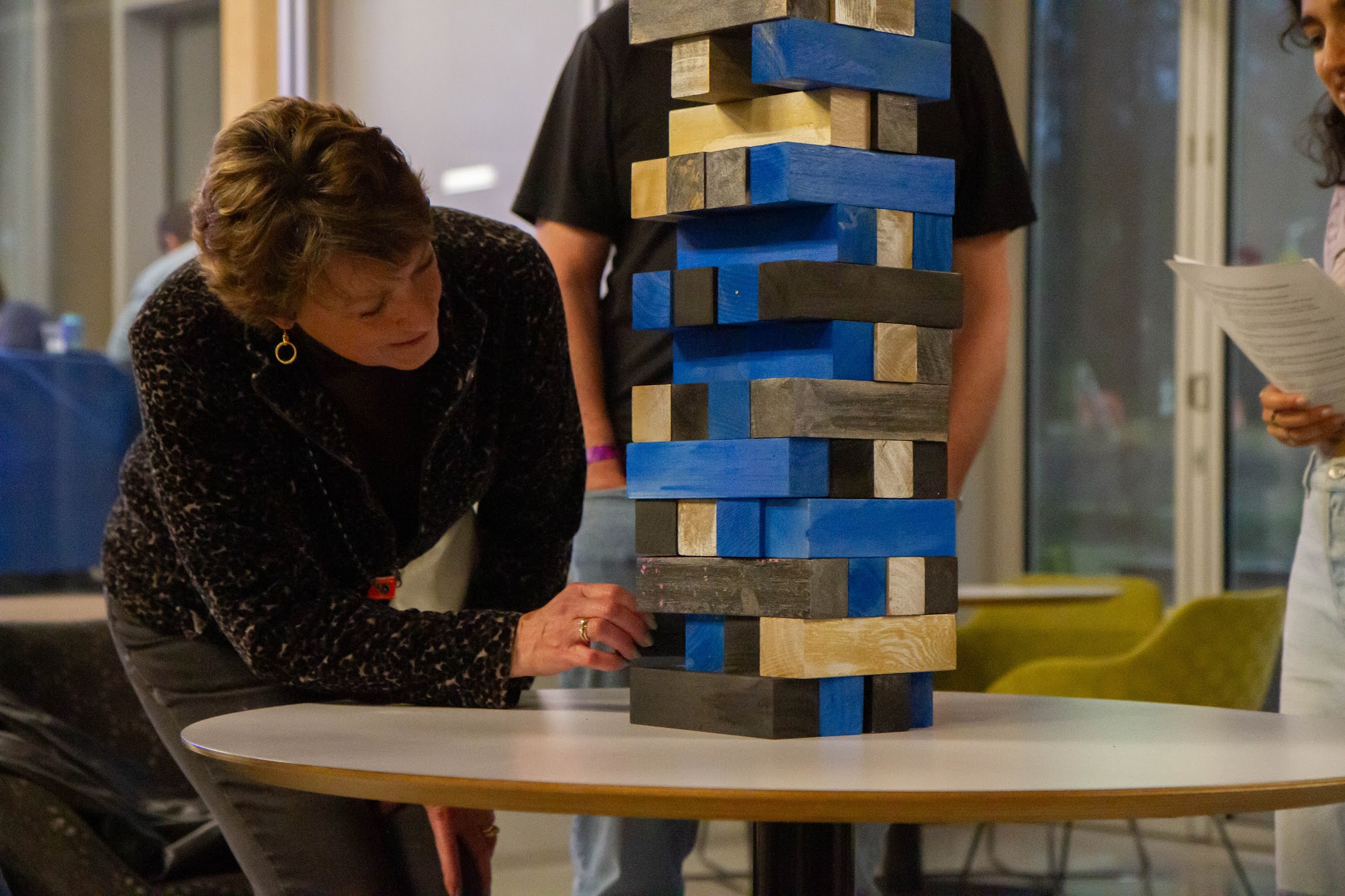
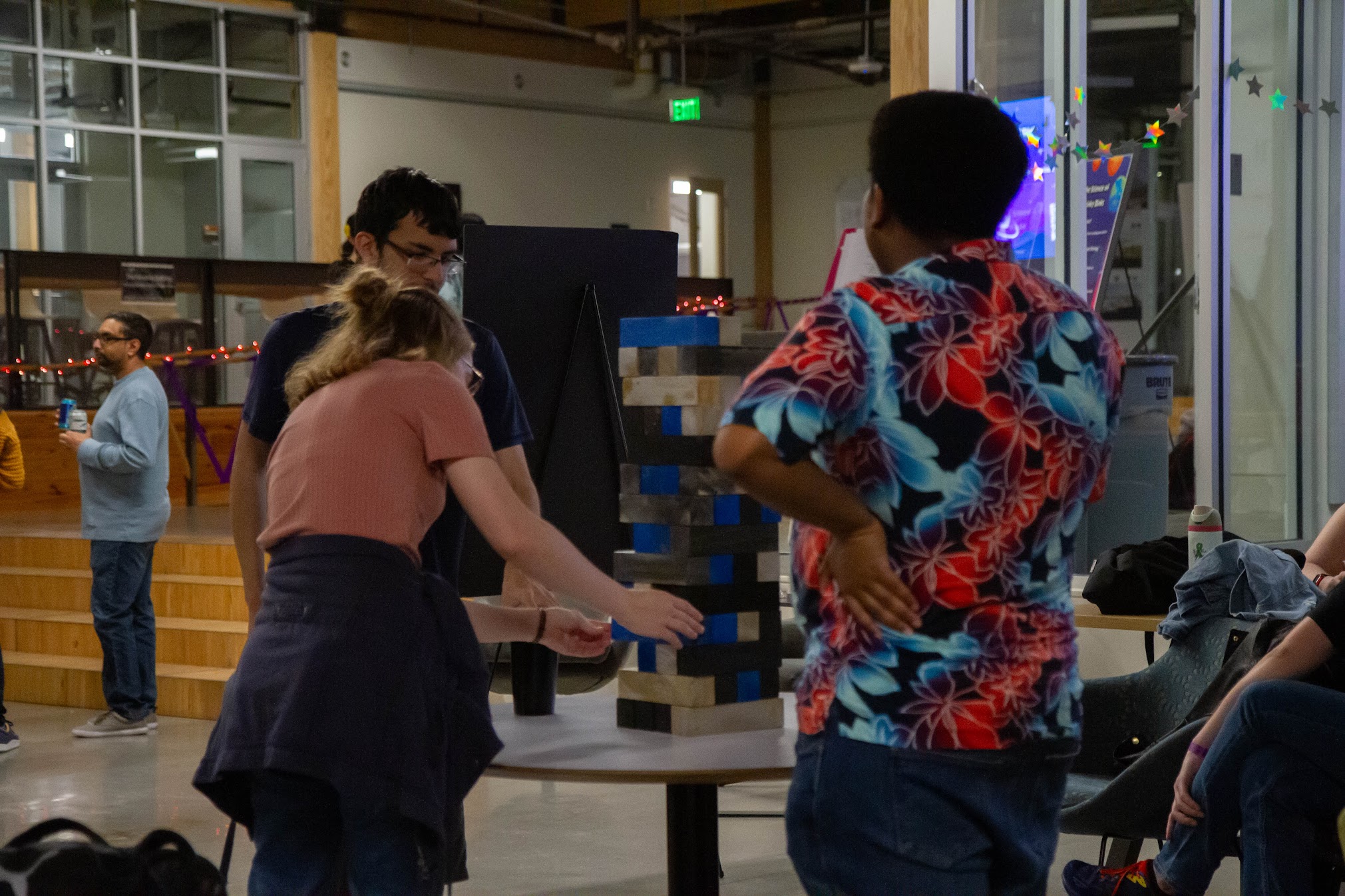
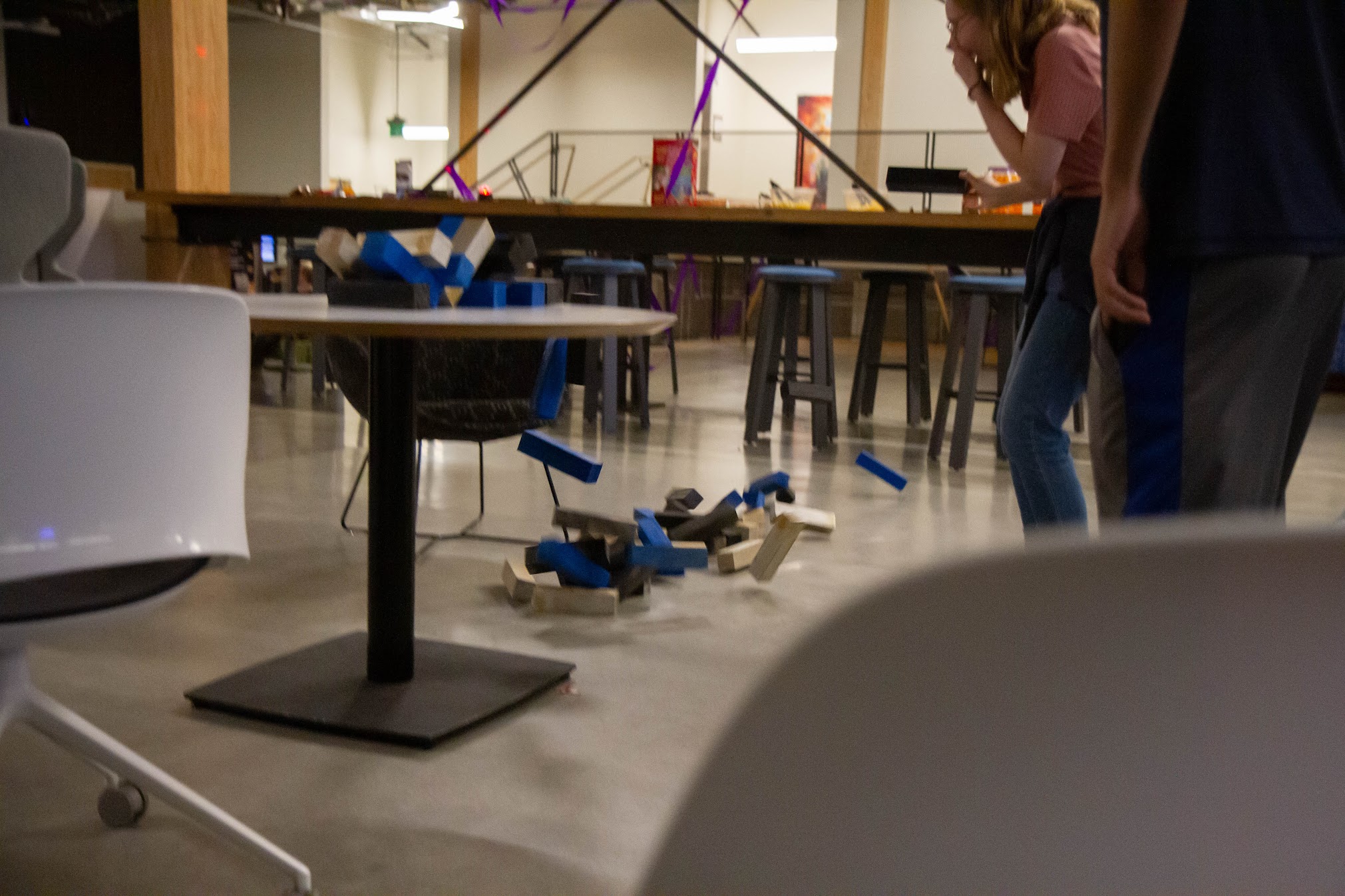
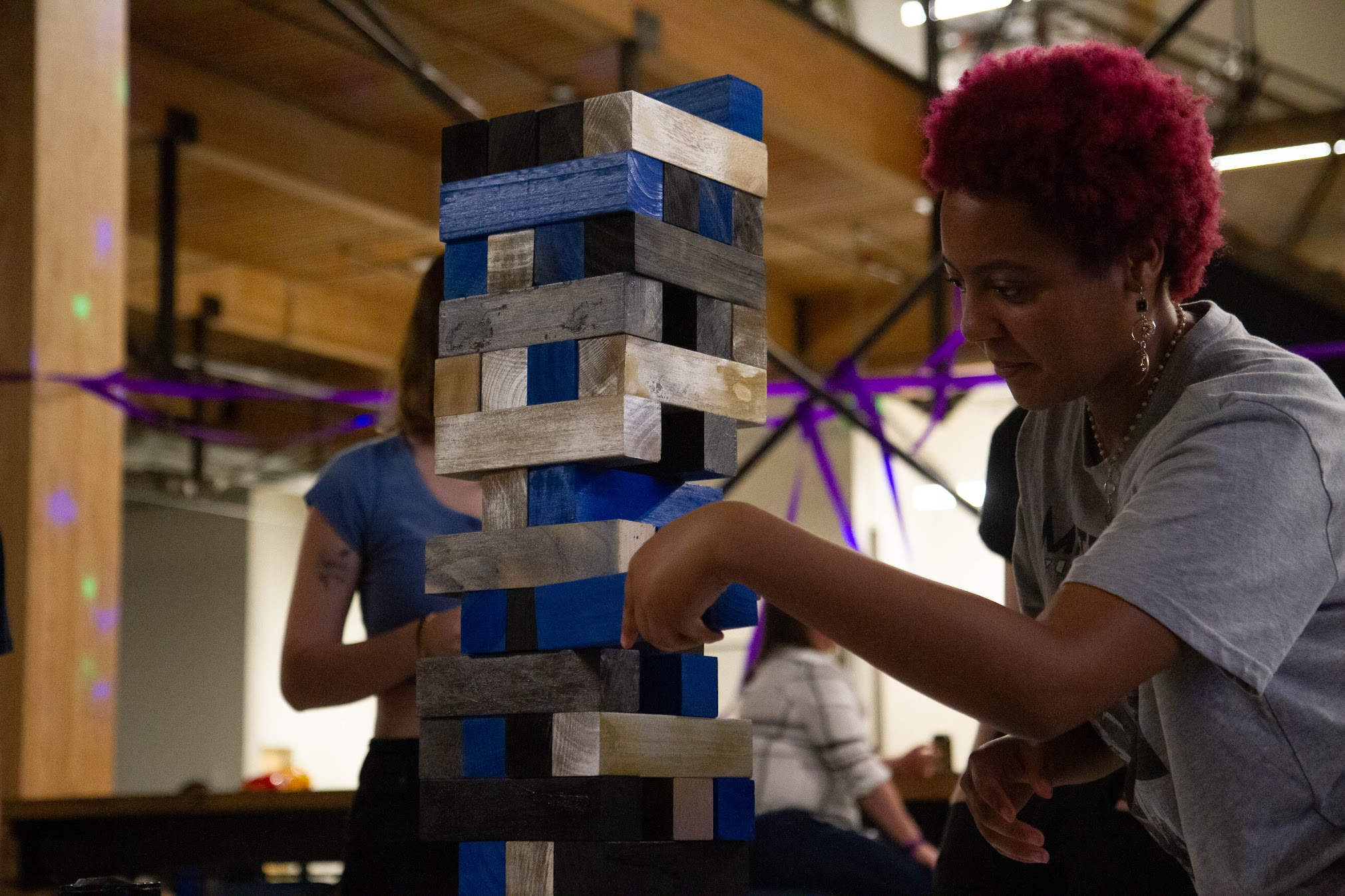
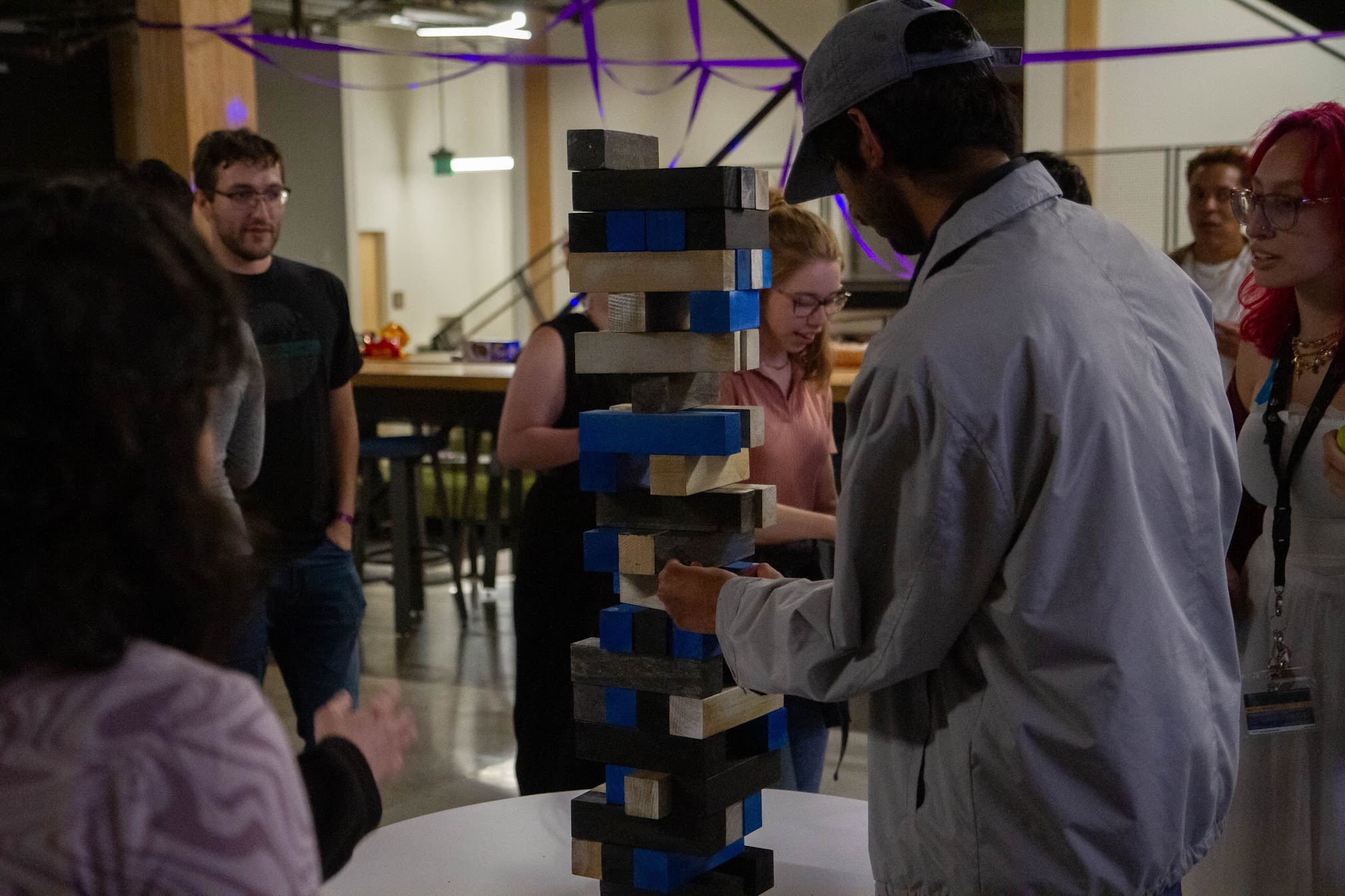
    Our team hosted a science-themed Jenga activity at the Atlanta Science Festival After-Party. The game served as an engaging activity to teach festival-goers about contemporary topics in astrobiology, astronomy, and other space-related science topics. Our team started by brainstorming different activities that could be used to engage people with scientific concepts. In the end, we decided that combining Jenga and Trivia would be an effective way to engage participants while retaining the space-theme of the Atlanta Science Festival. We drew on our class and research-related experiences to come up with fun trivia questions. One of my questions referenced phenolphthalein — the type of indicator used in my final titration for one of my lab classes — among other fun scientific tools and concepts. 

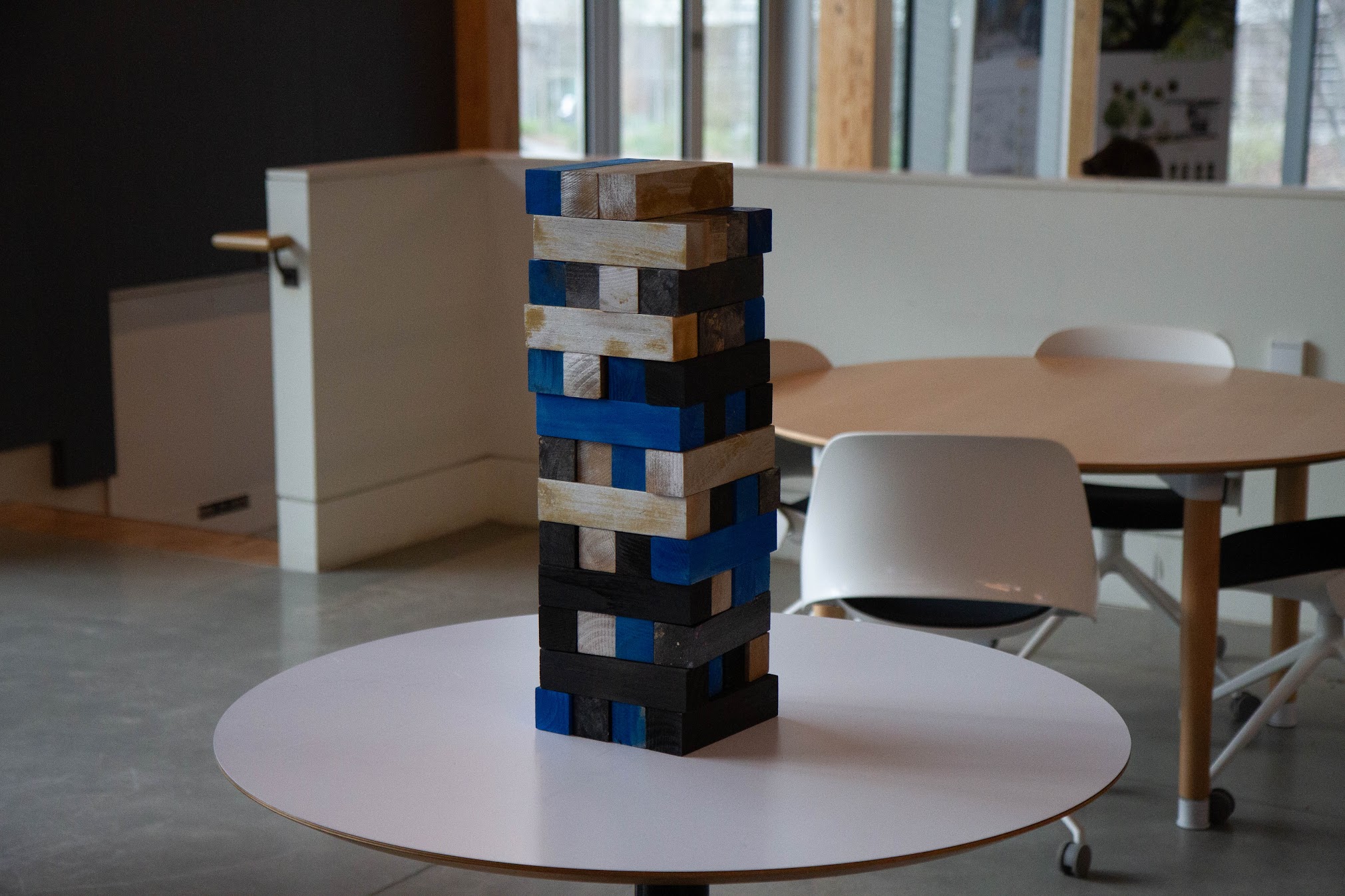
    First, a Jenga set was obtained from one of our members and the blocks were divided into three categories: “Dark Matter” (Chemistry and Astronomy), “Physics and Math”, and “Astrobiology”. Blocks corresponding to each category were painted a unique color (black, blue, and gold/silver respectively). Execution of the game itself involved first setting up the Jenga tower while ensuring that each layer contained a mix of blocks from multiple categories. Once setup was complete, players then took turns selecting a category of question to answer. If their answer was correct, it would be the next player’s turn. If their answer was incorrect, they would have to pull out a block of the color corresponding to their chosen trivia category. In typical Jenga fashion, the first player to knock over the tower was considered to have lost the game. 

    In this way, the unique mechanics of Jenga were utilized in a manner complimentary to the trivia format. If a player didn’t answer a question correctly, their penalty was to remove a block from the Jenga tower which matched the color of the category they had selected. This increased engagement with the game by adding another avenue of strategy for players; they would need to select what category of question to answer based not only on their personal knowledge base, but also based on which color block would be easiest to remove if they got the question wrong. This mechanic encouraged players to ‘switch up’ which category of questions they selected as they were incentivized to pick colors whose removal wouldn’t impact the structural integrity of the Jenga tower. 

    We also had to be mindful of the difficulty of the Trivia Questions we chose to ask participants. It took several rounds of revisions to get to our final question bank. In the end, it was key to make sure the difficulty of questions was appropriately balanced to our target audience. After all, our party attendees could be expected to have an above-average exposure to science, however questions would need to be easy enough that they could reasonably be answered by someone outside of that scientific specialty. I think we hit the right balance in the end, as partygoers were challenged by most questions, but were able to get enough right that they felt motivated to continue playing. 

    Overall, our activity seemed extremely effective when it came to engaging participants with scientific concepts. Afterwards, one participant made a comment that they felt “like [they] learned a lot” by participating in the game. Some expansions/improvements to consider making in future could include a larger question bank to help avoid repeats, or an automated system that would select questions for participants so that the game-master doesn’t have to keep track of which questions have already been asked. I look forward to expanding upon this activity in future science-outreach related events.