Day: December 16, 2023

  • Is the Dark Web a Playground for Criminals or a Tool for Good?

    Is the Dark Web a Playground for Criminals or a Tool for Good?

    Lurking beneath the surface of the normal internet lies the dark web, a labyrinthine network of hidden websites accessible only through specialized software. Often shrouded in mystery and fear, the dark web has earned a reputation as a haven for criminals, a digital underworld where illegal activities flourish like weeds in the dark. But is this image entirely accurate? Is the dark web simply a playground for the nefarious, or is there another side to the story?

    The dark web’s anonymity and encryption indeed provide fertile ground for illegal activities. Drugs, weapons, stolen data, and even child pornography find ready markets in this hidden bazaar. Hackers ply their trade, offering malware and cybercrime services to the highest bidder. Terrorist groups and extremist organizations utilize the dark web for communication and recruitment, leveraging its secrecy to spread their ideologies. These illicit activities undoubtedly paint a grim picture of the dark web, fueling the narrative of a digital underworld overrun by criminals.

    However, to solely label the dark web as a criminal haven would be a gross oversimplification.

    Beyond just illegal activities, the dark web also offers unique opportunities. It serves as a vital tool for activists and whistleblowers operating in repressive regimes, offering them a platform to expose human rights abuses and corruption without fear of reprisal – which in some regimes constitutes death [1]. Journalists, researchers, or citizens in countries with restricted internet like China and North Korea can utilize the dark web to access censored information and communicate with sources in dangerous environments. The dark web also provides a safe space for marginalized communities facing discrimination and persecution to connect and share their experiences, especially in extremely dangerous environments [2]. The dark web can literally save people’s lives.

    You could also argue the dark web fosters innovation and technological advancement. Cryptocurrencies like Bitcoin, originally conceived on the dark web, have become huge financial vehicles in the 2020s. Anonymity-preserving tools developed within the dark web have applications in cybersecurity and privacy protection. The decentralized nature of the dark web also holds promise for building more secure and resilient online platforms.

    The very features that make the dark web useful for good – its anonymity and encryption – also pose significant challenges for regulation. Traditional law enforcement methods struggle to navigate the complex network and identify illegal activity [3]. Attempts to regulate the dark web often raise concerns about censorship and the potential erosion of online freedoms. Finding the right balance between protecting individuals and restricting criminal activity remains a delicate and ongoing debate.

    The dark web is not simply a binary of good vs. evil, criminals vs. activists. It is a complex and multifaceted ecosystem, where both light and darkness coexist. While it is undeniable that illegal activities flourish within its confines, it would be a mistake to ignore the potential for positive change and innovation that the dark web also offers. The challenge lies in developing effective regulation strategies that address the legitimate concerns surrounding illegal activities without stifling the potential for good. This requires a multi-pronged approach that involves collaboration between law enforcement, technology experts, and civil society organizations, all working towards a common goal: harnessing the potential of the dark web while mitigating its harmful aspects.

    The nuances of the dark web allow it to move beyond simplistic narratives of “evil” and work towards a future where the dark web serves not as a haven for criminals, but as a tool for positive change and innovation. This truly is a testament to the human spirit’s ability to find light even in the darkest corners of the digital world.

    Sources:

    1. Bartlett, Jamie. The Dark Web: Cybercrime, Online Activism, and the Future of the Internet. John Wiley & Sons, 2016.
    2. Weimert, Gabrie. The Hidden Web: Exposing the Dark Side of the Internet. Apress, 2015.
    3. Russell, Mike W. Inside the Dark Web: Understanding the Underworld of Online Crime. Greenwood Publishing Group, 2017.
  • Privacy in the Age of Surveillance

    Privacy in the Age of Surveillance

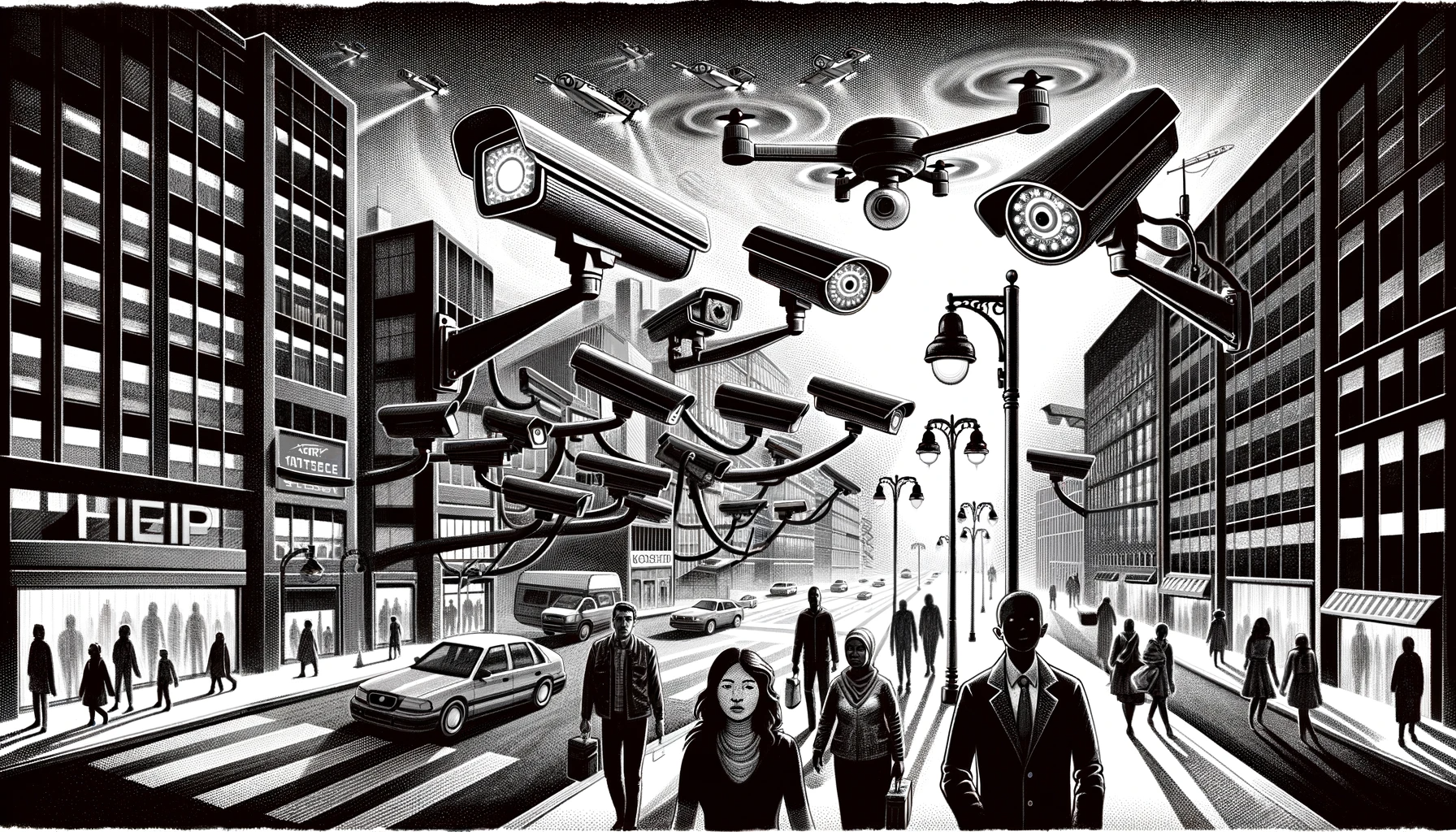
    In the digital age, the lines between public and private have blurred. Our every click, swipe, and purchase leaves a trail of data, meticulously collected by corporations, governments, and third-party entities. This pervasive surveillance raises urgent questions: who owns our data? How is it used? And most importantly, how can we reclaim control over this vital piece of ourselves?

    The scale of data collection is staggering. Smartphones track our location, social media platforms analyze our interactions, and smart devices monitor our homes [1]. Facial recognition technology identifies us in public spaces, and even our browsing history paints a detailed picture of our interests and beliefs [2]. This data is then analyzed, packaged, and sold, shaping everything from targeted advertising to political campaigns.

    The consequences of this data-driven world are far-reaching. Algorithmic bias can perpetuate discrimination, data breaches can expose our vulnerabilities, and the erosion of privacy can stifle free expression [3]. We become not individuals, but data points, subject to manipulation and control.

    However, amidst this unsettling reality, there is hope. Reclaiming our privacy requires a multi-pronged approach, encompassing both individual action and collective advocacy.

    Taking Control of Your Digital Footprint:

    • Mindful data sharing: Be cautious about what information you share online. Consider the purpose of each platform and the potential consequences of divulging personal details. Opt-out of data sharing settings wherever possible.
    • Privacy-focused browsers and apps: Ditch data-hungry browsers like Chrome for privacy-oriented alternatives like DuckDuckGo and Firefox. Utilize secure messaging apps like Signal and Telegram for encrypted communication.
    • Strong passwords and two-factor authentication: Implement unique, complex passwords for every account and activate two-factor authentication for added security.
    • Data minimization: Limit the data you share with third-party applications and services. Regularly review and revoke unused app permissions.
    • Digital detoxing: Disconnect regularly from social media and online platforms to reclaim your mental space and reduce data trails.

    Collective Advocacy:

    • Support privacy legislation: Advocate for stronger data protection laws and regulations that empower individuals to control their data.
    • Hold corporations accountable: Demand transparency from tech companies and challenge their data collection practices.
    • Raise awareness: Educate others about the importance of privacy and encourage them to take protective measures.

    Reclaiming our privacy in the age of surveillance is not a one-time action, but an ongoing process. It requires vigilance, awareness, and a commitment to safeguarding our digital and physical selves. By adopting these practical steps, amplifying our voices, and demanding accountability, we can begin to rewrite the narrative of data ownership and reclaim control over our lives in the digital age.

    By understanding the pervasiveness of data collection, adopting practical protective measures, and advocating for stronger privacy protections, we can begin to navigate the age of surveillance with a greater sense of control and empowerment. Remember, our data is not simply a commodity; it is a fundamental part of our identity, and we have the right to decide how it is used. So, let us not surrender to the panopticon of the digital age, but rise up and reclaim our right to privacy, one click and one voice at a time.

    Sources:

    1. The Algorithmic Society: Social Theory in the Digital Age by Nick Srnicek, https://www.jstor.org/stable/j.ctv319wpvm, 2023
    2. The New Digital Age: Reshaping the Future of Business, Work, and Society by Eric Schmidt and Jonathan Rosenberg, https://www1.goramblers.org/papersCollection/Book?dataid=mTn:3008&Academia=The_New_Digital_Age_Eric_Schmidt(3).pdf
    3. The Public Option: How to Build a Better Internet by Evgeny Morozov, 2011, https://www.youtube.com/watch?v=le8Ldl5EeZA
  • Can Algorithms Deliver Justice?

    Can Algorithms Deliver Justice?

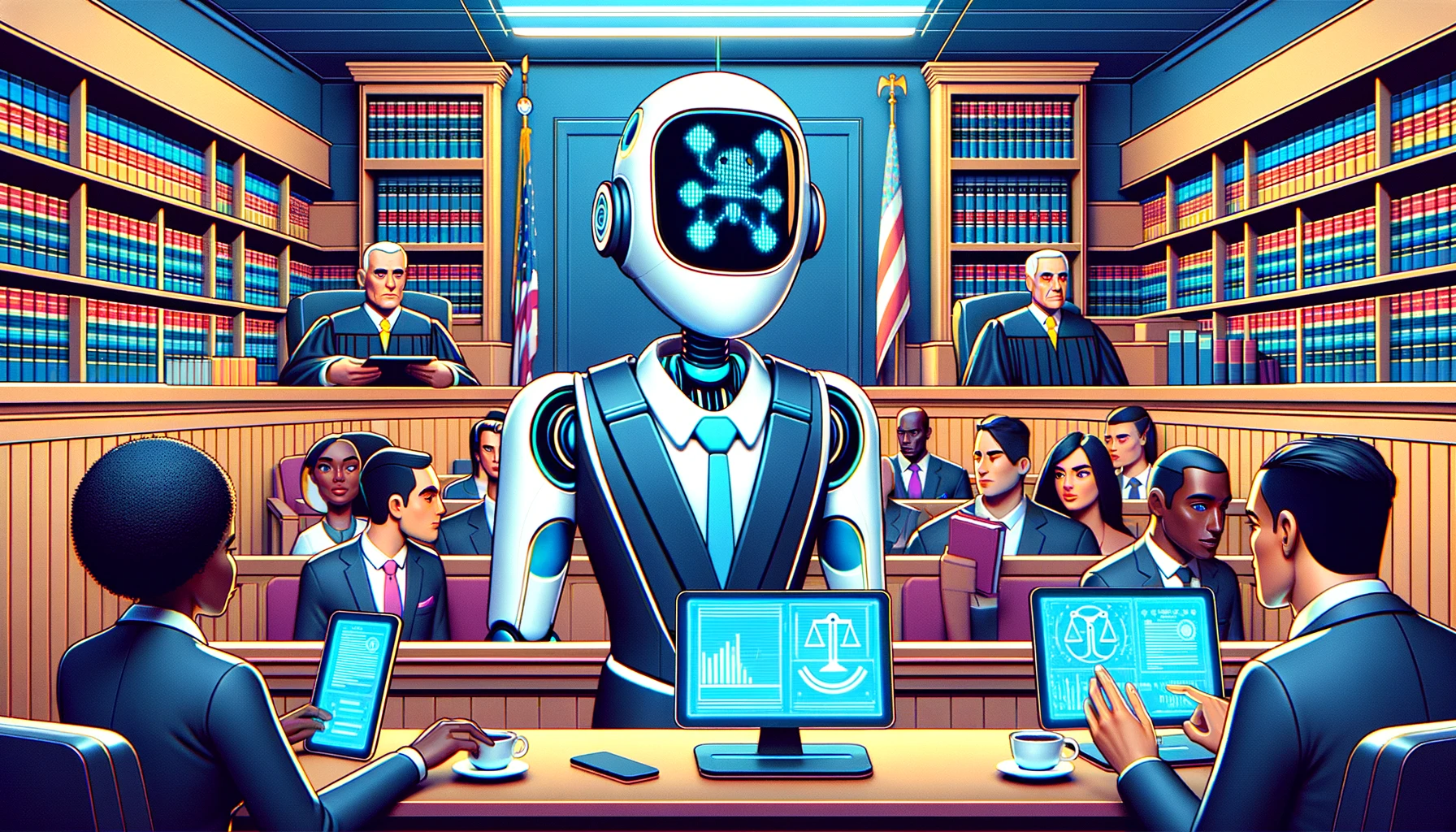
    While scales of justice have long been a symbol of fairness and impartiality, that has never been completely accurate. Racial, gender, and class has always affected your experience with the justice system, however, in the 21st century, they are increasingly balanced on the shoulders of algorithms. Artificial intelligence is rapidly transforming legal systems, from predicting recidivism to analyzing evidence. These impacts can have massive ripple effects on people’s lives.

    One of the most common applications of AI in the courtroom is in risk assessment tools, which are algorithms used to predict the likelihood of a defendant re-offending if released on bail or parole. Proponents argue that these tools can help reduce crime rates by identifying high-risk individuals, while critics raise concerns about bias and lack of transparency.

    A 2016 study by ProPublica found that a widely used risk assessment tool in Wisconsin was significantly more likely to misclassify Black defendants as high-risk compared to white defendants [1]. This raises the crucial question: Are AI tools simply perpetuating existing racial inequalities within the criminal justice system?

    AI is also being used to analyze vast amounts of evidence, including video footage, DNA, and social media data. This can be a valuable tool for investigators and prosecutors, but it also raises concerns about the manipulation of evidence.

    A 2019 report by the National Academies of Sciences, Engineering, and Medicine found that AI-based facial recognition technology has significant accuracy disparities across racial and ethnic groups [2]. This raises the possibility of innocent individuals being wrongly convicted based on flawed algorithms, and these issues particularly impacting minorities.

    Another big challenge with AI is the lack of transparency. Many algorithms are opaque “black boxes,” making it difficult to understand how they reach their conclusions. This lack of transparency can undermine public trust in the justice system and make it difficult to hold algorithms accountable for errors.

    In a 2023 case in California, a judge ruled that prosecutors could not use an AI-based risk assessment tool because the algorithm’s decision-making process was not sufficiently transparent [3]. This landmark case highlighted the need for greater transparency and accountability in the development and use of AI in legal systems and slowed the impacts of AI in California.

    The potential of AI to improve the justice system is still unrealized. However, it is crucial to acknowledge and address the challenges of bias, transparency, and accountability. We must ensure that AI is used in a way that promotes fairness and equal justice for all, not simply reinforces existing inequalities.

    The use of AI in the courtroom holds immense promise for improving the justice system by removing human bias, we must also be mindful of the way AI perpetuates and is built upon human biases. By acknowledging the challenges and taking steps to mitigate them, we can ensure that AI is used in a way that upholds the fundamental principles of fairness and equal justice.

    Sources:

    1. ProPublica. (2016, October 26). “Machine Bias: There’s a Bias in Algorithmic Justice.” https://www.propublica.org/series/machine-bias
    2. National Academies of Sciences, Engineering, and Medicine. (2019). “Commercial Facial Recognition Technology.” https://www.nationalacademies.org/our-work/facial-recognition-current-capabilities-future-prospects-and-governance
    3. Reuters. (2023, February 22). “California judge bars prosecutors from using AI risk assessment tool.” https://phys.org/news/2022-11-early-artificial-intelligence-criminal-justice.html