Day: December 6, 2023

  • The Art of Cheese-Making

    The Art of Cheese-Making

    Cheese represents a blend of artistry and scientific precision. Behind every delectable wedge lies a complex world of microbial alchemy, enzymatic processes, and carefully curated environmental conditions. In this exploration, we unravel the intricate science that transforms milk into the myriad of flavors and textures we savor in cheeses. 

    Crafting Curds and Draining Whey

    The journey begins with the artful coagulation of milk proteins. Whether through the addition of rennet or the work of lactic acid bacteria, proteins, primarily casein, clump together to form curds. The subsequent drainage of whey is a crucial step, determining the cheese’s texture and moisture content.

    Microbial Ecosystem

    Beyond the visible curds and whey, cheese carries a microbial terroir, a unique microbial fingerprint influenced by the local environment. From the caves of Roquefort to the fields of Brie, distinct microbial communities contribute to the regional flavors that define each cheese.

    Aging and Maturation

    As the cheese embarks on its aging journey, a symphony of biochemical changes unfolds. Proteins undergo proteolysis, breaking down into savory peptides and amino acids, while fats experience lipolysis, contributing to the rich mouthfeel. Factors like temperature and humidity orchestrate these reactions, shaping the final flavor and texture.

    Cheese Varieties and Microorganisms

    Cheese varieties boast their own microbial entourage. Bacterial cultures like Lactococcus and Streptococcus contribute to the tanginess, while mold strains such as Penicillium create the characteristic veins in blue cheeses. Each microbe plays a vital role in the complexities of fermentation and maturation.

    Enzymes

    Enzymes take center stage in the development of cheese. Proteolysis and lipolysis, the breakdown of proteins and fats, are enzymatic processes that give rise to the myriad flavors and textures found in aged cheeses. The by-products of these processes contribute to the nuanced and complex profiles cherished by cheese enthusiasts.

    Final Thoughts

    The making of cheese is a fascinating journey where science and art intertwine. From the initial coagulation of milk to the carefully orchestration of microbes and enzymes during aging, each step contributes to a diverse and delightful world of cheeses. As we peer into the future, the science of cheese promises to unfold new chapters, ensuring that this ancient craft continues to captivate our taste buds and scientific curiosity alike.

  • Exploring the Scientific Credibility of Personality Tests and Astrology

    Exploring the Scientific Credibility of Personality Tests and Astrology

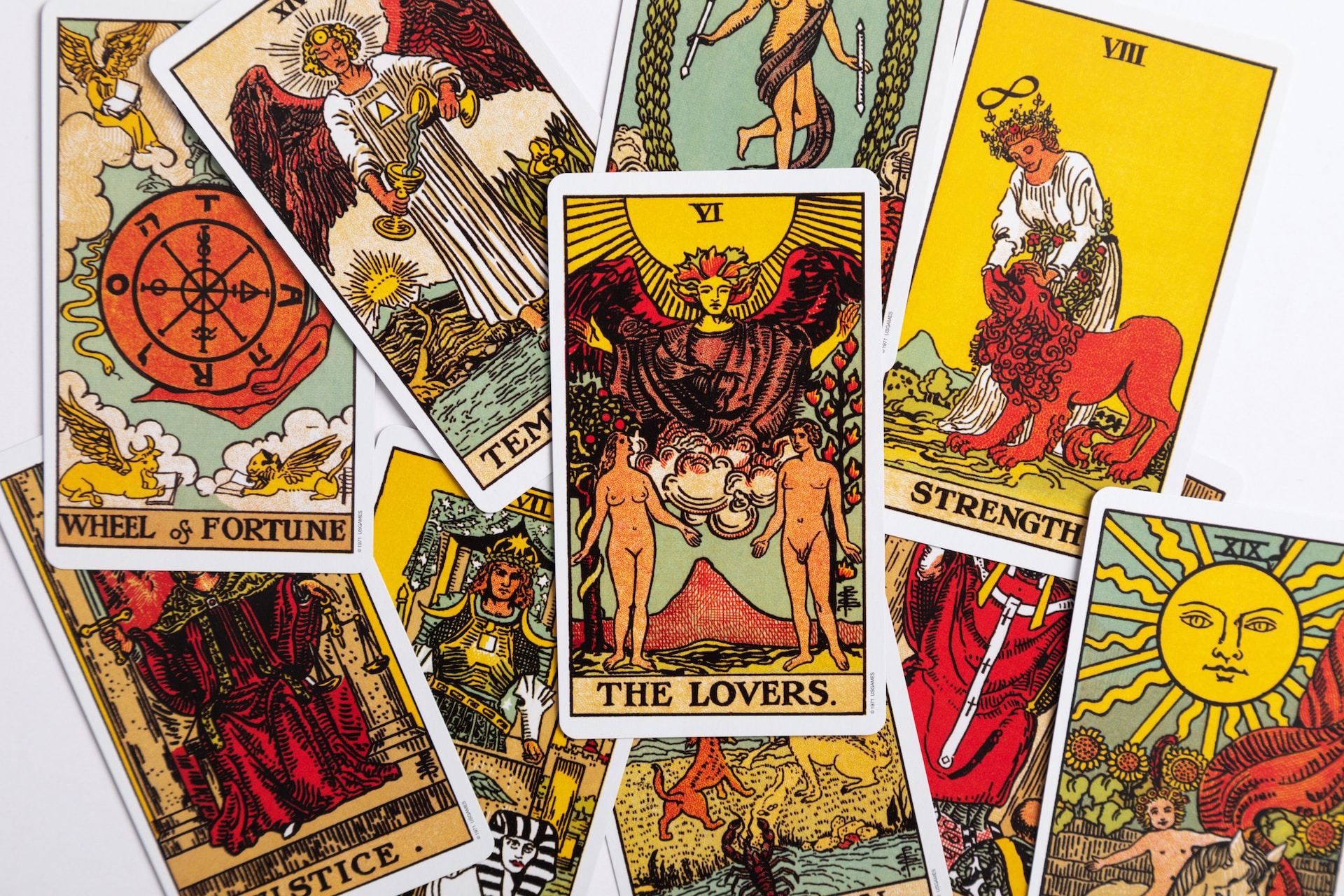
    What Harry Potter house are you? What’s your mbti? What’s your zodiac? What kind of fruit are you? What are your big three? 

    I’ve asked and been asked these questions time and time again. I’ve always enjoyed categorizing myself and compartmentalizing aspects of my personality to fit into aesthetic groups. I’m personally a Hufflepuff, an INFP, and a Taurus. I’ve never thought about whether or not there was any real science behind these types of classifications. Is there any scientific or data-driven backing for these? Why do we spend so much time thinking about what our MBTI is or what kind of personality type we have? 

    Let’s first dive into the history and of some of these. 

    History of MBTI or Myers-Briggs Type Indicator

    Briggs and Myers, a mother-daughter team, aspired to delve into the intricacies of diverse personality types by integrating Carl Jung’s concepts into their own framework. Myers held the conviction that through their assessment, individuals could enhance their comprehension of one another’s personalities, fostering improved collaboration and minimizing conflicts.

    What stands out prominently is that neither Briggs nor Myers possessed formal training in psychology. Briggs, with a keen interest in children’s psychology, aimed to develop a tool for early childhood education and specialization. Her daughter, Myers, adopted this perspective and envisioned using the indicator as a means to assist individuals in finding happiness.

    History of Astrology

    Prior to astrology, divination held sway, involving the interpretation of the influence exerted by stars and planets on earthly matters and human destinies. The roots of astrology can be traced back to Mesopotamia, traversing through India, Greece, China, Islamic culture, and Arabic learning.

    According to Greek tradition, the heavens are delineated by the 12 constellations of the zodiac, each believed to possess a spiritual influence on human affairs. Astrology has permeated various cultures, and many contemporary individuals adhere to the notion that horoscopes wield control or significant influence over our lives.

    Now, we confront a pivotal question: is there any scientific substantiation for these beliefs? Can they be deemed reliable in any capacity?

    Fact or Fiction: MBTI

    As previously noted, the foundation of MBTI is rooted in Carl Jung’s theoretical exploration of psychological types, focusing on different states of consciousness rather than distinctly defined personality types. 

    For a personality assessment to be considered a meaningful measurement tool, it must exhibit both reliability and validity—qualities notably absent in MBTI. Many individuals experience inconsistent outcomes when taking the test multiple times, raising questions about the assessment’s significance. Clearly, the answer is in the negative.

    Despite its lack of credibility, MBTI remains widely embraced, primarily due to the Barnum or Forer effect. This phenomenon reflects people’s tendency to readily accept vague and generic personality descriptions as personally insightful. While the scientific evidence supporting this personality test is limited, it may still be enjoyed for amusement purposes.

    Fact or Fiction: Astrology

    Starting with the foundation, astrology relies on celestial bodies such as the sun, moon, planets, and constellations. It utilizes the positions and movements of these heavenly bodies to formulate predictions and explanations for various aspects of human life, events, and personality traits.

    Similar to the MBTI, astrology encounters comparable challenges, notably in the tendency to generate overly broad expectations, allowing interpretations that can apply to almost any outcome. Consequently, astrology lacks testability, and the available evidence fails to substantiate the validity of its concepts. In the scientific realm, ideas undergo modification based on compelling evidence, a principle not embraced by astrology, which remains unchanged despite contradictory evidence.

    Furthermore, astrology faces criticism within the scientific community regarding the dissemination of research. Typically, published astrological articles lack the scrutiny of peer review, a fundamental practice in scientific inquiry. Additionally, there is an absence of documented instances where astrology has contributed to significant scientific discoveries.

    Final Thoughts

    In conclusion, while personality frameworks like MBTI and astrological concepts such as horoscopes and zodiacs have garnered widespread popularity and cultural significance, their scientific foundations remain highly debated and often contested. The lack of empirical evidence, inconsistent test-retest reliability, and the tendency for generalized statements to resonate with a broad audience raise skepticism about the validity of these systems from a scientific standpoint. While these frameworks may provide personal insights or entertainment for some, it’s essential to approach them with a critical mindset and acknowledge their limitations in terms of scientific rigor and empirical support. As our understanding of psychology and the universe continues to evolve, a cautious and discerning approach is advisable when considering the scientific legitimacy of such personality assessments and astrological beliefs.

  • The Science of Yawning

    The Science of Yawning

    We’ve all experienced that urge to open our mouths wide, take a deep breath, and stretch our facial muscles. But why do we yawn, and what explains the phenomenon of contagious yawning?

    Scientifically, yawning is the synchronized motion of the thoracic muscles in the chest, the diaphragm, the larynx in the throat, and the palate in the mouth. This act helps to distribute surfactant, a wetting agent, to cover the alveoli, which are tiny air sacs in the lungs [3]. The brain, particularly the hypothalamus, plays a central role in triggering and regulating yawning. This seemingly simple action, however, sets off a cascade of changes within the body. Yawning increases heart rate, facilitates blood flow, and enhances oxygen intake.

    The precise reason for why we yawn is still researched and debated by doctors and scientists. However, the most common explanations revolve around yawning being used as a way to keep us as alert. Yawning is considered a brain cooling mechanism which leads to an increase in peripheral and cerebral blood flow. The rhythmic contraction and relaxation of facial muscles during a yawn enhance blood flow in the face, leading to the dissipation of heat through emissary veins connecting the surface of the head with the internal blood vessels. Furthermore, the act of gaping the mouth and inhaling cool air during a yawn influences the temperature of the blood traveling from the lungs to the brain through convection [2].

    Another explanation is drowsiness being a common stimulant for yawning, with boredom leading to drowsiness as the primary source of stimulation diminishes. Studies  demonstrate a significant increase in physiological arousal after yawning, shown in increased heart rate and skin conductance levels. This arousal response is likened to the effects observed with caffeine intake, supporting the idea that yawning plays a role in the brain’s arousal reflex. Additionally, the frequency of yawning is noted to be associated with viewing uninteresting stimuli and activities requiring minimal interaction, reinforcing the idea that yawning subserves arousal and higher brain activation [2].

    What is known is that yawning is undeniably contagious, with a single person’s yawn capable of inducing yawning in an entire group. People with higher empathy levels are believed to be more susceptible to yawning in response to others as brain imaging studies have revealed that observing someone yawn activates brain areas associated with social functions. Interestingly enough, this phenomenon extends beyond humans, as dogs also yawn when witnessing their owners or strangers yawn, and similar contagious yawning has been observed in various animals [4].

    Moreover, when members of a group yawn together, it could help align their mental states, making them more synchronized. This synchronization is believed to serve as a form of collective alertness, helping the group become more aware of external threats more rapidly than if each individual were to respond independently. As a result, the spread of yawning in a group is thought to be a way for individuals to share a collective state of readiness and awareness [4].

    Recent research has shed light on the influence of breathing methods and forehead temperature on the contagious nature of yawning. A study exploring these factors found that nasal breathing acted as an antagonist to contagious yawning, significantly reducing its incidence. Participants engaging in other breathing conditions, however, yawned approximately 48% of the time. Moreover, applying a cold pack to the forehead greatly diminishing contagious yawning, while warm and room temperature packs showed no such impact. The combined conditions thought to promote brain cooling, involving nasal breathing and forehead cooling, virtually eliminated contagious yawning, since only one out of 22 participants experienced yawning. These findings highlight the connection between physiological factors, particularly breathing patterns and thermoregulation, and the occurrence of contagious yawning [1].

    As research on the science of yawning advances, we can continue to discover more about this seemingly simple act. So the next time you feel that familiar yawn coming on, remember that you’re engaging in a fascinating scientific phenomenon!

    References:

    1. Gallup, A. C., & Gallup, G. G. (2007). Yawning as a brain cooling mechanism: Nasal breathing and forehead cooling diminish the incidence of contagious yawning. Evolutionary Psychology, 5(1), 147470490700500. https://doi.org/10.1177/147470490700500109
    2. Gupta, S., & Mittal, S. (2013). Yawning and its physiological significance. International Journal of Applied and Basic Medical Research, 3(1), 11–15. https://doi.org/10.4103/2229-516x.112230
    3. Science Reference Section, Library of Congress. (2019, November 19). Why do we yawn?. The Library of Congress. https://www.loc.gov/everyday-mysteries/biology-and-human-anatomy/item/why-do-we-yawn/#:~:text=A%20yawn%20is%20a%20coordinated,we%20cannot%20yawn%20on%20command.
    4. Rabin, R. C. (2019, February 22). Why do we yawn?. The New York Times. https://www.nytimes.com/2019/02/22/well/live/why-do-we-yawn.html