Day: May 4, 2023

  • Collaboration is Key!

    Collaboration is Key!

    As a senior in college, about to graduate with an engineering degree, I’ve come to actually appreciate the dreaded “group project” – and trust me, working with others can be very challenging. But on reflection, I can really see how they also build key skills in collaboration and communication, that are especially important in STEM fields believe it or not.

    In classes: working with different people, even if you all have the same major, can offer different perspectives, ideas, ways of thinking that you wouldn’t have thought up alone. The benefits of working in a group are not just division of labor – although that’s also important, as you quickly learn that one person can’t do everything without burning out – Group projects also teach the art of compromise (and it is a tough one to learn).

    One of my biggest projects in my undergrad has been my senior Capstone project: a more practical application of the things we’ve learned in our undergraduate classes. For me in particular, working in an interdisciplinary group and coming up with our own idea for a product, even with all my experience working in groups, it was a bit mind-opening to see what could be done with everyone offering different skills.

    It let me see how other majors approach the same sort of problem from different angles, with different concerns. It also opened my eyes to how you never really know where which skills will come into play, going into a project. Despite being an engineer myself, I learned to lean a lot more on my colleages who had deeper expertise or were more comfortable with actual manufacturing – instead, I found myself unexpectedly using a lot of my intersocial and organizational skills; understanding that this was an area that I excelled in, that my teammates in turn had less experience with.

    For our group in particular, our chosen project of making a new device and app that would potentially be brought to market required a large range of skills: some people were devoted to marketing and aesthetic design, some were focused on the coding of the app and device itself, some were focused on customer outreach and feedback, while others focused more on making the device itself.

    Everyone did their part, but communication was absolutely key to make sure the rest of the team was kept up to date on your own progress, as well as making sure your aspect’s concerns were known. For example, if someone on the coding team knows that it’d be practically impossible to code for some function, then it’s key that they communicate that to the marketing team before they claim that function is an important feature. Or if someone conducting interviews with customers learns that they absolutely won’t want a product that’s too heavy, it’s important that that gets passed along to the group members handling manufacturing so they know not to use heavy materials.

    Outside of normal class projects, like for this group, STEMComm and Charged Magazine, I’ve seen how through collaboration you can learn and be exposed to so much more than you would normally – from reading the articles on new topics from my teammates, to learning about the varied projects research labs completely removed from my field are making, and presenting that to the public.

    And even outside of a school environment, out in the real world, you can find some pretty nifty examples of science happening from collaboration.

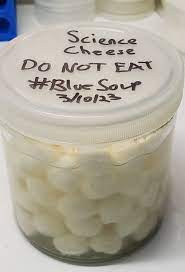
    Take the ongoing “#BlueSoup” saga over on microbiology-Twitter, where a microbiologist shared her amazement at how some old soup she had in the back of the fridge had turned blue – then, through encouragement of her fellow scientists, decided to take a sample of the soup to take back to the lab, to find out just what bacteria or microbe caused the color change. And from there, other labs requested samples, different experiments were conducted, DNA is being sequenced, and now several researchers are involved and collaborating on this interesting little question – potentially even working towards publishing their findings in the future!
    Collaboration is so very important for many things in life, and especially in STEM fields – so for any aspiring scientists, try not to shy away from learning it!

  • The Devil Wears Science Journey

    The Devil Wears Science Journey

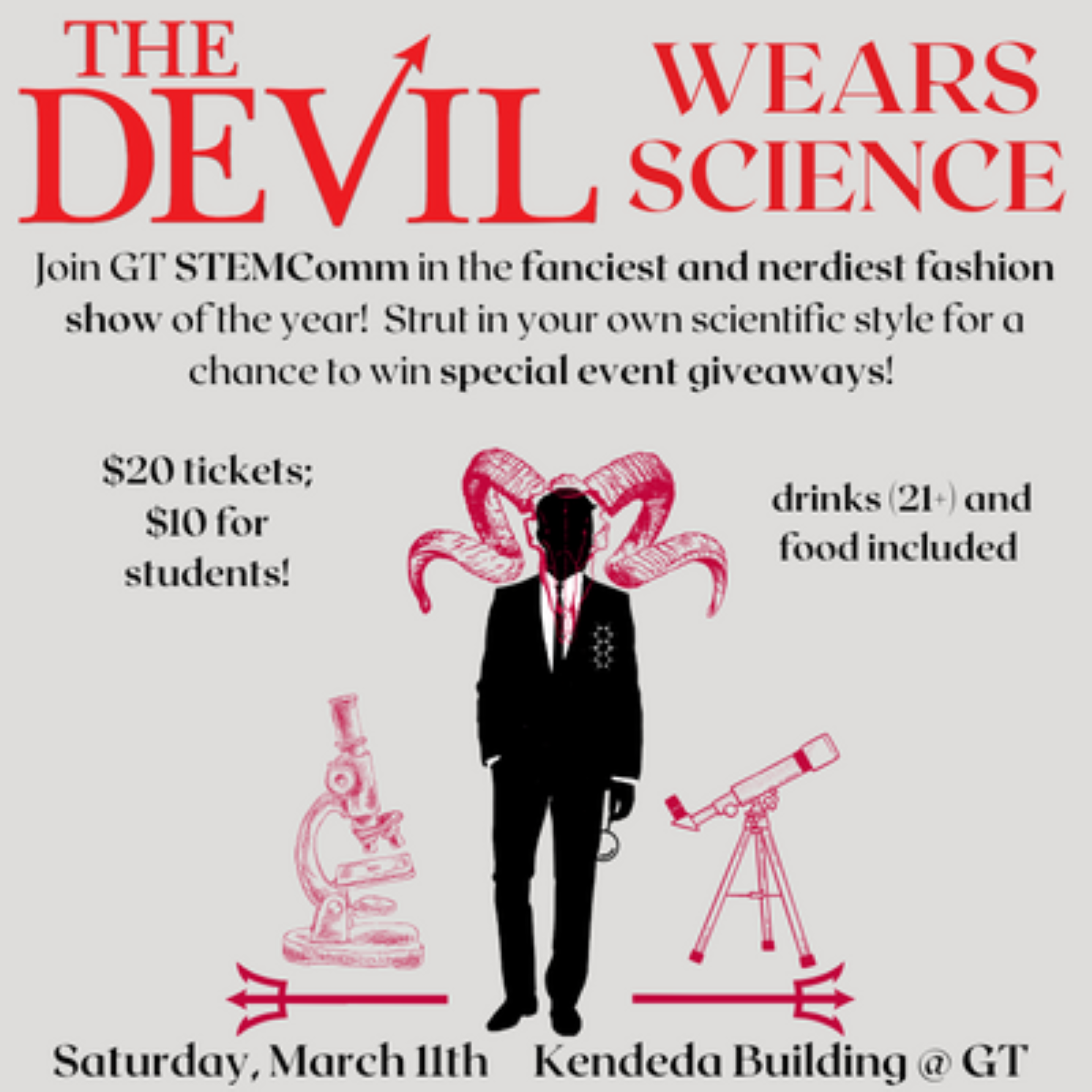
    Working behind the scenes of an event can be an eye-opening experience, especially when it’s a science show with a unique twist. That’s exactly what happened when I had the opportunity to be a part of the Atlanta Science Festival’s The Devil Wears Science fashion science show in March. Since it was my first time working as part of both a science show and fashion show, I was especially eager to be part of such a unique and innovative event. This immersive experience allowed me to gain valuable insights into the inner workings of a successful show, and I was amazed at the amount of hard work, creativity, and attention to detail that goes into putting on such an event.


    My group, Too Hot To Handle, focused on discussing and demonstrating the importance of heat stroke prevention through the use of protective clothing, specifically a beekeeping suit, during the event. My teammates were Claudia Ortega and Sachit Swaminathan and in the weeks leading up the show, we worked on reaching out to individuals in the beekeeping community to model and experts in the field of heat stroke prevention to present at the event, and also gathered information about the science behind our topic. 


    Prior to the event, I had very minimal knowledge about beekeeping suits, particularly as it relates to heat stroke prevention, so it was quite fascinating to do research and learn more about it. While there aren’t a large amount of scholarly resources on the topic, I tried to understand the different parts and materials of beekeeping suits and then did research on each fabric in relation to heat resistance. Moreover, ​​as I delved into the topic, I realized how much thought and consideration goes into selecting the right materials and design elements for gear such as beekeeping suits, especially since the consequences of inadequate protection could be severe. 


    There were some challenges my team and I faced during the planning of the event, particularly in regards to contacting people to discuss the science behind heat resistant gear. Initially, we planned for experts to discuss wearable heat sensor devices and then relate that to the design of heat resistant fabric in beekeeping suits, but we faced some difficulties in finding available experts to participate. After further attempts to contact other experts in the field, we decided to present the science portion of the presentation ourselves and focused on gathering research on the topic. 


    In addition to my work behind the scenes, I also had the opportunity to challenge myself and grow in my presentation skills. As the day of the festival approached, I decided to join Sachit in presenting the science portion of the event, which was a significant step out of my comfort zone. I conducted more research to develop a scientifically accurate script, and we kept making edits between the slideshow and script to allow the content to align. I was slightly behind at times due to preparing for a conference I had to attend later that week, but I was determined to gather all the necessary information and be confident in my speaking parts.


    On the day of the science fashion show, I was nervous as I arrived at the Kendeda building in my blazer clutching my freshly printed script.  Since there was some time to spare before the show began, I decided to use the opportunity to practice rehearsing for the presentation with my other teammates. This not only helped me to feel more confident and prepared, but it also allowed us to fine-tune the script and the visuals of our presentation, ensuring that everything was in sync and aligned with the overall vision of the show. As the presentation drew near, we gathered with our new models and went over the directions for modeling the beekeeping suits. Despite the initial setback of our previous model not being able to attend, we worked together and found a solution, and as we worked out other technical issues that arose, my confidence grew, and I became more and more assured in my part of the event.


    As our team took the stage and our presentation began, I couldn’t help but feel a sense of excitement mixed with a hint of nervousness. However, the more I spoke, the more my confidence grew and before I knew it, our part was over. The feeling of accomplishment and satisfaction was truly indescribable, and it was amazing to see all our hard work finally come to fruition. 


    But the night didn’t end there. As the other teams took the stage, the energy in the room continued to grow. I was captivated by the creativity and passion that each team brought to their presentations and it was incredible to see the range of scientific topics and the level of detail that went into each one. 


    Overall, I came away from this experience with a greater appreciation for the intersection of science and fashion, and the power of collaboration to bring together different perspectives and talents. It was an amazing opportunity to learn and grow and I look forward to participating in future events that combine my love of STEM and creativity.


  • 3 Free Applications for STEM Majors (That You’ll Actually Use)

    3 Free Applications for STEM Majors (That You’ll Actually Use)

    As STEM majors, if you look up helpful apps to help you while studying or writing papers, you’ll get a lot of listicles of apps that fall under a few categories:

    1. Costs money (or hidden costs)
    2. Does the same thing as a bunch of other apps. Most everyone already has a note-taking method, to do manager, or calendar that they already are comfortable using. Why use a new one?
    3. Way too technical and hard to understand

    Instead, I’ve compiled 3 apps that add value to your life in the following ways:

    1. Free
    2. Works as well/better than paid alternatives
    3. Takes less than 15 minutes to set up

    Let’s get it started!

    Anki

    How to learn anatomy with Anki: Flashcards, review | Kenhub
    An example of an Anki flashcard from kenhub.com

    I was team Quizlet since middle school, but the increased monetization has really driven me off the platform. This past year, I started using Anki, a free app that’s not only a good replacement, but an improvement.

    This app isn’t pretty–but if you look past its boring UI, you’ll find a gem of a tool. Here’s the highlights:

    • Basic UI + open-source software means it’s very customizable. With a few enabled settings, you can use it to study almost any kind of content: learning languages, doing physics practice problems, anatomy flashcards, and more. There are different mods you can add to your software to make it work better for you.
    • You can spread out studying over a longer period of time, so you retain info better!
      • Unlike Quizlet, Anki lets you set deadlines for cards depending on how well you know the content.
      • Naturally, you’ll end up studying the stuff you don’t know for much longer, saving you time!
    • So many stats: the app tells you which cards you’re better at, tracks the time you spend studying, and even notes which time of day you answer most accurately.

    Zotero

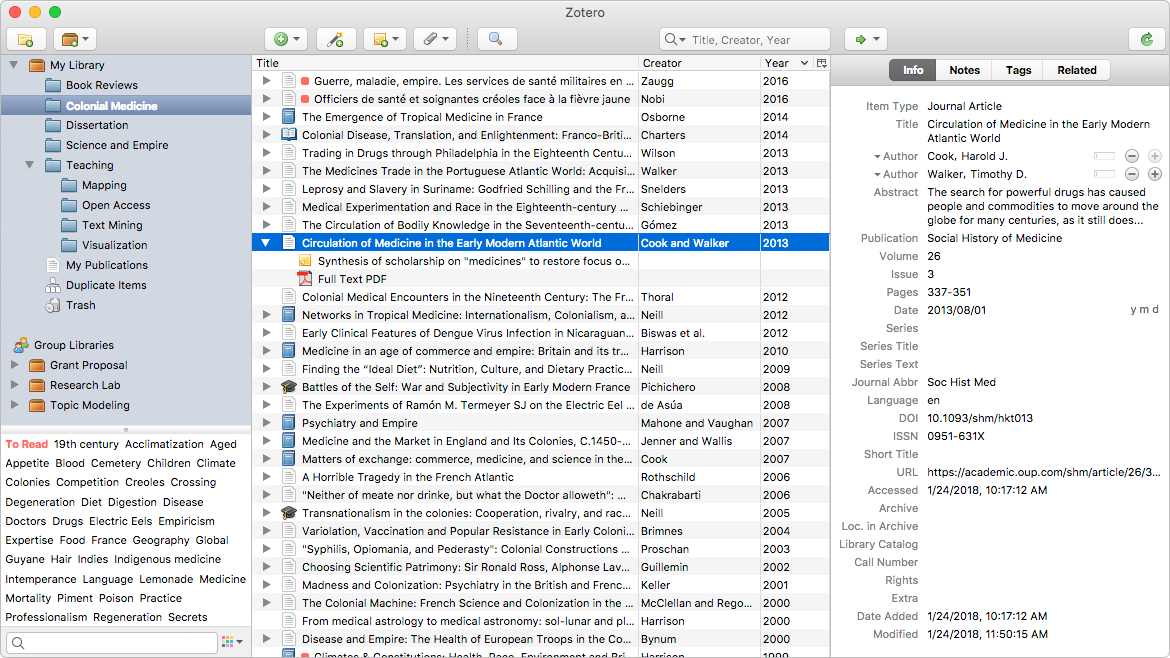
    Screenshot of the Zotero desktop application
    An example of a Zotero library from zotero.org

    No more keeping urls to your research sources in some random Word doc! Writing term papers and research essays has been one of my hardest struggles in college. It can be overwhelming to have to consume a bunch of research and analyze it in a meaningful way. Make it easier for yourself with Zotero, a “personal research assistant” that organizes sources for you. This tool is used by lots of people in academia, but not many undergrads know about it. Here’s what makes it great:

    • It’s easy to add sources! You can use the browser extension to add an entire source with just a click.
    • Once the source is added, all the information is downloaded: bibliographic information, tags associated with the work, a snapshot/pdf of the work
    • If there’s a pdf of the work, it’s saved locally to Zotero and you can take notes/highlight in the in-app pdf viewer!
    • Integrates with Google Docs and Word, where you can quickly add in text citations or a bibliography at the end of your writing

    ResearchRabbit

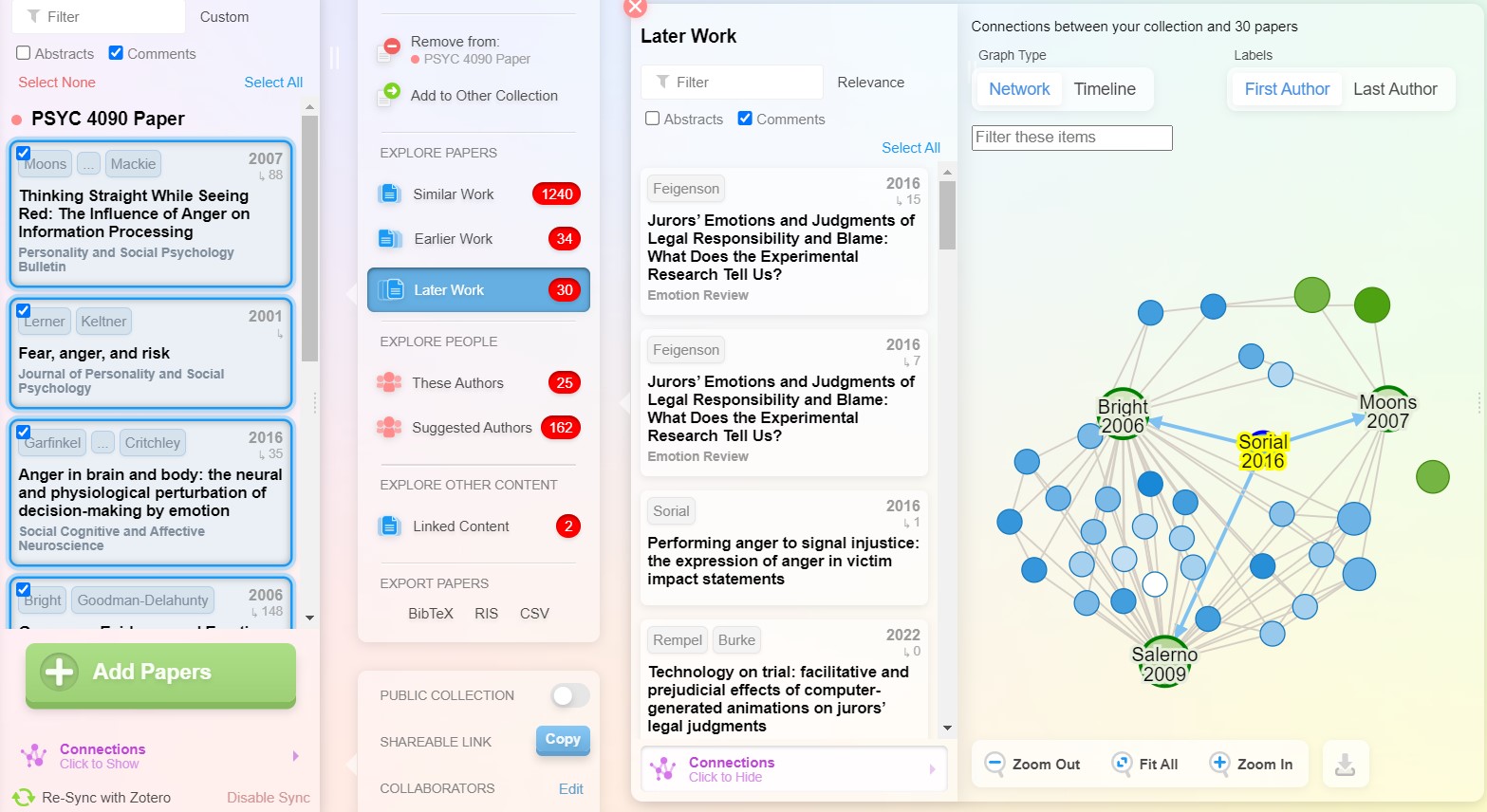
    A connection map that ResearchRabbit generated for one of my term papers.

    What does it mean to do a “thorough review of the literature”? That phrase can be daunting for undergrads. I don’t know about y’all, but when I’m usually starting a term paper, I don’t even know what I don’t know. Are these papers I’m using representative of the current research? This tool (researchrabbit.ai) gives you suggested papers, and it lets you see how popular your sources are in the field. Here’s my favorite features:

    • The coolest UI that makes it so easy to use
    • Visual maps help you “see” the impact of the sources you’re citing
    • The option to look at “similar work” and “related work” helps you find other sources, especially if you want to look at the current state of the literature


    These tools have been really helpful for me this year, and I hope they can help y’all too! Give these a go to help you work smarter, not harder. Good luck!

  • The Flower Power Behind Gene Silencing

    The Flower Power Behind Gene Silencing

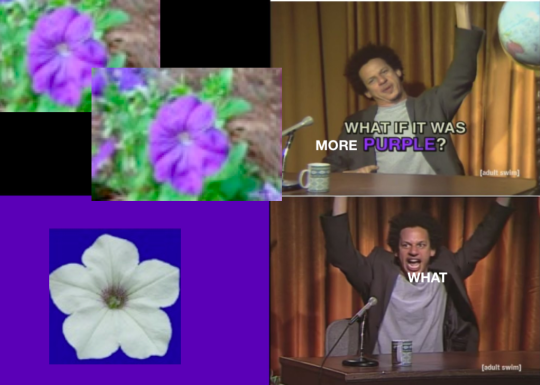
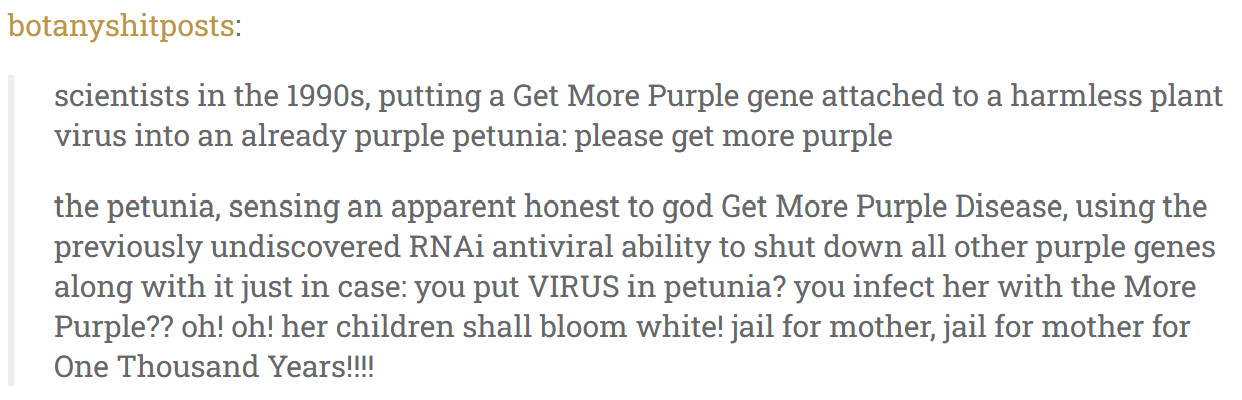
    Have you heard the story about some scientists trying to turn purple petunias more purple, and instead the petunias threw a tantrum and turned white?

    The theory I heard was that because the method to insert new genes into an organism usually involves using a modified virus, when the plant was “infected” with the extra purple, it’s “immune system” treated the gene like an attack and as a result just it shut down all together – and thus, white flowers.

    Textpost that reads: "scientists in the 1990s, putting a Get More Purple gene attached to a harmless plant virus into an already purple petunia: please get more purple the petunia, sensing an apparent honest to god Get More Purple Disease, using the previously undiscovered RNAi antiviral ability to shut down all other purple genes along with it just in case: you put VIRUS in petunia? you infect her with the More Purple?? oh! oh! her children shall bloom white! jail for mother, jail for mother for One Thousand Years!!!!"

    IT TURNS OUT THOUGH, it’s a bit more complex than even that – and eventually, this little failed experiment led to the discovery of a major gene editing tool.

    So back in the 90’s, the scientist who tried to purple-fy the petunias (Richard Jorgensen) actually added the gene through transfection instead of transduction – essentially meaning they got the gene into the cell by non-viral means.

    HOWEVER, despite not actually being exposed to a virus, those petunias did respond like they were being attacked. This is because inserting foreign genetic material is exactly how viruses work, and in response, most organisms’ from plants to worms to humans, have developed protections against it.

    And this is especially true for RNA, since that’s what most viruses are made of – and what most cells need to defend against.

    A quick overview of RNA, for the unfamiliar. It’s a nucleic acid like DNA (“ribonucleic acid”), and it’s essentially DNA’s little brother. If DNA holds the blueprints for all the different proteins and things a cell needs to make, RNA is the way those instructions are translated and then messaged to the rest of the cell – AKA mRNA. This comes into play with viruses, because they function essentially like spam mail – they attack cells and add their own RNA instructions, which tricks and hijacks the host cell into making whatever the virus wants (usually more of itself). So cells have a defense to combat this.

    For one, mRNA on the job only has one strand (instead of 2 like DNA), so that it’s instructions can be read easily. However, nucleic acids come in pairs, so if another strand of RNA happens to come along that has the right matching pair, the two strands can get stuck together like legos – blocking the instructions and stopping the expression of that gene/protein. This is what researchers figured happened with the petunias, and several similar experiments with worms. However, another surprise occurred when researchers Andrew Fire and Craig Mello tried to do a control experiment where they inserted cells with a strand of mRNA that was supposed to have no effect – they still saw gene silencing! 

    Looking deeper into it, they found that the cause was actually double strands of RNA that accidentally formed before injection. Apparently these pre-paired RNA strands were even better at stopping gene expression than a single strand – which raised more questions as to why.

    And here’s where viral defense come in. Double strands of RNA (dsRNA) don’t really occur normally in cells, but they ARE common in certain viruses. So what these researchers discovered (and won a Nobel Prize for), was that plant and animal cells have a naturally occurring enzyme call Dicer that (as you might guess) finds and dices these dsRNA into little parts; and then it goes even further and takes those un-paired parts and uses them to hunt down and deactivate their partners – effectively erasing whatever virus, protein, or gene that was encoded in the targeted RNA. This is called the RNA interference pathway, or RNAi.

    Now it was known at this point that, at least in mammals, introducing long strands of dsRNA for potential gene therapies/medicines wasn’t really possible, since they often triggered a larger immune response. However, learning about this silencing method inside cells allowed scientists to determine that very small strands of dsRNA could be used to reduce and effectively erase a gene or protein. And these small interfering RNA (siRNA) have become key to creating groundbreaking new gene therapies, like treatments for debilitating genetic diseases, HIV, and potentially even cancer. 

    Quite a lot, to come from a seemingly failed flower experiment!


    https://en.wikipedia.org/wiki/Virus#cite_note-Collier9699-73

    https://www.independent.co.uk/news/science/how-an-experiment-to-change-the-colour-of-a-petunia-led-to-a-breakthrough-in-the-treatment-of-cancer-and-aids-5547175.html

    https://www.genengnews.com/insights/plucking-rnai-from-the-gene-silencing-nettle/

    https://faseb.onlinelibrary.wiley.com/doi/10.1096/fj.06-6014rev

  • Infectious Diseases, Immune System and Vaccines

    Infectious Diseases, Immune System and Vaccines

    Since ancient times the causes of severe infectious diseases in humans have been puzzling to people. Specifically, the recurrence of outbreaks, the severity of outcomes after infection ranging from permanent sequelae to premature death as well as the large impact in numbers in human populations have created the need to search for ways to learn about and prevent them. By continuous observations and through trial and error, civilizations were able to identify and distinguish the common features of certain infectious diseases and so to differentiate one from each other. Once fairly identified, people have been searching for effective and disease-specific ways to prevent them. It is in this search for prevention how vaccines appeared as tools against the nasty outcomes of infection. In this essay I will attempt a brief review of concepts related to how the immune system and vaccines work, and some key events in vaccine development.

    Infectious diseases with severe outcomes in humans are several and new diseases  continuously appearing. Yet, using the particular causes or the origins of infectious diseases, they can broadly be classified into four groups: bacterial, viral, parasitic and fungi. Among these causes, there are not yet vaccines against any parasite or fungus causing severe disease in humans. Among all those diseases caused by bacteria or viruses only a few of them have a vaccine to prevent humans from their burden. Even less, the available vaccines are only against a few strains, serotypes or serogroups of a given bacterium or virus. Therefore, the number of pathogens (bacteria and viruses) that could cause severe infectious diseases in humans is several times larger than the number of vaccines we have against them. 

    In general, bacterial and viral diseases are often grouped as pathogens causing diseases      

    Humans have been exposed to environments full of dangerous pathogens. These continuous exposure to pathogens caused outbreaks and diseases. The threat of infection requires response from human bodies and so the human body often reacts and fights the attacks of pathogens using an innate nonspecific immunity level, which is part of the immunity system. This is often called “primary response” which occurs following the first exposure to a foreign agent. If the response is quick and effective, the infection will be contained or eliminated. Sometimes, however, the response fails so infection would cause a disease.  This could happen when the human body’s immunity is low and/or when the pathogen has a virulence to overcome the response, rapidly multiplying itself inside the human body and causing great damage to cells and tissues.     

    When humans were or are able to survive and recover from certain infectious diseases, their bodies generate some specific level of immunity to reinfections. It is because the human bodies have an immune system which is essential for our survival and where some specific memory about previous infections is stored and keeps the defense abreast.  Specifically, that specific memory set in the immune system works as a first line of defense when potential reinfections with the same pathogens happen. Sometimes, such memory could wane in time and so make humans again susceptible to infection and disease; other times, exposure to the same pathogen would boost a decaying specific immunity and keep the protection against the attack of that pathogen high. Another important reason for humans becoming susceptible again is when the specific pathogen mutates and evolves, becoming unidentifiable and so making useless the previous specific memory of protection in our immune system.   

    Among all types of pathogens, the new or foreign ones of great concern are those that cause severe disease and often overwhelm the immune system by making their response slow and ineffective. Often are those that cause a heavy disease burden in the human population with plenty of sequelae or death. One way to prepare the immune system to such rapid and virulent attacks and to build a defense against them is with vaccines.  Although there are different types of vaccines even against the same pathogen, in general all of them work like sparring for box or combat fighters; namely, as a sparring does, a vaccine safely and effectively stimulates the immune system, trains its rapid response and prepares it to fight. Effective vaccines are often able to mimic some or all specific characteristics – also known as antigens– of the pathogen. To keep the training of the immune system safe, these antigens in the vaccine are often weakened or killed versions of the real pathogen. In average, during the first two weeks after vaccination, the vaccine is able to prime the immune system to respond fast and with force, should an infection with the particular pathogen in full strength happen in the future. Some refer to this process as programming of the immune system and to the rapid and specific response as “secondary response” or “vaccine-induced response.” An effective secondary response is often faster and with force in the production of pathogen-specific antibodies and in creating more cellular memory in the immune system for future attacks. Yet, vaccine’s protection also could wane with time or the specific pathogen could mutate and evolve. Similar to natural immunity that could also wane, vaccine immunity could also wane or become useless against new versions of the pathogen making human bodies susceptible again to infection.

    From the first vaccine developed in 1796 to the latest Covid19 vaccine, they are considered one of the greatest achievements of modern medicine. Throughout the last three centuries, several developments ranging from the advances in laboratory techniques, the discoveries in germ theory, the introduction of attenuated toxins, the cultivation of viruses, the evolution of cell culture to the introduction of recombinant DNA and the whole genome sequencing techniques have allowed the development of different vaccines and enjoy the progress and benefits we see today from them. In general, diseases that have caused the highest burden in morbidity and mortality in societies have received more attention and resources from those interested in developing vaccines. 

    Although vaccines have been an effective tool against infectious diseases, the development of each vaccine for a specific pathogen has often been a slow and research intensive process. Still, there were several attempts against some pathogens that did not end up with a safe and effective vaccine.  Vaccine development follows a rigorous scientific process focused primarily on safety and then on its effectiveness. All these processes should have a sound foundation on basic biology research, scientific discovery of vaccine candidates as viable proof of concept. This is the point when the application of the investigation of a new vaccine should be submitted. After approval, a three-phase clinical studies and trial begins.  

    Roughly summarized, Phase I is focused on vaccine safety conducting trials in small groups of both animals and humans; phase II is focused on vaccine effectiveness trials in an increased number of humans. Phase III is one of the most important ones. In this phase, thousands of individuals are recruited and the sample distribution should be representative of the population where the vaccine will be targeted. Individuals are then randomly assigned to often two groups  – this is referred to as random control trials or RCT.  RCTs often have a control group not exposed to the vaccine (control) and a trial group that will be exposed to the vaccine (trial group). Except for the exposure to the candidate vaccine, it is expected that both groups have very similar demographics and clinical characteristics to avoid confounding factors. Then, both groups are followed and clinical and lab data collected. By comparing the rates of disease cases in the exposed group with those of the control group is how the vaccine safety and effectiveness are determined. If successfully safe and effective, the vaccine data is then submitted for analysis by independent institutions and then the vaccine is licensed and recommended.     

    In the recent past, the research and development of new vaccines used to take about 15 to 20 years. However, thanks to more than three decades of advances in DNA sequencing and the stable production of proteins in human cells exposed to messenger RNA (mRNA), the research and development time has been reduced substantially and made possible the development of Covid19 vaccines in less than a year. Had the Covid19 pandemic occurred 30 years ago, we would have been in worse shape to control or prevent their consequences.  

    Overall, human’s immune systems could rely on more effective and safe vaccines to prime their response against pathogens’ attacks. Yet, the burden of infectious diseases could only be partially reduced by vaccines. As mentioned above, among all those diseases caused by bacteria or viruses only a few of them have a vaccine to prevent humans from their burden and for those with a vaccine, the protection is often partial and may wane in time.   


    *Note: All the ideas developed in this essay were based on the references listed below.  

    References:

    1. “A Brief History of Vaccination.” World Health Organization, World Health Organization, https://www.who.int/news-room/spotlight/history-of-vaccination/a-brief-history-of-vaccination. 
    2. Coon, Lisa. “The History of Vaccines and How They’re Developed.” OSF HealthCare Blog, 11 Feb. 2022, https://www.osfhealthcare.org/blog/the-history-of-vaccines-and-how-theyre-developed/. 
    3. Diseases.” History of Vaccines RSS, https://historyofvaccines.org/diseases.
    4. Dolgin, Elie. “The Tangled History of Mrna Vaccines.” Nature News, Nature Publishing Group, 14 Sept. 2021, https://www.nature.com/articles/d41586-021-02483-w. 
    5. Offit, Paul. “Developments by Year.” Children’s Hospital of Philadelphia, The Children’s Hospital of Philadelphia, 20 Nov. 2014, https://www.chop.edu/centers-programs/vaccine-education-center/vaccine-history/developments-by-year. 
    6. Saleh A, Qamar S, Tekin A, Singh R, Kashyap R. Vaccine Development Throughout History. Cureus. 2021 Jul 26;13(7):e16635. doi: 10.7759/cureus.16635. PMID: 34462676; PMCID: PMC8386248. https://www.ncbi.nlm.nih.gov/pmc/articles/PMC8386248/#:~:text=The%20first%20trials%20to%20develop,the%20United%20States%20in%201945. 
    7.  “U.S. Vaccine Safety – Overview, History, and How It Works.” Centers for Disease Control and Prevention, Centers for Disease Control and Prevention, 9 Sept. 2020, https://www.cdc.gov/vaccinesafety/ensuringsafety/history/index.html. 
    8. “Vaccine Development, Testing, and Regulation.” History of Vaccines RSS, https://historyofvaccines.org/vaccines-101/how-are-vaccines-made/vaccine-development-testing-and-regulation.