Day: November 18, 2022

  • Quantum Computing For Dummies

    Quantum Computing For Dummies

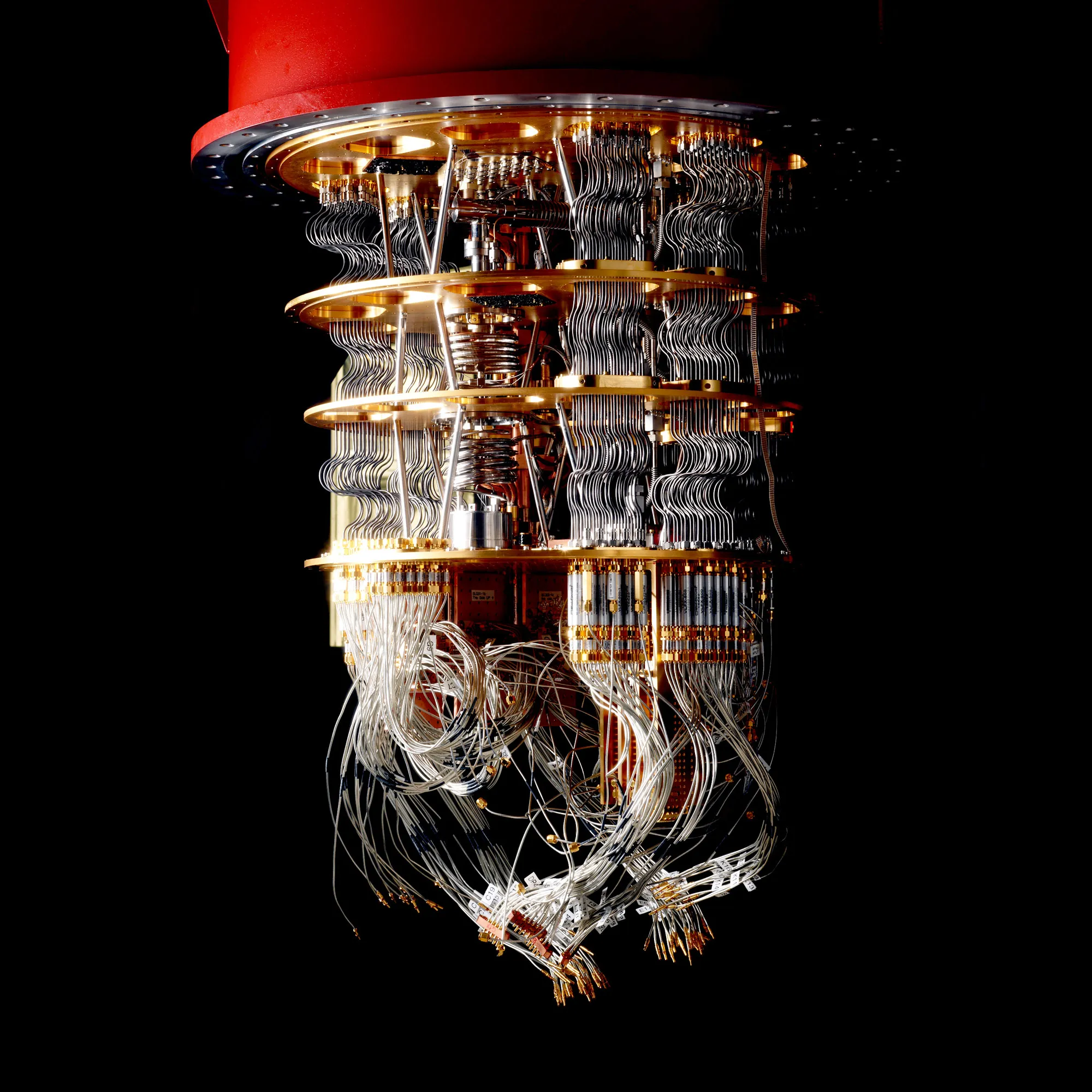
    If you’re even tangentially related to the tech world, you’ve probably heard an awful lot about Quantum Computing recently. But what exactly is it? Why is it useful? What is the point? And what does it mean for the future of computers for everyday people like you and me? 

    What is Quantum Computing?

    The basic idea behind quantum computing is that rather than having binary 1’s and 0 build the computer, you have a range of values between 0 and 1, determined by the superposition and entanglement of subatomic particles in the computer. Now this may sound scary, but it’s actually quite similar to what’s going on in your normal computer. The 1’s and 0’s you always hear about making up binary are actually just electrons. Electrons either flow through transistors (producing a 1) or they don’t (0). Computers have always relied on sub-atomic particles, we’re just changing which ones we rely on with quantum computing. 

    Quantum computers were proposed in the 1980s by Richard Feynman and Yuri Manin. But it wasn’t until 1998 that Isaac Chuang at Massachusetts Institute of Technology (MIT) and Mark Kubinec of the University of California at Berkeley created the first quantum computer (2-qubit) that could be loaded with data and output a solution. These computers have been theorized for a long time, but only recently are starting to become viable tools.

    What does that mean for me?

    Now, before we continue, I want to be clear that in the next 10-20 years, consumers will not be using quantum computing in their homes. There are a lot of advantages we’ve found to using the range of values that quantum provides, but those advantages are not currently applicable to daily users checking emails or watching videos; what they are good for is searching databases. 

    What is Quantum Computing useful for, then?

    Binary-based computers are particularly bad at searching for values. In fact, most search algorithms are just special tricks to get around how bad computers are at finding values in a dataset. This is because binary values have to check each value they come across one at a time and “label” each one as not the object they’re looking for. What quantum computing allows is, rather than going one-by-one, searching all (or many of the) values at the same time. 

    In a similar vein, quantum computing is quite good at modeling possible outcomes of situations because rather than having to cycle through each scenario one at a time – like a binary computer – it can process many different models at once. These advancements will be massive for many areas of scientific study by exponentially decreasing the amount of time/resources computing models takes.

    Closing thoughts

    If you are an average consumer like me, these advancements won’t affect you directly for many years, but I estimate we will be seeing faster scientific breakthroughs in coming years as computing time continues to decrease.


    Sources and Extra Reading

    Chuang, Isaac L.; Gershenfeld, Neil; Kubinec, Markdoi (April 1998). “Experimental Implementation of Fast Quantum Searching”.

    Gibney, Elizabeth (23 October 2019). “Hello quantum world! Google publishes landmark quantum supremacy claim”.

    S. J. Pauka, K. Das, R. Kalra, A. Moini, Y. Yang, M. Trainer, A. Bousquet, C. Cantaloube, N. Dick, G. C. Gardner, M. J. (2021). “A cryogenic CMOS chip for generating control signals for multiple qubits”.

    Yanofsky, Noson S.; Mannucci, Mirco (2013). Quantum computing for computer scientists. Cambridge University Press. pp. 144–147, 158–169. ISBN 978-0-521-87996-5.

  • A Spotlight on Black Licorice and its Darker Side

    A Spotlight on Black Licorice and its Darker Side

    Black licorice. You either love it or you hate it. Some delight in the intense spice flavor that comes with a bite of licorice and others find it repulsive and gag at the mere scent of it. As a divisive food and old-timey treat, black licorice has a long history of being a chewy confectionery and a popular flavor for drinks and tobacco in many parts of the globe. Licorice (scientifically referred to as Glycyrrhiza glabra) is a flowering plant that comes from the legume family. Its roots contain the flavor that we know as licorice and are commonly extracted for various uses. While it shares similar flavoring compounds, it is not related botanically to anise or fennel as some may think. (though sometimes they are used instead of licorice to evoke the same flavor profile)

    What makes black licorice so sweet?

    The iconic scent and flavor of licorice come from a mix of different compounds, but the one that gives it most of its sweetness is glycyrrhizin (a compound that is about 50 times sweeter than sugar!) This sweetness is different than regular sugar in that it more closely resembles sweeteners like Sweet ‘n’ Low which is comprised of saccharin. Some people vehemently dislike this type of sweetness which is also known to linger on the tastebuds for longer. Many people claim to dislike how “sickeningly sweet” it is and feel that it strongly dominates whatever you taste in your mouth for many minutes even after it is consumed. Others say that their aversion comes from the glycyrrhizin tasting more bitter than sweet.

    This bitterness can be attributed to herbal medicine, which licorice is also known to be useful for. There are many patented licorice-based medicines in China, where its extract is used in the treatment of bronchitis, colds, cough, and upper respiratory diseases. Glycyrrhizin, glycyrrhizinic acid, isoliquiritin, and glycyrrhizic acid are the most notable substances used for health benefits as they possess anti-cancer, anti-microbial, and anti-inflammatory properties. Excessive consumption that allows for the build-up of these compounds, however, may lead to serious adverse health effects.

    Consequences of Overconsumption

    Like most things in life, licorice is best enjoyed in moderation, but for more sinister reasons than you may think. Eating more than 57g of black licorice a day for at least 2 weeks could potentially cause serious health problems, such as an increase in blood pressure and an irregular heart rhythm (arrhythmia). This happens because of an excess of glycyrrhizic acid in the body. Normally your body is able to process glycyrrhizic acid into glycyrrhetinic acid, which is relatively harmless in small amounts, but when larger concentrations are present in the body, it can inhibit an enzyme that assists in converting active cortisol (the hormone that controls adrenaline) into inactive cortisone. You can imagine what too much active cortisol might do to your body, and this imbalance like this can wreak havoc on your body. 

    Cortisol is a hormone that plays a role in your fight-or-flight response and is similar chemically and structurally to aldosterone, which during a stressful event can signal to the body to hold on to water if you’re dehydrated. It does this by binding to structures in the kidneys that cause sodium to be pulled from urine in order to trigger osmosis and cause water to stay in your cells. Sodium has a +1 charge, however, and if it’s taken from the urine, then another +1 charge must replace it. This is done by potassium which can then replace the sodium in the urine and be excreted from the body. Now, when cortisol is present in concentrations that are dangerously high, it can be concluded that it would cause your body to pull more sodium from your urine, and you would lose more potassium right? 


    Cortisol (left) & Aldosterone (right)

    This leads to hypokalemia or low potassium presence in blood, which can be detrimental to the muscles of your body especially one of your most essential muscles, your heart. Potassium is an ion in your body that signals a relaxation of your muscles after a contraction. If there isn’t enough potassium present in your blood, then your muscles will stay contracted, which can be especially bad for your blood vessels and your heart. This is where the increased blood pressure and arrhythmia can restrict proper oxygen flow throughout your body and cause your organs to shut down.


    No Need to Panic

    Now, of course, the chances of this happening to the average black licorice fan are very slim as long as the treat is enjoyed in moderation. Since most people wouldn’t eat 57g of black licorice every day, I think it’s safe to say that fearing death by licorice overdose won’t be found in anyone’s nightmares. All in all, black licorice is a novel sweet with an interesting chemical makeup that is loved (or hated) by many across the globe.


    Sources:

    Pastorino G, Cornara L, Soares S, Rodrigues F, Oliveira MBPP. Liquorice (Glycyrrhiza glabra): A phytochemical and pharmacological review. Phytother Res. 2018 Dec;32(12):2323-2339. doi: 10.1002/ptr.6178. Epub 2018 Aug 17. PMID: 30117204; PMCID: PMC7167772.

    Wahab S, Annadurai S, Abullais SS, Das G, Ahmad W, Ahmad MF, Kandasamy G, Vasudevan R, Ali MS, Amir M. Glycyrrhiza glabra (Licorice): A Comprehensive Review on Its Phytochemistry, Biological Activities, Clinical Evidence and Toxicology. Plants (Basel). 2021 Dec 14;10(12):2751. doi: 10.3390/plants10122751. PMID: 34961221; PMCID: PMC8703329.

    https://www.healthline.com/nutrition/black-licorice-death

    https://www.youtube.com/watch?v=qg76qIZ4BQ8 

  • Monkey to Macbook – The expedited progression of the human race

    Monkey to Macbook – The expedited progression of the human race

    Within the past 200,000 years, modern humans began to appear. Though it took thousands of years to get to the Industrial Revolution, since then, technology has grown exponentially. In fact, the majority of new breakthroughs in technology have occurred within the past 250 years. Compared to the span of human existence, this time period is fractional, and it goes to show the rapid changes made in the technology sector. 


    In 1942, the first modern digital computer was built, and it weighed over 700 pounds. This machine was called the Atanasoff–Berry computer, or ABC. This machine was built to compute calculations with up to 29 variables, and it performed one operation every 15 seconds. Fast forward only 80 years to 2022, when Apple released their new Macbook Air. This laptop barely weighs 3 pounds and can perform millions of computations per second. It has a 1080p camera and has configurable storage up to 2T. Not even at 1% of the weight of the ABC, the Macbook Air can do so much more, and only within 80 years of development too. What the ABC could do then, the Apple Watch can do now. The progress has been extremely rapid in the last few years, and that leads me to stop and wonder: Will we hit a roadblock soon? Will there be no more changes left to make? What’s next in the future of technology?


    Every couple of years, humans make incredible progress in the technological world. In the last 2,000 years, technology has advanced exponentially. When we imagine the future, we think of robots, advanced technologies, and even a cyberpunk-esque environment. The 1985 classic film, Back to the Future, got a lot right about modern technology, but it was also quite ambitious with some predictions. For example, the flying car, hoverboard, and the sleep-inducing alpha rhythm generator are all inventions that don’t exist today. On the other hand, the power lacing shoes, drones, and biometric devices are examples of technology that do exist now. Now while some of these technologies might never exist, one can’t help but wonder, which ones will? In the 20th century, the idea of the future was very metallic, robotic, and monochromatic. Now when we imagine the future, we imagine AI, big cities, and advanced tech in every aspect of our lives. So what does the future hold for us? 


    I think what we currently envision for the future is only partially accurate. Just like in Back to the Future, only some of the technologies actually came to be. While we have an idea of what the future holds, part of it is shrouded in uncertainty, and it won’t be something we’ll be able to predict. Our future technological advancements primarily depend on what we need, and that need could change with multiple factors, like climate change, overpopulation, and etc. Artificial intelligence wasn’t a larger concept until the last couple of years, so it was never in the predictions for future technologies until recently. Now that it has become such a widespread topic, we think of it as the ‘next big thing.’ So while we can have some idea about what the future holds for us, we can’t fully predict what it has in store. Maybe civilization will never have a need for flying cars, or maybe we might need to develop technology to live underwater. Who knows?


    Sources:

    https://theconversation.com/what-was-the-first-computer-122164#:~:text=The%20first%20mechanical%20computer%2C%20The,computer%20we%20all%20use%20today.&text=The%20ABC%20weighed%20over%20700,had%20small%20capacitors%20on%20it. 

    https://www.vulture.com/2014/12/which-back-to-the-future-ii-tech-is-closest.html 

  • An Infinitely Dimensional Orange: A Slice of Machine Learning

    An Infinitely Dimensional Orange: A Slice of Machine Learning

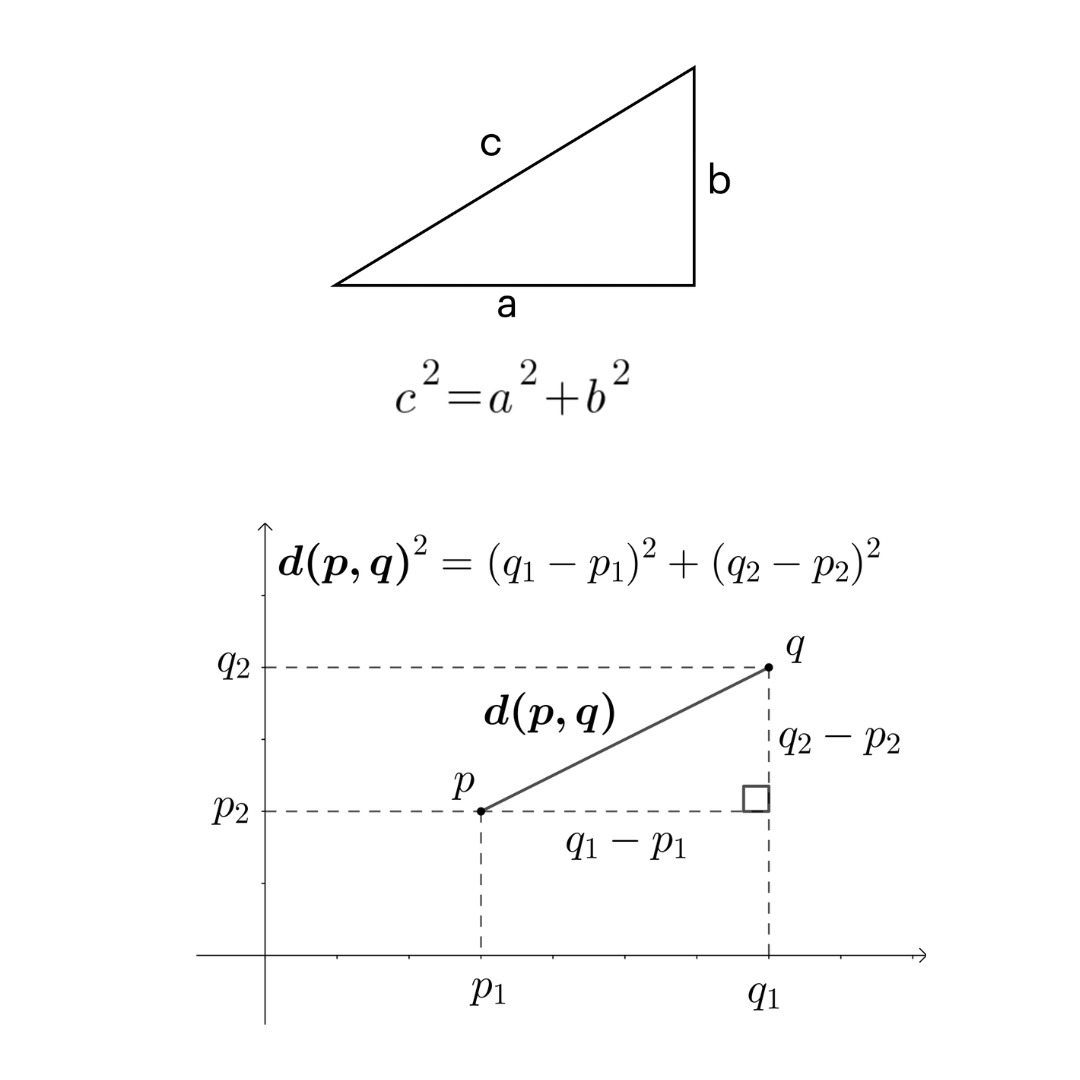
    What does the Pythagorean Theorem have to do with machine learning? The Pythagorean Theorem is a formula to measure the hypotenuse of a triangle, which also allows us to calculate the distance between the origin and another point on a coordinate plane.

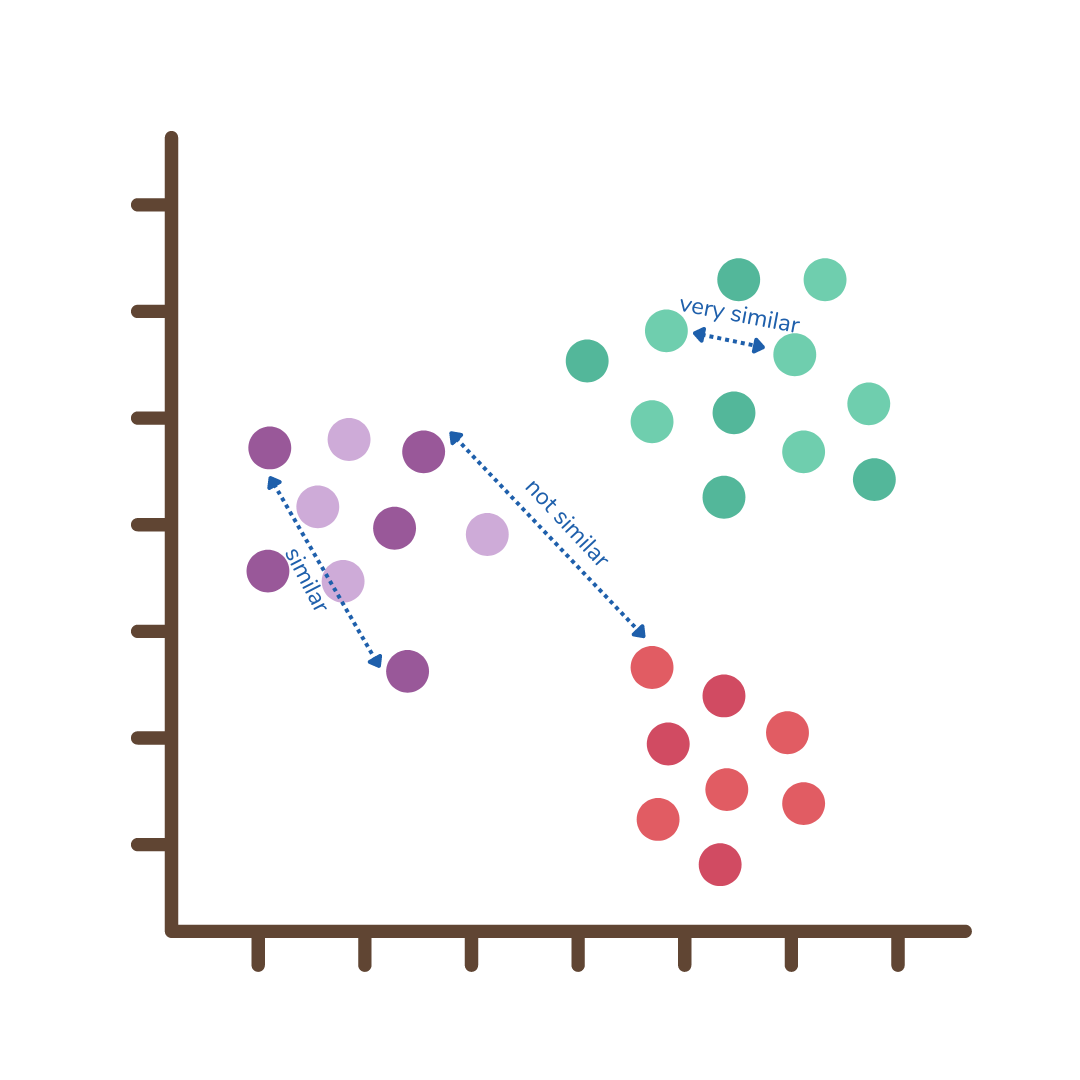
    The Pythagorean Theorem can be rearranged to result in the Euclidean distance formula, to calculate the straight-line distance between any two points. The Euclidean distance metric is one of several distance metrics used in machine learning. One type of machine learning is clustering, where objects related to each other are grouped together. We can model how related objects are to each other by essentially assigning them to coordinates and calculating the distance between them; the further apart they are, the less related they are to each other. 

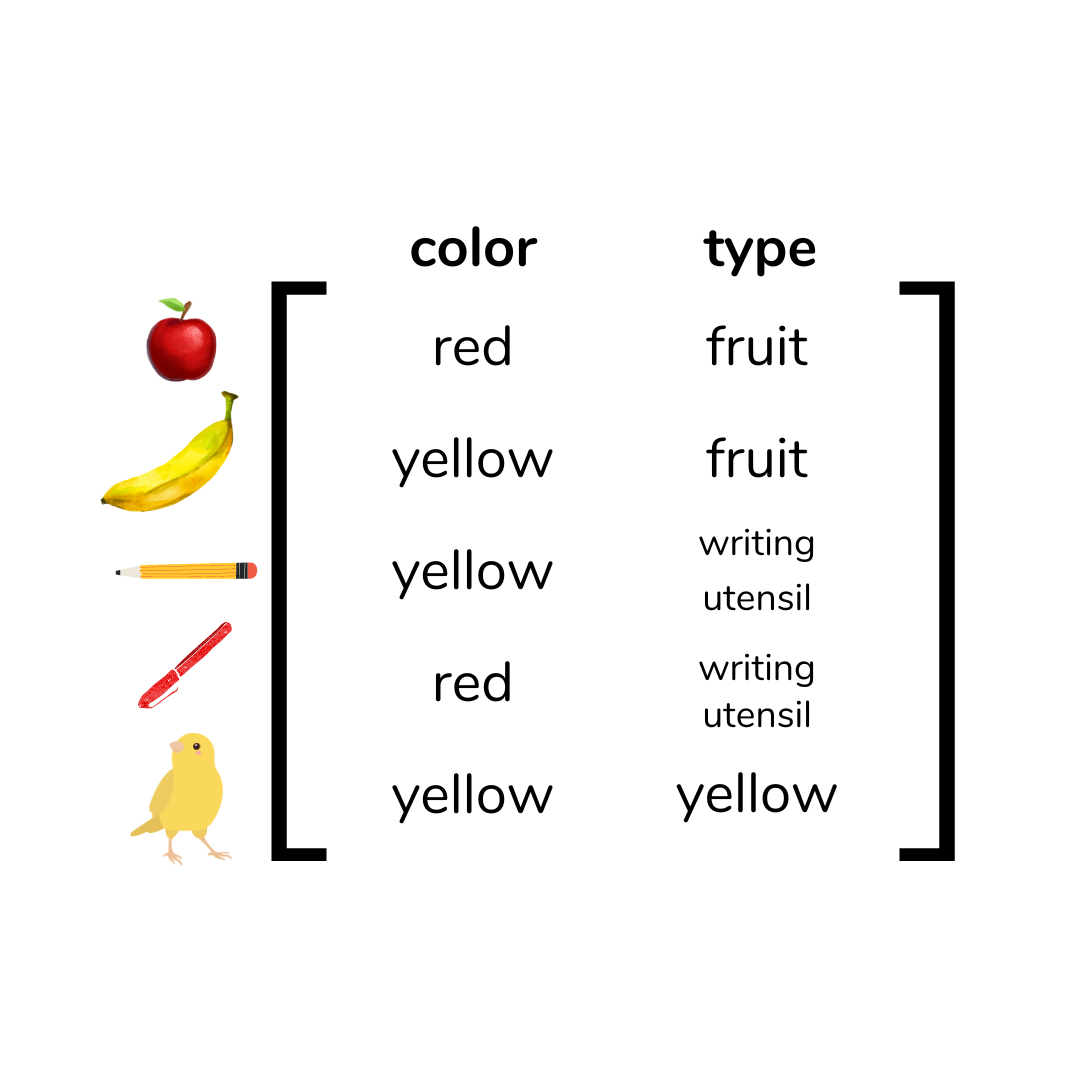
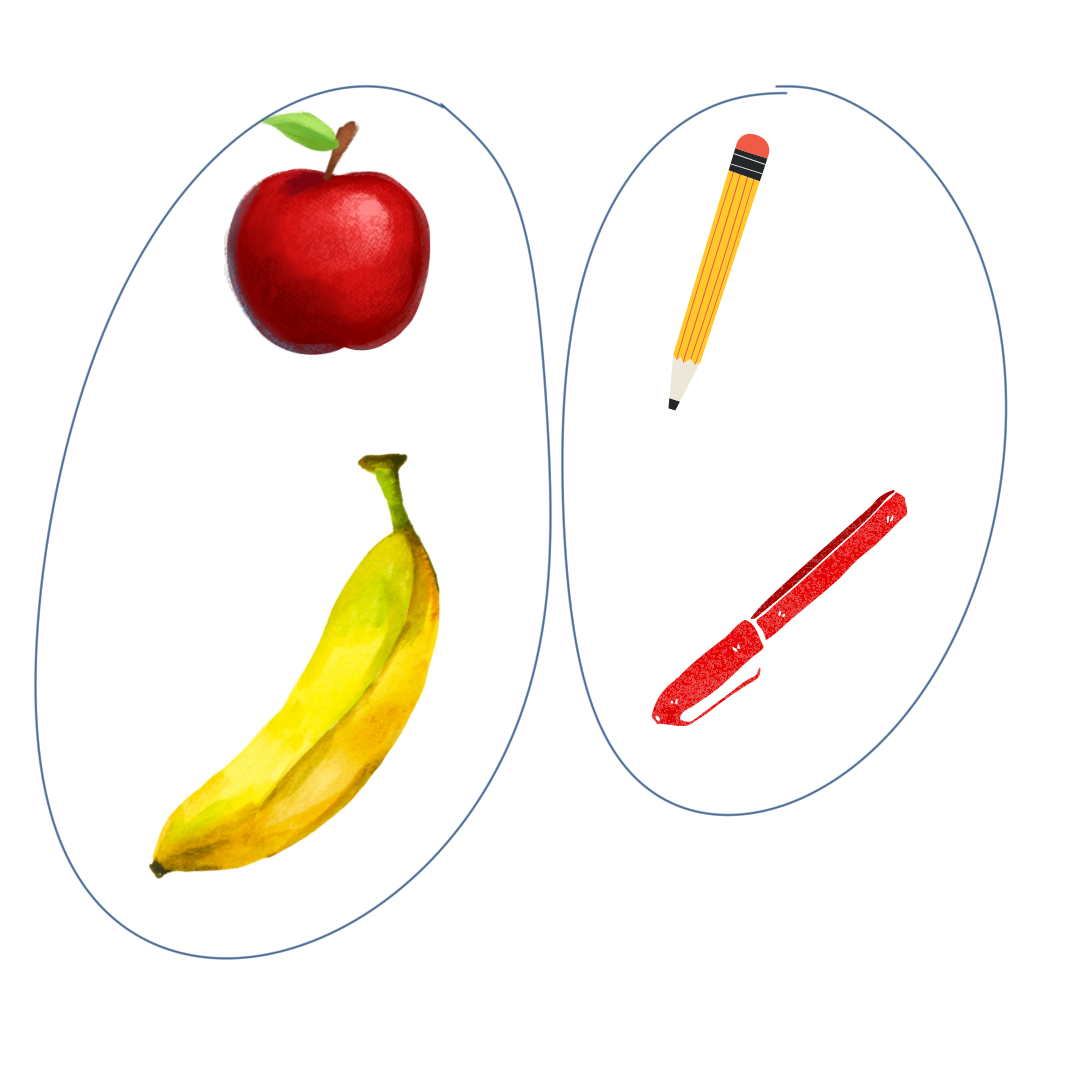
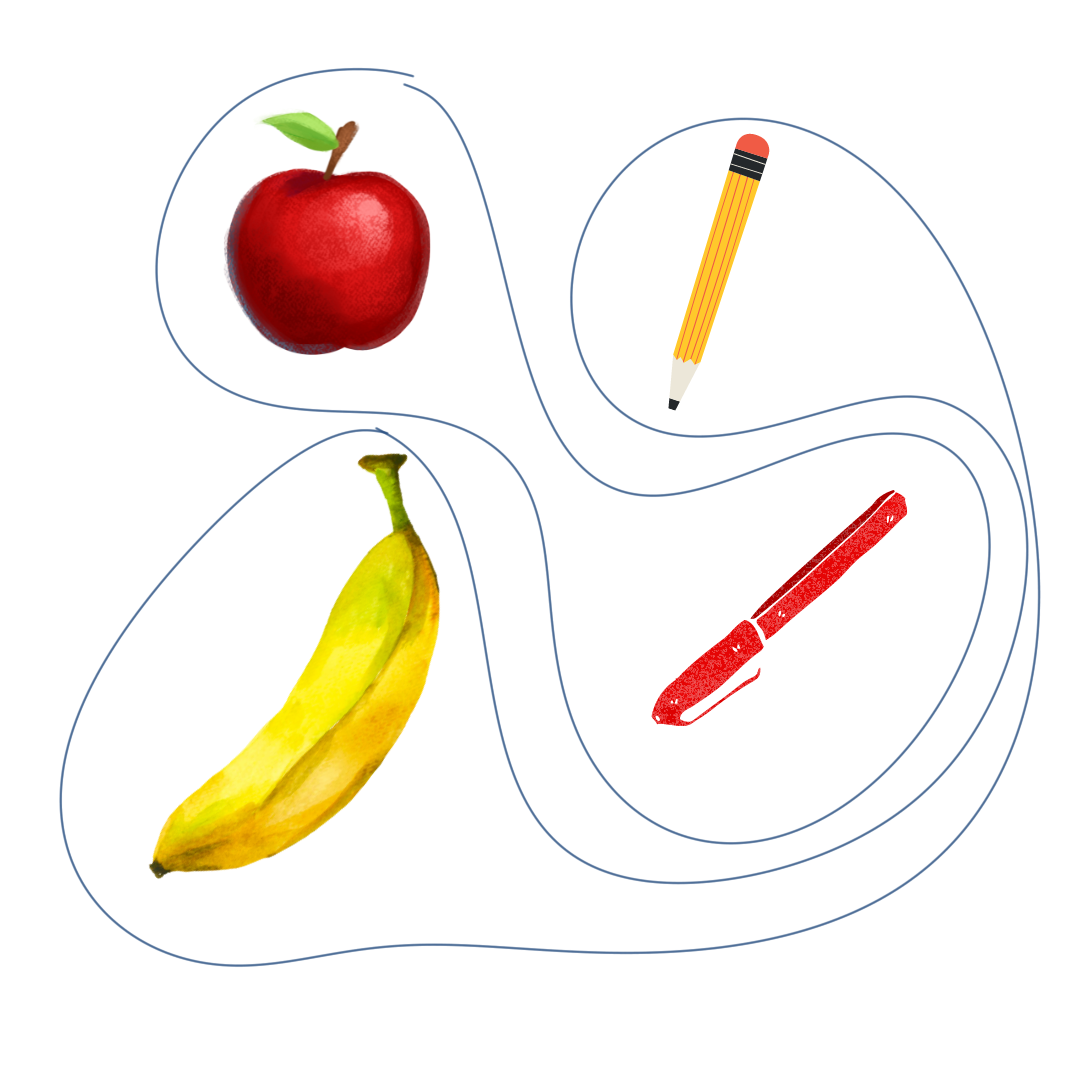
    Objects can be related to each other in many different aspects. For example, say you have a red apple, a banana, a red pen, and a Number 2 pencil. How would you group these objects into two groups? You could say the apple and banana go together because they are both fruits, and the pen and pencil go together because they are both writing instruments. But you could also say that the apple and pen should go together because they are both red, and the banana and the pencil should go together because they are both yellow. In this case, you could group by type of object or by color. Grouping by type of object might make more sense in this example.

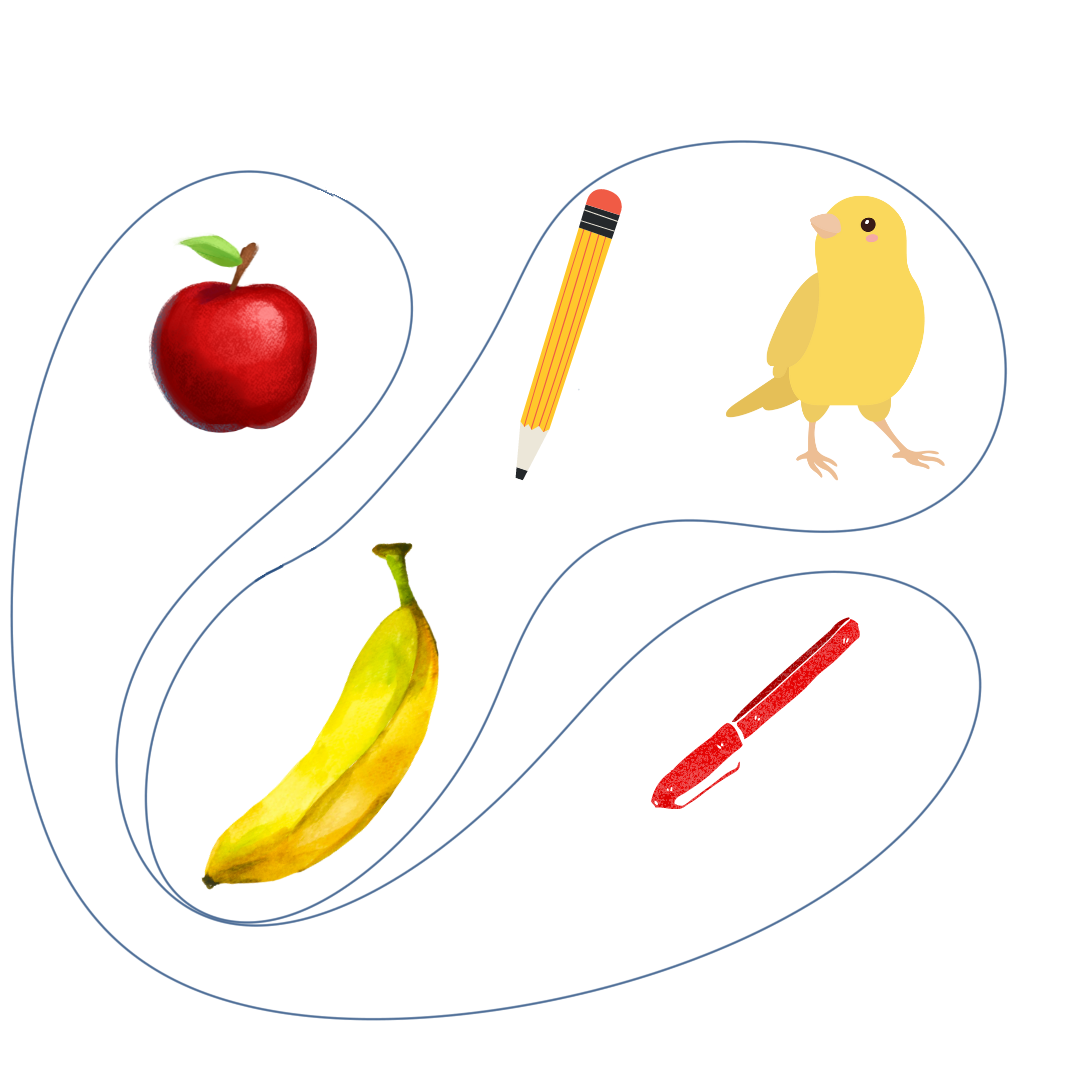
    But what if we add in a canary to the things to be grouped? We want to make as many of the objects fit in the groups as possible, so the addition of a canary, which is yellow, would cause the grouping by color to make more sense.

    In clustering, each of these objects would be a data point, and each aspect, such as type, color, size, and texture, would be a dimension of these objects. We call these different aspects features of the data. We can store this data in a matrix so that a computer can read and process the data.

    It might seem that if we add more features to the data, we would be able to group the objects better. Intuitively, we think we have more choices of what to group by. However, as we add more and more features, the majority of features would be irrelevant and actually make it more difficult to group. This is called noise in our model. For example, one feature of the data set we had earlier could be “does it have a beak?” But since the canary is the only object that has a beak, that doesn’t help us cluster the objects together. When considering the distance between data points, adding features adds a dimension to our model, which increases the distance between points. Also, adding “does it have a beak?” as a feature would actually just increase the amount of data we have to store, making our algorithms run slower.

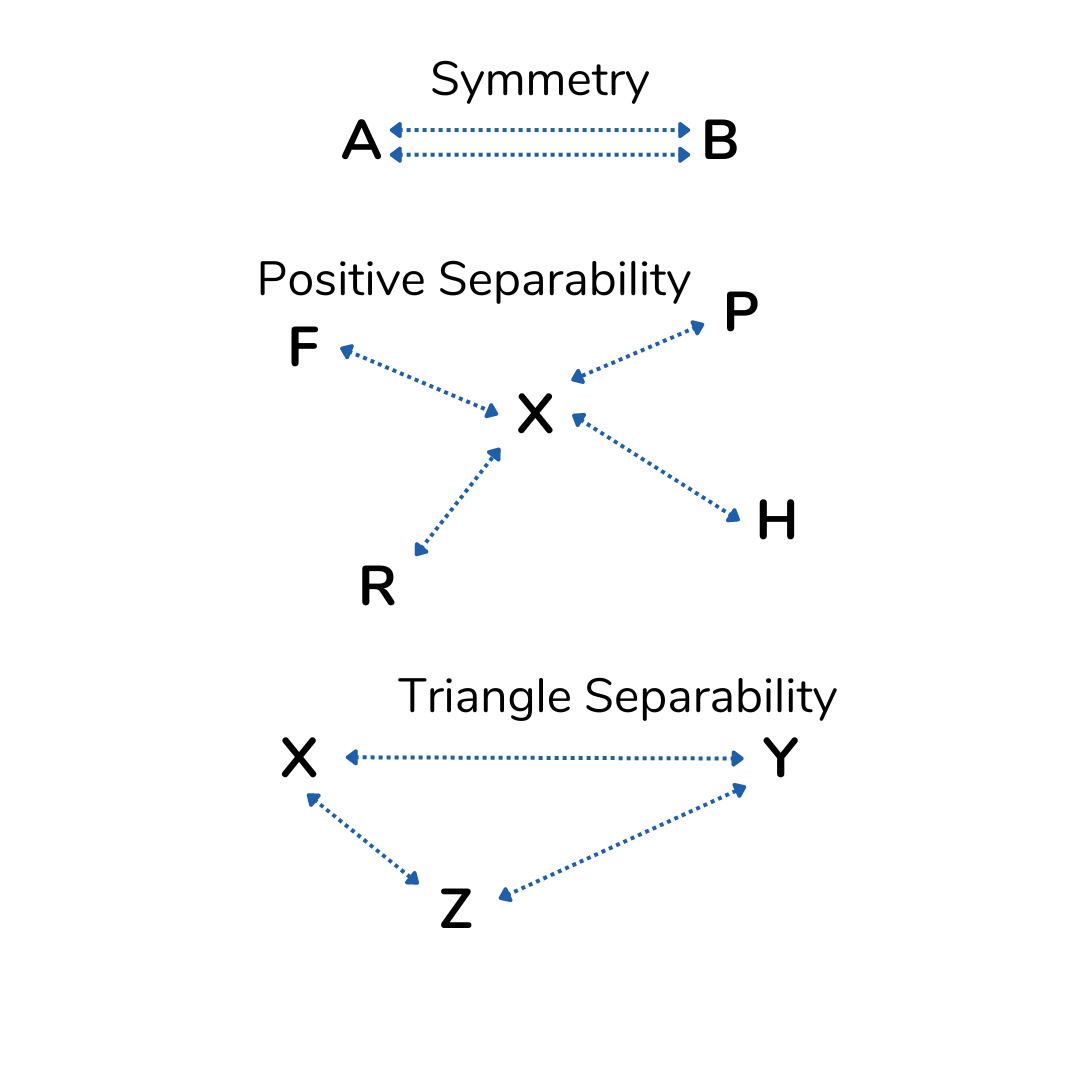
    When a computer clusters data points, points within the same cluster are similar and points in different clusters are not as similar. We quantify similarity using distance metrics. There are some properties of similarity that have to hold true for clustering to make sense:

    • Symmetry: The distance from A to B is equal to the distance from B to A. This makes sense because if A is similar to B, B must be similar to A. Similarity goes both ways.
    • Positive Separability: The distance from X to X is equal to 0, and the distance from X to any other point does not equal 0. This rule is needed because a data point cannot be different from itself, and if data points are different, they have to have a distance between them representing that difference.
    • Triangle Separability: The distance from X to Y is less than or equal to the sum of the distance from X to Z and Y to Z. This makes sense because if Y is similar to Z, and X is similar to Z, then X must be similar to Y.

    Euclidean distance is the straight-line distance from point A to point B, but here’s an example of another distance metric. Manhattan distance measures around blocks, resembling the route a car in a city would take around ceilings. 

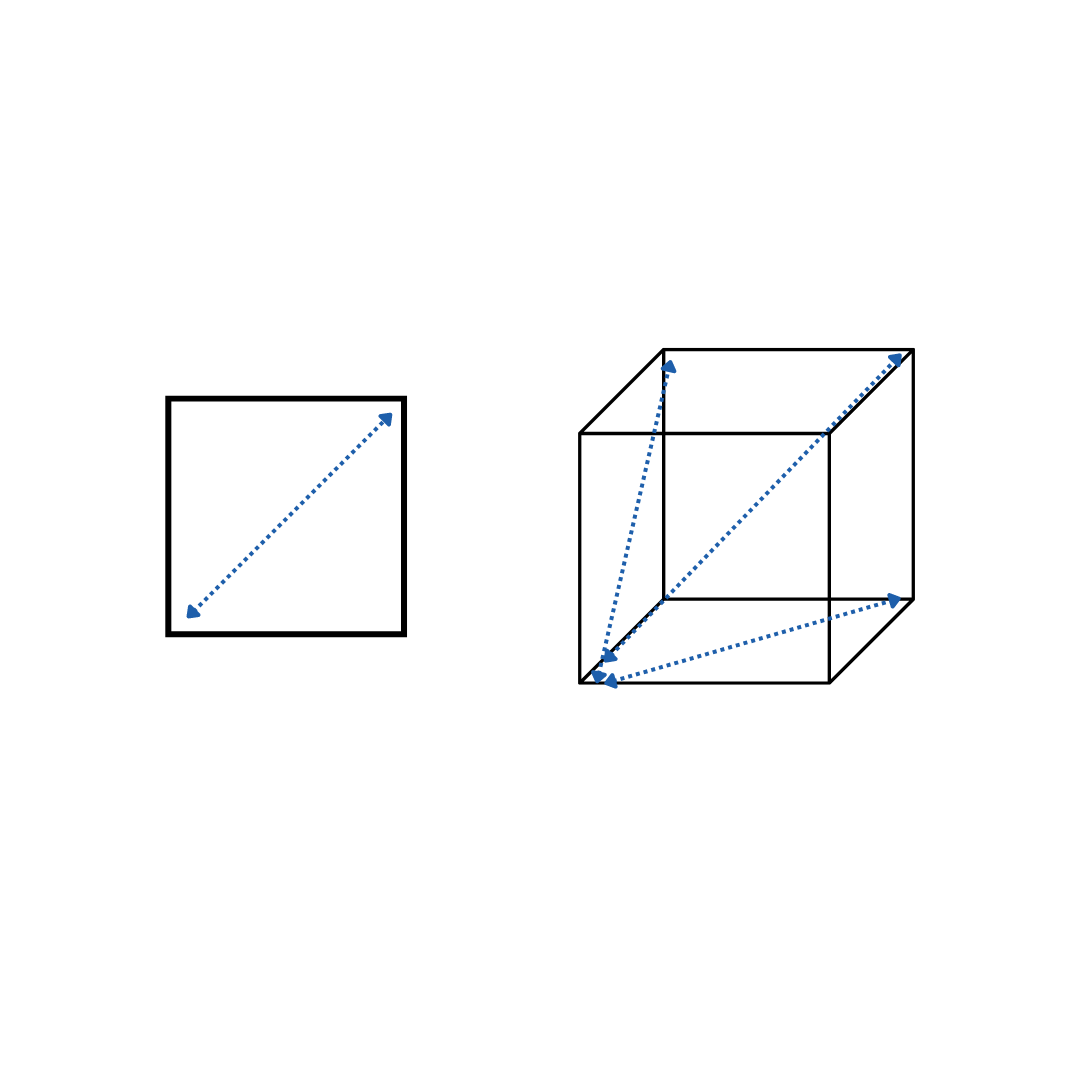
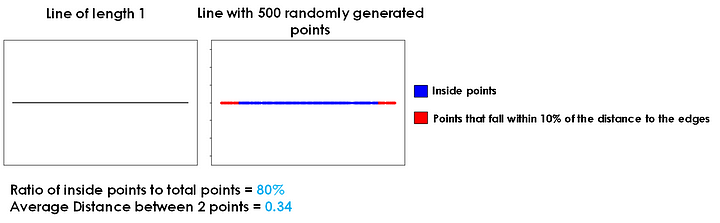
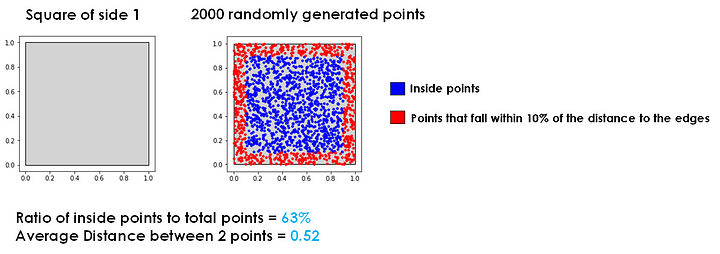
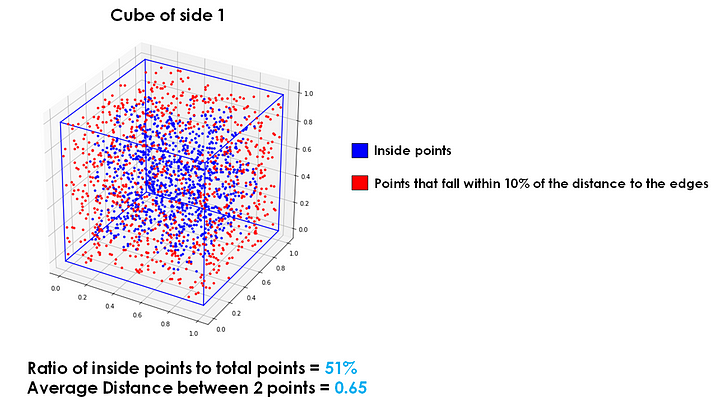
    An interesting phenomenon related to distance metrics is how they lose their meaning in higher dimensions. When we add features to our dataset and increase the number of dimensions, the average distance between points increases. Think about how in one dimension when we are looking at one feature, point A and B would be on a straight line, x units apart. But in two dimensions when we added another feature, if the second feature is just as far apart as the first for points A and B respectively, A and B would be sqrt(2)*x units apart. The same pattern continues when we add more and more dimensions.

    As we increase dimensions and distance between points increases, the points also migrate towards the edges of the space. This is because the ratio of the limits of the space to the core of the space increases as the number of dimensions increases. Think about how a square with sides of length x has a perimeter of 4x and an area of x^2. A cube, on the other hand, with sides of length x has a surface area of 6x^2 and a volume of x^3. Let’s substitute 1 as x to compare these values. 

    Square perimeter = 4x = 4

    Square area = x^2 = 1

    Perimeter to area ratio = 4/1 = 4

    Cube surface area = 6x^2 = 6

    Cube volume = x^3 = 1

    Surface area to volume area = 6/1 = 6

    When the number of dimensions increased from 2 to 3, the ratio increased from 4 to 6. Once again, this pattern continues in higher dimensions.

    Let’s visualize a model with points randomly distributed around the model space.

    In one dimension, approximately 20% of points will be within the outer 10% of the space. In two dimensions, approximately 37% of points will be within the outer 10% of the space. In three dimensions, approximately 49% of points will be within the outer 10% of the space.

    Continuing on to dimensions of degrees that are essentially impossible for us to visualize, approximately 60% of points in four dimensions, 68% in five dimensions, 74% in six dimensions, and 80% in seven dimensions will be within the outer 10% of the space.

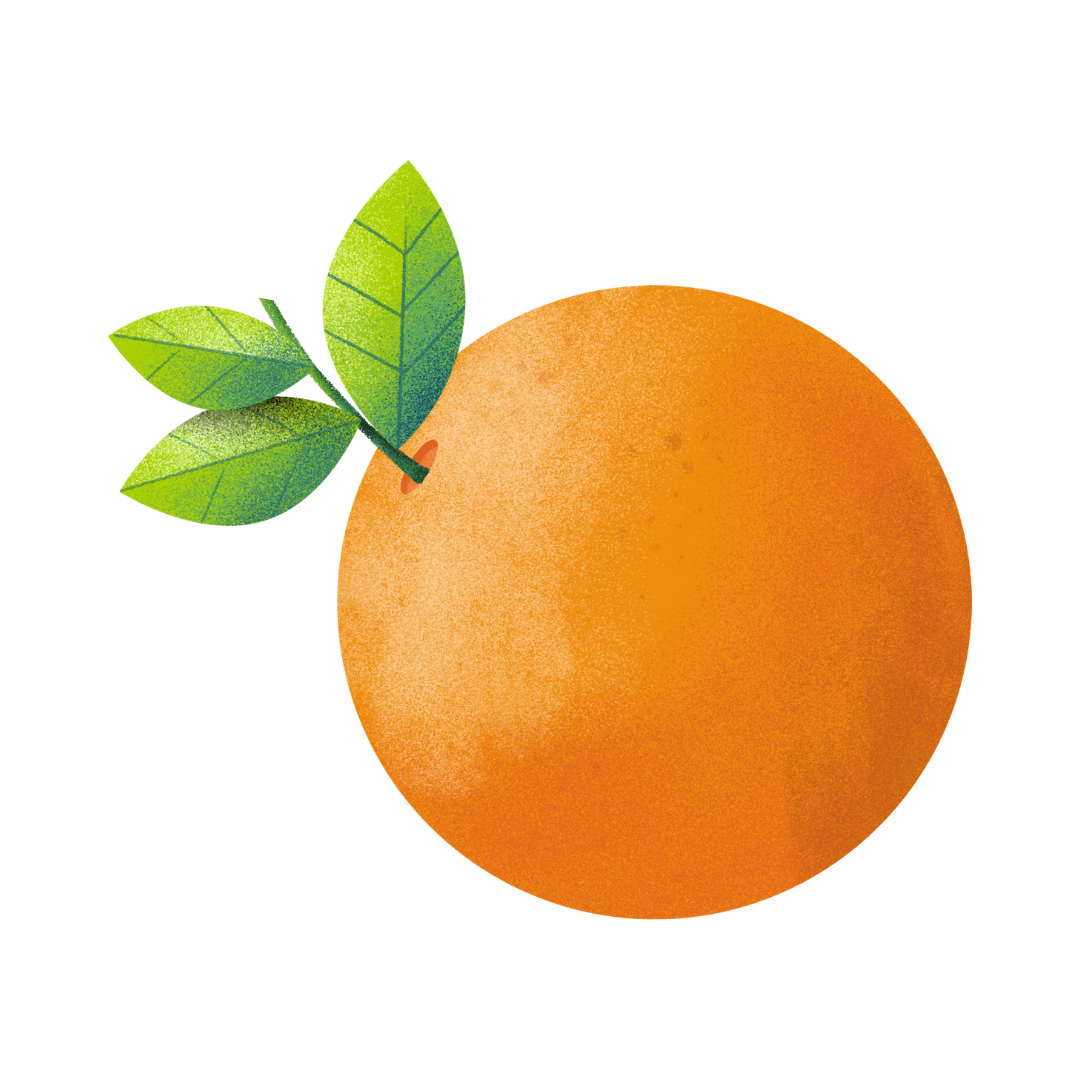
    This concept brings us to the titular “infinitely-dimensional orange” concept; if we had an orange with infinity dimensions and points randomly distributed across the space, all the points would be on the peel of the orange, with no points spread around in the interior.

    Using more features allows each data point to become more different from each other, which makes them more sparsely distributed. This makes it harder to cluster the points accurately! In machine learning models, we address this issue using feature selection and dimensionality reduction techniques to find the most relevant features and reduce the number of dimensions we utilize to cluster data points. Not only does this reduce the processing power a computer would need to run the algorithm, but accuracy in clustering generally also increases by preventing the “infinitely-dimensional orange” phenomenon.

    Reference

  • ‘IN Synch

    ‘IN Synch

    Written by: Lauren Mellinger and Julia Raver

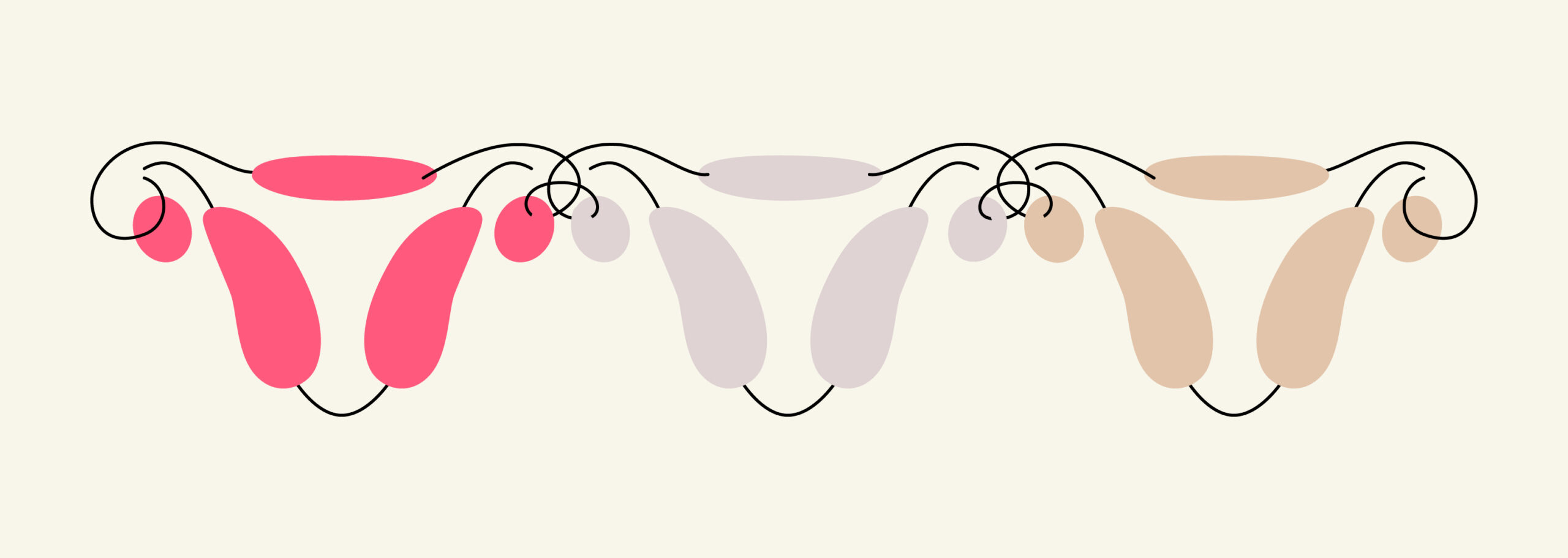
    Every girl knows what it feels like during “that time of the month” – bad cramps, mood swings, you name it. And it seems that other girls can always tell when it’s time. There have been many studies on the correlations of menstrual cycles between best friends, teammates, or even roommates. But do menstrual cycles really sync up? 


    [ sea-nsory details ] 

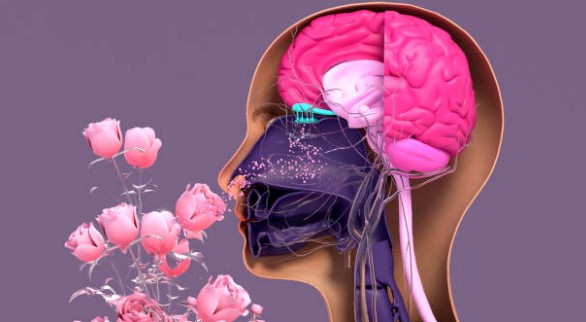
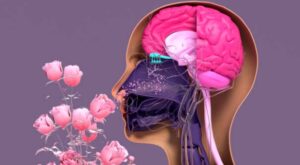
    One study claims that menstrual cycles sync based on olfactory cues. So what are olfactory cues anyways? Olfaction, the sense of smell based on chemical cues in the environment, has significant effects on animal behavior (Brady et al., 2012). Specific olfactory receptors within the body react either positively or negatively to different chemical scents. This transfers specific information to olfactory centers (Ruta, 2021). 

    These olfactory centers have pathways to the amygdala (which triggers a fight or flight response), lateral hypothalamus (the hunger center which controls feeding behaviors), and the insular cortex (links sensory and emotional experiences).The location where the centers deliver information determines feelings and sensations. For example, it determines when you’re hungry, if you’re swimming, or if you’re happy or sad (Russell et al., 1980). 
    A study treated two groups of women on their upper lips with an alcohol-based mixture 3 times a week during a span of 4 months. One group was treated with plain alcohol and the other was treated with a mixture of alcohol and underarm perspiration from a single donor. They found that the women’s cycles treated with the donor’s perspiration scent ended up having significant menstrual cycle shifts towards the cycle of the donor (Russell et al., 1980). 

    So one potential source of synching could be exposure to specific chemicals in the environment. Imagine you are constantly working out with your sports team and sweating together, it is possible that your cycles could sync due to the exposure of each other’s underarm perspiration. 


    [ reely great roommates ]

     

    Another study performed by Martha McClintock studied the cycles of undergrad roommates over the entire year. In October, the cycles were on average 8.5 days apart, but, by March, they were about 5 days apart. On the other hand, randomly matched pairs showed no synching (Strogatz, 2022). There was no science, however, behind this discovery, only physical closeness to cite. 


    [ knot just a phase ] 
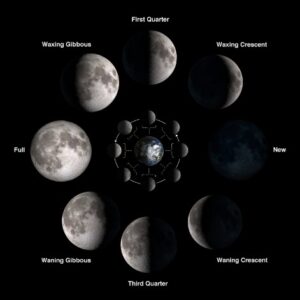
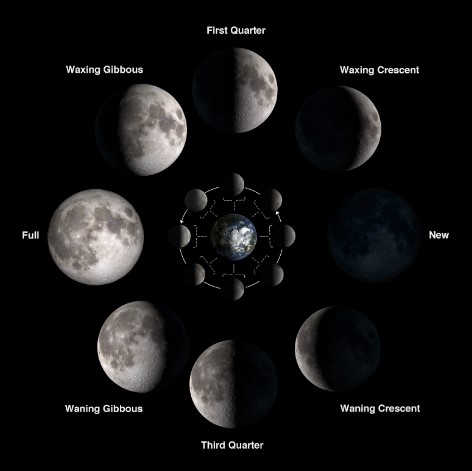
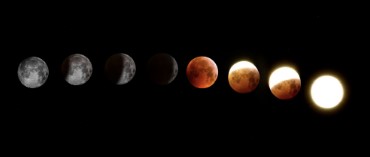
    A final theory is that lunar cycles play a factor in menstrual synching. The study found that cycles lasting longer than 27 days historically had intermittent synching with both the Moon’s luminance and gravimetric cycles (Helfrich-Förster, 2021). The luminance cycle is the light intensity of the Moon in each lunar phase. The gravimetric cycle is the difference of the Moon’s pull when at different positions with respect to the Earth (Cohut, 2021). 


    The study found that women with cycles around 29.5 days, or the period of the moon, have the highest likelihood of becoming pregnant. There was also a correlation found between the three lunar cycles – the synodic, the anomalistic, and the tropical month – and the onset of menstrual cycles. These trends however hold much stronger in ancient times. Back then there weren’t as many societal impacts like stress and nutrition on the duration and frequency of the menstrual cycle (Cohut, 2021). So studies point to a historical linkage, although it doesn’t necessarily hold true in today’s time. 


    [ hook, line, and sink-her ]

    Despite all this data and our strong desire to connect over shared pain, estrous synching is a weak phenomenon at best. Researchers have tried over and over — with roommates, best friends, and even rats — and nearly all of them come back with mixed findings. 

    [ un-sync-able studies ] 

    In the largest study ever taken on, data was collected from 186 women who lived in dorms together for over a year. None of the menstrual clusterings were stable or occurred more than by expected by chance (Yang & Schank, 2006).

    A similar study with sorority sisters excluded those taking oral contraceptive and those with irregular cycles. Still no signs of menstrual synchrony (Wilson et al., 2003). 

    Among a women’s basketball team, spending time together was actually found to be negatively related to synchrony, as was exercising. If the theory that pheromones are the source of synching cycles was true, exercising with one another should be positively associated with synchrony (Weller & Weller, 2000). 

    Data from Clue, a popular period tracking app didn’t support McClintock’s conclusion either. Data from over 1500 users demonstrated that being in close proximity with another menstruator likely does not disrupt your cycle. Over 75% of pairs actually had a bigger difference in cycle start dates by the end of the study (Ray, 2022). Based on this data, your cycle would be more likely to diverge than converge with another person’s!


    [ like rats abandoning a sinking ship ]

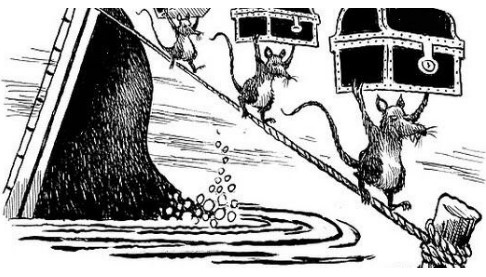
    Observing 10 pairs of female rats, unsurprisingly, there was no effect of synchrony (Schank, 2001). Thus, the belief that there is some biological or evolutionary explanation loses its stability, too.


    [ the synching ship of menstrual synchrony ]

    From all this evidence, we can see that the popular belief of “living together, bleeding together” has pretty much been debunked.

    Let’s say a typical cycle length is 28 days. The maximum that two women could be out of phase is 14 days. On average, these onsets will be 7 days apart, and half the time they should be even closer. Since the average menstrual cycle lasts 5 days, it’s not surprising that friends or roommates commonly recall experiencing overlaps, falsely confirming the myth (Strassmann, 1999). When we do see overlap, statistics says its due to coincidence supported by math rather than biology.
    When you think about how much variation there is not only between menstruators but within each individual, finding proof of synchrony is virtually impossible! There are just too many obstacles in the way that reduce the potential for consistency, like birth control, energy levels, stress, weight, genetics, and age (Strassmann, 1999).

    Harsh as it may sound, the studies where synchrony was found may have been plagued with methodological errors (Rudis, 2008). This should not be cause for worry though. Variability between women may be necessary and inherent to our physiology and the process of ovarian cycles (Schank, 2000). In an evolutionary context, avoiding synchrony would enhance female choice among males and reduce competition among females. Within-woman variability would also reduce the chance of males predicting the next ovulation and controlling the matings of females (Schank, 2000).

    The claim that cycles dominate on phases of the moon has no leg to stand on either. No one is quite sure if they are set to the full moon, new moon, or somewhere in between.

    [ to sync or swim ]

    What it comes down to is a simple matter of math and time. I advise you to be careful not to mistake the ebb and flow of cycles over time as synchronization. However…

    There’s no harm in bonding over the magical (and miserable) mystery that is menstruation. I think it’s a positive way to find comfort with other women who might be going through the same thing. So, what do you think?


    [ sources ]

    https://www.medicalnewstoday.com/articles/menstrual-cycles-and-lunar-cycles-is-there-a-link#:~:text=The%20luminance%20cycle%20refers%20to,it%20orbits%20around%20our%20planet. 

    https://modern-cynic.org/2021/01/12/corporate-rats-desert-a-sinking-ship/ 

    https://doi.org/10.1080/23293691.2016.1150132

    https://doi.org/10.1126/sciadv.abe1358 

    https://www.gynecajournalcu.org/blog-articles/staff-writing/do-periods-actually-sync.html

    https://www.empowher.com/media/reference/true-or-false-women-who-live-together-tend-have-synchronized-menstrual-periods

    https://doi.org/10.1016/0091-3057(80)90020-9 

    https://www.rockefeller.edu/news/30838-study-reveals-smell-receptors-work 

    https://www.sciencedirect.com/science/article/pii/S0306453000000299

    https://www.sciencedirect.com/science/article/pii/S0031938400003954

    ttps://academic.oup.com/humrep/article/14/3/579/632869?login=true

    https://ieeexplore.ieee.org/abstract/document/638513 

    https://modernfertility.com/blog/cycles/

    https://www.sciencedirect.com/science/article/pii/030645309500007B

    https://doi.org/10.1016/S0306-4530(01)00102-0

    https://www.sciencedirect.com/science/article/pii/030645309190021K

    https://doi.org/10.1007/s12110-006-1005-z

    https://doi.org/10.1007/s12110-006-1004-0