Skip to content

Charged Magazine

  • Home
  • Posts
    • Post List
    • Posts Grid

Day: April 27, 2022

  • Thalidomide: What is it?

    Thalidomide was originally created in Germany to be a non-addictive sedative with a lower risk of dependency for sleep. The drug became popular because it was a morning sickness reprieve that was over the counter and affordable. This drug had an unforeseen effect on fetuses. It caused an influx of miscarriages and congenial mutations. One of the mutations is “the hands and feet are bound to the child’s trunk, absent or underdeveloped” ( Fact Check-FDA did not approve thalidomide for pregnant women in 1950s or 1960s). Other mutations include ocular, auricular, and internal organ mutations. Children unborn and born suffered the effects of Thalidomide. “An estimated 80,000 fetuses had mutations, and 20,000 more who survived were born without limbs” (1). These connections were not found until a significant amount of children were born. Thalidomide was not safe for pregnant women, but we did not find that out until Thalidomide submitted an application to the FDA for the drug to be approved in America.


    FDA not approved!

    This was Frances Kelsey’s second NDA case, meaning she didn’t yet have a backlog of reviews to get through. She dismissed physicians’ testimonies in favor of actual scientific evidence. She asked for more information from the developer, but they responded with another application. Knowing that thalidomide causes neurological toxicity in adults, she was wary of what effect it would have on human fetuses. Kelsey kept digging and stalled the FDA’s approval (McNeill). There have been no mutations caused by Thalidomide in the US because of Kelsey’s thoroughness. “Kelsey received the President’s Award for Distinguished Federal Civilian Service for her work in protecting the public from the drug.” (1) This very public case increased the basic testing done on pharmaceuticals so much so that “the 1962 drug amendments bill passed that year to change drug regulation” (1). Through Kelsey’s discretion, the US has more regulation and testing required for FDA approval saving countless lives. Thalidomide is not a very safe drug to use and many have suffered because of it, however it’s creation led to the FDA bolstering their requirements for our future.


    Other Uses!

    In general, Thalidomide helps prevent skin symptoms, nerve damage caused by leprosy, and blocks certain natural substances that cause swelling. Some more uses for Thalidomide is that it treats certain complications of HIV, HIV-associated diarrhea, HIV-associated wasting syndrome, a type of skin cancer. It also treats multiple myeloma by strengthening the immune system to fight cancer cells (Thalidomide: Medlineplus Drug Information). Thalidomide has also been used to treat some types of cancer and tumors, severe weight loss in patients with weakened immune systems, chronic graft versus host disease, and Crohn’s disease (4). A side effect in using Thalidomide to treat cancer is damage to nerves in the fingers and toes. There may also be blood clots, drowsiness, rashes, or dizziness. Some “Doctors found that it helps regulate the body’s immune system and helps control inflammation” (Thalidomide: Research advances in cancer and other conditions). The risks associated with Thalidomide are very high, therefore they must match the risks of illness to be treated.


    Creating a safer Thalidomide!

    Thalidomide has some benefits for other illnesses, which led to the investigation and creation of drugs that were safer. Two chemically similar drugs are Revlimid and Pomalidomide (Pomalyst). “Pomalidomide is the generic name for the trade name chemotherapy drug Pomalyst ” (Cancer, Cleveland Clinic). There are normally no side effects with this Pomalidomide and if there are side effects, they are reversible and stop when the treatment stops (5). It should never be taken during pregnancy, just like thalidomide. What causes this drug to work against cancerous cells is unknown. It may act by inhibiting the growth of new blood vessels in tumors, enhancing the immune system, or decreasing cytokine and growth factor production (5). Pomalidomide lowers the risks and side effects of Thalidomide. Revlimid is an oral cancer drug that is used for the treatment of multiple myeloma, myelodysplastic syndrome, and mantle cell lymphoma (Revlimid Drug Information: The MMRF). It works against cancer cells partly by supporting the immune system. Revlimid side effects are reversible and has a clearer treatment process, but it has fewer uses. Pomalidomide is effective for many things, however it is not known how it helps decrease cancerous cells. There are pros and cons to both medications, but they are safer than Thalidomide. Thalidomide had an extremely negative effect on the world, but Thalidomide’s errors led to safer regulations and more scientific advancements.

    Bibliography

    1. “Fact Check-FDA Did Not Approve Thalidomide for Pregnant Women in 1950s or 1960s.” Reuters, Thomson Reuters, 27 Aug. 2021, https://www.reuters.com/article/factcheck-thalidomide-fda/fact-check-fda-did-not-approve-thalidomide-for-pregnant-women-in-1950s-or-1960s-idUSL1N2PY2F7. \
    2. “Thalidomide: Research Advances in Cancer and … – Mayo Clinic.” Thalidomide: Research Advances in Cancer and Other Conditions, 3 July 2021, https://www.mayoclinic.org/diseases-conditions/cancer/in-depth/thalidomide/art-20046534. 
    3. McNeill, Leila. “The Woman Who Stood between America and a Generation of ‘Thalidomide Babies’.” Smithsonian.com, Smithsonian Institution, 8 May 2017, https://www.smithsonianmag.com/science-nature/woman-who-stood-between-america-and-epidemic-birth-defects-180963165/. 
    4. “Thalidomide: Medlineplus Drug Information.” MedlinePlus, U.S. National Library of Medicine, 15 Aug. 2009, https://medlineplus.gov/druginfo/meds/a699032.html. 
    5. Cancer, Cleveland Clinic. “Pomalidomide.” Pomalidomide | Chemotherapy Drug Information | Chemocare.com, https://chemocare.com/chemotherapy/drug-info/pomalidomide.aspx. 
    6. “Revlimid Drug Information: The MMRF.” Themmrf.org, 10 June 2020, https://themmrf.org/multiple-myeloma/treatment-options/standard-treatments/revlimid/#:~:text=Revlimid%2C%20also%20known%20as%20lenalidomide,Revlimid%20is%20manufactured%20by%20Celgene. 

    April 27, 2022
  • Anima-Toons! Baby Fever

    Anima-Toons! Baby Fever

    Anima-Toons! Baby Fever


    Did you know that a newborn kangaroo is the size of a lima bean and that echidnas lay eggs because these two sure didn’t.

    April 27, 2022
  • Why Laughing at Memes With Friends is Good For You

    Why Laughing at Memes With Friends is Good For You

    You find a funny meme on the Internet. You chuckle to yourself and decide to show your friend. They start giggling which makes you only laugh harder. Your friend picks up on this and their laughter dials up and now you two are in a symphony of hilarity and you wonder if the little meme was even that funny to begin with.

    Why do we laugh, and why do we seem to laugh more around others? Well secret’s out, you’re wired to do so just like chimpanzees are wired to groom each other.


    Are Laugh Tracks… actually useful?

    Laughter plays a key role in social communication. It’s a human’s way of expressing they want to connect with others, and it can reveal how close those connections are. In a 2001 Psychological Science study, voiced laughter (think of your typical hahahaha) was reported to invoke a more positive reaction out of the listener and prompt them to be interested in meeting the speaker. We laugh to seem approachable and bond with others. That’s also why people are 30 times more likely to laugh in a group than to laugh alone regardless of how funny the actual joke is. The laugh track of older TV series mimics sitting in a social situation with other people watching the show to try to make the experience more enjoyable. 

    Not all laughter is the same though. People can pick up the subtle mannerisms of laughter and what those differences might mean. For example, a 2016 international study showed that 60% of the time people accurately can differentiate whether or not two individuals were good friends or strangers just by their laughs (So yes, you awkwardly strain laughing at a coworker’s joke does not always go unnoticed). Laughter can also distinguish power hierarchy between two individuals based on whether the person has a dominant or submissive laugh in the situations. Those with more power in a social situation will have a dominant laugh that is louder and possesses much more irregularities in pitch and tone than a submissive laugh, as the person in power feels more disinhibited during the situation.

    Even though you might never mutter a word when you laugh, you’re still subtly communicating and bonding with others. 


    Laughter is the Best Medicine. No Really.

    Is the social element of laughter not your cup of tea? There’s plenty of health-related benefits to laughing too. Laughing can:

    • Reduce stress by releasing tension in the body and helping blood to circulate and muscles to relax.
    • Improve mood through releasing endorphins
    • Increase your intake of oxygen 


    So not only are you improving your social status with laughter, but you’re strengthening your body too. Don’t feel afraid to laugh it up with someone next time! Even if it’s at some dumb meme on the Internet.

    Citations

    Mayo Foundation for Medical Education and Research. (2021, July 29). Stress relief from laughter? it’s no joke. Mayo Clinic. Retrieved April 26, 2022, from https://www.mayoclinic.org/healthy-lifestyle/stress-management/in-depth/stress-relief/art-20044456

    Michel, A. (2017, March 31). The science of humor is no laughing matter. Association for Psychological Science – APS. https://www.psychologicalscience.org/observer/the-science-of-humor-is-no-laughing-matter

    Stierwalt, S. (2020, February 9). Why do we laugh? Scientific American. https://www.scientificamerican.com/article/why-do-we-laugh/

    Winerman, L. (2006, June). A laughing matter. Monitor on Psychology, 37(7). https://www.apa.org/monitor/jun06/laughing
    April 27, 2022
  • Bananas Are Dying. Again.

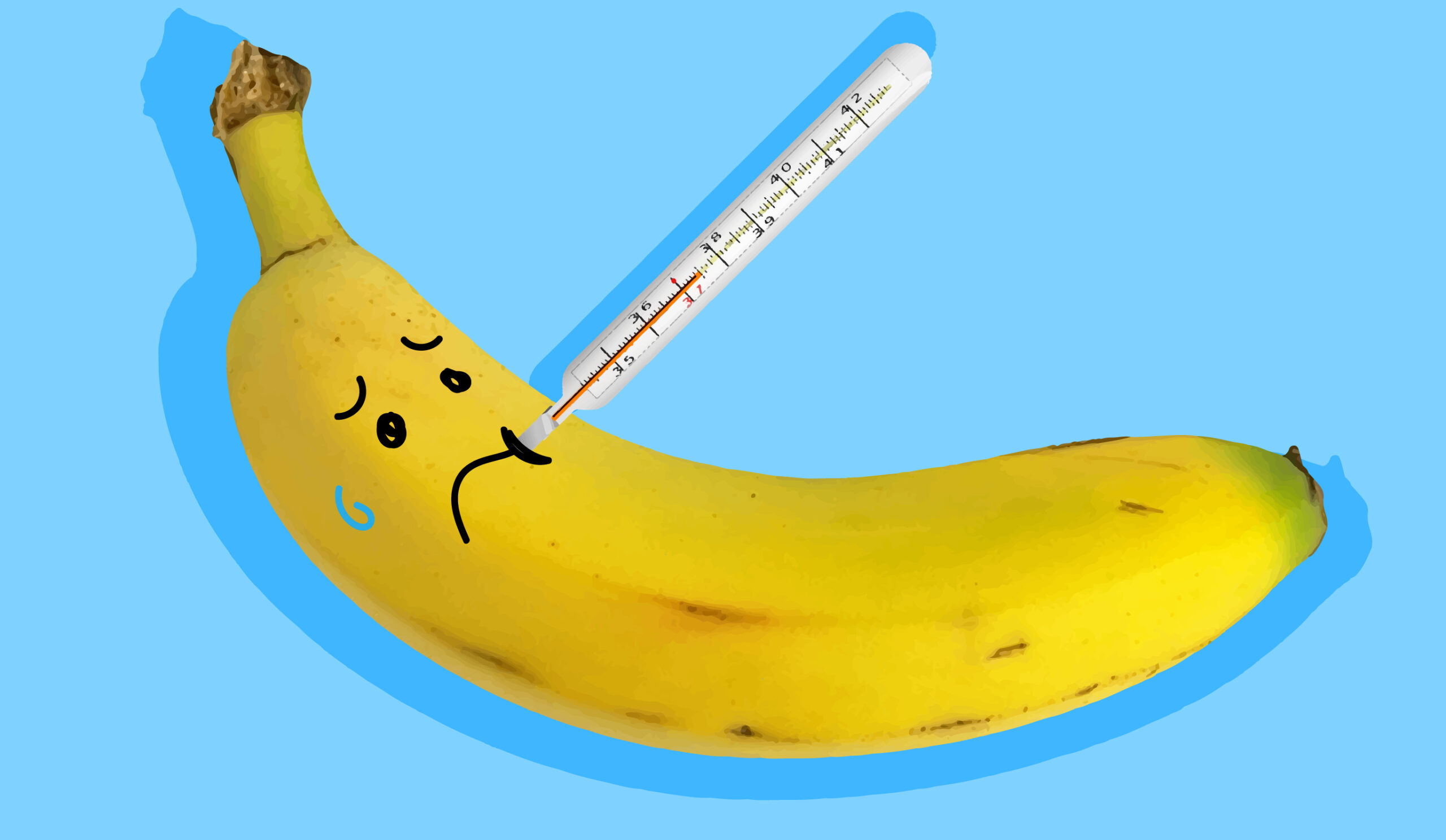
    Bananas Are Dying. Again.

    You’ve probably eaten a banana before. You’ve probably even eaten one this week in a smoothie, in a baked good, or just by itself for a quick snack or breakfast. Bananas are a titan amongst the agricultural industry with a retail value between $20-25 billion dollars, making them a vital part of the economies of many Latin American countries like Panama and Ecuador.

    What you probably don’t know is that pretty much every single banana you’ve ever eaten is from the same variant, the Cavendish. These delicious plants replaced the Gros Michel, or Big Mike, banana as the star of the banana industry back in the 1960s when the Big Mike went nearly extinct. However, history is repeating itself and now the Cavendish banana is on the chopping block all due to the same reason: Fusarium wilt, or Panama disease.

    An Old Foe Returns for Revenge

    Fusarium wilt is a fungi that completely ravishes the soil and plants it touches. When affecting a plant, the fungi goes around 10 feet deep into the soil making it so that just removing a single affected plant to stop the spread is nearly impossible. Large areas of soil become barren, and the fungi can be easily tracked to other places on the bottom of other workers’ shoes or car tires. Tropical Race 1 of this disease began killing Gros Michel in large quantities in the early 20th century, so the resistant Cavendish took its place in the industry; however, now the Tropical Race 4 variant (TR4) has crumbled the Cavendish’s resistance.

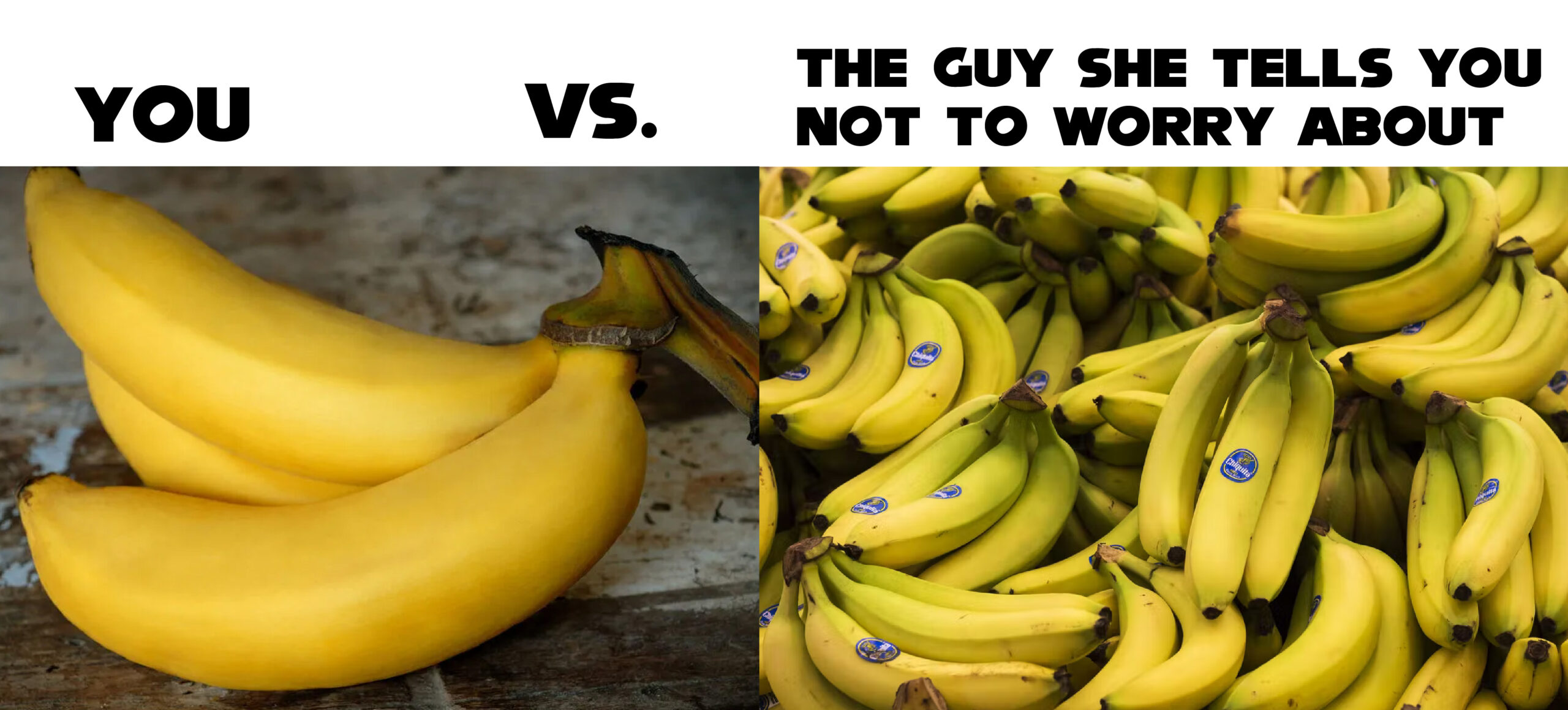
    The deadliness of TR4 has only been heightened by the monoculture system of the banana industry. Since nearly every banana sold commercially is the Cavendish, a variant without seeds for easier consumption, Cavendish bananas must be propagated from existing growths causing them to be near genetic copies of one another. This small gene pool decreases the Cavendish’s resistance to diseases like TR4 and once one banana plant is affected, it can easily spread to other batches and destroy new ones.

    Stop the Spread!

    Can the Cavendish banana be saved or will it fall to the same fate as its predecessor, Big Mike? There have been a couple of attempts to solve the issue at hand with varying degrees of success:

    • Genetically Modified Cavendish: In 2019, Dr. James Dale successfully modified a batch of Cavendish bananas with a gene from a TR4-resistant banana. However, the fear and bans of GMOs in many countries has kept this from becoming an appealing solution.
    • Breeding Cavendish with resistant bananas: KeyGene has been attempting to traditionally breed a Cavendish with a resistant banana to try to get around the GMO dilemma. However, these resistant bananas tend to be inedible ones full of seeds, and through traditional breeding, it is difficult to get the exact results desired to produce a delicious yet TR4 disease-resistant banana.
    • Diversify the banana industry: Breaking free of monoculture to grow and sell multiple kinds of bananas would make it much more difficult for an entire breed to be fully wiped out like Big Mike was. However, the banana industry is completely modeled around monoculture and to change this would need a large sum of money and structural alterations that companies are not willing to make at this moment.
    • Biosecurity protocol: This is the one solution currently being used by most banana farms. Areas where an affected plant has been identified will be zoned off and destroyed. Workers must also walk along cement paths and utilize foot and car tire washing areas to try to diminish possible contaminated soil tracking to other locations. These measures have been working so far as to slow the spread of TR4.


    There is still a lot of uncertainty with the Cavendish banana’s future, and one day, you might not be able to taste it again. Cherish each banana you eat because just like you, they’re surviving through a pandemic right now too!


    Citations

    Abby Narishkin, S. C. (2021, July 29). Why the world’s favorite banana may go extinct, and how scientists are trying to save it. Business Insider. https://www.businessinsider.com/cavendish-banana-may-go-extinct-disease-2021-6#:~:text=Similar%20to%20humans%2C%20bananas%20are,the%20%2425%20billion%20banana%20industry.

    Kambhampaty, A. P. (2019, November 18). What we can learn from the near-extinction of bananas. Time. https://time.com/5730790/banana-panama-disease/


    April 27, 2022

Charged Magazine

where science gets radical

  • Blog
  • About
  • FAQs
  • Authors
  • Events
  • Shop
  • Patterns
  • Themes

Twenty Twenty-Five

Designed with WordPress