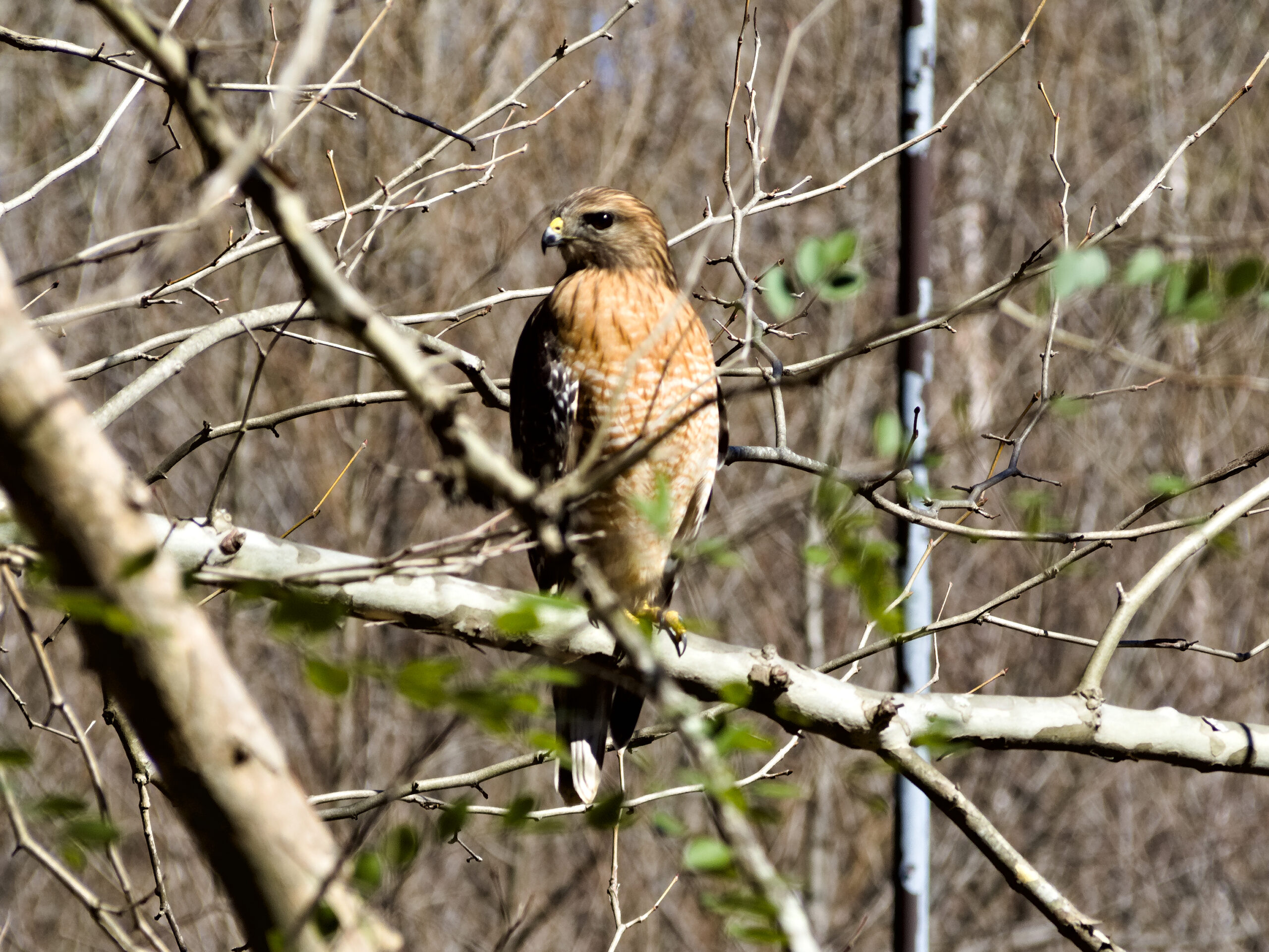
Day: April 25, 2021

  • Red-Shouldered Hawks

    Red-Shouldered Hawks

    A red-shouldered hawk, a mid-sized hawk with red-orange feathers on its shoulders and chest.

    Introduction

    The red-shouldered hawk (Buteo lineatus) is a raptor that is found in forests throughout North America. Year round, the red-shouldered hawk is found throughout much of the Eastern and Midwestern United states. During their breeding season, they can be found in both the northeastern and western United States as well as part of Atlantic Canada. They also have a non-breeding range in Mexico, where they are found for some parts of the year. Red-shouldered hawks can be identified by their medium size and reddish-brown feathers on their chests and shoulders. Hawks from the western part of their range tend to be a deeper red than those found in the eastern part. As for their wings, the feathers are banded black and brown from the underside, with black and red being predominant on the outside. Their tails are also banded, which is another identifying trait of the species.

    Sexual Dimorphism in Red-shouldered Hawks

    Red-shouldered hawks do show some sexual dimorphism in their appearance. Sexual dimorphism occurs when males and females of the same species show different traits on average, such as average size and weight. Mass is one of the traits that is sexually dimorphic for red-shouldered hawks. Females are larger than males, with the average male being only 85% of the mass of the average female. Researchers recently have tried to establish other ways of determining the sex of red-shouldered hawks morphologically. Determining sex by morphology is used by biologists to guess at the sex of an animal without needing to check for sure with DNA testing. Sex determination based on morphology is more convenient than determining sex based on molecular testing, and can be done by biologists in the field without access to DNA testing equipment. Other features of red-shouldered hawks that are sexually dimorphic are toepad length, length of secondary feathers, bill length, mass, and wing chord length. However, mass remains the most reliable way to morphologically determine the sex of a red-shouldered hawk.

    Diet and Habitat of the Red-shouldered Hawk

    The diet of the red-shouldered hawk is mostly made up of small mammals, lizards, snakes, and amphibians, and these hawks typically live in riparian forests. Riparian forests are forests that are on or near the bank of a river or stream. There is evidence that the composition of the red-shouldered hawk’s diet varies depending on where in their range they are living. One study split red shouldered-hawks into two groups. The first group was the northern hawks, which live above 38o N latitude. This is the latitude line passing just south of Charlottesville, VA, and through Lexington, KY. Interestingly, northern hawks preferred more mammalian prey and less amphibian prey. The opposite was true for southern hawks. Researchers noticed that diets were more mammalian in drier conditions, whereas hawks that lived in wetter conditions relied more on invertebrate and amphibian prey. It’s possible that hawks that live in drier areas will be less affected by wetland degradation than hawks in wetter areas.

    Nesting Preferences of the Red-shouldered Hawk

    Where red-shouldered hawks choose to nest is another area of interest for researchers. Typically, red-shouldered hawks prefer to nest in large tracts of mature forest, although they can also be found in more fragmented forested areas, such as those found in suburban areas. One study found that nests were more likely to be located near a lake or treeless wetland than not. Nests were also more likely to be near a trail or stream than not for both cases. Researchers believe that open trails might make good hunting grounds for the hawks, without trees and underbrush to hide prey. We can guess similarly about hawks’ proximity to lakes and treeless wetlands. The lack of trees gives hawks easier access to their prey, which they detect primarily via eyesight. Red-shouldered hawks’ positive association with wet areas is a well known feature – amphibians make an important component of the diet of the red-shouldered hawk, especially while nesting.

    References

    Cheryl R. Dykstra, Herman L. Mays Jr, Jeffrey L. Hays, Melinda M. Simon, & Ann R. Wegman. (2012). Sexing Adult and Nestling Red-Shouldered Hawks Using Morphometrics and Molecular Techniques1. Journal of Raptor Research, 46(4), 357–364. https://doi.org/10.3356/JRR-11-84.1

    Brad N. Strobel, & Clint W. Boal. (2010). Regional Variation in Diets of Breeding Red-Shouldered Hawks. The Wilson Journal of Ornithology, 122(1), 68–74. https://doi.org/10.1676/09-071.1

    Landenberger, James F, Roosa, Dean M, Stravers, Jon W, Ehresman, Bruce, & Patterson, Rich. (2013). The Raptors of Iowa. University of Iowa Press.

    James E. Woodford, Carol A. Eloranta, & Anthony Rinaldi. (2008). Nest Density, Productivity, and Habitat Selection of Red-Shouldered Hawks in a Contiguous Forest. Journal of Raptor Research, 42(2), 79–86. https://doi.org/10.3356/JRR-07-44.1

    Red-shouldered Hawk Overview, All About Birds, Cornell Lab of Ornithology. (2019). allaboutbirds.org. https://www.allaboutbirds.org/guide/Red-shouldered_Hawk/


  • Reacciones Nucleares y Exploración Espacial: “Direct Fusion Drive”

    Reacciones Nucleares y Exploración Espacial: “Direct Fusion Drive”

    Se usaron los cohetes por primera vez en China en siglo XIII. Fueron tubos de bambú que se llenaron de pólvora y se fijaron a las flechas para lanzarse a sus enemigos mongoles. Setecientos años después, tubos más grandes se llenaron de hidrógeno y oxígeno líquidos, se fijaron a unas astronaves, y se lanzaron a la luna. Ahora, en el siglo XXI, vemos otra evolución, “Direct Fusion Drive,” (DFD), pero los conceptos fundamentales de cohetería que derrotaron a los mongoles en la Batalla de Kai Keng son los mismos fundamentales que nos van a lanzar a Plutón más rápidamente.

    Los Básicos de la Cohetería

    Pues, ¿cómo funcionan los cohetes? Teoréticamente, funcionan debido a la tercera ley de Newton que dice que las fuerzas ocurren en forma de pares, una acción y una reacción con magnitudes iguales, pero direcciones opuestas. Se mezclan y se queman los propelentes en una cámara de combustión. Los gases producidos van por una tobera y aceleran hacia velocidad supersónica (piensa en cómo cubrir parcialmente la boca de la manguera con el pulgar acelera la velocidad del agua). Al salir del cohete, los gases de escape de la combustión hacen una fuerza de reacción igual pero en la dirección contraria, una fuerza llamada empuje. El empuje hace volar el cohete. Ya que el cohete lleva su propio oxidante (el químico que causa combustión), no necesita oxígeno de la atmósfera para hacer combustión como un motor del coche. Por eso, es ideal para la exploración espacial.

    Cohetes Convencionales

    Desde el comienzo, los cohetes convencionales han sido propulsados por las reacciones químicas exotérmicas. Una reacción exotérmica es una reacción química que produce calor. 

    Hay 2 tipos principales de estos cohetes: cohetes de combustible sólido y cohetes de combustible líquido. En el primero, se mezclan los combustibles desde el principio y entonces se enciende la superficie de la mezcla para causar la combustión. No obstante, en el segundo, originalmente, los propelentes son separados y entonces son inyectados en la cámara donde se mezclan y se queman.

    Cómo Funciona “Direct Fusion Drive”

    Los dos métodos han enviado a incontables astronautas al espacio, pero dentro de las siguientes décadas, DFD los podría reemplazar. DFD pretende usar la potencia de sus reacciones de fusión para propulsar la astronave y generar electricidad. Imanes potentísimos están alineados para crear una forma cilíndrica. Se ubican imanes más pequeños, pero aún más potentes, en ambos cabos. En el centro de esta configuración, helio-3, un isótopo del helio que tiene 1 neutrón, reacciona con deuterio, un isótopo de hidrógeno que pesa el doble que hidrógeno común (isótopos son átomos del mismo elemento pero que tienen cantidades diferentes de neutrones). Estas reacciones y algunas reacciones extras crean una región de fusión. Plasma fresco fluye sobre la región, extrayendo energía. (Plasma es un estado de materia similar a gas, pero que contiene iones y electrones. Porque plasma contiene electrones, es un buen conductor eléctrico e influenciado fácilmente por campos electromagnéticos).

    Antenas alrededor del motor crean un campo magnético giratorio que induce una corriente eléctrica en el plasma. Los iones del plasma se calientan hasta se fusionan. Los productos de fusión salen del motor como los gases calientes de un cohete convencional, generando empuje.

    Este proceso produce un montón de calor que es usado en un ciclo Brayton para producir más de 200 kW de potencia eléctrica. Se expulsa al espacio el calor que queda.

    Una Comparación

     Cohetes convencionales tienen muchas ventajas: gran empuje y bajo costo (relativamente). Son fiables y se han usado hace siglos. Pero el tamaño compacto y la eficiencia de DFD son los que atraen el interés de los científicos. Una variable muy importante de cohetería es el impulso específico– impulso por unidad de masa de propelente o con cuánta eficiencia el cohete crea empuje. Si el impulso específico sube, el combustible necesario para el impulso deseado baja. El máximo del impulso específico de cohetes convencionales es aproximadamente 500 segundos, pero un motor de DFD cuenta con un impulso específico de 10.000 a 20.000 segundos y es tan pequeño como una camioneta.

    NASA predice que una misión de 10.000 kg con DFD podr­ía llegar a Plutón en 4 años, un tiempo más corto que los 9,5 años que tardó New Horizons propulsado por propulsión de hidracina. Además, tendría una enorme capacidad de hacer trabajo científico debido a su potencia eléctrica aumentada.

    El Futuro

    Para concluir, NASA está muy emocionada del concepto de DFD porque puede encajar en la infraestructura actual de NASA y sería una opción de fusión de radiación poca; sin embargo, todavía hay muchas mejoras que hacer. Por ejemplo, aún no se ha mostrado fusión nuclear, el concepto central. El diseño de DFD va a su segunda etapa que pretende mejorar su capacidad de protección radiológica y su proceso de caldear el plasma. Según la cronología actual, se planean vuelos para después de 2030, y en el futuro, DFD podría propulsar plataformas orbitales, viajes interplanetarios, y bases lunares y marcianas aún.


    Do you speak English? See the English translation here!

    —

    Bibliografia

    Paluszek, M., Pajer, G., Razin, Y., Slonaker, J., Cohen, S., Feder, R., … Walsh, M. (2014). (rep.). Direct Fusion Drive for a Human Mars Orbital Mission (pp. 1–9). Princeton, New Jersey: Princeton Plasma Physics Laboratory Office of Reports and Publications. 

    Princeton Satellite Systems. (2018). Technical Video of Dfd Engine. YouTube. https://www.youtube.com/watch?v=hggqvB5I95I. 

    Thomas, S. (n.d.). Direct Fusion Drive: Enabling Rapid Deep Space Propulsion. Lecture. 

    Benson, T. (2014, June 12). Brief History of Rockets. NASA. https://www.grc.nasa.gov/www/k-12/TRC/Rockets/history_of_rockets.html. 

  • The Unbeatable Antibody Squad #1: Covid-19

    The Unbeatable Antibody Squad #1: Covid-19

    NEWSREPORTER: AUTHORITIES REPORT YET ANOTHER HOME INVASION PERPETRATED BY A MAN WE NOW KNOW AS COVID NINETEEN FROM THE CORONAVIRUS CRIME FAMILY. HIS REIGN OF TERROR HAS GRIPPED THIS SLEEPY NEIGHBORHOOD SINCE LAST YEAR. IT SEEMS HIS M. O. IS INVADING THE HOME AND MAIMING OR KILLING EVERYONE INSIDE. HE CAN BE EASILY IDENTIFIED BY HIS UNIQUE LEATHER JACKET AND BOOTS.

    –

    MEANWHILE IN THE JANE JOHNSON HOME…

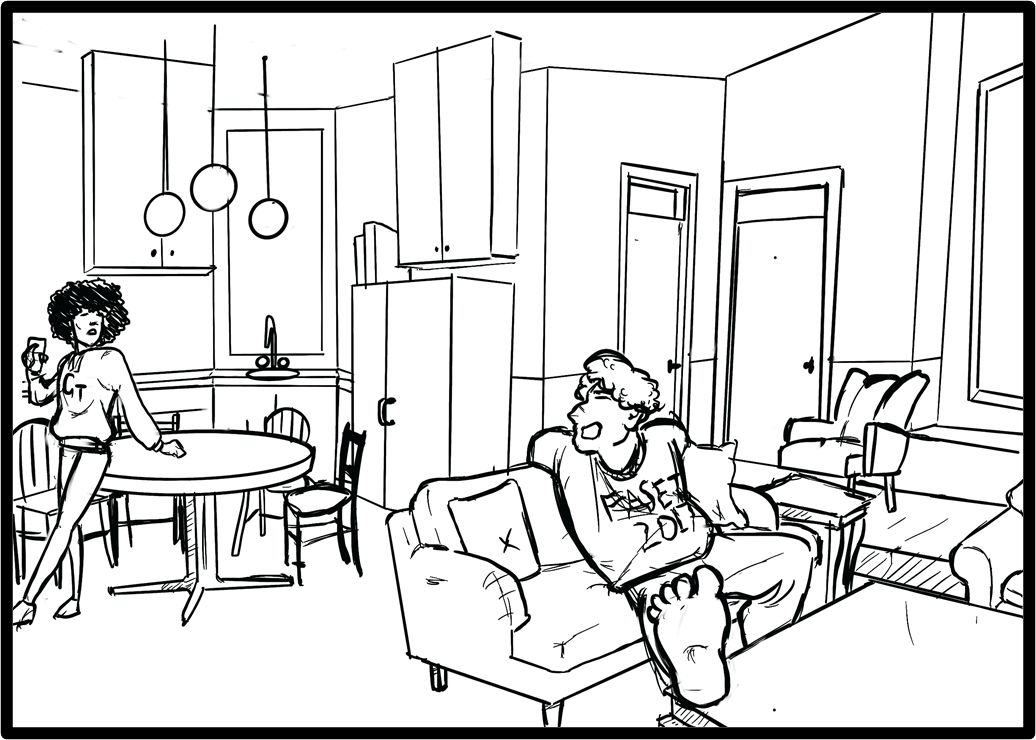
    GARY: THIS COVID GUY IS OUT OF CONTROL!

    STEPH: YEAH. DID BRAIN EVER ORDER THAT mRNA?

    GARY: SHE DID! VIA VACCINE SAME-DAY EXPRESS DELIVERY. IT SHOULD BE HERE ANY SECOND NOW.

    —

    OUTSIDE…

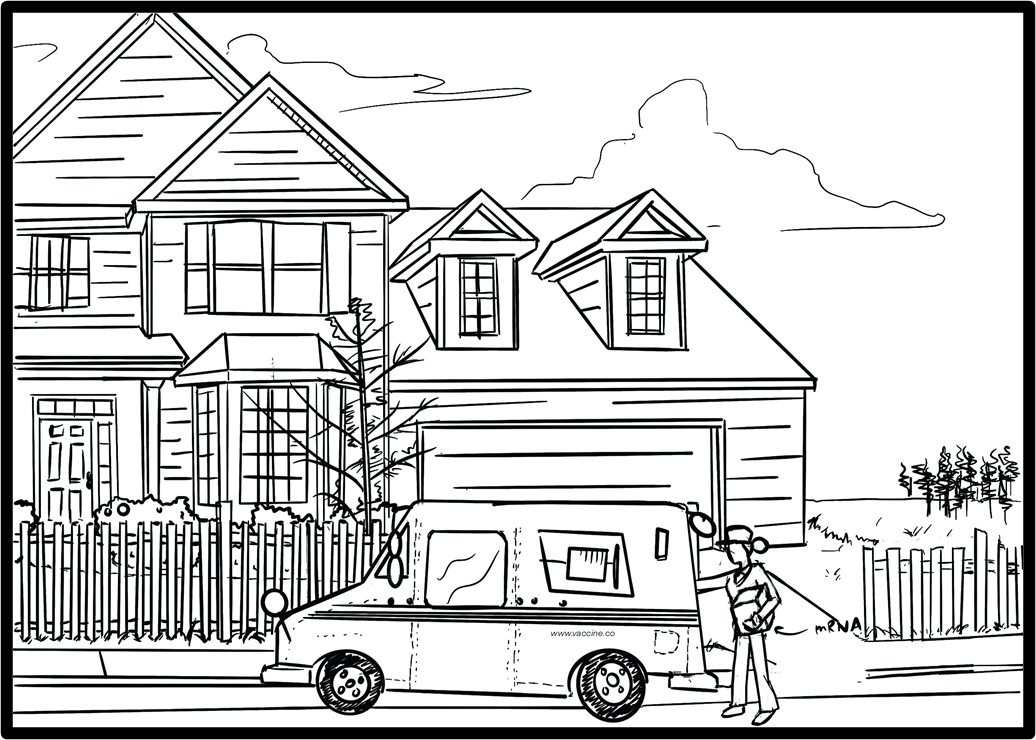
    THE VACCINE DELIVERY WORKER, MS. LIPID NANOPARTICLE, CARRIES THE BOX TO THE DOOR AND RINGS THE DOORBELL.

    —

    LIPID NANOPARTICLE: HERE’S THE mRNA MANUAL YOU ORDERED!

    GARY: THANK YOU MS…. LIPID NANOPARTICLE.

    LIPID: PLEASE, CALL ME LIPPY. LIPID NANOPARTICLE IS MY MOTHER’S NAME.

    —

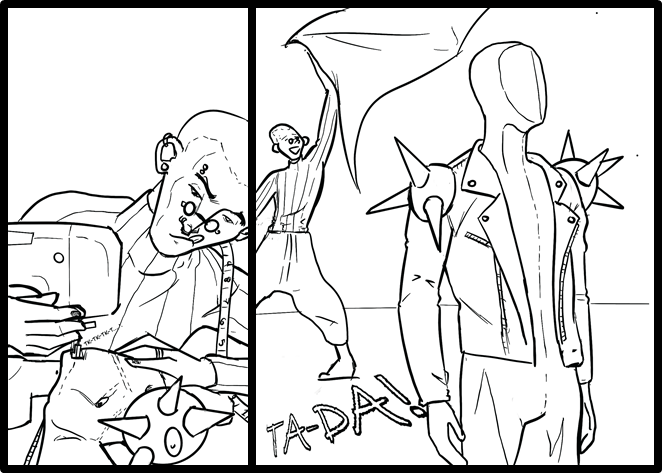
    GARY & STEPH CARRY THE mRNA MANUAL, WHICH DETAILS HOW TO MAKE COVID’S LEATHER JACKET AND BOOTS, TO THE ROOM WHERE THEIR HOUSEMATE, AXL THE RIBOSOME, DOES THEIR SEWING. A THOUGHT COMES TO GARY.

    GARY: WAIT! WON’T THAT MANUAL GET MIXED UP WITH THE DNA MANUAL, PERMANENTLY CHANGING THINGS AROUND HERE?

    STEPH: THE DNA MANUAL IS IN A SAFE IN THE STUDY. THIS MANUAL WILL GET NOWHERE NEAR IT. BESIDES, THIS IS WRITTEN IN ENGLISH, AND THE DNA MANUAL IS IN JAPANESE, SO THIS WOULD HAVE TO BE TRANSLATED FIRST, MAKING A MIX UP LIKE THAT IMPOSSIBLE

    —

    THEY GIVE THE MANUAL TO AXL THE WHO GETS TO WORK MAKING THE CLOTHES.

    —

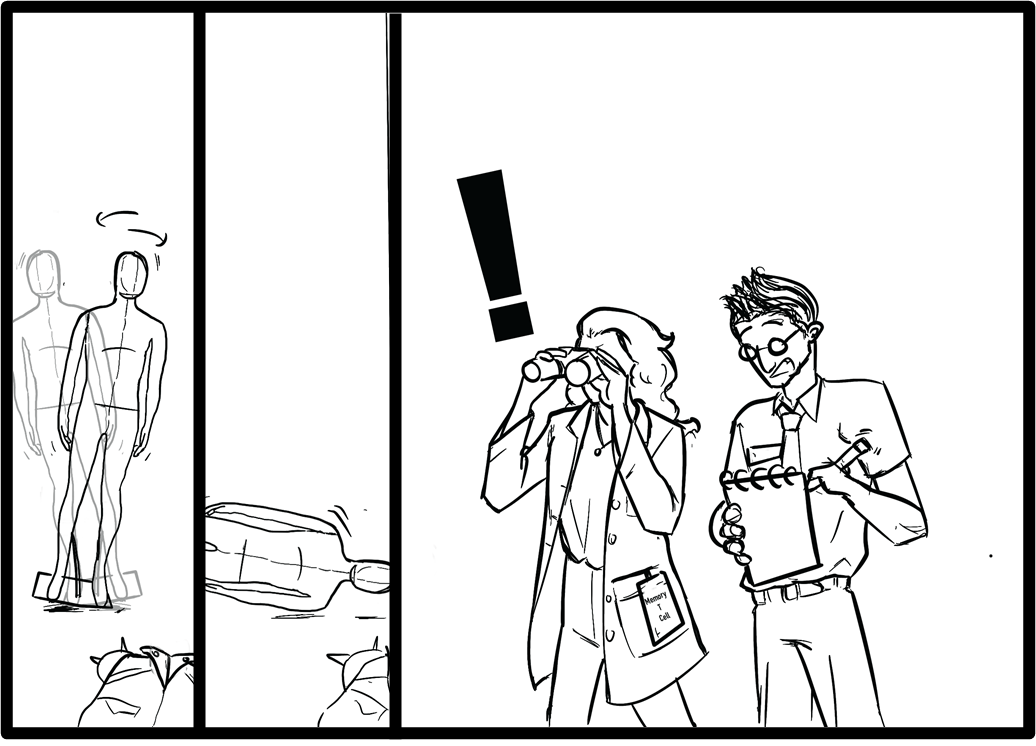
    HOME SECURITY SPOTS THE MANNEQUIN WEARING COVID’S CLOTHES AND DEPLOYS THE ANTIBODY SQUAD TO SUBDUE THE THREAT.

    —

    OTHER MEMBERS OF THE SECURITY TEAM RECORD THEIR FINDINGS

    MEMORY T CELL [LEFT]: WRITE THAT DOWN! WRITE THAT DOWN!

    —

    THEN ONE DAY…

    COVID NINETEEN DECIDES TO PAY THE JANE JOHNSON HOME A VISIT

    —

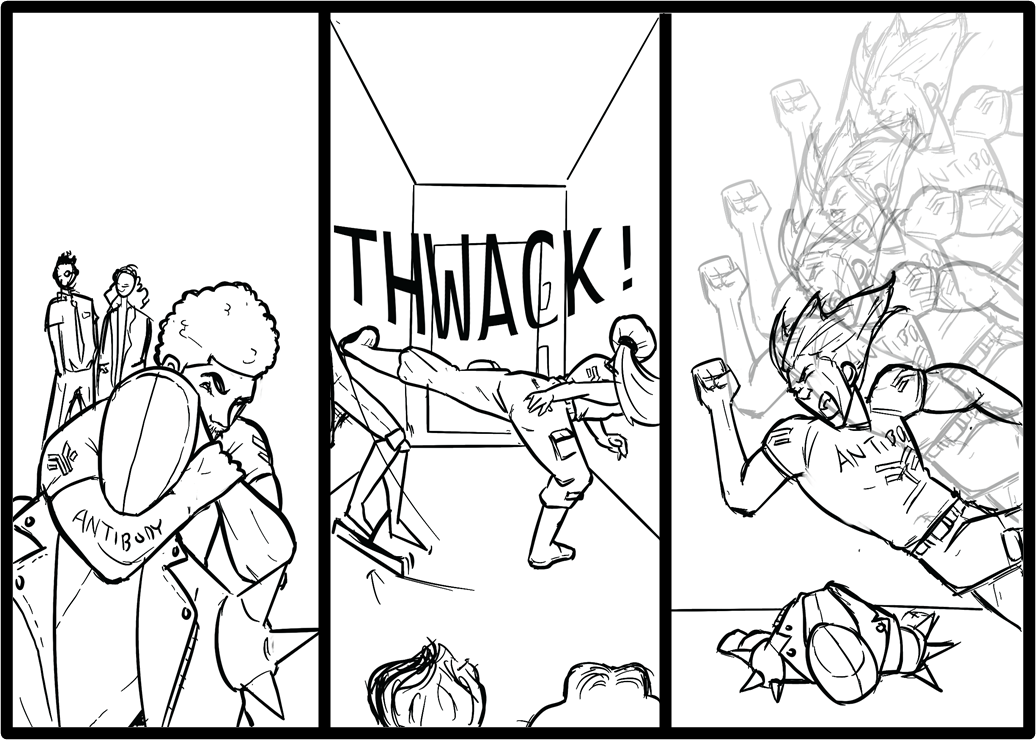
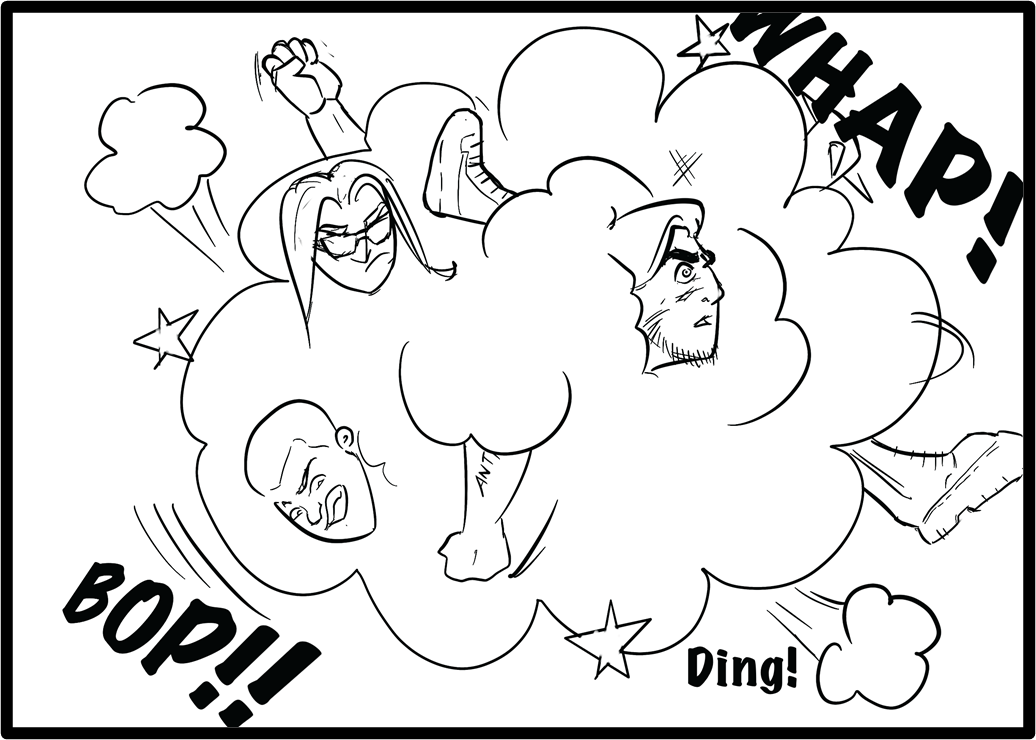
    BUT THE HOUSE IS BATTLE-TESTED AND READY FOR HIM. THEY ATTACK HIM IMMEDIATELY.

    —

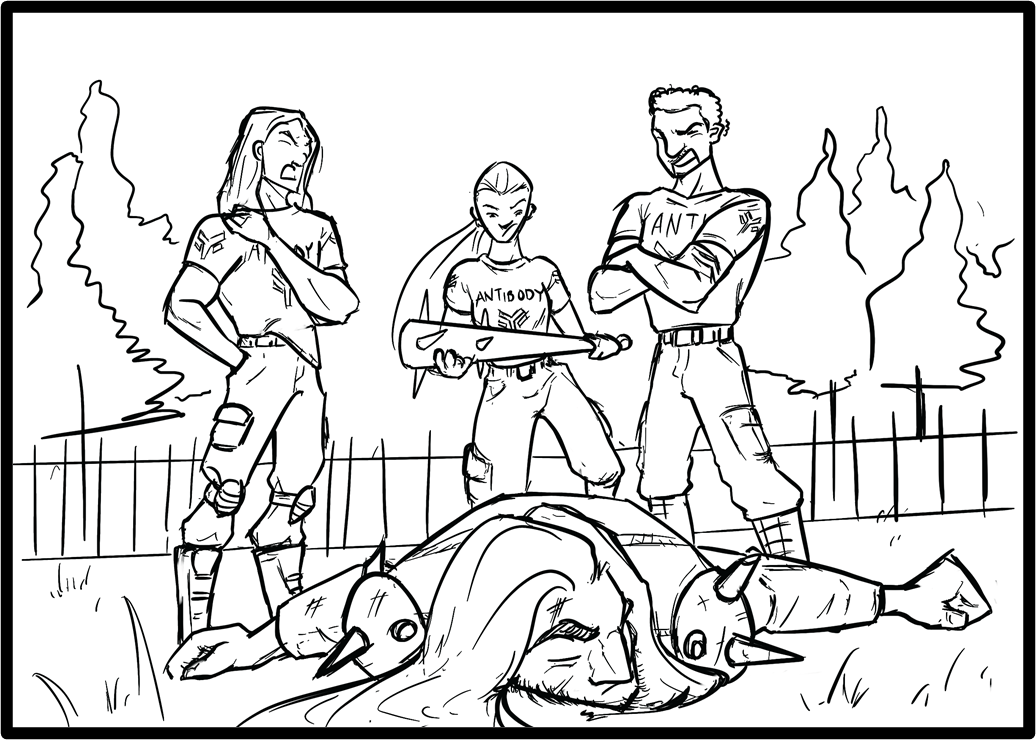
    COVID ANTIBODY SQUAD [ALL]: AND STAY OUT!

    COVID JOINS A LONG LIST OF CRIMINALS WHO ARE NO MATCH FOR HOME SECURITY AND ITS ELITE ANTIBODY SQUAD!


    FIN

  • College Student? Or Air in a Spark-Ignition Engine? A Haiku

    College Student? Or Air in a Spark-Ignition Engine? A Haiku

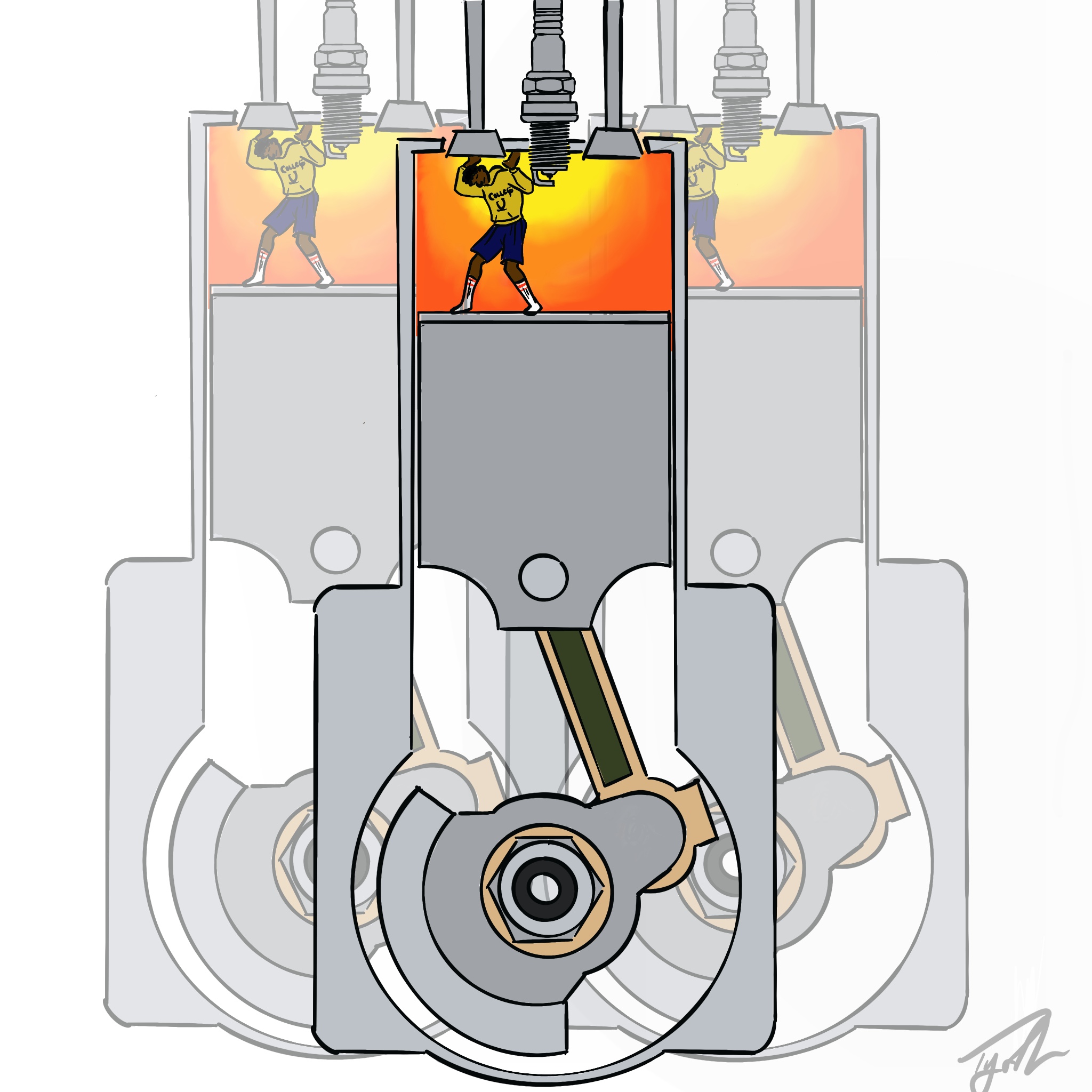
    I’m compressed. One spark,

    And I explode. So I work;

    Then leave exhausted