Day: April 19, 2018

  • What’s The Connection Between Complex Chemistry and Islamic Medieval Architecture?

    What’s The Connection Between Complex Chemistry and Islamic Medieval Architecture?


    karbala, iraw


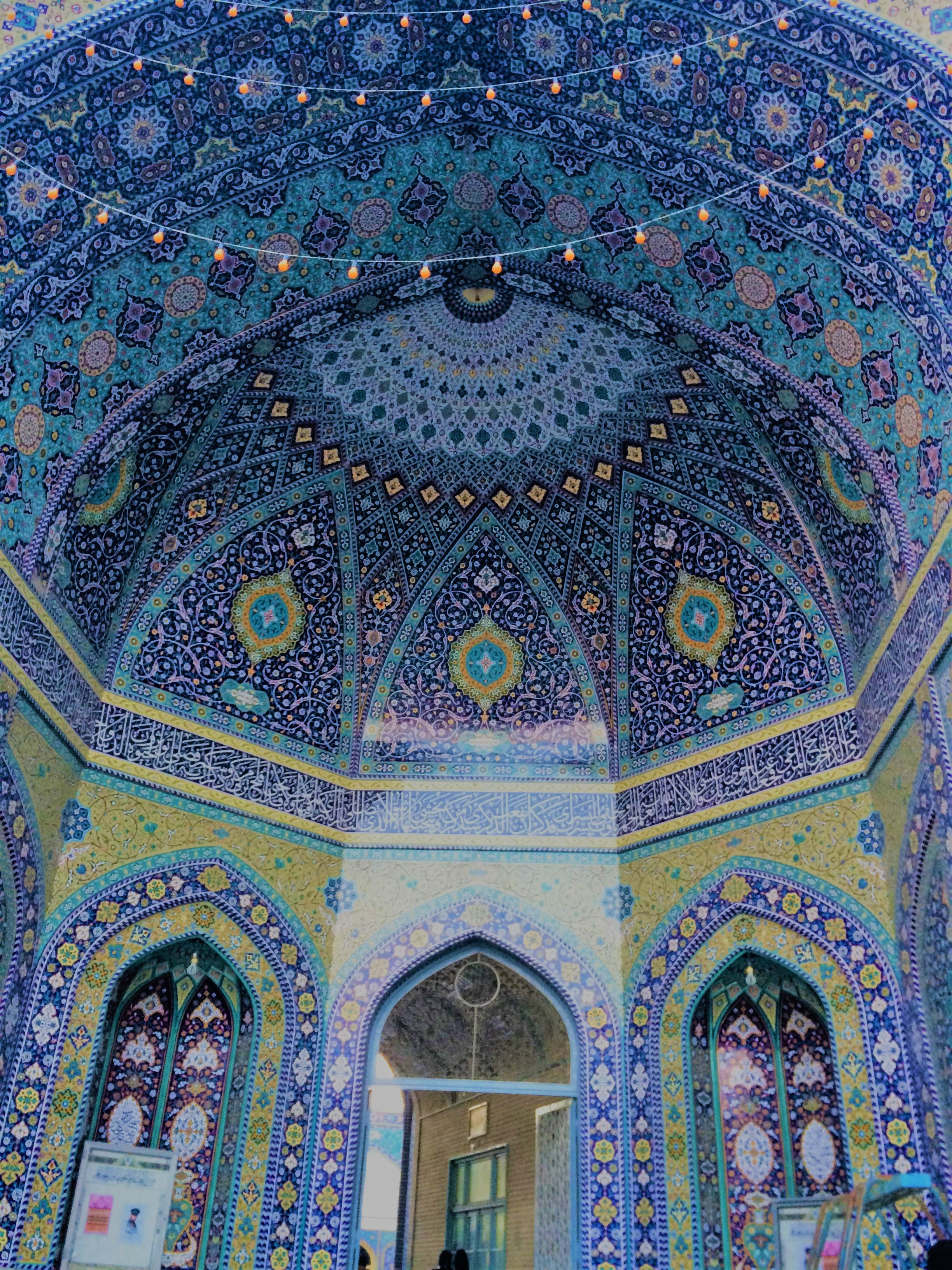
    The expansive domes and minarets of famous mosques such as the Blue Mosque in Istanbul or Al-Masjid An-Nabbi in Medina exude a quiet, powerful energy. Oftentimes these are characterized by a large, stone courtyard. You walk through the simple, colorless path towards the mosque entrance. You feel cleansed, as if you’re leaving a part of the world outside; it’s almost unsettling. At a first glance, you could describe these mosques as plain. Crossing the threshold, however paints a different picture. Your sight is overloaded with bright jewel-toned colors: azure, emerald, turquoise, fuchsia, red. It’s hard to focus on one detail – will it be the gold leaf, intricate etch work, milky marble, shimmering glasswork? You are humbled standing underneath the enormous ceilings.

    The glittering shrines and mosques that characterized medieval Islamic architecture are more than just a pretty sight, but in fact the product of geometrical planning. Aside from the lavish materials and colors, it is the tiling patterns that make the architecture stand out. These patterns are featured prominently in Islamic arts as a substitute for more figurative images. The reasoning was that images depicting people would lead to idol worship. Inside the mosque, you see these tiles plastered densely together on the ceilings, the columns, the minarets, the free wall space.(*)

    Islamic interlacing patterns can be divided into two categories: the arabesque versus girih. While arabesque designs feature more curved elements in an effort to emulate greenery and nature, the girih is composed of geometric lines mostly of stars and polygons with interlaced lines. Muslim architects designed the girih tiling system with only two simple tools: a compass and ruler. These patterns became complex tessellations made up of up to five different shapes: the bowtie, rhombus, pentagon, elongated hexagon, and decagon. Between the 1200s to 1400s, Islamic art developed the girih exhibiting the same complexity as quasi-crystals, a material that defies normal atom packing. Back at the mosque, you trace your fingers along the figurative tiles that blend seamlessly. A lime green pentagon here, an ivory star there.You see that the tiles are made of contrasting colors with a multitude of small shapes.

    Quasi-crystals are made of patterns that look regular but do not repeat exactly. The patterns in Islamic architecture demonstrate this by including “tessellations” that have five, ten, and twelve-fold symmetry. Technically, they are are not actually patterns, but just appear to be so. Scientists conjecture that Islamic architects wanted the effect of extend a pattern without just repeating images. Looking up at some of the mosques ceilings confirms the success of this design – you feel as if you are swallowed by the dizzying depths of shimmering oceans and bright stars.500 years later mathematical physicist, Roger Penrose at University of Oxford discovered the concept of quasi-aperiodic tiling. Sir Penrose stumbled upon a pair of tiles that cannot form a pattern in a periodic manner. This discovery was just a consequence of his work on the famous tiling pattern in mathematics – “given a collection of polygonal shapes, is it possible to cover the whole plane using just these shapes, with no overlaps?”

    Quasicrystals are found mostly in metallic alloys such as (Al-Li-Cu), and lack translational symmetry. The discovery of the non-symmetrical packing of atoms took a while for the scientific community to accept. Although first discovered in the 1960s, much of the scientific community refused to believe that materials could consist of irregular atomic structure. Next, materials scientist, Dr. Dan Shectman, designed an artificial alloy with quasi-crystal properties. He did not publish his results for years because he feared that others would ridicule his work.  Only after researcheres found a  natural quasi-crystal, icosahedrite in the Koryak Mountains, Russia in 2009 that led people to be convinced. Shectman received the Nobel Prize in Chemistry in 2011 for this work.

    Researchers connected Islamic girih and quasi-crystals recently; Dr. Peter Lu a physicist from Harvard University recognized ten-fold symmetry in architectural motifs while visiting Uzbekistan.  He analyzed 3700 Penrose tiles found in an archive of documented medieval Islamic architecture, and published a paper with Princeton University’s Dr. Paul Steinhardt titled ”Decagonal and Quasi-Crystalline Tilings in Medieval Islamic Architecture”. Dr. Lu uses the Darb-I-Imam Shrine in Iran as the iconic “near perfect” example of Penrose tiling. He conjectures that laborers could easily have created mathematically complex patterns by lining tiles decorated with lines that, once set down next to each other, form a continuous pattern.

    Back at the mosque – you see a worshipper prostrated to the ground, oblivious of the art around them. Their hearts disconnected from the ancient mathematics and chemical mimicry in which they are enclosed in. Science and spirituality; a Nobel prize in chemistry yet also an artform. These two paradigms reside side by side in the glorious, kaleidoscopic patterns of centuries old Islamic architecture. There is an elegance in the scales that aperiodic tiling has reached – from the utterly microscopic crystals to the gigantic mosques that can hold thousands of people.
  • Chemical Secrets Behind Dragon Beard Candy

    Chemical Secrets Behind Dragon Beard Candy

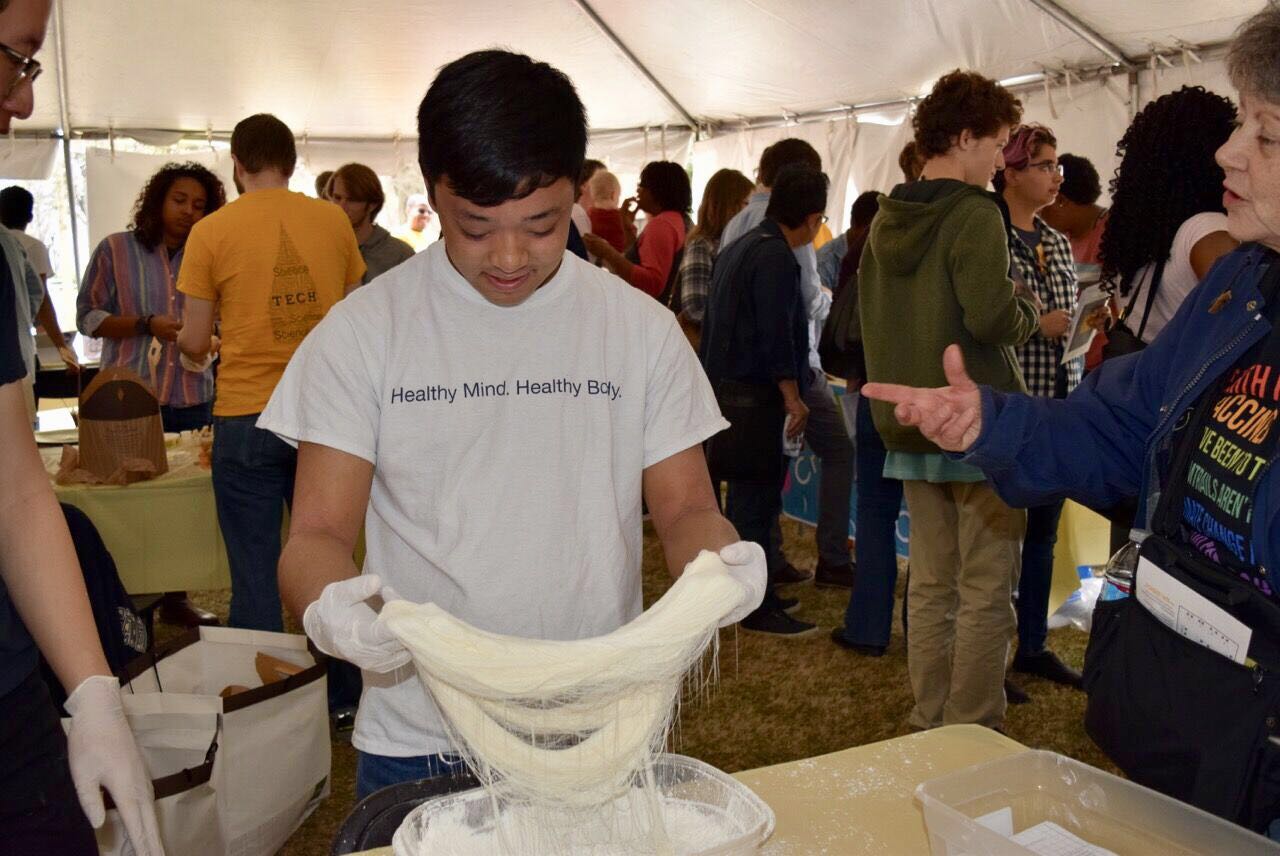
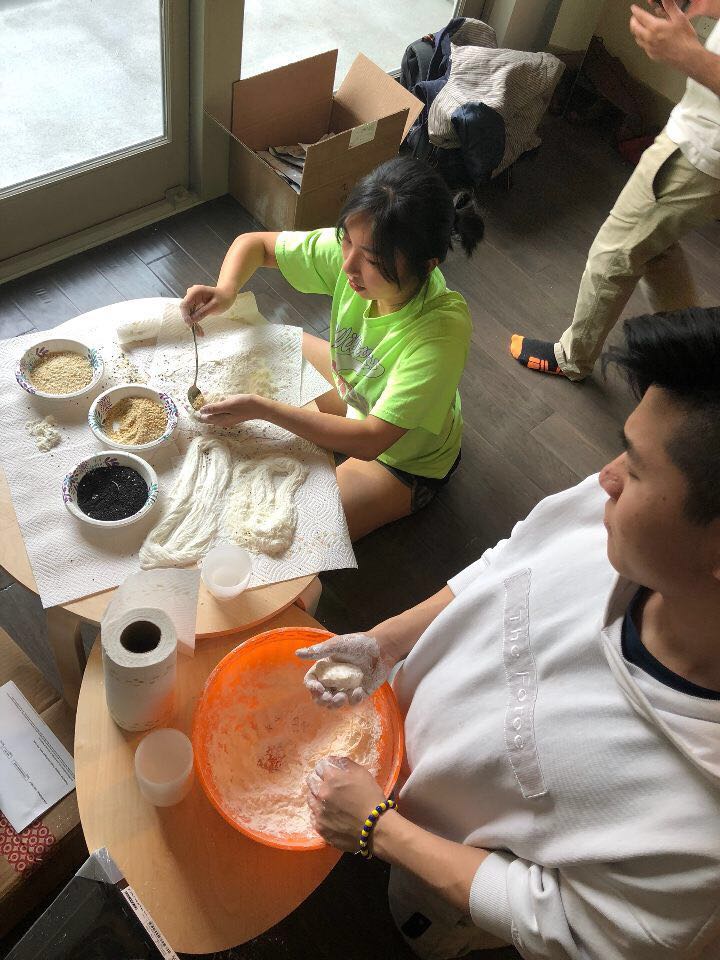
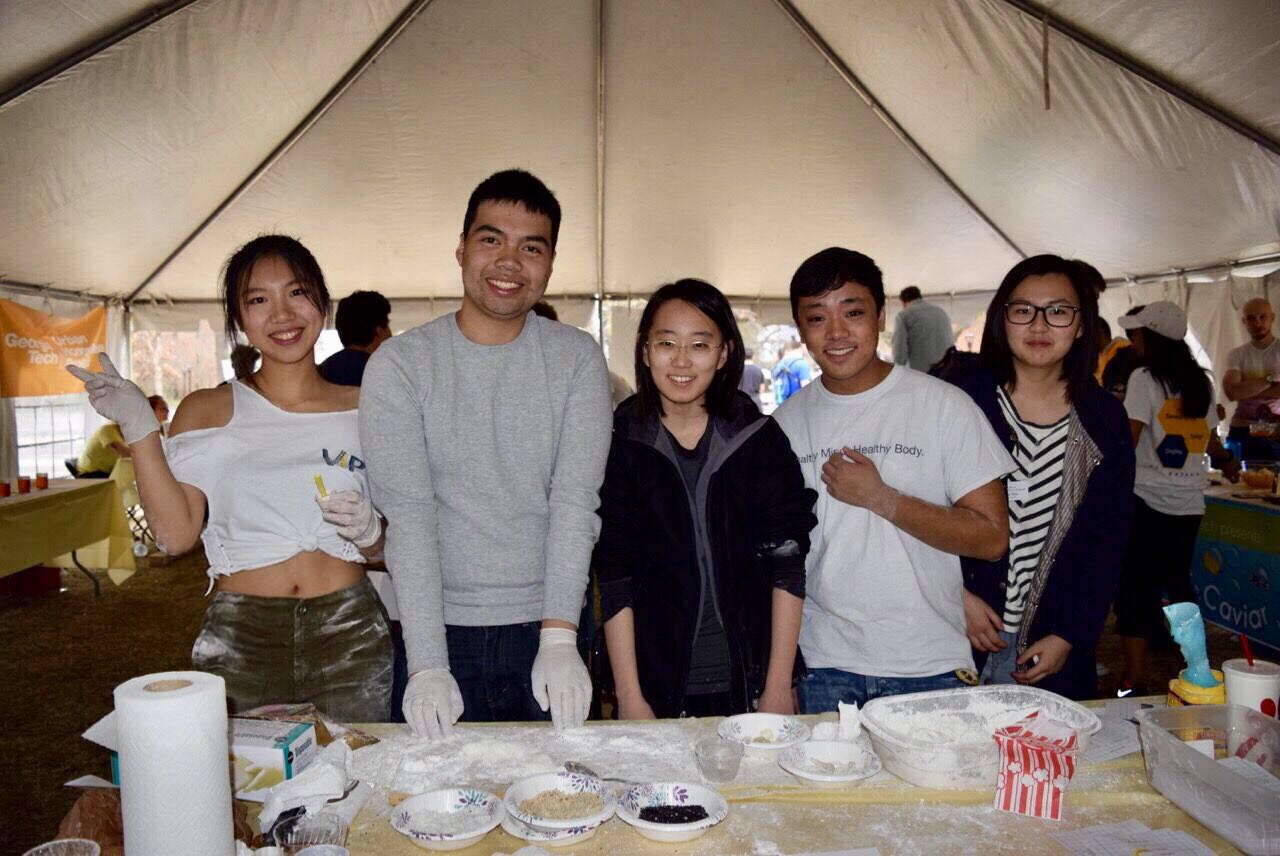
    The Georgia Tech STEMcomm VIP team had the Taste of Science festival on March 12, 2018.  During this event, my group (members from Georgia Tech SASE) and I decided to make dragon beard candy. Now let’s see the steps of making it and some science knowledge behind it.

    Materials:

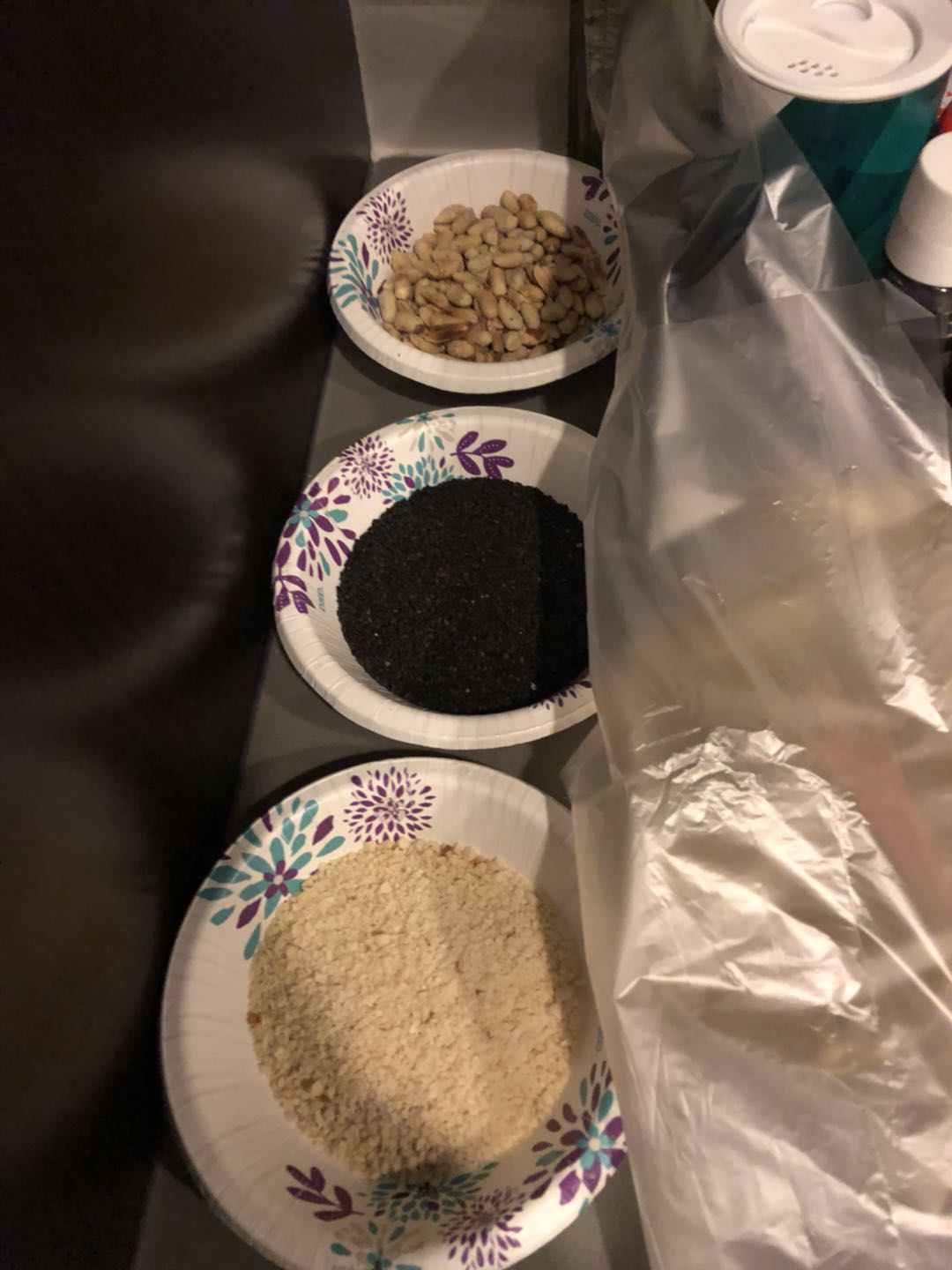
    corn starch, corn syrup, white sugar, vinegar, peanuts and sesame

    Step 1

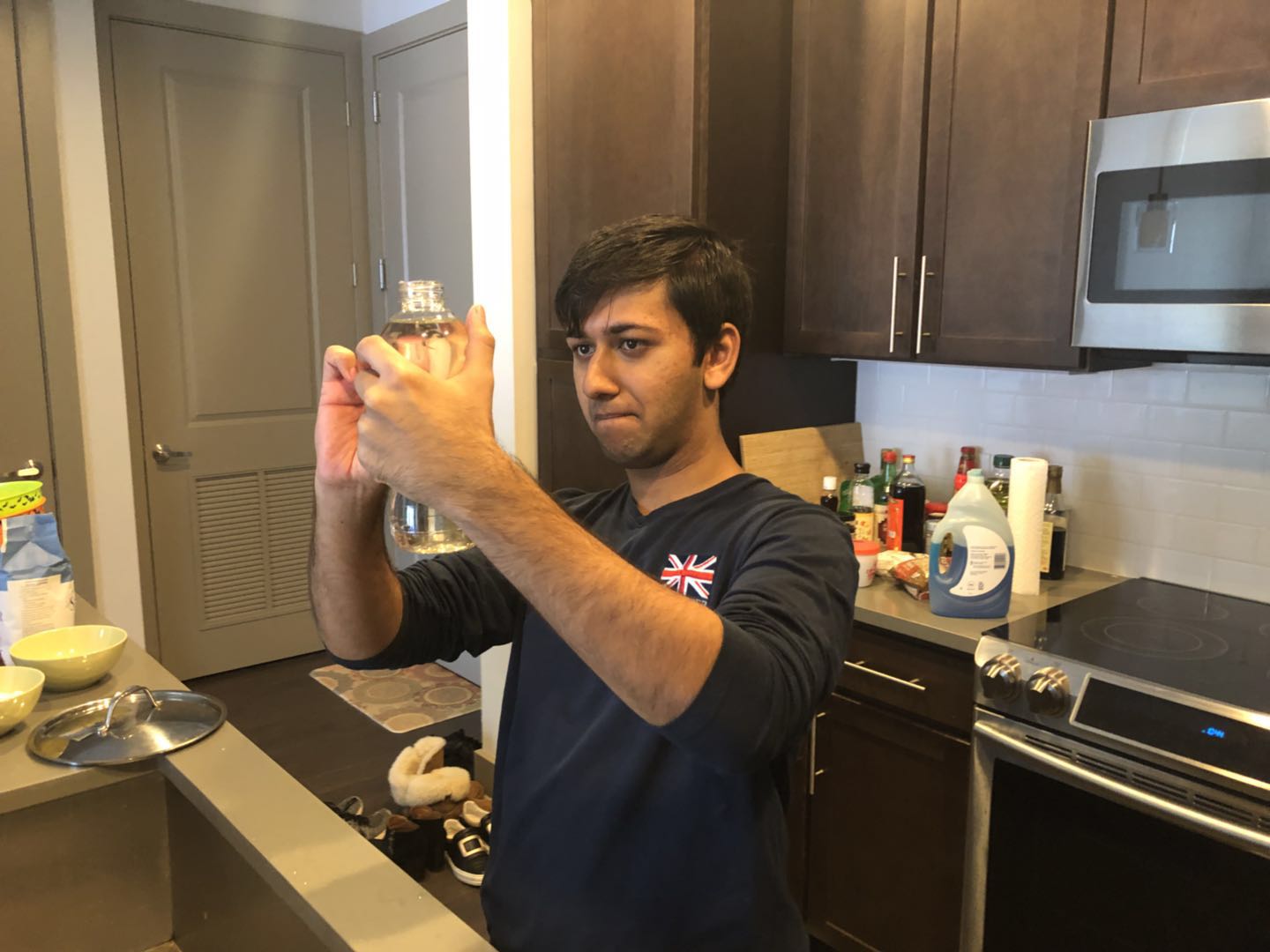
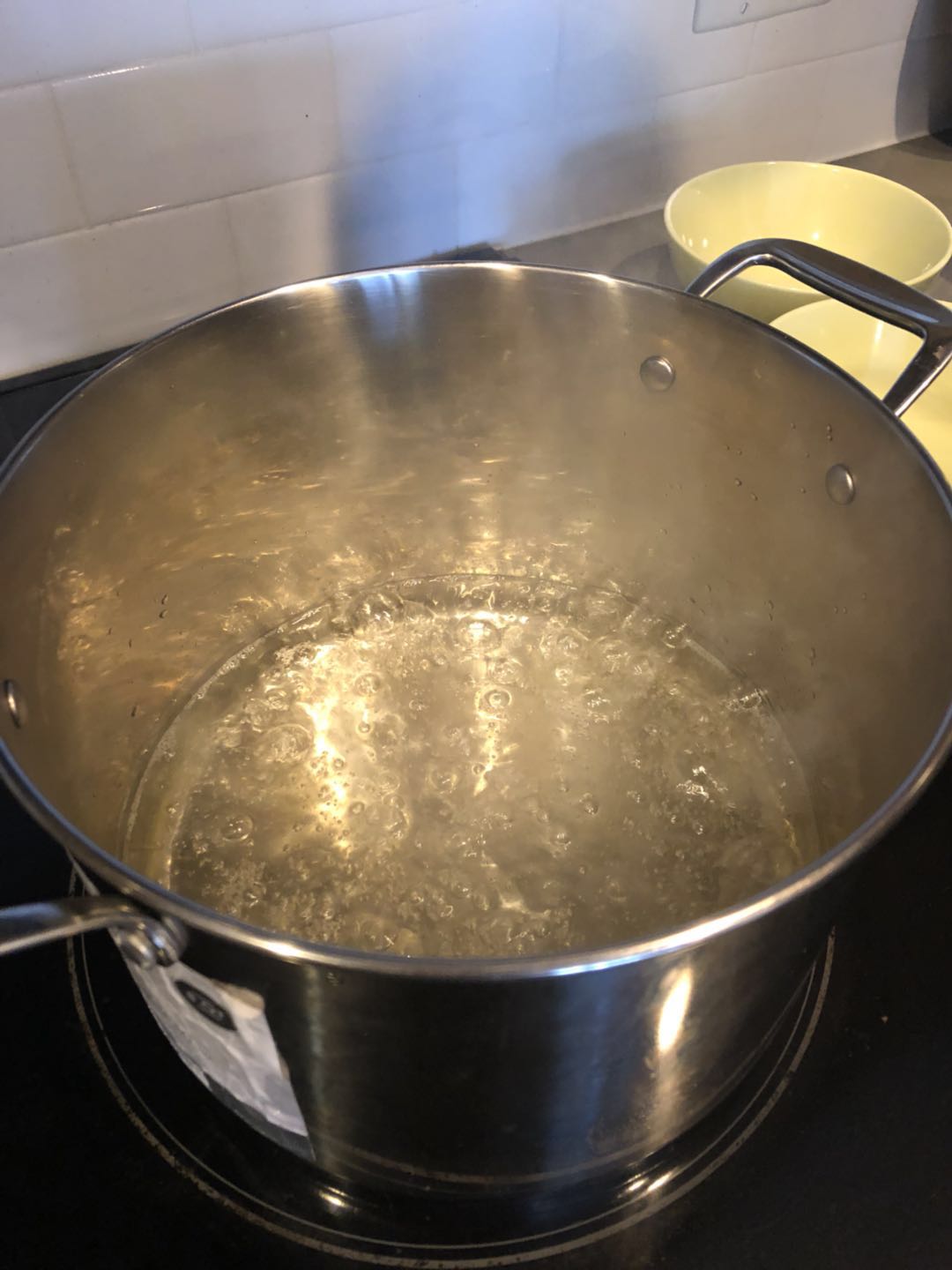
    Pour 1kg white sugar, 100 g corn syrup, 2 cup of water, 2 tea spoon of vinegar into the pot and boil in medium fire for 30-40 min, do not stir!

    Step 2

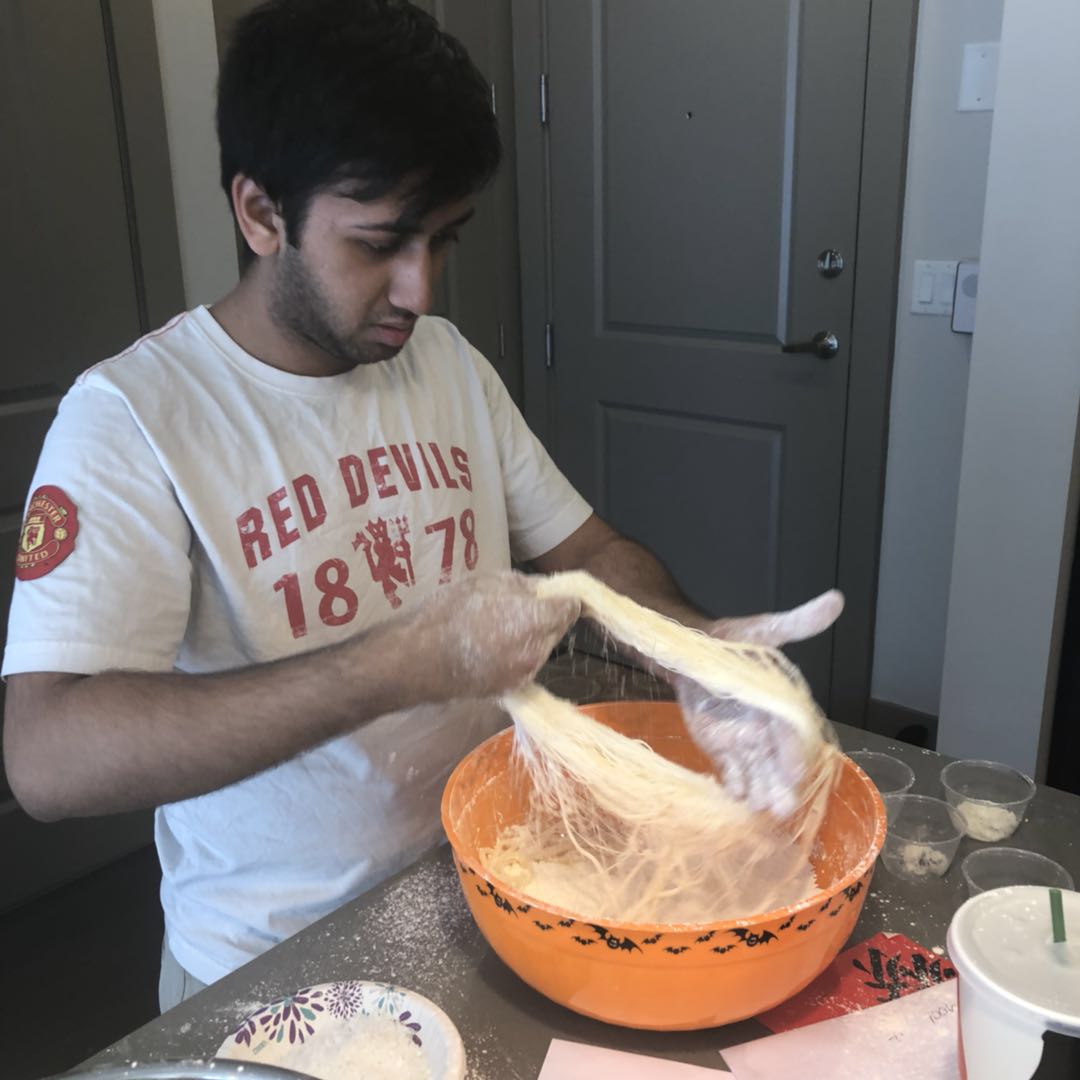
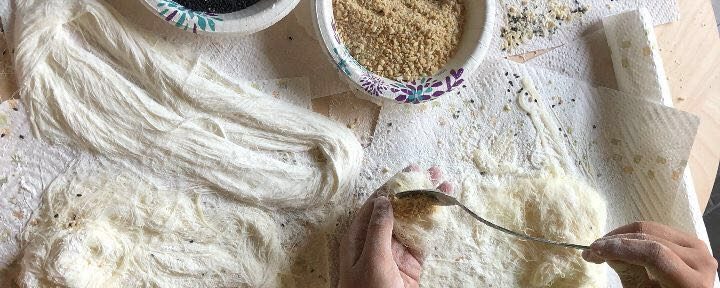
    Pour the caramelized syrup out and wait until it gets cool down. Put the candy into corn starch and start pulling. First of all, drill a holein the enter of candy to make it look like the shape of donut. Then make the hold bigger and start folding and double the strands.

    Step 3

    Tear down 5 cm of candy strands, put peanuts and sesame inside of the candy strands and wrap it up.

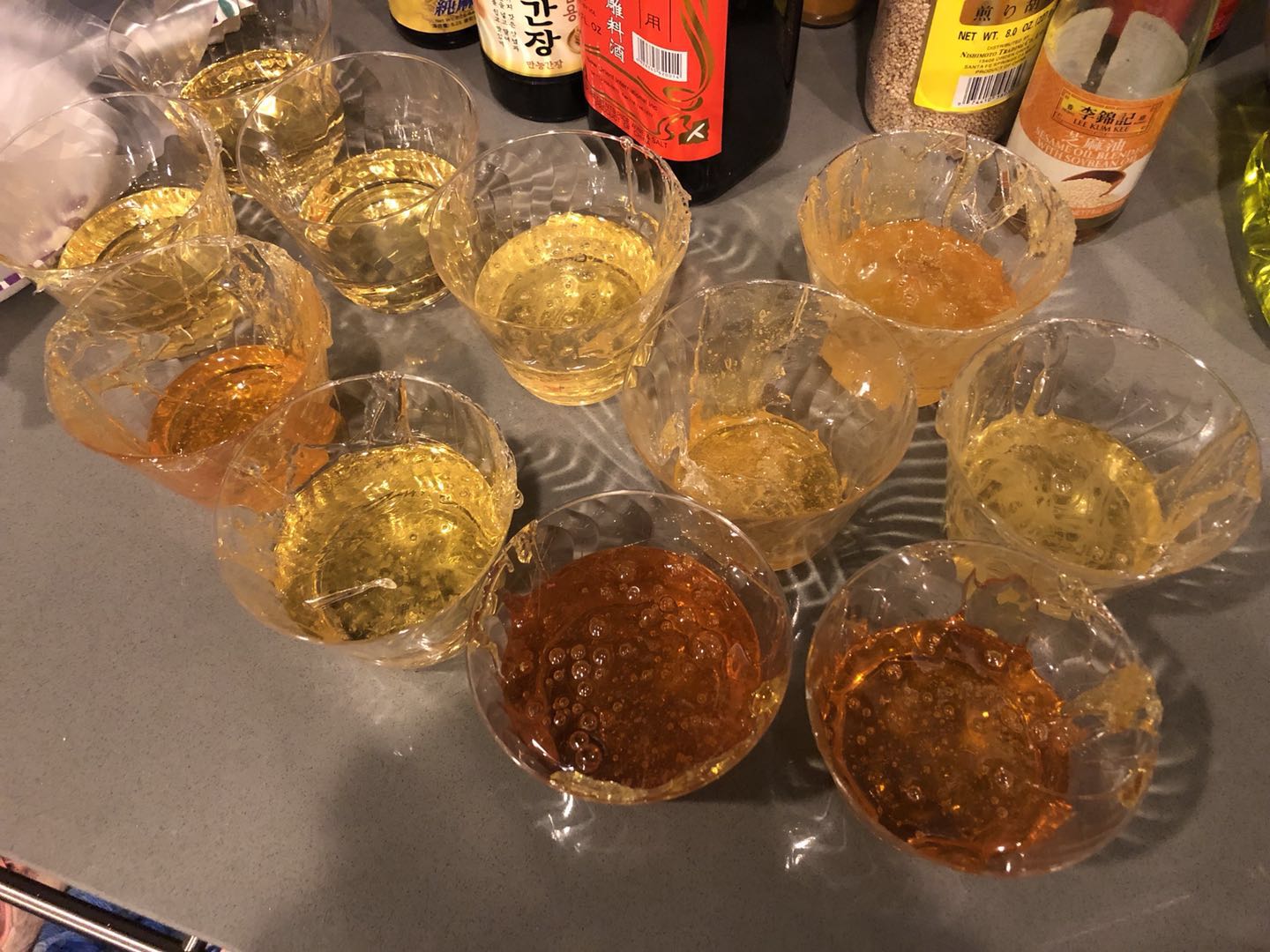
    During the process of making dragon beard candy, the most difficult step is the boiling part. Our first time, we didn’t understand the purpose of making caramelized syrup. Also, we didn’t know the function of the vinegar so we only used less than 1 teaspoon so we didn’t make our candy too sour. Then we boiled about 20 minutes and poured the sugar syrup out even though it didn’t change color. We even put it into refrigerator for 5 hours, but it was still too soft and sticky to make it into any shape.

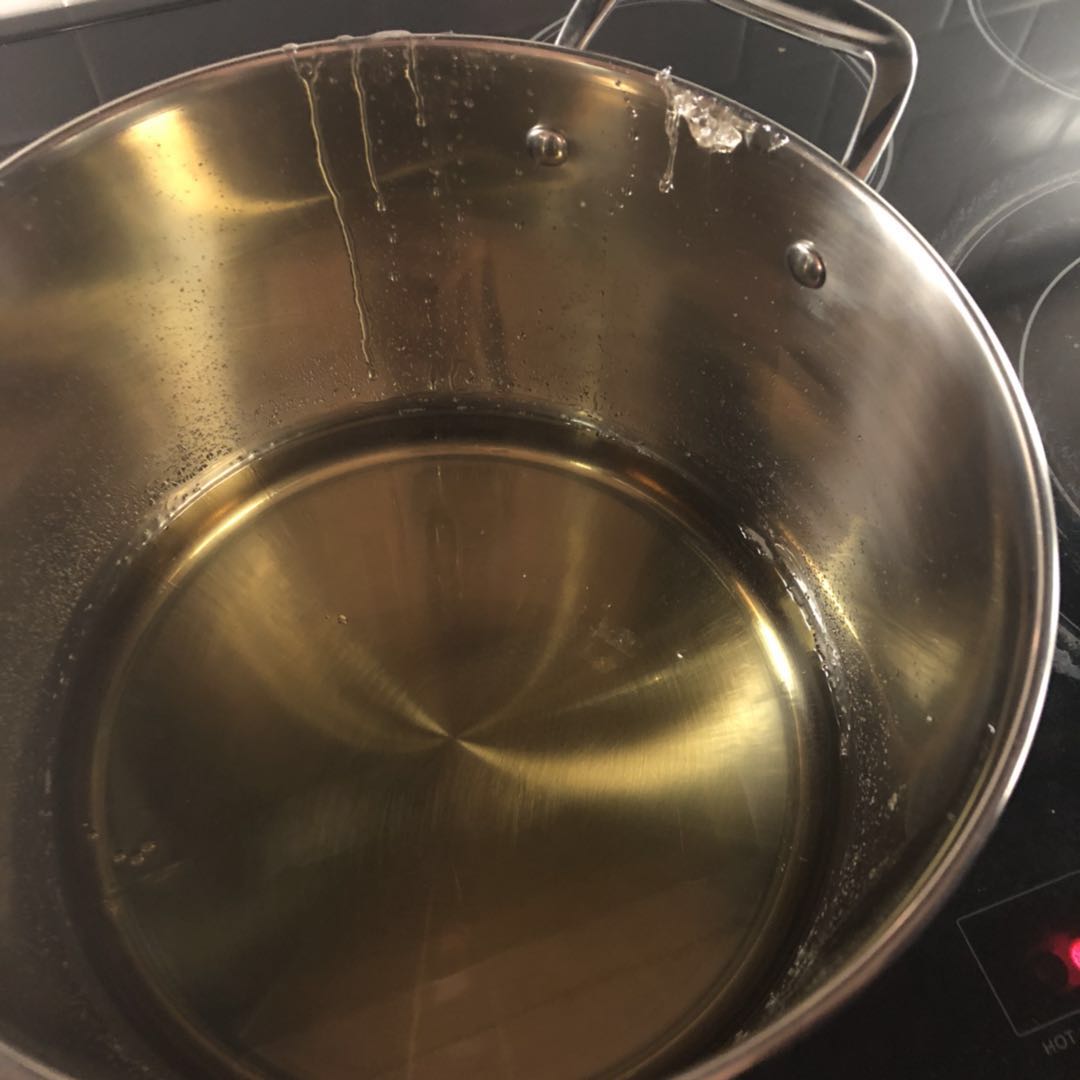
    After discussion, we decided to boil it for a longer time than the first time and surprisingly, we found the color of the syrup slowly changed to gold and yellow after 30 minutes, and then it turned into red and brown. Then we suddenly realized that the purpose of this step is to let the white sugar get caramelized.

    WechatIMG175

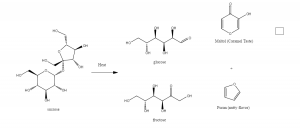
    White sugar is actually sucrose. When we heat sucrose solution, it first gets boiling. Keep heating, thermal decomposition reaction happens. Sucrose decomposes into glucose and fructose. At a high temperature, caramelization happens.  According to the science of cooking, “ Caramelization is the oxidation of sugar and a type of non-enzymatic browning reaction. As the process occurs, volatile chemicals are released producing the characteristic caramel flavor. The reaction involves the removal of water (as steam) and the break down of the sugar. The caramelization reaction depends on the type of sugar. And the caramelization temperature about 160 C, 320 F. ” [1] Thus, the reason why we failed the first time is that we didn’t boil for long enough.

    What’s more, based on the sugar property study, the inversion reaction is accelerated by the presence of acids (low pH) or by some enzymes. This reaction will accelerate with increasing acidity and increasing temperature. [2] This tells us why we should put 2 teaspoons of vinegar in order to accelerate the chemical reaction.

    Caramelization

    Citation

    [1] http://www.scienceofcooking.com/caramelization.htm

    [2] Knecht, R. L. “Properties of sugar.” Sugar (1990): 46-65.

  • Why do we forget our dreams?

    Why do we forget our dreams?

    dreams

    You are halfway through saving a doomsday world from extraterrestrials or spending a night with a lost lover, when suddenly the sound of your alarm enters these storylines and comes to spoil the party. We’ve all been there, the feeling of waking up from a vivid dream that had us thinking we were among the likes of Quentin Tarantino or Christopher Nolan, but why then almost uncontrollably do we seem to forget these dreams as the day goes by. While scientific knowledge of dreams is still very undeveloped, there are two interesting evolutionary theories for why this happens.

    Both theories stem from the fact that remembering these dreams, regardless of how cool they may be, are nonessential and sometimes even harmful to humans.

    The first theory explains that our forgetfulness occurs as a natural response to continue learning and survival: for instance, in early cavemen, dreams of escaping lions by leaping off a cliff would not bode well when chased by a real lion.

    The second evolutionary theory for dream forgetfulness was developed by Francis Crick, the co-discoverer of DNA. Crick believed that the function of dreams is to weed out unneeded thoughts and memories that accumulate over time in the brain, and dream recall defeats this primary evolutionary goal of dreaming. Our forgetfulness is generally attributed to neurochemical conditions in the brain that occur during REM sleep, a phase of sleep characterized by rapid eye movements and dreaming (1). It is interesting to note that after five minutes of a dream ending, we forget 50 percent of its content, and 90 percent of our dream’s detail is lost only 10 minutes later. Since most people wake up and immediately start thinking about how to start their day or other significant thoughts, these end up being the ones that get remembered. According to Crick, remembering dreams can leave the brain cluttered with useless information.

    But what is it about dreams that make them so easy to forget, even when they can be so fascinating and graphic? It turns out it has to do with the nature of dreams, compared to reality. We are accustomed to remembering the past chronologically, linearly, and in terms of cause and effect. Dreams, however, are not always neatly arranged in time and effect — they meander and drift through different memory and emotional connections (2). Also, since dreams occur in deep sleep when a person is at rest, moving too much upon waking up can disrupt the memory of the dream much quicker.

    After reading this, it may seem like grasping on to those vivid details of your precious dreams are not possible. While this is partially true, there are clearly methods to help with dream recall if one really cares to do so. Having to face and realize the construct of dreams (nonlinear, non sequential, etc), thinking about the dreams and only the dreams upon waking up, and limiting movement upon waking up can help someone remember more and more of those meaningful details of a lifelike dream. Also, writing down one’s memories of a dream upon waking up helps to recall more of the specific details. Using these methods can help to find those dreams our subconscious slept on.


    References:

    Hartmann, E. (2011, May 01). Why Do Memories of Vivid Dreams Disappear Soon After              Waking Up? Scientific American. Retrieved February 20, 2018, from                                    https://www.scientificamerican.com/article/why-do-memories-of-vivid-dreams/

    Oldis, D. (2015, August 27). Why Do We Have Trouble Remembering Our Dreams?               Retrieved February 20, 2018, from                                                                                     https://www.huffingtonpost.com/dreamscloud/remembering-                                           dreams_b_8009552.html


  • The Primary Colors are What?!

    The Primary Colors are What?!

    It’s about that time of the year where projects are due. You want to create a fantastic looking poster to present your research in a neat editing software. Yet you’re having trouble choosing the correct colors. Or wait, is it just your computer that’s having trouble choosing the correct colors? What is this section under the “edit colors” tab that says “RGB values”? You just want to make the perfect shade of orange using red and yellow, but the computer only understands RGB. It turns out that when it comes to computer science, red, blue, and green are the primary colors.

    Let’s break down this computational color system. The RGB (red, blue, and green) is known as an additive color system. The additive system was given its name because when wavelengths of light are added together, the color values approach white light. This system makes use of the physics of light to create the colorful (or colorless) pixels on your screen. To understand this further we have to break down the concept of light.

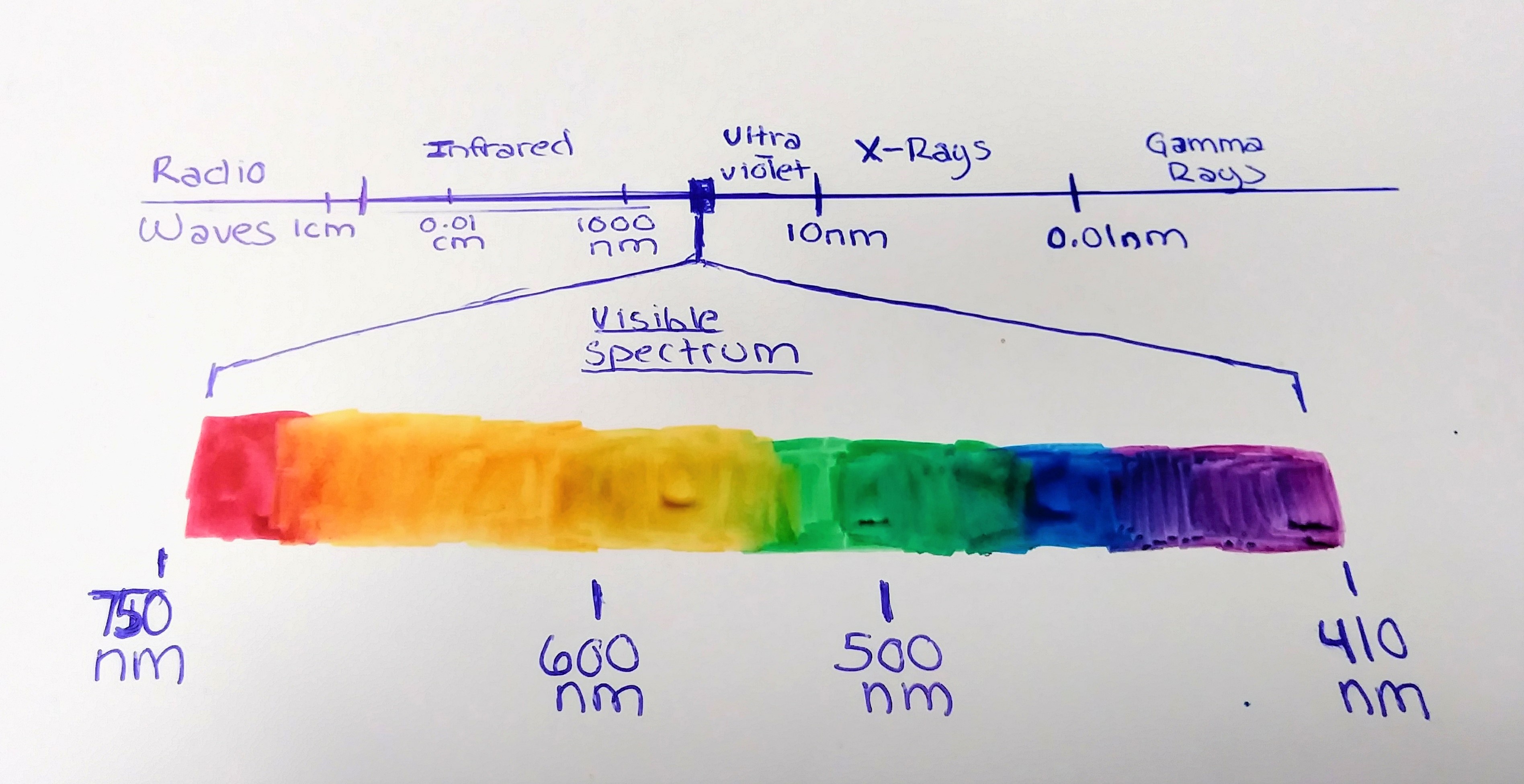
    On a spectrum of radiation, known as the electromagnetic spectrum, light composes the visible part of the spectrum. Light has two natures, but for now, let’s just focus on its wavelike nature. Each range of wavelength corresponds to a different color, with around 700nm (nanometers) being red light, and 400nm being violet light.

    Electromagnetic Spectrum
    Electromagnetic Spectrum

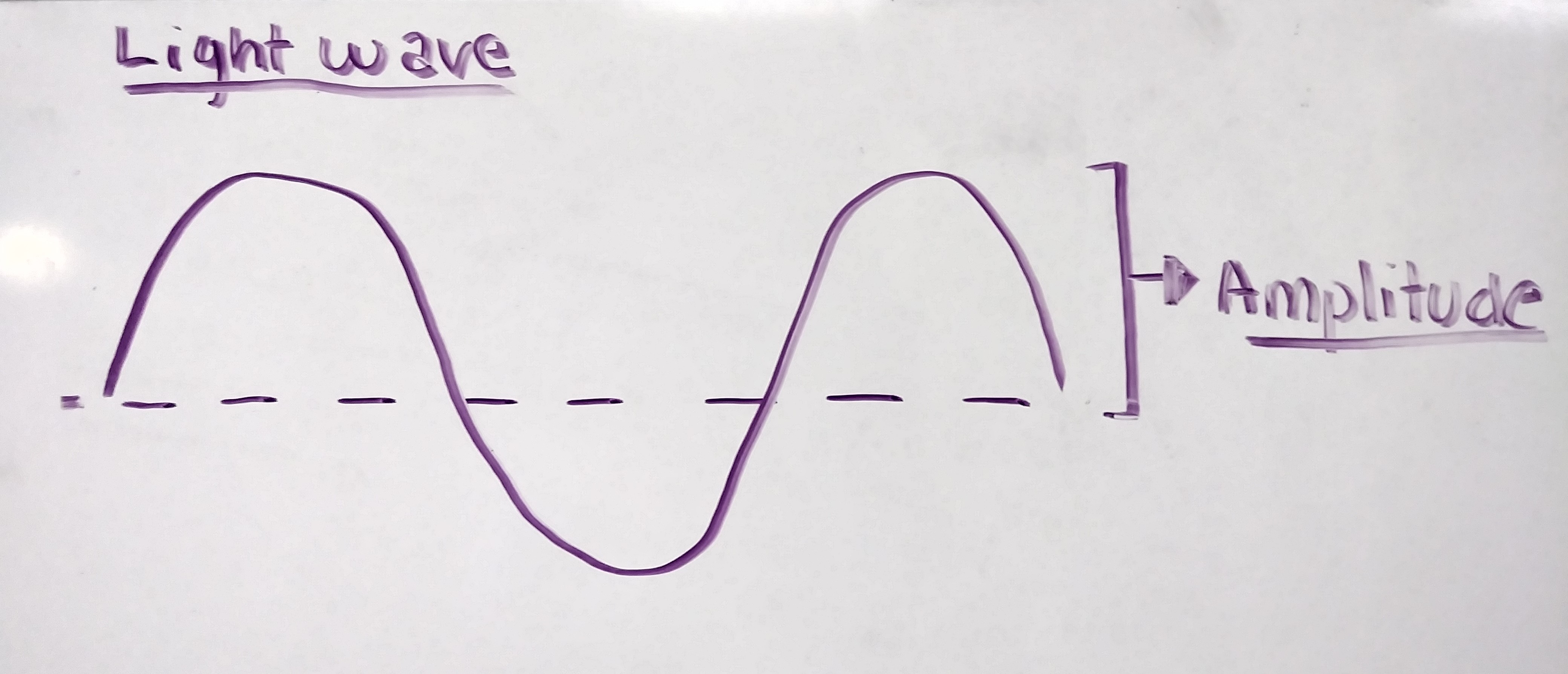
    The height of the wave from its center point, or it’s amplitude, determines how bright the light shines, or how close the value is to white. This means that the colors on your computer screen are not actually programmed into your computer as red, green, or blue. Rather, your computer makes colors by shining specific wavelengths of red, green, and blue lights with different amplitudes through the pixels, tricking your eyes into seeing specific mixes of colors. Neat, right?

    Light waves. The amplitude of the wave is from it's midpoint to the top (crest) of the wave!
    Light waves. The amplitude of the wave is from it’s midpoint to the top (crest) of the wave!

    The colors that you might have learned as primary in your childhood, red, blue, and yellow, follow the subtractive system. This means that as these colors are mixed they approach darker values going towards black. As paints they do not emit wavelengths of energy, like the pixels on your screen. These paints have pigments which reflect the color they show, and absorb all others. For example, a red apple reflects red light, but absorbs all other color wavelengths. Unlike paints, the pixels on your computer screen do not have pigments.

    Now that you know some more about the physics of color on your computer, making that science fair poster should be a breeze! Knowing how to manipulate your red, green, and blue wavelengths of light could save you a ton of time and give you some fantastic looking results! Happy poster making!


    References:

    Stroh, C. (Jul 1997). Basic color theory and color in computers. Art Education; Reston, 50(­4).